

“`html
Mastering Your First 3D Car Model Prints: A Beginner’s Guide to Budget Printers and STL Files
The world of 3D printing is rapidly evolving, opening up incredible avenues for hobbyists and enthusiasts. For automotive fans and model makers, bringing iconic cars to life in miniature form is a particularly exciting prospect. Platforms like 88cars3d.com offer a treasure trove of high-quality, print-ready STL files of classic and contemporary vehicles, allowing you to transform digital designs into tangible objects. However, embarking on this journey requires understanding the tools of the trade, especially when it comes to selecting the right 3D printer, particularly on a budget. This guide is designed for beginners eager to dive into printing printable car models, focusing on the best budget 3D printers that won’t break the bank. We’ll demystify essential concepts like slicing, support structures, and key 3D printer settings, ensuring your first prints are a success, whether you’re using FDM printing or exploring the finer details of resin technology.
Choosing Your Entry-Level 3D Printer: FDM vs. Resin on a Budget
For newcomers to 3D printing, the first major decision is often between Fused Deposition Modeling (FDM) and Resin (SLA/DLP) printers. Both have their strengths, and fortunately, the budget market offers compelling options for both. FDM printers, which work by extruding melted plastic filament layer by layer, are generally more forgiving for beginners and far more affordable to operate long-term. They excel at printing larger, more robust parts and are ideal for the structural components or larger display models of cars. Resin printers, on the other hand, use UV light to cure liquid resin, offering significantly higher detail and smoother surface finishes. This makes them perfect for intricate details like tiny wheels, grilles, or even full, highly detailed miniature car models where surface fidelity is paramount. However, resin printing involves more mess, requires additional safety precautions (gloves, ventilation), and the ongoing cost of resin can add up.
FDM: The Workhorse for Beginners
When considering budget FDM printers, look for machines known for their ease of use, reliable out-of-the-box performance, and active community support. Brands like Creality (e.g., Ender 3 series) and Elegoo (e.g., Neptune series) consistently offer excellent value. Key features to prioritize include a heated bed for better adhesion, a relatively large build volume (e.g., 220x220x250mm is common and sufficient for most car models), and a user-friendly interface. For printing STL files from 88cars3d.com, an FDM printer can produce fantastic results with careful slicing and material selection. Consider starting with PLA filament; it’s easy to print, low-odor, and comes in a vast array of colors, making it perfect for experimenting with different car finishes.
Resin: For Unparalleled Detail
If your primary goal is to print highly detailed, small-scale car models with sharp edges and smooth curves, a budget resin printer might be the way to go. Elegoo Mars and Anycubic Photon series are popular entry points. These printers typically boast higher XY resolution (which translates to finer detail), leading to incredibly crisp prints. When printing intricate printable car models from 88cars3d.com using resin, you’ll notice a significant difference in the fidelity of small features. However, be prepared for the post-processing: washing the print in isopropyl alcohol (IPA) or a specialized resin cleaner, and curing it under UV light. Ensure you have a dedicated, well-ventilated space for this process.
Budget Considerations Beyond the Printer
Remember that the printer is just the initial investment. For FDM, you’ll need filament, a scraper for print removal, and potentially spare nozzles. For resin, budget for IPA, gloves, masks, paper towels, a curing station, and of course, resin itself. Tools for support removal and basic finishing (sandpaper, files) will be necessary for both. When downloading models from marketplaces such as 88cars3d.com, check if the designer provides recommended print settings or notes on material suitability, which can save you significant trial-and-error.
Essential Slicing Software and Settings for Car Models
Once you have your printer and an STL file of a car model, the next crucial step is slicing. Slicing software (also known as a slicer) translates your 3D model into a series of thin, horizontal layers and generates the G-code instructions that your 3D printer follows. Popular free slicers include Ultimaker Cura, PrusaSlicer, and Creality Slicer. Understanding key slicing parameters is vital for achieving high-quality prints, especially with the complex geometries of car models.
Layer Height: The Detail vs. Time Trade-off
Layer height is one of the most impactful settings. It determines the thickness of each deposited layer. For FDM printing, a standard layer height might be 0.2mm. Lowering this to 0.1mm or even 0.08mm will result in smoother curves and less visible layer lines, ideal for car bodies, but it will significantly increase print time. Conversely, a larger layer height (e.g., 0.3mm) prints much faster but will have more pronounced layer lines. For resin printers, layer heights are typically much smaller, often between 0.025mm and 0.05mm, contributing to their inherent detail. When printing a car model, consider what parts require the most detail. You might print the main body at 0.12mm layer height for a balance of detail and speed, and perhaps smaller parts like wheels or mirrors at 0.08mm for maximum fidelity.
Infill: Strength and Material Efficiency
Infill refers to the internal structure of a printed object. For most decorative car models, a low infill density (e.g., 10-20%) is sufficient. This saves printing time and material while still providing enough internal support. However, if you plan to handle the model frequently or need it to be particularly rigid, increasing the infill density to 30-50% will improve its strength. The infill pattern also matters; ‘gyroid’ is often recommended for its balance of strength, print speed, and material usage, while ‘cubic’ or ‘grid’ can offer higher strength.
Supports: The Unsung Heroes of Complex Geometries
Car models often feature overhangs (parts extending horizontally outwards) and bridges (sections spanning a gap). Without proper support, these features will sag or fail during printing. Slicers can automatically generate support structures, which are temporary structures printed alongside the model to hold up these unsupported areas. For printable car models, careful consideration of support placement is key.
- Support Type: ‘Normal’ supports are standard trees, while ‘Tree’ supports (in Cura) are often more efficient and easier to remove from delicate surfaces.
- Support Overhang Angle: This setting determines at what angle overhangs will receive support. An angle of 45-60 degrees is a good starting point.
- Support Density: Lower density makes supports easier to remove but might be less stable. Higher density provides better support but can be harder to clean up.
- Support Interface: Enabling support interfaces can create a denser layer where the support touches the model, leading to a smoother surface finish on the actual model after removal, though it might make removal slightly more challenging.
When printing a detailed car model, aim to minimize the contact points of supports with the main body to reduce post-processing work.
Print Orientation and Bed Adhesion: Setting the Foundation for Success
How you orient your STL file on the virtual print bed and ensure it sticks are fundamental to successful prints, especially for delicate automotive models. Incorrect orientation can lead to excessive supports, weak points, or poor surface quality, while poor bed adhesion is one of the most common causes of print failure.
Optimizing Print Orientation
The way your car model is positioned on the print bed impacts several factors:
- Support Minimization: Rotating the model can often reduce the amount of support material needed, leading to cleaner prints and less cleanup. For example, printing a car body tilted slightly upwards can help manage overhangs on the roof and hood.
- Strength: Layer lines inherently create anisotropic strength (weaker between layers). Orienting parts so that critical stress points are not aligned with layer lines can improve durability. For display models, this is less critical but still good practice.
- Surface Finish: The bottom surface of a print typically has the best finish as it’s directly on the build plate. Conversely, surfaces facing upwards and relying heavily on supports may have a rougher finish. Consider which surfaces are most visible on your finished car model and orient it to optimize their quality.
For complex models from 88cars3d.com, you might need to print components separately and then assemble them. This allows for optimal orientation of each individual part.
Achieving Reliable Bed Adhesion
A print detaching from the build plate mid-print is frustrating and wasteful. Here’s how to ensure your car models stay put:
- Clean Build Surface: Fingerprints and oils can severely compromise adhesion. Regularly clean your build plate with isopropyl alcohol. For FDM, surfaces like glass beds, PEI sheets, or textured plates offer good adhesion.
- Leveling the Bed: An uneven bed means the nozzle is too close in some areas and too far in others. Auto-bed leveling features help, but manual leveling is still crucial for many budget printers. Perform a ‘paper test’ – the nozzle should lightly grip a piece of standard paper.
- First Layer Settings: The first layer is critical. Consider using a slightly lower temperature for the first layer (e.g., 200°C for PLA) and a slower print speed (e.g., 15-25 mm/s). Some slicers allow you to increase the first layer height slightly (e.g., 0.24mm for a 0.2mm nozzle) to ensure better squish.
- Brim or Skirt: A skirt is a few outlines around the model to prime the nozzle. A brim adds a single layer of outlines attached to the base of the model, increasing surface area contact with the bed, which is excellent for preventing warping on larger or detailed car bases.
- Heated Bed Temperature: For PLA, a bed temperature of 50-60°C is typically sufficient. PETG and ABS require higher temperatures (80-110°C). Resin printers don’t have heated beds in the same way; adhesion relies on the FEP film and the surface of the build plate (often a textured metal sheet).
File Preparation and Mesh Repair: Ensuring Printability
While many STL files available from reputable sources like 88cars3d.com are designed to be print-ready, occasional issues can arise. The STL format is a simple representation of a 3D surface using triangles, and sometimes these representations can contain errors that confuse slicing software, leading to printing problems. Understanding basic file preparation and repair is a valuable skill for any 3D printer owner.
What Makes an STL “Printable”?
A “manifold” or “watertight” mesh is essential for 3D printing. This means the surface is a single, continuous boundary with no holes, flipped triangles, or internal faces. Imagine trying to fill it with water – if it leaks, it’s not manifold. Specific issues include:
- Holes: Gaps in the mesh where layers cannot be formed.
- Non-Manifold Edges: Edges where more than two triangles meet.
- Flipped Normals: Triangles facing the wrong direction, confusing the slicer about inside vs. outside.
- Degenerate Faces: Triangles with zero area (e.g., all points are the same).
Tools for Mesh Repair
Several software tools can help fix problematic STL files:
- Meshmixer (Free): A powerful tool for mesh editing and repair. Use the ‘Inspector’ tool to automatically find and fix errors. You can also manually sculpt, smooth, and refine meshes.
- Blender (Free): A full 3D modeling suite with robust mesh editing capabilities. Its ‘3D-Print Toolbox’ add-on is excellent for checking manifold errors, non-manifold edges, and flipped normals.
- Netfabb (Autodesk, Paid/Free Basic): Professional-grade software known for its advanced mesh repair algorithms. The basic version can often handle common issues.
- Slicer Built-in Tools: Many slicers, including Cura and PrusaSlicer, have basic mesh repair functions that can automatically fix minor errors when loading an STL.
When dealing with a complex car model, you might want to divide it into logical parts (body, wheels, chassis) and repair each section individually before reassembling them in your slicer or a modeling program.
Scaling and Orientation within Repair Software
Before initiating repairs, it’s often a good idea to scale the model to your desired print size within the repair software. This can sometimes help the repair algorithms work more effectively. You can also perform initial orientation checks here. For instance, if a car model is upside down, you can reorient it before exporting the repaired STL. Always save your repaired file with a new name to preserve the original.
Material Selection and Printer Calibration for Automotive Models
The choice of printing material significantly affects the final look, feel, and durability of your 3D printed car models. Coupled with a well-calibrated printer, it ensures you get the best possible results from your STL files.
Popular Filament/Resin Choices for Car Models
FDM Materials:
- PLA (Polylactic Acid): The go-to for beginners. It’s easy to print, available in countless colors (including metallic finishes perfect for cars), and relatively inexpensive. It has good detail but can be brittle and has a lower heat resistance. Ideal for display models.
- PETG (Polyethylene Terephthalate Glycol): More durable and temperature-resistant than PLA. It can be trickier to print, often requiring higher temperatures and careful retraction settings to avoid stringing, which can be problematic for intricate car details. Good for functional parts or models needing more resilience.
- ABS (Acrylonitrile Butadiene Styrene): Known for its strength and temperature resistance, but it requires higher print temperatures, a heated enclosure to prevent warping, and emits fumes, necessitating good ventilation. Often used for functional automotive parts, but less common for detailed display models due to printing challenges.
Resin Materials:
- Standard Resins: Offer excellent detail and a smooth finish, available in various colors. Great for high-fidelity car models.
- Tough Resins: Formulated to be more impact-resistant, suitable if the model needs to withstand some handling.
- ABS-like Resins: Mimic the properties of ABS, offering strength and durability.
For printing the detailed printable car models from 88cars3d.com, standard resins or PLA are often the best starting points for achieving impressive visual fidelity.
Printer Calibration: The Key to Quality Prints
A calibrated printer performs reliably and produces accurate results. Key calibration steps include:
- E-steps Calibration: Ensures the extruder pushes the correct amount of filament.
- PID Tuning: Stabilizes nozzle and bed temperatures.
- Flow Rate / Extrusion Multiplier: Fine-tunes filament extrusion to prevent over- or under-extrusion, crucial for crisp details on car models.
- Temperature Towers: Print small test models at different temperatures to find the optimal setting for each filament/resin type.
- Retraction Settings: Essential for minimizing stringing, especially with PLA and PETG, which can mar the smooth finish of a car body.
Regularly check and clean your printer’s nozzle (for FDM) or ensure the FEP film on your resin printer’s tank is clean and undamaged. For FDM, periodically check belt tension and lubricate moving parts.
Post-Processing: Bringing Your 3D Printed Car Model to Life
The journey doesn’t end when the print is finished. Post-processing is where you transform a raw 3D print into a polished, display-worthy automotive masterpiece. This stage is critical for achieving professional-looking results, especially with models downloaded from 88cars3d.com.
Support Removal and Surface Finishing
Careful removal of support structures is the first step.
- FDM Support Removal: Use flush cutters, pliers, and hobby knives to gently break away supports. For difficult-to-reach areas, sometimes heating the nozzle of your printer (carefully!) can soften residual plastic, or using a rotary tool with a small grinding bit can help. Take your time to avoid damaging the model’s surface.
- Resin Support Removal: After washing and curing, resin supports are typically brittle and can be snapped or cut off with flush cutters. Be cautious, as resin prints can still be somewhat sharp.
Once supports are removed, you’ll likely need to address layer lines and contact points.
- Sanding: Start with coarse-grit sandpaper (e.g., 150-220 grit) and progressively move to finer grits (e.g., 400, 800, 1000, and even higher for a mirror finish). Wet sanding (using water or soapy water) can produce smoother results and reduce dust.
- Filling: Small gaps or imperfections can be filled with modeling putty, wood filler, or even 3D pen filament. Allow it to cure fully before sanding.
- Priming: Applying a filler primer spray can reveal imperfections you missed and provide a uniform surface for painting.
Painting and Assembly
This is where your car model truly comes alive.
- Painting Techniques: Acrylic model paints are excellent for detail work. Airbrushing can provide a smooth, even coat for the main body, while hand brushing is suitable for smaller details like trim, lights, and interiors. Use primer for better paint adhesion and consider clear coats (matte, satin, or gloss) to protect the paint job and achieve the desired finish.
- Assembly: If your car model was printed in multiple parts (common for complex designs), use adhesives suitable for the material. Cyanoacrylate (super glue) or specialized plastic cements work well for FDM prints. For resin prints, super glue or epoxy can be effective. Ensure good ventilation when using strong adhesives.
- Adding Details: Consider adding small details like decals, window tinting (using transparent colored films), or even small LED lights for headlights and taillights to enhance realism.
The goal of post-processing is to elevate your 3D print from a collection of plastic layers to a finely crafted scale model.
Embarking on your 3D printing journey to create stunning car models doesn’t require a massive budget. By understanding the capabilities of budget-friendly 3D printers, mastering essential slicing techniques, and diligently calibrating your machine, you can achieve remarkable results. Whether you choose the accessible nature of FDM or the intricate detail of resin, platforms like 88cars3d.com provide the perfect STL files to fuel your passion. Remember that practice, patience, and a willingness to learn from each print are your greatest assets. Happy printing!
“`
Featured 3D Car Models
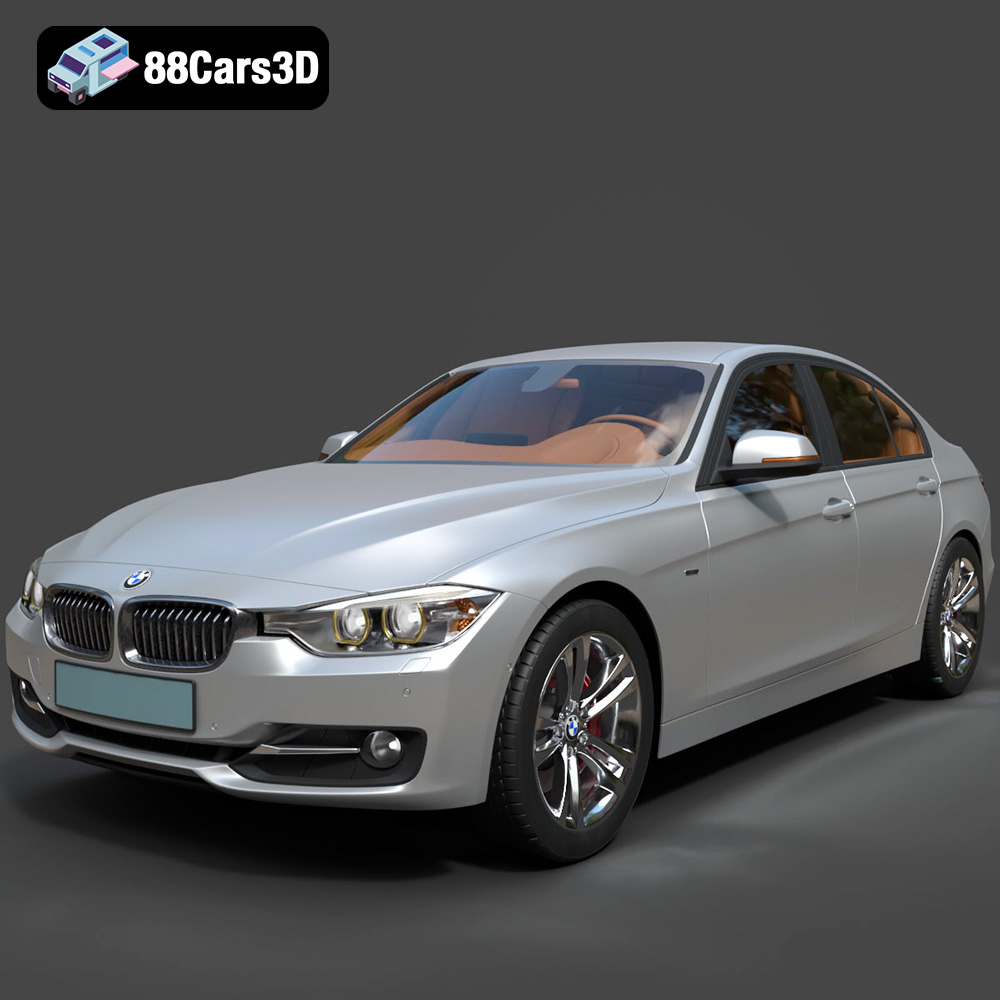
BMW 3 F30 3D Model
Texture: Yes
Material: Yes
Download the BMW 3 F30 3D Model featuring a detailed exterior, realistic interior, and optimized mesh. Includes .blend, .fbx, .obj, .glb, .stl, .ply, .unreal, and .max formats for rendering, simulation, and game development.
Price: $10.79
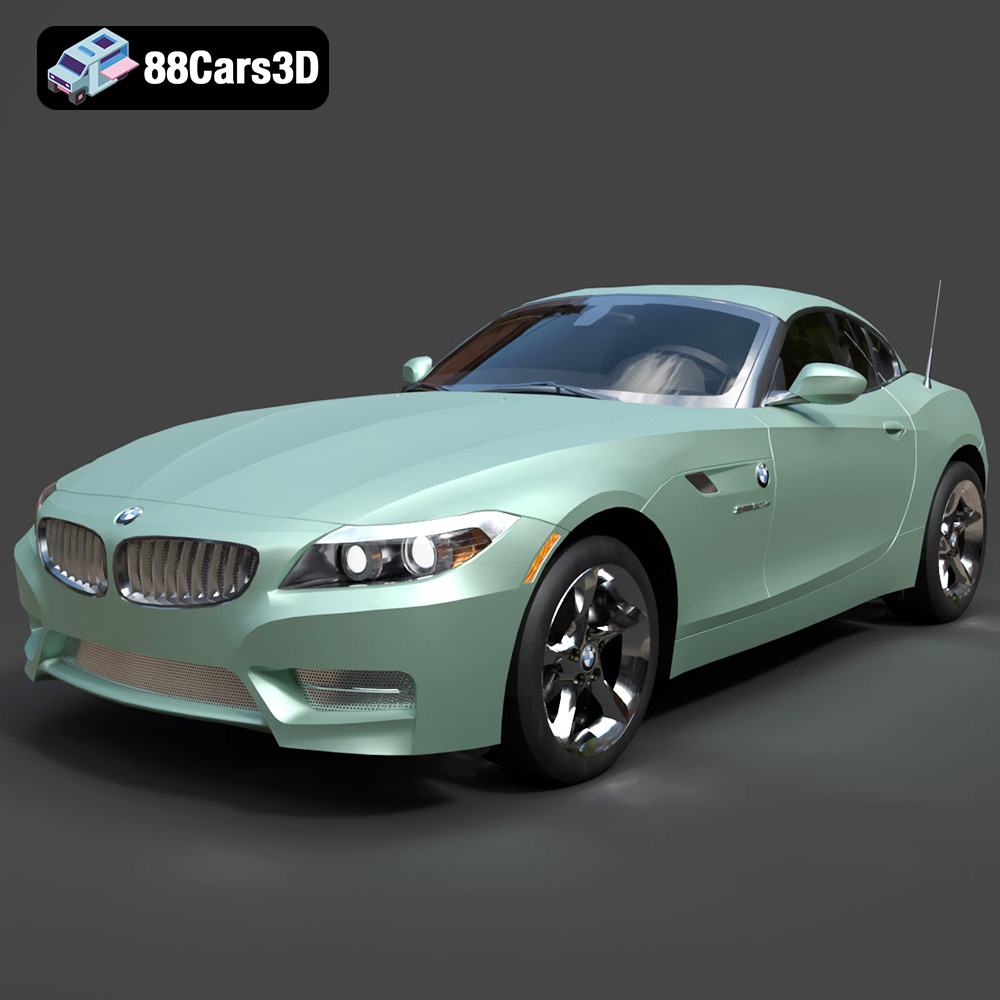
BMW Z4 Roadster E89 2012 3D Model
Texture: Yes
Material: Yes
Download the BMW Z4 Roadster E89 3D Model featuring clean geometry, realistic detailing, and a fully modeled interior. Includes .blend, .fbx, .obj, .glb, .stl, .ply, .unreal, and .max formats for rendering, simulation, and game development.
Price: $13.99

BMW Z4 E85 2005 3D Model
Texture: Yes
Material: Yes
Download the BMW Z4 E85 3D Model featuring clean geometry, realistic detailing, and a fully modeled interior. Includes .blend, .fbx, .obj, .glb, .stl, .ply, .unreal, and .max formats for rendering, simulation, and game development.
Price: $13.99

BMW M3 2024 3D Model
Texture: Yes
Material: Yes
Download the BMW M3 2024 3D Model featuring clean geometry, realistic detailing, and a fully modeled interior. Includes .blend, .fbx, .obj, .glb, .stl, .ply, .unreal, and .max formats for rendering, simulation, and game development.
Price: $13.99
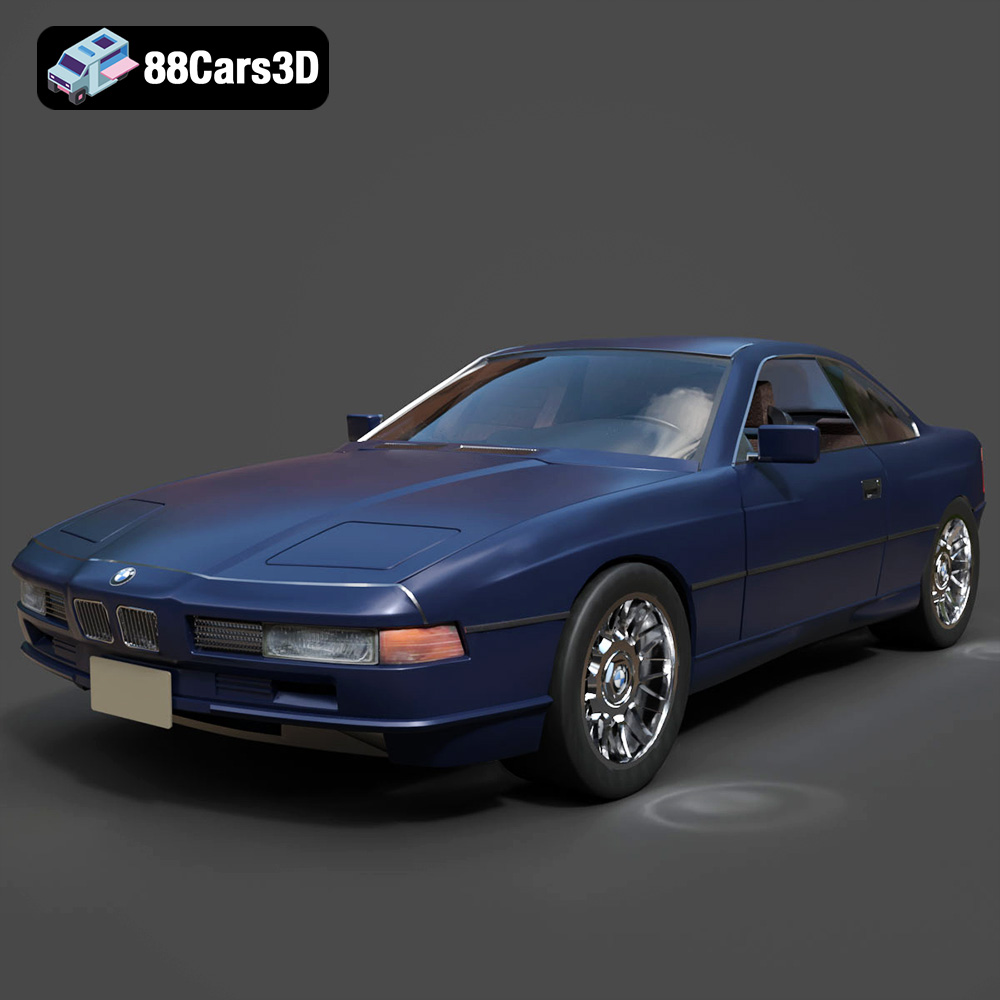
BMW 850i Coupe 1990 3D Model
Texture: Yes
Material: Yes
Download the BMW 850i Coupe 1990 3D Model featuring clean geometry, realistic detailing, and a fully modeled interior. Includes .blend, .fbx, .obj, .glb, .stl, .ply, .unreal, and .max formats for rendering, simulation, and game development.
Price: $13.99
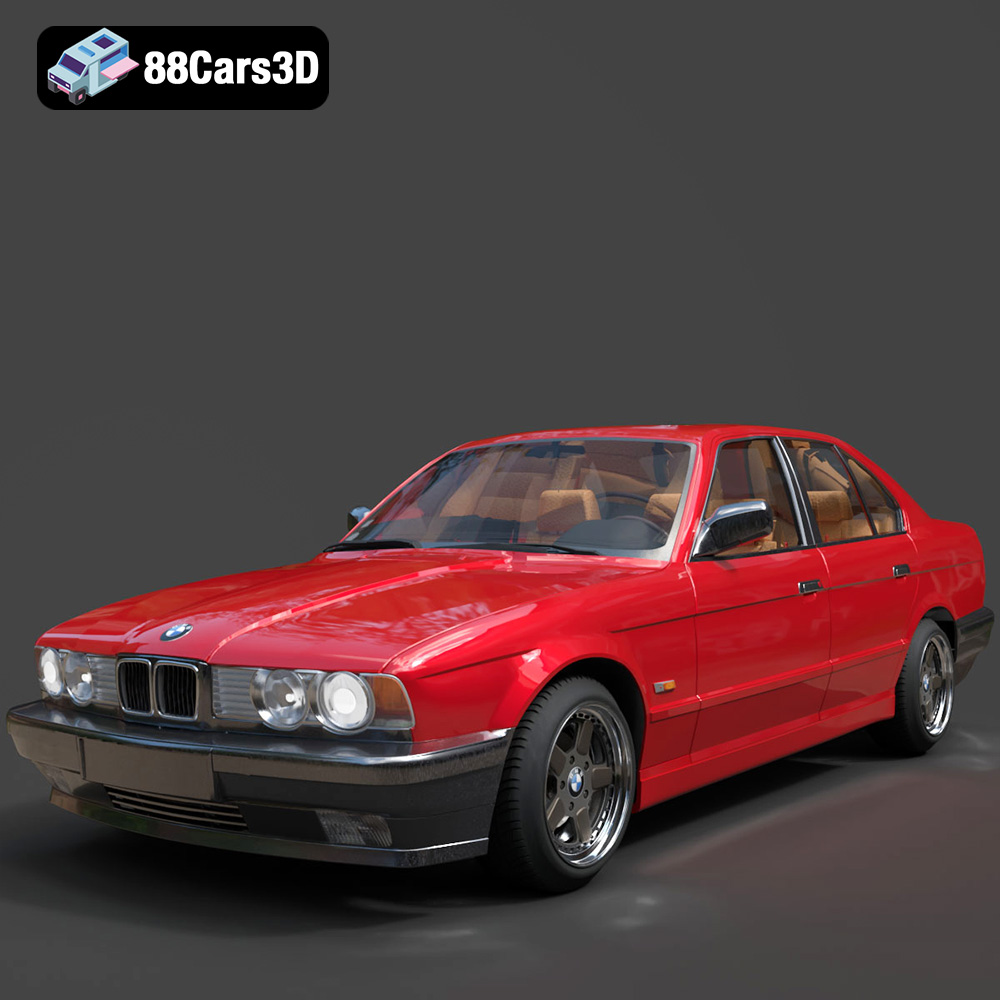
BMW 525i E34 1993 3D Model
Texture: Yes
Material: Yes
Download the BMW 525i E34 1993 3D Model featuring clean geometry, realistic detailing, and a fully modeled interior. Includes .blend, .fbx, .obj, .glb, .stl, .ply, .unreal, and .max formats for rendering, simulation, and game development.
Price: $12.99

BMW 7 Series 2016 3D Model
Texture: Yes
Material: Yes
Download the BMW 7 Series 2016 3D Model featuring luxurious design, detailed interior, and accurate exterior. Includes .blend, .fbx, .obj, .glb, .stl, .ply, .unreal, and .max formats for rendering, simulation, and game development.
Price: $10.79
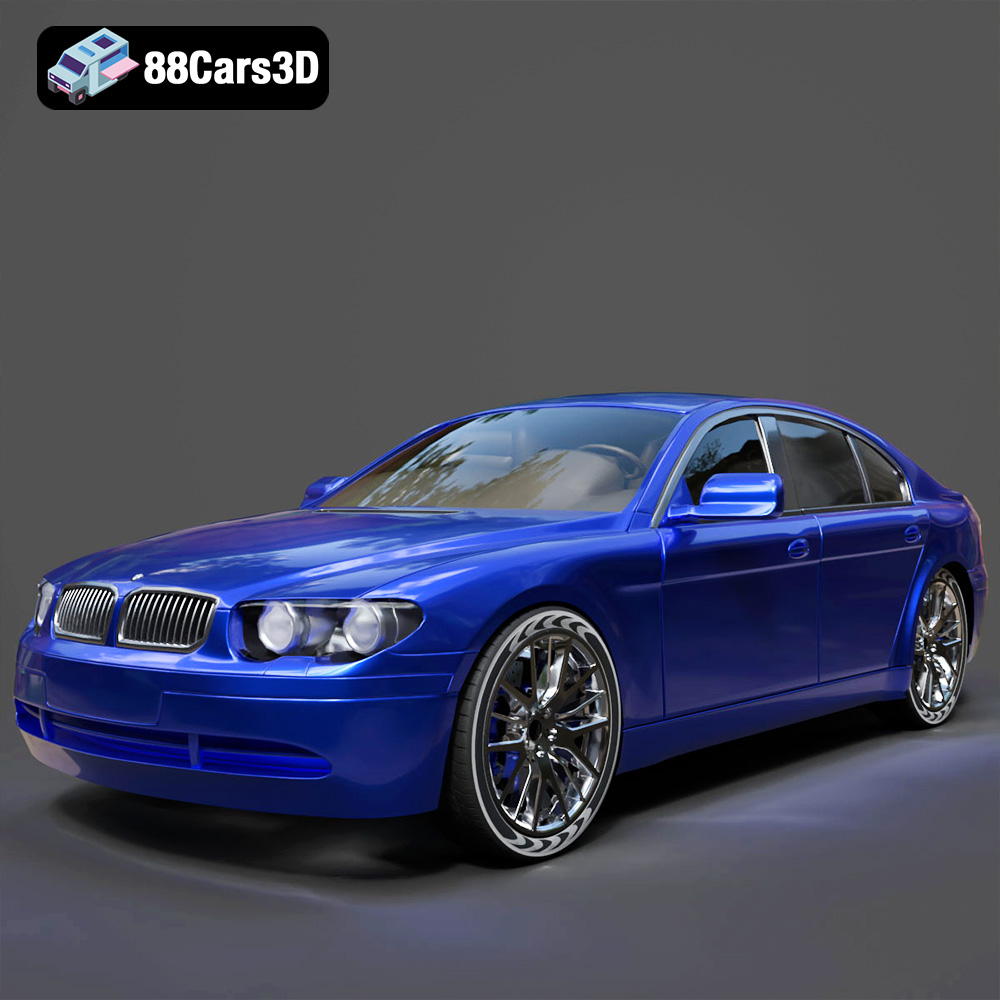
BMW 7 Series 30th Anniversary 3D Model
Texture: Yes
Material: Yes
Download the BMW 7 Series 30th Anniversary 3D Model featuring a meticulously crafted exterior, detailed interior, and realistic wheels. Includes .blend, .fbx, .obj, .glb, .stl, .ply, .unreal, and .max formats for rendering, simulation, and game development.
Price: $35.79

BMW 7-Series F02 3D Model
Texture: Yes
Material: Yes
Download the BMW 7-Series F02 3D Model featuring a detailed exterior and interior, optimized for rendering and animation. Includes .blend, .fbx, .obj, .glb, .stl, .ply, .unreal, and .max formats for rendering, simulation, and game development.
Price: $10.79
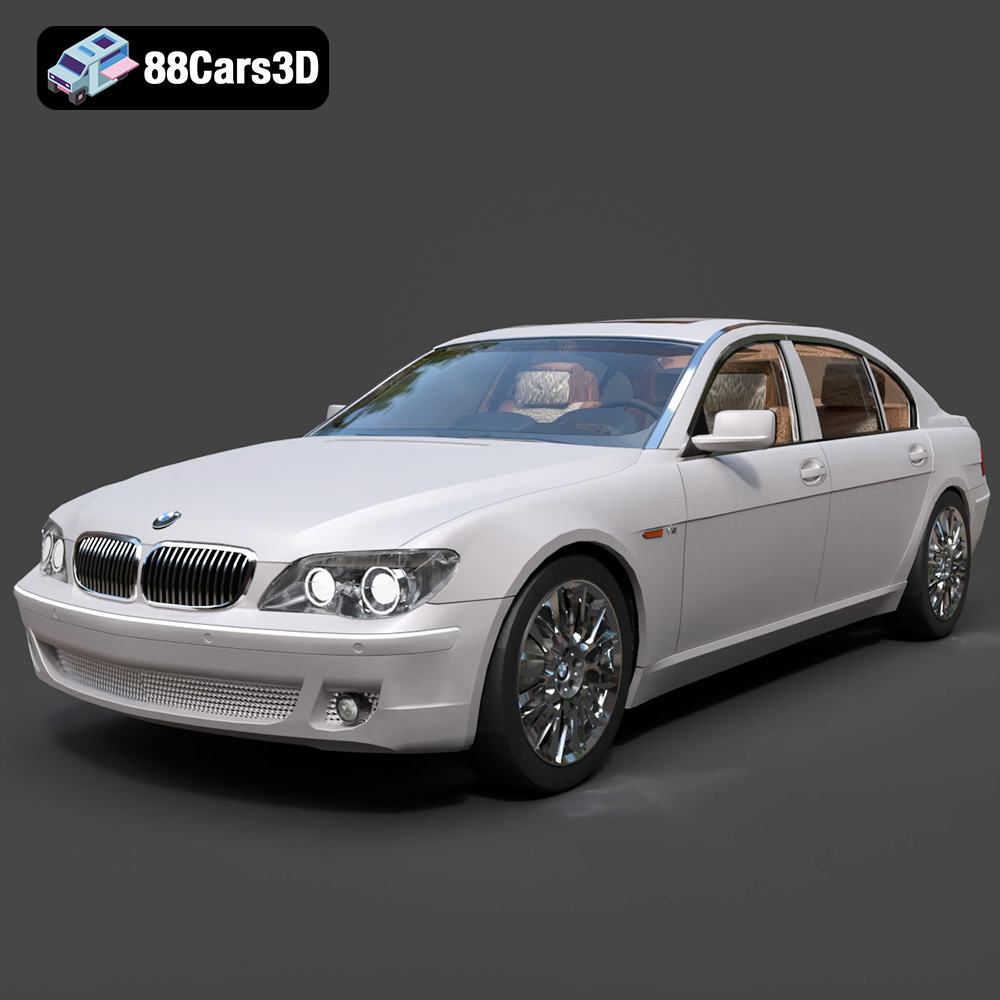
BMW 760Li E66 2005 3D Model
Texture: Yes
Material: Yes
Download the BMW 760Li E66 2005 3D Model featuring a detailed exterior, refined interior, and robust chassis. Includes .blend, .fbx, .obj, .glb, .stl, .ply, .unreal, and .max formats for rendering, simulation, and game development.
Price: $10.79
