

“`html
Mastering the Miniature: A Deep Dive into 3D Printing Detailed Car Interiors from STL Files
The allure of the automobile extends beyond its sleek exterior. For many enthusiasts and hobbyists, the intricate details of a car’s interior – the dashboard’s array of dials, the subtle stitching on the seats, the precise layout of the center console – hold just as much, if not more, fascination. With the advent of affordable and sophisticated 3D printing technology, replicating these miniature marvels has become an attainable reality. This guide delves deep into the technical nuances of transforming high-quality STL files of car interiors into tangible, detailed models. We’ll navigate the journey from selecting the right file and preparing it for printing, to optimizing your 3D printer settings, mastering slicing techniques, and executing flawless prints that capture the essence of automotive craftsmanship. Whether you’re a seasoned maker or just beginning your 3D printing adventure, understanding these principles will elevate your projects, allowing you to create stunningly accurate car interior replicas for display, dioramas, or even functional prototypes.
We will cover everything from understanding the underlying structure of STL files and ensuring mesh integrity, to fine-tuning slicer parameters for unparalleled detail, generating and managing support structures effectively, and exploring the best materials and post-processing techniques. Platforms like 88cars3d.com offer a treasure trove of meticulously crafted, print-ready printable car models, providing an excellent starting point. By the end of this article, you’ll possess the knowledge to tackle even the most complex interior prints with confidence, ensuring every minute detail is faithfully reproduced.
Section 1: Decoding the STL – From Digital Mesh to Printable Blueprint
The foundation of any 3D printed object, especially intricate models like car interiors, lies in the STL file format. Understanding its structure and ensuring its integrity is paramount before even loading it into a slicer. An STL (STereoLithography) file describes the surface geometry of a 3D object using a collection of triangular facets. Each triangle is defined by its three vertices and a normal vector, which indicates the outward-facing direction. For detailed car interiors, the quality of this mesh is directly proportional to the final print’s fidelity.
Models sourced from reputable marketplaces such as 88cars3d.com are typically designed with printability in mind, meaning they often feature clean topology, minimal non-manifold geometry, and adequate wall thicknesses. However, occasional issues can arise, especially with more complex models or those exported from different software. Common problems include holes in the mesh, inverted normals, and self-intersecting triangles, all of which can lead to slicing errors and failed prints.
Mesh Integrity and Repair Workflows
Before slicing, it’s crucial to inspect and repair your STL file. Software like Meshmixer (free), Netfabb (commercial), or even Blender (free) offer powerful tools for this. The primary goal is to achieve a “manifold” or “watertight” mesh – one that has no holes and can enclose a volume. Key repair operations include:
- Hole Filling: Identifying and closing any gaps in the surface.
- Normal Correction: Ensuring all triangle normals point consistently outwards. Inconsistent normals can confuse the slicer.
- Degenerate Triangle Removal: Eliminating triangles with zero area.
- Self-Intersection Correction: Fixing areas where the mesh cuts through itself.
When working with detailed car interiors, pay special attention to thin elements like door handles, dashboard buttons, and steering wheel spokes. These can sometimes be modeled with insufficient wall thickness, making them prone to breaking or not printing at all. You might need to thicken these elements slightly in your modeling software or using specialized mesh editing tools. A good rule of thumb for FDM printing is to ensure critical features have a minimum wall thickness of at least 2-3 times your nozzle diameter (e.g., 0.8mm – 1.2mm for a 0.4mm nozzle).
Understanding File Formats: STL vs. OBJ vs. FBX
While STL is the de facto standard for 3D printing, it’s worth noting other common 3D file formats. OBJ (Wavefront Object) files can store color and texture information, which STL does not. FBX (Filmbox) is another versatile format often used in animation and game development, also capable of storing richer data. However, for direct 3D printing, STL remains the most universally compatible format. Slicers are designed to interpret the triangular facets of STL files directly. If you encounter an OBJ or FBX file, you’ll typically need to export it as an STL before proceeding with your print preparation. Ensure that during the export process, you select appropriate settings for preserving detail and creating a clean mesh.
Section 2: Slicing Precision – Translating Geometry into Print Paths
The slicer is your digital bridge between the 3D model and the 3D printer. It converts the STL geometry into a series of thin, horizontal layers, generating the G-code commands that control the printer’s movements. For detailed car interiors, the slicer settings are critical for capturing fine features, achieving smooth surfaces, and ensuring structural integrity. This involves a careful balancing act between print quality, print time, and material usage.
Modern slicers like Cura, PrusaSlicer, and Simplify3D offer a vast array of parameters. For car interiors, we’re generally aiming for high resolution, which translates to smaller layer heights and potentially finer nozzle sizes. However, extremely small layer heights can significantly increase print times, especially for larger models. It’s a trade-off that needs careful consideration based on the desired outcome and available resources.
Layer Height and Detail Capture
The layer height determines the vertical resolution of your print. For highly detailed components like car interiors, a smaller layer height is essential. Common settings range from 0.2mm for standard quality prints to 0.1mm or even 0.06mm for high-detail models.
- 0.2mm: A good balance for many FDM prints, offering reasonable detail and faster print times. Suitable for less critical interior elements or larger scale models.
- 0.1mm: A popular choice for detailed models, capturing much finer features like dashboard textures and panel lines. This is often the sweet spot for car interiors.
- 0.06mm or lower: Utilized for maximum detail, particularly on resin printers, but can lead to very long print times on FDM printers. Requires precise calibration and stable printing conditions.
When using smaller layer heights (e.g., 0.1mm), you might also consider reducing your print speed slightly to ensure the filament has enough time to melt and adhere properly, especially on overhangs and fine details.
Infill Patterns and Density: Strength Meets Efficiency
Infill provides internal support for the outer walls and top layers, contributing to the model’s strength and rigidity. For display models like car interiors, extreme strength is usually not required. The primary goal of infill is to support the top surfaces and prevent them from sagging.
- Infill Density: For most detailed car interiors intended for display, an infill density of 10-20% is often sufficient. This saves material and significantly reduces print time compared to higher densities.
- Infill Pattern: Patterns like ‘Grid’, ‘Lines’, or ‘Cubic’ are generally good. ‘Gyroid’ is an excellent choice as it offers good support in all directions and is relatively strong. For very fine details, some even opt for 0% infill, relying solely on the top layers and external walls, but this is risky and requires excellent bridging capabilities.
Always ensure you have enough top layers (typically 4-6 layers) to create a solid, smooth surface that effectively hides the infill pattern below, especially on visible surfaces like the dashboard or seat cushions.
Print Speed and Material Flow
High print speeds can lead to ringing artifacts, poor layer adhesion, and missed details, particularly on complex geometries. For detailed car interiors:
- Outer Wall Speed: Reduce this significantly, perhaps to 25-40 mm/s, to ensure smooth outer surfaces and capture fine details accurately.
- Inner Wall Speed: Can be slightly faster than the outer wall, around 40-50 mm/s.
- Travel Speed: Keep this high (100-150 mm/s) to minimize stringing during non-print moves.
- Flow Rate/Extrusion Multiplier: Calibrate this carefully. Over-extrusion can fill in fine details, while under-extrusion leads to gaps and weak layers. A flow rate of 95-100% is typical, but fine-tuning with calibration prints is recommended.
Section 3: The Art of Support – Enabling Intricate Geometries
Car interiors are rife with complex geometries: dashboards with multiple angles, seats with curves, steering columns, and delicate trim pieces. These features often involve overhangs and bridges that require support structures to print successfully. Generating and managing supports is arguably one of the most critical aspects of printing detailed models.
Both FDM and resin printing require supports, but the methods and considerations differ. For FDM, supports are printed structures that are later removed. For resin printing, supports are delicate structures that hold the model during printing and are often easier to remove cleanly due to the nature of the resin curing process.
FDM Support Strategies
When using FDM printers, consider these support strategies:
- Support Type: ‘Normal’ supports create a dense tree-like structure. ‘Tree’ or ‘Organic’ supports (available in newer slicer versions) are often more efficient, using less material and being easier to remove, especially for complex organic shapes found in interiors.
- Support Overhang Angle: Set this to a value that supports only what’s necessary. For intricate details, you might lower this to 45 degrees or even less. However, be cautious, as too low an angle can lead to excessive supports.
- Support Density: For ease of removal, a lower density (10-15%) is generally preferred. You want just enough structure to prevent sagging.
- Support Interface Layers: This is crucial for a clean finish on the underside of overhangs. Enable ‘Support Roof’ and ‘Support Floor’ with a few solid layers and a small Z-distance (e.g., 0.1-0.2mm) from the model. This creates a more solid surface that can be peeled away more cleanly.
- Support Placement: Options like ‘Touching Buildplate’ vs. ‘Everywhere’ are important. For car interiors, supports might be needed internally, so ‘Everywhere’ is often necessary, but requires careful consideration for removal.
Resin Printing Support Nuances
Resin printers (SLA/DLP/MSLA) excel at capturing the fine details found in car interiors due to their high resolution. However, they come with their own support challenges:
- Support Contact Diameter: This is the critical setting. For tiny details (like dashboard buttons or trim), use very small contact points (0.2mm – 0.4mm). For larger surfaces, you can use slightly larger diameters.
- Support Density: Resin slicers often use a grid pattern. A density of 5-8 is usually sufficient, providing enough points to hold the model without being impossible to remove.
- Support Exposure Time: Ensure your standard layer exposure time is well-calibrated. Support exposure might be slightly higher to ensure they cure firmly, but not so high that they become impossible to detach.
- Orientation: The angle at which you orient the model on the build plate is paramount in resin printing. Minimize the cross-sectional area perpendicular to the build plate for each layer to reduce suction forces and the need for excessive supports. Tilt models like car interiors at a 30-45 degree angle.
- Hollowing and Drains: For larger resin prints, hollowing the model and adding drain holes can save material and reduce print time. Ensure drain holes are placed in inconspicuous areas.
Post-print, supports on resin prints are typically removed after a light wash and before final curing. Use sharp hobby tools like scalpels or flush cutters. Sanding or using a rotary tool can help smooth out marks left by support contacts.
Section 4: Print Orientation and Bed Adhesion – The First Layer’s Foundation
The way you orient your model on the print bed and ensure strong adhesion are foundational to a successful print. For car interiors, orientation impacts not only stability during printing but also the visibility of layer lines and the ease of support removal.
As mentioned, for resin printing, a 30-45 degree tilt is often ideal to minimize suction and support needs. For FDM printing, the choice is more nuanced. You might orient the model upright to capture vertical details best, or perhaps lay it on its side if the critical details are on the sides. Consider which surfaces will have the most overhangs and how supports will interact with them.
Optimizing Bed Adhesion
Poor bed adhesion is a leading cause of print failures, especially with larger or more complex models. A detached first layer can lead to the print shifting, resulting in misaligned layers or complete print failure.
- Clean Build Surface: Always start with a clean build plate. Fingerprints, dust, or residual oils can severely impact adhesion. Use Isopropyl Alcohol (IPA) for cleaning.
- Leveling the Bed: Ensure your printer’s bed is perfectly level. Auto bed leveling systems help, but manual checks and adjustments are often still necessary. A consistent gap across the entire bed is vital.
- First Layer Settings: In your slicer, pay close attention to the first layer settings:
- First Layer Height: Often set slightly thicker (e.g., 0.24mm or 0.3mm for a 0.2mm standard layer height) to ensure good squish.
- First Layer Speed: Print the first layer much slower (e.g., 15-25 mm/s) to give the filament ample time to adhere.
- First Layer Flow: Sometimes increasing flow slightly (e.g., 105%) for the first layer can improve adhesion.
- Bed Temperature: Maintain the recommended bed temperature for your chosen material (e.g., 50-60°C for PLA, 70-80°C for PETG, 90-110°C for ABS).
- Adhesion Aids: Depending on your build surface and material, consider using adhesion aids like glue stick (PVA), hairspray, or specialized build surface adhesives (e.g., Magigoo). For materials like ABS or Nylon, an enclosure is often necessary to maintain consistent temperatures and prevent warping, which also aids adhesion.
- Brim/Raft: For models with small footprints or prone to warping, a brim (a single layer flat area around the base of the model) or raft (a thicker, multi-layer base) can significantly improve adhesion. A brim is generally preferred as it uses less material and is easier to remove than a raft.
Considering Multi-Part Assemblies
Very large or complex car interiors might be designed as multiple parts that are printed separately and then assembled. This approach allows for:
- Optimized Orientation per Part: Each component can be oriented for the best print quality and minimal supports.
- Easier Printing: Smaller parts are less prone to failure due to warping or detachment.
- Post-Processing: Easier access for sanding, painting, and detailing individual components before assembly.
When designing or downloading multi-part models, ensure there are features for alignment and joining, such as keyed slots, pins, or flat surfaces for gluing. Check if shrinkage during printing needs to be accounted for, especially when fitting parts together.
Section 5: Material Selection and Printer Calibration – The Hardware Factor
The choice of material and the condition of your 3D printer play crucial roles in achieving high-quality prints, particularly for delicate car interior details. Different materials offer varying levels of detail capability, strength, and post-processing potential.
For FDM printing, PLA is often the go-to material due to its ease of printing, low warping, and good detail reproduction. PETG offers slightly better temperature resistance and durability, but can be stringier. ABS offers high strength and temperature resistance but requires higher print temperatures, an enclosure, and good ventilation due to fumes. For resin printing, standard resins offer excellent detail but can be brittle. Tougher or more flexible resins are available for increased durability.
FDM vs. Resin Printing for Car Interiors
Each printing technology has its strengths for automotive interiors:
- FDM (Fused Deposition Modeling):
- Pros: More affordable, wider material selection, larger build volumes, easier for beginners.
- Cons: Visible layer lines, can struggle with extremely fine details and sharp edges compared to resin.
- Best for: Larger scale models, more robust components, budget-conscious hobbyists.
- Resin (SLA/DLP/MSLA):
- Pros: Exceptional detail resolution, smooth surface finish, ideal for miniature components.
- Cons: More expensive materials, messy post-processing (washing/curing), smaller build volumes typically, requires more safety precautions (gloves, ventilation).
- Best for: High-detail scale models, intricate dashboard elements, components requiring smooth finishes.
If you’re aiming for hyper-realistic, small-scale car interiors, a resin printer is likely the superior choice. For larger projects or if you’re primarily an FDM user, focus on optimizing your FDM settings for maximum detail, potentially using a smaller nozzle size (e.g., 0.25mm or 0.3mm) and finer layer heights.
Printer Calibration and Maintenance: The Unsung Heroes
A well-calibrated printer is essential for consistent, high-quality results. Neglecting calibration is a sure way to encounter printing problems.
- E-Steps Calibration: Ensures your extruder is pushing the correct amount of filament.
- Temperature Towers: Print temperature towers for each filament type to find the optimal printing temperature for best layer adhesion and surface finish.
- Flow Rate Calibration: Fine-tune the extrusion multiplier (often called Flow Rate in slicers) for each filament.
- PID Tuning: Calibrates the hotend and bed temperature control for stability.
- Bed Leveling: Regularly check and adjust bed leveling.
- Nozzle Cleaning: Keep your nozzle clean from old filament buildup.
- Lubrication: Ensure smooth movement of the printer’s axes by lubricating rods or rails as per the manufacturer’s recommendations.
For resin printers, calibration involves ensuring the Z-axis is level, the FEP film in the resin vat is clean and properly tensioned, and the exposure times are dialed in using calibration prints (e.g., AmeraLabs calibration models, Cones of Calibration). Proper maintenance minimizes issues like layer shifts, under-extrusion, or adhesion problems.
Section 6: Post-Processing – Bringing Your Miniature Interior to Life
Once your car interior components are printed, the journey isn’t over. Post-processing is where you refine the print, enhance its details, and prepare it for assembly or display. This stage can significantly elevate the perceived quality of your model.
The techniques employed will vary depending on whether you used FDM or resin printing, and your desired final finish.
FDM Post-Processing Techniques
FDM prints often have visible layer lines and support marks. The goal of post-processing is to minimize these imperfections.
- Support Removal: Carefully remove supports using pliers, flush cutters, scalpels, or specialized tools. Take your time, especially around delicate areas.
- Sanding: This is the most common method for smoothing layer lines. Start with coarser grit sandpaper (e.g., 120-220 grit) to remove major imperfections and progressively move to finer grits (e.g., 400, 800, 1200, and even higher for a mirror finish). Wet sanding can help achieve smoother results and reduce dust.
- Filling Gaps and Seams: Use modeling putty (e.g., Tamiya Putty, Milliput) or wood filler to fill any gaps between parts or areas where supports were removed aggressively. Sand smooth after drying.
- Priming: Applying a layer of primer (spray or brush-on) is crucial before painting. Primer helps to reveal any remaining imperfections that need further sanding or filling, and provides a uniform surface for paint adhesion.
- Painting: Use acrylic model paints, airbrushing, or spray paints. Masking tape is essential for achieving clean lines between different colored sections (e.g., dashboard panels, seats). Weathering techniques can add realism (e.g., washes for panel lines, dry brushing for highlights).
- Clear Coating: Apply a clear coat (matte, satin, or gloss depending on the desired finish) to protect the paint job and provide a uniform sheen.
Resin Print Post-Processing
Resin prints generally require less aggressive smoothing than FDM prints, but careful handling is still needed.
- Washing: After removing supports, wash the print thoroughly in Isopropyl Alcohol (IPA) or a specialized resin cleaner to remove any uncured resin. A sonic cleaner can be highly effective.
- Support Removal: Remove supports carefully using hobby knives, flush cutters, or pliers. Due to smaller contact points, this is often easier than with FDM.
- Curing: Expose the print to UV light (using a dedicated UV curing station or sunlight) to fully cure the resin. This hardens the part and increases its strength. Follow the resin manufacturer’s recommended curing times.
- Sanding/Filling: If necessary, sand any marks left by supports. Small amounts of resin mixed with a bit of filler or even superglue can be used to fill minor blemishes.
- Painting: Resin prints take paint very well. Priming is still recommended for best results. Painting techniques are similar to those used for FDM prints.
- Assembly: Use superglue (cyanoacrylate) or specialized plastic cement for joining resin parts.
Regardless of the printing method, patience and attention to detail during post-processing will transform a raw 3D print into a display-worthy masterpiece. Take your time, work in a well-ventilated area, and enjoy the process of bringing your miniature car interior to life.
Conclusion: Elevating Your Hobby with Precision 3D Printing
3D printing detailed car interiors from STL files is a rewarding endeavor that blends digital design with hands-on craftsmanship. By understanding the intricacies of STL file preparation, mastering your 3D printer settings through meticulous slicing, and employing effective support strategies, you can overcome common printing challenges and achieve stunning results. Whether you’re replicating a classic muscle car’s dashboard or a modern supercar’s futuristic cockpit, the principles outlined in this guide provide a robust framework for success.
Remember the key takeaways: always start with a clean, manifold mesh; fine-tune your slicer settings, prioritizing detail with appropriate layer heights and optimized speeds; strategically generate and manage supports for both FDM and resin printing; ensure reliable bed adhesion and consider optimal print orientation; select the right material for your needs, and keep your printer meticulously calibrated. Finally, invest time in post-processing to refine your prints and bring out the finest details. With practice and attention to these technical aspects, you’ll be creating incredibly accurate and visually impressive car interior models. Explore the vast libraries available on platforms like 88cars3d.com, armed with this knowledge, and embark on your next detailed automotive project with confidence.
“`
Featured 3D Car Models
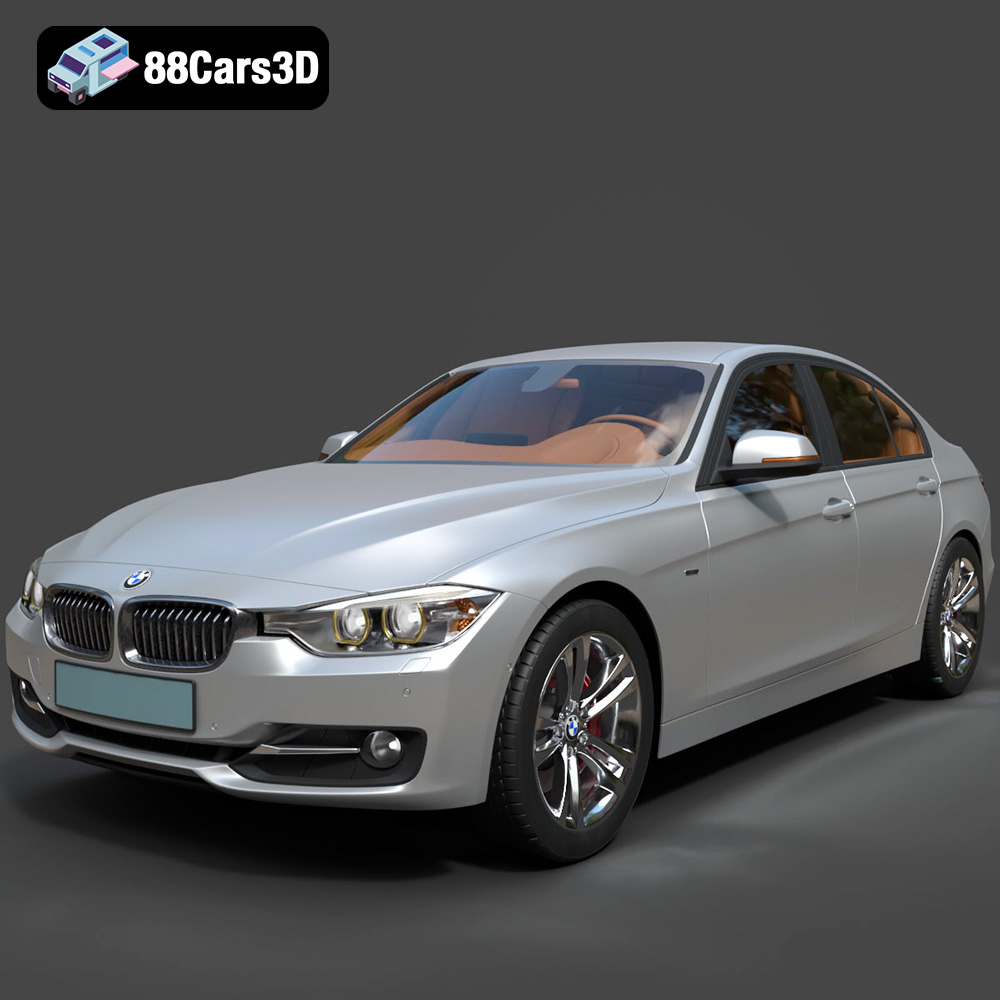
BMW 3 F30 3D Model
Texture: Yes
Material: Yes
Download the BMW 3 F30 3D Model featuring a detailed exterior, realistic interior, and optimized mesh. Includes .blend, .fbx, .obj, .glb, .stl, .ply, .unreal, and .max formats for rendering, simulation, and game development.
Price: $10.79
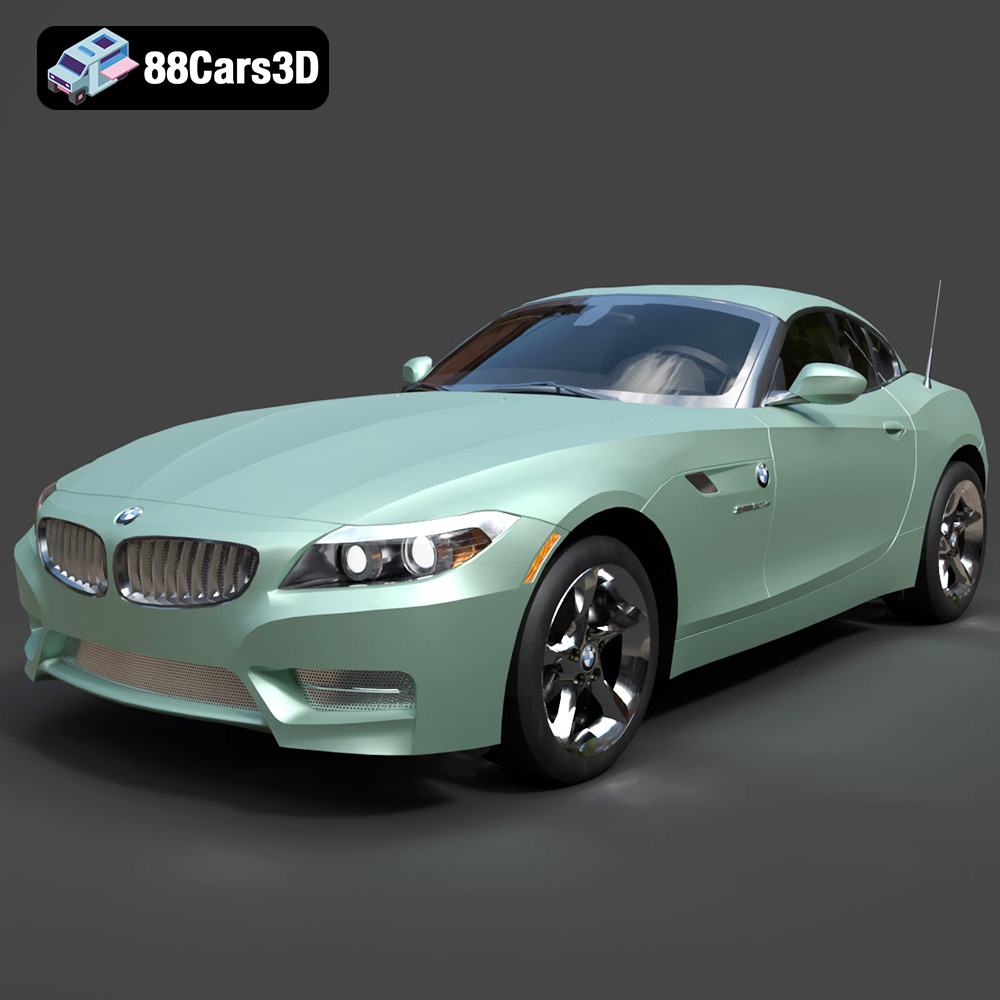
BMW Z4 Roadster E89 2012 3D Model
Texture: Yes
Material: Yes
Download the BMW Z4 Roadster E89 3D Model featuring clean geometry, realistic detailing, and a fully modeled interior. Includes .blend, .fbx, .obj, .glb, .stl, .ply, .unreal, and .max formats for rendering, simulation, and game development.
Price: $13.99

BMW Z4 E85 2005 3D Model
Texture: Yes
Material: Yes
Download the BMW Z4 E85 3D Model featuring clean geometry, realistic detailing, and a fully modeled interior. Includes .blend, .fbx, .obj, .glb, .stl, .ply, .unreal, and .max formats for rendering, simulation, and game development.
Price: $13.99

BMW M3 2024 3D Model
Texture: Yes
Material: Yes
Download the BMW M3 2024 3D Model featuring clean geometry, realistic detailing, and a fully modeled interior. Includes .blend, .fbx, .obj, .glb, .stl, .ply, .unreal, and .max formats for rendering, simulation, and game development.
Price: $13.99
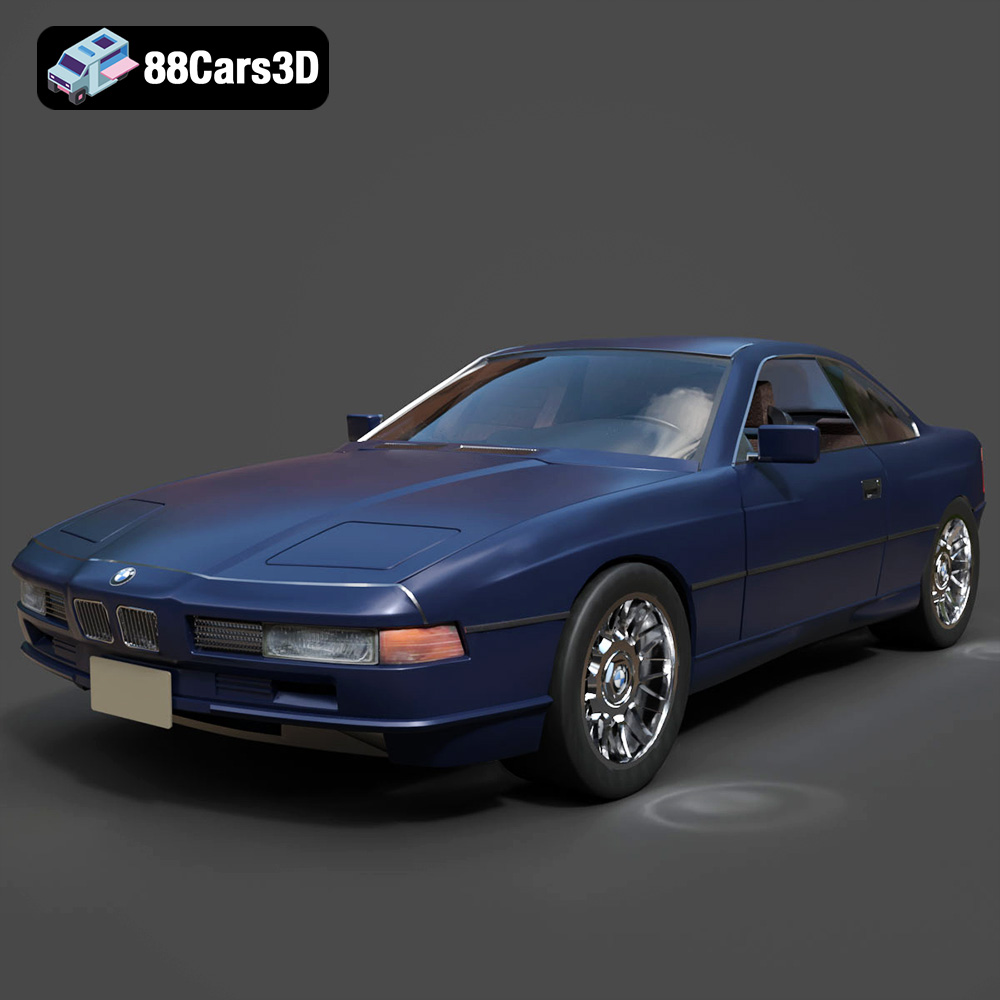
BMW 850i Coupe 1990 3D Model
Texture: Yes
Material: Yes
Download the BMW 850i Coupe 1990 3D Model featuring clean geometry, realistic detailing, and a fully modeled interior. Includes .blend, .fbx, .obj, .glb, .stl, .ply, .unreal, and .max formats for rendering, simulation, and game development.
Price: $13.99
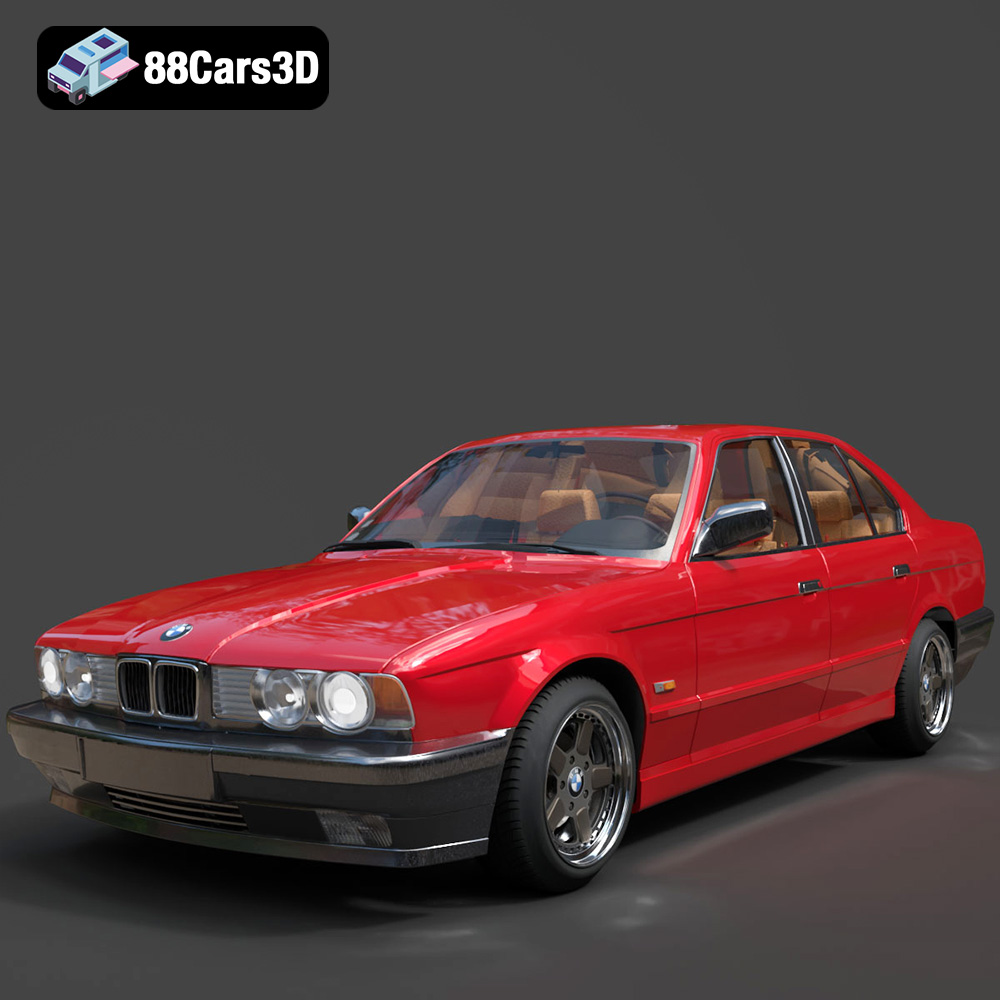
BMW 525i E34 1993 3D Model
Texture: Yes
Material: Yes
Download the BMW 525i E34 1993 3D Model featuring clean geometry, realistic detailing, and a fully modeled interior. Includes .blend, .fbx, .obj, .glb, .stl, .ply, .unreal, and .max formats for rendering, simulation, and game development.
Price: $12.99

BMW 7 Series 2016 3D Model
Texture: Yes
Material: Yes
Download the BMW 7 Series 2016 3D Model featuring luxurious design, detailed interior, and accurate exterior. Includes .blend, .fbx, .obj, .glb, .stl, .ply, .unreal, and .max formats for rendering, simulation, and game development.
Price: $10.79
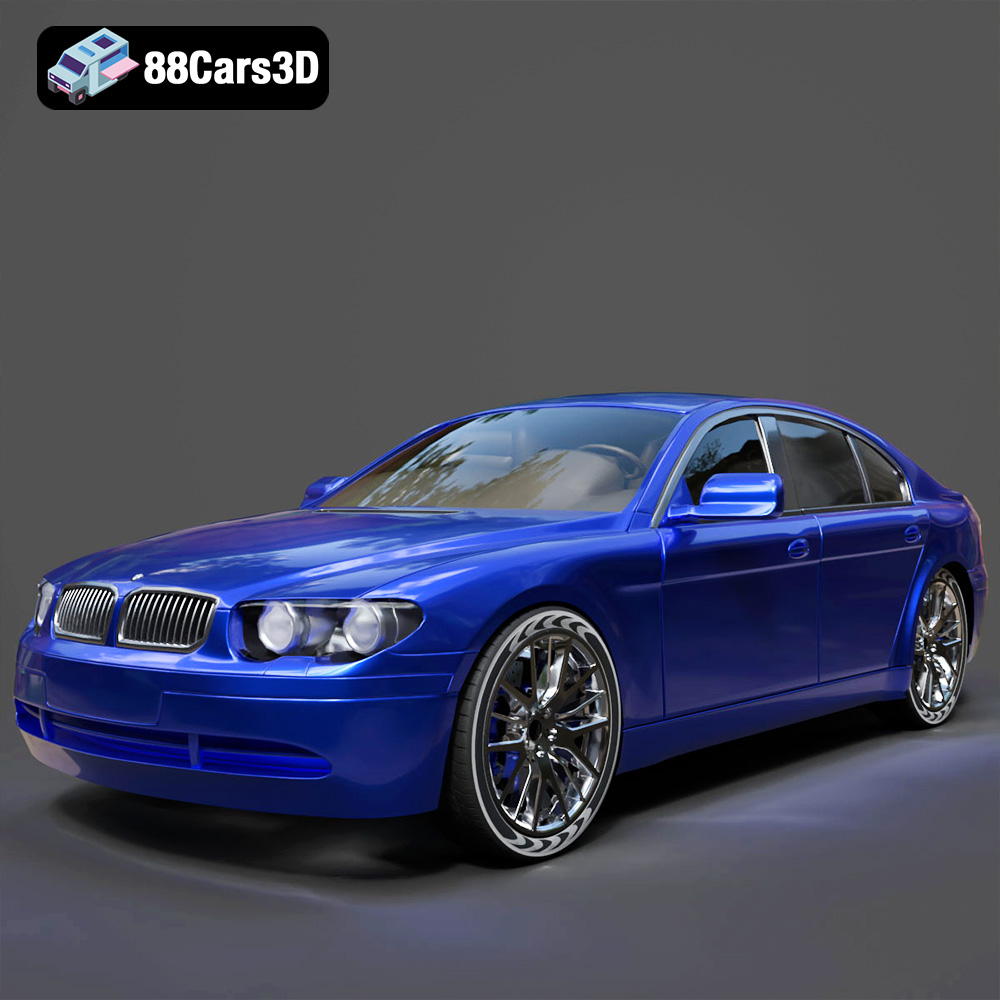
BMW 7 Series 30th Anniversary 3D Model
Texture: Yes
Material: Yes
Download the BMW 7 Series 30th Anniversary 3D Model featuring a meticulously crafted exterior, detailed interior, and realistic wheels. Includes .blend, .fbx, .obj, .glb, .stl, .ply, .unreal, and .max formats for rendering, simulation, and game development.
Price: $35.79

BMW 7-Series F02 3D Model
Texture: Yes
Material: Yes
Download the BMW 7-Series F02 3D Model featuring a detailed exterior and interior, optimized for rendering and animation. Includes .blend, .fbx, .obj, .glb, .stl, .ply, .unreal, and .max formats for rendering, simulation, and game development.
Price: $10.79
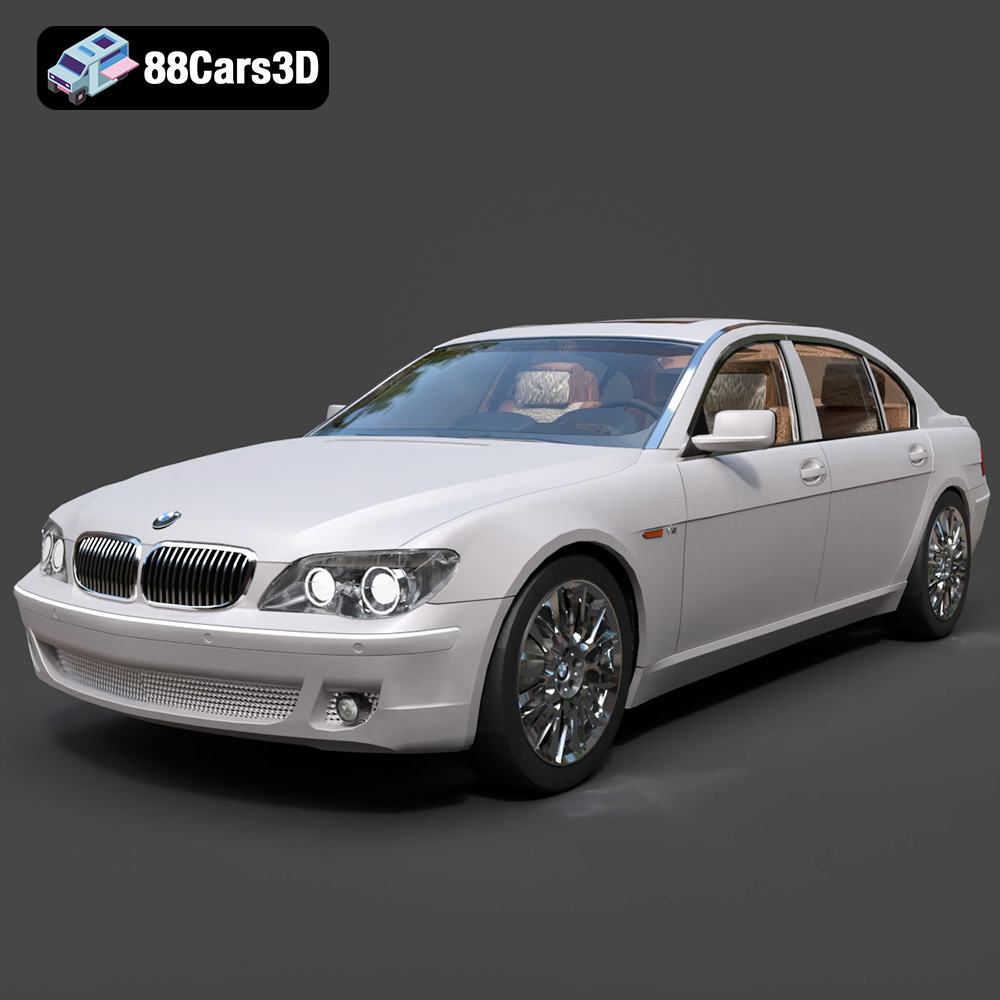
BMW 760Li E66 2005 3D Model
Texture: Yes
Material: Yes
Download the BMW 760Li E66 2005 3D Model featuring a detailed exterior, refined interior, and robust chassis. Includes .blend, .fbx, .obj, .glb, .stl, .ply, .unreal, and .max formats for rendering, simulation, and game development.
Price: $10.79
