

Mastering Control Rig for Dynamic Character Interactions in Unreal Engine Automotive Visualizations and Games
The world of real-time rendering, especially within automotive visualization and game development, is constantly pushing the boundaries of immersion. It’s no longer enough to present stunningly realistic 3D car models; the demand for dynamic interaction, believable environments, and engaging characters has become paramount. From interactive configurators that allow potential buyers to explore a vehicle with a virtual assistant, to cinematic sequences featuring characters interacting seamlessly with vehicles, bringing life to your scenes is key.
This evolution highlights a common challenge: traditionally, animating complex character interactions, especially with intricate objects like vehicles, often involved round-tripping between digital content creation (DCC) tools and the engine. This process could be cumbersome, time-consuming, and detrimental to iteration speed. Enter Unreal Engine’s Control Rig – a powerful, non-destructive, and entirely in-engine solution for procedural rigging and animation. Control Rig revolutionizes how artists and developers animate, offering unparalleled flexibility and speed directly within the engine environment. For studios leveraging high-quality 3D car models from marketplaces like 88cars3d.com, integrating animated characters can elevate product showcases, create immersive game experiences, and deliver compelling virtual production content.
In this comprehensive guide, we’ll dive deep into Unreal Engine’s Control Rig, exploring how it empowers you to animate characters with precision and creativity, particularly within automotive contexts. We’ll cover everything from setting up your character and designing intuitive controls to integrating sophisticated interactions with vehicles, optimizing performance, and leveraging this powerful tool for both cinematic and interactive applications. Prepare to unlock a new dimension of storytelling and realism in your Unreal Engine projects.
The Power of Control Rig in Modern Unreal Engine Workflows
Unreal Engine’s Control Rig is a game-changer for animators, technical artists, and developers alike. It provides a robust framework for building and manipulating animation rigs directly within the engine, allowing for a highly iterative and integrated workflow. This procedural rigging system empowers users to define custom control structures, inverse kinematics (IK) solvers, and complex animation logic that can be applied to any skeletal mesh, from a human character to a robot or even a dynamic vehicle component. Its ability to create and modify rigs without leaving the Unreal Editor significantly accelerates development cycles, especially when working on projects demanding frequent animation adjustments or character-vehicle interactions.
For automotive visualization, Control Rig introduces an exciting new avenue for showcasing products beyond static beauty shots. Imagine a virtual showroom where a lifelike character guides a client through the interior of a meticulously rendered vehicle, opening doors, demonstrating dashboard features, or even taking a virtual test drive. This level of dynamic interaction adds immense value, making the experience more engaging and informative. Control Rig enables the precise posing and animation required for such scenarios, allowing artists to craft nuanced character performances that feel natural and responsive. When you’re working with the detailed and optimized 3D car models available on platforms like 88cars3d.com, combining them with expertly animated characters via Control Rig creates a truly immersive and professional presentation.
What is Control Rig and Why Does It Matter for Automotive Visualizations?
At its core, Control Rig is a node-based visual scripting system that allows you to construct sophisticated animation rigs. Unlike traditional rigging methods that often require external DCC software like Maya or Blender, Control Rig lives entirely within Unreal Engine. This means you can create, modify, and test your rigs in real-time, observing the results immediately in your scene. Its non-destructive nature ensures that your underlying skeletal mesh data remains untouched, allowing for endless experimentation without fear of corrupting your assets. The integration with other Unreal Engine features, such as Sequencer for cinematic animation and Blueprint for interactive logic, makes it an incredibly versatile tool.
For automotive visualization, Control Rig is invaluable because it facilitates believable character presence and interaction. Instead of simply placing a static character next to a car, you can animate them realistically operating a door handle, sitting comfortably inside the cabin, or pointing out specific design elements. This level of detail elevates a product showcase from a mere display to an engaging narrative. Furthermore, for interactive applications like virtual configurators or training simulations, Control Rig allows characters to respond dynamically to user input, providing an unparalleled sense of realism and functionality.
Control Rig vs. Traditional External DCC Workflows
The primary advantage of Control Rig over traditional external DCC workflows lies in its seamless integration and real-time feedback. In a traditional pipeline, an animator might create a rig in Maya, animate a sequence, export it as an FBX, import it into Unreal Engine, and then discover issues that require going back to Maya, re-exporting, and re-importing. This round-trip process is time-consuming and disruptive.
With Control Rig, all rigging and animation adjustments happen directly within Unreal Engine. If you need to tweak a control, add a new IK chain, or refine an animation pose, you do it on the fly. This dramatically speeds up iteration times and allows for a more agile development process. It also reduces potential pipeline friction points, as all assets and animation logic remain native to the engine. This efficiency is critical for projects with tight deadlines or when developing highly interactive experiences where animation might need to adapt to dynamic game states or user choices. The ability to iterate quickly means artists can spend more time refining performances and less time managing file transfers.
Setting Up Your Character for Control Rig in Unreal Engine
Before diving into the intricacies of Control Rig, proper preparation of your character’s skeletal mesh is crucial. Just like a high-quality 3D car model from 88cars3d.com benefits from clean topology and optimized UVs, your character model needs a solid foundation to ensure smooth rigging and animation. A well-structured skeletal mesh will prevent common issues like deformation artifacts, IK popping, and performance bottlenecks, leading to a much more satisfying animation experience, especially when characters are interacting with detailed automotive environments or vehicles. Consistency in scale and a logical bone hierarchy are key pillars of this preparation.
Once your character asset is imported and validated, creating the Control Rig asset itself is a straightforward process within Unreal Engine. This asset serves as the canvas for building all your animation controls and procedural logic. Understanding the Control Rig Editor interface is vital at this stage, as it’s where you’ll spend most of your time constructing the rig graph, manipulating controls in the viewport, and adjusting properties in the details panel. A systematic approach to setting up the Control Rig will lay the groundwork for a flexible and powerful animation system capable of bringing your characters to life within any automotive scene or game level.
Importing and Preparing Skeletal Meshes
The journey begins with your character’s skeletal mesh. Whether you’ve purchased a character model or created one yourself, ensuring it’s optimized for Unreal Engine is paramount. Here are some best practices:
* **Clean Topology:** Ensure the mesh has clean, quad-based topology with good edge flow, especially around joints like elbows, knees, and shoulders. This facilitates smooth deformation during animation.
* **Consistent Scale:** Maintain a consistent unit scale across all your assets (e.g., 1 unit = 1cm). This prevents scaling discrepancies when importing into Unreal Engine and ensures your character interacts correctly with other assets, such as vehicles. A typical human character might be around 180-190 units tall.
* **Proper Bone Hierarchy:** A logical and intuitive bone hierarchy is essential. Bones should be correctly parented, starting from a root bone and branching out to limbs, head, etc. Avoid unnecessary bones or overly complex hierarchies, as this can complicate rigging. Ensure bone names are clear and descriptive.
* **Skinning/Weighting:** The mesh must be properly skinned to the skeleton, meaning each vertex is assigned weight values indicating how much it’s influenced by specific bones. Good skinning minimizes visual artifacts during animation.
When importing your character’s FBX file into Unreal Engine, pay close attention to the import settings:
* **Skeletal Mesh:** Ensure this is checked.
* **Import Mesh:** Keep this checked to bring in the geometry.
* **Skeleton:** If you have an existing skeleton, you can select it; otherwise, let Unreal create one.
* **Import Materials/Textures:** Generally recommended to bring these in.
* **Physics Asset:** You can generate one automatically or create one later.
* **LODs:** Consider importing or generating LODs at this stage for performance optimization (more on this later).
After import, verify the character’s scale and appearance in the Unreal Editor.
Creating Your First Control Rig Asset
Once your skeletal mesh is imported, creating a Control Rig asset is straightforward:
1. **Locate your Skeletal Mesh:** In the Content Browser, find your character’s Skeletal Mesh asset.
2. **Right-Click:** Right-click on the Skeletal Mesh.
3. **Create Control Rig:** From the context menu, navigate to `Create -> Control Rig -> Control Rig`.
4. **Name and Save:** Give your new Control Rig asset a descriptive name (e.g., `CR_MyCharacter`) and save it.
Double-clicking the new Control Rig asset will open the Control Rig Editor. This editor is divided into several key areas:
* **Viewport:** Displays your skeletal mesh and the controls you create. You can manipulate controls directly here to pose your character.
* **Rig Graph:** This is where you build the procedural logic of your rig using nodes. You’ll connect nodes to define how controls influence bones, create IK solvers, and implement constraints.
* **Details Panel:** Shows properties for selected controls, bones, or nodes in the Rig Graph.
* **Hierarchy Panel:** Displays the skeletal hierarchy of your character.
* **Variables Panel:** Allows you to create and manage variables that can store data or be exposed to Blueprints.
The goal at this stage is to get comfortable navigating the editor. Your first task within the Control Rig Editor will typically be to set up the basic controls that allow you to pose the character’s limbs, spine, and head. This foundation is essential for any subsequent animation, especially for scenarios where the character needs to interact convincingly with a highly detailed 3D car model, such as those found on 88cars3d.com.
Designing and Implementing Controls in the Rig Graph
The heart of Control Rig lies within its Rig Graph, a powerful visual scripting environment where you define the intricate relationships between your character’s skeleton and the animation controls. This is where you transform a static skeletal mesh into a dynamic, animatable puppet. Designing an intuitive control structure is paramount, enabling animators to quickly and efficiently pose characters for any scenario, from subtle idle movements to complex interactions with vehicle interiors. The flexibility of the Rig Graph allows for a mix of animation techniques, blending the direct manipulation of Forward Kinematics (FK) with the goal-oriented precision of Inverse Kinematics (IK), critical for realistic poses.
Advanced rigging techniques become particularly relevant when characters need to interact seamlessly with external objects like vehicles. Imagine a character gripping a steering wheel, pushing a button on a dashboard, or stepping into a car seat – each action requires specific controls and logic to ensure natural movement and accurate positioning. Leveraging custom nodes, constraints, and even integrating Blueprint logic directly into the rig allows technical artists to build highly specialized controls that simplify complex animation tasks, making character-vehicle interaction fluid and believable within your Unreal Engine automotive visualization or game project.
Building an Intuitive Control Structure
In the Rig Graph, you’ll primarily work with nodes to create and connect controls. Here’s a breakdown of fundamental concepts:
* **Adding Controls:** Right-click in the Rig Graph and type “New Control.” Controls are visual manipulators that animators interact with. You’ll typically create controls for major joints like the hips, spine, head, hands, and feet. Each control has properties like its transform (position, rotation, scale) and shape (e.g., sphere, cube, custom mesh).
* **Connecting Controls to Bones:** The fundamental operation is to “pull” bone transforms, process them through rig logic, and then “push” the final transform back to the bone.
* **Get Bone:** Node to retrieve a bone’s current transform.
* **Set Bone:** Node to apply a new transform to a bone.
* You’ll often use `Get Bone` to read the initial pose, calculate a new pose based on control inputs, and then use `Set Bone` to update the actual bone.
* **Rigging Techniques:**
* **Forward Kinematics (FK):** This is the most direct approach. You create controls for each joint in a chain (e.g., shoulder, elbow, wrist) and animators directly rotate each control to pose the limb. FK is great for natural arm swings or head movements. To implement FK, you usually parent a control to a bone, and then simply set the bone’s transform based on the control’s transform, often with an offset.
* **Inverse Kinematics (IK):** IK is essential for precise interactions. Instead of rotating each joint individually, you create an end-effector control (e.g., for the hand or foot), and the IK solver automatically calculates the joint rotations needed to reach that target. This is invaluable for planting feet on the ground, placing a hand on a car door, or gripping a steering wheel. Unreal Engine provides built-in IK nodes like `TwoBoneIK` for limbs and more complex `FABRIK` or `FullBodyIK` (requires separate plugin) for advanced scenarios.
When building the control structure, think about the animator’s workflow. Controls should be logically grouped, clearly visible, and easy to select and manipulate in the viewport. Using different colors for FK and IK controls can also enhance clarity.
Advanced Rigging for Automotive Interaction
For specialized character-vehicle interactions, Control Rig truly shines with its advanced features:
* **Custom Nodes and Blueprints:** If a specific behavior isn’t available as a standard node, you can create custom rig units (essentially Blueprint functions compiled for Control Rig) to encapsulate complex logic. For instance, you could create a “GrabDoorHandle” custom unit that takes a character’s hand control and a car door handle as inputs, automatically positioning and orienting the hand correctly. This reduces repetitive manual posing for animators.
* **Constraints:** Constraints are powerful for maintaining relationships between objects.
* **Parent Constraint:** Makes one object follow another’s transform (e.g., a hand control constrained to a car’s steering wheel for a period).
* **Transform Constraint:** Allows specific transform components (position, rotation, scale) to be constrained. This is useful for keeping a character’s gaze fixed on a car’s dashboard or a wheel, using an “Aim Constraint” like behavior.
* **Look At Constraint:** A dedicated node to make a control (or bone) look at a target, perfect for eye gaze or head turns.
* **Referencing External Objects:** You can reference scene objects, like specific parts of a 3D car model, directly within your Control Rig. This means your IK targets can be dynamically set to the location of a car’s gear shift or a seat. This dynamic referencing makes the rig highly adaptable to different vehicle models or interactive scenarios. For detailed information on Control Rig’s capabilities, the official Unreal Engine documentation at https://dev.epicgames.com/community/unreal-engine/learning is an excellent resource.
By combining FK and IK, leveraging custom logic, and strategically applying constraints, you can create a highly sophisticated and animator-friendly Control Rig capable of handling the most demanding character-vehicle interactions in your automotive visualizations and game projects.
Animating with Control Rig in Sequencer and Blueprints
Once your character’s Control Rig is set up, the real magic begins: bringing it to life through animation. Unreal Engine offers two primary avenues for animation with Control Rig: the powerful cinematic editing tool, Sequencer, and the versatile visual scripting system, Blueprints. Each method serves distinct purposes, allowing you to craft everything from meticulously choreographed cutscenes featuring characters interacting with stunning 3D car models, to dynamic, player-driven interactions within a game environment. The beauty of Control Rig is its non-destructive workflow, allowing animators unparalleled flexibility to refine and blend animations without baking or committing to final poses prematurely.
Integrating Control Rig animation with other cutting-edge Unreal Engine features like Lumen for global illumination and Nanite for virtualized geometry further enhances the visual fidelity of your scenes. Characters animated with Control Rig can seamlessly inhabit environments rendered with these technologies, ensuring that their movements and interactions are presented with the utmost realism. Whether you’re crafting a high-fidelity automotive commercial or designing an interactive showroom experience, understanding how to leverage Control Rig within both Sequencer and Blueprints is essential for creating compelling and responsive character performances alongside vehicles sourced from platforms like 88cars3d.com.
Real-Time Animation in Sequencer
Sequencer is Unreal Engine’s multi-track editor for creating cinematics, cutscenes, and animated sequences. Control Rig integrates seamlessly with Sequencer, allowing animators to keyframe controls directly within the timeline.
1. **Add Your Character to Sequencer:** Drag your character’s Skeletal Mesh into your level. Create a new Sequencer sequence (right-click in Content Browser -> Animation -> Level Sequence) and add your character’s actor to it.
2. **Add Control Rig Track:** With your character actor selected in Sequencer, click the “+ Track” button, navigate to “Control Rig,” and select your `CR_MyCharacter` asset. This adds a dedicated Control Rig track to your character.
3. **Keyframing Controls:** Now, in the Sequencer viewport, you can select and manipulate your Control Rig controls. As you move, rotate, or scale a control, a keyframe can be set for its transform properties. This allows you to pose your character frame by frame, creating detailed animations. Imagine posing a character to open a car door, step inside, close the door, and then place their hands on the steering wheel, all directly within Sequencer.
4. **Non-Destructive Workflow:** A major advantage is that Control Rig animation in Sequencer is non-destructive. You can always go back and adjust keyframes, blend with other animation assets (like a pre-recorded walk cycle), or even swap out the Control Rig itself without affecting the underlying skeletal mesh animation data. This flexibility is invaluable for iterative design and refinement.
5. **Leveraging Lumen and Nanite:** When animating characters within a scene featuring high-fidelity 3D car models and environments, Control Rig animation benefits immensely from Unreal Engine’s real-time rendering features. Lumen, Unreal Engine’s fully dynamic global illumination and reflections system, ensures that your animated characters are realistically lit by the environment and reflect off shiny car surfaces. Nanite, the virtualized geometry system, handles the immense polygon counts of detailed car models and complex environments, allowing Control Rig characters to move smoothly within these high-fidelity scenes without impacting performance (for the character’s geometry, traditional LODs are still important).
Driving Control Rig with Blueprint Logic for Interactive Experiences
Beyond cinematic sequences, Control Rig can be driven at runtime using Blueprint visual scripting, opening up a world of interactive possibilities for games and dynamic automotive configurators.
1. **Runtime Control Rig:** In a Blueprint, you can add a “Control Rig Component” to your character actor. This allows you to apply your Control Rig asset dynamically.
2. **Event-Driven Animation:** You can then use Blueprint logic to drive the Control Rig’s controls based on game events or user input. For example:
* **Interactive Car Door:** When a player character approaches a car and presses ‘E’, a Blueprint event could trigger a Control Rig animation that makes the character’s hand reach out and open the car door. The Control Rig would handle the precise hand positioning and arm movement.
* **Virtual Assistant:** In an automotive configurator, a virtual character could dynamically point to features a user selects. Blueprint would receive the user’s selection, and then update a Control Rig “look-at” or “point-at” control to guide the character’s gaze and arm towards the chosen car part.
* **Dynamic Posing:** Based on environmental cues (e.g., character standing on uneven terrain), Blueprint could adjust foot IK controls to keep the character’s feet planted realistically.
3. **Parameter Exposure:** You can expose variables from your Control Rig Graph directly to Blueprint. This allows you to create customizable parameters (e.g., “DoorOpenAmount,” “HandReachAlpha”) that Blueprint can modify, giving external control over the rig’s behavior without needing to touch the rig graph itself. This is incredibly powerful for creating modular and reusable interactive animations.
By mastering both Sequencer and Blueprint integration, you can create character animations that are not only visually stunning but also deeply interactive and responsive, transforming your automotive visualizations and games into truly engaging experiences.
Performance Optimization and Best Practices for Automotive Scenes
While Control Rig offers incredible flexibility for character animation, especially in dynamic scenes involving vehicles, ensuring optimal performance is critical for real-time rendering. The high fidelity of 3D car models, often sourced from marketplaces like 88cars3d.com, combined with detailed environments and sophisticated lighting (Lumen), demands careful consideration of every asset and system within your Unreal Engine project. A poorly optimized Control Rig or character asset can introduce hitches, reduce frame rates, and ultimately detract from the immersive experience you’re trying to create.
Implementing best practices for Control Rig design, understanding the balance between complexity and animatability, and effectively managing character Level of Detail (LODs) are all crucial for maintaining smooth real-time performance. Furthermore, ensuring that your characters’ PBR materials and lighting integration are on par with the quality of your automotive assets is essential for visual consistency. By adopting a performance-first mindset throughout the development process, you can deliver stunning, interactive automotive visualizations and games that run flawlessly, showcasing both your meticulously detailed vehicles and your expertly animated characters.
Optimizing Control Rig for Real-Time Performance
A highly complex Control Rig can consume CPU resources, potentially impacting frame rate. Here’s how to keep it efficient:
* **Complexity Management in the Rig Graph:**
* **Simplify Logic:** Only include the necessary nodes. Avoid overly complex calculations or redundant operations. If a calculation can be done once and stored, do so.
* **Reusability:** Create custom rig units for frequently used logic. This not only cleans up your graph but also can be more performant as it encapsulates code.
* **No Redundant Updates:** Be mindful of where and when your rig logic executes. If a part of the rig doesn’t need to update every frame (e.g., static props attached to the character), consider ways to control its update frequency.
* **Number of Controls:** While more controls offer greater animatability, each control has an overhead. Balance the desired level of animation fidelity with performance. For background characters or distant shots, a simpler rig with fewer controls might suffice.
* **Performance Considerations:**
* **Profiling:** Use Unreal Engine’s built-in profilers (`stat unit`, `stat anim`, `stat controlrig`) to identify performance bottlenecks. This will tell you exactly how much time your Control Rig is consuming.
* **LODs for Characters:** Even with Nanite handling high-poly environments and cars, character meshes still benefit immensely from traditional Levels of Detail (LODs). For characters interacting with *3D car models* in an automotive scene, ensure your character has well-defined LODs. As the camera moves further away, lower-resolution meshes and simpler skeletons (or even skeletal meshes without Control Rig applied) should be swapped in to reduce vertex count and animation evaluation cost. This is a crucial step in maintaining performance for crowded scenes or expansive virtual showrooms.
Integrating PBR Materials and Realistic Lighting for Character-Car Interaction
Visual consistency is paramount. A highly detailed 3D car model from 88cars3d.com will only look its best if the characters interacting with it are also rendered to the same high standard.
* **Character PBR Materials:** Ensure your character’s materials adhere to Physical Based Rendering (PBR) principles. This means using appropriate Base Color, Normal, Roughness, Metallic, and potentially Specular, Ambient Occlusion, and Emissive maps. The goal is to make the character’s surface properties react to light in a physically plausible way, matching the realism of your car models. Pay attention to skin shaders, cloth, and hair materials.
* **Realistic Lighting with Lumen:** Lumen, Unreal Engine’s fully dynamic global illumination system, is fantastic for bringing realistic lighting to your automotive scenes. Ensure your characters are correctly lit by Lumen.
* **Lightmass importance volume:** For static lighting contribution in specific areas.
* **Light sources:** Use a combination of directional lights (sun), skylights (ambient light), and point/spot lights (headlights, interior lights) to realistically illuminate both cars and characters.
* **Reflection captures:** Ensure proper reflection probes are placed in your scene so that characters (and cars) accurately reflect their surroundings. A character’s metallic buttons or eyewear should reflect the car’s paint and the showroom environment.
* **Post-Processing:** Apply post-processing effects like Screen Space Reflections (SSR), Ambient Occlusion (SSAO), bloom, color grading, and vignetting to unify the visual style of your scene. This helps to blend characters and vehicles together seamlessly, creating a cohesive and visually stunning presentation. Ensure that your character’s exposure and color balance match the overall scene’s aesthetic.
By meticulously optimizing Control Rig performance and ensuring a high standard of material and lighting integration, you can create immersive automotive visualizations and games where animated characters not only enhance the experience but also seamlessly belong within the highly detailed environments featuring premium 3D car models.
Conclusion
Unreal Engine’s Control Rig stands as a pivotal advancement in real-time animation, offering unparalleled flexibility and a highly iterative workflow directly within the engine. We’ve explored its core functionalities, from setting up a skeletal mesh and designing intuitive control structures to leveraging its power for both cinematic sequences in Sequencer and interactive experiences driven by Blueprints. The ability to create dynamic, procedural rigs on the fly, without the constant need for external DCC round-trips, fundamentally streamlines the animation pipeline and empowers artists to bring their creative visions to life with unprecedented speed.
For anyone working with automotive visualizations, game development, or virtual production, mastering Control Rig opens up a new realm of possibilities. Imagine the impact of characters expertly demonstrating the features of a high-fidelity 3D car model from 88cars3d.com, guiding viewers through an immersive showroom, or engaging in thrilling vehicle-based gameplay. Control Rig, when combined with Unreal Engine’s advanced rendering features like Nanite and Lumen, allows for the creation of truly seamless and visually stunning character-vehicle interactions, elevating your projects to a new level of realism and engagement.
As the industry continues its shift towards real-time workflows, tools like Control Rig will only grow in importance. We encourage you to experiment with Control Rig, build your own custom rigs, and explore how dynamic character animation can transform your Unreal Engine projects. The journey of bringing believable characters into your automotive worlds is now more accessible and powerful than ever before. Dive in, animate with confidence, and make your scenes truly unforgettable.
Featured 3D Car Models
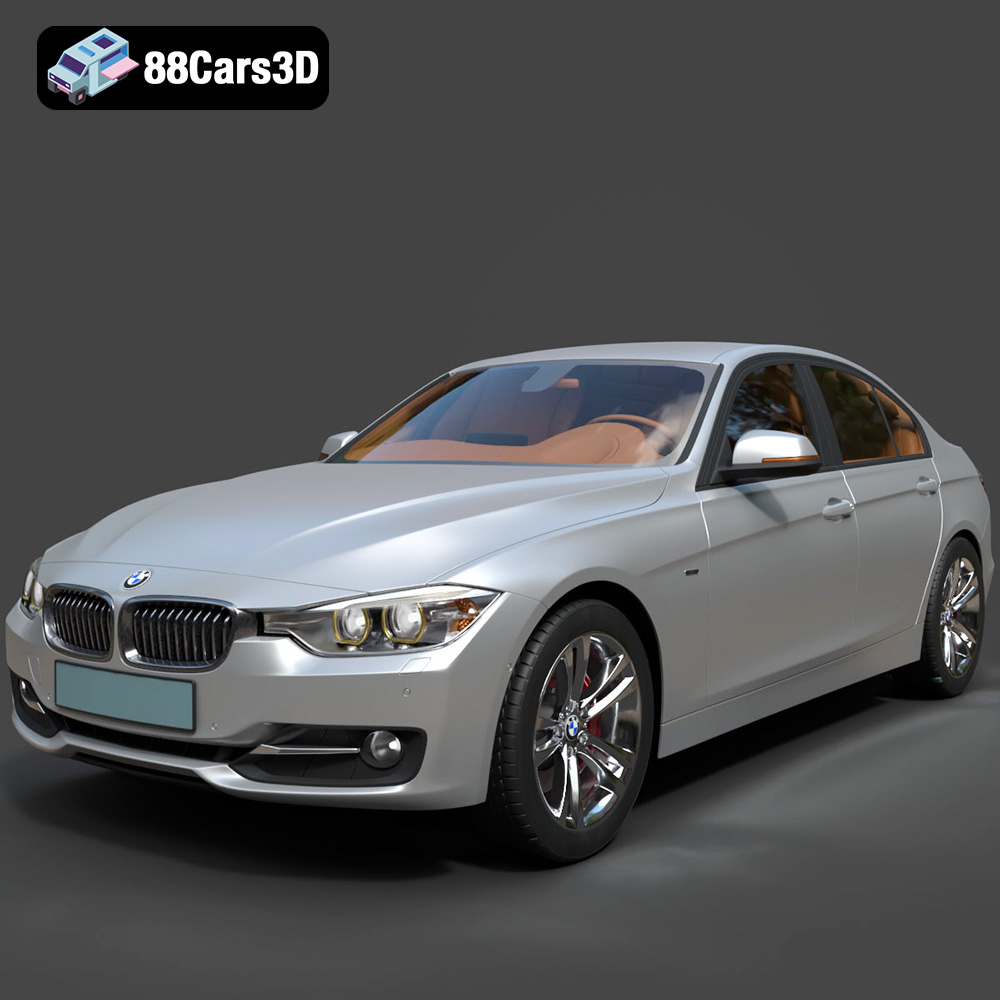
BMW 3 F30 3D Model
Texture: Yes
Material: Yes
Download the BMW 3 F30 3D Model featuring a detailed exterior, realistic interior, and optimized mesh. Includes .blend, .fbx, .obj, .glb, .stl, .ply, .unreal, and .max formats for rendering, simulation, and game development.
Price: $10.79
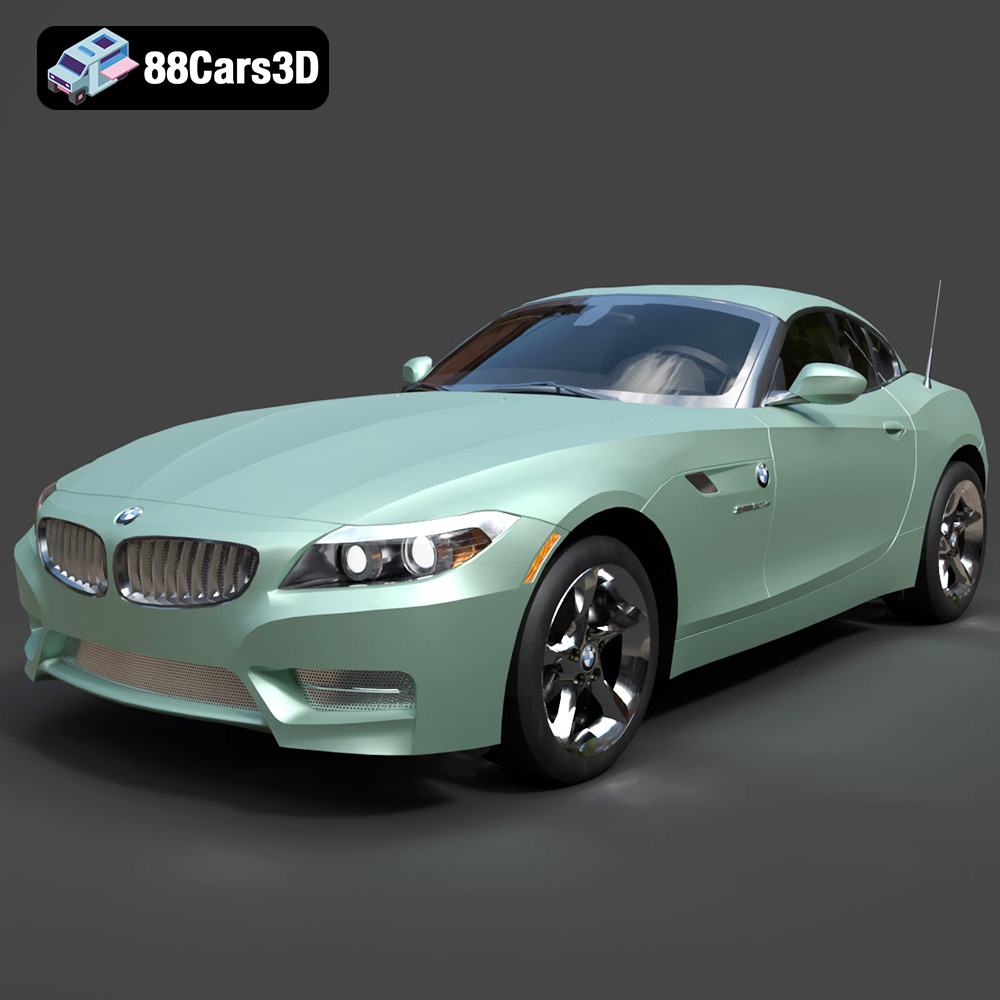
BMW Z4 Roadster E89 2012 3D Model
Texture: Yes
Material: Yes
Download the BMW Z4 Roadster E89 3D Model featuring clean geometry, realistic detailing, and a fully modeled interior. Includes .blend, .fbx, .obj, .glb, .stl, .ply, .unreal, and .max formats for rendering, simulation, and game development.
Price: $13.99

BMW Z4 E85 2005 3D Model
Texture: Yes
Material: Yes
Download the BMW Z4 E85 3D Model featuring clean geometry, realistic detailing, and a fully modeled interior. Includes .blend, .fbx, .obj, .glb, .stl, .ply, .unreal, and .max formats for rendering, simulation, and game development.
Price: $13.99

BMW M3 2024 3D Model
Texture: Yes
Material: Yes
Download the BMW M3 2024 3D Model featuring clean geometry, realistic detailing, and a fully modeled interior. Includes .blend, .fbx, .obj, .glb, .stl, .ply, .unreal, and .max formats for rendering, simulation, and game development.
Price: $13.99
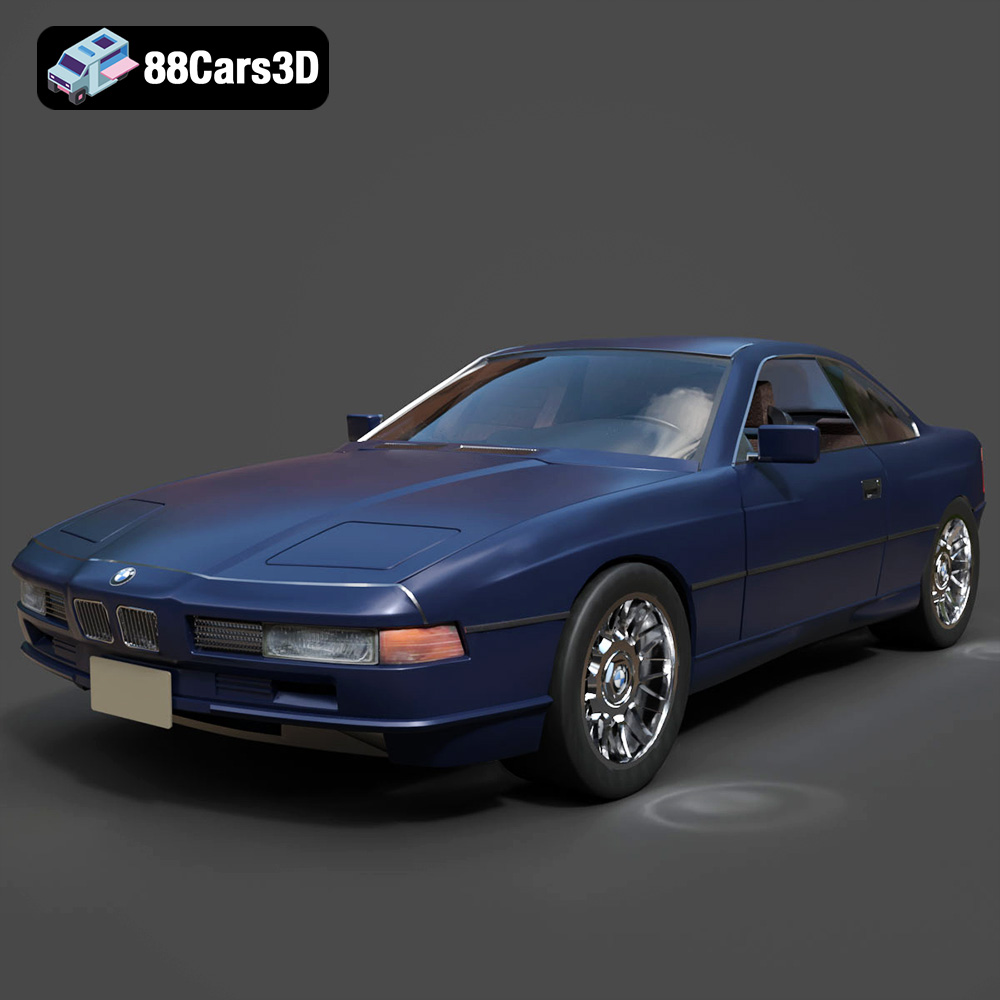
BMW 850i Coupe 1990 3D Model
Texture: Yes
Material: Yes
Download the BMW 850i Coupe 1990 3D Model featuring clean geometry, realistic detailing, and a fully modeled interior. Includes .blend, .fbx, .obj, .glb, .stl, .ply, .unreal, and .max formats for rendering, simulation, and game development.
Price: $13.99
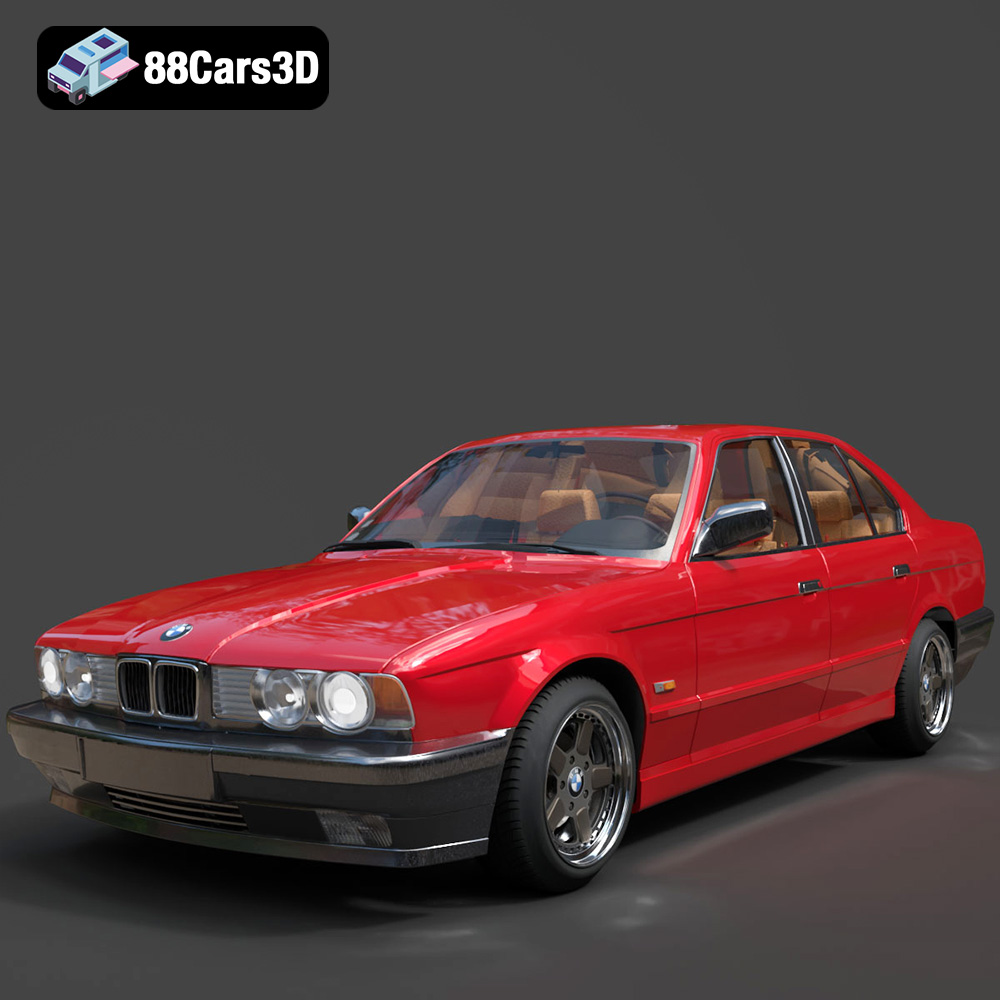
BMW 525i E34 1993 3D Model
Texture: Yes
Material: Yes
Download the BMW 525i E34 1993 3D Model featuring clean geometry, realistic detailing, and a fully modeled interior. Includes .blend, .fbx, .obj, .glb, .stl, .ply, .unreal, and .max formats for rendering, simulation, and game development.
Price: $12.99

BMW 7 Series 2016 3D Model
Texture: Yes
Material: Yes
Download the BMW 7 Series 2016 3D Model featuring luxurious design, detailed interior, and accurate exterior. Includes .blend, .fbx, .obj, .glb, .stl, .ply, .unreal, and .max formats for rendering, simulation, and game development.
Price: $10.79
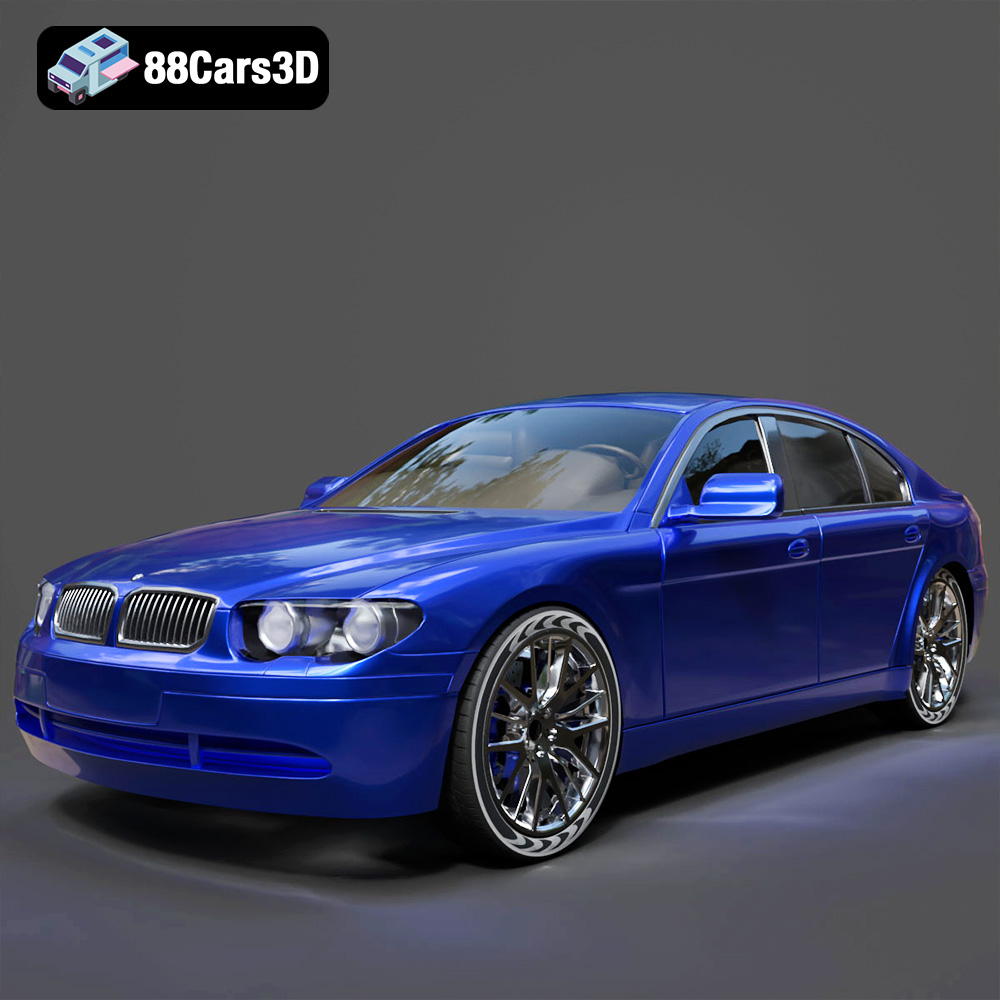
BMW 7 Series 30th Anniversary 3D Model
Texture: Yes
Material: Yes
Download the BMW 7 Series 30th Anniversary 3D Model featuring a meticulously crafted exterior, detailed interior, and realistic wheels. Includes .blend, .fbx, .obj, .glb, .stl, .ply, .unreal, and .max formats for rendering, simulation, and game development.
Price: $35.79

BMW 7-Series F02 3D Model
Texture: Yes
Material: Yes
Download the BMW 7-Series F02 3D Model featuring a detailed exterior and interior, optimized for rendering and animation. Includes .blend, .fbx, .obj, .glb, .stl, .ply, .unreal, and .max formats for rendering, simulation, and game development.
Price: $10.79
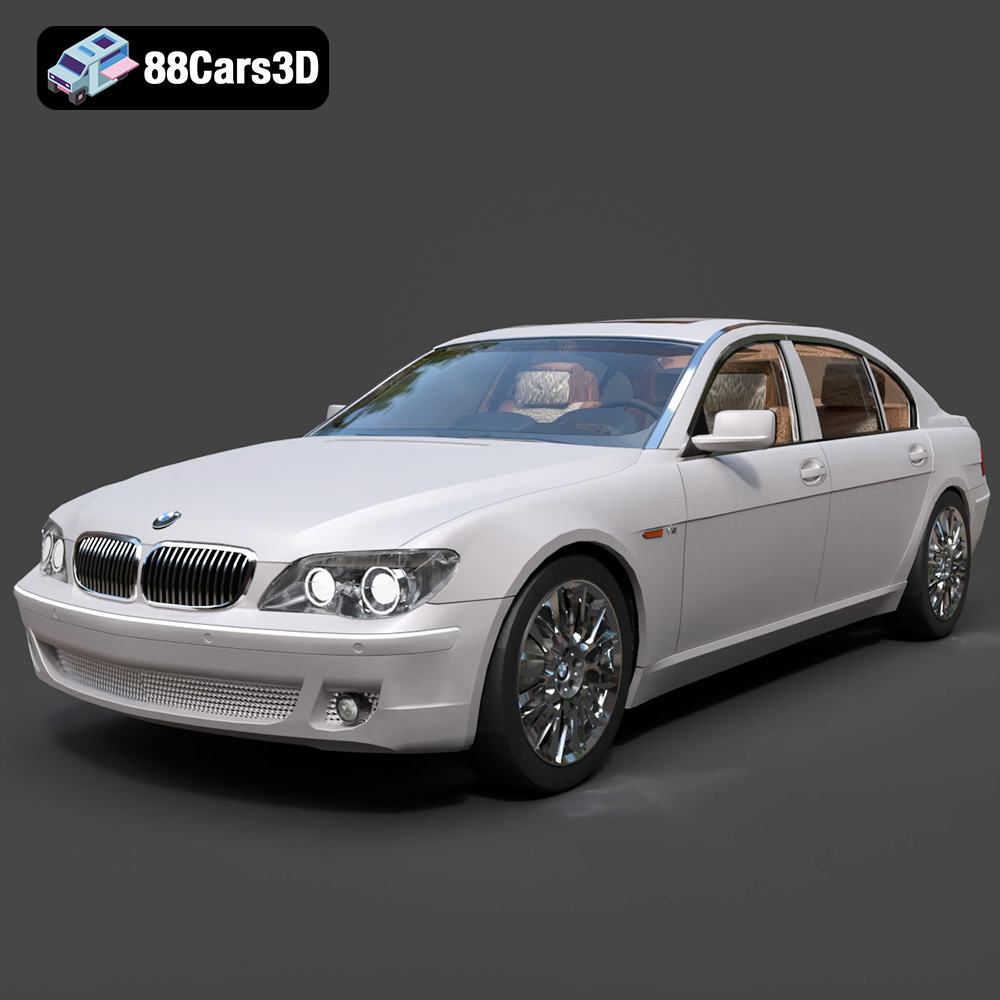
BMW 760Li E66 2005 3D Model
Texture: Yes
Material: Yes
Download the BMW 760Li E66 2005 3D Model featuring a detailed exterior, refined interior, and robust chassis. Includes .blend, .fbx, .obj, .glb, .stl, .ply, .unreal, and .max formats for rendering, simulation, and game development.
Price: $10.79
