

Mastering Your Prints: How to Fix Common STL File Errors for Flawless 3D Car Models
The allure of holding a meticulously crafted 3D printed car model, a testament to precision engineering and your own making prowess, is undeniable. Whether you’re a seasoned hobbyist looking to expand your collection with detailed replicas from platforms like 88cars3d.com, an engineer prototyping a component, or an educator bringing automotive concepts to life, the journey from digital file to physical object is incredibly rewarding. However, the path to a perfect print is often paved with unforeseen challenges, and a significant hurdle lies not with your 3D printer, but within the STL file itself. These digital blueprints, while ubiquitous in 3D printing, can harbor subtle errors that lead to print failures, wasted material, and immense frustration. This comprehensive guide will equip you with the knowledge and techniques to identify, diagnose, and rectify common STL file errors, ensuring your automotive masterpieces emerge from the print bed exactly as intended. We’ll delve into the intricacies of mesh topology, explore essential slicing parameters, demystify support structures, and guide you through post-processing, empowering you to achieve professional-grade results with every print.
Understanding the Anatomy of an STL File: Why Errors Occur
The STL (STereoLithography) file format, despite its widespread use, is a relatively simple representation of a 3D model. It describes the surface geometry of an object using a collection of triangular facets. Each triangle is defined by three vertices (points in 3D space) and a normal vector, which indicates the outward-facing direction of the surface. This seemingly straightforward approach, however, can become a breeding ground for errors during the modeling or export process. Understanding these fundamental building blocks is key to troubleshooting. When downloading models from marketplaces such as 88cars3d.com, you can be confident in their pre-checked quality, but for custom models or those from less curated sources, a deeper understanding is invaluable.
The Polygon Mesh: Facets, Vertices, and Normals
At its core, an STL file is a polygon mesh. Imagine building a complex shape out of thousands of tiny, flat triangles. The more triangles used, the smoother and more detailed the representation. However, these triangles must form a coherent, watertight surface. Problems arise when these triangles are not correctly connected or oriented, leading to issues that 3D printers, which rely on this surface information to build layer by layer, cannot interpret correctly. A manifold mesh, meaning a solid, closed surface with no holes or self-intersections, is the ideal state.
Common STL File Errors Explained
The most prevalent errors are often visually subtle but critically impactful for the slicing software and the printer itself. These include:
- Non-Manifold Edges: An edge where more than two triangles meet. This is like a seam that doesn’t quite close properly, creating ambiguity.
- Holes or Gaps: Missing triangles or disconnected vertices create openings in the surface, preventing the model from being considered “watertight.”
- Flipped Normals: The normal vector indicates the “outside” of a surface. If normals are flipped, the slicer might interpret an exterior surface as an interior void, or vice-versa.
- Intersecting Triangles: Two or more triangles overlap each other, creating self-intersections that confuse the slicer’s path planning.
- Duplicate or Degenerate Triangles: Triangles that occupy the same space or have zero area can cause processing errors.
These issues can manifest as missing sections in your print, hollow shells where solid parts should be, or the entire print failing to generate a toolpath. Identifying and correcting these before slicing is paramount for successful 3D printing, especially for intricate printable car models.
Essential Tools for STL File Repair and Preparation
Fortunately, a robust ecosystem of software tools exists to help you identify and fix STL file errors. These range from integrated features within popular slicers to dedicated mesh editing and repair software. Understanding which tool to use for which problem is crucial for an efficient workflow. While models from 88cars3d.com are meticulously prepared, knowing these tools is empowering for any maker’s journey.
Slicer-Based Repair Functions
Many modern slicers, such as Cura, PrusaSlicer, and Simplify3D, include built-in features to automatically detect and attempt to repair common STL errors. These are often the first line of defense. When you import an STL file into these programs, they will typically flag any detected issues. You can then enable options like “Fix Holes,” “Make Solid,” or “Remove All Holes” to let the software attempt an automatic repair. While convenient, these automatic repairs are not always perfect and can sometimes introduce new artifacts or simplify the mesh too aggressively, potentially losing fine details essential for complex automotive models.
Dedicated Mesh Editing Software: Meshmixer and Blender
For more complex repairs or when automatic fixes fail, dedicated mesh editing software is indispensable.
- Autodesk Meshmixer: A powerful, free tool specifically designed for working with 3D meshes. It offers robust tools for inspector functions (identifying errors), hole filling, smoothing, simplifying, and even sculpting. Its “Inspector” tool is excellent for pinpointing non-manifold edges, holes, and other topological issues.
- Blender: A professional-grade, open-source 3D creation suite. While it has a steeper learning curve, Blender offers unparalleled control over mesh editing. Its “3D-Print Toolbox” add-on provides specific functionalities for checking mesh integrity, repairing normals, and ensuring manifold geometry.
These tools allow for manual intervention, enabling you to precisely select and mend problematic areas without compromising the overall integrity of the model. For detailed printable car models, the ability to manually refine the mesh is invaluable.
Advanced Repair with Netfabb or Fusion 360
For professional workflows and highly complex repairs, software like Autodesk Netfabb or Fusion 360 (which includes mesh editing capabilities) provides advanced algorithms for mesh analysis and automated repair. These tools are particularly useful for industrial applications or when dealing with extremely large and complex assemblies where manual repair would be prohibitively time-consuming. They can handle issues like surface reconstruction and complex self-intersections with a high degree of accuracy, ensuring that even the most intricate STL files are print-ready.
Optimizing Your Slice Settings for Flawless Prints
Once your STL file is clean and watertight, the next critical step is to translate this digital model into printable layers using slicing software. The choices you make here significantly impact print quality, speed, and the success of your 3D prints. Each parameter influences how the 3D printer interprets the model’s geometry and builds it layer by layer. Getting these 3D printer settings dialed in is an art form, especially for the detailed printable car models found on 88cars3d.com.
Layer Height vs. Print Time: The Delicate Balance
Layer height is arguably one of the most impactful settings for print quality and duration. It defines the thickness of each individual layer deposited by the printer.
- Lower Layer Heights (e.g., 0.05mm – 0.1mm): Result in smoother surfaces with less visible “stair-stepping” artifacts on curved or angled surfaces. This is crucial for capturing the fine details of car bodies, such as panel lines, curves, and emblems. However, it dramatically increases print time as the printer has to lay down significantly more layers.
- Higher Layer Heights (e.g., 0.2mm – 0.3mm): Lead to faster print times but exhibit more prominent layer lines, which can detract from the visual appeal of detailed models.
For high-detail automotive models, a layer height of 0.1mm to 0.15mm often strikes a good balance between detail and print time. Always consider the scale and complexity of the model when choosing.
Infill: Strength, Weight, and Material Usage
Infill refers to the internal structure printed within the model’s shell. It affects the model’s strength, weight, and the amount of material used.
- Infill Density: Typically ranges from 0% (hollow) to 100% (solid). For display models, a low infill density (5-15%) is usually sufficient to provide a stable base for the outer walls and support overhangs. Higher densities increase strength but also print time and material consumption.
- Infill Patterns: Different patterns (e.g., grid, gyroid, cubic, honeycomb) offer varying degrees of strength and printability. Gyroid and cubic patterns are often favored for their good strength-to-weight ratio and because they don’t create continuous lines that might print unevenly.
For most collectible printable car models, a light infill (around 10%) with a gyroid pattern is a good starting point.
Print Speed and Temperature: The Sweet Spot
Finding the optimal print speed and temperature depends heavily on the specific 3D printer, filament type, and model geometry.
- Print Speed: Printing too fast can lead to poor layer adhesion, ringing artifacts, and under-extrusion. Printing too slow can increase print time unnecessarily and sometimes lead to heat creep. For detailed models, slowing down outer wall print speeds (e.g., 30-40 mm/s) is often beneficial.
- Nozzle Temperature: This should be set according to the filament manufacturer’s recommendations. Slight adjustments might be needed based on ambient temperature and printing speed. A temperature tower calibration print is an excellent way to find the optimal temperature for a specific filament spool.
Always consult your filament’s datasheet and conduct small test prints to fine-tune these parameters for the best results.
Mastering Support Structures: The Unsung Heroes of Complex Prints
Many intricate models, especially detailed printable car models with complex overhangs, undercuts, and thin structures, would be impossible to print without support structures. These temporary scaffolds are generated by the slicer to hold up parts of the model that would otherwise droop or collapse during printing. Their generation, placement, and removal are critical to achieving a clean final print.
Automatic vs. Manual Support Generation
Slicers offer various options for generating supports.
- Automatic Supports: The slicer analyzes the model and automatically places supports where it detects overhangs exceeding a specified threshold (e.g., 45-60 degrees). This is the easiest method but can sometimes place supports in hard-to-reach areas or create excessive scarring on the model’s surface.
- Manual Supports: You have direct control over where supports are placed. This is more time-consuming but allows for precise placement, minimizing surface damage and ensuring supports are only where absolutely necessary. Many slicers allow you to add “support blockers” to prevent supports from being generated in specific areas.
For detailed automotive models, a hybrid approach often works best: use automatic supports as a starting point and then manually add or remove supports where needed.
Support Types and Settings: Tree vs. Normal
Beyond basic placement, slicers offer different support types:
- Normal/Grid Supports: These are the traditional, dense structures that build up from the print bed or model surface. They are strong but can be difficult to remove cleanly.
- Tree/Organic Supports: These branch out from contact points like a tree, providing support only where needed and often using less material. They tend to be easier to remove and leave fewer marks, making them ideal for delicate models.
Settings like support density, pattern, contact Z distance (the gap between the support and the model), and support interface layers significantly influence ease of removal and surface finish. Experimenting with a small test piece is highly recommended.
Support Removal Techniques: Patience is Key
Removing supports requires patience and the right tools to avoid damaging the finished print.
- Tools: A hobby knife, needle-nose pliers, flush cutters, and sometimes even small files or sandpaper are essential.
- Technique: Gently wiggle the support structure to loosen it before attempting to pull it away. For stubborn supports, carefully score around the base with a hobby knife. Start with larger sections and work your way to smaller, more delicate areas. Removing supports while the print is still slightly warm can sometimes make them more brittle and easier to snap off.
Careful support removal is crucial for preserving the aesthetic quality of your automotive models, especially when they feature sharp edges or fine details.
Print Orientation and Bed Adhesion: The Foundation of Success
The way your STL file is oriented on the print bed and how well it adheres to that bed are fundamental to a successful print. Incorrect orientation can exacerbate the need for supports and lead to weaker prints, while poor bed adhesion is one of the most common causes of print failure, resulting in prints detaching mid-print or warping.
Strategic Print Orientation for FDM and Resin Printing
The orientation of your model on the print bed affects multiple aspects of the print:
- Minimizing Supports: Rotating the model can drastically reduce the number and complexity of required support structures, leading to cleaner prints and faster print times. Look for an orientation that presents the largest flat surfaces to the build plate and minimizes overhangs.
- Improving Strength: For FDM printing, the layer lines represent inherent weaknesses. Orienting the model so that critical stress points are not perpendicular to the layer lines can improve its structural integrity.
- Surface Finish: The side of the model facing upwards during printing will generally have the best surface finish, as it’s not directly interacting with supports. Consider which surfaces you want to showcase and orient accordingly.
For printable car models, orienting them upright often provides the best balance of detail visibility and support management, but complex underbodies might require different approaches.
Achieving Reliable Bed Adhesion
A print that detaches from the build plate is a failed print, regardless of how well the slicing and model were prepared.
- First Layer Settings: Crucial parameters include a slower first layer speed (e.g., 15-20 mm/s), a slightly lower temperature for the first layer (both nozzle and bed), and a slightly thicker first layer height (e.g., 0.2mm – 0.3mm) to ensure good squish.
- Build Surface Preparation: Ensure your build plate is clean. For materials like PLA and PETG, washing with isopropyl alcohol is usually sufficient. For more challenging materials like ABS or Nylon, adhesives like glue stick, hairspray, or specialized build surface sheets (e.g., PEI) may be necessary.
- Brims and Rafts: In your slicer, you can add a “brim” (a single layer of extruded lines extending outwards from the base of the model) or a “raft” (a thicker, multi-layer base). These increase the surface area contact with the build plate, significantly improving adhesion, especially for models with small footprints or those prone to warping.
Proper bed adhesion is non-negotiable for successful 3D printing, particularly for larger or more detailed models.
Post-Processing: Bringing Your 3D Printed Car Models to Life
The journey doesn’t end when the print is finished. Post-processing is where you transform a raw 3D print into a polished, display-worthy piece. This stage involves cleaning up supports, smoothing surfaces, and potentially painting or assembling multi-part models, especially for advanced projects involving parts from various sources or even your own custom designs. The attention to detail applied here can elevate a good print into a truly exceptional one.
Cleaning, Sanding, and Smoothing
Removing support material cleanly is the first step.
- Support Removal: As discussed earlier, use appropriate tools (knives, pliers, cutters) to carefully detach supports.
- Sanding: Start with coarser grit sandpaper (e.g., 120-220 grit) to remove support marks and layer lines, then progressively move to finer grits (e.g., 400, 800, 1200+) to achieve a smooth finish. Wet sanding can often yield better results and reduce dust.
- Filling and Priming: For FDM prints with visible layer lines, applying a filler primer or using a filler putty can fill in the gaps. Multiple light coats of primer followed by sanding can create an incredibly smooth surface ready for paint.
For resin prints, cleaning with isopropyl alcohol and curing under UV light are standard steps before sanding and painting.
Painting and Finishing Techniques
Painting is where your 3D printed car models truly come alive.
- Primer: Always start with a primer suitable for plastic to ensure paint adhesion.
- Base Coats: Use acrylics, enamels, or spray paints. Applying thin, even coats is key to avoiding drips and maintaining detail.
- Detailing: Use fine brushes for details like headlights, grilles, trim, and interior elements.
- Weathering and Effects: For a more realistic look, consider techniques like washes to highlight panel lines, dry brushing to add wear effects, or even custom decal application.
- Clear Coats: A final clear coat (gloss, satin, or matte) protects the paint job and provides a uniform finish.
The quality of your paint job can make or break the final appearance of your meticulously designed and printed automotive models.
Assembly of Multi-Part Models
Many complex printable car models are designed to be printed in multiple parts for ease of printing and greater detail.
- Alignment Features: Good model design often includes alignment pins, sockets, or interlocking features to simplify assembly.
- Adhesives: Cyanoacrylate (super glue), epoxies, or plastic cement are commonly used, depending on the plastic type. Ensure you use an adhesive compatible with your filament.
- Joining Techniques: For stronger bonds, you can lightly score the mating surfaces or use a small amount of the same filament material with a soldering iron or 3D pen to fuse the parts together.
Careful assembly, just like careful printing, is essential for a professional-looking finished product.
Conclusion: Your Blueprint for Perfect Prints
Navigating the world of 3D printing, especially when aiming for the intricate detail of automotive models, requires a blend of technical understanding and practical skill. By mastering the identification and repair of common STL file errors, you lay a robust foundation for successful prints. Understanding the nuances of your slicer’s settings—from layer height and infill to print speed and temperature—allows you to optimize quality and efficiency. Furthermore, the strategic use and careful removal of support structures, combined with meticulous attention to print orientation and bed adhesion, mitigate a vast majority of potential print failures. Finally, embracing post-processing techniques transforms raw prints into polished masterpieces.
Armed with this knowledge, you are well-equipped to tackle any project, whether you’re downloading print-ready files from trusted sources like 88cars3d.com or working with your own custom designs. Remember that practice and experimentation are key. Don’t be discouraged by initial setbacks; view them as learning opportunities. By systematically applying these techniques, you’ll consistently achieve higher quality prints, bring your automotive visions to life with stunning accuracy, and truly master the art and science of 3D printing. Happy printing!
Featured 3D Car Models

BMW 3 F30 3D Model
Texture: Yes
Material: Yes
Download the BMW 3 F30 3D Model featuring a detailed exterior, realistic interior, and optimized mesh. Includes .blend, .fbx, .obj, .glb, .stl, .ply, .unreal, and .max formats for rendering, simulation, and game development.
Price: $10.79
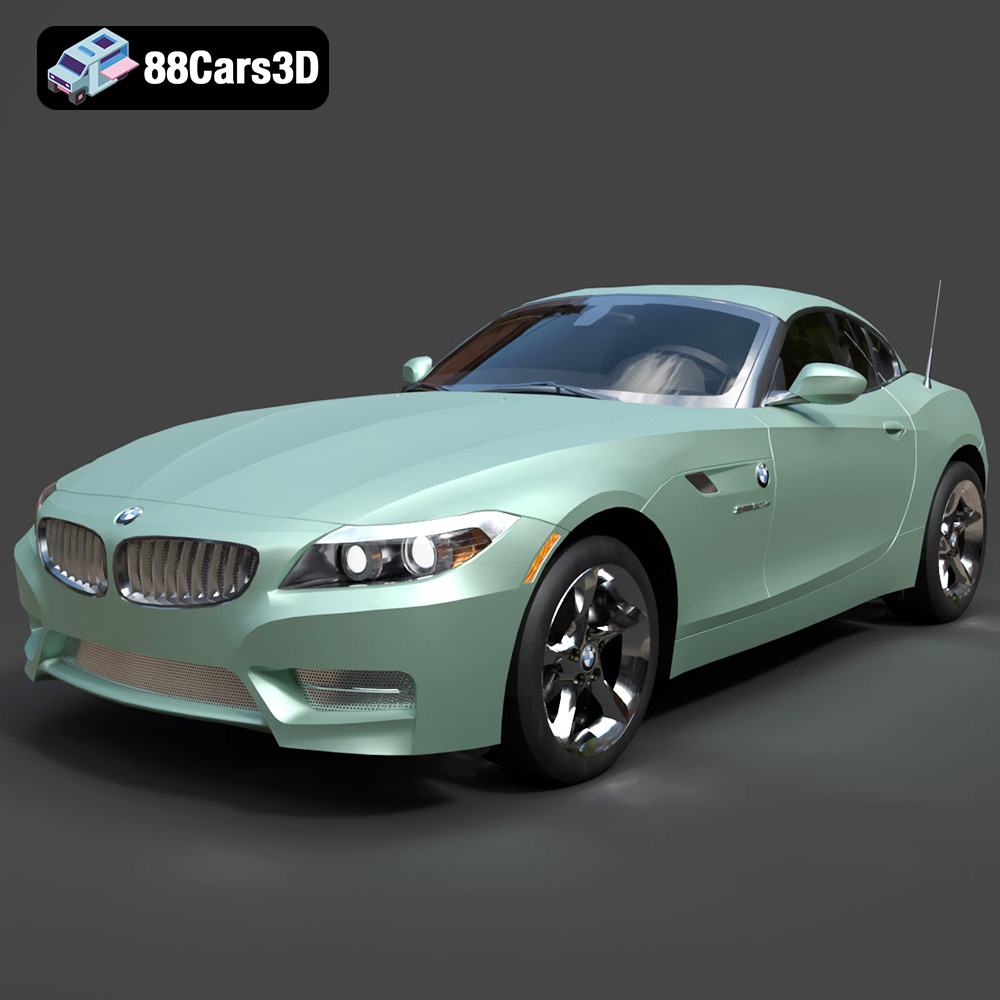
BMW Z4 Roadster E89 2012 3D Model
Texture: Yes
Material: Yes
Download the BMW Z4 Roadster E89 3D Model featuring clean geometry, realistic detailing, and a fully modeled interior. Includes .blend, .fbx, .obj, .glb, .stl, .ply, .unreal, and .max formats for rendering, simulation, and game development.
Price: $13.99

BMW Z4 E85 2005 3D Model
Texture: Yes
Material: Yes
Download the BMW Z4 E85 3D Model featuring clean geometry, realistic detailing, and a fully modeled interior. Includes .blend, .fbx, .obj, .glb, .stl, .ply, .unreal, and .max formats for rendering, simulation, and game development.
Price: $13.99

BMW M3 2024 3D Model
Texture: Yes
Material: Yes
Download the BMW M3 2024 3D Model featuring clean geometry, realistic detailing, and a fully modeled interior. Includes .blend, .fbx, .obj, .glb, .stl, .ply, .unreal, and .max formats for rendering, simulation, and game development.
Price: $13.99
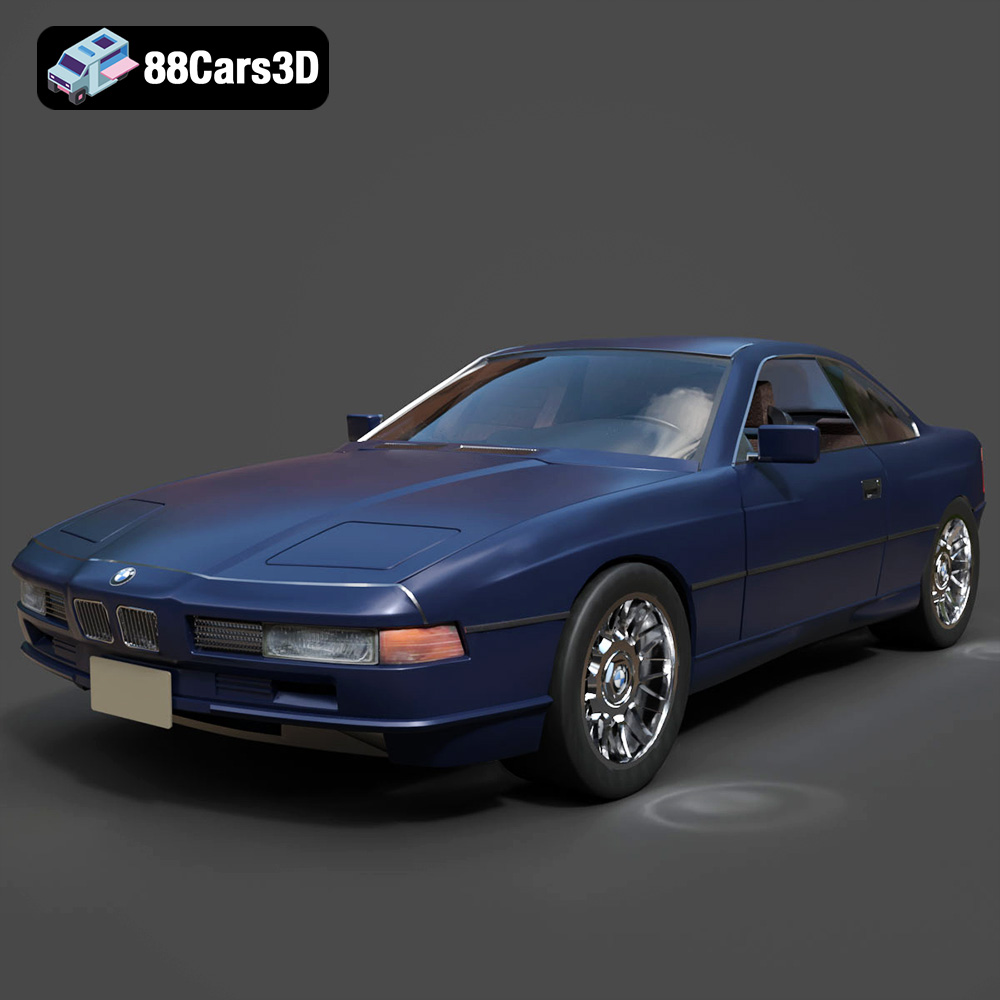
BMW 850i Coupe 1990 3D Model
Texture: Yes
Material: Yes
Download the BMW 850i Coupe 1990 3D Model featuring clean geometry, realistic detailing, and a fully modeled interior. Includes .blend, .fbx, .obj, .glb, .stl, .ply, .unreal, and .max formats for rendering, simulation, and game development.
Price: $13.99
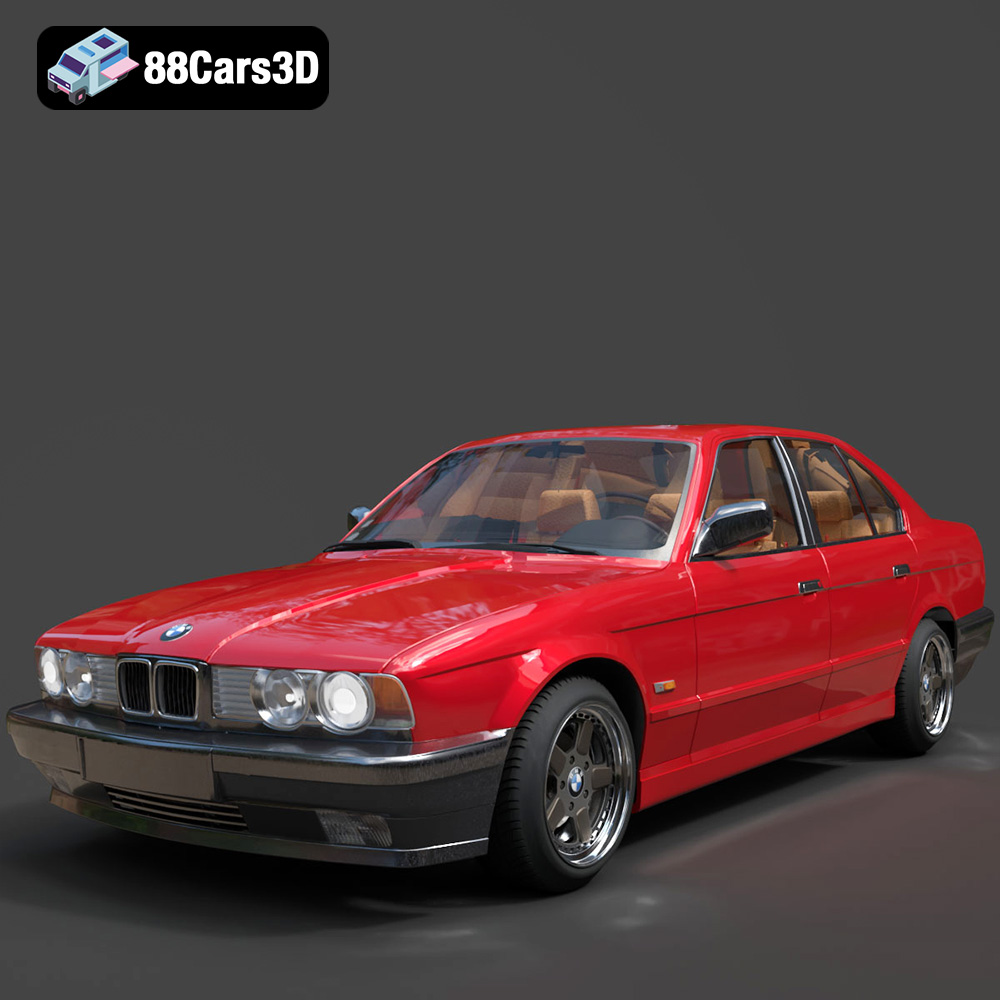
BMW 525i E34 1993 3D Model
Texture: Yes
Material: Yes
Download the BMW 525i E34 1993 3D Model featuring clean geometry, realistic detailing, and a fully modeled interior. Includes .blend, .fbx, .obj, .glb, .stl, .ply, .unreal, and .max formats for rendering, simulation, and game development.
Price: $12.99

BMW 7 Series 2016 3D Model
Texture: Yes
Material: Yes
Download the BMW 7 Series 2016 3D Model featuring luxurious design, detailed interior, and accurate exterior. Includes .blend, .fbx, .obj, .glb, .stl, .ply, .unreal, and .max formats for rendering, simulation, and game development.
Price: $10.79
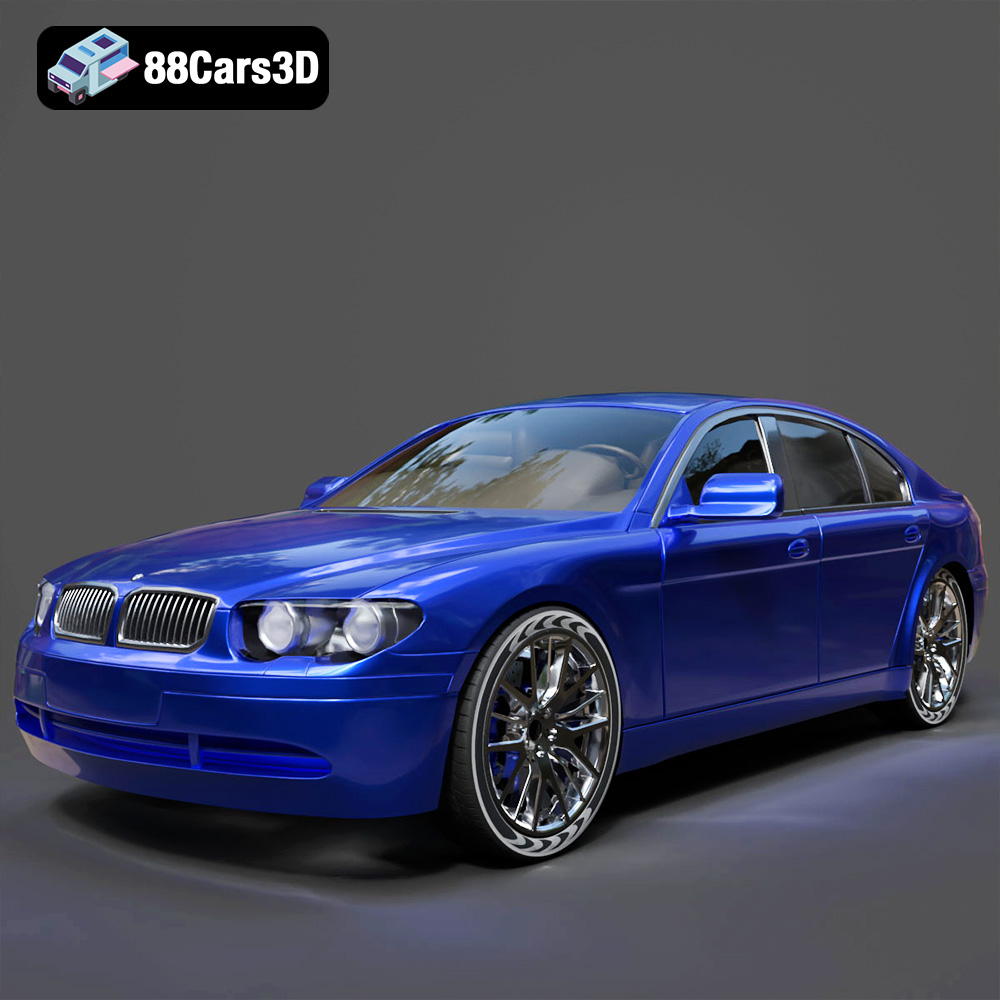
BMW 7 Series 30th Anniversary 3D Model
Texture: Yes
Material: Yes
Download the BMW 7 Series 30th Anniversary 3D Model featuring a meticulously crafted exterior, detailed interior, and realistic wheels. Includes .blend, .fbx, .obj, .glb, .stl, .ply, .unreal, and .max formats for rendering, simulation, and game development.
Price: $35.79

BMW 7-Series F02 3D Model
Texture: Yes
Material: Yes
Download the BMW 7-Series F02 3D Model featuring a detailed exterior and interior, optimized for rendering and animation. Includes .blend, .fbx, .obj, .glb, .stl, .ply, .unreal, and .max formats for rendering, simulation, and game development.
Price: $10.79
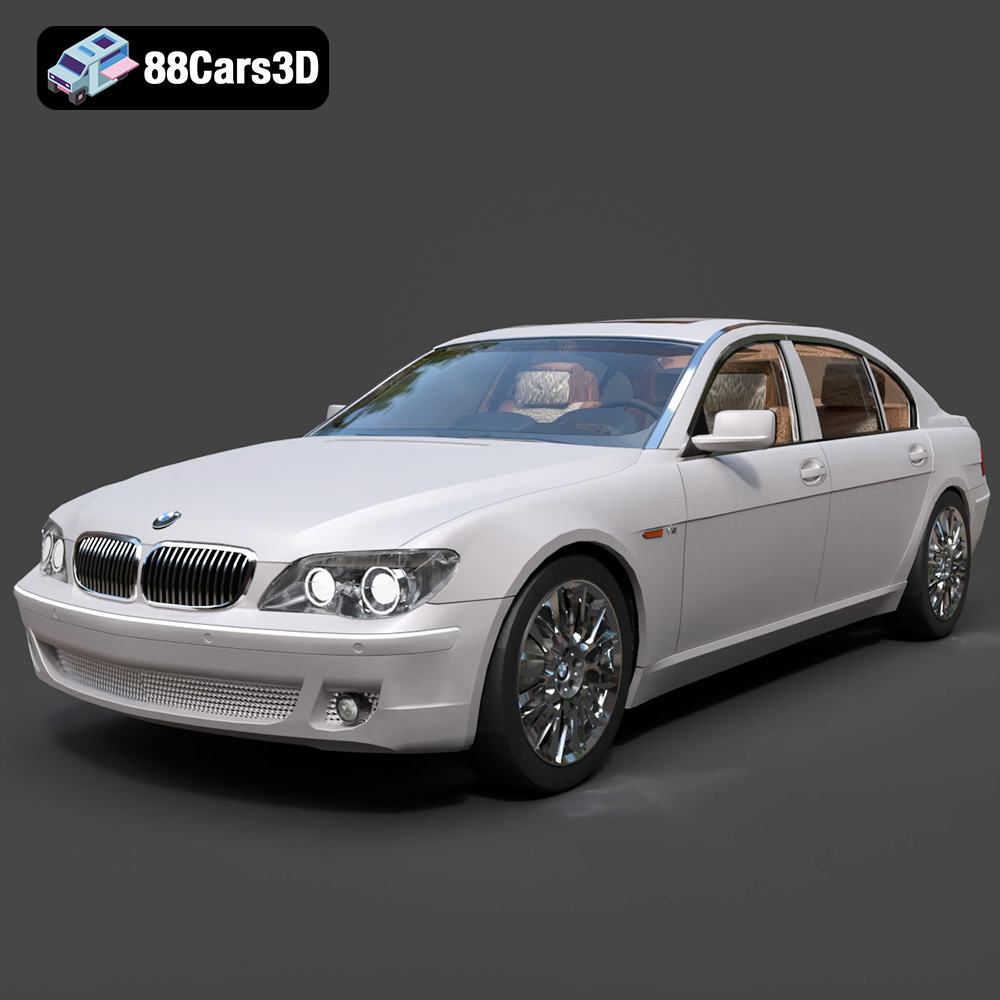
BMW 760Li E66 2005 3D Model
Texture: Yes
Material: Yes
Download the BMW 760Li E66 2005 3D Model featuring a detailed exterior, refined interior, and robust chassis. Includes .blend, .fbx, .obj, .glb, .stl, .ply, .unreal, and .max formats for rendering, simulation, and game development.
Price: $10.79
