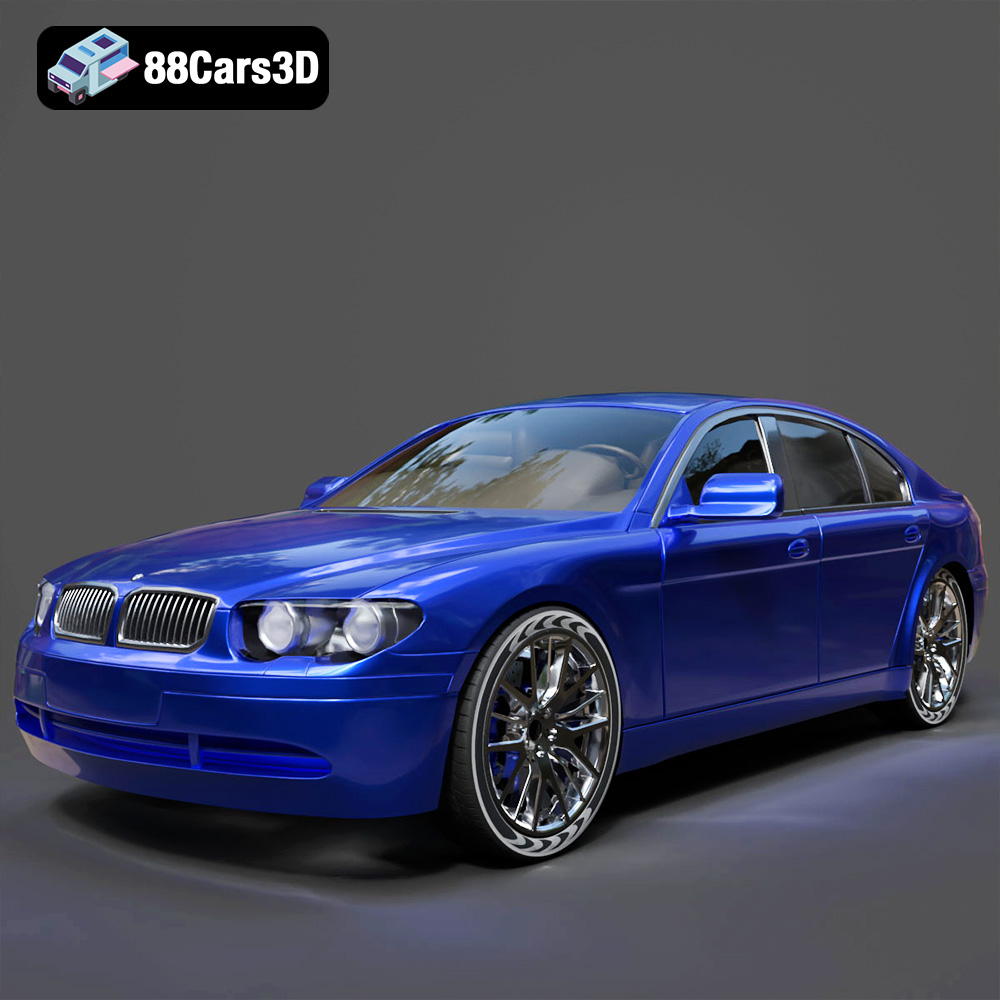
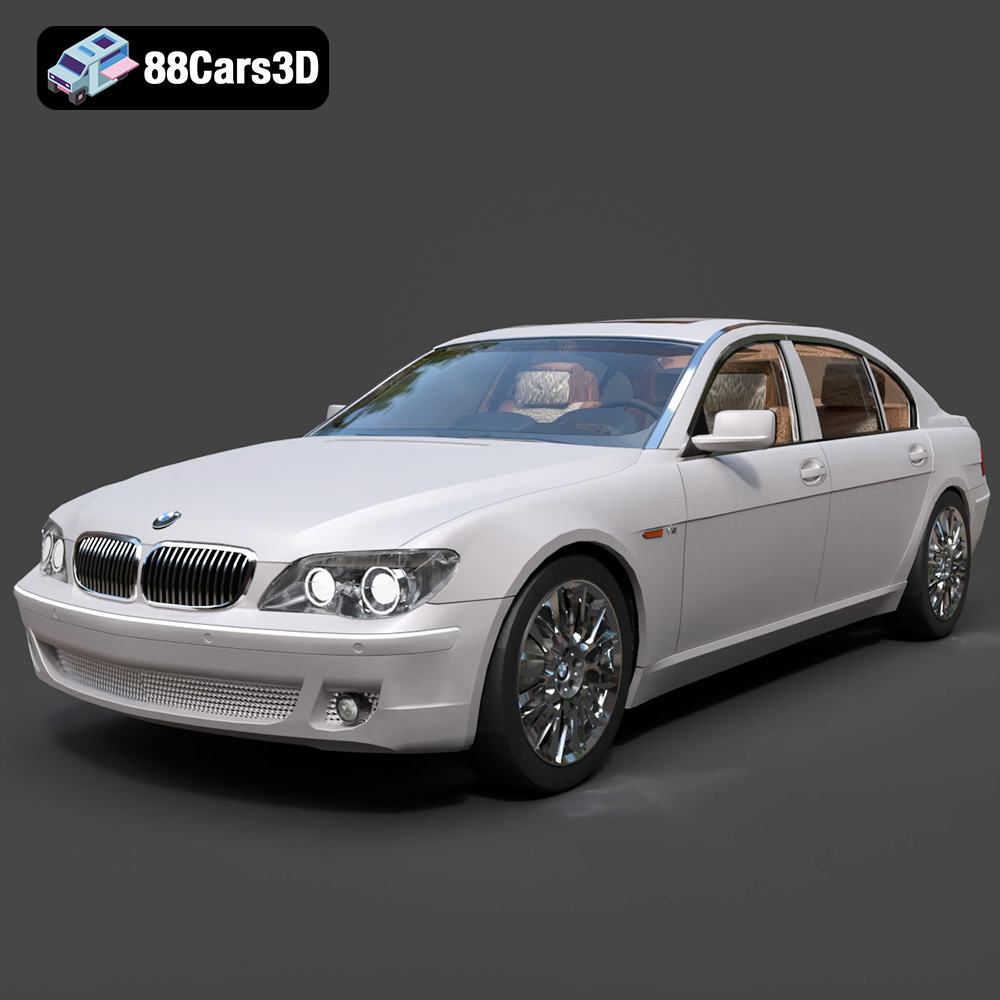
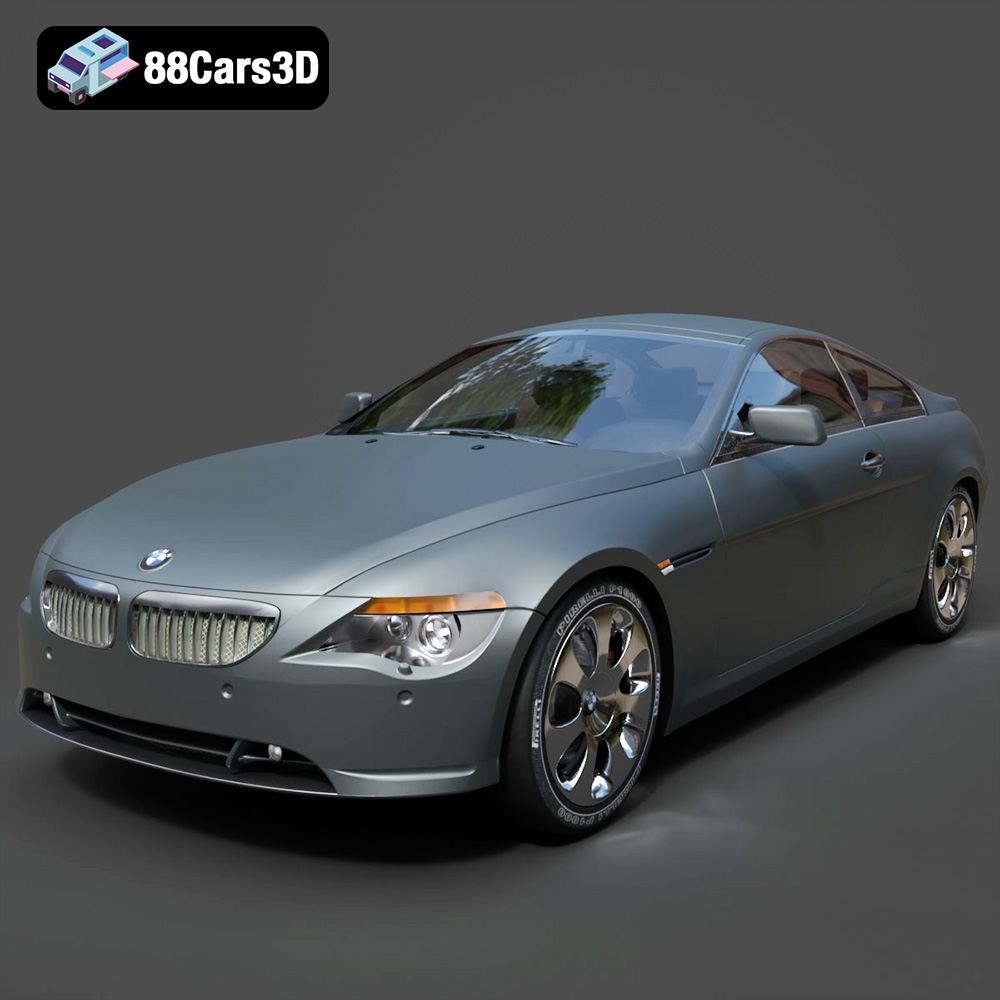
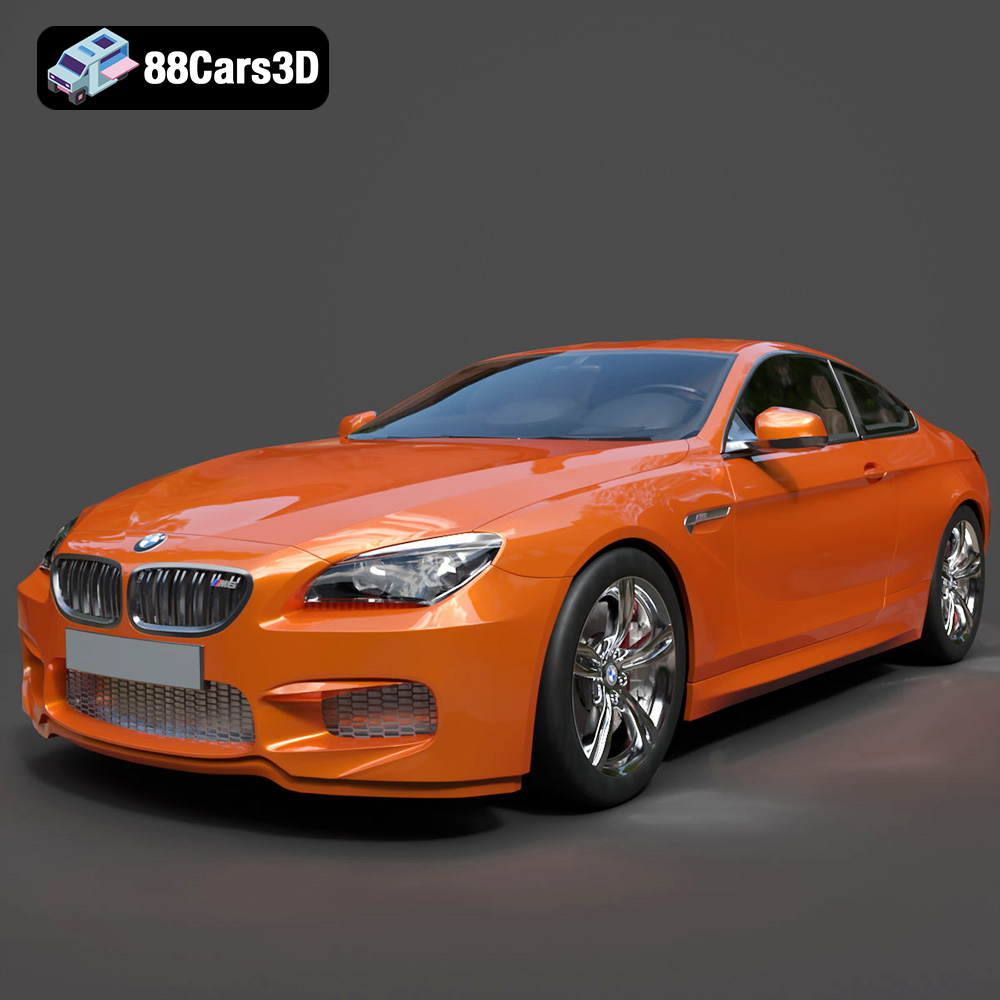
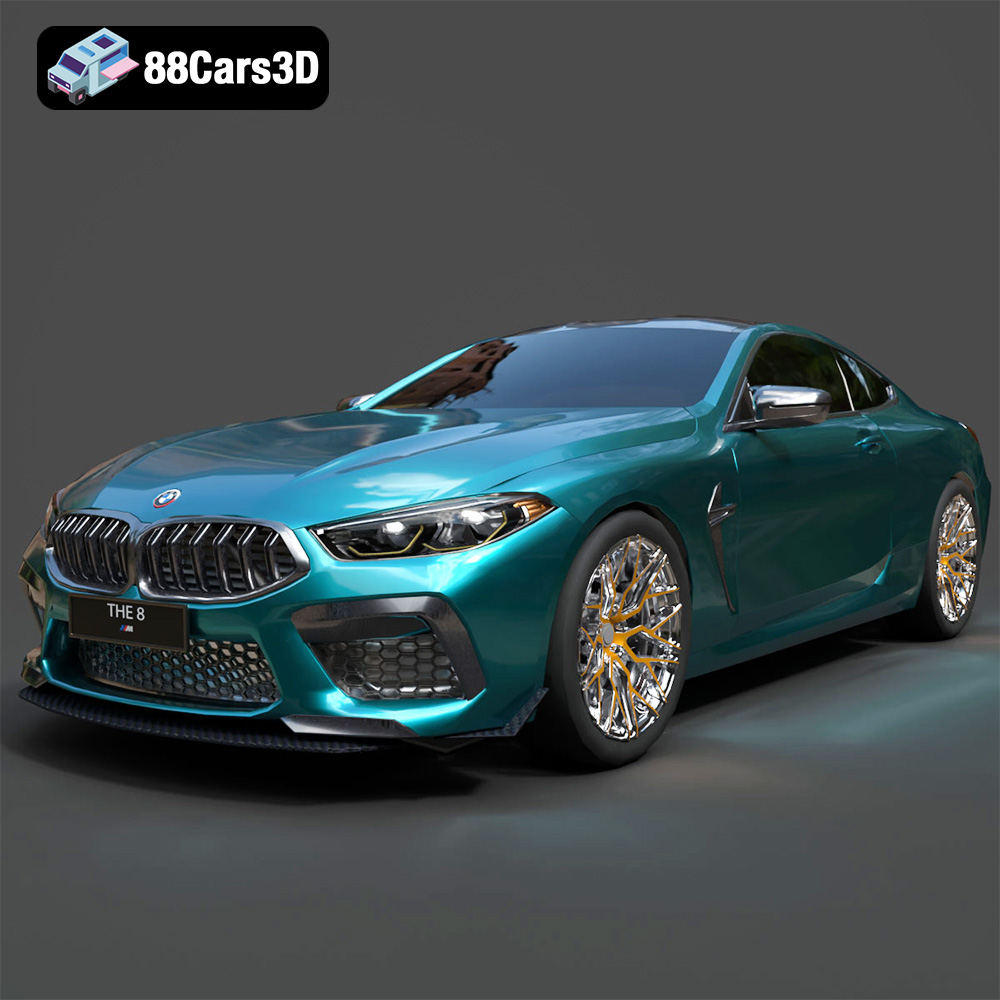
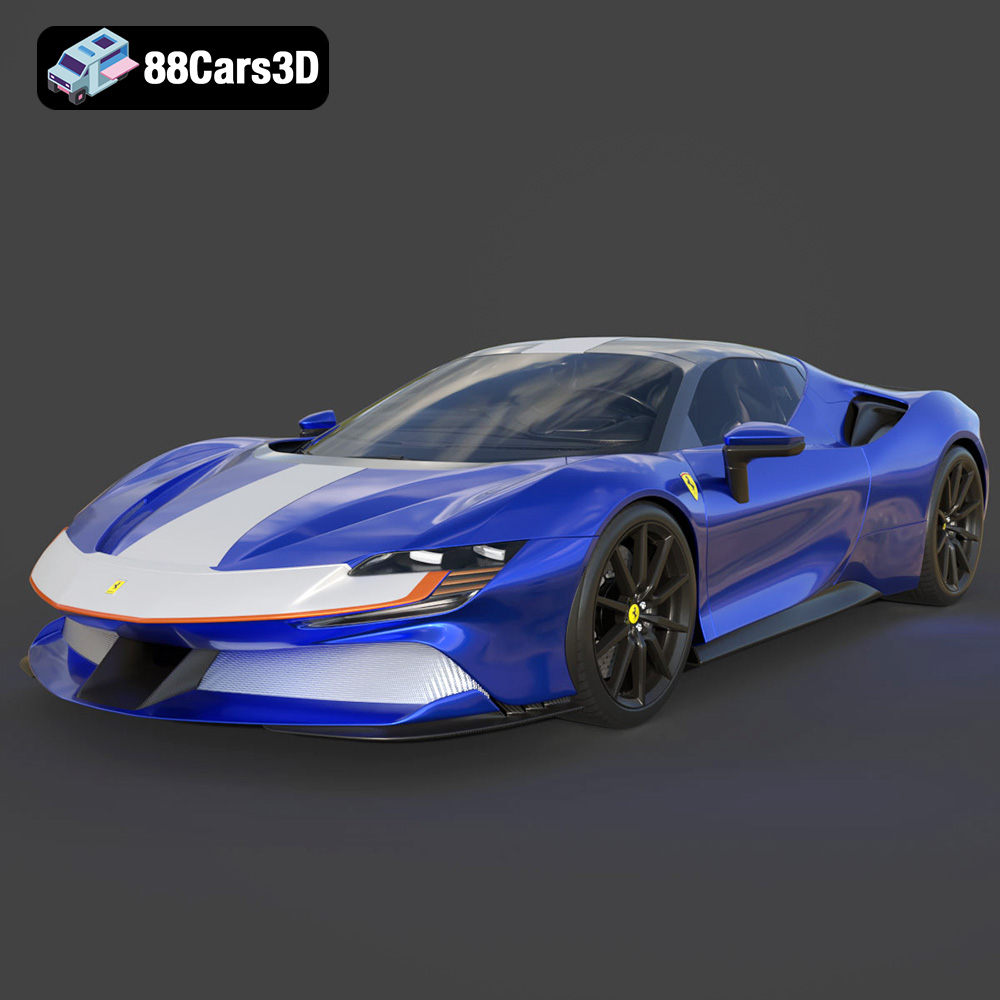
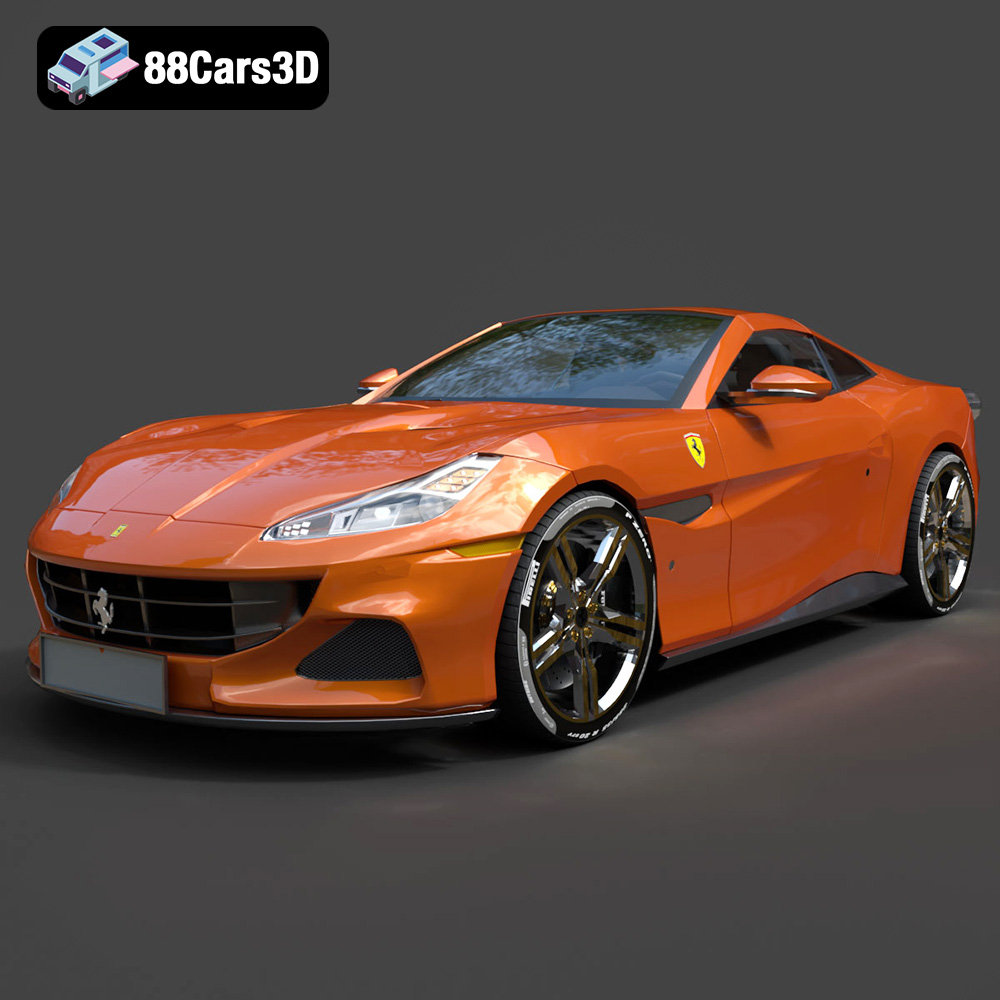
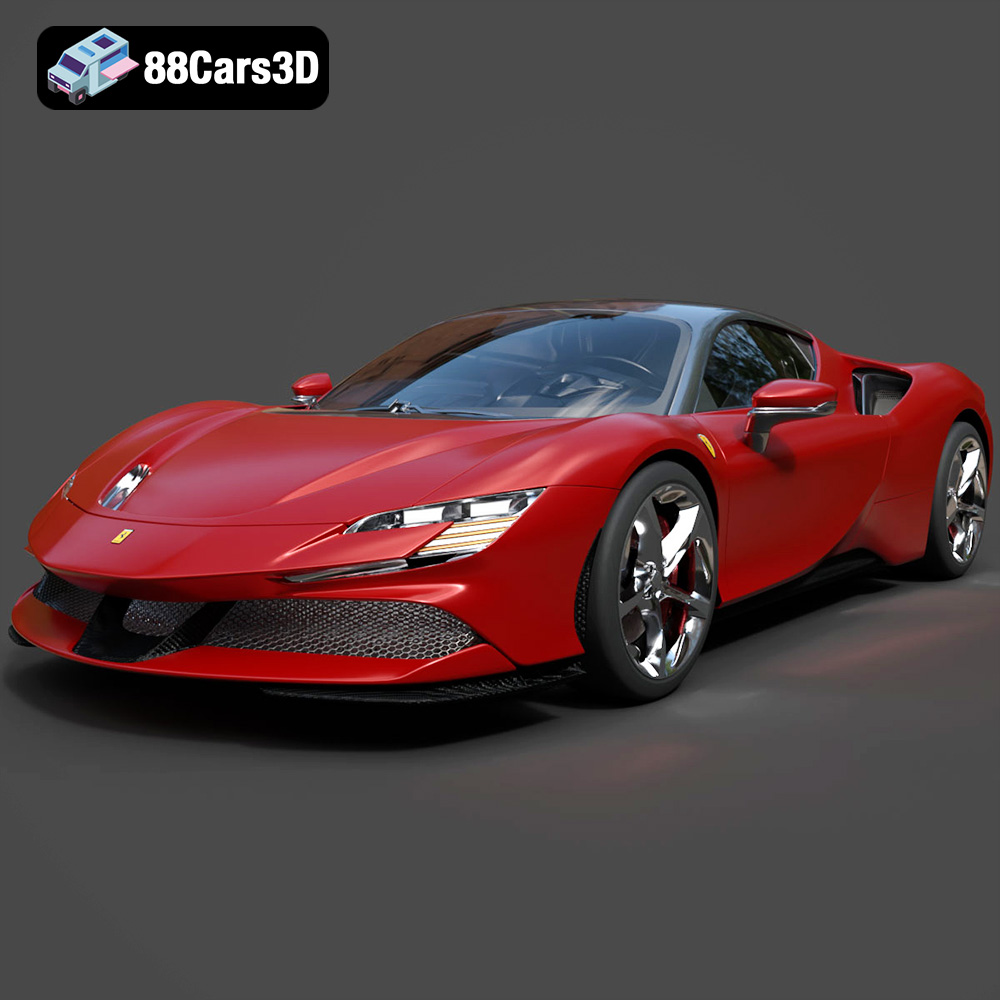
Driving Innovation: The Critical Role of High-Quality 3D Car Models Across Industries
In today’s visually-driven world, the demand for realistic and impeccably crafted 3D assets is paramount across a multitude of sectors. From blockbuster films and immersive video games to cutting-edge product visualization and architectural renders, high-fidelity 3D car models serve as indispensable tools for creators and innovators alike. These digital representations are far more than simple static objects; they are complex constructs that demand precision, technical expertise, and an understanding of diverse industry workflows.
Whether you’re an automotive designer showcasing a future concept, a game developer populating an open world, an architect integrating vehicles into a scene, or a marketer creating compelling visuals, the quality of your 3D car models directly impacts the professionalism and impact of your final output. The digital landscape thrives on realism, and a meticulously detailed car model can elevate a project from ordinary to extraordinary. This article will delve deep into the technical intricacies, workflows, and diverse applications of professional 3D car models, highlighting why investing in premium assets from platforms like 88cars3d.com is a cornerstone for success.
Understanding 3D Model File Formats: The Foundation of Digital Assets
The journey of a 3D car model from concept to deployment involves navigating a complex ecosystem of file formats, each designed for specific purposes and optimized for different software environments. Understanding these formats is crucial for ensuring compatibility, preserving data integrity, and streamlining your workflow. Selecting the correct file type is not merely a preference; it’s a technical decision that impacts everything from mesh fidelity to material interpretation and animation capabilities. Here’s a breakdown of the most common and critical formats you’ll encounter:
.blend & .max: Native Powerhouses for DCC Workflows
- .blend (Blender Scene): This is Blender’s native file format, offering a complete, editable scene. It encapsulates everything from mesh geometry, UV maps, textures (packed or referenced), materials, lighting setups, animations, physics simulations, and even custom scripts. For artists working primarily within Blender, this format provides the highest level of flexibility and retainment of all project data. It’s excellent for further modifications, rigging, or animation, making it a go-to for many professional 3D artists.
- .max (3ds Max Project): Similarly, .max is the proprietary format for Autodesk 3ds Max, a long-standing industry standard for 3D modeling, animation, and rendering. A .max file stores all scene data, including geometry, modifiers, materials (especially V-Ray or Corona specific shaders), lights, cameras, and animation keyframes. It offers full editing capabilities within 3ds Max and is often preferred by studios and designers whose pipelines are built around this powerful software, particularly for architectural visualization and detailed product rendering.
.fbx & .obj: The Interoperability Backbone
- .fbx (Filmbox): Developed by Autodesk, FBX has become the de-facto standard for data exchange between different 3D software applications and game engines. It’s incredibly versatile, supporting not just mesh data but also materials, textures, animations, rigging, cameras, and lights. Its strength lies in its ability to carry complex scene information across disparate platforms (e.g., from 3ds Max to Unreal Engine or Maya to Unity) with high fidelity. When importing into game engines, FBX files are usually the first choice due to their robust support for animation and skeletal data.
- .obj (Wavefront OBJ): One of the oldest and most universally supported 3D file formats, .obj is a simple text-based format primarily used for transferring geometric data. It stores vertex positions, UV coordinates, vertex normals, and polygonal faces. While it can reference external material files (.mtl), it does not support animations, rigging, or complex scene data. Its strength is its simplicity and widespread compatibility, making it an excellent choice for basic mesh transfer between virtually any 3D software. For static meshes where only geometry and basic UVs are needed, .obj remains a reliable option.
.glb & .stl & .ply: Specialized Formats for Niche Applications
- .glb (GL Transmission Format Binary): GLB is the binary version of glTF (Graphics Language Transmission Format), designed for efficient transmission and loading of 3D scenes and models by web applications. It packages the 3D model, textures, and animations into a single file, making it highly optimized for AR/VR experiences, web viewers, and browser-based 3D displays. Its compact size and ease of integration into web platforms have made it increasingly popular for interactive 3D content.
- .stl (Stereolithography): This format is the industry standard for 3D printing. An .stl file describes only the surface geometry of a 3D object using a collection of triangular facets, without any color, texture, or material information. While simplistic, its ubiquity in additive manufacturing means that any 3D model intended for physical production must ultimately be converted into a manifold (watertight) STL file.
- .ply (Polygon File Format): Also known as the Stanford Triangle Format, .ply is a versatile format often used for storing 3D data from 3D scanners or high-precision CAD models. It can store a wider range of properties than .obj, including color, transparency, texture coordinates, normals, and confidence values, making it suitable for scientific data visualization or detailed surface analysis.
.unreal: Optimized for Real-Time Engine Integration
- .unreal (Unreal Engine Asset): While not a direct export format like FBX, an “.unreal” asset typically refers to a compiled, engine-ready asset package within the Unreal Engine ecosystem. When you import an FBX into Unreal, the engine processes it and creates a set of native Unreal assets (Static Mesh, Skeletal Mesh, Material, Texture, Animation Sequence, etc.). These assets are then stored within Unreal’s project structure and are highly optimized for real-time rendering, leveraging features like LODs, collision geometry, and engine-specific material graphs. Purchasing an asset specifically labeled “.unreal” usually means it’s already pre-configured and optimized for direct integration into Unreal Engine projects, saving significant setup time.
Choosing the right format is a critical first step for any project. For instance, an architect might use a .max file for high-resolution renders, convert it to .fbx for real-time walkthroughs in Unreal, and then to .glb for an interactive web viewer. Understanding these distinctions ensures a smooth, efficient, and technically sound workflow for all your 3D car models.
Crafting High-Fidelity 3D Car Models: From Concept to Polygon
The journey of creating a high-fidelity 3D car model is a meticulous process, demanding an acute eye for detail, a deep understanding of automotive design, and expert technical skills in 3D software. It’s about much more than just replicating a shape; it’s about capturing the essence, the engineering, and the subtle nuances that make a vehicle visually compelling and functionally accurate.
Topology and Mesh Optimization: Balancing Detail and Performance
At the core of any professional 3D model lies its topology – the arrangement of vertices, edges, and faces that form the mesh. For 3D car models, this is particularly critical. A clean, quad-dominant topology is essential for smooth subdivision, realistic deformations, and efficient rendering. This means avoiding Ngons (faces with more than four edges) and triangles where possible, as they can lead to pinching artifacts and difficulties in texturing or animation. High-quality models feature carefully constructed edge loops that follow the natural contours and design lines of the car, ensuring crisp creases and flowing surfaces. For game assets, mesh optimization is key, involving careful polygon reduction, often through the creation of Level of Detail (LOD) models, where progressively simpler versions of the car are rendered as it moves further from the camera. This balances visual fidelity with real-time performance, a crucial consideration for interactive applications.
UV Mapping and Texture Pipelining: Bringing Surfaces to Life
Once the geometry is solidified, the next crucial step is UV mapping – the process of unwrapping the 3D mesh into a 2D space where textures can be applied. Proper UV mapping is an art form itself, requiring skill to minimize seams, avoid stretching, and maximize texel density. A clean UV layout ensures that textures, such as paint reflections, carbon fiber weaves, or tire tread patterns, map accurately and without distortion. The texture pipeline then involves creating various maps, typically following a Physically Based Rendering (PBR) workflow. This includes an Albedo (or Base Color) map, a Normal map for fine surface details without adding geometry, a Roughness map to control surface micro-details affecting light scatter, a Metallic map to define metallic vs. dielectric surfaces, and often an Ambient Occlusion map to simulate soft shadows in crevices. These maps, often generated or refined in software like Substance Painter or Photoshop, are crucial for achieving photorealistic surface properties.
Material Creation and Shading Networks: Realism Through Light Interaction
With UVs unwrapped and textures prepared, the materials bring the model to life. In modern rendering, this involves creating complex shading networks that accurately simulate how light interacts with different surfaces. For automotive rendering, this is particularly intricate, involving highly reflective car paint shaders (often multi-layered with clear coats), realistic glass materials with proper refraction and tint, detailed rubber for tires, and various plastics, metals, and fabrics for interior components. Physically Based Rendering (PBR) materials are standard, ensuring that models react consistently and realistically to any lighting environment. Artists utilize sophisticated shader nodes in software like 3ds Max (V-Ray, Corona), Blender (Cycles, Eevee), or Unreal Engine to fine-tune every parameter, from subsurface scattering in plastics to anisotropic reflections on brushed metals, ensuring every surface contributes to the overall realism of the 3D car models.
The Art and Science of Automotive Rendering
Automotive rendering is a specialized discipline that blends artistic vision with technical mastery to produce images of stunning realism. It’s not just about pushing a render button; it’s about meticulously controlling every aspect of light, material, and composition to evoke emotion and showcase design.
Lighting Techniques for Photorealistic Results
Effective lighting is the single most critical factor in achieving photorealistic automotive rendering. Artists often employ High Dynamic Range Image (HDRI) maps to simulate real-world lighting environments, providing accurate global illumination and reflections. Complementing HDRIs, targeted 3D lights (area lights, spot lights, IES profiles for headlights) are used to emphasize key design elements, create dramatic highlights, and control shadow falloff. Techniques like three-point lighting (key, fill, and back lights) are adapted for cars, often with additional rim or accent lights to define curves. Understanding how light interacts with the car’s paint, glass, and chrome is paramount; subtle changes in light position and intensity can drastically alter the perceived shape and material properties.
Camera Settings and Composition for Impact
Just like in traditional photography, camera settings and composition are vital for compelling automotive renders. Choosing the right focal length is crucial – longer focal lengths (85mm-120mm equivalent) are often preferred for cars as they compress perspective and make the vehicle look more powerful and less distorted than wider angles. Aperture settings control depth of field, allowing artists to blur backgrounds and direct the viewer’s eye to specific details. Compositional rules like the rule of thirds, leading lines, and negative space are heavily applied to create dynamic and visually appealing shots. Angles, ground-level perspectives, and motion blur (simulated in rendering) can convey speed and dynamism, transforming a static model into an evocative image.
Post-Processing: The Final Polish
Even the most technically perfect render benefits from a layer of post-processing. This stage, typically performed in image editing software like Photoshop or Affinity Photo, involves fine-tuning color grading, adjusting contrast, adding lens flares, vignetting, or chromatic aberration to enhance realism. Render passes (e.g., reflection, refraction, ambient occlusion, alpha masks) exported from the 3D software provide granular control over individual elements, allowing artists to selectively enhance reflections, darken shadows, or brighten highlights without re-rendering the entire scene. The goal is to elevate the raw render into a polished, print-ready or web-optimized image that perfectly captures the desired mood and aesthetic for the automotive rendering.
Integrating 3D Car Models into Game Development
For game developers, 3D car models are not just visual assets; they are interactive elements that must perform flawlessly in real-time environments. The technical requirements for game assets are distinct and demand careful optimization to ensure smooth gameplay and efficient resource utilization.
Asset Optimization for Real-Time Performance (LODs, Colliders)
Game engines require highly optimized assets to maintain high frame rates. A crucial technique is the implementation of Level of Detail (LOD) models. This involves creating multiple versions of the same car model, each with a progressively lower polygon count. The game engine then swaps these models based on the car’s distance from the camera – using the high-poly model up close and much simpler versions far away. This drastically reduces the rendering load. Additionally, collision meshes (often simplified proxy geometry) are essential for accurate physics and player interaction without using the complex visual mesh. Proper material instancing, texture atlasing, and efficient UV packing also contribute to reducing draw calls and memory footprint, directly impacting game performance.
Physics-Based Simulation and Vehicle Rigging
For realistic driving experiences, 3D car models need robust physics-based simulation. This involves setting up collision detection, defining vehicle dimensions, mass, center of gravity, and wheel properties (suspension, friction, torque). In Unreal Engine, this is often achieved using the Chaos Vehicle Physics system or custom blueprints. For animations like opening doors, bonnets, or trunks, the car needs to be properly rigged. This involves creating a skeletal hierarchy (bones) that allows individual parts to be articulated and animated independently. These skeletal meshes are then linked to the physics system and animation blueprints, allowing for dynamic interactions and sequences.
Engine Integration Workflows (Unreal Engine & Unity Examples)
The workflow for integrating 3D car models into game engines like Unreal Engine and Unity is highly structured. Typically, an optimized FBX file containing the mesh, UVs, and sometimes basic animation is imported. In Unreal Engine, this creates Static Mesh or Skeletal Mesh assets. Materials are then created using the engine’s shader graph (Material Editor in Unreal, Shader Graph in Unity) and the PBR texture maps (Albedo, Normal, Roughness, Metallic, AO) are assigned. For drivable vehicles, a Vehicle Blueprint (Unreal) or a C# script with a Wheel Collider setup (Unity) is created, connecting the visual mesh to the physics simulation. Properties like engine power, gear ratios, suspension travel, and tire friction are meticulously adjusted to achieve the desired driving feel. This rigorous process ensures that the game assets are not only visually appealing but also functionally robust within the real-time environment.
Beyond Rendering: Visualization, AR/VR, and 3D Printing
The versatility of high-quality 3D car models extends far beyond static renders and traditional game development. They are increasingly central to interactive experiences, immersive technologies, and even physical product creation.
Interactive Configurators and Virtual Showrooms
Automotive manufacturers and dealers are rapidly adopting interactive 3D configurators, allowing potential buyers to customize a vehicle in real-time. Users can change paint colors, wheel designs, interior trims, and view the car from any angle in a virtual environment. These systems rely on exceptionally optimized 3D car models with modular components and efficient material switching. Similarly, virtual showrooms leverage these models to create immersive experiences, enabling customers to ‘walk around’ and explore a car without physically being present. This requires models to be meticulously detailed, yet performant enough for real-time interaction, often leveraging WebGL or engine-based solutions.
Augmenting Reality with Digital Vehicles
Augmented Reality (AR) offers a powerful new dimension for showcasing 3D car models. Imagine pointing your smartphone at your driveway and seeing a brand-new car model appear, scaled perfectly to its real-world size. AR applications allow users to place virtual cars into their real environments, interacting with them in a hybrid digital-physical space. This use case demands models optimized for mobile performance, typically using formats like .glb, with efficient polygon counts and baked lighting to ensure smooth rendering on portable devices. The ability to visualize a vehicle in context, whether in a garage or on a street, provides an unparalleled level of immersion and pre-purchase confidence.
Preparing Models for Additive Manufacturing
For designers, engineers, and even hobbyists, the ability to transition from a digital 3D car model to a physical object through 3D printing is invaluable. While the initial model may be highly detailed with textures and complex materials, preparing it for additive manufacturing requires specific adjustments. The model must be ‘watertight’ (manifold), meaning it has no holes or non-manifold geometry, ensuring a continuous surface for the printer. Internal structures and wall thickness need to be considered to ensure the printed object is structurally sound. Often, models are converted to .stl or .obj formats for 3D printing software, which then slices the model into layers for fabrication. This process bridges the gap between virtual design and tangible prototypes or collectibles, leveraging the digital assets created for visualization.
Case Study: Elevating Projects with Professional 3D Assets
The real-world impact of high-quality 3D car models is best illustrated through practical applications. Projects across various industries consistently demonstrate how professional assets can be a game-changer.
Architectural Visualization with Automotive Context
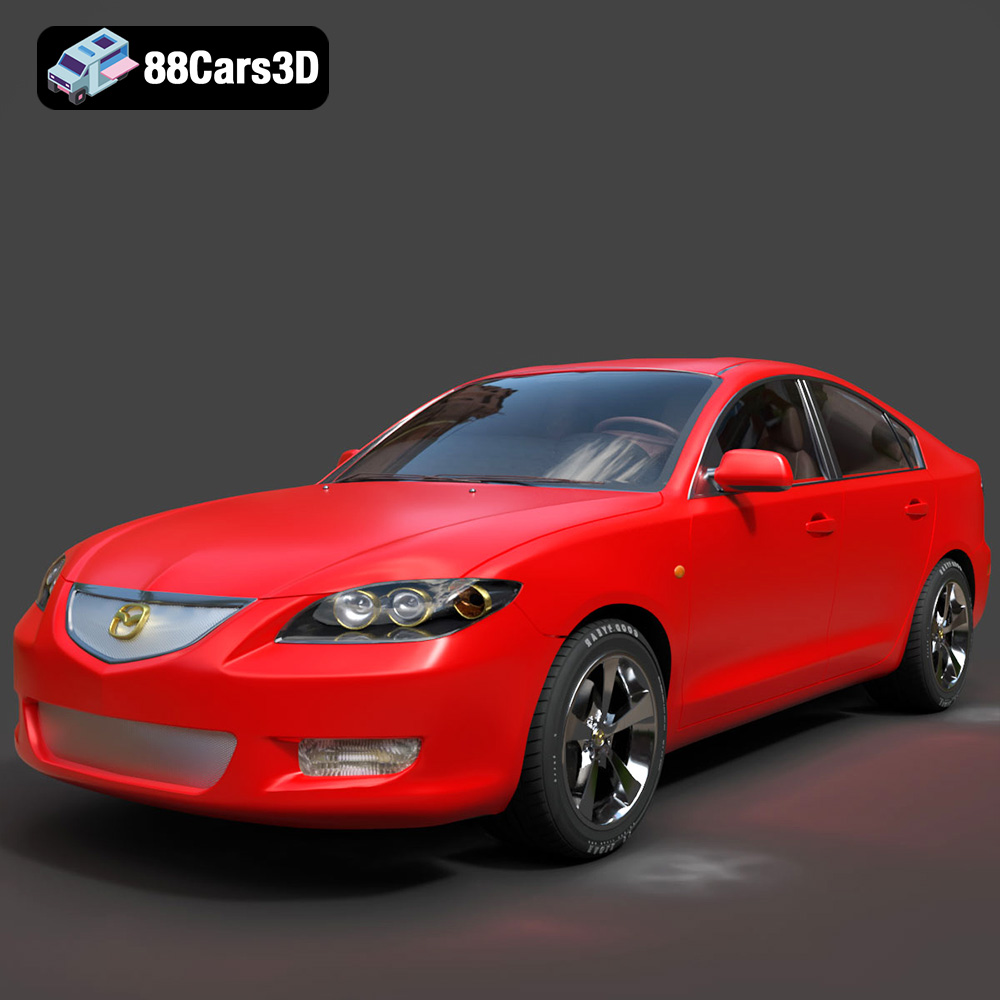
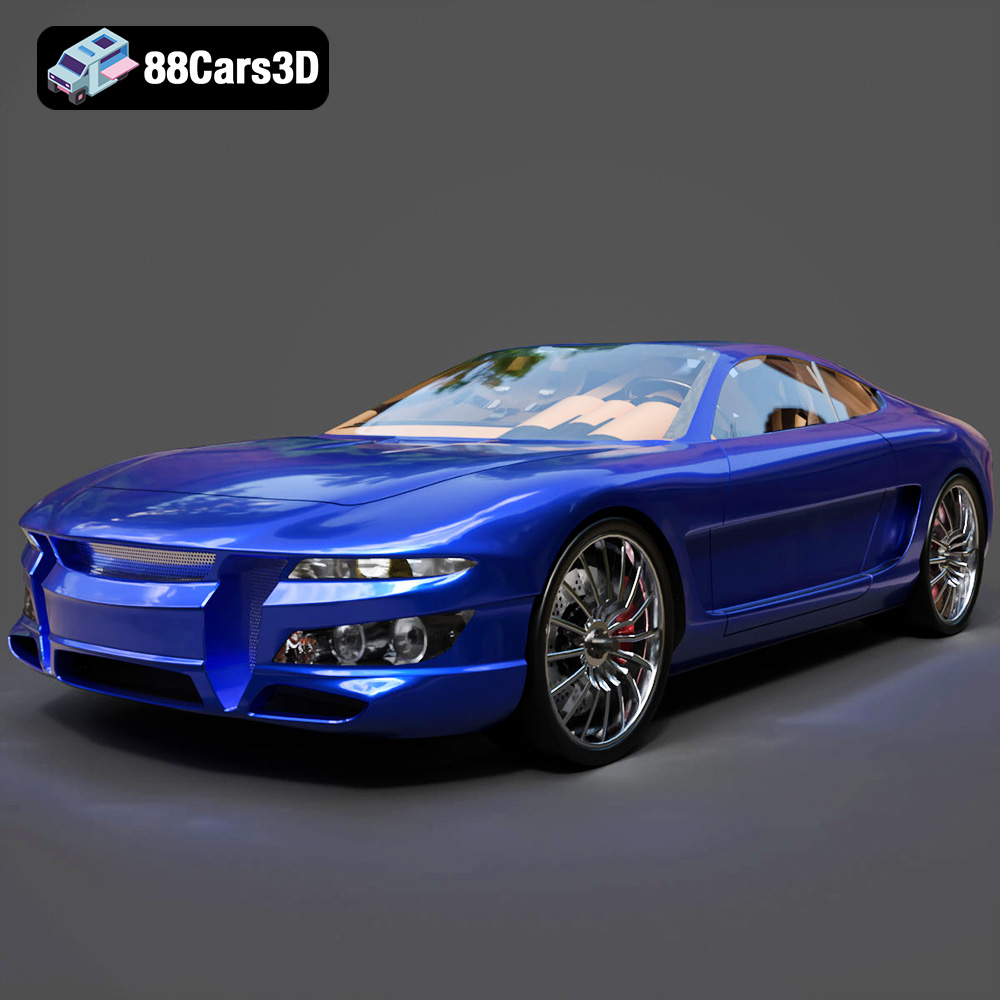
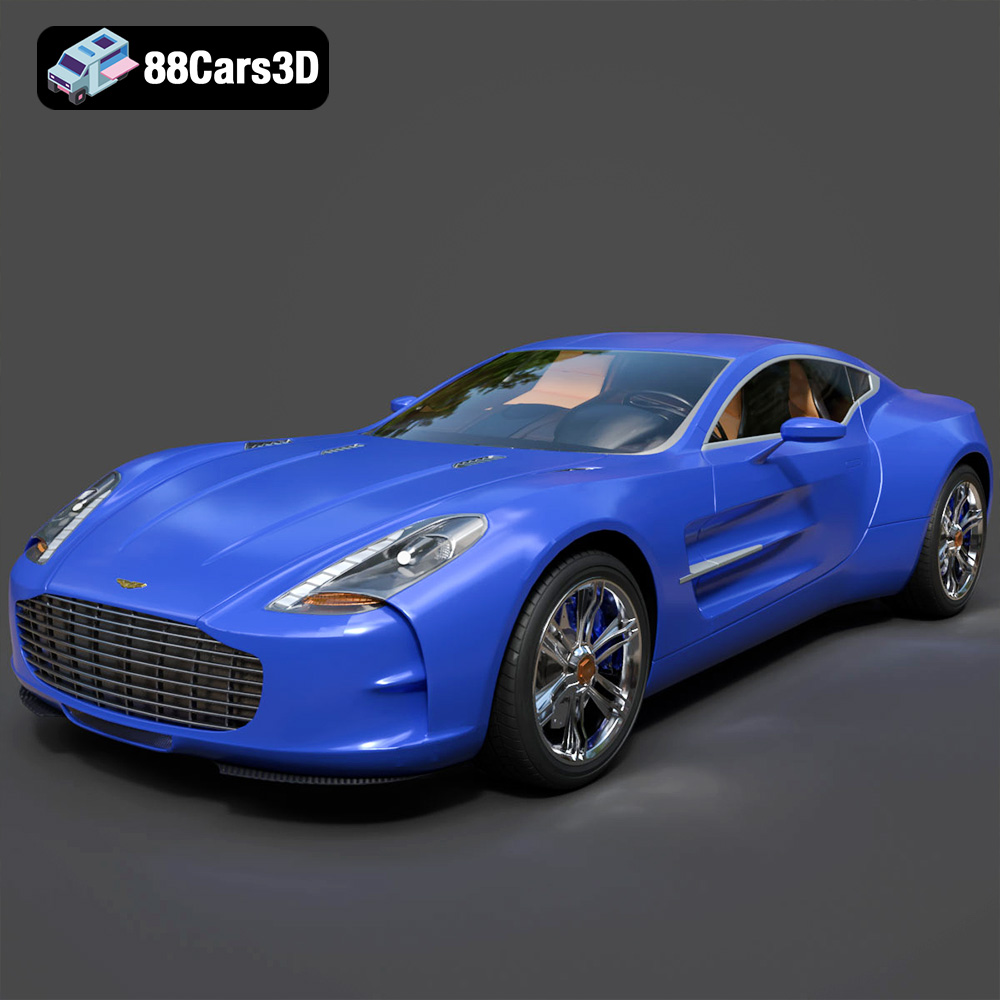
Consider an architectural firm presenting a new residential complex. While the buildings are the primary focus, a static, empty street can feel lifeless. Integrating realistic 3D car models sourced from platforms like 88cars3d.com instantly breathes life into the scene. A sleek sports car parked in a driveway or a family SUV pulling up to the curb adds a sense of scale, human activity, and aspiration. These vehicles can subtly convey the lifestyle associated with the architecture, making the visualization more relatable and immersive for potential clients. The detailed reflections on the car paint and accurate shadows cast by the vehicles significantly enhance the photorealism of the overall architectural render, adding a critical layer of environmental context.
Independent Game Development Success Story
An independent game studio, working on a limited budget but aiming for AAA visual quality in their open-world racing title, faces the challenge of populating its vast environments. Rather than spending valuable development time modeling every single car from scratch, they can leverage a library of pre-made, optimized game assets. By acquiring a diverse range of 3D car models from a reputable marketplace, the studio can quickly integrate them into their Unreal Engine project. These ready-to-use assets, complete with LODs, PBR materials, and often basic rigging, allow the team to focus their efforts on core gameplay mechanics and unique design elements, dramatically accelerating development while maintaining a high visual standard for their vehicle fleet.
Film & Commercial Production Efficiency
In the demanding world of film and commercial production, deadlines are tight, and visual fidelity is paramount. A commercial requiring a shot of a futuristic vehicle driving through a city or a film needing specific background traffic often finds custom 3D modeling cost-prohibitive or time-consuming. Professional 3D car models offer an immediate solution. A production house can quickly license and integrate a high-poly, render-ready model into their VFX pipeline. These models, often provided with multiple texture sets and clean topology, can be seamlessly incorporated into live-action plates or entirely CG scenes, saving weeks of modeling and texturing time. This efficiency allows the creative team to focus on lighting, animation, and final compositing, ensuring a high-quality final product delivered on schedule and within budget, elevating the overall production value.
Conclusion: The Enduring Value of Expertly Crafted 3D Car Models
The landscape of 3D visualization, game development, and interactive experiences continues to evolve at a rapid pace. At the heart of this innovation lies the need for high-quality 3D assets, none more crucial and complex than 3D car models. From the foundational choice of file formats to the intricate dance of topology, texturing, and lighting, and finally to their sophisticated integration into diverse platforms, the journey of a professional 3D car model is a testament to technical artistry and precision.
Whether you are striving for photorealistic automotive rendering, developing immersive game assets, creating engaging AR experiences, or preparing for 3D printing, the commitment to quality in your digital vehicles is non-negotiable. Investing in expertly crafted models from trusted sources empowers creators to push boundaries, save valuable development time, and deliver projects that truly stand out. Platforms like 88cars3d.com play a pivotal role in providing access to these premium, technically sound assets, ensuring that artists and developers have the tools they need to bring their most ambitious visions to life and drive innovation across every industry.
Featured 3D Car Models