

Driving Digital Excellence: The Art and Engineering of Premium 3D Car Models
In the dynamic world of digital visualization and interactive experiences, the demand for hyper-realistic and technically sound 3D car models has never been higher. From cinematic automotive advertisements to cutting-edge game development and sophisticated architectural visualizations, the quality of a vehicle asset can make or break a project’s impact. Professionals in these fields understand that merely having a model isn’t enough; it must be a meticulously crafted digital twin, engineered for performance, versatility, and visual fidelity. It’s about capturing not just the aesthetics, but the very essence of automotive design. This commitment to excellence is precisely what defines products like the BMW 7 Series 30th Anniversary 3D Model, a prime example of a premium asset engineered to meet the stringent demands of any professional workflow.
The Evolving Landscape of Automotive Digital Assets
The journey from concept sketch to a fully realized 3D vehicle involves a complex interplay of artistic skill and technical precision. Modern automotive rendering pushes the boundaries of realism, requiring models that boast clean topology, accurate dimensions, and sophisticated material definitions. Whether it’s the glint off a perfectly polished paint job or the subtle refraction through a headlight lens, every detail contributes to the overall immersion. This pursuit of perfection is what drives creators to seek out marketplaces like 88cars3d.com, where the focus is on providing assets that uphold these high standards. Such models are not just static representations; they are dynamic tools ready to be integrated into diverse digital environments.
Understanding 3D Model File Formats: The Backbone of Digital Workflow
The choice of file format for a 3D model is far more than a mere technicality; it dictates compatibility, flexibility, and the efficiency of your project workflow. A truly versatile asset, like the BMW 7 Series 30th Anniversary 3D Model, provides a comprehensive suite of formats, each optimized for specific applications and software ecosystems. Understanding these distinctions is crucial for maximizing your investment and streamlining your production pipeline.
.blend – The Heart of Blender Projects
The .blend format is Blender’s native file type, offering a complete snapshot of a Blender scene. This includes not only the mesh data but also materials, textures, lighting setups, animation data, and even physics simulations. For artists and studios primarily working within Blender, this format provides the most comprehensive and editable starting point. It allows for direct manipulation of every aspect of the model, from adjusting polygon flow to fine-tuning shader networks, making it ideal for deep customization and ongoing development within the Blender environment.
.fbx – The Industry Standard for Interoperability
Autodesk’s .fbx (Filmbox) format has become an industry staple for exchanging 3D data between different software applications and game engines. Its robust support for geometry, materials, animations, and skeletal data makes it the go-to choice for pipelines involving software like 3ds Max, Maya, Unity, and Unreal Engine. When preparing assets for real-time applications, .fbx is invaluable for reliably transferring optimized meshes, UVs, and PBR (Physically Based Rendering) material information. Its efficiency and widespread adoption ensure a smooth transition between various stages of a professional workflow, making it essential for game assets and real-time visualization.
.obj – The Universal Exchange Format
The .obj (Wavefront Object) format is one of the oldest and most universally supported 3D file formats. While it primarily stores geometric data (vertices, normals, texture coordinates, and faces), it often relies on an accompanying .mtl (Material Template Library) file for basic material properties. Its strength lies in its simplicity and unparalleled compatibility across virtually all 3D software. For scenarios requiring a clean mesh without complex scene data, or when bridging highly specialized applications, .obj serves as a reliable common denominator. It’s excellent for archival purposes or when beginning a new project in an unfamiliar software where broad support is key.
.glb – Optimized for AR, VR, and Web-Based Display
The .glb (GL Transmission Format Binary) is gaining significant traction, particularly in the realms of Augmented Reality (AR), Virtual Reality (VR), and browser-based 3D applications. As the binary version of .gltf, it bundles all necessary assets (geometry, textures, animations, and PBR materials) into a single, compact file. This optimization makes it incredibly efficient for streaming and rapid loading in web browsers and mobile AR/VR viewers. For interactive product configurators, immersive web experiences, or mobile app development, .glb offers a streamlined solution for delivering high-quality 3D content with minimal overhead.
.stl – The Standard for 3D Printing Output
The .stl (Stereolithography) format is synonymous with 3D printing. It represents a 3D model as a collection of unconnected triangular facets, defining only the surface geometry without color, texture, or material information. While not suitable for rendering or animation due to its simplified structure, it is the undisputed standard for additive manufacturing. When the goal is to create a physical prototype, a scale model, or a collectible based on a digital design, converting to .stl is the necessary final step. The BMW 7 Series 30th Anniversary 3D Model’s availability in .stl demonstrates its versatility beyond digital screens, offering tangible outputs.
.ply – Precision Mesh Format for CAD or Analysis
The .ply (Polygon File Format) is often used for storing 3D data from 3D scanners, CAD software, and scientific applications. It can represent polygon meshes (like .obj and .fbx) but is also adept at storing point clouds and additional properties for each vertex, face, or edge, such as color, transparency, or confidence values from scanning. This makes it particularly valuable for precision-driven workflows, reverse engineering, or detailed analysis where exact geometric data is paramount, bridging the gap between artistic modeling and engineering accuracy.
.unreal – Engine-Ready Asset for Real-Time Environments
While often used interchangeably with .fbx for Unreal Engine, the inclusion of a dedicated “.unreal” format implies a project setup that is specifically pre-configured for Unreal Engine. This might include pre-imported meshes, PBR materials already configured with Unreal’s shader nodes, collision meshes, LODs (Levels of Detail), and potentially even basic blueprints for interactive elements. This format significantly accelerates development by providing an “out-of-the-box” solution, eliminating much of the tedious setup work usually required for asset integration. For game developers and real-time visualization specialists, this can be a massive time-saver.
.max – The Powerhouse for 3ds Max Workflows
The .max format is the native file type for Autodesk 3ds Max, one of the most widely used software packages for architectural visualization, animation, and high-end rendering. A .max file contains the entire scene, including geometry, complex material setups (V-Ray, Corona, Arnold), lighting, cameras, animation keyframes, modifiers, and plugin-specific data. For artists working in professional rendering studios, starting with a .max file offers the highest level of editability and ensures that all the intricate details and rendering optimizations of the original model are preserved, making it perfect for cinematic quality renders and complex animations.
The Craft of High-Fidelity Automotive 3D Modeling
Creating a 3D car model that genuinely stands out requires more than just artistic talent; it demands a deep understanding of technical modeling principles. The BMW 7 Series 30th Anniversary 3D Model exemplifies these principles, showcasing the meticulous detail and optimized structure that professionals expect.
Precision Geometry and Topology: The Foundation of Realism
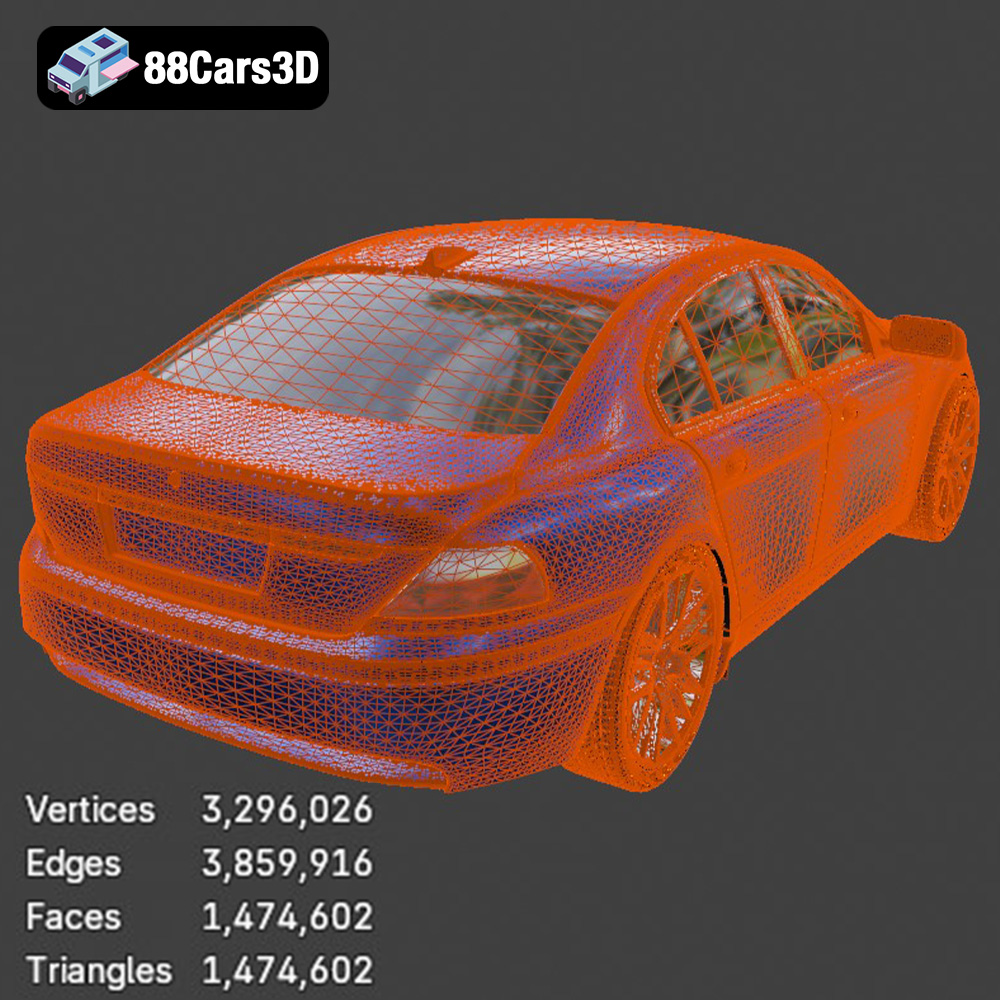
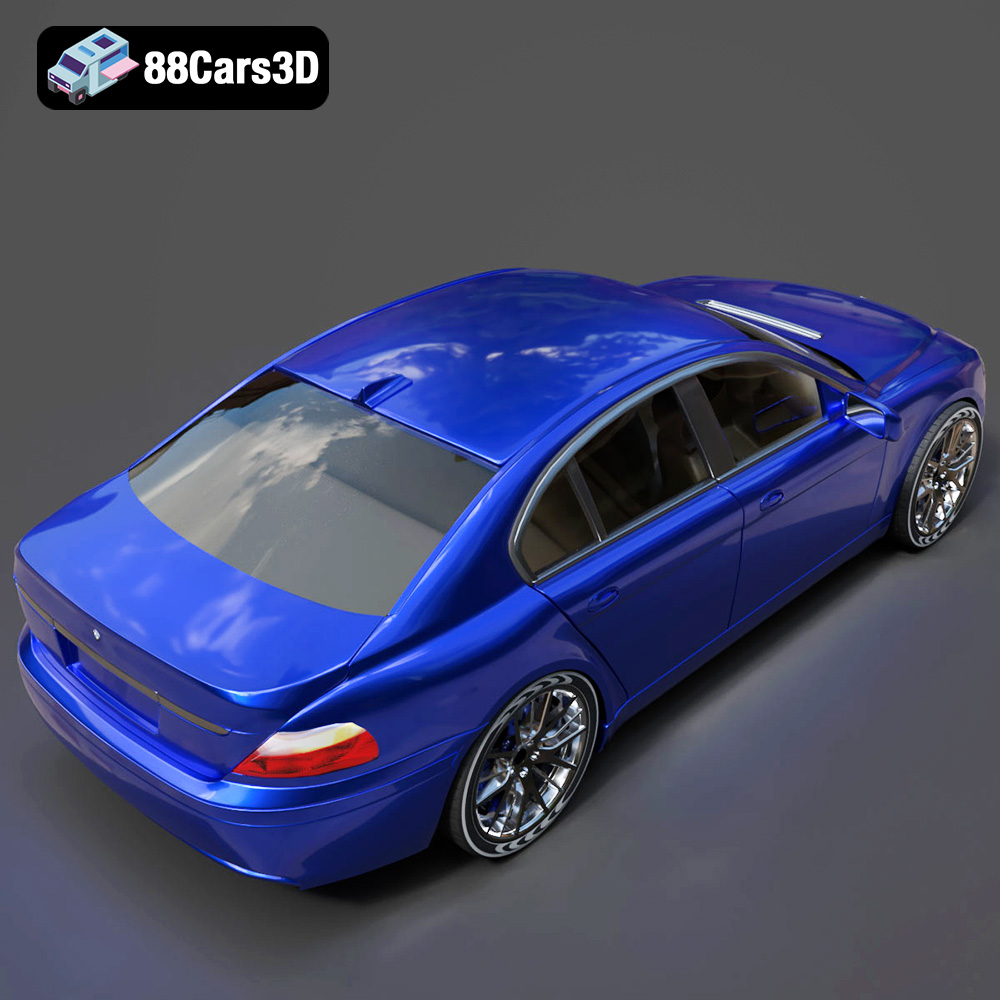
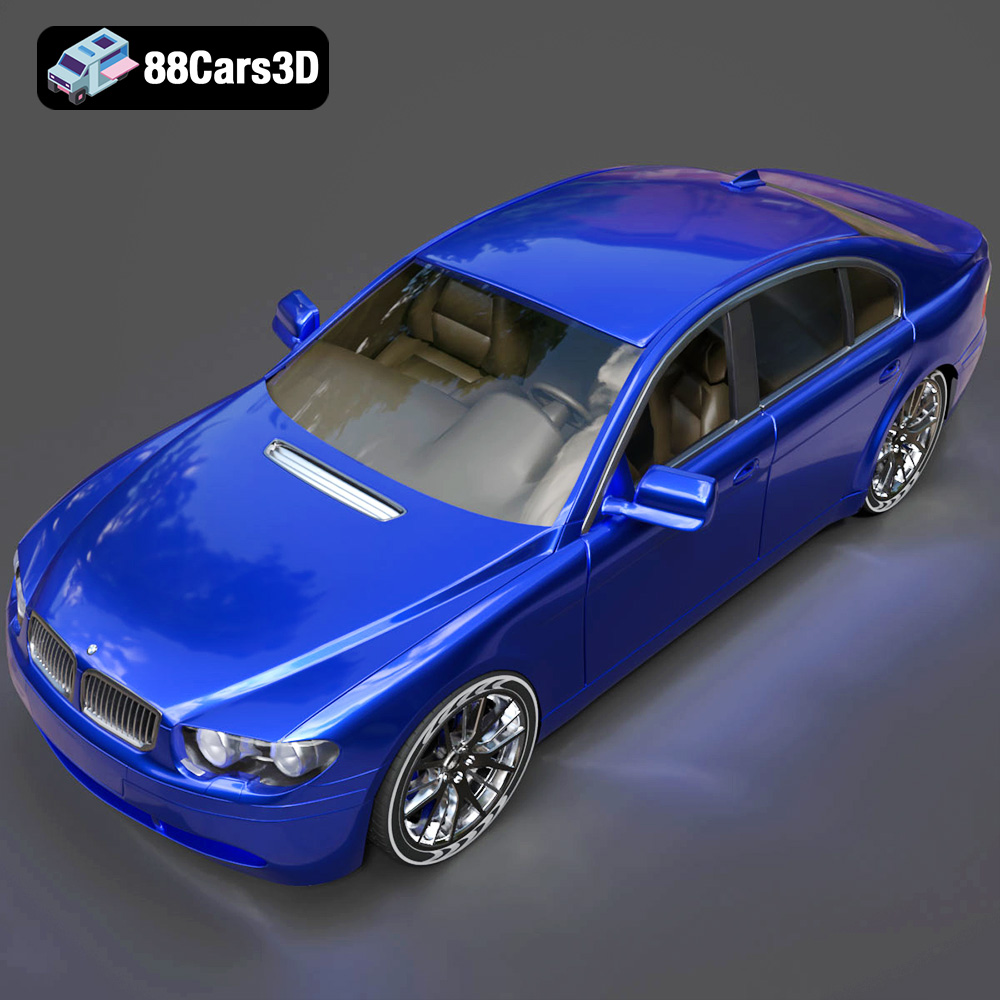
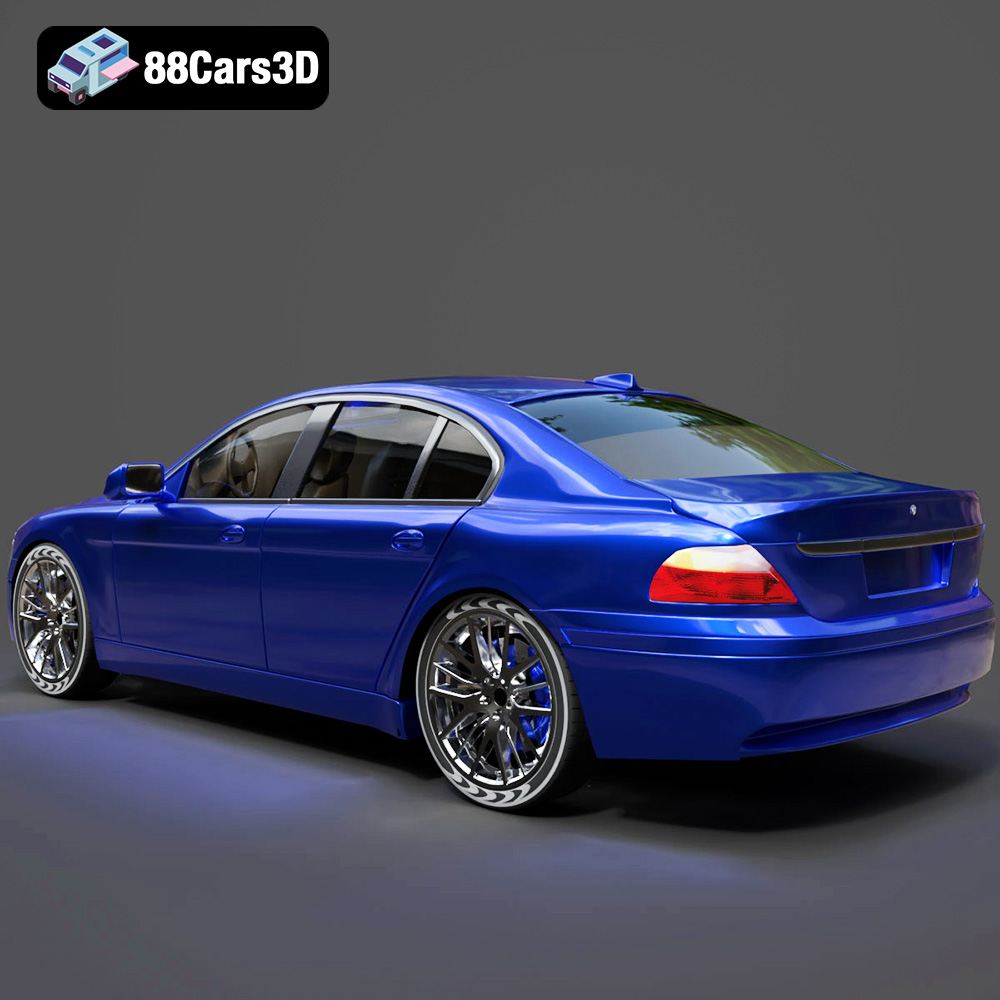
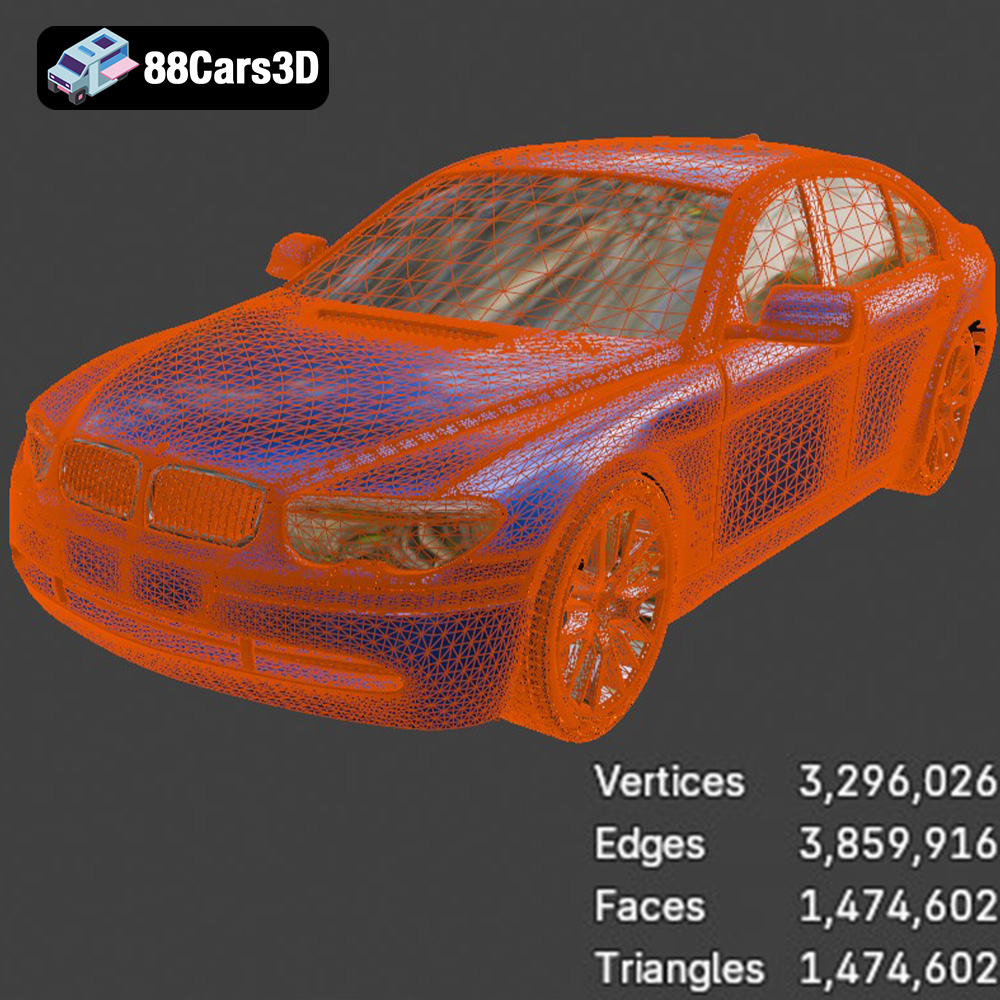
At the core of any high-quality 3D model is its geometry and topology. Clean, quad-dominant topology is paramount, ensuring that the mesh deforms smoothly during animation and subdivides gracefully for high-resolution renders. This means avoiding messy triangulation, non-manifold geometry, and excessive polygon density where it’s not needed. For the BMW 7 Series model, accurately modeled body panels reflect the car’s elegant lines and proportions, while optimized mesh quality strikes a balance between visual fidelity and performance, crucial for both real-time engines and offline rendering.
Mastering UVs and Textures for Immersive Visuals
Even the most perfect mesh will fall flat without expertly crafted UV layouts and textures. Optimized UVs are essential for efficient texturing, preventing stretching or distortion, and allowing artists to maximize texture resolution. The BMW 7 Series model features optimized UV layouts, which means textures for tires, interior details, and badges can be applied precisely. Combined with realistic transparent materials for headlights and taillights, authentic badging, and appropriate material definitions for chrome and glass, these elements elevate the visual realism considerably. Placeholder textures for instrumentation and infotainment screens also offer a fantastic starting point for customization.
Real-World Scale and Asset Organization
Integration into larger scenes, especially in architectural visualization or simulations, demands models built to real-world scale. This attention to scale ensures that the vehicle looks correct alongside buildings, people, or other objects without requiring tedious resizing. Furthermore, a logically organized hierarchy with properly set pivots for doors, wheels, hood, and trunk is critical for animation. The BMW 7 Series 30th Anniversary 3D Model provides this thoughtful organization, allowing animators to quickly set up sequences like doors opening, wheels turning, or the hood lifting to reveal under-the-hood details, including engine block and suspension components for enhanced realism.
Integrating Premium 3D Car Models into Professional Workflows
The true value of a high-quality 3D car model lies in its seamless integration into diverse professional pipelines. Whether you’re a visualization artist, a game developer, or an AR/VR content creator, the adaptability of an asset like the BMW 7 Series 30th Anniversary 3D Model is invaluable.
Studio Rendering with 3ds Max and V-Ray/Corona
For artists focused on producing stunning studio renders, cinematic sequences, or marketing imagery, 3ds Max remains a dominant force. The availability of the BMW 7 Series 30th Anniversary 3D Model in .max format ensures that all its intricate details, clean geometry, and often, pre-configured material slots, are directly accessible. Professionals can easily adapt paint finishes, adjust material properties for metal, chrome, glass, and leather, and integrate it into advanced lighting setups using renderers like V-Ray or Corona. This allows for unparalleled control over reflections, refractions, and global illumination, pushing the boundaries of photorealism.
Real-Time Visualization in Unreal Engine
Unreal Engine has revolutionized real-time rendering, making it indispensable for game development, virtual production, and interactive experiences. The BMW 7 Series 30th Anniversary 3D Model, with its .fbx and dedicated .unreal formats, is perfectly suited for this environment. Optimized geometry and UVs ensure efficient performance, while PBR material compatibility means the car will react realistically to Unreal’s advanced lighting systems. Game developers can leverage its separate components for doors, hood, and wheels to create interactive elements, vehicle physics, or custom animations, integrating it seamlessly into racing games, open-world environments, or even automotive configurators.
Blender for Versatile Production Pipelines
Blender’s open-source nature and robust feature set have made it a favorite among independent artists and large studios alike. With the BMW 7 Series 30th Anniversary 3D Model available as a .blend file, artists can immediately dive into customizing the model within Blender’s intuitive interface. This includes modifying mesh details, sculpting, retopology, setting up complex node-based materials with Cycles or Eevee, and creating advanced animations. Blender’s versatility makes it an excellent choice for a wide range of applications, from personal projects to professional production work, leveraging the model’s clean structure for any creative endeavor.
Customization and Iteration for Unique Projects
A truly versatile 3D asset provides ample opportunities for customization. The BMW 7 Series model is designed with this flexibility in mind. Artists can effortlessly adjust paint finishes to match specific branding, apply custom graphics or liveries for unique designs, or tweak material properties to achieve distinct aesthetic visions. This adaptability is crucial for agencies working on diverse client projects, allowing them to rapidly iterate on concepts and deliver tailored solutions without having to model from scratch. The ability to adapt lighting setups further empowers artists to achieve diverse scene moods and atmospheric effects, from a sleek showroom presentation to a moody nighttime street scene.
Beyond Static Renders: Dynamic Applications
While high-fidelity renders are impressive, the utility of a premium 3D car model extends far beyond static images. Its well-structured design and multiple file formats enable its use in interactive and dynamic environments, opening up a world of possibilities for innovation.
Powering Immersive Game Experiences
In the realm of game development, realistic vehicles are often central to the player experience. Whether it’s a high-octane racing simulator or a sprawling open-world adventure, the visual quality and performance of vehicle game assets are paramount. The BMW 7 Series 30th Anniversary 3D Model, with its optimized mesh and .fbx/.unreal compatibility, is an ideal candidate for such projects. Its clean topology ensures smooth performance even with dynamic lighting and physics interactions, while detailed interior and exterior features contribute to a truly immersive driving experience. Developers can leverage the separate components for destruction models, customization options, and advanced animation rigs.
Augmented and Virtual Reality: The Next Frontier
AR and VR technologies are transforming how we interact with digital content, offering unprecedented levels of immersion. The automotive industry, in particular, is exploring AR/VR for design reviews, virtual showrooms, and interactive product demonstrations. The BMW 7 Series 30th Anniversary 3D Model, especially in its .glb format, is perfectly suited for these cutting-edge applications. Its compact, optimized structure allows for efficient loading and real-time rendering on various AR/VR platforms, enabling users to explore the luxury sedan in a virtual showroom or place it realistically within their physical environment via augmented reality apps. This opens new avenues for marketing, training, and customer engagement.
Simulation and Training: Functional Realism
For automotive simulations, driver training modules, and technical demonstrations, functional realism is key. A model that accurately represents real-world dimensions and has logically organized, movable parts is essential. The BMW 7 Series 30th Anniversary 3D Model fits this requirement perfectly, built to real-world scale with properly set pivots for doors, wheels, and other components. This allows for accurate physics simulations, interactive training scenarios, and detailed technical breakdowns of the vehicle’s mechanics, enhancing the efficacy of educational and operational tools.
The 88cars3d.com Advantage: Sourcing Superior 3D Assets
In a crowded digital marketplace, knowing where to find truly professional-grade assets is crucial for project success. 88cars3d.com stands out as a curated source for high-quality 3D car models, providing the technical robustness and aesthetic refinement that professionals demand.
Quality Assurance and Professional Standards
The distinction between a hobbyist model and a production-ready asset lies in meticulous attention to detail and adherence to professional standards. Models sourced from 88cars3d.com, such as the BMW 7 Series 30th Anniversary 3D Model, undergo rigorous quality checks. This includes ensuring clean, optimized geometry, correct real-world scale, efficient UV layouts, and well-organized hierarchies. Such quality assurance minimizes post-purchase cleanup work, allowing artists to focus immediately on creative integration and rendering, saving valuable production time and resources.
Bridging the Gap Between Concept and Reality
For many projects, the time and cost associated with modeling a vehicle from scratch are prohibitive. High-quality, pre-made assets bridge this gap, allowing designers and developers to rapidly prototype ideas, populate virtual worlds, or create stunning visualizations without compromising on realism. The comprehensive nature of models like the BMW 7 Series 30th Anniversary 3D Model—complete with detailed exterior, comprehensive interior, and even under-the-hood components—means less time spent creating assets and more time dedicated to enhancing the overall project experience.
Investing in Project Success
Ultimately, investing in premium 3D car models is an investment in the success and efficiency of your projects. The technical advantages, application versatility, and overall fidelity of assets found on 88cars3d.com ensure that your renders, games, and simulations achieve a professional sheen. They provide the foundational quality needed to elevate any digital endeavor, delivering impactful visual results that resonate with audiences and clients alike.
Conclusion: Elevating Your Projects with Precision and Performance
The world of 3D visualization and interactive media thrives on precision, realism, and efficiency. As we’ve explored, the journey from a raw concept to a polished digital experience is paved with technical considerations, from topology and UV mapping to the critical choice of file formats. The BMW 7 Series 30th Anniversary 3D Model encapsulates these principles, standing as a testament to the power of a well-engineered digital asset.
Its meticulously crafted exterior and interior, optimized geometry, logically organized hierarchy, and comprehensive suite of file formats (.blend, .fbx, .obj, .glb, .stl, .ply, .unreal, .max) make it an incredibly versatile tool for any professional. Whether you’re aiming for cinematic automotive rendering, developing an immersive game, creating an engaging AR/VR experience, or building a precise simulation, this model provides the foundational quality and flexibility required. By choosing assets of this caliber, readily available from trusted sources like 88cars3d.com, artists and developers can significantly enhance their workflows, save valuable time, and ultimately deliver projects that truly stand out in a competitive digital landscape. Elevate your next project with an asset that combines aesthetic appeal with unparalleled technical flexibility.
Featured 3D Model
BMW 7 Series 30th Anniversary 3D Model
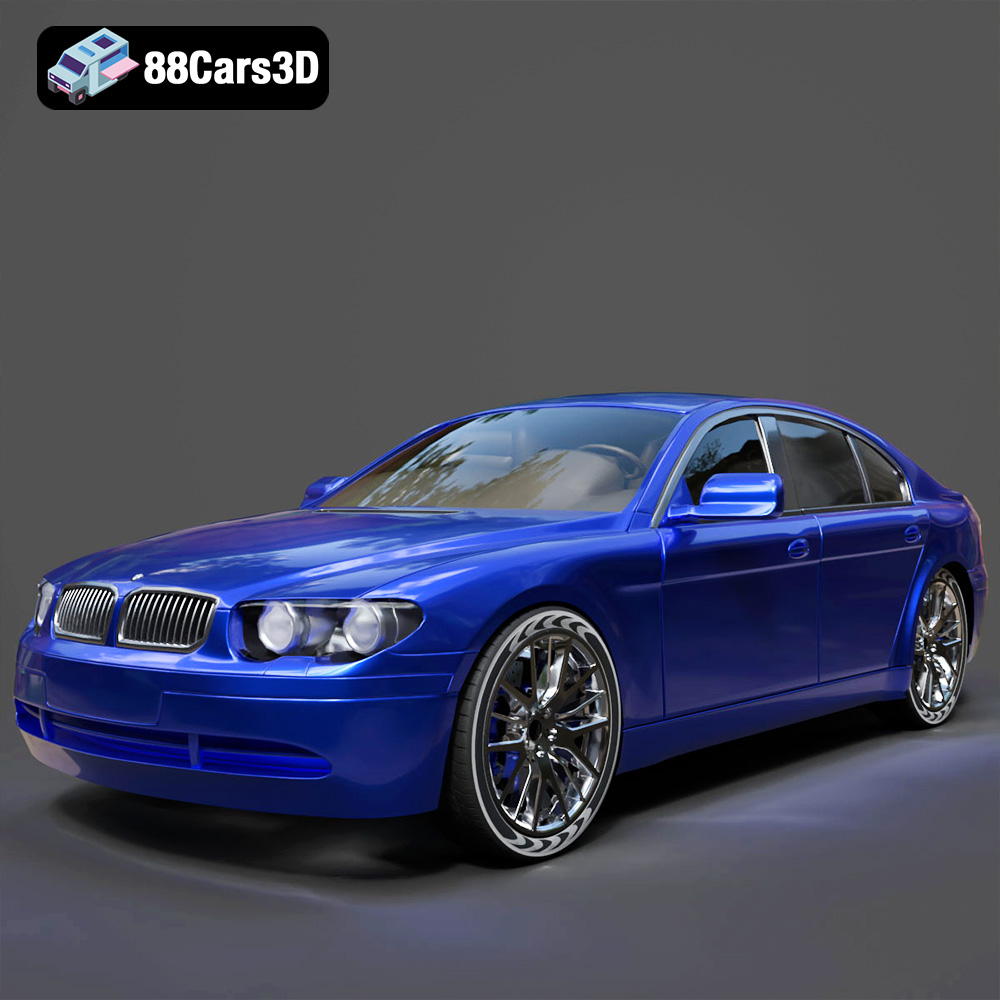
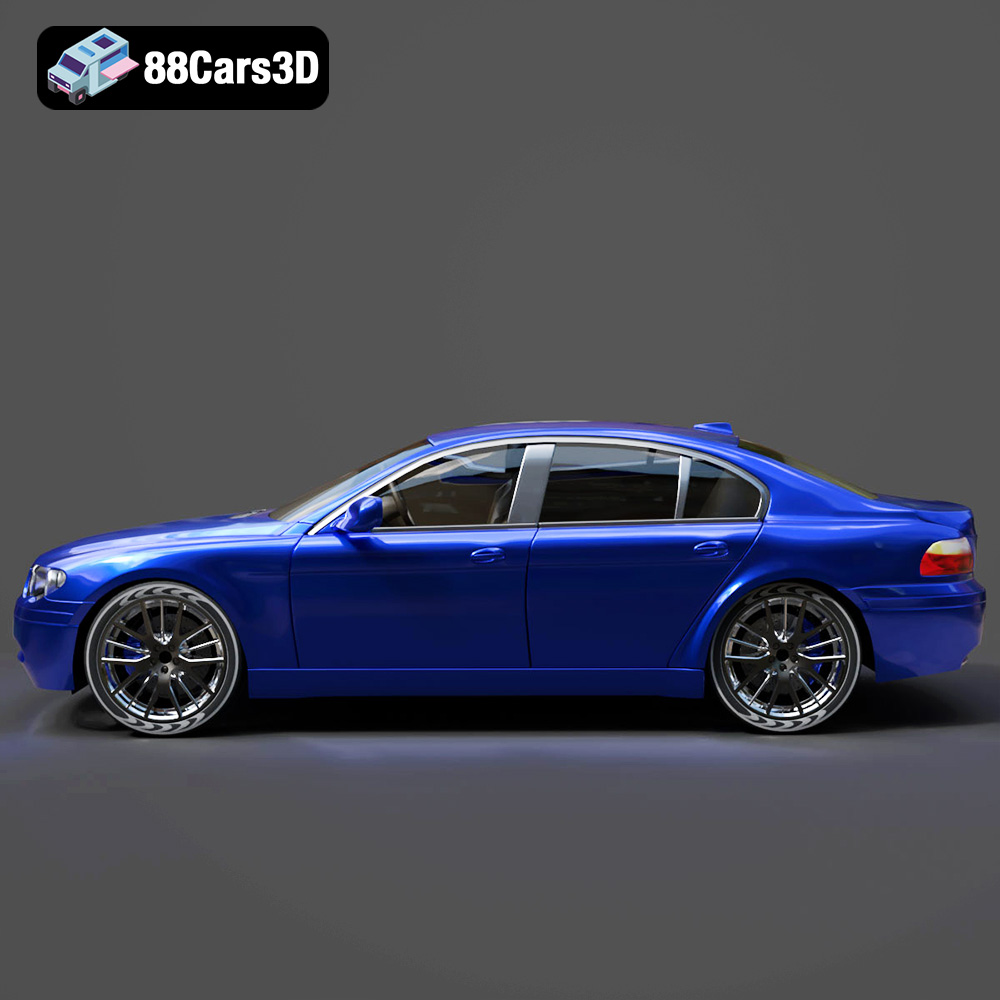
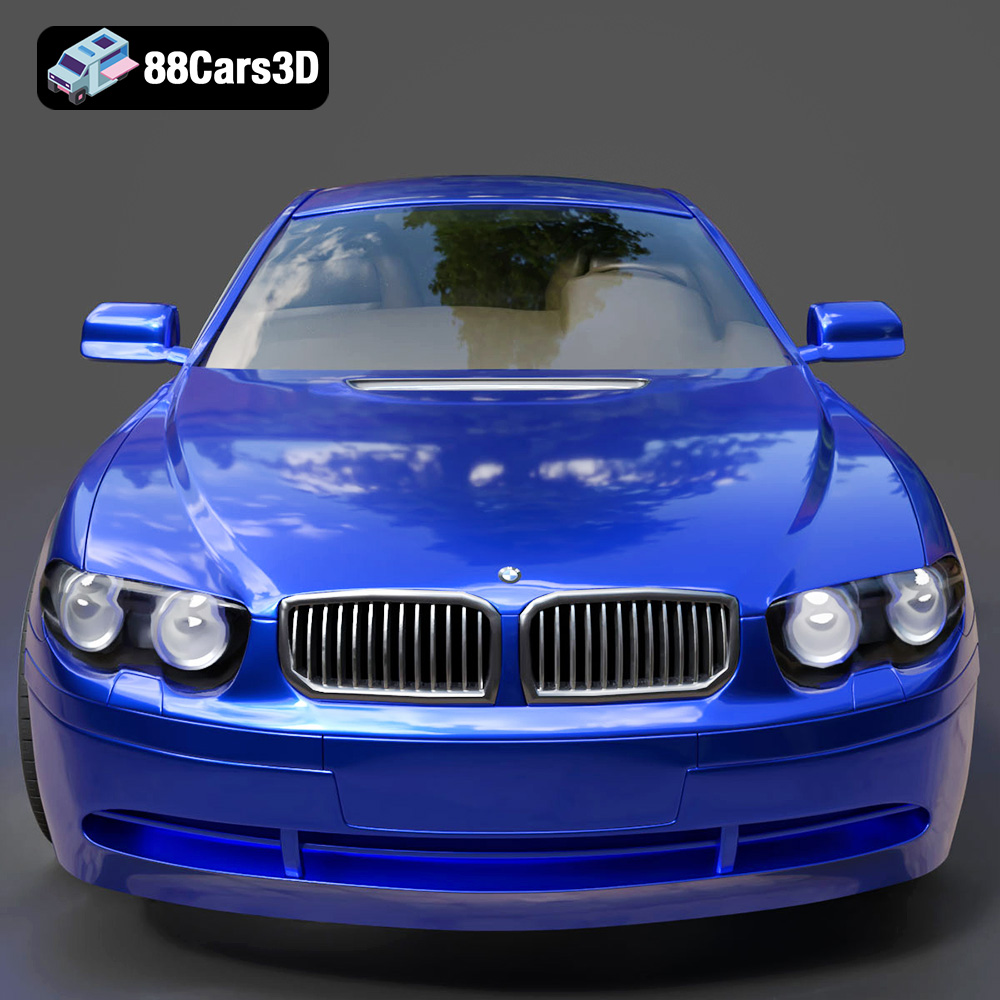
Experience the epitome of luxury and sophisticated engineering with the BMW 7 Series 30th Anniversary 3D Model. This meticulously crafted digital asset faithfully recreates the iconic design and premium aesthetics of BMW’s flagship sedan, celebrating three decades of automotive excellence. Built with clean, optimized geometry and balanced detailing, this model is engineered for professional workflows. It is perfectly suited for high-fidelity rendering, cinematic animations, realistic simulations, and integration into cutting-edge game development projects.
$35.79
Product Image Gallery
Related Tags
.7series
.7series30thanniversary
.arvr
.blend
.bmw
.fbx
.gameasset
.glb
.luxurycar
.max
.obj
.ply
.rendering
.sedan
.simulation
.stl
.unreal
