

In the dynamic realm of real-time rendering, where visual fidelity meets interactive experiences, Unreal Engine stands as an undisputed powerhouse. For automotive visualization, game development, and high-end simulations, crafting compelling virtual environments is paramount. This is where expert level design comes into play, transforming raw assets into immersive worlds that captivate audiences and deliver impactful messages. Whether you’re showcasing the sleek lines of a new vehicle model or building an expansive open-world game, your level’s foundation, optimization, and interactive elements dictate its success.
This comprehensive guide delves into the best practices for level design within Unreal Engine, specifically tailored for professionals working with high-quality automotive assets. We’ll explore everything from initial project setup and efficient asset integration to advanced lighting, performance optimization techniques like Nanite and LODs, and sophisticated interactive elements using Blueprint and Sequencer. Our goal is to equip you with the knowledge to build visually stunning, performant, and engaging levels that push the boundaries of real-time visualization.
Setting the Foundation: Project Setup and Asset Integration
The journey to a compelling Unreal Engine level begins long before any assets are placed. A robust project setup and a streamlined asset integration pipeline are crucial for efficiency, scalability, and performance. Proper planning and configuration lay the groundwork for a successful and optimized level, especially when dealing with the high-fidelity demands of automotive visualization where every detail matters. Understanding Unreal Engine’s project settings and how to efficiently bring in complex 3D models is the first step towards building an immersive experience.
Unreal Engine Project Configuration and Scale
Before importing a single mesh, configuring your Unreal Engine project correctly is vital. Start with a relevant project template, such as “Blank” or “Games” for maximum control, or “Architecture, Engineering, and Construction (AEC)” for specific visualization features. Critical settings to establish early include:
- Project Settings: Navigate to Edit > Project Settings. Here, configure things like desired frame rate (e.g., locking to 30fps for cinematic sequences or aiming for 60fps for interactive experiences), default materials, and rendering features.
- World Settings: In the World Outliner, select World Settings. Adjust parameters like the Global Illumination method (Lumen vs. Baked), Lightmass settings for static lighting, and default physics settings.
- Units and Scale: Unreal Engine works in centimeters (1 unit = 1cm). Ensure your 3D assets, particularly detailed car models, are exported from your DCC application (e.g., Maya, 3ds Max, Blender) using this consistent scale. A mismatch can lead to lighting issues, physics inaccuracies, and an unrealistic sense of space within your level. Always verify imported model scale immediately.
Importing and Organizing High-Fidelity 3D Car Models
Sourcing high-quality 3D car models from platforms like 88cars3d.com is crucial for automotive projects. These models often come optimized with clean topology, realistic materials, and proper UV mapping. However, successful integration into your level requires a systematic approach:
- File Formats: FBX is the most common and robust format for static and skeletal meshes. USD (Universal Scene Description) and its mobile variant USDZ are gaining traction, especially for complex scenes and collaborative workflows, offering a rich interchange format that preserves scene hierarchy, materials, and animations.
- Import Settings: When importing FBX, pay attention to options like “Combine Meshes” (often useful for a single car, less so for modular environment pieces), “Import Materials” (usually enabled), “Generate Missing Collision” (start with simple collisions and refine later), and “Build Nanite” (essential for high-poly models).
- Asset Naming Conventions: Implement a clear, consistent naming convention (e.g.,
SM_Car_AudiR8_Body,T_Car_AudiR8_Albedo,MI_Car_AudiR8_Paint). This makes large projects manageable and helps team collaboration. - Folder Structure: Organize your Content Browser with logical folders (e.g.,
Cars/AudiR8/Meshes,Materials,Textures;Environments/Props,Lighting). This prevents clutter and simplifies finding assets.
For more detailed information on importing assets, consult the official Unreal Engine documentation on asset pipelines.
Crafting Realistic Environments: Materials and Texturing
The visual fidelity of any Unreal Engine level, especially one showcasing high-quality 3D car models, heavily relies on its materials and textures. Physically Based Rendering (PBR) is the cornerstone of realism in modern real-time engines, ensuring that light interacts with surfaces in a physically accurate manner. Mastering PBR material creation and advanced texturing techniques is paramount for achieving a believable and immersive environment around your automotive assets.
Understanding PBR Materials in Unreal Engine
PBR materials accurately simulate how light behaves on different surfaces. Instead of faking light interaction, PBR uses real-world material properties to determine reflections, refractions, and absorption. In Unreal Engine’s Material Editor, this translates to specific input channels:
- Base Color (Albedo): Represents the diffuse color of the surface without any lighting information. It should be relatively flat, not containing shadows or highlights.
- Metallic: A grayscale value (0 to 1) indicating how metallic a surface is. 0 is non-metallic (dielectric), 1 is fully metallic. Metals have no diffuse color; their color comes from reflections.
- Roughness: A grayscale value (0 to 1) determining the microscopic surface irregularities. 0 is perfectly smooth (mirror-like), 1 is perfectly rough (diffuse appearance). This directly impacts the sharpness of reflections.
- Specular: Controls the intensity of the specular highlight for non-metallic surfaces. Generally left at the default 0.5 for most dielectrics as per PBR guidelines.
- Normal Map: Provides fine surface detail by faking bumps and dents without adding actual geometry. Essential for adding realism to car paint, tire treads, or ground textures.
- Ambient Occlusion (AO): A grayscale map that fakes soft self-shadowing in crevices and corners, adding depth. Often baked from the 3D model.
For highly detailed car models, you might also utilize clear coat parameters for advanced automotive paint shaders, allowing for a metallic base under a glossy clear coat layer. Leveraging Unreal Engine’s Material Editor effectively involves creating master materials and then generating material instances for specific variations (e.g., different car paint colors, varying road roughness) to reduce draw calls and improve performance.
Advanced Texturing and Environmental Assets
Beyond individual PBR maps, a holistic approach to texturing involves environmental storytelling and optimization:
- Texture Resolution and Packing: Use appropriate texture resolutions (e.g., 4K for hero assets like cars, 2K for large environmental elements, 1K for distant props). Optimize textures by packing multiple grayscale maps (e.g., Roughness, Metallic, AO) into different channels of a single RGB texture to save memory and texture fetches.
- Decals: Utilize decals for adding grime, cracks, puddles, or branding to surfaces without modifying geometry or needing unique textures for every surface variation. This is highly efficient for adding realism to roads, walls, or even car body details.
- Foliage and Environmental Props: When designing levels, don’t overlook the surrounding environment. Populate your scene with realistic foliage, rocks, buildings, and ground textures. Tools like the Foliage Tool in Unreal Engine allow for efficient scattering of meshes with individual LODs and culling settings, crucial for performance in large outdoor scenes. Ensure these assets also adhere to PBR standards.
- Virtual Textures (Runtime Virtual Textures – RVT): For vast landscapes and complex material blending, RVTs are invaluable. They allow for consistent material blending across different meshes, reducing texture repetition and enabling advanced features like dynamic puddles or tire tracks that interact seamlessly with the terrain’s material.
By meticulously crafting your PBR materials and strategically integrating high-quality environmental assets, your Unreal Engine level will provide a believable and stunning backdrop for your premium 3D car models.
Illuminating Your Levels: Advanced Lighting and Atmospheric Effects
Lighting is arguably the most critical element in defining the mood, realism, and visual impact of any Unreal Engine level. It shapes perception, highlights details on your 3D car models, and guides the viewer’s eye. With the advent of technologies like Lumen and advanced atmospheric effects, Unreal Engine offers unprecedented tools to create breathtakingly realistic and dynamic lighting scenarios, essential for high-fidelity automotive visualization and cinematic sequences.
Real-Time Global Illumination with Lumen
Lumen is Unreal Engine 5’s default and revolutionary real-time global illumination and reflections system. It simulates how light bounces off surfaces, producing incredibly realistic indirect lighting and reflections without needing to pre-bake anything. This dynamic nature is perfect for interactive experiences, time-of-day changes, and virtual production environments. For automotive visualization, Lumen:
- Accurate Light Bounce: Allows light to realistically bounce off the car paint and illuminate the surrounding environment, and vice-versa, creating stunning visual harmony.
- Dynamic Scenarios: Enables real-time adjustments to light sources, materials, and geometry, ideal for interactive configurators where a car’s color or environment can change on the fly.
- Enhanced Reflections: Provides high-quality real-time reflections on glossy surfaces like car bodies, windows, and wet roads, adding depth and realism.
To enable Lumen, navigate to Project Settings > Engine > Rendering, and set Global Illumination and Reflections methods to ‘Lumen’. Ensure your Post Process Volume covers your scene and has its Global Illumination and Reflections set to ‘Lumen’ as well. Proper Lumen setup involves understanding its various settings, such as “Quality” and “Final Gather”, to balance performance and visual fidelity. While Lumen excels, traditional baked lighting (Lightmass) can still be useful for static elements in specific use cases, offering optimized performance at the cost of dynamism.
Strategic Light Placement and Atmospheric Effects
Beyond Lumen, a thoughtful approach to light placement and atmospheric effects is crucial:
- Key, Fill, and Rim Lighting: Apply traditional photography principles to light your primary subjects (e.g., 3D car models). Use a strong ‘key’ light for primary illumination, ‘fill’ lights to soften shadows, and ‘rim’ lights to create separation from the background and highlight contours.
- Directional Light: Simulates sunlight or moonlight. Crucial for establishing a strong sense of direction and time of day. Pair it with a Sky Light to capture the ambient sky color and bounce light.
- Sky Atmosphere: This system creates a realistic sky, sun, and aerial perspective, dynamically reacting to the Directional Light’s position. It’s essential for open-world levels or any outdoor scene to ground your environment in realism.
- Volumetric Fog: Adds depth and atmospheric perspective, especially useful for depicting weather conditions, hazy environments, or dramatic light shafts. It significantly enhances the realism of your scenes.
- Post Process Volume: This is your control hub for global visual adjustments. Use it to fine-tune exposure, color grading (LUTs), bloom, ambient occlusion (SSAO/GTAO), depth of field, vignette, and film grain. These effects are powerful tools for achieving a specific mood or cinematic look, turning a technically correct scene into an artful composition.
When placing lights, consider their type (Point, Spot, Rect), intensity, color temperature, and mobility (Static, Stationary, Movable). Movable lights offer full real-time dynamism but are the most expensive. Stationary lights provide a balance, allowing some real-time adjustments while baking static shadows. Static lights are cheapest but cannot change. Leveraging Unreal Engine’s lighting tools effectively means understanding this balance and optimizing your setup for the target platform and desired visual quality.
Optimizing Levels for Real-Time Performance: Nanite and LODs
High-fidelity visuals, especially with intricate 3D car models and expansive environments, come at a cost to performance. In real-time rendering, maintaining smooth frame rates is paramount for a seamless user experience. Unreal Engine offers a suite of powerful optimization tools, including Nanite and Level of Detail (LOD) systems, which are indispensable for managing complexity and ensuring your levels run efficiently without sacrificing visual quality.
Leveraging Nanite Virtualized Geometry
Nanite is Unreal Engine 5’s groundbreaking virtualized geometry system that allows artists to import and render incredibly high-polygon models (millions to billions of triangles) without significant performance penalties. For automotive visualization, this is a game-changer:
- Unprecedented Detail: Car models can be imported directly from CAD or high-poly sculpting software with immense geometric detail, eliminating the need for complex polygon reduction and normal map baking workflows.
- Scalability: Nanite intelligently streams and processes only the necessary triangles at pixel-level detail, scaling performance automatically regardless of scene complexity. This means you can have multiple highly detailed cars and complex environments in a scene without worrying about exceeding polygon budgets.
- Workflow Simplification: Artists can focus on aesthetic quality rather than strict polygon limits, accelerating the asset creation pipeline.
To use Nanite, simply enable “Build Nanite” during FBX import or right-click on a Static Mesh in the Content Browser and select “Enable Nanite.” While revolutionary, Nanite has considerations: it doesn’t support skeletal meshes (yet), certain material types (like World Position Offset), or translucent surfaces directly. Thus, for animated components or transparent car windows, traditional meshes and LODs are still necessary. However, for the static body, wheels, and interior of your 3D car models, Nanite is an incredible asset for pushing visual boundaries.
Effective LOD Management and Culling Strategies
Even with Nanite handling much of the high-poly geometry, traditional Level of Detail (LOD) systems and culling strategies remain vital for optimizing performance, especially for non-Nanite meshes, vegetation, and ensuring efficient rendering across various distances:
- Automatic LOD Generation: Unreal Engine can automatically generate LODs for Static Meshes. In the Static Mesh Editor, under the “LOD Settings” section, you can specify the number of LODs and their screen size thresholds. Each successive LOD reduces polygon count and simplifies materials as the object gets further from the camera.
- Manual LOD Creation: For hero assets like your 3D car models, manual creation of LODs in a DCC application offers more precise control over simplification and visual integrity. Export each LOD as a separate FBX and import them into Unreal Engine, assigning them to the correct LOD slot in the Static Mesh Editor.
- Hierarchical LODs (HLODs): For very large levels (e.g., open-world environments), HLODs group clusters of Static Meshes into single, simplified proxy meshes at a distance. This drastically reduces draw calls and improves CPU performance for distant geometry. This system is crucial for managing vast automotive test tracks or cityscapes.
- Culling Distances: For less important assets, set appropriate “Culling Distance” values in their mesh properties. This ensures objects are not rendered beyond a certain distance, further improving performance. Use Occlusion Culling (which Unreal Engine handles automatically) and Frustum Culling to ensure only visible objects are rendered.
- Profiling Tools: Utilize Unreal Engine’s built-in profiling tools (e.g.,
stat gpu,stat unit,profilegpucommands, and the Session Frontend) to identify performance bottlenecks. This allows you to pinpoint areas of your level that need further optimization, whether it’s overdrawn textures, excessive draw calls, or complex shaders.
By intelligently combining Nanite for high-detail meshes with traditional LODs and aggressive culling for other assets, you can create levels that are both visually stunning and impeccably performant. For further guidance on optimization, refer to the extensive performance documentation on Unreal Engine’s developer portal.
Interactive Experiences and Cinematic Storytelling
Beyond static beauty, the true power of Unreal Engine lies in its ability to create dynamic, interactive experiences and compelling cinematic narratives. For automotive visualization, this means building interactive configurators, engaging virtual showrooms, and stunning promotional films. Blueprint visual scripting, Sequencer, and physics simulations are the primary tools to bring your levels and 3D car models to life, offering a rich tapestry of user engagement and storytelling possibilities.
Blueprint Scripting for Interactive Automotive Experiences
Blueprint is Unreal Engine’s powerful visual scripting system that allows artists and designers to create complex gameplay and interactive elements without writing a single line of code. For automotive levels, Blueprint can drive:
- Automotive Configurators: Allow users to change a car’s paint color, wheel types, interior trim, and even open/close doors or turn on headlights with simple UI interactions. This involves creating Material Instances for color changes, swapping Static Meshes for different wheels, and animating skeletal meshes for interactive parts.
- Dynamic Environments: Trigger time-of-day changes, weather effects, or environmental animations (e.g., a garage door opening, a turntable rotating) based on user input or events.
- Interactive Camera Controls: Implement cinematic camera moves that highlight specific features of the car or guided tours through the level.
- UI Integration: Connect in-game UI widgets to Blueprint logic to create menus, information displays, and interactive controls, essential for a polished user experience in a virtual showroom.
A common Blueprint workflow involves creating an Actor Blueprint for your 3D car model, encapsulating all its interactive logic within it. For example, a “Change Color” event could receive an input from a UI button, then iterate through specific Material Instances on the car body to apply a new color parameter. This modular approach keeps your level clean and makes iterating on interactive features much easier. The Unreal Engine Blueprint documentation is an excellent resource for learning core concepts.
Sequencer for Cinematic Content and Virtual Production
Sequencer is Unreal Engine’s multi-track non-linear editor for creating powerful in-game cinematics, marketing renders, and virtual production content. It allows precise control over:
- Camera Animation: Animate cameras along paths, set keyframes for positions, rotations, and focal lengths, creating professional-grade camera moves that showcase your automotive assets beautifully.
- Actor Animation: Animate any actor in your scene, including your 3D car models (e.g., opening doors, hood, trunk), environmental elements, lights, and effects.
- Material Parameter Changes: Animate material properties over time, such as a car’s clear coat effect intensifying or lights fading on/off.
- Event Triggers: Fire Blueprint events at specific points in time within a sequence, integrating interactive elements with your cinematic flow.
- Virtual Production: Sequences are fundamental for virtual production workflows, allowing real-time camera tracking, LED wall integration, and on-set visualization, enabling filmmakers to create automotive commercials or scenes with unparalleled flexibility and immediate feedback.
For high-end automotive visualization, Sequencer is indispensable for rendering out stunning promotional videos or integrating your cars into virtual film sets. It bridges the gap between game engine and professional video editor, offering a robust toolset for high-quality content creation. Consider using Sequencer in conjunction with the Movie Render Queue for high-quality, anti-aliased final renders.
Physics Simulation and Vehicle Dynamics
To truly immerse users, especially in interactive driving simulations or realistic crash tests, integrating physics is key. Unreal Engine’s Chaos physics engine provides robust tools for:
- Vehicle Physics: The Chaos Vehicle plugin allows you to set up complex car physics, including wheel suspension, engine torque, tire friction, and aerodynamic forces, creating a realistic driving experience. This is crucial for automotive training simulations or game development.
- Destructible Meshes: While resource-intensive, for specific cinematic moments or game scenarios, you can create destructible meshes that break apart realistically based on physics impacts.
- Realistic Interactions: Ensure environmental props and interactive elements within your level respond physically to the car’s presence, adding to the immersion.
Setting up realistic vehicle physics can be complex, requiring careful tuning of suspension, tire, and engine parameters. Start with a pre-built vehicle template and gradually refine the values to match the real-world characteristics of the car model you’re showcasing. Precise collision meshes are vital for accurate physics interaction, and platforms like 88cars3d.com often provide optimized models with consideration for these aspects.
Advanced Applications and Deployment Strategies
Having meticulously designed, illuminated, and optimized your Unreal Engine level, the final stage involves deploying it for specific applications. Whether your target is an interactive AR experience, a high-fidelity VR configurator, or a large-scale virtual production, understanding the specific considerations and best practices for each application is paramount. This ensures your hard work translates into a compelling and performant end product.
AR/VR Optimization for Automotive Applications
Augmented Reality (AR) and Virtual Reality (VR) offer unique and powerful ways to experience 3D car models, from virtual showrooms to design reviews. However, these platforms demand extreme optimization due to their strict performance requirements (e.g., maintaining 90+ FPS for VR to prevent motion sickness):
- Performance Budgeting: Aggressively reduce polygon counts (even with Nanite, as it’s not universally supported for all VR/AR platforms, especially mobile), draw calls, and texture memory. Manual LODs become even more critical.
- Lightmap Baking: For static scenes, heavily rely on baked lighting (Lightmass) instead of real-time global illumination like Lumen, as dynamic lighting is often too expensive for mobile AR/VR.
- Forward Renderer: Consider using Unreal Engine’s Forward Renderer for VR, which often provides better performance for specific scenes than the default Deferred Renderer, especially with transparent materials.
- Shader Complexity: Simplify materials. Avoid complex shader instructions, extensive clear coat layers, or costly post-process effects unless absolutely necessary and highly optimized.
- Stereo Rendering: Be aware that VR renders two distinct views, effectively doubling the rendering workload. Optimize every aspect of your level to account for this.
For AR applications on mobile devices, leverage Unreal Engine’s support for ARCore (Android) and ARKit (iOS). Ensure your car models are scaled correctly for real-world placement and consider using the USDZ format for lightweight AR viewing outside the engine. AR/VR development requires constant profiling and rigorous testing on the target hardware to achieve a smooth and immersive experience.
Virtual Production and LED Wall Workflows
Virtual production, particularly with large LED walls, is revolutionizing filmmaking and broadcast. Unreal Engine levels serve as the real-time backgrounds for live-action talent, allowing for dynamic changes and immediate visual feedback. Designing levels for this workflow has specific requirements:
- Calibration and Color Accuracy: Your level’s lighting and materials must be meticulously calibrated to match the physical LED wall’s color space and the live-action camera’s settings.
- Performance at Extreme Resolutions: LED walls can have enormous pixel counts, requiring highly optimized levels capable of rendering multiple ultra-high-resolution frustums simultaneously. Nanite is incredibly beneficial here, but efficient culling and LODs are still important.
- Mo-Cap Integration: Levels must be designed to accommodate virtual cameras driven by real-world camera tracking systems, ensuring seamless parallax between the LED wall and foreground elements.
- Real-time Lighting Consistency: Matching virtual lighting to practical set lighting is crucial for believable composites. This often involves careful placement of virtual light sources that correspond to physical lights.
- Content Streamlining: Often, only the visible portions of the level need to be rendered at full fidelity, allowing for strategic optimization of off-screen areas.
The ability to iterate on backgrounds, lighting, and environmental props in real-time makes Unreal Engine an indispensable tool for virtual production, transforming how automotive commercials and cinematic sequences are made. This empowers creators to place their 3D car models in any imaginable virtual environment, fully rendered and interactive on set.
Packaging and Distribution
Once your level is complete and optimized, the final step is packaging your project for distribution. Unreal Engine offers various packaging options tailored for different platforms (Windows, macOS, Linux, Android, iOS, VR headsets):
- Project Settings: Before packaging, ensure your Project Settings (e.g., target hardware, supported platforms, input settings, packaging options) are correctly configured.
- Maps & Modes: Specify your default map and game instance in World Settings and Project Settings.
- Data Management: Use Asset Cooker settings to remove unused assets and compress textures, further reducing file size.
- Packaging Presets: Utilize packaging presets (e.g., Development, Shipping) to control debugging features and optimization levels in the final build. ‘Shipping’ builds offer the highest performance.
For large projects or continuous integration, consider using Unreal Engine’s command-line utilities for automated packaging. Thorough testing of the packaged build on target hardware is essential to catch any performance regressions or platform-specific issues that may not have been apparent in the editor.
Conclusion
Mastering level design in Unreal Engine for automotive visualization and real-time experiences is a multifaceted journey that blends artistic vision with technical expertise. From the initial strategic setup of your project and the meticulous integration of high-quality 3D car models, to crafting breathtaking PBR materials, and illuminating your scenes with advanced lighting technologies like Lumen, every decision impacts the final immersive quality.
The pursuit of visual fidelity must always be balanced with real-time performance. Leveraging powerful optimization tools such as Nanite for high-poly geometry and traditional LODs for comprehensive asset management ensures that your visually rich environments run smoothly across various platforms. Furthermore, empowering your levels with interactivity through Blueprint scripting and telling compelling stories with Sequencer transforms static scenes into dynamic, engaging experiences.
Whether you’re creating an interactive car configurator, a cinematic virtual production, or a cutting-edge AR/VR application, the best practices outlined here provide a solid foundation for success. By continuously refining your workflows, embracing Unreal Engine’s evolving toolset, and understanding the unique demands of each platform, you can push the boundaries of real-time rendering and deliver truly unforgettable automotive visualizations. Explore high-quality assets on platforms like 88cars3d.com to kickstart your next ambitious Unreal Engine project and bring your automotive visions to life.
Featured 3D Car Models
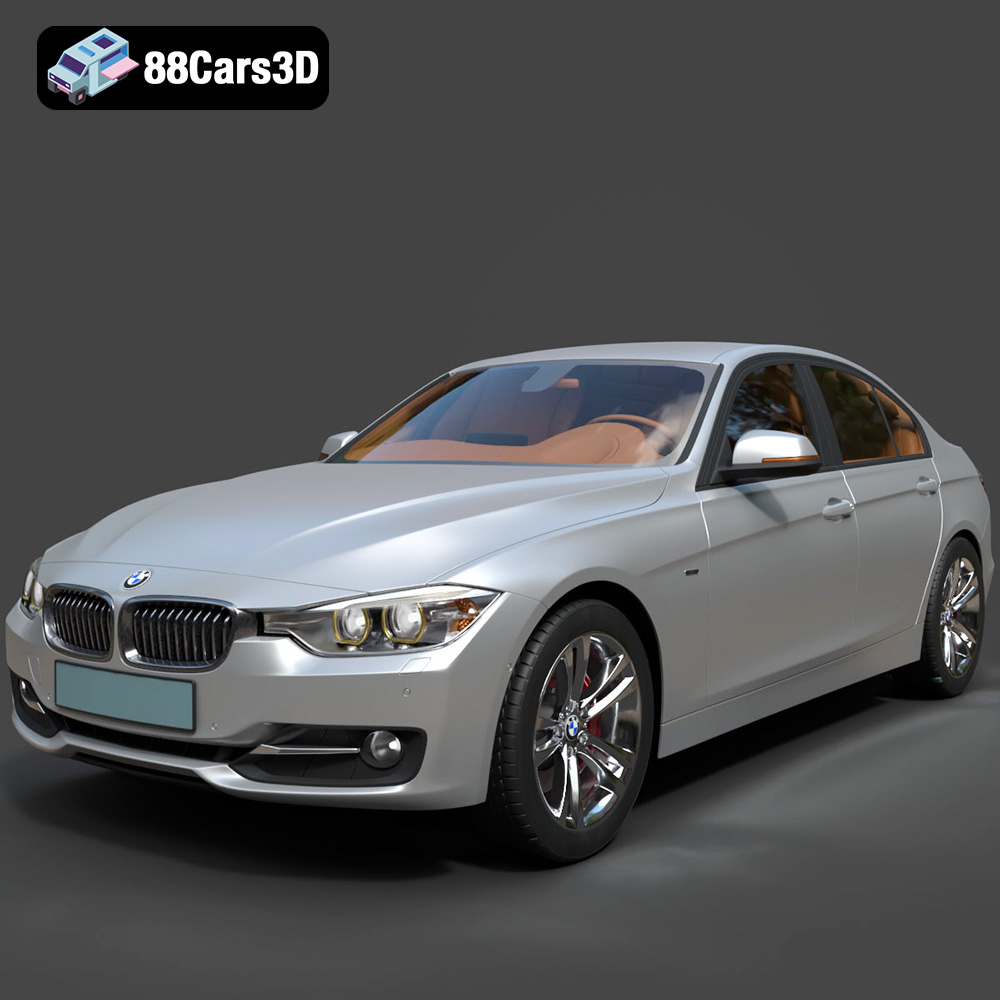
BMW 3 F30 3D Model
Texture: Yes
Material: Yes
Download the BMW 3 F30 3D Model featuring a detailed exterior, realistic interior, and optimized mesh. Includes .blend, .fbx, .obj, .glb, .stl, .ply, .unreal, and .max formats for rendering, simulation, and game development.
Price: $10.79
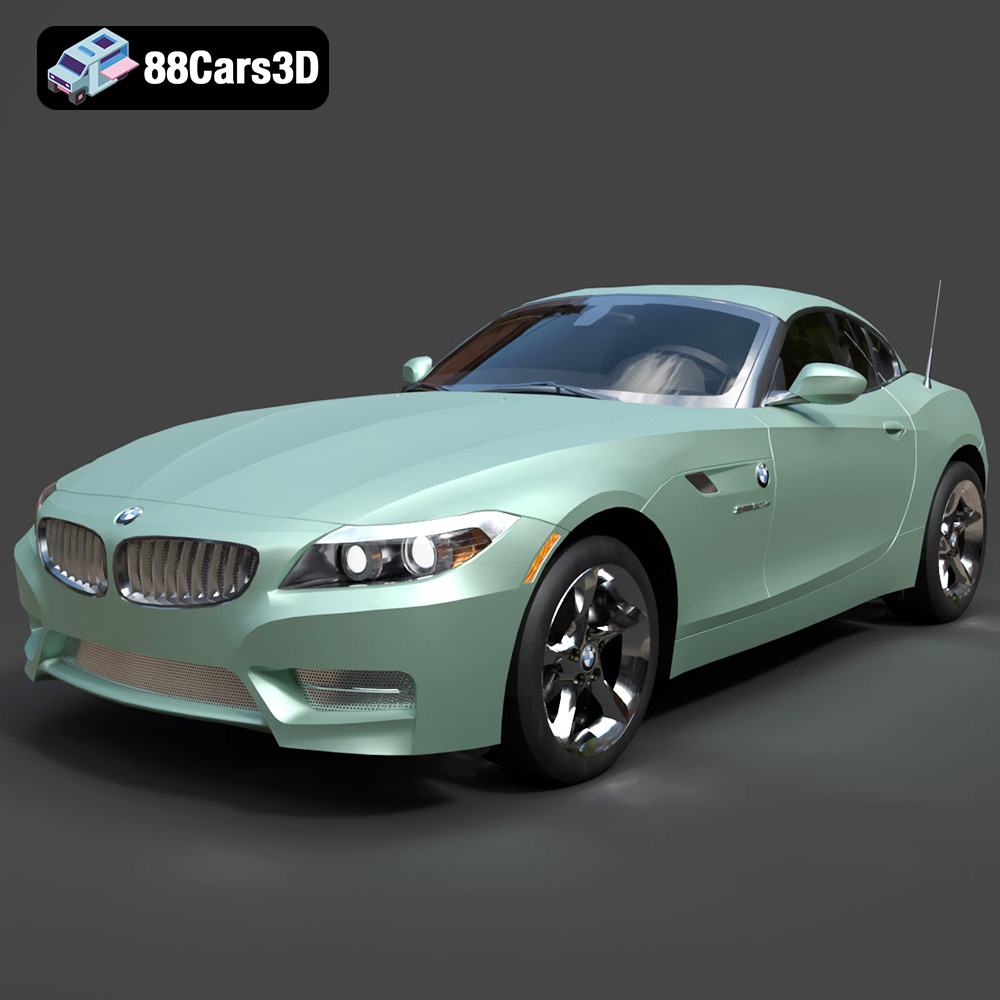
BMW Z4 Roadster E89 2012 3D Model
Texture: Yes
Material: Yes
Download the BMW Z4 Roadster E89 3D Model featuring clean geometry, realistic detailing, and a fully modeled interior. Includes .blend, .fbx, .obj, .glb, .stl, .ply, .unreal, and .max formats for rendering, simulation, and game development.
Price: $13.99

BMW Z4 E85 2005 3D Model
Texture: Yes
Material: Yes
Download the BMW Z4 E85 3D Model featuring clean geometry, realistic detailing, and a fully modeled interior. Includes .blend, .fbx, .obj, .glb, .stl, .ply, .unreal, and .max formats for rendering, simulation, and game development.
Price: $13.99

BMW M3 2024 3D Model
Texture: Yes
Material: Yes
Download the BMW M3 2024 3D Model featuring clean geometry, realistic detailing, and a fully modeled interior. Includes .blend, .fbx, .obj, .glb, .stl, .ply, .unreal, and .max formats for rendering, simulation, and game development.
Price: $13.99
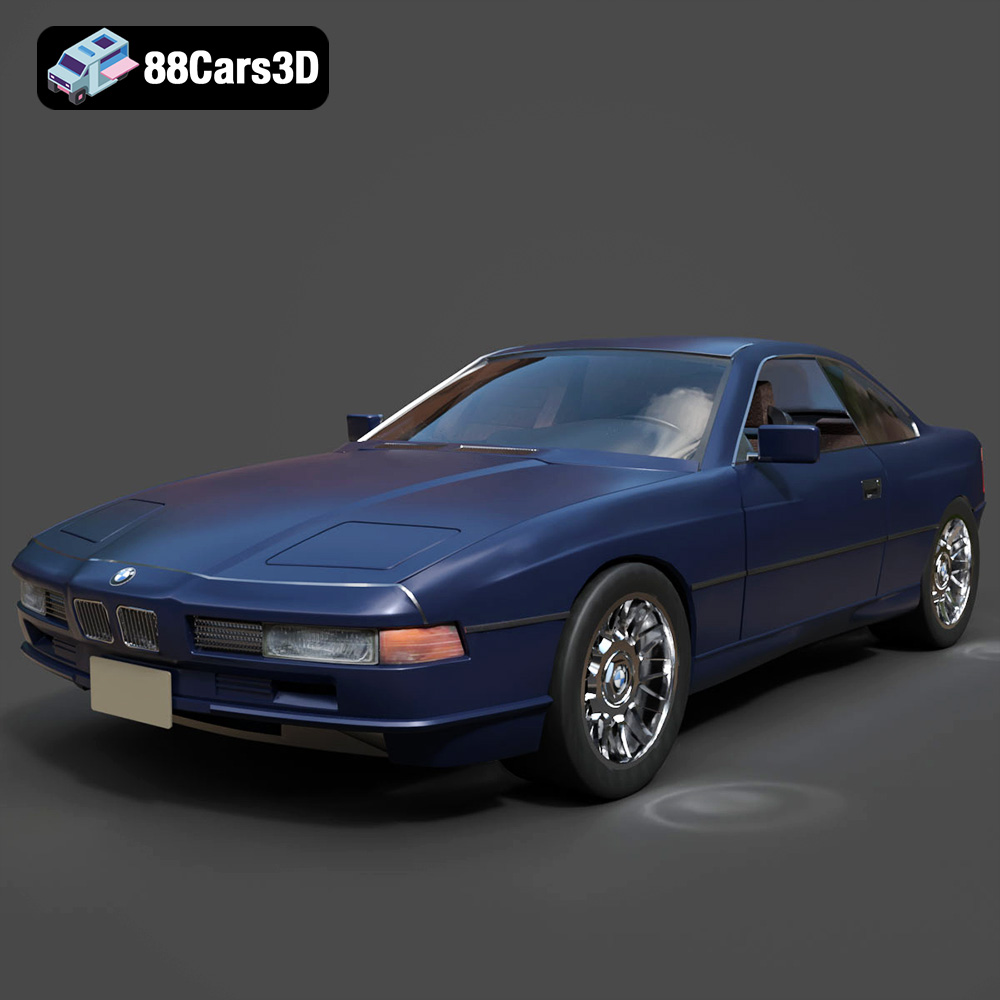
BMW 850i Coupe 1990 3D Model
Texture: Yes
Material: Yes
Download the BMW 850i Coupe 1990 3D Model featuring clean geometry, realistic detailing, and a fully modeled interior. Includes .blend, .fbx, .obj, .glb, .stl, .ply, .unreal, and .max formats for rendering, simulation, and game development.
Price: $13.99
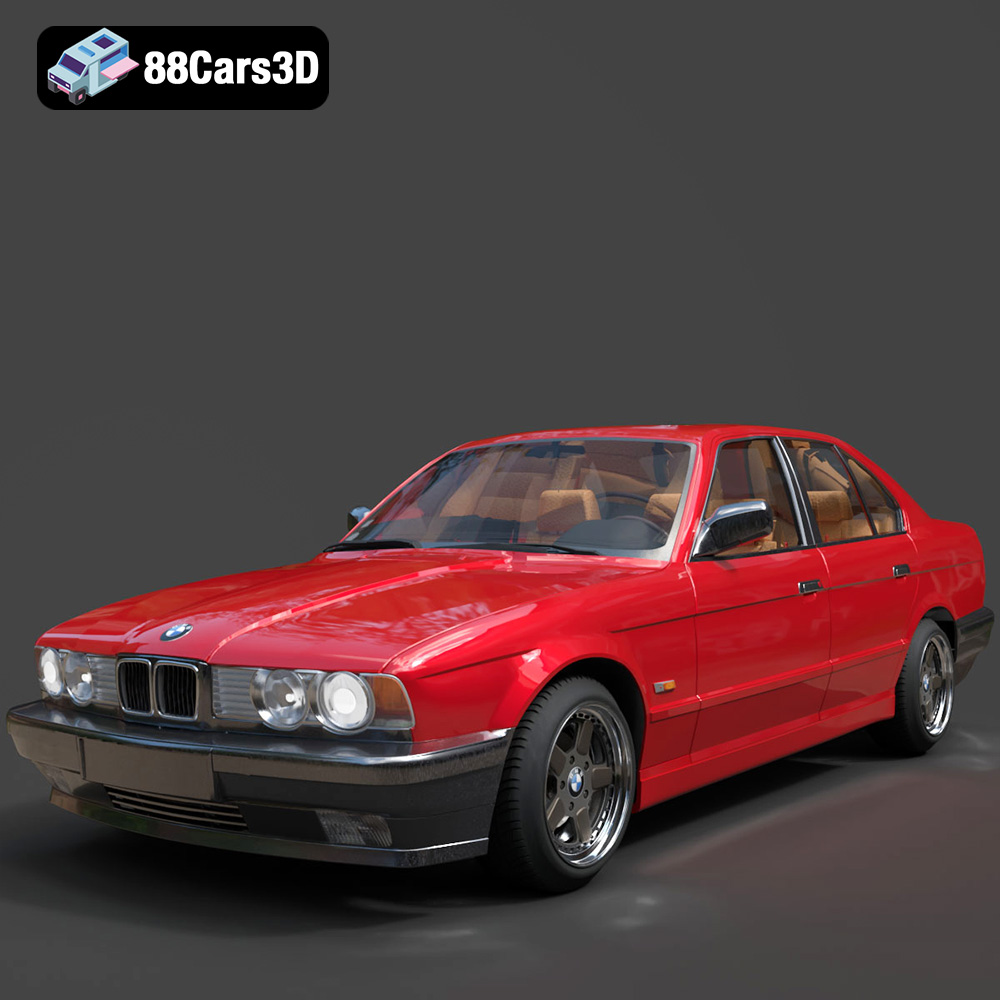
BMW 525i E34 1993 3D Model
Texture: Yes
Material: Yes
Download the BMW 525i E34 1993 3D Model featuring clean geometry, realistic detailing, and a fully modeled interior. Includes .blend, .fbx, .obj, .glb, .stl, .ply, .unreal, and .max formats for rendering, simulation, and game development.
Price: $12.99

BMW 7 Series 2016 3D Model
Texture: Yes
Material: Yes
Download the BMW 7 Series 2016 3D Model featuring luxurious design, detailed interior, and accurate exterior. Includes .blend, .fbx, .obj, .glb, .stl, .ply, .unreal, and .max formats for rendering, simulation, and game development.
Price: $10.79
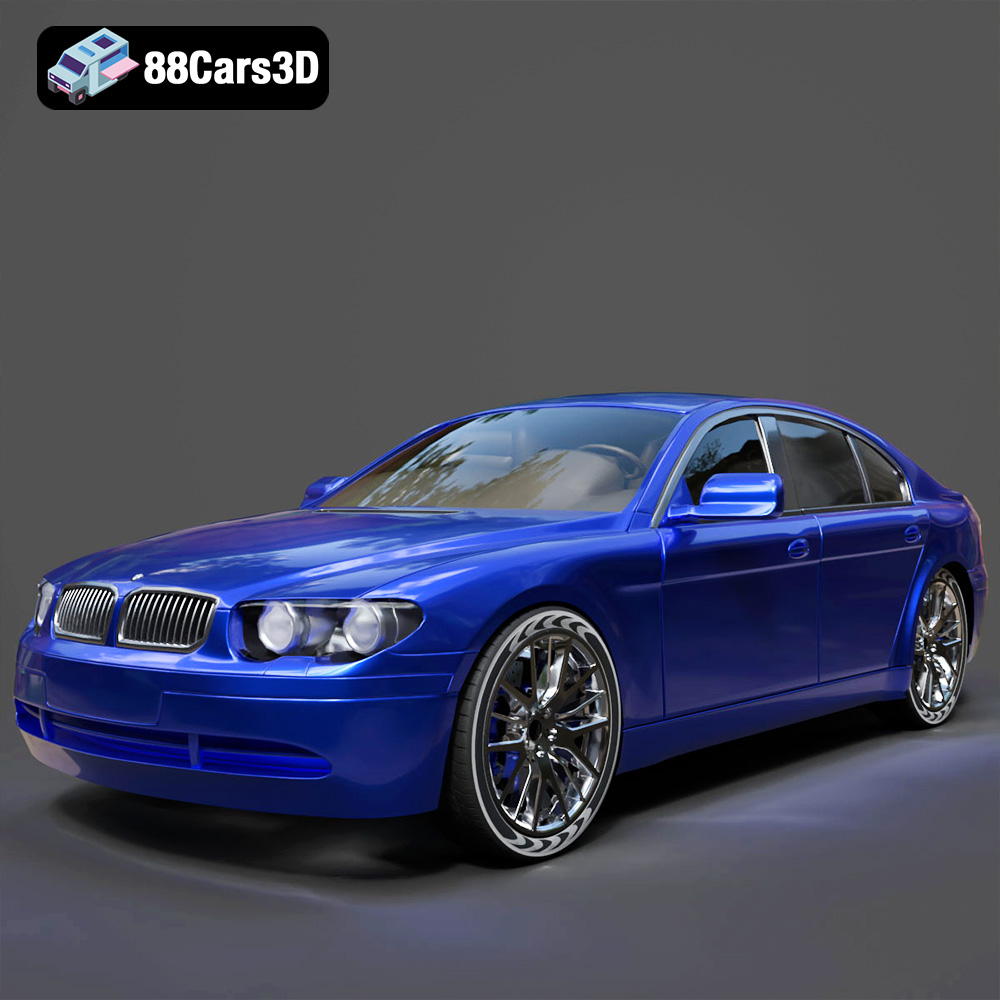
BMW 7 Series 30th Anniversary 3D Model
Texture: Yes
Material: Yes
Download the BMW 7 Series 30th Anniversary 3D Model featuring a meticulously crafted exterior, detailed interior, and realistic wheels. Includes .blend, .fbx, .obj, .glb, .stl, .ply, .unreal, and .max formats for rendering, simulation, and game development.
Price: $35.79

BMW 7-Series F02 3D Model
Texture: Yes
Material: Yes
Download the BMW 7-Series F02 3D Model featuring a detailed exterior and interior, optimized for rendering and animation. Includes .blend, .fbx, .obj, .glb, .stl, .ply, .unreal, and .max formats for rendering, simulation, and game development.
Price: $10.79
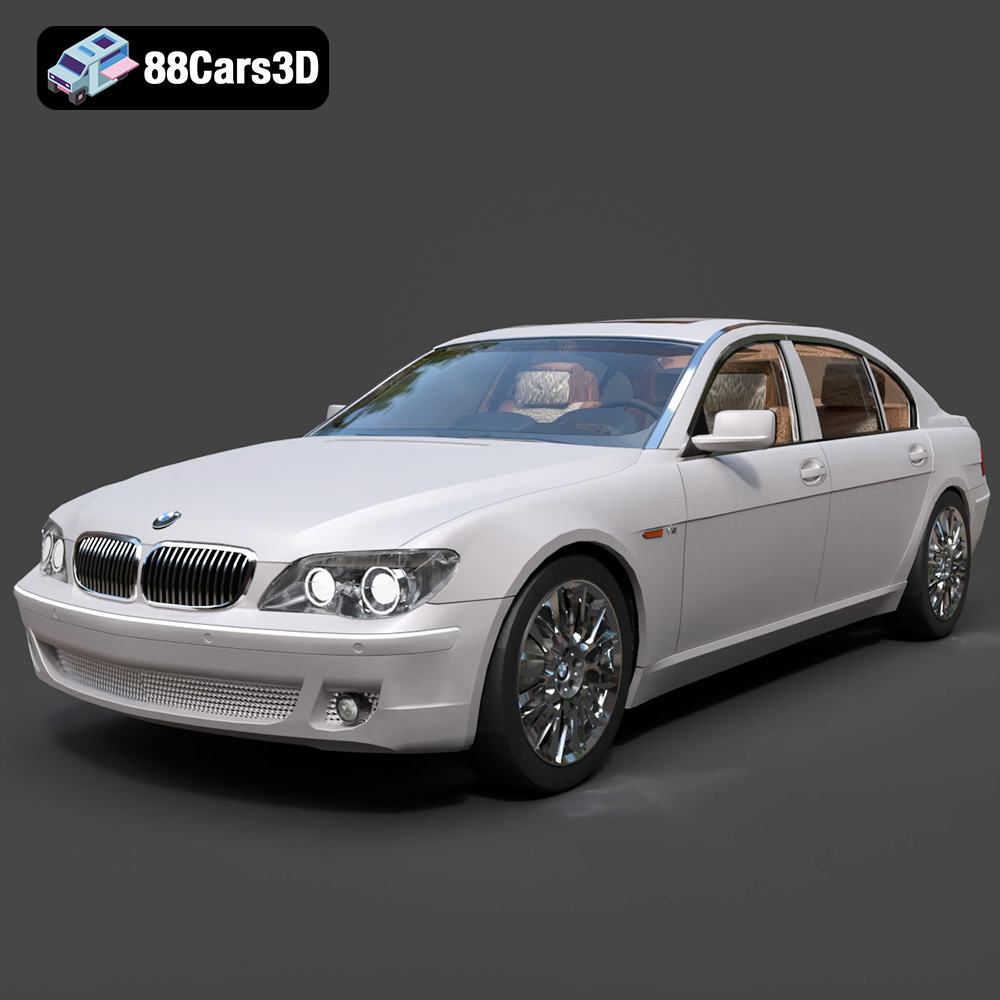
BMW 760Li E66 2005 3D Model
Texture: Yes
Material: Yes
Download the BMW 760Li E66 2005 3D Model featuring a detailed exterior, refined interior, and robust chassis. Includes .blend, .fbx, .obj, .glb, .stl, .ply, .unreal, and .max formats for rendering, simulation, and game development.
Price: $10.79
