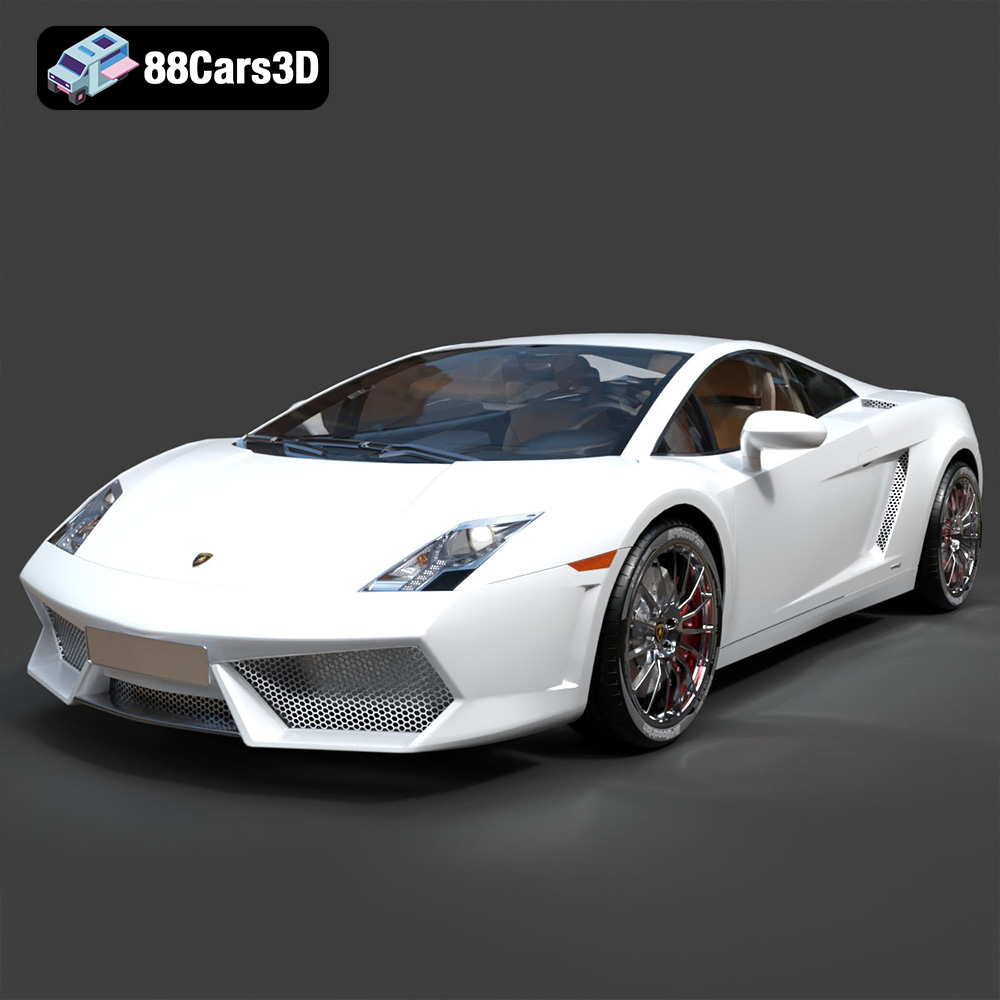
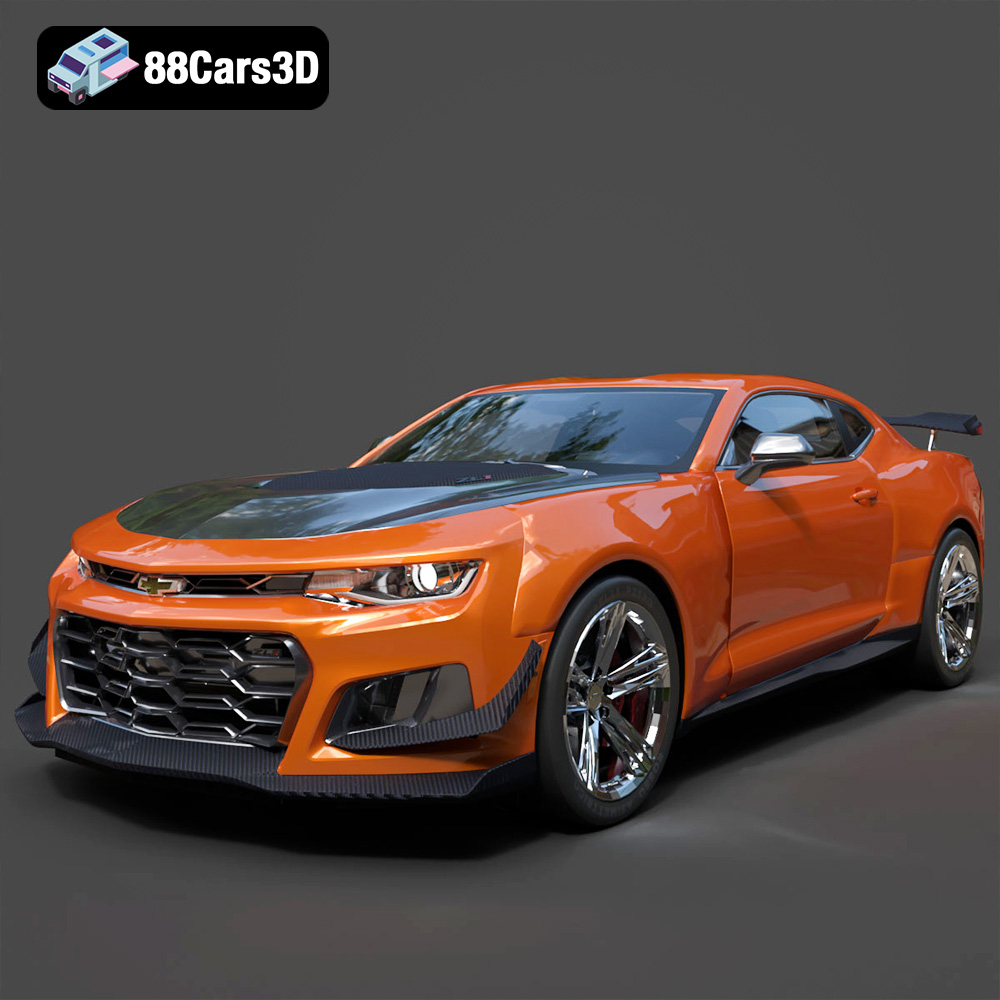
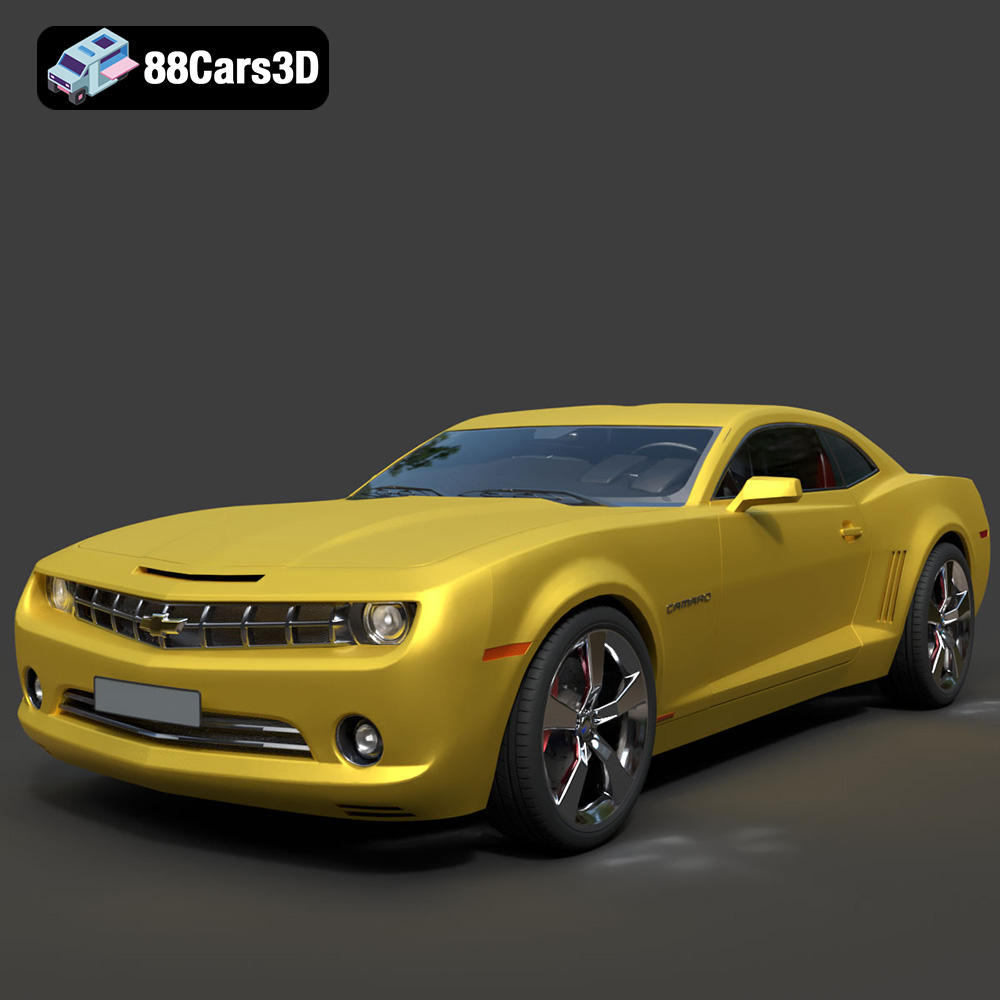
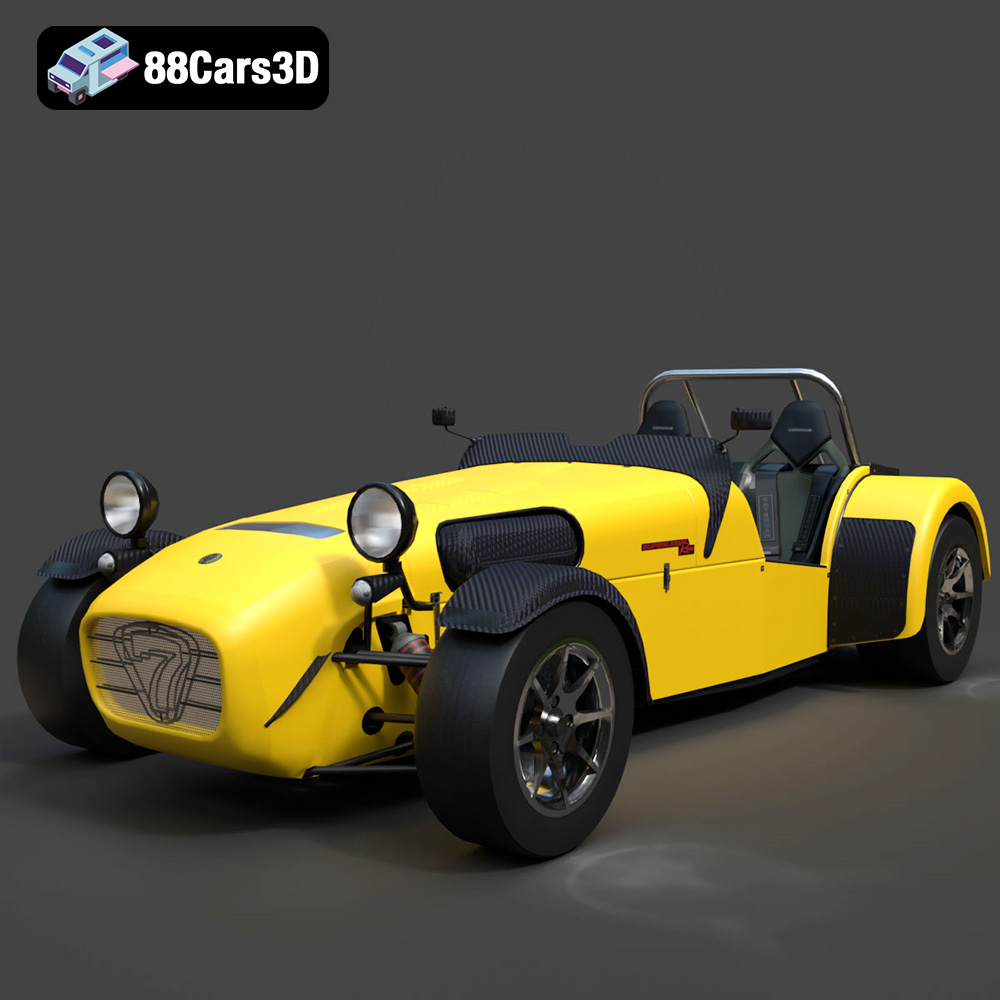
The Engine of Innovation: Why High-Quality 3D Car Models Drive Digital Excellence
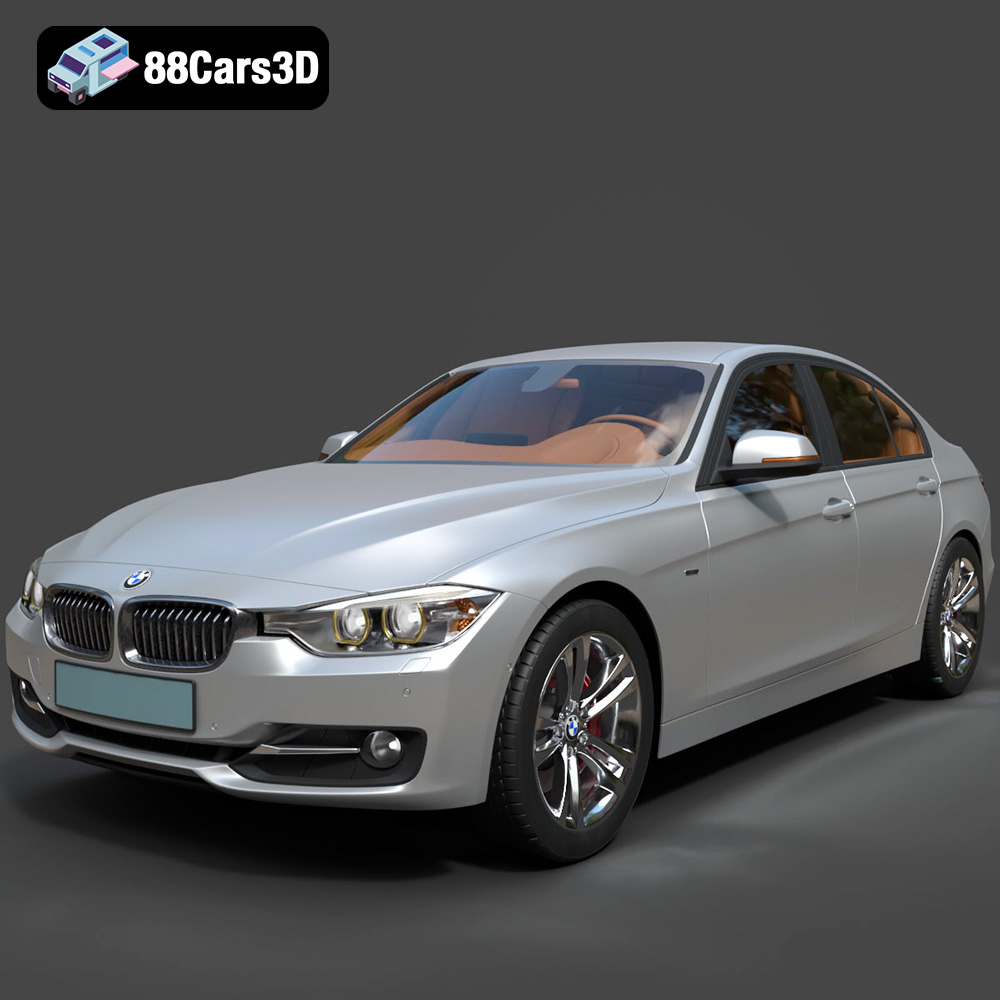
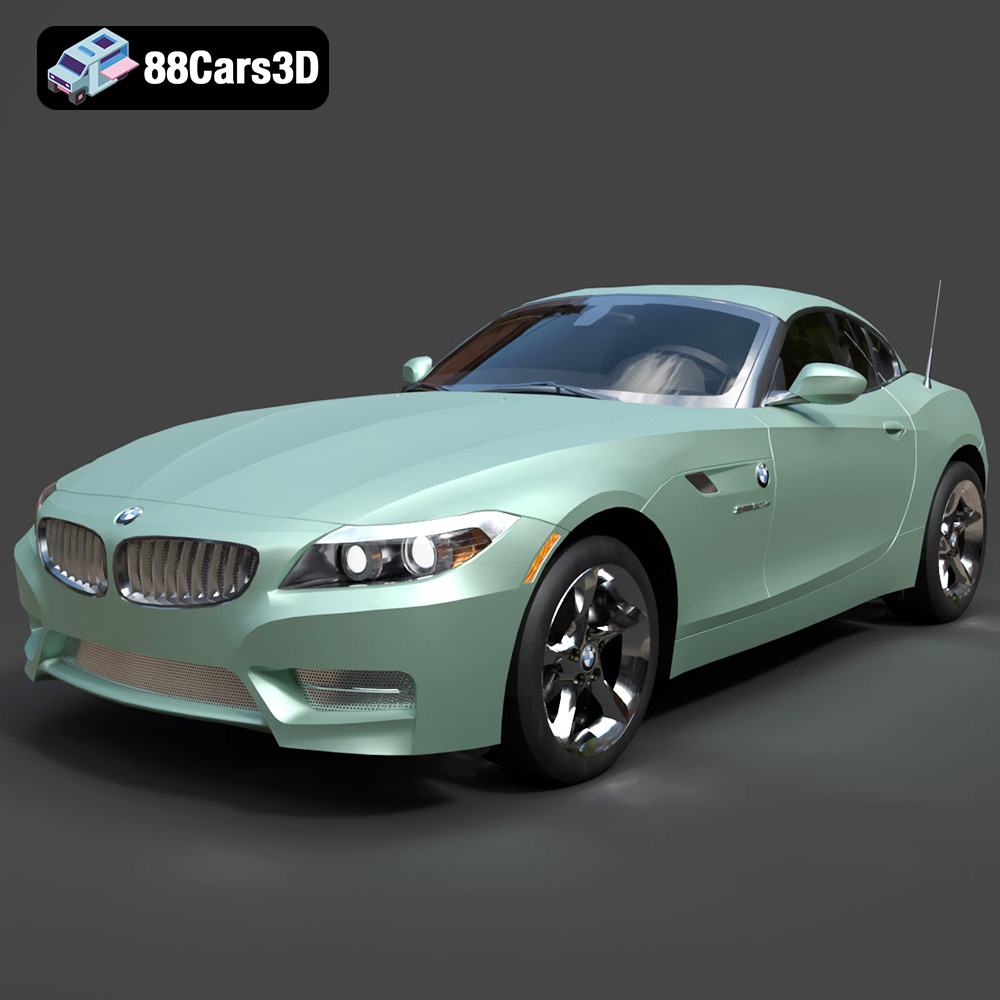
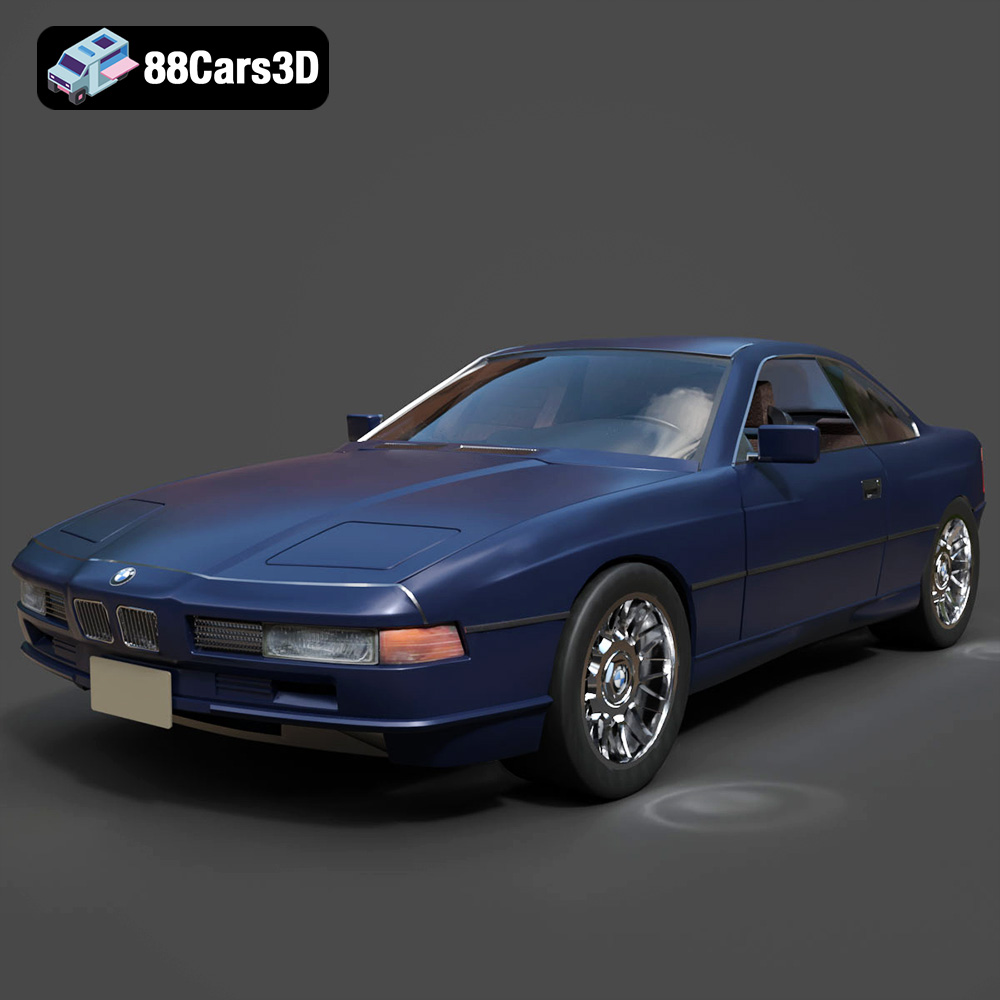
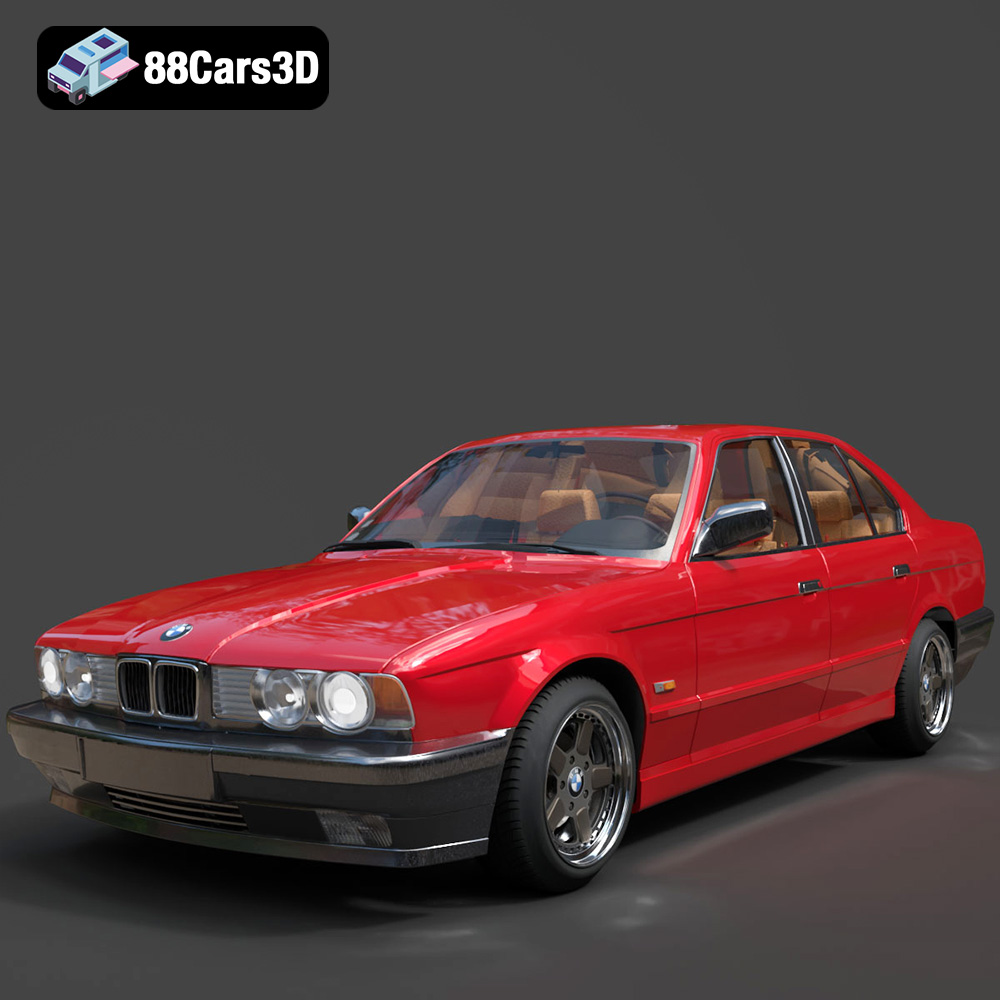
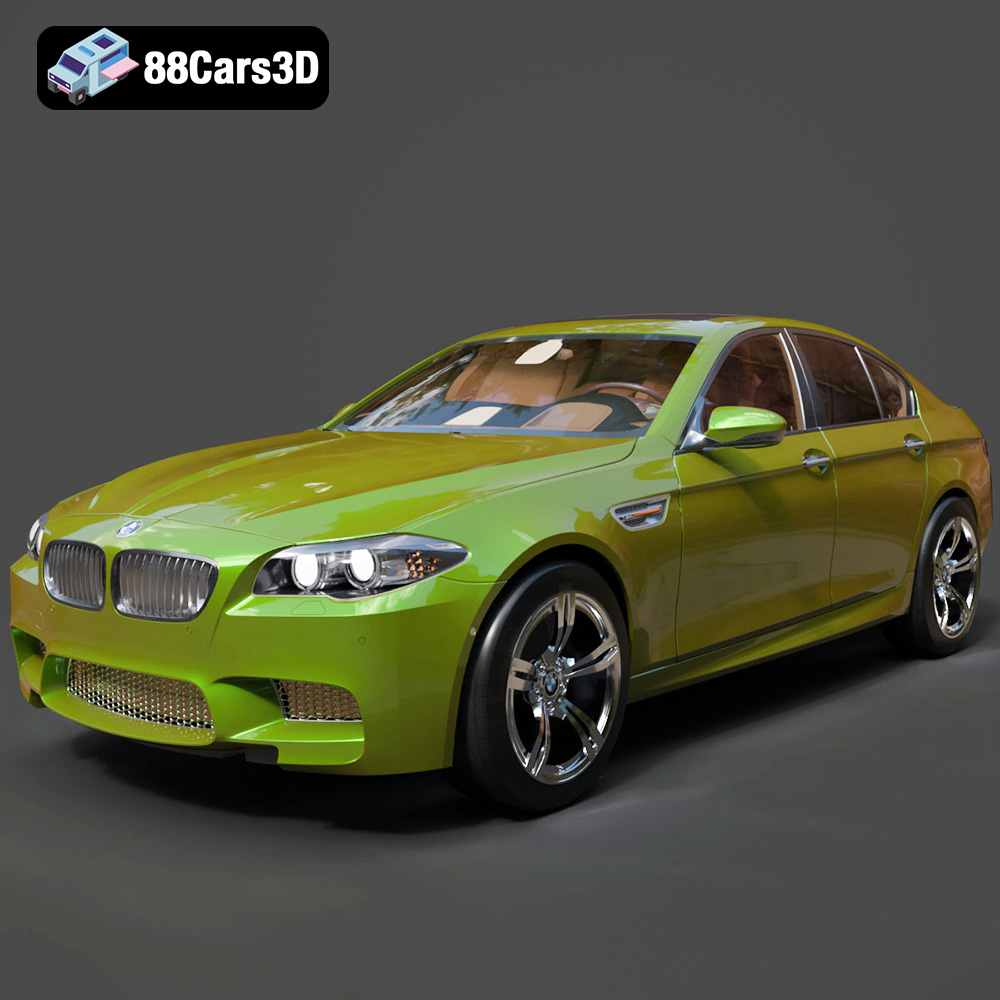
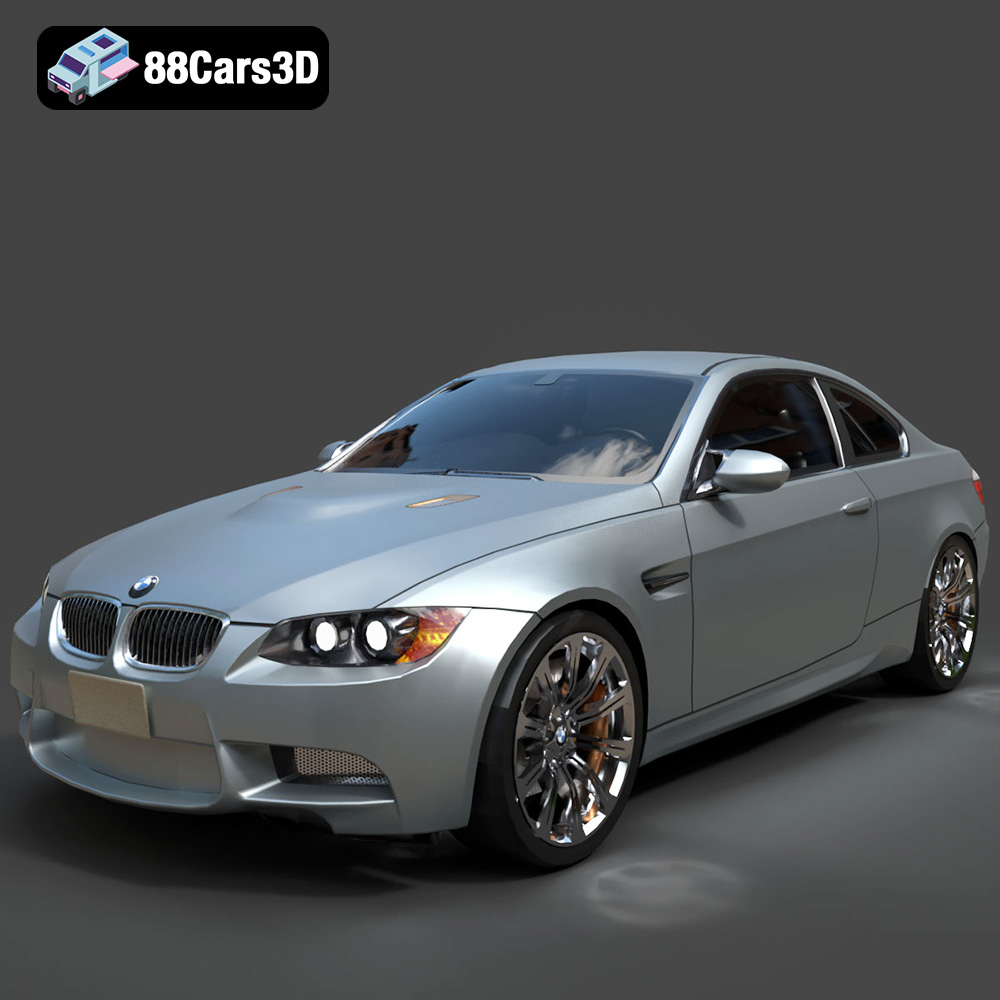
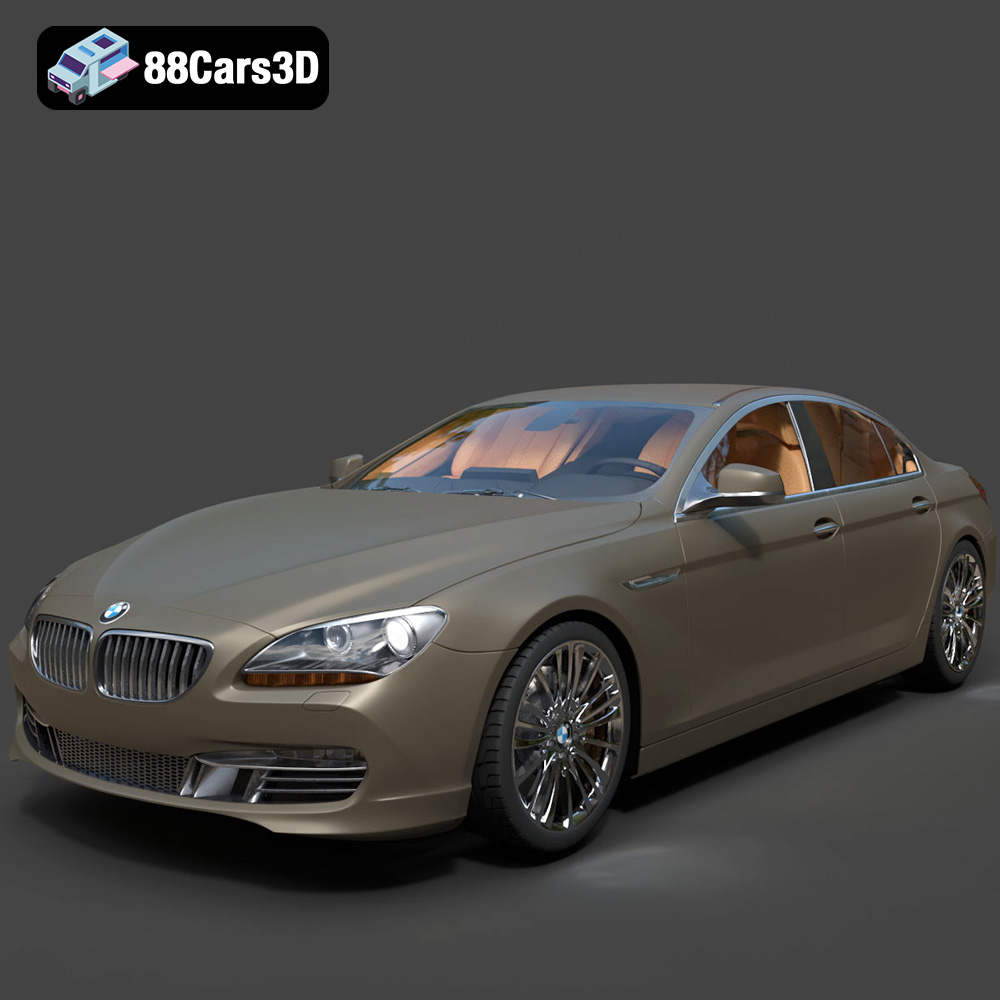
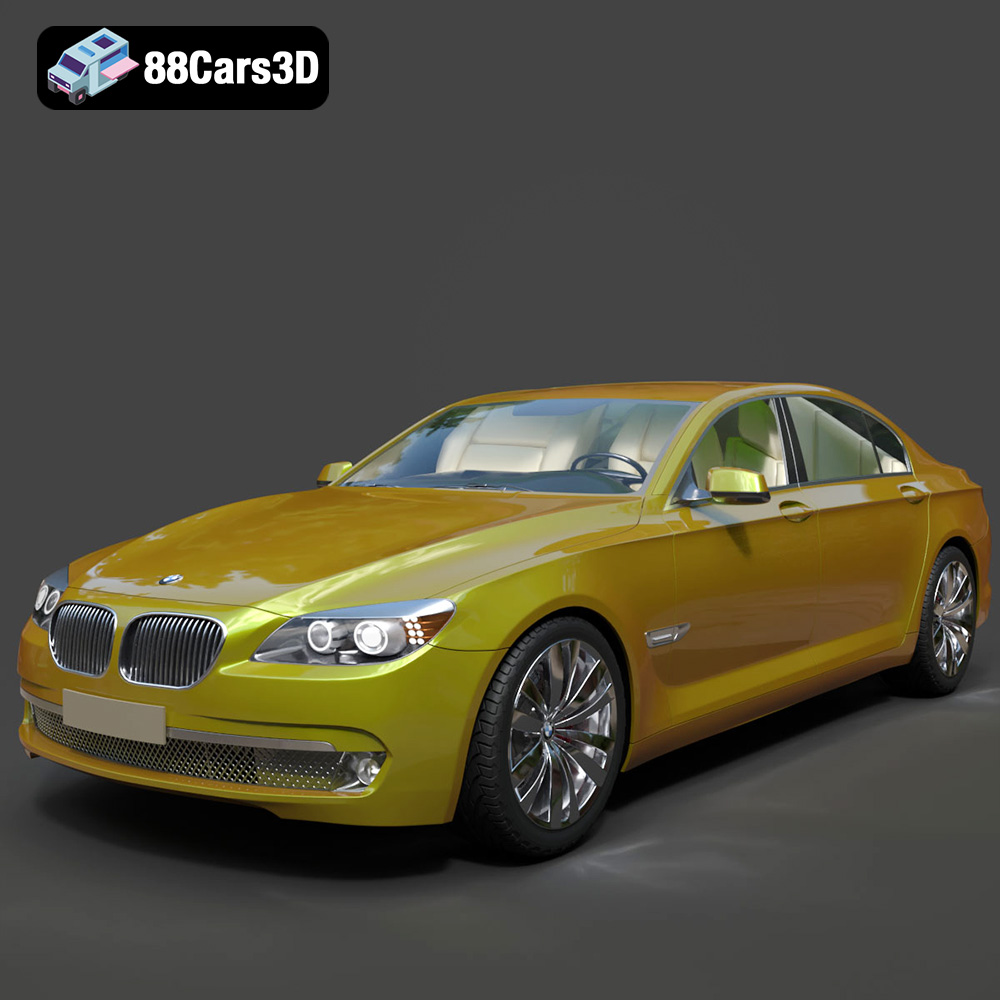
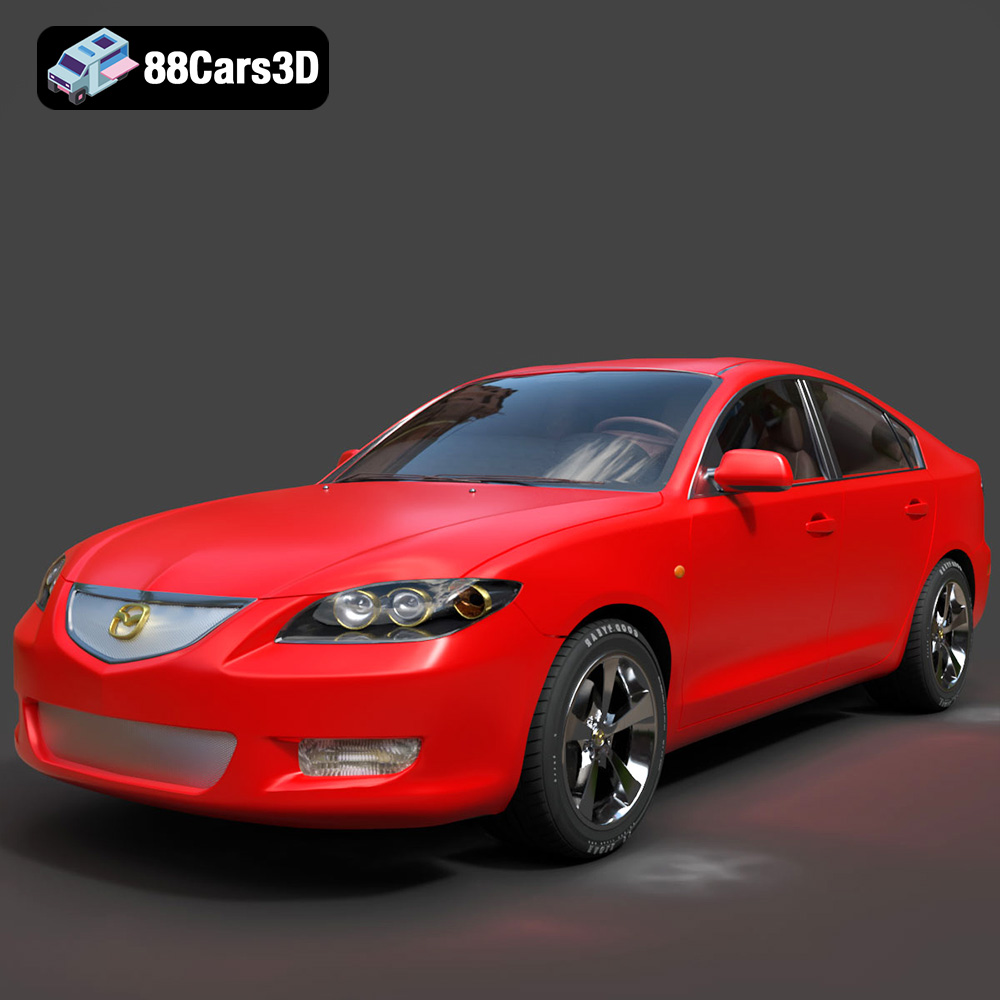
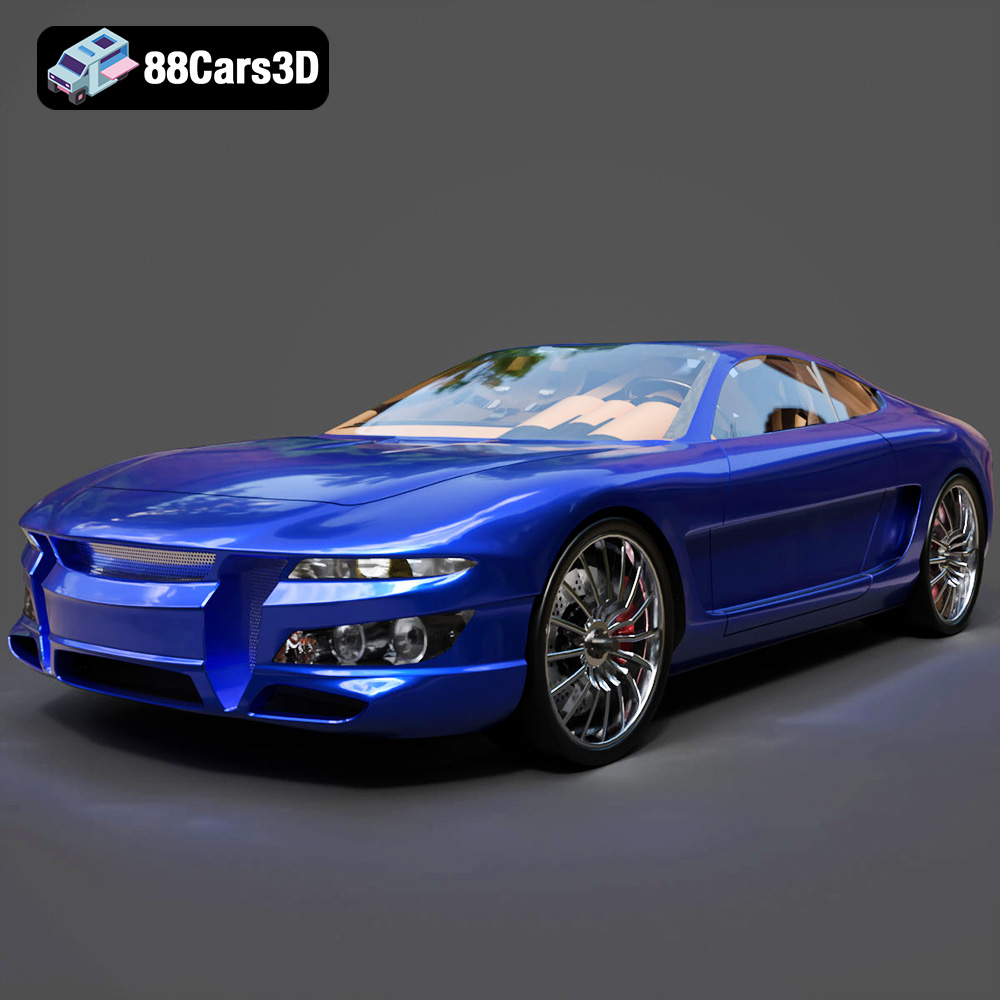
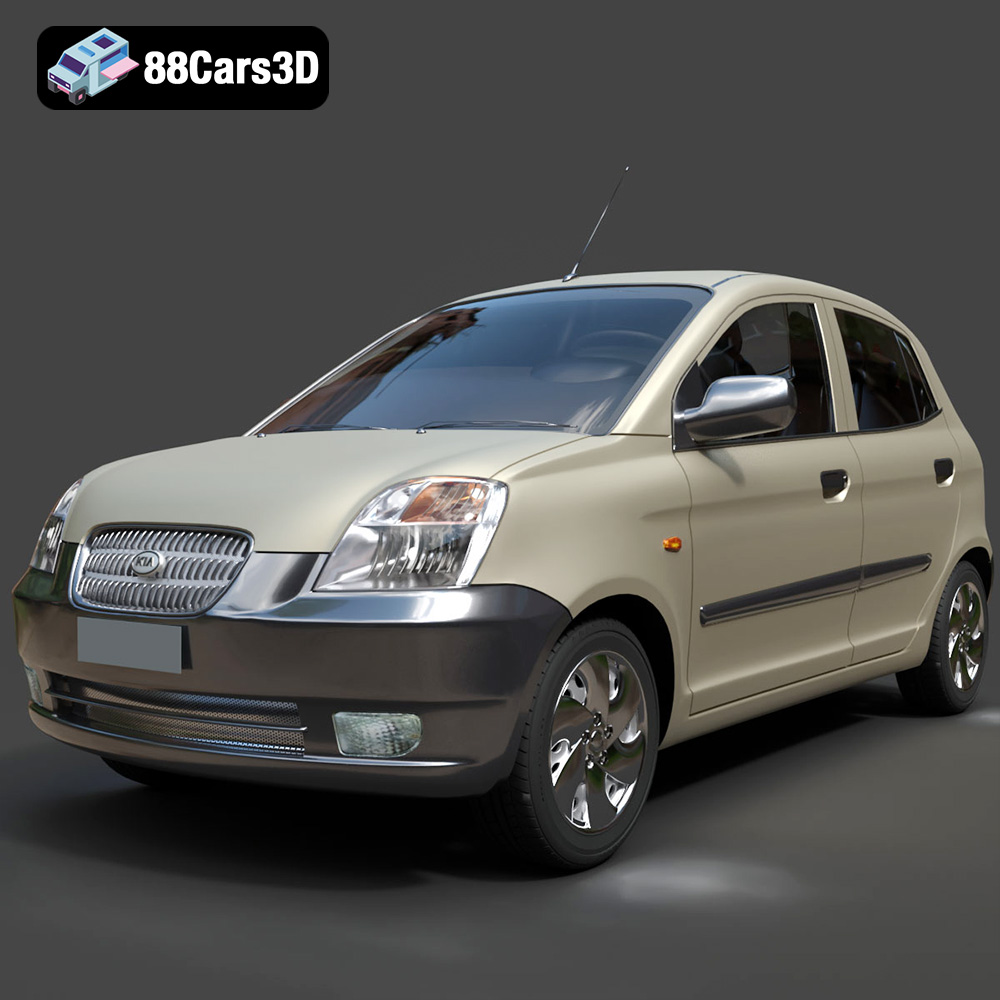
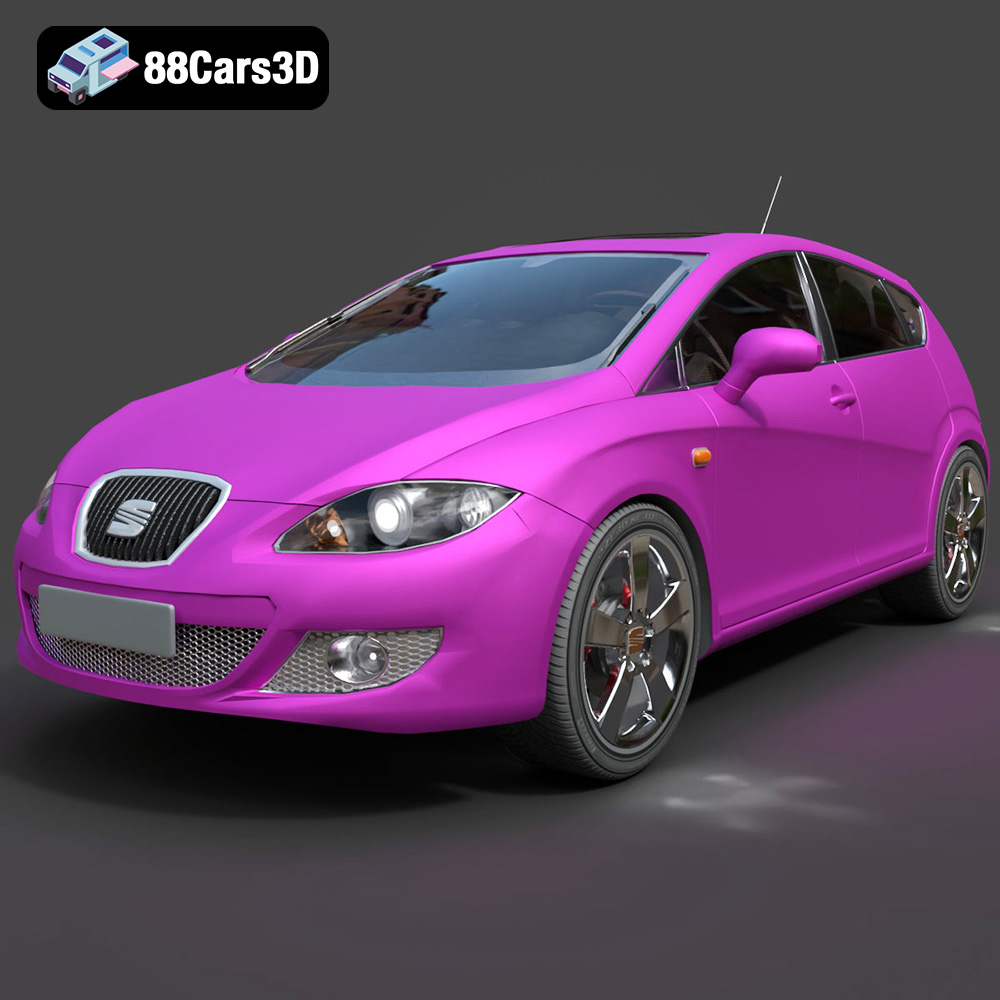
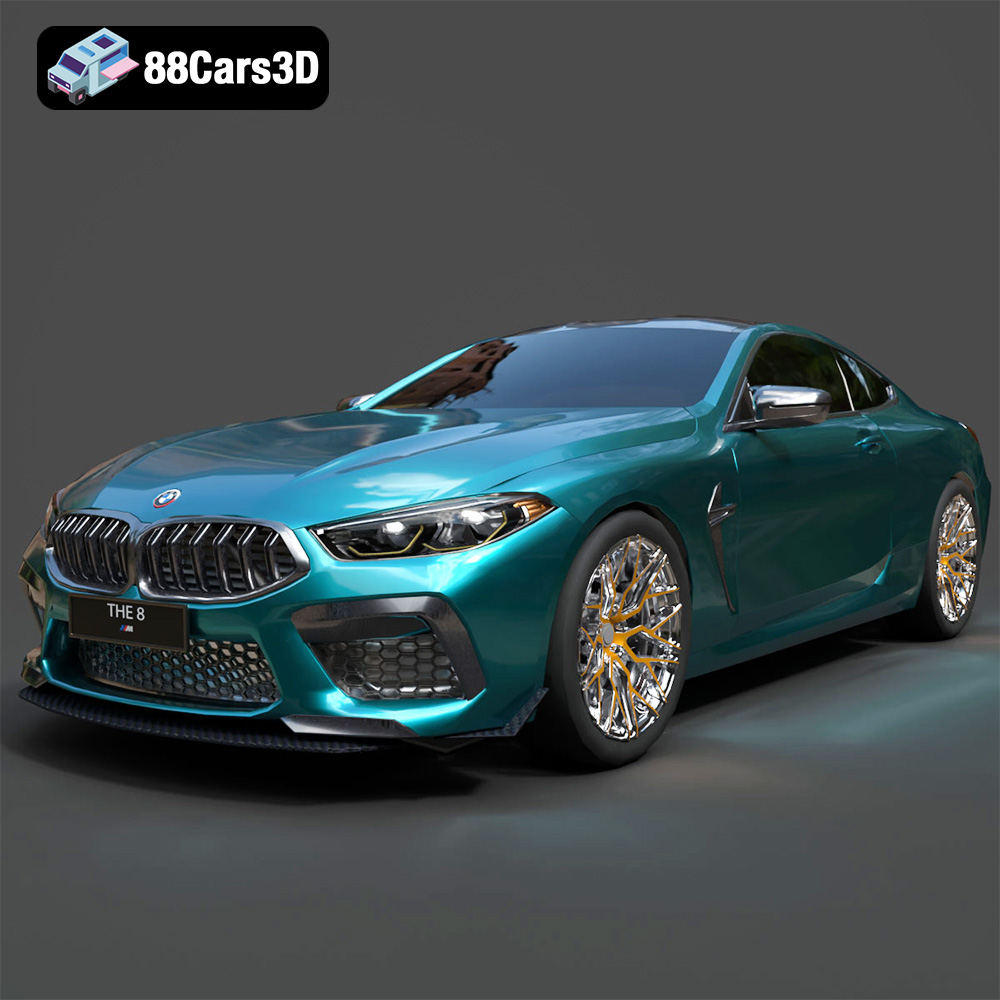
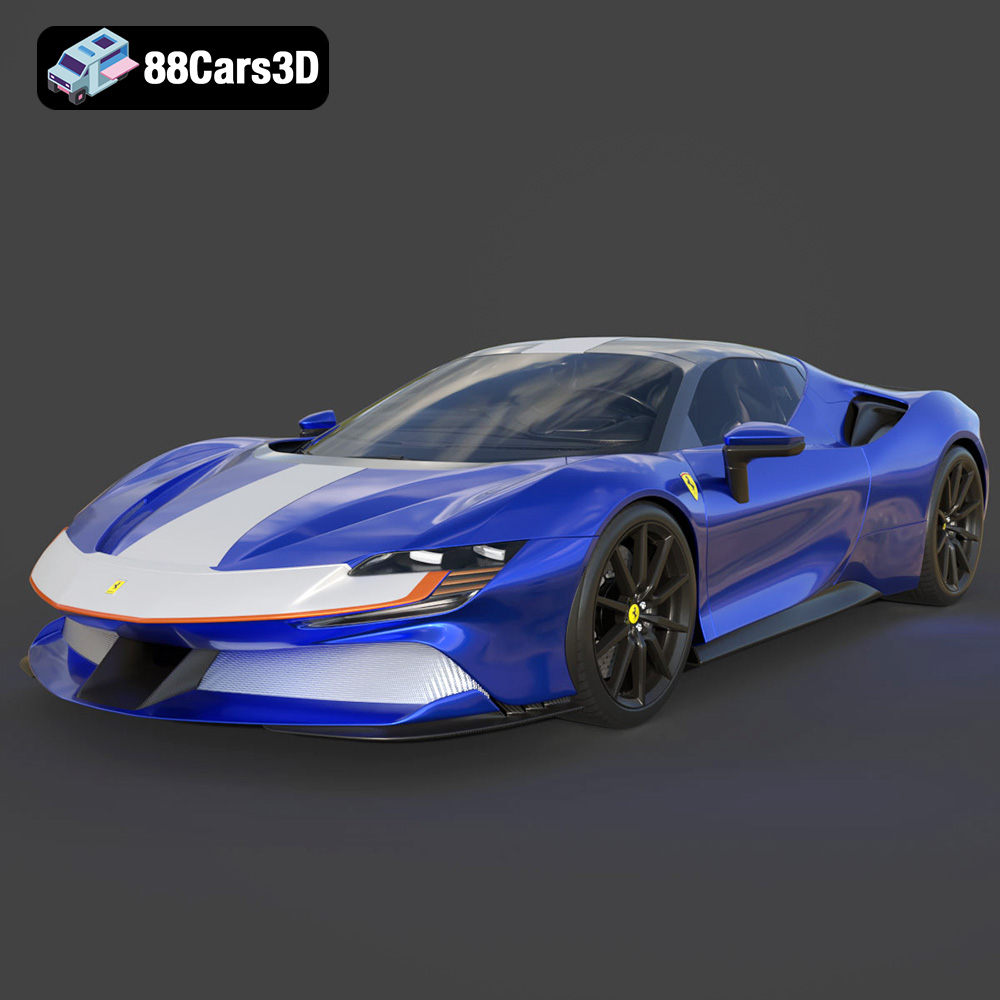
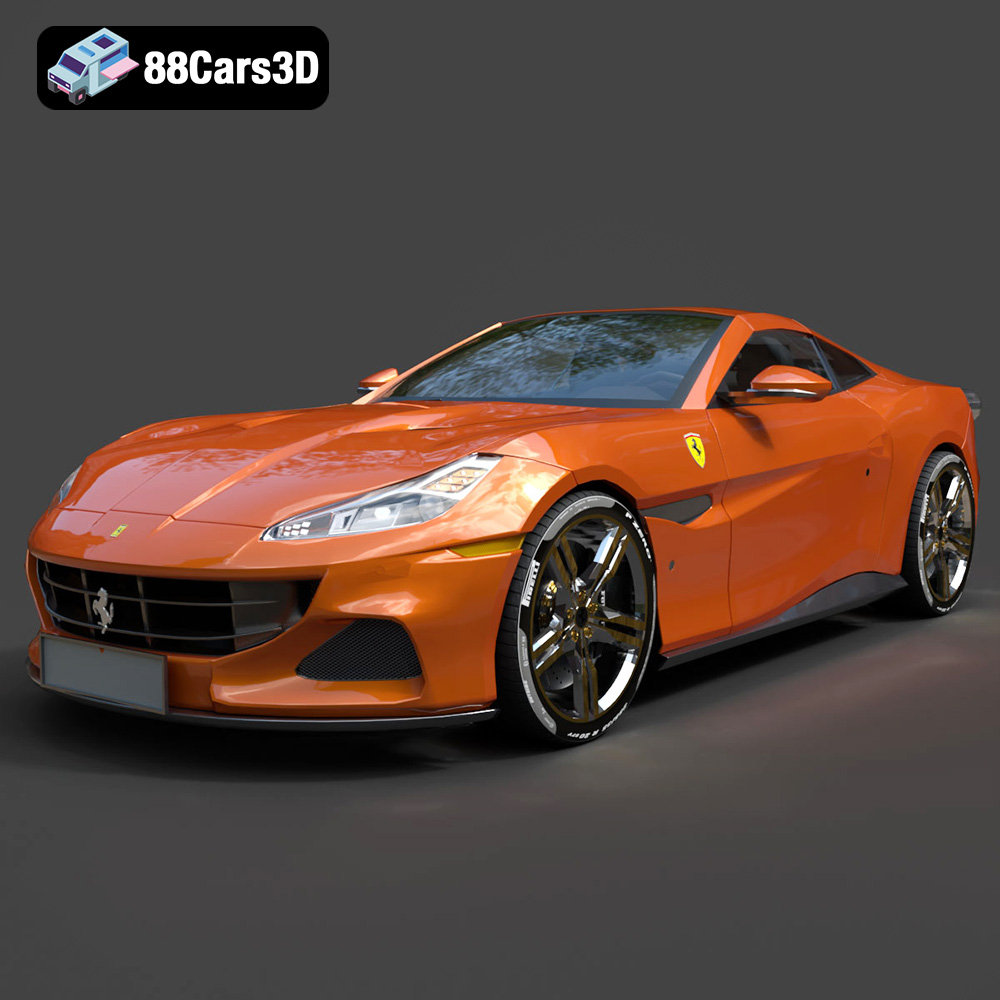
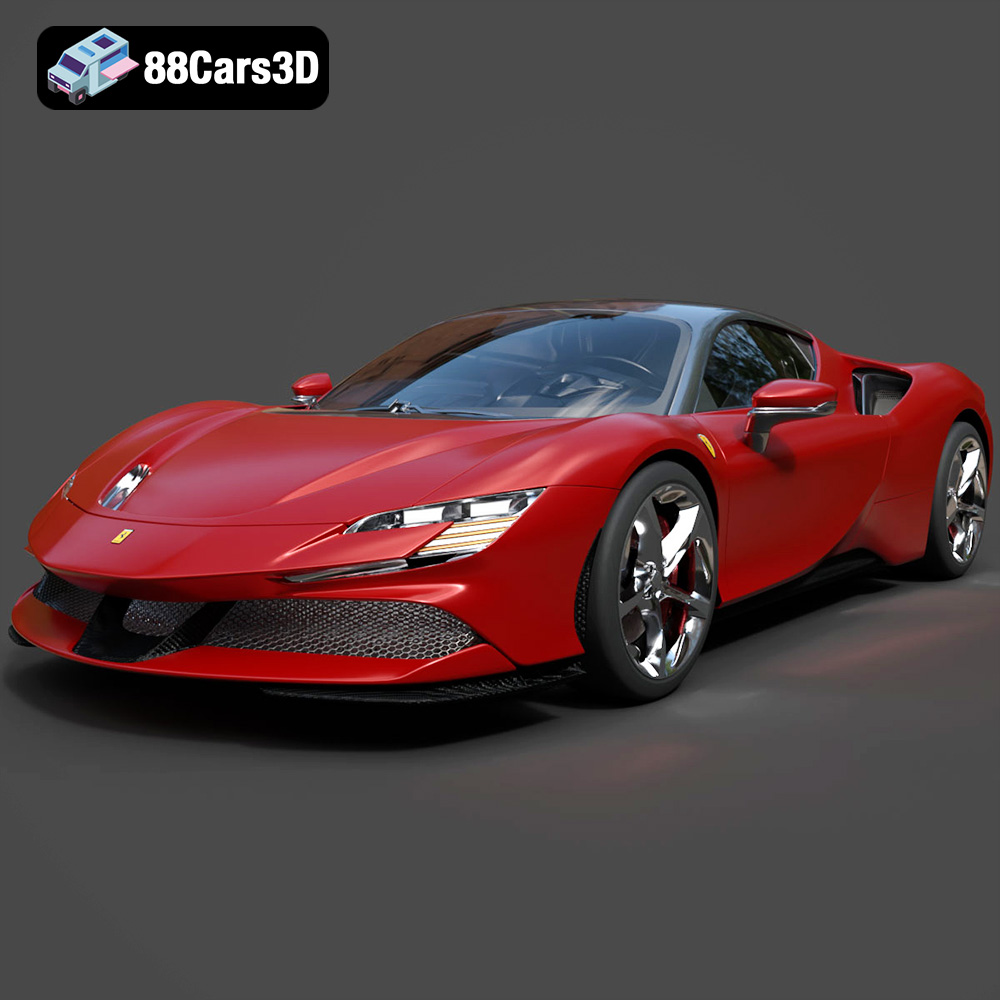
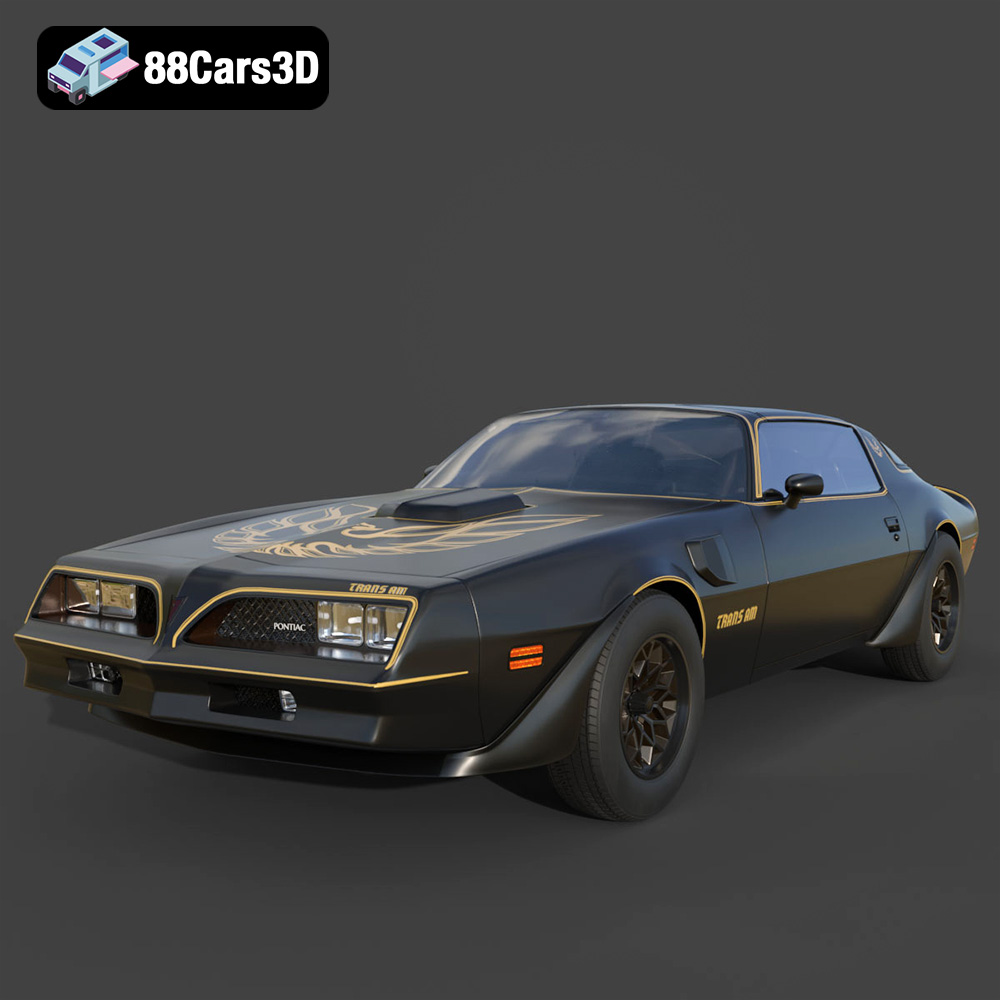
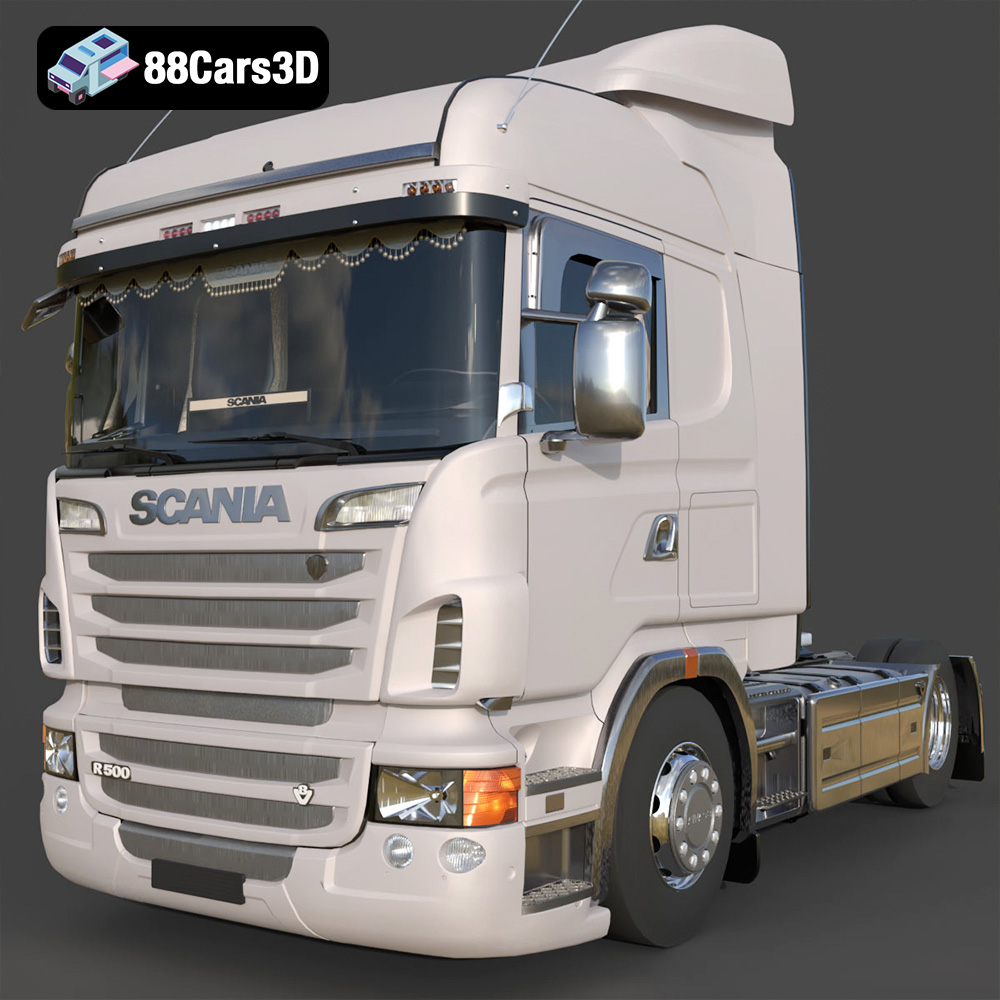
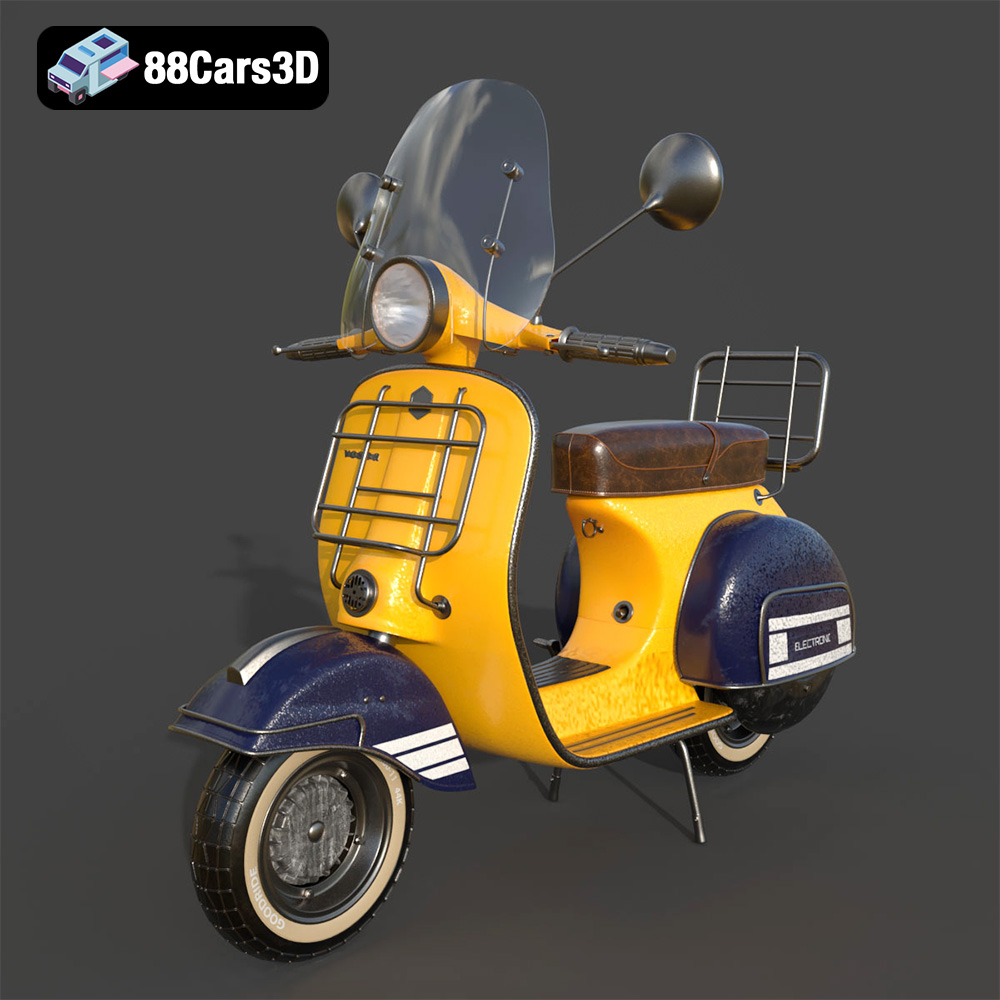
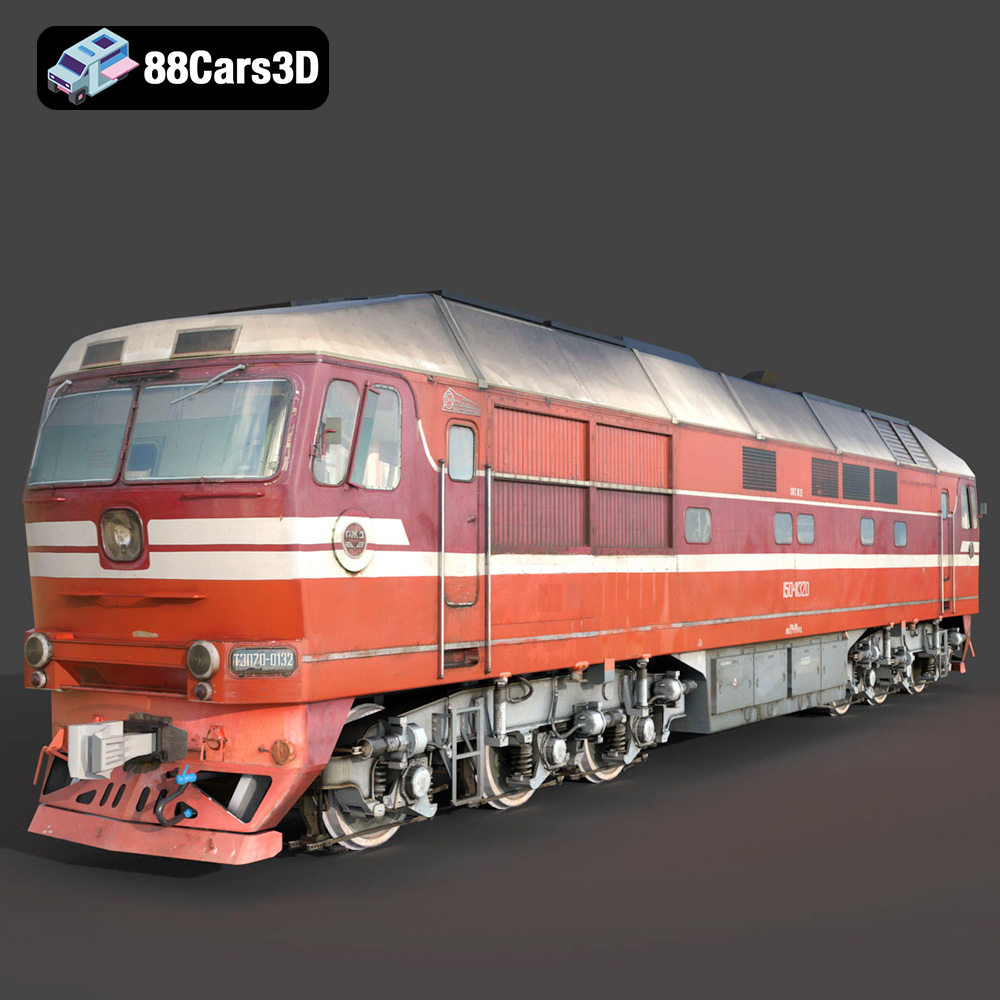
In the rapidly evolving landscape of digital content creation, the demand for photorealistic and performant 3D car models has never been higher. From breathtaking cinematic sequences and immersive virtual realities to cutting-edge game environments and precise automotive design visualizations, the quality of your 3D assets is the cornerstone of success. A meticulously crafted 3D car model isn’t just an object; it’s a testament to detail, engineering, and artistic vision, capable of bringing a project to life with unparalleled realism.
Whether you’re an architect needing to populate a street scene, a game developer crafting the next racing sensation, a marketing professional creating a compelling product launch, or an animator envisioning a dynamic car chase, the foundation remains the same: exceptional 3D assets. This comprehensive guide delves into the technical intricacies, workflows, and diverse applications of high-quality 3D car models, demonstrating why investing in premium resources from platforms like 88cars3d.com is crucial for achieving digital excellence across industries.
The Foundation of Digital Realism: Why High-Quality 3D Car Models Matter
The pursuit of realism in digital environments hinges significantly on the fidelity of the models used. For automotive visualization, this means capturing every curve, every reflection, and every interior detail with utmost precision. Low-quality models can break immersion, compromise visual integrity, and ultimately detract from the overall user experience or project objective.
Bridging the Gap Between Concept and Reality
For automotive designers and engineers, 3D car models are indispensable tools for prototyping, testing, and presenting concepts. Before a single physical component is manufactured, entire vehicles can be visualized, iterated upon, and refined in a digital space. High-fidelity models allow for accurate material studies, aerodynamic simulations, and ergonomic assessments, significantly reducing development time and costs. The ability to see a concept car in a virtual showroom, complete with dynamic lighting and environmental reflections, provides insights that static blueprints simply cannot.
The Demand for Precision Across Industries
The need for detailed 3D car models extends far beyond traditional automotive design. In film and television, they are central to creating believable special effects and realistic environments. In advertising, they form the core of captivating product showcases. For virtual and augmented reality experiences, high-quality models ensure seamless immersion. Even for 3D printing, accurate models are essential for physical prototyping. Each industry places unique demands on these models, whether it’s polygon efficiency for real-time applications or extreme surface detail for close-up renders, underscoring the versatility and critical nature of well-made assets.
Understanding 3D Model File Formats
Navigating the diverse world of 3D software and its myriad of file formats can be daunting. Each format serves a specific purpose, offering unique advantages for different stages of the 3D pipeline, from initial modeling to final rendering, game integration, or 3D printing. Understanding these distinctions is crucial for seamless workflow and optimal asset utilization. When sourcing 3D car models, knowing which format suits your project best is paramount. Let’s explore the most common and critical formats in detail.
.blend: Native Blender Power
The .blend format is the native file type for Blender, the powerful open-source 3D creation suite. A .blend file is more than just a model; it encapsulates an entire scene, including mesh data, materials, textures, lighting setups, cameras, animations, physics simulations, and even custom scripts. This makes it an incredibly versatile format for Blender users, offering full editability and preserving all aspects of the original artist’s work. When you download a .blend file, you’re essentially getting the complete project, allowing for deep customization and understanding of how the model was constructed. It’s ideal for those who work primarily in Blender and want to leverage its full toolset for modifying, animating, or rendering the car model.
.fbx: The Industry Standard for Interchange
The .fbx (Filmbox) format is arguably the most widely adopted proprietary file format for 3D data exchange across different software applications. Developed by Autodesk, .fbx is renowned for its ability to store not just mesh data (geometry, UVs, vertex colors, normals) but also complex scene data such as materials (basic properties), textures (references), rigging, skinning, animation, and even camera and light information. This makes it an indispensable format for game development pipelines (Unreal Engine, Unity), animation studios, and visual effects houses, as it ensures a high degree of fidelity when transferring assets between applications like 3ds Max, Maya, Blender, and ZBrush. For real-time applications, .fbx is often the go-to choice due to its robust support for animation and skeletal data, critical for dynamic game assets.
.obj: Universal Compatibility
The .obj (Wavefront OBJ) format is one of the oldest and most universally compatible 3D file formats. It primarily stores geometry information, including vertices, normals, UV coordinates, and faces. While it can reference external material files (.mtl) for basic color and texture information, it doesn’t store advanced material properties, rigging, or animation data internally. Its strength lies in its simplicity and widespread support across virtually all 3D software. For simple model transfers or when focusing purely on geometric data, .obj remains an excellent choice, offering robust cross-software compatibility. It’s often used when the primary goal is to import a mesh and then rebuild materials or rigging in the destination software.
.glb: Web and AR/VR Optimization
The .glb (GLB Binary) format is the binary version of glTF (GL Transmission Format), a royalty-free specification for the efficient transmission and loading of 3D scenes and models by engines and applications. .glb files are highly optimized for web-based 3D, augmented reality (AR), and virtual reality (VR) experiences. They package all necessary data—geometry, materials, textures, animations, and skinning—into a single, self-contained file, making them easy to share and load quickly in browsers and mobile applications. This format is quickly becoming the “JPEG of 3D” due to its efficiency and widespread adoption for real-time viewing on the web, making it perfect for interactive product configurators or AR showcases of 3D car models.
.stl: Precision for 3D Printing
The .stl (STereoLithography) format is the standard file type for 3D printing. It represents a 3D model as a series of connected triangles, essentially describing only the surface geometry of an object without color, texture, or other CAD attributes. Its simplicity makes it universally compatible with 3D printing software (slicers). While not suitable for rendering or animation due to its lack of material and scene information, .stl is indispensable for producing physical prototypes or final products of 3D car models. When preparing a model for 3D printing, ensuring it is “manifold” (watertight) is crucial for a successful print.
.ply: Scientific and Engineering Data
The .ply (Polygon File Format or Stanford Triangle Format) is a versatile file format for storing 3D data, particularly from 3D scanners. It can store not only polygonal mesh data (vertices, faces) but also additional properties like color, transparency, normals, texture coordinates, and even reliability information for each point or polygon. This makes it suitable for scientific applications, reverse engineering, and processing scan data where rich attribute information is critical. While less common for everyday artistic interchange, .ply is valuable in scenarios requiring precise measurements and detailed point cloud or mesh data from real-world objects.
.unreal: Direct Engine Integration
The .unreal designation isn’t a standalone file format in the traditional sense, but rather refers to assets specifically prepared, optimized, and often packaged within the Unreal Engine ecosystem. While you might import a .fbx file into Unreal Engine, the engine then processes and saves it in its internal .uasset format. When a vendor provides an “.unreal” file or package, it typically means a meticulously prepared .uasset or a collection of assets (meshes, materials, textures, blueprints) directly exportable or usable within Unreal Engine. These assets are often pre-configured with correct scales, PBR materials, LODs (Level of Detail), and sometimes even collision meshes, saving significant time for game developers looking for ready-to-use game assets that are perfectly integrated into the Unreal workflow.
.max: 3ds Max Project Files
The .max format is the native file type for Autodesk 3ds Max, a powerful software widely used in architectural visualization, automotive design, film, and game development. Similar to .blend, a .max file contains a complete 3ds Max scene, including geometry, materials (with all their complex parameters for rendering engines like V-Ray or Corona), textures, lights, cameras, animations, modifiers, and plugins. This format offers full editability and allows users to explore and modify every aspect of the scene created by the original artist. For professionals working primarily with 3ds Max for high-end automotive rendering and animation, .max files provide the most comprehensive starting point, allowing for direct manipulation of the model and its rendering setup.
Selecting the right file format from resources like 88cars3d.com is a critical decision that impacts your entire workflow, from compatibility and ease of use to final output quality and performance. Always consider your target application and specific project requirements when making your choice.
Mastering Automotive Rendering: Techniques for Photorealism
Achieving photorealistic automotive rendering is an art and a science, combining technical prowess with a keen eye for detail. It’s about more than just a good model; it’s about how light interacts with surfaces, the subtleties of reflections, and the atmospheric mood of the scene. Here, we delve into the core techniques that transform a 3D model into a captivating visual.
Advanced Shading and Material Creation
The realism of a 3D car model is largely determined by its materials. Physically Based Rendering (PBR) workflows are now standard, ensuring materials react realistically to light. Key materials for automotive rendering include:
- Car Paint: This is arguably the most complex and critical material. It typically involves multiple layers: a base diffuse color, a metallic flake layer (simulating tiny metallic particles within the paint), a clear coat (a highly reflective and refractive layer that gives depth and gloss), and sometimes an orange peel effect for added realism. Understanding fresnel reflections and clear coat thickness is vital.
- Glass: Car glass needs accurate refraction, reflection, and absorption properties. Tinting, dirt, and subtle imperfections like smudges or minor scratches significantly enhance realism.
- Chrome & Metals: These materials require accurate specular and reflectivity values, often with anisotropic reflections for brushed metals, to capture their distinct sheens.
- Rubber & Plastics: Achieving the right level of roughness, subsurface scattering (for some plastics), and subtle texture variations is key to making tires, dashboards, and trim pieces believable.
Software like V-Ray and Corona Renderer in 3ds Max, or Cycles and Eevee in Blender, offer sophisticated node-based material editors that allow artists to construct these complex shaders with precision.
Lighting Setups for Impact
Lighting is the soul of any render. For automotive rendering, specific setups create drama, highlight curves, and reveal material properties.
- HDRI (High Dynamic Range Image) Environments: These are panoramic images that not only provide realistic background visuals but also emit light and reflections, mimicking real-world lighting conditions (e.g., a sunny afternoon, a cloudy sky, an industrial warehouse). They are incredibly efficient for achieving natural, complex lighting and reflections on reflective surfaces like car paint and chrome.
- Studio Lighting: For controlled, product-style renders, studio setups with virtual softboxes, area lights, and spotlights are essential. Techniques like “infinity coves” or seamless backgrounds, combined with carefully placed rim lights and fill lights, emphasize contours and create clean, professional visuals.
- Environmental Lighting: Integrating a car into a rendered scene (e.g., a city street, a desert road) requires matching the lighting direction, color temperature, and intensity to the background plate or 3D environment for seamless blending.
Post-Production Enhancements
Even the most perfect raw render can be elevated through professional post-production. This stage, typically done in software like Adobe Photoshop or Affinity Photo, adds the final polish.
- Color Grading: Adjusting hue, saturation, and luminance to establish mood and visual coherence.
- Depth of Field (DoF): Simulating camera lens blur to draw attention to the car and create a sense of scale and realism.
- Motion Blur: Essential for conveying speed and dynamism in animation or still renders of moving vehicles.
- Lens Effects: Adding subtle lens flares, chromatic aberration, or vignetting can emulate real camera imperfections, enhancing believability.
- Compositing: Combining render passes (e.g., reflections, shadows, ambient occlusion) for finer control over the final image, and integrating the car into photographic backgrounds.
Optimizing 3D Car Models for Game Development and Real-Time Applications
While cinematic renders prioritize absolute visual fidelity, real-time applications like games, AR, and VR demand a delicate balance between visual quality and performance. Game assets, especially detailed vehicles, require rigorous optimization to ensure smooth frame rates and efficient resource usage without compromising too much on aesthetics.
Polygon Budgeting and LODs (Level of Detail)
The polygon count of a model directly impacts performance. While modern game engines and hardware can handle millions of polygons, individual assets must still be optimized. A hero vehicle in a racing game might have a higher poly count (e.g., 150,000-300,000 triangles) than a background car (e.g., 10,000-30,000 triangles). To manage this, LODs are crucial. An LOD system creates multiple versions of the same model, each with progressively lower polygon counts. The engine automatically switches between these versions based on the camera’s distance to the object, ensuring high detail up close and optimized performance far away. Effective LODs can significantly improve frame rates, especially in scenes with many vehicles.
Efficient UV Mapping and Texture Atlasing
Textures provide the surface detail without requiring excessively high polygon counts. Efficient UV mapping ensures that every part of the 3D model’s surface has a corresponding, non-overlapping area on a 2D texture map. For game assets, texture atlasing is a common optimization technique where multiple smaller textures (e.g., for car interior, badges, lights) are packed into a single, larger texture sheet. This reduces draw calls, improving rendering performance. Furthermore, utilizing PBR texture sets (Albedo/Base Color, Metallic, Roughness, Normal, Ambient Occlusion) is standard for achieving realistic materials within game engines like Unreal Engine and Unity.
Collision Meshes and Physics Assets
For vehicles in interactive environments, simply having a visual mesh isn’t enough. Game engines require collision meshes to define how the car interacts with the environment and other objects. These are simplified versions of the visual mesh, often using primitive shapes (boxes, spheres, capsules) or convex hulls, to minimize physics calculation overhead. Additionally, a robust physics asset, which defines the car’s center of mass, suspension, wheel physics, and damage zones, is critical for realistic driving mechanics and destructible environments. Crafting these assets carefully ensures that the 3D car models feel responsive and believable within the game world.
Workflow Integration: From Purchase to Project Deployment
Acquiring high-quality 3D car models from a marketplace like 88cars3d.com is just the first step. Seamless integration into your specific DCC (Digital Content Creation) or game engine workflow is key to unlocking their full potential. This section outlines typical steps for integrating purchased models into popular software.
Importing into 3ds Max and Blender
Once you’ve downloaded a 3D car model, importing it into your preferred 3D software requires attention to detail. For 3ds Max users, a .max file offers direct access to the original scene, including complex materials and lighting. For Blender users, a .blend file provides a similar native experience. If you’re using a universal format like .fbx or .obj:
- Scale: Always verify the imported model’s scale. 3D car models should typically be imported at real-world scale (e.g., meters or centimeters). Adjusting scale can be done during import or afterward within the software.
- Pivot Point: Ensure the car’s pivot point (origin) is at a logical location, typically the center of the car’s base, to facilitate easier manipulation, rotation, and animation.
- Material Conversion: If the model comes with generic materials or from a different render engine (e.g., V-Ray materials imported into Blender’s Cycles), you’ll need to convert them to your target renderer’s format. This often involves reconnecting texture maps to the correct PBR slots (Base Color, Metallic, Roughness, Normal, etc.) and fine-tuning values.
- Scene Cleanup: Imported scenes might contain unnecessary cameras, lights, or hidden objects from the original artist’s setup. A quick cleanup ensures a tidy working environment.
Preparing Assets for Unreal Engine
Unreal Engine has a robust pipeline for importing game assets, particularly using the .fbx format. The process typically involves:
- Import Settings: When importing an .fbx, Unreal offers numerous options: choosing to import as a Static Mesh, Skeletal Mesh (for animated parts), or even importing animations, materials, and textures. Ensure correct rotation and scale settings.
- Material Instances: Rather than individual materials for every car, it’s common to create a master material with adjustable parameters (color, roughness, metallic, normal strength) and then create material instances for each specific car model. This allows for quick variations and efficient memory usage.
- Collision Generation: Unreal Engine can automatically generate basic collision meshes, but for complex vehicle physics, custom collision meshes created in your DCC software are preferable.
- LOD Setup: Utilize Unreal’s built-in LOD generation or import pre-made LODs to ensure performance optimization. The LOD Group and Screen Size settings are critical for proper distance-based switching.
- Nanite (UE5+): For incredibly detailed static meshes, Unreal Engine 5’s Nanite virtualized geometry system allows for the direct import of extremely high-polygon models without traditional LODs, rendering them highly efficiently. This is a game-changer for high-fidelity 3D car models in next-gen applications.
Customization and Iteration with 88cars3d.com Models
The true power of purchasing high-quality 3D car models from a platform like 88cars3d.com lies in their reusability and customizability. Beyond direct use, these models serve as excellent bases for further modifications:
- Livery and Decal Application: Easily add custom paint jobs, racing liveries, or corporate branding using UV mapping and material layering.
- Part Swapping: Modify wheels, spoilers, body kits, or even interior components to create unique variants.
- Damage States: Develop multiple versions of the model to simulate damage for game or animation purposes.
- Animation: Rigging and animating doors, hoods, trunks, and steering components for interactive experiences or cinematic sequences.
Starting with a professionally made, clean topology model significantly reduces the time and effort required for such customizations, allowing artists and developers to focus on creative enhancements rather than foundational modeling.
Beyond Rendering: Diverse Applications of 3D Car Models
The versatility of high-quality 3D car models extends far beyond their traditional use in rendering and game development. They are increasingly becoming central to innovative solutions across various sectors, driving new forms of engagement and visualization.
Virtual Reality and Augmented Reality Experiences
VR and AR are transforming how we interact with digital content, and 3D car models are at the forefront of this revolution. In VR, users can step inside a virtual showroom, inspect a car from every angle, and even “test drive” it in a simulated environment. This provides an immersive pre-purchase experience for potential buyers or an invaluable training tool for mechanics. In AR, 3D car models can be overlaid onto the real world using a smartphone or tablet, allowing users to visualize a new car parked in their driveway, customize its color, or explore its features in a tangible context. The .glb format, with its optimization for web and mobile, is particularly well-suited for these applications, making interactive 3D car models accessible to a wide audience.
Product Visualization and Marketing
For automotive manufacturers and dealers, 3D car models are indispensable marketing tools. Instead of expensive physical photoshoots for every variant and color, photorealistic renders can be generated on demand. These can be used for brochures, websites, online configurators, and high-impact advertisements. Beyond static images, 3D models enable interactive 360-degree views, animated walk-arounds, and detailed feature spotlights, offering consumers an unparalleled level of insight into a vehicle before purchase. This not only streamlines marketing efforts but also provides a consistent, high-quality visual representation across all platforms.
3D Printing and Physical Prototyping
The journey from digital concept to physical reality is increasingly facilitated by 3D printing. High-detail 3D car models can be converted into .stl or .obj formats, prepared for slicing software, and then printed as physical prototypes or scale models. This is invaluable for designers and engineers who need to physically evaluate form, fit, and finish before committing to expensive manufacturing processes. From intricate engine components to full-scale exterior panels, 3D printing provides a rapid and cost-effective method for tangible visualization and functional testing, bridging the gap between the virtual and physical worlds.
Conclusion
The digital realm’s ever-growing demand for realism, immersion, and efficiency underscores the critical importance of high-quality 3D car models. From the intricate process of automotive rendering to the precise optimization required for seamless integration as game assets, every detail counts. Understanding the nuances of file formats, mastering advanced rendering techniques, and streamlining workflow integration are not merely technical exercises; they are essential investments in the success and impact of any digital project.
Whether you’re crafting a cinematic masterpiece, developing the next-generation racing simulator, designing the car of tomorrow, or bringing interactive experiences to life through AR/VR, starting with superior assets provides an unparalleled advantage. Platforms like 88cars3d.com serve as invaluable resources, offering expertly crafted 3D car models that empower professionals to push the boundaries of digital creation. By leveraging these high-fidelity resources and applying the technical insights discussed, artists and developers can consistently deliver stunning, performant, and truly engaging experiences that captivate audiences and drive innovation across every industry touched by the power of 3D.
Featured 3D Car Models