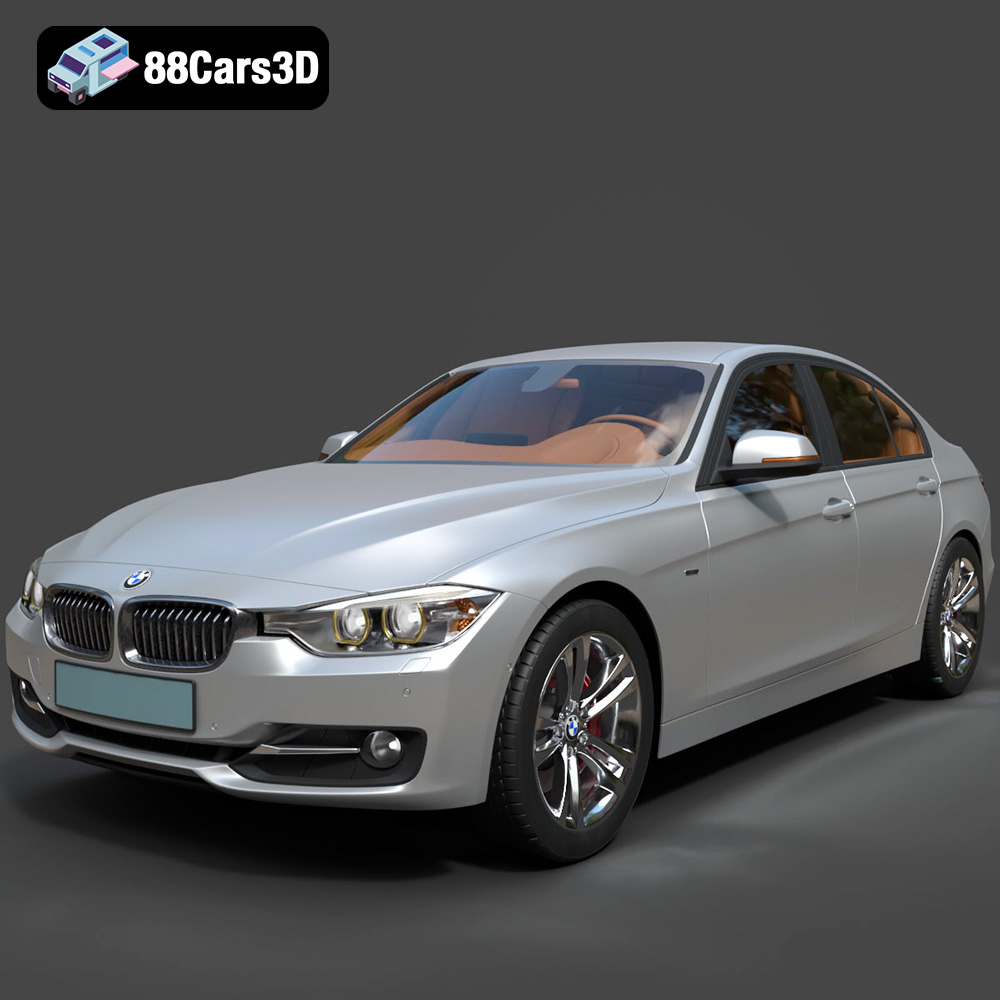
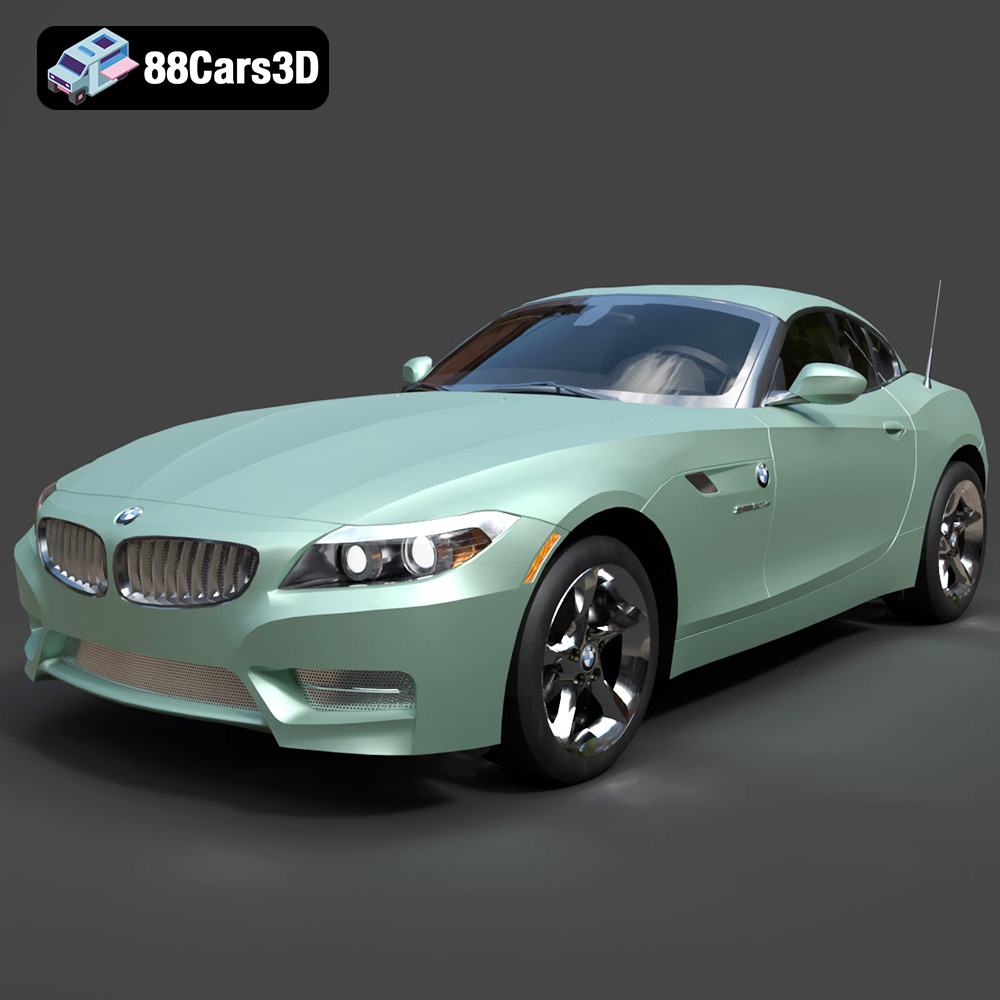
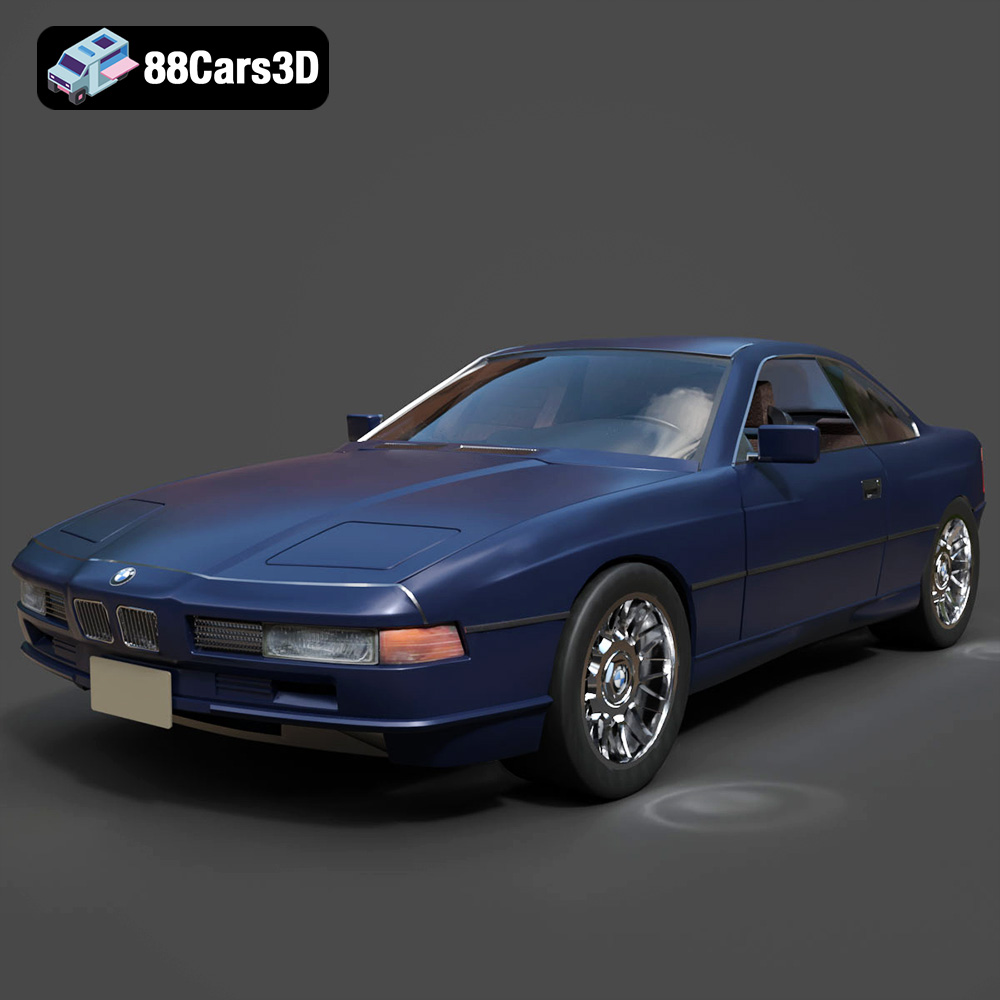
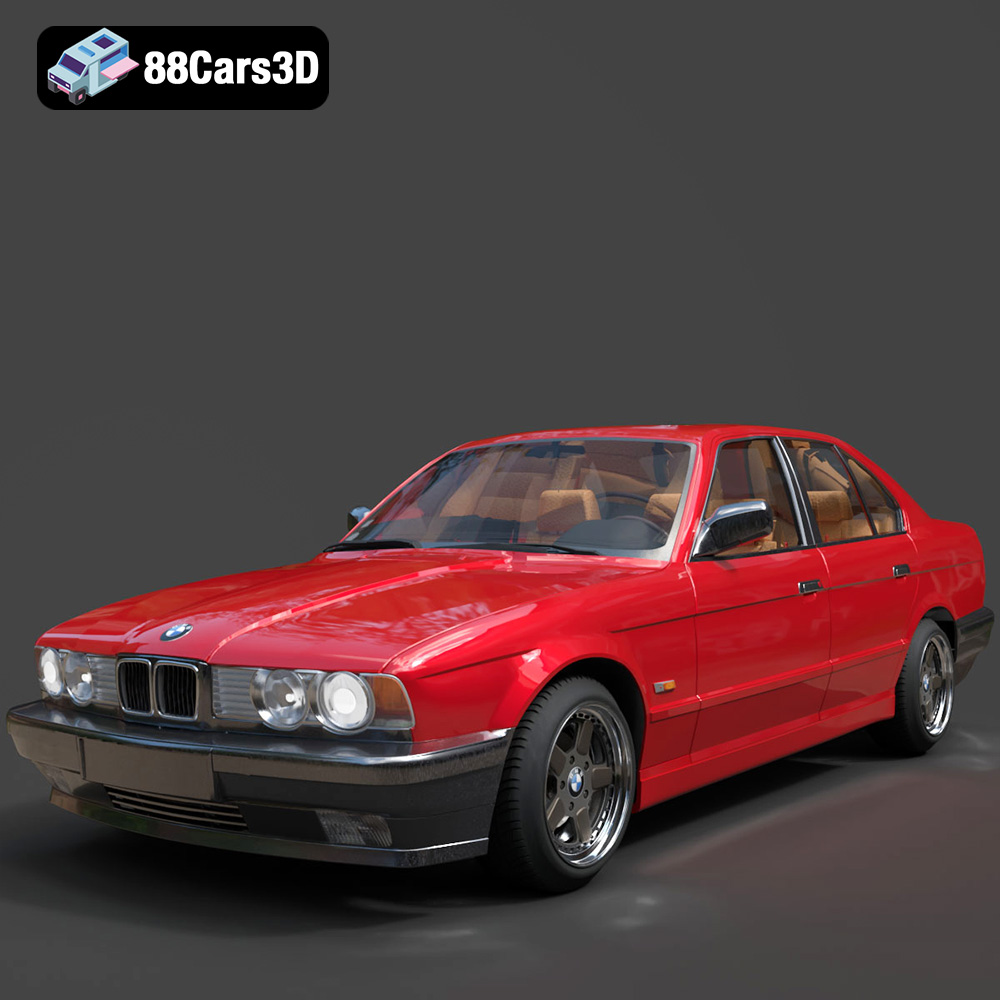
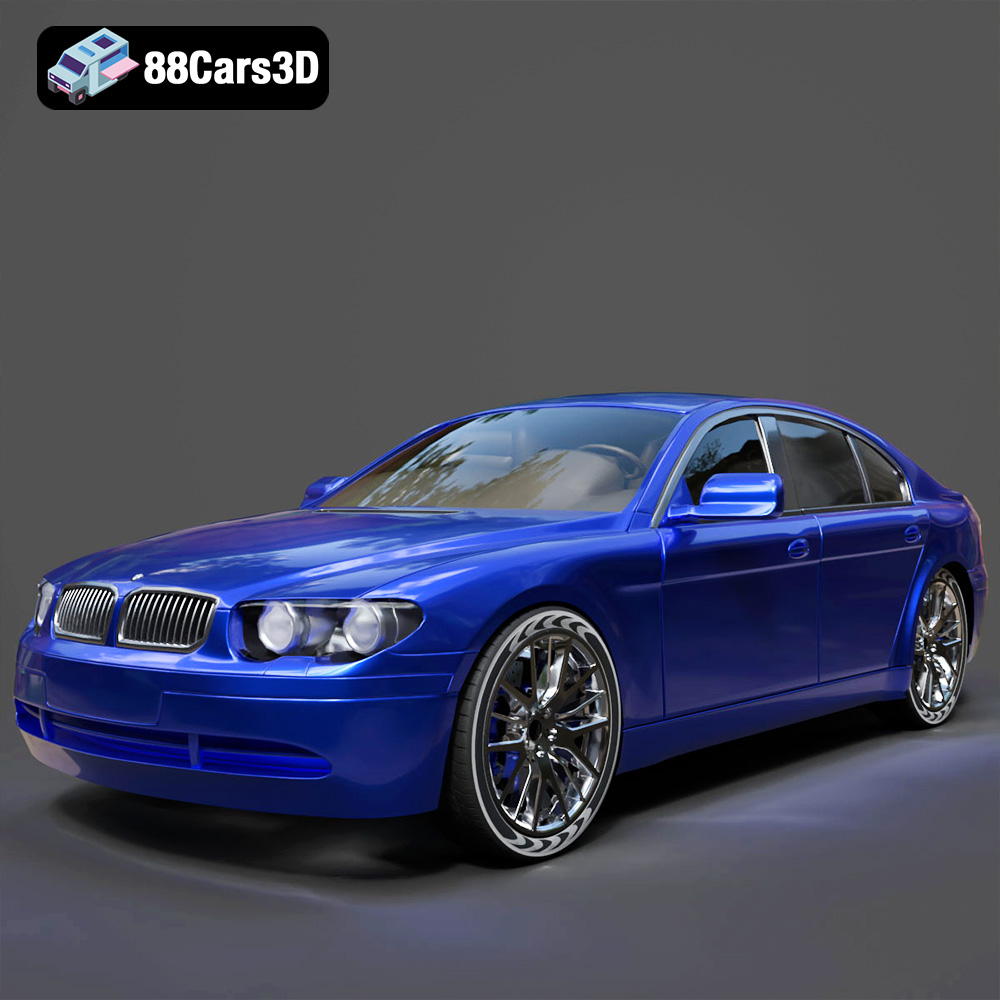
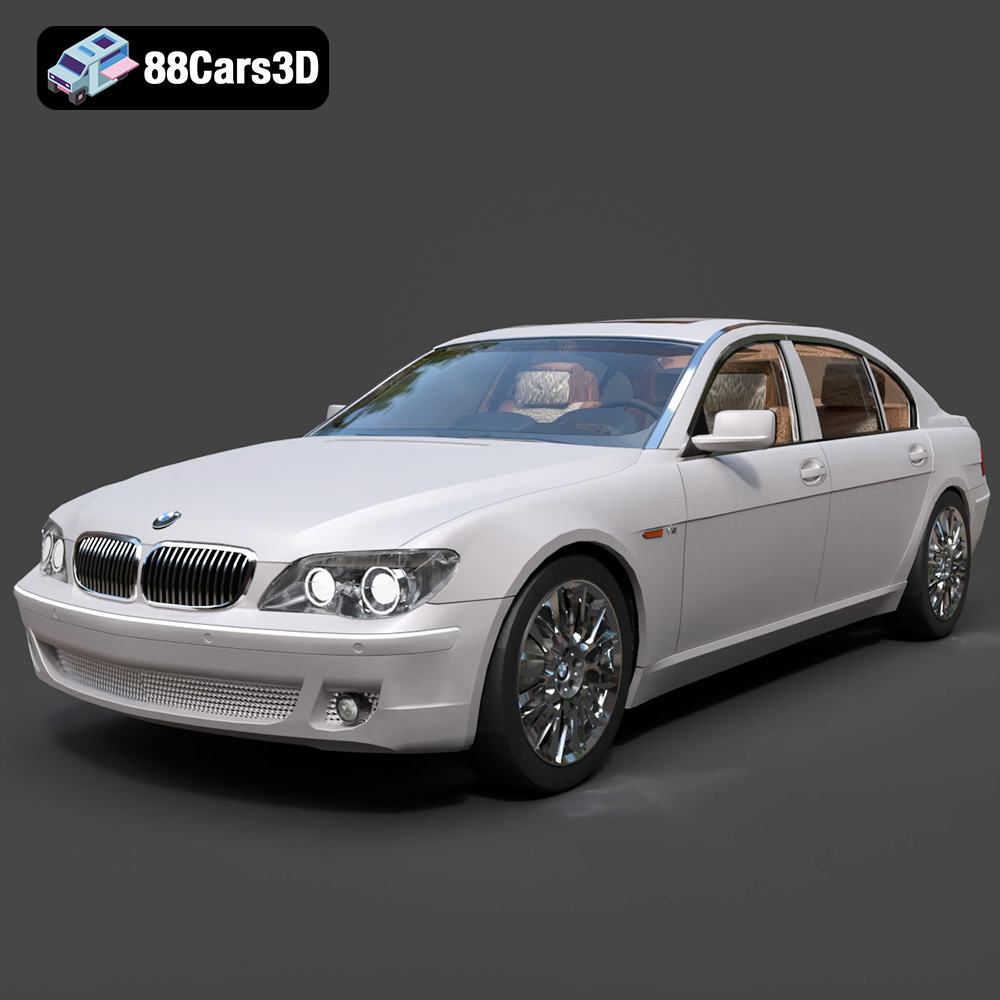
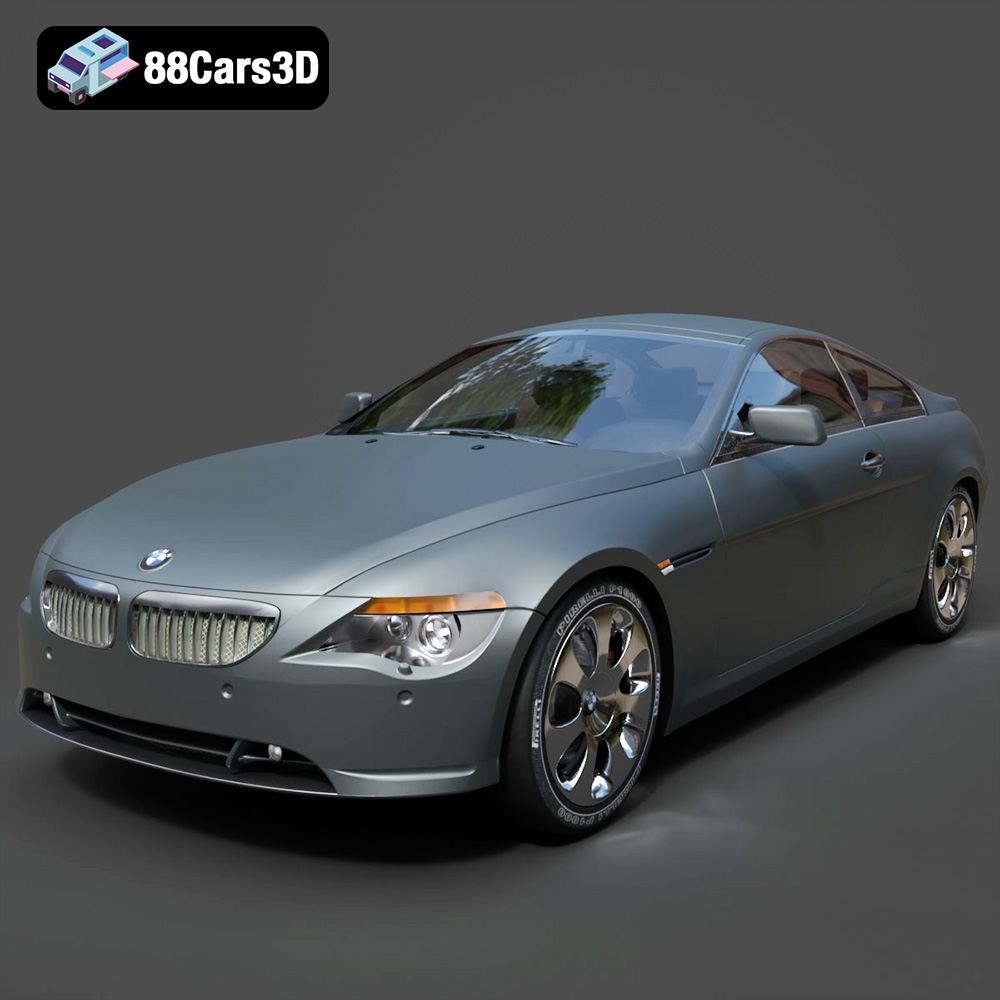
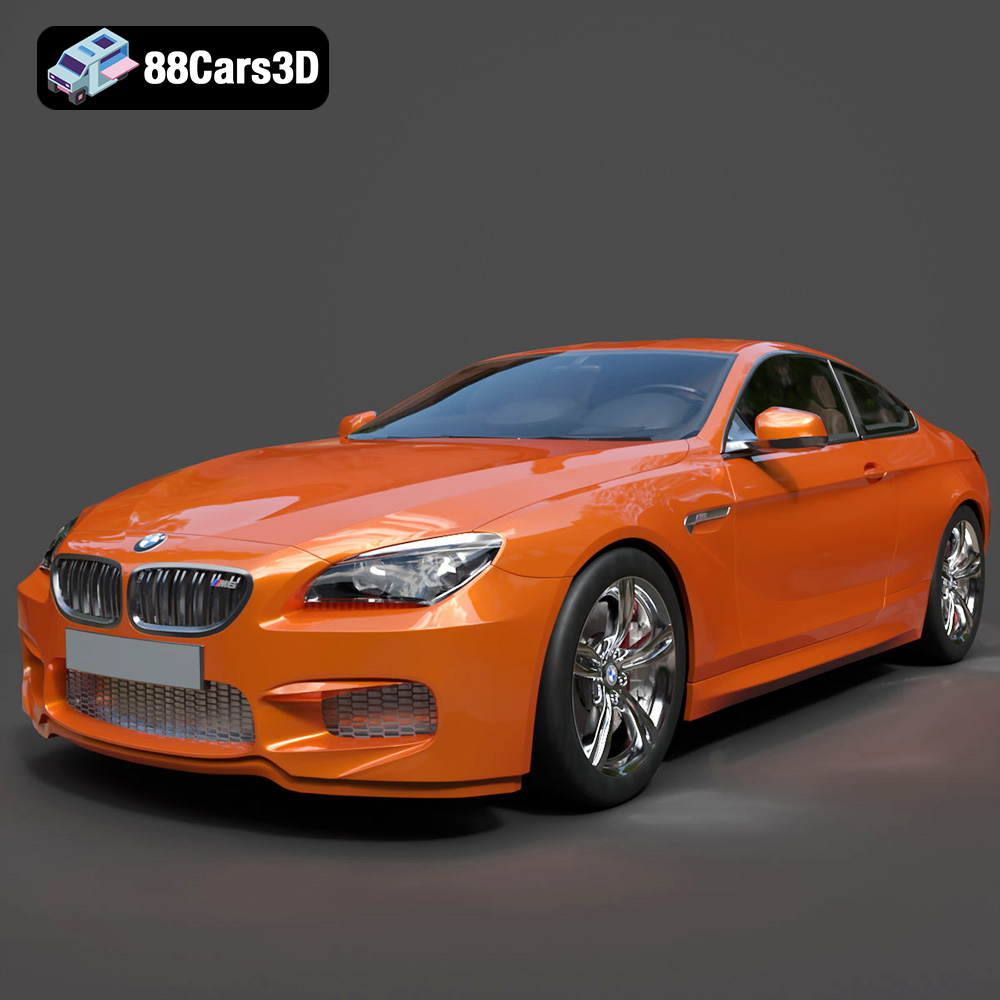
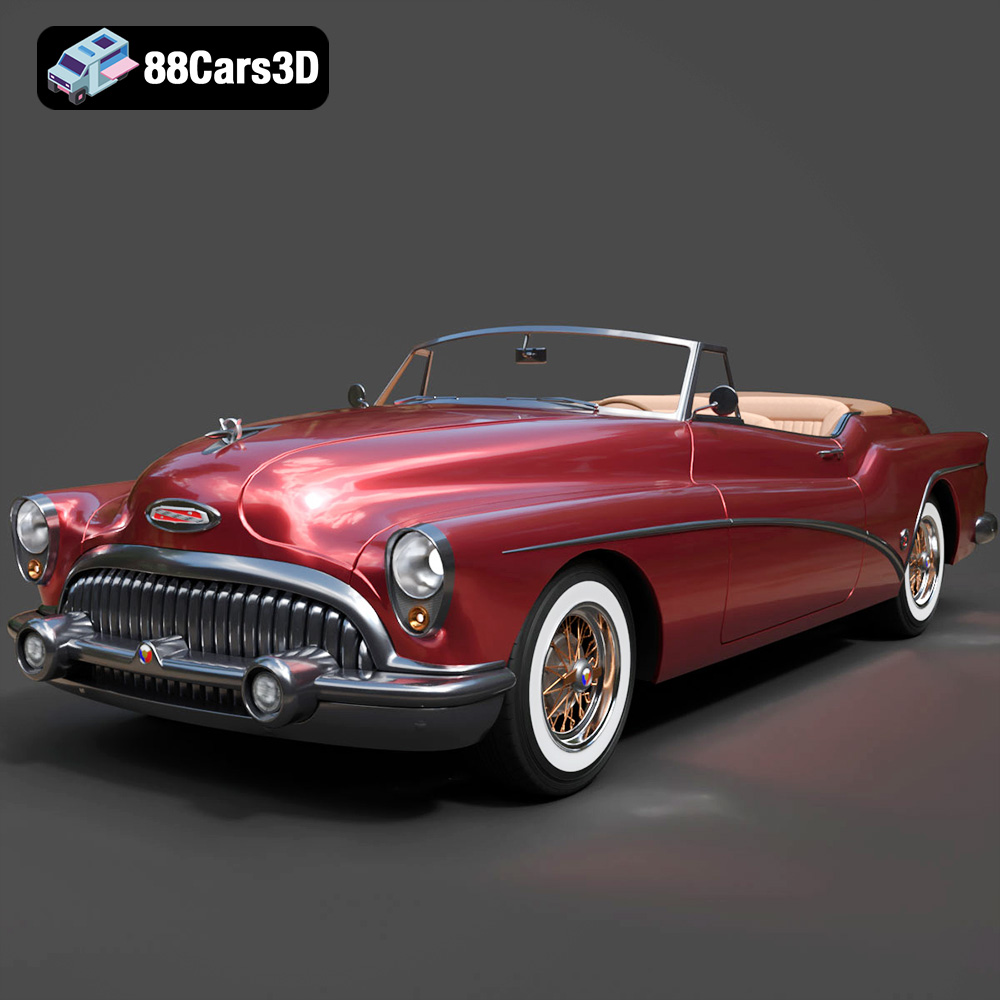
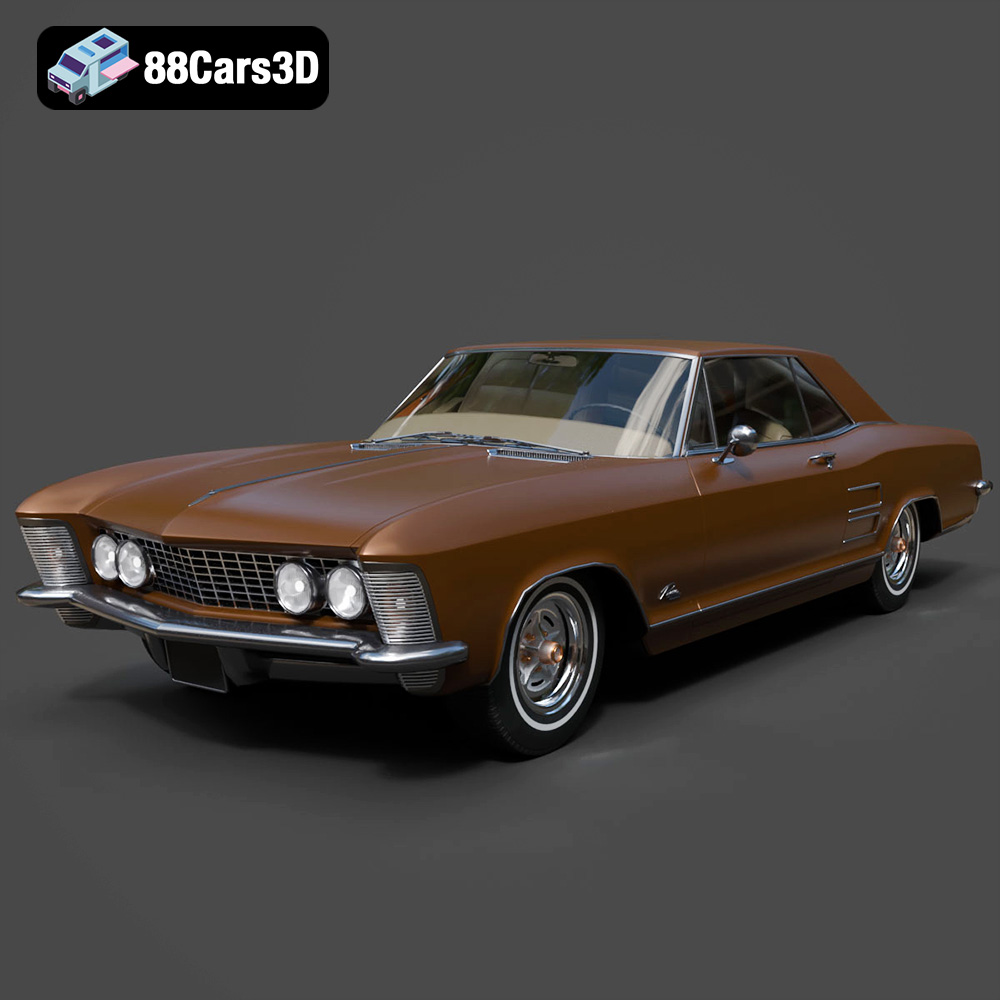
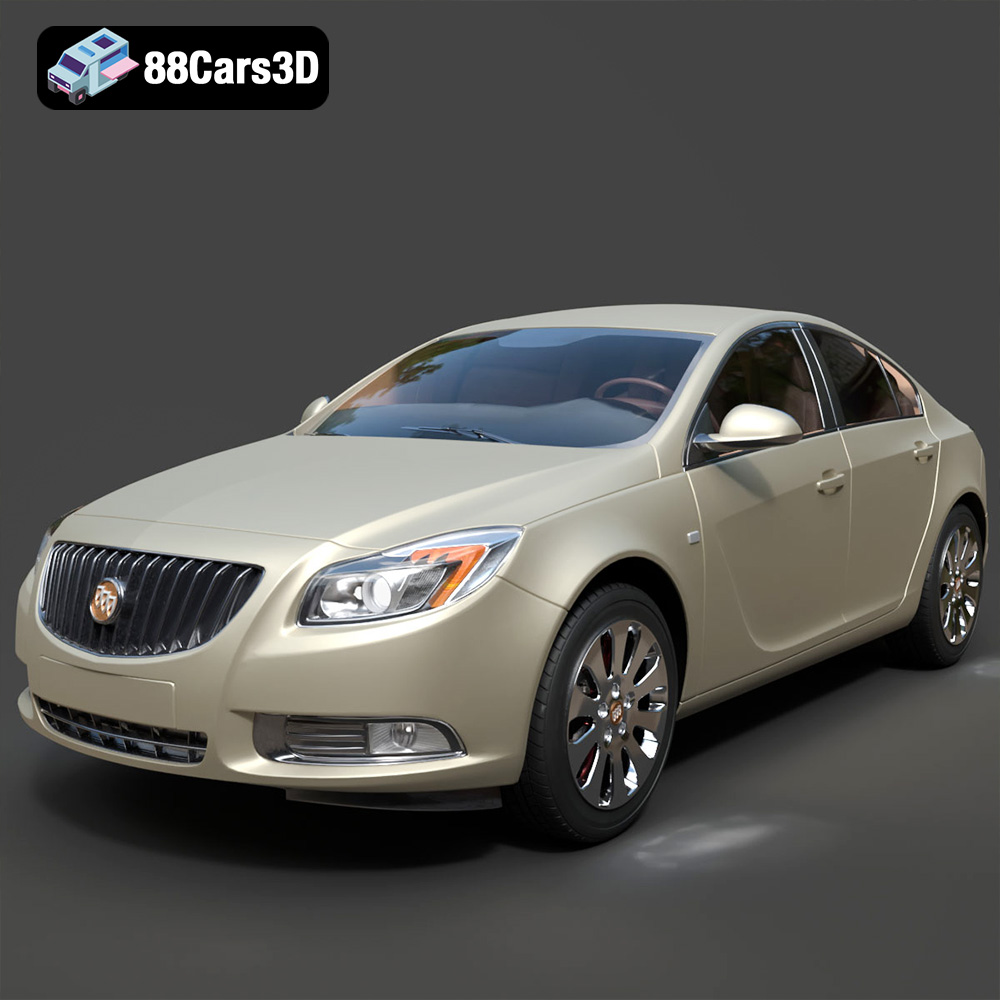
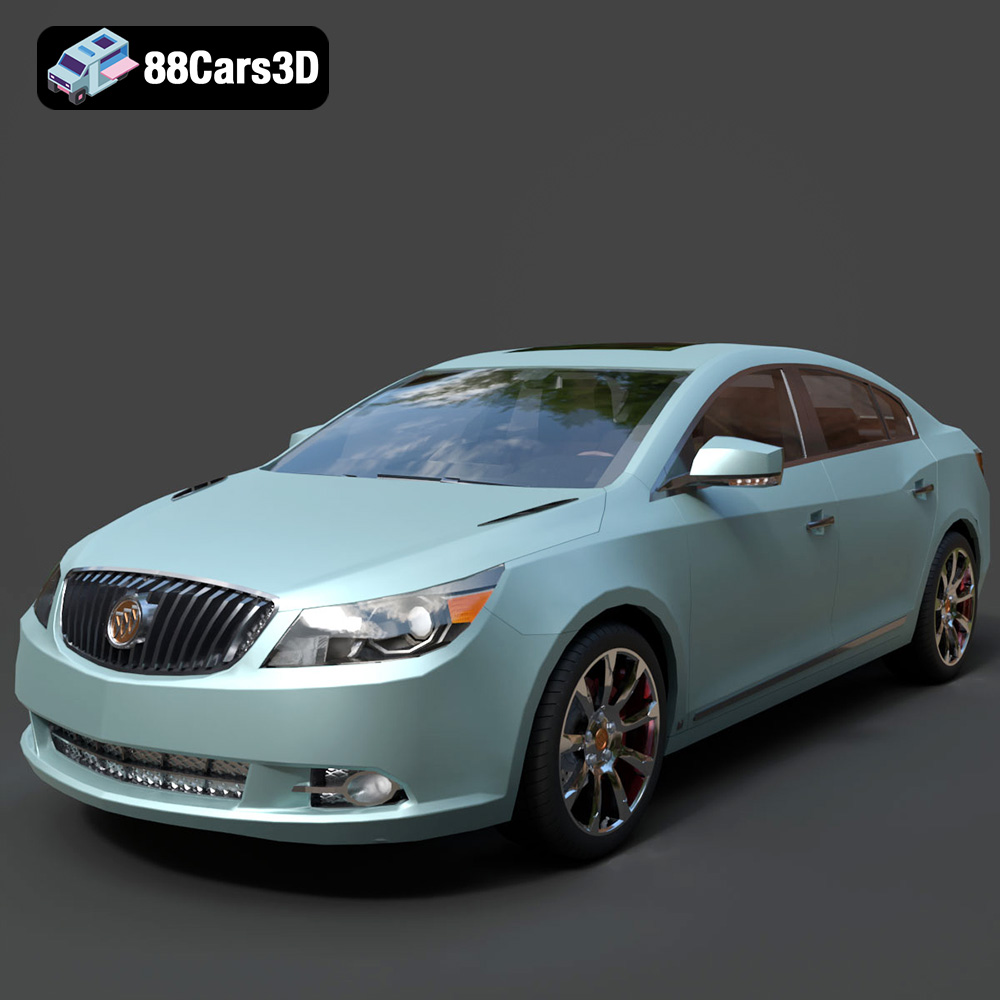
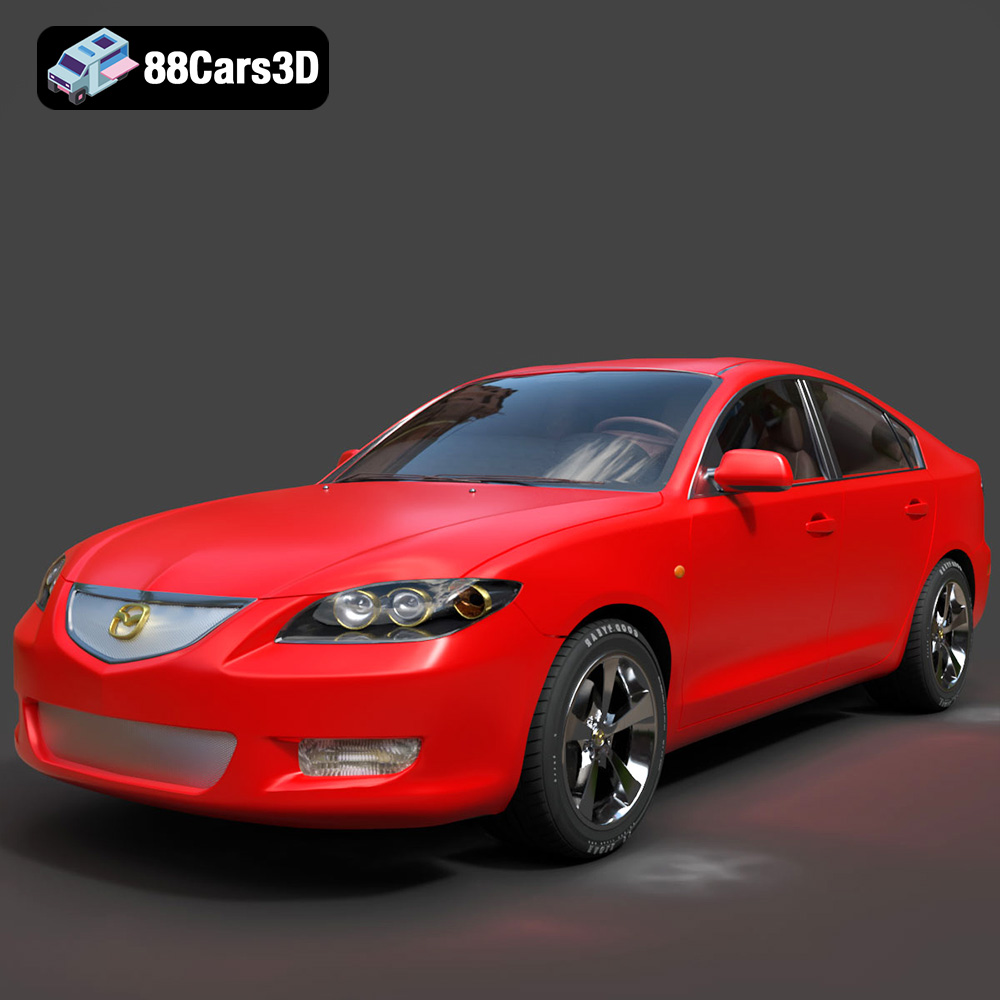
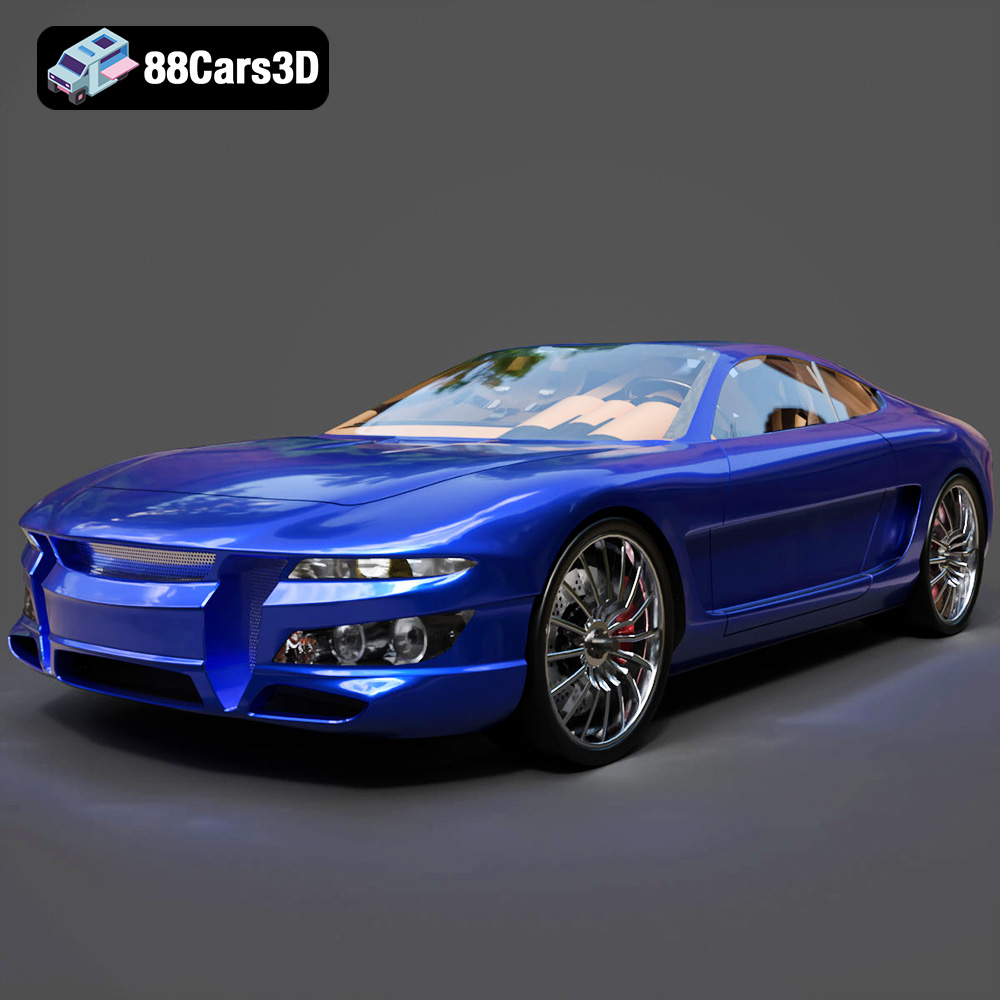
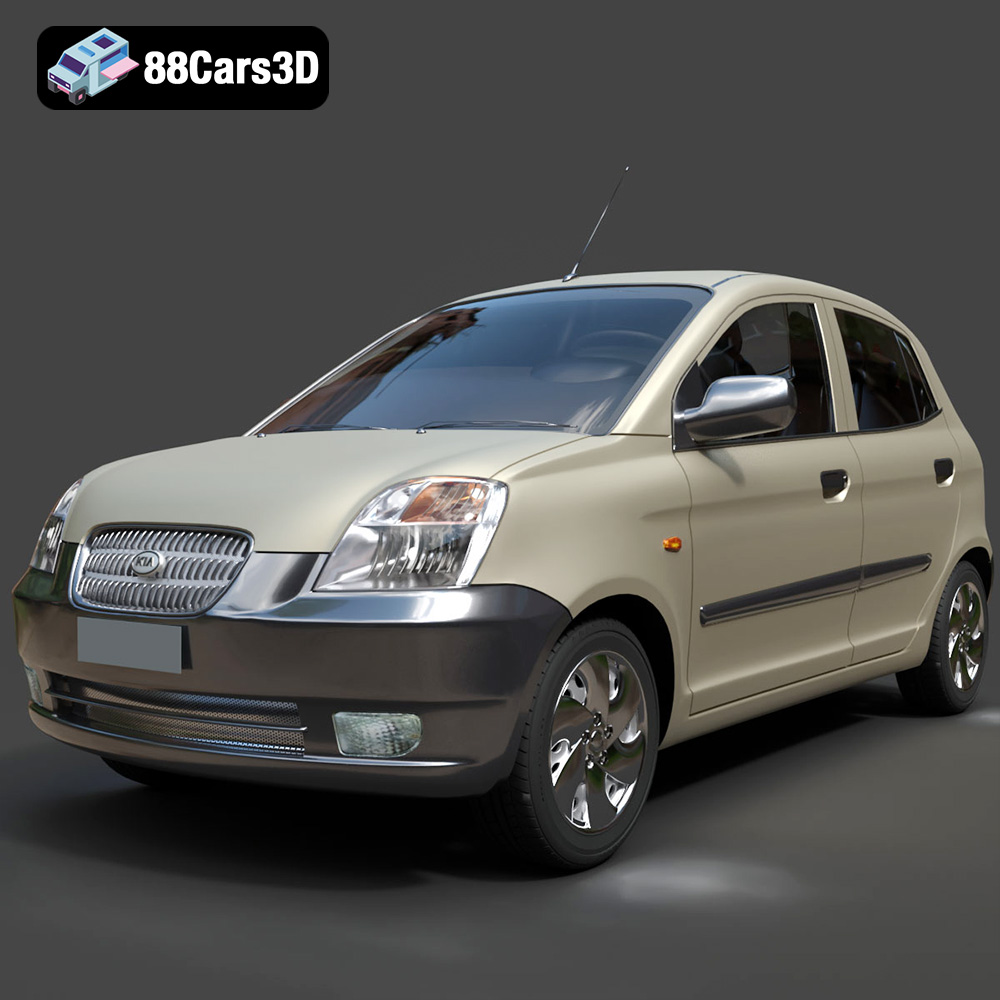
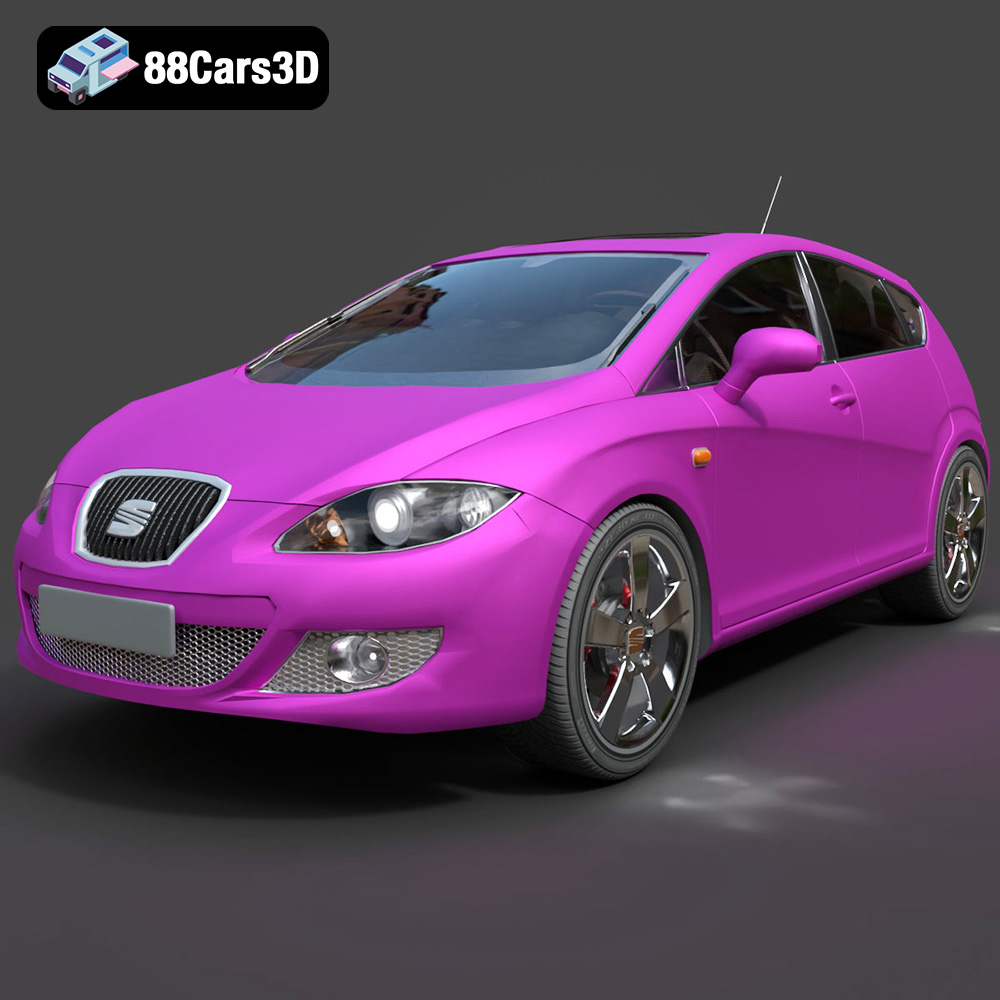
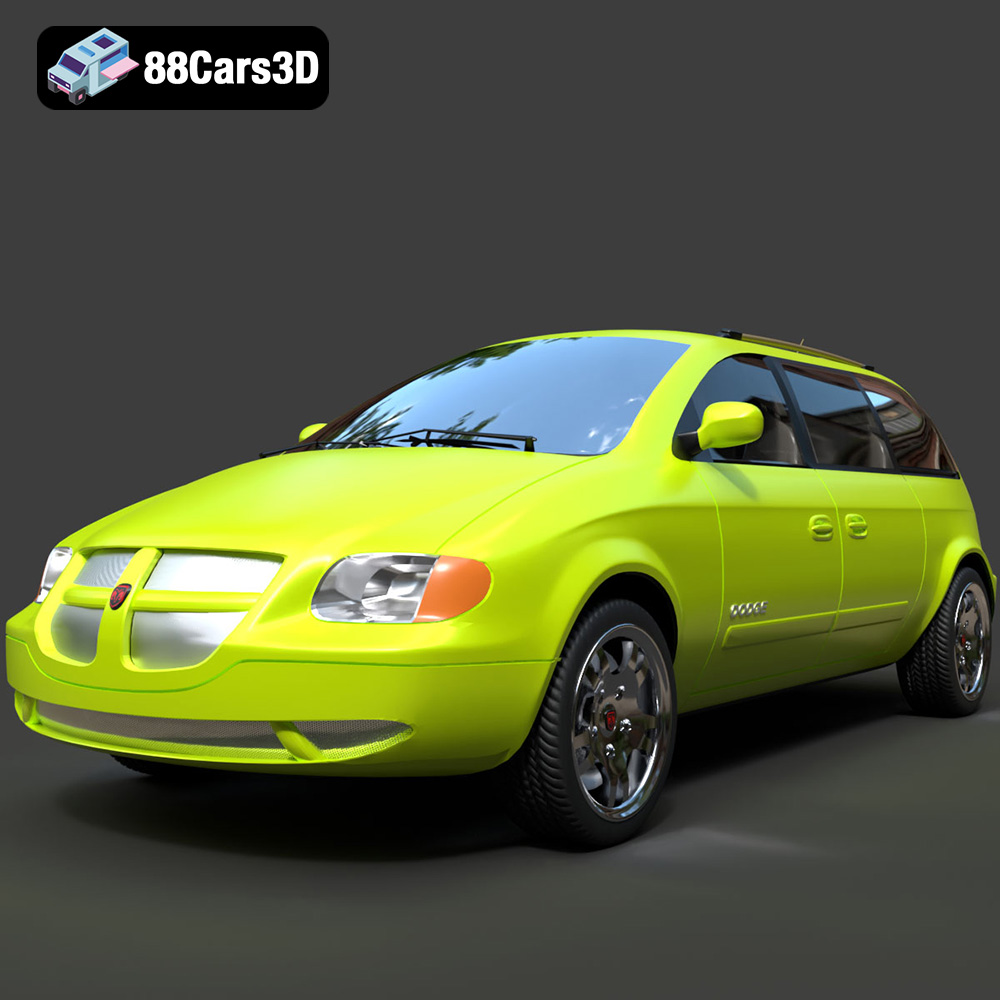
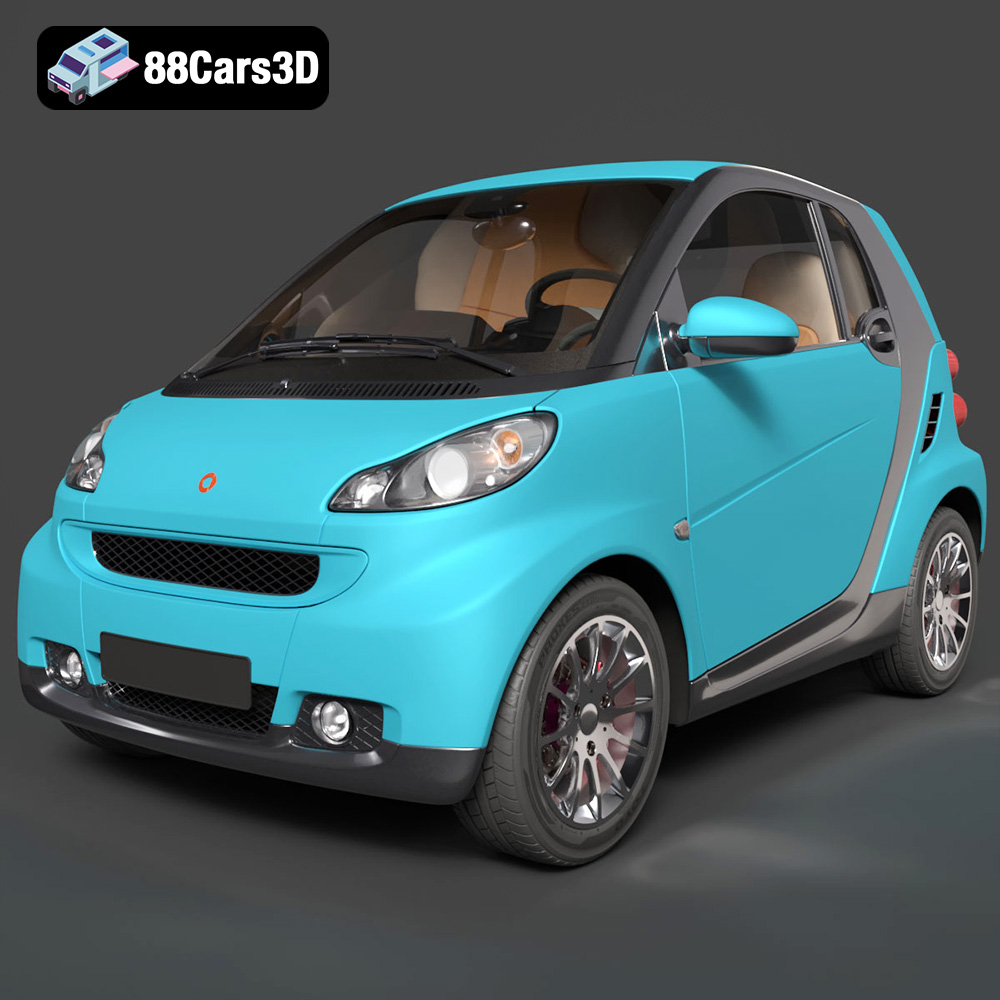
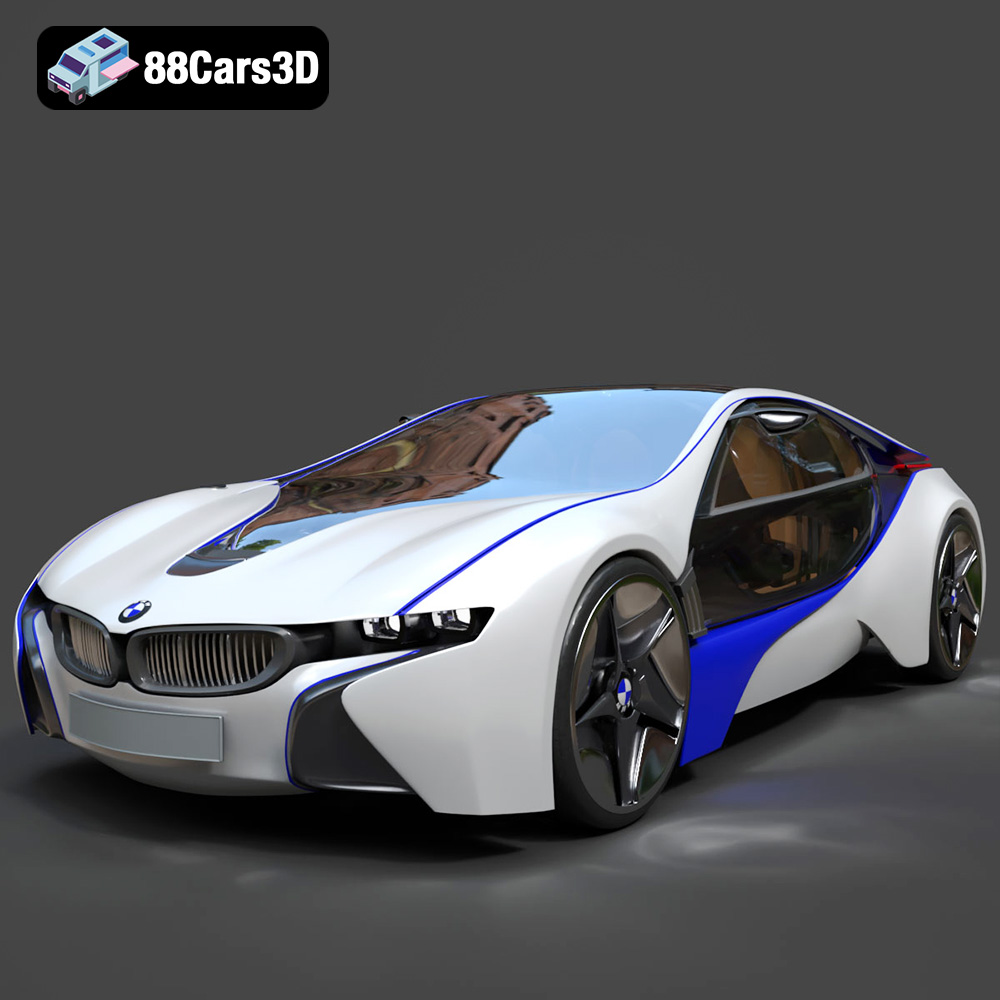
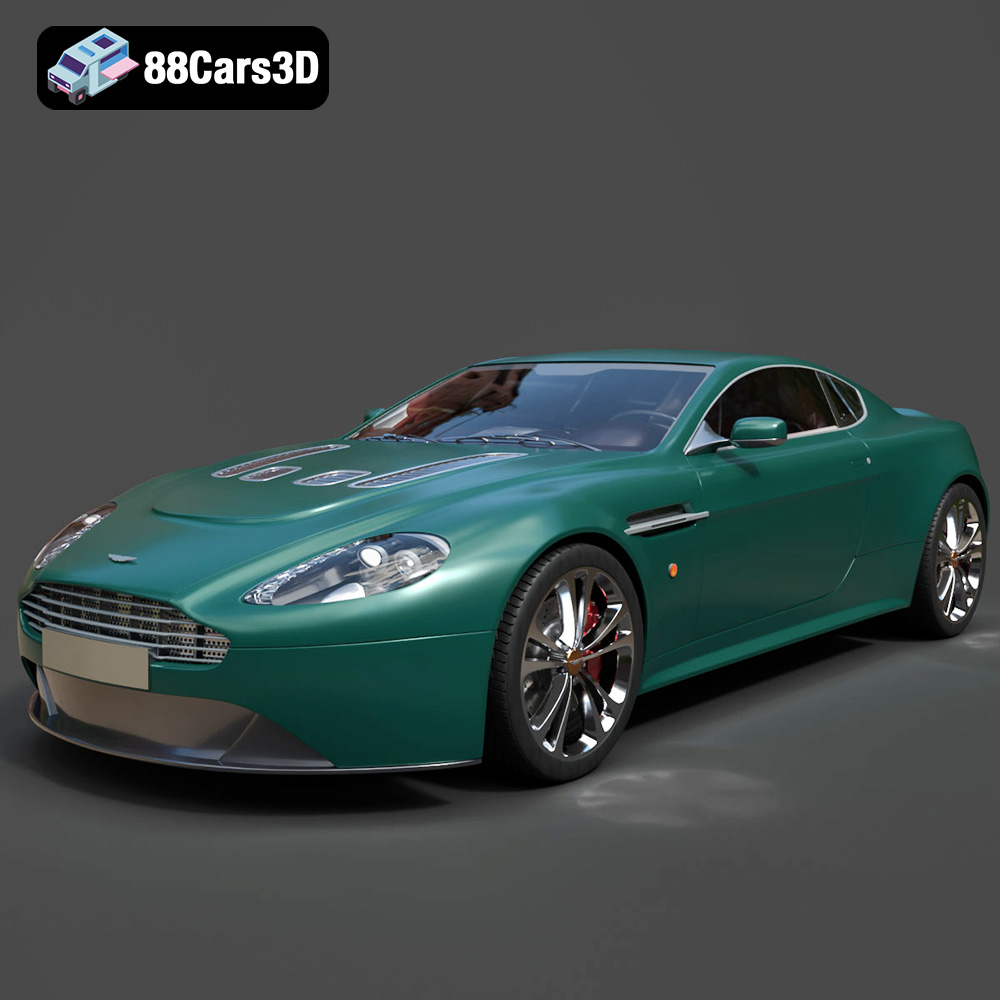
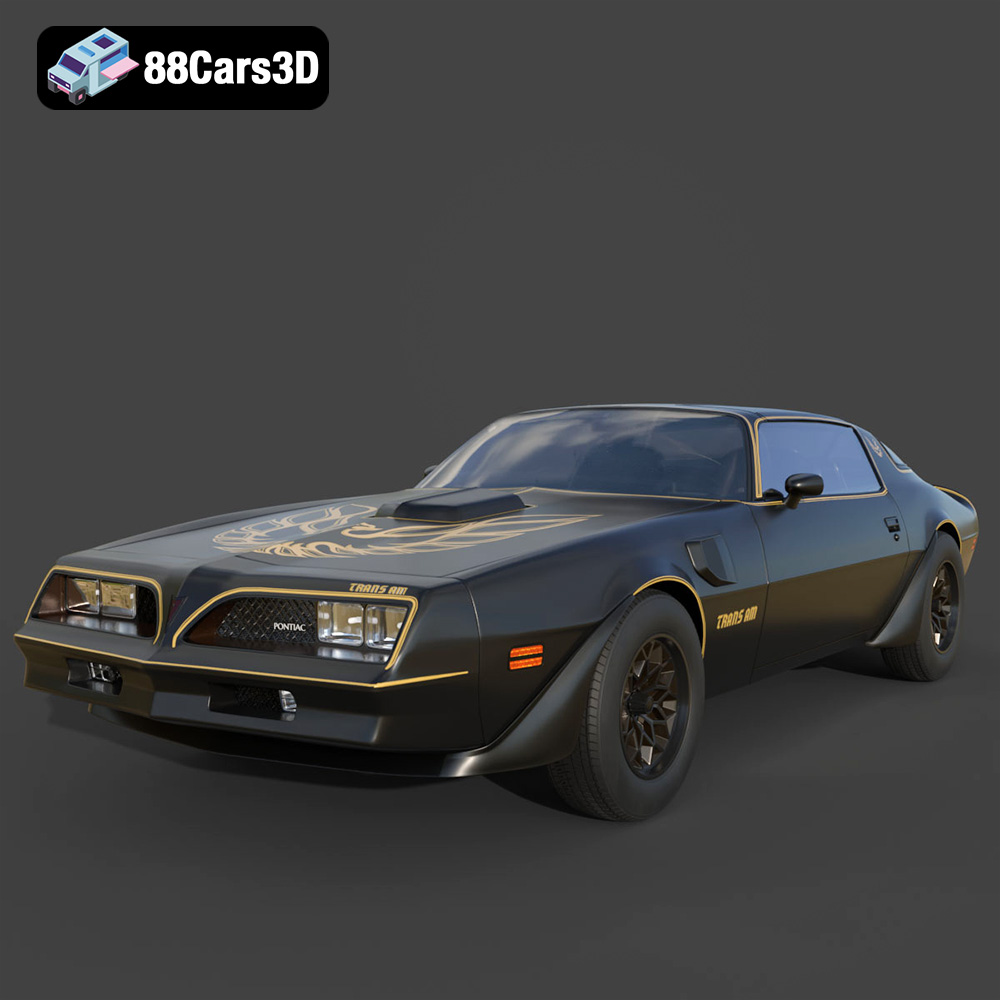
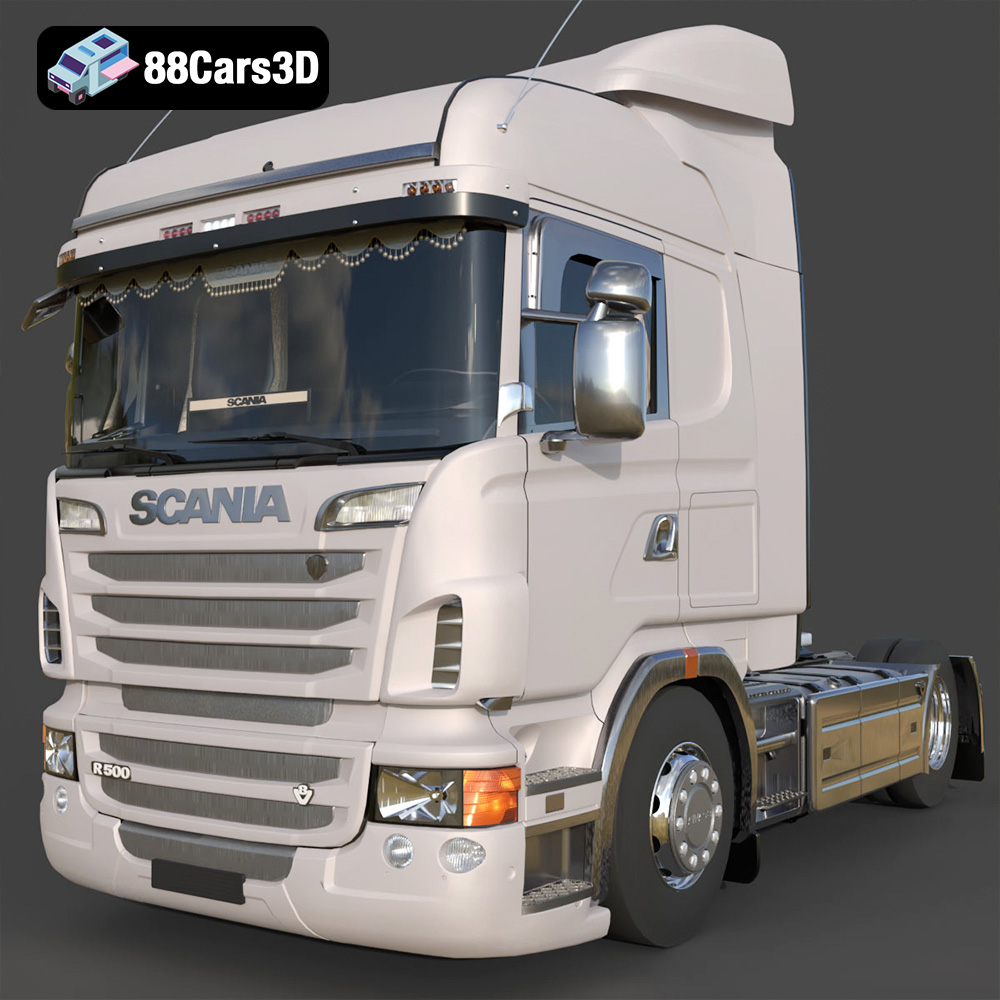
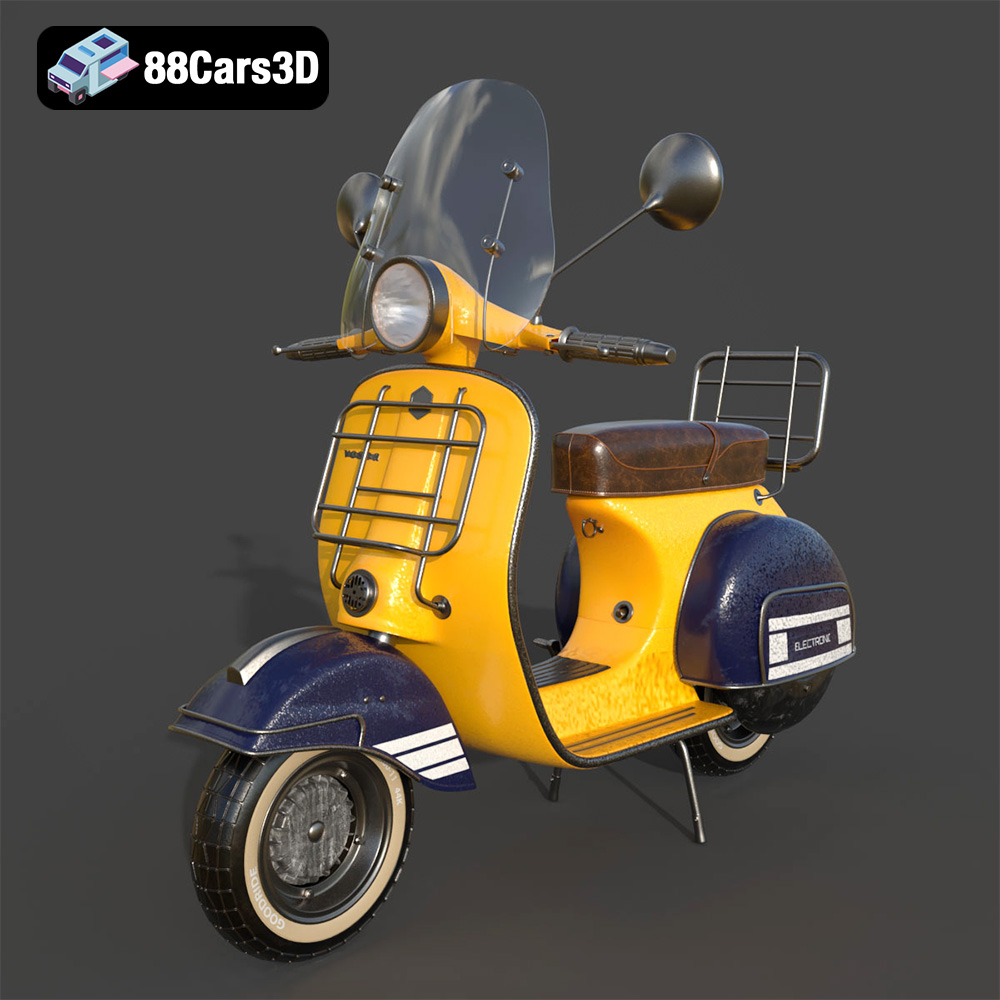
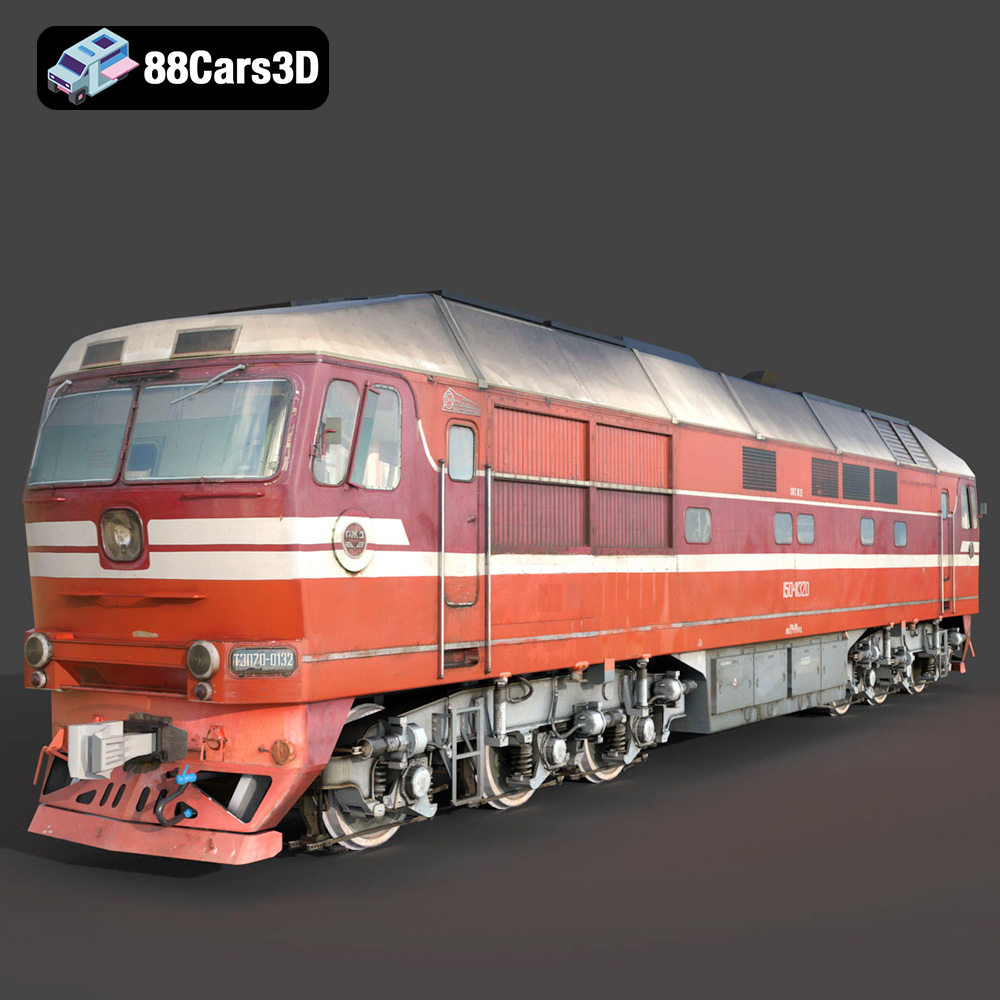
The Art and Science of High-Quality 3D Car Models: From Concept to Cinematic Render
In the expansive world of digital content creation, few assets capture the imagination and demand as much technical prowess as 3D car models. Whether destined for breathtaking cinematic renders, immersive game worlds, cutting-edge AR/VR experiences, or precision 3D printing, the quality and technical integrity of these models are paramount. The journey from a raw concept to a polished, engine-ready vehicle involves a deep understanding of modeling principles, material science, optimization techniques, and various software ecosystems.
This comprehensive guide delves into the intricate workflows and technical considerations essential for creating, utilizing, and appreciating high-fidelity 3D car models. We will explore everything from fundamental topology and texturing to advanced rendering techniques and real-time engine integration, providing insights for professionals and enthusiasts alike. For those seeking a reliable source of meticulously crafted assets, platforms like 88cars3d.com offer a curated selection of models ready to accelerate your projects.
The Foundation: Crafting Impeccable 3D Car Models
The journey of any exceptional 3D car model begins with its fundamental structure. A well-constructed mesh is not just visually appealing; it dictates performance, ease of use, and adaptability across various applications.
Topology and Mesh Optimization for Performance and Detail
Topology, the arrangement of polygons and vertices, is the backbone of a 3D model. For car models, it’s particularly critical due to the complex curves, subtle reflections, and need for precise deformation. A clean, quad-based topology is generally preferred, as it allows for smooth subdivision surfacing (SubD) without pinching or artifacts, essential for capturing the intricate curvatures of automotive design. While high-poly models excel for cinematic renders where every detail matters, game engines demand optimization.
- Poly Count Considerations: For high-resolution renders, a car model might easily exceed several million polygons, allowing for extreme detail in body panels, interior components, and engine parts. In contrast, real-time applications like games require significant polygon reduction. A typical in-game car might range from 50,000 to 150,000 triangles for a hero vehicle, decreasing further for background props.
- Edge Flow for Deformation and SubD: Proper edge flow ensures that the model deforms predictably during animation (e.g., opening doors) and that subdivision surfaces create smooth, clean results. Loops of edges around key features like wheel arches, door seams, and windows are crucial for maintaining shape integrity.
- Triangles vs. Quads: While most modeling begins with quads for cleaner topology and easier manipulation, the final mesh presented to a GPU is always triangulated. Understanding when to use triangles (e.g., on flat, non-deforming surfaces) and how to manage their distribution is key for performance and visual quality.
UV Mapping and Texture Atlasing for Visual Fidelity
Once the geometry is solid, the next step is to apply surface detail through textures. UV mapping is the process of unwrapping the 3D mesh into a 2D space, allowing artists to paint or apply image textures accurately. Clean, organized UVs are as important as good topology.
- Importance of Clean UVs: Well-laid-out UVs minimize stretching, overlap, and wasted texture space. For car models, this is vital for applying realistic paint finishes, decals, carbon fiber patterns, and interior materials without distortion.
- Types of UVs:
- PBR (Physically Based Rendering) UVs: These are optimized for modern rendering pipelines, ensuring consistent texture density across the model and often grouped by material (e.g., body, glass, tires).
- UDIMs (Multi-tile UVs): For extremely high-detail models, UDIMs allow artists to use multiple 2D texture tiles for a single mesh, surpassing the resolution limits of a single UV space. This is common in film and high-end visualization.
- Texture Resolutions and Formats: Textures for high-quality models range from 2K to 8K, sometimes even 16K for specific elements like complex decals or interior screens. Formats like PNG and TGA are lossless and widely supported, while EXR is often used for HDR (High Dynamic Range) data like displacement maps.
Understanding 3D Model File Formats
Navigating the diverse landscape of 3D software and applications requires a solid understanding of file formats. Each format serves a specific purpose, offering unique advantages in terms of compatibility, data integrity, and pipeline efficiency. Choosing the right format is critical for smooth collaboration and optimal results, whether you’re working on a render, a game, or a 3D print. High-quality 3D car models from resources like 88cars3d.com are often available in multiple formats to cater to diverse professional needs.
Versatility for Diverse Digital Pipelines
Certain formats act as workhorses in professional pipelines, optimized for specific software ecosystems or for robust data exchange between them.
- .blend – Fully Editable Blender Scene with Materials: The native file format for Blender, a powerful open-source 3D creation suite. A .blend file encapsulates the entire scene, including mesh data, materials, textures, animations, lights, cameras, and even scripts. This format is ideal when Blender is your primary DCC (Digital Content Creation) tool, allowing for complete artistic control and easy iterative changes within the Blender environment. It’s excellent for preserving complex node-based materials and physics simulations.
- .max – Editable 3ds Max Project for Animation and Rendering: The proprietary file format for Autodesk 3ds Max, a long-standing industry standard, especially in architectural visualization, product design, and cinematic production. A .max file contains all scene data, similar to a .blend file, including complex modifier stacks, animation curves, and intricate V-Ray or Corona materials. It offers full editability within 3ds Max, making it the preferred choice for studios deeply integrated into the Autodesk ecosystem, allowing for fine-tuning of scene setups and animations.
- .fbx – Ideal for Unreal, Unity, and Real-Time Pipelines: Developed by Autodesk, FBX (Filmbox) is arguably the most widely adopted interchange format for 3D content. It efficiently stores not only mesh and material data but also animations, rigging, cameras, and lights. Its robust support in game engines like Unreal Engine and Unity makes it the go-to format for transferring animated 3D car models directly into real-time environments. While not fully editable in the same way native scene files are, FBX excels at preserving critical data for engine integration, often requiring only material re-assignment or tweaking in the target application.
Specialized Formats for Specific Applications
Beyond the primary DCC formats, a range of specialized formats addresses particular needs, from universal compatibility to specific manufacturing or display requirements.
- .obj – Universal Format for Cross-Software Compatibility: OBJ (Object) is a simple, widely supported geometry definition file format. It’s excellent for basic mesh exchange between almost any 3D software. OBJ files store vertices, normals, UV coordinates, and faces, often accompanied by an MTL (Material Template Library) file for basic material definitions. While it doesn’t support animation, rigging, or advanced materials, its universality makes it a reliable choice when compatibility is paramount and only the geometric mesh is needed.
- .glb – Optimized for AR, VR, and Browser-Based Display: GLB (GL Transmission Format Binary) is a compact, self-contained format that bundles 3D models, textures, animations, and PBR materials into a single file. It’s specifically designed for efficient transmission and loading in web applications, augmented reality (AR), and virtual reality (VR) experiences. Its binary nature and focus on PBR materials make it highly efficient for interactive 3D viewers and real-time mobile applications.
- .stl – Suitable for 3D Printing Output: STL (Stereolithography) is the standard file format for 3D printing. It represents a 3D model as a collection of unconnected triangular facets, without color, texture, or material information. The density of these triangles determines the resolution of the printed object. When preparing a 3D car model for physical output, ensuring it’s a “manifold” mesh (watertight, no holes or intersecting geometry) is crucial for a successful print.
- .ply – Precision Mesh Format for CAD or Analysis: PLY (Polygon File Format) is a versatile format capable of storing a wide range of properties, including color, transparency, normals, texture coordinates, and even reliability information for each polygon. It’s often used for scanned 3D data, CAD models, and scientific applications where precision and additional per-vertex/per-face data are important for analysis or reconstruction.
- .unreal – Engine-Ready Asset for Real-Time Environments: While not a standalone file format in the traditional sense, “.unreal” refers to assets packaged specifically for Unreal Engine. This often means .fbx files that have been imported, configured with materials, collision meshes, LODs (Level of Detail), and potentially Blueprints within the Unreal Editor, and then saved as a native Unreal asset (e.g., an Actor Blueprint or Static Mesh asset). These are highly optimized for Unreal’s rendering pipeline and physics system, offering a plug-and-play experience for developers.
The Art of Automotive Rendering: Bringing Cars to Life
Transforming a static 3D model into a photorealistic image or animation is where the art of rendering truly shines. It’s a meticulous process of defining surfaces, crafting environments, and orchestrating light to evoke emotion and realism.
Material PBR: The Core of Photorealism
Physically Based Rendering (PBR) materials are fundamental to achieving realism. They simulate how light interacts with surfaces in the real world, providing consistent and predictable results under varying lighting conditions.
- Albedo, Metallic, Roughness, Normal, Ambient Occlusion: These are the core texture maps for PBR. Albedo defines base color, Metallic indicates how reflective a surface is, Roughness determines the scattering of reflections, Normal maps add surface detail without extra geometry, and Ambient Occlusion simulates contact shadows.
- Setting up Realistic Car Paint: Car paint is notoriously complex. It often involves multiple layers: a base coat (color and metallic flakes), a clear coat (glossy, reflective, and often slightly textured), and sometimes even a pearl coat. Specialized shaders in renderers like V-Ray, Corona, or Arnold are often used to replicate the depth and subsurface scattering characteristics of real car paint.
- Tire Materials, Glass, Interior Fabrics: Each material requires unique PBR setups. Tires need detailed normal maps and a specific roughness to mimic rubber. Glass needs accurate refraction, transmission, and sometimes slight tinting. Interior fabrics demand intricate normal maps and subtle subsurface scattering for realism.
Lighting and Environment Setup for Stunning Visuals
Lighting is the single most important factor in a realistic render. It defines mood, highlights form, and reveals surface detail.
- HDRI vs. Physically Accurate Light Sources: HDRI (High Dynamic Range Image) environments provide realistic ambient lighting and reflections, often used as a base. For more control and specific highlights, physically accurate light sources (area lights, spot lights, IES profiles) are strategically placed to sculpt the car’s form and create dramatic effects.
- Studio Lighting Setups, Outdoor Scenes: Common setups include three-point lighting for controlled studio shots or utilizing large softbox-like lights for elegant reflections. Outdoor scenes leverage HDRIs of real-world locations, often combined with targeted artificial lights to enhance specific areas.
- Reflections and Refractions: Achieving convincing reflections on car bodywork and accurate refractions through glass is crucial. Renderers must accurately calculate ray bouncing to produce photorealistic results, often requiring high sample counts.
- Camera Settings: Just like a real photographer, controlling focal length, aperture (for depth of field), and shutter speed (for motion blur in animations) is essential to give renders a cinematic quality.
Post-Processing and Compositing for Cinematic Impact
The final touch in any high-quality render often comes in post-processing, where subtle enhancements can elevate an image from good to extraordinary.
- Color Grading, Exposure Adjustments: Tools like Adobe Photoshop or DaVinci Resolve are used to fine-tune colors, contrast, and overall exposure, matching the desired aesthetic and mood.
- Lens Effects: Adding subtle bloom (light spill), glare from bright highlights, or chromatic aberration (color fringing at high contrast edges) can mimic the imperfections of real camera lenses, enhancing realism.
- Adding Atmosphere and Subtle Imperfections: Volumetric fog, dust particles, subtle scratches, or fingerprints can add a layer of realism and context, making the car feel grounded in its environment.
Integrating 3D Car Models into Game Engines
For game developers, 3D car models must be visually appealing while adhering to strict performance budgets. The challenge lies in optimizing assets without compromising fidelity, ensuring smooth gameplay and immersive experiences.
Optimization Techniques for Real-Time Performance
Game engines demand efficient assets. Every polygon, texture, and draw call contributes to performance, making optimization a critical step.
- Level of Detail (LODs) for Scalability: LODs are different versions of a model with varying polygon counts. As the player moves further from the car, lower-poly LODs are automatically swapped in, reducing the rendering load without a noticeable visual difference. A typical car model might have 3-5 LOD levels.
- Collision Meshes and Physics Setup: Separate, simplified collision meshes are created to handle physics interactions without needing to calculate collisions on the high-detail visual mesh. This allows for realistic damage, vehicle dynamics, and interaction with the game world.
- Draw Call Reduction: Combining multiple small textures into larger “texture atlases” reduces draw calls. Instancing (reusing the same mesh geometry multiple times) for common elements like wheels or interior parts also significantly improves performance.
Setting Up Vehicles in Unreal Engine and Unity
Modern game engines provide robust tools for integrating and animating vehicles, offering powerful physics simulations and rendering capabilities.
- Importing FBX/Unreal Assets: High-quality 3D car models, often acquired from sources like 88cars3d.com, are typically imported as FBX files into Unreal Engine or Unity. For Unreal, a dedicated “.unreal” asset might already include many pre-configurations.
- Material Instance Creation: Instead of creating new materials for every variation, material instances allow developers to tweak parameters (color, roughness, metallic) of a master material, significantly reducing material count and making iterations faster.
- Vehicle Blueprints/Prefabs: In Unreal Engine, a “Vehicle Blueprint” is used to define the car’s physical properties, suspension, steering, engine, and wheel setup. Unity uses “Prefabs” with custom scripts and components (like Wheel Colliders) to achieve similar functionality, allowing for intricate physics-based driving experiences.
- Animation (Wheels, Doors): Wheels are typically animated dynamically based on speed and steering input. Other animations like opening doors, hoods, or trunks can be handled via simple skeletal animation or controlled through the engine’s animation system.
Beyond Visualization: Advanced Applications and Workflows
The utility of high-quality 3D car models extends far beyond traditional rendering and gaming. Emerging technologies and specialized industries are constantly finding new ways to leverage these sophisticated digital assets.
AR/VR and Interactive Experiences
Augmented Reality (AR) and Virtual Reality (VR) environments demand highly optimized 3D assets that can run smoothly on a range of devices, from high-end headsets to mobile phones. Interactive car configurators are a prime example of this application.
- Optimizing for Mobile VR/AR Devices: This involves extreme polygon reduction, meticulous texture atlasing, and often baking complex lighting into textures to minimize real-time computational demands. Formats like .glb are favored for their efficiency and web-friendliness.
- Real-Time Configurators: Customers can interactively customize a car’s color, wheels, interior trim, and accessories in real-time, viewing changes instantly in a virtual showroom or even overlaid onto their real-world environment via AR.
- Immersion and Interaction Design: Beyond visual fidelity, creating intuitive interfaces and responsive interactions is key to a compelling AR/VR experience, allowing users to “feel” present with the vehicle.
3D Printing and Prototyping
The ability to transform a digital model into a physical object opens doors for rapid prototyping, scale models, and custom manufacturing.
- Preparing Models for Printing: For 3D printing, a model must be “manifold”—meaning it’s a solid, watertight mesh with no holes, inverted normals, or intersecting geometry. Tools like Blender or 3ds Max have functions to check and repair these issues. Wall thickness also needs to be considered to ensure structural integrity of the printed part.
- Scale and Detail Considerations: The level of detail achievable in a 3D print depends heavily on the printer’s resolution. Fine details like badges or subtle panel lines might need to be exaggerated in the 3D model to be visible in a small-scale print.
- From Digital to Physical Prototypes: Automotive designers frequently use 3D printing to create physical prototypes of parts or entire car models for design review, ergonomic testing, or aerodynamic analysis, bridging the gap between digital design and tangible form.
Case Studies and Best Practices
Examining real-world applications provides invaluable insights into the practical workflows and benefits of high-quality 3D car models.
Cinematic Production Workflow: Product Launch Video
Imagine a global automotive brand preparing to launch a new luxury sedan. Instead of building physical prototypes for every shot, they leverage 3D car models for most of their marketing campaign.
- Using High-Poly Models and Advanced Renderers: The team starts with an extremely high-fidelity 3D model, potentially sourced or adapted from 88cars3d.com, ensuring every stitch in the interior, every reflection on the paint, and every detail of the headlights is perfectly replicated. They use a powerful renderer like V-Ray, Corona, or Arnold within 3ds Max or Maya to achieve photorealistic results, often rendering individual passes (diffuse, reflections, shadows) for maximum control in compositing.
- Focus on Animation, Camera Work, and Storytelling: Animators craft dynamic camera movements, subtle car movements, and environmental interactions. The camera work meticulously highlights key design features, while sophisticated lighting setups showcase the car’s form and material finishes. The entire sequence is storyboarded to tell a compelling story, building anticipation and emotional connection with the vehicle.
- Leveraging 88cars3d.com Models: For studios under tight deadlines, starting with a professionally modeled base from 88cars3d.com significantly reduces initial modeling time, allowing the team to focus on lighting, materials, animation, and creative direction, ensuring a polished final product without compromise.
Game Development Asset Pipeline: Racing Game
In a high-octane racing game, hundreds of unique car models need to perform flawlessly in real-time, often with damage systems and intricate physics.
- Balancing Visual Fidelity with Performance Targets: The game studio acquires or models a range of vehicles, each meticulously optimized. For a hero car, the base mesh is carefully reduced in polygon count, and multiple LODs are generated. Normal maps are baked from high-poly versions to retain detail without geometric overhead.
- Implementing LODs, Physics, and Dynamic Materials: Each car model is imported into the game engine (e.g., Unreal Engine), where its LODs are configured to switch seamlessly. A simplified collision mesh is created for accurate physics. Dynamic material instances are set up to allow for paint customization, dirt accumulation, and damage effects during gameplay. Vehicle physics are tuned extensively to provide a realistic and enjoyable driving experience.
- Workflow from Source Model to In-Game Asset: A model acquired as a .blend or .max file would be exported to .fbx, then imported into Unreal. Here, artists would create materials, set up LODs, define collision properties, and integrate the asset into the game’s vehicle blueprint system, ensuring it functions correctly within the game’s established framework.
Conclusion
The creation and utilization of high-quality 3D car models represent a fascinating intersection of art and engineering. From the precision required for immaculate topology and UV mapping to the advanced techniques of physically based rendering and real-time optimization, every step demands expertise and attention to detail. These digital assets are no longer just static representations; they are dynamic tools enabling immersive experiences in games, captivating visuals in cinematic productions, and functional prototypes for real-world manufacturing.
Understanding the nuances of file formats, material definitions, and engine-specific integrations empowers creators to select the right tools and workflows for their projects. As technology continues to evolve, the demand for ever more realistic and efficient 3D car models will only grow. For professionals seeking to jumpstart their projects with exceptional base assets, or expand their libraries with expertly crafted vehicles, reliable platforms like 88cars3d.com provide an invaluable resource, ensuring quality and technical readiness across a spectrum of digital applications. The future of digital automotive design is here, and it’s built on these foundational principles.
Featured 3D Car Models