

Capturing Automotive Heritage: The Power of High-Fidelity 3D Car Models
In the dynamic world of digital content creation, the demand for exceptionally detailed and accurate 3D models is constantly escalating. From cinematic masterpieces and cutting-edge video games to immersive architectural visualizations and interactive product configurators, the quality of a 3D asset can make or break a project. Automotive models, in particular, stand at the forefront of this demand, requiring not only visual perfection but also a deep understanding of engineering and design principles.
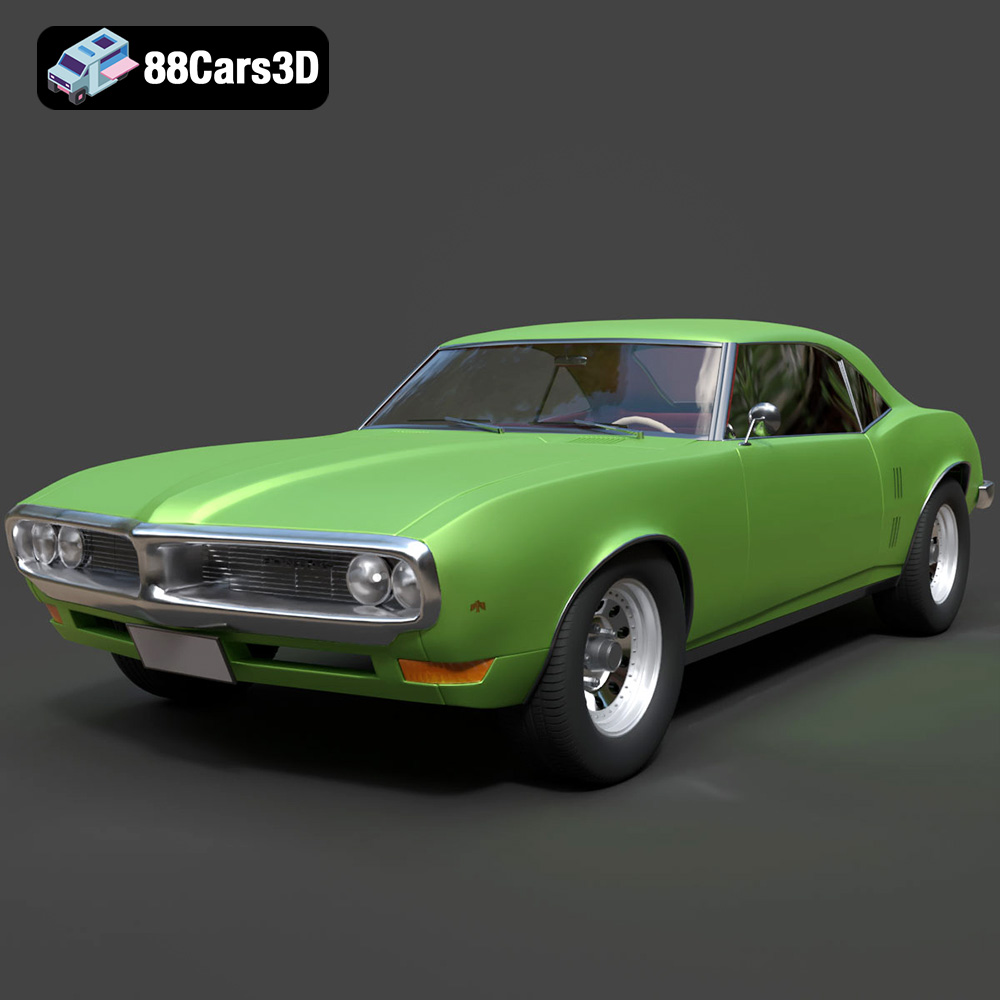
Consider the iconic presence of a classic muscle car, like the Pontiac Firebird 1998. Its aggressive styling, distinctive lines, and raw power evoke a sense of nostalgia and performance. Recreating such a vehicle in the digital realm demands precision and dedication. This is where specialized marketplaces like 88cars3d.com shine, offering professional-grade 3D car models that embody these exacting standards. The Pontiac Firebird 1998 3D Model available on their platform is a prime example of an asset meticulously crafted to meet the rigorous demands of various professional workflows, from high-fidelity rendering to real-time game development.
This comprehensive guide delves into the technical intricacies of professional 3D car models, exploring their applications, the critical role of various file formats, and how a high-quality asset like the Pontiac Firebird 1998 3D Model can elevate your digital projects. We will examine the workflows involved, the technical specifications that define excellence, and the real-world impact of using expertly crafted automotive assets.
Understanding 3D Model File Formats: The Backbone of Digital Assets
The versatility of a 3D model often lies in its availability across various file formats, each serving distinct purposes and optimizing for different software environments or applications. Understanding these formats is crucial for any professional working with 3D assets, as it dictates compatibility, functionality, and performance. The Pontiac Firebird 1998 3D Model from 88cars3d.com exemplifies this versatility by offering a comprehensive suite of formats, ensuring seamless integration into virtually any pipeline.
.blend – The Blender Powerhouse
The .blend format is the native file type for Blender, the popular open-source 3D creation suite. When you download a .blend file, you’re getting a complete Blender scene, often including not just the mesh, but also materials, textures, lighting setups, cameras, animations, and even physics simulations. This makes it an ideal choice for users who primarily work within Blender and desire full editability and access to the original project’s structure. Technical details often include a clean, quad-based topology, well-organized collections, and node-based PBR materials configured for Blender’s Cycles or Eevee renderers. For the Pontiac Firebird, this means you can dive straight into modifying components, re-lighting the scene, or rendering high-quality stills or animations directly within Blender.
.fbx – The Industry’s Universal Exchange Format
.fbx (Filmbox) is arguably the most common exchange format in the 3D industry, developed by Autodesk. It excels at transferring entire scenes or complex animated models between different software applications like Maya, 3ds Max, Blender, and especially game engines such as Unreal Engine and Unity. FBX files can store geometry, materials (with basic properties), textures, animations, rigging, and even camera data. They are highly optimized for real-time applications due to their binary nature and efficient data compression. When importing the Pontiac Firebird as an FBX, expect a robust transfer of the mesh, UVs, and PBR material assignments, making it game-engine ready for a quick setup in your interactive projects.
.obj – The Enduring Standard for Geometry
The .obj (Wavefront OBJ) format is a widely supported, universal standard primarily for transferring 3D geometry and UV coordinates. It’s a text-based format, making it highly compatible across almost all 3D software packages. While it handles mesh data, UVs, and basic material definitions (via an accompanying .mtl file), it does not typically store animation, rigging, or complex PBR material networks. Its simplicity and broad compatibility make it excellent for archiving 3D models or for basic interoperability when intricate features aren’t required. The Pontiac Firebird 1998 3D Model in .obj format provides a clean, well-defined mesh ready for texturing and material setup in your chosen software.
.glb – Optimized for AR, VR, and Web
.glb (GL Transmission Format Binary) is the binary version of the glTF format, designed for efficient, lightweight transmission and loading of 3D scenes and models by engines and applications. It’s quickly becoming the standard for AR, VR, and web-based 3D content due to its compact size, single-file nature (embedding textures and data), and comprehensive support for PBR materials. Technical advantages include optimized mesh data, efficient texture compression, and PBR material definitions that translate well across different rendering environments. The Pontiac Firebird 3D Model as a .glb file is perfect for integrating into web browsers for interactive displays or deploying in AR/VR experiences with minimal performance overhead.
.stl – The Heart of 3D Printing
.stl (Stereolithography) is the de facto standard for 3D printing. It represents a 3D model as a series of connected triangles, describing only the surface geometry of an object without color, texture, or other properties. While not suitable for rendering or animation due to its triangulated nature, it’s indispensable for physical prototyping and manufacturing. The Pontiac Firebird in .stl format allows enthusiasts to 3D print a physical replica of the classic car, perhaps for display or scale modeling, ensuring the digital accuracy translates to a tangible object.
.ply – Precision Mesh for CAD and Analysis
The .ply (Polygon File Format) is a file format for storing three-dimensional data from 3D scanners. It can store a wide range of data, including color, transparency, surface normals, and texture coordinates, in addition to polygon meshes or point clouds. It’s particularly useful for precision applications like CAD, reverse engineering, and scientific visualization where detailed surface information and data integrity are paramount. The Pontiac Firebird 1998 3D Model available in .ply can be valuable for detailed analysis or specific applications requiring highly precise mesh data beyond basic rendering.
.unreal – Engine-Ready for Real-Time Environments
While not a standalone file extension in the traditional sense, the “.unreal” designation typically refers to a highly optimized and pre-configured asset specifically tailored for direct import and use within Unreal Engine. This often means an FBX file structured with Unreal Engine’s conventions in mind, including properly scaled geometry, PBR materials already set up with textures, and potentially collision meshes and LODs (Levels of Detail) to ensure optimal performance. For the Pontiac Firebird, this means a nearly plug-and-play experience, saving developers significant time on asset preparation and integration into their game worlds or real-time simulations.
.max – The 3ds Max Native Experience
The .max format is the native file type for Autodesk 3ds Max, a leading software for 3D modeling, animation, and rendering. Like .blend, a .max file contains the entire scene, including geometry, modifiers, materials, textures, lighting, cameras, and animation data. It’s the format of choice for professionals who use 3ds Max as their primary creative tool, offering full access to all aspects of the model’s construction and scene setup. The Pontiac Firebird 3D Model in .max format ensures that 3ds Max users can leverage all the power of their software for advanced rendering with V-Ray or Corona, complex animation sequences, or detailed scene assembly.
The availability of the Pontiac Firebird 1998 3D Model in such a diverse array of formats underscores its professional readiness and adaptability, making it an invaluable asset for creators across the digital spectrum.
Professional Workflows: Integrating the Pontiac Firebird into Your Projects
High-quality 3D car models like the Pontiac Firebird 1998 3D Model are more than just static objects; they are versatile foundations upon which professional digital artists and developers build entire experiences. Their integration into various professional workflows requires an understanding of software, technical requirements, and creative vision.
Automotive Rendering and Visualization
For artists focused on photorealistic rendering, the Pontiac Firebird 1998 3D Model offers an exceptional starting point. In software like 3ds Max with V-Ray or Corona Renderer, or Blender with Cycles, the model’s clean geometry and PBR materials allow for stunning visual fidelity. The workflow typically involves:
- Scene Setup: Importing the .max or .blend file, positioning the car, and setting up a realistic environment (backdrops, HDRIs for lighting).
- Lighting: Crafting intricate lighting scenarios that highlight the car’s contours, reflections, and material properties. This could involve studio lighting for product shots or environmental lighting for dynamic outdoor scenes.
- Material Refinement: Although the model comes with excellent PBR materials, artists can further customize the paint shader, tire wear, or interior fabrics to match specific creative directions or render engines.
- Camera and Composition: Framing compelling shots that emphasize the car’s design, playing with depth of field and motion blur for added realism.
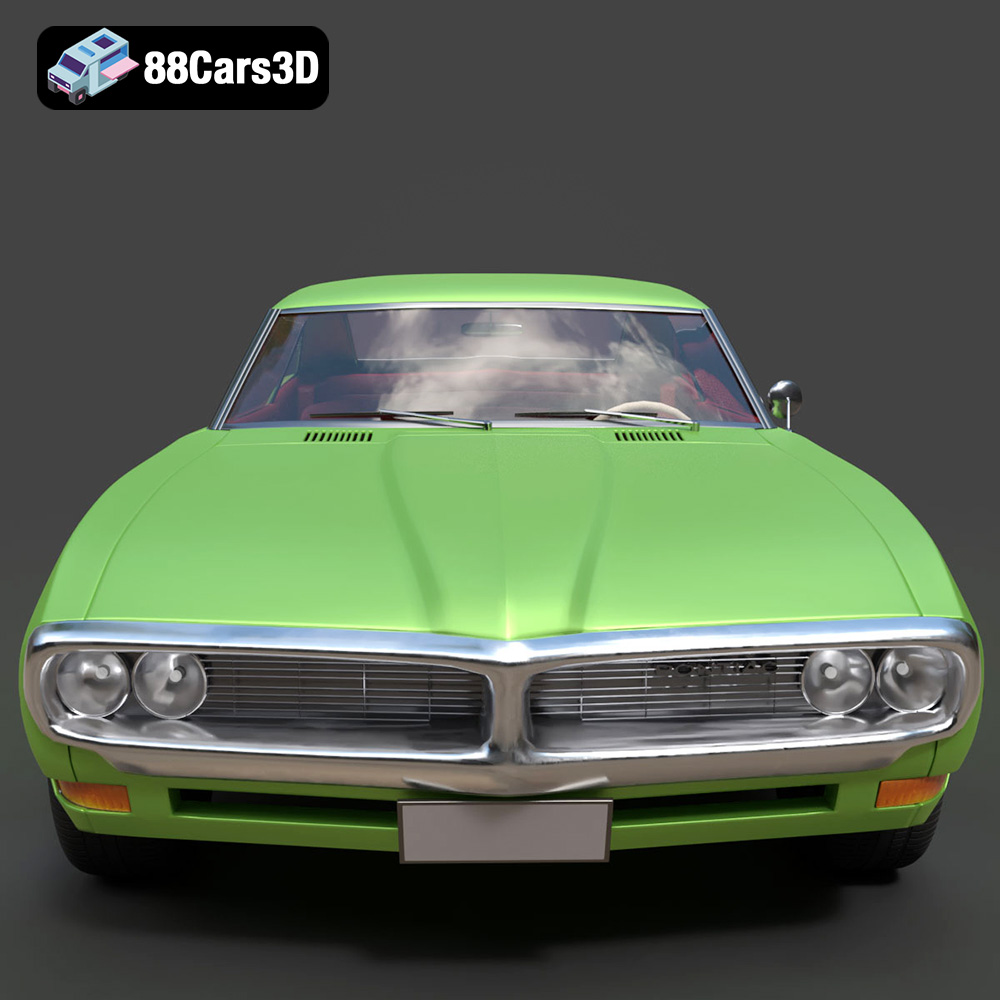
The Firebird’s meticulously reproduced details, from its distinctive front fascia to the interior controls, truly come alive under professional rendering conditions, making it perfect for advertising, design showcases, or architectural visualization projects where a vehicle adds context and realism.
Game Development and Real-Time Environments
Integrating a complex automotive model into game engines like Unreal Engine or Unity demands a different set of considerations, primarily centered around performance and interactivity. The Pontiac Firebird 1998 3D Model, with its optimized topology and game-engine-ready .fbx and .unreal formats, streamlines this process.
- Asset Import and Configuration: Importing the FBX or Unreal asset directly into the engine. The pre-configured Unreal asset is particularly valuable here, minimizing setup time for materials and textures.
- Performance Optimization: Implementing Levels of Detail (LODs) is crucial. While the primary model is high-fidelity, game developers might create lower-polygon versions that automatically swap in when the car is further from the camera, saving valuable GPU resources.
- Collision Meshes: Creating simplified collision geometry (often called “convex hulls”) that allows the car to interact realistically with the game world without taxing the physics engine.
- Shader Development: Customizing materials within the engine to take advantage of specific engine features, such as advanced car paint shaders, dynamic dirt, or damage effects.
- Blueprint/Scripting: Setting up car physics, drivable controls, and any interactive elements like opening doors or turning lights on/off using the engine’s scripting tools.
The Firebird’s optimized geometry and PBR material setup ensure it runs smoothly in a real-time environment while maintaining visual integrity, making it an excellent candidate for racing games, open-world simulations, or interactive vehicle experiences.
AR/VR Experiences and Interactive Applications
Augmented Reality (AR) and Virtual Reality (VR) platforms present unique challenges, demanding highly optimized assets that deliver immersion without sacrificing performance. The .glb format of the Pontiac Firebird 1998 3D Model is specifically designed for these environments, as well as web-based interactive displays.
- Lightweight Delivery: The .glb format bundles all necessary data (geometry, textures, materials) into a single, compact file, ideal for web streaming or mobile AR applications.
- Real-time Performance: Similar to game development, AR/VR requires low polygon counts and efficient rendering. The Firebird’s optimized base mesh is well-suited, and further LODs might be applied for extremely demanding mobile AR scenarios.
- Interactive Elements: Scripting interactions such as viewing the car from different angles, changing paint colors, or exploring the interior using hand gestures or gaze controls.
Imagine showcasing the Pontiac Firebird 1998 in a virtual showroom, allowing potential buyers to walk around it, change its color, and even “sit inside” using a VR headset. The Firebird model’s readiness across formats makes such innovative applications not just possible, but efficient to develop.
Deep Dive into Technical Specifications and Optimization
The difference between a generic 3D model and a professional-grade asset, such as the Pontiac Firebird 1998 3D Model from 88cars3d.com, lies in its underlying technical specifications and the meticulous optimization applied during its creation. These details ensure the model is robust, flexible, and performs optimally across various platforms and rendering pipelines.
Geometry Purity and Topology
A truly professional 3D model boasts impeccable geometry. This means:
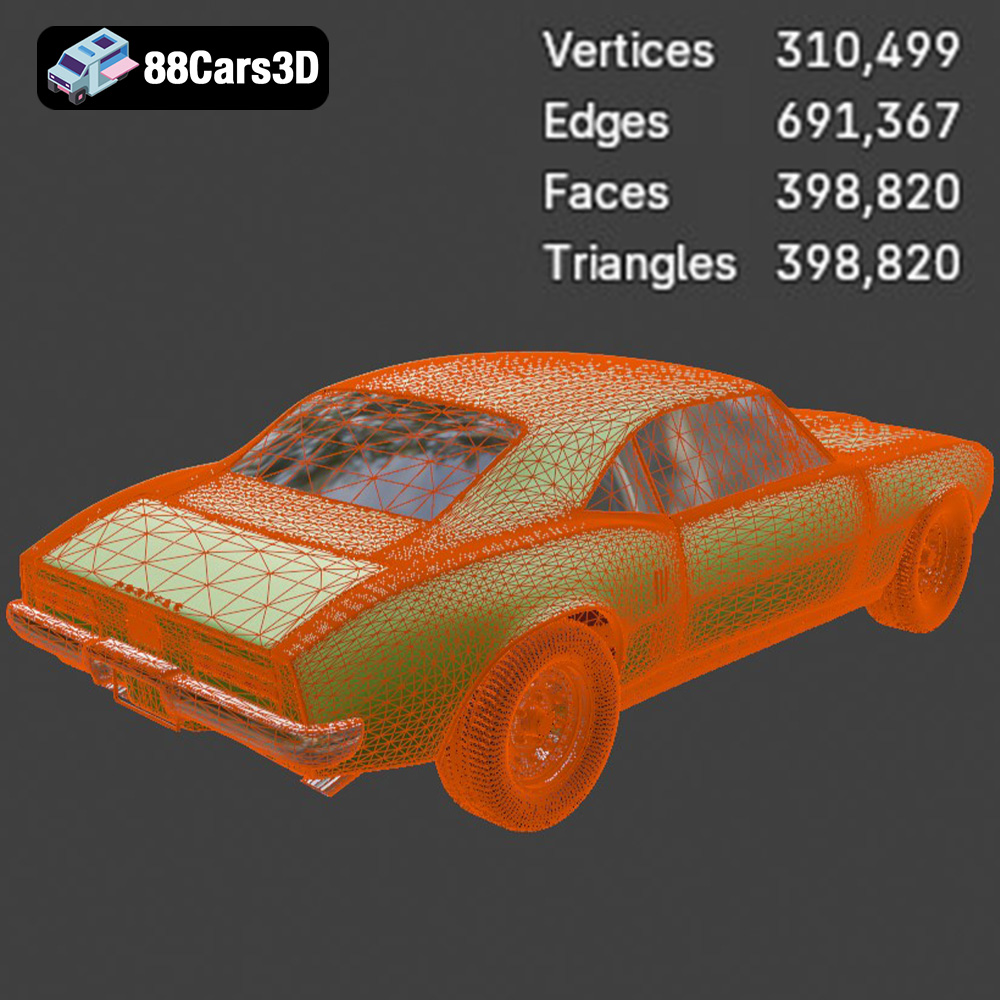
- Quad-based Topology: The Firebird model utilizes a clean, quad-based mesh structure. Quads (four-sided polygons) are preferred over triangles because they deform more predictably during animation, are easier to subdivide smoothly for high-detail renders, and provide a cleaner base for sculpting and texturing.
- Optimal Edge Flow: Strategic placement of edge loops around critical features (like door seams, wheel arches, and body contours) ensures that the model holds its shape perfectly, even when subdivided or deformed. This is crucial for capturing the aggressive styling and iconic lines of the Firebird with precision.
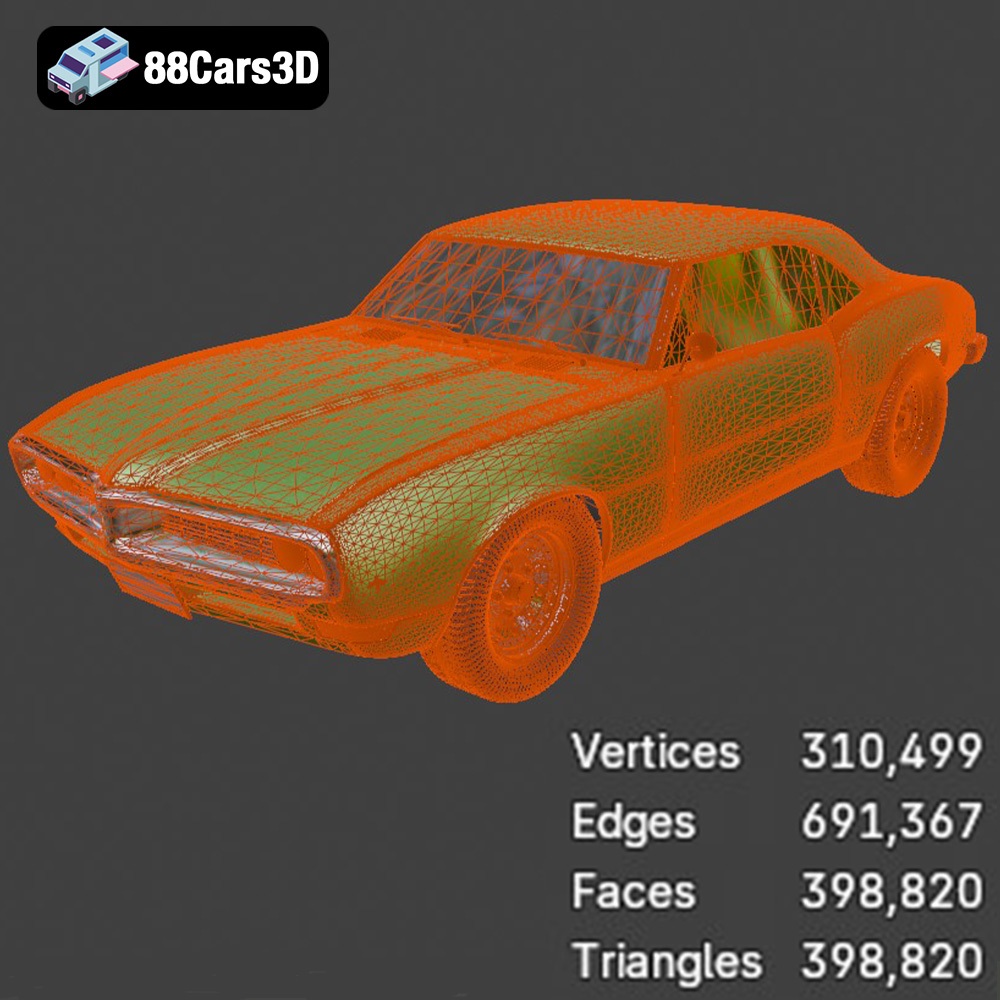
- Poly Count Management: The term “optimized geometry” doesn’t necessarily mean low-poly, but rather the *right* poly count for the intended use. For the Firebird, this means a high-enough poly count to capture all the vehicle’s intricate details for close-up renders, yet structured efficiently enough to be reduced for game engine or AR/VR applications through LODs without losing its essential form. A typical high-fidelity car model might range from 100,000 to over a million polygons, with each detail contributing to the overall realism.
- Non-Overlapping Vertices/Faces: A clean model will have no overlapping geometry or stray vertices, preventing rendering artifacts and ensuring correct normal calculations.
PBR Material Pipelines
Physically Based Rendering (PBR) has become the gold standard for achieving photorealistic results in 3D. The Pontiac Firebird 1998 3D Model features realistic PBR materials on all its components, a testament to its professional quality. This means:
- Accurate Light Interaction: PBR materials simulate how light interacts with surfaces in the real world, based on physical properties like roughness, metalness, and albedo (base color). This ensures that the car paint, glass, rubber tires, and interior plastics react correctly to light sources, whether in a V-Ray render or Unreal Engine.
- Texture Maps: PBR setups typically involve multiple texture maps, including:
- Albedo/Base Color: Defines the surface color without any lighting information.
- Normal Map: Provides fine surface details without adding actual geometry, crucial for intricate details on dashboards or tire treads.
- Roughness Map: Controls the microscopic surface irregularities, dictating how diffuse or shiny a surface appears.
- Metalness Map: Distinguishes between metallic and non-metallic surfaces, affecting reflection and color.
- Ambient Occlusion Map: Simulates soft self-shadowing in crevices and corners, adding depth.
- Consistency Across Environments: PBR materials, when correctly authored, will look consistent and realistic across different rendering engines and lighting conditions, offering predictable and high-quality results.
UV Mapping and Texture Resolution
UV mapping is the process of flattening the 3D mesh into a 2D space, allowing textures to be applied accurately. High-quality UVs are essential for any professional model:
- Clean, Non-Overlapping UVs: The Firebird model’s UVs are carefully laid out, ensuring that each part of the mesh has a unique, non-overlapping space on the 2D texture map. This prevents texture bleeding and distortion.
- Optimized Texel Density: The resolution of textures is matched to the size of the UV islands, ensuring that crucial areas (like the front grille or interior dials) receive higher texture density for sharp details, while less visible areas are optimized for efficiency.
- Modular UVs: Often, complex models like cars will have multiple UV sets or texture atlases for different components (body, interior, wheels, glass), allowing for highly detailed textures without massive single texture files.
These technical considerations are what elevate the Pontiac Firebird 1998 3D Model beyond a mere digital representation, transforming it into a robust and flexible asset ready for any demanding production pipeline.
Real-World Applications and Case Studies
The versatility and high fidelity of 3D car models extend across numerous industries, providing powerful tools for visualization, simulation, and creative expression. The Pontiac Firebird 1998 3D Model serves as an excellent example of an asset capable of driving success in various real-world scenarios.
Cinematic Production and Advertising
In the film and advertising industries, photorealism is paramount. High-detail 3D car models are frequently used for:
- Visual Effects (VFX): Integrating digital cars into live-action footage for stunts, crowd scenes, or even creating entire vehicles from scratch when physical props are impractical or too expensive. Imagine the Firebird roaring through a chase scene, perfectly composited into a dynamic environment.
- Commercials: Creating stunning product shots for automotive advertisements without the need for physical cars, expensive studio setups, or complex on-location shoots. The Firebird model could be featured in a nostalgic commercial, highlighting its classic appeal with flawless digital cinematography.
- Animated Sequences: Building entirely animated sequences for short films, music videos, or cinematic game trailers where the Firebird performs impossible feats or stars in a narrative.
The pristine geometry, PBR materials, and animation-ready setup of the Pontiac Firebird 1998 3D Model make it an ideal candidate for these demanding cinematic applications, where every reflection and curve must be perfect.
Product Configuration and Interactive Showrooms
The automotive industry is rapidly adopting 3D technology for sales and marketing, offering customers engaging, interactive experiences:
- Online Configurators: Websites that allow users to customize a car’s color, wheels, interior trim, and accessories in real-time. The optimized .glb format of the Firebird model is perfect for web-based configurators, enabling quick loading and smooth interaction directly in a browser.
- Virtual Showrooms: Immersive VR or AR applications where prospective buyers can “walk around” a vehicle, open doors, explore the interior, and experience the car in a virtual environment from the comfort of their home. A virtual showroom featuring the Pontiac Firebird 1998 could allow enthusiasts to explore every detail of this classic, long after it left the production line.
- Interactive Kiosks: In physical showrooms, touch-screen kiosks displaying 3D models allow customers to explore car features and specifications interactively, augmenting the sales process.
These applications leverage the model’s accuracy and PBR materials to provide a highly realistic and informative experience, boosting engagement and decision-making.
Training Simulators and Virtual Prototyping
Beyond entertainment and marketing, 3D car models are critical tools in engineering, training, and simulation:
- Driver Training Simulators: Developing ultra-realistic driving simulators for professional drivers, military personnel, or even aspiring racers. The accurate physics and visual fidelity provided by models like the Firebird contribute significantly to a believable and effective training environment.
- Vehicle Dynamics Simulation: Using precise 3D models for virtual prototyping and testing of new vehicle designs, aerodynamic analysis, or crash simulations. While the Firebird is a classic, the principles apply; its accurate dimensions and component placement are valuable for engineering-focused studies.
- Forensic Reconstruction: Recreating accident scenes or historical events with accurate vehicle models for investigative purposes, offering a detailed visual aid for analysis.
The precision and attention to detail in the Pontiac Firebird 1998 3D Model from 88cars3d.com make it a reliable asset for serious, technical applications where accuracy is paramount to the outcome.
Why Choose 88cars3d.com for Your Automotive Assets
In a crowded digital marketplace, selecting the right source for your 3D assets is crucial for project success. 88cars3d.com distinguishes itself by offering a curated selection of high-quality 3D car models, designed and optimized for professional use across a myriad of applications. Their commitment to detail and technical excellence is evident in products like the Pontiac Firebird 1998 3D Model.
Unparalleled Accuracy and Detail
The hallmark of an 88cars3d.com asset is its commitment to reproducing the real-world counterpart with stunning accuracy. Every curve, panel gap, and component, from the external bodywork to the intricate interior, is meticulously modeled. This ensures that when you integrate a model like the Pontiac Firebird into your project, you’re not just getting a generic car, but an authentic digital twin that faithfully represents the original vehicle’s design and character. This level of detail is vital for automotive designers, advertisers, and game developers who need their vehicles to be instantly recognizable and visually compelling.
Optimized for Diverse Production Pipelines
One of the key advantages of purchasing from 88cars3d.com is the understanding that professional pipelines vary widely. This is why their models, including the Pontiac Firebird 1998 3D Model, are provided in multiple industry-standard file formats: .blend, .fbx, .obj, .glb, .stl, .ply, .unreal, and .max. This extensive format support guarantees that whether you’re working in Blender, 3ds Max, Unreal Engine, or developing for AR/VR, the asset integrates seamlessly with minimal conversion or cleanup required. The optimization for each format, from game-engine readiness to web-friendly .glb, saves countless hours of development time and ensures peak performance.
PBR Materials for Realistic Rendering
The inclusion of realistic PBR materials is a non-negotiable for modern rendering and real-time applications. All models from 88cars3d.com, including the Firebird, come equipped with carefully crafted PBR texture sets that accurately represent surfaces like car paint, glass, rubber, and various interior finishes. This means your renders will exhibit physically accurate light interaction, rich reflections, and believable surface characteristics, right out of the box. The consistency of PBR across different renderers ensures that your model looks fantastic, regardless of your chosen rendering solution.
Customer Support and Reliability
Choosing a reliable marketplace also means benefiting from quality assurance and potential customer support. 88cars3d.com focuses on providing high-quality assets that adhere to professional standards, reducing the chances of encountering common issues like messy geometry or improperly configured materials. This reliability ensures that your creative process remains uninterrupted, allowing you to focus on bringing your vision to life rather than troubleshooting asset problems.
For anyone seeking to incorporate authentic, high-quality automotive assets into their projects, 88cars3d.com offers a robust solution, exemplified by the professional-grade Pontiac Firebird 1998 3D Model.
Conclusion
The world of 3D content creation thrives on quality, precision, and versatility. For automotive visualization, game development, AR/VR experiences, and high-fidelity rendering, the choice of 3D car models can significantly impact the success and realism of a project. As we’ve explored, a truly professional asset is defined not just by its visual appeal, but by its underlying technical integrity, meticulous optimization, and broad compatibility.
The Pontiac Firebird 1998 3D Model stands as a testament to these principles, offering unparalleled accuracy, clean geometry, and realistic PBR materials across a comprehensive range of industry-standard file formats. Whether you’re a cinematic artist bringing a classic muscle car to life on screen, a game developer integrating a powerful vehicle into a virtual world, or an engineer using precise models for simulation, this asset provides the robust foundation you need.
By understanding the nuances of various 3D file formats—from the editable depths of .blend and .max to the universal compatibility of .fbx and .obj, and the specialized efficiencies of .glb, .stl, .ply, and .unreal—creators can make informed decisions that streamline their workflows. The Pontiac Firebird 1998 3D Model, available at 88cars3d.com, encapsulates the essence of what a high-quality 3D automotive asset should be: a versatile, technically sound, and visually stunning digital representation ready for any demanding professional pipeline.
Elevate your next project with an asset that combines historical accuracy with cutting-edge 3D technology. Explore the possibilities and discover how a meticulously crafted 3D car model can transform your digital vision into a compelling reality.
Featured 3D Model
Pontiac Firebird 1998 3D Model
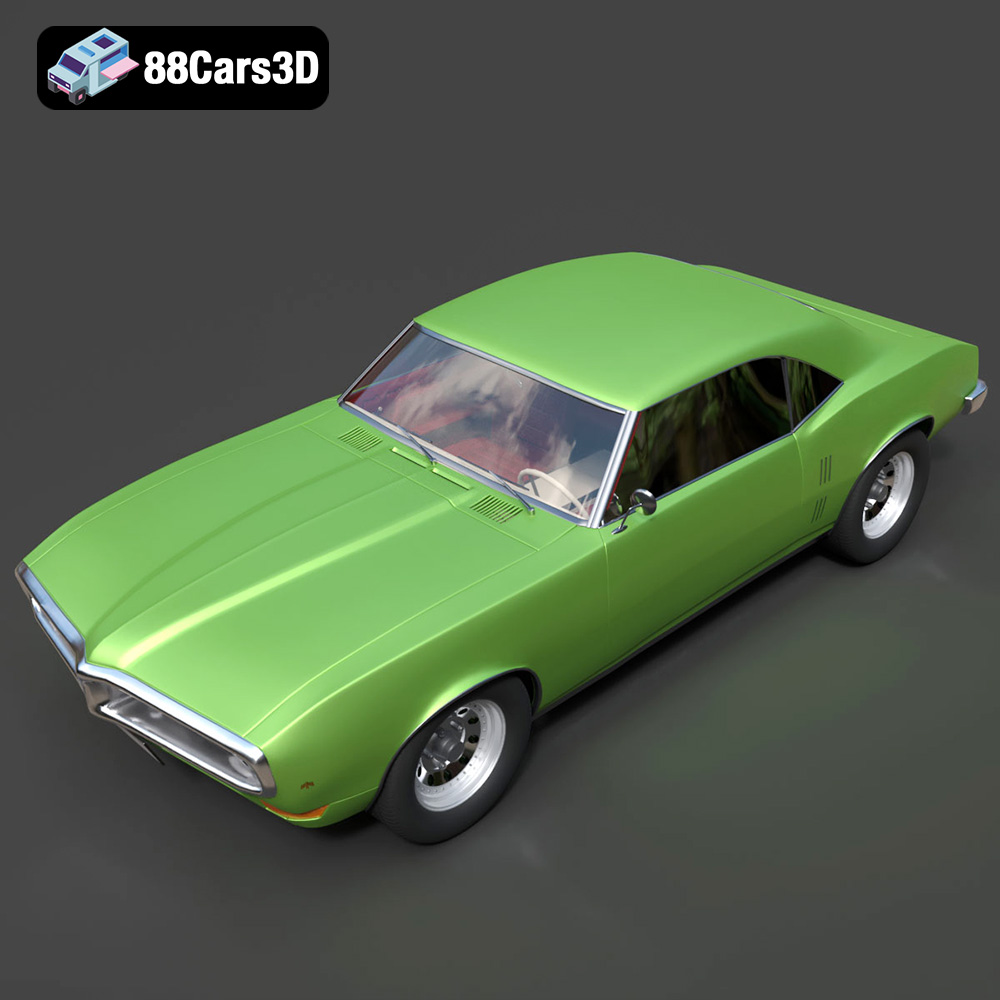
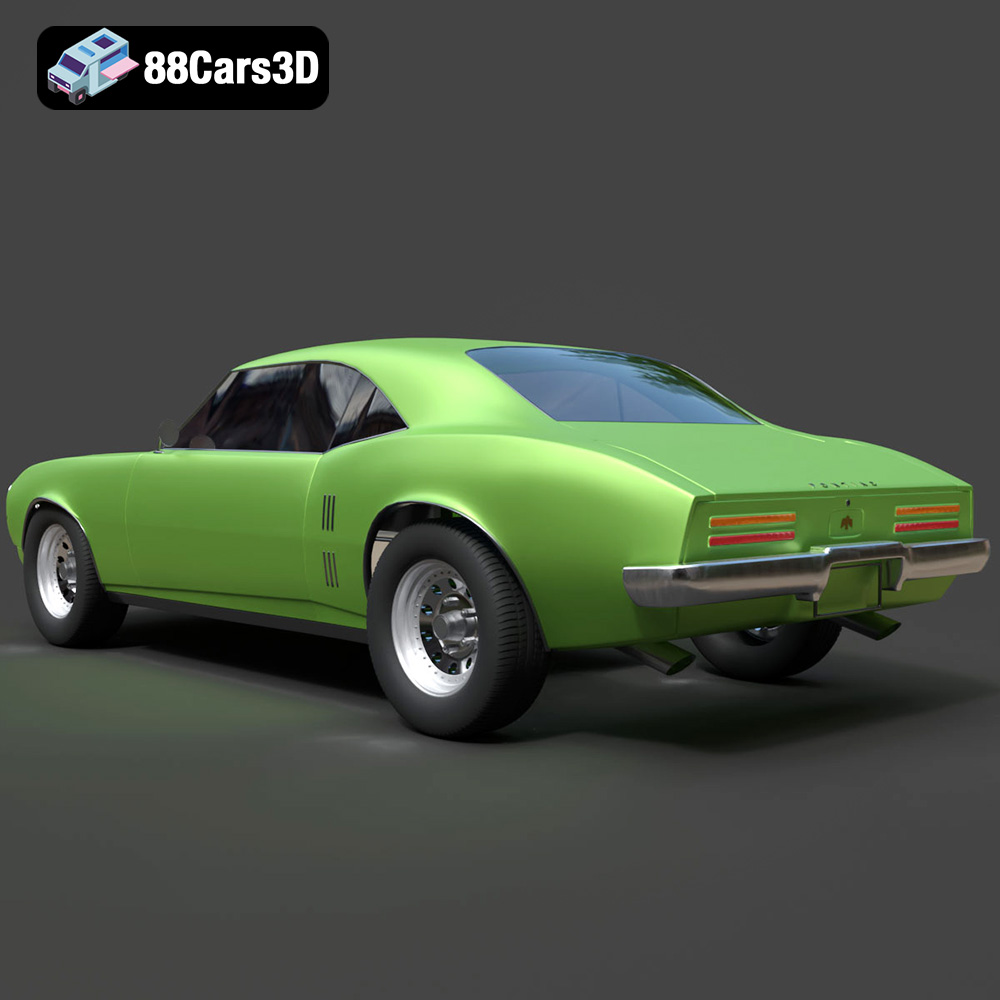
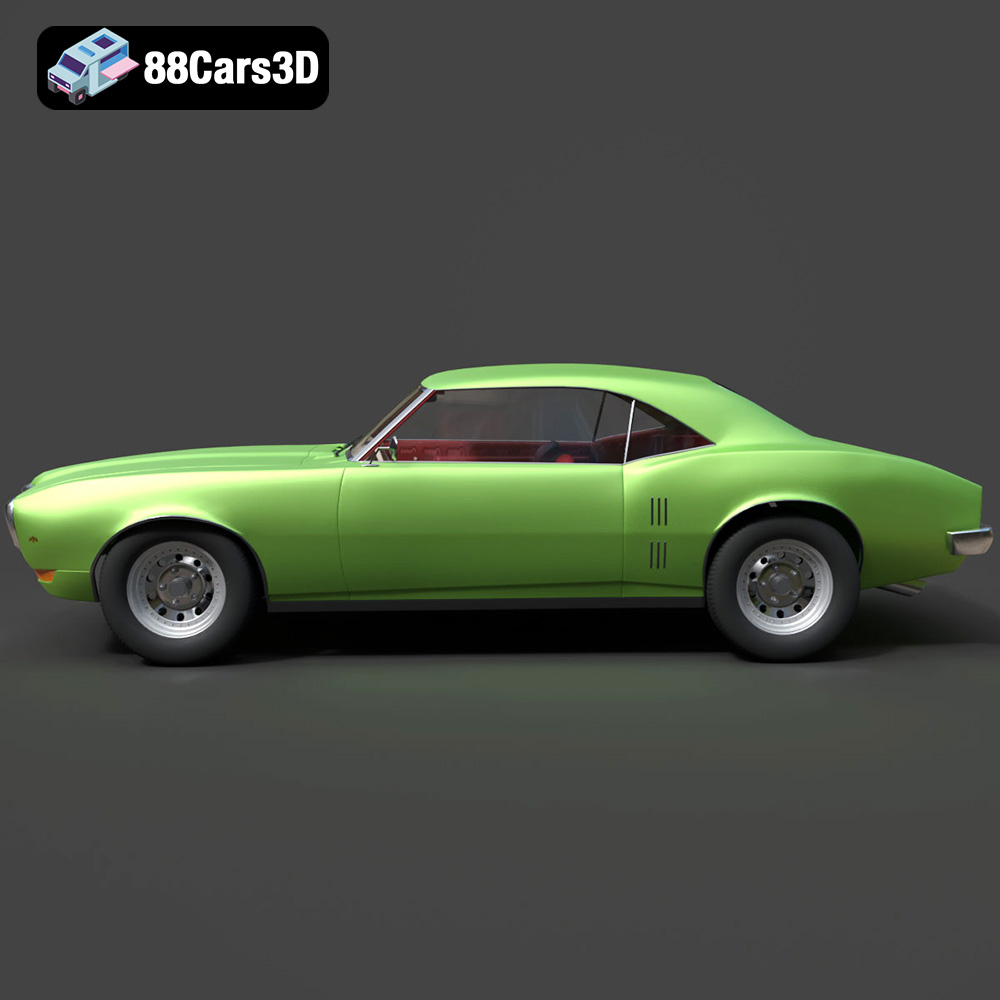
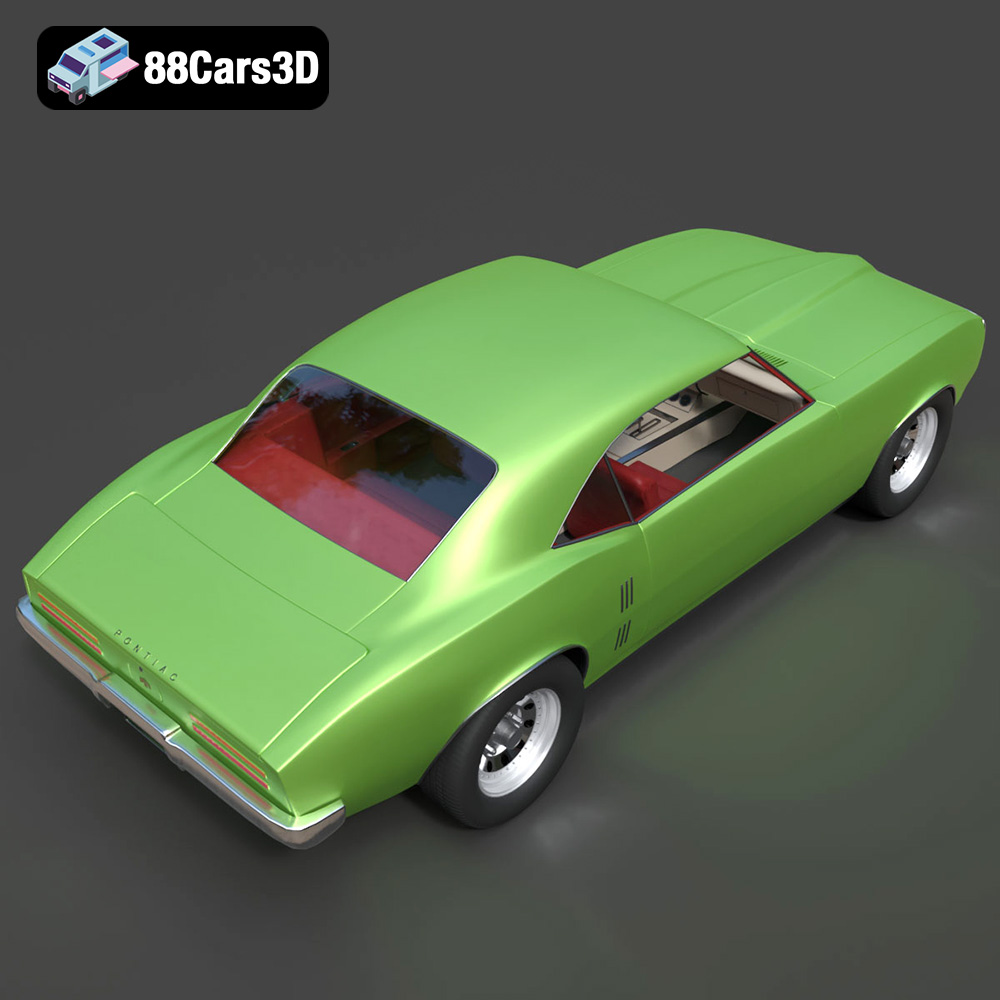
Capture the essence of American performance with this meticulously crafted 3D model of the Pontiac Firebird 1998. Developed by 88cars3d.com, this asset provides unparalleled accuracy, reproducing the aggressive styling and iconic lines of this classic muscle car with precision. The model is built to professional standards, ensuring it integrates seamlessly into any production pipeline requiring authentic automotive representation. This digital asset features clean, optimized geometry suitable for close-up renders and dynamic simulations. Realistic PBR materials are applied to all components, including the paintwork, glass, tires, and detailed interior surfaces, ensuring accurate light interaction across various rendering environments. Every detail, from the signature front fascia to the interior controls, has been modeled to enhance visual fidelity for visualization projects. The Pontiac Firebird 1998 3D Model is ready for diverse applications, including immersive AR/VR experiences, large-scale visualization projects, cinematic rendering sequences, and detailed vehicle simulation. Its optimized topology makes it an efficient asset for use as a game asset in platforms like Unreal Engine and Unity. Included File Formats: .blend, .fbx, .obj, .glb, .stl, .ply, .unreal, .max
$10
Product Image Gallery
Related Tags
.arvr
.blend
.car3dmodel
.classiccar
.coupe
.fbx
.firebird
.gameasset
.glb
.max
.musclecar
.obj
.ply
.pontiac
.rendering
.simulation
.stl
.unreal
