

Unleashing Automotive Realism: Choosing the Best 3D Printers for Detailed Vehicle Models
Welcome to the thrilling intersection of automotive passion and cutting-edge technology! For hobbyists, collectors, and makers alike, the ability to bring iconic cars to life in miniature form through 3D printing is a dream come true. At 88cars3d.com, we’re dedicated to providing you with meticulously crafted, high-quality printable car models in STL format, ready to transform your imagination into tangible reality. But having a stellar model is only half the battle. The other crucial element is the 3D printer itself. Selecting the right machine can be the difference between a blocky, disappointing replica and a breathtakingly detailed masterpiece. This comprehensive guide will delve deep into the technical considerations and printer types that will empower you to choose the perfect 3D printer for your automotive modeling endeavors. We’ll explore printer technologies, key specifications, and crucial settings that will elevate your prints from good to truly exceptional.
Understanding the Technologies: FDM vs. Resin for Automotive Models
When embarking on the journey of 3D printing detailed vehicle models, the first fundamental decision lies in choosing between two dominant technologies: Fused Deposition Modeling (FDM) and Stereolithography (SLA) or Digital Light Processing (DLP), collectively known as resin printing. Each offers distinct advantages and disadvantages that directly impact the outcome of your automotive prints. Understanding these differences is paramount for making an informed investment.
Fused Deposition Modeling (FDM) Explained
FDM printers work by melting thermoplastic filament and extruding it layer by layer onto a build plate. Think of it like a highly precise, computer-controlled hot glue gun. The filament, typically PLA, PETG, or ABS, is fed through a heated nozzle, depositing molten plastic to build up the model.
* Advantages: FDM printers are generally more affordable, offer a wider range of material choices (including flexible and high-strength options), and have larger build volumes, making them suitable for bigger models or multiple smaller parts. They are also known for their robustness and ease of maintenance.
* Disadvantages: The primary drawback of FDM for highly detailed models is the visible layer lines. Even with fine layer heights, these lines can detract from the smooth curves and intricate details of a car’s bodywork. Achieving truly pin-sharp edges and tiny features can be challenging.
* Best Use Cases for Automotive Models: FDM is excellent for printing larger-scale car models, chassis components, or functional parts where extreme surface smoothness is not the absolute top priority. It’s also a great starting point for beginners due to its lower cost of entry and material accessibility. Models from 88cars3d.com can be successfully printed on FDM machines, especially if post-processing like sanding and filling is planned.
Resin (SLA/DLP) Printing for Unrivaled Detail
Resin printers use a liquid photopolymer resin that is cured layer by layer using a light source. SLA printers use a UV laser to trace the image, while DLP printers use a digital projector. Both methods offer significantly higher resolution and smoother surfaces compared to FDM.
* Advantages: The standout benefit of resin printing for automotive models is its astonishing level of detail. The layer lines are virtually invisible, allowing for incredibly smooth finishes, sharp edges, and the faithful reproduction of small elements like grilles, emblems, and panel gaps. This makes it the preferred choice for collectors and those who demand the utmost realism.
* Disadvantages: Resin printers and their accompanying resins are typically more expensive. The build volumes are often smaller, limiting the size of single-piece prints. Resin printing also involves more post-processing steps, including washing the prints in isopropyl alcohol (IPA) and curing them under UV light. Furthermore, resins can be messy, require good ventilation, and necessitate safety precautions (gloves and eye protection).
* Best Use Cases for Automotive Models: Resin printers are the undisputed champions for printing highly detailed, display-quality car models. They excel at capturing the subtle curves, intricate spoilers, and delicate aerodynamic features that define many vehicles. When downloading printable car models in STL format from platforms like 88cars3d.com, opting for resin printing will truly make those details shine.
Key 3D Printer Specifications for Automotive Models
Beyond the fundamental technology, several key specifications dictate a 3D printer’s suitability for producing detailed car models. Focusing on these parameters will help you narrow down your choices and ensure you get a machine that meets your specific needs.
Layer Height: The Foundation of Smoothness
Layer height refers to the thickness of each individual layer deposited by the printer. This is arguably the most critical specification for achieving smooth surfaces and fine details.
* **FDM Printers:** Standard layer heights for FDM range from 0.1mm to 0.3mm. For detailed automotive models, aim for printers capable of 0.1mm or even 0.08mm. Lower layer heights translate to smoother surfaces but significantly increase print time. For instance, printing a car body at 0.1mm will take considerably longer than at 0.2mm.
* **Resin Printers:** Resin printers operate at much finer resolutions. Layer heights can range from 0.025mm to 0.1mm. This is where their inherent advantage lies, producing prints with a near-photographic level of detail where layer lines are imperceptible to the naked eye.
* **Workflow Tip:** When slicing an STL file from 88cars3d.com for an FDM printer, experiment with layer heights. Start with 0.15mm for a good balance of detail and speed, and if you need more refinement, reduce it to 0.1mm or lower, understanding the associated time increase.
Build Volume: Size Matters for Your Collection
The build volume is the maximum size of an object that the printer can create. This is an important consideration for the scale and complexity of the car models you intend to print.
* FDM Printers: FDM printers typically offer larger build volumes, often ranging from 200x200x200mm to over 300x300x300mm. This allows for printing larger models in one piece or printing multiple smaller components simultaneously.
* Resin Printers: Resin printers generally have smaller build volumes, with common dimensions around 120x68x150mm (for smaller desktop units) up to 192x120x250mm (for larger models). If you plan to print large, single-piece car models, you may need to split the STL file into smaller sections using 3D modeling software or choose a larger resin printer.
* **Consideration:** For most display-quality car models, a standard resin printer build volume is sufficient for individual components or smaller scale models. If you are printing larger-scale models or multiple cars, consider how you will orient and potentially split your models.
Resolution (XY Accuracy) and Pixel Size (Resin)
Resolution dictates the printer’s ability to reproduce fine details in the X and Y axes.
* **FDM Printers:** This is largely determined by the nozzle diameter. Standard nozzles are 0.4mm, but smaller nozzles (0.2mm or 0.25mm) can be used to achieve finer details. However, using smaller nozzles requires slower print speeds and can be more prone to clogging.
* **Resin Printers:** For SLA, it’s the laser spot size. For DLP, it’s the pixel size of the projector. This directly translates to the smallest feature the printer can resolve. Higher resolution (smaller pixel size/laser spot size) means sharper details. Typical XY resolutions for resin printers range from 35 to 100 microns (0.035mm to 0.1mm).
* **Impact on Models:** A higher XY resolution on a resin printer means capturing intricate details like badges, panel lines, and sharp edges with incredible clarity, something crucial for realistic car models.
Slicing Software and Settings: Fine-Tuning for Automotive Perfection
The slicer is the software that converts your 3D model (STL file) into a series of instructions (G-code) that your 3D printer can understand. Optimizing slicer settings is as crucial as choosing the right printer for achieving high-quality automotive prints.
Optimizing Layer Height and Print Speed
As discussed, layer height is key to surface finish. Print speed, however, is a crucial balancing act.
* **FDM Layer Height & Speed:** Printing at a low layer height (e.g., 0.1mm) requires a corresponding reduction in print speed to allow the molten plastic to properly adhere and cool. Printing too fast at a low layer height can lead to under-extrusion and poor layer adhesion. A good starting point for detailed FDM prints might be 30-40mm/s.
* **Resin Layer Height & Speed:** Resin printers have “lift speeds” (how fast the build plate moves up and down) and “exposure times” (how long the UV light cures each layer). These need to be carefully calibrated. Faster lift speeds can save time but increase the risk of print failures due to suction forces.
* **Calibration:** Both FDM and resin printers benefit greatly from calibration prints (e.g., calibration cubes, retraction towers for FDM, exposure test prints for resin) to dial in optimal speeds and exposure times for specific filaments or resins.
Infill Patterns and Density: Strength vs. Material Usage
Infill refers to the internal structure of a 3D print. While not always visible on the exterior, it impacts print time, material usage, and structural integrity.
* **FDM Infill:** For display car models, high infill densities are often unnecessary. A 10-20% infill is usually sufficient to provide internal support and prevent the model from collapsing. Patterns like grid, cubic, or gyroid offer good strength. For parts that might be handled frequently, increasing density to 25-30% can add durability.
* **Resin Infill:** Resin prints are typically printed solid or with very minimal internal structures. The strength comes from the cured resin itself. Some slicers offer hollow options for resin prints, which can save material and reduce print time, but require drain holes.
* **Weight and Cost:** Lower infill percentages on FDM printers significantly reduce print time and material costs, which can be substantial for large models or long print jobs.
Support Structures: The Unsung Heroes of Complex Geometries
Car models often feature overhangs, bridges, and delicate features that require support structures to print successfully. Proper support generation and removal are critical for a clean finish.
* **FDM Supports:** FDM printers use breakaway supports, tree supports, or custom supports. Tree supports (often found in Cura) are generally preferred for detailed models as they are less invasive and easier to remove. Support interface layers can also improve the surface finish where supports touch the model.
* **Resin Supports:** Resin printing requires careful placement of fine, needle-like supports that attach to the model at strategic points. These are crucial for preventing print failures due to resin not curing properly on unsupported areas. Orientation plays a huge role here, minimizing the number and size of supports needed.
* **Mesh Repair:** Before generating supports, ensure your STL file is “watertight” or manifold. Software like Meshmixer, Blender, or Netfabb can help repair non-manifold edges, holes, or inverted normals. When downloading models from marketplaces such as 88cars3d.com, they are typically provided as print-ready files, but minor repairs might occasionally be needed.
Post-Processing: Bringing Your 3D Printed Car Model to Life
The journey doesn’t end when the print is finished. Post-processing is essential for transforming a raw 3D print into a polished, display-worthy automotive model.
Support Removal and Surface Finishing
This is where patience and the right tools pay off.
* **FDM:** Carefully remove breakaway supports using pliers, flush cutters, or hobby knives. For a smooth finish, sanding is crucial. Start with coarse grit sandpaper (e.g., 120-220 grit) to remove layer lines and support marks, then progressively move to finer grits (400, 800, 1200, and even higher) for a mirror-like finish. Filler primers can also be used to fill small imperfections before painting.
* **Resin:** After washing in IPA, remove delicate resin supports using a sharp hobby knife or flush cutters. Be gentle to avoid damaging intricate details. Sanding resin prints is also possible but requires finer grits (starting from 400-600 grit and going up) and can be messy. Many resin enthusiasts opt for a primer and paint finish after minimal sanding.
Assembly and Painting Techniques
Many detailed car models are designed to be printed in multiple parts for easier printing and assembly.
* **Assembly:** Use super glue (cyanoacrylate) or a plastic cement suitable for your filament type for FDM prints. For resin, super glue or epoxy adhesives work well. Ensure clean mating surfaces for a seamless fit. Consider designing in small alignment pins and sockets for precise assembly.
* **Painting:** For both FDM and resin prints, applying a primer is essential for a uniform base coat and to help hide any remaining layer lines or imperfections. Automotive model paints, acrylics, or spray paints can be used. Techniques like airbrushing allow for smooth, even coats and the application of details like clear coats, metallic finishes, and weathering effects. Reference photos of the real car are invaluable for accurate color schemes and detailing.
Material Selection: Choosing the Right Filament or Resin
The material you choose significantly impacts the appearance, durability, and ease of printing your car models.
FDM Materials: PLA, PETG, and Beyond
* PLA (Polylactic Acid): The most popular FDM filament due to its ease of printing, low warping, and biodegradability. It’s perfect for detailed models but can be brittle and has a lower heat resistance. Ideal for display models that won’t be subjected to stress.
* PETG (Polyethylene Terephthalate Glycol): More durable and temperature-resistant than PLA, with better layer adhesion. It can be slightly stringier to print but is a good option for parts that might need more robustness.
* ABS (Acrylonitrile Butadiene Styrene): Strong, durable, and heat-resistant, but it requires a heated bed and enclosure to prevent warping and releases fumes, necessitating good ventilation. It’s more challenging to print successfully.
Resin Types: Standard, Tough, and Flexible
* **Standard Resins:** Offer excellent detail and a smooth finish, ideal for most display car models. Available in various colors, but white or grey are common for easier painting.
* Tough Resins:** Mimic the properties of ABS, offering increased durability and impact resistance. Useful if your car models will be handled frequently or if printing functional parts.
* **Flexible Resins:** Can be used for specific components like tires or suspension parts, offering a degree of flexibility.
Choosing between FDM and resin, and then selecting the appropriate material, depends on your desired level of detail, budget, intended use, and willingness to engage in post-processing. For breathtakingly detailed automotive replicas, resin printing often takes the crown, but with careful settings and post-processing, FDM printers can also yield impressive results, especially with high-quality STL files from sources like 88cars3d.com.
Conclusion: Your Path to 3D Printed Automotive Excellence
Bringing iconic vehicles to life in miniature form through 3D printing is a rewarding endeavor that blends technical skill with automotive passion. We’ve explored the critical differences between FDM and resin printing technologies, highlighting how each caters to different needs in automotive model creation. You’ve learned about vital printer specifications like layer height, build volume, and resolution, and how they directly influence the final print quality. Furthermore, we’ve delved into the intricacies of slicing software, optimizing settings such as layer height, print speed, infill, and support structures—all crucial steps for achieving flawless prints, especially when working with detailed STL files from platforms like 88cars3d.com.
The journey doesn’t stop at the print itself; essential post-processing techniques, including meticulous support removal, sanding, assembly, and painting, were covered to help you achieve that professional, display-worthy finish. Finally, we discussed the nuances of material selection, guiding you toward the best FDM filaments and resin types for your automotive projects. By understanding these principles and applying them diligently, you are well-equipped to select the best 3D printer for your needs and to transform your passion for cars into stunning, tangible models. So, choose your printer wisely, download a meticulously crafted model from 88cars3d.com, and embark on an exciting journey of automotive creation! Happy printing!
Featured 3D Car Models
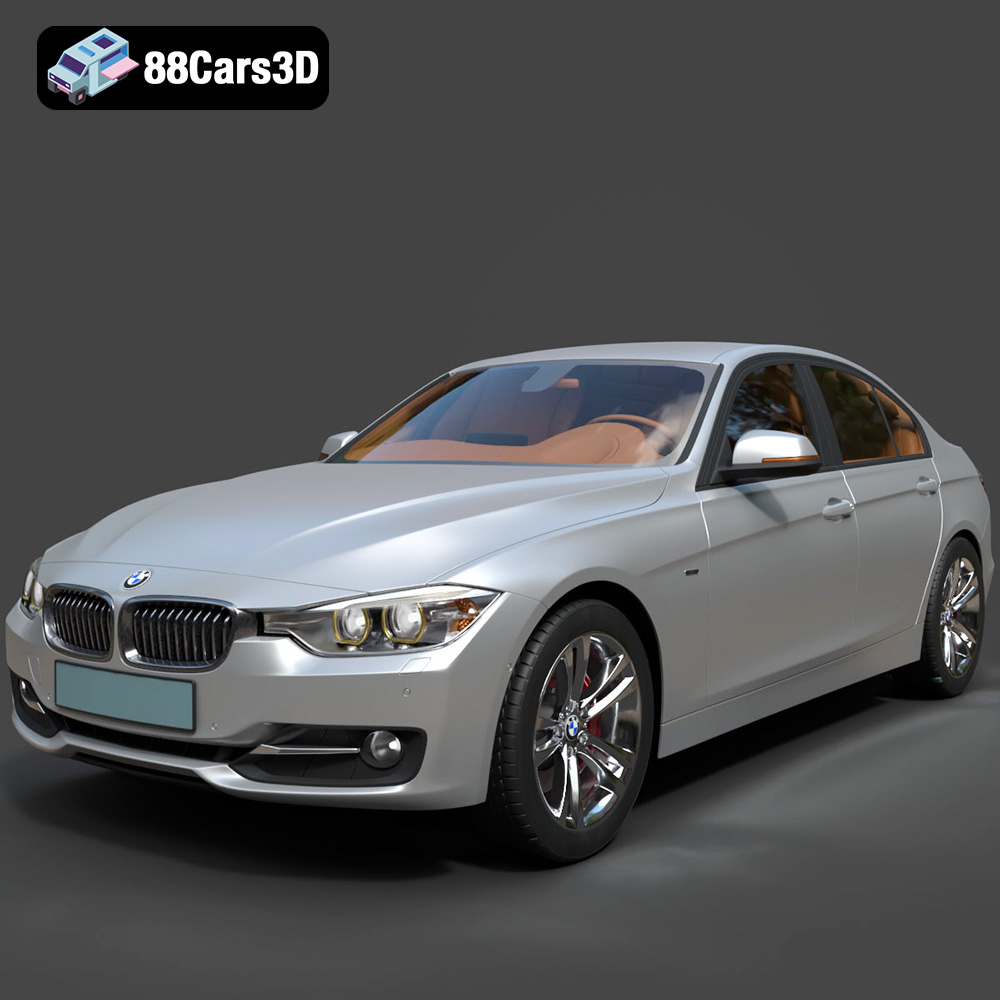
BMW 3 F30 3D Model
Texture: Yes
Material: Yes
Download the BMW 3 F30 3D Model featuring a detailed exterior, realistic interior, and optimized mesh. Includes .blend, .fbx, .obj, .glb, .stl, .ply, .unreal, and .max formats for rendering, simulation, and game development.
Price: $10.79
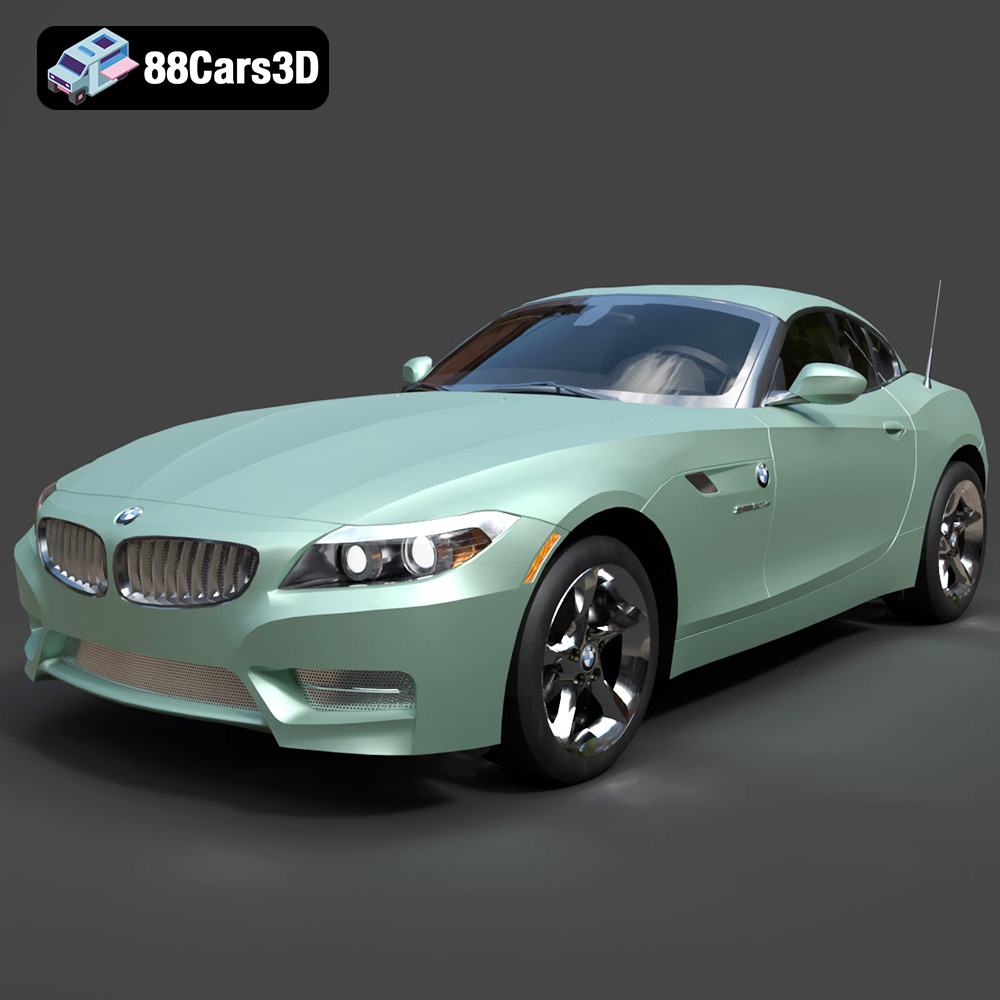
BMW Z4 Roadster E89 2012 3D Model
Texture: Yes
Material: Yes
Download the BMW Z4 Roadster E89 3D Model featuring clean geometry, realistic detailing, and a fully modeled interior. Includes .blend, .fbx, .obj, .glb, .stl, .ply, .unreal, and .max formats for rendering, simulation, and game development.
Price: $13.99

BMW Z4 E85 2005 3D Model
Texture: Yes
Material: Yes
Download the BMW Z4 E85 3D Model featuring clean geometry, realistic detailing, and a fully modeled interior. Includes .blend, .fbx, .obj, .glb, .stl, .ply, .unreal, and .max formats for rendering, simulation, and game development.
Price: $13.99

BMW M3 2024 3D Model
Texture: Yes
Material: Yes
Download the BMW M3 2024 3D Model featuring clean geometry, realistic detailing, and a fully modeled interior. Includes .blend, .fbx, .obj, .glb, .stl, .ply, .unreal, and .max formats for rendering, simulation, and game development.
Price: $13.99
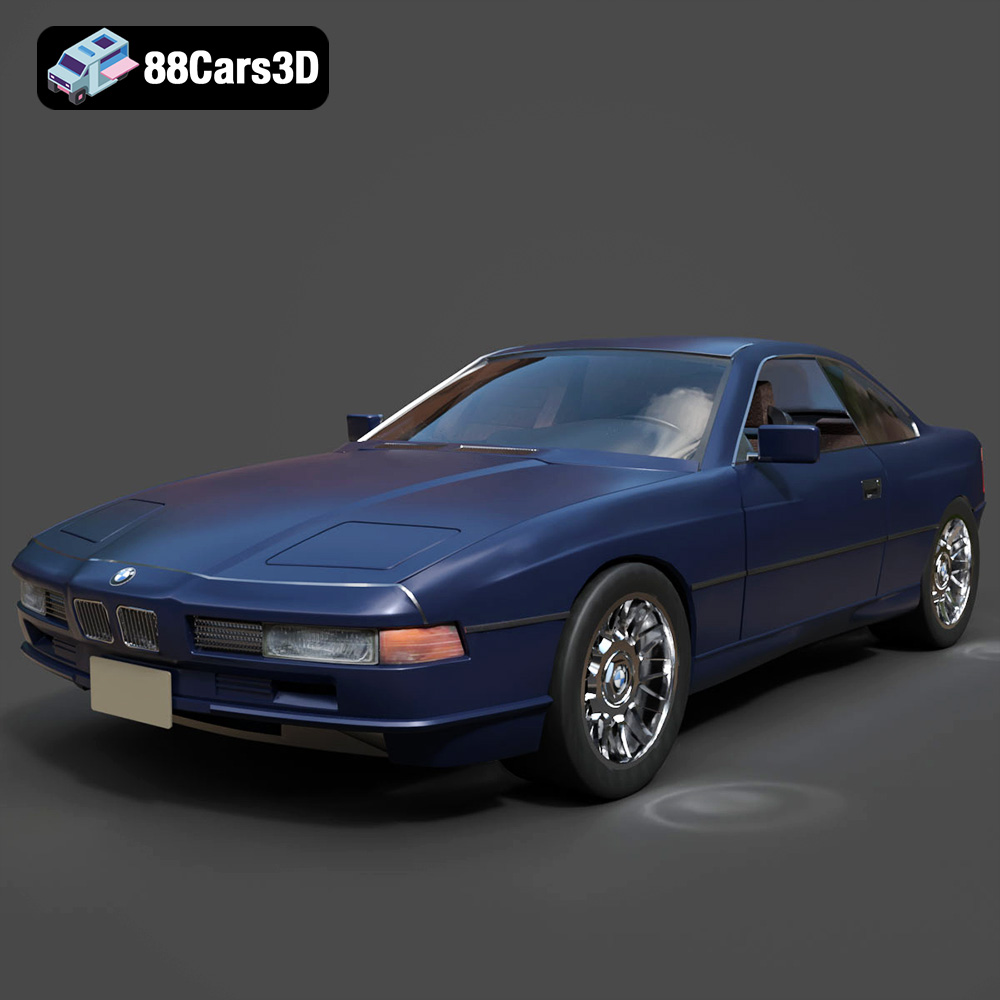
BMW 850i Coupe 1990 3D Model
Texture: Yes
Material: Yes
Download the BMW 850i Coupe 1990 3D Model featuring clean geometry, realistic detailing, and a fully modeled interior. Includes .blend, .fbx, .obj, .glb, .stl, .ply, .unreal, and .max formats for rendering, simulation, and game development.
Price: $13.99
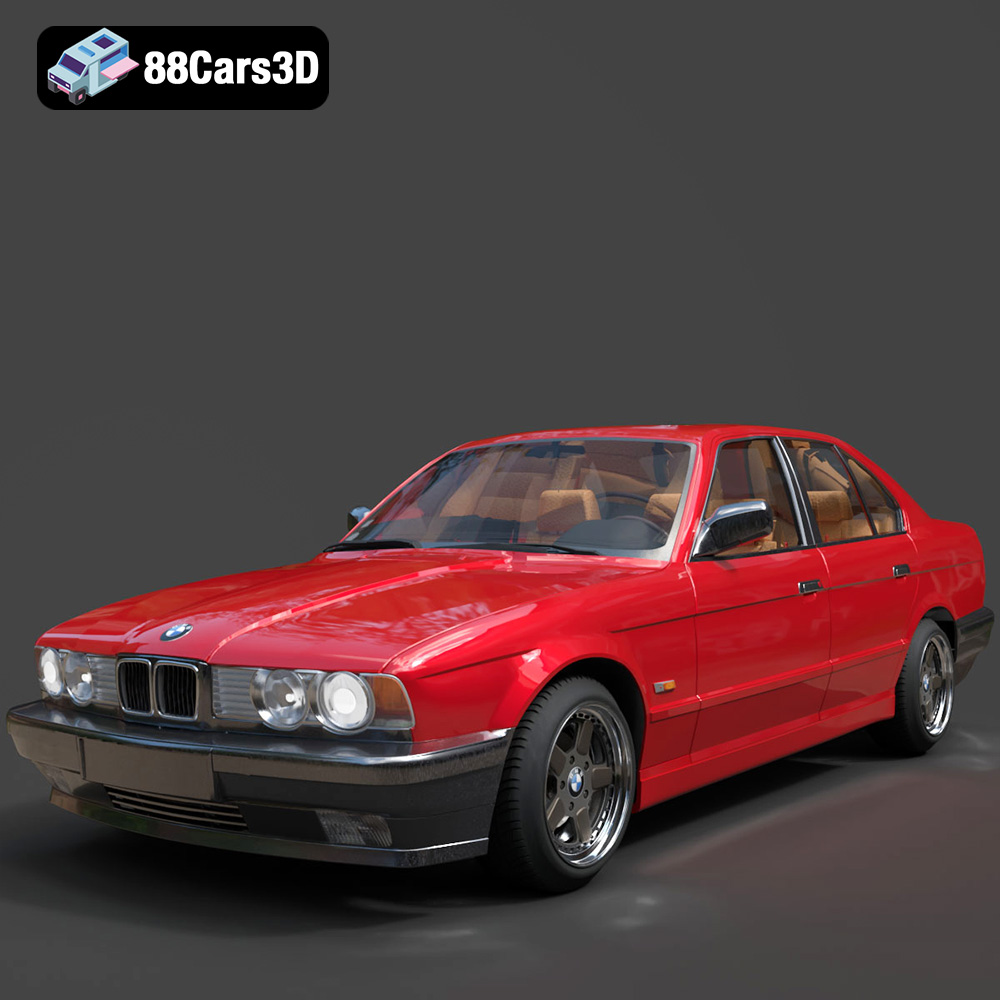
BMW 525i E34 1993 3D Model
Texture: Yes
Material: Yes
Download the BMW 525i E34 1993 3D Model featuring clean geometry, realistic detailing, and a fully modeled interior. Includes .blend, .fbx, .obj, .glb, .stl, .ply, .unreal, and .max formats for rendering, simulation, and game development.
Price: $12.99

BMW 7 Series 2016 3D Model
Texture: Yes
Material: Yes
Download the BMW 7 Series 2016 3D Model featuring luxurious design, detailed interior, and accurate exterior. Includes .blend, .fbx, .obj, .glb, .stl, .ply, .unreal, and .max formats for rendering, simulation, and game development.
Price: $10.79
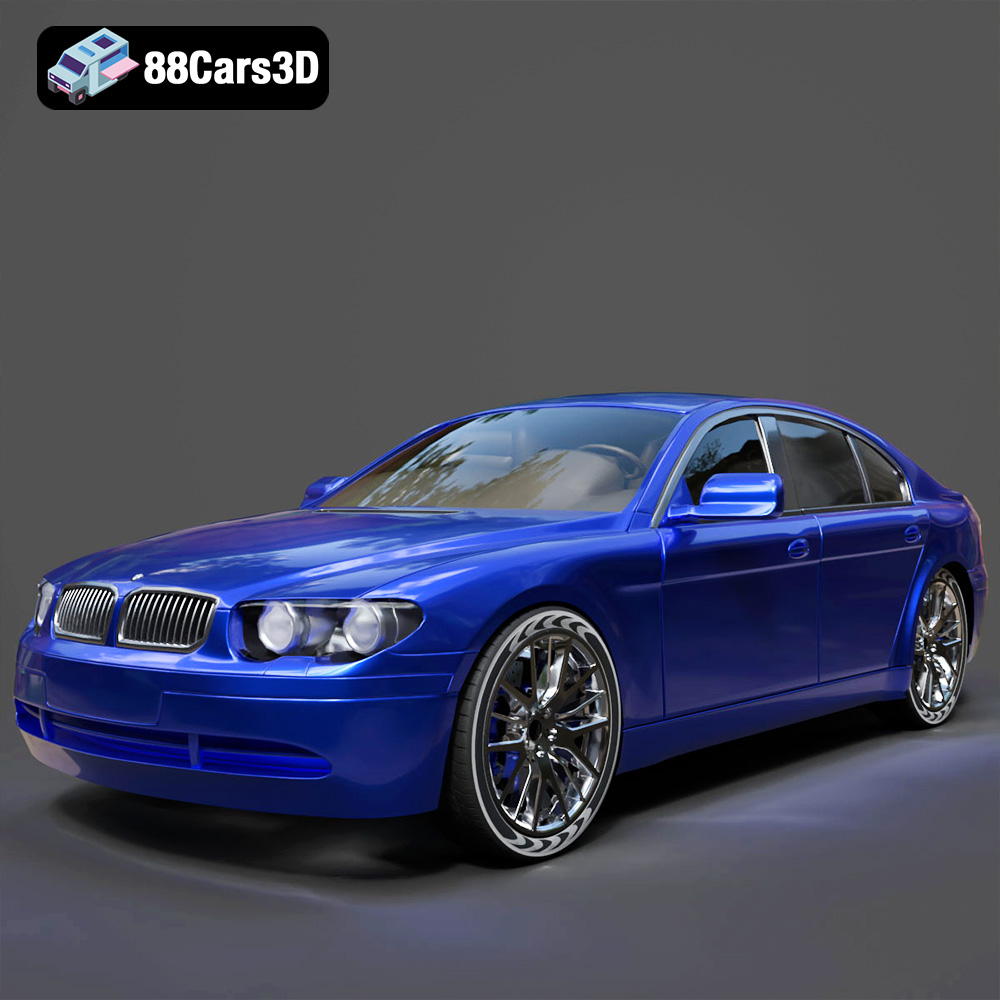
BMW 7 Series 30th Anniversary 3D Model
Texture: Yes
Material: Yes
Download the BMW 7 Series 30th Anniversary 3D Model featuring a meticulously crafted exterior, detailed interior, and realistic wheels. Includes .blend, .fbx, .obj, .glb, .stl, .ply, .unreal, and .max formats for rendering, simulation, and game development.
Price: $35.79

BMW 7-Series F02 3D Model
Texture: Yes
Material: Yes
Download the BMW 7-Series F02 3D Model featuring a detailed exterior and interior, optimized for rendering and animation. Includes .blend, .fbx, .obj, .glb, .stl, .ply, .unreal, and .max formats for rendering, simulation, and game development.
Price: $10.79
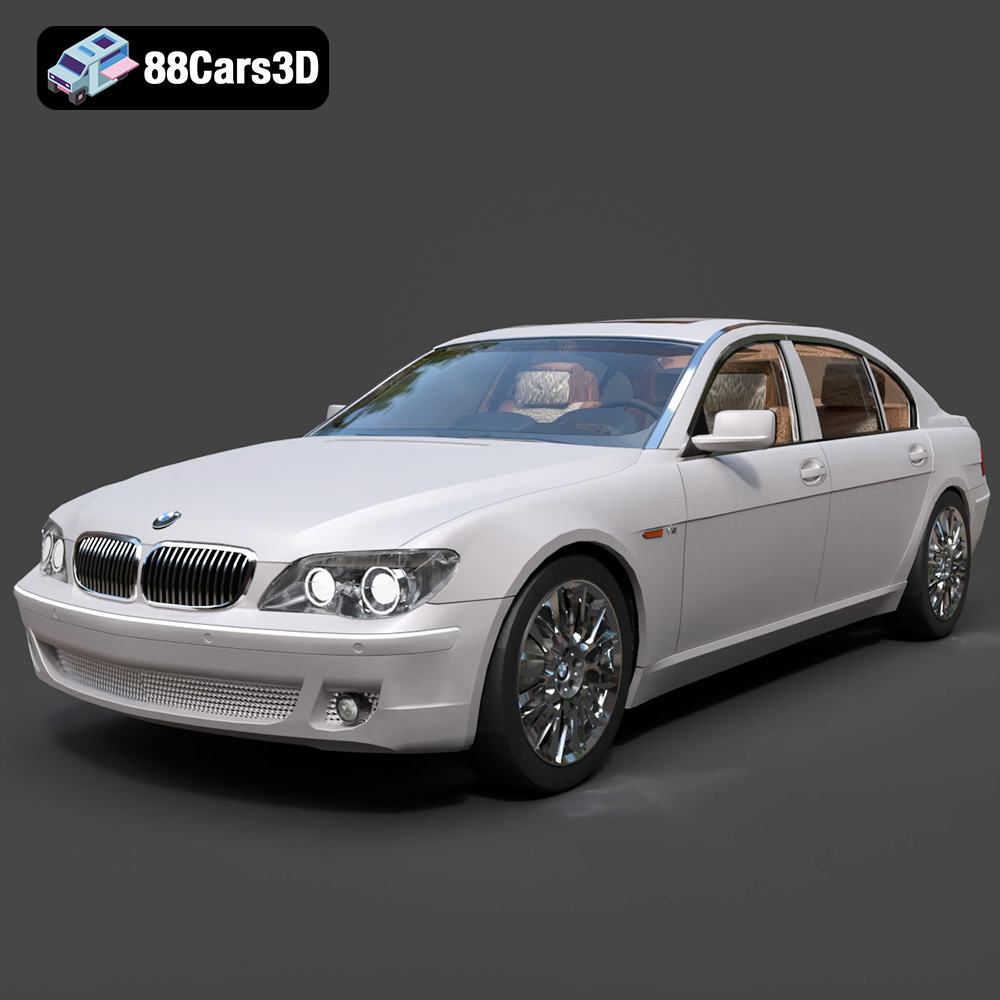
BMW 760Li E66 2005 3D Model
Texture: Yes
Material: Yes
Download the BMW 760Li E66 2005 3D Model featuring a detailed exterior, refined interior, and robust chassis. Includes .blend, .fbx, .obj, .glb, .stl, .ply, .unreal, and .max formats for rendering, simulation, and game development.
Price: $10.79
