

Crafting Automotive Masterpieces: A Deep Dive into Realistic Glass and Chrome Materials for 3D Car Models
In the intricate world of 3D automotive design and visualization, the difference between a good render and a breathtaking one often lies in the fidelity of its materials. For enthusiasts, designers, game developers, and visualization professionals who demand unparalleled realism, understanding the nuances of creating materials like glass and chrome is paramount. These two materials, seemingly straightforward, present unique challenges due to their highly reflective and refractive properties, acting as mirrors and lenses that faithfully capture and bend the digital environment around them. At 88cars3d.com, we specialize in providing high-quality 3D car models where every detail, down to the subtle glint of chrome and the pristine clarity of glass, is meticulously crafted. This article will guide you through the comprehensive technical workflows, best practices, and advanced techniques required to achieve stunningly realistic glass and chrome materials for your automotive rendering, game development, and AR/VR projects.
The journey to photorealism involves more than just a well-modeled asset; it hinges on the interplay of light and surface. Realistic materials elevate a model from a static object to a vibrant, living representation. Whether you’re aiming for a showroom-quality render in 3ds Max with Corona or V-Ray, optimizing assets for a cutting-edge game in Unity or Unreal Engine, or preparing models for interactive AR/VR experiences, mastering these core material types will set your work apart. We’ll delve into Physically Based Rendering (PBR) principles, shader networks, specific software implementations, and optimization strategies to ensure your 3D car models not only look phenomenal but also perform efficiently across various platforms and applications.
Understanding PBR: The Foundation for Realistic Materials
Physically Based Rendering (PBR) is the cornerstone of modern 3D rendering, offering a standardized approach to material creation that aims for physical accuracy. Instead of artistic guesswork, PBR materials behave like their real-world counterparts under various lighting conditions, making them more predictable and consistent. This methodology is particularly critical for materials like glass and chrome, where the interaction with light defines their very essence. The core principle of PBR is energy conservation: light reflected or transmitted by a surface cannot exceed the amount of light that hits it. This ensures that materials look correct regardless of the scene’s lighting.
The PBR workflow typically involves a set of texture maps, each controlling a specific material property. For example, a “metallic” workflow will primarily use Base Color, Metallic, and Roughness maps, while a “specular/glossiness” workflow utilizes Diffuse, Specular, and Glossiness maps. While the terminology might vary slightly between renderers like Corona, V-Ray, Cycles, and Arnold, the underlying physical principles remain consistent. When integrating 3D car models from marketplaces like 88cars3d.com, you’ll often find them pre-equipped with high-quality PBR textures, streamlining your workflow, but understanding the principles empowers you to modify or create your own with precision.
Key PBR Channels and Their Significance
Creating realistic materials involves carefully defining several PBR channels, each controlling a distinct aspect of how light interacts with the surface. These channels are typically represented by texture maps, offering granular control over the material’s appearance across its surface.
* Base Color/Albedo (RGB): This map defines the color of the material, but importantly, it only captures the diffuse color (color of the object when lit by pure white light). For non-metallic surfaces, it represents the actual color. For metallic surfaces, the Base Color determines the color of the reflections, while the diffuse component is near black, as metals absorb diffuse light. Typically, resolutions range from 2K (2048×2048) to 4K (4096×4096) for detailed car components, and up to 8K for large body panels in high-end visualization.
* Metallic (Grayscale): This binary channel (0 or 1, or shades in between for hybrid materials) dictates whether a surface is a dielectric (non-metal) or a conductor (metal). A value of 1.0 (white) signifies a pure metal, while 0.0 (black) represents a non-metal. Values between 0 and 1 can simulate oxidized metals or materials with metallic flakes.
* Roughness/Glossiness (Grayscale): This is arguably one of the most critical channels. The Roughness map (used in roughness/metallic workflows) controls the microscopic surface imperfections that scatter light. A value of 0.0 (black) indicates a perfectly smooth, mirror-like surface, while 1.0 (white) denotes a completely rough, matte surface. Glossiness is the inverse of roughness. Precise control over this map is essential for capturing the subtle variations in polished chrome or the smooth finish of car paint.
* Specular (Grayscale): For dielectric materials, the specular map controls the intensity of direct light reflections. Pure metals derive their specular intensity from their base color, making this map less relevant for them in a metallic workflow.
* Normal/Bump (RGB or Grayscale): These maps simulate surface details without adding actual geometry. A Normal map (usually blue-purple tinted) stores direction information for surface normals, creating the illusion of intricate bumps and dents. A Bump map (grayscale) uses height information. They are vital for adding micro-scratches, texture to painted surfaces, or intricate patterns to chrome trim without increasing polygon counts.
* IOR (Index of Refraction): While not always a separate map, IOR is a crucial parameter, especially for transparent and translucent materials like glass. It defines how much light bends when passing through a material. For automotive glass, a typical IOR value is around 1.5 to 1.6.
The Importance of Accurate Texture Maps
The quality and resolution of your texture maps directly impact the realism and performance of your 3D car models. Using appropriate resolutions is a balance between visual fidelity and resource efficiency.
* Resolution: For highly detailed models and close-up renders, 4K or even 8K textures (e.g., 4096×4096 or 8192×8192 pixels) are ideal for critical areas like the body paint, chrome trim, and glass. For less visible components or for game assets requiring optimization, 2K (2048×2048) or 1K (1024×1024) can be sufficient.
* File Formats: Use lossless formats like PNG, TIFF, or EXR for PBR maps to preserve detail and color accuracy. JPEG is acceptable for less critical maps or for game assets where file size is a major concern, but can introduce compression artifacts. HDRIs (High Dynamic Range Images) should always be in formats like EXR or HDR to capture the full range of light information.
Crafting Realistic Automotive Glass
Automotive glass, from the windshield to the headlights and taillights, is a complex material that demands careful attention to detail. It’s not just about transparency; it’s about reflection, refraction, and subtle imperfections. Achieving realism in glass involves understanding its physical properties and how light interacts with it.
Core Glass Shader Settings
The foundation of realistic glass lies in its shader parameters. Most modern 3D software and renderers provide a “Glass BSDF” (Bidirectional Scattering Distribution Function) or similar material presets within their PBR shaders that offer these crucial controls. In Blender 4.4, the Principled BSDF shader (available in Cycles and EEVEE) is an excellent starting point. According to the official Blender 4.4 Manual on Shader Nodes (https://docs.blender.org/manual/en/4.4/render/shader_nodes/shader/principled.html), the key parameters for glass are:
* Transmission: Set this value to 1.0 (pure white) to allow light to pass through completely, simulating a transparent material.
* Index of Refraction (IOR): This value determines how much light bends when entering and exiting the glass. For standard automotive glass, an IOR of around 1.5 to 1.6 is physically accurate. Experiment with values like 1.52 for typical window glass or slightly higher for denser materials.
* Roughness: Even seemingly smooth glass has microscopic imperfections. A subtle roughness value (e.g., 0.01-0.05) will introduce a slight blur to reflections and refractions, making the glass appear less perfect and more real. For frosted or textured glass, this value would be much higher, potentially driven by a texture map.
* Color: While car windows often appear clear, a very subtle tint can enhance realism. A faint green or blue hue can be added to the Transmission Color or Base Color, mimicking the properties of real-world automotive glass.
* Thin-Walled vs. Volumetric: For thin glass elements like car windows, enabling “Thin-Walled” (or similar setting) in your shader is often appropriate as it simplifies the refraction calculations, treating the object as a single surface with no internal volume. For thicker elements like sculpted headlight lenses, disabling this and allowing for volumetric refraction provides more accurate optical effects.
Adding Imperfections and Details
Perfectly clean glass rarely exists outside of a CGI render. Adding subtle imperfections is key to breaking up its uniformity and making it believable.
* Smudges and Fingerprints: Use subtle grayscale roughness maps to introduce smudges. These maps should have low contrast and be sparingly applied to avoid overdoing the effect. A resolution of 1K or 2K is usually sufficient for these micro-details.
* Dust and Dirt: Procedural textures or subtle dirt maps can be blended with the base glass material to simulate accumulated dust. This often involves mixing a diffuse dirt shader with the glass shader based on an ambient occlusion or custom mask.
* Scratches and Chips: Fine normal maps can effectively simulate minor scratches, catching light in specific ways. For chips, you might need to adjust the geometry slightly and apply a distinct, slightly rougher material to the chipped area.
* Refraction Distortions: For older or lower-quality glass, you might introduce slight variations in IOR across the surface using a procedural texture or a grayscale map to simulate unevenness, causing subtle distortions in refracted light.
Mastering Chrome and Metallic Finishes
Chrome and other metallic finishes are visually dominant elements on any car, screaming luxury, performance, or rugged utility. Their high reflectivity and often mirror-like qualities make them challenging to render realistically. The key to believable chrome is accurately capturing its metallic property and its surface roughness, alongside a responsive lighting environment.
Fundamental Metallic Shader Setup
For chrome and other metals, the PBR Metallic workflow simplifies the process considerably. In Blender’s Principled BSDF, or similar PBR shaders in other software, the core settings are:
* Metallic: For pure chrome or polished metals, set the Metallic value to 1.0 (pure white). This tells the renderer to treat the material as a conductor, making its reflections tinted by the Base Color and its diffuse component almost black.
* Roughness: This is the most crucial parameter for defining the specific type of metallic finish.
* For a perfectly polished mirror chrome, set Roughness to a very low value, close to 0.0 (e.g., 0.01-0.05). This creates sharp, clear reflections.
* For brushed aluminum or satin chrome, increase the Roughness value (e.g., 0.1-0.3) and consider adding an Anisotropic effect (discussed below).
* For matte finishes, a higher roughness value (0.5-0.7) is appropriate.
* Using a Roughness map with slight variations can create subtle wear and tear, preventing a perfectly uniform, synthetic look.
* Base Color: For chrome, the Base Color is typically a very light gray or pure white. The actual color of the chrome reflections will be influenced by the environment and any subtle tint you introduce here. For other metals like gold or copper, the Base Color will be a vibrant yellow or orange, respectively. According to Blender’s 4.4 documentation on the Principled BSDF, the Base Color and Metallic inputs work in tandem to define the metal’s appearance.
Achieving Nuance with Anisotropy and Clear Coat
Beyond the basic metallic properties, advanced features can elevate your chrome and metallic surfaces.
* Anisotropy: This property describes materials whose reflective properties vary with the direction of light, often seen in brushed metals or polished surfaces with fine grooves. In Blender, the Principled BSDF includes an “Anisotropic” parameter, which, when increased, stretches reflections along a tangent direction. An “Anisotropic Rotation” map can be used to control the direction of these stretched reflections, mimicking brushed patterns on metals. This is essential for components like brushed aluminum trims or exhaust tips.
* Clear Coat: Modern car paints are complex multi-layered materials. The base color often has a metallic flake, and on top of it lies a clear protective coat. Many PBR shaders, including Blender’s Principled BSDF, feature a “Clearcoat” and “Clearcoat Roughness” parameter.
* Set the Clearcoat value to a high number (e.g., 0.8-1.0) to simulate the outer protective layer.
* Adjust Clearcoat Roughness to control the glossiness of this top layer. A very low value (0.01-0.05) creates a highly reflective, glossy finish, typical of a new car.
* This dual-layer reflection model significantly enhances the realism of car paint, separating the sharper reflection of the clear coat from the more diffuse or metallic reflection of the underlying paint layer.
Lighting and Environment for Material Realism
Even the most meticulously crafted materials will fall flat without a compelling lighting setup. For glass and chrome, which are highly reflective and refractive, the environment is not just background; it’s an integral part of the material itself. They mirror and transmit the surrounding light, making a realistic environment critical for their believable appearance.
HDRIs for Authentic Reflections
High Dynamic Range Images (HDRIs) are indispensable for automotive rendering. They provide a 360-degree panoramic image with a vast range of light information, from subtle ambient light to intense sun reflections.
* **Setting up an HDRI:** In most rendering software (e.g., 3ds Max with Corona/V-Ray, Blender with Cycles/EEVEE), you can load an HDRI into the environment or world settings. This instantly illuminates your scene and provides realistic reflections on your glass and chrome materials.
* **Variety of HDRIs:** Use diverse HDRIs to showcase your 3D car models in different scenarios. A studio HDRI with softboxes will highlight the sleekness of the chrome, while an outdoor urban or natural environment HDRI will bring out dynamic reflections on the car’s body and glass, accurately representing how light bounces off these surfaces in the real world.
* **Rotation and Intensity:** Experiment with rotating the HDRI to find the most appealing reflection angles. Adjusting the HDRI’s intensity can simulate different times of day or weather conditions.
Complementary Lighting Techniques
While HDRIs provide the overall ambiance, additional light sources are often necessary to emphasize specific details, create dramatic highlights, or fill in dark areas.
* **Rim Lights:** Placing subtle lights behind and to the sides of the car can create striking highlights along the edges of the chrome trim and glass, separating the car from the background and enhancing its silhouette. These lights typically have a narrow beam angle and moderate intensity.
* **Fill Lights:** Softer, broader lights can be used to gently illuminate shadowed areas, preventing them from appearing too dark and losing detail. This is particularly important for chrome, where harsh shadows can flatten its appearance.
* **Studio Setups:** For professional automotive rendering, setting up a virtual studio with softbox lights and large area lights mimics real-world photography conditions. This controlled environment allows for precise control over reflections and highlights on both metallic and glass surfaces. Rectangular area lights often produce pleasing linear reflections on car bodies and chrome.
* **Volumetric Lights (for Headlights/Taillights):** For headlights and taillights, adding volumetric light (e.g., a “Volume Scatter” node in Blender Cycles, as detailed in the Blender 4.4 Manual’s Shader Nodes section: https://docs.blender.org/manual/en/4.4/render/shader_nodes/shader/volume_scatter.html) can create the visible light cones or glow effects, further enhancing realism. This is particularly effective for portraying fog or atmospheric haze.
Optimizing Materials for Performance (Game Dev & AR/VR)
While high-fidelity materials are essential for stunning visuals, performance cannot be overlooked, especially for real-time applications like game development, augmented reality (AR), and virtual reality (VR). Unoptimized materials can lead to slow frame rates, increased load times, and a poor user experience. The key is to strike a balance between visual quality and computational efficiency.
LODs and Texture Atlasing
These two techniques are fundamental for optimizing assets in real-time environments.
* Levels of Detail (LODs): LODs involve creating multiple versions of a 3D model, each with a different polygon count and texture resolution. The higher-resolution versions are used when the object is close to the camera, while lower-resolution versions are swapped in as the object moves further away. For a 3D car model, you might have:
* LOD0 (High Poly): Full detail, 4K or 8K textures, used for close-ups.
* LOD1 (Medium Poly): Reduced polygon count (e.g., 50-70% of LOD0), 2K textures, used for mid-range views.
* LOD2 (Low Poly): Significantly reduced polygon count (e.g., 20-30% of LOD0), 1K or smaller textures, used for distant views.
This approach significantly reduces the rendering load without a noticeable drop in visual quality for the end-user.
* Texture Atlasing: Instead of having separate texture maps for every small component (e.g., each chrome trim piece, each window), texture atlasing combines multiple smaller textures into one larger texture sheet. This reduces the number of draw calls (instructions sent to the GPU to render an object), which is a major bottleneck in real-time rendering. For example, all chrome elements on a car could share a single chrome texture atlas, and all glass elements could share a single glass texture atlas. This leads to substantial performance gains.
Shader Complexity and Batching
The complexity of your shader networks directly impacts rendering performance. Simple, efficient shaders are crucial for smooth real-time experiences.
* Shader Simplification: Minimize the number of nodes and complex calculations within your shader graphs. While a complex node setup might yield amazing results in an offline renderer like Cycles, it can cripple performance in a game engine. Prioritize essential PBR parameters and bake complex procedural details into texture maps whenever possible.
* Material Instancing: In game engines like Unity and Unreal, leveraging material instancing allows you to create multiple variations of a single base material. Instead of creating a new material for every slight color change of a chrome piece, you can create a material instance and simply adjust its color parameter, which is much more efficient than having multiple distinct materials.
* Batching: Modern game engines utilize batching to group objects that share the same material and rendering properties, processing them in a single draw call. By ensuring that components with identical materials (e.g., all chrome pieces using the same chrome material instance) are modeled and assigned appropriately, you can maximize batching and boost performance. When acquiring 3D models from resources like 88cars3d.com, look for models optimized for game engines, often indicating careful material grouping and LODs.
Advanced Techniques and Troubleshooting
Beyond the fundamental setup, several advanced techniques can push the boundaries of realism for glass and chrome. However, these complex materials also come with their own set of common pitfalls that artists frequently encounter.
Multi-Layered Materials
Many real-world automotive surfaces are not single, monolithic materials but rather a combination of several layers. Replicating this complexity is crucial for ultimate realism.
* **Car Paint Shaders:** A truly realistic car paint shader often involves several layers:
* A base coat (diffuse color, sometimes with metallic flakes).
* A clear coat (highly reflective, glossy, with its own roughness).
* Potentially a flake layer (microscopic metallic flakes that catch light at different angles, controlled by a normal map or procedural noise).
* A dirt or dust layer, sparingly applied, can further enhance realism.
Achieving this in a node-based shader environment like Blender’s Shader Editor (as documented in the Blender 4.4 Manual, specifically the sections on `Mix Shader` and `Principled BSDF`) involves blending multiple Principled BSDF nodes or custom shader groups with various masks.
* **Worn Chrome:** Over time, chrome can tarnish, scratch, or even flake. A layered approach can simulate this:
* A pristine, highly reflective chrome layer.
* A grunge or wear layer (using roughness, normal, and even diffuse color maps for oxidation) masked to appear in areas of natural wear.
* A slight dirt layer in crevices.
This requires careful blending of different PBR materials using mix shaders or blend nodes, driven by hand-painted or procedural grunge masks.
Common Pitfalls and Solutions
Working with highly reflective and refractive materials can be challenging. Here are some common problems and how to solve them:
* **Black Reflections on Chrome:** This usually indicates a lack of sufficient environmental lighting or an issue with the HDRI setup. Ensure your HDRI is loaded correctly and that its intensity is adequate. Also, check that your metallic material has a high enough “Metallic” value (close to 1.0) and a low “Roughness” for polished chrome.
* **Distorted Refractions on Glass (Unintended):** If your glass looks like a funhouse mirror, check your IOR value. An incorrect IOR or excessive thickness on thin-walled objects can cause extreme light bending. Also, ensure your glass object has proper thickness and clean topology; thin meshes or overlapping faces can create rendering artifacts. For thin windows, ensure the “Thin-Walled” option (or equivalent) is enabled if applicable.
* **Flat-Looking Metals:** Metals depend heavily on their environment for reflections. If your metallic surfaces look flat or dull, verify that your scene has:
* A high-quality HDRI with sufficient contrast between light and dark areas.
* Appropriately placed key and fill lights to create dynamic highlights.
* Correct roughness values – a perfectly smooth metal will be a mirror; a slightly rougher one will show diffuse reflections.
* **Fireflies or Noise in Renders (Especially with Glass):** Highly refractive materials can be prone to “fireflies” (bright pixel artifacts) in path-traced renderers like Cycles or V-Ray.
* Increase your render samples. This is the most direct solution, though it increases render time.
* Use denoising algorithms (NVIDIA OptiX, Intel Open Image Denoise, or built-in denoisers in renderers) in post-processing.
* In Cycles, adjust the “Clamping” settings in the Render Properties to limit the brightness of very hot pixels, which can help control fireflies.
* Increase the number of “Transmission” or “Refraction” bounces in your render settings to allow light to travel through multiple layers of glass more accurately.
* **Incorrect Normal Maps:** If your surface details look inverted or odd, ensure your normal map is correctly interpreted. Some software expects OpenGL normal maps, others DirectX. If it looks wrong, try inverting the green channel of your normal map.
Conclusion
Creating realistic glass and chrome materials is an art form that blends technical understanding with a keen eye for detail. By embracing PBR workflows, meticulously setting shader parameters, and leveraging high-quality texture maps, you can transform your 3D car models into visual masterpieces. Remember that lighting plays a symbiotic role, with HDRIs providing the essential environmental context and additional lights highlighting critical forms. For real-time applications, optimization through LODs and texture atlasing ensures your stunning visuals run smoothly.
The journey to photorealism is one of continuous learning and refinement. Experiment with different settings, analyze real-world references, and don’t be afraid to push the boundaries of your software. Platforms like 88cars3d.com offer a fantastic starting point with expertly modeled and textured 3D car models, giving you a strong foundation to apply these advanced material techniques. Whether you’re an automotive designer visualizing a new concept, a game developer crafting immersive worlds, or a student honing your craft, mastering glass and chrome will undoubtedly elevate your work to the highest echelons of 3D rendering. So, dive in, experiment, and bring your automotive visions to life with unparalleled realism!
Featured 3D Car Models
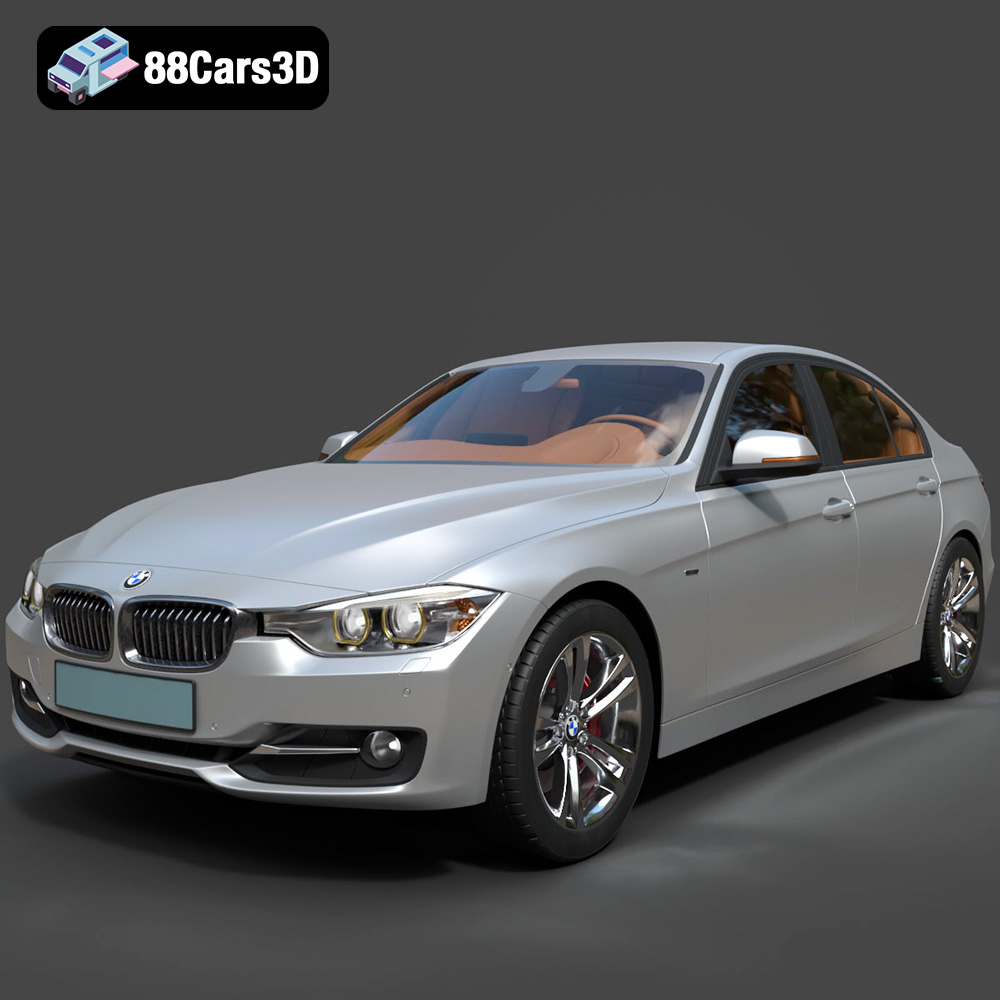
BMW 3 F30 3D Model
Texture: Yes
Material: Yes
Download the BMW 3 F30 3D Model featuring a detailed exterior, realistic interior, and optimized mesh. Includes .blend, .fbx, .obj, .glb, .stl, .ply, .unreal, and .max formats for rendering, simulation, and game development.
Price: $10.79
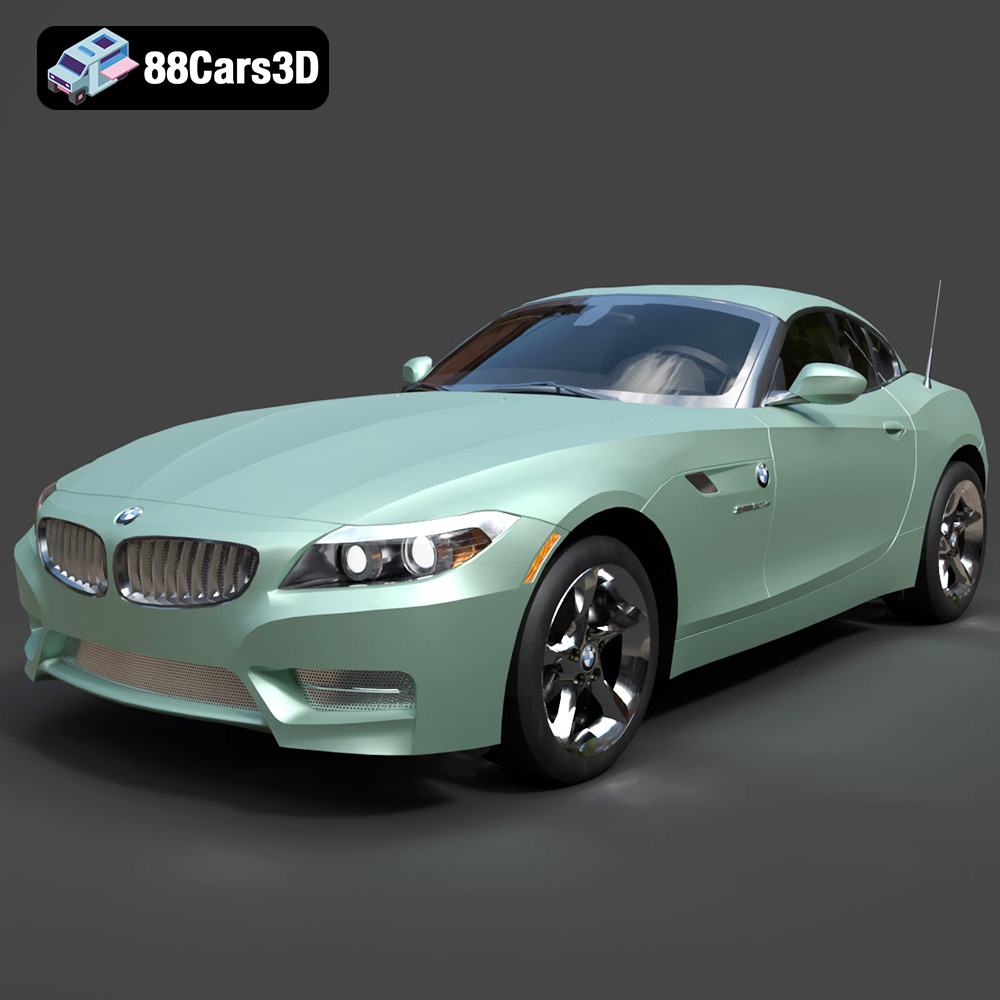
BMW Z4 Roadster E89 2012 3D Model
Texture: Yes
Material: Yes
Download the BMW Z4 Roadster E89 3D Model featuring clean geometry, realistic detailing, and a fully modeled interior. Includes .blend, .fbx, .obj, .glb, .stl, .ply, .unreal, and .max formats for rendering, simulation, and game development.
Price: $13.99

BMW Z4 E85 2005 3D Model
Texture: Yes
Material: Yes
Download the BMW Z4 E85 3D Model featuring clean geometry, realistic detailing, and a fully modeled interior. Includes .blend, .fbx, .obj, .glb, .stl, .ply, .unreal, and .max formats for rendering, simulation, and game development.
Price: $13.99

BMW M3 2024 3D Model
Texture: Yes
Material: Yes
Download the BMW M3 2024 3D Model featuring clean geometry, realistic detailing, and a fully modeled interior. Includes .blend, .fbx, .obj, .glb, .stl, .ply, .unreal, and .max formats for rendering, simulation, and game development.
Price: $13.99
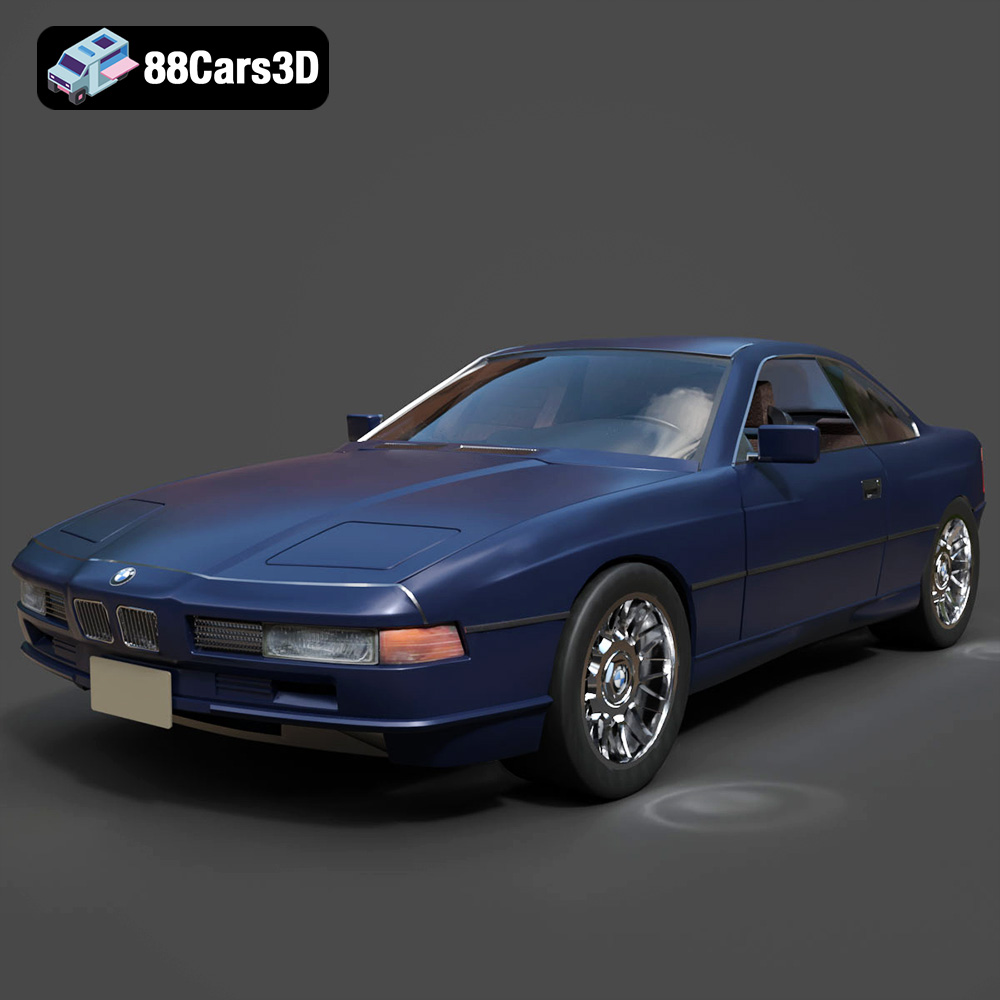
BMW 850i Coupe 1990 3D Model
Texture: Yes
Material: Yes
Download the BMW 850i Coupe 1990 3D Model featuring clean geometry, realistic detailing, and a fully modeled interior. Includes .blend, .fbx, .obj, .glb, .stl, .ply, .unreal, and .max formats for rendering, simulation, and game development.
Price: $13.99
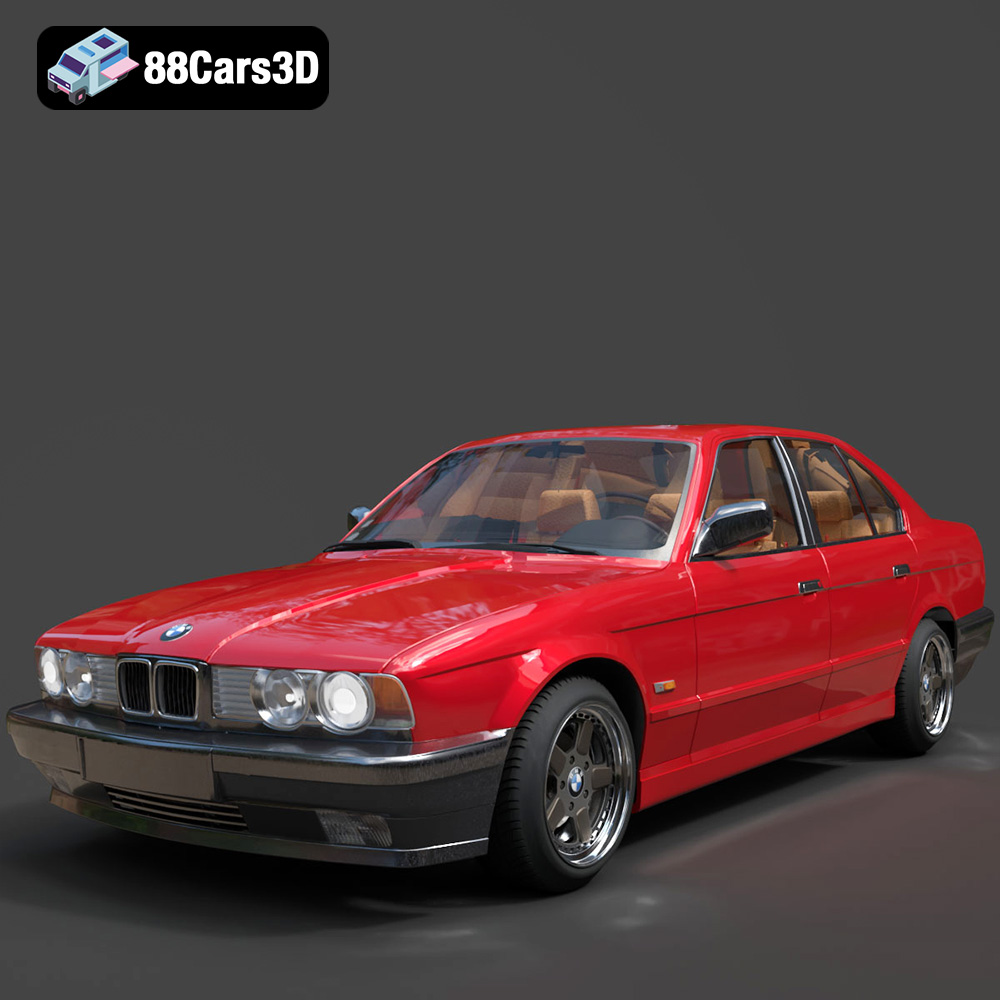
BMW 525i E34 1993 3D Model
Texture: Yes
Material: Yes
Download the BMW 525i E34 1993 3D Model featuring clean geometry, realistic detailing, and a fully modeled interior. Includes .blend, .fbx, .obj, .glb, .stl, .ply, .unreal, and .max formats for rendering, simulation, and game development.
Price: $12.99

BMW 7 Series 2016 3D Model
Texture: Yes
Material: Yes
Download the BMW 7 Series 2016 3D Model featuring luxurious design, detailed interior, and accurate exterior. Includes .blend, .fbx, .obj, .glb, .stl, .ply, .unreal, and .max formats for rendering, simulation, and game development.
Price: $10.79
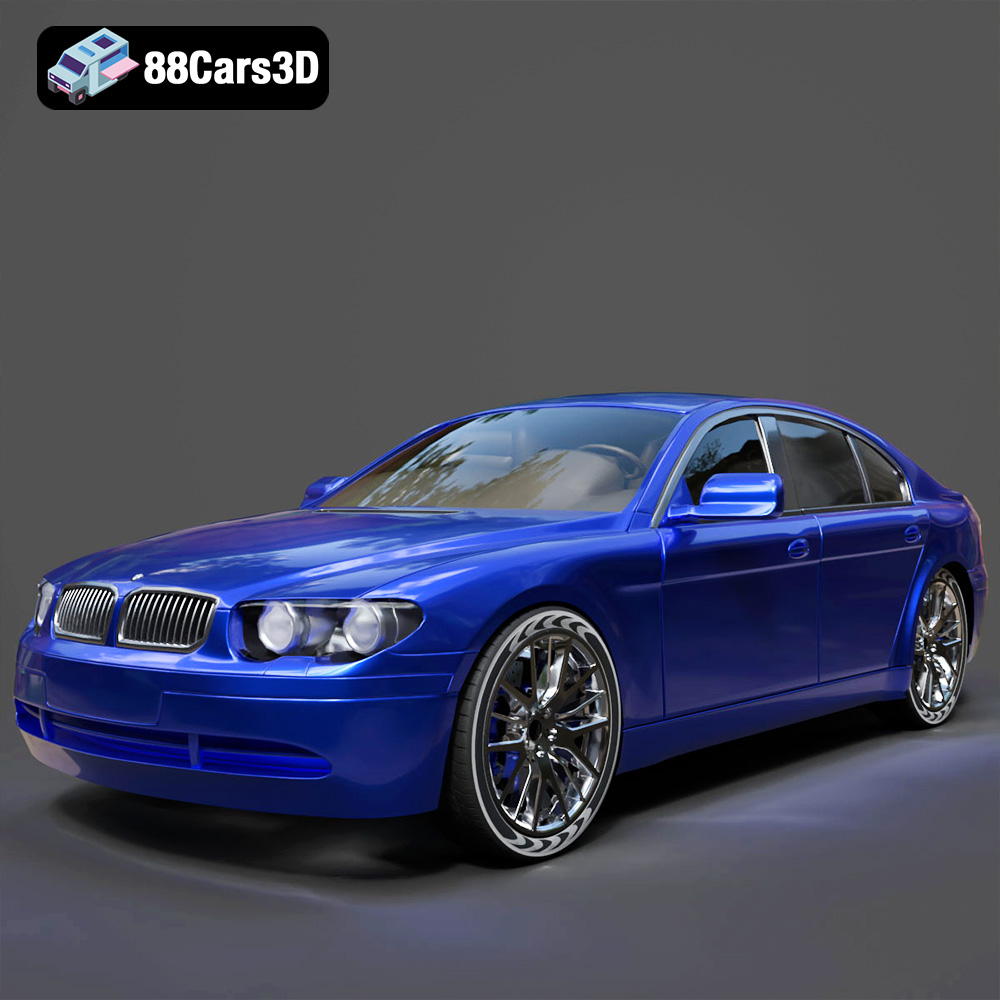
BMW 7 Series 30th Anniversary 3D Model
Texture: Yes
Material: Yes
Download the BMW 7 Series 30th Anniversary 3D Model featuring a meticulously crafted exterior, detailed interior, and realistic wheels. Includes .blend, .fbx, .obj, .glb, .stl, .ply, .unreal, and .max formats for rendering, simulation, and game development.
Price: $35.79

BMW 7-Series F02 3D Model
Texture: Yes
Material: Yes
Download the BMW 7-Series F02 3D Model featuring a detailed exterior and interior, optimized for rendering and animation. Includes .blend, .fbx, .obj, .glb, .stl, .ply, .unreal, and .max formats for rendering, simulation, and game development.
Price: $10.79
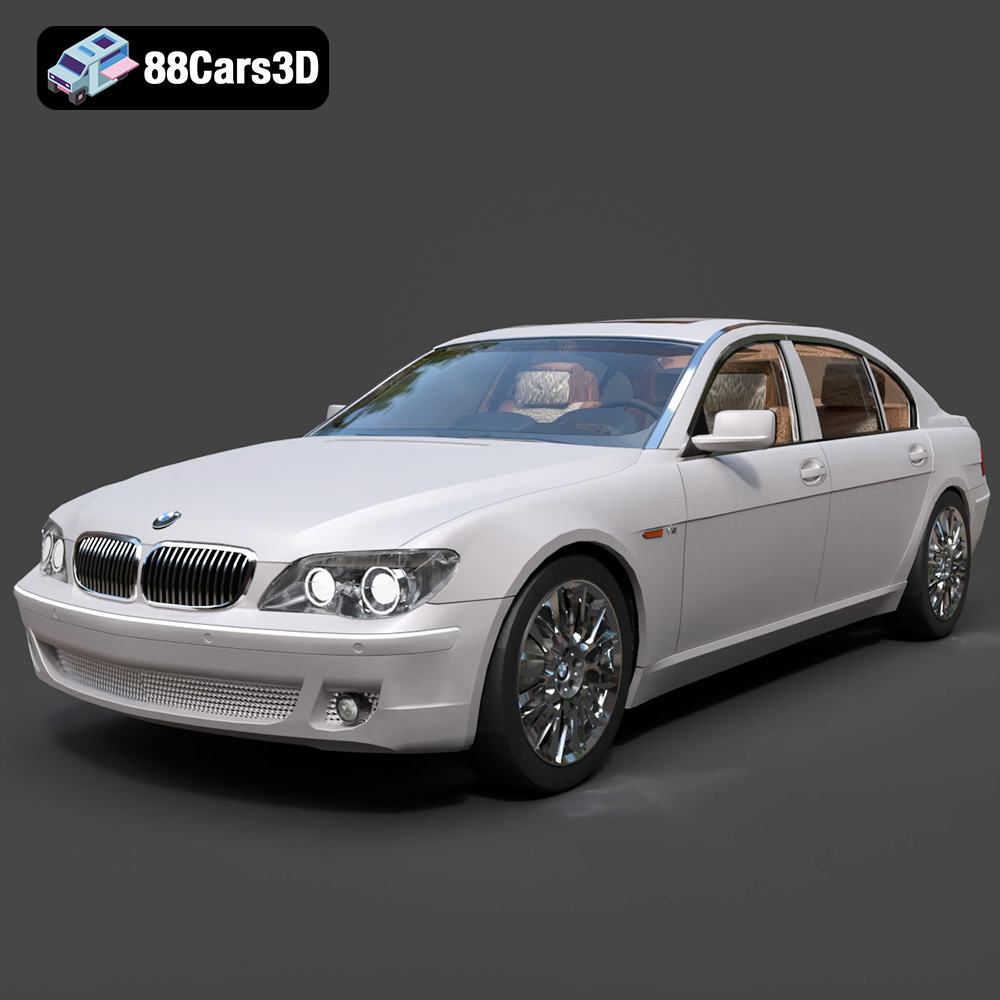
BMW 760Li E66 2005 3D Model
Texture: Yes
Material: Yes
Download the BMW 760Li E66 2005 3D Model featuring a detailed exterior, refined interior, and robust chassis. Includes .blend, .fbx, .obj, .glb, .stl, .ply, .unreal, and .max formats for rendering, simulation, and game development.
Price: $10.79
