

Mastering the Digital Garage: Unreal Engine Asset Management and Project Organization for Automotive Visualization
In the dynamic world of real-time rendering and automotive visualization, creating stunning, interactive experiences with 3D car models demands more than just artistic talent; it requires meticulous organization and an ironclad asset management strategy within Unreal Engine. From crafting photorealistic vehicles to developing interactive configurators or cinematic sequences, the sheer volume of high-fidelity assets—meshes, textures, materials, Blueprints, and animations—can quickly become an unmanageable digital junkyard without a robust system in place.
This comprehensive guide will steer you through the essential principles and advanced techniques for optimizing your Unreal Engine projects, specifically tailored for the demanding automotive sector. We’ll delve into everything from foundational project structures and efficient import workflows to leveraging Unreal Engine’s cutting-edge features like Nanite and Lumen, ensuring peak performance and maintainability. Whether you’re a seasoned Unreal Engine developer, a 3D artist specializing in automotive design, or a game developer aiming for unparalleled realism, mastering these strategies is crucial. By the end, you’ll have a clear roadmap to keep your digital garage organized, your projects performant, and your automotive visions driving smoothly towards perfection. Let’s unlock the full potential of your Unreal Engine projects, starting with the very heart of efficiency: impeccable asset management and project organization.
Setting the Foundation: Project Structure and Naming Conventions
A well-organized Unreal Engine project begins with a clear, logical structure and consistent naming conventions. This foundational discipline is paramount, especially when dealing with the high-fidelity 3D car models common in automotive visualization, where thousands of individual assets might be involved. Without a standardized approach, locating, modifying, or auditing assets becomes a daunting and time-consuming task, hindering productivity and collaboration.
Establishing a Logical Folder Hierarchy
The `Content` folder is the heart of your Unreal Engine project. Within it, establishing a clear, multi-level hierarchy is essential. We recommend a system that logically groups assets by type, purpose, or vehicle. A common best practice is to start with a main project folder (e.g., `_ProjectName`) to encapsulate all your custom content, separating it from marketplace or engine content.
Inside your project-specific folder, you might categorize further:
- `_ProjectName/Vehicles/CarManufacturer/CarModel/`: Contains everything related to a specific vehicle, like the McLaren P1 from 88cars3d.com.
- `Meshes/`: Static Meshes (body, wheels, interior parts).
- `Materials/`: Master Materials and Material Instances (paint, glass, leather).
- `Textures/`: All texture maps (albedo, normal, roughness, metallic).
- `Blueprints/`: Vehicle Blueprints, interactive components.
- `Animations/`: Door opening, wheel animations.
- `Sounds/`: Engine sounds, horn.
- `_ProjectName/Environment/`: For scenes, props, and lighting setups.
- `_ProjectName/FX/`: Niagara particle systems (smoke, dust).
- `_ProjectName/UI/`: User interface elements for configurators.
- `_ProjectName/Sequences/`: Cinematic sequences.
This granular approach ensures that if you need to find a specific texture for a car’s interior, you know exactly where to look.
Implementing Consistent Naming Conventions
Once your folder structure is in place, consistent asset naming is the next critical step. Naming conventions act as a universal language for your team, allowing anyone to quickly identify an asset’s type and purpose without opening it. A common strategy involves using prefixes followed by a descriptive name and relevant suffixes.
Here’s a widely adopted convention:
- Prefixes:
- `SM_`: Static Mesh (e.g., `SM_McLarenP1_Body_Main`)
- `SK_`: Skeletal Mesh (e.g., `SK_Character_Driver`)
- `MAT_`: Material (e.g., `MAT_Paint_Master`)
- `MI_`: Material Instance (e.g., `MI_Paint_RedMetallic`)
- `T_`: Texture (e.g., `T_McLarenP1_Body_Albedo`)
- `N_`: Normal Map (e.g., `T_McLarenP1_Body_Normal`)
- `BP_`: Blueprint Class (e.g., `BP_McLarenP1_Interactive`)
- `P_`: Particle System (Niagara or Cascade, e.g., `P_EngineSmoke`)
- `LVL_`: Level / Map (e.g., `LVL_StudioShowroom`)
- `SC_`: Cinematic Sequence (e.g., `SC_RevealTrailer`)
- Descriptive Name: Clear, concise identification (e.g., `McLarenP1_Door_Left`).
- Suffixes/Modifiers: For variations or specific details (e.g., `_LOD0`, `_4K`, `_D` for diffuse, `_R` for roughness).
Example: `T_McLarenP1_Body_Albedo_4K` immediately tells you it’s a 4K albedo texture for the McLaren P1’s body. Adhering to these rules from the project’s inception will save countless hours in the long run, especially when working on complex automotive projects that demand high fidelity and rapid iteration.
Importing and Optimizing Automotive Assets for Unreal Engine
Bringing high-quality 3D car models into Unreal Engine requires more than a simple drag-and-drop. Proper import and initial optimization are critical steps to ensure your assets are performant, visually accurate, and ready for further development. This is where the quality of source models, such as those found on 88cars3d.com, truly shines, as they are often pre-optimized for real-time engines.
The Import Process: FBX, USD, and Data Prep
Unreal Engine supports various file formats, with **FBX** being the most common for static and skeletal meshes, and **USD (Universal Scene Description)** gaining traction for complex scene hierarchies and collaborative workflows.
When importing an FBX model:
- Drag and Drop: Simply drag your `.fbx` file into the Content Browser.
- FBX Import Options: A critical dialog will appear.
- Mesh: Ensure `Skeletal Mesh` is unchecked for static car models. Check `Combine Meshes` only if the car is a single, inseparable object; otherwise, keep parts separate for individual material assignments and interactivity.
- LODs: If your FBX contains embedded Level of Detail (LOD) meshes, ensure `Import LODs` is checked.
- Transform: Ensure `Transform Vertex to Absolute` is unchecked if your model was pre-scaled. For most automotive models, ensure the `Import Uniform Scale` is set to `1.0` if your model is already at real-world scale (1 unit = 1cm). If not, adjust accordingly.
- Materials and Textures: Decide if you want Unreal to automatically create basic materials. For production, it’s often better to import meshes only and create PBR materials manually or with master material instances.
- Collision: For accurate physics, avoid `Auto Generate Collisions` for complex car shapes initially. It’s often better to create custom collision meshes in your 3D software or simplified collision shapes within Unreal.
For more complex pipelines, especially those involving CAD data, **Unreal Engine’s Data Prep** tools are invaluable. Data Prep allows you to automate common cleanup tasks like tessellation, merging meshes, removing small components, and applying consistent pivots directly within Unreal Engine, significantly streamlining the preparation of automotive models for real-time use. USD can also be imported, preserving complex scene hierarchies, material assignments, and animation data, making it ideal for virtual production and collaborative pipelines. You can find more detailed information on data prep workflows on the official Unreal Engine learning portal: dev.epicgames.com/community/unreal-engine/learning.
Initial Mesh Optimization and Scaling
Even with well-optimized source models from marketplaces like 88cars3d.com, initial checks and adjustments are vital.
- Polygon Budget: For hero vehicles in high-end automotive visualization, polygon counts can range from 200,000 to over a million triangles (especially with Nanite). For background vehicles or mobile AR/VR, aim for 50,000-150,000 triangles. Review your imported meshes in Unreal’s Static Mesh Editor to understand their triangle count.
- Real-World Scale: Ensure your car models are at real-world scale (1 unit = 1cm in Unreal Engine). Incorrect scaling can lead to issues with lighting, physics, and character interaction. If a car appears too large or small, adjust its scale in your 3D modeling software before re-importing, or uniformly scale the Static Mesh asset within Unreal (though pre-scaling is preferred).
- Pivot Points and Origin: Verify the pivot point of each mesh component. For a car’s body, the pivot should ideally be at its center of mass or origin. For doors, it should be at the hinge point. Adjusting pivots in Unreal Engine’s Modeling Tools or your 3D software ensures correct rotation and manipulation.
- UV Mapping: Crucially, ensure all meshes have proper UV mapping for textures and lightmaps. Channel 0 is typically for textures, and Channel 1 (or a dedicated lightmap UV channel) is for baked lighting. Overlapping UVs on the lightmap channel will cause artifacts.
By meticulously handling the import and initial optimization phases, you lay a solid groundwork for stunning visual fidelity and efficient performance, preventing costly rework later in your project.
Mastering Materials and Textures: PBR Workflows
Achieving photorealistic automotive visualization in Unreal Engine hinges on the precise application of Physically Based Rendering (PBR) materials. PBR ensures that your 3D car models react to light in a physically accurate manner, mirroring how real-world materials behave. This requires understanding PBR principles and efficient texture management.
Building Realistic PBR Materials in Unreal Engine
Unreal Engine’s Material Editor is a node-based system that allows you to construct complex materials. At its core, a PBR material for a metallic automotive surface will typically leverage the following maps:
- Base Color (Albedo): Defines the color of the material. For metals, this is often a darker value.
- Metallic: A grayscale value (0 to 1) indicating how metallic a surface is. Car paints are often a mix (0.8-0.9), while pure chrome is 1.
- Roughness: A grayscale value (0 to 1) controlling the microscopic surface imperfections that scatter light. A value of 0 is perfectly smooth (mirror-like), 1 is completely rough (matte). Car paint usually has low roughness for reflectivity.
- Normal Map: Adds surface detail without adding actual geometry, simulating bumps and dents (e.g., subtle orange peel effect on paint, tire treads).
- Ambient Occlusion (AO): A grayscale map that darkens crevices and areas where light is occluded, enhancing depth.
**Master Materials and Material Instances:**
A crucial strategy for efficiency is creating a few **Master Materials** (e.g., `MAT_CarPaint_Master`, `MAT_Tire_Master`, `MAT_Glass_Master`). These contain the core PBR logic, parameters, and texture inputs. From these Master Materials, you create numerous **Material Instances** (e.g., `MI_CarPaint_RedMetallic`, `MI_CarPaint_BlueMatte`). Material Instances allow you to tweak parameters (like Base Color, Roughness values, texture assignments) without recompiling the shader, saving significant development time and improving performance. This is especially vital for car configurators where users can switch between dozens of paint colors or interior finishes instantly.
**Example Car Paint Material Setup (Simplified):**
- Create a new Material in the Content Browser.
- Add a `Vector3` parameter for Base Color (e.g., `PaintColor`).
- Add a `Scalar` parameter for Metallic (e.g., `MetallicAmount`).
- Add a `Scalar` parameter for Roughness (e.g., `RoughnessAmount`).
- Connect these to the Material’s respective input pins.
- Optionally, add a `TextureSample` node for a Normal Map, connecting it to the Normal input.
- Set the Material’s `Shading Model` to `Default Lit` or `Clear Coat` for a more realistic car paint effect (found under the Material’s Details panel). Clear Coat shaders add an extra layer of specular reflection, mimicking real car finishes.
- Save the Master Material and then create Material Instances from it, adjusting the exposed parameters.
Texture Management and Optimization
High-resolution textures are vital for realism but can quickly consume memory and impact performance if not managed properly.
- Texture Resolutions: For hero vehicles, 4K (4096×4096) or even 8K textures are common for large surfaces like the car body, ensuring pristine detail. Interior elements, wheels, and smaller components might use 2K or 1K. Ensure textures are powers of two (e.g., 256, 512, 1024, 2048, 4096).
- Texture Compression: Unreal Engine automatically compresses textures upon import. Understand the different compression settings:
- `DXT1/BC1` (no alpha), `DXT5/BC3` (with alpha): Standard compression for RGB/RGBA textures.
- `BC5/NormalMap`: Specifically for normal maps, providing better quality.
- `Grayscale` or `Alpha`: For single-channel textures like Roughness, Metallic, or AO. Often, these can be packed into a single RGBA texture (e.g., R=AO, G=Roughness, B=Metallic) to save memory and draw calls.
- Virtual Texture Streaming (VTS): For extremely large texture sets, VTS allows Unreal Engine to stream only the visible portions of textures at the required resolution, significantly reducing VRAM usage and improving load times. Enable it in project settings and on individual textures.
- Texture Atlasing: Combining multiple smaller textures into one larger texture map can reduce draw calls, improving performance, especially for interiors with many small parts.
By meticulously crafting PBR materials and wisely managing textures, you empower your automotive visualization to achieve breathtaking realism that stands up to scrutiny in real-time environments.
Leveraging Unreal Engine’s Advanced Features for Automotive
Unreal Engine is constantly evolving, introducing groundbreaking features that redefine what’s possible in real-time rendering. For automotive visualization, tools like Nanite, Lumen, Blueprints, and Sequencer are game-changers, enabling unprecedented fidelity, dynamic lighting, and interactive experiences.
Nanite and Virtualized Geometry for High-Fidelity Cars
**Nanite** is Unreal Engine’s virtualized geometry system, allowing for the direct import and rendering of film-quality assets with billions of polygons, all in real-time, without manual LODs. This fundamentally transforms how 3D car models can be integrated. Instead of painstakingly optimizing meshes for real-time, you can use highly detailed CAD data or scanned models directly.
**How Nanite benefits automotive projects:**
- Unprecedented Detail: Render highly complex car models with intricate details, smooth curves, and minute surface imperfections that were previously impossible in real-time. This is ideal for showcasing luxury vehicles or detailed engineering designs.
- Simplified Asset Pipeline: Artists can focus on creating high-fidelity models without worrying about polygon budgets or manual LOD generation. This accelerates content creation.
- Performance: Nanite intelligently streams and renders only the necessary detail, drastically reducing draw calls and memory footprint compared to traditional high-poly meshes, even with millions of triangles per car.
Enabling Nanite:
- In the Static Mesh Editor, select your mesh (e.g., `SM_McLarenP1_Body_Main`).
- In the Details panel, under `Nanite Settings`, check `Enable Nanite`.
- Adjust `Preserve Area` for silhouette accuracy and `Trim Relative Error` for detail retention.
Nanite meshes work seamlessly with Lumen for global illumination and Virtual Shadow Maps for high-quality shadows, creating a cohesive, photorealistic rendering pipeline. However, note that Nanite currently works best with static meshes and doesn’t fully support skeletal meshes or dynamic geometry deformers.
Real-Time Lighting with Lumen and Dynamic Global Illumination
**Lumen** is Unreal Engine’s fully dynamic global illumination and reflections system, providing realistic indirect lighting and reflections without needing to bake lightmaps. For automotive visualization, Lumen is transformative:
- Instant Lighting Iteration: Change light sources, move cars around, or modify environmental lighting, and Lumen updates indirect lighting and reflections in real-time. This is invaluable for rapid prototyping of studio setups or dynamic exterior scenes.
- Photorealistic Interiors and Exteriors: Lumen accurately simulates how light bounces off surfaces, illuminating complex car interiors with soft, natural indirect light. Exteriors benefit from realistic sky light and bounced light from the ground.
- Dynamic Scenes: Ideal for interactive configurators where cars might be viewed in different environments or with changing time-of-day settings.
Configuring Lumen:
- Enable `Lumen Global Illumination` and `Lumen Reflections` in Project Settings (`Engine > Rendering`).
- In your scene, place a `Post Process Volume` and set its `Lumen` settings. Adjust `Scene Lighting > Global Illumination Method` to `Lumen`.
- Ensure your light sources (Directional Light for sun, Sky Light for environment) are set to `Movable` for full dynamic interaction.
For critical reflections on glossy car surfaces, Screen Space Reflections (SSR) can supplement Lumen, or you can use `Planar Reflections` for very specific, high-quality mirror-like reflections on floors in studio scenes.
Interactive Experiences with Blueprints and Sequencer
Unreal Engine empowers developers to build complex interactivity and cinematic sequences without writing a single line of C++ code, thanks to **Blueprint Visual Scripting** and **Sequencer**.
- Blueprint for Automotive Configurators: Blueprints are perfect for creating interactive car configurators.
- Material Swaps: Create an array of paint Material Instances and use Blueprint functions to swap them on the car body mesh with UI button clicks.
- Part Swapping: Toggle visibility of different wheel models, spoilers, or interior trims.
- Door/Hood Animation: Use `Set Relative Rotation` or `Set Relative Location` nodes, often driven by timelines, to animate car doors, hoods, or trunks opening and closing.
- Camera Controls: Blueprint can manage dynamic camera movements around the car or allow users to orbit and zoom freely.
A `BP_InteractiveCar` class can encapsulate all these functionalities, making it a reusable asset.
- Sequencer for Cinematic Content: Sequencer is a powerful non-linear editor for creating breathtaking cinematic sequences and animated shorts.
- Camera Animation: Animate camera movements, cuts, and focal lengths to highlight design details of the 3D car models.
- Material Parameter Tracks: Animate material properties, such as metallic flake intensity, paint roughness, or even emissive lights.
- Visibility Tracks: Control the visibility of components for dramatic reveals.
- Vehicle Animations: Drive cars along splines, animate wheel rotations, or synchronize door openings with camera moves.
- Rendering Movies: Use Sequencer to render out high-quality video files (EXR, PNG sequences) for marketing, presentations, or virtual production LED walls.
For advanced Blueprint functionalities and integration with Sequencer, refer to the Unreal Engine learning portal: dev.epicgames.com/community/unreal-engine/learning.
By harnessing these advanced features, you can elevate your automotive projects beyond static renders, delivering truly immersive and compelling real-time experiences.
Performance Optimization and Scalability for Real-Time Experiences
Achieving stunning visuals at a smooth framerate is the ultimate goal of real-time rendering, especially for demanding automotive projects. Optimization isn’t an afterthought; it’s an ongoing process that touches every aspect of development, from asset creation to scene setup.
Implementing Level of Detail (LODs) and HLODs
**Level of Detail (LODs)** are crucial for maintaining performance without sacrificing visual quality at close range. An LOD is a simpler version of a mesh that replaces the high-detail model when the object is further away from the camera.
- Manual vs. Automatic LODs:
- Automatic LOD Generation: Unreal Engine can generate LODs for Static Meshes (`Static Mesh Editor > Details Panel > LOD Settings > LOD Group > Auto` or `Generate LODs`). While convenient, it might not always produce optimal results for complex automotive meshes.
- Custom LODs: For hero cars, creating custom LODs in your 3D modeling software (e.g., Blender, Maya) provides superior control over topology and detail retention. Export these as separate FBX files or embed them in a single FBX. When importing, ensure `Import LODs` is checked.
- LOD Distances and Screen Size: In the Static Mesh Editor, you define at what `Screen Size` (percentage of the screen an object occupies) each LOD switches. For a hero car, `LOD0` might switch to `LOD1` when it occupies 80% of the screen, while `LOD1` switches to `LOD2` at 40%, and so on. Aim for minimal visual pop when switching. A common LOD setup for a high-fidelity car might be:
- LOD0 (Full Detail): ~500k-1M+ tris
- LOD1: ~100k-200k tris
- LOD2: ~20k-50k tris
- LOD3: ~5k-10k tris (for distant background cars)
- Hierarchical LODs (HLODs): For very large environments (e.g., open-world driving simulations), HLODs group clusters of meshes and replace them with a single simplified mesh at great distances, drastically reducing draw calls. Enable HLODs via `Window > World Settings > HLOD System`.
Render Settings, Culling, and AR/VR Considerations
Beyond LODs, various other optimization techniques contribute to a smooth experience.
- Post-Processing Optimization: Post-process effects (Bloom, Vignette, Chromatic Aberration, SSR) can be expensive. Use them judiciously and profile their impact. Adjust `Scalability Settings` (`Settings > Engine Scalability Settings`) to automatically manage quality levels for different hardware.
- Occlusion Culling: Unreal Engine automatically prevents rendering objects that are hidden behind other objects. Ensure your scene has proper blocking geometry to maximize its effectiveness. Manually placing `Occlusion Volumes` can further optimize specific areas.
- Frustum Culling: Objects outside the camera’s view frustum are not rendered. This is automatic.
- Distance Culling: Set maximum draw distances for less important objects to prevent them from rendering when far away (`Static Mesh Editor > Details Panel > Rendering > Desired Max Draw Distance`).
- Material Instancing: As mentioned, using Material Instances derived from a few Master Materials significantly reduces shader complexity and memory, improving render performance.
- AR/VR Optimization for Automotive Applications: AR/VR presents unique challenges due to the high frame rate requirement (e.g., 90 FPS) and lower processing power of mobile devices.
- Reduced Poly Counts: Even with Nanite, target lower poly counts for AR/VR hero vehicles (~150k-300k tris, leveraging strong normal maps).
- Aggressive LODs: More aggressive LOD switching is necessary.
- Simplified Materials: Opt for simpler PBR materials, potentially packing multiple texture maps (Roughness, Metallic, AO) into a single texture’s RGB channels. Avoid complex shader instructions.
- Baked Lighting: For static environments, baking lightmaps (though not possible for Lumen) significantly reduces real-time lighting calculations.
- Instanced Stereo Rendering (ISR): Essential for VR performance, rendering both eyes simultaneously with a single draw call. Enable in Project Settings.
- Mobile Renderer Features: Leverage mobile-specific rendering paths and optimize for platforms like iOS Metal or Android Vulkan. Disable features like Lumen, Nanite, and Virtual Shadow Maps which are often too heavy for mobile AR/VR.
Profiling tools like the `Stat GPU` and `Stat FPS` commands, along with the `Unreal Insights` profiler, are indispensable for identifying performance bottlenecks in your automotive projects. Prioritize fixing the biggest issues first.
Advanced Asset Management: Blueprints, Data Assets, and Version Control
Beyond simple folders and file names, advanced asset management in Unreal Engine involves intelligent use of Blueprints, Data Assets, and robust version control systems. These tools empower teams to work more efficiently, build more flexible systems, and maintain project integrity over long development cycles.
Blueprint Reusability and Data Assets
In automotive visualization, many interactive elements or vehicle behaviors are repetitive across different models or projects. This is where **Blueprint reusability** becomes a powerful asset.
- Blueprint Components: Instead of building the “door opening” logic for every car, create a `BP_DoorComponent` that can be added to any car door Static Mesh. This component would contain the timeline, rotation logic, and events.
- Master Blueprints: Develop a `BP_Vehicle_Master` class that contains common functionalities (e.g., headlight toggles, material parameter controls) which specific car Blueprints can inherit from. This ensures consistency and reduces redundant work.
**Data Assets:** For configurations that change frequently or need to be easily updated without modifying Blueprints, **Data Assets** are incredibly useful. A Data Asset is a non-executable asset that holds structured data.
- Example: Car Specifications: Instead of hardcoding engine types, horsepower, or color options into your `BP_McLarenP1`, create a `DA_CarSpecs` Data Asset. This Data Asset would have fields for `EngineType` (enum), `Horsepower` (float), `AvailablePaintColors` (array of Material Instances), etc.
- Benefits:
- Designer-Friendly: Non-programmers can modify data without touching Blueprints.
- Easy Iteration: Quickly add new car models or paint options by creating new Data Assets.
- Performance: Data Assets are lightweight and efficient for storing large amounts of structured data.
You would then reference this `DA_CarSpecs` Data Asset within your `BP_McLarenP1` to dynamically pull information. This decouples data from logic, making your automotive configurators much more flexible and scalable.
Source Control Integration (Perforce/Git) for Collaborative Projects
For any serious Unreal Engine project, especially in a team environment, **Source Control** is non-negotiable. It’s the backbone of collaborative asset management, preventing lost work, resolving conflicts, and maintaining a complete history of changes. Unreal Engine has built-in support for several source control providers.
- Perforce (Helix Core): Widely regarded as the industry standard for large game development and visualization studios. It handles large binary files (like `.uasset` files) efficiently and offers robust branching and merging capabilities.
- Setup: Install Perforce server (P4D) and client (P4V). Configure Unreal Engine (Editor `Settings > Source Control`) to connect to your Perforce server.
- Workflow:
- `Check Out`: Lock an asset for editing, preventing others from modifying it simultaneously.
- `Check In`/`Submit`: Upload your changes to the server, making them available to the team.
- `Sync`: Download the latest version of the project from the server.
- Git (with Git LFS): A popular distributed version control system. While Git itself isn’t ideal for large binary files, **Git Large File Storage (LFS)** extends its capabilities to handle `.uasset` files by replacing them with text pointers in the repository and storing the actual binaries externally.
- Setup: Install Git and Git LFS. Configure your `.gitattributes` file to track `.uasset` and other large files with LFS.
- Workflow:
- `Git Pull`: Download latest changes.
- `Git Push`: Upload your changes.
- `Git Branch`: Create separate lines of development.
- `Git Merge`/`Rebase`: Integrate changes between branches.
Regardless of your chosen system, consistent use of source control, with clear commit messages and regular syncing, is paramount. It ensures that your valuable 3D car models and all associated assets are safely managed, and your team can collaborate effectively without stepping on each other’s toes.
Collaborative Workflows and Project Maintenance
Even with the best tools, a project’s success ultimately relies on effective team communication and ongoing maintenance. For complex automotive visualization projects, especially those leveraging high-quality assets from platforms like 88cars3d.com, establishing clear collaborative workflows and routines for project hygiene is non-negotiable.
Team Collaboration and Content Auditing
In a team environment, consistency is king. Every team member should adhere to the established folder structures, naming conventions, and material guidelines.
- Shared Documentation: Maintain a central project wiki or document outlining all standards, best practices, and common workflows. This serves as a living guide for current and new team members.
- Regular Content Reviews: Schedule periodic reviews of assets and scenes. This helps catch inconsistencies, identify unoptimized content, and ensure visual fidelity across the project. Use Unreal Engine’s `Audit Asset` tool to inspect mesh properties, material usage, and texture memory.
- Code Reviews (for Blueprints): Just like traditional code, Blueprints can become spaghetti if not structured well. Regular Blueprint reviews can ensure maintainability, efficiency, and adherence to design patterns.
- Asset Status Tracking: Implement a system (e.g., Jira, Trello) to track the status of assets (e.g., “WIP,” “Ready for Review,” “Approved,” “Optimized”). This provides transparency and prevents duplication of effort.
A clear communication strategy, coupled with these auditing practices, ensures that all components, from the initial 3D car models to the final interactive elements, integrate seamlessly into the project.
Project Archiving and Migrating Assets
Over time, projects accumulate unused assets or evolve beyond their initial scope. Efficient maintenance, including archiving and careful asset migration, keeps your projects lean and performant.
- Cleaning Up Unused Assets: Unreal Engine’s `Content Browser > Right-Click > Fix Up Redirectors in Folder` is essential after moving or deleting assets. This resolves broken references. Additionally, `File > Save All` and then `File > Validate Assets` can help find issues. For truly cleaning out unused assets, consider a content audit and manually deleting unreferenced assets, but exercise extreme caution and always back up your project first.
- Project Archiving: When a project is complete or reaches a significant milestone, create a clean archive.
- Remove Intermediate Files: Delete the `Binaries`, `Build`, `DerivedDataCache`, `Intermediate`, and `Saved` folders. These are regenerated by the engine and are not necessary for archiving.
- Compress: Compress the remaining project folder (containing `Config`, `Content`, and `.uproject` file) into a `.zip` or `.7z` file.
- Document: Include a `README.txt` file with project details, engine version used, required plugins, and any special instructions for setup.
- Migrating Assets Between Projects: When you need to reuse assets (like a master car material or a specific car model from 88cars3d.com) in a new project, use Unreal Engine’s built-in `Migrate` feature:
- In the Content Browser, right-click on the asset (or a folder containing multiple assets).
- Select `Asset Actions > Migrate`.
- Unreal will automatically select all dependent assets (textures, materials, Blueprints).
- Choose the `Content` folder of your target project.
- This ensures all dependencies are copied correctly, preventing broken references.
This structured approach to project maintenance extends the longevity of your work and allows for efficient reuse of valuable assets across different automotive visualization endeavors.
Conclusion: Driving Excellence with Organized Unreal Engine Projects
The journey through Unreal Engine asset management and project organization for automotive visualization is a testament to the fact that technical discipline is as crucial as artistic vision. From the moment you import your first 3D car model from a marketplace like 88cars3d.com, through crafting intricate PBR materials and leveraging the power of Nanite and Lumen, to building interactive experiences with Blueprints and ensuring peak performance, every step benefits immensely from a structured approach.
We’ve explored the importance of a logical folder hierarchy and consistent naming conventions that simplify navigation and collaboration. We’ve detailed the nuances of importing high-fidelity models, emphasizing the roles of FBX, USD, and Data Prep in preparing your assets for the real-time engine. The mastery of PBR materials, coupled with intelligent texture management, stands as the cornerstone of photorealistic rendering. Furthermore, harnessing advanced Unreal Engine features—Nanite for geometric detail, Lumen for dynamic lighting, and Blueprints/Sequencer for interactivity and cinematics—unlocks a new realm of possibilities for showcasing automotive design. Crucially, we’ve covered the continuous effort of performance optimization, from LODs and culling to specific considerations for AR/VR, ensuring your projects run as smoothly as they look. Finally, advanced asset management techniques like reusable Blueprints and Data Assets, underpinned by robust source control and disciplined project maintenance, foster seamless collaboration and long-term project health.
By integrating these principles and workflows into your development pipeline, you will not only streamline your processes but also elevate the quality and scalability of your automotive visualization projects. The digital garage can be a pristine showroom, not a chaotic junkyard. Embrace these best practices, and you’ll be well-equipped to drive excellence in every Unreal Engine project you undertake. Start building your organized, high-performance automotive visions today.
Featured 3D Car Models
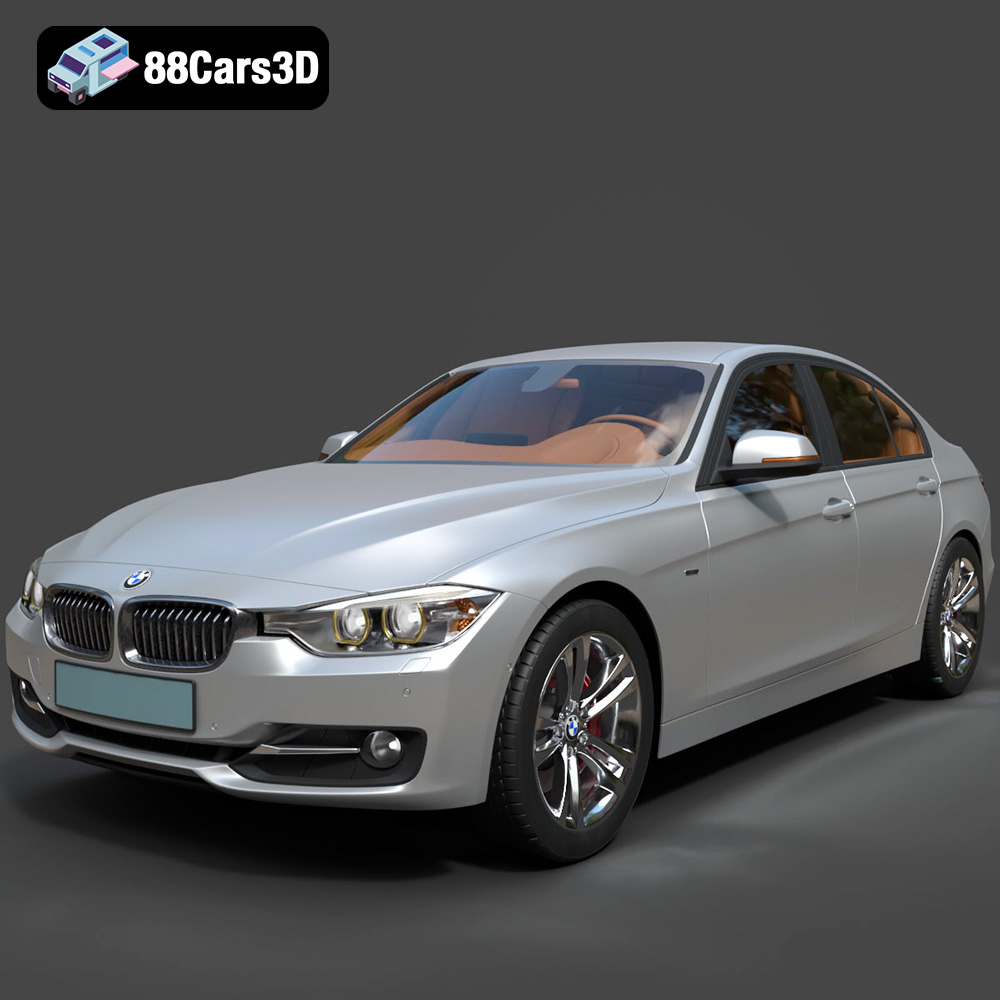
BMW 3 F30 3D Model
Texture: Yes
Material: Yes
Download the BMW 3 F30 3D Model featuring a detailed exterior, realistic interior, and optimized mesh. Includes .blend, .fbx, .obj, .glb, .stl, .ply, .unreal, and .max formats for rendering, simulation, and game development.
Price: $10.79
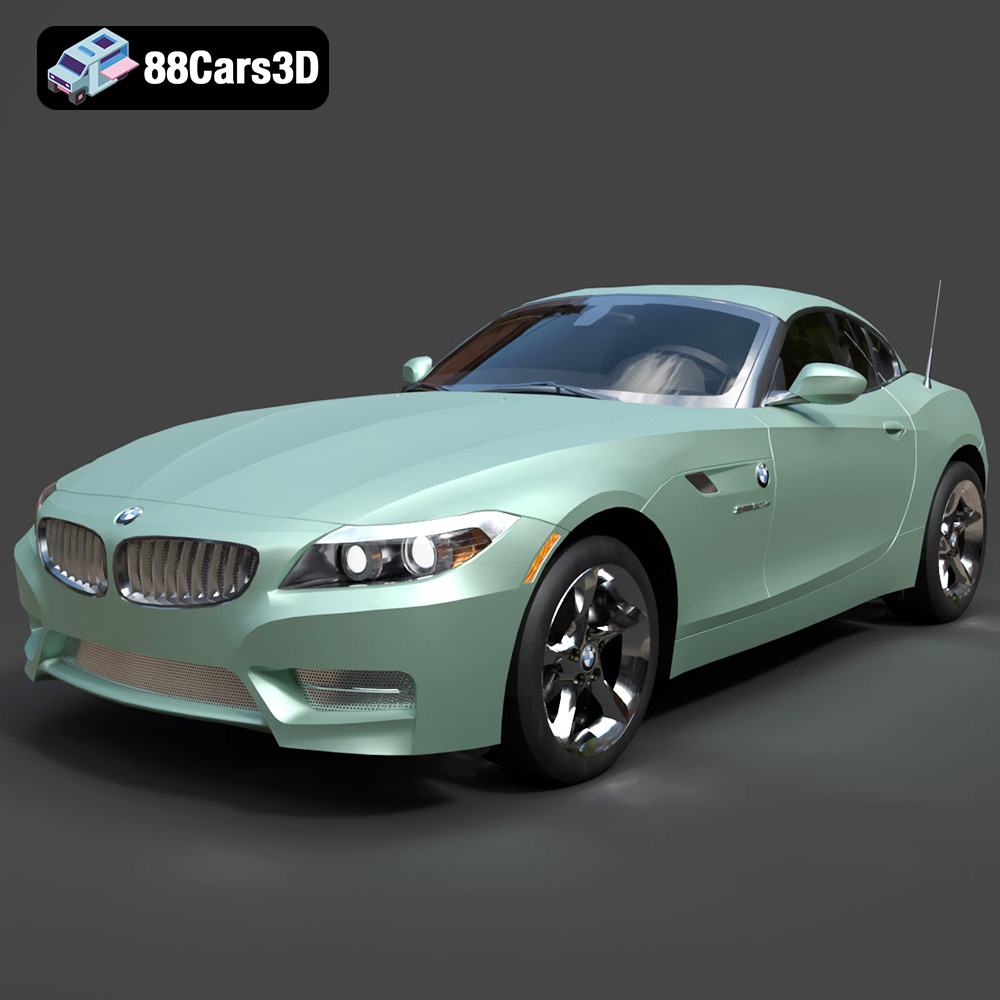
BMW Z4 Roadster E89 2012 3D Model
Texture: Yes
Material: Yes
Download the BMW Z4 Roadster E89 3D Model featuring clean geometry, realistic detailing, and a fully modeled interior. Includes .blend, .fbx, .obj, .glb, .stl, .ply, .unreal, and .max formats for rendering, simulation, and game development.
Price: $13.99

BMW Z4 E85 2005 3D Model
Texture: Yes
Material: Yes
Download the BMW Z4 E85 3D Model featuring clean geometry, realistic detailing, and a fully modeled interior. Includes .blend, .fbx, .obj, .glb, .stl, .ply, .unreal, and .max formats for rendering, simulation, and game development.
Price: $13.99

BMW M3 2024 3D Model
Texture: Yes
Material: Yes
Download the BMW M3 2024 3D Model featuring clean geometry, realistic detailing, and a fully modeled interior. Includes .blend, .fbx, .obj, .glb, .stl, .ply, .unreal, and .max formats for rendering, simulation, and game development.
Price: $13.99
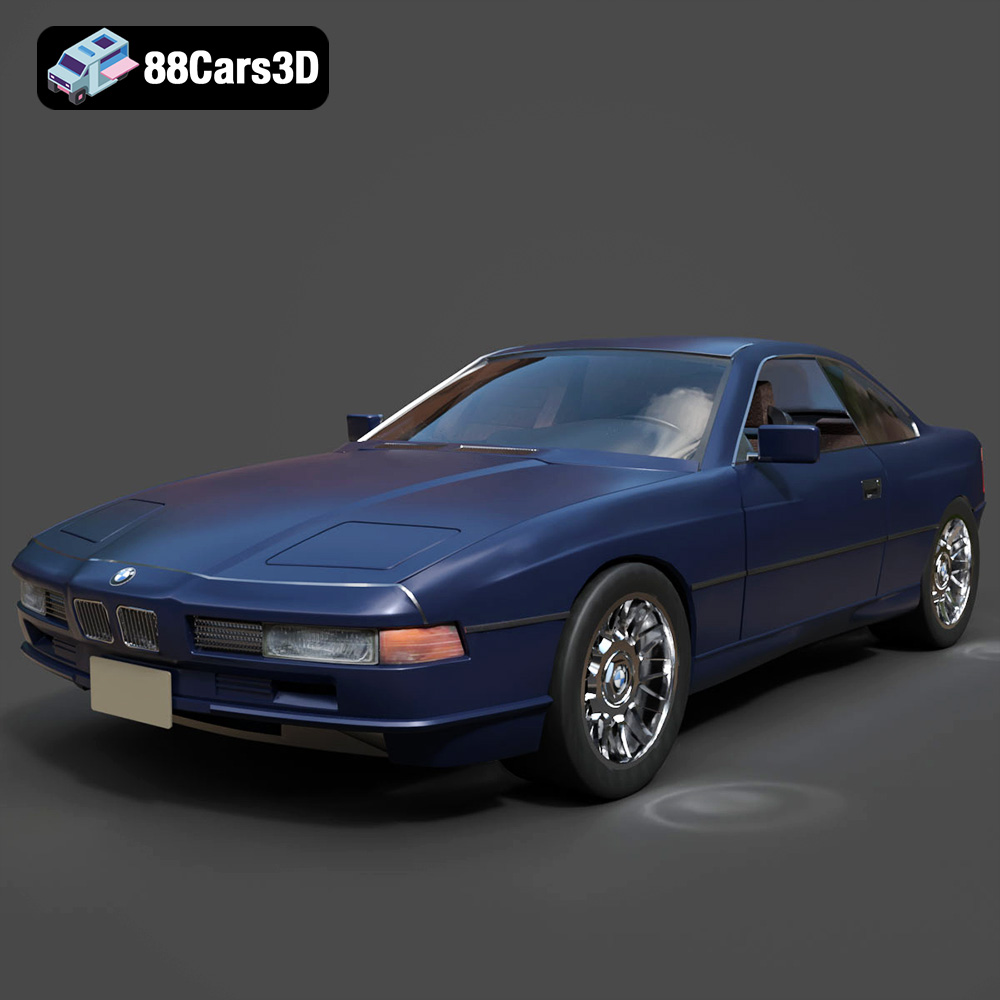
BMW 850i Coupe 1990 3D Model
Texture: Yes
Material: Yes
Download the BMW 850i Coupe 1990 3D Model featuring clean geometry, realistic detailing, and a fully modeled interior. Includes .blend, .fbx, .obj, .glb, .stl, .ply, .unreal, and .max formats for rendering, simulation, and game development.
Price: $13.99
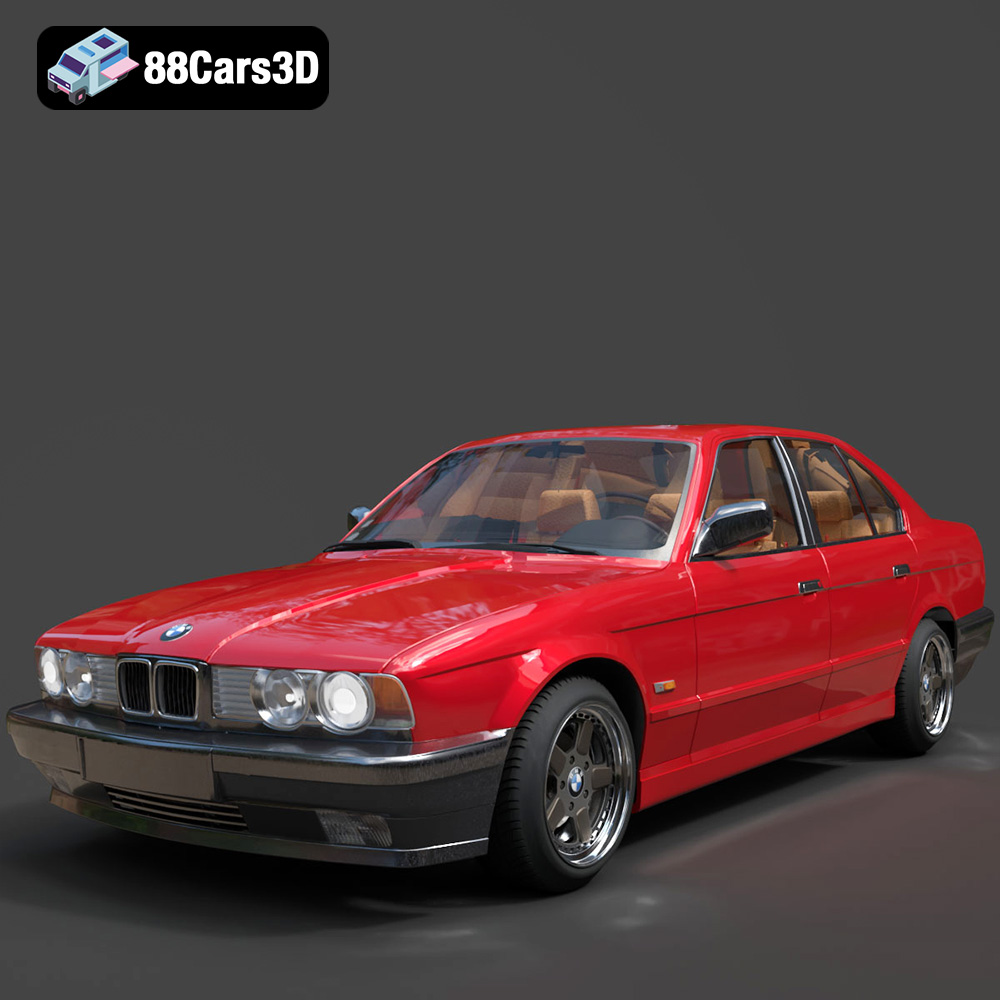
BMW 525i E34 1993 3D Model
Texture: Yes
Material: Yes
Download the BMW 525i E34 1993 3D Model featuring clean geometry, realistic detailing, and a fully modeled interior. Includes .blend, .fbx, .obj, .glb, .stl, .ply, .unreal, and .max formats for rendering, simulation, and game development.
Price: $12.99

BMW 7 Series 2016 3D Model
Texture: Yes
Material: Yes
Download the BMW 7 Series 2016 3D Model featuring luxurious design, detailed interior, and accurate exterior. Includes .blend, .fbx, .obj, .glb, .stl, .ply, .unreal, and .max formats for rendering, simulation, and game development.
Price: $10.79
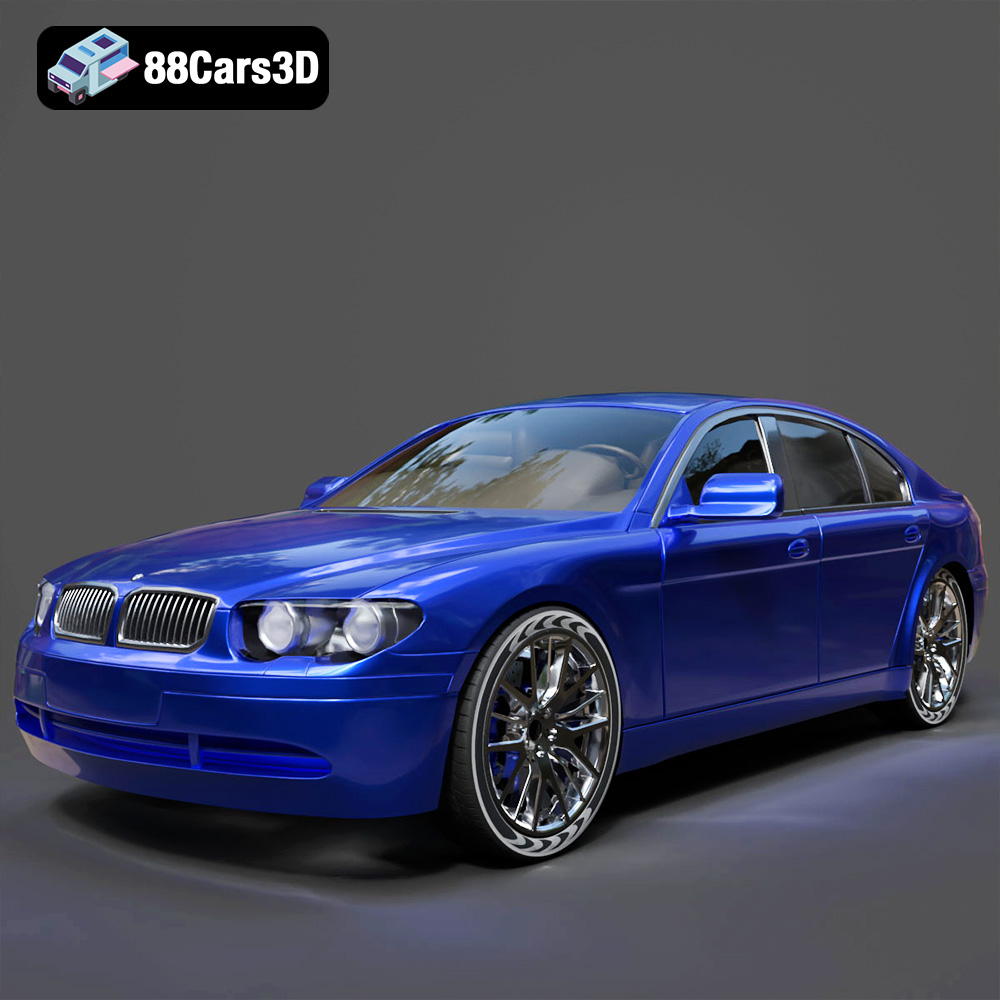
BMW 7 Series 30th Anniversary 3D Model
Texture: Yes
Material: Yes
Download the BMW 7 Series 30th Anniversary 3D Model featuring a meticulously crafted exterior, detailed interior, and realistic wheels. Includes .blend, .fbx, .obj, .glb, .stl, .ply, .unreal, and .max formats for rendering, simulation, and game development.
Price: $35.79

BMW 7-Series F02 3D Model
Texture: Yes
Material: Yes
Download the BMW 7-Series F02 3D Model featuring a detailed exterior and interior, optimized for rendering and animation. Includes .blend, .fbx, .obj, .glb, .stl, .ply, .unreal, and .max formats for rendering, simulation, and game development.
Price: $10.79
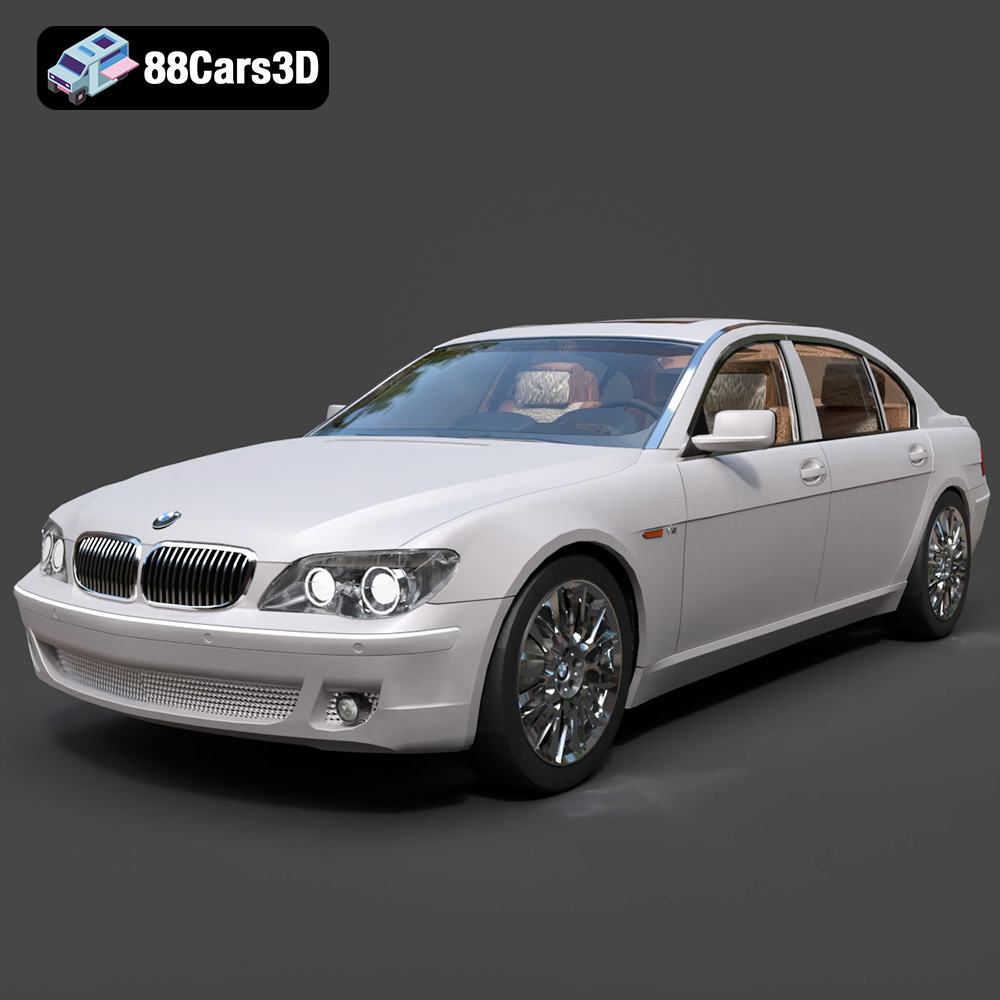
BMW 760Li E66 2005 3D Model
Texture: Yes
Material: Yes
Download the BMW 760Li E66 2005 3D Model featuring a detailed exterior, refined interior, and robust chassis. Includes .blend, .fbx, .obj, .glb, .stl, .ply, .unreal, and .max formats for rendering, simulation, and game development.
Price: $10.79
