

“`html
Mastering the Details: A Deep Dive into 3D Printing Intricate Car Interiors from STL Files
The world of automotive enthusiasts and 3D printing hobbyists often intersects, driven by a shared passion for precision, detail, and bringing iconic vehicles to life. While exterior shells of classic cars are a popular starting point, the true magic often lies within the intricate details of the interior. Recreating that dashboard, the sculpted seats, or the delicate steering wheel in 3D printed form presents a unique set of challenges and rewards. This comprehensive guide will walk you through the entire process, from selecting the right STL files for complex car interiors to fine-tuning your 3D printer settings for stunning results. We’ll explore essential file preparation, advanced slicing techniques, effective support strategies, material considerations, and crucial post-processing steps, ensuring you can confidently tackle even the most detailed automotive interiors. Whether you’re a seasoned maker or new to the world of printable car models, this article will equip you with the knowledge to achieve museum-quality prints.
Section 1: Deconstructing the Car Interior STL – What to Look For
The journey to a perfectly printed car interior begins with the STL file itself. Not all models are created equal, and for intricate interiors, understanding the mesh topology and geometry is paramount. When sourcing models, particularly from marketplaces like 88cars3d.com, prioritize files that exhibit clean geometry, well-defined edges, and appropriate wall thicknesses. Complex interiors often feature small, delicate components like gear shifters, pedals, and intricate dashboard elements. A well-designed STL will have these parts either modeled as separate, printable entities or cleverly integrated to maintain structural integrity during printing.
H3: Mesh Quality and Manifold Integrity
A “manifold” mesh is essentially a watertight object with no holes, inverted faces, or internal geometry that would confuse slicing software. For car interiors, this is especially critical. A non-manifold edge where two surfaces meet unexpectedly, or a face with no normal (direction), can lead to slicing errors, failed prints, or visually flawed results. Software like Meshmixer, Blender, or Autodesk Netfabb are invaluable tools for inspecting and repairing STL files. Before sending a file to your slicer, perform a quick check: look for stray vertices, non-manifold edges, and duplicate faces. Many slicers have built-in repair functions, but manual intervention using dedicated mesh editing software often yields superior results, especially for highly detailed models where every surface matters.
H3: Part Separation and Assembly Design
The most effective 3D printable car interior models are often designed with assembly in mind. This means critical components like seats, dashboards, steering columns, and center consoles might be provided as separate STL files. This not only allows for easier printing of small or overhang-heavy parts but also facilitates post-processing, painting, and a more robust final assembly. When evaluating models, consider how they are intended to be put together. Are there keyed joints, registration pins, or flat surfaces designed for gluing? Understanding the designer’s intent for assembly will significantly impact your printing and finishing workflow. Files that require minimal support on key assembly surfaces are often the most user-friendly.
Section 2: Slicer Settings – Fine-Tuning for Micro-Details
Once you have a clean STL, the next critical step is configuring your slicing software. For car interiors, the goal is to balance detail capture with printability and strength. This means moving away from standard, coarse settings and embracing a more nuanced approach. Standard layer heights of 0.2mm or 0.3mm are often too coarse for delicate interior features like buttons, vents, or stitching textures. Achieving the required level of detail necessitates reducing the layer height significantly.
H3: Layer Height: The Foundation of Detail
For highly detailed car interiors, a layer height of 0.1mm is often a good starting point. For truly exceptional detail, especially on resin printers, layer heights can go as low as 0.02mm to 0.05mm. On FDM printers, reducing layer height directly correlates with increased print time. A model with a 0.1mm layer height will take roughly twice as long as one printed at 0.2mm. Therefore, strategic decisions are needed. You might choose a finer layer height only for the most detailed parts of the interior (e.g., the dashboard and console) and a slightly coarser height for larger, less detailed components like the main body of the seats, if printed separately. Understanding this trade-off is key to efficient printing. Always check your slicer’s preview to see how the layers are building up and if fine details are being resolved.
H3: Print Speed and Acceleration for Precision
High print speeds can cause ringing, ghosting, and a loss of fine detail, especially on intricate models. For car interiors, slowing down is almost always beneficial. Consider reducing your overall print speed, particularly for outer walls and small features. A common recommendation for detailed prints on FDM is to print outer walls at 20-40 mm/s. Furthermore, fine-tuning acceleration and jerk settings in your printer’s firmware (or within the slicer if supported) can dramatically improve the quality of sharp corners and small details. Lowering acceleration values prevents the print head from overshooting and preserves crisp edges. Experiment with values significantly lower than default, perhaps starting with 500-1000 mm/s² for acceleration and 5-10 mm/s for jerk.
H3: Retraction Settings for Cleanliness
Stringing is the bane of detailed prints. Delicate interior components are particularly susceptible to visible filament trails. Fine-tuning retraction settings – distance and speed – is crucial. Too little retraction will lead to oozing and stringing between small features. Too much, especially with flexible filaments, can cause clogs or air gaps in the nozzle. For PLA, typical retraction distances might be 4-6mm with a speed of 40-60 mm/s. However, for detailed interiors, you might need to experiment, potentially increasing retraction distance slightly and ensuring your nozzle is at the optimal temperature to minimize stringing. Performing retraction calibration towers is highly recommended before printing your detailed car interior.
Section 3: Support Structures – The Unsung Heroes of Intricate Prints
Detailed car interiors are rife with overhangs and bridges – from the underside of dashboards to the curves of bucket seats. Effective support generation and removal are arguably the most critical factors in successfully printing these models. The wrong support strategy can mar delicate surfaces, leave unsightly marks, or make removal nearly impossible without damaging the print. The goal is to provide just enough support to prevent failure, without compromising the surface finish of the visible parts of the interior.
H3: Tree Supports vs. Standard Supports
Many modern slicers, like Cura and PrusaSlicer, offer “tree” or “organic” support structures. These are often far superior for complex, organic shapes found in car interiors. Unlike traditional supports that form a dense grid, tree supports branch out like a tree, touching the model at fewer points and often with a spherical contact point. This results in less surface contact, easier removal, and less scarring on the printed part. When using tree supports, pay close attention to the “Support Branch Diameter” and “Tip Diameter” settings. Smaller values create finer, more delicate supports that are easier to break away but may be less stable. Experiment to find a balance.
H3: Support Placement and Interface Layers
Strategic placement of supports is key. Avoid placing supports directly on highly visible or textured surfaces if possible. Instead, try to position them on flatter areas or seams that will be less noticeable or easier to clean up. The “Support Interface” feature in most slicers is invaluable. This allows you to define a denser, more solid layer directly beneath your model where the support attaches. This interface layer provides a better surface for the overhang to form on, leading to a cleaner underside. You can often set the interface layers to be a few layers thick and adjust their density. Ensure there’s a small “Z Distance” (e.g., 0.1-0.2mm for FDM) between the model and the support interface to facilitate easier separation.
H3: Support Removal Techniques
Patience and the right tools are essential for clean support removal. For FDM prints, needle-nose pliers, flush cutters, and hobby knives are indispensable. Start by gently wiggling the support structures to loosen them. Use flush cutters to snip away larger sections. For intricate areas, a hobby knife can carefully shave away residual support material. For resin prints, supports are often removed with pliers and a flush cutter after washing and curing. Be extremely careful not to gouge the model. Sometimes, a quick blast with a heat gun on a low setting can slightly soften residual support material, making it easier to remove without damaging the plastic. For stubborn areas, a light sanding can also clean up marks left by supports.
Section 4: Material Selection and Printer Technology – FDM vs. Resin
The choice between FDM (Fused Deposition Modeling) and resin (SLA/DLP/MSLA) printing significantly impacts the level of detail achievable for car interiors. Both technologies have their strengths and weaknesses when tackling these intricate models. Understanding these differences will help you select the right tool for the job and optimize your settings accordingly.
H3: FDM Printing: Accessibility and Versatility
FDM printers are more common, affordable, and capable of printing larger parts. Materials like PLA, PETG, and ABS are readily available. For car interiors on FDM, achieving extreme detail often requires smaller nozzle sizes (e.g., 0.2mm or 0.3mm instead of the standard 0.4mm). This allows for finer feature resolution but dramatically increases print times. PLA is generally the easiest material to print with, offering good detail and minimal warping. PETG offers more durability and temperature resistance, useful if the printed interior will be exposed to heat. ABS requires an enclosed printer and good ventilation due to fumes but can offer excellent strength. Focus on using the lowest practical layer height (0.1mm is often a good compromise) and slower print speeds.
H3: Resin Printing: Unparalleled Detail and Smoothness
Resin printers excel at capturing incredibly fine details and producing exceptionally smooth surfaces, making them ideal for hyper-realistic car interiors. Layer heights can be as low as 0.02mm, allowing for details like subtle textures on seats, intricate dashboard buttons, and even delicate stitching to be rendered faithfully. Resin prints typically require more post-processing, including washing in isopropyl alcohol (IPA) and post-curing under UV light. However, the initial detail captured is often unmatched by FDM. When printing interiors with resin, consider using high-detail or “tough” resins. Orientation is critical to minimize the surface area of overhangs facing the build plate, thereby reducing support scarring and ensuring successful layer adhesion. Smaller nozzle sizes in FDM are analogous to finer layer heights and pixel density in resin printing.
H3: Bridging the Gap: Hybrid Approaches
For particularly ambitious projects, a hybrid approach can be effective. You might print the main structural components of the interior (dashboard frame, seat bases) on an FDM printer for speed and cost-effectiveness, and then print highly detailed elements like steering wheels, gear knobs, or dashboard instrument clusters on a resin printer for maximum fidelity. The assembly of these disparate parts requires careful planning, ensuring clean mating surfaces and appropriate adhesives (e.g., CA glue for FDM parts, specific resin-safe glues for resin parts).
Section 5: Post-Processing – Bringing Your Interior to Life
The print is just the beginning. Achieving a professional, realistic finish on a 3D printed car interior requires meticulous post-processing. This stage is where raw prints are transformed into compelling display pieces or functional components for larger models. From cleaning up supports to applying paint and weathering effects, each step adds value and realism.
H3: Cleaning and Smoothing Surfaces
After support removal, the surfaces will likely show layer lines (FDM) or slight imperfections from the print process. For FDM prints, sanding is the primary method for smoothing. Start with coarser grit sandpaper (e.g., 220-400 grit) to remove major imperfections and layer lines, then progressively move to finer grits (800, 1200, 2000+ grit) for a smooth finish. Applying a filler primer spray can also help fill microscopic gaps and smooth out the surface before painting. For resin prints, a light sanding with fine-grit sandpaper is often sufficient. If solvent smoothing is an option for your resin type (e.g., using specific cleaners or even careful application of acetone for ABS-like resins, though this requires extreme caution and ventilation), it can achieve an incredibly smooth finish without sanding.
H3: Painting Techniques for Realism
Painting is where the interior truly comes alive. Use acrylic model paints for best results. Start with a primer coat to ensure paint adhesion. Use airbrushing for smooth, even coats on large surfaces like dashboards and door panels. For details like buttons, gauges, and stitching, a fine detail brush is essential. Consider using techniques like dry brushing to highlight raised details and washes to add depth and shadow, mimicking the natural accumulation of dirt and wear in a real car’s interior. Decals can be used for instrument gauges and logos. Many hobbyists utilize custom-designed decals printed on decal paper to add an extra layer of authenticity.
H3: Assembly and Finishing Touches
If your interior was printed in multiple parts, the assembly stage requires precision. Use appropriate adhesives – cyanoacrylate (super glue) is excellent for most FDM plastics, while specific adhesives may be needed for resin parts. Test fit components before applying glue. Ensure all seams are aligned correctly. For a final touch, consider adding small details like clear plastic for windows, tiny LEDs for functional dashboard lights (if you’re feeling ambitious!), or even flocking material for realistic carpet textures. The level of detail you can achieve in post-processing is limited only by your patience and creativity.
Printing detailed car interiors from STL files is a challenging but incredibly rewarding endeavor. It requires a deep understanding of your chosen 3D printing technology, meticulous attention to slicing parameters, strategic support generation, and patient post-processing. By mastering these elements, you can transform digital models into stunningly realistic replicas. Whether you’re enhancing a scale model or creating a standalone display piece, the techniques discussed here will guide you towards success. Platforms like 88cars3d.com provide a fantastic starting point with high-quality, print-ready car models, but it’s your skill and application of these principles that will truly bring the intricate world of automotive interiors to life on your print bed. Happy printing!
“`
Featured 3D Car Models
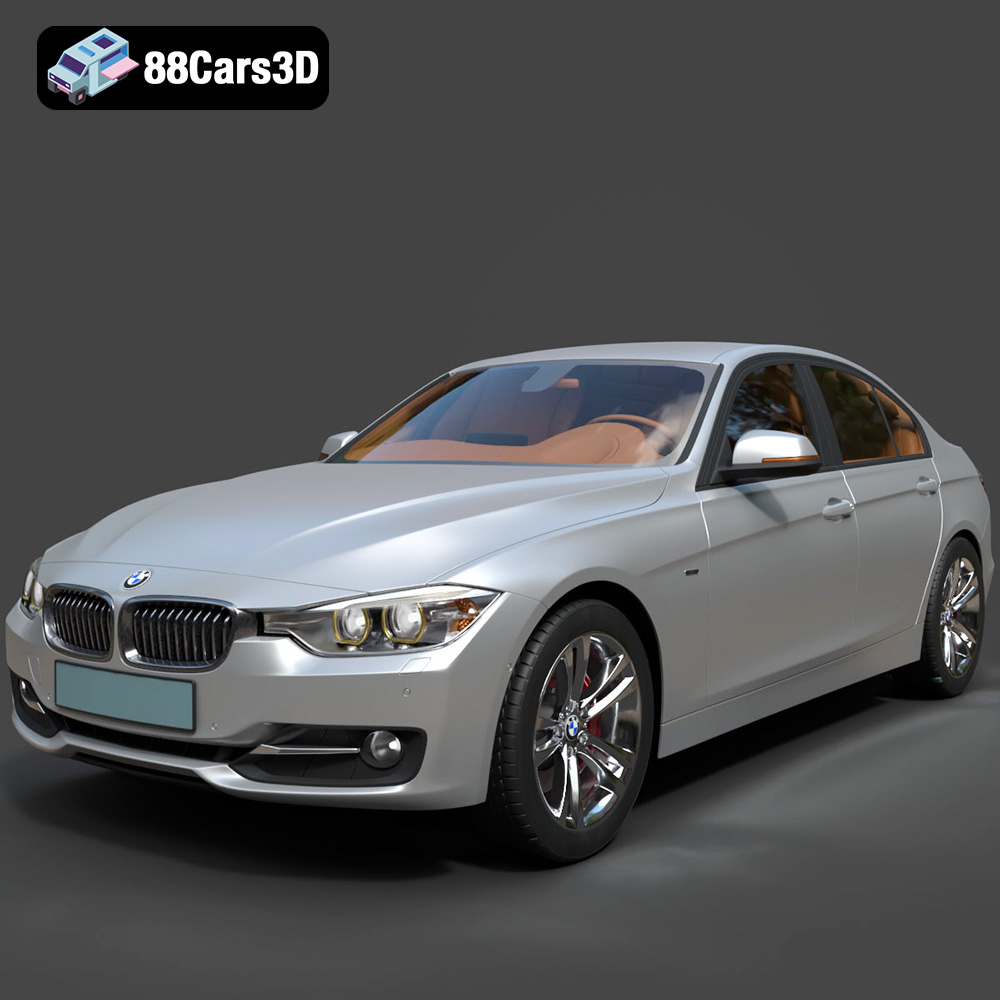
BMW 3 F30 3D Model
Texture: Yes
Material: Yes
Download the BMW 3 F30 3D Model featuring a detailed exterior, realistic interior, and optimized mesh. Includes .blend, .fbx, .obj, .glb, .stl, .ply, .unreal, and .max formats for rendering, simulation, and game development.
Price: $10.79
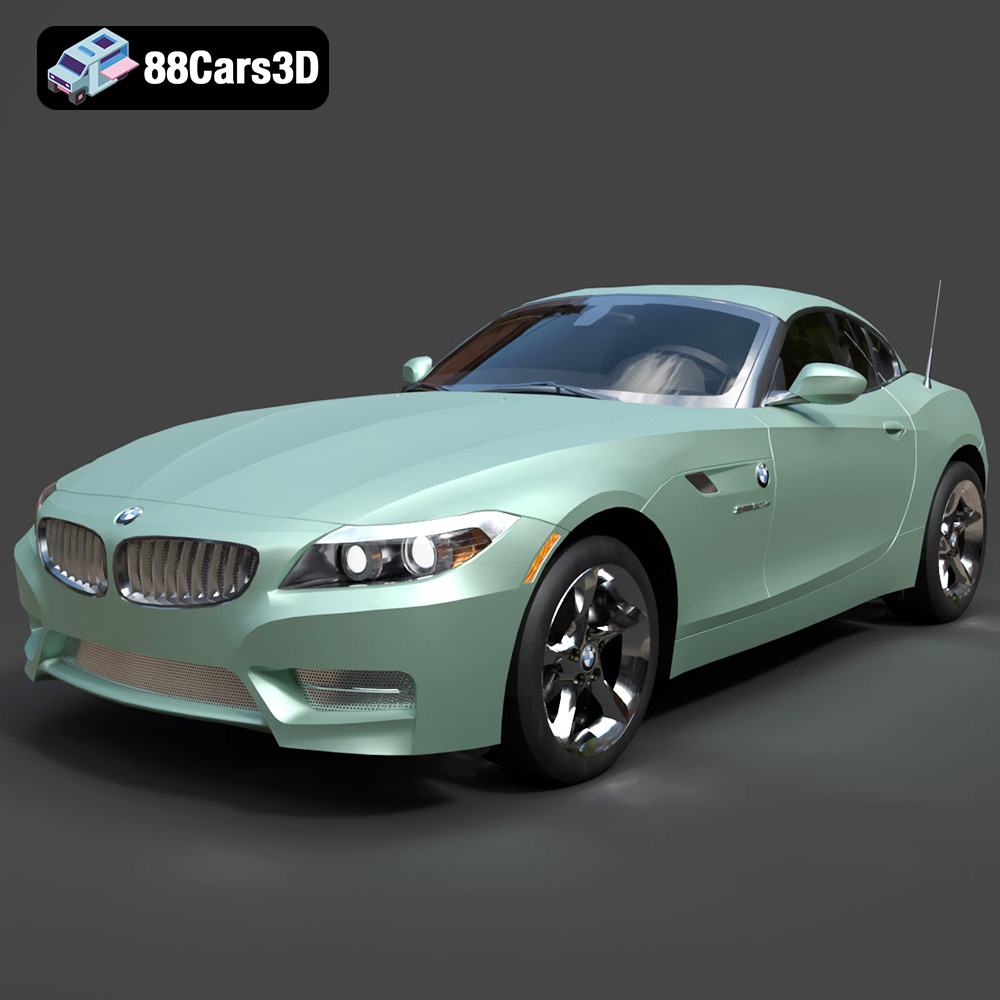
BMW Z4 Roadster E89 2012 3D Model
Texture: Yes
Material: Yes
Download the BMW Z4 Roadster E89 3D Model featuring clean geometry, realistic detailing, and a fully modeled interior. Includes .blend, .fbx, .obj, .glb, .stl, .ply, .unreal, and .max formats for rendering, simulation, and game development.
Price: $13.99

BMW Z4 E85 2005 3D Model
Texture: Yes
Material: Yes
Download the BMW Z4 E85 3D Model featuring clean geometry, realistic detailing, and a fully modeled interior. Includes .blend, .fbx, .obj, .glb, .stl, .ply, .unreal, and .max formats for rendering, simulation, and game development.
Price: $13.99

BMW M3 2024 3D Model
Texture: Yes
Material: Yes
Download the BMW M3 2024 3D Model featuring clean geometry, realistic detailing, and a fully modeled interior. Includes .blend, .fbx, .obj, .glb, .stl, .ply, .unreal, and .max formats for rendering, simulation, and game development.
Price: $13.99
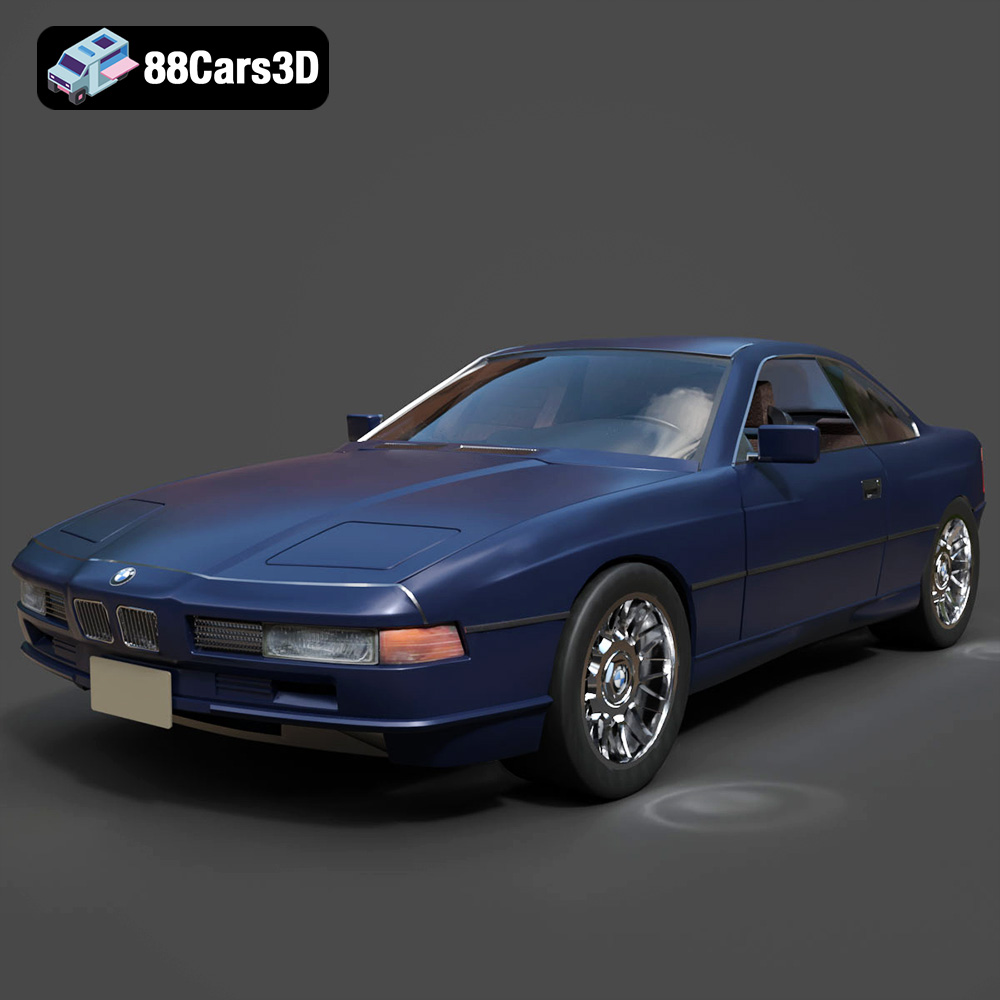
BMW 850i Coupe 1990 3D Model
Texture: Yes
Material: Yes
Download the BMW 850i Coupe 1990 3D Model featuring clean geometry, realistic detailing, and a fully modeled interior. Includes .blend, .fbx, .obj, .glb, .stl, .ply, .unreal, and .max formats for rendering, simulation, and game development.
Price: $13.99
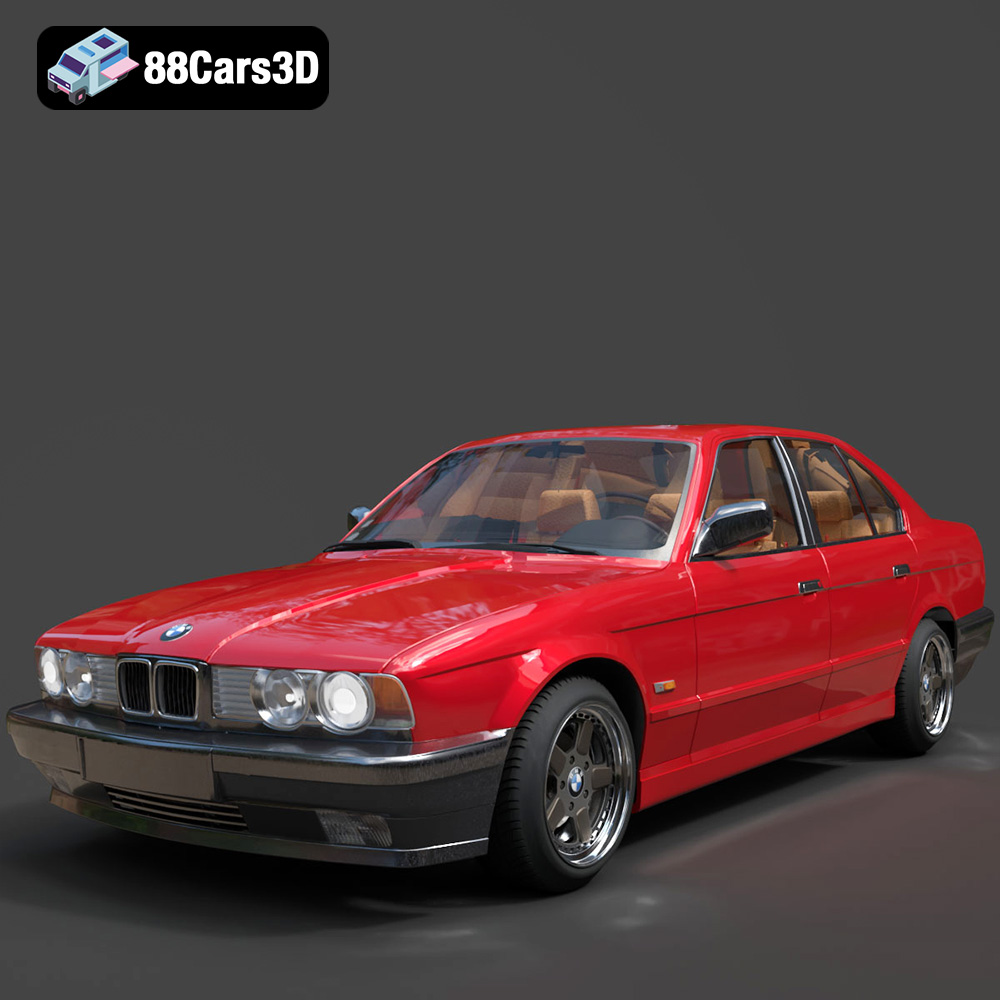
BMW 525i E34 1993 3D Model
Texture: Yes
Material: Yes
Download the BMW 525i E34 1993 3D Model featuring clean geometry, realistic detailing, and a fully modeled interior. Includes .blend, .fbx, .obj, .glb, .stl, .ply, .unreal, and .max formats for rendering, simulation, and game development.
Price: $12.99

BMW 7 Series 2016 3D Model
Texture: Yes
Material: Yes
Download the BMW 7 Series 2016 3D Model featuring luxurious design, detailed interior, and accurate exterior. Includes .blend, .fbx, .obj, .glb, .stl, .ply, .unreal, and .max formats for rendering, simulation, and game development.
Price: $10.79
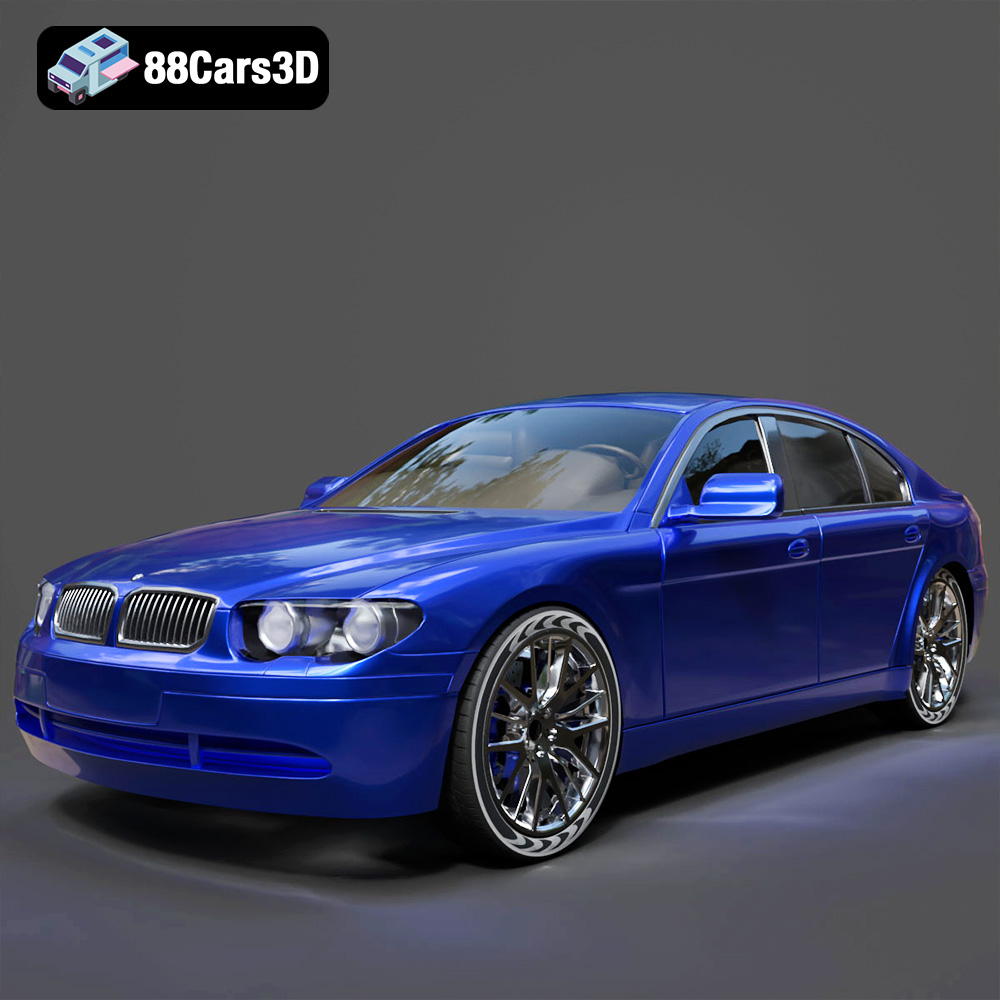
BMW 7 Series 30th Anniversary 3D Model
Texture: Yes
Material: Yes
Download the BMW 7 Series 30th Anniversary 3D Model featuring a meticulously crafted exterior, detailed interior, and realistic wheels. Includes .blend, .fbx, .obj, .glb, .stl, .ply, .unreal, and .max formats for rendering, simulation, and game development.
Price: $35.79

BMW 7-Series F02 3D Model
Texture: Yes
Material: Yes
Download the BMW 7-Series F02 3D Model featuring a detailed exterior and interior, optimized for rendering and animation. Includes .blend, .fbx, .obj, .glb, .stl, .ply, .unreal, and .max formats for rendering, simulation, and game development.
Price: $10.79
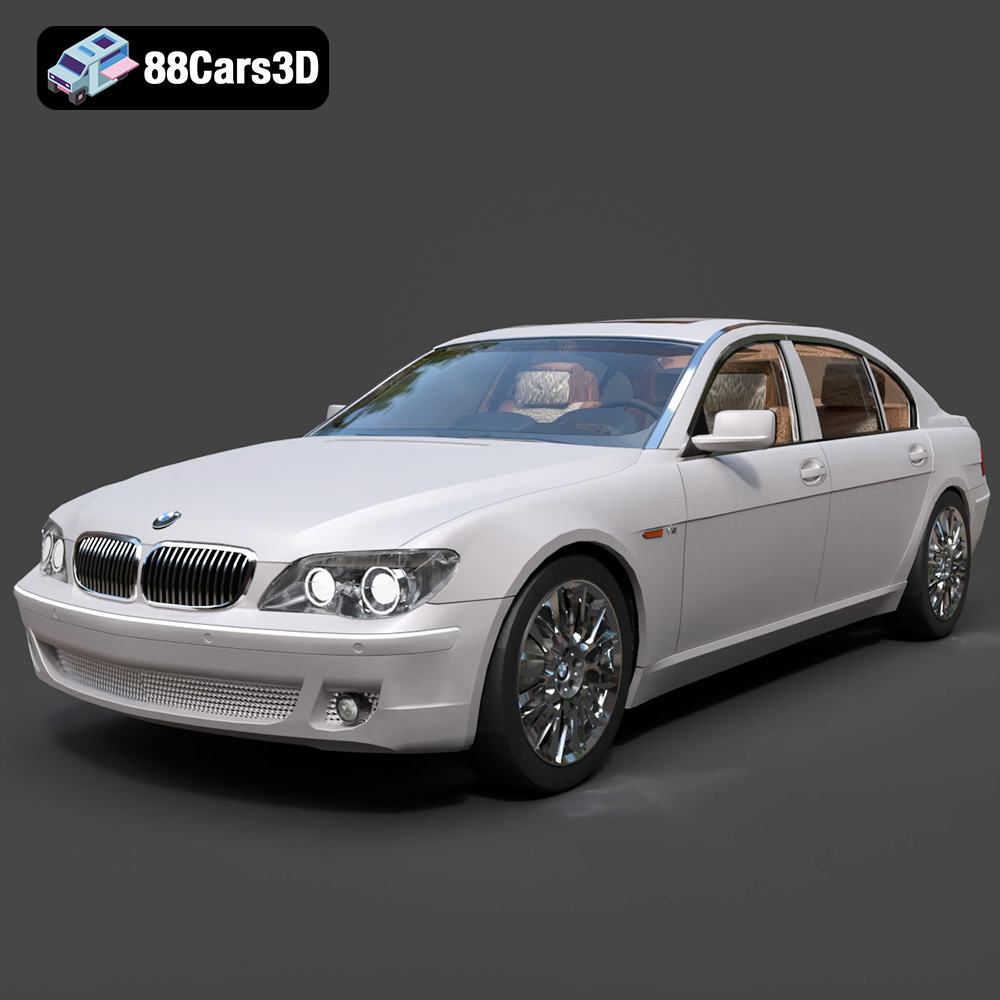
BMW 760Li E66 2005 3D Model
Texture: Yes
Material: Yes
Download the BMW 760Li E66 2005 3D Model featuring a detailed exterior, refined interior, and robust chassis. Includes .blend, .fbx, .obj, .glb, .stl, .ply, .unreal, and .max formats for rendering, simulation, and game development.
Price: $10.79
