

The automotive industry has always been at the forefront of technological innovation, not just in vehicle design and performance, but also in how cars are conceptualized, marketed, and experienced. In this dynamic landscape, real-time visualization has emerged as an indispensable tool, transforming everything from design reviews and marketing campaigns to interactive configurators and virtual showrooms. At the heart of this revolution lies Unreal Engine, a powerful real-time 3D creation tool known for its unparalleled photorealism and versatility.
For 3D artists, game developers, automotive designers, and visualization professionals, mastering Unreal Engine for automotive visualization is no longer an option but a necessity. It offers the ability to render stunningly realistic vehicles and environments in real-time, facilitating rapid iteration, engaging interactive experiences, and breathtaking cinematic content. Platforms like 88cars3d.com provide the essential foundation—high-quality 3D car models—that, when combined with Unreal Engine’s features, unlock limitless creative potential.
This comprehensive guide will delve deep into the technical workflows, best practices, and cutting-edge features of Unreal Engine, specifically tailored for automotive visualization. We’ll explore everything from setting up your project and importing highly detailed 3D car models to crafting physically accurate materials, illuminating scenes with dynamic lighting, building interactive experiences with Blueprint, and optimizing performance for various applications, including AR/VR. Prepare to elevate your automotive projects to an unprecedented level of realism and interactivity.
Setting the Stage: Project Setup and Importing High-Quality 3D Car Models
Embarking on any significant Unreal Engine project requires a solid foundation, and automotive visualization is no exception. Proper project setup ensures optimal performance, access to necessary tools, and a streamlined workflow. The quality of your source assets, such as the meticulously crafted 3D car models available on marketplaces like 88cars3d.com, plays a crucial role from the outset. These models typically feature clean topology, proper UV mapping, and realistic material setups, which significantly reduce preparation time and yield superior results in Unreal Engine.
When starting a new project, consider your end goal. For cinematic renders or high-fidelity visualizations, the “Film, Television, and Live Events” template can provide useful starting points. For interactive experiences or games, “Games” or a blank project might be more appropriate. Crucially, navigate to Edit > Plugins and enable essential plugins. For automotive workflows, you’ll often need “Datasmith Importer” (for CAD data, though less critical if you’re using pre-optimized assets), “USD Importer” for Universal Scene Description files, and potentially “Virtual Production Utilities,” “nDisplay,” or “OpenXR” for advanced setups like LED walls or AR/VR. In Project Settings, review rendering settings, such as enabling “Hardware Ray Tracing” if your hardware supports it for superior lighting and reflections, or setting “Forward Shading” for better performance in VR applications. For detailed explanations on project settings, always refer to the official Unreal Engine documentation at dev.epicgames.com/community/unreal-engine/learning.
Initial Unreal Engine Project Configuration
Once your project is created, a few initial configurations can significantly impact your workflow and final output. Always ensure your “Engine Scalability Settings” are set to “Epic” for development to see the full potential of your scene, then scale down for testing performance. For automotive scenes, it’s often beneficial to enable “Generate Missing UVs” for lightmaps and potentially “Support cinematic quality for high-resolution meshes” in the project rendering settings, especially if you plan to use Nanite extensively. Consider enabling “Lumen” and “Nanite” by default, as these are game-changers for visual fidelity and performance, respectively.
Seamless Asset Integration: Importing 3D Car Models
Importing your 3D car models is a critical step. High-quality assets from 88cars3d.com are usually provided in formats like FBX or USD, which are ideal for Unreal Engine. To import, simply drag and drop the file into your Content Browser, or use the “Import” button. Key import settings include:
- Combine Meshes: Often useful for simpler objects, but for complex car models, keeping components separate (e.g., body, wheels, interior) allows for more detailed material assignments and interactivity.
- Import Materials/Textures: Ensure these are checked to bring in pre-existing PBR setups, which can be a massive time-saver.
- Build Nanite: For very high-poly car models, enable this during import or later via the Static Mesh Editor.
- Normal Import Method: Choose “Import Normals” to preserve existing normal maps, crucial for surface detail.
After import, it’s good practice to create a dedicated folder structure for your imported car, separating meshes, materials, and textures for organization.
Crafting Realism: PBR Materials and Advanced Texturing for Automotive Assets
The visual fidelity of a 3D car model in Unreal Engine hinges significantly on its materials and textures. Physically Based Rendering (PBR) is the cornerstone of realism, simulating how light interacts with surfaces in a physically accurate manner. For automotive visualization, achieving convincing car paint, glass, and metallic surfaces requires a deep understanding of PBR principles and Unreal Engine’s powerful Material Editor.
A high-quality 3D car model from 88cars3d.com will come with meticulously prepared UVs and often include initial PBR texture maps (Base Color, Normal, Roughness, Metallic, Ambient Occlusion). These provide an excellent starting point, allowing you to focus on refining the shaders to truly shine within Unreal Engine’s real-time environment. The Material Editor is a node-based interface where you connect various texture maps, parameters, and mathematical operations to define the look and behavior of a surface. Creating master materials with exposed parameters allows for efficient creation of Material Instances, enabling quick variations (e.g., different paint colors, rim finishes) without recompiling shaders, saving significant development time.
Mastering Physically Based Rendering (PBR) for Car Materials
For car paint, realism demands a complex shader. A typical car paint material often involves a base layer (metallic flakes, color) and a clear coat layer. In Unreal Engine, this can be achieved by using the Clear Coat input on your material. The clear coat roughness and normal inputs add to the realism. For metallic flakes, a combination of a noise texture, a ‘Frensel’ node, and custom logic can simulate the tiny reflective particles embedded in the paint. Glass materials require translucency, accurate refraction (controlled by the Index of Refraction, or IOR), and reflections. For interior elements like leather or plastic, consider adding subtle normal maps, roughness variations, and potentially subsurface scattering for light diffusion through thinner materials. Chrome and other polished metals rely heavily on a low roughness value and a high metallic value (close to 1), showcasing crisp reflections from Lumen or Ray Tracing.
- Car Paint: Use a blend of Base Color, Metallic (around 0.8-1.0), Roughness (low for gloss, higher for matte), Normal map. Crucially, activate Clear Coat and set its Roughness and normal map.
- Glass: Set blend mode to “Translucent,” lighting mode to “Surface TranslucencyVolume” or “Surface ForwardShading.” Utilize Opacity, Refraction (IOR of 1.5 for glass), and Roughness.
- Tire Rubber: Dark Base Color, Metallic 0.0, Roughness around 0.7-0.9, and a detailed Normal map for tread patterns.
Texture Management and Resolution Strategies
Efficient texture management is vital for performance. High-resolution textures (e.g., 4K or 8K) are excellent for hero assets like the main car body but can be overkill for smaller, less prominent components. Optimize by:
- Using appropriate resolutions: 4K-8K for primary body panels, 2K for wheels and interior elements, 1K for small details or background props.
- Proper UV Mapping: Ensure your 3D car models have clean, non-overlapping UVs across different material IDs. High-quality models from sources like 88cars3d.com often excel in this area, reducing the need for manual adjustments.
- Texture Compression: Unreal Engine automatically compresses textures. For normal maps, ensure “Normal Map” compression is selected. For other textures, “Default” or “UserInterface2D” might be appropriate depending on the content.
- Channel Packing: Combine grayscale textures (e.g., Roughness, Metallic, Ambient Occlusion) into different channels (R, G, B, A) of a single texture to reduce draw calls and memory usage.
Leveraging detailed normal maps and subtle grunge textures can significantly enhance the visual depth and realism of your automotive materials without increasing polygon count.
Illuminating the Scene: Dynamic Lighting, Lumen, and Ray Tracing
Lighting is arguably the most crucial element in achieving photorealistic automotive renders. It defines mood, highlights form, and provides critical visual cues. Unreal Engine offers a sophisticated lighting system, with Lumen and Hardware Ray Tracing standing out as powerful tools for achieving stunning results in real-time. These technologies allow for dynamic, accurate global illumination and reflections, crucial for showcasing the intricate surfaces of a high-fidelity 3D car model.
Before Lumen and Ray Tracing, artists often relied on baked static lighting (Lightmass) or complex dynamic approximations. While Lightmass still has its place for highly optimized, static scenes, Lumen and Ray Tracing provide unparalleled flexibility and realism for dynamic environments, interactive experiences, and virtual production setups. Understanding how to harness these features is key to elevating your automotive visualization projects within Unreal Engine.
The Power of Lumen for Global Illumination
Lumen is Unreal Engine’s fully dynamic global illumination and reflections system, providing highly realistic indirect lighting and bounce light without the need for lightmaps. This is a game-changer for automotive visualization because it means:
- Real-time changes: Move lights, change materials, or animate environmental elements, and the indirect lighting updates instantly. This is invaluable for design iteration and interactive configurators.
- Realistic bounces: Light bounces off the car body and surrounding environment, creating natural color bleed and soft shadows, making the vehicle feel grounded in its scene.
- Dynamic environments: Ideal for showcasing cars in virtual showrooms, dynamic studio setups, or open-world environments where lighting conditions can change.
To enable Lumen, go to Project Settings > Rendering > Global Illumination > Dynamic Global Illumination Method and select “Lumen.” Do the same for Reflections > Reflection Method. Ensure your directional light (Sun) has “Cast Ray Traced Shadows” enabled for sharper, more accurate shadows.
Advanced Lighting Techniques: Ray Tracing and HDRI Backdrops
For ultimate visual fidelity, especially for reflections and complex shadows, Hardware Ray Tracing is indispensable. When enabled in Project Settings > Rendering, Unreal Engine leverages your GPU to simulate light rays more accurately. This results in:
- Pinpoint accurate reflections: Crucial for the glossy surfaces of car paint, chrome, and glass.
- Realistic soft shadows: Ray-traced shadows respond accurately to light source size and object distance.
- Better ambient occlusion: “Ray Traced Ambient Occlusion” provides subtle contact shadows, adding depth.
Beyond technical settings, thoughtful light placement is paramount. For studio setups, use a combination of directional lights (for sun/key light), rectangular area lights (emulating softboxes), and sphere lights (for fill light or highlights). Assign light functions or IES profiles for more complex light patterns. An effective strategy for realistic environmental lighting and reflections is to use an HDRI (High Dynamic Range Image) sky dome. Import an HDRI, create a Material for it (set to “Unlit” and plug the texture into Emissive Color), and apply it to a Sky Sphere or a simple dome mesh. This provides a rich source of environmental light and incredibly realistic reflections on your car surfaces, instantly grounding the vehicle in a believable world. Post-processing volumes are the final touch, allowing you to fine-tune exposure, bloom, chromatic aberration, and apply sophisticated color grading to achieve cinematic quality.
Beyond Static Renders: Interactive Configurators and Virtual Production
Unreal Engine’s power extends far beyond generating static images or pre-rendered animations. Its robust toolkit allows for the creation of fully interactive experiences, making it the ideal platform for automotive configurators, virtual showrooms, and groundbreaking virtual production workflows. The ability to manipulate and experience a vehicle in real-time offers unparalleled engagement for designers, marketers, and customers alike. This interactive capability, coupled with high-quality 3D car models from sources like 88cars3d.com, transforms a passive viewing experience into an active exploration.
The core of interactive functionality in Unreal Engine is Blueprint Visual Scripting. Blueprint empowers artists and designers to implement complex logic without writing a single line of code, democratizing the creation of dynamic applications. Furthermore, for cinematic content and professional media production, Unreal Engine’s virtual production capabilities, including nDisplay and Sequencer, are redefining how automotive commercials and film sequences are made, allowing for real-time compositing and immediate feedback on set.
Building Interactive Automotive Configurators with Blueprint
An automotive configurator is a prime example of Unreal Engine’s interactive potential. Users can change colors, swap rims, select interior trims, and even open doors, all in real-time. Here’s a simplified Blueprint workflow:
- Actor Blueprint: Create an Actor Blueprint for your car. Inside, add your static meshes (car body, wheels, interior elements) as components.
- Material Instances: Create Material Instances of your car paint master material for each color option. Expose parameters like Base Color and Roughness.
- Switching Logic: In the Event Graph, use “Event BeginPlay” to set initial materials. Create custom events (e.g., “ChangeCarColor_Red,” “ChangeCarColor_Blue”) that, when called, apply the corresponding Material Instance to the car body mesh.
- Mesh Swapping: For components like rims, you can use “Set Static Mesh” nodes to swap between different rim meshes when a user selects an option.
- User Interface (UMG): Design a user interface in UMG (Unreal Motion Graphics) with buttons for each option. In the UMG Blueprint, on button click events, use “Execute Console Command” or “Get All Actors Of Class” to reference your car Blueprint and call the appropriate custom event.
- Camera Control: Implement camera movements (e.g., orbiting around the car, moving to interior view) using Timeline nodes and “Set Relative Location/Rotation” or “Set View Target with Blend.”
This event-driven approach allows for highly customized and responsive interactive experiences, empowering prospective buyers or designers to visualize vehicles exactly as they desire.
Virtual Production and LED Wall Integration
For high-end automotive commercials and film, Unreal Engine’s virtual production tools are revolutionizing the traditional chroma key workflow. nDisplay allows you to drive multiple synchronized displays, like massive LED walls, to create immersive virtual environments. When a physical car is placed in front of this LED wall, the virtual environment dynamically wraps around it, changing perspective based on camera tracking. This enables real-time in-camera visual effects (ICVFX).
- nDisplay Setup: Requires careful calibration of multiple displays, a robust network, and powerful workstations. Configure cluster nodes and synchronize rendering across machines.
- Camera Tracking: Integrate real-world camera tracking systems (e.g., Mo-Sys, Stype) into Unreal Engine to match the virtual camera’s perspective with the physical camera’s.
- Sequencer: For pre-scripted cinematic shots within this virtual environment, Sequencer is your tool. Use it to animate camera movements, vehicle animations (e.g., rotating on a turntable), lighting changes, and visual effects (Niagara particles for dust, rain, etc.). Sequencer offers a non-linear editor workflow, allowing precise control over every aspect of your cinematic output. You can bake animations, integrate audio, and render out high-resolution video directly from Sequencer, making it an all-in-one solution for professional cinematic automotive content.
This workflow significantly reduces post-production time and costs, offering unprecedented creative control on set.
Performance Optimization and Leveraging Unreal Engine’s Cutting-Edge Features
While Unreal Engine excels in visual fidelity, maintaining optimal performance is crucial, especially for real-time applications, interactive experiences, and AR/VR. High-quality 3D car models, while visually stunning, can be polygon-heavy. Fortunately, Unreal Engine provides a suite of advanced features and optimization techniques to manage complexity and ensure smooth frame rates. Features like Nanite virtualized geometry and robust LOD (Level of Detail) systems are specifically designed to handle incredibly detailed assets efficiently, allowing artists to push visual boundaries without crippling performance. Understanding these tools and implementing best practices is key to successful automotive visualization projects.
Effective optimization involves a multi-faceted approach, addressing geometry, materials, lighting, and rendering settings. It’s an ongoing process throughout development, using Unreal Engine’s built-in profiling tools to identify and address bottlenecks. The goal is always to strike the perfect balance between visual quality and performance, ensuring that your stunning 3D car models are presented in the best possible light, on the target hardware, without compromise.
Harnessing Nanite and LODs for Scalable Geometry
Nanite is Unreal Engine 5’s revolutionary virtualized geometry system, designed to handle immense polygon counts (billions) with unprecedented efficiency. For highly detailed 3D car models—which are often rich in polygons to capture every curve and panel gap—Nanite is a game-changer:
- Automatic LODs: Nanite intelligently generates and streams detail based on camera distance, removing the need for manual LOD creation for static meshes.
- Reduced Draw Calls: It significantly reduces draw calls by rendering entire meshes as single objects, even with immense detail.
- High Fidelity: Allows artists to import film-quality assets directly, preserving every intricate detail of the car model without performance worries.
To enable Nanite, simply check the “Nanite Settings” option for a static mesh in the Static Mesh Editor or during import. For skeletal meshes (e.g., if parts of the car like suspension or doors are animated via bones), traditional Level of Detail (LOD) setups are still relevant. LODs create simplified versions of your mesh that automatically swap in as the camera moves further away. Unreal Engine can auto-generate LODs, but manual creation in your DCC application (like Maya or Blender) offers more control over quality and simplification.
Best Practices for Geometry:
- Combine Meshes: Merge smaller, static components of the car (e.g., individual bolts, small interior parts) into fewer meshes where possible to reduce draw calls, especially if Nanite isn’t used for everything.
- Optimized Mesh Topology: Always start with clean, optimized models like those found on 88cars3d.com. Avoid unnecessary geometric detail that won’t be visible.
Optimizing for Real-Time and AR/VR Applications
Achieving smooth performance for real-time applications, especially demanding ones like AR/VR, requires meticulous optimization. Every frame must render within very tight budget constraints (e.g., 90 FPS for VR to avoid motion sickness).
General Real-Time Optimization:
- Material Complexity: Simplify complex materials where possible. Expensive material nodes (like custom shaders with many instructions) can be significant performance hogs. Use Material Instances for efficiency.
- Texture Streaming: Ensure texture streaming is enabled and configured correctly in project settings to prevent high-resolution textures from overwhelming memory.
- Occlusion Culling: Unreal Engine’s automatic occlusion culling prevents rendering objects that are hidden behind others. Ensure your environment meshes are watertight to benefit from this.
- Lightmap Resolution: For static elements using baked lighting, optimize lightmap resolutions. Lower resolutions for distant objects save memory.
- Profiling Tools: Utilize Unreal Engine’s built-in profilers:
stat unitfor overall frame time,stat fpsfor FPS,stat gpuandprofilegpufor GPU-specific bottlenecks, and the GPU Visualizer (accessed viaprofilegpucommand) for detailed breakdowns.
Specific AR/VR Optimization for Automotive:
- Instanced Stereo Rendering: Essential for VR. This renders both eyes in a single draw call, significantly improving performance. Enable in Project Settings > Rendering > VR.
- Forward Shading: Often preferred for VR due to its performance benefits and superior MSAA (Multi-Sample Anti-Aliasing) quality compared to deferred rendering. Enable in Project Settings > Rendering > Optimizations.
- Reduced Post-Processing: Heavily reduce or disable expensive post-processing effects like screen-space ambient occlusion, bloom, and depth of field, as they can be very costly in VR.
- Fixed Foveated Rendering: If targeting platforms that support it (e.g., Oculus Quest), this can save performance by rendering the periphery of the user’s vision at a lower resolution.
- Vehicle Physics: For realistic driving experiences, Unreal Engine’s Chaos Physics provides robust simulation. Optimize physics meshes and collision complexity. Alternatively, third-party vehicle physics plugins can offer highly tuned, performant solutions for advanced driving dynamics.
By diligently applying these optimization strategies, you can ensure your automotive visualizations run smoothly and deliver an immersive experience on various platforms.
Conclusion
Unreal Engine stands as an undisputed powerhouse for automotive visualization, offering an unparalleled suite of tools to create stunningly realistic and deeply interactive experiences. From the foundational task of importing high-quality 3D car models sourced from expert marketplaces like 88cars3d.com, to the nuanced art of PBR material creation, dynamic lighting with Lumen, and the cutting-edge capabilities of Nanite, every feature is designed to push the boundaries of real-time rendering.
We’ve traversed the essential steps of project setup, delved into the intricacies of crafting physically accurate car paint and glass, illuminated scenes with the brilliance of Lumen and hardware ray tracing, and explored the transformative potential of Blueprint for interactive configurators and virtual production workflows. Crucially, we’ve highlighted the importance of performance optimization, ensuring that these visually rich experiences run smoothly on diverse hardware, including demanding AR/VR platforms.
The journey of mastering Unreal Engine for automotive visualization is continuous, with new features and best practices constantly emerging. However, by embracing the techniques and principles outlined in this guide, you are well-equipped to create captivating automotive content that resonates with audiences, streamlines design processes, and defines the future of virtual car experiences. Now, it’s time to put theory into practice. Dive into Unreal Engine, leverage the exceptional assets available, and start crafting your next masterpiece.
Featured 3D Car Models
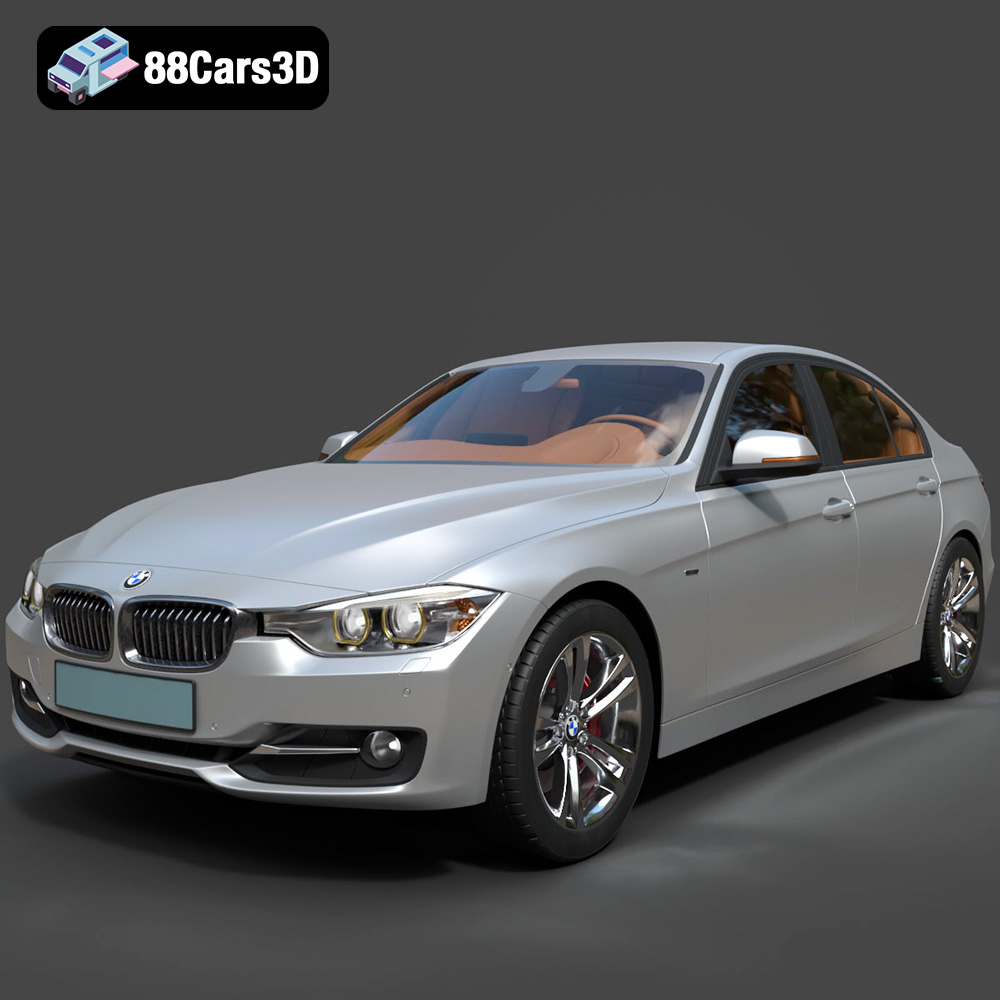
BMW 3 F30 3D Model
Texture: Yes
Material: Yes
Download the BMW 3 F30 3D Model featuring a detailed exterior, realistic interior, and optimized mesh. Includes .blend, .fbx, .obj, .glb, .stl, .ply, .unreal, and .max formats for rendering, simulation, and game development.
Price: $10.79
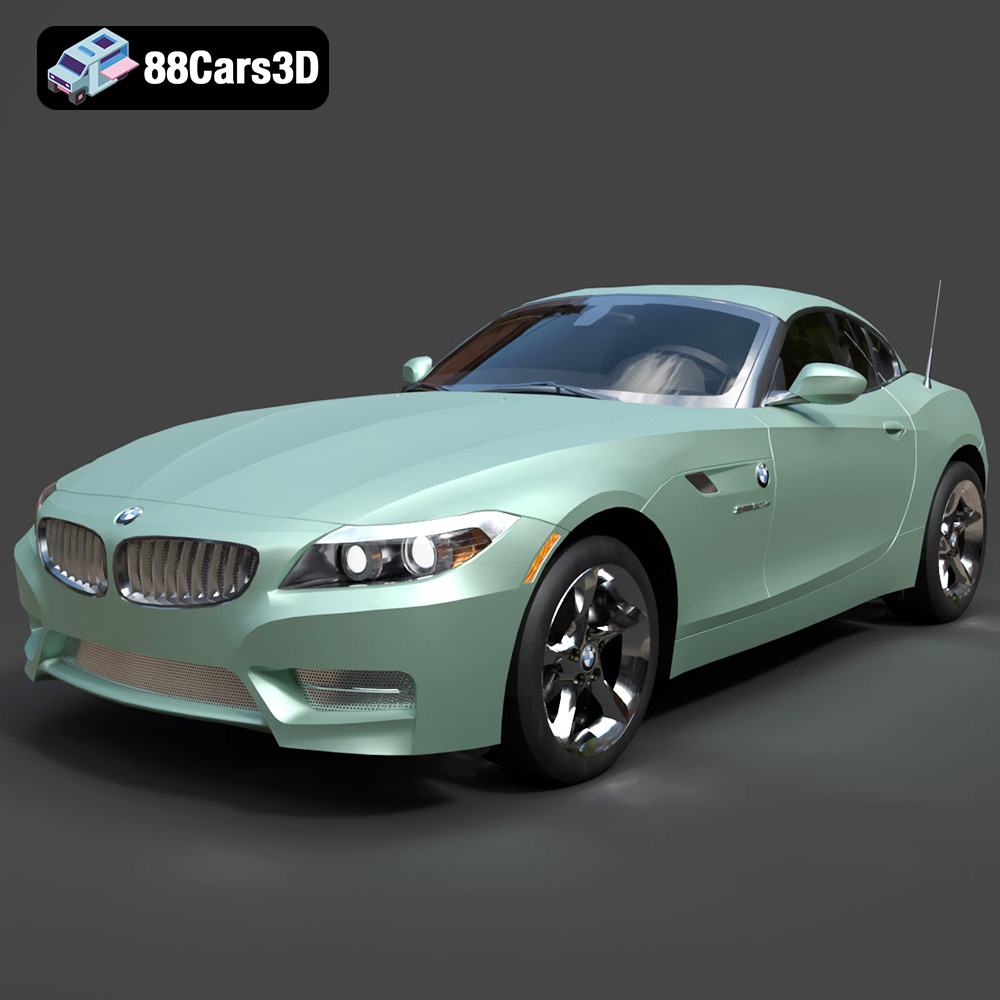
BMW Z4 Roadster E89 2012 3D Model
Texture: Yes
Material: Yes
Download the BMW Z4 Roadster E89 3D Model featuring clean geometry, realistic detailing, and a fully modeled interior. Includes .blend, .fbx, .obj, .glb, .stl, .ply, .unreal, and .max formats for rendering, simulation, and game development.
Price: $13.99

BMW Z4 E85 2005 3D Model
Texture: Yes
Material: Yes
Download the BMW Z4 E85 3D Model featuring clean geometry, realistic detailing, and a fully modeled interior. Includes .blend, .fbx, .obj, .glb, .stl, .ply, .unreal, and .max formats for rendering, simulation, and game development.
Price: $13.99

BMW M3 2024 3D Model
Texture: Yes
Material: Yes
Download the BMW M3 2024 3D Model featuring clean geometry, realistic detailing, and a fully modeled interior. Includes .blend, .fbx, .obj, .glb, .stl, .ply, .unreal, and .max formats for rendering, simulation, and game development.
Price: $13.99
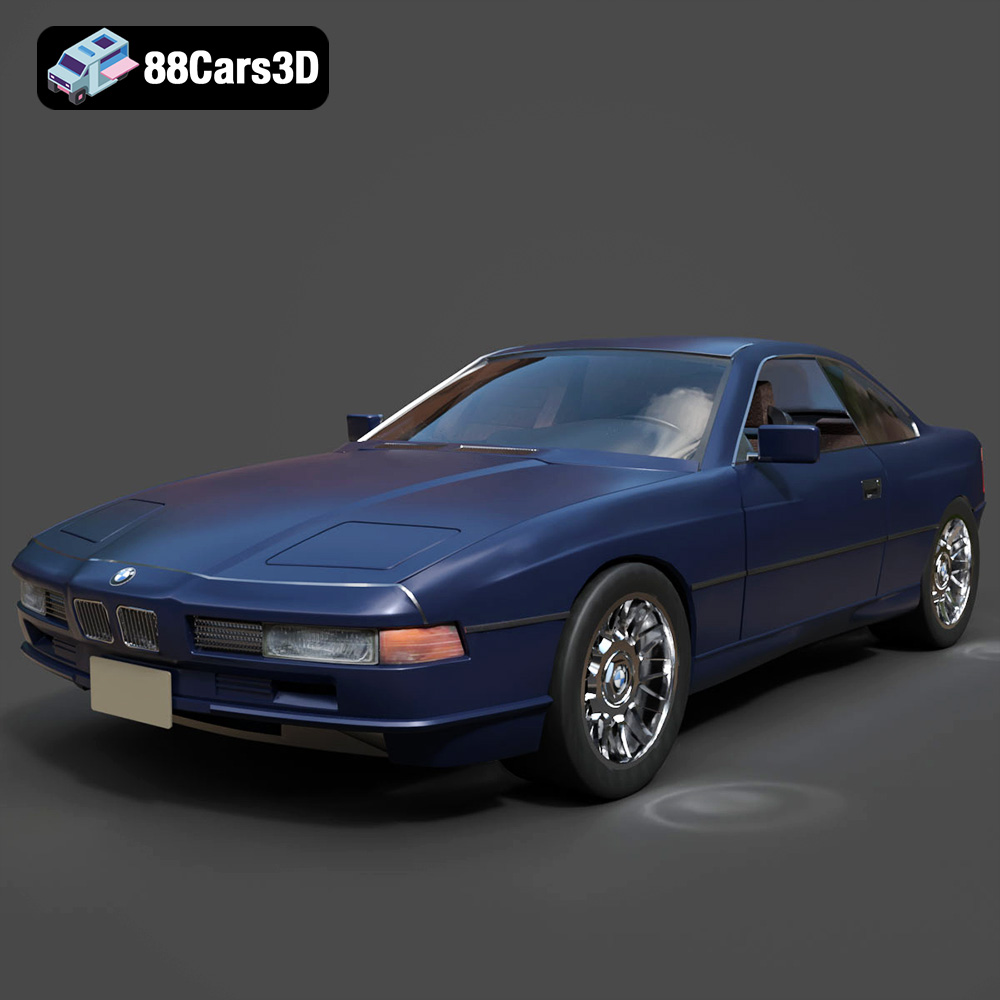
BMW 850i Coupe 1990 3D Model
Texture: Yes
Material: Yes
Download the BMW 850i Coupe 1990 3D Model featuring clean geometry, realistic detailing, and a fully modeled interior. Includes .blend, .fbx, .obj, .glb, .stl, .ply, .unreal, and .max formats for rendering, simulation, and game development.
Price: $13.99
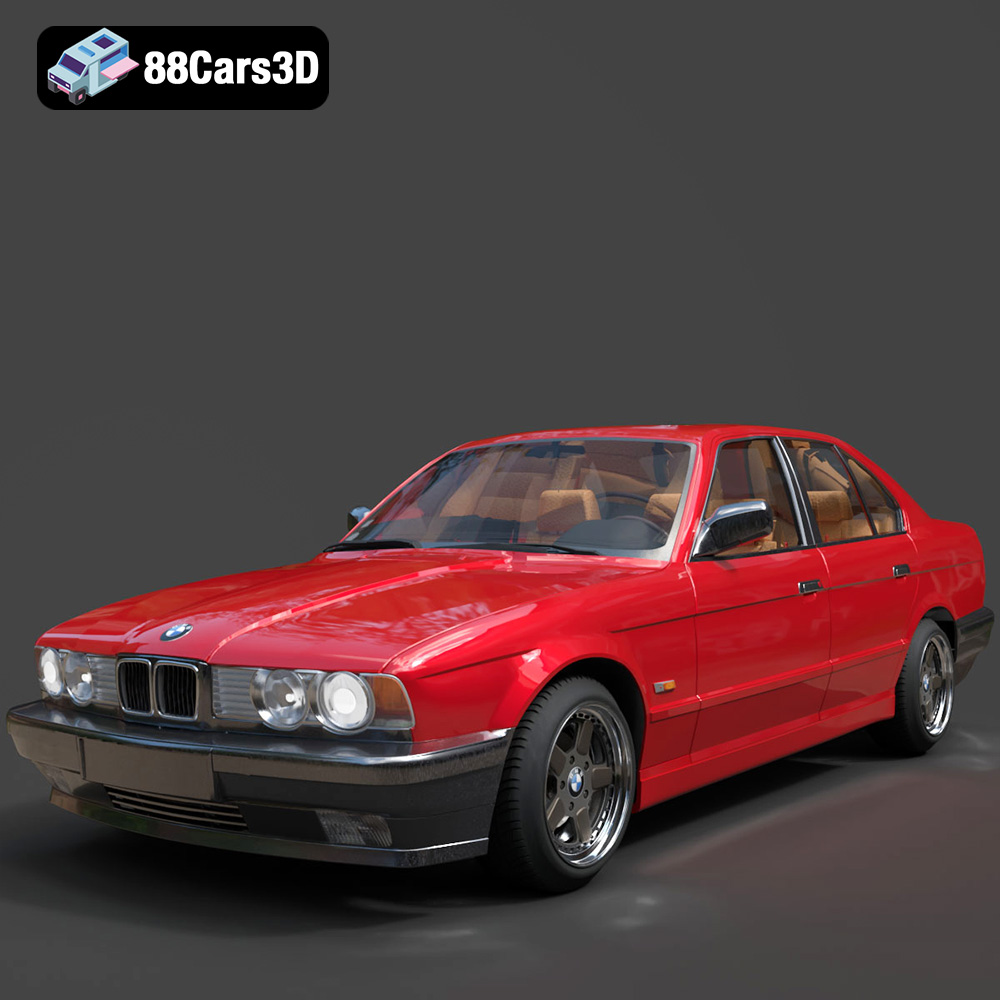
BMW 525i E34 1993 3D Model
Texture: Yes
Material: Yes
Download the BMW 525i E34 1993 3D Model featuring clean geometry, realistic detailing, and a fully modeled interior. Includes .blend, .fbx, .obj, .glb, .stl, .ply, .unreal, and .max formats for rendering, simulation, and game development.
Price: $12.99

BMW 7 Series 2016 3D Model
Texture: Yes
Material: Yes
Download the BMW 7 Series 2016 3D Model featuring luxurious design, detailed interior, and accurate exterior. Includes .blend, .fbx, .obj, .glb, .stl, .ply, .unreal, and .max formats for rendering, simulation, and game development.
Price: $10.79
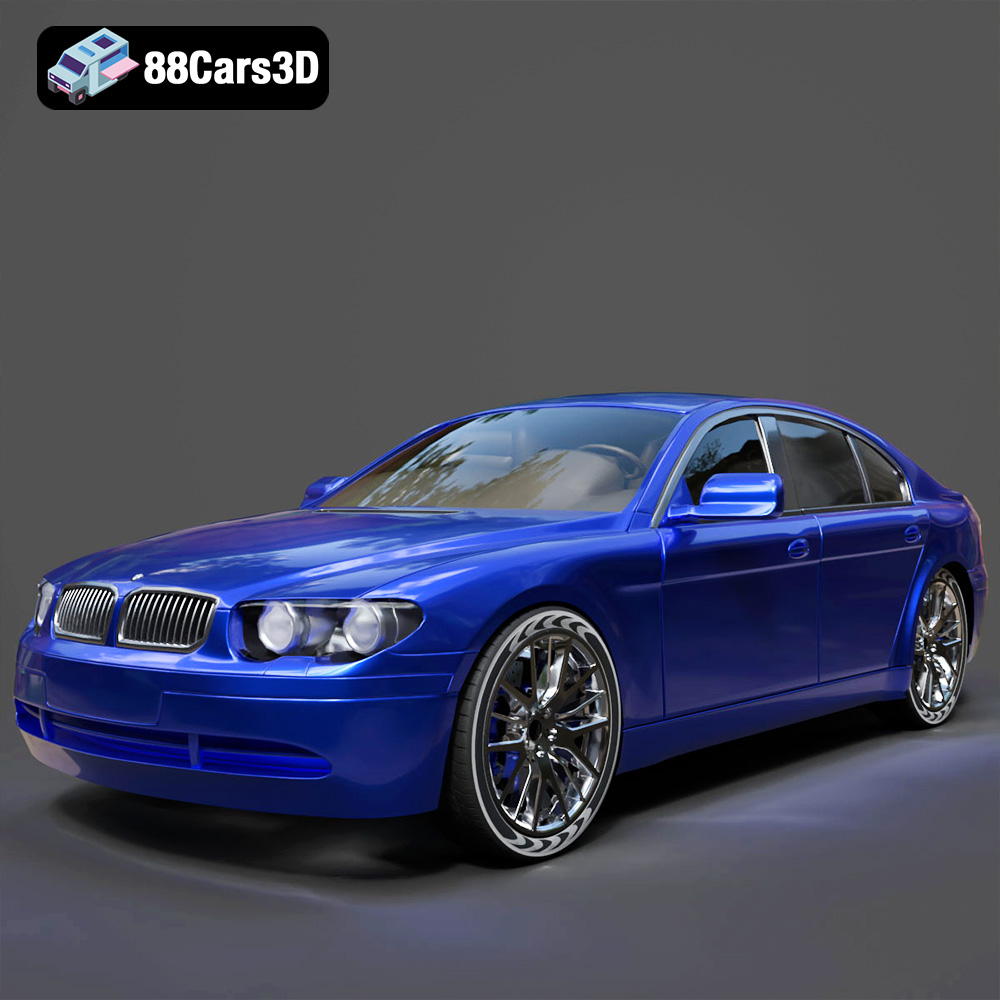
BMW 7 Series 30th Anniversary 3D Model
Texture: Yes
Material: Yes
Download the BMW 7 Series 30th Anniversary 3D Model featuring a meticulously crafted exterior, detailed interior, and realistic wheels. Includes .blend, .fbx, .obj, .glb, .stl, .ply, .unreal, and .max formats for rendering, simulation, and game development.
Price: $35.79

BMW 7-Series F02 3D Model
Texture: Yes
Material: Yes
Download the BMW 7-Series F02 3D Model featuring a detailed exterior and interior, optimized for rendering and animation. Includes .blend, .fbx, .obj, .glb, .stl, .ply, .unreal, and .max formats for rendering, simulation, and game development.
Price: $10.79
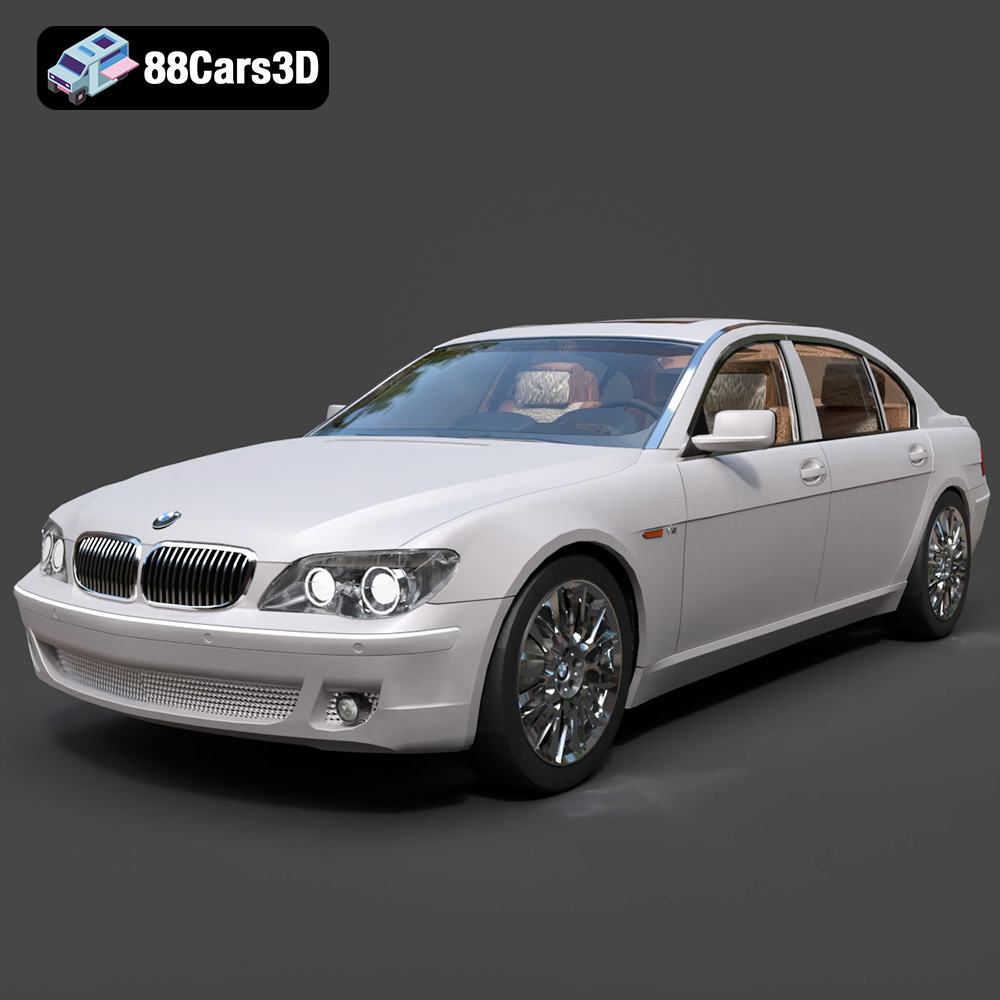
BMW 760Li E66 2005 3D Model
Texture: Yes
Material: Yes
Download the BMW 760Li E66 2005 3D Model featuring a detailed exterior, refined interior, and robust chassis. Includes .blend, .fbx, .obj, .glb, .stl, .ply, .unreal, and .max formats for rendering, simulation, and game development.
Price: $10.79
