

The pursuit of photorealism in real-time rendering has always been a driving force for innovation in game development, automotive visualization, and virtual production. For years, the Physically Based Rendering (PBR) metallic/roughness workflow has been the industry standard, providing a robust foundation for believable materials. However, as our visual expectations grow and the complexity of real-world materials becomes more apparent, the limitations of traditional PBR have started to emerge, especially when dealing with intricate surfaces like multi-layered car paints, advanced plastics, or specialized fabrics.
Enter Unreal Engine’s Substrate Material System – a monumental paradigm shift designed to redefine how we define and render materials. Substrate moves beyond the constraints of a single-surface PBR model, offering an incredibly flexible and physically accurate framework for creating virtually any material imaginable. For automotive visualization, where every reflection, every clear coat, and every intricate detail contributes to the perception of luxury and authenticity, Substrate is nothing short of revolutionary. This comprehensive guide will delve deep into the Substrate Material System, exploring its core concepts, practical implementation for high-fidelity 3D car models, and its profound impact on achieving unparalleled realism in your Unreal Engine projects. Get ready to unlock a new dimension of visual fidelity for your automotive assets.
The Limitations of Traditional PBR and Why Substrate Emerged
For over a decade, Physically Based Rendering (PBR) has been the cornerstone of realistic material creation across various real-time engines, including Unreal Engine. Its intuitive approach, based on real-world physics and material properties, has allowed artists to achieve consistently believable results. However, as rendering technology progressed and the demand for even greater realism intensified, particularly for highly complex and specialized materials, the limitations of the traditional PBR pipeline became increasingly apparent.
The PBR Standard and Its Strengths
Traditional PBR, typically implemented as a metallic/roughness workflow, defines a material’s appearance based on a few key parameters: Base Color (albedo), Metallic, Roughness, and Normal. These parameters dictate how light interacts with a surface, accurately simulating diffuse and specular reflections. PBR’s strength lies in its ability to produce consistent lighting responses regardless of the scene’s lighting conditions, making it an excellent choice for a wide range of everyday surfaces like wood, stone, metals, and plastics. Its standardization has streamlined asset creation workflows and significantly reduced the need for artists to “eyeball” material values, leading to a more physically accurate and predictable rendering pipeline. For many game assets and general visualization tasks, PBR remains a highly efficient and effective solution.
Where PBR Falls Short for Advanced Automotive Materials
While powerful, traditional PBR struggles with materials that exhibit complex layering, volumetric properties, or unique light interactions. Consider a high-gloss automotive clear coat: in reality, it’s a transparent layer *over* a metallic base paint. With traditional PBR, achieving this effect often involved a “fake” clear coat by tweaking roughness and metallic values, or resorting to complex shader hacks that broke physical accuracy and were difficult to optimize. This made it challenging to achieve nuanced effects like orange peel, deep metallic flakes, or the distinct refraction of a thick glass windshield without significant compromises.
Other materials that posed a significant challenge included:
- Multi-layered paints: Beyond a simple clear coat, many modern car paints have multiple effect layers, such as pearlescent or interference pigments, which are hard to represent with a single PBR surface.
- Volumetric objects: Materials with depth, like translucent plastics, thick glass, or certain types of rubber, required extensive custom shader work to simulate realistic light absorption and scattering.
- Fabrics with intricate weave patterns: Anisotropic reflections or subsurface scattering effects in textiles were often approximated rather than physically simulated.
- Complex skin or hair shaders: While dedicated skin shaders exist, integrating them seamlessly within a single, unified material framework was not straightforward.
These limitations meant that artists often had to compromise on visual fidelity or spend significant time developing bespoke shaders for each unique material, leading to inconsistency and increased development costs. This gap in capability is precisely what Substrate was designed to address, offering a unified, physically accurate solution for a vastly expanded range of material expressions.
Understanding the Core Concepts of Unreal Engine’s Substrate
The Substrate Material System in Unreal Engine represents a fundamental re-architecture of how materials are defined and rendered. It moves away from the traditional, monolithic surface shader to a flexible, layered approach that mirrors how real-world materials are constructed. At its heart, Substrate is about describing materials not as a single set of properties, but as a stack of physically accurate layers, each contributing to the final appearance. This layered model allows for unprecedented fidelity and artistic control, especially beneficial when working with high-quality 3D car models sourced from platforms like 88cars3d.com.
The Layered Material Model: Stacks and Mixers
The central concept of Substrate is its layered material model. Instead of directly outputting to a single material “surface,” Substrate materials are built by stacking various “Material Expressions” that represent different physical layers. Think of it like a graphics editing program where you combine multiple layers with different blending modes to achieve a final image. In Substrate, these layers are physically based and represent things like clear coats, volumetric materials, cloth, or even the underlying “standard” PBR surface.
Key components of this system include:
- Substrate Base Material: This is the starting point for any Substrate material. When you create a new material in Unreal Engine 5.1+ and set its Shading Model to “Substrate,” you gain access to the Substrate nodes.
- Substrate Material Expressions: These are the individual building blocks representing specific material layers. Examples include
Substrate Clear Coat,Substrate Standard,Substrate Cloth,Substrate Volumetric, andSubstrate Unlit. Each expression exposes parameters relevant to that specific physical layer (e.g., thickness and roughness for a clear coat, or scattering and absorption for a volumetric material). - Substrate Stack: Layers are connected in a stack, typically with the base layer at the bottom and more transparent or reflective layers (like clear coats) on top. The
Substrate Material Outputnode combines these layers, handling the complex light interaction calculations. - Substrate Mixers: These nodes, such as
Substrate Add,Substrate Blend, orSubstrate Replace, allow you to combine or blend properties from different layers, enabling complex effects like dirt accumulation on a clear coat or paint damage revealing a metallic substrate.
This modularity allows artists to precisely define the physical properties of each layer, ensuring that light interacts correctly throughout the entire material stack, resulting in far more realistic reflections, refractions, and overall appearance. For instance, simulating complex automotive paint with multiple effect layers becomes a straightforward process of stacking relevant Substrate expressions, rather than relying on custom code or approximations. You can find comprehensive details on each Substrate expression and their usage in the official Unreal Engine documentation at dev.epicgames.com/community/unreal-engine/learning, which provides invaluable technical insights.
Material Properties and Data Layers
Substrate doesn’t just stack visual layers; it also manages complex data layers that define how light interacts with each component. Each Substrate Material Expression contributes specific data to the overall material description. This includes:
- Base Color / Albedo: The fundamental color of the material.
- Roughness: Controls the microscopic surface irregularities, influencing specular reflection sharpness.
- Metallic: Determines if a material behaves like a metal or a dielectric.
- Specular IOR (Index of Refraction): Crucial for accurate reflections and refractions, especially in transparent materials like glass or clear coats.
- Thickness: For volumetric or transparent layers, defining the physical thickness is vital for accurate light absorption and scattering.
- Anisotropy: Describes directional reflection properties, useful for brushed metals or specific fabrics.
- Subsurface Scattering: For translucent materials where light penetrates the surface, scatters, and exits at a different point (e.g., skin, wax, some plastics).
The genius of Substrate lies in its ability to combine these properties across multiple layers in a physically coherent way. For example, a clear coat layer will correctly refract and reflect light before it even reaches the base metallic paint layer, and then the base layer’s properties will determine how much light is absorbed or reflected back through the clear coat. This intricate interplay of data ensures that the resulting material behaves exactly as it would in the real world, providing an unprecedented level of visual authenticity for everything from a car’s pristine finish to its textured interior components. This deep integration of physically accurate parameters is what truly sets Substrate apart and enables artists to craft truly next-generation materials.
Implementing Substrate for High-Fidelity 3D Car Models
The real power of Substrate comes to life when applied to high-fidelity assets, especially intricate 3D car models. Achieving showroom-quality realism for vehicles demands meticulous attention to every surface, from the multi-layered paintwork to the nuanced textures of tires and the transparency of glass. Substrate provides the tools to address these complex material requirements with physical accuracy, making it an indispensable asset for automotive visualization professionals.
Setting Up a Substrate Material for Car Paint
One of the most significant advancements Substrate offers is its ability to create truly realistic car paint. Traditional methods often relied on clever hacks to simulate the clear coat effect, but Substrate provides a direct, physically correct solution. Here’s a typical workflow for setting up a complex automotive paint:
- Create a New Material: In the Content Browser, right-click, select Material, and name it (e.g., `M_CarPaint_Substrate`).
- Set Shading Model to Substrate: Open the new material. In the Details panel, under the Material category, change the Shading Model from “Default Lit” to “Substrate”. This will replace the standard PBR inputs with a single “Substrate” input.
- Add the Base Paint Layer: Drag from the Substrate input and type “Substrate Standard” or “Substrate Metallic”. For most car paints, “Substrate Metallic” is the more appropriate choice as the base layer is often metallic. Connect your Base Color, Metallic, Roughness, and Normal maps to this node. For metallic flake effects, you can introduce a subtle normal map or even a custom noise texture into the Roughness or a custom “flake” parameter (if the Substrate Metallic node exposes it, or create a custom layer for flakes).
- Add the Clear Coat Layer: Drag from the Substrate output of your base paint layer and type “Substrate Clear Coat”. Connect this new Clear Coat node to the main `Substrate` input of the Material Output node.
- Configure the Clear Coat:
- Clear Coat Roughness: This controls the glossiness of the clear coat itself. Use a low value (e.g., 0.02 – 0.05) for a polished, pristine look, or introduce a texture for subtle orange peel effects.
- Clear Coat Thickness: A small but non-zero value (e.g., 0.01cm – 0.05cm) helps with physically accurate refraction and absorption.
- Clear Coat IOR (Index of Refraction): Typically around 1.5 for common automotive clear coats.
- Clear Coat Normal: Connect a dedicated normal map for the clear coat if you want specific surface details like orange peel independent of the base paint’s normal map.
- Add Effects (Optional): For multi-layered paints (e.g., pearlescent, interference), you might introduce additional `Substrate Thin Film` layers between the base paint and the clear coat, or even use `Substrate Volumetric` for specific effects. Experiment with mixing nodes (like `Substrate Blend`) to introduce dust or damage effects on top of the clear coat.
The beauty of this system is that each layer interacts physically. The clear coat correctly reflects and refracts light, and the base metallic paint beneath responds accordingly, creating an incredibly realistic and deep finish that was previously very difficult to achieve in real-time. When acquiring high-quality car models from marketplaces like 88cars3d.com, you often receive clean UV mapping and texture sets that are perfectly suited for this layered Substrate approach, allowing you to focus on material definition rather than asset preparation.
Beyond Paint: Tires, Glass, and Interior Surfaces
Substrate’s versatility extends far beyond just car paint. It’s equally transformative for other critical automotive materials:
- Realistic Glass: For car windows and headlights, a simple `Substrate Volumetric` or `Substrate Thin Film` layer connected to a transparent material setup provides accurate transmission, refraction, and absorption. You can control parameters like absorption color, density, and scattering for different glass types (e.g., tinted windows vs. clear headlights). The IOR is crucial here (e.g., ~1.5 for standard glass, varying for specialized optics). For condensation or dirt, you can blend additional `Substrate Standard` layers on top.
- Tire Rubber: Tires require a combination of roughness, micro-details, and perhaps subtle subsurface scattering. A `Substrate Standard` layer with high roughness values, combined with detailed normal maps for tread patterns and sidewall text, works well. For a wet tire effect, you could blend a very thin `Substrate Clear Coat` with low roughness on top, activated via a mask.
- Interior Materials: Substrate excels at representing complex interior surfaces. `Substrate Cloth` provides accurate fabric shaders for seats and headliners, allowing control over weave patterns, fuzz, and light scattering. `Substrate SSS (Subsurface Scattering)` is perfect for translucent plastics on dashboards or interior lighting elements, while `Substrate Anisotropic` can accurately depict brushed aluminum accents or carbon fiber weaves. The ability to layer these different material types means you can represent the nuanced interplay of textures and finishes found in a luxury car interior with unprecedented realism.
By leveraging these specific Substrate expressions, artists can build automotive materials that respond to light with a level of fidelity that truly blurs the line between real and rendered, pushing the boundaries of what’s achievable in real-time visualization.
Advanced Substrate Techniques and Integration with Unreal Engine Features
Substrate’s power is amplified when combined with other cutting-edge features within Unreal Engine. Its physically accurate material descriptions provide the perfect foundation for systems like Nanite for geometry, Lumen for global illumination, and Blueprint for interactivity. Understanding how these technologies synergize is key to unlocking the full potential of next-generation automotive visualization.
Combining Substrate with Nanite and Lumen for Ultra-Realism
The quest for photorealism in real-time has always been a balancing act between geometric detail, material complexity, and lighting accuracy. With Unreal Engine 5, Substrate, Nanite, and Lumen form a powerful triumvirate that tackles all three simultaneously:
- Nanite Virtualized Geometry: Nanite allows for incredibly dense geometric meshes without the traditional performance penalties. For a high-fidelity 3D car model, this means you can have millions of polygons detailing every curve, panel gap, and interior component without worrying about LODs at close distances. Substrate materials, with their complex layered definitions, are then applied to these highly detailed meshes. The synergy here is crucial: Nanite provides the geometric canvas for extreme detail, and Substrate paints that canvas with physically accurate light interactions. The result is a level of visual fidelity where every imperfection in the car paint or every subtle reflection on a chrome trim is rendered with breathtaking clarity, even on models exceeding hundreds of millions of polygons.
- Lumen Global Illumination and Reflections: Lumen, Unreal Engine’s fully dynamic global illumination and reflection system, thrives on physically accurate material input. Since Substrate materials describe light interaction with unparalleled precision (including correct IORs, absorption, and multi-layered reflections), Lumen can compute incredibly realistic indirect lighting, soft shadows, and reflections. For automotive scenes, this is paramount:
- Car Paint Reflections: Substrate-powered clear coats and metallic layers will produce precise, multi-bounce reflections in other surfaces and contribute accurately to the overall scene’s illumination.
- Interior Lighting: Light scattering through transparent or translucent interior plastics (defined with
Substrate VolumetricorSSS) will contribute correctly to the ambient light within the car cabin. - Environmental Interaction: A car rendered with Substrate materials will naturally integrate into its environment, reflecting and receiving light in a physically plausible manner, making it feel truly “present” in the scene.
This combination ensures that light not only interacts correctly with the surface of the car but also propagates realistically throughout the entire scene, resulting in truly immersive and believable visuals.
Dynamic Materials with Blueprint and Substrate Parameters
The ability to dynamically change material properties at runtime is a cornerstone of interactive experiences, especially for automotive configurators or virtual showrooms. Substrate materials are fully compatible with Unreal Engine’s Blueprint visual scripting system, allowing you to expose and manipulate their parameters with ease:
- Expose Parameters: In your Substrate material graph, for any constant or texture parameter you want to control (e.g., Base Color, Clear Coat Roughness, Metallic Flake Density), right-click on the node and convert it to a “Parameter” or “Texture Parameter.” Give it a meaningful name (e.g., “PaintColor,” “ClearCoatRoughness”).
- Create a Material Instance Dynamic (MID): In Blueprint, get a reference to the Mesh Component applying the material. From this component, use the node “Create Dynamic Material Instance” to create an instance of your Substrate material. Store this MID in a variable.
- Set Parameters: With the MID reference, you can use nodes like “Set Vector Parameter Value,” “Set Scalar Parameter Value,” or “Set Texture Parameter Value” to change the exposed parameters. For example, to change the car’s paint color, you would use “Set Vector Parameter Value” and plug in a new color value for your “PaintColor” parameter.
This powerful combination enables:
- Real-time Car Configurators: Users can instantly change paint colors, wheel finishes, interior upholstery materials, and even apply different levels of clear coat roughness (e.g., glossy vs. matte finish) with a click of a button, all rendered with Substrate’s physical accuracy.
- Interactive Demos: Showcase different material properties under various lighting conditions, or demonstrate how light interacts with specific surfaces.
- Procedural Damage/Wear: Blend in masked layers of dirt, scratches, or wear and tear effects at runtime, reacting to game events or user input.
Beyond configurators, Substrate materials also shine in cinematic contexts. Using Unreal Engine’s Sequencer, you can animate Substrate material parameters over time, creating stunning visual effects like paint changing color as a car moves under different lights, or dynamic weathering effects for a dramatic narrative. This level of dynamic control and visual fidelity opens up entirely new possibilities for automotive marketing, design review, and interactive experiences.
Performance Optimization and Best Practices for Substrate Materials
While Substrate offers unparalleled visual fidelity, its complex layered calculations can naturally come with a higher performance cost than traditional PBR. Achieving photorealism in real-time requires a careful balance between visual quality and performance. Understanding how to optimize Substrate materials and adhering to best practices is crucial for maintaining smooth frame rates, especially in demanding applications like automotive visualization and AR/VR experiences.
Profiling Substrate Material Complexity
The first step in optimizing any material is to understand its performance footprint. Unreal Engine provides robust tools to help you identify and address performance bottlenecks:
- Material Stats Window: In the material editor, click the “Stats” button. This window provides detailed information about your material’s instruction count, texture samplers, and other resource usage. For Substrate, pay close attention to the “Substrate Cost” section, which indicates the overhead introduced by each layer and the overall complexity. High instruction counts, especially in pixel shaders, can indicate a material that is too expensive.
- Shader Complexity View Mode: In the Unreal Engine viewport, navigate to View Modes > Optimization Viewmodes > Shader Complexity. This view color-codes objects based on their material’s instruction count, with green being cheap and red/pink being very expensive. Aim to keep most of your scene in the green-to-light-blue range. For critical, high-detail assets like a car, you might tolerate some yellow, but red indicates a serious performance drain.
- GPU Profiler: Use the console command
'stat gpu'or the built-in GPU profiler (accessible via'Ctrl+Shift+,'in editor) to get a more granular breakdown of GPU time. This helps identify if material rendering is indeed the bottleneck. Look for entries related to “BasePass” or “Material Shaders.”
By regularly profiling your Substrate materials, you can pinpoint specific layers or calculations that are disproportionately impacting performance and make informed decisions on where to optimize.
Smart Layering and Instancing for Efficiency
Effective optimization for Substrate materials often comes down to intelligent design and leveraging Unreal Engine’s instancing capabilities:
- Use Only Necessary Layers: Resist the urge to add layers just because they’re available. Each `Substrate Material Expression` adds to the computational cost. If a simple `Substrate Standard` layer suffices, don’t use a `Substrate Clear Coat` that adds no visual benefit. For instance, a basic matte plastic might only need one `Substrate Standard` layer, whereas a car paint requires a `Substrate Metallic` base and a `Substrate Clear Coat` on top.
- Minimize Complex Layer Types: Layers like `Substrate Volumetric` or `Substrate SSS` are inherently more expensive than `Substrate Standard` or `Substrate Clear Coat` due to the complex light scattering calculations involved. Use them judiciously and only where their visual impact is critical (e.g., thick glass or translucent plastics).
- Material Instancing: This is a cornerstone of Unreal Engine optimization and is equally vital for Substrate. Create a Master Substrate Material (e.g., `M_CarPaint_Master`) with all necessary layers and exposed parameters. Then, create multiple `Material Instances` from this master (e.g., `MI_CarPaint_Red`, `MI_CarPaint_Blue`). Material Instances compile much faster and are more efficient at runtime because they share the underlying shader code of the master material, only changing their parameter values.
- Texture Optimization:
- Resolution: Use appropriate texture resolutions. A 4K texture for a small, distant detail is wasteful. Consider 2K or 1K for most surfaces, reserving 4K+ for critical, close-up details like the main car body.
- Compression: Ensure textures are using efficient compression settings (e.g., BC7 for color, BC5 for normal maps, G8 for masks).
- Packing Channels: Combine grayscale masks (roughness, metallic, ambient occlusion) into the RGBA channels of a single texture to reduce texture sampler count.
- Leverage Level of Detail (LODs) for Materials: While Substrate material layers themselves don’t have traditional LODs, you can create separate, simpler Substrate materials for lower geometric LODs of your 3D car models. For instance, a complex multi-layered car paint might be used for LOD0, but for LOD2 and beyond, you might switch to a simpler `Substrate Standard` material that approximates the look with fewer instructions. When sourcing optimized automotive assets from marketplaces such as 88cars3d.com, they often come with pre-configured LODs for geometry, which perfectly complements this material-LOD strategy.
- Vertex Colors for Layer Blending: Instead of using high-resolution mask textures for localized effects (like dirt or wear), consider using vertex colors to drive `Substrate Blend` nodes. This can be significantly more performant for broad strokes of masking.
By thoughtfully designing your Substrate materials and employing these optimization strategies, you can achieve stunning visual fidelity without sacrificing real-time performance, ensuring your automotive visualizations run smoothly on target hardware.
The Future of Automotive Visualization with Substrate
The introduction of the Substrate Material System is not just an incremental update; it’s a foundational shift that fundamentally redefines the capabilities of real-time automotive visualization within Unreal Engine. Its ability to accurately represent complex, multi-layered materials elevates digital vehicles to an unprecedented level of realism, paving the way for revolutionary applications across various industries. This marks a new era where the virtual car is virtually indistinguishable from its physical counterpart.
AR/VR and Real-Time Configurators
One of the most immediate and impactful beneficiaries of Substrate’s advancements is the realm of interactive automotive experiences, particularly in Augmented Reality (AR), Virtual Reality (VR), and real-time configurators:
- Unprecedented Immersion in AR/VR: For AR/VR applications, the perception of realism is paramount for immersion. A virtual car rendered with Substrate materials will exhibit physically correct reflections, refractions, and surface interactions, making it feel truly present and tangible within a virtual or mixed reality environment. Imagine walking around a car in VR, observing the subtle orange peel on the paint, the metallic flakes catching the light, or the deep reflections on the windshield – all rendered with perfect physical accuracy. This level of detail is crucial for convincing design reviews, immersive marketing showcases, and realistic training simulations. The accurate light transport and shading provided by Substrate minimize the “uncanny valley” effect, making the virtual vehicle feel truly real.
- Next-Generation Real-Time Configurators: Automotive configurators are no longer just about changing colors. With Substrate, they become powerful tools for showcasing every nuance of a vehicle’s design and material choices. Users can cycle through various paint finishes (solid, metallic, pearlescent), observe how different lighting conditions affect the material’s appearance, compare leather textures with realistic subsurface scattering, or examine the intricate weave of carbon fiber trim, all in real-time. This level of fidelity allows prospective buyers or designers to make highly informed decisions, experiencing the material characteristics dynamically and interactively, blurring the line between a digital model and a physical prototype. Blueprint integration with Substrate parameters makes these dynamic changes intuitive and performant.
Virtual Production and Digital Twins
Substrate’s physically accurate material definitions also have transformative implications for high-end production workflows, particularly in virtual production and the creation of digital twins:
- Seamless Integration in Virtual Production: Virtual production, leveraging LED walls and real-time engines like Unreal Engine, demands that digital assets flawlessly blend with physical elements. For automotive commercials or film sequences, a digital double of a car must match its real-world counterpart with absolute precision. Substrate makes this possible. The physically accurate car paint, glass, and metal materials ensure that the virtual vehicle responds to the lighting of the LED wall and the physical set exactly as a real car would. This enables breathtaking shots where digital cars interact seamlessly with real actors and environments, reducing the need for costly physical prototypes and enabling creative freedom previously unattainable. The fidelity offered by Substrate means the digital asset holds up even in close-up, high-resolution shots on large screens.
- High-Fidelity Digital Twins: The concept of a “digital twin” – a virtual replica of a physical object – is gaining immense traction in automotive design, engineering, and manufacturing. Substrate is a critical component in creating truly accurate digital twins of vehicles. By defining materials with real-world physical properties (IOR, thickness, absorption, scattering), engineers and designers can visualize and analyze how their designs will look and perform under various conditions with unprecedented accuracy. This extends beyond aesthetics to functional properties, as light interaction directly impacts perceived quality and safety features. From early concept design to final marketing materials, Substrate provides the material foundation for a consistent, high-fidelity digital representation of a vehicle throughout its entire lifecycle. This also significantly streamlines the asset pipeline, as high-quality automotive models from resources like 88cars3d.com can be readily adapted into these robust digital twin environments.
In essence, Substrate empowers artists and engineers to move beyond approximations, allowing them to craft digital automobiles with a level of fidelity that was once the exclusive domain of offline renderers. This opens up a wealth of new opportunities for design, marketing, and interactive experiences, solidifying Unreal Engine’s position at the forefront of automotive visualization technology.
Conclusion
The journey towards photorealism in real-time graphics has taken another monumental leap forward with the introduction of Unreal Engine’s Substrate Material System. By moving beyond the inherent limitations of traditional PBR, Substrate empowers artists and developers to define materials with an unprecedented level of physical accuracy and creative freedom. For the demanding world of automotive visualization, this is nothing short of revolutionary, enabling the creation of 3D car models that truly blur the line between virtual and reality.
We’ve explored how Substrate addresses the complexities of multi-layered car paints, realistic glass, and intricate interior surfaces. We’ve seen how its layered architecture, combined with advanced material expressions and a physically based data model, allows for the precise simulation of light interaction. Furthermore, the synergy between Substrate, Nanite’s geometric detail, and Lumen’s global illumination creates an ecosystem where every reflection, refraction, and surface nuance contributes to a breathtakingly immersive experience. The ability to control these complex materials dynamically via Blueprint also opens up exciting possibilities for next-generation interactive configurators and cinematic sequences.
While Substrate offers immense power, mastering it involves understanding its core concepts, adopting smart layering techniques, and diligently profiling for performance. By leveraging material instances, optimizing textures, and using layers judiciously, you can achieve stunning visuals without compromising real-time performance. The future of automotive visualization, from immersive AR/VR experiences to seamless virtual production and precise digital twins, is undeniably shaped by the capabilities of Substrate. For artists and developers seeking to push the boundaries of realism in their projects, embracing Substrate is not just an option, but a necessity.
The path to creating truly next-gen 3D car models in Unreal Engine begins here. Start experimenting with Substrate today, layer by physically accurate layer, and witness your automotive visions come to life with unmatched fidelity. Remember to consult the official Unreal Engine documentation at dev.epicgames.com/community/unreal-engine/learning for the deepest technical dive, and consider sourcing high-quality, optimized 3D car models from marketplaces like 88cars3d.com to provide a strong foundation for your Substrate-powered masterpieces.
Featured 3D Car Models

BMW 7 Series E38 3D Model
Texture: Yes
Material: Yes
Download the BMW 7 Series E38 3D Model featuring its iconic luxury sedan design and classic aesthetics. Includes .blend, .fbx, .obj, .glb, .stl, .ply, .unreal, and .max formats for rendering, simulation, and game development.
Price: $10.79

BMW 6 Series 640i F12 3D Model
Texture: Yes
Material: Yes
Download the BMW 6 Series 640i F12 3D Model featuring a sleek design and detailed interior. Includes .blend, .fbx, .obj, .glb, .stl, .ply, .unreal, and .max formats for rendering, simulation, and game development.
Price: $10.79

BMW 3 F30 3D Model
Texture: Yes
Material: Yes
Download the BMW 3 F30 3D Model featuring a detailed exterior, realistic interior, and optimized mesh. Includes .blend, .fbx, .obj, .glb, .stl, .ply, .unreal, and .max formats for rendering, simulation, and game development.
Price: $10.79
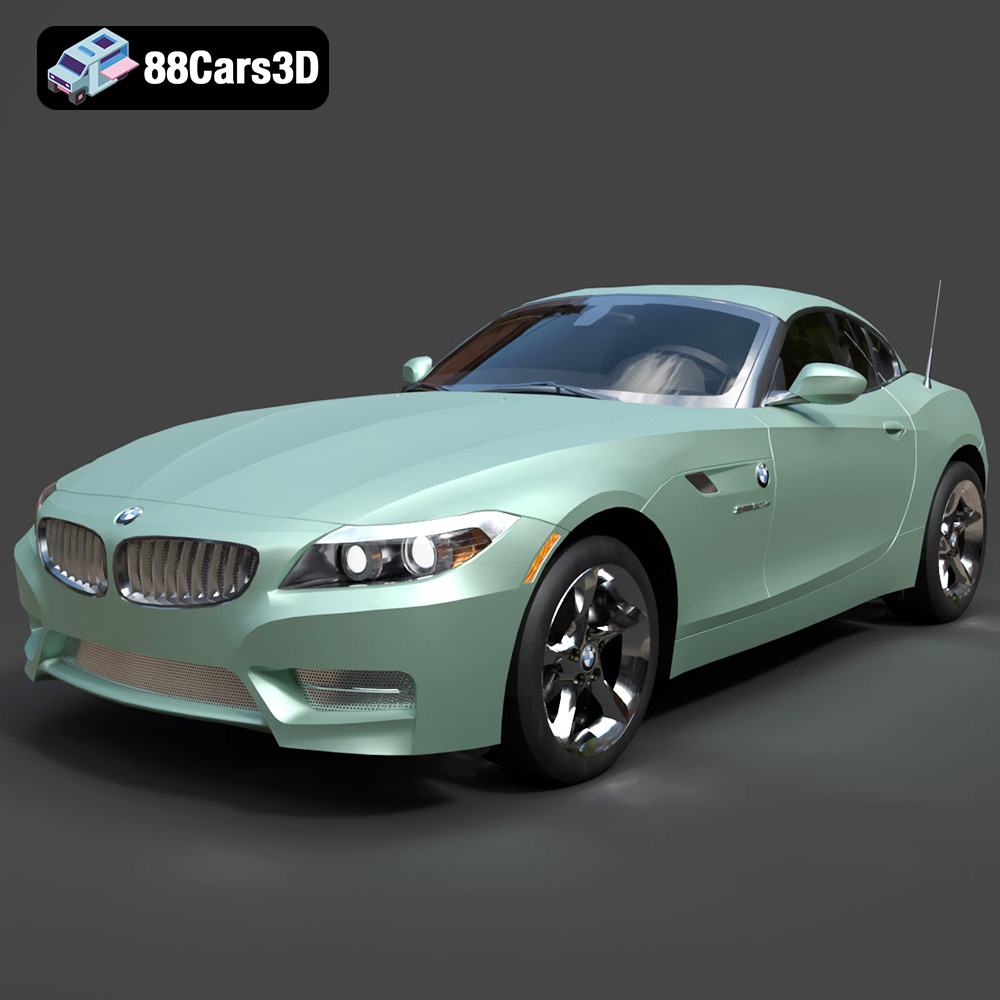
BMW Z4 Roadster E89 2012 3D Model
Texture: Yes
Material: Yes
Download the BMW Z4 Roadster E89 3D Model featuring clean geometry, realistic detailing, and a fully modeled interior. Includes .blend, .fbx, .obj, .glb, .stl, .ply, .unreal, and .max formats for rendering, simulation, and game development.
Price: $13.99

BMW Z4 E85 2005 3D Model
Texture: Yes
Material: Yes
Download the BMW Z4 E85 3D Model featuring clean geometry, realistic detailing, and a fully modeled interior. Includes .blend, .fbx, .obj, .glb, .stl, .ply, .unreal, and .max formats for rendering, simulation, and game development.
Price: $13.99

BMW M3 2024 3D Model
Texture: Yes
Material: Yes
Download the BMW M3 2024 3D Model featuring clean geometry, realistic detailing, and a fully modeled interior. Includes .blend, .fbx, .obj, .glb, .stl, .ply, .unreal, and .max formats for rendering, simulation, and game development.
Price: $13.99
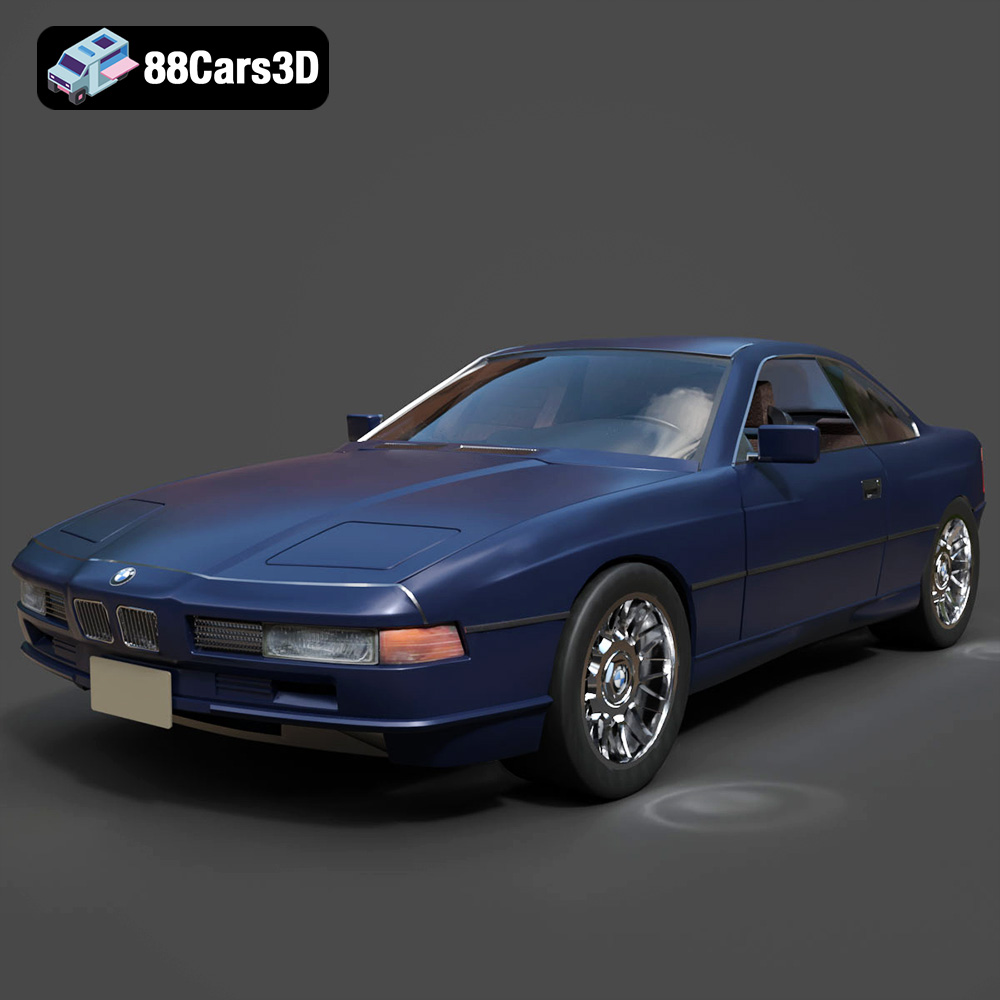
BMW 850i Coupe 1990 3D Model
Texture: Yes
Material: Yes
Download the BMW 850i Coupe 1990 3D Model featuring clean geometry, realistic detailing, and a fully modeled interior. Includes .blend, .fbx, .obj, .glb, .stl, .ply, .unreal, and .max formats for rendering, simulation, and game development.
Price: $13.99
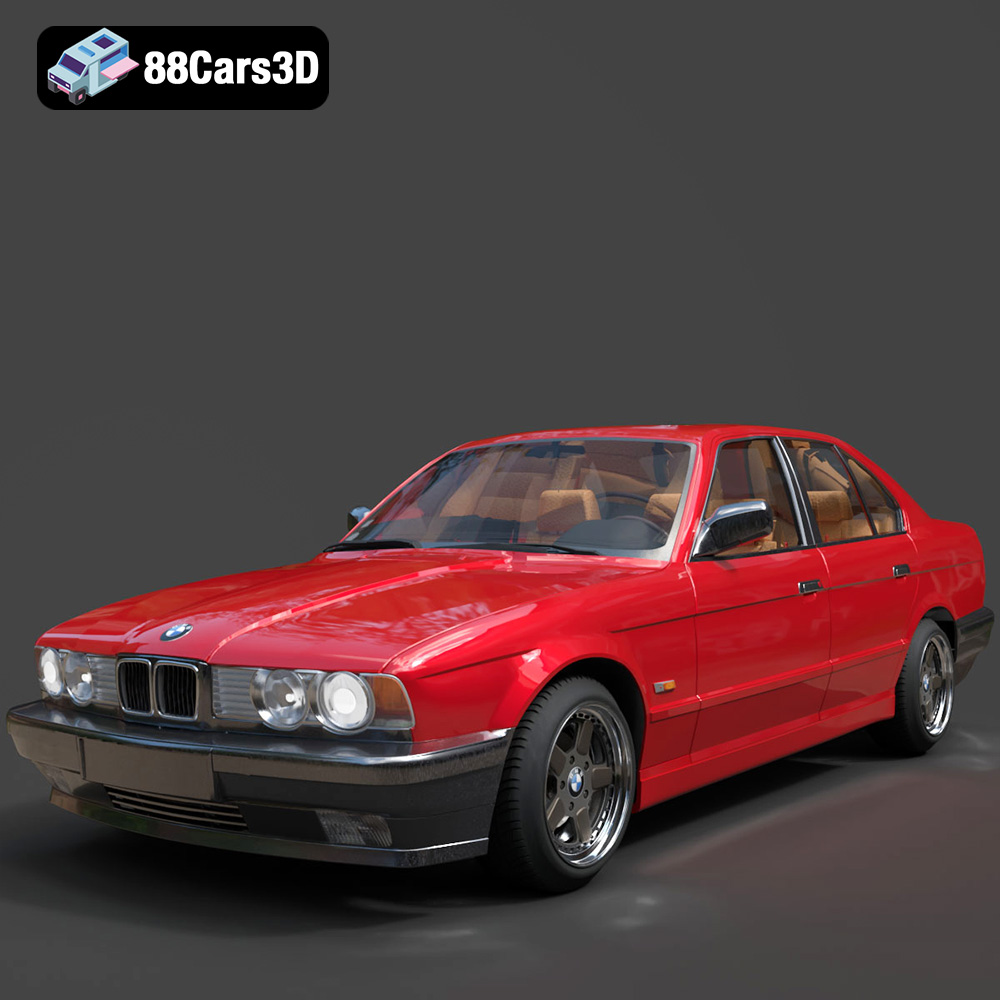
BMW 525i E34 1993 3D Model
Texture: Yes
Material: Yes
Download the BMW 525i E34 1993 3D Model featuring clean geometry, realistic detailing, and a fully modeled interior. Includes .blend, .fbx, .obj, .glb, .stl, .ply, .unreal, and .max formats for rendering, simulation, and game development.
Price: $12.99

BMW 7 Series 2016 3D Model
Texture: Yes
Material: Yes
Download the BMW 7 Series 2016 3D Model featuring luxurious design, detailed interior, and accurate exterior. Includes .blend, .fbx, .obj, .glb, .stl, .ply, .unreal, and .max formats for rendering, simulation, and game development.
Price: $10.79
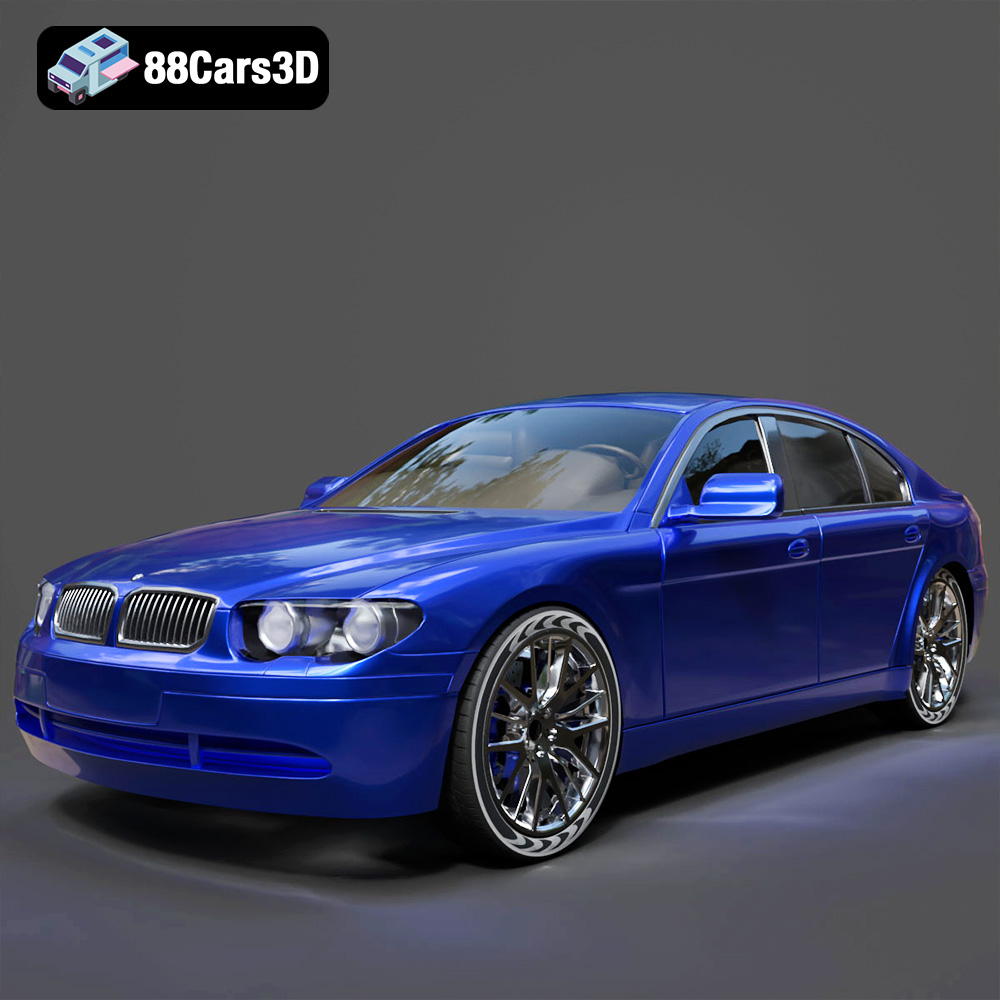
BMW 7 Series 30th Anniversary 3D Model
Texture: Yes
Material: Yes
Download the BMW 7 Series 30th Anniversary 3D Model featuring a meticulously crafted exterior, detailed interior, and realistic wheels. Includes .blend, .fbx, .obj, .glb, .stl, .ply, .unreal, and .max formats for rendering, simulation, and game development.
Price: $35.79
