

“`html
Mastering the Art of 3D Printing Automotive Models: From STL Files to Show-Stopping Replicas
The allure of classic cars, sleek sports cars, and robust trucks has captivated enthusiasts for generations. Now, with the advent of 3D printing, the ability to hold a meticulously detailed miniature replica of your dream car is within reach for hobbyists and collectors alike. But transforming a digital STL file into a tangible, high-quality model involves more than just hitting “print.” It requires a deep understanding of file preparation, 3D printer settings, slicing techniques, and post-processing workflows. This comprehensive guide will walk you through the essential steps, from selecting the perfect printable car STL files to achieving professional-grade results on your FDM or resin 3D printer. We’ll explore critical aspects like mesh integrity, optimal slicing parameters, the art of support generation, and material choices, empowering you to bring your automotive passion to life, one layer at a time.
The Foundation: Understanding and Preparing Your Printable Car STL Files
The journey to a successful 3D printed car model begins with the STL file itself. STL (STereoLithography) is the de facto standard file format for 3D printing, representing a 3D object’s surface geometry as a collection of triangular facets. However, not all STL files are created equal. For hobbyists and collectors, particularly those sourcing models from marketplaces like 88cars3d.com, the quality of the STL is paramount. A well-designed STL file boasts clean geometry, manifold surfaces (watertight), appropriate wall thickness for printing, and often, optimized mesh density to balance detail and file size. Understanding these characteristics is the first step in ensuring a smooth printing process and a superior final product.
Mesh Integrity and Watertight Models
A fundamental requirement for any printable 3D model is that it must be “watertight” or manifold. This means there are no holes, no non-manifold edges (edges shared by more than two faces), and no inverted normals. Many 3D modeling software packages, and specialized tools like Meshmixer or Netfabb, can analyze and repair STL files. Common issues include gaps in the surface, self-intersecting triangles, and holes where parts of the model should connect. For automotive models, ensuring the chassis, body panels, and interior components are properly sealed prevents slicing errors and weak print structures. For instance, a gap in the wheel arch could lead to a hollow section in the final print, compromising structural integrity.
Optimizing Geometry for 3D Printing
While highly detailed models are desirable, overly complex meshes with millions of polygons can overwhelm slicing software and increase print times unnecessarily. Professional marketplaces often provide models with optimized polygon counts. Furthermore, consider the intended printing technology. FDM printing requires robust geometry with sufficient wall thickness (typically at least 0.8mm to 1.2mm for small details), whereas resin printing can handle finer details and thinner walls. When downloading models, look for descriptions that specify optimization for FDM or resin printing, or check if different versions are provided. Models from 88cars3d.com are designed with these printability considerations in mind, offering a solid starting point.
File Formats Beyond STL
While STL is ubiquitous, other file formats like OBJ and FBX are also common. OBJ files can store color and texture information, which can be useful for some resin printers that support multi-color printing or for reference during painting. FBX is a more advanced format often used in game development and animation, capable of storing complex scene data. However, for standard single-material 3D printing, STL remains the most widely supported and reliable format. When working with models from various sources, ensure your slicing software can import and process the given file format, or convert it to STL if necessary using 3D modeling software.
Slicing Strategies: Translating Digital Models into Printer Instructions
The slicer is your digital workshop, converting your STL file into a series of layer-by-layer instructions (G-code) that your 3D printer understands. This is where critical decisions are made that directly impact print quality, strength, and time. Choosing the right 3D printer settings and slicing strategy for your chosen material and printer is an art form. For intricate printable car models, understanding the nuances of layer height, infill, print speed, and cooling is essential to capture fine details like panel lines, grilles, and interior elements without compromising the structural integrity of the print.
Layer Height vs. Print Time and Detail
Layer height is one of the most significant factors affecting print quality and time. A smaller layer height (e.g., 0.08mm to 0.12mm for resin, 0.1mm to 0.15mm for FDM) results in finer details, smoother curves, and reduced “stair-stepping” artifacts on angled surfaces. This is crucial for automotive models where sharp body lines and smooth paint finishes are desired. However, decreasing layer height dramatically increases print time. Conversely, a larger layer height (e.g., 0.2mm to 0.3mm for FDM) significantly speeds up printing but sacrifices detail and introduces more visible layer lines. For show-quality car models, it’s often a trade-off: start with a finer layer height for critical visible areas and potentially use a slightly larger one for less visible, internal components if optimizing for speed. Experimentation is key; many slicers, like Cura or PrusaSlicer, allow for custom support settings per part of the model or even per layer.
Infill Patterns, Density, and Their Impact
Infill provides internal support to the outer shell of your print. For display models, high structural strength is often less critical than for functional parts. Infill density (typically ranging from 5% to 20%) can be adjusted to save material and reduce print time. Common infill patterns like Grid, Cubic, or Gyroid offer different balances of strength and printability. For most printable car models, a lower infill density (10-15%) with a strong pattern like Gyroid is usually sufficient. If you plan on assembling multiple parts or need a particularly sturdy model, increasing the density might be beneficial. Consider the weight and feel; higher infill results in a heavier, more solid model. For resin printing, infill is typically not a parameter as prints are solid, though hollow modes with drainage holes are often used to save resin and reduce curing times.
Optimizing Print Speed and Temperature
Print speed directly affects print time and quality. Printing too fast can lead to poor layer adhesion, ringing artifacts, and decreased detail. Printing too slowly can unnecessarily prolong print times. Typical FDM printing speeds for PLA range from 40-60 mm/s for outer walls and 60-100 mm/s for inner walls and infill. For intricate car models, reducing the speed for outer walls to 30-40 mm/s can significantly improve surface finish. Temperature settings (nozzle and bed) are material-dependent. For PLA, a nozzle temperature of 190-220°C and a bed temperature of 50-60°C are common. For PETG, these temperatures increase. Always refer to the filament manufacturer’s recommendations and calibrate your printer for optimal extrusion. Over-extrusion can fill in fine details, while under-extrusion leads to weak prints and gaps.
The Art of Support Structures: Ensuring Intricate Details Print Flawlessly
Automotive models are often characterized by complex geometries, overhangs, and delicate features like spoilers, mirrors, and undercarriages. Effective use of support structures is crucial to successfully printing these elements without compromising the main model. Slicers offer various support generation options, but understanding how and when to use them, and how to remove them cleanly, is a skill that separates mediocre prints from exceptional ones. Poorly placed or difficult-to-remove supports can damage fine details, leaving a messy finish.
Automatic vs. Manual Support Generation
Most slicers provide automatic support generation, which can be a good starting point. However, automatic supports are not always optimal. They might add supports in places where they aren’t needed or fail to provide adequate support for critical overhangs. Many slicers, including Cura and PrusaSlicer, allow for manual support placement or enabling supports only on certain angles (e.g., over 45-60 degrees). For complex car models, manually adding supports to specific overhangs, like the underside of a spoiler or the wheel wells, can lead to cleaner results and easier removal. Using tree supports (available in some slicers) can also be beneficial as they are often easier to remove and use less material than traditional supports.
Support Settings: Density, Placement, and Interface Layers
Key support settings include support density, support pattern, and support interface layers. Support density (typically 5-15%) controls how solid the support structure is. A lower density makes supports easier to break away. Support interface layers are solid layers printed just below the model’s overhang, providing a smoother surface where the support attaches. This significantly improves the surface finish of the underside of overhangs and makes removal cleaner. For detailed car models, enabling interface layers is highly recommended. Ensure the “Support Placement” is set to “Touching Buildplate” or “Everywhere” based on the model’s geometry. If the model is split into parts, “Touching Buildplate” is often sufficient.
Support Removal and Cleanup Techniques
The goal of support removal is to detach the support structures cleanly without damaging the printed model. For FDM prints, tools like flush cutters, hobby knives, and needle-nose pliers are invaluable. Gently twist and pull supports away from the model. For resin prints, supports are typically removed after washing and curing, often using a hobby knife or flush cutters. Be patient and work carefully. If supports leave marks or blemishes on the surface, these can often be addressed during post-processing through sanding or filling. Consider printing separate, smaller components (like mirrors or spoilers) that might require extensive supports and attaching them post-print, allowing for easier support removal and better orientation choices for each part.
Material Selection and Printer Calibration: The Backbone of Quality Prints
The choice of filament or resin, coupled with a well-calibrated 3D printer, forms the bedrock of high-quality prints. Different materials offer distinct properties suitable for various applications, and understanding your printer’s capabilities and limitations is crucial for consistent results. For intricate printable car models, material selection can influence durability, ease of post-processing, and the final aesthetic finish.
FDM Materials: PLA, PETG, and ABS
PLA (Polylactic Acid) is the most popular material for hobbyist FDM printing due to its ease of use, low warping, and minimal odor. It’s excellent for detailed models and takes paint well. However, it has a lower heat resistance and can become brittle. PETG (Polyethylene Terephthalate Glycol) offers better temperature resistance and durability than PLA but can be slightly stringier and harder to print cleanly. It’s a good choice if the model needs to be more robust. ABS (Acrylonitrile Butadiene Styrene) is known for its strength and temperature resistance but is prone to warping and requires a heated enclosure and good ventilation due to fumes. For display models, PLA is often the preferred choice for its balance of detail and ease of printing. When downloading models from platforms like 88cars3d.com, they are typically optimized for common materials like PLA.
Resin Printing: SLA, DLP, and LCD Technologies
Resin printing (SLA, DLP, LCD) excels at producing incredibly detailed and smooth prints, making it ideal for highly intricate automotive models. Various resin types are available, including standard resins for high detail, tough resins for durability, and flexible resins. Standard resins offer a great balance for display models. However, resin printing involves more post-processing steps (washing in IPA, curing under UV light) and requires careful handling due to the chemical nature of the resins. Safety precautions, such as wearing gloves and working in a well-ventilated area, are essential.
Printer Calibration for Precision
Before printing any detailed model, ensure your 3D printer is properly calibrated. This includes:
- Bed Leveling: A perfectly level print bed is critical for the first layer adhesion, which impacts the entire print.
- E-step Calibration: Ensures the extruder pushes out the correct amount of filament.
- Temperature Tower Calibration: Finding the optimal nozzle and bed temperatures for your specific filament.
- Flow Rate Calibration: Fine-tuning extrusion to prevent over- or under-extrusion.
- Retraction Settings: Minimizing stringing, especially important for detailed models.
For resin printers, calibration involves adjusting exposure times for each layer and ensuring the build plate is clean and properly secured. Regular maintenance, such as cleaning nozzles, checking belts, and lubricating moving parts, also contributes to consistent print quality.
Post-Processing: Refining Your Printed Masterpiece
Once your printable car model has emerged from the 3D printer, the journey isn’t over. Post-processing is where raw prints are transformed into polished, display-worthy collectibles. This phase involves removing supports, smoothing surfaces, assembling parts, and applying paint and finishing touches. The techniques used can range from simple sanding to advanced detailing, depending on the desired final appearance.
Support Removal and Initial Cleaning
As discussed earlier, careful support removal is the first step. After removing supports, especially on FDM prints, you might notice small blemishes or imperfections where the supports were attached. For resin prints, ensure all uncured resin is washed away using isopropyl alcohol (IPA) or an appropriate resin cleaner, and then fully cured under UV light according to the resin manufacturer’s guidelines. Inspect the model for any residual support material or printing artifacts.
Surface Smoothing and Preparation
Layer lines are an inherent characteristic of FDM printing. To achieve a smooth, paint-ready surface, sanding is often necessary. Start with a coarser grit sandpaper (e.g., 120-220 grit) to remove larger imperfections and layer lines, then progressively move to finer grits (e.g., 400, 800, 1000+ grit). For resin prints, sanding is usually less intensive, focusing on minor blemishes. Filler primers or modeling putties can be used to fill any remaining gaps or imperfections before painting. For FDM prints, a technique called “vapor smoothing” using acetone (for ABS) or specific smoothing compounds can achieve a glass-like finish, but requires extreme caution and proper ventilation.
Assembly and Painting Techniques
Many complex car models are designed to be printed in multiple parts (chassis, body, wheels, interior) for easier printing and assembly. Use appropriate adhesives like super glue (cyanoacrylate), epoxy, or plastic cement, depending on the material. When painting, use primer first to ensure good paint adhesion and to reveal any remaining surface imperfections. Acrylic model paints are versatile and widely available. Airbrushing can provide a smooth, even finish, especially for body panels, while small brushes are useful for intricate details like grilles, lights, and trim. Consider applying a clear coat (gloss, satin, or matte) as a final protective layer and to achieve the desired final sheen.
Conclusion
Bringing highly detailed printable car models to life through 3D printing is a rewarding endeavor that combines technical skill with automotive passion. By understanding the intricacies of STL file preparation, mastering 3D printer settings within your slicer, strategically utilizing support structures, selecting appropriate materials, and diligently applying post-processing techniques, you can elevate your hobbyist creations from simple prints to exquisite display pieces. Whether you’re working with FDM or resin technology, each step plays a vital role in achieving the precision, detail, and finish that automotive models deserve. Platforms like 88cars3d.com provide a fantastic starting point with expertly prepared STL files, allowing you to focus on the printing and finishing. Embrace the learning process, experiment with settings, and enjoy the satisfaction of building your own fleet of miniature automotive marvels. The road to a perfect print is paved with knowledge and practice; happy printing!
“`
Featured 3D Car Models

BMW 7 Series E38 3D Model
Texture: Yes
Material: Yes
Download the BMW 7 Series E38 3D Model featuring its iconic luxury sedan design and classic aesthetics. Includes .blend, .fbx, .obj, .glb, .stl, .ply, .unreal, and .max formats for rendering, simulation, and game development.
Price: $10.79

BMW 6 Series 640i F12 3D Model
Texture: Yes
Material: Yes
Download the BMW 6 Series 640i F12 3D Model featuring a sleek design and detailed interior. Includes .blend, .fbx, .obj, .glb, .stl, .ply, .unreal, and .max formats for rendering, simulation, and game development.
Price: $10.79

BMW 3 F30 3D Model
Texture: Yes
Material: Yes
Download the BMW 3 F30 3D Model featuring a detailed exterior, realistic interior, and optimized mesh. Includes .blend, .fbx, .obj, .glb, .stl, .ply, .unreal, and .max formats for rendering, simulation, and game development.
Price: $10.79
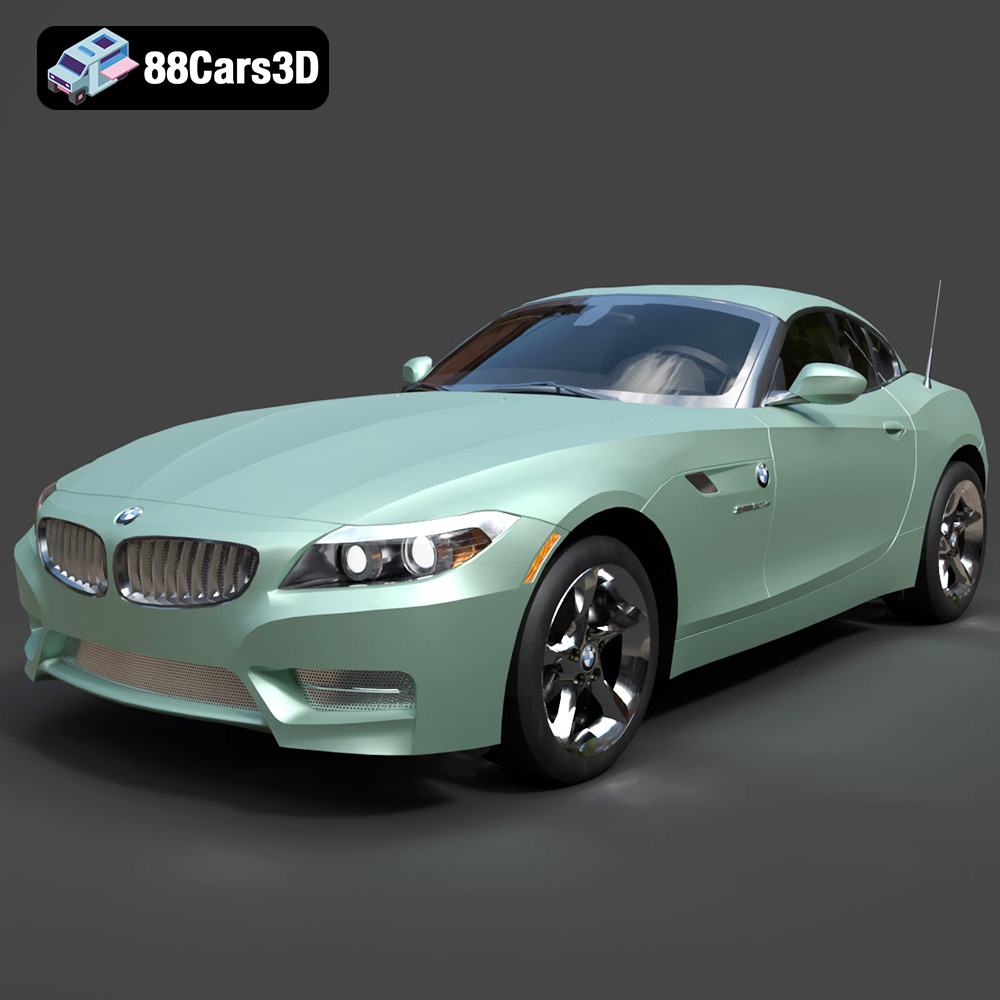
BMW Z4 Roadster E89 2012 3D Model
Texture: Yes
Material: Yes
Download the BMW Z4 Roadster E89 3D Model featuring clean geometry, realistic detailing, and a fully modeled interior. Includes .blend, .fbx, .obj, .glb, .stl, .ply, .unreal, and .max formats for rendering, simulation, and game development.
Price: $13.99

BMW Z4 E85 2005 3D Model
Texture: Yes
Material: Yes
Download the BMW Z4 E85 3D Model featuring clean geometry, realistic detailing, and a fully modeled interior. Includes .blend, .fbx, .obj, .glb, .stl, .ply, .unreal, and .max formats for rendering, simulation, and game development.
Price: $13.99

BMW M3 2024 3D Model
Texture: Yes
Material: Yes
Download the BMW M3 2024 3D Model featuring clean geometry, realistic detailing, and a fully modeled interior. Includes .blend, .fbx, .obj, .glb, .stl, .ply, .unreal, and .max formats for rendering, simulation, and game development.
Price: $13.99
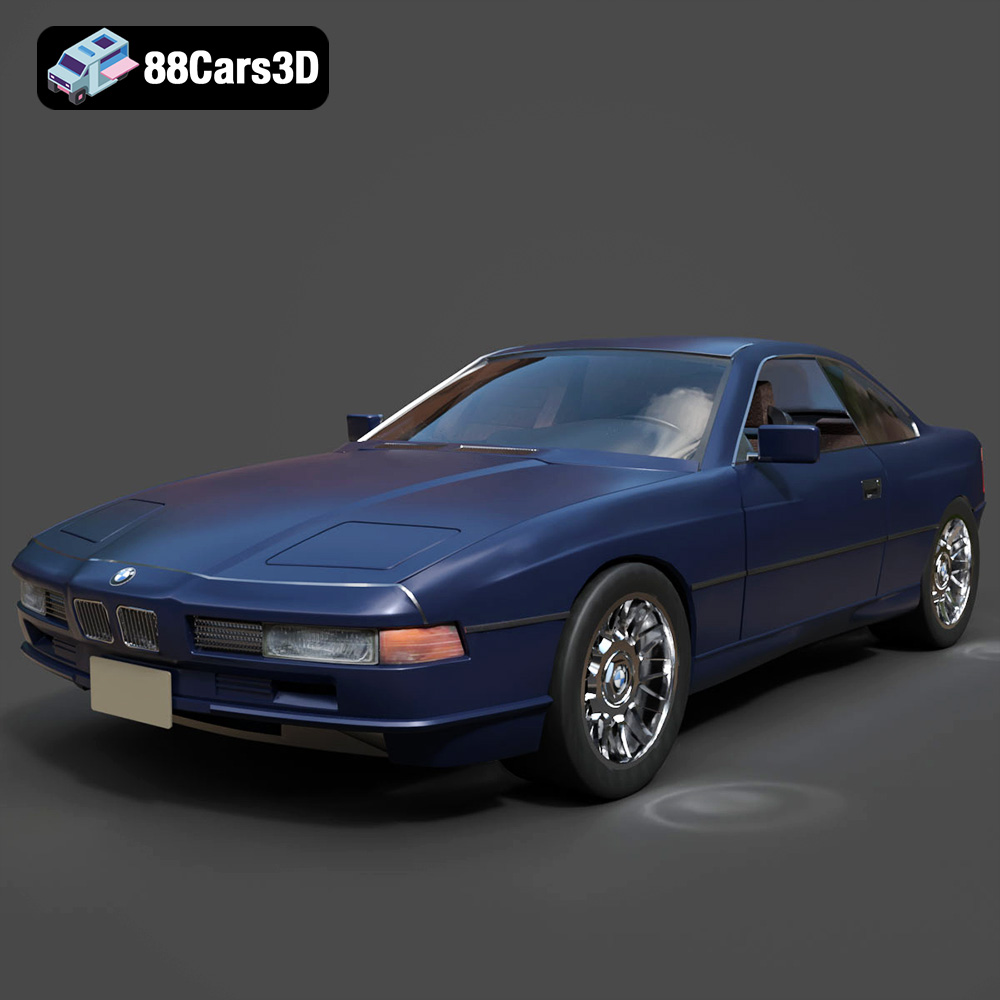
BMW 850i Coupe 1990 3D Model
Texture: Yes
Material: Yes
Download the BMW 850i Coupe 1990 3D Model featuring clean geometry, realistic detailing, and a fully modeled interior. Includes .blend, .fbx, .obj, .glb, .stl, .ply, .unreal, and .max formats for rendering, simulation, and game development.
Price: $13.99
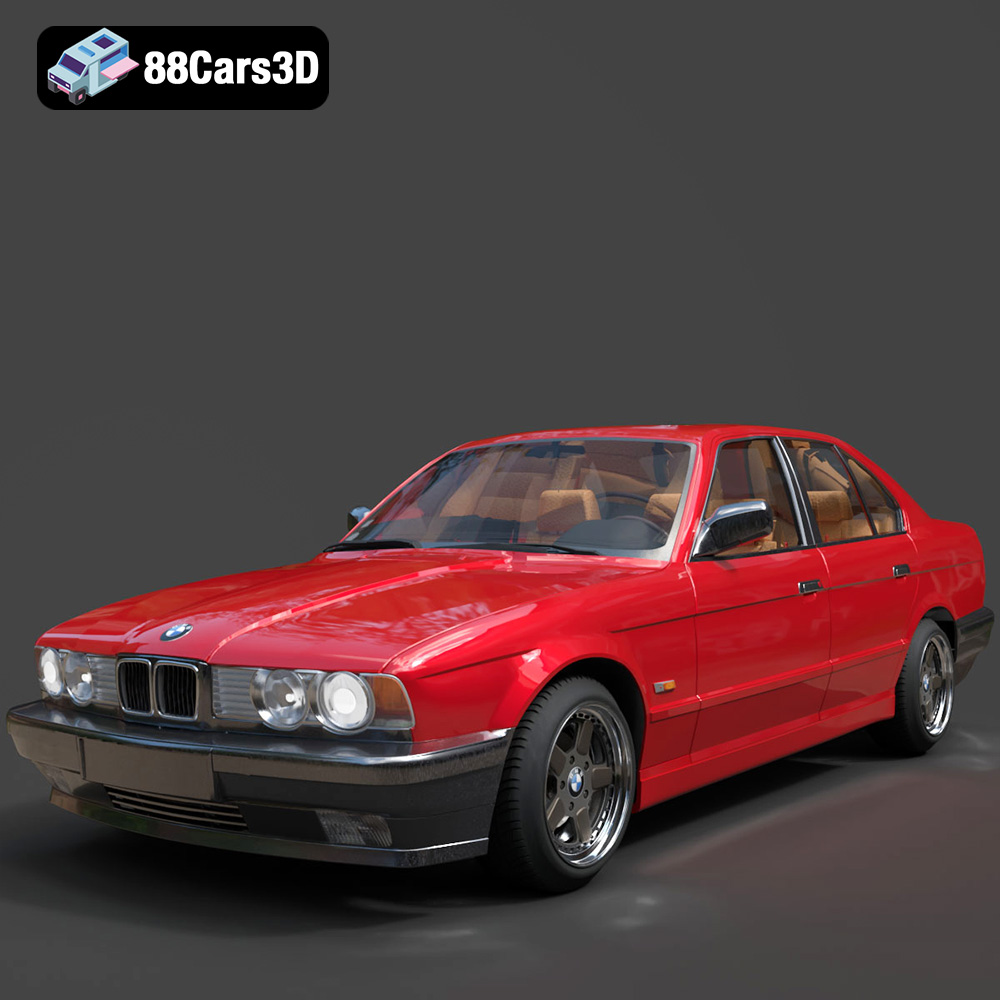
BMW 525i E34 1993 3D Model
Texture: Yes
Material: Yes
Download the BMW 525i E34 1993 3D Model featuring clean geometry, realistic detailing, and a fully modeled interior. Includes .blend, .fbx, .obj, .glb, .stl, .ply, .unreal, and .max formats for rendering, simulation, and game development.
Price: $12.99

BMW 7 Series 2016 3D Model
Texture: Yes
Material: Yes
Download the BMW 7 Series 2016 3D Model featuring luxurious design, detailed interior, and accurate exterior. Includes .blend, .fbx, .obj, .glb, .stl, .ply, .unreal, and .max formats for rendering, simulation, and game development.
Price: $10.79
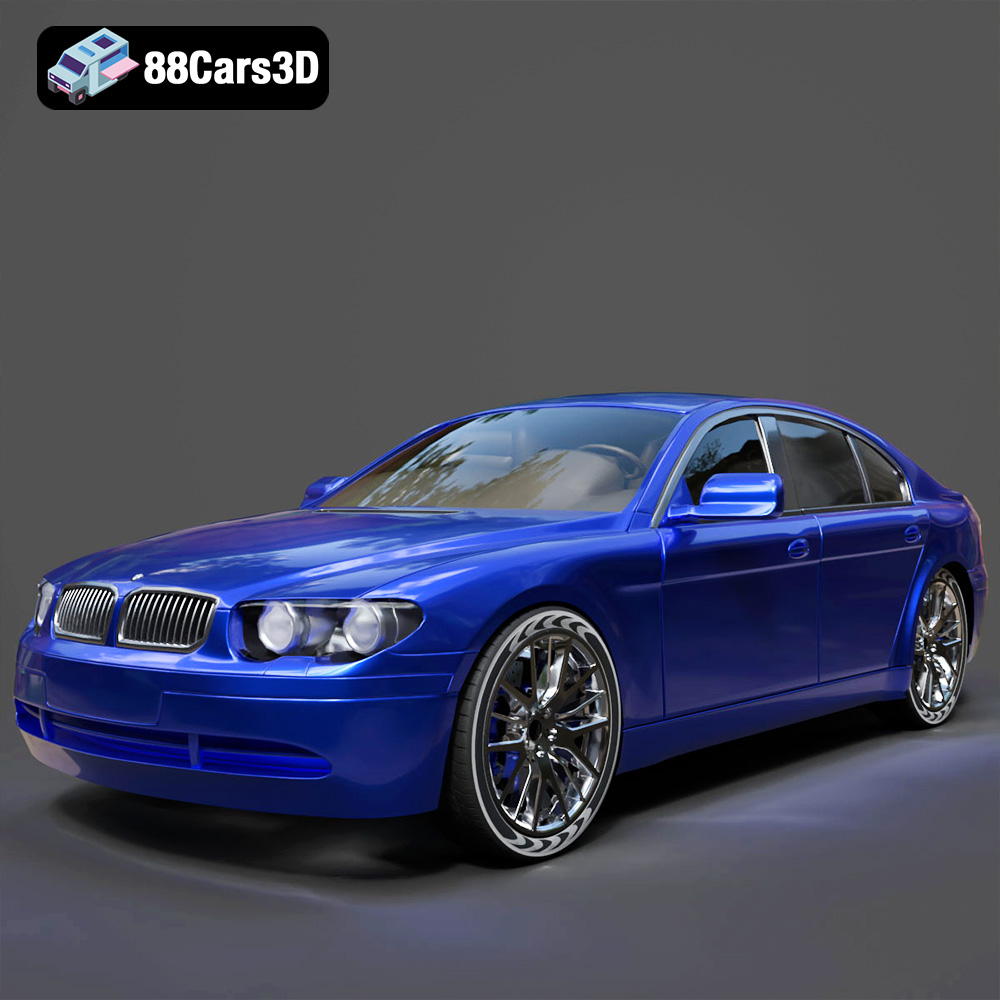
BMW 7 Series 30th Anniversary 3D Model
Texture: Yes
Material: Yes
Download the BMW 7 Series 30th Anniversary 3D Model featuring a meticulously crafted exterior, detailed interior, and realistic wheels. Includes .blend, .fbx, .obj, .glb, .stl, .ply, .unreal, and .max formats for rendering, simulation, and game development.
Price: $35.79
