

“`html
Welcome to the exciting world of 3D printing and automotive modeling! If you’ve ever marveled at a finely detailed replica of a classic car or dreamed of bringing your own automotive designs to life, you’ve likely encountered the power of STL files. These digital blueprints are the cornerstone of additive manufacturing, allowing us to transform digital models into tangible objects. For enthusiasts looking to dive into printing printable car models, the initial investment in a 3D printer can seem daunting, especially when aiming for quality without breaking the bank. This guide is designed to demysture the process, focusing on selecting a top-tier, budget-friendly 3D printer perfect for beginners. We’ll explore the crucial 3D printer settings and slicing techniques you’ll need to master to achieve stellar results from your STL files, ensuring your 88cars3d.com purchases print beautifully. Get ready to discover how accessible high-quality hobbyist 3D printing can be!
Choosing Your First Budget-Friendly 3D Printer: FDM vs. Resin for Model Enthusiasts
The first critical decision for any aspiring 3D printer owner, particularly those interested in intricate printable car models, is choosing between Fused Deposition Modeling (FDM) and Resin (SLA/DLP) technology. Both have their strengths, and for a beginner on a budget, understanding these differences is paramount. FDM printers work by extruding melted thermoplastic filament layer by layer, building up the object. They are generally more affordable upfront, offer a larger build volume for their price point, and are excellent for producing durable parts. For hobbyists printing larger car models or components that don’t require extreme detail, FDM is a fantastic entry point. However, the layer lines inherent in FDM printing can be noticeable, requiring post-processing for a smooth finish. On the other hand, Resin printers use a UV light source to cure liquid resin layer by layer. They excel at producing incredibly fine details and smooth surfaces, making them ideal for miniature models and highly detailed replicas, which is a huge plus for automotive enthusiasts. The downside is that resin printers typically have smaller build volumes, the materials (resins) can be more expensive and messier to handle, and post-processing (washing and curing) is essential. For budget-conscious beginners targeting the high detail often found in models from marketplaces like 88cars3d.com, an entry-level resin printer might offer superior results out-of-the-box, provided you’re comfortable with the handling procedures. For this guide, we will predominantly focus on FDM printers due to their overall accessibility and lower operating costs for beginners, but will touch upon resin considerations where relevant.
Key Considerations for FDM Budget Printers
When scouting for an FDM printer under, say, $300, several features stand out. Build volume is important; ensure it’s large enough for the car models you intend to print. A minimum of 200x200x200mm is a good starting point. Bed leveling is another crucial aspect. Manual bed leveling can be frustrating for beginners. Look for printers with auto-bed leveling or assisted leveling features, as this significantly reduces setup time and improves first-layer adhesion, which is vital for print success. Print speed is a tradeoff for budget machines; while faster is better, prioritize consistency and quality. Many budget printers can achieve respectable speeds around 50-60 mm/s for good detail. Nozzle size typically comes in 0.4mm, which is standard. Smaller nozzles (0.2mm) can yield finer details but print much slower and are more prone to clogging. Filament compatibility is also worth noting; most budget printers handle standard 1.75mm PLA, which is the easiest material for beginners. Some may also handle PETG, a more durable option, but it requires higher temperatures and can be trickier to print.
Resin Printer Nuances for Detailed Models
If you’re leaning towards resin for its detail capabilities, look for printers with a high resolution (e.g., 2K or 4K screens) for finer layer lines and sharper edges. Build plate adhesion is critical; a properly leveled build plate and the right type of FEP film in the resin vat are essential. Resin printers often come with proprietary slicing software, but popular options like ChiTuBox or Lychee Slicer offer more control. Remember that support structures are even more critical in resin printing to prevent print failures due to the suction forces involved. Post-processing involves washing prints in isopropyl alcohol (IPA) or a dedicated resin cleaner and then curing them under UV light.
Mastering Slicing Software for Print-Ready STL Files
Once you have your 3D printer and a stunning STL file from a reputable source like 88cars3d.com, the next crucial step is ‘slicing’. Slicing software takes your 3D model and converts it into a series of thin, horizontal layers, generating the G-code instructions that your 3D printer understands. Popular free slicers include Ultimaker Cura and PrusaSlicer. While they might seem complex initially, mastering their core functions is key to achieving excellent print quality, especially for detailed automotive models.
Essential Slicing Parameters for Quality Prints
For beginner FDM printing, focus on these core settings:
- Layer Height: This determines the vertical resolution of your print. For standard FDM printers, 0.1mm to 0.2mm is a common range. A 0.1mm layer height will yield significantly more detail and smoother curves but will increase print time considerably. For most car models, 0.15mm offers a good balance between detail and print duration.
- Infill Density and Pattern: Infill is the internal structure of your print. For display models, a low infill density (5-15%) is usually sufficient. Patterns like ‘Grid’ or ‘Cubic’ provide good strength. For very small or delicate parts, you might consider ‘Gyroid’ for its excellent strength-to-weight ratio.
- Print Speed: High speeds can lead to artifacts like ghosting or poor layer adhesion. For quality prints, start with conservative speeds. Outer walls should be printed slower (e.g., 30-40 mm/s) to improve surface finish, while inner walls and infill can be faster (e.g., 50-60 mm/s).
- Temperatures: These depend heavily on your filament. For PLA, a nozzle temperature of 190-220°C and a bed temperature of 50-60°C are typical. Always check the filament manufacturer’s recommendations.
Optimizing Print Orientation
The way you orient your model on the build plate dramatically impacts print quality, strength, and the need for supports. For car models:
- Minimize Overhangs: Rotate the model to reduce the amount of material printed in mid-air. This minimizes the need for support structures, which can leave marks upon removal.
- Consider Layer Lines: For a smooth exterior finish on a car body, orienting it so the layer lines run along the length of the vehicle can be less visually intrusive than having them wrap around curves.
- Detail Preservation: Parts with fine details like grilles or emblems should be oriented to allow the printer to capture those features effectively, often facing upwards or with minimal supports.
Supports: The Unsung Hero (and Necessary Evil)
Support structures are essential for printing models with overhangs exceeding a certain angle (typically 45-60 degrees). In FDM printing, supports are printed from the build plate or the model itself and are designed to be broken away after printing.
- Support Types: Slicers offer various support types, such as ‘Normal’ or ‘Tree’ (also known as ‘Organic’). Tree supports are often preferred for complex models as they use less material, are easier to remove, and leave fewer marks.
- Support Settings: Fine-tuning support settings is critical. Key parameters include Support Density (lower density means easier removal), Support Z Distance (vertical gap between model and support, affecting ease of removal and surface finish), and Support X/Y Distance (horizontal gap). Experimentation is key here.
- Support Interface: This creates a denser, flatter surface where the support touches the model, improving the finish of the supported area. It can make removal slightly harder but yields much better results.
For resin printing, support placement is even more critical due to the forces involved. Supports must be robust enough to hold the model but placed strategically to minimize visible marks and prevent print failures.
Fine-Tuning Your 3D Printer for Automotive Precision
A budget 3D printer can produce exceptional results, but it often requires a bit of calibration and understanding of its quirks. Think of it like tuning a classic car engine – a little effort goes a long way. Dialing in your printer’s settings ensures consistency and high-quality output for your STL files, making complex printable car models achievable.
The Importance of First Layer Adhesion
The first layer is the foundation of your print. If it doesn’t adhere well to the build plate, the entire print is likely to fail. This is especially true for larger models like car bodies.
- Bed Leveling: As mentioned, auto-bed leveling is a huge advantage. If your printer has manual leveling, ensure the nozzle is the correct distance from the bed across the entire surface. A common test is to slide a piece of paper between the nozzle and the bed; you should feel slight resistance.
- Bed Temperature: For PLA, a bed temperature between 50-60°C is usually sufficient. For materials like PETG or ABS, higher temperatures (80-110°C) are needed.
- Build Surface: Using a PEI sheet, glass bed with an adhesive (like glue stick or hairspray), or a textured surface can greatly improve adhesion. Clean your build surface regularly with isopropyl alcohol.
- First Layer Speed: Printing the first layer much slower (e.g., 15-20 mm/s) allows the filament to adhere properly.
Calibration for Accuracy and Quality
Regular calibration ensures your printer is producing accurate dimensions and consistent extrusion.
- E-steps Calibration: This calibrates the extruder motor to ensure it pushes the correct amount of filament. You can find numerous guides online for this process, which involves measuring filament pushed and adjusting a setting in your printer’s firmware or slicer.
- Flow Rate (Extrusion Multiplier): This is a slicer setting that fine-tunes the amount of filament extruded. You can calibrate this by printing a single-wall cube and measuring the wall thickness. Adjust the flow rate until the measured thickness matches the expected thickness (e.g., if printing a 0.4mm wall with a 0.4mm nozzle, it should measure close to 0.4mm).
- Temperature Towers: Print a temperature tower for your specific filament. This is a tall, thin model designed to print at different temperatures throughout its height, allowing you to identify the optimal temperature for layer adhesion and surface quality.
Nozzle and Filament Maintenance
A clogged or worn nozzle can ruin prints. Keep your nozzle clean and consider replacing it periodically, especially if you print frequently or with abrasive materials.
- Cleaning the Nozzle: After prints, ensure the nozzle is clean. Cold pulls can be effective for removing partially burnt filament.
- Using Quality Filament: Cheap filament can have inconsistent diameters or impurities that lead to clogs and poor print quality. Investing in reputable brands will save you frustration.
- Storing Filament: Most filaments absorb moisture from the air, which can cause popping noises during printing and weaken the material. Store filament in airtight bags with desiccant.
For resin printers, maintaining the FEP film in the vat and ensuring the build plate is clean are crucial for consistent results.
Material Selection: Choosing the Right Filament for Your Car Models
The material you choose for 3D printing your automotive models significantly impacts their appearance, durability, and post-processing capabilities. For budget FDM printers, several materials are readily available and well-suited for hobbyist use.
PLA: The Beginner’s Best Friend
Polylactic Acid (PLA) is the most popular filament for beginners, and for good reason.
- Ease of Printing: PLA is forgiving and prints well on most FDM printers with minimal tuning. It has low shrinkage, reducing the risk of warping.
- Detail Reproduction: While not as fine as resin, PLA can reproduce good detail, especially with smaller layer heights and slower print speeds.
- Low Temperature: It doesn’t require a heated bed (though one is recommended for adhesion) and has a low printing temperature range.
- Post-Processing: PLA can be easily sanded, primed, and painted, making it ideal for creating realistic car finishes.
- Limitations: PLA has lower temperature resistance (it can deform in direct sunlight or a hot car) and is more brittle than some other plastics.
When downloading models from marketplaces such as 88cars3d.com, PLA is an excellent starting point.
PETG: The Durable Alternative
Polyethylene Terephthalate Glycol (PETG) offers a step up in durability and temperature resistance compared to PLA.
- Strength and Durability: PETG parts are less brittle and more impact-resistant than PLA.
- Temperature Resistance: It can withstand higher temperatures, making it suitable for parts that might experience more stress or heat.
- Printing Challenges: PETG can be stringier than PLA and requires slightly higher print temperatures (nozzle: 230-250°C, bed: 70-80°C). It also benefits from slower print speeds and good cooling.
- Post-Processing: PETG can be sanded and painted, but it may require specific primers.
Specialty Filaments: Beyond the Basics
As you gain experience, you might explore specialty filaments that offer unique aesthetics or properties:
- Wood-Filled PLA: Contains wood particles, giving prints a wood-like appearance and texture. Can be sanded and stained.
- Metal-Filled PLA: Contains fine metal powder, offering a metallic sheen and heft. Requires hardened steel nozzles due to abrasion.
- Flexible Filaments (TPU/TPE): Used for creating flexible tires or suspension components, though these can be challenging to print on budget printers without direct drive extruders.
For resin printing, various photopolymer resins exist, including standard resins (ABS-like for strength, tough resins for impact resistance, clear resins for windows), flexible resins, and even castable resins. Each has specific handling requirements and optimal curing times.
Post-Processing: Bringing Your 3D Printed Car Models to Life
The magic doesn’t end when the print is finished. Post-processing is where you transform your raw 3D print into a polished, display-worthy model. This is particularly crucial for achieving realistic finishes on automotive parts.
Support Removal and Surface Smoothing
Removing supports carefully is the first step.
- Tools: Needle-nose pliers, hobby knives (X-Acto blades), flush cutters, and sometimes even a small file are essential tools.
- Technique: For FDM prints, gently wiggle supports to loosen them. Use cutters to snip away larger sections, then use pliers to pull away the rest. For resin prints, supports are often removed after washing but before final curing.
- Dealing with Marks: Support contact points can leave small marks or blemishes. These can be smoothed out using various techniques.
Smoothing techniques include:
- Sanding: Start with a coarse grit sandpaper (e.g., 120-220 grit) to remove significant imperfections and support marks, then progressively move to finer grits (400, 800, 1000, and even higher) for a smooth finish. Wet sanding can be beneficial for finer grits.
- Filling: For larger gaps or layer lines, use modeling putty, Bondo, or even wood filler (for PLA) to fill imperfections. Sand smooth after it cures.
- Chemical Smoothing (Advanced): For some plastics like ABS, vapor smoothing with acetone can create an incredibly smooth surface, but this is an advanced technique requiring significant safety precautions. For resin prints, specific smoothing solutions are available.
Priming and Painting for a Professional Finish
A good paint job can elevate a 3D print from a hobby project to a professional-looking model.
- Priming: Applying a primer is essential. It fills in minor imperfections, provides a uniform surface for paint adhesion, and helps reveal any remaining flaws that need attention. Use an aerosol automotive primer or a brush-on primer designed for plastics.
- Painting Techniques:
- Spray Painting: For a smooth, even finish on car bodies, spray painting is ideal. Apply thin, even coats from a distance of about 10-12 inches.
- Airbrushing: Offers more control for detail work and blending colors.
- Hand Brushing: Suitable for smaller details, touch-ups, or when airbrushing isn’t available. Use high-quality acrylic model paints.
- Clear Coats: Apply a clear coat (gloss, satin, or matte) over your paint job to protect it and achieve the desired finish.
Assembly and Detailing
Many car models are designed to be printed in multiple parts for easier printing and better detail.
- Adhesives: Cyanoacrylate (super glue) is excellent for fast bonding of most plastics. For PLA, specialized glues like “3D Goo” or even hot glue can work. For resin prints, super glue or epoxy is common.
- Fitment: Test fit parts before gluing. Minor adjustments with a file or sandpaper might be necessary to ensure a snug fit.
- Adding Details: Small details like headlights, grilles, window trim, or emblems can be painted separately and attached, or carefully painted in place. Aftermarket detail parts or custom-made components can further enhance realism.
The meticulous post-processing steps are what truly bring your digital STL files of intricate vehicles to life, transforming them into stunning display pieces.
Troubleshooting Common 3D Printing Issues for Beginners
Even with the best budget 3D printer and careful preparation, you’ll inevitably encounter issues. Understanding common problems and their solutions will save you time and frustration as you print printable car models.
Layer Shifting and Misalignment
If layers appear misaligned, shifted, or distorted, it usually indicates a mechanical issue.
- Loose Belts: The X and Y-axis belts (responsible for horizontal movement) can become loose. Check their tension; they should be taut but not overly tight, like a guitar string.
- Binding: Ensure the movement of the print head and bed is smooth. Check for any obstructions or debris on the guide rods or rails.
- Motor Issues: Overheating stepper motors or driver issues can cause skipped steps. Ensure proper cooling for your electronics.
- Print Speed Too High: Accelerating too quickly can cause motors to lose steps. Reduce print speed and acceleration settings in your slicer.
Adhesion Problems: Warping and Lifting
Prints detaching from the build plate are a common headache.
- First Layer Quality: As discussed, a perfect first layer is crucial. Ensure proper bed leveling and nozzle height.
- Bed Temperature: Insufficient bed temperature can lead to poor adhesion, especially for materials that shrink significantly when cooling (like ABS).
- Drafts: Enclosing your printer or using a draft shield in your slicer can prevent sudden temperature changes from causing warping, particularly with materials like ABS.
- Build Surface: Make sure your build surface is clean and providing adequate grip. Consider using adhesives if necessary.
- Warping Aids: Slicers allow you to add ‘brims’ or ‘rafts’ to your print. A brim adds a single layer of extra material around the base of the print, increasing surface area for adhesion. A raft prints a thick base beneath your model, providing a stable platform.
Stringing and Oozing
Fine strands of plastic left between parts of your print, or oozing from the nozzle when not extruding.
- Retraction Settings: This is the primary solution. Retraction pulls filament back slightly during non-print moves. Experiment with retraction distance (how much filament is pulled back) and retraction speed (how fast it’s pulled). Higher values can help, but too much can cause clogs. Typical starting points for PLA are 5mm retraction distance and 45 mm/s speed.
- Travel Speed: Increasing the speed of travel moves can also reduce stringing.
- Filament Moisture: Wet filament can cause bubbling and oozing. Dry your filament using a filament dryer or a food dehydrator.
- Temperatures: Printing at the lower end of the recommended temperature range for your filament can sometimes reduce stringing.
Incomplete Layers or Gaps
Indicates insufficient extrusion.
- Clogged Nozzle: A partial or full clog is the most common cause. Perform a “cold pull” or use a nozzle cleaning needle.
- E-steps/Flow Rate Calibration: Ensure your extruder is calibrated correctly.
- Filament Diameter Issues: Inconsistent filament diameter can cause under-extrusion.
- Jammed Extruder: Check that the extruder gear is gripping the filament properly and not slipping.
For resin printers, common issues include print failures due to insufficient supports, incorrect exposure times, or a dirty FEP film.
By understanding these common pitfalls and their remedies, you can confidently tackle the challenges of 3D printing and consistently produce high-quality printable car models. Platforms like 88cars3d.com provide excellent STL files, but the success of your prints ultimately relies on your printer’s calibration, your slicing expertise, and your troubleshooting skills.
Conclusion: Your Journey into 3D Printed Automotive Models Begins Now
Embarking on the journey of 3D printing automotive models can be incredibly rewarding, transforming your passion for cars into tangible creations. We’ve explored the landscape of budget-friendly 3D printers, highlighting the differences between FDM and resin technologies and the key features to look for as a beginner. Mastering your slicing software, understanding essential parameters like layer height, infill, and print speed, is crucial for translating intricate STL files into successful prints. We delved into the importance of proper print orientation and the art of generating effective support structures, as well as the necessity of calibrating your printer and maintaining its components for consistent quality.
Material selection plays a vital role, with PLA offering an accessible entry point and PETG providing enhanced durability. Furthermore, the post-processing steps—from careful support removal and sanding to priming and painting—are where your 3D printed car models truly come alive. Finally, we’ve armed you with knowledge to tackle common troubleshooting scenarios, from layer shifts and adhesion issues to stringing and incomplete layers. Remember that patience and practice are your greatest allies. Don’t be discouraged by initial failures; view them as learning opportunities. By applying the principles of good file preparation, precise slicing, and careful printing, you can achieve professional-quality results even with a budget setup. The vibrant community and resources available for 3D printing mean you’re never truly alone in your troubleshooting efforts. So, choose your first printer wisely, grab some high-quality STL files from sources like 88cars3d.com, and start printing your dream car collection today!
“`
Featured 3D Car Models

BMW 7 Series E38 3D Model
Texture: Yes
Material: Yes
Download the BMW 7 Series E38 3D Model featuring its iconic luxury sedan design and classic aesthetics. Includes .blend, .fbx, .obj, .glb, .stl, .ply, .unreal, and .max formats for rendering, simulation, and game development.
Price: $10.79

BMW 6 Series 640i F12 3D Model
Texture: Yes
Material: Yes
Download the BMW 6 Series 640i F12 3D Model featuring a sleek design and detailed interior. Includes .blend, .fbx, .obj, .glb, .stl, .ply, .unreal, and .max formats for rendering, simulation, and game development.
Price: $10.79

BMW 3 F30 3D Model
Texture: Yes
Material: Yes
Download the BMW 3 F30 3D Model featuring a detailed exterior, realistic interior, and optimized mesh. Includes .blend, .fbx, .obj, .glb, .stl, .ply, .unreal, and .max formats for rendering, simulation, and game development.
Price: $10.79
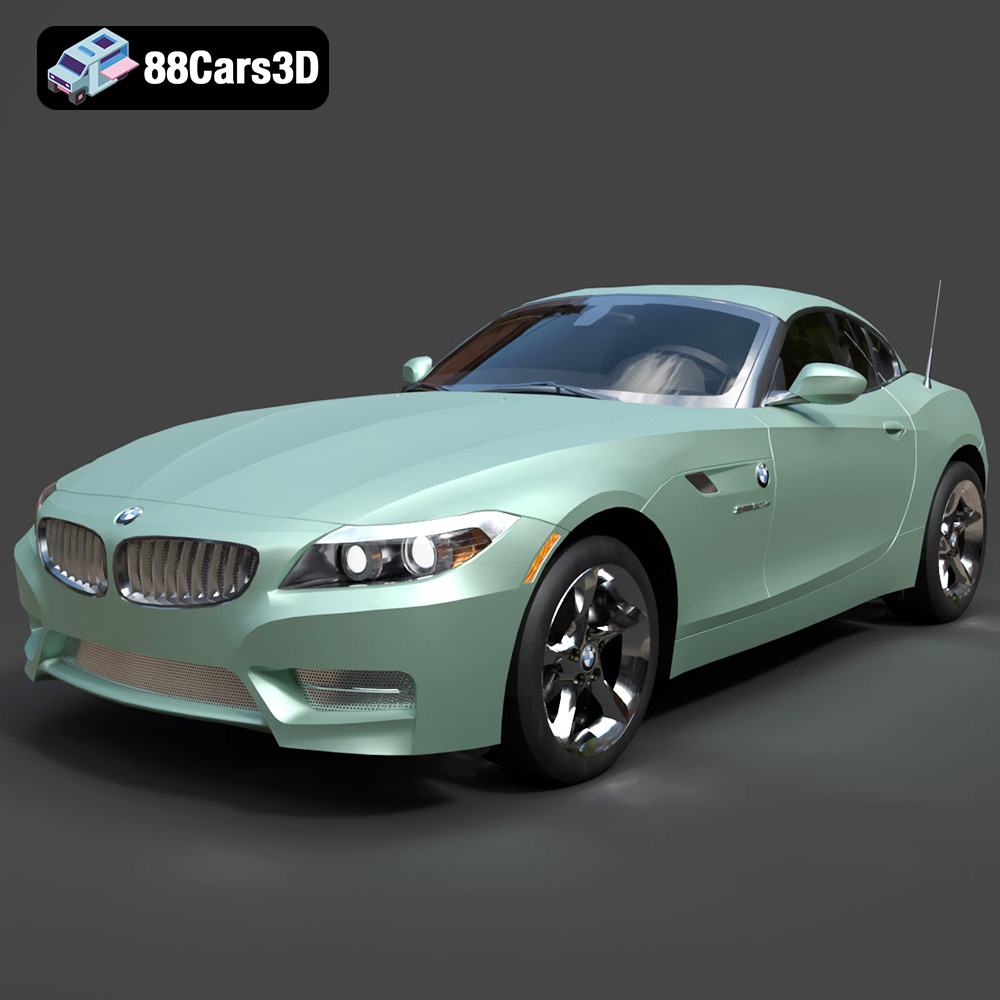
BMW Z4 Roadster E89 2012 3D Model
Texture: Yes
Material: Yes
Download the BMW Z4 Roadster E89 3D Model featuring clean geometry, realistic detailing, and a fully modeled interior. Includes .blend, .fbx, .obj, .glb, .stl, .ply, .unreal, and .max formats for rendering, simulation, and game development.
Price: $13.99

BMW Z4 E85 2005 3D Model
Texture: Yes
Material: Yes
Download the BMW Z4 E85 3D Model featuring clean geometry, realistic detailing, and a fully modeled interior. Includes .blend, .fbx, .obj, .glb, .stl, .ply, .unreal, and .max formats for rendering, simulation, and game development.
Price: $13.99

BMW M3 2024 3D Model
Texture: Yes
Material: Yes
Download the BMW M3 2024 3D Model featuring clean geometry, realistic detailing, and a fully modeled interior. Includes .blend, .fbx, .obj, .glb, .stl, .ply, .unreal, and .max formats for rendering, simulation, and game development.
Price: $13.99
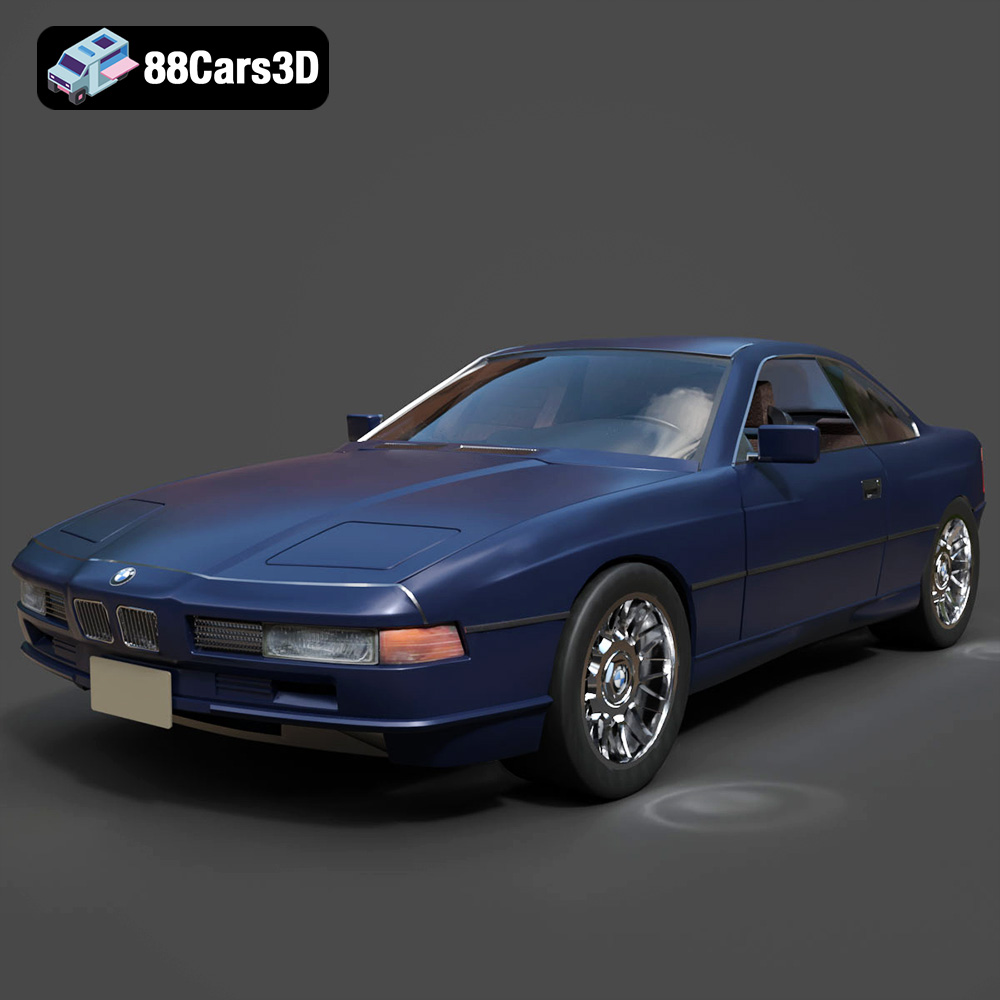
BMW 850i Coupe 1990 3D Model
Texture: Yes
Material: Yes
Download the BMW 850i Coupe 1990 3D Model featuring clean geometry, realistic detailing, and a fully modeled interior. Includes .blend, .fbx, .obj, .glb, .stl, .ply, .unreal, and .max formats for rendering, simulation, and game development.
Price: $13.99
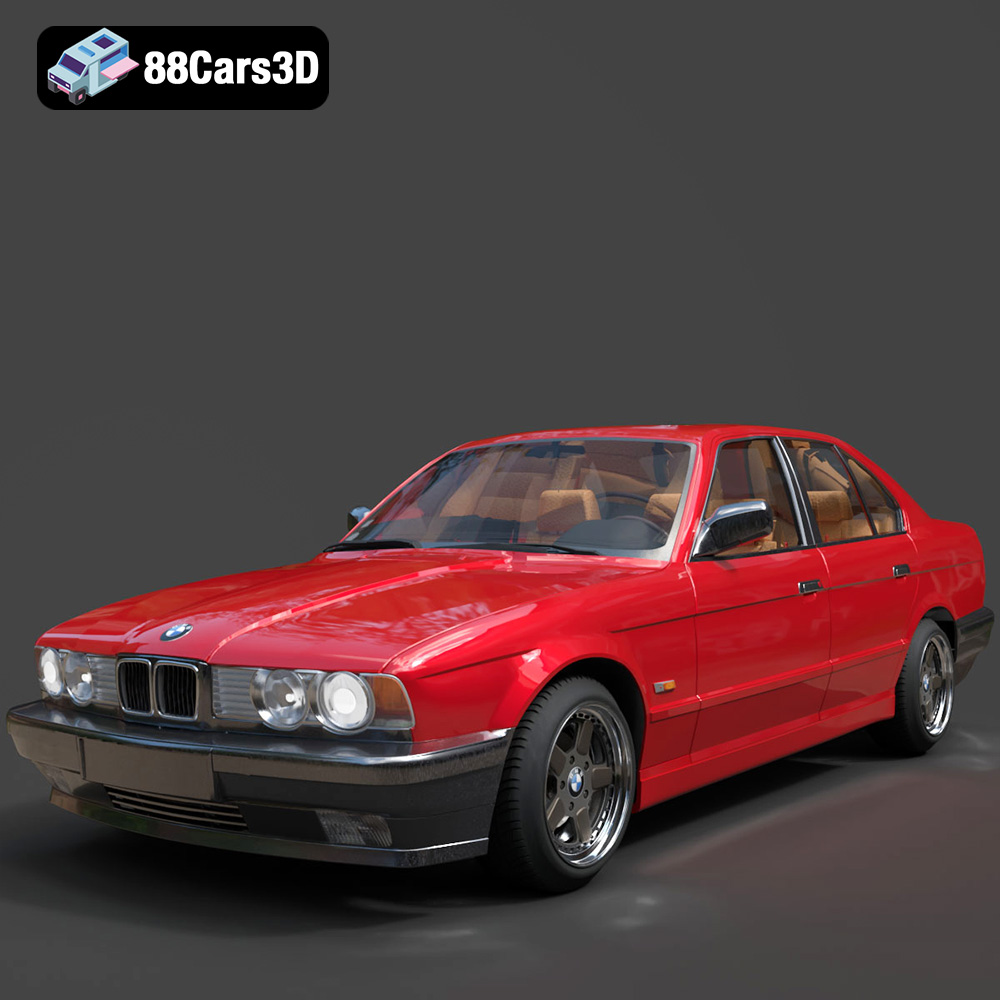
BMW 525i E34 1993 3D Model
Texture: Yes
Material: Yes
Download the BMW 525i E34 1993 3D Model featuring clean geometry, realistic detailing, and a fully modeled interior. Includes .blend, .fbx, .obj, .glb, .stl, .ply, .unreal, and .max formats for rendering, simulation, and game development.
Price: $12.99

BMW 7 Series 2016 3D Model
Texture: Yes
Material: Yes
Download the BMW 7 Series 2016 3D Model featuring luxurious design, detailed interior, and accurate exterior. Includes .blend, .fbx, .obj, .glb, .stl, .ply, .unreal, and .max formats for rendering, simulation, and game development.
Price: $10.79
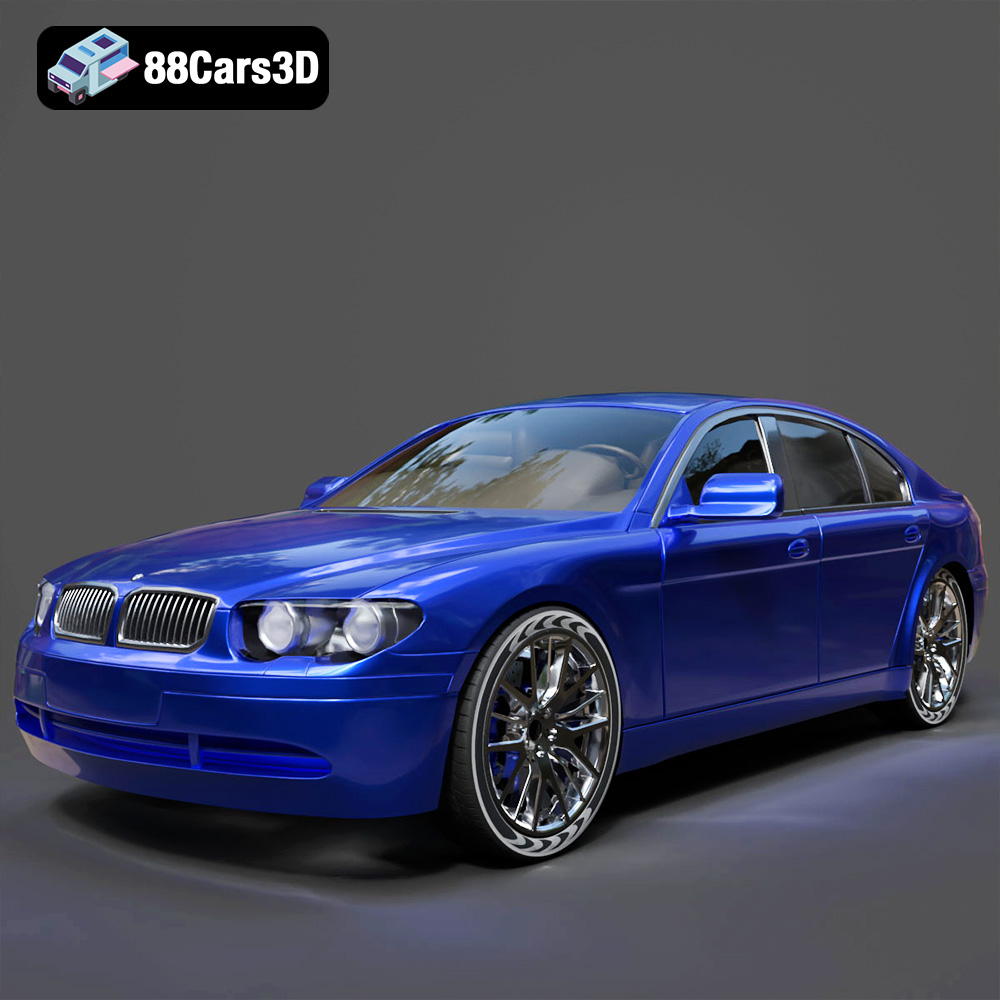
BMW 7 Series 30th Anniversary 3D Model
Texture: Yes
Material: Yes
Download the BMW 7 Series 30th Anniversary 3D Model featuring a meticulously crafted exterior, detailed interior, and realistic wheels. Includes .blend, .fbx, .obj, .glb, .stl, .ply, .unreal, and .max formats for rendering, simulation, and game development.
Price: $35.79
