

Mastering Your 3D Printer: Avoiding Common Pitfalls with STL Car Models
The world of 3D printing opens up incredible possibilities, especially for automotive enthusiasts and hobbyists. Imagine bringing your favorite classic cars, futuristic concepts, or racing machines to life on your desk, meticulously detailed and ready for display or further customization. Platforms like 88cars3d.com provide a treasure trove of high-quality, print-ready STL files specifically designed for this purpose. However, the journey from downloading an exquisite car model to holding a perfect physical print can be fraught with challenges, particularly for those new to the additive manufacturing process. Understanding and avoiding common mistakes is crucial for achieving satisfying results and unlocking the full potential of your 3D printer and these intricate car models. This guide will delve into the top pitfalls beginners often encounter when printing STL files, offering practical solutions and expert tips to ensure your projects are a success from the very first layer.
This article will equip you with the knowledge to navigate the complexities of 3D printing car models. We’ll cover everything from the fundamental structure of STL files and the critical role of slicing software to the nuances of support generation, material selection, and essential printer calibration. By understanding these common errors and learning how to prevent them, you’ll significantly improve your print quality, reduce wasted filament, and gain the confidence to tackle even the most complex automotive designs available on marketplaces like 88cars3d.com.
1. Misunderstanding STL File Geometry: The Foundation of Your Print
The STL (STereoLithography) file format is the universal language of 3D printing, but its simplicity belies a critical underlying structure: the mesh. For beginners, a misunderstanding of how this mesh defines the physical object can lead to printing failures before the nozzle even heats up. An STL file represents a 3D object as a collection of interconnected triangles, forming a continuous surface. Issues arise when this surface isn’t “watertight” or “manifold,” meaning it has holes, internal faces, or edges shared by more than two triangles.
Holes in the Mesh: Gaps in Reality
One of the most frequent problems is a file with holes. These can occur due to incomplete model exports from CAD software or corruption during file transfer. When a slicer attempts to process a file with holes, it can interpret these gaps as internal voids, leading to incomplete shells, porous prints, or outright print failures where the slicer can’t define a solid boundary. Imagine trying to print a car door with a gaping hole – it simply won’t hold its shape.
* **Detection:** Most slicers (like Cura or PrusaSlicer) will flag non-manifold errors. Dedicated mesh repair tools like Meshmixer, Netfabb, or even Blender offer advanced detection and correction capabilities.
* **Correction:** For minor holes, automatic repair functions in these software packages can often fill them. More complex geometry might require manual sculpting or patching in a 3D modeling program. At 88cars3d.com, models are meticulously prepared to be manifold, but understanding this concept is key for any STL file you encounter.
Internal Faces and Reversed Normals: Confusing the Slicer
Another common issue is internal faces (where two triangles overlap within the model’s volume) or reversed normals (where the triangles are facing inward instead of outward). These errors confuse the slicer’s algorithms, making it difficult to determine which parts are “inside” and which are “outside” the model. This can result in slicers ignoring parts of the model, creating solid blocks where there should be hollow spaces, or generating erroneous toolpaths.
* **Detection:** Visual inspection in modeling software can reveal oddly shaded areas or self-intersections. Mesh analysis tools are essential for identifying reversed normals.
* **Correction:** In most 3D modeling software, you can select faces and “flip” their normals. Tools to “remove doubles” or “clean up geometry” can also resolve internal face issues.
2. Slicing Software Settings: The Critical Link Between Digital and Physical
Slicing software is your indispensable tool for translating a 3D model (STL) into layer-by-layer instructions (G-code) that your 3D printer can understand. Beginners often overlook the profound impact of slicing parameters, leading to prints that are weak, messy, or fail entirely. These settings dictate everything from the layer height and print speed to infill density and support structures.
Layer Height: The Trade-off Between Detail and Time
Layer height directly influences the vertical resolution of your print. A smaller layer height (e.g., 0.1mm) results in finer details and smoother curves, crucial for the intricate lines of a car model’s bodywork. A larger layer height (e.g., 0.3mm) prints faster but produces more visible layer lines, which can detract from the aesthetic appeal.
* **Beginner Mistake:** Using the largest possible layer height to speed up prints, sacrificing essential detail.
* **Best Practice:** For detailed car models from 88cars3d.com, aim for layer heights between 0.1mm and 0.2mm. For larger, less detailed parts or prototypes, 0.2mm to 0.3mm might be acceptable. Experiment to find the sweet spot for your desired balance of quality and print time.
Infill Density and Pattern: Strength, Weight, and Material Usage
Infill refers to the internal support structure within your print. It affects the model’s strength, weight, and the amount of material used. For display models, high infill is often unnecessary and wastes material and time.
* **Beginner Mistake:** Always using 100% infill, thinking it makes the model stronger, or using a very low infill (e.g., 5%) that offers insufficient support for delicate features like mirrors or spoilers.
* **Best Practice:** For most car models intended for display, an infill density of 10-20% is usually sufficient. Patterns like “gyroid” or “cubic” offer good strength in multiple directions. For parts that might undergo stress or require extra rigidity, consider increasing to 25-30%. Always ensure there’s enough infill to support overhangs and upper layers effectively.
Print Speed: The Illusion of Faster Printing
While faster print speeds can be tempting, pushing your printer too hard often leads to decreased quality. Printing too quickly can cause issues like poor layer adhesion, ringing (ghosting artifacts), and inaccurate dimensions.
* **Beginner Mistake:** Setting all print speeds to the maximum your slicer suggests or your printer is theoretically capable of.
* **Best Practice:** Start with moderate speeds. For outer walls (which define the visible surface of your car model), aim for 30-60 mm/s. Inner walls and infill can be faster (e.g., 60-80 mm/s). Travel speed can be increased significantly (120-150 mm/s) to reduce non-printing time. Always print a test cube to dial in your speed settings for optimal quality.
3. Support Structures: The Unsung Heroes (and Villains) of Complex Prints
Car models are rarely simple blocks; they feature complex curves, overhangs (like fenders or spoilers), and undercuts. Support structures are essential to print these features correctly, preventing them from collapsing mid-print. However, improperly generated or removed supports can damage the model’s surface or leave unsightly marks.
Over-Supporting: The Clutter Problem
One common mistake is generating too many supports. This creates a dense, difficult-to-remove jungle of plastic that can adhere too strongly to the model’s surface, leaving pockmarks or tearing away delicate details during removal.
* **Detection:** Visually inspecting the slicer’s preview of support structures. If they look excessively dense or are attached to areas that don’t strictly need them, you might be over-supporting.
* **Correction:** Utilize the “support painter” tool in many slicers to manually add supports only where necessary. Adjust support density, branch angle, and the distance between the support and the model (Z-distance) to make removal easier.
Under-Supporting: The Collapse Catastrophe
Conversely, insufficient supports will inevitably lead to overhangs and bridges collapsing mid-print. Features like spoilers, wheel arches, or the underside of the chassis often require careful support.
* **Detection:** The slicer’s overhang threshold setting (often around 45-60 degrees). Any angle steeper than this typically requires support. Always double-check critical areas in the preview.
* **Correction:** Ensure your overhang threshold is set appropriately. Manually add supports to critical overhangs and bridges. Consider using different support types: “Tree” supports (available in Cura and PrusaSlicer) can be more efficient and easier to remove for complex geometries.
Support Removal Technique: The Final Touch
Even with perfect support generation, aggressive or clumsy removal can ruin a print.
* **Beginner Mistake:** Ripping supports off forcefully with pliers, often damaging the model.
* **Best Practice:** Carefully break supports away using flush cutters or hobby knives. For stubborn supports, a quick blast with a heat gun can sometimes soften the plastic for easier removal. Sanding or filing is almost always necessary after removal to achieve a perfectly smooth surface.
4. Print Orientation and Bed Adhesion: The Crucial First Layers
The way you orient your car model on the print bed and ensuring it sticks reliably are paramount. Poor orientation can lead to excessive supports or weak layers, while failed bed adhesion is one of the most common reasons for complete print failure.
Orientation for Strength and Detail
* **Beginner Mistake:** Simply placing the model flat on the bed without considering how overhangs will be handled or how the visible surfaces will be oriented. This often leads to extensive supports on the top surfaces.
* **Best Practice:** Orient the model to minimize overhangs and the need for supports on critical visible surfaces (e.g., the exterior of the car body). Sometimes tilting the model slightly can improve adhesion and reduce support needs. For car models, orienting them upright (like they would be on the road) is often desirable for visual appeal, but be prepared for significant support around wheel wells and the undercarriage. Consider splitting complex models (if the designer allows) into sections that can be printed flat and then assembled.
Achieving Reliable Bed Adhesion
* **Beginner Mistake:** Insufficient adhesion, leading to the print detaching from the bed mid-print, often resulting in a tangled mess of filament.
* **Best Practice:**
* **Clean the bed:** Use isopropyl alcohol (IPA) to remove any oils or residue.
* **Level the bed:** Ensure your print bed is perfectly level relative to the nozzle.
* **Use adhesion aids:** For FDM printing, consider using a brim or raft. A brim adds a single layer around the base of the object, increasing surface area for adhesion. A raft prints a whole base layer beneath your object, providing a more stable, albeit material-intensive, foundation. Adhesives like glue stick or specialized bed sprays can also be highly effective.
* **First layer settings:** Slow down the first layer print speed (e.g., 20-30 mm/s) and slightly increase the extrusion multiplier for the first layer to ensure it squishes nicely onto the bed.
5. Material Selection and Printer Calibration: The Hidden Variables
The choice of printing material and the calibration of your 3D printer play significant roles in the quality and success of your prints. Beginners often overlook these foundational aspects.
Understanding Filament Properties
* **Beginner Mistake:** Using the same material (and settings) for all prints, without considering the specific requirements of a detailed car model. For example, using ABS without an enclosure can lead to warping.
* **Best Practice:**
* **PLA:** Easiest to print, good for detailed models, minimal warping. Ideal for beginners and display pieces. Requires lower temperatures (190-220°C nozzle, 50-60°C bed).
* **PETG:** More durable and slightly more flexible than PLA, good temperature resistance. Can be stringier and requires slightly higher temperatures (230-250°C nozzle, 70-85°C bed).
* **ABS:** Strong, high-temperature resistant, but prone to warping and requires an enclosure and heated bed (240-260°C nozzle, 90-110°C bed).
* **Resin (SLA/DLP):** Offers exceptional detail for miniature models, but requires more post-processing (washing, curing) and specialized safety precautions.
Essential Printer Calibration
* **Beginner Mistake:** Printing with an uncalibrated printer, leading to dimensional inaccuracies, poor layer adhesion, or extrusion issues.
* **Best Practice:**
* **E-steps calibration:** Ensures your extruder pushes the correct amount of filament.
* **Temperature towers:** Print these to find the optimal nozzle temperature for your specific filament.
* **Retraction settings:** Crucial for minimizing stringing, especially with detailed models. Print retraction test models to fine-tune.
* **Flow rate/Extrusion multiplier:** Adjust to compensate for filament inconsistencies and ensure accurate wall thickness.
* **PID tuning:** Stabilizes nozzle and bed temperatures.
6. Post-Processing: The Path to a Professional Finish
A 3D print rarely looks perfect straight off the printer. The steps taken after printing—post-processing—are critical for transforming a raw print into a polished model.
Support Removal and Cleanup
As discussed earlier, careful removal is key. Following removal, you’ll likely need to address the marks left behind.
* **Beginner Mistake:** Skipping cleanup, leaving visible support contact points or rough patches.
* **Best Practice:** Use sandpaper of progressively finer grits (starting around 150-220 grit and moving up to 400-1000 grit or higher) to smooth away support marks and layer lines. Small files, hobby knives, and even rotary tools (like a Dremel) with sanding attachments can be used for harder-to-reach areas.
Sanding and Smoothing
Achieving a glass-smooth finish, especially on the curved surfaces of a car model, requires significant effort.
* **Beginner Mistake:** Only sanding lightly or using too coarse a grit, leaving visible layer lines. Trying to sand resin prints dry (they should be wet-sanded).
* **Best Practice:** For FDM prints, wet sanding (using water or soapy water) with fine-grit sandpaper can help reduce dust and achieve a smoother finish. Multiple layers of primer and sanding can fill in smaller imperfections. For resin prints, careful wet sanding is essential.
Filling and Priming
To hide minor imperfections and prepare the surface for painting, filling and priming are essential.
* **Beginner Mistake:** Painting directly onto a rough surface, resulting in a finish that highlights every flaw.
* **Best Practice:** Use modeling putty or automotive filler to fill any remaining gaps or imperfections. Apply several thin coats of primer, sanding lightly between each coat. This reveals any remaining flaws that need attention and provides a uniform base color for your paint.
Painting and Assembly
This is where your car model truly comes to life.
* **Beginner Mistake:** Rushing the painting process, using thick coats of paint, or not properly assembling multipart models.
* **Best Practice:** Use thin, even coats of paint. Airbrushing can provide the smoothest finish for car bodies. Pay attention to detail painting (headlights, trim, interior). If the model is designed in multiple parts (e.g., body, chassis, wheels), use appropriate adhesives (super glue, epoxy, or plastic cement) and ensure proper alignment before curing.
7. Ignoring Printer Maintenance and Calibration: The Recipe for Inconsistency
A well-maintained and properly calibrated printer is the bedrock of consistent, high-quality 3D prints. Neglecting this can lead to a frustrating cycle of failed prints and troubleshooting.
Regular Cleaning and Lubrication
* **Beginner Mistake:** Letting dust and filament debris accumulate on the printer’s moving parts (rails, lead screws, fans), leading to jerky movements and print defects.
* **Best Practice:** Regularly clean the printer’s frame, rails, and lead screws with a soft brush or compressed air. Lubricate moving parts according to your printer manufacturer’s recommendations (often with PTFE-based lubricants or white lithium grease). Keep the build plate clean and free from debris.
Checking and Tightening Belts and Screws
Loose belts can cause backlash and ringing artifacts, while loose screws can lead to wobbles and inconsistent extrusion.
* **Beginner Mistake:** Never checking the tension of the printer’s belts or the tightness of its screws.
* **Best Practice:** Periodically check that the belts are adequately tensioned (they should have a slight “twang” when plucked, but not be overly tight). Ensure all screws and nuts on the printer’s frame and components are secure.
Firmware Updates and Software Checks
Outdated firmware or slicer versions can sometimes contain bugs or lack features that could improve print quality.
* **Beginner Mistake:** Never updating printer firmware or slicer software.
* **Best Practice:** Keep your printer’s firmware and slicer software updated. Manufacturers often release updates to improve performance, fix bugs, and add new features. Always check the release notes to understand what’s changed.
Conclusion: From Beginner Blunders to Masterful Models
Embarking on the journey of 3D printing detailed car models can be incredibly rewarding, but it’s also a learning curve. By understanding and actively avoiding the common mistakes outlined above—from scrutinizing STL file integrity and mastering slicer settings to expertly handling supports, ensuring print adhesion, selecting the right materials, and diligently maintaining your printer—you pave the way for consistently successful prints.
Remember, the quality of your final print is a direct reflection of the care taken throughout the entire process. Don’t be discouraged by initial setbacks; view them as learning opportunities. Platforms like 88cars3d.com offer high-quality, optimized STL files, significantly reducing the burden of file preparation. Focus on refining your slicing strategies, dialing in your printer’s calibration, and practicing your post-processing techniques. With patience, attention to detail, and the knowledge gained from understanding these common pitfalls, you’ll soon be creating stunningly detailed 3D printed car models that are the envy of any hobbyist collection. Happy printing!
Featured 3D Car Models

BMW 7 Series E38 3D Model
Texture: Yes
Material: Yes
Download the BMW 7 Series E38 3D Model featuring its iconic luxury sedan design and classic aesthetics. Includes .blend, .fbx, .obj, .glb, .stl, .ply, .unreal, and .max formats for rendering, simulation, and game development.
Price: $10.79

BMW 6 Series 640i F12 3D Model
Texture: Yes
Material: Yes
Download the BMW 6 Series 640i F12 3D Model featuring a sleek design and detailed interior. Includes .blend, .fbx, .obj, .glb, .stl, .ply, .unreal, and .max formats for rendering, simulation, and game development.
Price: $10.79

BMW 3 F30 3D Model
Texture: Yes
Material: Yes
Download the BMW 3 F30 3D Model featuring a detailed exterior, realistic interior, and optimized mesh. Includes .blend, .fbx, .obj, .glb, .stl, .ply, .unreal, and .max formats for rendering, simulation, and game development.
Price: $10.79
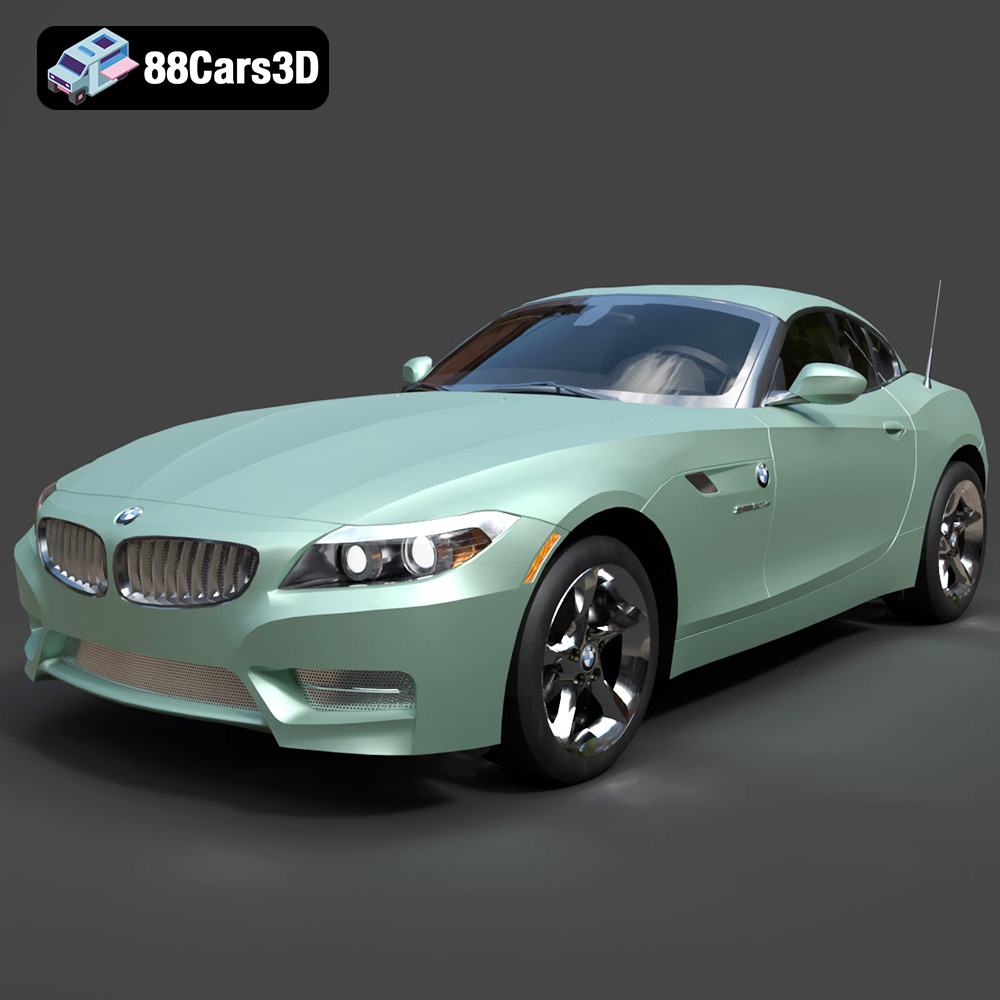
BMW Z4 Roadster E89 2012 3D Model
Texture: Yes
Material: Yes
Download the BMW Z4 Roadster E89 3D Model featuring clean geometry, realistic detailing, and a fully modeled interior. Includes .blend, .fbx, .obj, .glb, .stl, .ply, .unreal, and .max formats for rendering, simulation, and game development.
Price: $13.99

BMW Z4 E85 2005 3D Model
Texture: Yes
Material: Yes
Download the BMW Z4 E85 3D Model featuring clean geometry, realistic detailing, and a fully modeled interior. Includes .blend, .fbx, .obj, .glb, .stl, .ply, .unreal, and .max formats for rendering, simulation, and game development.
Price: $13.99

BMW M3 2024 3D Model
Texture: Yes
Material: Yes
Download the BMW M3 2024 3D Model featuring clean geometry, realistic detailing, and a fully modeled interior. Includes .blend, .fbx, .obj, .glb, .stl, .ply, .unreal, and .max formats for rendering, simulation, and game development.
Price: $13.99
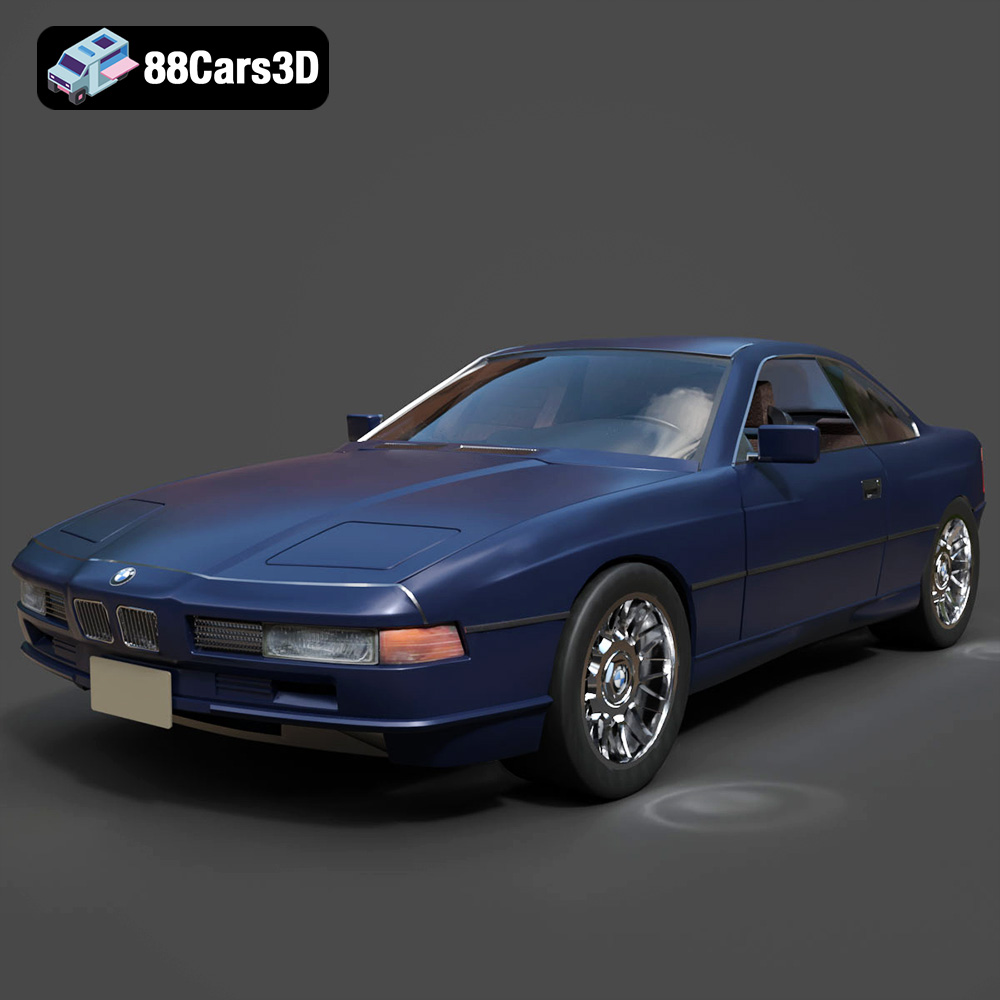
BMW 850i Coupe 1990 3D Model
Texture: Yes
Material: Yes
Download the BMW 850i Coupe 1990 3D Model featuring clean geometry, realistic detailing, and a fully modeled interior. Includes .blend, .fbx, .obj, .glb, .stl, .ply, .unreal, and .max formats for rendering, simulation, and game development.
Price: $13.99
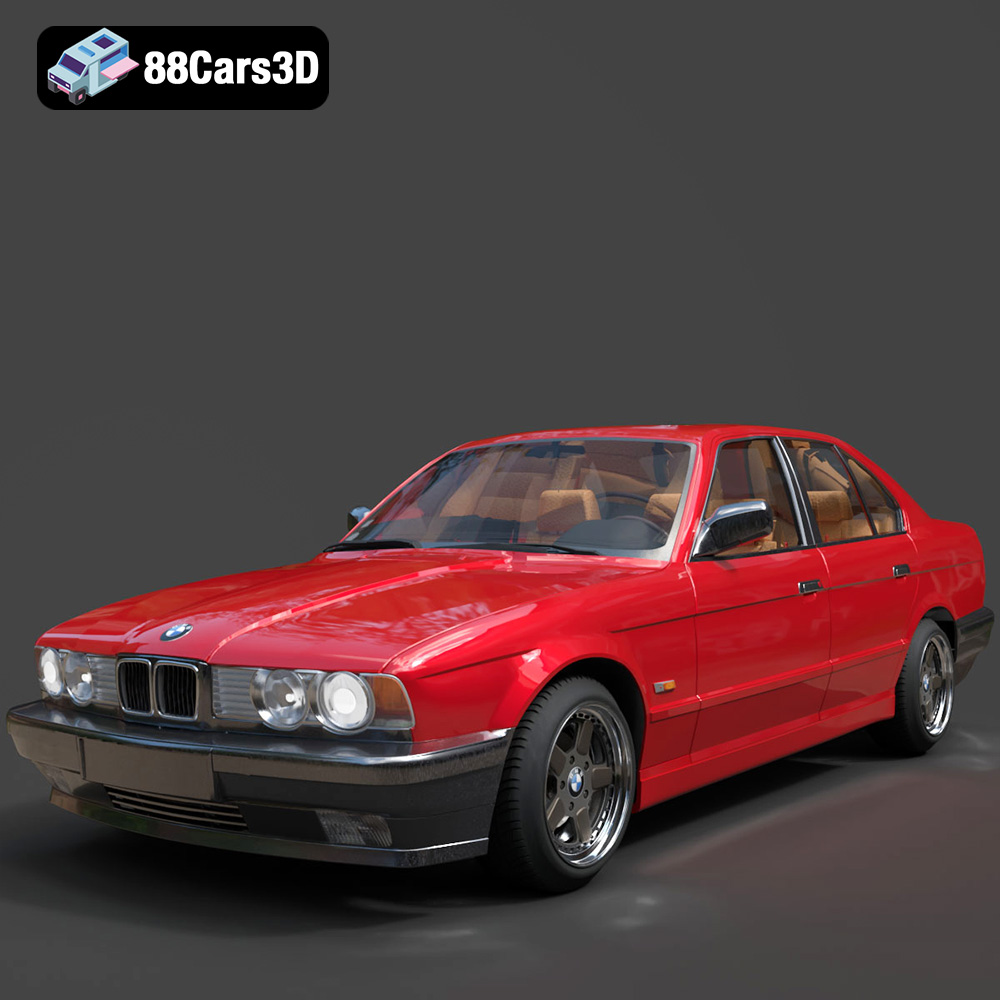
BMW 525i E34 1993 3D Model
Texture: Yes
Material: Yes
Download the BMW 525i E34 1993 3D Model featuring clean geometry, realistic detailing, and a fully modeled interior. Includes .blend, .fbx, .obj, .glb, .stl, .ply, .unreal, and .max formats for rendering, simulation, and game development.
Price: $12.99

BMW 7 Series 2016 3D Model
Texture: Yes
Material: Yes
Download the BMW 7 Series 2016 3D Model featuring luxurious design, detailed interior, and accurate exterior. Includes .blend, .fbx, .obj, .glb, .stl, .ply, .unreal, and .max formats for rendering, simulation, and game development.
Price: $10.79
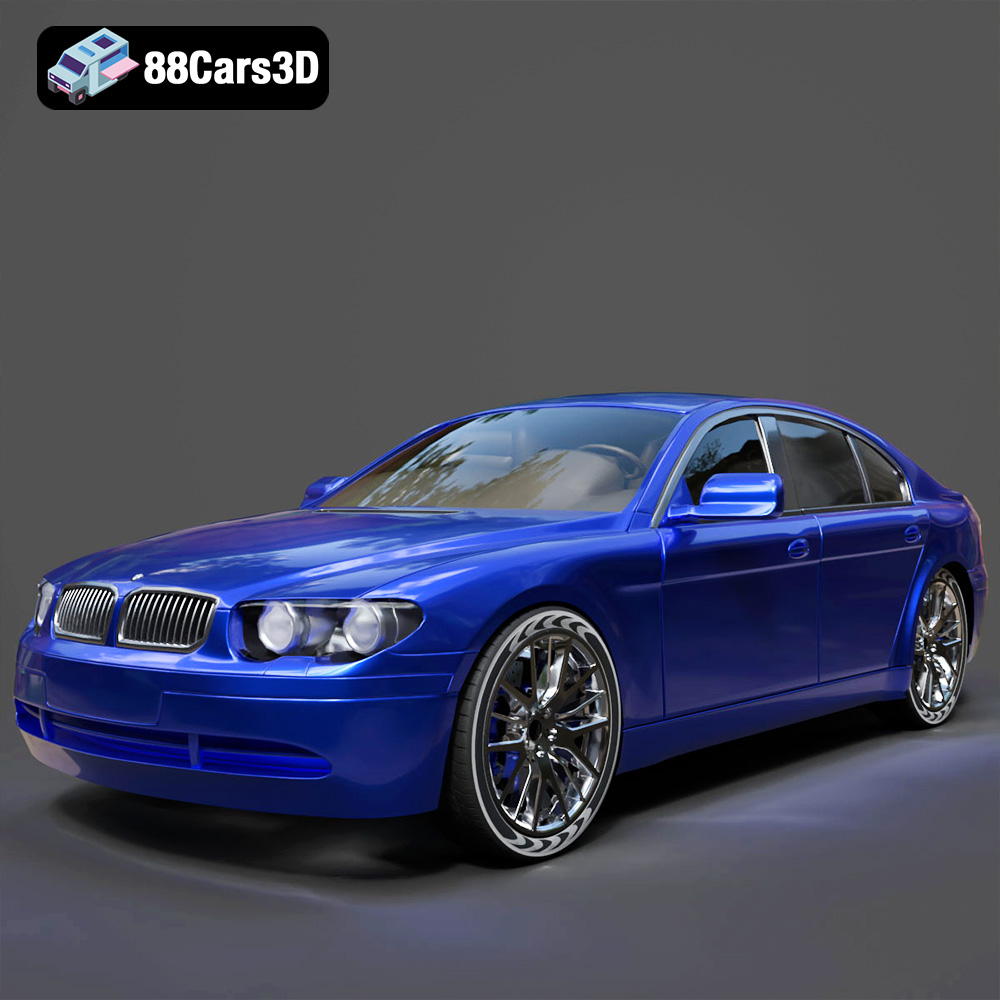
BMW 7 Series 30th Anniversary 3D Model
Texture: Yes
Material: Yes
Download the BMW 7 Series 30th Anniversary 3D Model featuring a meticulously crafted exterior, detailed interior, and realistic wheels. Includes .blend, .fbx, .obj, .glb, .stl, .ply, .unreal, and .max formats for rendering, simulation, and game development.
Price: $35.79
