

“`html
Mastering the Art of 3D Printing Realistic Car Models: A Technical Deep Dive
The world of automotive enthusiasts and 3D printing hobbyists is increasingly converging, driven by the desire to bring iconic vehicles to life in miniature form. 3D printable car models, particularly those delivered as high-quality STL files, have revolutionized how we approach model making, prototyping, and collecting. Whether you’re aiming for a museum-quality display piece, a functional prototype, or simply a rewarding weekend project, understanding the intricate details of 3D printing these complex shapes is paramount. This guide will walk you through the essential technical considerations, from deciphering STL file intricacies and preparing your digital models to optimizing your 3D printer settings and mastering post-processing techniques. We’ll explore the nuances of different printing technologies, troubleshoot common challenges, and equip you with the knowledge to achieve stunningly realistic results. Get ready to elevate your 3D printing game and create breathtaking automotive replicas.
Understanding the Foundation: STL Files and Mesh Topology
At the heart of every 3D printable car model lies the STL file. This ubiquitous file format, standing for Stereolithography, is the industry standard for transferring 3D model data to 3D printers. However, not all STL files are created equal. Understanding its structure and potential pitfalls is the first step towards successful printing.
The Geometry of Surfaces: Triangles and Normals
An STL file represents a 3D object’s surface geometry as a collection of interconnected triangles. Each triangle is defined by three vertices and a normal vector, which indicates the outward-facing direction of the surface. This seemingly simple structure can lead to several issues if not correctly implemented. For instance, a “non-manifold” mesh, where edges are shared by more than two triangles or where a vertex connects multiple disconnected surfaces, can confuse slicing software and lead to printing errors. Models from reputable sources, such as those found on platforms like 88cars3d.com, are meticulously designed with clean, manifold geometry to avoid these issues.
Watertight Meshes: The Key to Printability
A critical characteristic of a printable STL file is that it must be “watertight” or “manifold.” This means the surface of the model must form a closed volume with no holes, gaps, or self-intersections. Imagine trying to fill a leaky bucket with water – it wouldn’t hold. Similarly, a non-watertight STL file won’t have a clearly defined interior and exterior, making it impossible for a slicer to determine where to print the object’s solid parts and where to generate supports. Repairing non-manifold geometry is often a necessary step before slicing, using software like Meshmixer or Blender.
File Size and Resolution: The Balancing Act
The number of triangles in an STL file directly impacts its file size and the level of detail it can represent. A high-polygon model with many small triangles can capture intricate details like panel lines and emblems but results in a large file that can strain slicing software and extend processing times. Conversely, a low-polygon model is easier to handle but may result in a smoother, less detailed surface. For printable car models, finding the right balance is crucial. Manufacturers like those at 88cars3d.com often provide models optimized for common printing resolutions, ensuring good detail without excessive file size.
Slicing Strategies: Translating Digital to Physical
The slicer is the bridge between your STL file and your 3D printer. This software takes your 3D model and converts it into layer-by-layer instructions (G-code) that the printer can understand. Optimizing your slicer settings is arguably the most critical factor in achieving high-quality prints, especially for detailed automotive models.
Layer Height: Detail vs. Time
Layer height is one of the most impactful settings. It determines the thickness of each printed layer. Smaller layer heights (e.g., 0.08mm to 0.12mm for resin printers, 0.1mm to 0.15mm for FDM printers) produce finer details and smoother surfaces, essential for capturing the curves and sharp lines of a car model. However, printing at lower layer heights significantly increases print time. For example, printing a 10cm tall car model at 0.1mm layer height might take 15-20 hours, whereas at 0.2mm, it could be reduced to 8-10 hours. Choosing the right layer height is a trade-off between desired detail and acceptable print duration.
Print Speed: The Golden Rule
Printing too fast can lead to a host of problems, including poor layer adhesion, ringing artifacts, and inaccurate dimensions. For detailed car models, it’s often advisable to print at a moderate speed. For FDM printers using PLA or PETG, speeds between 40-60 mm/s for outer walls and 60-80 mm/s for inner walls are a good starting point. Resin printers generally print much faster in terms of layer curing, but the overall print time is dictated by the number of layers. Always consult the manufacturer’s recommendations for your specific filament and printer.
Infill: Strength and Material Efficiency
Infill refers to the internal structure printed within the object. For display models, high infill density is often unnecessary and wastes material and time. An infill density of 10-20% is usually sufficient. Different infill patterns offer varying strengths and print times. For car models, patterns like cubic, gyroid, or grid provide a good balance. More complex patterns might offer slightly better strength but can increase print time. Consider the functional requirements: if the model will be handled frequently, a slightly higher infill might be beneficial.
Support Structures: The Unsung Heroes
Detailed car models often feature overhangs and bridges that cannot be printed without support. Supports are temporary structures printed alongside the model to hold these features in place until they solidify. Generating effective supports is an art.
Support Generation Strategies
Most slicers offer various support types: normal, tree (or organic), and custom. For car models, tree supports are often preferred. They branch out from build plate contact points and touch the model only where necessary, minimizing contact points on the visible surfaces and making removal cleaner. Adjusting support density, Z-distance (gap between support and model), and XY-separation can significantly impact the ease of removal and the quality of the surface finish. Experimenting with a small test print can save a lot of frustration.
Support Removal Techniques
Careful removal is key. For FDM prints, small pliers, flush cutters, and hobby knives are essential tools. Start by gently breaking away larger sections. For resin prints, supports are typically removed after washing and curing. A gentle twist or snap often works, but sometimes a careful cut with flush cutters is needed. The goal is to remove supports without damaging the delicate details of the car model. Investing time in proper support generation and removal pays dividends in the final aesthetic.
FDM vs. Resin Printing: Choosing Your Weapon
The choice between FDM (Fused Deposition Modeling) and resin printing (SLA/DLP) significantly impacts the final quality, detail, and complexity achievable with your printable car models.
FDM Printing: Accessible and Versatile
FDM printers extrude thermoplastic filament layer by layer. They are generally more affordable, have a larger build volume, and can work with a wide range of materials like PLA, PETG, and ABS. For intricate car models, FDM printing requires careful calibration, smaller nozzle sizes (e.g., 0.2mm or 0.4mm), and often slower print speeds to achieve acceptable detail. Achieving perfectly smooth surfaces can be challenging due to visible layer lines. However, the durability and ease of post-processing (sanding, painting) make it a popular choice for many hobbyists. Models from marketplaces like 88cars3d.com are often designed with FDM printing limitations in mind, ensuring printability.
Resin Printing: Unrivaled Detail and Smoothness
Resin printers (SLA, DLP, LCD) use UV light to cure liquid photopolymer resin layer by layer. This technology offers significantly higher resolution and smoother surface finishes compared to FDM, making it ideal for highly detailed miniatures and complex shapes like those found in many classic car models. Layer lines are virtually non-existent, and fine details like emblems, grilles, and interior components can be reproduced with stunning accuracy. However, resin printers typically have smaller build volumes, require more post-processing (washing in IPA, curing under UV light), and the resins themselves can be more expensive and messier to handle. Safety precautions, including proper ventilation and personal protective equipment, are crucial when working with resin.
Material Selection: The Substance of Your Model
For FDM printing, PLA is the go-to material for beginners and display models due to its ease of printing, low warping, and availability in numerous colors. PETG offers increased durability and temperature resistance, while ABS, though stronger, requires a heated enclosure and good ventilation due to fumes. For resin printing, standard photopolymer resins offer a good balance of detail and strength. Engineering resins can provide enhanced properties like toughness or flexibility if needed for specific applications. The material choice will influence print settings (temperatures, exposure times) and post-processing techniques.
File Preparation and Mesh Repair: Ensuring a Smooth Start
Before hitting “print,” it’s crucial to ensure your STL file is in optimal condition. Even models from professional sources can sometimes benefit from a quick check or minor adjustments.
Inspecting the Mesh in Your Slicer
Most modern slicers have basic mesh analysis tools that can flag errors like holes or non-manifold edges. However, for more complex issues, dedicated software is recommended. Platforms like 88cars3d.com provide detailed descriptions of their models, often noting if specific preparation is needed, but it’s always good practice to be prepared.
Advanced Mesh Repair with Meshmixer or Blender
Software like Autodesk Meshmixer (free) or Blender (free and open-source) offers powerful tools for repairing and editing STL files. You can use these programs to:
- Detect and repair holes: Automatically fill gaps in the mesh.
- Make solid: Attempt to turn a hollow or complex object into a solid, printable model.
- Reduce mesh complexity: Simplify high-polygon models to reduce file size if needed.
- Cut models: Split large models into smaller parts for easier printing on smaller build plates, or to print complex parts separately with optimized orientation.
- Add keys and alignment pins: Essential for assembling multi-part models.
For example, if a car model is too large for your print bed, you can use Meshmixer to cut it into sections (e.g., body, chassis, wheels) and then add alignment pins and sockets so they fit together perfectly after printing.
Optimizing for Support: Orientation is Key
The orientation of your model on the print bed significantly impacts the need for supports, print quality, and print time. For car models, consider these points:
- Minimize overhangs: Angle the model to reduce the number of steep overhangs. For instance, angling the car body slightly upwards can make printing the roof and rear spoiler easier.
- Protect critical surfaces: Orient the model so that detailed surfaces like the hood or doors have minimal contact with supports.
- Maximize bed adhesion: Ensure a large, flat surface of the model is in contact with the build plate to prevent detachment during printing. For models with complex undersides, consider printing them upside down.
Achieving Realism: Post-Processing and Finishing Touches
The printing process is only half the battle. Post-processing is where a raw 3D print is transformed into a realistic automotive model.
Support Removal and Surface Smoothing
As discussed, careful support removal is crucial. Once removed, you’ll likely have small marks or blemishes where the supports touched the model. For FDM prints, sanding is the primary method for smoothing. Start with a coarse grit sandpaper (e.g., 150-220) and progressively move to finer grits (400, 800, 1000+) to achieve a smooth finish. For resin prints, lighter sanding might be needed, or in some cases, a simple wipe-down is enough. A primer coat can reveal imperfections that require filling with putty or modeling clay.
Filling and Priming
Even with the best slicing and printing, minor imperfections might remain. Use modeling putty or a filler primer spray to fill any small gaps, layer lines (on FDM prints), or support marks. Multiple thin coats are better than one thick coat. After filling, sand again with fine-grit sandpaper and apply a good quality primer. The primer not only provides a uniform surface for paint but also highlights any remaining flaws that need attention.
Painting and Detailing
This is where your car model truly comes to life. Airbrushing or spray painting provides the smoothest finish for the car’s body. Choose automotive-grade paints or high-quality acrylics. Masking tape is essential for achieving clean lines between different colors (e.g., body paint, trim, tires). Use fine brushes for intricate details like headlights, grilles, emblems, and interior components. Weathering techniques, such as washes and dry brushing, can add a layer of realism, simulating dirt, rust, or wear.
Assembly and Finishing
Many complex car models are printed in multiple parts (body, chassis, wheels, interior). Precision is key during assembly. Use appropriate adhesives like CA glue (super glue) or specialized plastic cement. If you added alignment pins during the file preparation stage, assembly becomes significantly easier and more accurate. Once assembled, a clear coat can protect the paint job and provide a glossy or satin finish, depending on your preference.
Troubleshooting Common Printing Failures
Even experienced 3D printers encounter issues. Knowing how to diagnose and fix common problems will save you time and material.
Warping and Bed Adhesion Issues
For FDM prints, warping (corners lifting off the build plate) is often caused by poor bed adhesion or uneven cooling. Ensure your build plate is clean and level. Use adhesion aids like glue stick, hairspray, or specialized build surface tapes. Consider adding a brim or raft in your slicer settings. For some materials like ABS, an enclosure is almost mandatory.
Stringing and Blobs
These typically occur when filament oozes out of the nozzle during travel moves. In your slicer, increase the retraction distance and speed. Ensure your filament is dry, as moisture can exacerbate stringing. Lowering the nozzle temperature slightly can also help.
Layer Shifting
This is when layers become misaligned during the print. It’s often caused by mechanical issues: loose belts, a clogged nozzle, or the print head colliding with a previously printed section or poorly supported overhang. Check your printer’s mechanical components and ensure sufficient cooling for overhangs.
Under-extrusion / Gaps in Layers
This indicates that not enough filament is being extruded. Possible causes include a partially clogged nozzle, incorrect extruder tension, insufficient temperature, or printing too fast. Calibrate your E-steps and flow rate, and ensure filament is feeding smoothly.
Conclusion: Bringing Your Automotive Dreams to Life
3D printing realistic car models from STL files is a rewarding journey that combines digital design, precise engineering, and artistic finishing. By understanding the fundamentals of STL file preparation, mastering slicing techniques, choosing the right printing technology (FDM or resin), and dedicating time to meticulous post-processing, you can achieve breathtaking results. Whether you’re downloading print-ready models from marketplaces such as 88cars3d.com or working with your own designs, attention to detail at every stage – from mesh repair and orientation to support structures and painting – is key. Don’t be discouraged by early failures; troubleshooting is an integral part of the learning process. With practice and patience, you’ll soon be creating a stunning collection of 3D printed automotive masterpieces that truly capture the essence of your favorite vehicles.
“`
Featured 3D Car Models

BMW 7 Series E38 3D Model
Texture: Yes
Material: Yes
Download the BMW 7 Series E38 3D Model featuring its iconic luxury sedan design and classic aesthetics. Includes .blend, .fbx, .obj, .glb, .stl, .ply, .unreal, and .max formats for rendering, simulation, and game development.
Price: $10.79

BMW 6 Series 640i F12 3D Model
Texture: Yes
Material: Yes
Download the BMW 6 Series 640i F12 3D Model featuring a sleek design and detailed interior. Includes .blend, .fbx, .obj, .glb, .stl, .ply, .unreal, and .max formats for rendering, simulation, and game development.
Price: $10.79

BMW 3 F30 3D Model
Texture: Yes
Material: Yes
Download the BMW 3 F30 3D Model featuring a detailed exterior, realistic interior, and optimized mesh. Includes .blend, .fbx, .obj, .glb, .stl, .ply, .unreal, and .max formats for rendering, simulation, and game development.
Price: $10.79
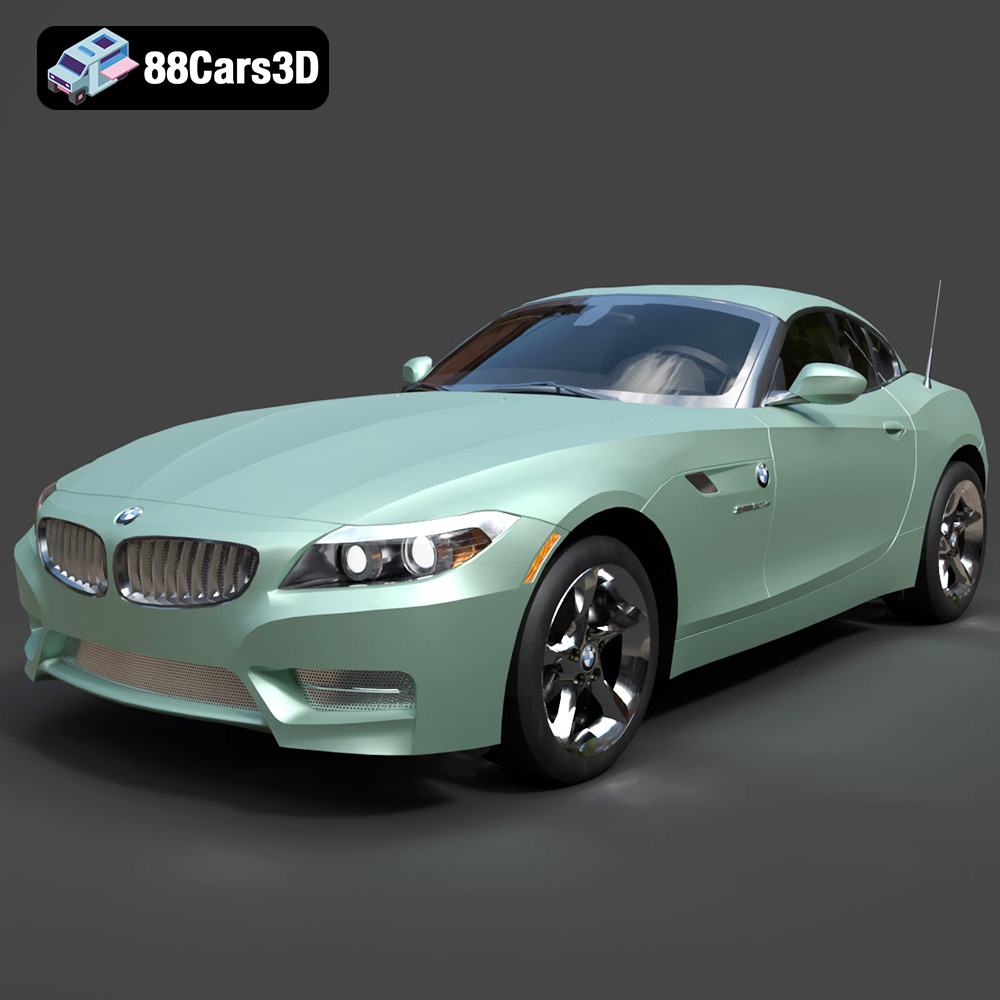
BMW Z4 Roadster E89 2012 3D Model
Texture: Yes
Material: Yes
Download the BMW Z4 Roadster E89 3D Model featuring clean geometry, realistic detailing, and a fully modeled interior. Includes .blend, .fbx, .obj, .glb, .stl, .ply, .unreal, and .max formats for rendering, simulation, and game development.
Price: $13.99

BMW Z4 E85 2005 3D Model
Texture: Yes
Material: Yes
Download the BMW Z4 E85 3D Model featuring clean geometry, realistic detailing, and a fully modeled interior. Includes .blend, .fbx, .obj, .glb, .stl, .ply, .unreal, and .max formats for rendering, simulation, and game development.
Price: $13.99

BMW M3 2024 3D Model
Texture: Yes
Material: Yes
Download the BMW M3 2024 3D Model featuring clean geometry, realistic detailing, and a fully modeled interior. Includes .blend, .fbx, .obj, .glb, .stl, .ply, .unreal, and .max formats for rendering, simulation, and game development.
Price: $13.99
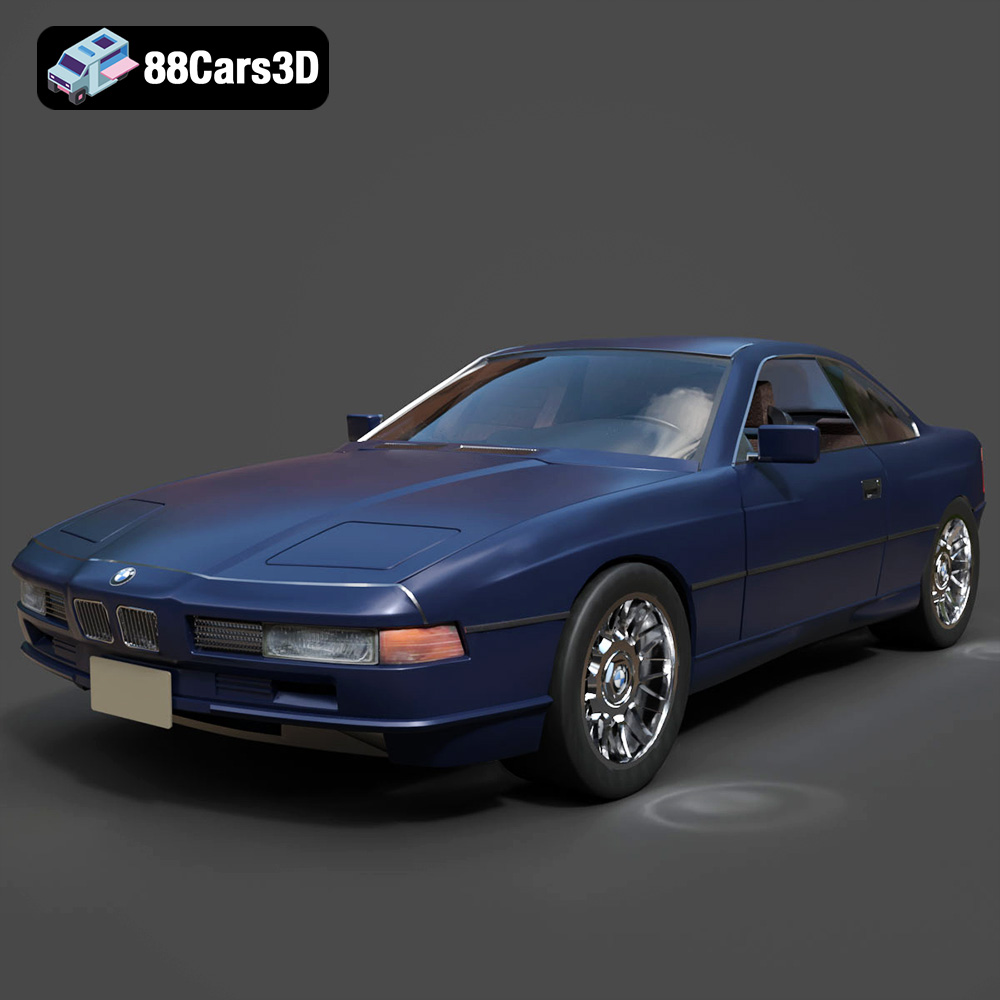
BMW 850i Coupe 1990 3D Model
Texture: Yes
Material: Yes
Download the BMW 850i Coupe 1990 3D Model featuring clean geometry, realistic detailing, and a fully modeled interior. Includes .blend, .fbx, .obj, .glb, .stl, .ply, .unreal, and .max formats for rendering, simulation, and game development.
Price: $13.99
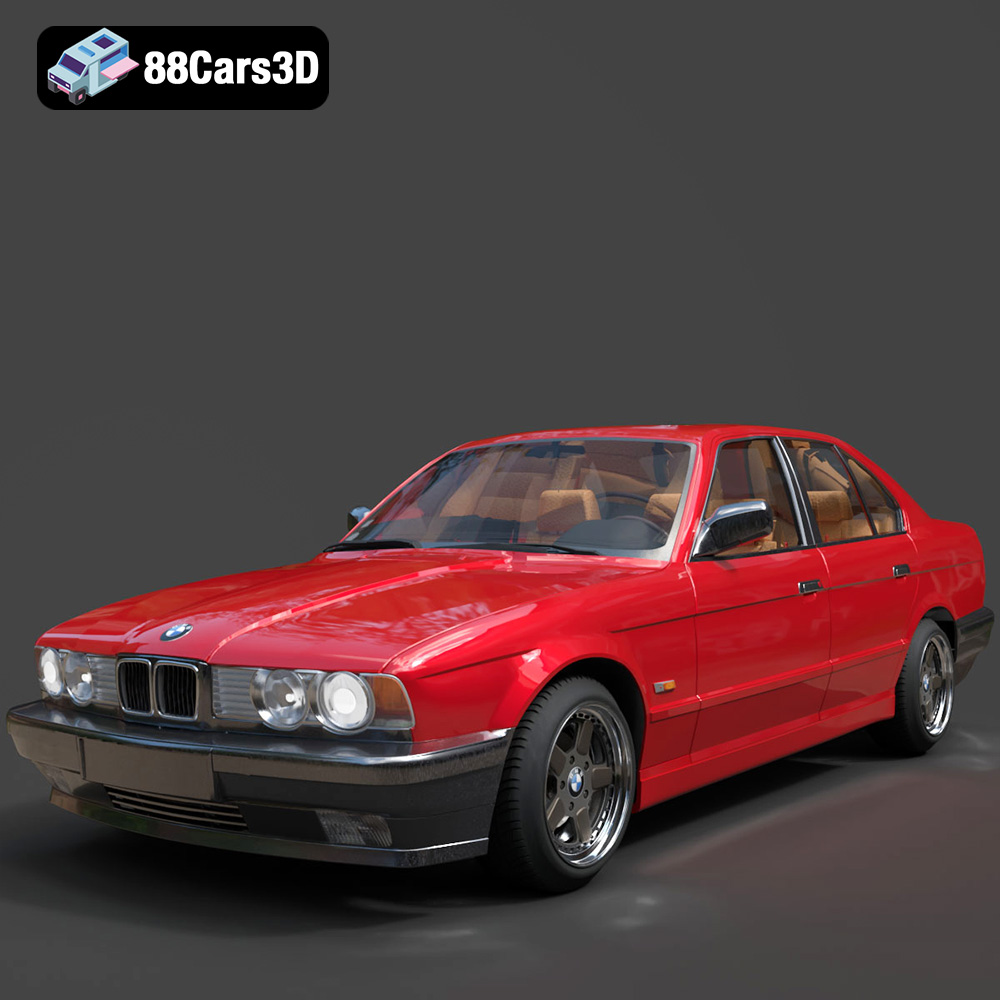
BMW 525i E34 1993 3D Model
Texture: Yes
Material: Yes
Download the BMW 525i E34 1993 3D Model featuring clean geometry, realistic detailing, and a fully modeled interior. Includes .blend, .fbx, .obj, .glb, .stl, .ply, .unreal, and .max formats for rendering, simulation, and game development.
Price: $12.99

BMW 7 Series 2016 3D Model
Texture: Yes
Material: Yes
Download the BMW 7 Series 2016 3D Model featuring luxurious design, detailed interior, and accurate exterior. Includes .blend, .fbx, .obj, .glb, .stl, .ply, .unreal, and .max formats for rendering, simulation, and game development.
Price: $10.79
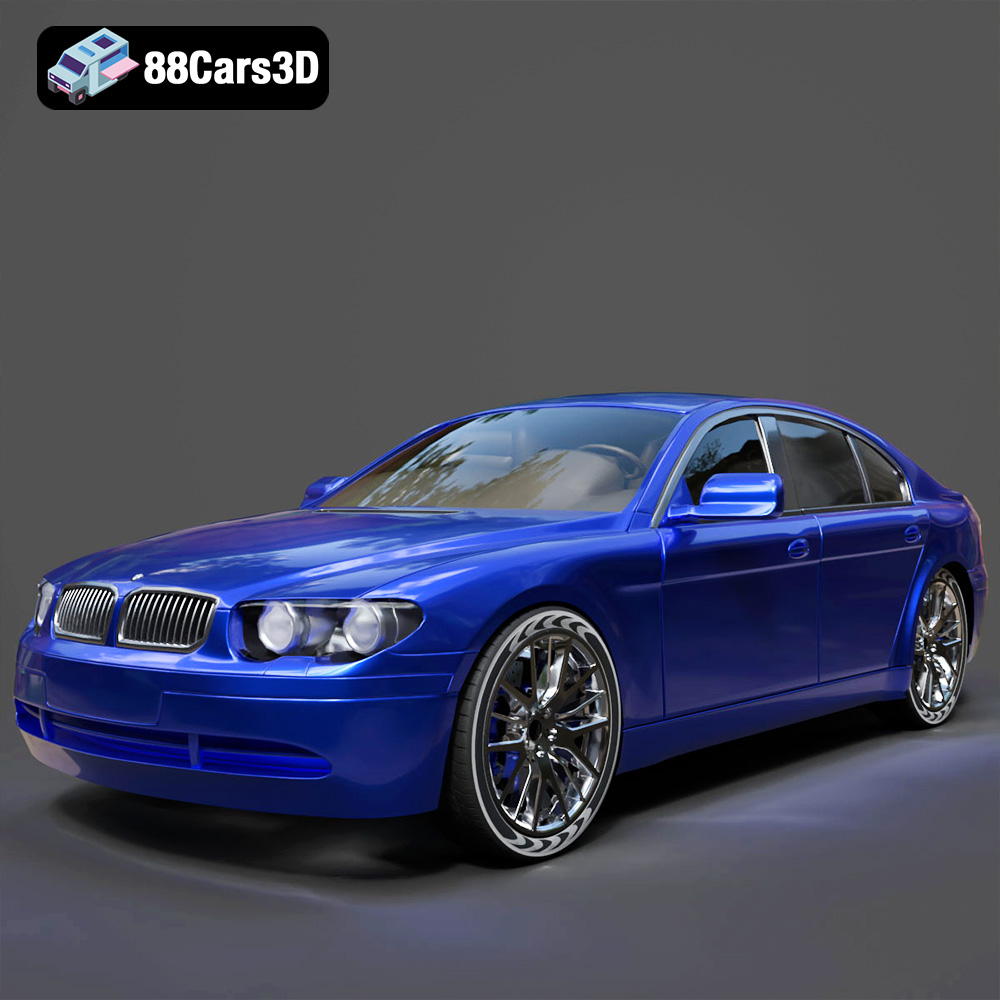
BMW 7 Series 30th Anniversary 3D Model
Texture: Yes
Material: Yes
Download the BMW 7 Series 30th Anniversary 3D Model featuring a meticulously crafted exterior, detailed interior, and realistic wheels. Includes .blend, .fbx, .obj, .glb, .stl, .ply, .unreal, and .max formats for rendering, simulation, and game development.
Price: $35.79
