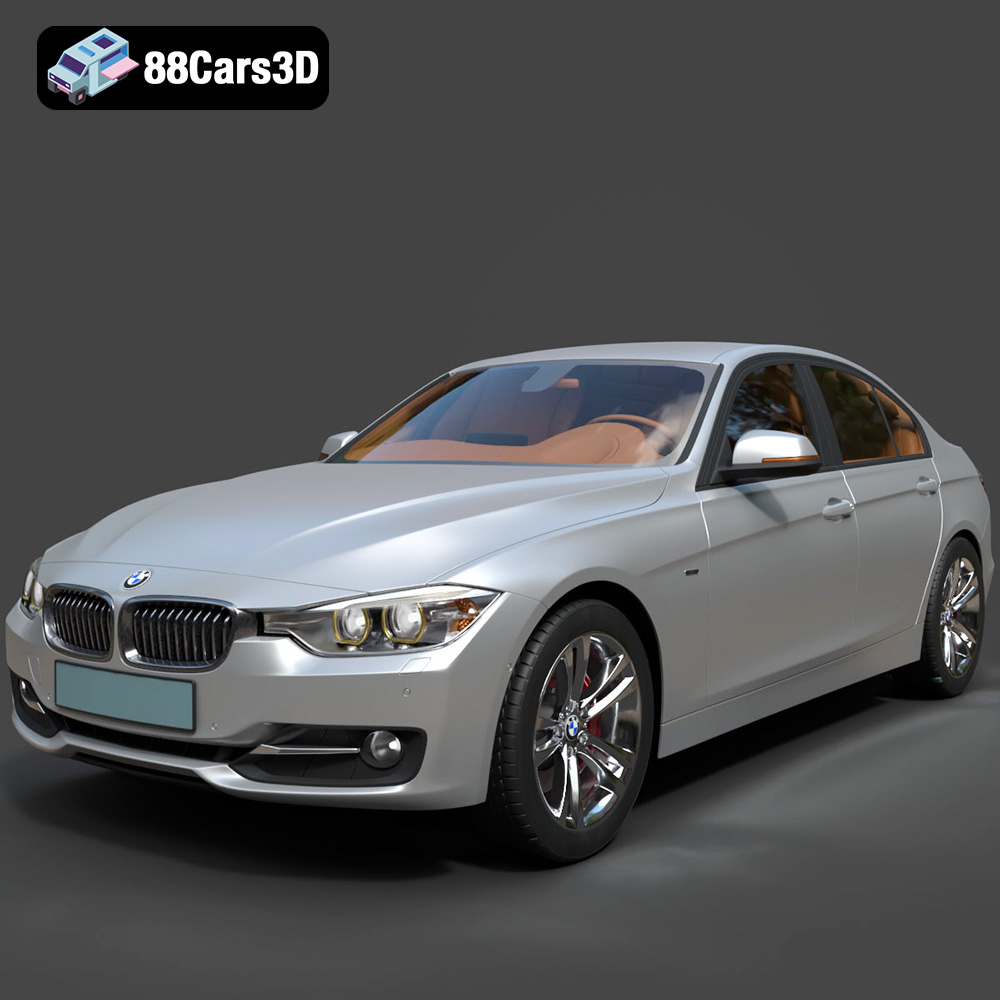
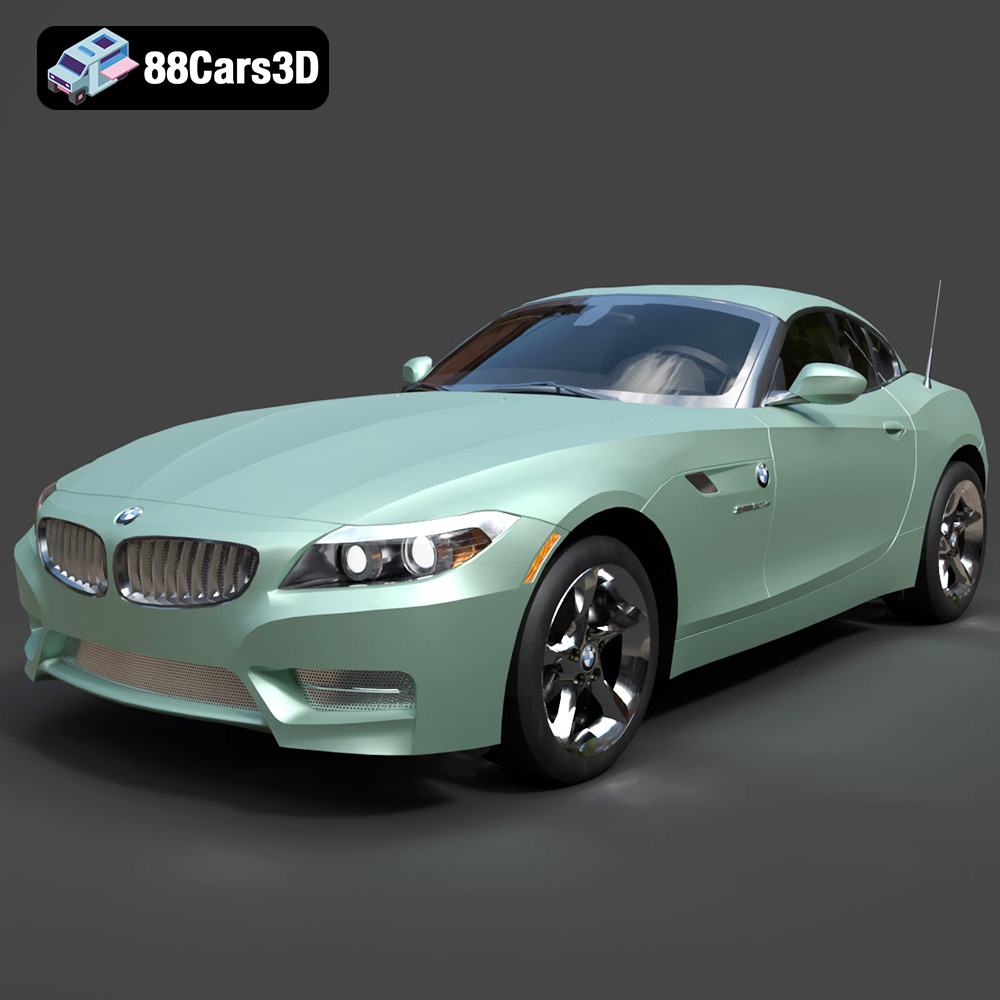
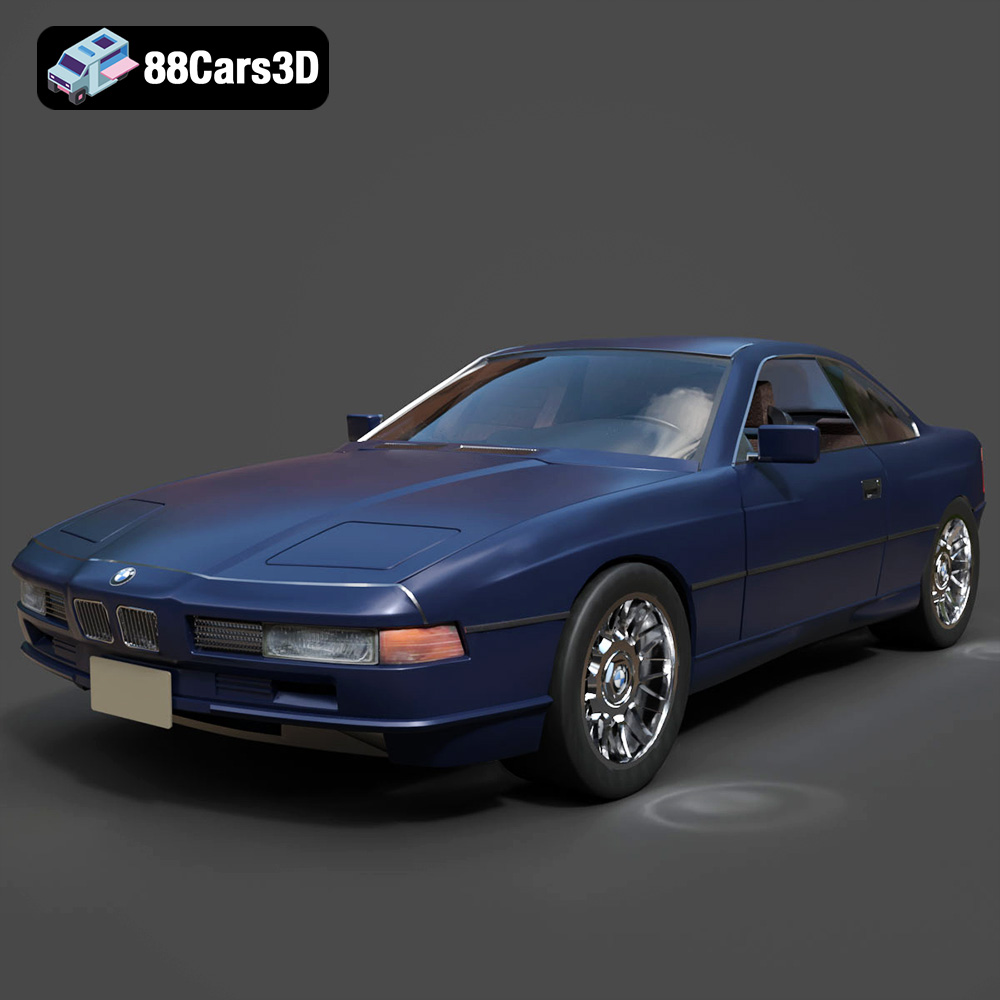
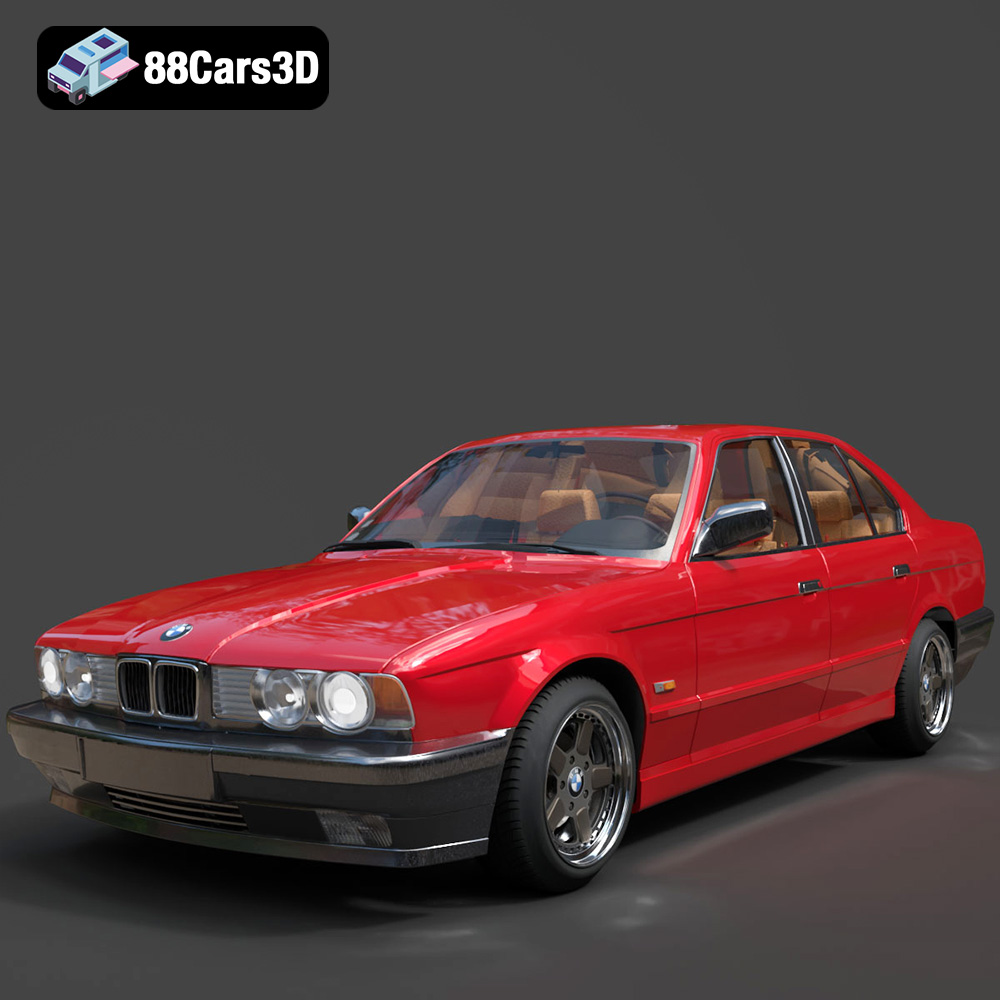
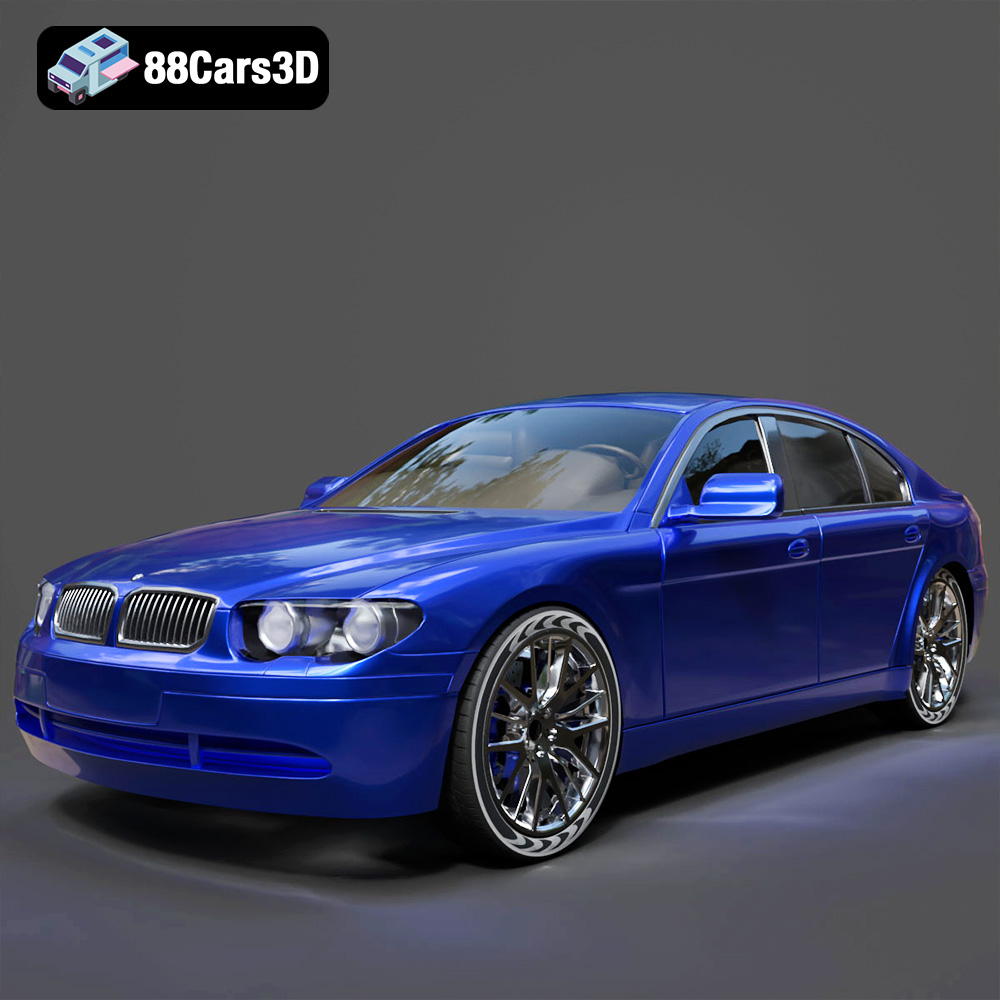
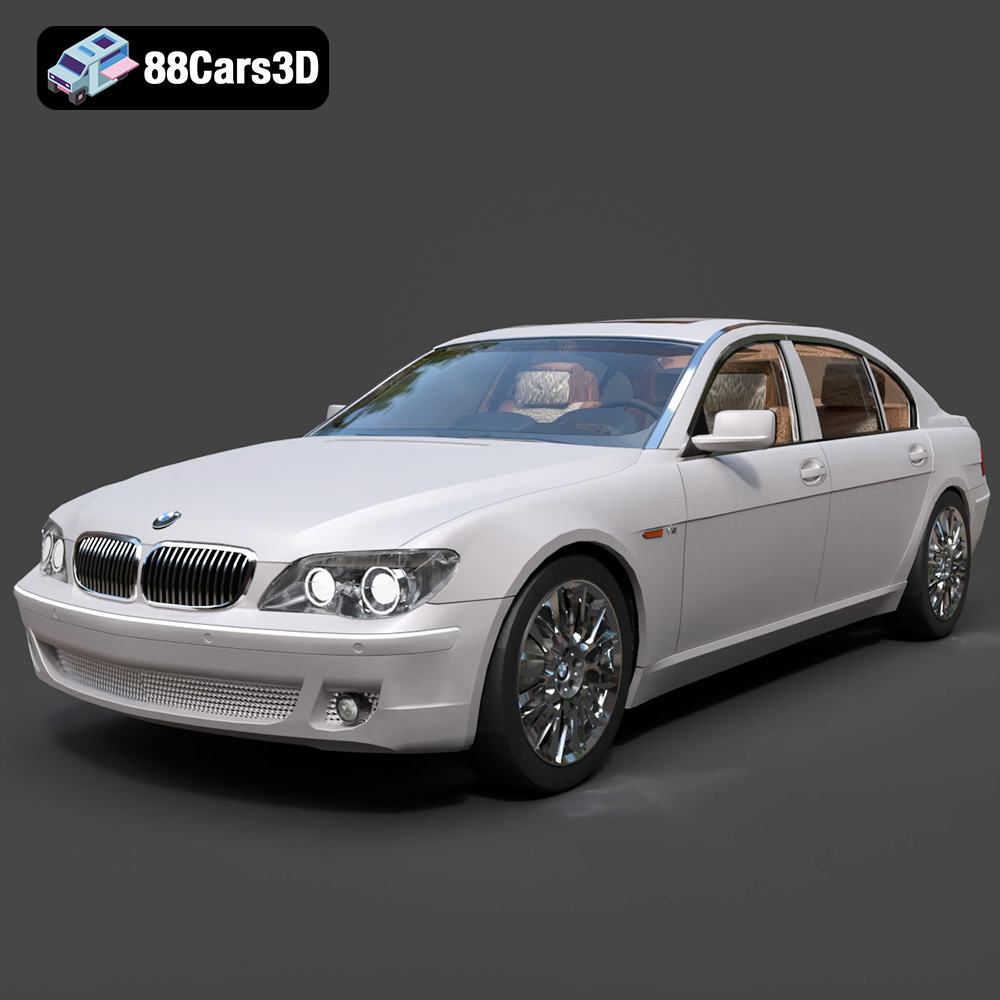
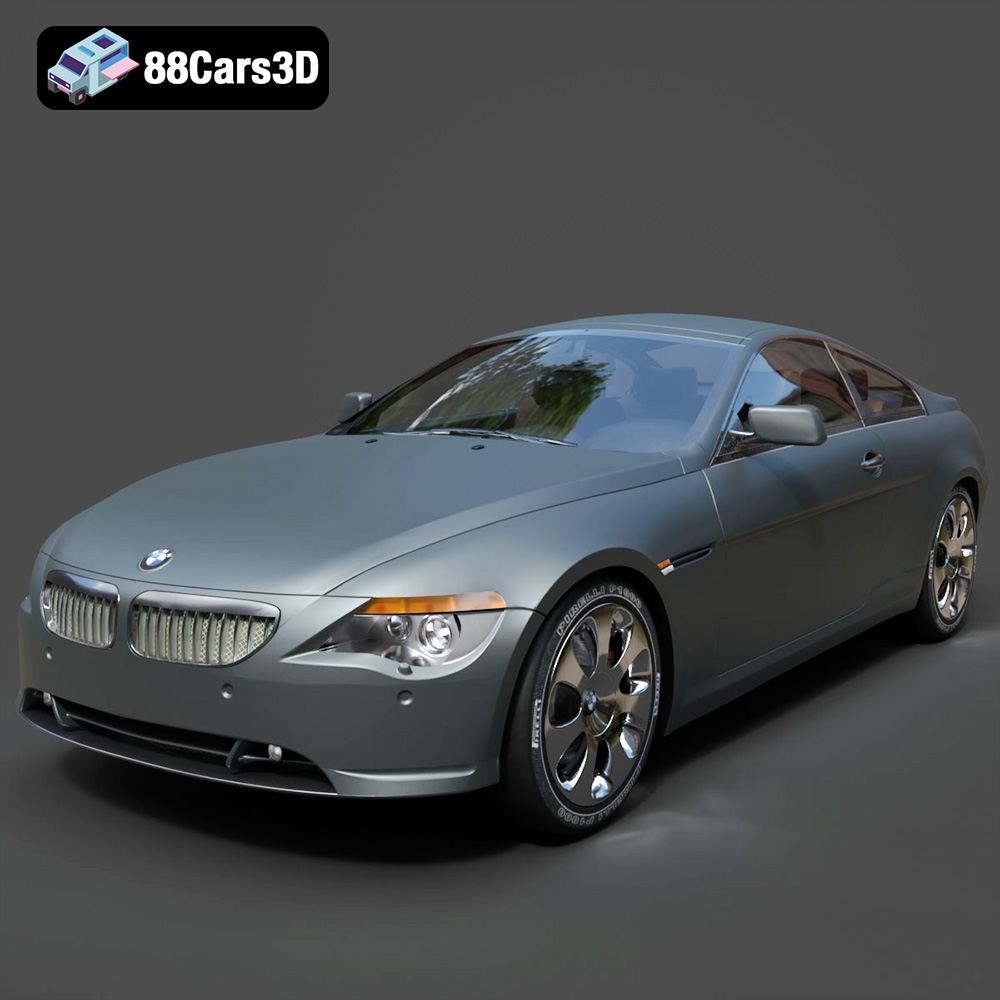
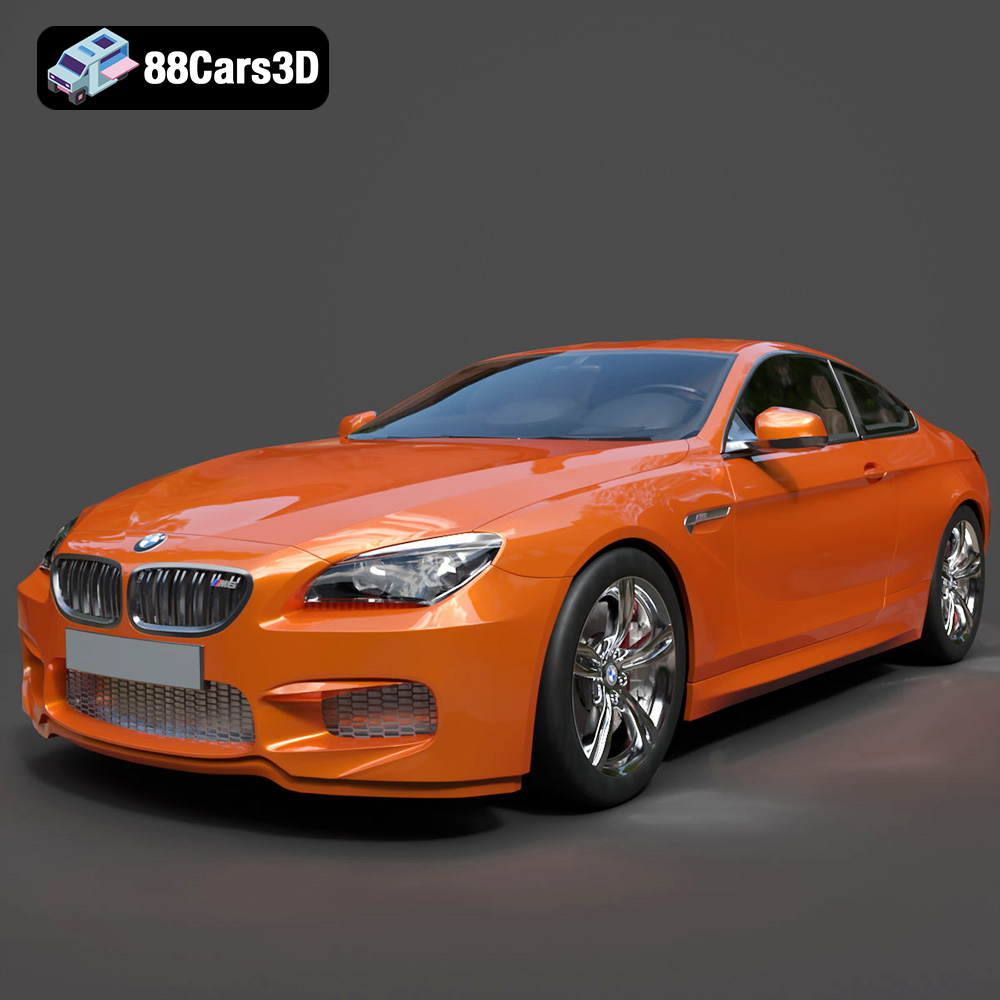
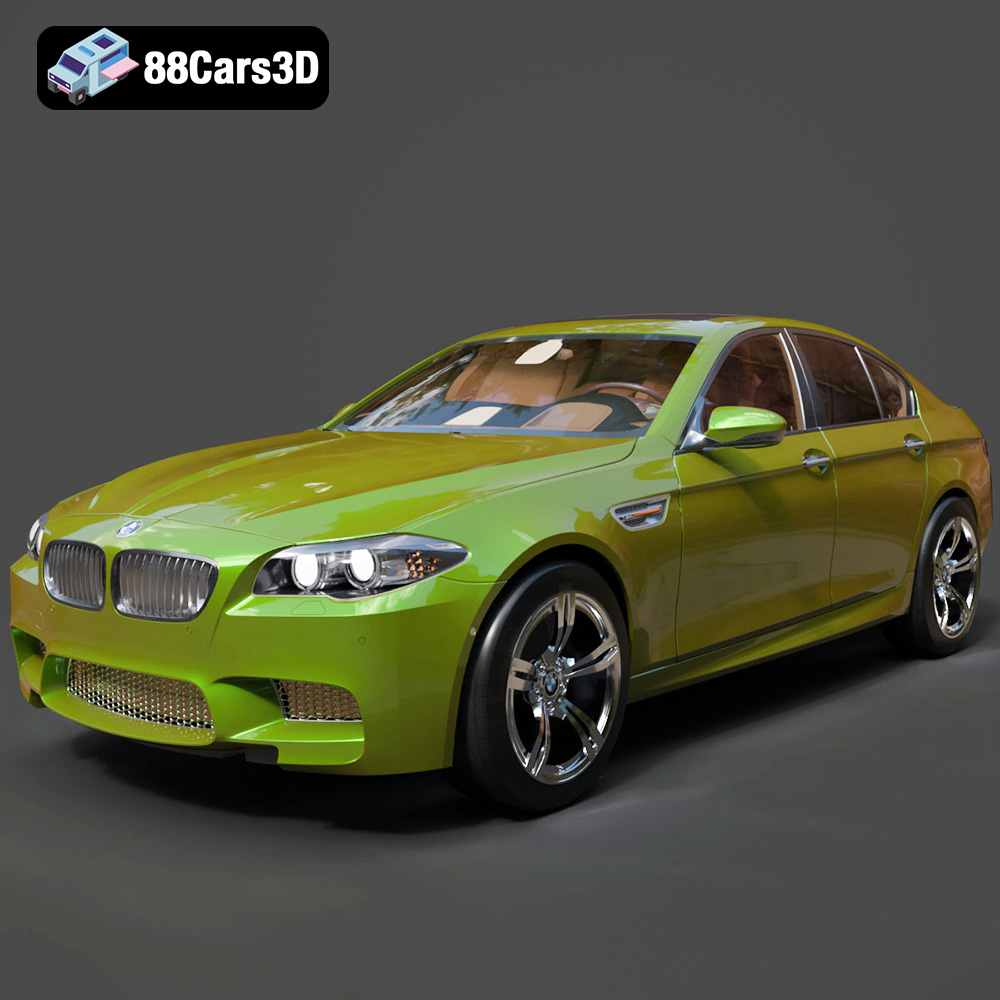
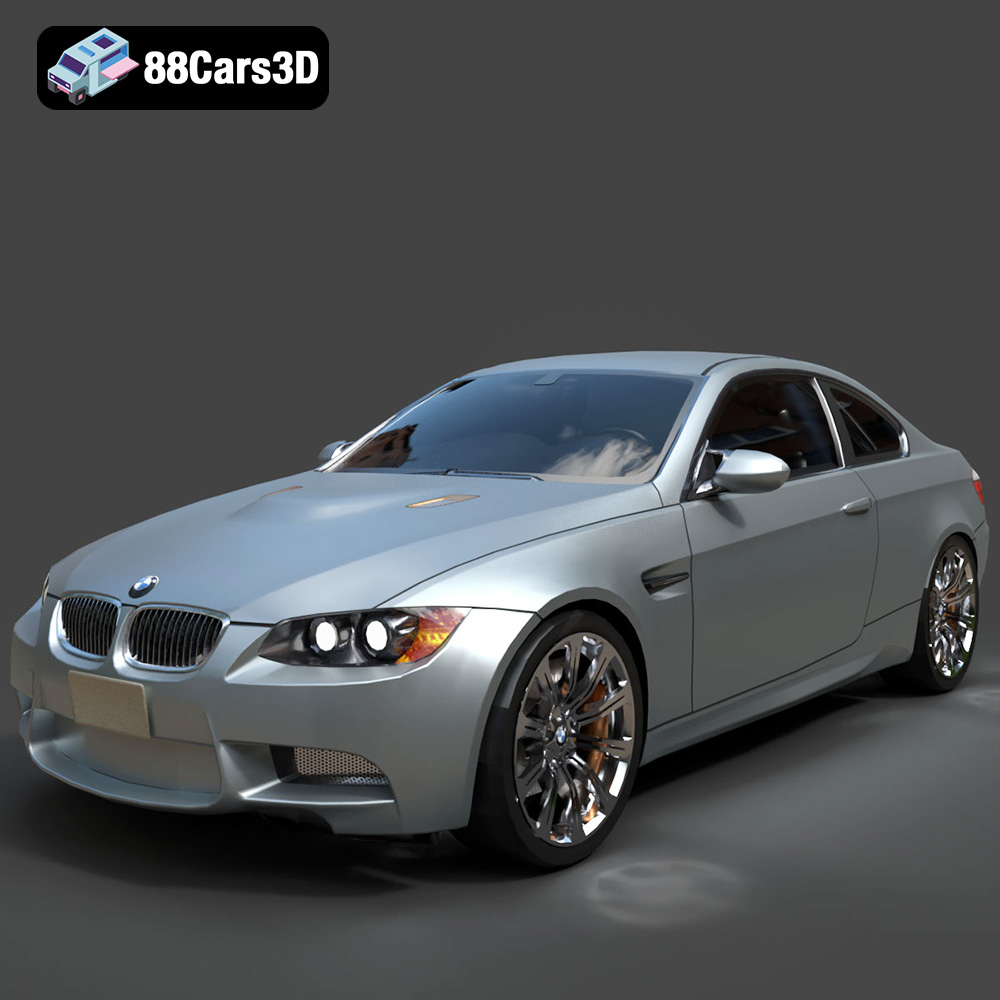
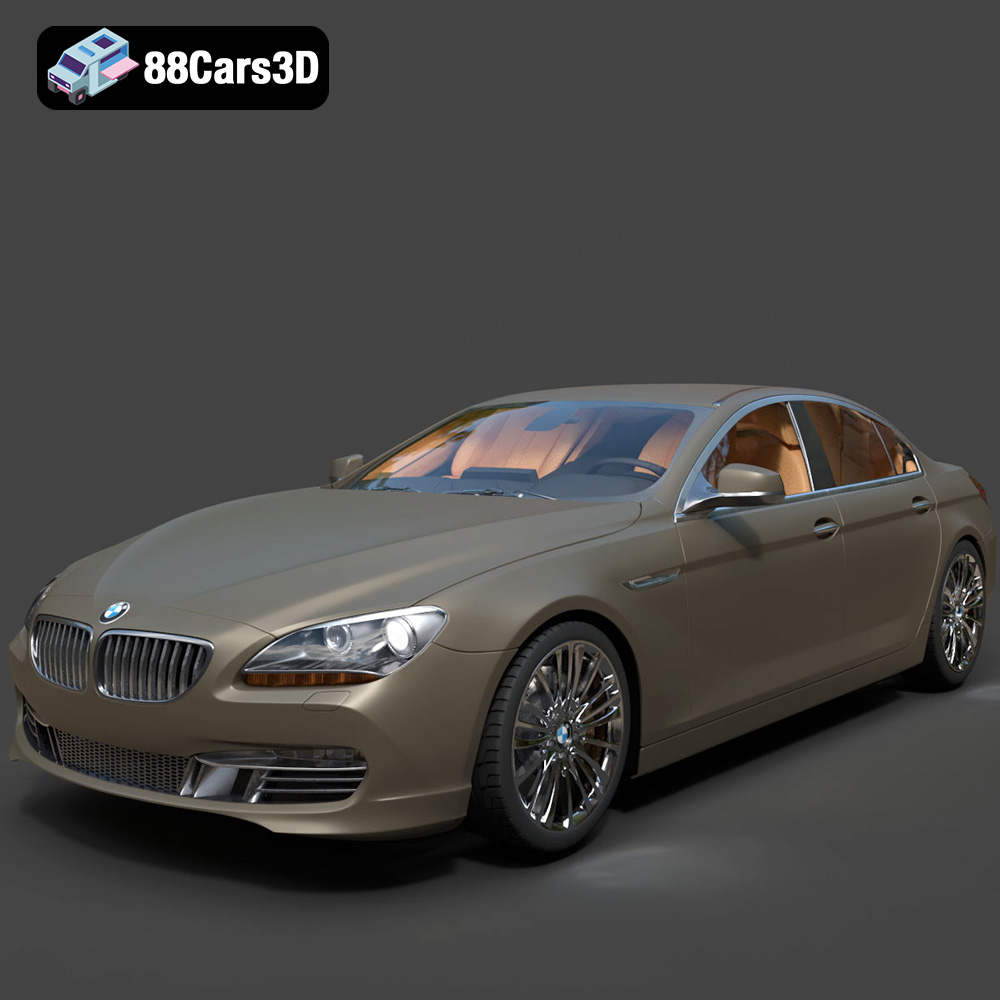
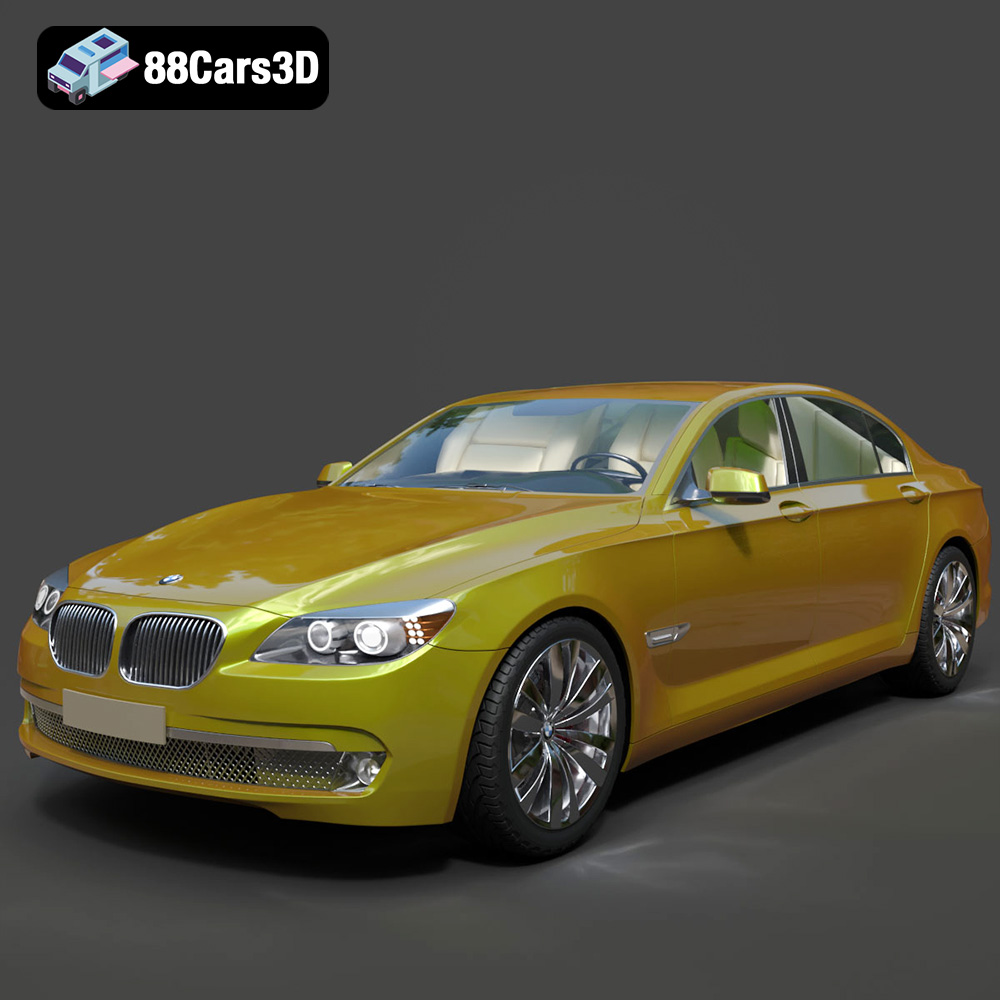
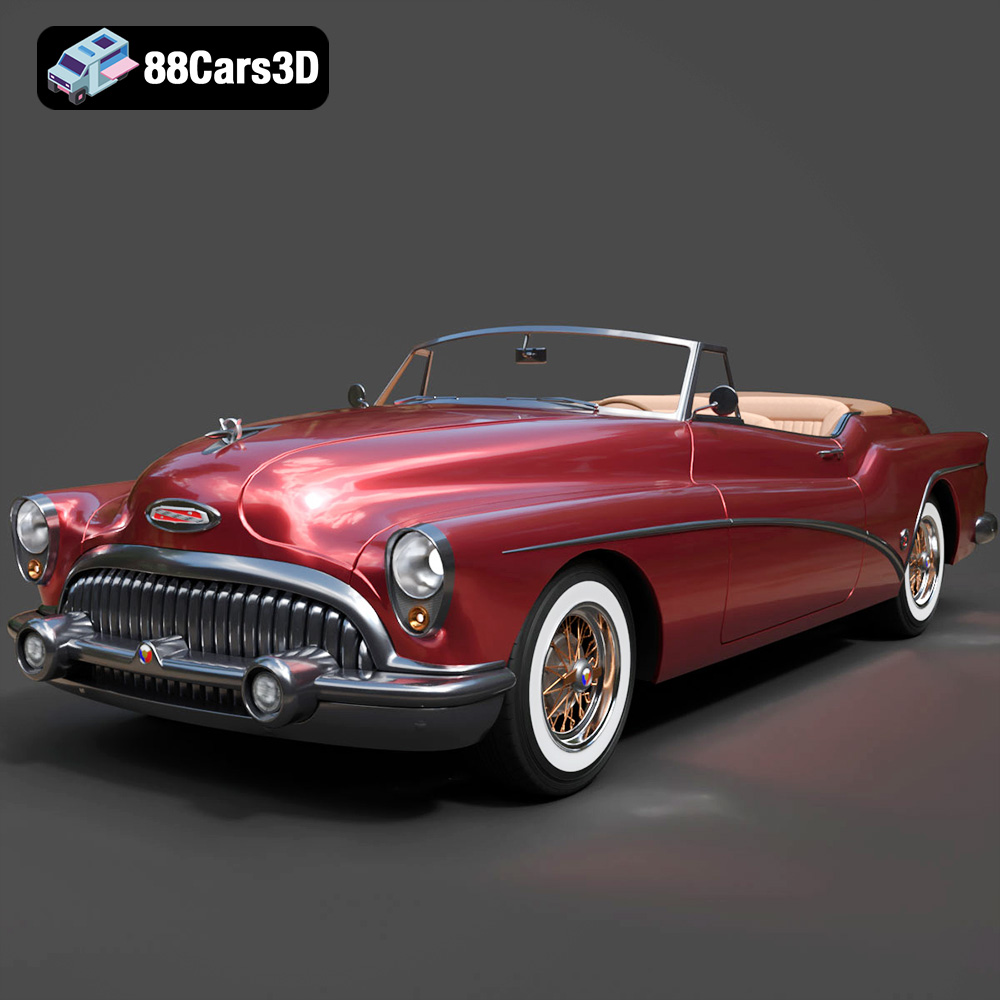
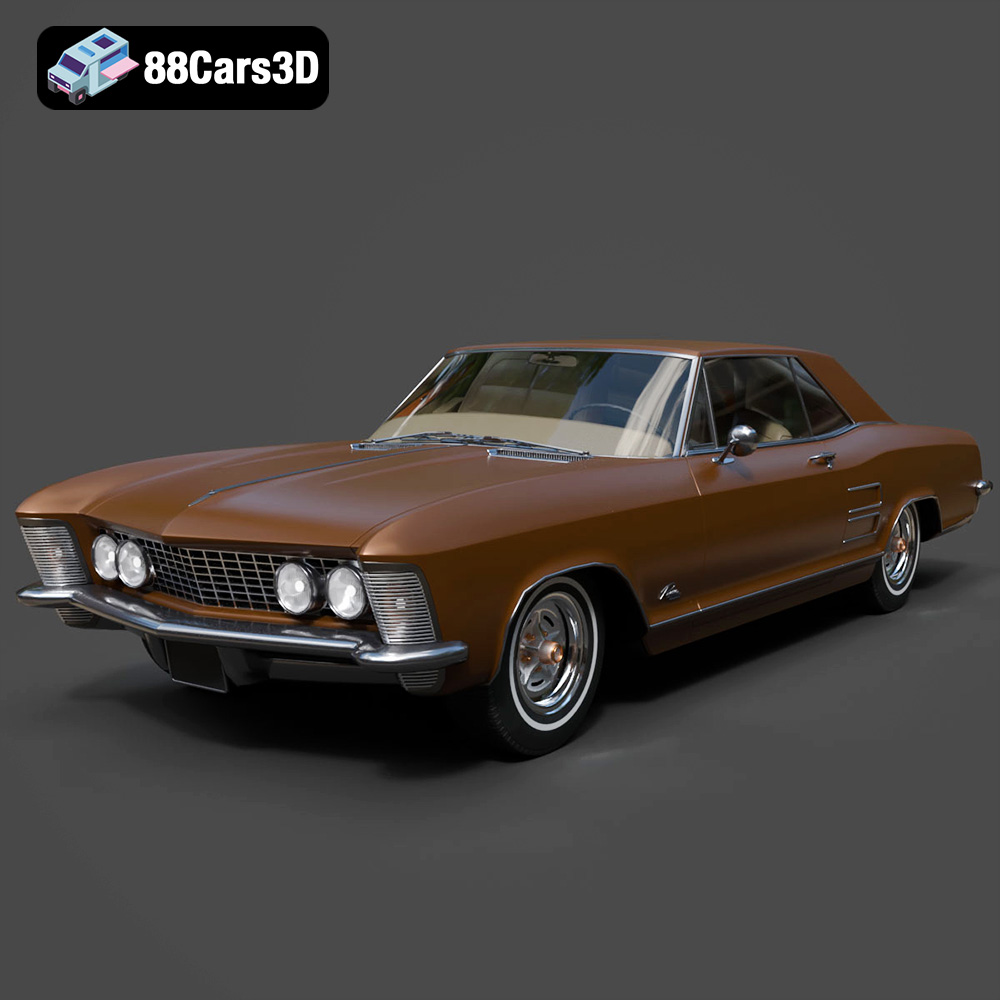
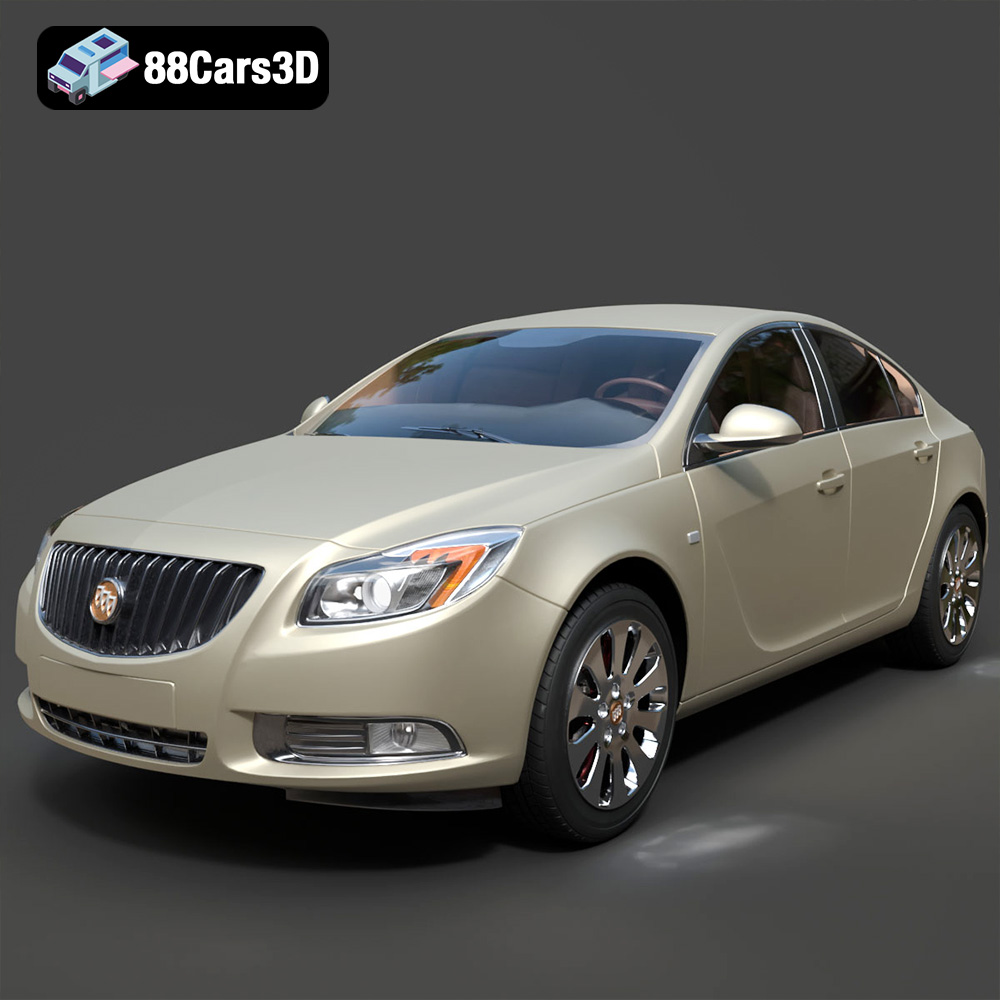
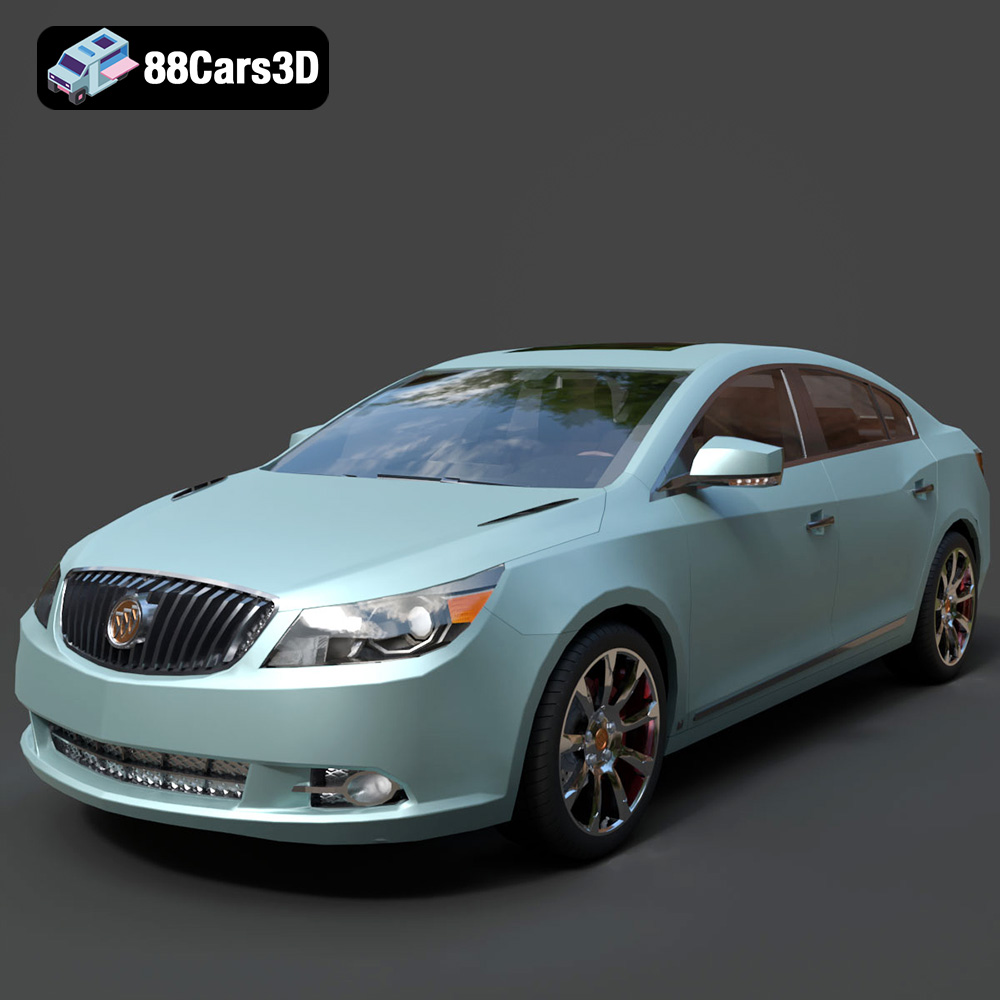
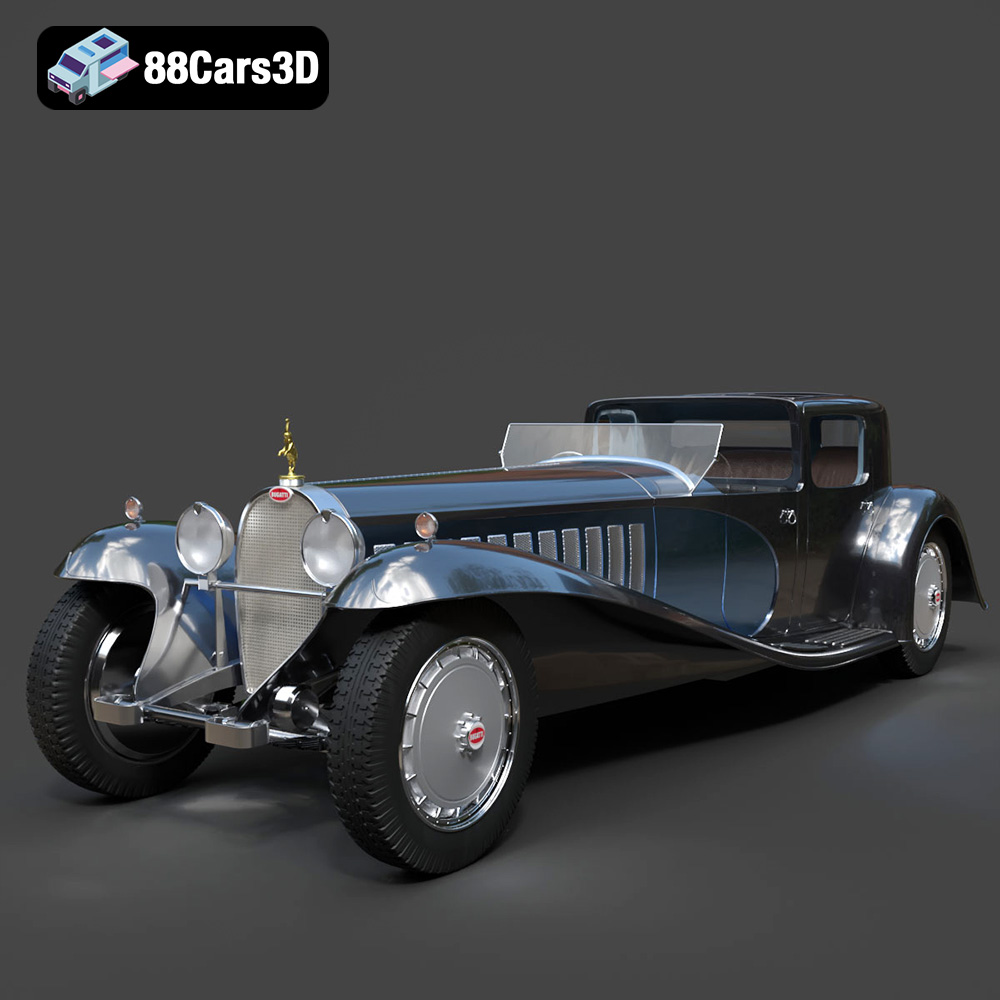
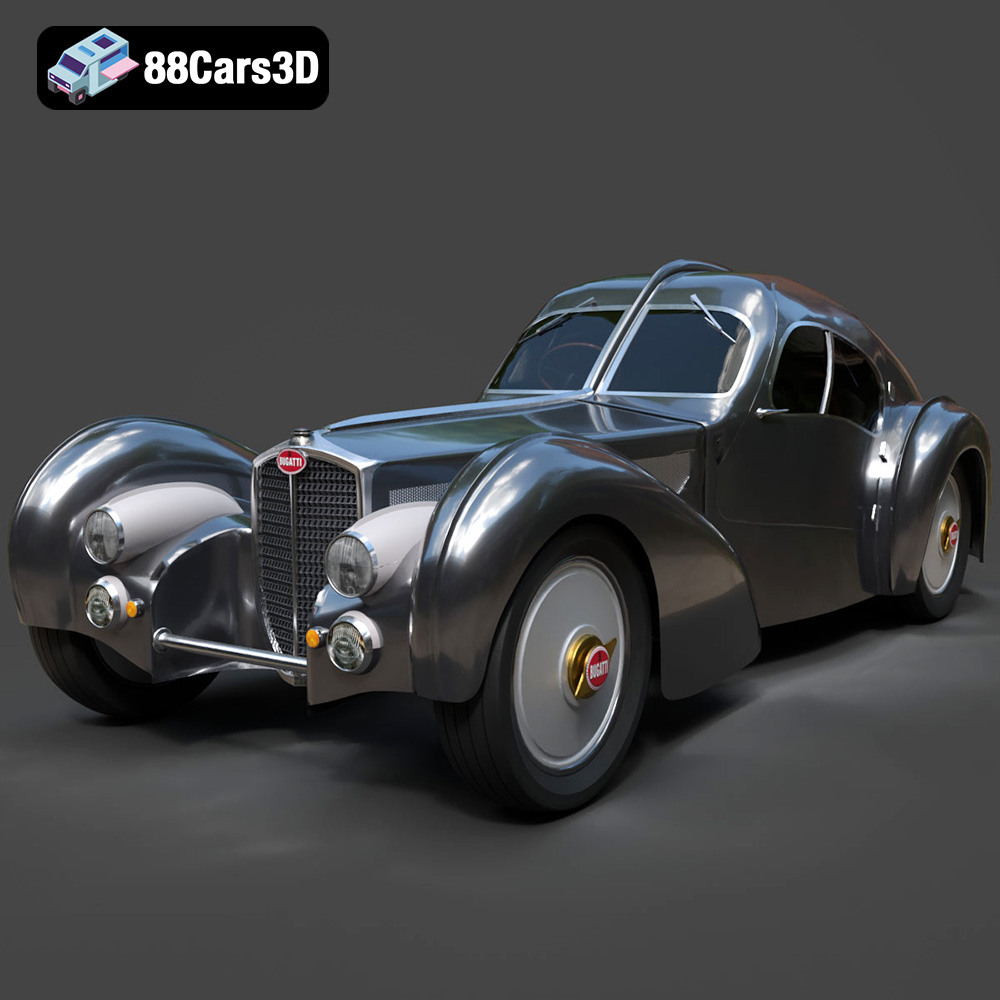
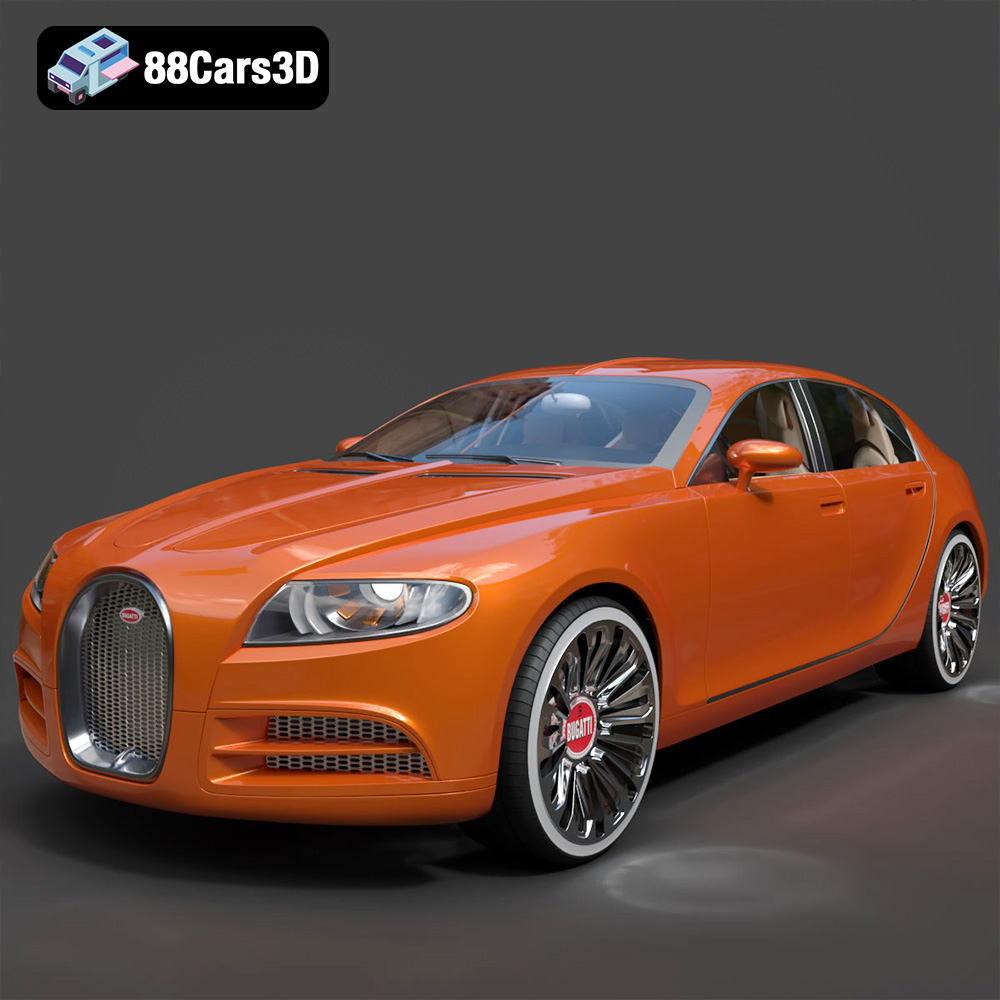
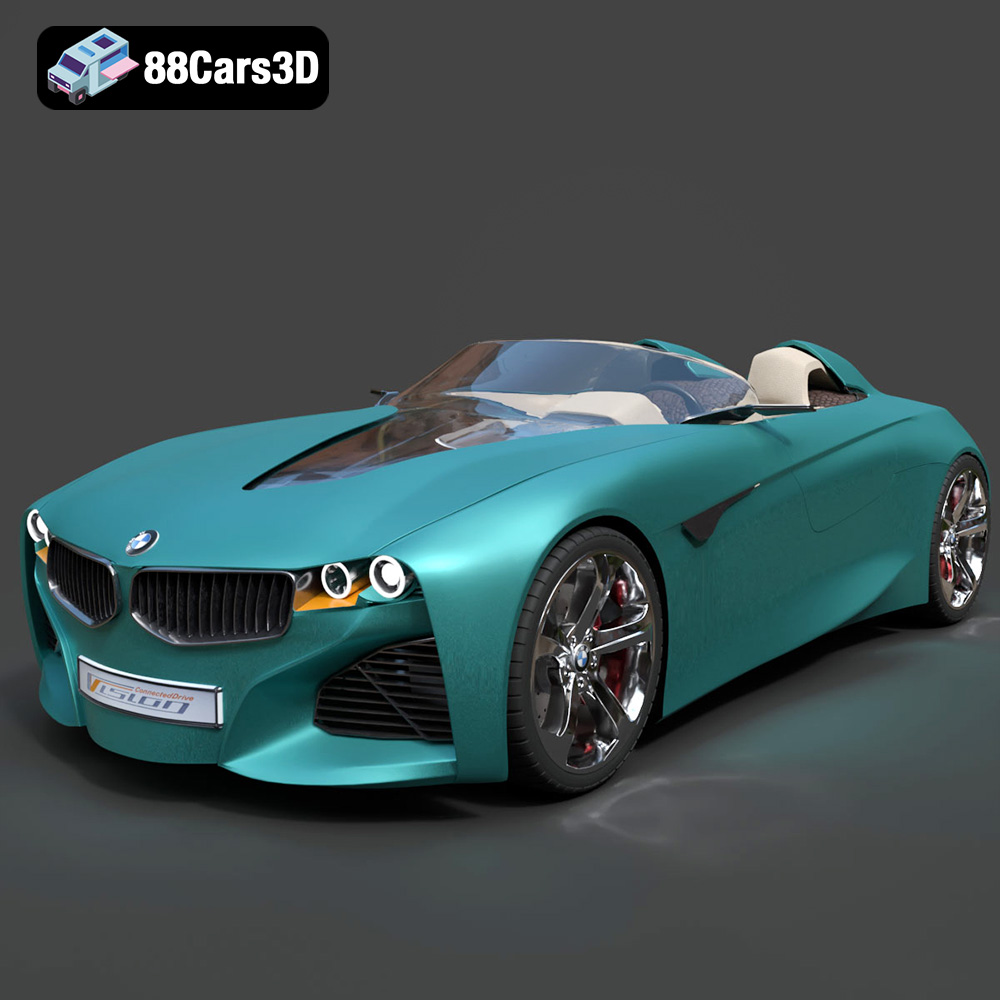
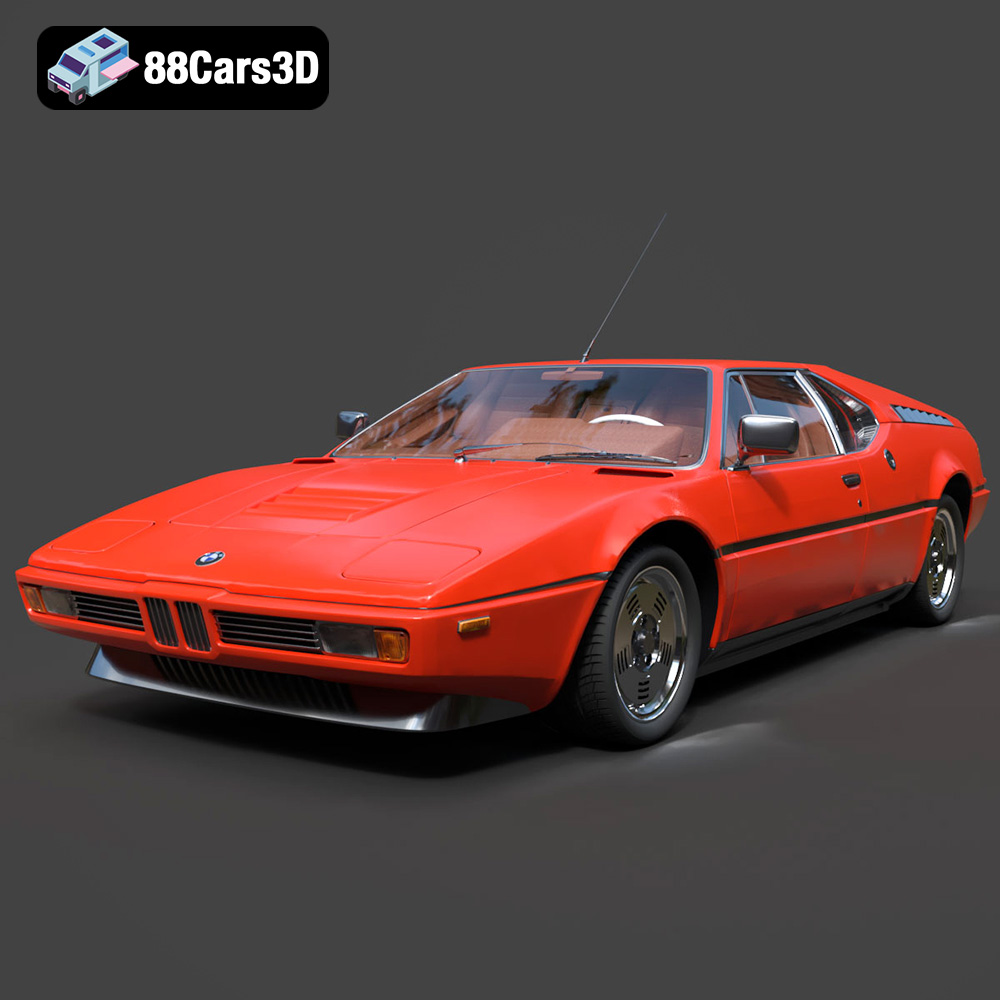
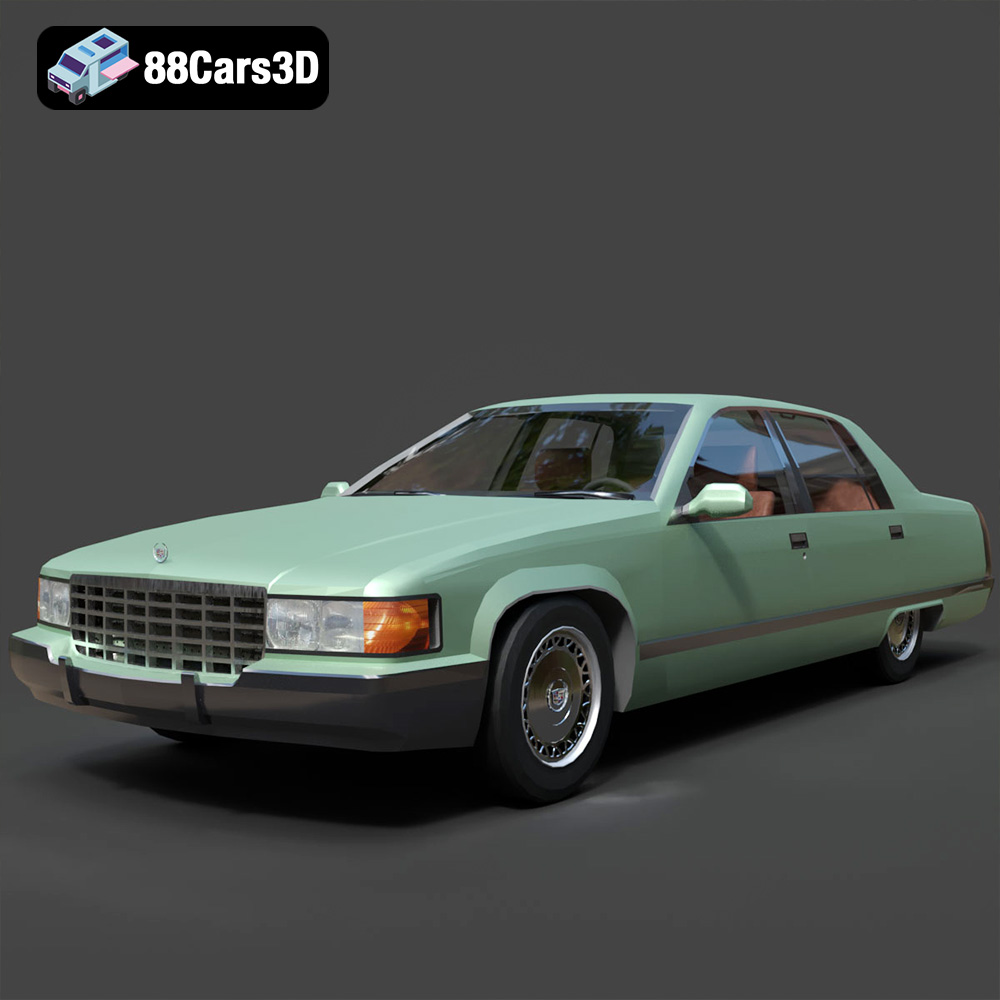
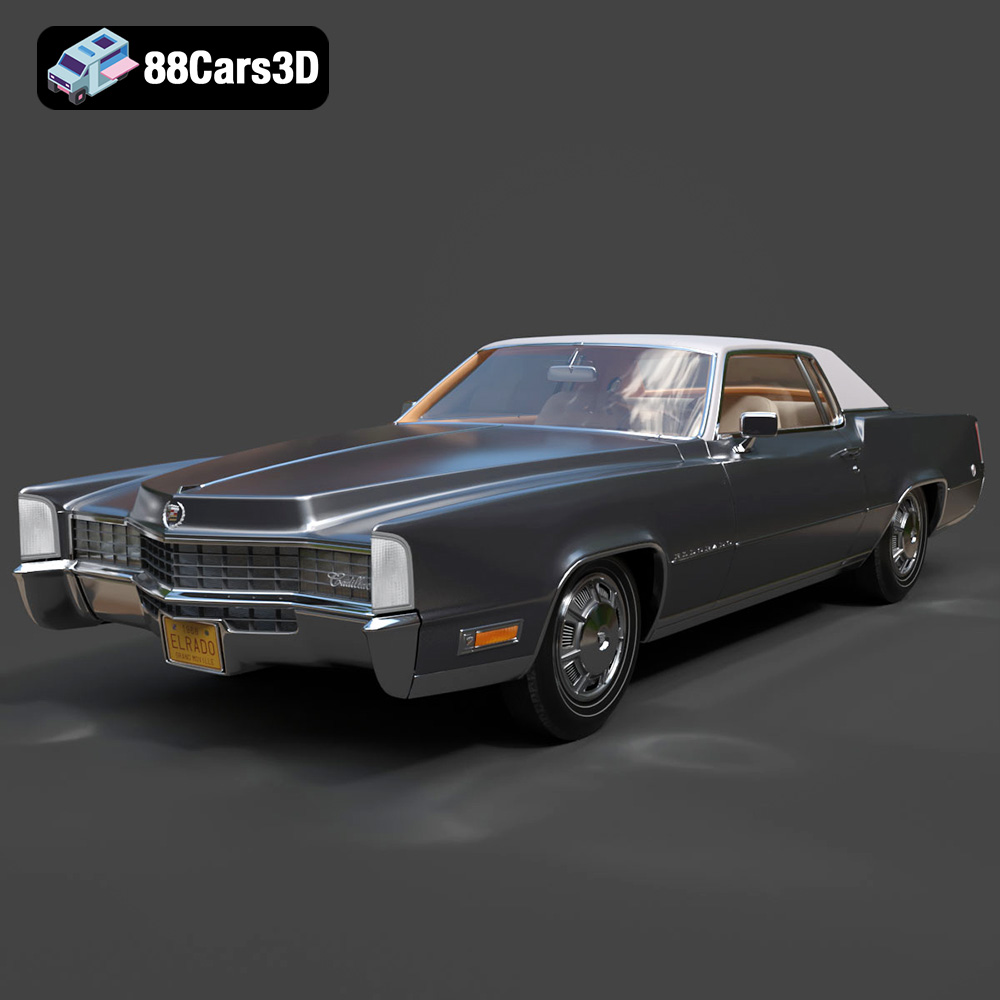
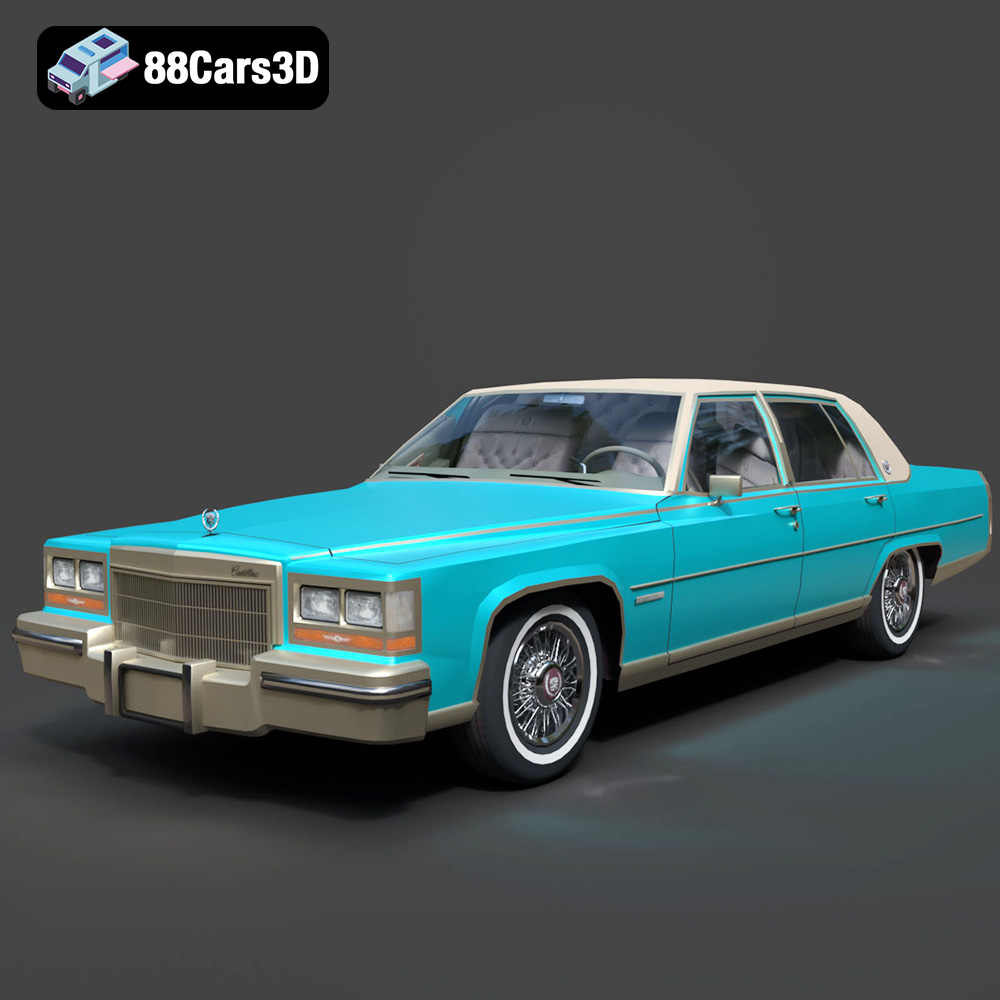
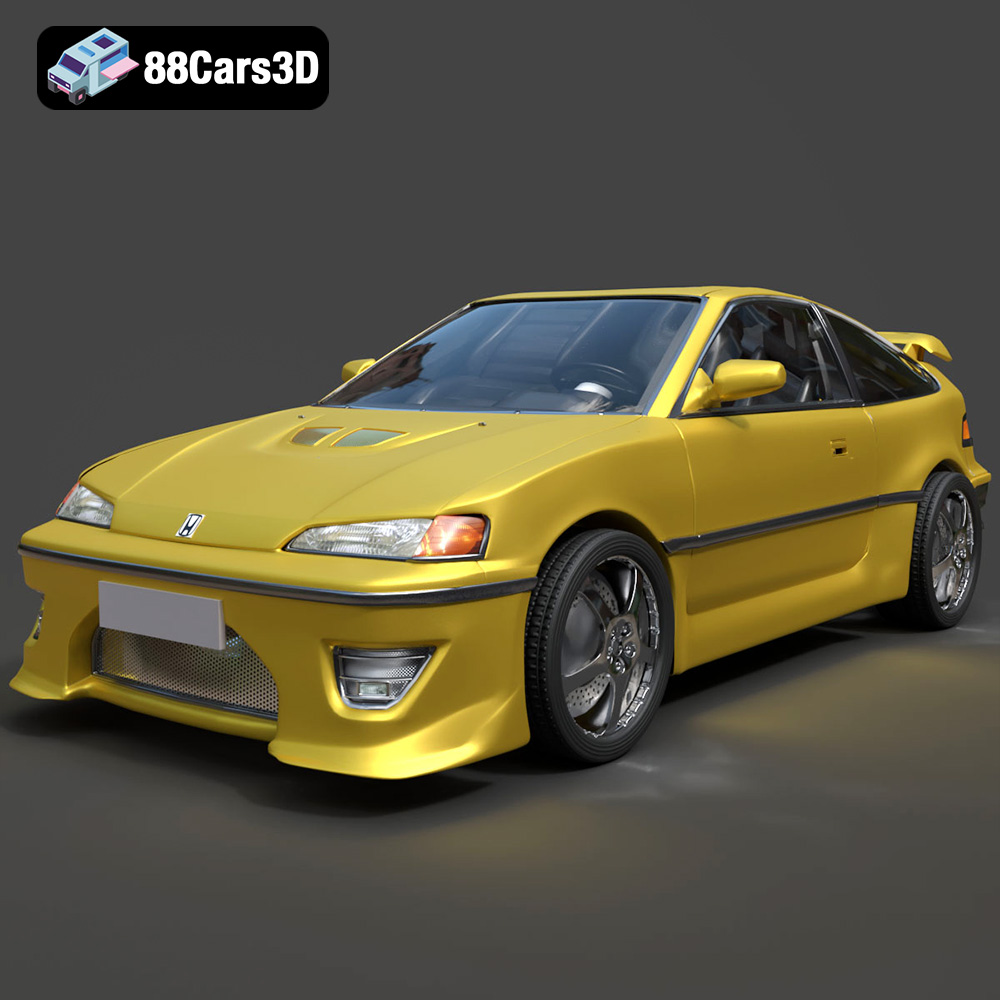
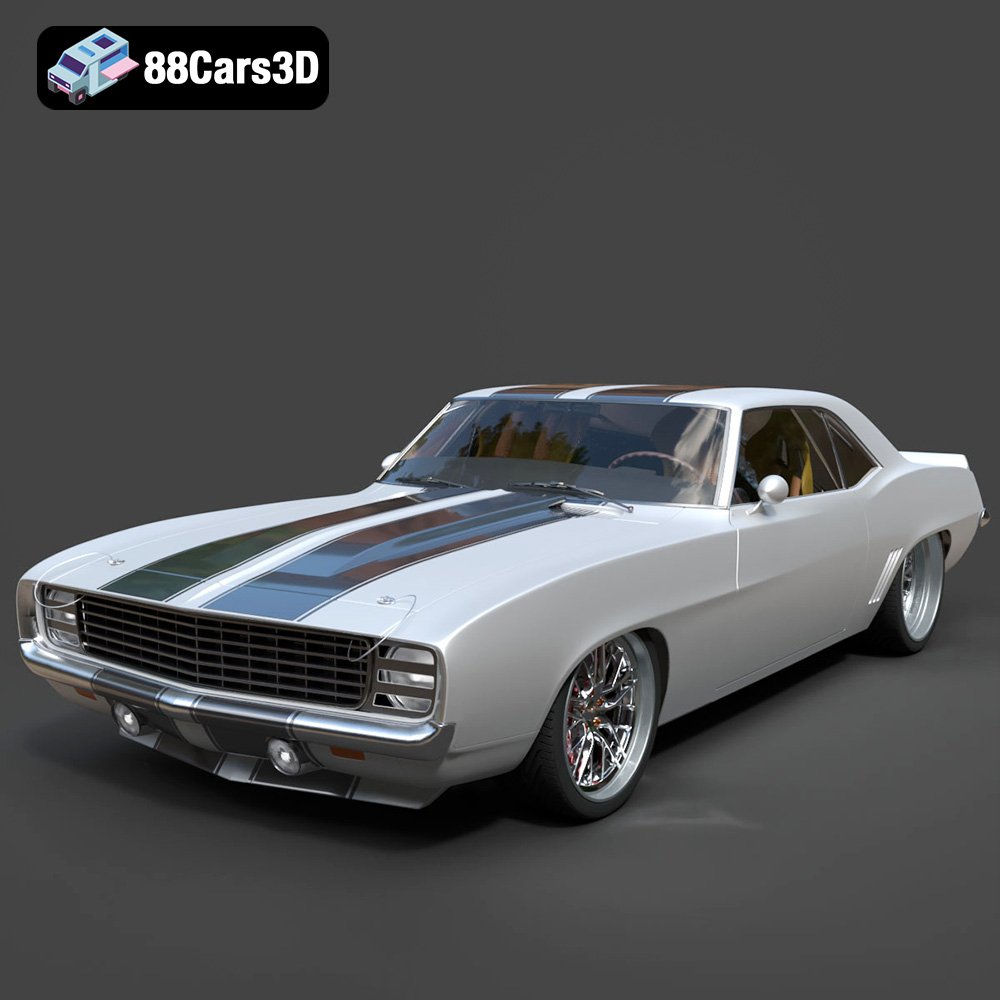
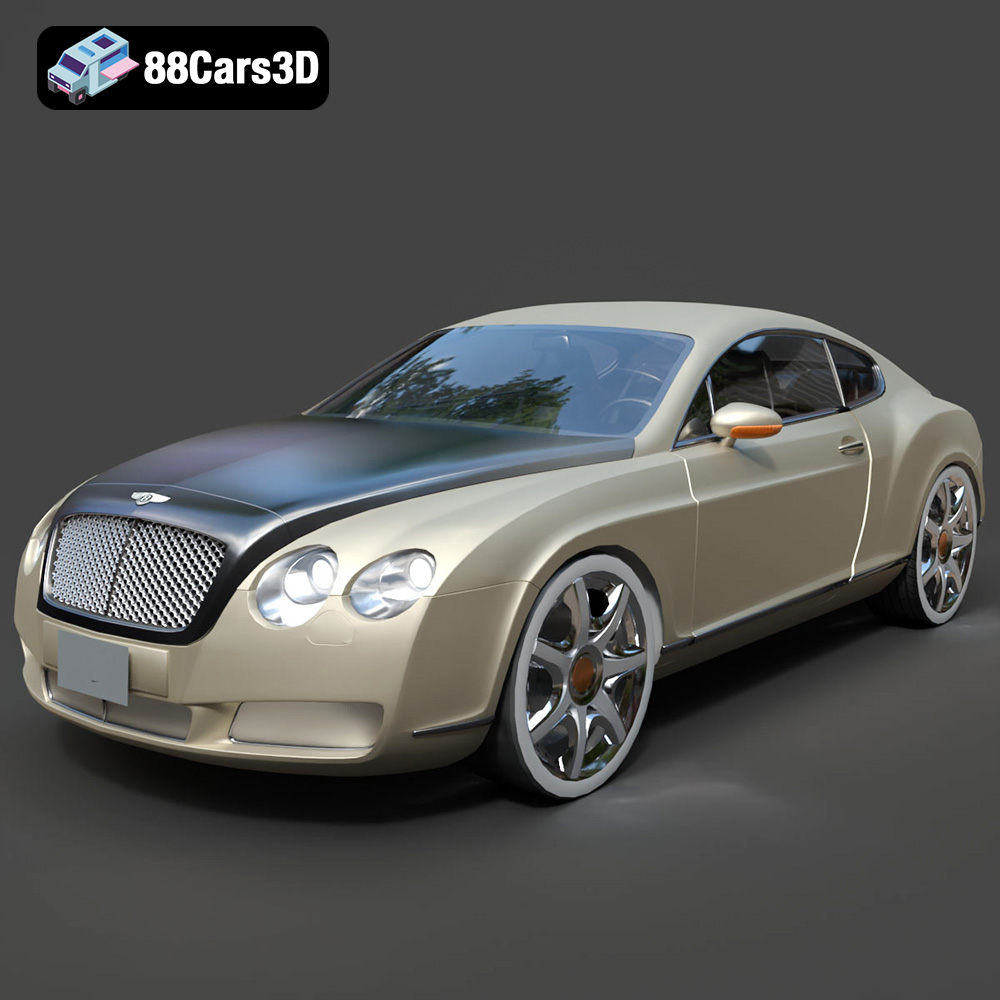
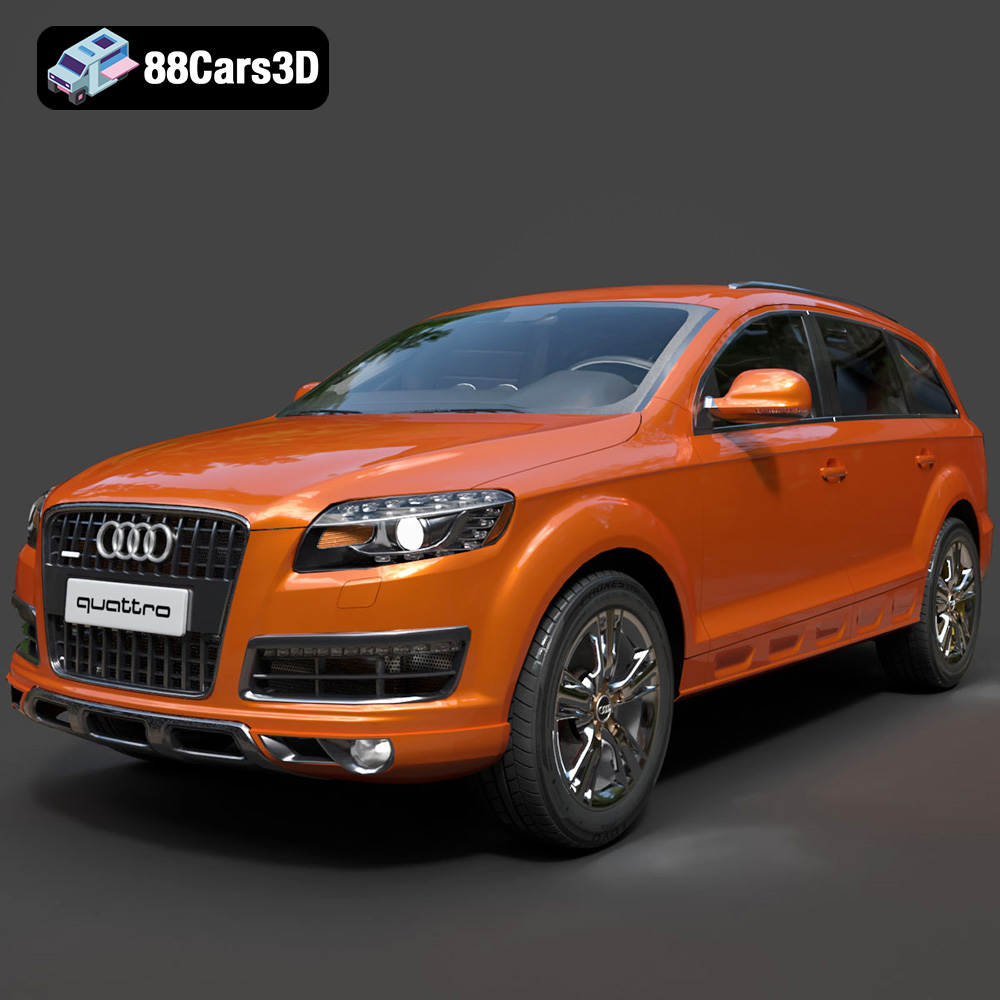
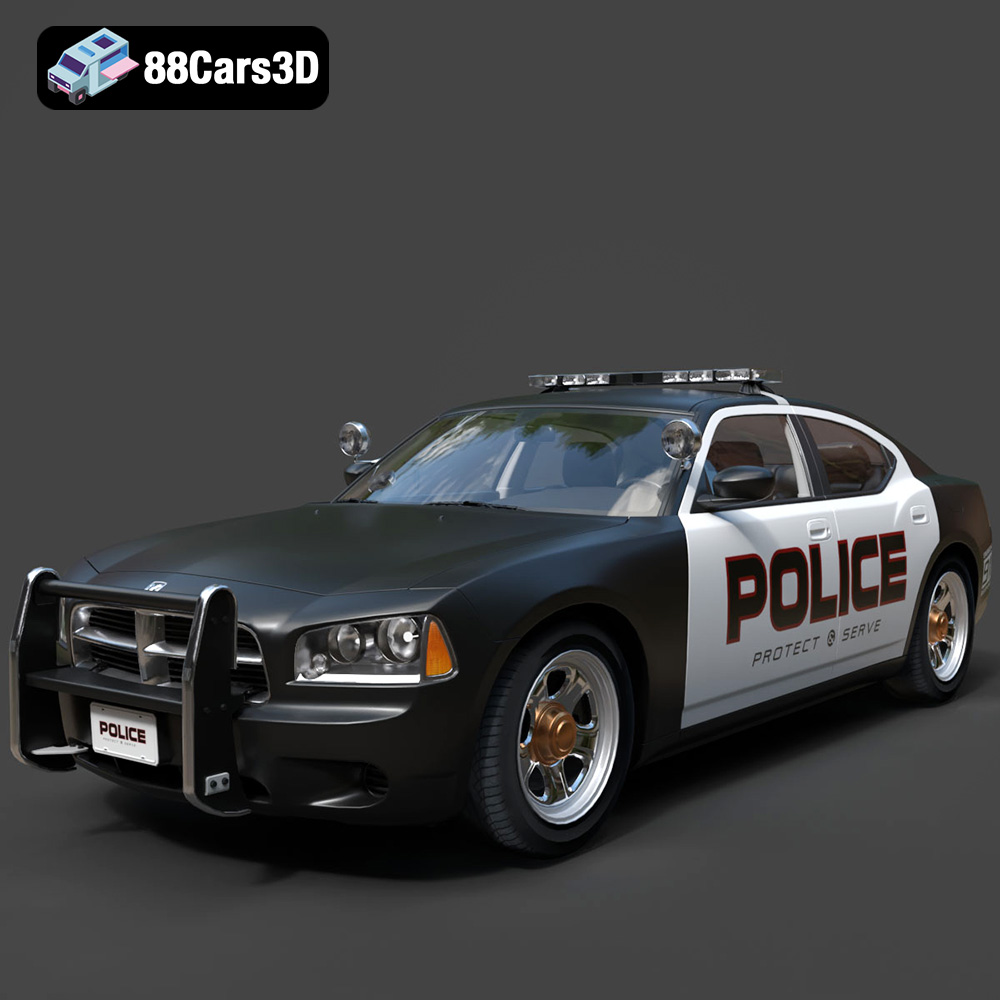
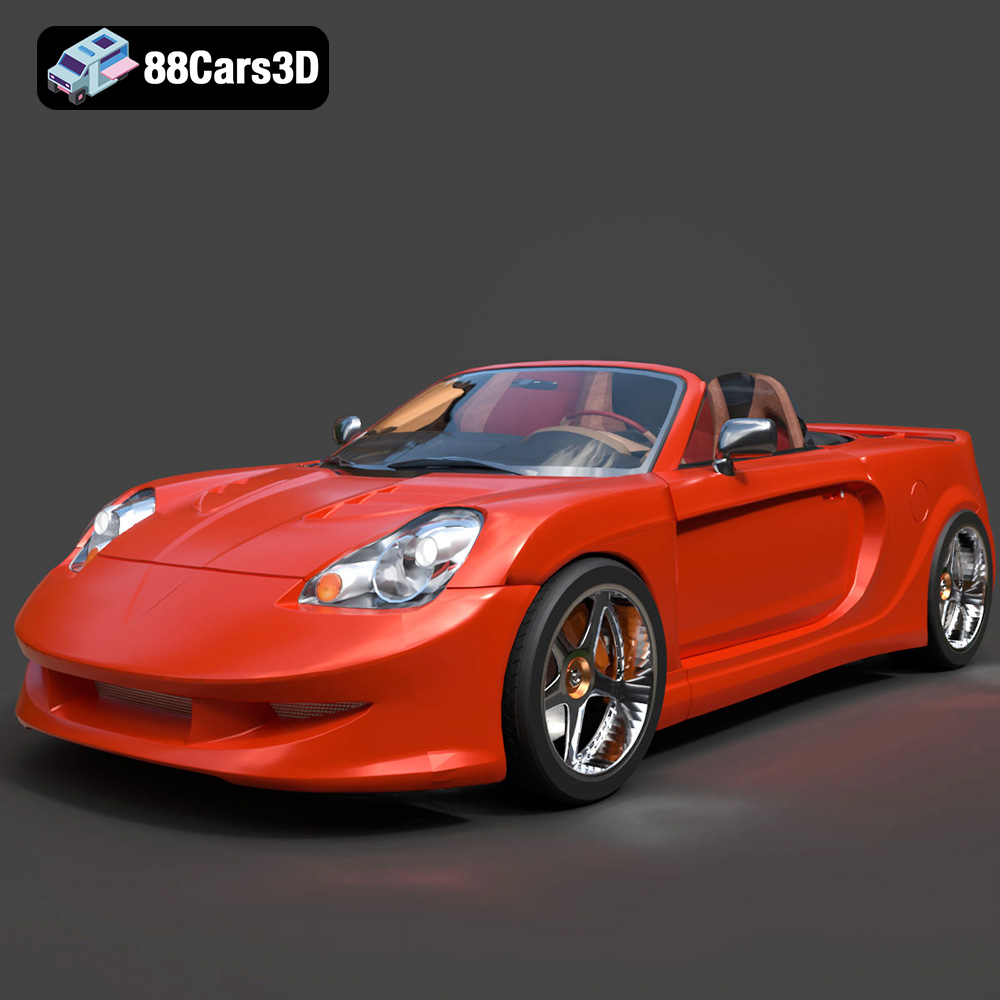
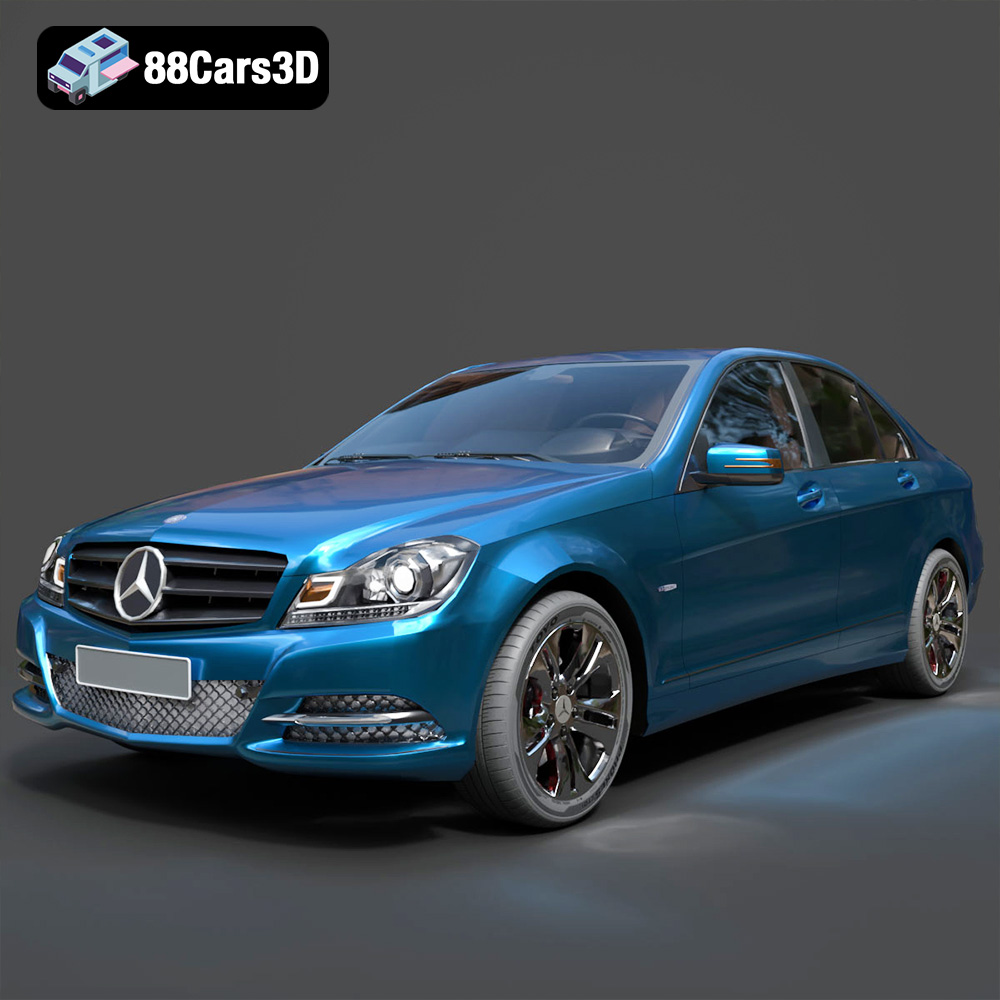
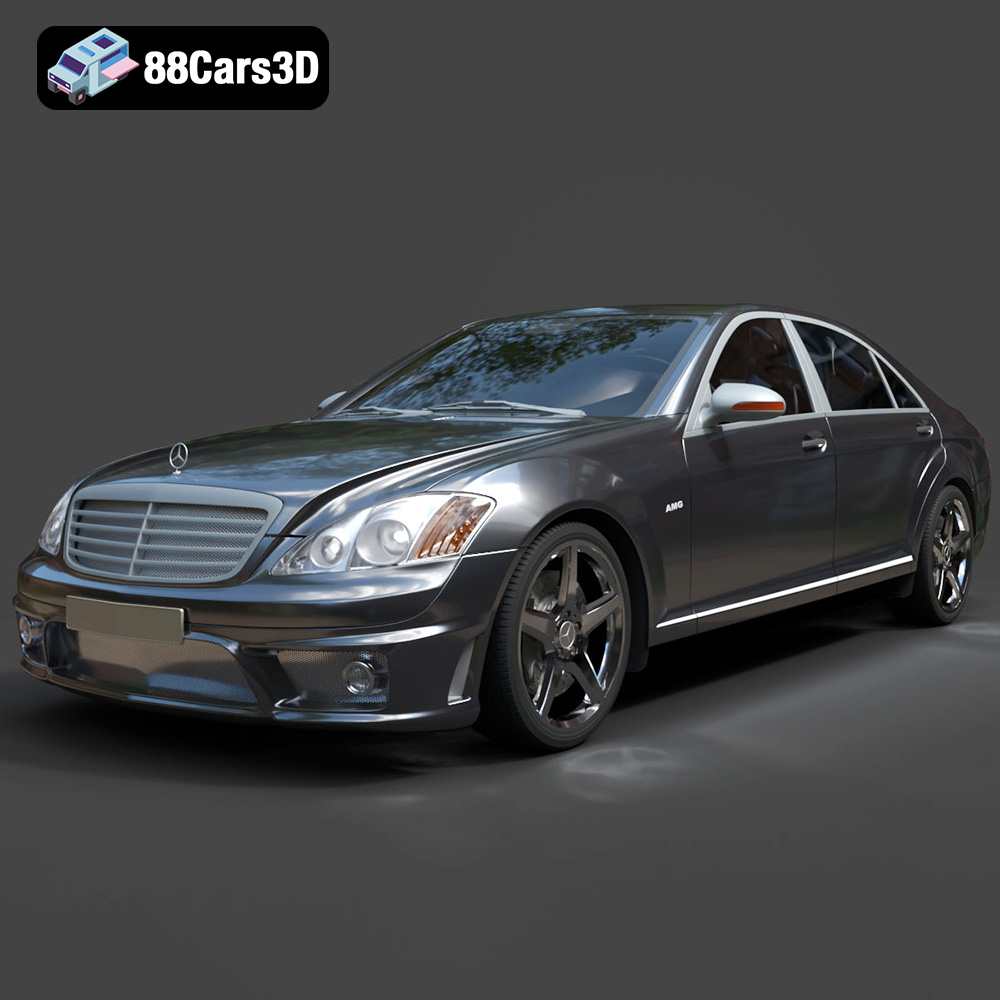
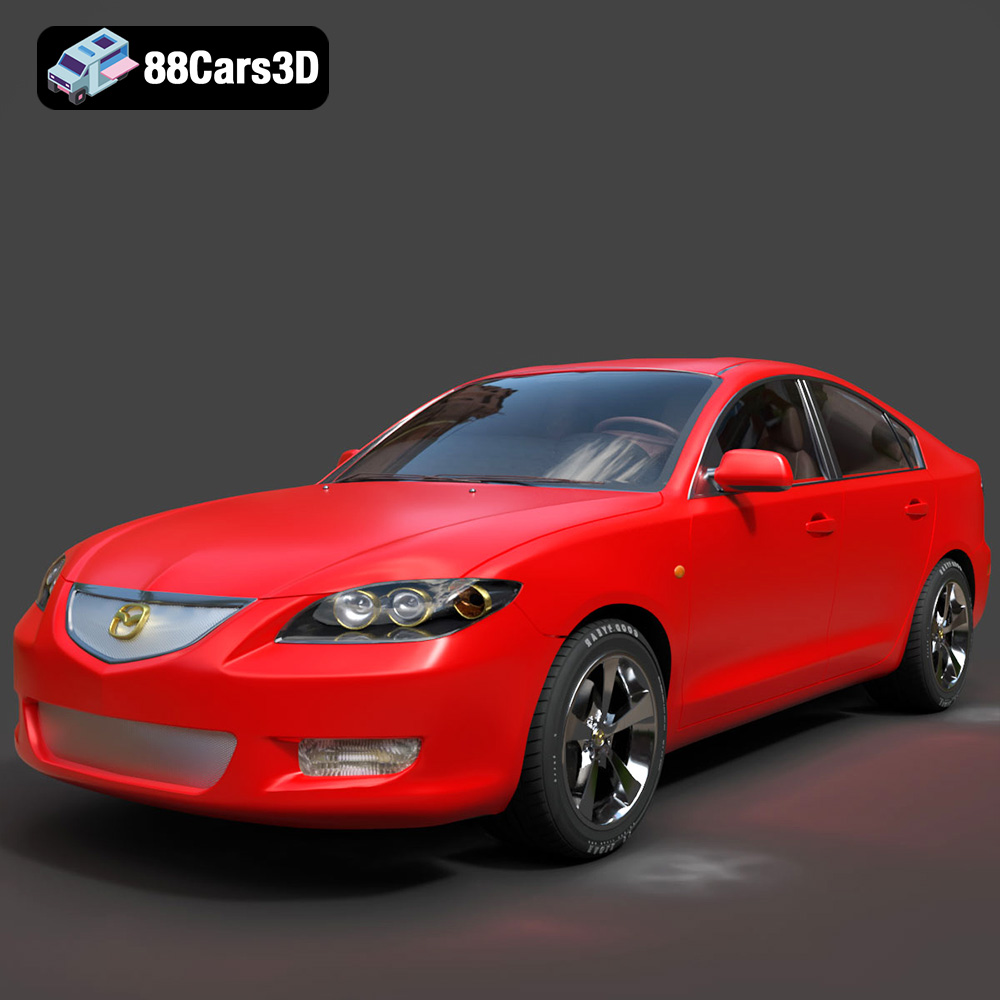
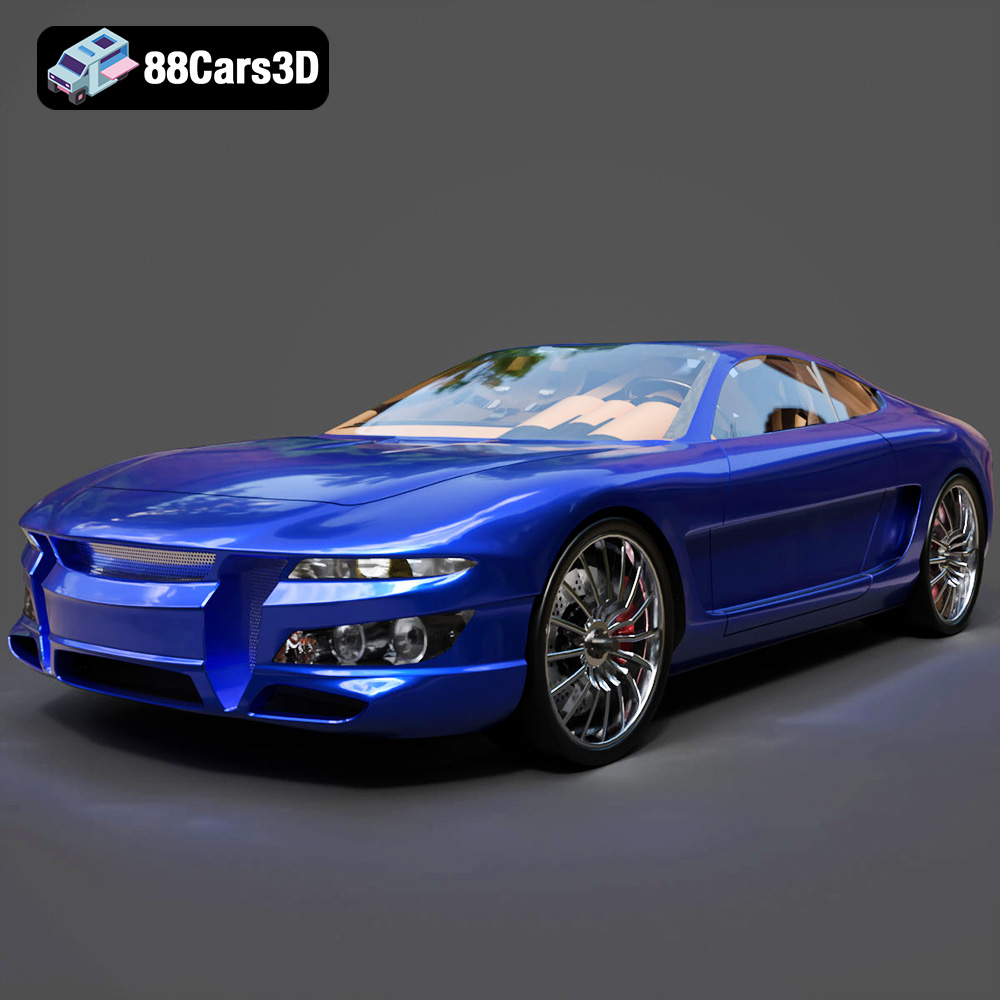
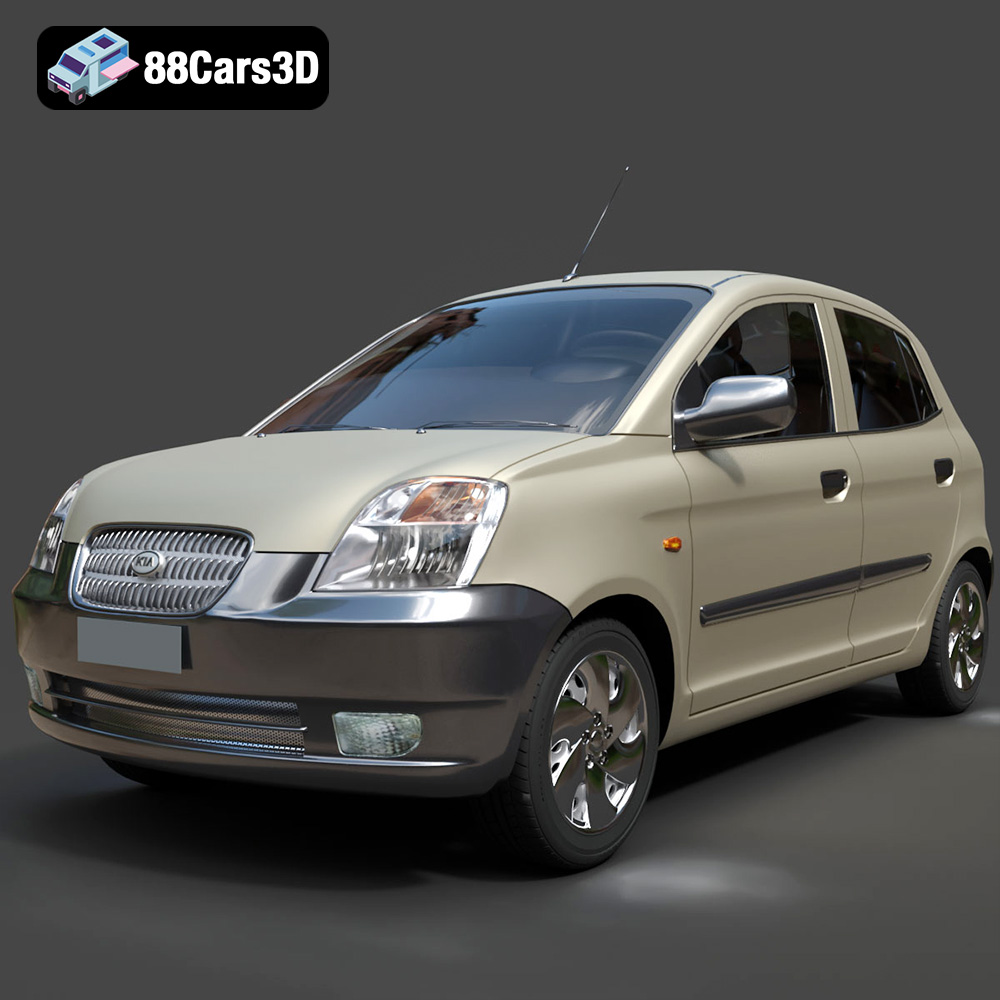
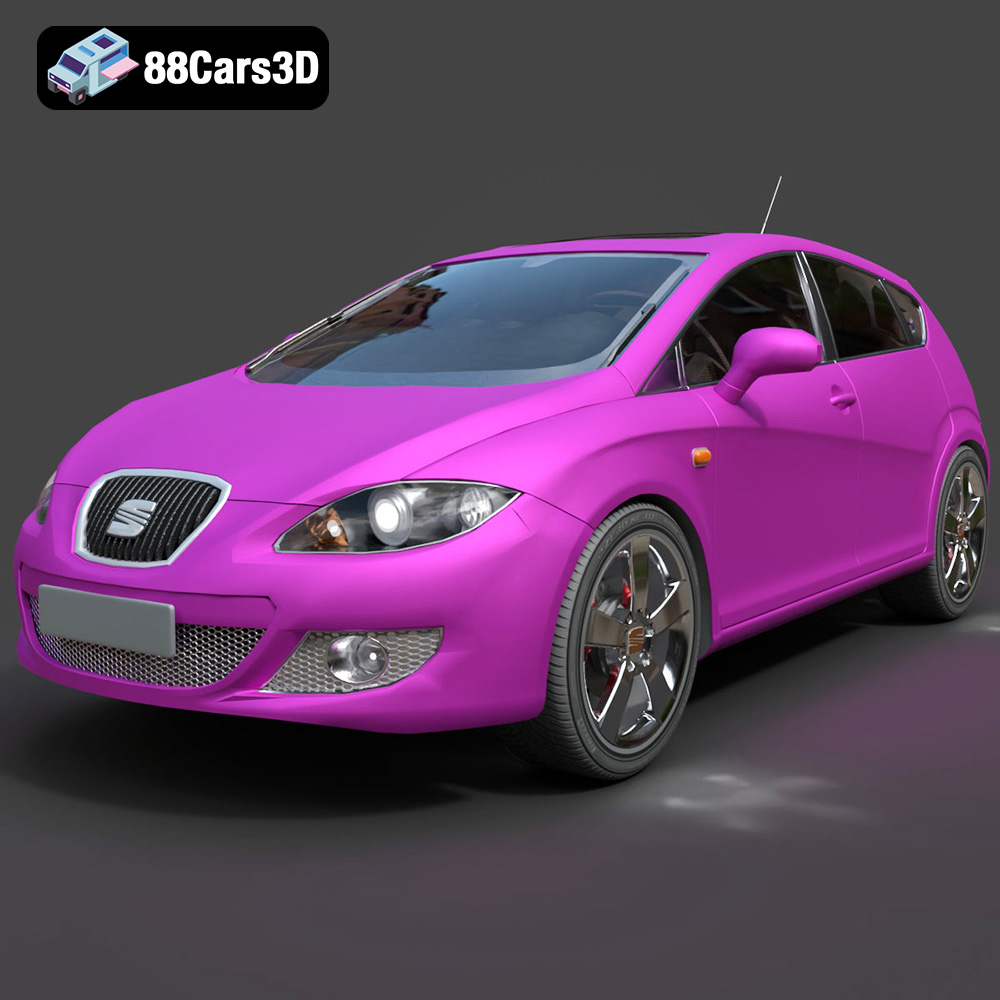
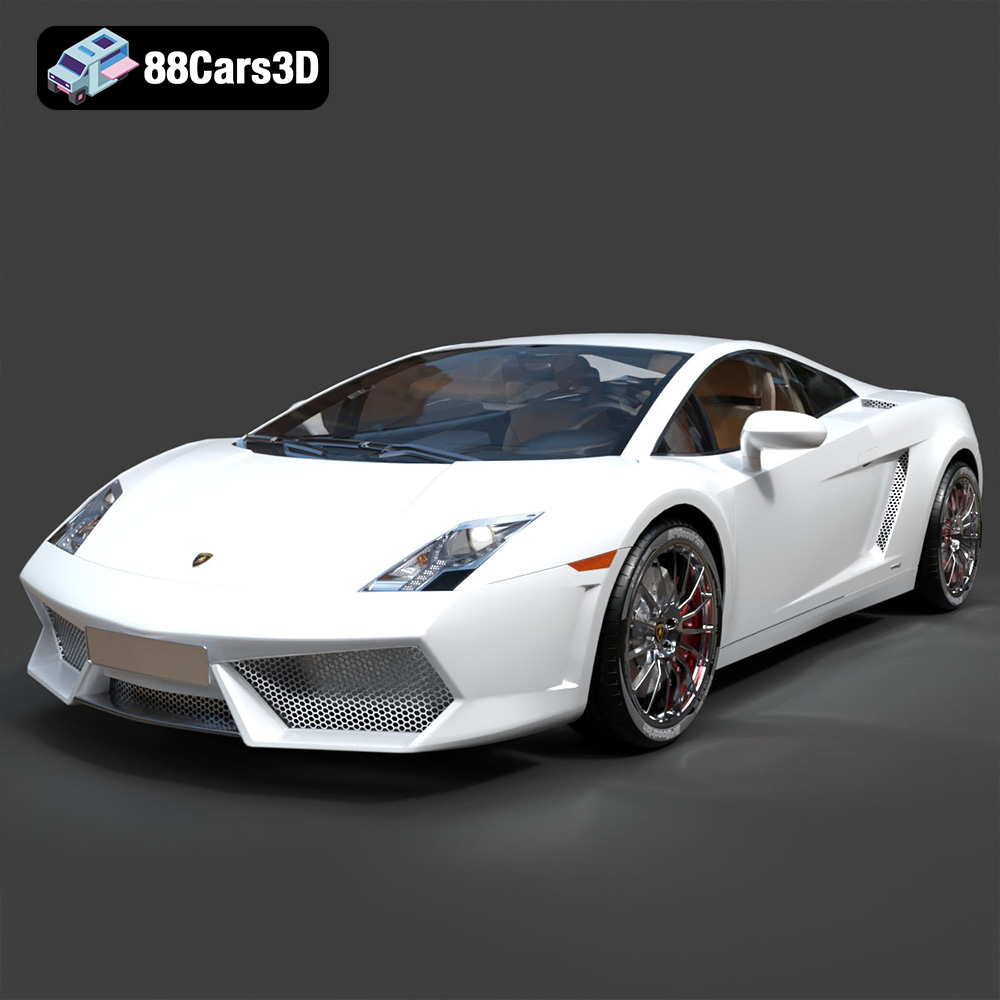
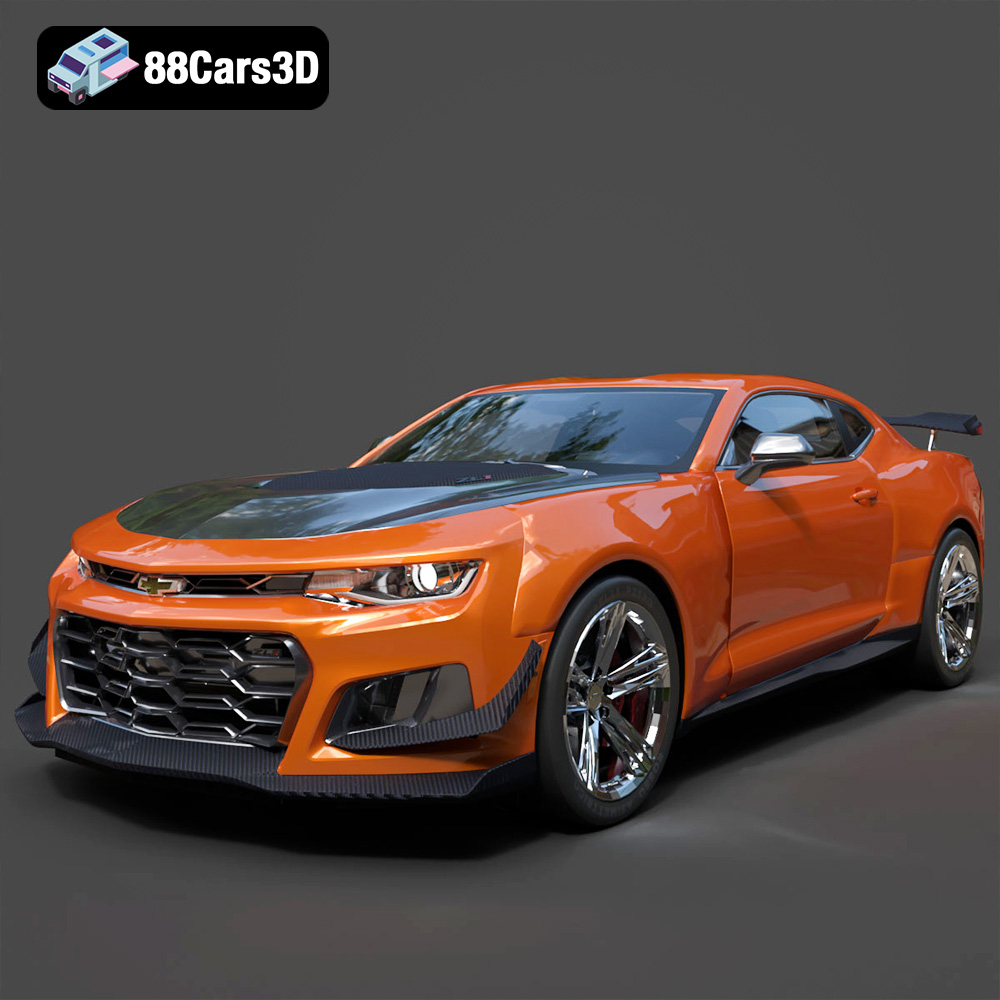
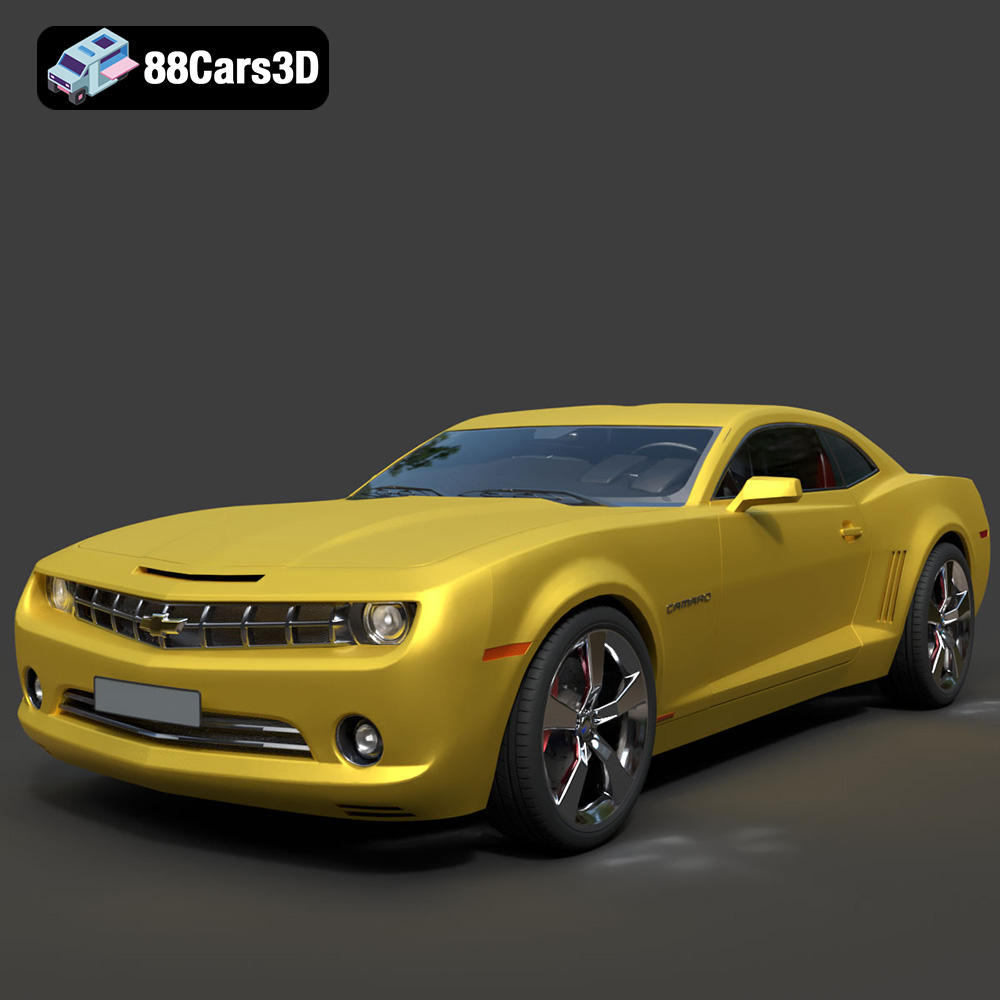
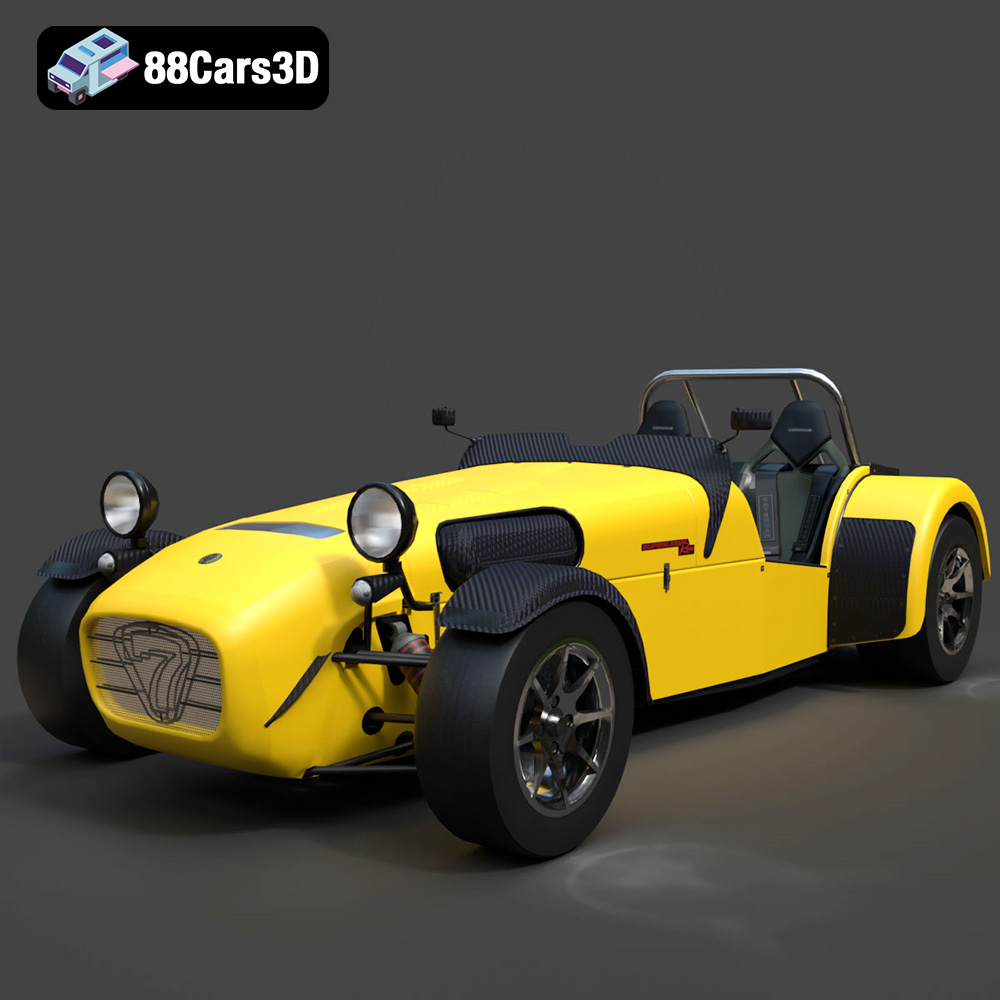
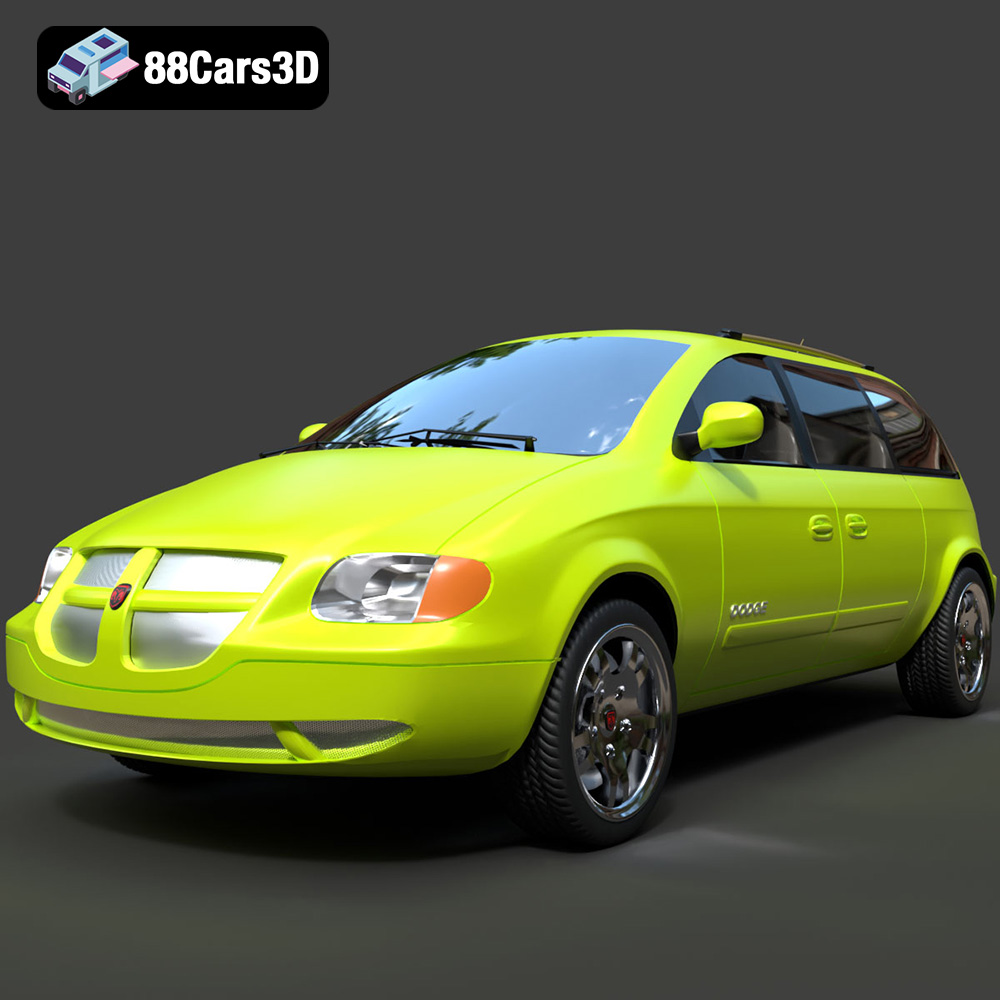
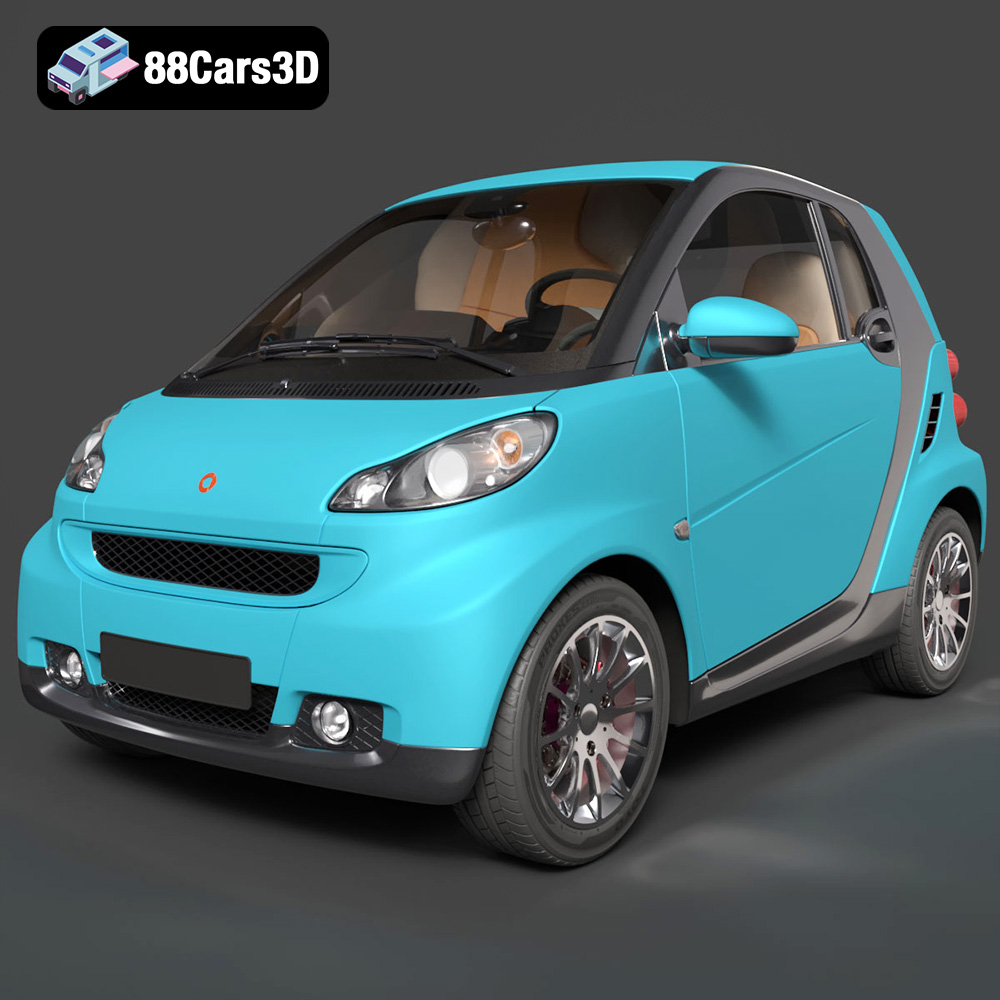
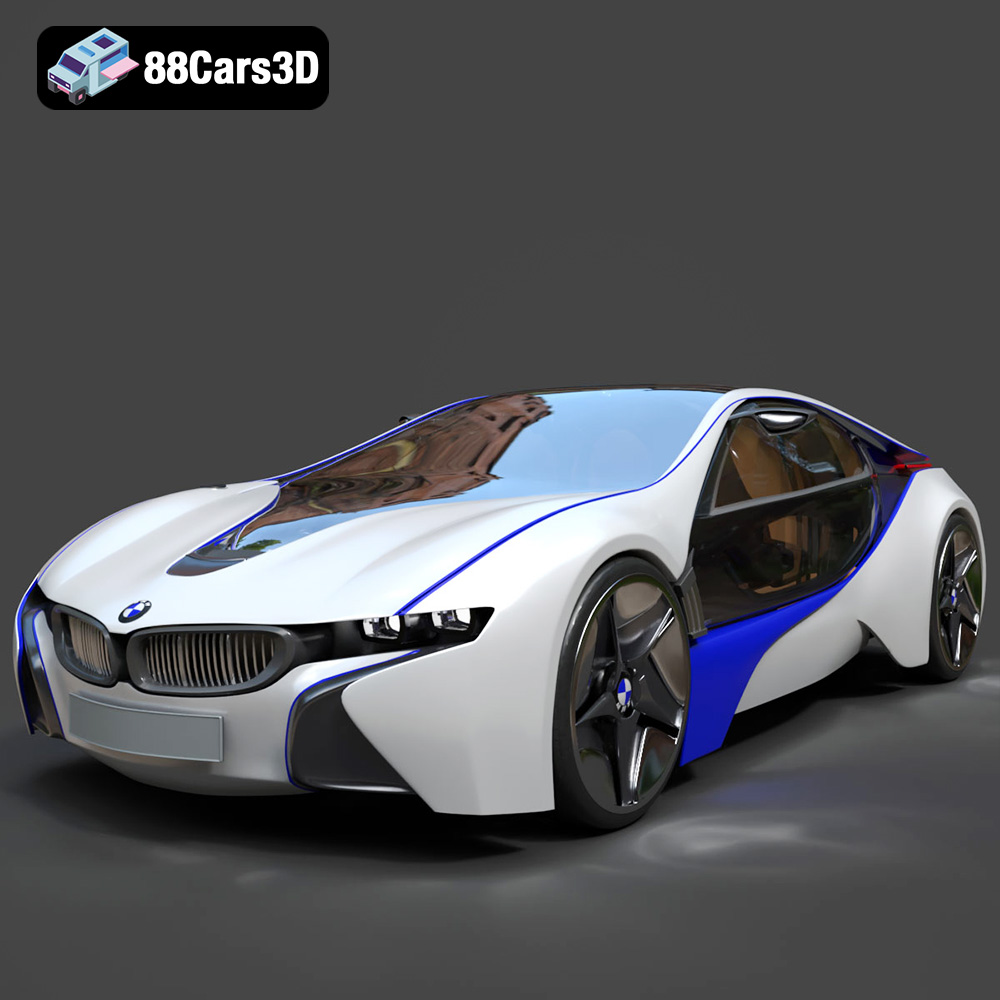
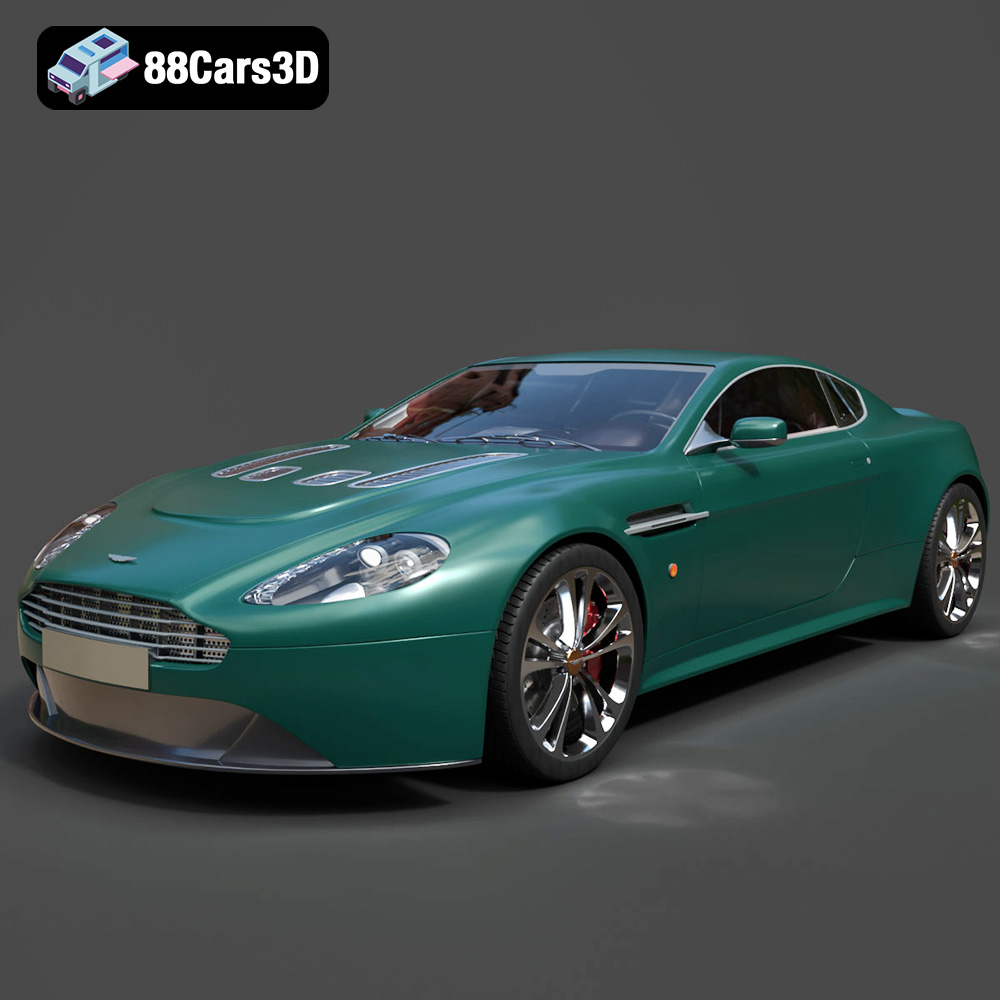
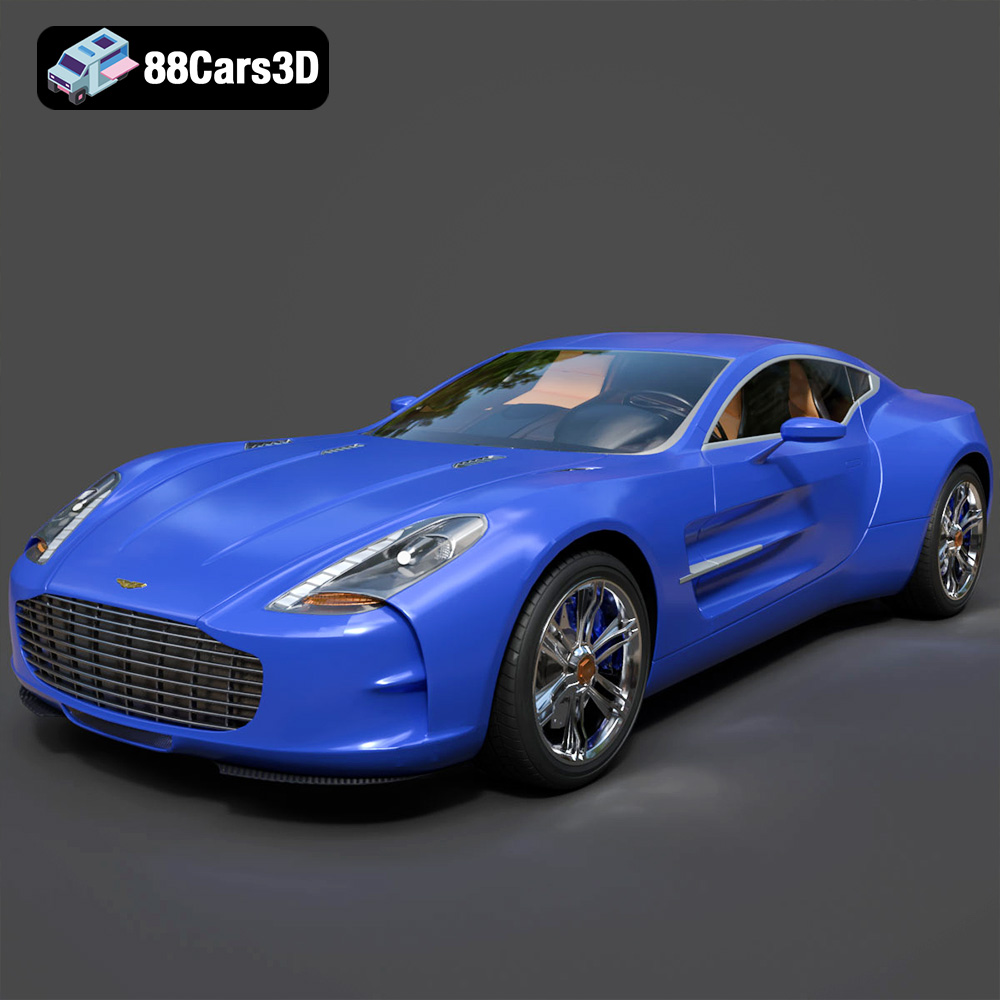
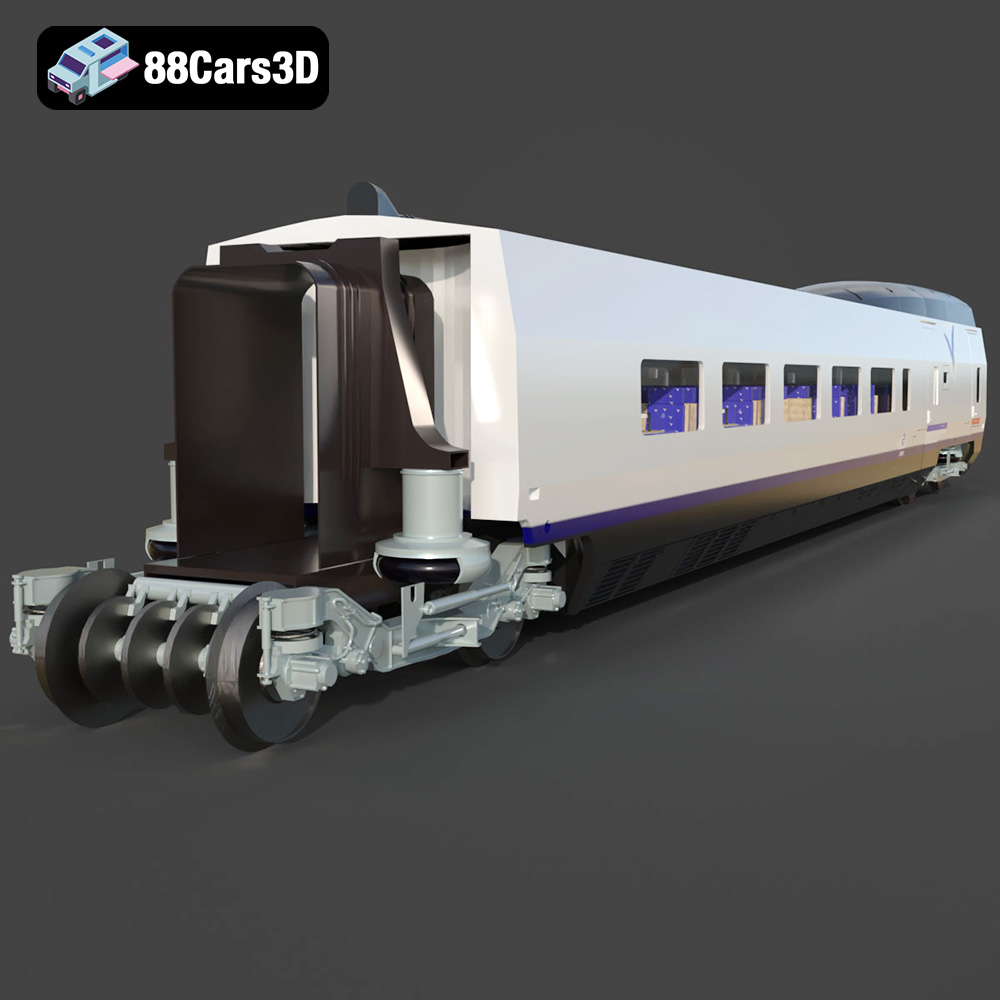
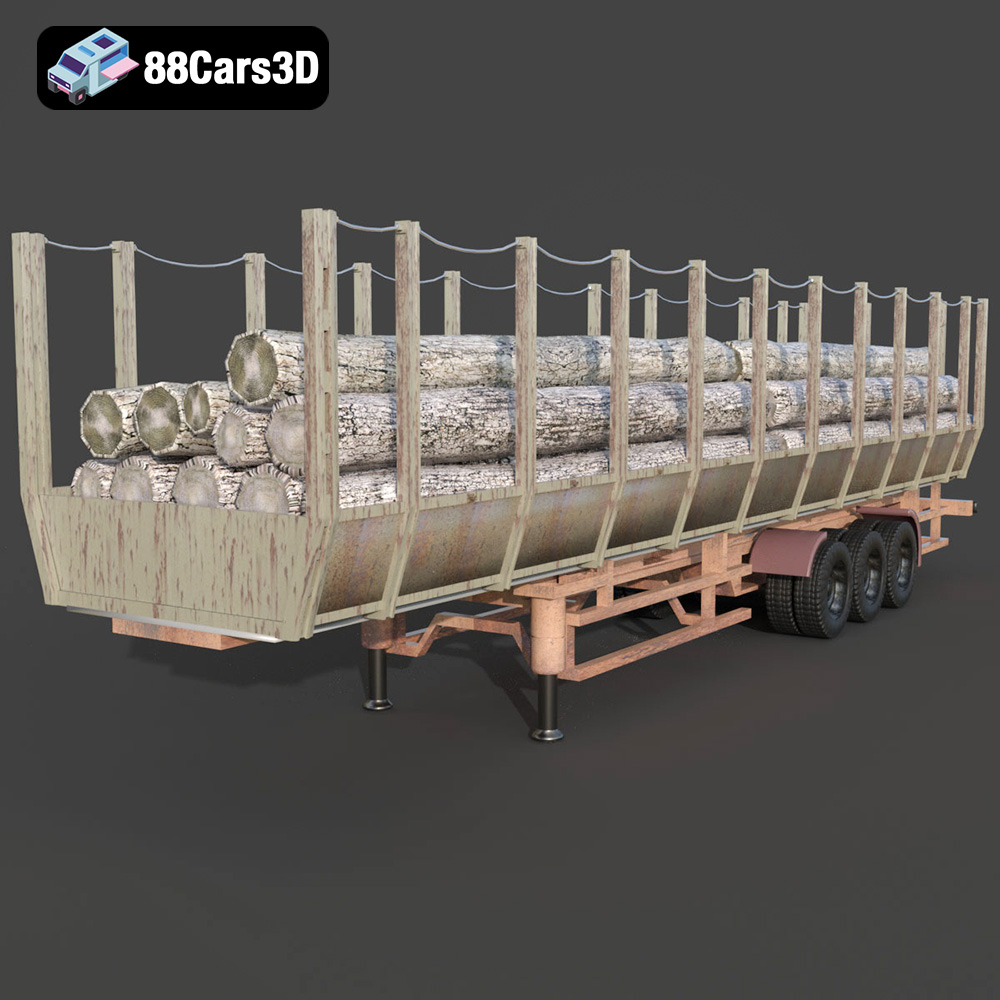
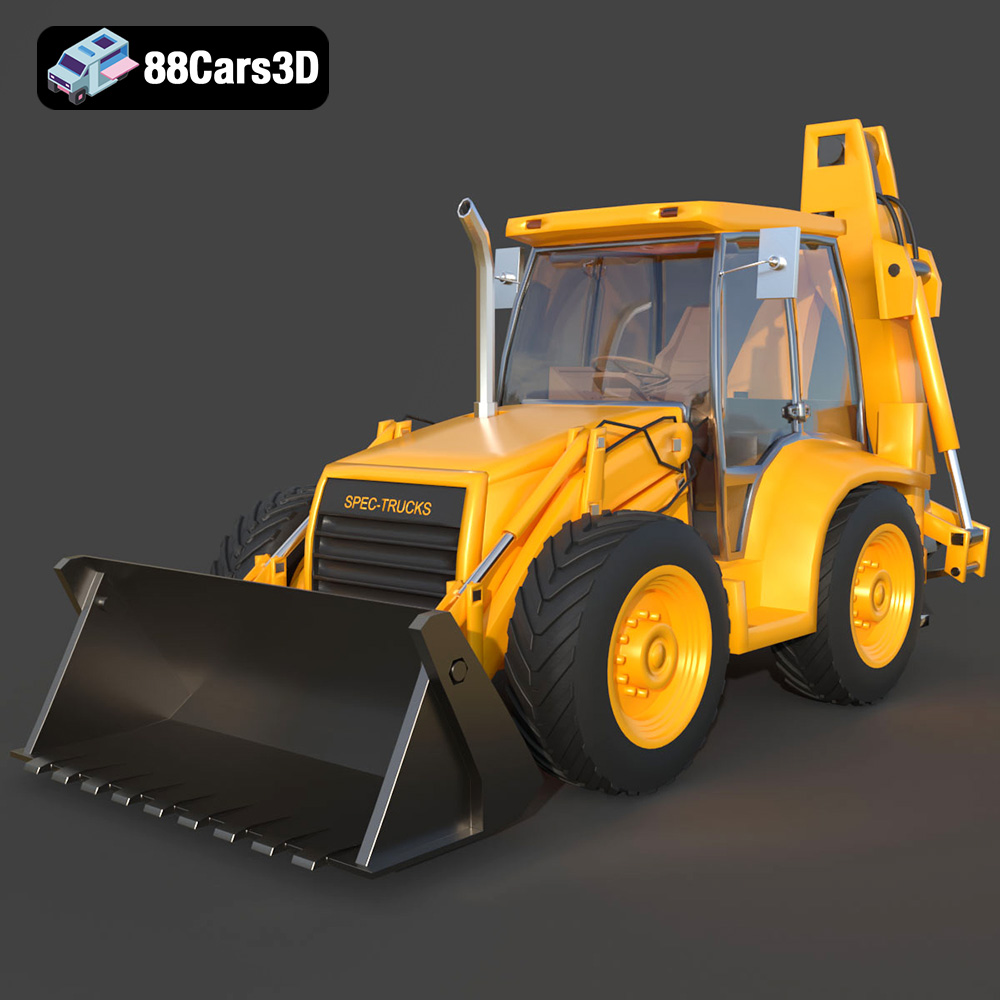
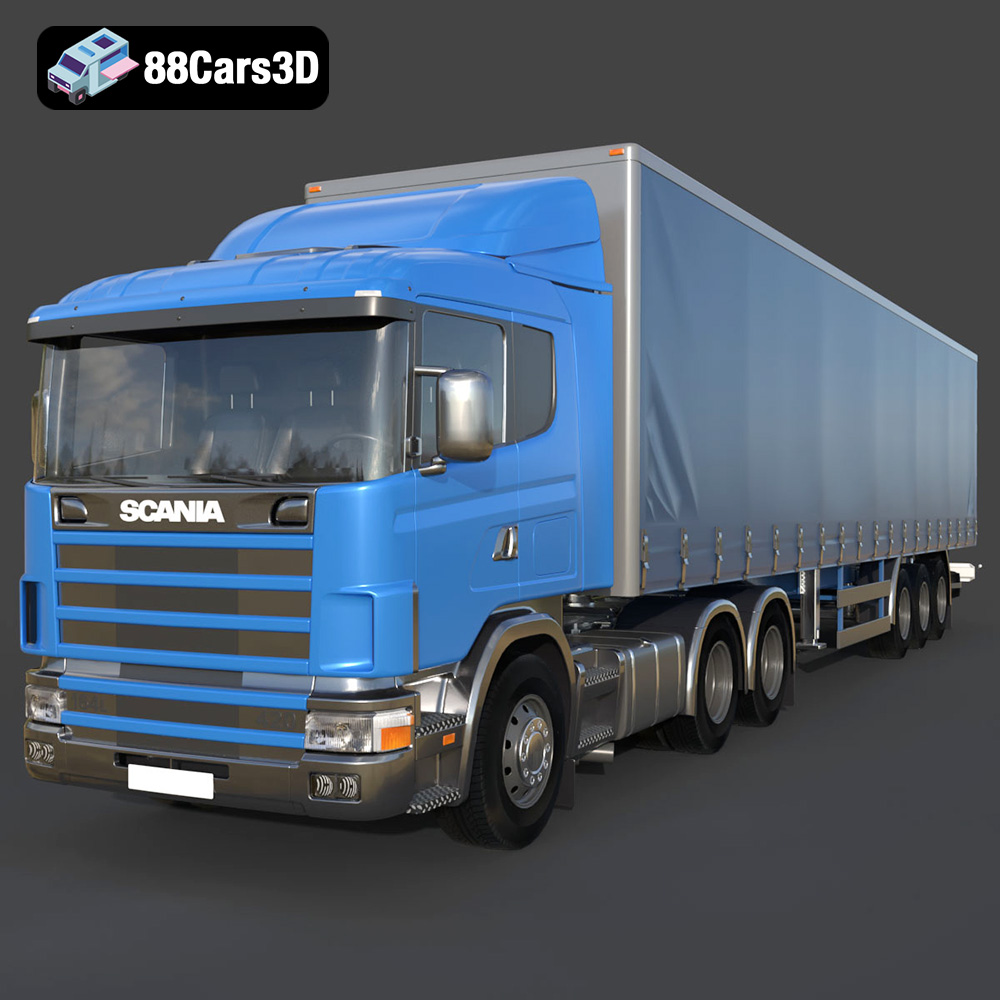
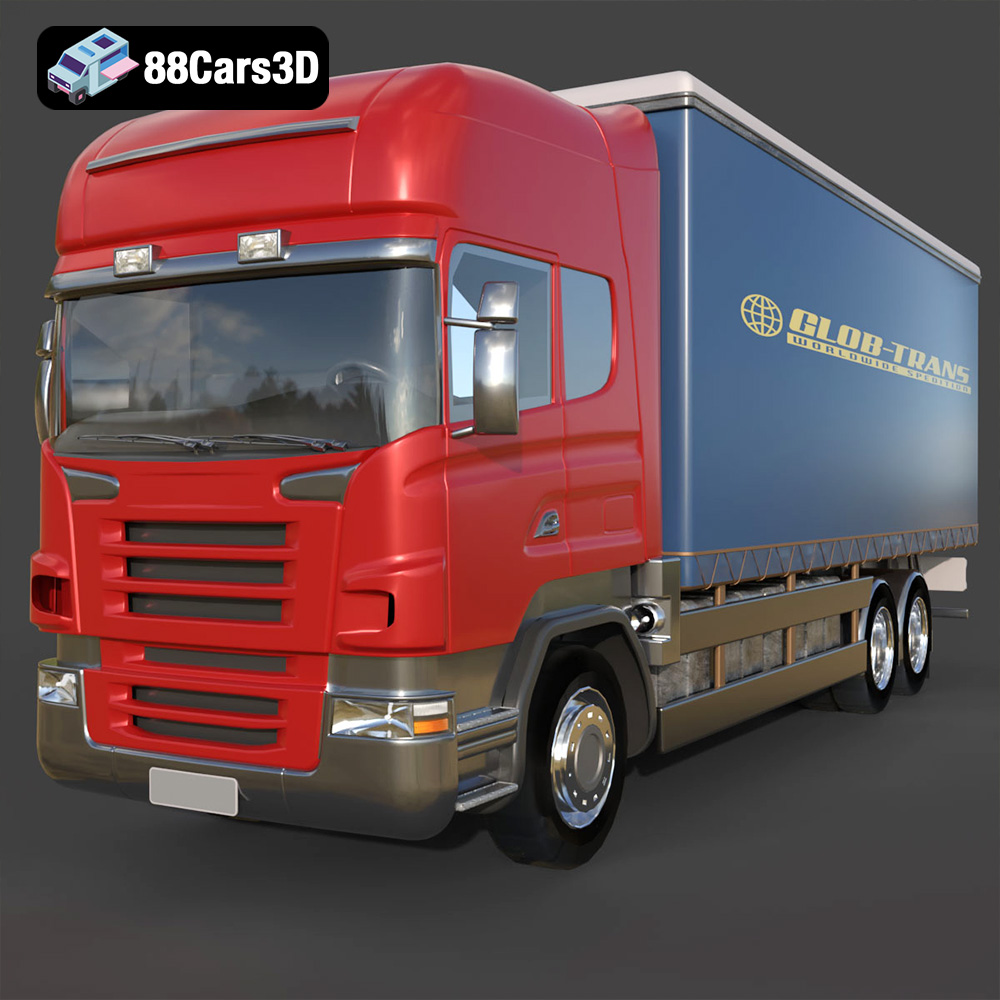
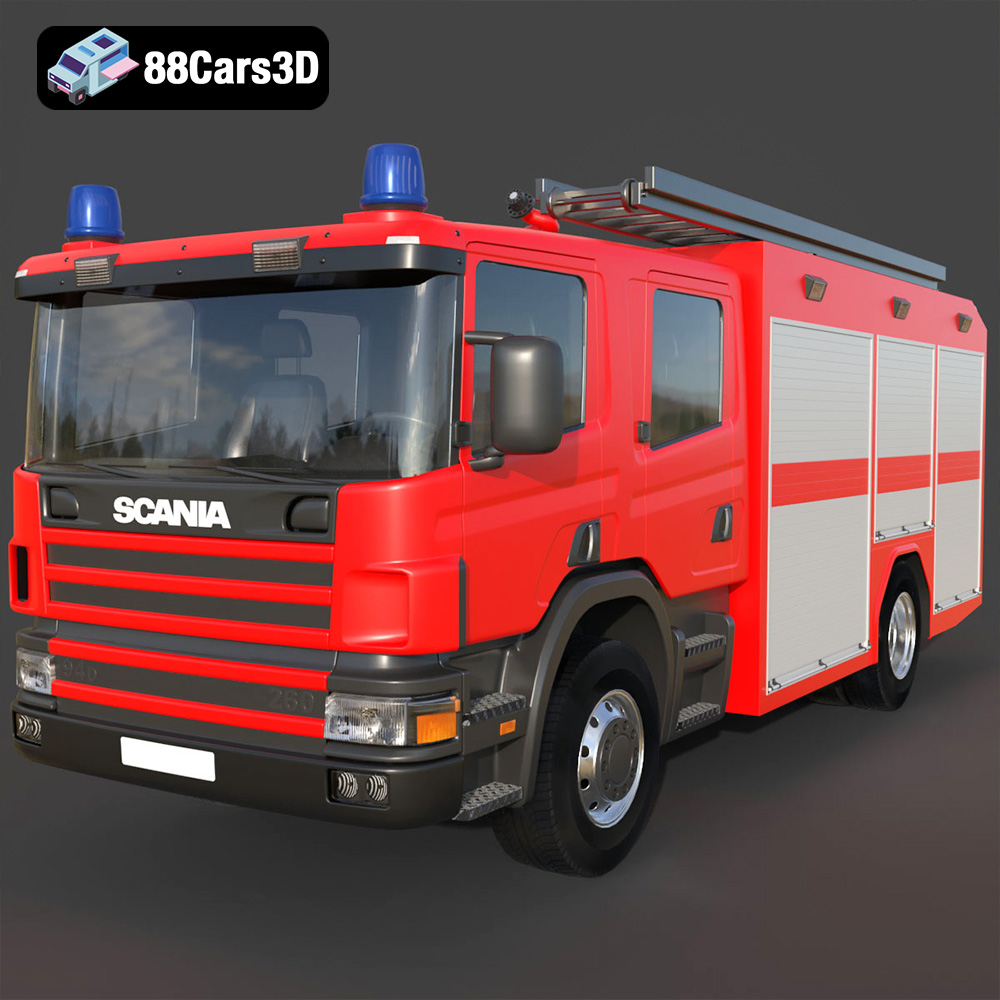
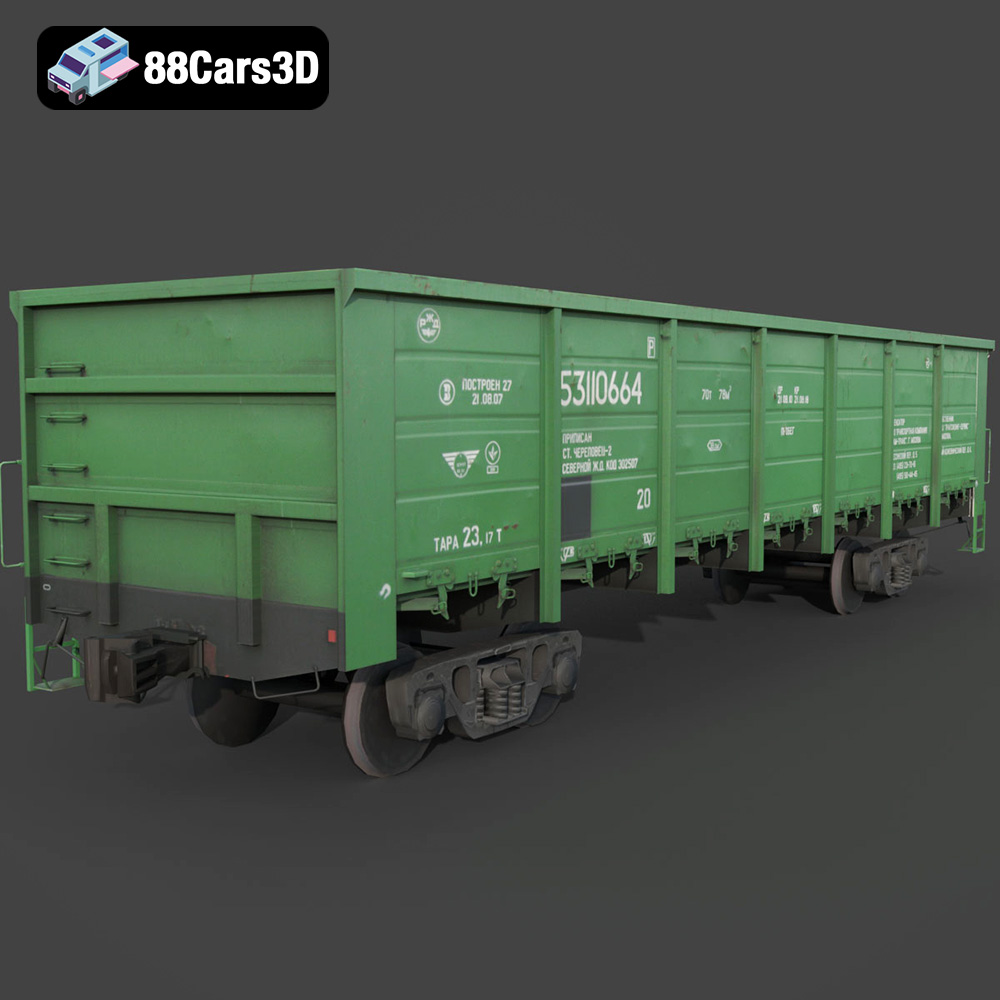
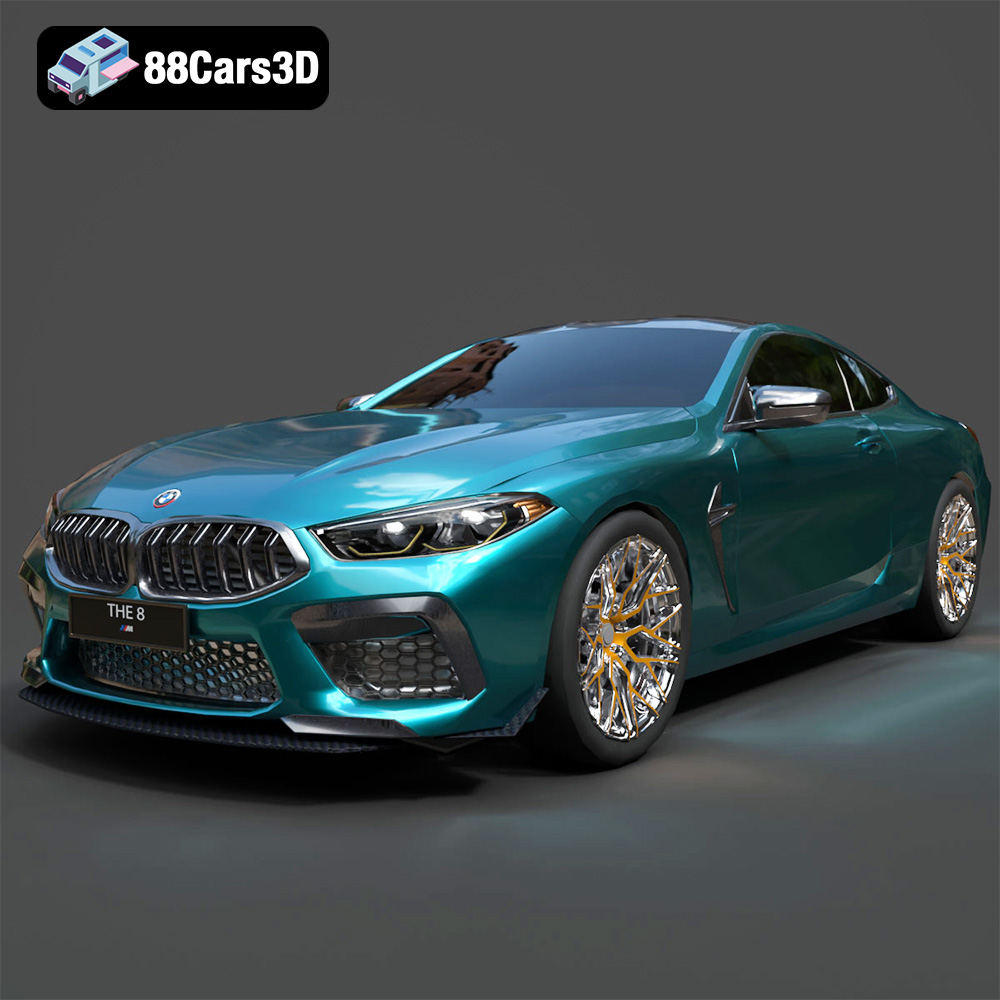
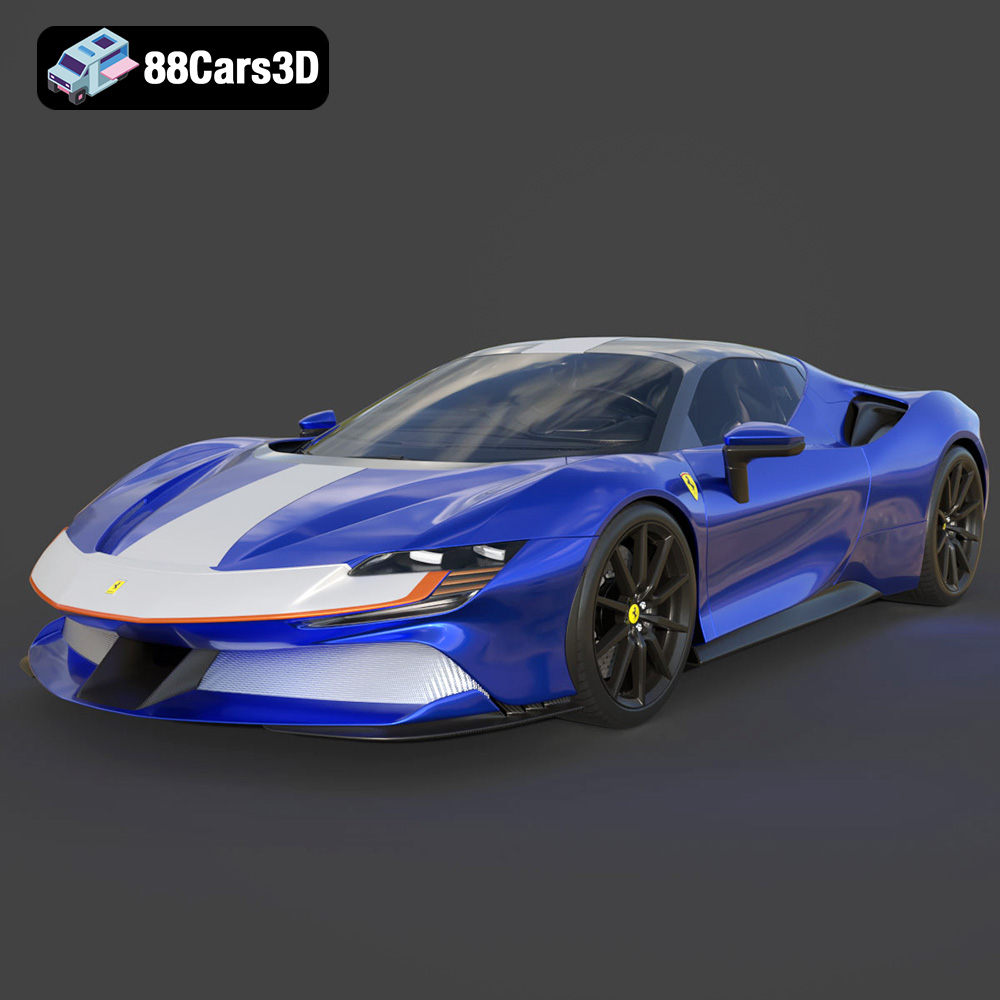
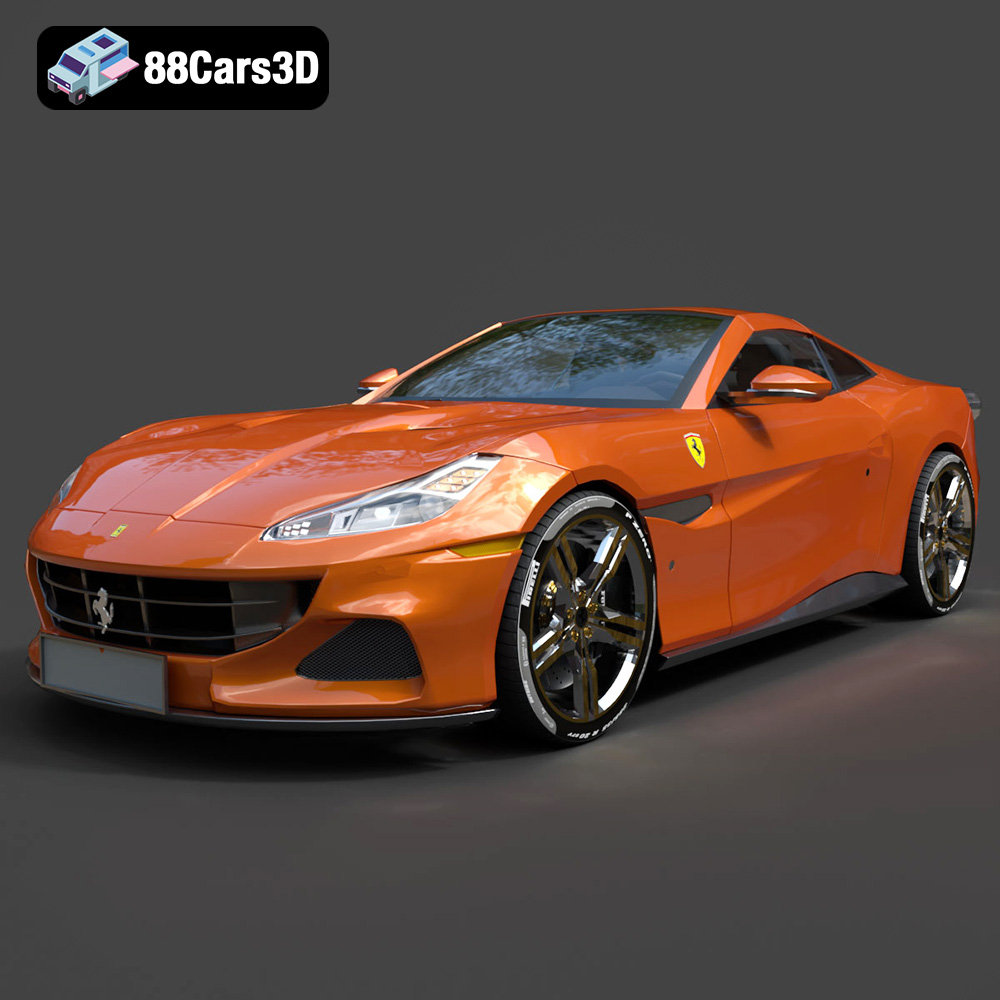
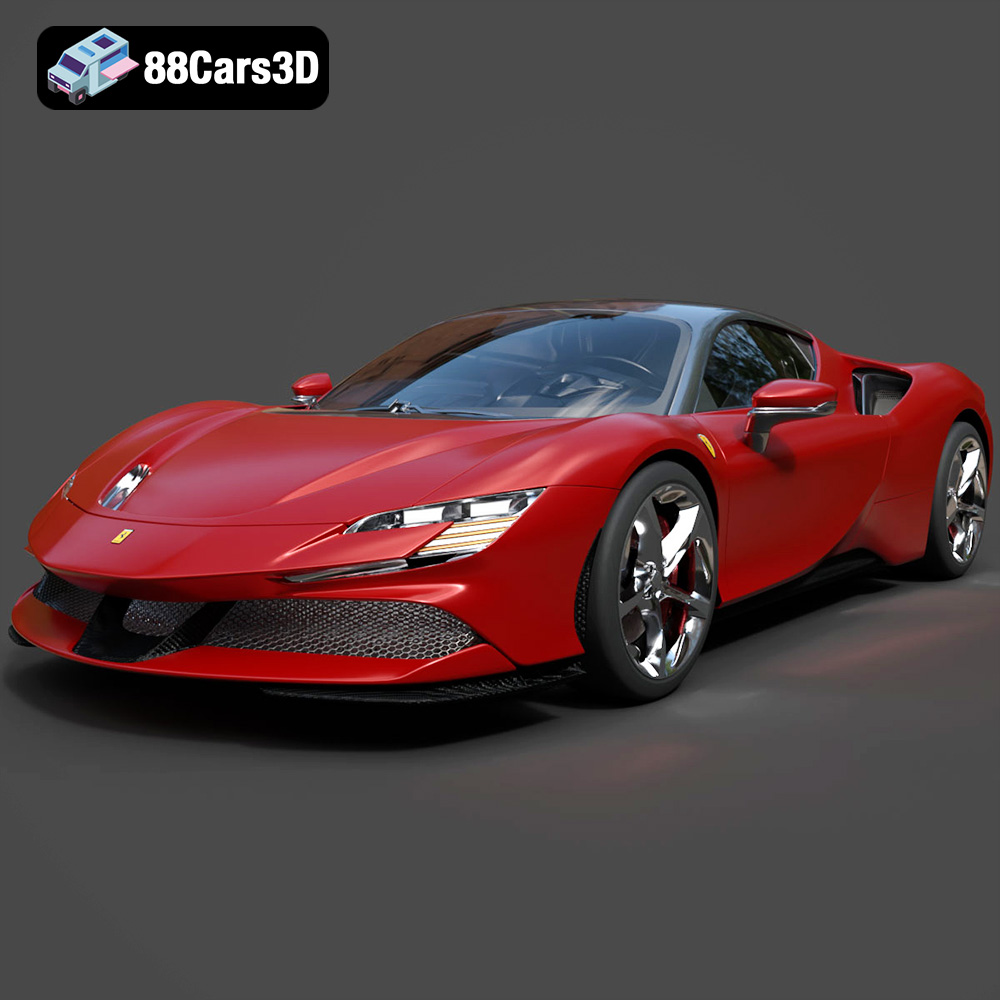
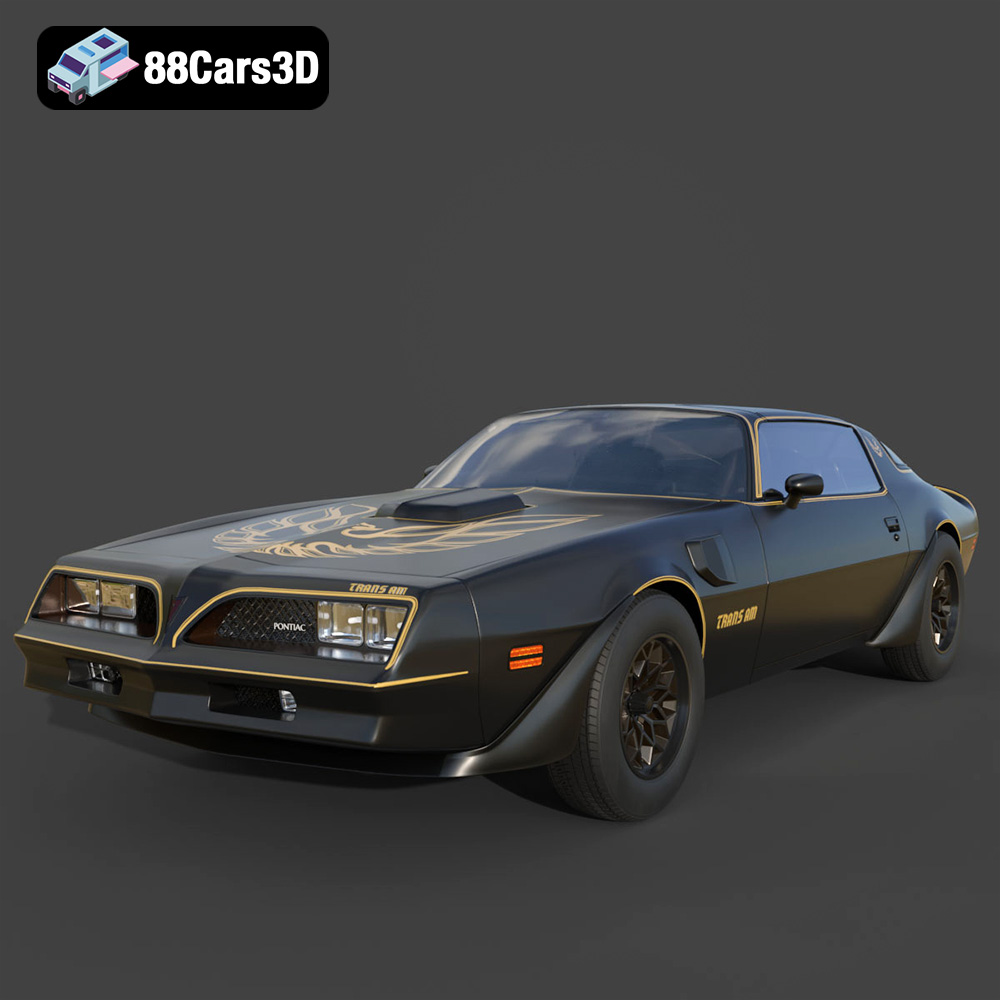
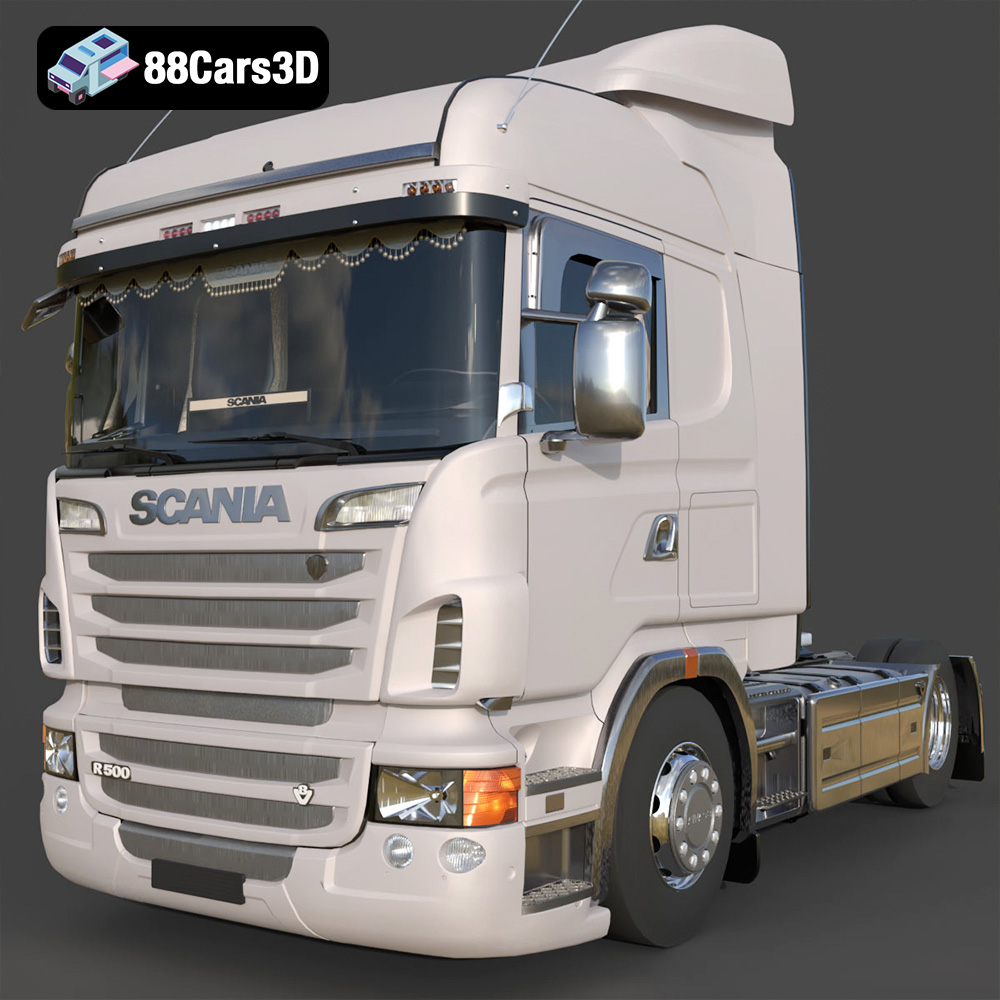
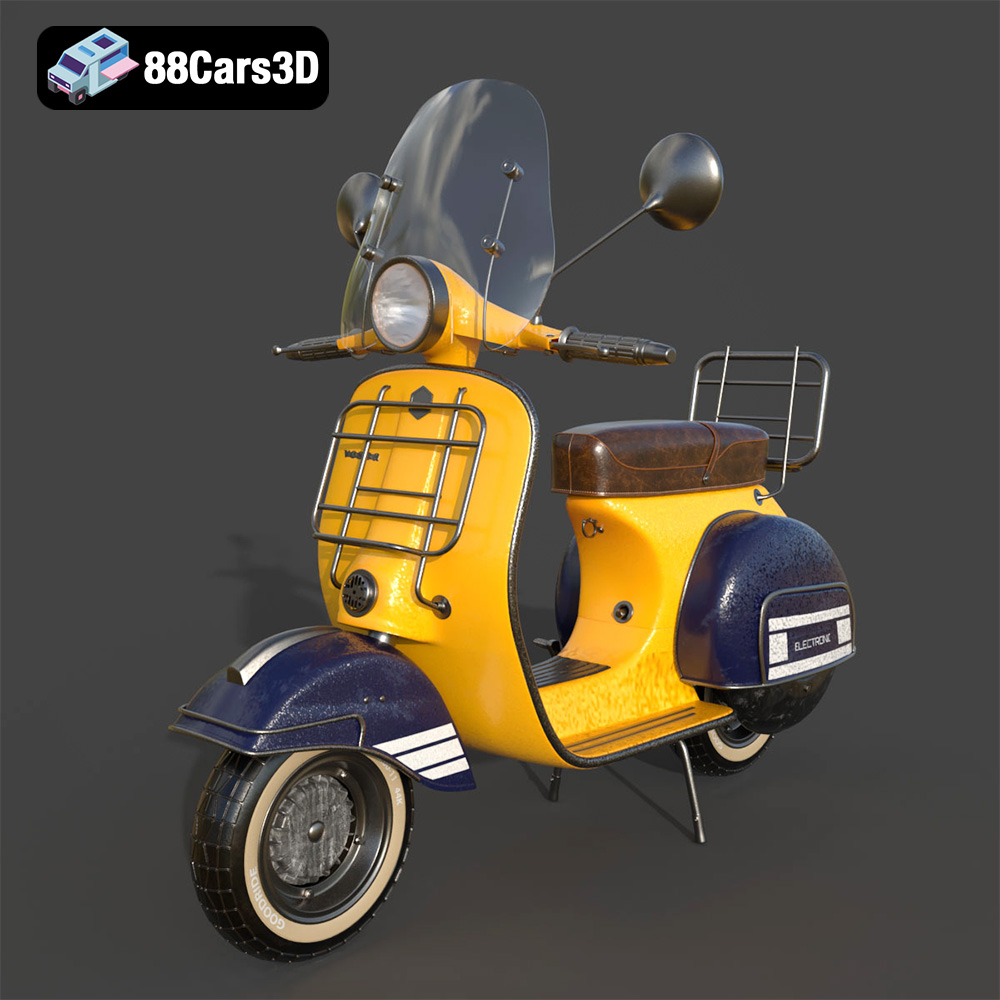
In the expansive and ever-evolving landscape of digital content creation, high-quality 3D car models stand as pillars of realism and efficiency across a multitude of industries. From the adrenaline-pumping world of video games to the meticulous precision of architectural visualization, and the immersive realms of film and advertising, the demand for impeccably detailed and technically sound automotive assets has never been higher. These digital vehicles aren’t just aesthetic elements; they are complex technical constructions, embodying countless hours of artistry and engineering to accurately represent their real-world counterparts.
The journey of a 3D car model, from initial concept to a fully rendered scene or an interactive game environment, involves a deep understanding of modeling techniques, material science, rendering pipelines, and file format intricacies. For professionals and enthusiasts alike, accessing a library of pre-built, production-ready assets can dramatically accelerate workflows, reduce development costs, and elevate the final product’s visual fidelity. This comprehensive guide delves into the technical nuances and strategic importance of high-quality 3D car models, exploring their creation, application, and the critical factors that make them indispensable tools in modern digital production.
The Foundation of Digital Realism: Why High-Quality 3D Car Models Matter
The visual impact of any digital project often hinges on the quality of its assets. For anything involving vehicles, the standard for realism is incredibly high, driven by audience familiarity with real-world automobiles. Subpar 3D car models can instantly break immersion, regardless of how well other elements of a scene are executed. This makes the investment in quality a non-negotiable aspect for serious creators.
Precision in Automotive Visualization
In industries like automotive design and advertising, accuracy is paramount. Engineers use 3D models for concept validation, aerodynamic simulations, and crash testing long before a physical prototype is built. Marketers rely on these same models to create stunning visual campaigns that showcase every curve and material finish with photographic realism. High-polygon models, often derived from CAD data or meticulously sculpted, ensure that every detail, from headlight refractive surfaces to the intricate stitching on upholstery, is faithfully reproduced. This level of precision allows for sophisticated automotive rendering that can be indistinguishable from actual photography, offering unparalleled flexibility in showcasing product features without the immense cost and logistics of physical shoots.
Efficiency in Production Pipelines
While the creation of a high-fidelity 3D car model is an art form in itself, its primary value often lies in its reusability and efficiency within production pipelines. A well-constructed model, complete with clean topology, optimized UVs, and physically based rendering (PBR) materials, can be easily integrated into various software environments—be it 3ds Max, Blender, Unreal Engine, or Unity. This reusability saves significant development time and resources, particularly for studios working on multiple projects or needing variations of existing assets. For example, a single base model can be adapted with different paint schemes, wheel designs, or interior configurations, generating a diverse fleet of vehicles from a singular, high-quality starting point.
Bridging the Gap to Immersive Experiences
The rise of augmented reality (AR), virtual reality (VR), and the metaverse has placed an even greater emphasis on optimized, high-quality game assets. In these interactive environments, not only do models need to look good, but they must also perform efficiently. This involves careful consideration of polygon count, draw calls, and texture memory. High-quality 3D car models designed with these constraints in mind provide the visual fidelity expected by users while maintaining the performance necessary for smooth, immersive experiences. Whether it’s a car configurator in AR, a virtual showroom in VR, or vehicles populating a vast open-world game, the underlying 3D models are the critical link between concept and interactive reality.
Understanding 3D Model File Formats
Choosing the correct file format for your 3D car models is a critical decision that impacts compatibility, feature retention, and overall workflow efficiency. Each format is designed with specific use cases and software ecosystems in mind, offering different advantages for various stages of production, from initial modeling to final rendering or real-time integration. Understanding these distinctions is fundamental for any serious 3D artist or developer, and a marketplace like 88cars3d.com often provides models in multiple formats to cater to diverse needs.
The Blender Ecosystem: .blend
The .blend format is Blender’s native file type. It encapsulates an entire Blender scene, including all 3D geometry (meshes, curves, text), materials (nodes, textures, shaders), textures, lighting setups, cameras, animations, physics simulations, and even scene settings. This makes it an incredibly powerful and self-contained format for Blender users, ensuring that a project can be opened exactly as it was saved, with all dependencies intact. For artists primarily working within Blender for modeling, texturing, rendering, and animation, the .blend file offers maximum editability and fidelity. However, its native nature means it’s primarily designed for Blender and might require export to other formats for use in different software.
Interoperability Champions: .fbx and .obj
- .fbx (Filmbox): Developed by Autodesk, .fbx has become an industry-standard interchange format, particularly favored for game development and animation pipelines. It excels at transferring not just geometry, but also materials (though often simplified, requiring re-setup in the target application), textures, UV maps, animations, skeletal rigs, and even camera and light data between different 3D software applications like 3ds Max, Maya, Blender, Unity, and Unreal Engine. Its robust support for animation and scene data makes it ideal for assets like animated 3D car models moving between content creation tools and real-time engines. It’s highly versatile and widely supported, making it a go-to for complex asset transfers.
- .obj (Wavefront Object): One of the oldest and most universally supported 3D file formats, .obj is renowned for its simplicity and wide compatibility. It primarily stores geometry data (vertices, normals, texture coordinates, and faces) and references to external material files (.mtl) and textures. While it doesn’t typically store advanced features like animation or rigging, its widespread support across virtually all 3D software makes it an excellent choice for basic mesh transfer when intricate scene data isn’t needed. For static 3D car models where the focus is solely on the mesh and UVs, .obj remains a reliable and highly portable option.
Real-time and Web-Optimized: .glb and .unreal
- .glb (GL Transmission Format Binary): As the binary version of glTF, .glb is a modern, royalty-free format optimized for efficient transmission and loading of 3D scenes and models, particularly for web-based applications, AR, and VR. It packages all necessary data—geometry, materials, textures, animations, and skeletal structures—into a single compact file. This “all-in-one” approach simplifies asset management and delivery, making it perfect for interactive web experiences, social media filters, and lightweight AR/VR applications where quick loading and broad compatibility are crucial for displaying 3D car models in browsers or mobile devices.
- .unreal (Unreal Engine Asset): While not a standalone file format in the traditional sense, a model provided as an .unreal asset means it’s already integrated or optimized for direct use within Unreal Engine. This typically refers to a pre-packaged asset bundle or scene that conforms to Unreal Engine’s asset pipeline, potentially including pre-configured materials, LODs, collision meshes, and sometimes even blueprints or animations. Acquiring models in this format significantly streamlines the workflow for Unreal Engine developers, as much of the import and setup work is already completed, saving immense time on material conversion and optimization for real-time environments.
Specialized Applications: .stl, .ply, and .max
- .stl (Stereolithography): The primary file format for 3D printing, .stl represents a 3D model as a series of connected triangles (a triangulated surface mesh). It only contains geometric data, lacking color, material, or texture information. Its simplicity makes it universally compatible with 3D printing software and hardware. For creating physical prototypes or scale models of 3D car designs, .stl is the standard choice.
- .ply (Polygon File Format): Also known as the Stanford Triangle Format, .ply is a versatile format often used for storing 3D scanner data. It can store not just geometry, but also color, transparency, normals, texture coordinates, and other data for each vertex or face. While less common for general 3D model distribution, it’s a precision mesh format valuable for scientific visualization, CAD, and detailed analysis, especially when working with dense point clouds or complex surface data.
- .max (3ds Max Scene File): Similar to Blender’s .blend, the .max format is Autodesk 3ds Max’s native scene file. It stores the complete 3ds Max project, including geometry, materials, textures, lighting, cameras, animation, modifiers, and all scene settings. For professionals operating within the 3ds Max ecosystem, particularly in fields like architectural visualization, product design, and high-end automotive rendering, a .max file offers full editability and access to all the original scene components. Like .blend, it provides the highest fidelity for users of its native software but requires export for cross-application compatibility.
Crafting Perfection: The Art and Science of 3D Car Model Creation
The journey from a blank canvas to a high-fidelity 3D car model is a meticulous process demanding a blend of artistic vision and technical prowess. It involves several key stages, each crucial for the final quality and usability of the asset.
Polygonal Modeling and Topology Considerations
The foundation of any 3D model is its mesh, built from vertices, edges, and faces (polygons). For cars, precise polygonal modeling is essential to capture the complex curves and hard edges of automotive design. Artists typically start with blueprints or reference images, blocking out the primary forms before refining the mesh. Topology, the arrangement of these polygons, is paramount. Clean, efficient topology with well-distributed quads (four-sided polygons) ensures smooth deformation during animation, easier UV mapping, and predictable subdivision surfacing. High-polygon models (often millions of polygons) are used for cinematic rendering where extreme detail is required, while optimized low-polygon versions (thousands to tens of thousands of polygons) with baked normal maps are critical for game assets to ensure real-time performance. The process often involves both hard-surface modeling techniques and careful subdivision surface workflows to achieve perfectly smooth curvature.
UV Mapping and Physically Based Rendering (PBR) Workflows
Once the geometry is finalized, UV mapping is performed. This involves unwrapping the 3D mesh into a 2D layout, akin to flattening a cardboard box. This 2D space is where textures are painted or applied. Efficient UV layouts minimize distortion, maximize texture resolution usage, and prevent seams from being overly visible. Modern workflows heavily rely on Physically Based Rendering (PBR), which uses a set of texture maps (Albedo/Base Color, Metallic, Roughness, Normal, Ambient Occlusion, etc.) to simulate how light interacts with surfaces based on real-world physics. Creating these PBR textures—whether through procedural generation, painting in software like Substance Painter, or photographic capture—is a critical step in achieving photorealistic finishes like glossy paint, matte plastic, reflective chrome, and intricate carbon fiber patterns. Accurate PBR materials are what give a digital car its tangible realism.
Rigging, Animation, and Level of Detail (LODs)
For interactive applications or animated sequences, rigging is necessary. This involves creating a skeletal system (bones) that allows the car’s components, such as wheels, doors, steering, and suspension, to move realistically. Advanced rigs can include inverse kinematics for realistic wheel rotation based on movement, and complex control systems for animators. Beyond rigging, Level of Detail (LODs) are crucial for optimizing performance in real-time environments. An LOD system consists of multiple versions of the same model, each with a progressively lower polygon count. The engine automatically switches between these versions based on the camera’s distance, ensuring high detail up close and efficient rendering at a distance. This strategic optimization is vital for maintaining frame rates in games and interactive experiences without sacrificing visual quality where it matters most.
Bringing Cars to Life: Advanced Automotive Rendering Techniques
Creating a 3D car model is only half the battle; the other half is presenting it in a way that captures its essence and visual appeal. Automotive rendering is a specialized field focused on generating photorealistic images or animations of vehicles, often requiring sophisticated techniques to achieve stunning results.
Physically Based Rendering (PBR) and Material Fidelity
As mentioned, PBR is the bedrock of modern photorealistic rendering. Its core principle is to simulate how light interacts with surfaces in a physically accurate manner. For car models, this means meticulously crafting materials for every component: the multi-layered car paint (base coat, metallic flakes, clear coat), the reflective chrome, the textured rubber of tires, the translucent glass, and the detailed fabrics of the interior. Each material needs specific PBR maps—Albedo (color), Metallic (reflectivity), Roughness (specular spread), Normal (surface detail), and often Ambient Occlusion (contact shadows) or Opacity. Tools like V-Ray, Corona Renderer, Octane Render, and Arnold, integrated within 3ds Max or Blender, offer advanced PBR shaders that allow artists to tweak these properties to perfection, resulting in surfaces that respond realistically to light from any angle.
Lighting and Environment Setup for Realism
The quality of light is arguably the most critical factor in realistic rendering. For automotive subjects, a common approach involves using High Dynamic Range Images (HDRIs) as environment maps. An HDRI captures the full range of light information from a real-world location, providing accurate reflections and ambient illumination that instantly grounds the car in a believable space. Beyond HDRIs, strategic placement of additional virtual lights (e.g., area lights, spot lights) can highlight specific features, create dramatic shadows, and emphasize the car’s contours. Understanding studio lighting setups, often used in product photography, is invaluable for rendering vehicles in controlled, aesthetically pleasing environments. The interplay of direct and indirect light, reflections, and refractions all contribute to the final image’s authenticity.
Post-Processing and Compositing for Impact
The rendered image from a 3D software package is often just the starting point. Post-processing and compositing in tools like Adobe Photoshop or After Effects are essential steps to enhance the final presentation. This can involve color grading to set the mood, adding subtle lens flares or depth of field to mimic camera effects, sharpening details, and refining overall contrast. Compositing allows for the integration of rendered car passes (e.g., beauty pass, reflection pass, shadow pass, alpha channel) with real-world backplates or other rendered elements, ensuring a seamless blend. This final polish adds that professional touch, making the rendered 3D car models truly stand out in advertising, film, or portfolio presentations.
3D Car Models in Action: Industry-Specific Workflows
The versatility of high-quality 3D car models means they are deployed across a vast spectrum of industries, each with its unique technical requirements and workflow pipelines.
Game Development: From Asset Integration to Optimization
In game development, 3D car models are fundamental game assets. Engines like Unreal Engine and Unity have sophisticated pipelines for importing, optimizing, and deploying these models. The workflow typically involves:
- Import: Models often come in .fbx format from DCC applications like Blender or 3ds Max.
- Material Setup: PBR textures are imported and assigned to engine-specific material shaders.
- Collision Meshes: Simplified collision geometry is created or imported to define physical interaction.
- LODs: Multiple levels of detail are set up to optimize performance based on distance.
- Rigging & Animation: Wheels, doors, and suspension are rigged for physics and player interaction.
- Physics & AI: Vehicle physics systems are configured, and AI behaviors are programmed for non-player characters.
Optimization is key here; balancing visual fidelity with performance targets (e.g., target frame rates, memory budgets) is a constant challenge. For example, a racing game might use very high-poly cars for player vehicles but much lower-poly versions for distant AI opponents. This meticulous process ensures that the 3D car models look great while maintaining smooth gameplay, a crucial aspect for any successful title.
Architectural Visualization and Product Marketing
In architectural visualization (ArchViz), 3D car models serve to populate scenes, adding scale, realism, and a sense of life to otherwise sterile renderings of buildings. Architects and designers use software like 3ds Max with renderers like V-Ray or Corona to integrate highly detailed cars into exterior and interior scenes. The focus here is often on static, high-resolution renders, where polygon count is less of a concern than material accuracy and impeccable lighting. Similarly, in product marketing, hyper-realistic renders of new car models, often created from CAD data, are used for brochures, websites, and advertisements. These workflows emphasize perfect surfacing, accurate material properties (especially car paint and intricate details), and studio-quality lighting to showcase the vehicle in the best possible light, often using environments within 3ds Max that mimic professional photography studios.
Film, Animation, and Virtual Production
The film industry utilizes 3D car models for everything from background vehicles in crowd scenes to hero cars in action sequences. For visual effects (VFX), models must often match real-world vehicles precisely, requiring highly detailed geometry and textures suitable for close-up shots and integration with live-action footage. Animation studios use these models for stylized cartoons or realistic animated features, where rigging and animation quality are paramount. The emerging field of virtual production, often leveraging game engines like Unreal Engine, places 3D car models onto LED walls or into virtual camera environments, allowing filmmakers to see and interact with their digital sets and assets in real-time, blurring the lines between pre-production and on-set shooting. In these high-stakes environments, the quality and flexibility of 3D car models are absolutely critical for achieving believable and visually stunning results.
Selecting the Right 3D Car Model for Your Project
With an abundance of options available, knowing how to choose the right 3D car model is crucial for ensuring it meets your project’s specific technical and aesthetic demands. A marketplace like 88cars3d.com offers a diverse range of models, but making an informed selection requires evaluating several key characteristics.
Assessing Poly Count and Asset Complexity
The polygon count (or ‘poly count’) of a 3D model is a primary indicator of its geometric detail and, consequently, its performance impact.
- High-Poly Models: Often millions of polygons, these are ideal for close-up automotive rendering in film, advertising, and high-resolution still images where every curve and surface imperfection needs to be visible. They provide superior detail but are resource-intensive.
- Mid-Poly Models: Ranging from tens of thousands to hundreds of thousands of polygons, these offer a good balance of detail and performance. They are suitable for architectural visualization, product showcases, and potentially hero assets in less demanding real-time applications.
- Low-Poly Models: Typically ranging from a few thousand to tens of thousands of polygons, these are optimized for game assets, AR/VR, and large-scale real-time simulations. They rely heavily on normal maps and PBR textures to convey detail, ensuring high frame rates and efficient memory usage.
Understanding your project’s target platform and desired fidelity will guide your decision on appropriate poly count. Often, models are provided with multiple LODs (Levels of Detail), offering flexibility for various uses.
Material Quality and Texture Resolution
Beyond geometry, the quality of a model’s materials and textures significantly impacts its visual realism.
- PBR Compliance: Ensure the model utilizes physically based rendering materials, complete with appropriate Albedo, Metallic, Roughness, Normal, and potentially Ambient Occlusion maps. This guarantees realistic light interaction.
- Texture Resolution: High-resolution textures (e.g., 2K, 4K, 8K) provide crisp details, while lower resolutions can appear blurry when viewed up close. For critical parts like the car body, wheels, and interior, higher resolutions are preferable.
- Texture Set Consistency: Check if all necessary texture maps are included and if they are consistently applied across the model. Missing maps or incorrectly set up materials will require extra work to fix.
A well-textured model with accurate PBR materials will save immense time in the rendering or engine setup phase, ensuring that the car looks as intended from the moment it’s imported.
Licensing and Usability Considerations
Before purchasing any 3D car models, always review the licensing agreement. Understand how you are permitted to use the asset—whether for personal projects, commercial work, or redistribution. Licensing terms can vary significantly between marketplaces and individual artists. Furthermore, consider the model’s overall usability:
- Clean Topology: A model with clean, quad-based topology is easier to modify, subdivide, and animate.
- Organized Scene: Look for models with clearly named objects, materials, and layers. This makes integration into your own scene much smoother.
- Software Compatibility: Ensure the model is available in a format compatible with your preferred software (e.g., .fbx for Unreal, .max for 3ds Max, .blend for Blender). 88cars3d.com, for instance, provides a range of popular formats to facilitate seamless integration into various pipelines.
- Additional Features: Some models come with pre-rigged components, multiple LODs, or even basic animations, which can be a significant time-saver.
By carefully considering these factors, you can confidently select 3D car models that not only look fantastic but also integrate seamlessly and efficiently into your production workflow.
Conclusion
The realm of 3D car models is a testament to the intricate blend of art and engineering in digital creation. From the initial polygonal sculpting and precise UV mapping to the complex physics of physically based rendering and the demands of real-time game engines, every stage requires specialized knowledge and meticulous execution. High-quality automotive assets are no longer just an advantage; they are an essential component for achieving photorealism, enhancing immersive experiences, and streamlining production across industries like game development, film, advertising, and architectural visualization.
Understanding the nuances of different file formats, the importance of clean topology, and the power of PBR materials empowers creators to make informed decisions that drastically impact the final output. Whether you’re a seasoned professional seeking to populate a vast open-world game or an architect aiming to bring a new building design to life, investing in technically sound and visually stunning 3D car models is a strategic move. By carefully considering factors like poly count, material fidelity, and format compatibility, artists and developers can leverage these digital masterpieces to push the boundaries of visual storytelling and interactive experiences, driving innovation forward in the digital landscape.
Featured 3D Car Models