

“`html
The Ultimate Guide to Printing Wheels, Tires, and Car Parts in STL Format
The world of automotive miniatures and functional 3D printed car components is experiencing a renaissance, fueled by accessible 3D printing technology and a growing library of high-quality 3D models. For enthusiasts and makers looking to bring their automotive passion to life, understanding the intricacies of printing car parts, particularly intricate elements like wheels and tires, is crucial. Whether you’re assembling a detailed display model, prototyping a custom part, or simply enhancing your hobby collection, the journey from a digital STL file to a tangible, perfectly printed piece requires technical know-how. This guide will equip you with the essential knowledge to navigate the challenges and unlock the full potential of 3D printing car components, from understanding file formats to mastering advanced slicing techniques and post-processing. We’ll cover everything from basic principles to specific applications, ensuring your printed automotive creations are as impressive as the real thing.
Understanding Your 3D Printable Car Model: The STL File and Beyond
The foundation of any successful 3D print lies in the quality and integrity of the digital model. For 3D printable car models, the most common file format you’ll encounter is STL (STereoLithography). Developed by 3D Systems, STL files describe the surface geometry of a 3D object using a collection of triangular facets. While simple and widely supported, the nature of its triangular representation can sometimes lead to issues if not properly generated. Understanding what makes an STL file “print-ready” is your first critical step. This involves checking for manifold errors, ensuring sufficient wall thickness, and verifying that the model is watertight. Platforms like 88cars3d.com specialize in providing meticulously prepared STL files, significantly reducing the potential for pre-print headaches.
STL File Structure and Mesh Topology
An STL file essentially breaks down a complex 3D surface into thousands or even millions of tiny triangles. Each triangle is defined by its three vertices and a normal vector, which indicates the outward-facing direction. For successful slicing and printing, these triangles must form a “manifold” or “watertight” mesh. This means the surface should have no holes, no inverted faces, and no non-manifold edges (where more than two triangles share a single edge). Non-manifold geometry can confuse slicing software, leading to gaps, incorrect infill, or failed prints. When downloading models, especially from marketplaces such as 88cars3d.com, look for descriptions that emphasize clean geometry and watertight meshes, as this is a hallmark of quality.
File Formats: STL, OBJ, FBX, and Their Roles
While STL is king for direct slicing, other file formats like OBJ (Object File) and FBX (Filmbox) are common in 3D modeling software. OBJ files can store color and texture information, which is useful for rendering but not directly used by most slicers for geometry. FBX is a proprietary format often used in animation and game development, also containing more data than typically needed for simple 3D printing. For pure 3D printing, STL remains the most universally compatible format. However, if you plan on modifying a model extensively in software like Blender or Maya, you might export it to OBJ for easier manipulation of more complex data before re-exporting to STL for printing.
Mastering Slicing Parameters for Intricate Car Parts
Once you have a clean STL file of a car wheel, tire, or other component, the next crucial stage is preparing it for your specific 3D printer using slicing software. Slicers like Cura, PrusaSlicer, or Simplify3D translate the 3D model into layer-by-layer instructions (G-code) that the printer follows. For detailed automotive parts, achieving high fidelity requires careful tuning of various slicing parameters. This is where the trade-off between print speed and quality becomes most apparent. Fine details, sharp edges, and smooth curves – all essential for realistic wheels and tires – demand specific attention to settings like layer height, print speed, and retraction.
Layer Height vs. Print Time Tradeoffs
The layer height is arguably the most significant factor influencing print quality and time. A smaller layer height (e.g., 0.1mm) results in finer detail and smoother curves, crucial for replicating the smooth sidewalls of tires or the intricate spokes of alloy wheels. However, it also dramatically increases print time, as the printer must lay down many more layers to build the object. Conversely, a larger layer height (e.g., 0.2mm or 0.3mm) speeds up printing considerably but can leave visible layer lines, which may be undesirable for display models. For detailed car parts, starting with a layer height between 0.1mm and 0.15mm is often recommended, especially for FDM printers. Resin printers, with their inherent higher resolution, can often achieve this smoothness at even lower effective layer heights.
Infill Patterns and Density Optimization
The infill determines the internal structure of the print, affecting strength, weight, and material consumption. For most display car models and parts like wheels where structural integrity isn’t paramount, a low infill density (5-15%) is sufficient. This saves print time and material. Common infill patterns like ‘Grid’, ‘Lines’, or ‘Cubic’ are usually adequate. For functional parts, such as a prototype gear or a chassis component, you might increase the infill density (20-50% or more) and use stronger patterns like ‘Gyroid’ or ‘3D Honeycomb’ for better structural performance. The decision depends entirely on the intended use of the printed car part.
Wall Thickness and Shell Settings
The number of walls or the ‘shell thickness’ setting in your slicer is vital for ensuring the printed object is robust enough and prevents infill from showing through. For small, detailed parts like car wheels, ensuring at least 2-3 walls (or a shell thickness of 0.8mm to 1.2mm with a 0.4mm nozzle) is a good practice. This provides a solid outer surface and prevents layer delamination under minor stress. For parts requiring more durability, increasing the wall count further is advisable.
Optimizing Support Structures for Complex Geometries
Automotive models often feature complex overhangs and intricate details, making proper support structures essential for a successful print. Wheels, with their spokes, calipers, and brake discs, and body panels with aerodynamic curves, are prime examples. The goal of supports is to prevent sagging or collapsing of material during printing by providing a temporary scaffold. However, poorly generated or difficult-to-remove supports can damage the model’s surface, leaving unsightly marks or even breaking delicate features.
Automatic vs. Manual Support Generation
Most slicers offer automatic support generation, which can be a good starting point. However, for critical areas, manual support placement often yields better results. This involves selectively adding supports only where needed, such as under significant overhangs (typically above 45-60 degrees) or bridges. Software like Meshmixer or Netfabb can be invaluable for manually sculpting or refining support structures before importing the model into your slicer. This allows for precise control over support density, pattern, and contact points with the model.
Support Interface Layers and Removal Techniques
A critical setting for easier support removal is the ‘Support Interface’. This feature creates a denser, flatter layer just below the model’s overhangs, making the support easier to peel away cleanly. Experimenting with the ‘Support Z Distance’ (the gap between the support and the model) is also key. A slightly larger gap can make removal easier, but too large a gap might compromise the supported surface quality. After printing, careful removal using hobby knives, pliers, or specialized tools is necessary. For resin prints, supports are typically removed after the initial wash and before the final cure, using a similar approach.
Choosing the Right Materials and Printer Technology
The choice between FDM (Fused Deposition Modeling) and resin printing (SLA/DLP/MSLA) significantly impacts the outcome when printing car parts, particularly detailed ones like wheels. Each technology has its strengths and weaknesses regarding resolution, material properties, and post-processing requirements.
FDM Printing: Versatility and Material Options
FDM printing uses a heated nozzle to extrude thermoplastic filament layer by layer. It’s generally more affordable and offers a wider range of materials. For car parts:
- PLA (Polylactic Acid): Easy to print, good detail, but can be brittle and has a low glass transition temperature (can deform in heat). Ideal for display models not exposed to sunlight or heat.
- PETG (Polyethylene Terephthalate Glycol): More durable and temperature resistant than PLA, but can be stringier and slightly harder to print. Good for functional components or parts that might experience moderate stress or heat.
- ABS (Acrylonitrile Butadiene Styrene): Strong, durable, and temperature resistant, but requires a heated enclosure and good ventilation due to fumes. Suitable for parts needing high strength and heat resistance.
For FDM printing of wheels and tires, using a smaller nozzle size (e.g., 0.2mm or 0.25mm) can significantly improve detail, but increases print time. Printing at lower temperatures within the filament’s recommended range can also reduce stringing and improve surface finish.
Resin Printing: Unmatched Detail and Smoothness
Resin printing uses UV light to cure liquid photopolymer resin layer by layer. It offers significantly higher resolution and smoother surfaces compared to FDM, making it ideal for highly detailed car models, wheels, and intricate components. For automotive applications, common resin types include:
- Standard Resins: Offer excellent detail and a smooth finish, but can be brittle. Good for display models.
- Tough/ABS-like Resins: Mimic the properties of ABS plastic, offering increased durability and impact resistance. Excellent for functional parts or models that might be handled frequently.
- Flexible/Rubber-like Resins: Can be used to print realistic-looking tires with a rubbery texture and flexibility.
Resin printing requires more post-processing, including washing the print in isopropyl alcohol (IPA) or a specialized cleaner and then post-curing under UV light to achieve full strength. Ventilation and safety precautions are crucial due to the nature of liquid resins.
Print Orientation and Bed Adhesion Strategies
How you orient your car part on the print bed and ensure it sticks reliably are fundamental to preventing print failures. Incorrect orientation can lead to excessive supports, weak layer adhesion, or poor surface finish on visible areas. Bed adhesion issues, such as prints detaching mid-print, can ruin hours of printing time.
Optimizing Print Orientation
For FDM printing, orienting parts to minimize overhangs and place critical details on surfaces that don’t require support is key. For car wheels, printing them flat on the bed (spoke-side up) is often the best approach, as it minimizes supports needed on the intricate spoke faces and allows the flat underside to adhere well. Tires can often be printed standing upright. For car body parts, orienting them to take advantage of the printer’s strength in the Z-axis (layer adhesion) and minimizing overhangs on the most visible surfaces is crucial. Always consider which surfaces will be most visible and try to orient them to minimize layer lines or support scarring.
Bed Adhesion Techniques
Reliable bed adhesion is paramount. Common FDM techniques include:
- Clean Print Surface: Ensure your build plate is free of grease and dust. Wiping with isopropyl alcohol is usually sufficient.
- Leveling the Bed: A perfectly level bed is non-negotiable. Auto-bed leveling systems help, but manual checks are still recommended.
- Adhesion Aids: For difficult materials or prints, consider using glue stick, hairspray, or specialized build surface adhesives like Magigoo.
- Brim or Raft: A brim adds a single layer of material around the base of the print, increasing surface area for adhesion. A raft prints a small platform beneath the model, ideal for very small or oddly shaped bases, or when dealing with warped beds. Use these judiciously, as they add print time and material.
For resin printers, ensuring the build plate is clean and properly leveled is equally important, and the adhesion to the FEP film in the resin vat is critical.
Advanced Techniques and Post-Processing for Showroom Finish
Achieving a professional, high-quality finish on your 3D printed car parts often requires more than just a successful print. Advanced techniques and careful post-processing can transform a good print into a stunning replica or a perfectly functional component.
Sanding, Filling, and Priming
For FDM prints, layer lines are often the most noticeable artifact. Start with coarser grit sandpaper (e.g., 220-400 grit) to remove major imperfections and then progressively move to finer grits (800, 1200, 2000+) for a smooth finish. For stubborn layer lines or small gaps, applying a filler primer or putty can be very effective. After sanding and cleaning, apply a primer coat to provide a uniform surface for painting and reveal any remaining imperfections. For resin prints, sanding is usually less intensive due to the inherently smoother surface, but can still be used to refine details or remove support marks.
Painting and Finishing
The painting process is where your 3D printed car parts truly come alive. Use hobby paints appropriate for plastic models (acrylics, enamels). Apply thin, multiple coats rather than one thick coat to avoid obscuring fine details. Airbrushing can provide the smoothest, most professional finish, especially for car bodies and wheels. Clear coats (gloss, satin, matte) can protect the paintwork and provide the desired final sheen. Weathering techniques, such as applying washes to highlight panel lines or dry brushing to simulate wear, can add an extra layer of realism to your automotive models.
Assembly and Adhesives
If your car model involves multiple 3D printed parts, careful assembly is required. Use adhesives suitable for the plastic type you’ve printed with. Cyanoacrylate (super glue) is fast-acting and works well for most FDM plastics like PLA and PETG. For ABS, specific plastic cement or solvent-based glues that slightly melt the plastic surfaces can create very strong bonds. For resin prints, super glue or specialized resin glues are typically used. Ensure parts fit together snugly before applying adhesive, and consider using clamps or jigs to hold them in place while drying.
In conclusion, bringing high-quality 3D printable car models, from detailed wheels to entire chassis components, to life is a rewarding process that blends digital preparation with physical execution. By understanding the nuances of STL file preparation, mastering your 3D printer settings through careful slicing, employing effective support structures, and leveraging appropriate materials and post-processing techniques, you can achieve professional-level results. Whether you’re downloading print-ready files from curated marketplaces like 88cars3d.com or working from your own designs, this comprehensive approach will elevate your automotive 3D printing projects. Remember that practice and experimentation are key; don’t be afraid to iterate on your settings and techniques. Happy printing!
“`
Featured 3D Car Models

BMW 7 Series E38 3D Model
Texture: Yes
Material: Yes
Download the BMW 7 Series E38 3D Model featuring its iconic luxury sedan design and classic aesthetics. Includes .blend, .fbx, .obj, .glb, .stl, .ply, .unreal, and .max formats for rendering, simulation, and game development.
Price: $10.79

BMW 6 Series 640i F12 3D Model
Texture: Yes
Material: Yes
Download the BMW 6 Series 640i F12 3D Model featuring a sleek design and detailed interior. Includes .blend, .fbx, .obj, .glb, .stl, .ply, .unreal, and .max formats for rendering, simulation, and game development.
Price: $10.79

BMW 3 F30 3D Model
Texture: Yes
Material: Yes
Download the BMW 3 F30 3D Model featuring a detailed exterior, realistic interior, and optimized mesh. Includes .blend, .fbx, .obj, .glb, .stl, .ply, .unreal, and .max formats for rendering, simulation, and game development.
Price: $10.79
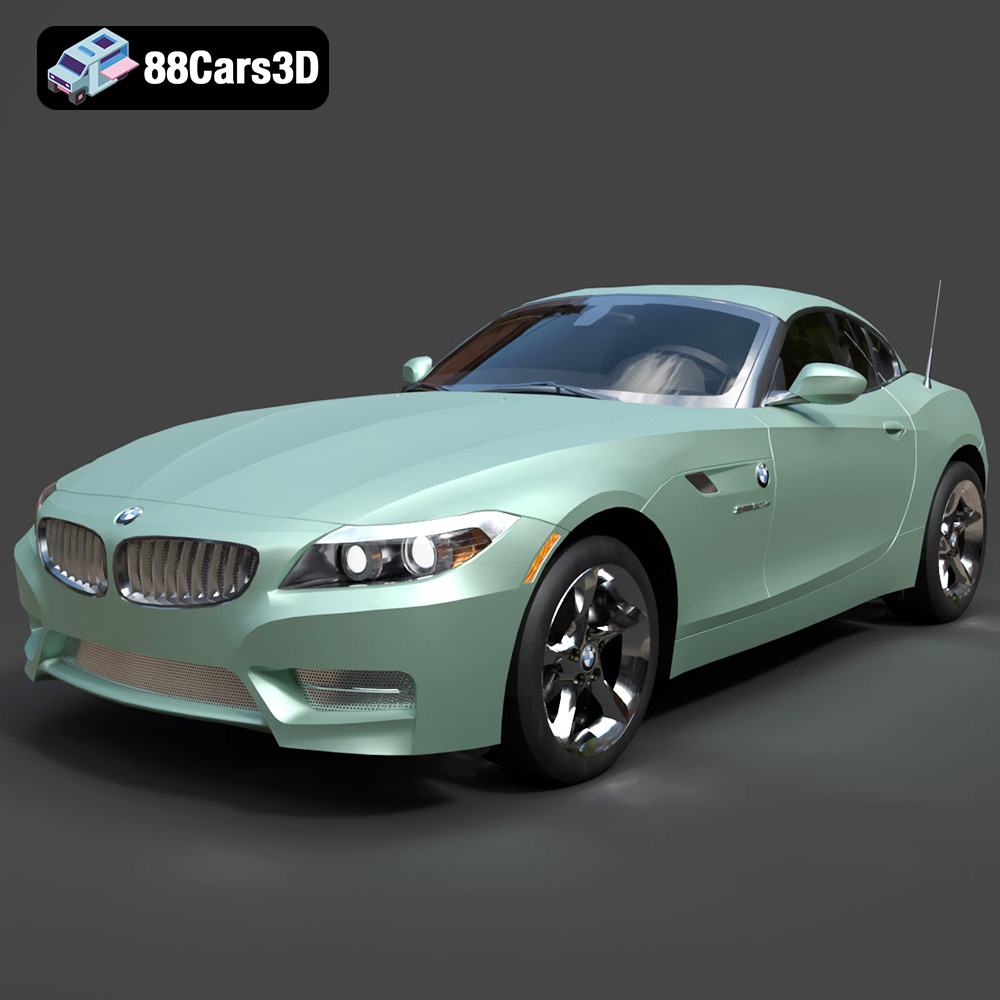
BMW Z4 Roadster E89 2012 3D Model
Texture: Yes
Material: Yes
Download the BMW Z4 Roadster E89 3D Model featuring clean geometry, realistic detailing, and a fully modeled interior. Includes .blend, .fbx, .obj, .glb, .stl, .ply, .unreal, and .max formats for rendering, simulation, and game development.
Price: $13.99

BMW Z4 E85 2005 3D Model
Texture: Yes
Material: Yes
Download the BMW Z4 E85 3D Model featuring clean geometry, realistic detailing, and a fully modeled interior. Includes .blend, .fbx, .obj, .glb, .stl, .ply, .unreal, and .max formats for rendering, simulation, and game development.
Price: $13.99

BMW M3 2024 3D Model
Texture: Yes
Material: Yes
Download the BMW M3 2024 3D Model featuring clean geometry, realistic detailing, and a fully modeled interior. Includes .blend, .fbx, .obj, .glb, .stl, .ply, .unreal, and .max formats for rendering, simulation, and game development.
Price: $13.99
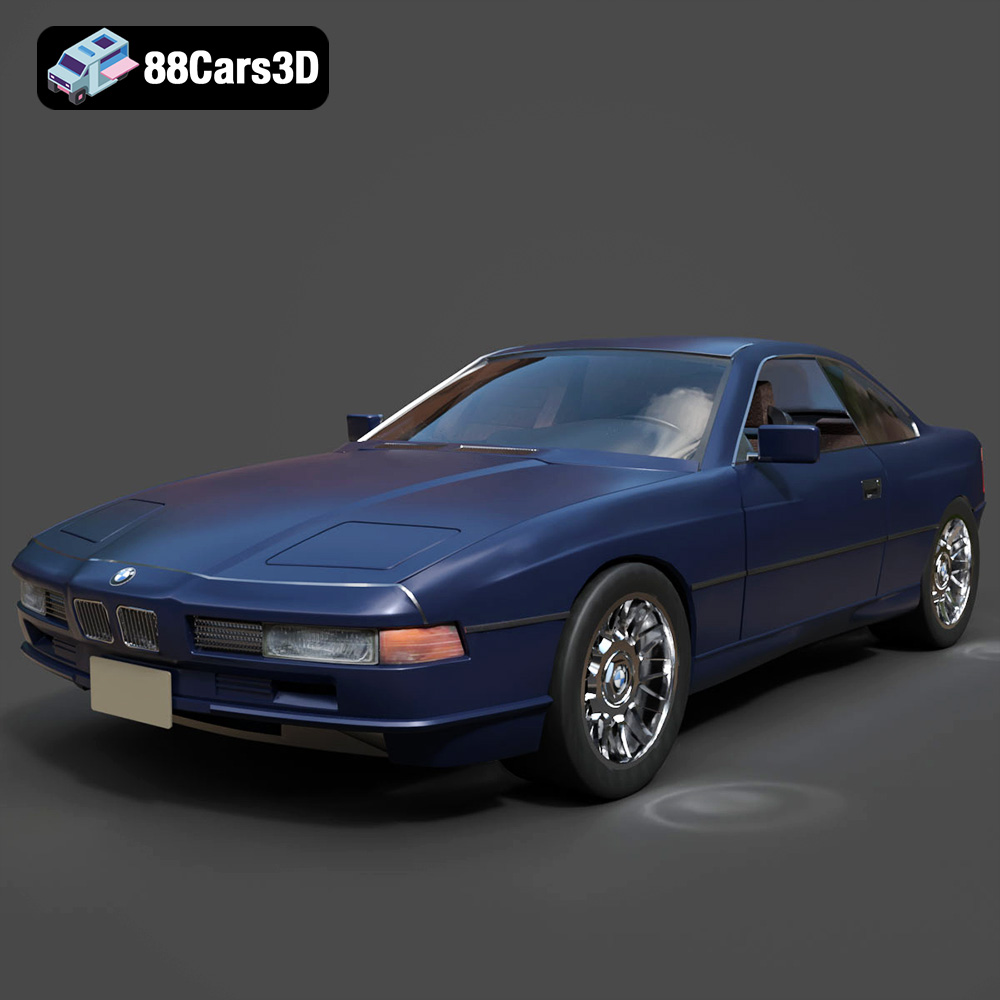
BMW 850i Coupe 1990 3D Model
Texture: Yes
Material: Yes
Download the BMW 850i Coupe 1990 3D Model featuring clean geometry, realistic detailing, and a fully modeled interior. Includes .blend, .fbx, .obj, .glb, .stl, .ply, .unreal, and .max formats for rendering, simulation, and game development.
Price: $13.99
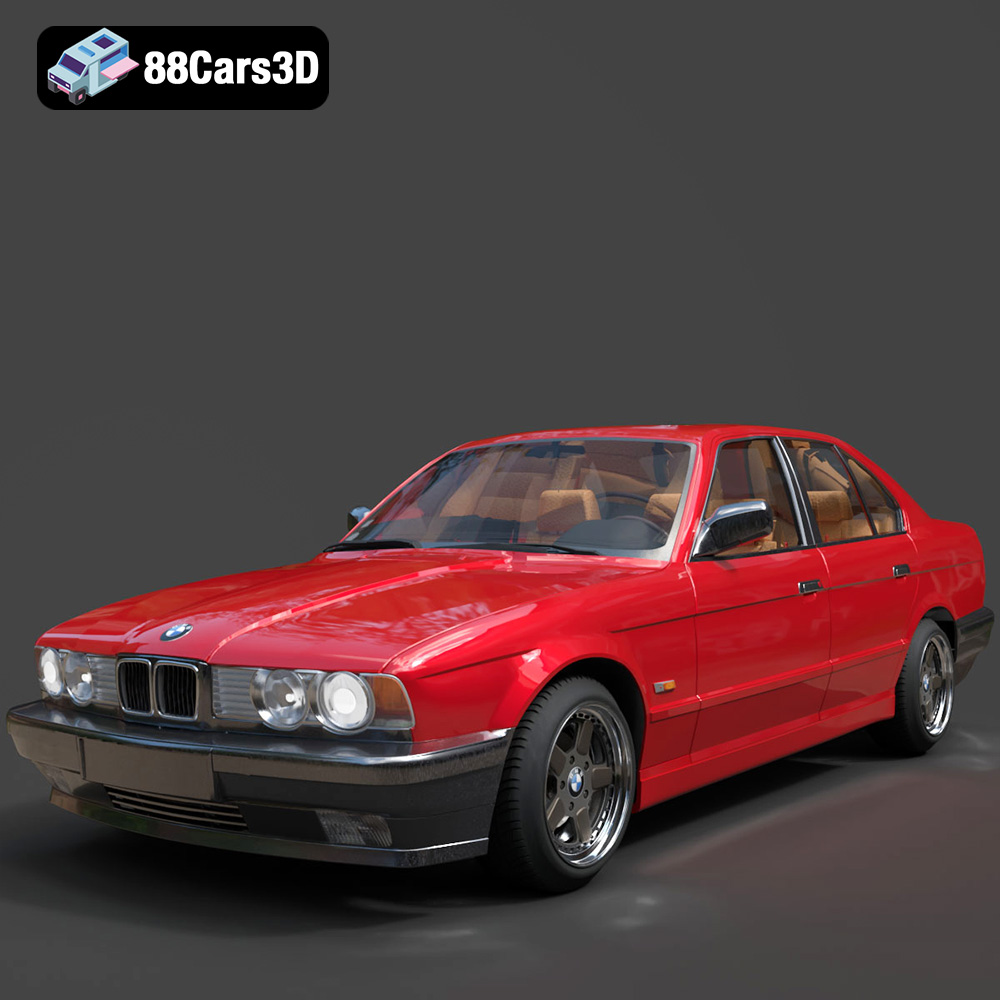
BMW 525i E34 1993 3D Model
Texture: Yes
Material: Yes
Download the BMW 525i E34 1993 3D Model featuring clean geometry, realistic detailing, and a fully modeled interior. Includes .blend, .fbx, .obj, .glb, .stl, .ply, .unreal, and .max formats for rendering, simulation, and game development.
Price: $12.99

BMW 7 Series 2016 3D Model
Texture: Yes
Material: Yes
Download the BMW 7 Series 2016 3D Model featuring luxurious design, detailed interior, and accurate exterior. Includes .blend, .fbx, .obj, .glb, .stl, .ply, .unreal, and .max formats for rendering, simulation, and game development.
Price: $10.79
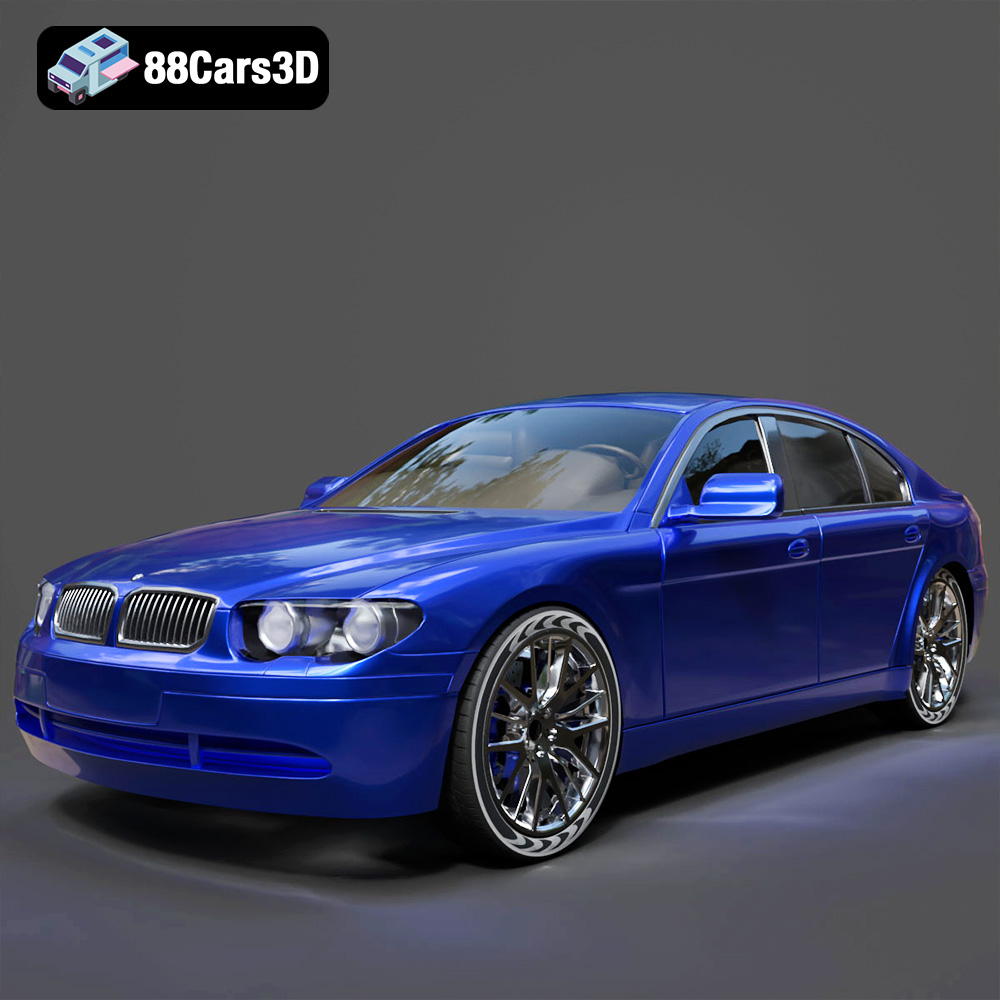
BMW 7 Series 30th Anniversary 3D Model
Texture: Yes
Material: Yes
Download the BMW 7 Series 30th Anniversary 3D Model featuring a meticulously crafted exterior, detailed interior, and realistic wheels. Includes .blend, .fbx, .obj, .glb, .stl, .ply, .unreal, and .max formats for rendering, simulation, and game development.
Price: $35.79
