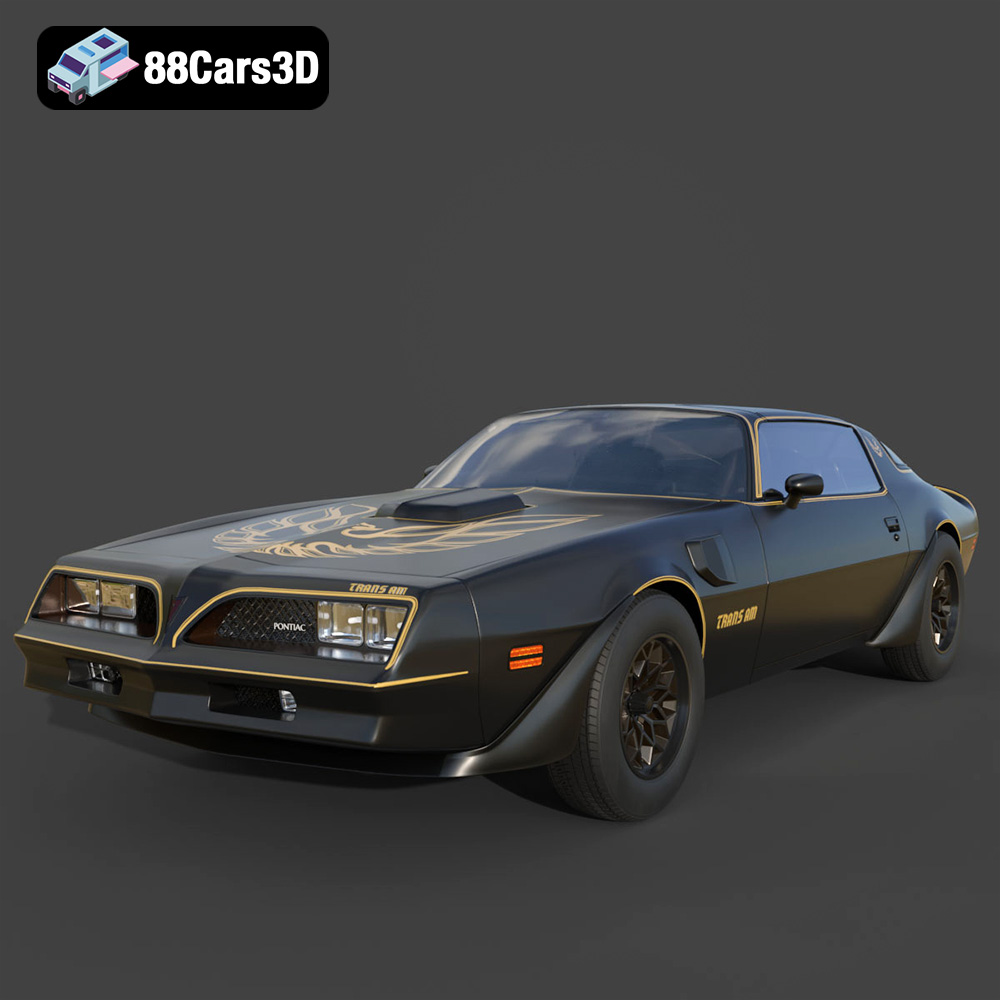
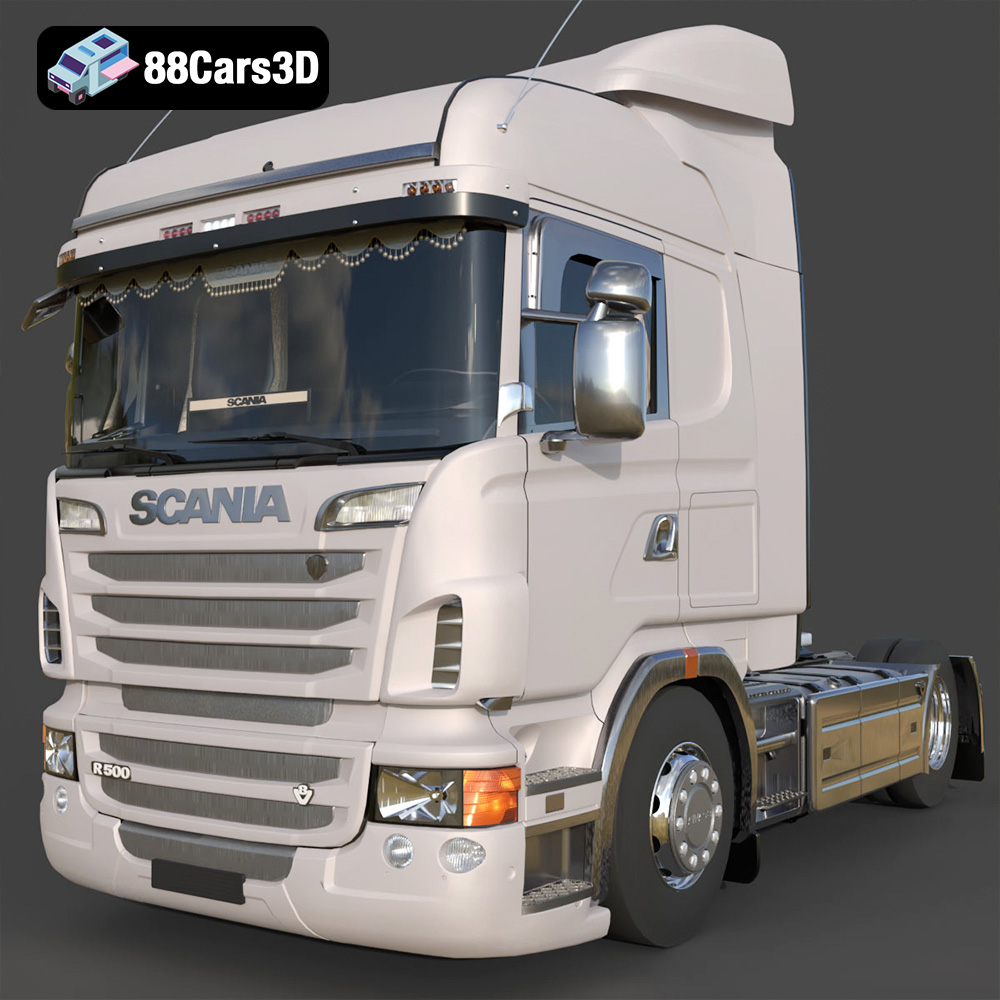
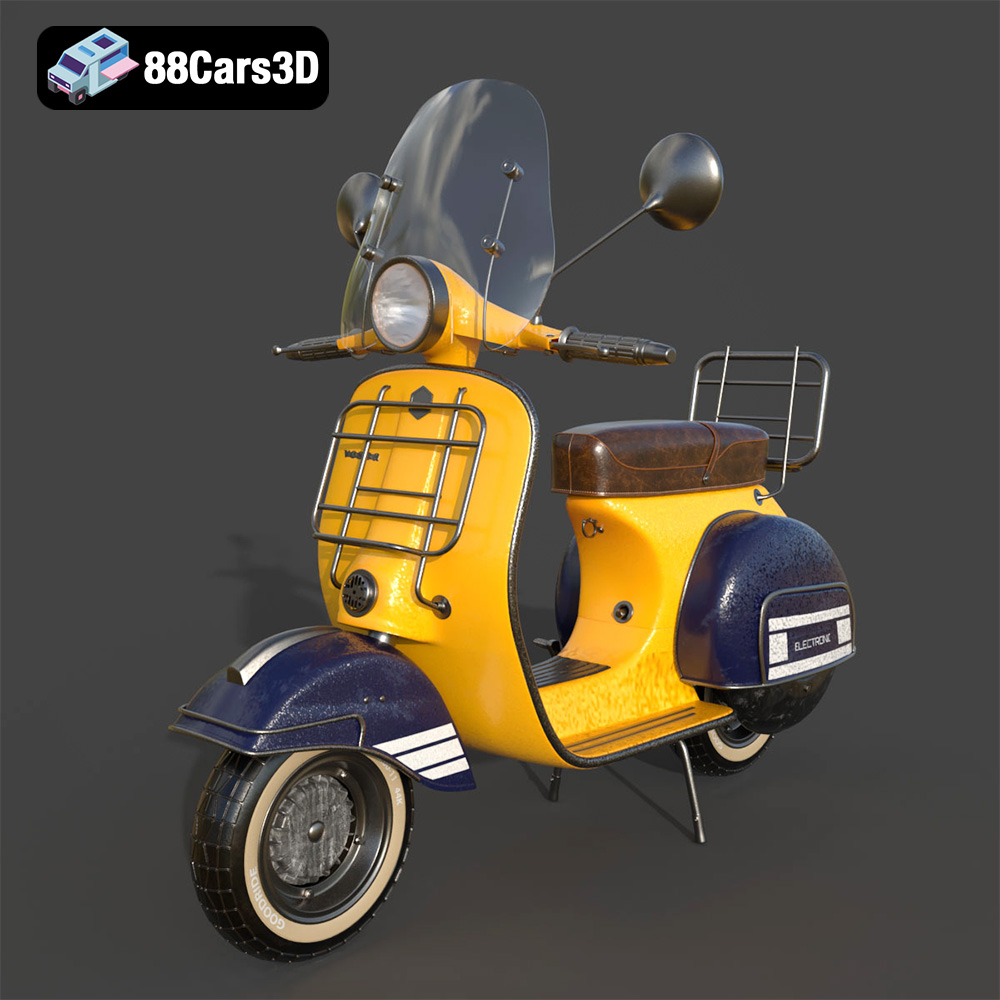
The Engine of Imagination: Why High-Quality 3D Car Models Drive Modern Digital Experiences
In today’s visually-driven world, the demand for realistic and impeccably detailed 3D assets is skyrocketing across numerous industries. From blockbuster video games to high-end architectural visualizations, and from groundbreaking AR/VR applications to compelling automotive marketing campaigns, the quality of a 3D model can make or break a project. Among these, 3D car models stand out as particularly complex and sought-after assets, requiring a meticulous blend of artistic skill and technical precision to capture their intricate forms, reflective surfaces, and powerful presence.
Whether you’re an independent game developer seeking authentic vehicles, an advertising agency needing photorealistic car renders, or an industrial designer visualizing a new concept, the foundation of your success lies in the quality of your digital assets. This deep dive explores the critical role of premium 3D car models, their technical underpinnings, and how they fuel innovation in automotive rendering and game asset development. We’ll examine the workflows, specifications, and diverse applications that underscore the value of investing in top-tier models, such as those found on 88cars3d.com.
The Foundation: Why High-Quality 3D Car Models Matter
The visual fidelity of a 3D car model directly impacts its effectiveness across various applications. A poorly modeled or textured vehicle can detract from an otherwise stunning scene, breaking immersion in a game or diminishing the professionalism of a marketing presentation. Conversely, a meticulously crafted model elevates the entire experience, conveying realism, brand prestige, and technical excellence.
Visual Fidelity in Marketing and Advertising
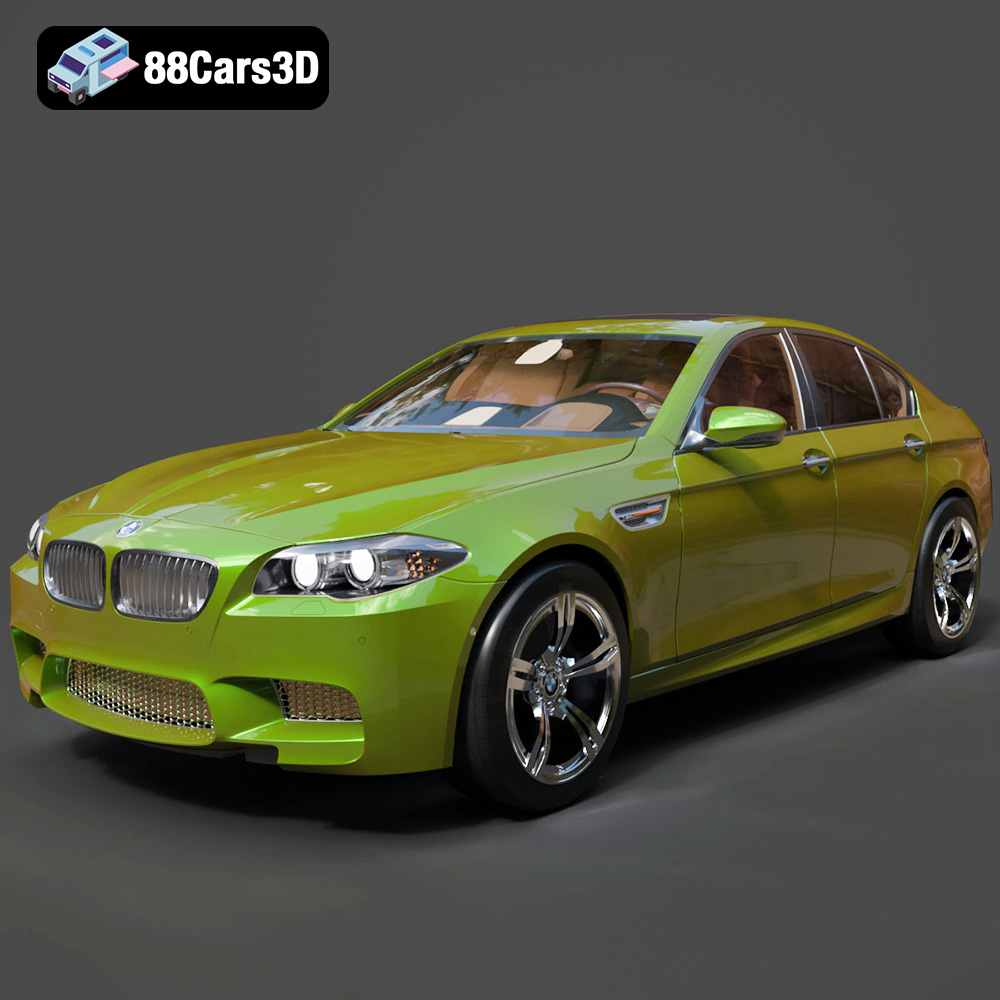
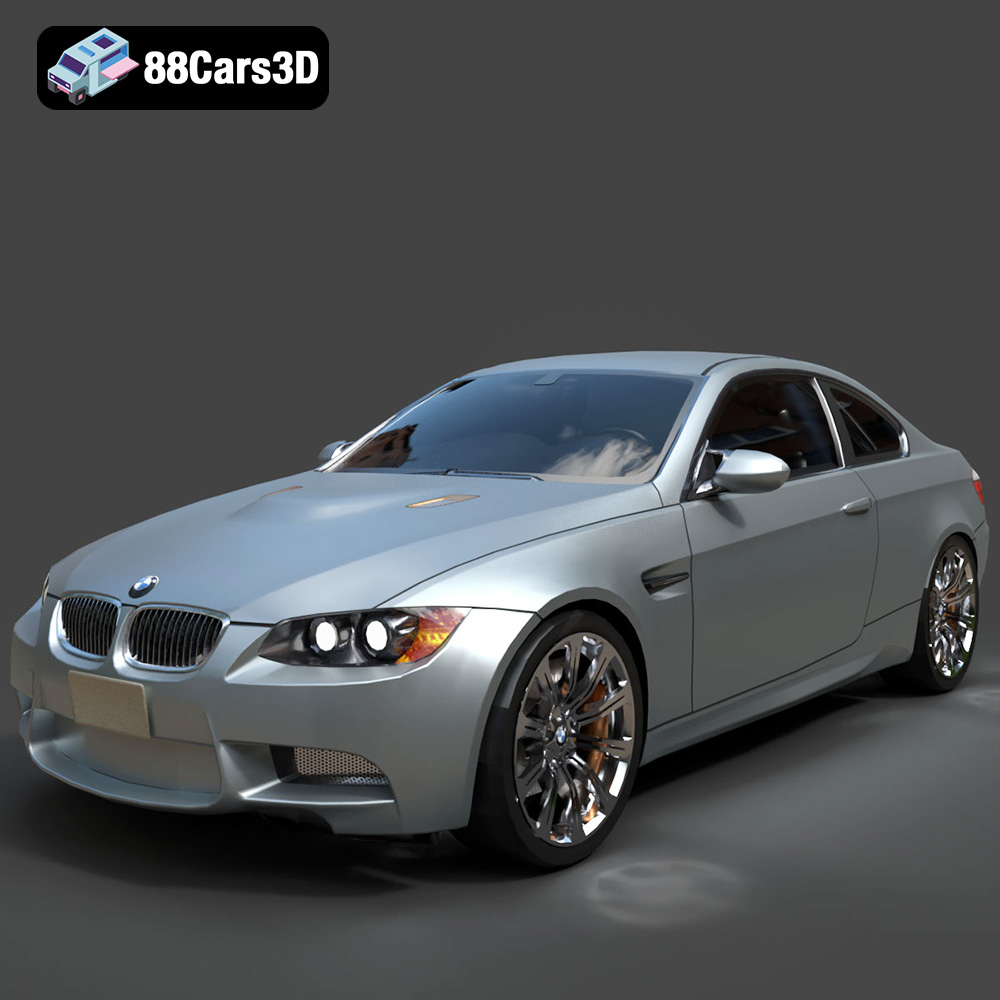
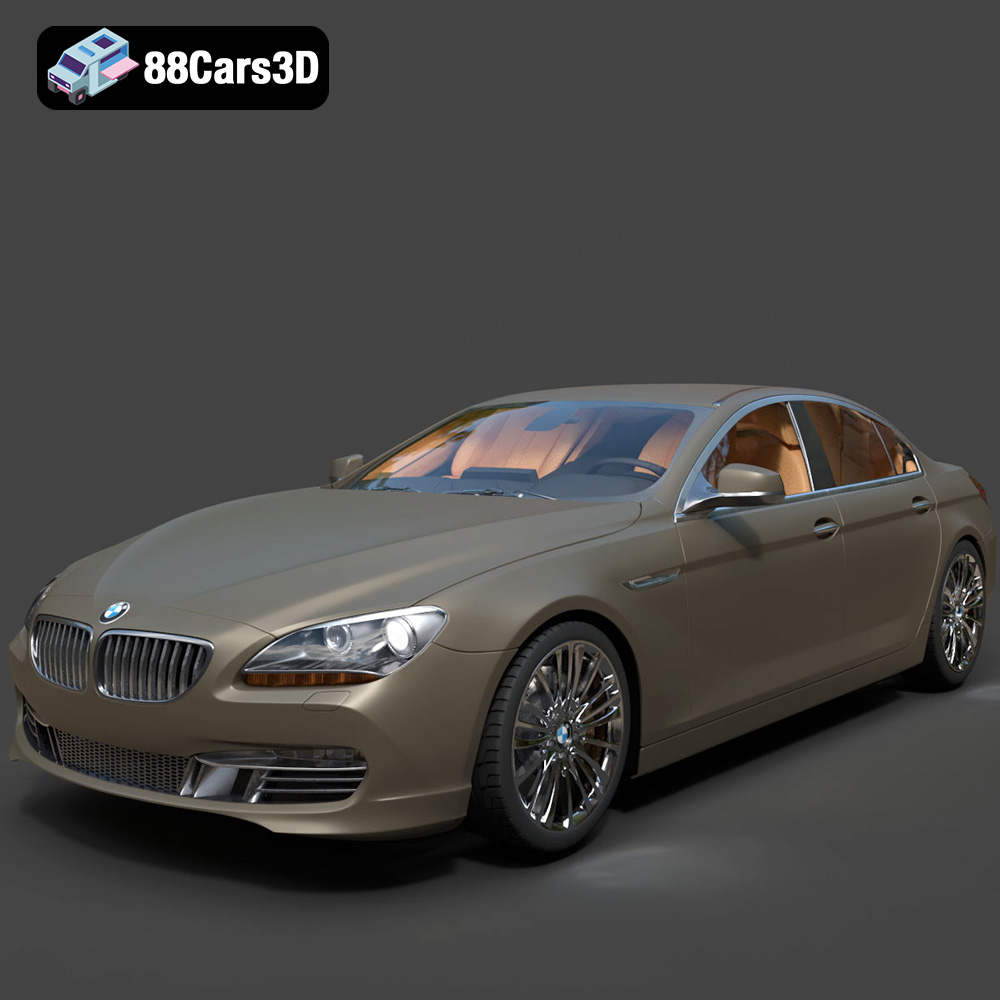
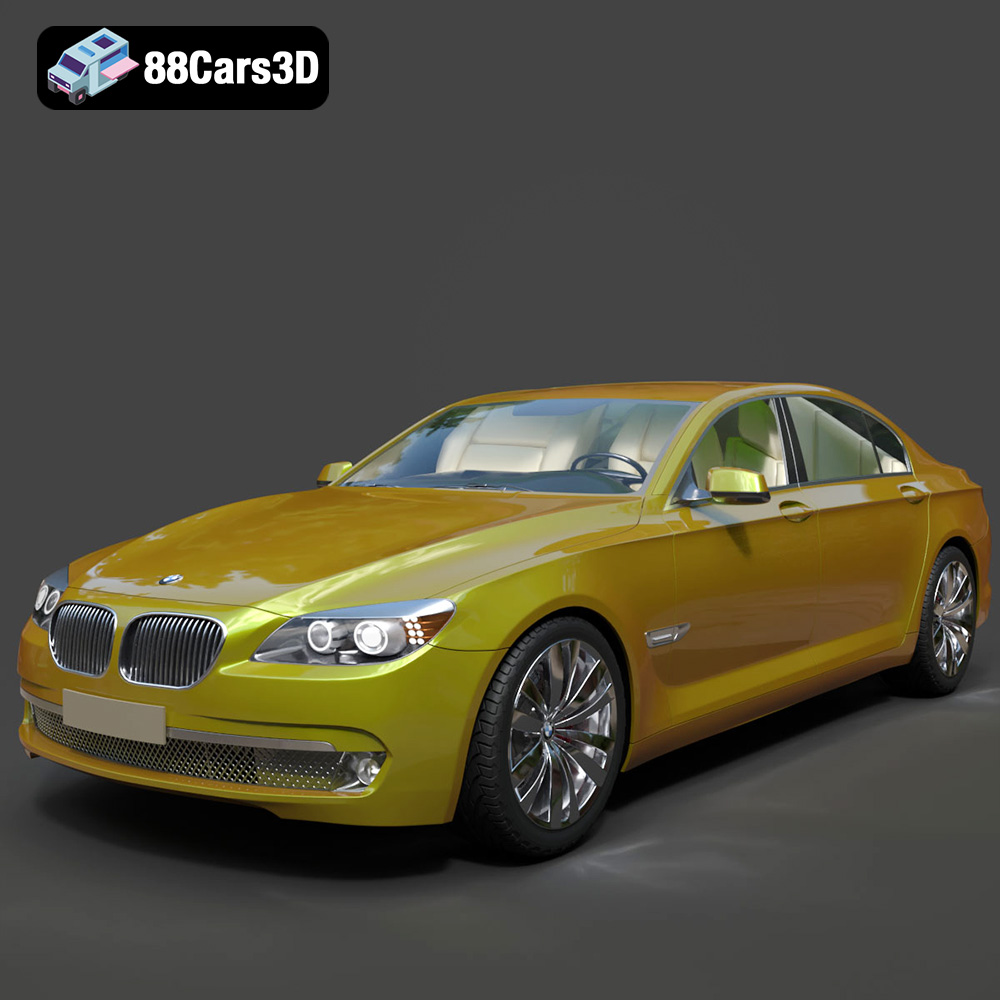
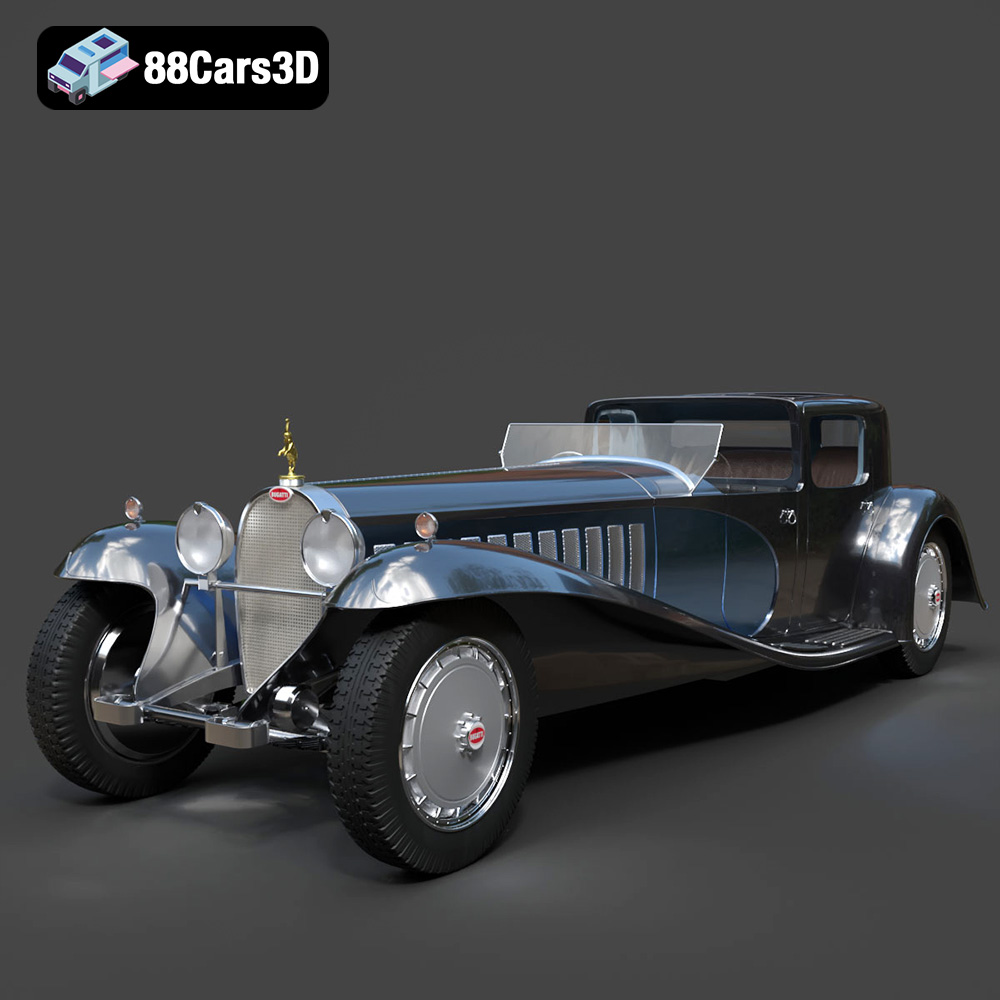
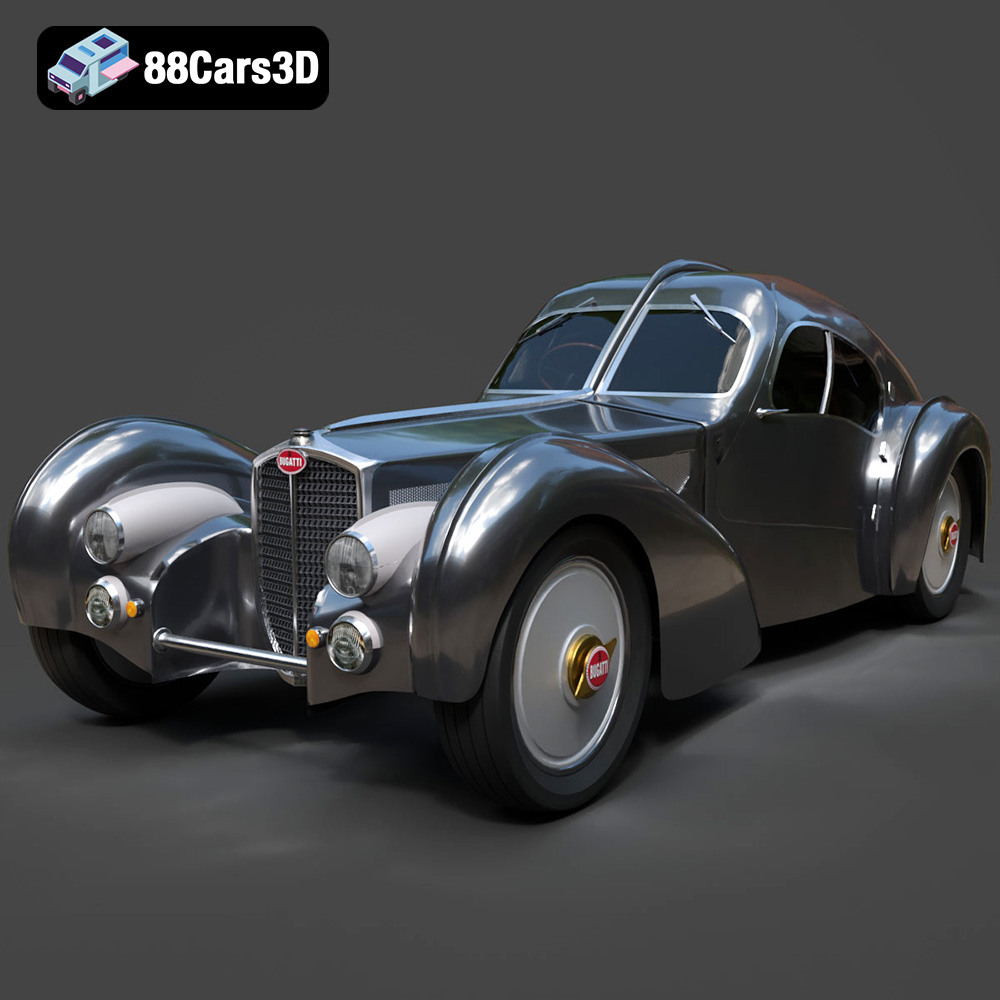
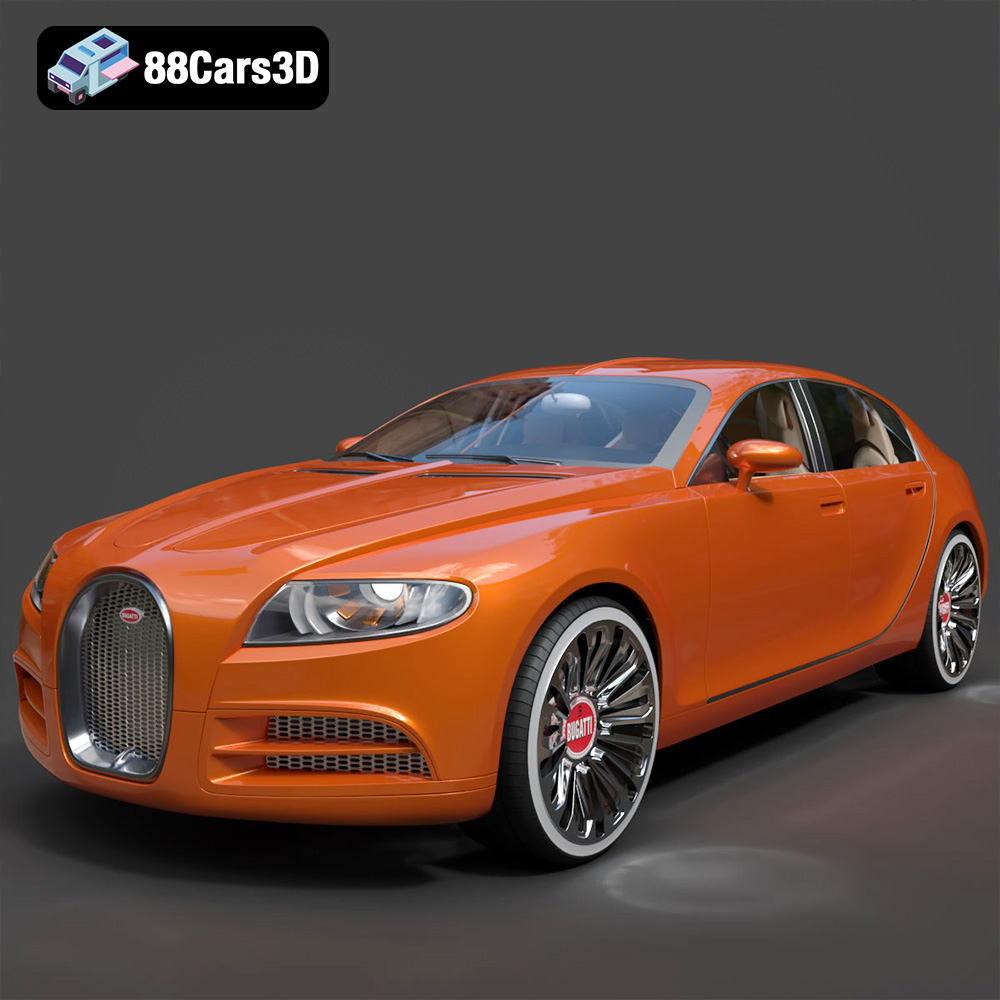
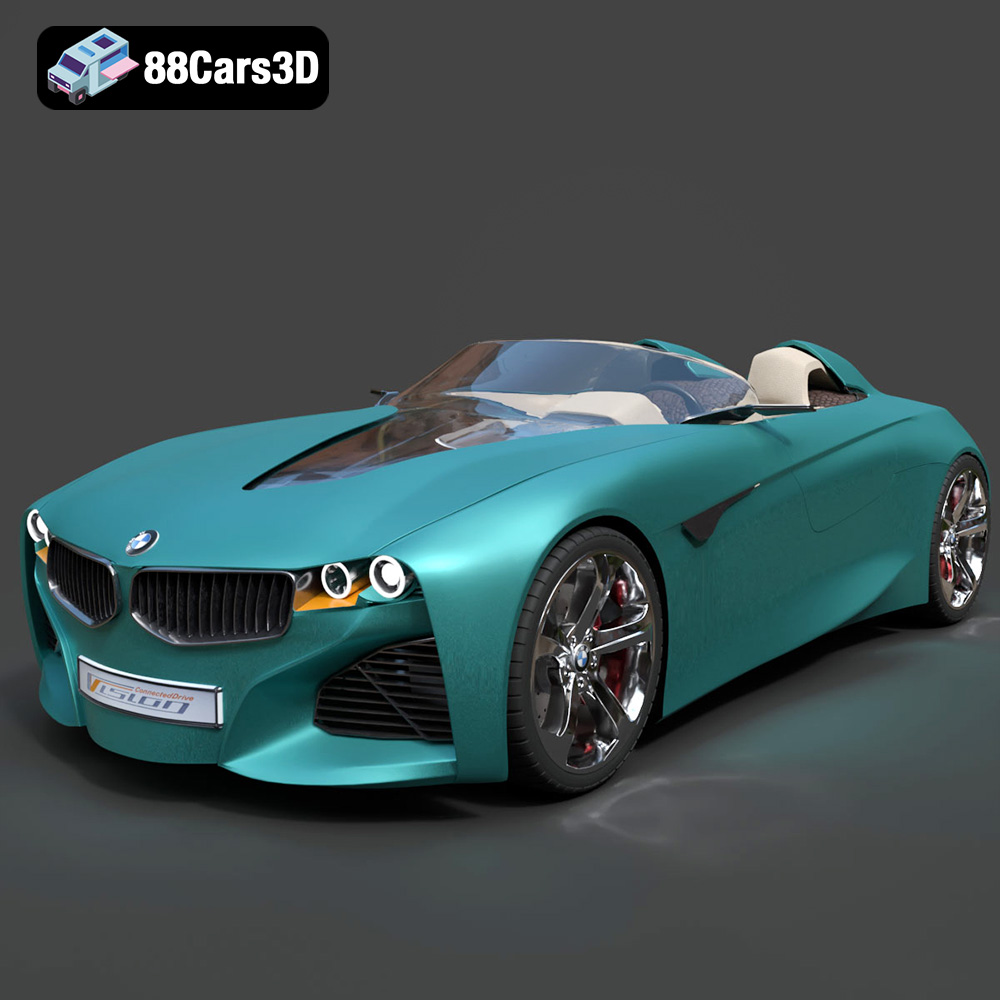
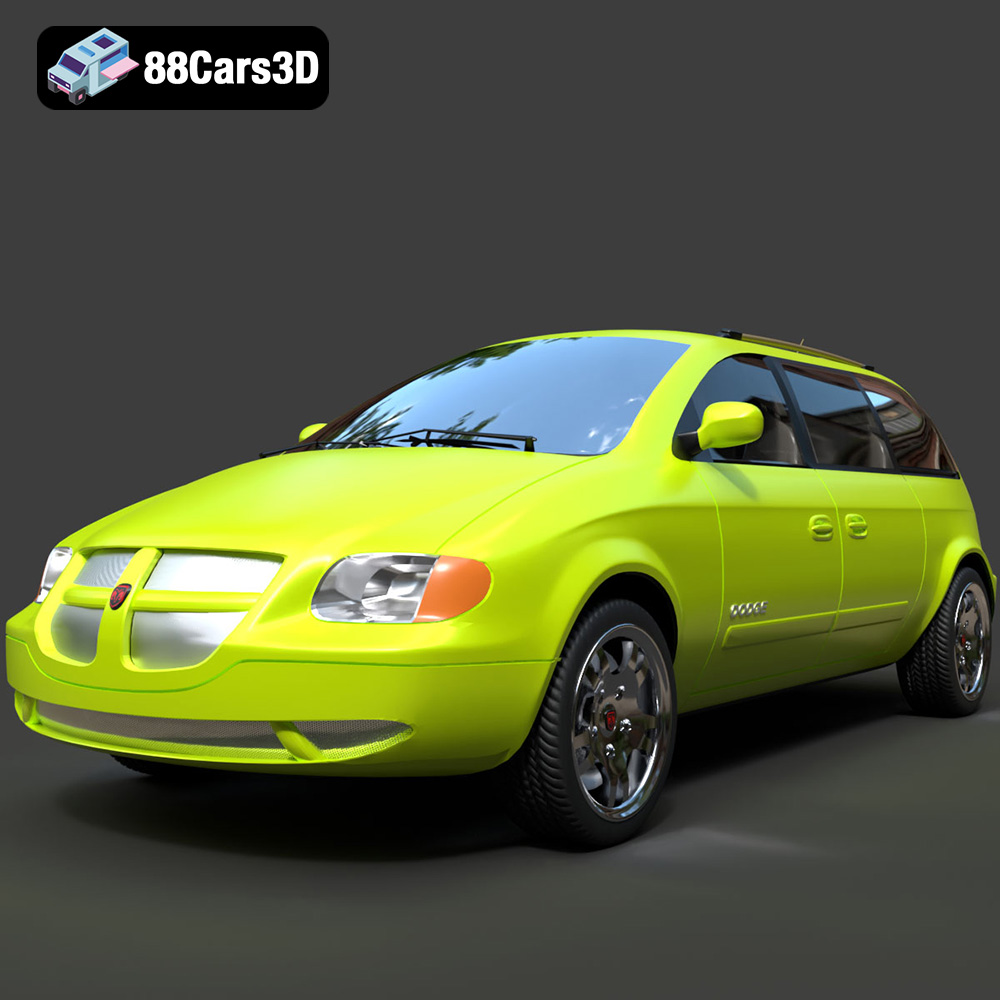
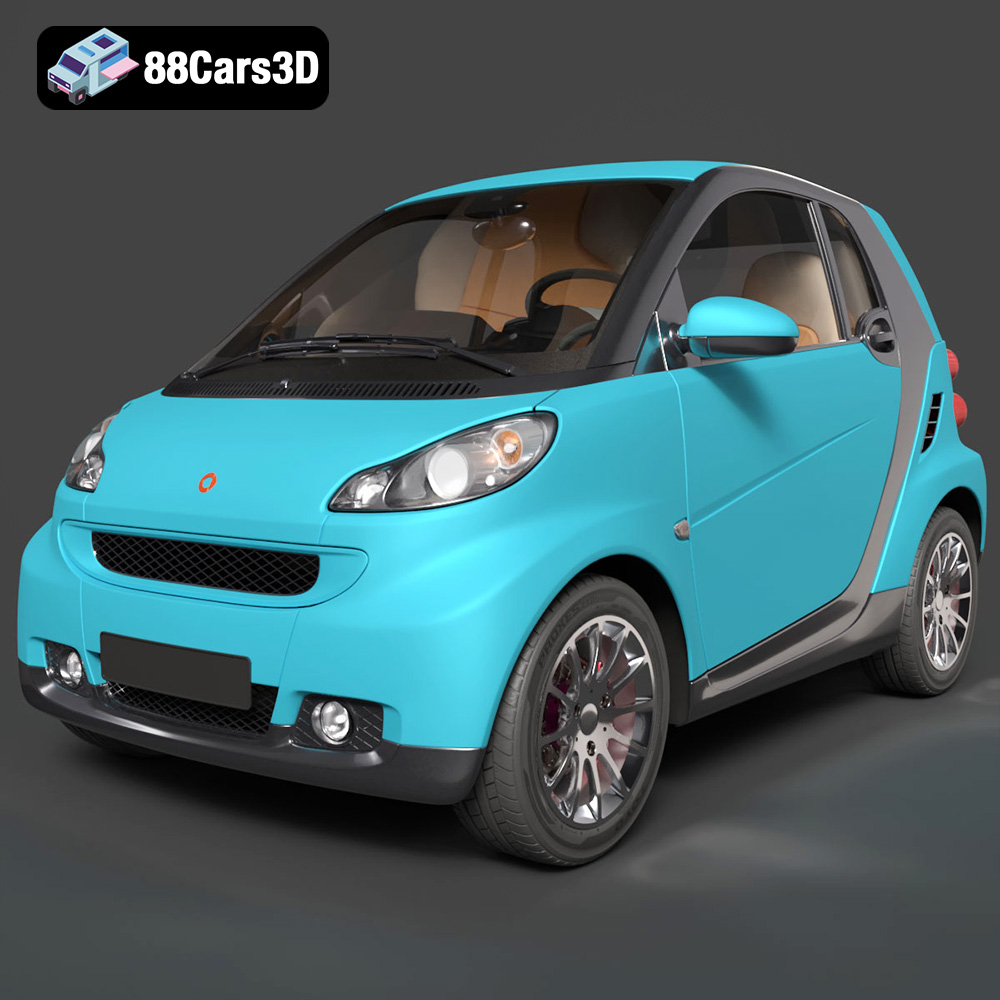
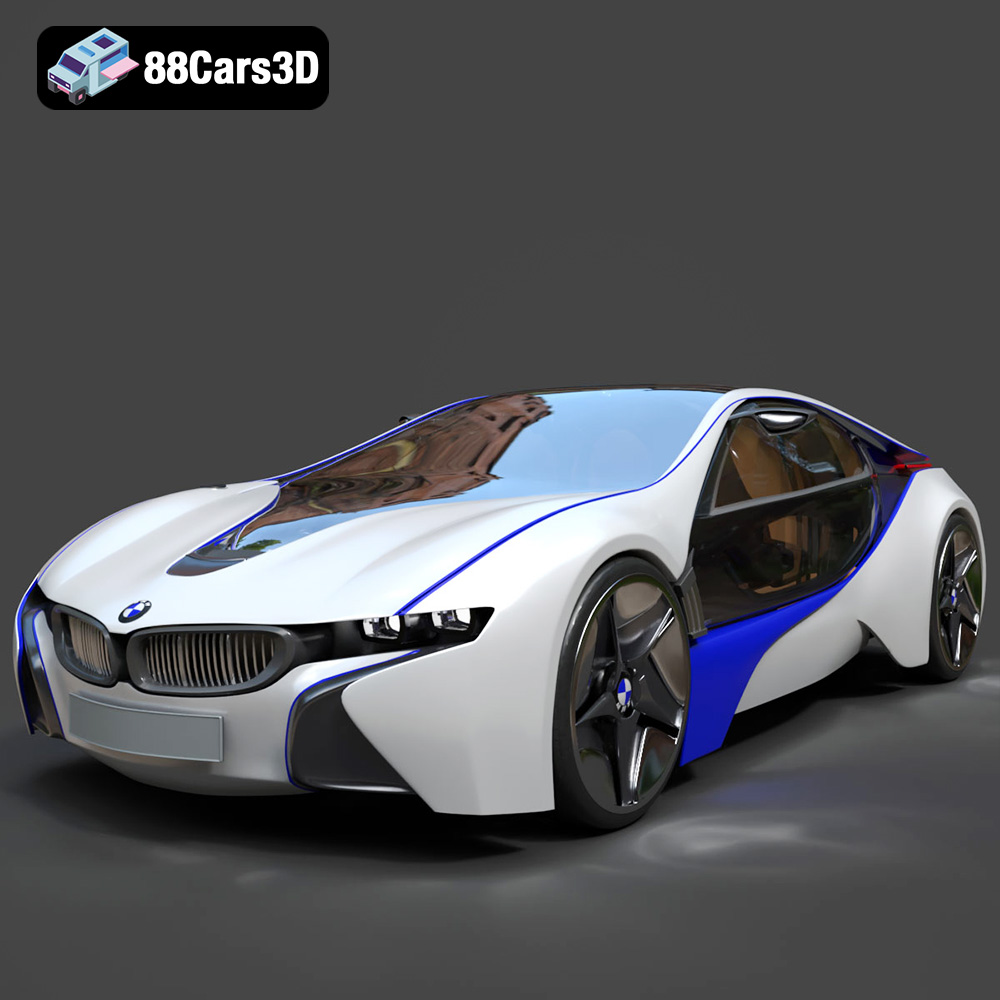
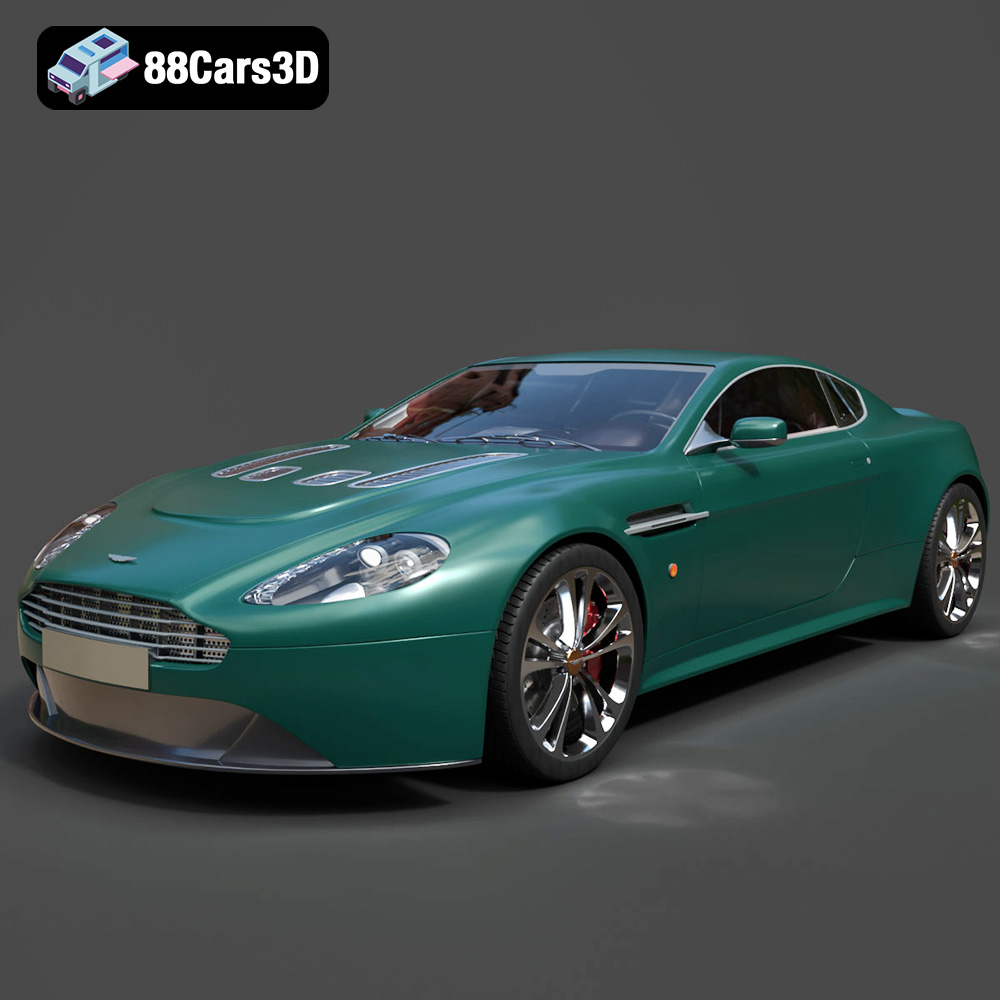
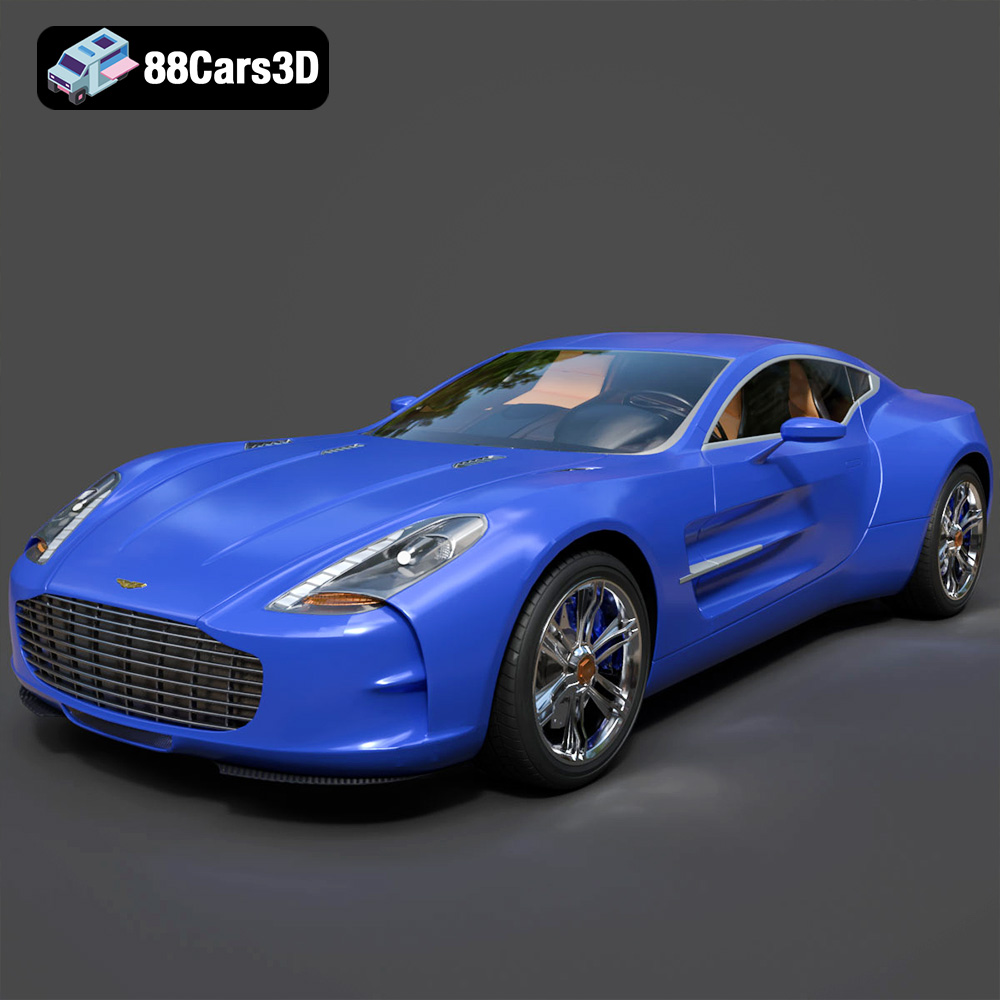
For automotive brands and advertising agencies, photorealistic rendering of vehicles is paramount. Before a physical prototype even exists, high-quality 3D car models allow for stunning promotional materials, configurators, and interactive experiences. These models must accurately represent every curve, material, and reflection, often down to the stitching on the seats and the tread pattern on the tires. The ability to generate infinite camera angles, lighting scenarios, and environments without the cost and logistical challenges of physical photoshoots makes digital models an indispensable tool.
Realism in Architectural Visualization and Product Design
Architectural visualization frequently incorporates vehicles to provide context, scale, and a sense of life to urban or residential scenes. A well-placed, realistic 3D car can transform a sterile render into a vibrant, believable environment. In product design, especially for automotive components or accessories, 3D models facilitate rapid prototyping, design iteration, and detailed analysis long before manufacturing. Precision in form, surface continuity, and accurate material representation are crucial for these applications.
Performance and Aesthetics in Gaming
In game development, 3D car models are central to racing simulations, open-world adventures, and even casual mobile games. Here, the challenge lies in balancing visual appeal with performance optimization. Players expect vehicles to look authentic, respond realistically, and withstand high-speed collisions without visual glitches. This necessitates models that are not only aesthetically pleasing but also technically robust, featuring optimized poly counts, efficient UV layouts, and well-structured collision meshes to ensure smooth gameplay across diverse hardware specifications.
Understanding 3D Model File Formats
Choosing the correct file format for your 3D car models is a critical decision that impacts compatibility, editability, and final application. Each format is designed with specific use cases and technical considerations in mind. Understanding these nuances ensures a smooth workflow and optimal results, whether you’re working in a DCC (Digital Content Creation) application, a game engine, or preparing for AR/VR or 3D printing.
Editable Scene Formats
- .blend – Fully editable Blender scene with materials: Blender’s native format is a powerhouse for those deep within the Blender ecosystem. It encapsulates everything: mesh data, materials (including complex PBR setups), textures, animations, rigging, lighting, and camera setups. This format is ideal if your entire pipeline is Blender-centric, offering maximum flexibility for edits and iterations without loss of data. It’s often the starting point for artists who then export to other formats for wider use. For highly detailed 3D car models, a .blend file offers unparalleled control over every aspect of the asset.
- .max – Editable 3ds Max project for animation and rendering: Similar to .blend, the .max format is the native file type for Autodesk 3ds Max, a long-standing industry standard, especially in architectural visualization and automotive rendering. A .max file contains all scene information, including complex modifiers, render settings, lights, and animation tracks. It’s invaluable for projects requiring extensive modification, detailed rendering setups using V-Ray or Corona, or sophisticated vehicle animations. For those leveraging the powerful rendering capabilities of 3ds Max, receiving a .max file directly streamlines the workflow significantly.
Universal Exchange Formats
- .fbx – Ideal for Unreal, Unity, and real-time pipelines: Developed by Autodesk, FBX (Filmbox) has become the de facto standard for exchanging 3D data between different software applications and particularly within game development engines like Unreal Engine and Unity. It supports geometry (meshes), materials, textures, animations, and skeletal data. Its robustness and widespread support make it excellent for transferring rigged characters, animated vehicles, and complex scenes with all their associated data intact. When preparing game assets, .fbx is often the go-to choice due to its optimization for real-time environments and its ability to maintain crucial animation data.
- .obj – Universal format for cross-software compatibility: OBJ (Wavefront Object) is one of the oldest and most widely supported 3D file formats. It primarily stores geometric data (vertices, normals, UV coordinates) and can reference external material files (.mtl) for basic color and texture information. While it lacks support for animation, rigging, and advanced PBR materials inherently, its universality makes it excellent for static mesh exchange across virtually any 3D software. It’s a reliable choice for simple geometric transfer and serves as a fallback when other formats present compatibility issues, especially for individual 3D car models without complex rigging.
Specialized Formats
- .glb – Optimized for AR, VR, and browser-based display: GLB (GL Transmission Format Binary) is the binary version of glTF, specifically designed for efficient transmission and loading of 3D scenes and models in web and AR/VR applications. It’s a single file that contains mesh data, materials, textures, and animations, making it highly portable and perfect for quick deployment on platforms like Sketchfab, Facebook 3D Posts, or within immersive AR experiences. For showcasing interactive 3D car models in a browser or on mobile devices, .glb offers superior performance and integration.
- .stl – Suitable for 3D printing output: STL (Stereolithography) is almost exclusively used for 3D printing. It represents a 3D model as a series of connected triangles (a tessellation of the surface) and does not store color, texture, or material information. While it’s a “dumb” mesh, its simplicity makes it universally compatible with 3D printers and slicing software. If your goal is to physically manufacture a scale model of a car, converting your 3D car model to .stl is the necessary step.
- .ply – Precision mesh format for CAD or analysis: PLY (Polygon File Format) is often used for storing 3D data from 3D scanners, CAD systems, and for scientific applications. It can store various properties for vertices and faces, including color, transparency, and normal vectors, making it richer than STL for certain applications. It’s a strong choice when precision and detailed attribute storage are important, particularly for engineering or reverse-engineering 3D car models.
- .unreal – Engine-ready asset for real-time environments: While not a direct export format in the traditional sense from DCC software, this refers to assets *imported and optimized within Unreal Engine*. When you import an .fbx or other compatible format into Unreal, the engine processes and compiles it into its internal .uasset format (which might be referred to colloquially as ‘.unreal’ content). This optimized format ensures maximum performance, utilizes Unreal’s PBR material system, and integrates seamlessly with Blueprints, sequencers, and physics. When acquiring an asset specifically noted as “Unreal-ready” or “.unreal,” it implies it has already undergone this crucial optimization for the engine, saving significant setup time for game developers working with game assets.
The Art of Automotive Rendering: Bringing Cars to Life
Beyond the raw geometry, it is the rendering process that truly breathes life into 3D car models. Photorealistic automotive rendering is a specialized skill, demanding a deep understanding of materials, lighting, and camera principles to create images indistinguishable from real-world photography. This process transforms a digital mesh into a compelling visual narrative.
PBR Texturing and Material Creation
Physically Based Rendering (PBR) is the cornerstone of modern photorealistic rendering. It simulates how light interacts with surfaces in a physically accurate manner, resulting in materials that react consistently across different lighting conditions. For 3D car models, this means creating intricate PBR textures for paint (base color, metallic, roughness, normal maps), glass, rubber, chrome, leather, and fabric. Each material requires careful calibration to reflect light, absorb, and refract it appropriately, conveying properties like glossiness, transparency, and metallic sheen with utmost realism.
Lighting and Environment Setup
Expert lighting is critical for showcasing the form and beauty of a car. Artists often utilize High Dynamic Range Images (HDRIs) to capture real-world lighting environments, providing accurate reflections and ambient illumination. Coupled with targeted physical lights (area lights, spotlights) to highlight specific features or create dramatic shadows, the lighting setup sculpts the car’s contours and accentuates its design. Correct lighting makes the difference between a flat, lifeless image and a dynamic, engaging render that truly captures the vehicle’s essence, a key aspect of superior automotive rendering.
Advanced Rendering Techniques
Modern render engines employ sophisticated techniques to achieve realism. Ray tracing accurately simulates light bounces, reflections, and refractions, producing breathtakingly realistic reflections on car bodies and intricate refractions through glass. Denoising algorithms use AI-powered methods to clean up noise from ray-traced images, significantly reducing render times without sacrificing quality. Motion blur, depth of field, and chromatic aberration are often added in post-production to mimic real camera effects, further enhancing the photographic realism of the final render. These techniques are vital for creating the high-impact visuals that drive marketing campaigns and product showcases.
Optimizing 3D Car Models for Game Development
Creating 3D car models for game development presents a unique set of challenges compared to high-fidelity rendering. The primary goal is to achieve visual quality while maintaining optimal performance, ensuring smooth frame rates and responsive gameplay. This involves careful optimization at every stage of asset creation.
Poly Count Management and LOD Systems
Game engines have strict poly count budgets to ensure real-time performance. High-detail models suitable for rendering (often millions of polygons) are too heavy for games. Game-ready car models are meticulously optimized, often ranging from 50,000 to 200,000 triangles for a hero vehicle. Developers use Level of Detail (LOD) systems, creating multiple versions of the same model with decreasing polygon counts. As the car moves further from the camera, the engine switches to a lower-poly LOD, reducing rendering load without noticeable loss of detail to the player. This is a fundamental technique for efficient game assets.
Efficient UV Mapping and Texture Atlasing
UV mapping is the process of flattening the 3D model’s surface onto a 2D plane so that textures can be applied. For games, UV layouts must be efficient, maximizing texture space without distortion. Texture atlasing combines multiple smaller textures (e.g., for interior, exterior, wheels) into a single, larger texture map. This reduces draw calls – the number of times the GPU needs to access different textures – leading to better performance. Well-organized UVs are crucial for artists to paint and bake details effectively, and for the game engine to render efficiently.
Collision Models and Physics Setup
Beyond visual representation, game cars need collision geometry and physics properties. Collision meshes are simplified, invisible models used for detecting impacts and interactions with the game world. These are typically much lower poly than the visual mesh, as they only need to represent the overall shape for physics calculations. Additionally, accurate physics properties – mass, friction, suspension, center of gravity – are assigned to the vehicle to ensure realistic driving dynamics and damage models, making the game assets truly interactive.
Workflow Integration: From Concept to Final Asset
The journey of a 3D car model from initial concept to a finished, deployable asset involves a structured workflow, often leveraging multiple software packages. A well-defined pipeline ensures consistency, efficiency, and quality throughout the development cycle. Platforms like 88cars3d.com streamline this by providing production-ready models, often saving hundreds of hours of modeling and texturing.
3ds Max and Blender for Modeling and Texturing
Many professional workflows begin in Digital Content Creation (DCC) software like 3ds Max or Blender. These programs provide robust tools for polygonal modeling, sculpting intricate details, and creating clean topology essential for animation and deformation. Once the mesh is perfected, artists move to UV mapping and texturing, often using tools like Substance Painter or Mari in conjunction with their DCC package to generate PBR material maps. The flexibility of these tools allows for the creation of incredibly detailed and realistic base models, ready for optimization or high-end rendering.
Unreal Engine for Real-time Visualization and Interactivity
For real-time applications, game engines like Unreal Engine are indispensable. Once a 3D car model is exported from a DCC application (typically as an FBX), it’s imported into Unreal. Here, artists set up materials using Unreal’s powerful node-based material editor, apply textures, and configure lighting environments. Unreal’s rendering capabilities, particularly with technologies like Lumen and Nanite, allow for stunning real-time visualizations that rival offline renders. For interactive experiences, Blueprints (Unreal’s visual scripting system) are used to add functionality like drivable physics, door animations, and paint customization options, transforming static models into dynamic game assets.
Exporting and Importing Best Practices
Successful asset transfer between software requires adherence to best practices. This includes consistent unit scales, proper pivot point placement, correct mesh orientations (e.g., +Y up or +Z up), and clean scene hierarchies. Ensuring embedded or correctly linked textures and materials, and baking complex modifiers before export, prevents common errors. For game engines, validating collision meshes, checking LOD transitions, and verifying material assignments post-import are crucial steps to guarantee optimal performance and visual integrity of the automotive rendering or game asset.
Beyond Rendering: AR/VR and 3D Printing Applications
The utility of high-quality 3D car models extends far beyond traditional rendering and game development, venturing into cutting-edge domains like Augmented Reality (AR), Virtual Reality (VR), and 3D printing. These applications leverage the inherent digital nature of the models to create immersive, interactive, and tangible experiences.
Interactive Experiences in Augmented and Virtual Reality
AR and VR offer unprecedented opportunities for engaging with 3D car models. In AR, users can place virtual cars into real-world environments via their smartphone or tablet, allowing them to explore a vehicle’s design and features in their driveway or living room. This is revolutionary for automotive sales and marketing. In VR, users can step inside a virtual showroom, sit in a car, or even take it for a test drive in a simulated environment, providing an immersive experience that transcends static imagery. Models optimized for AR/VR require careful polygon budgeting and efficient PBR materials to ensure smooth performance on mobile devices and VR headsets.
Prototyping and Manufacturing with 3D Printed Models
While 3D car models primarily exist in the digital realm, they can bridge the gap to the physical world through 3D printing. Designers can rapidly prototype scale models of new vehicle concepts, individual components, or aftermarket accessories. This allows for tangible evaluation of form, fit, and aesthetics early in the design process, significantly reducing the time and cost associated with traditional manufacturing. When preparing models for 3D printing, geometry needs to be “manifold” (watertight with no holes or overlapping faces), and specific formats like .STL or .OBJ are commonly used, ensuring accurate physical replication of the digital design. Companies often use this for scale models or intricate component visualization before full production.
Conclusion
The journey through the world of 3D car models reveals a dynamic and technically rich landscape, essential for modern digital content creation. From the precise geometry required for photorealistic automotive rendering to the carefully optimized assets vital for immersive game experiences, the demands on these digital vehicles are immense and diverse. We’ve explored the importance of choosing the right file format, the intricacies of PBR materials and lighting, and the critical optimization techniques for real-time engines, alongside their exciting applications in AR/VR and 3D printing.
As technology continues to advance, the role of high-quality 3D car models will only grow, pushing the boundaries of visual fidelity and interactive engagement across industries. Investing in meticulously crafted assets is not just about aesthetics; it’s about efficiency, versatility, and the ability to bring even the most ambitious creative visions to life. For professionals seeking top-tier, production-ready models that meet these rigorous standards, 88cars3d.com stands as a premier resource, empowering creators to focus on innovation rather than starting from scratch.
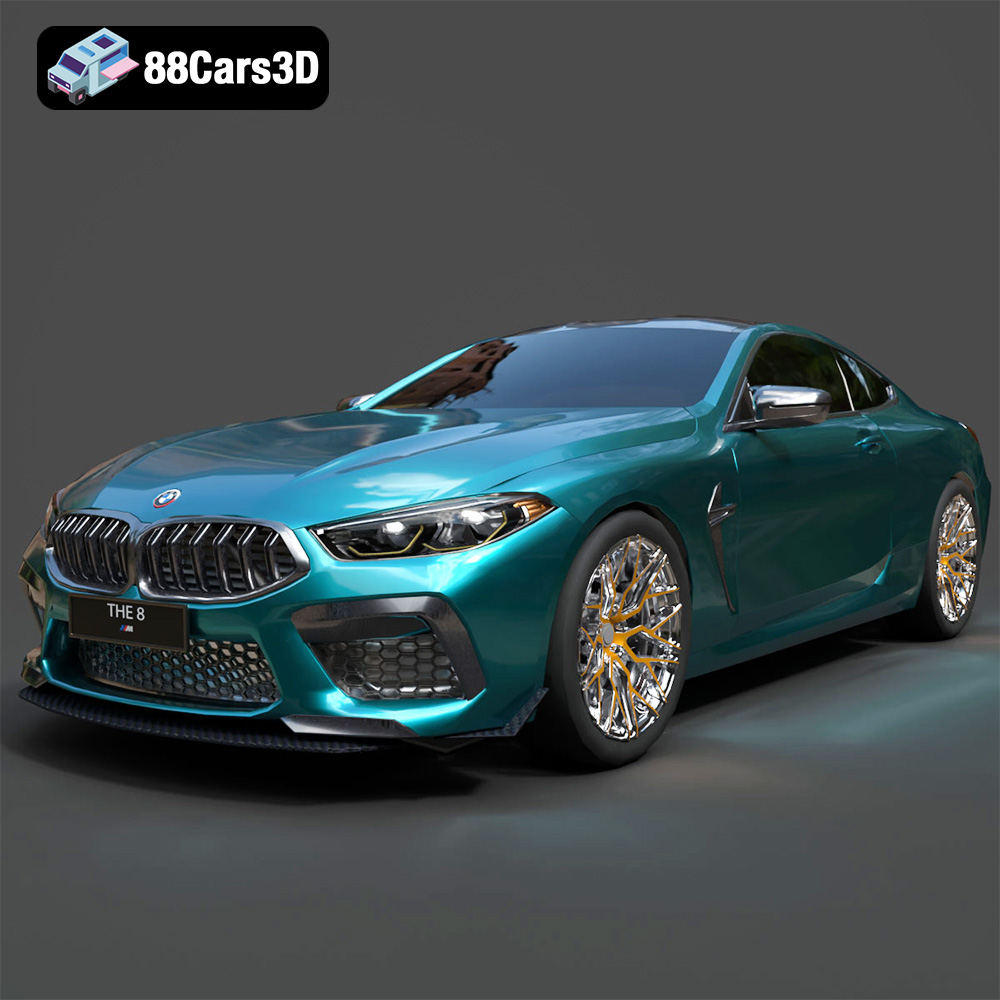
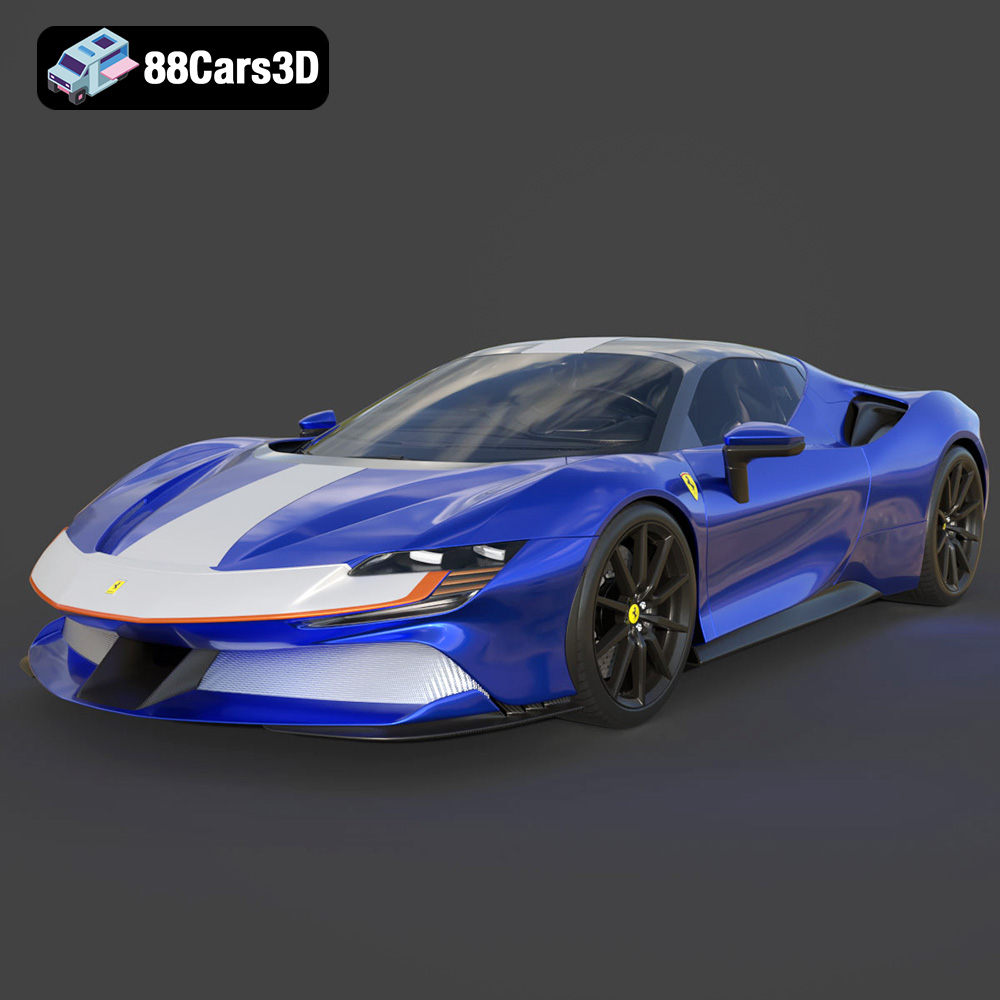
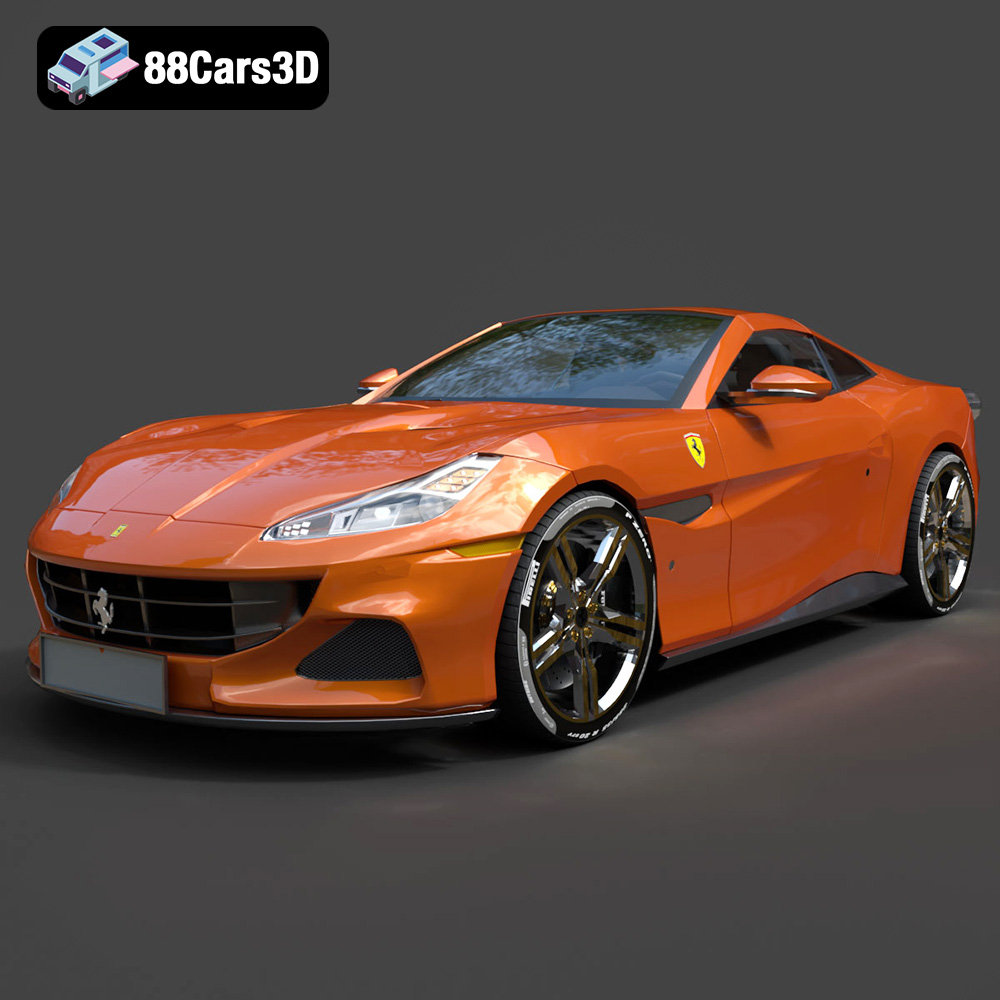
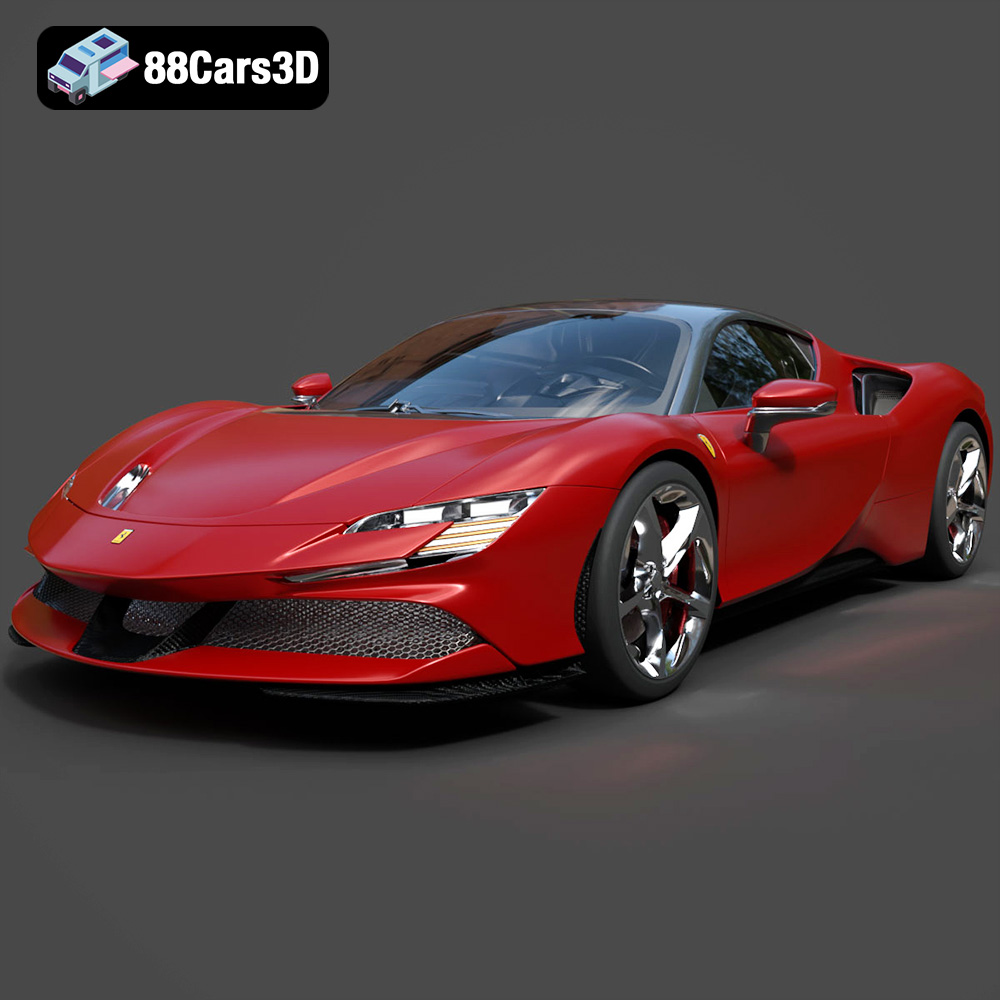
Featured 3D Car Models