

From Static to Cinematic: Crafting Jaw-Dropping Animated Car Commercials with 3D Models
In today’s visually-driven market, a captivating car commercial transcends mere product display; it tells a story, evokes emotion, and showcases the vehicle as a work of art. The secret weapon behind many of these breathtaking advertisements? High-quality 3D car models brought to life through sophisticated animation and rendering techniques. Gone are the days when CGI felt artificial; modern advancements allow for photorealistic automotive rendering that is indistinguishable from live-action footage, often surpassing it in creative freedom and cost-effectiveness.
This comprehensive guide will take you on an in-depth journey through the entire pipeline of creating an animated car commercial using 3D models. Whether you’re a seasoned 3D artist, an aspiring animator, or an automotive designer looking to visualize your concepts with unparalleled realism, this article will equip you with the technical knowledge, workflows, and industry best practices needed to produce stunning results. We’ll delve into everything from model acquisition and meticulous preparation to advanced lighting, animation, rendering, and post-production, ensuring your next automotive visualization project not only looks incredible but also performs optimally. Prepare to transform static meshes into dynamic, awe-inspiring cinematic experiences that leave a lasting impression.
The Foundation: Sourcing and Preparing Your 3D Car Model
The journey to an award-winning car commercial begins with an exceptional 3D model. The quality of your base mesh directly impacts every subsequent stage, from texturing to rendering and animation. Investing time in acquiring or preparing a meticulously crafted model is paramount for achieving photorealism and efficient workflows.
Model Acquisition and Initial Assessment
Sourcing a high-quality 3D car model is the critical first step. While some projects might involve creating a model from scratch, many artists opt for pre-made assets from specialized marketplaces. Platforms like 88cars3d.com offer an extensive collection of professional-grade 3D car models, designed with clean topology, realistic materials, and optimized UV mapping, ready for various applications including rendering, game development, and AR/VR. When selecting a model, pay close attention to the following:
* Polygon Count and Detail: For cinematic rendering, higher polygon counts are generally desirable as they allow for smoother curves and more intricate details without the need for excessive subdivision at render time. However, ensure the mesh is well-optimized – a model with 500,000-1,000,000 polygons for a hero car can be suitable, but it should be dense where detail is needed and leaner where it’s not. Avoid overly dense meshes with unnecessary geometry.
* Topology and Edge Flow: Examine the wireframe. Good topology is characterized by clean, evenly distributed quad polygons, with edge loops that follow the natural contours of the car’s body panels, wheel arches, and design lines. This ensures smooth subdivision, distortion-free deformation during animation, and easy selection for material application. Poor topology (triangles, N-gons, stretched polygons) can lead to shading artifacts and animation issues.
* UV Mapping: A well-unwrapped model is essential for applying high-resolution textures without distortion. Check for clean, non-overlapping UV islands that make efficient use of UV space. Proper UVs are crucial for PBR material workflows.
* File Formats and Compatibility: Ensure the model is available in common industry-standard file formats such such as FBX, OBJ, GLB, or USDZ. FBX is a versatile format widely supported across various 3D applications like 3ds Max, Blender, Maya, and game engines like Unity and Unreal Engine, making it ideal for animation pipelines. OBJ is also robust but often requires separate material files.
Topology and Mesh Optimization for Animation
Even with a high-quality base model, some optimization and refinement might be necessary, especially if the model was not specifically designed for complex animation. For automotive models, maintaining perfect surface continuity is key.
* Clean-up and Repair: Import your chosen 3D car model into your preferred 3D software (e.g., 3ds Max, Blender, Maya). Start by checking for mesh errors like non-manifold geometry, interior faces, or duplicate vertices. Tools like Blender’s “Clean Up” menu or similar functions in other software can help resolve these. For Blender users, understanding mesh analysis tools is crucial; consult the official Blender 4.4 documentation for detailed guides on mesh cleaning techniques at https://docs.blender.org/manual/en/4.4/modeling/meshes/editing/cleanup.html.
* Optimizing Edge Flow: For dynamic shots where the car’s body panels might deform slightly (e.g., suspension movement or subtle aerodynamic shifts), ensure edge loops accurately define creases and contours. Use techniques like adding or removing edge loops to refine the mesh’s ability to deform smoothly. This is particularly important around areas that will interact, like doors or hoods.
* Polygon Reduction (if necessary): While less critical for high-end cinematic rendering compared to game assets, sometimes a model might be excessively dense. If performance becomes an issue during viewport interaction or rigging, consider targeted polygon reduction using tools like ProOptimizer in 3ds Max or the Decimate modifier in Blender, focusing on areas with less visual impact. However, always preserve essential detail on critical surfaces.
UV Mapping for Flawless Textures
UV mapping is the process of unwrapping the 3D surface of your model onto a 2D plane, allowing you to apply textures accurately. For complex automotive surfaces, meticulous UV mapping is indispensable.
* Seamless Unwrapping: The goal is to create UV islands with minimal stretching and seams placed in inconspicuous areas. For car bodies, often a single large island for the main body panel is ideal, with separate islands for doors, hood, trunk, and smaller components. This minimizes visible texture seams.
* Texel Density Consistency: Ensure a consistent texel density across all major parts of the car. Texel density refers to the number of pixels per unit of 3D space. Maintaining consistency prevents some areas from appearing blurry while others are sharp. Tools like UV Checker maps can help visualize this.
* Efficient UV Space Utilization: Pack your UV islands efficiently within the 0-1 UV space to maximize texture resolution and minimize wasted space. Automatic packing algorithms can be a good starting point, but manual adjustments are often needed for optimal results. For complex car surfaces, sometimes multiple UV sets are employed: one for general PBR materials and another for specific decals or ambient occlusion maps. For detailed Blender UV mapping tutorials, refer to the official Blender 4.4 documentation: https://docs.blender.org/manual/en/4.4/modeling/meshes/uv/unwrapping/index.html.
Crafting Realistic Materials and Shaders
Once your 3D car model is meticulously prepared, the next crucial step is to imbue it with lifelike materials. Photorealistic automotive rendering hinges on sophisticated PBR (Physically Based Rendering) material creation and intricate shader networks that accurately simulate how light interacts with various surfaces like paint, glass, chrome, and rubber.
PBR Principles and Material Workflow
PBR is the industry standard for achieving realism in 3D graphics because it accurately mimics the physical properties of light and surfaces. Understanding PBR is fundamental for creating convincing automotive shaders.
* Core PBR Channels: PBR materials typically rely on a set of texture maps to define how light interacts with a surface. Key channels include:
* Albedo/Base Color: Defines the base color of the surface without any lighting information. For car paint, this would be the pure color of the paint.
* Metallic: A grayscale map indicating whether a surface is metallic (white/1.0) or dielectric (black/0.0). Car paint, glass, and rubber are dielectric; chrome and polished metals are metallic.
* Roughness/Glossiness: Controls how spread out the reflections are. A low roughness (high glossiness) value indicates a highly polished, reflective surface, while a high roughness (low glossiness) suggests a diffuse, matte surface. Car paint often has varying levels of roughness.
* Normal Map: Provides fine surface detail without adding actual geometry, simulating bumps and grooves that influence how light bounces off the surface. Essential for tire treads, intricate dashboard details, and even subtle imperfections on paint.
* Ambient Occlusion (AO): A map that simulates soft shadows in crevices and corners, enhancing depth and realism.
* Workflow: Start by assigning a base PBR material to each major component (body, wheels, windows, interior). Then, use texture maps for each channel, either sourced from libraries, created in painting software like Substance Painter, or generated procedurally within your 3D application.
Developing Complex Automotive Shaders (Paint, Glass, Chrome)
Automotive shaders are notoriously complex due to the unique optical properties of car materials.
* Car Paint Shader: This is often the most intricate. A realistic car paint shader typically involves multiple layers:
* Base Coat: A diffuse or metallic layer providing the primary color.
* Flakes/Metallic Flecks: A crucial component for metallic paints. This can be achieved procedurally or with a flake normal map and a highly reflective, very rough metallic layer that scatters light to create the characteristic sparkle.
* Clear Coat: A transparent, highly reflective, and low-roughness dielectric layer on top, simulating the protective clear coat that gives car paint its depth and shine. This layer often has a slight fresnel effect, meaning reflectivity increases at glancing angles.
* Anisotropy: Some paints and brushed metals exhibit anisotropic reflections, where reflections appear stretched in a particular direction. This can be simulated using an anisotropic shader component and a tangent map.
* Glass Shader: Car glass needs to accurately refract light (bend light rays as they pass through) and reflect the environment. Use a dielectric shader with appropriate Index of Refraction (IOR) values (e.g., 1.5-1.55 for standard glass). Consider tinted glass using a subtle color in the transmission channel. For windshields, subtle imperfections and smudges can enhance realism.
* Chrome and Metal Shaders: These are typically metallic PBR materials with very low roughness values and high reflectivity. For brushed metals, a low roughness combined with an anisotropic reflection component and a normal map showing the brush strokes will create a convincing effect. Always ensure realistic IOR values for non-metals and use appropriate Fresnel reflections.
Texture Resolution and Atlasing Strategies
Texture quality is paramount for close-up shots in commercials.
* High Resolution: For hero car models in cinematic productions, texture resolutions of 4K (4096×4096 pixels) or even 8K are common for large, prominent surfaces like the main body panels, wheels, and interior dashboard. Smaller details like badges or tire sidewalls might use 2K textures.
* Texture Atlasing: To optimize memory usage and draw calls (especially if the model were to be used as a game asset or in real-time AR/VR environments), texture atlasing involves combining multiple smaller textures into one larger texture map. While less critical for offline rendering, it’s a good practice for organization and future-proofing your assets. For example, all interior fabric textures could be on one atlas, and all chrome trim on another.
Dynamic Lighting and Environment Creation
Lighting is the sculptor of forms in 3D, and for an animated car commercial, it’s the key to revealing the car’s design, materials, and overall aesthetic. Coupled with a compelling environment and dynamic camera work, lighting elevates a mere model into a star performer.
Studio vs. Outdoor Lighting Techniques (HDRI, Area Lights, Spotlights)
The choice between a studio or outdoor environment dictates your lighting strategy.
* Studio Lighting: Offers maximum control and is ideal for showcasing the car’s contours and reflections in a controlled setting.
* Softboxes/Area Lights: Large, rectangular or square area lights are placed strategically to create broad, soft reflections on the car’s body, emphasizing its form. Typically, one or two large lights provide the main illumination, with smaller fill lights to soften shadows and rim lights to define edges.
* Reflector Cards: In a real studio, large white or silver cards bounce light. In 3D, this can be simulated with large, diffuse emissive planes.
* HDRIs (High Dynamic Range Images) for Reflections: Even in a studio setup, an HDRI of a studio environment, even if unseen by the camera, is crucial for realistic reflections on the car’s glossy surfaces. It provides complex and natural-looking reflections that simple area lights alone cannot achieve.
* Outdoor Lighting: Aim for natural light conditions, often requiring HDRIs combined with direct light sources.
* HDRIs for Illumination and Reflections: An HDRI taken from the desired outdoor location (e.g., a sunny highway, a city street, a desert landscape) is the primary source of ambient light and reflections. It dictates the overall mood, color temperature, and atmospheric conditions.
* Sun/Directional Light: Supplement the HDRI with a direct light source (e.g., a V-Ray Sun, Corona Sun, Blender Sun lamp) to simulate the sun. This provides sharp, defined shadows and intense highlights, crucial for realism. Match the sun’s direction and intensity to the HDRI.
* Environment Backdrops: Beyond the HDRI, consider modeling or using photographic backplates for the environment to provide foreground and mid-ground details that interact with the car and cast shadows.
Building Engaging Environments and Backdrops
The environment is more than just a background; it’s a character in itself, setting the tone and context for the car commercial.
* Photographic Backplates: Often, high-resolution photographic backplates are used for static shots or as a base for animated environments. The car is rendered separately and composited onto the backplate. Ensure perspective and lighting match perfectly.
* 3D Environment Modeling: For animated camera movements, a fully 3D environment is often necessary. This can range from a simple infinite cyclorama for studio shots to complex cityscapes or natural landscapes.
* Prop Placement: Add contextual props like road signs, buildings, trees, or street furniture. These elements provide scale, break up negative space, and offer additional surfaces for reflections.
* Ground Planes and Roads: Create realistic ground planes with appropriate textures (asphalt, concrete, dirt) and subtle displacement or normal maps for imperfections. Ensure tire tracks or subtle wear are present if appropriate.
* Atmospheric Effects: Volumetric fog, dust particles, or subtle atmospheric haze can add depth and realism, especially for outdoor scenes. These can be simulated in render engines or added in post-production.
Camera Animation and Composition for Impact
The camera is your storyteller. Thoughtful camera animation and composition can transform a simple sequence into a cinematic masterpiece.
* Cinematic Angles: Study real-world car commercials for inspiration. Use low angles to emphasize power, wide shots to showcase the environment, and tight close-ups to highlight intricate details.
* Dynamic Movements: Avoid static camera shots for too long. Employ tracking shots, dolly shots, crane shots, and orbital movements to create dynamic sequences that follow the car and reveal its features.
* Keyframe Animation: Manually animate camera positions and rotations using keyframes to achieve precise movements.
* Path Animation: Define a spline path for the camera to follow, giving smooth, controlled movements.
* Motion Graphics Integration: Sometimes, graphic overlays or text might be part of the commercial; ensure camera movements leave space for these elements.
* Rule of Thirds and Leading Lines: Apply classic photographic composition rules to frame your shots. Use the car’s lines or environmental elements to lead the viewer’s eye.
* Depth of Field (DoF): Utilize DoF to draw attention to the car, blurring the background and foreground. This mimics real camera lenses and adds a professional, cinematic look. Carefully animate the focus distance as the camera or car moves.
Bringing the Car to Life: Animation Techniques
Animation is where the static 3D model transcends into a dynamic, living entity. For an animated car commercial, this involves more than just moving the car; it’s about conveying performance, elegance, and realism through meticulously choreographed movements.
Rigging for Automotive Animation (Wheels, Suspension, Doors)
Before animating, your car model needs to be properly rigged. Rigging involves creating a hierarchical system of bones or controllers that allow for intuitive and realistic manipulation of different parts of the vehicle.
* Wheel and Axle Rig: This is fundamental. Each wheel needs to rotate independently and follow the car’s movement. An ideal setup involves:
* A main control for the car’s body.
* Separate controls for each wheel’s rotation.
* An expression or constraint system that automatically calculates wheel rotation based on the car’s speed and the wheel’s radius. This ensures realistic rolling.
* Steering controls for the front wheels that allow them to turn left and right.
* Suspension System: For realistic bumps and dips in the road, or for dramatic reveals, a suspension rig is crucial. This typically involves:
* Bones or null objects linked to the car’s body and wheels.
* Inverse Kinematics (IK) setups for each wheel’s suspension arm, allowing the wheels to move up and down independently while the car’s body reacts.
* Spring constraints or drivers that simulate the dampening effect of real suspension.
* Doors, Hood, Trunk: If these components need to open or close during the commercial, they require pivot points and controls for rotation. Ensure the pivots are accurately placed at the hinge points for realistic movement.
* Wipers, Antennas, and Small Details: For extremely close-up shots or specific narrative elements, even smaller details like wipers might need simple rotation controls.
Keyframe Animation vs. Physics Simulations
Choosing the right animation method depends on the desired realism and complexity.
* Keyframe Animation: This is the most common method for car commercials, offering precise artistic control. You set keyframes for specific parameters (position, rotation, scale) at different points in time.
* Pros: Absolute control over every detail, allowing for exaggerated or stylized movements that might not occur naturally. Ideal for showcasing specific features or choreographed sequences.
* Cons: Can be time-consuming for complex, naturalistic movements, especially for suspension or subtle body roll.
* Workflow: Animate the car along a path, then refine individual components. For instance, animate the main body along a spline, then add subtle up-and-down motion for suspension, and finally animate wheel rotation. Use animation curves (f-curves) to fine-tune timing, ease-in/ease-out, and overall motion flow.
* Physics Simulations: For highly realistic and complex interactions (e.g., car crashing, drifting, or traversing very uneven terrain), physics engines can be integrated.
* Pros: Generates highly realistic and complex physical interactions automatically. Can save immense time compared to manual keyframing for certain scenarios.
* Cons: Less artistic control; the output is governed by physics parameters. Can be challenging to set up accurately and may require significant iteration to achieve desired results.
* Integration: Most 3D software (Blender’s Rigid Body physics, 3ds Max’s MassFX, Maya’s Bullet Physics) can simulate vehicle dynamics. For Blender users, refer to the official Blender 4.4 documentation on physics simulations: https://docs.blender.org/manual/en/4.4/physics/index.html. While powerful, physics simulations are usually reserved for specific shots rather than the entire commercial, where artistic control often takes precedence.
Choreographing Camera Movements and Vehicle Dynamics
The synergy between camera and car movement is what makes a commercial truly dynamic.
* Storyboarding and Previsualization: Before animating, create a storyboard to outline key shots and camera movements. A basic animatic (pre-visualization) with simple block shapes can help iron out pacing and timing.
* Driving Path Animation: Define a spline or curve that the car will follow. Animate the car along this path, ensuring smooth acceleration and deceleration.
* Secondary Animation: Once the main car movement is established, add secondary animation. This includes:
* Body Roll: Subtle tilting of the car’s body in turns to simulate centrifugal force.
* Pitch: Nose dive during braking and rear squat during acceleration.
* Suspension Compression: Reacting to bumps or weight shifts.
* Steering Wheel Turn: Synchronize the steering wheel’s rotation with the front wheels’ turn.
* Camera-Car Relationship: The camera can be parented to the car for direct follow shots, constrained to a path, or completely free-moving. Often, a combination is used. For a dynamic feel, introduce subtle camera shake, especially during high-speed shots, either manually or using animation modifiers.
* Pacing and Timing: The rhythm of your animation is crucial. Vary shot lengths and animation speeds to maintain viewer engagement. Slow-motion moments can highlight details, while quick cuts build excitement.
High-Fidelity Rendering and Optimization
Rendering is the process of generating the final 2D images or video from your 3D scene. This stage demands both artistic finesse and technical optimization to achieve photorealistic quality within reasonable timeframes.
Choosing Your Render Engine (Corona, V-Ray, Cycles, Arnold)
The render engine you choose significantly impacts the visual style, workflow, and rendering speed. Each has its strengths:
* **Corona Renderer (3ds Max, Cinema 4D):** Known for its ease of use, intuitive interface, and high-quality unbiased rendering. It’s excellent for photorealistic arch-viz and automotive renders, producing beautiful results with minimal setup. It excels in handling complex lighting scenarios.
* **V-Ray (3ds Max, Maya, SketchUp, Rhino, Blender, Cinema 4D):** A powerful, versatile hybrid (biased/unbiased) renderer, an industry workhorse for film, TV, and architectural visualization. Offers immense control over every aspect of rendering, but can have a steeper learning curve. Its GPU rendering capabilities are continuously improving.
* **Cycles (Blender):** Blender’s integrated unbiased physically-based production renderer. It’s highly capable of producing stunning photorealistic results, benefiting from continuous development. Supports both CPU and GPU rendering (CUDA, OptiX, HIP). For advanced Cycles settings and optimizations, consult the official Blender 4.4 documentation: https://docs.blender.org/manual/en/4.4/render/cycles/index.html.
* **Arnold (Maya, 3ds Max, Houdini, Cinema 4D):** Autodesk’s advanced Monte Carlo ray tracing renderer. Favored in the film and animation industry for its robustness, ability to handle massive scenes, and exceptional quality, particularly for character and complex lighting.
Render Settings and Performance Tuning (Samples, Ray Depth, Denoisers)
Optimizing render settings is a balance between quality and render time.
* **Sampling:** Determines the number of light rays traced. Higher samples reduce noise (graininess) but increase render time. Start with a moderate sample count and increase it until noise is acceptable. Many modern renderers use adaptive sampling, focusing samples where noise is most prevalent.
* **Ray Depth/Bounces:** Controls how many times light rays bounce off surfaces.
* **Diffuse Bounces:** Affects indirect illumination and global illumination.
* **Glossy Bounces:** Crucial for realistic reflections on car paint and metals.
* **Refraction Bounces:** Essential for realistic glass.
* Generally, 4-8 diffuse bounces, 8-12 glossy bounces, and 8-16 refraction bounces are good starting points for realistic automotive renders. Excessive bounces increase render time significantly.
* **Denoisers:** Modern render engines incorporate AI-powered denoisers (e.g., NVIDIA OptiX, Intel Open Image Denoise, V-Ray Denoiser, Corona Denoiser). These analyze noisy renders and intelligently remove grain, dramatically reducing render times while maintaining quality. Always use a denoiser for final renders.
* **Subdivision and Displacement:** Ensure mesh subdivision (e.g., OpenSubdiv) is applied at render time for smooth surfaces. If using displacement maps for fine surface detail, optimize their settings to avoid excessive geometry generation.
* **Caching:** For animations, consider caching complex simulations (physics, particles) to avoid re-calculating them for every frame, saving significant time.
Render Layers and Passes for Post-Production
To gain maximum flexibility in post-production, render your animation in multiple layers and passes.
* **Render Layers (or View Layers in Blender):** Separate your scene into different components. For example, render the car on one layer, the environment on another, and any special effects on a third. This allows for independent adjustments and corrections.
* **Render Passes (or AOV – Arbitrary Output Variables):** These are individual channels of information captured during rendering. Essential passes for automotive rendering include:
* **Beauty Pass:** The final rendered image.
* **Albedo/Diffuse:** The pure color of the surface.
* **Reflection:** Information about reflected light.
* **Refraction:** Information about refracted light (glass).
* **Specular:** Highlights from direct light sources.
* **Global Illumination (GI):** Indirect bounced light.
* **Shadow Pass:** Pure shadow information.
* **Ambient Occlusion (AO):** Soft contact shadows.
* **Z-Depth:** Depth information from the camera, used for depth of field and fog effects in post.
* **Normal Pass:** Surface normal information, useful for re-lighting or adding details.
* **Material ID/Object ID:** Masks for selecting specific materials or objects in compositing software.
Post-Production Magic: Compositing and Final Polish
The rendering stage provides the raw ingredients; post-production is where these elements are expertly blended, enhanced, and polished to create the final, impactful animated commercial. This stage is crucial for achieving cinematic quality and often differentiates a good render from a truly exceptional one.
Integrating Render Passes in Compositing Software
Compositing is the art of combining multiple image layers (render passes) into a single, cohesive final image or video. Industry-standard software includes Adobe After Effects, Blackmagic Fusion, and Foundry Nuke.
* **Layering and Blending:** Import all your render passes. The basic stack typically involves blending Diffuse, Specular, Reflection, and GI passes, often using ‘Add’ or ‘Screen’ blend modes to reconstruct the beauty pass.
* **Utilizing Utility Passes:**
* **Z-Depth:** Used with a depth blur or lens blur effect to create realistic depth of field, adjusting the focus dynamically over time. This offers more control and faster iteration than rendering DoF directly in the 3D software.
* **Ambient Occlusion:** Often multiplied or screened over the beauty pass with reduced opacity to enhance contact shadows and add depth.
* Material/Object IDs: Act as masks, allowing you to selectively adjust color, brightness, or apply effects to specific parts of the car (e.g., making the paint slightly more saturated or adjusting the chrome’s reflection without affecting other elements).
* **Normal Pass:** Can be used for subtle re-lighting effects, color correction based on surface orientation, or even adding slight surface detail that wasn’t rendered directly.
Color Grading, Motion Blur, and Depth of Field
These elements are vital for adding cinematic flair and realism.
* **Color Grading:** This involves adjusting the overall color, contrast, and tone of the footage to establish a specific mood or style.
* Exposure and Contrast: Fine-tune these to make the car pop and the scene feel vibrant.
* Color Balance: Adjust shadows, mid-tones, and highlights to achieve a desired color palette (e.g., warm sunset tones, cool futuristic blues).
* LUTs (Look-Up Tables): Apply cinematic LUTs to achieve industry-standard film looks or create unique visual styles.
* **Motion Blur:** Absolutely essential for conveying speed and realism in animation.
* Render-Time Motion Blur: Can be rendered directly in your 3D software, but it significantly increases render times.
* Post-Production Motion Blur: Often preferred, as it’s faster and allows for more control. Compositing software can generate realistic motion blur using velocity passes (motion vectors) or by estimating motion between frames. Ensure the intensity and direction of the blur accurately reflect the car’s movement.
* **Depth of Field (DoF):** As mentioned, using the Z-Depth pass for post-production DoF is highly efficient. Animate the focus distance to guide the viewer’s eye and create dramatic focus pulls.
Adding VFX and Final Touches for Commercial Impact
The final stage involves adding subtle visual effects and polishing every detail to achieve maximum commercial impact.
* Lens Effects:
* Glows and Glints: Enhance specular highlights on chrome and paint with subtle glows or lens flares. These should be tastefully applied to mimic real camera lenses without being distracting.
* Chromatic Aberration: A very subtle amount can add a touch of photographic realism.
* Vignette: A slight darkening around the edges of the frame can draw attention to the center, emphasizing the car.
* Environmental Enhancements:
* Dust and Particles: Add subtle dust motes or atmospheric particles, especially in outdoor or dramatic scenes, to enhance realism.
* Reflections and Refractions: Ensure ground reflections are accurate and that reflections on the car’s paint pick up subtle environmental details. Add subtle distortions to glass for ultimate realism.
* Audio Integration: While outside the scope of 3D, remember that sound design (engine roars, tire squeals, ambient music) is half the battle for a successful commercial. Consider how your visuals will sync with the audio.
* Grain/Noise: Adding a very subtle film grain or digital noise can help unify disparate elements and give the final output a more “filmic” look, especially if you’re aiming for a live-action aesthetic.
* Final Checks: Before export, meticulously review every frame of the animation. Check for flickering, unintended artifacts, color shifts, or any inconsistencies. Ensure frame rates and resolutions match the delivery specifications.
Producing a high-quality animated car commercial with 3D models is a multi-faceted endeavor that combines technical prowess with artistic vision. By starting with meticulously crafted assets from platforms like 88cars3d.com, you lay a solid foundation. From there, it’s a careful orchestration of sophisticated material creation, dynamic lighting, precise animation, efficient rendering, and powerful post-production. Each stage builds upon the last, demanding attention to detail and a deep understanding of industry best practices.
The journey might seem daunting, but by breaking it down into manageable steps and leveraging the powerful tools and techniques discussed, you can achieve results that genuinely rival live-action productions. Continuously experiment, learn from real-world photography and cinematography, and refine your skills. The automotive visualization field is constantly evolving, with new software features and workflows emerging regularly. Embrace this evolution, and your animated car commercials will not only showcase the vehicle but also stand as a testament to your creative and technical mastery. Your next cinematic masterpiece awaits!
Featured 3D Car Models

BMW 7 Series E38 3D Model
Texture: Yes
Material: Yes
Download the BMW 7 Series E38 3D Model featuring its iconic luxury sedan design and classic aesthetics. Includes .blend, .fbx, .obj, .glb, .stl, .ply, .unreal, and .max formats for rendering, simulation, and game development.
Price: $10.79

BMW 6 Series 640i F12 3D Model
Texture: Yes
Material: Yes
Download the BMW 6 Series 640i F12 3D Model featuring a sleek design and detailed interior. Includes .blend, .fbx, .obj, .glb, .stl, .ply, .unreal, and .max formats for rendering, simulation, and game development.
Price: $10.79

BMW 6 Coupe E63 3D Model
Texture: Yes
Material: Yes
Download the BMW 6 Coupe E63 3D Model featuring a sleek design, detailed interior, and realistic exterior. Includes .blend, .fbx, .obj, .glb, .stl, .ply, .unreal, and .max formats for rendering, simulation, and game development.
Price: $10.79
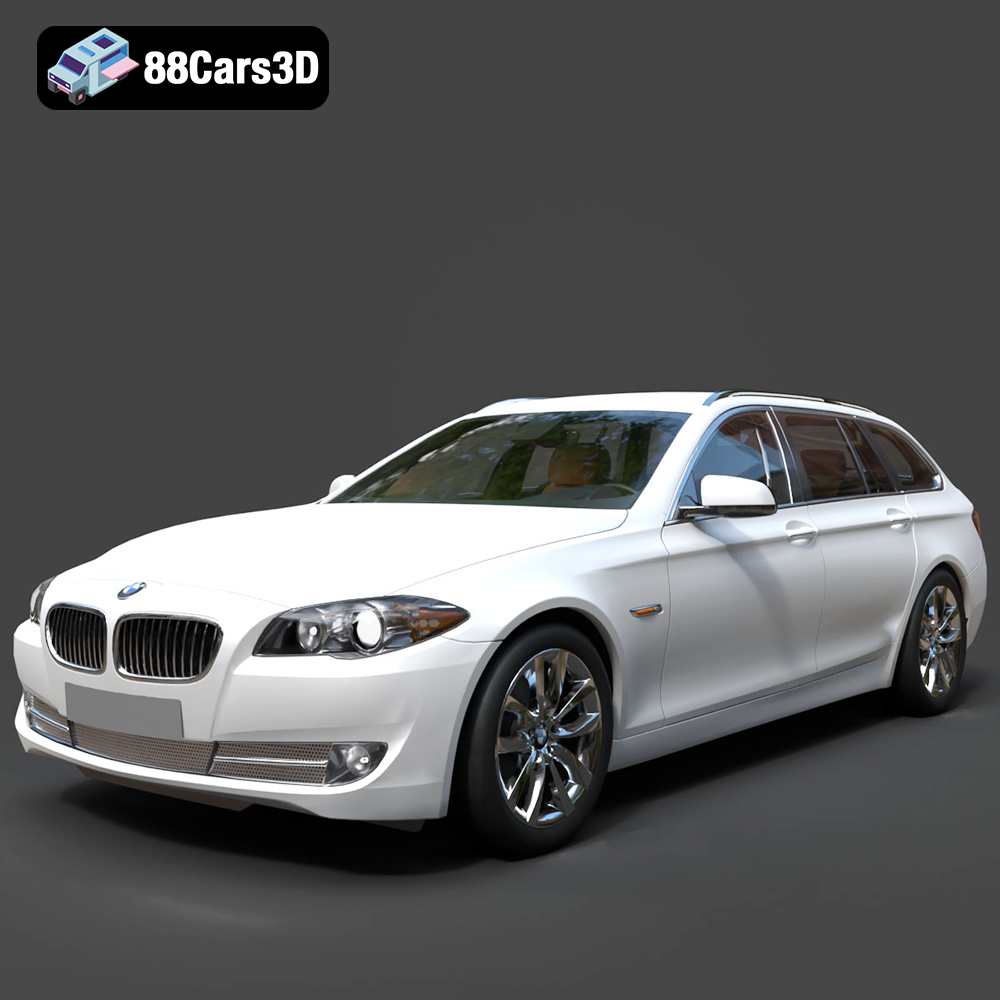
BMW 5 Series Touring F11-007 3D Model
Texture: Yes
Material: Yes
Download the BMW 5 Series Touring F11-007 3D Model featuring a detailed exterior and interior. Includes .blend, .fbx, .obj, .glb, .stl, .ply, .unreal, and .max formats for rendering, simulation, and game development.
Price: $10.79
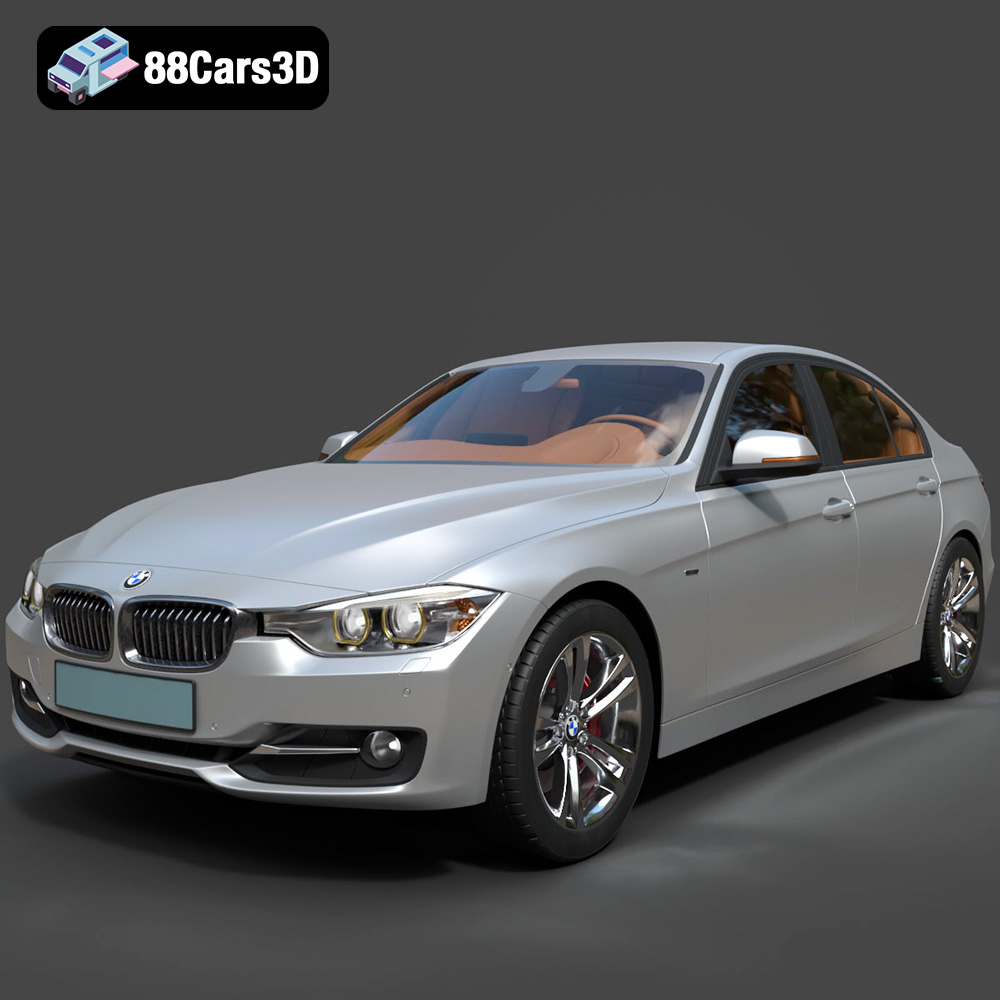
BMW 3 F30 3D Model
Texture: Yes
Material: Yes
Download the BMW 3 F30 3D Model featuring a detailed exterior, realistic interior, and optimized mesh. Includes .blend, .fbx, .obj, .glb, .stl, .ply, .unreal, and .max formats for rendering, simulation, and game development.
Price: $10.79
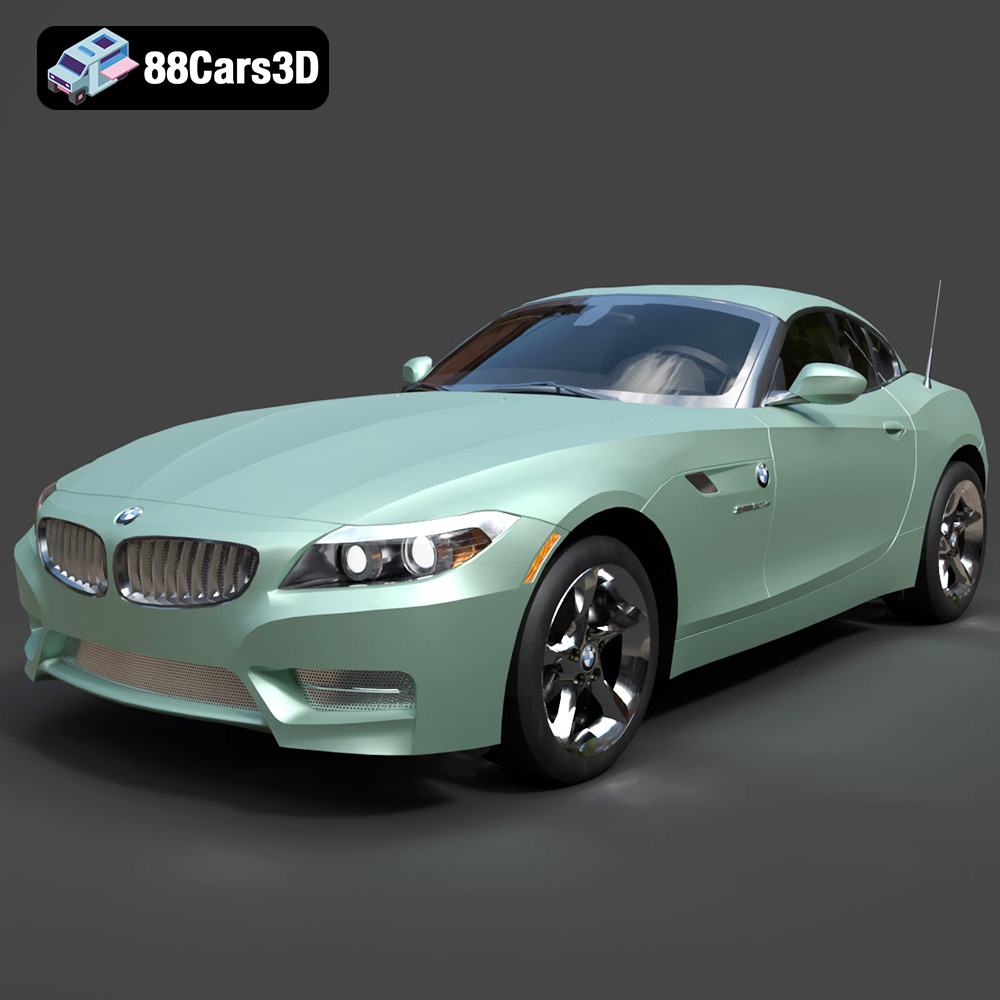
BMW Z4 Roadster E89 2012 3D Model
Texture: Yes
Material: Yes
Download the BMW Z4 Roadster E89 3D Model featuring clean geometry, realistic detailing, and a fully modeled interior. Includes .blend, .fbx, .obj, .glb, .stl, .ply, .unreal, and .max formats for rendering, simulation, and game development.
Price: $13.99

BMW Z4 E85 2005 3D Model
Texture: Yes
Material: Yes
Download the BMW Z4 E85 3D Model featuring clean geometry, realistic detailing, and a fully modeled interior. Includes .blend, .fbx, .obj, .glb, .stl, .ply, .unreal, and .max formats for rendering, simulation, and game development.
Price: $13.99

BMW M3 2024 3D Model
Texture: Yes
Material: Yes
Download the BMW M3 2024 3D Model featuring clean geometry, realistic detailing, and a fully modeled interior. Includes .blend, .fbx, .obj, .glb, .stl, .ply, .unreal, and .max formats for rendering, simulation, and game development.
Price: $13.99
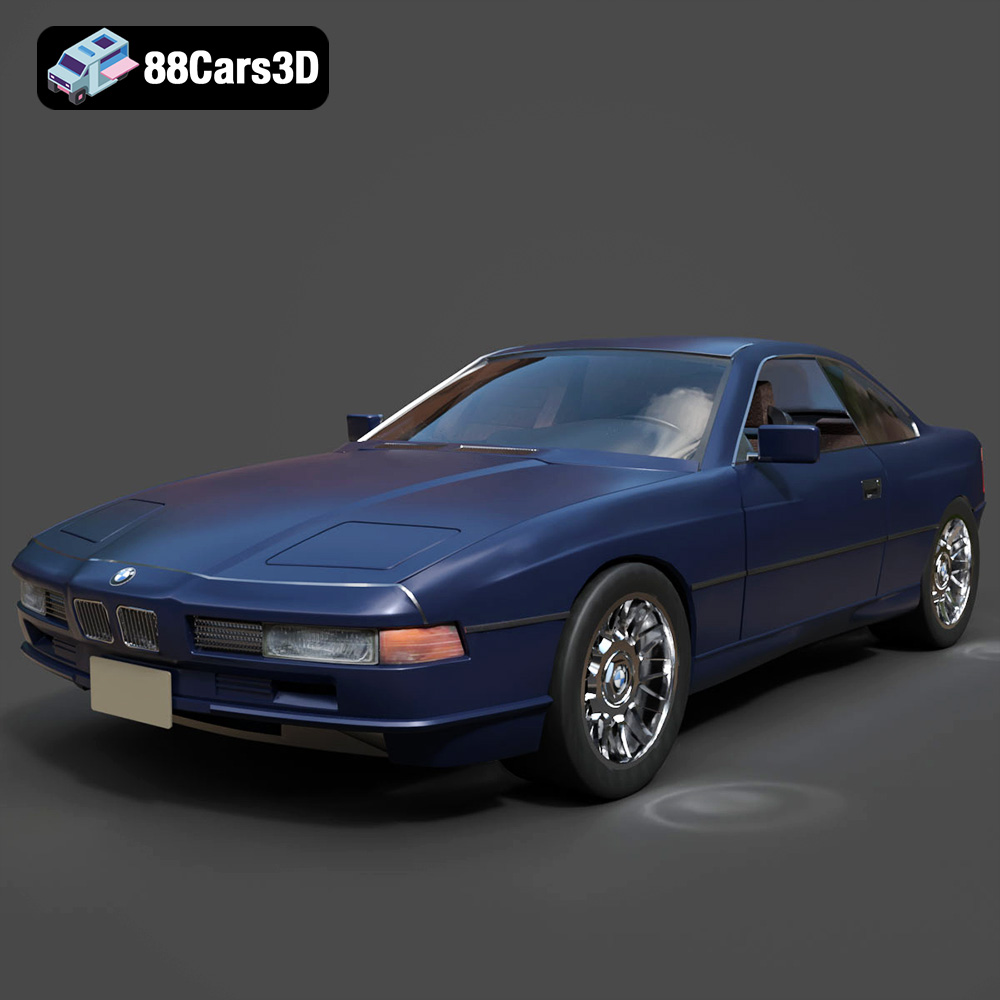
BMW 850i Coupe 1990 3D Model
Texture: Yes
Material: Yes
Download the BMW 850i Coupe 1990 3D Model featuring clean geometry, realistic detailing, and a fully modeled interior. Includes .blend, .fbx, .obj, .glb, .stl, .ply, .unreal, and .max formats for rendering, simulation, and game development.
Price: $13.99
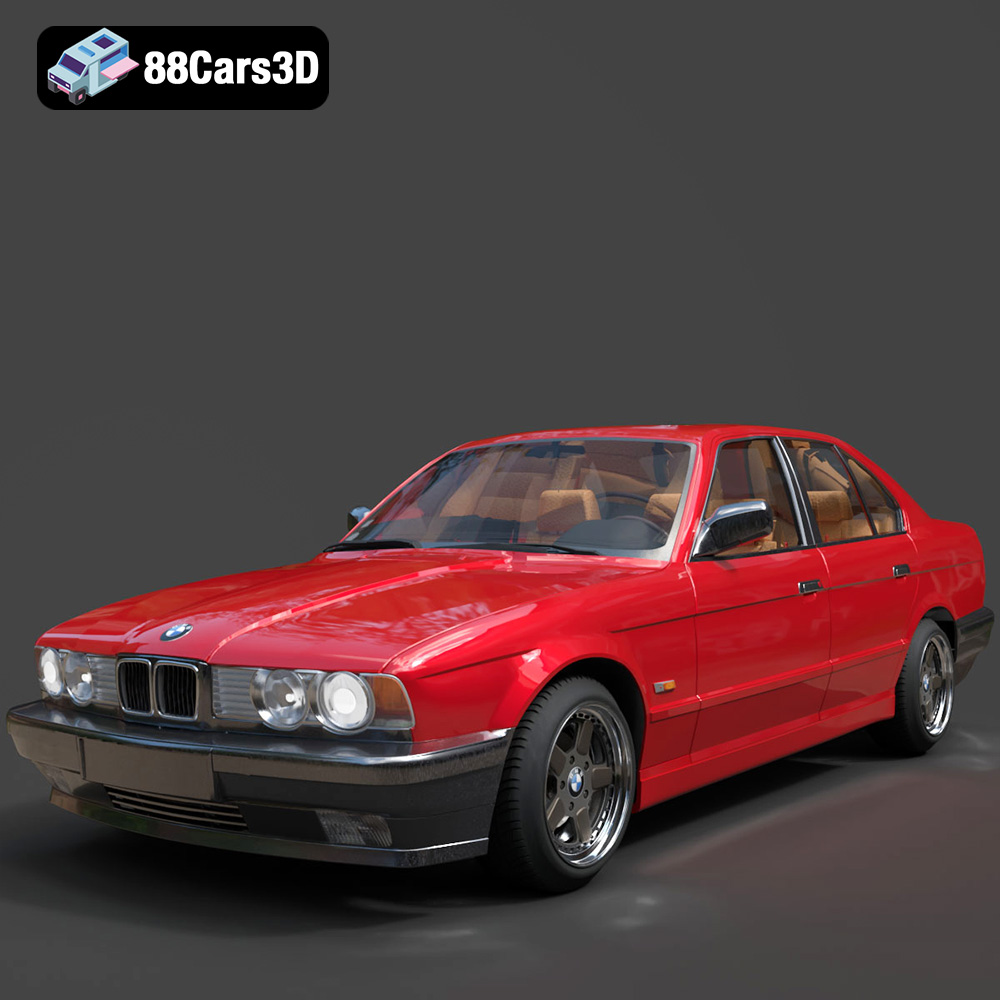
BMW 525i E34 1993 3D Model
Texture: Yes
Material: Yes
Download the BMW 525i E34 1993 3D Model featuring clean geometry, realistic detailing, and a fully modeled interior. Includes .blend, .fbx, .obj, .glb, .stl, .ply, .unreal, and .max formats for rendering, simulation, and game development.
Price: $12.99
