

Mastering Studio Lighting for Automotive Renders in 3ds Max: A Comprehensive Guide
In the demanding world of automotive design and visualization, the difference between a good render and an exceptional one often boils down to a single, critical element: lighting. A perfectly modeled 3D car model, adorned with exquisite PBR materials and impeccable UV mapping, can still fall flat without the right illumination. Lighting isn’t just about making an object visible; it’s about defining its form, highlighting its curves, conveying its material properties, and ultimately, telling a story. For automotive renders, this means showcasing the vehicle’s engineering artistry, luxurious finishes, and dynamic presence. This comprehensive guide will take you through the intricacies of setting up professional studio lighting for your car renders in 3ds Max, covering everything from fundamental principles to advanced techniques in popular renderers like V-Ray and Corona, and concluding with essential post-processing workflows. Prepare to transform your automotive visualizations from ordinary to extraordinary.
The Fundamentals of Automotive Studio Lighting
Before diving into the specifics of 3ds Max, understanding the core principles of lighting is paramount. These foundational concepts are universal across all 3D modeling and rendering applications and are particularly crucial when dealing with the highly reflective and complex surfaces of a car.
Understanding Light Qualities: Hard vs. Soft, Color Temperature
Light isn’t a monolithic entity; it possesses distinct qualities that profoundly impact the aesthetic of your render. Hard light, typically originating from a small, intense source (like a bare bulb or a distant sun), produces sharp, well-defined shadows and crisp highlights. While useful for dramatic effects or strong directional cues, hard light can be unforgiving on car surfaces, often creating harsh reflections that obscure details. In contrast, soft light emanates from a larger, diffused source (such as a large softbox or an overcast sky). It generates gentle transitions between light and shadow, resulting in softer reflections and a more flattering, even illumination. For automotive renders, soft light is generally preferred as it beautifully accentuates the intricate contours and luxurious finishes of a vehicle without harsh distractions.
Color temperature, measured in Kelvin (K), dictates the warmth or coolness of a light source. Lower Kelvin values (e.g., 2000K-3000K) produce warmer, reddish-yellow light, mimicking incandescent bulbs or sunsets. Higher values (e.g., 5500K-7500K) yield cooler, bluish light, characteristic of daylight or fluorescent lamps. Understanding and manipulating color temperature is vital for setting the mood of your render and achieving realism. A warm key light paired with cooler fill lights, for instance, can create depth and visual interest. It’s about more than just aesthetics; accurate color temperature helps the car’s paint job appear true to life, preventing undesirable color shifts that can detract from the overall quality of your visualization.
Key Light, Fill Light, and Rim Light: The Classic Three-Point Setup
The three-point lighting setup is a cornerstone of photography and 3D rendering, offering a structured approach to illuminating subjects. When applied to automotive models, it provides a versatile foundation:
- Key Light: This is your primary light source, typically the brightest and most dominant. For a car, the key light dictates the overall direction of illumination, establishing the main highlights and shadows. Its placement is crucial for revealing the car’s form and body lines. Aim for a position that creates appealing reflections along the major surfaces.
- Fill Light: Softer and less intense than the key light, the fill light’s purpose is to soften the harsh shadows created by the key light. It reduces contrast and brings out details in the shadowed areas without flattening the image. For a car, a well-placed fill light can lift the underside or interior details, making the entire model feel more present.
- Rim Light (Backlight): Positioned behind the subject, the rim light creates a bright outline around the car, separating it from the background and adding depth. It’s particularly effective for emphasizing the car’s silhouette and creating a dramatic edge effect. Careful control of its intensity is needed to avoid blowing out reflections.
While the classic three-point setup is a starting point, automotive studios often employ numerous light sources to achieve highly specific reflections and a flawless finish. Think of it as building upon these principles, adding more ‘fill’ and ‘rim’ lights as needed to sculpt the complex surfaces of the vehicle.
The Importance of Reflections and Specular Highlights
For an automotive render, reflections are not merely an afterthought; they are integral to defining the surface properties and overall realism of the car. Car paint, chrome accents, glass, and even tire rubber all interact with light in unique ways, producing distinct reflections and specular highlights. Specular highlights are the intense, bright spots where light directly bounces off a highly polished surface. Their shape, size, and falloff are determined by the light source, the surface’s roughness, and the viewing angle. Properly controlled specular highlights contribute immensely to the perception of material quality.
Achieving aesthetically pleasing reflections means orchestrating your light sources to bounce off the car’s surfaces in a deliberate manner. Consider the environment as well; even if it’s a sterile studio, the light sources themselves will be reflected. These reflections can either enhance or detract from the car’s design. Large, soft light sources create broad, smooth reflections that flatter the car’s curves, while smaller, more intense lights can create sharper, more distracting reflections. The goal is to use reflections to accentuate the car’s lines, emphasize its contours, and showcase the quality of its paint and finishes, making the 3D car model feel truly tangible.
3ds Max Lighting Tools and Techniques
3ds Max provides a robust set of tools for creating and manipulating light. Understanding these tools and their applications is essential for crafting realistic automotive studio setups. Whether you’re working with standard lights for basic scene setup or leveraging the advanced capabilities of photometric and renderer-specific lights, 3ds Max offers the flexibility needed for professional-grade automotive rendering.
Standard Lights vs. Photometric Lights vs. V-Ray/Corona Lights
3ds Max offers several categories of lights, each with its strengths:
- Standard Lights: These include Omni (point), Spot, and Directional lights. While useful for quick setups or stylized renders, they are less physically accurate. Their intensity is typically unitless, making them harder to calibrate for realism. They lack the nuanced parameters found in more advanced light types, making them less ideal for high-fidelity automotive visualization where realism is paramount.
- Photometric Lights: These lights are designed to simulate real-world light sources more accurately. They use photometric web files (IES files), which contain real-world data about how light is distributed from a specific fixture. This allows for precise control over light falloff, intensity (in lumens or candelas), and color temperature. Photometric lights are excellent for replicating realistic studio lighting setups and are a significant step up from standard lights in terms of accuracy. They integrate well with 3ds Max’s physical camera and exposure controls.
- V-Ray/Corona Lights: When using third-party renderers like V-Ray or Corona, it’s almost always best to use their native light types. These lights are specifically optimized for their respective rendering engines, offering unparalleled realism, speed, and advanced features. For instance, V-Ray lights include parameters for light portals, targeted illumination, and detailed sampling controls, while Corona lights boast features like LightMix for interactive adjustments and robust physical accuracy. They are designed to work seamlessly with the renderer’s global illumination solutions, leading to more accurate and believable results for your 3D car models. Platforms like 88cars3d.com often provide models optimized for these renderers, making their native lights the natural choice for the best outcome.
Setting Up Studio Environments: HDRIs and Custom Light Rigs
The environment surrounding your car model plays a crucial role in its illumination, even in a seemingly simple studio setup. Two primary approaches are common:
- HDRIs (High Dynamic Range Images): HDRIs are panoramic images that capture a vast range of light information, from the darkest shadows to the brightest highlights. When used with a Dome Light (V-Ray Dome Light, Corona Light with Spherical/Hemispherical shape), an HDRI can brilliantly simulate a real-world studio environment or even an exterior location. For studio setups, seek out HDRIs designed for automotive photography studios – these often feature large softboxes and diffused lighting setups. Loading an HDRI into a Dome Light provides instant, realistic global illumination and reflections. You can rotate the HDRI to find the most flattering lighting angle for your car, and adjust its intensity and color temperature within the light’s parameters. This method offers a fast and highly realistic way to light your 3D car model, providing complex reflections that automatically mimic a professional studio.
- Custom Light Rigs (Geometry Lights/Area Lights): For ultimate control, you can build your own studio lighting setup using large area lights or mesh lights. In 3ds Max, this typically involves creating geometric planes (e.g., a large rectangular plane for a softbox) and applying a light material to them (e.g., a V-Ray Light Material or Corona Light Material). This effectively turns the geometry into a light source. This method allows you to precisely position and size your ‘softboxes’ and ‘strip lights,’ replicating real-world studio equipment. You can control the intensity, color, and even texture of these custom lights, giving you unparalleled flexibility in shaping reflections and illumination. While more labor-intensive to set up initially, custom light rigs offer the most artistic freedom and pinpoint control over every aspect of your lighting design for perfect automotive rendering.
Area Lights and Mesh Lights for Soft, Controlled Illumination
Area lights are the workhorses of studio lighting in 3ds Max, especially when combined with physically based renderers. Both V-Ray and Corona offer dedicated area light types (V-Ray Plane Light, Corona Light with Rectangle shape) that are designed to produce soft, diffused illumination. The key to their effectiveness lies in their size; larger area lights create softer shadows and broader, smoother reflections, mimicking real-world softboxes. You can adjust their dimensions, intensity, color, and even their directionality to precisely sculpt the light on your car model.
Mesh lights take this concept a step further by allowing any piece of geometry to become a light source. This is incredibly powerful for creating custom light shapes – perhaps a unique logo projected onto the car, or a complex array of lights. By assigning a light material (e.g., V-Ray Light Material, Corona Light Material) to a chosen mesh, that object will emit light into the scene. This method is particularly useful for intricate studio setups where standard rectangular or spherical lights might not suffice. For example, you could model a custom light fixture or a diffused ceiling panel and turn it into a mesh light, providing highly specific and controlled illumination that directly influences the reflections and highlights on your 3D car model. Remember to enable “invisible” for these lights if you don’t want the actual light mesh to be seen in the final render, allowing only its emitted light to contribute to the scene.
Advanced Lighting Strategies for Automotive Realism
Once you’ve grasped the fundamentals and mastered the basic tools, it’s time to delve into more advanced strategies that elevate your automotive renders from good to truly photorealistic. These techniques focus on refining light interaction, simulating complex studio setups, and gaining granular control over every light source in your 3ds Max scene.
Crafting Dynamic Shadows and Ambient Occlusion
Shadows are as important as light in defining form, depth, and realism. Poorly cast shadows can make a 3D car model appear to float or detach from its environment. Dynamic shadows, produced by your primary light sources, need to accurately reflect the geometry of the car and the ground plane. The sharpness or softness of these shadows is directly controlled by the size of your light source – larger sources create softer shadows, while smaller sources create sharper ones. For automotive studio renders, often a mix of soft, subtle shadows from large area lights and slightly sharper grounding shadows can provide the most convincing result. Ensure your ground plane is correctly set up to receive these shadows, adding weight and presence to the vehicle.
Ambient Occlusion (AO) is a subtle yet powerful rendering technique that simulates the contact shadows and indirect shading that occur where surfaces are close to each other. It doesn’t originate from a specific light source but rather darkens crevices, corners, and areas where light is generally blocked. For cars, AO helps to define the panel gaps, the interface between tires and rims, and other intricate details, adding a layer of realism and depth that enhances the perception of a quality topology and finely detailed model. Most modern renderers (V-Ray, Corona, Arnold) have built-in AO passes or settings that can be activated to automatically calculate this effect. While often subtle, its impact on realism is profound, making the car feel grounded and physically present within the scene rather than an object merely floating in space.
Simulating Real-World Studio Scenarios (Softboxes, Strip Lights)
To achieve truly professional automotive renders, it’s invaluable to study real-world car photography studios. These studios often employ an array of large softboxes, strip lights, and diffused ceilings to create a complex yet flattering lighting environment. You can replicate these setups in 3ds Max using multiple area lights or mesh lights:
- Large Softboxes: Use expansive rectangular or square area lights positioned above and to the sides of the car. These mimic the massive diffusers used to create broad, soft reflections that glide smoothly over the car’s body panels. Vary their intensity and distance to control the falloff.
- Strip Lights: Long, narrow area lights (strip lights) are excellent for creating elegant, linear reflections that emphasize the car’s strong design lines and contours. Place them along the sides or slightly above the car to draw attention to specific design elements. These are particularly effective on highly reflective surfaces like chrome trim or polished paint.
- Diffused Ceiling/Wall Panels: For an encompassing soft light, consider using large mesh lights for the ceiling or back wall of your virtual studio. This provides a very even, ambient fill that reduces harshness and creates a seamless backdrop for your 3D car model.
Experimentation with these light placements is key. The goal is to “sculpt” the car with light, revealing its form and texture through carefully placed highlights and shadows. This process is less about simply illuminating the car and more about strategically positioning light sources to create visually appealing reflections and accentuate its design, ultimately boosting the impact of your automotive rendering.
Light Linking and Exclusion for Pinpoint Control
In complex studio setups with numerous lights, you’ll often encounter situations where a particular light source casts unwanted illumination or reflections on certain parts of your car model or environment. This is where light linking and exclusion become indispensable. This advanced feature allows you to specify exactly which objects a light source will affect or ignore.
For example, you might have a strong rim light that creates a beautiful edge highlight on the car’s body, but it also casts an unflattering reflection on the windshield. With light linking, you can tell that specific rim light to *exclude* the windshield, solving the problem without altering the light’s primary function. Similarly, you might want a specific accent light to *only* illuminate the brake calipers, leaving the rest of the car untouched. You can achieve this by linking that accent light exclusively to the brake caliper geometry.
In 3ds Max, light linking is typically found in the properties of the light source itself or through the ‘Light Lister’ (Tools > Light Lister). For V-Ray and Corona lights, these options are usually integrated directly into their parameters, allowing you to easily select objects to include or exclude. This granular control is vital for finessing your lighting setup, ensuring every light serves its intended purpose without creating unintended visual clutter or detracting from the pristine quality of your 3D car models. Mastering light linking transforms your lighting approach from broad strokes to detailed precision, essential for professional-grade visualization.
Renderer-Specific Workflows (V-Ray & Corona Render)
While the principles of lighting remain consistent, their implementation varies significantly between rendering engines. V-Ray and Corona Renderer are two of the most popular and powerful rendering solutions for 3ds Max, widely adopted in the automotive visualization industry for their speed, realism, and robust feature sets. Understanding their specific lighting workflows is crucial for optimizing your results.
V-Ray Lighting Setup for Automotive Renders
V-Ray by Chaos Group is a staple in architectural and automotive visualization due to its powerful global illumination and physically accurate rendering capabilities. For studio automotive renders, key V-Ray lights include:
- V-Ray Dome Light: This is your primary tool for HDRI-based lighting. Load your studio HDRI into the texture slot of a V-Ray Dome Light. Ensure ‘Spherical’ or ‘Hemispherical’ is selected for the ‘Shape’. You can adjust its intensity (Multiplier), rotation, and even apply a ‘Dome Light Adaptive’ mode for faster rendering. The Dome Light provides excellent ambient illumination and realistic reflections across your 3D car model.
- V-Ray Plane Lights: These are your go-to for creating softboxes, strip lights, and other custom light sources. Create a V-Ray Plane Light, set its shape to ‘Plane’ (or ‘Disc’ if preferred), and then adjust its dimensions to mimic real-world studio lights. Control its intensity, color, and directionality. Crucially, enable ‘Invisible’ in the options if you don’t want the light plane itself to appear in reflections or the final render, allowing only its light contribution. For accurate shadow control, adjust the ‘Subdivs’ value – higher values yield smoother shadows but increase render time.
- V-Ray Mesh Light: For complex light shapes, the V-Ray Mesh Light allows you to turn any piece of geometry into an emitter. Select your desired mesh, apply a V-Ray Mesh Light, and adjust its parameters. This is incredibly versatile for bespoke studio setups or creative lighting effects.
V-Ray Render Settings: For quality automotive renders, focus on Global Illumination (GI) settings. ‘Brute Force’ for Primary GI and ‘Light Cache’ for Secondary GI often yield excellent results. Adjust the ‘Noise Threshold’ in the ‘V-Ray tab’ to a lower value (e.g., 0.005-0.008) for cleaner images, and leverage the V-Ray Denoiser to remove remaining noise post-render, significantly speeding up production while maintaining visual fidelity for your automotive rendering.
Corona Renderer for Photorealistic Car Visualization
Corona Renderer, now also part of Chaos Group, has gained immense popularity for its ease of use, speed, and exceptional photorealistic output. Its interactive rendering and physically based workflow make it a favorite for many artists working with high-quality 3D car models. Key Corona lighting elements include:
- Corona Light: This is Corona’s versatile primary light. Its shape can be set to ‘Sphere’, ‘Rectangle’, ‘Disc’, or even ‘Cylinder’, covering a wide range of studio lights. For HDRIs, set the shape to ‘Sphere’ and load your HDRI into the ‘Texture’ slot. Corona Lights are physically accurate, with real-world units for intensity (Lumen, Candela, Lux). Like V-Ray, you can make the light source invisible while still having it illuminate the scene.
- Corona Light Material: Similar to V-Ray’s Light Material, you can apply a Corona Light Material to any 3ds Max geometry to turn it into an emitter. This is perfect for custom light panels or elaborate studio structures. You can control the material’s intensity, color, and even its texture, offering powerful creative control over your lighting setup.
- LightMix: One of Corona’s standout features is LightMix. This allows you to adjust the color and intensity of individual lights or groups of lights *during or after* rendering, without re-rendering the entire scene. This is a game-changer for finessing your automotive lighting, enabling rapid experimentation and precise adjustments to achieve the perfect look for your visualization. You can even isolate lights to see their individual contribution.
Corona Render Settings: Corona is known for its relatively simple render settings. The default ‘Progressive’ rendering mode often works very well. Adjust the ‘Pass Limit’ or ‘Noise Level Limit’ to control render quality and time. The built-in Corona Denoiser is highly effective at cleaning up noise, which is particularly beneficial for fast iterative rendering and quickly delivering high-quality game assets or final renders.
Optimizing Render Settings for Speed and Quality
Achieving stunning automotive renders requires a delicate balance between render speed and image quality. No one wants to wait days for a single frame, but compromising too much on quality can negate all your lighting efforts. Here are general optimization strategies applicable to both V-Ray and Corona (and other renderers):
- Sampling/Subdivisions: For lights and materials, higher sampling values (often called ‘subdivisions’ or ‘samples per pixel’) reduce noise but increase render time. Start with moderate values and increase them incrementally for problematic areas (e.g., noisy reflections).
- Noise Threshold: Both V-Ray and Corona use a noise threshold to determine when to stop sampling. A lower value means less noise but longer render times. For final renders, values like 0.005-0.008 are common. For draft renders, you can go higher (e.g., 0.02-0.05).
- Global Illumination (GI): GI calculations are often the most time-consuming part of rendering. Understand your renderer’s GI methods (e.g., Brute Force, Irradiance Map, Light Cache, Path Tracing). For studio renders, often a robust primary GI method and a faster secondary method are efficient. Caching GI solutions can speed up animations.
- Ray Tracing Depth: Control how many times a ray can bounce around the scene. For car renders, especially with reflective materials, ensure your reflection and refraction depths are sufficient (e.g., 6-8 bounces) to capture accurate reflections and glass transparency without excessive calculation.
- Denoisers: Leverage built-in or external denoisers (like V-Ray Denoiser, Corona Denoiser, or NVIDIA OptiX) as a final pass. These tools use AI to intelligently remove noise without significantly blurring details, allowing you to render with slightly lower sampling settings and thus faster times, while still achieving clean results. This is especially useful for quickly generating previews or high-quality game assets.
- Render Elements/Passes: Instead of relying on a single final image, render out individual elements (reflection, refraction, diffuse, raw light, shadow, AO). This gives you immense flexibility in post-processing, allowing you to adjust specific aspects of the image without re-rendering everything. This modular approach is invaluable for fixing issues or enhancing details post-render.
Post-Processing and Compositing for Impact
The rendering process doesn’t end when the final image is saved. Post-processing and compositing are crucial steps that can dramatically enhance the impact, realism, and aesthetic appeal of your automotive renders. Just as a photographer refines their RAW images, a 3D artist uses these techniques to add polish and artistry, bringing out the best in their 3D car models.
Essential Render Elements and Passes
To give yourself maximum flexibility in post-production, it’s vital to render out various elements or passes. These are separate image files that isolate specific components of your render, allowing you to adjust them independently in compositing software like Adobe Photoshop or After Effects. Common and highly useful render elements for automotive visualization include:
- Reflection Pass: Isolates all reflections on your car model. This allows you to selectively brighten, darken, or color-shift reflections without affecting other aspects of the image.
- Refraction Pass: Captures the light passing through transparent objects like glass. Essential for fine-tuning the look of windows and headlights.
- Specular Pass: Isolates the direct specular highlights. Useful for enhancing the sparkle on chrome or polished paint.
- Diffuse Pass (Raw Diffuse/Diffuse Filter): Shows the pure color information of your materials, unaffected by lighting or reflections. Useful for color correction.
- Z-Depth Pass: A grayscale image where white represents the foreground and black represents the background (or vice-versa). This is critical for adding realistic depth of field (blurring distant objects) in post-production.
- Alpha Pass (Mask): An essential pass that provides a transparent mask of your car, allowing you to easily separate it from the background for compositing.
- MultiMatte / Object ID Pass: These generate masks for individual objects or materials based on assigned IDs. Invaluable for selecting specific parts of the car (e.g., headlights, wheels, body paint) for targeted adjustments.
- Ambient Occlusion (AO) Pass: While often rendered directly into the beauty pass, rendering a separate AO pass gives you control over its intensity and blend mode in post.
By exporting these passes (found in the Render Setup dialog under ‘Render Elements’ in 3ds Max for V-Ray/Corona), you gain an unparalleled level of control, allowing for non-destructive adjustments and highly refined final images.
Enhancing Car Renders in Photoshop (Curves, Levels, Color Grading)
Adobe Photoshop is the industry standard for 2D image manipulation and is an indispensable tool for post-processing 3D renders. Once you have your render elements, you can bring them into Photoshop and stack them as layers, using blend modes to combine them effectively. Here are some key techniques:
- Exposure and Contrast Adjustment: Use ‘Curves’ and ‘Levels’ adjustment layers to fine-tune the overall brightness, contrast, and tonal range of your image. This is where you can make your highlights pop and deepen your shadows, adding drama and impact.
- Color Grading: ‘Color Balance’, ‘Hue/Saturation’, and ‘Selective Color’ adjustment layers allow you to shift the overall color mood of your render. You can emphasize warm or cool tones, correct any color casts, or introduce a specific aesthetic to match a brand’s identity or a desired atmosphere.
- Dodge and Burn: Using painting techniques with soft brushes and low opacity on a neutral gray layer set to ‘Overlay’ or ‘Soft Light’ blend mode, you can selectively lighten (dodge) or darken (burn) areas. This is excellent for emphasizing body lines, adding sparkle to chrome, or subtly deepening shadows to enhance form.
- Sharpening: After resizing and general adjustments, a subtle amount of sharpening (e.g., ‘Unsharp Mask’ or ‘High Pass’ filter set to ‘Overlay’) can bring out fine details and make the image crisper, particularly important for highlighting the intricate topology and materials of 3D car models. Be careful not to over-sharpen, which can introduce artifacts.
Adding Atmospheric Effects and Flairs
Beyond basic adjustments, post-processing allows you to introduce atmospheric elements and optical effects that further enhance realism and visual appeal:
- Depth of Field (DOF): Using the Z-Depth pass, you can create realistic shallow depth of field effects, blurring the foreground and/or background to draw attention to the car. This mimics camera optics and adds a cinematic quality.
- Lens Flares and Glare: Subtle lens flares or glare can be added around bright light sources or reflections to simulate camera lens artifacts, making the image feel more like a photograph. Many Photoshop plugins or brushes can assist with this.
- Vignette: A subtle darkening around the edges of the image (vignette) can help frame the car and direct the viewer’s eye towards the center, adding a touch of classic photographic appeal.
- Chromatic Aberration: A very subtle amount of chromatic aberration (color fringing at high-contrast edges) can sometimes add a touch of photographic imperfection that enhances realism, especially if used sparingly.
- Integrating Backgrounds: If your car is rendered on an alpha channel, Photoshop is where you seamlessly composite it onto a chosen background image or plate. Pay close attention to matching perspective, lighting direction, color temperature, and atmospheric haze between the car and the background for a cohesive final image. This step is crucial for professional visualization where the car needs to be presented in various contexts.
By meticulously applying these post-processing techniques, you can transform a technically perfect render into a visually stunning masterpiece, ready for presentation in any portfolio or marketing campaign. Remember that great 3D car models sourced from marketplaces like 88cars3d.com deserve equally great lighting and post-production to truly shine.
Conclusion
Mastering studio lighting for automotive renders in 3ds Max is an art form that blends technical proficiency with a keen artistic eye. We’ve journeyed from the foundational principles of light quality and the classic three-point setup to the advanced application of 3ds Max’s powerful lighting tools, including photometric lights, HDRIs, and custom mesh lights. We delved into renderer-specific workflows for V-Ray and Corona, highlighting their unique strengths and optimization strategies that enable both speed and stunning realism. Finally, we explored the critical role of post-processing and compositing in Photoshop, turning raw renders into polished, impactful visualizations through render elements, color grading, and atmospheric effects.
The journey to creating breathtaking automotive rendering is continuous, marked by experimentation and a deep understanding of how light interacts with the intricate surfaces of a vehicle. Remember that a truly exceptional render starts with a high-quality 3D car model—platforms like 88cars3d.com offer a vast selection of meticulously crafted assets, providing the perfect foundation for your lighting endeavors. Practice these techniques, observe real-world lighting, and never stop refining your approach. By investing time in mastering studio lighting, you’ll not only enhance the visual appeal of your 3D car models but also unlock your full potential as a professional automotive visualizer. Light isn’t just illumination; it’s the very essence of compelling visualization, sculpting form, revealing detail, and evoking emotion. Now, go forth and illuminate your automotive visions with unparalleled brilliance.
Featured 3D Car Models

BMW 7 Series E38 3D Model
Texture: Yes
Material: Yes
Download the BMW 7 Series E38 3D Model featuring its iconic luxury sedan design and classic aesthetics. Includes .blend, .fbx, .obj, .glb, .stl, .ply, .unreal, and .max formats for rendering, simulation, and game development.
Price: $10.79

BMW 6 Series 640i F12 3D Model
Texture: Yes
Material: Yes
Download the BMW 6 Series 640i F12 3D Model featuring a sleek design and detailed interior. Includes .blend, .fbx, .obj, .glb, .stl, .ply, .unreal, and .max formats for rendering, simulation, and game development.
Price: $10.79

BMW 6 Coupe E63 3D Model
Texture: Yes
Material: Yes
Download the BMW 6 Coupe E63 3D Model featuring a sleek design, detailed interior, and realistic exterior. Includes .blend, .fbx, .obj, .glb, .stl, .ply, .unreal, and .max formats for rendering, simulation, and game development.
Price: $10.79
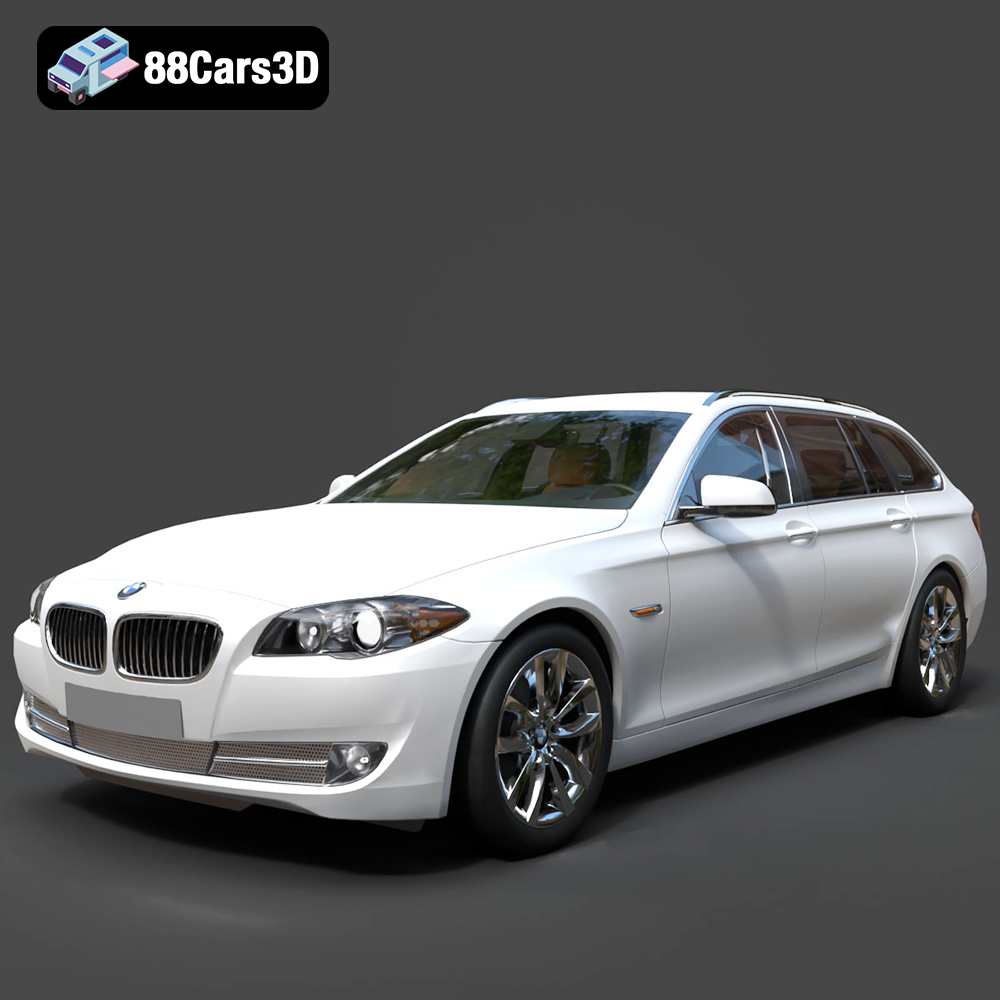
BMW 5 Series Touring F11-007 3D Model
Texture: Yes
Material: Yes
Download the BMW 5 Series Touring F11-007 3D Model featuring a detailed exterior and interior. Includes .blend, .fbx, .obj, .glb, .stl, .ply, .unreal, and .max formats for rendering, simulation, and game development.
Price: $10.79
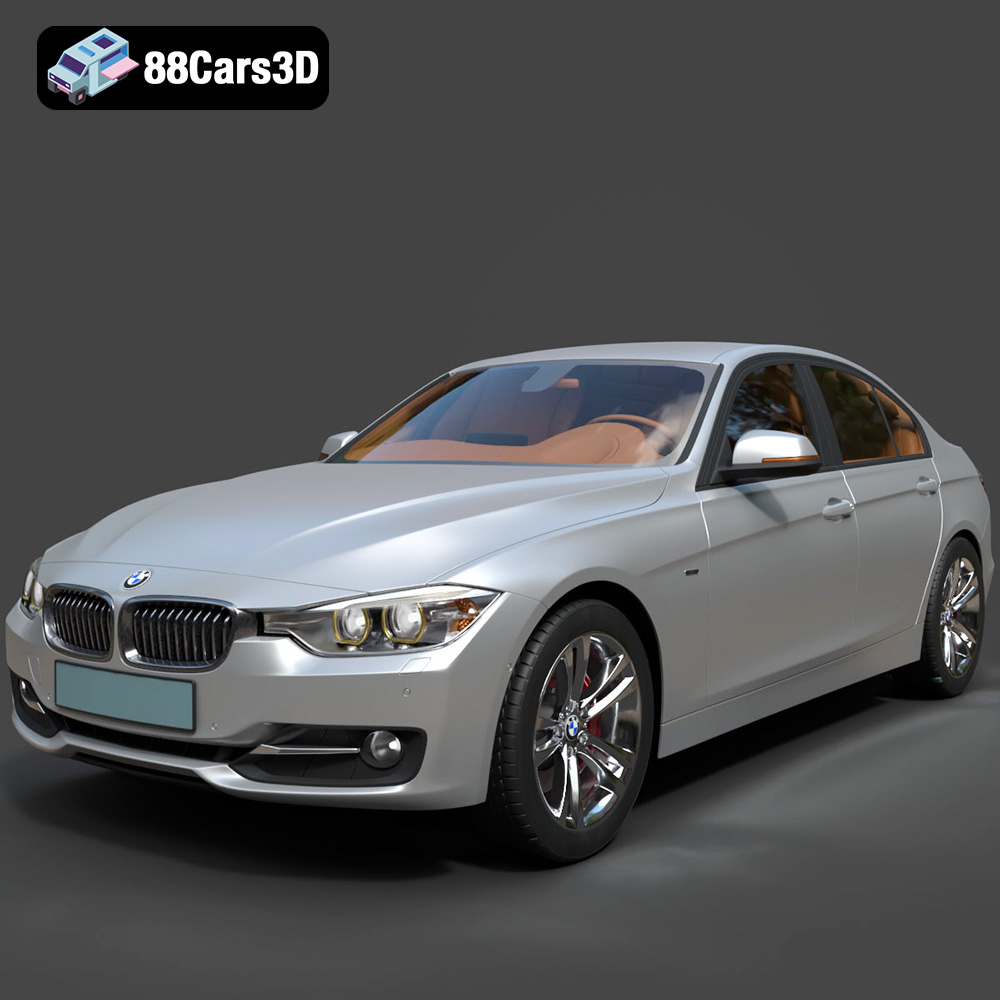
BMW 3 F30 3D Model
Texture: Yes
Material: Yes
Download the BMW 3 F30 3D Model featuring a detailed exterior, realistic interior, and optimized mesh. Includes .blend, .fbx, .obj, .glb, .stl, .ply, .unreal, and .max formats for rendering, simulation, and game development.
Price: $10.79
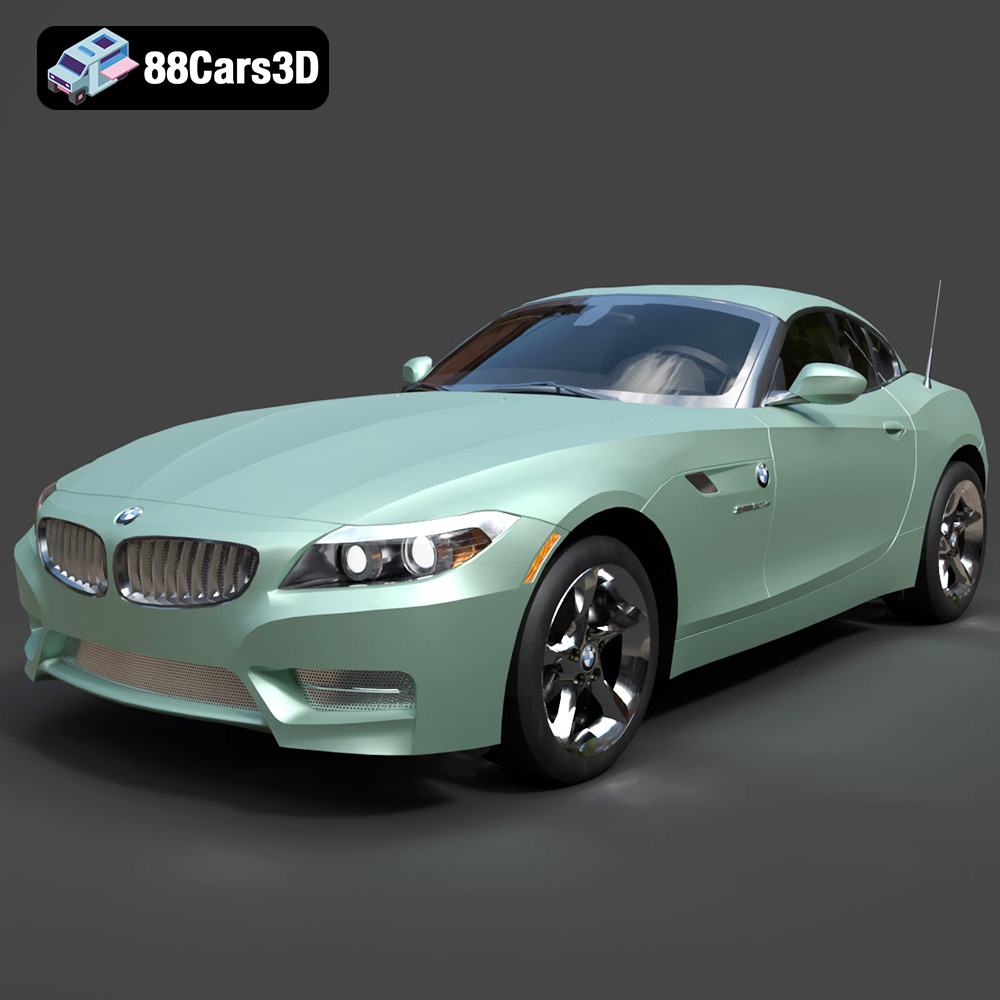
BMW Z4 Roadster E89 2012 3D Model
Texture: Yes
Material: Yes
Download the BMW Z4 Roadster E89 3D Model featuring clean geometry, realistic detailing, and a fully modeled interior. Includes .blend, .fbx, .obj, .glb, .stl, .ply, .unreal, and .max formats for rendering, simulation, and game development.
Price: $13.99

BMW Z4 E85 2005 3D Model
Texture: Yes
Material: Yes
Download the BMW Z4 E85 3D Model featuring clean geometry, realistic detailing, and a fully modeled interior. Includes .blend, .fbx, .obj, .glb, .stl, .ply, .unreal, and .max formats for rendering, simulation, and game development.
Price: $13.99

BMW M3 2024 3D Model
Texture: Yes
Material: Yes
Download the BMW M3 2024 3D Model featuring clean geometry, realistic detailing, and a fully modeled interior. Includes .blend, .fbx, .obj, .glb, .stl, .ply, .unreal, and .max formats for rendering, simulation, and game development.
Price: $13.99
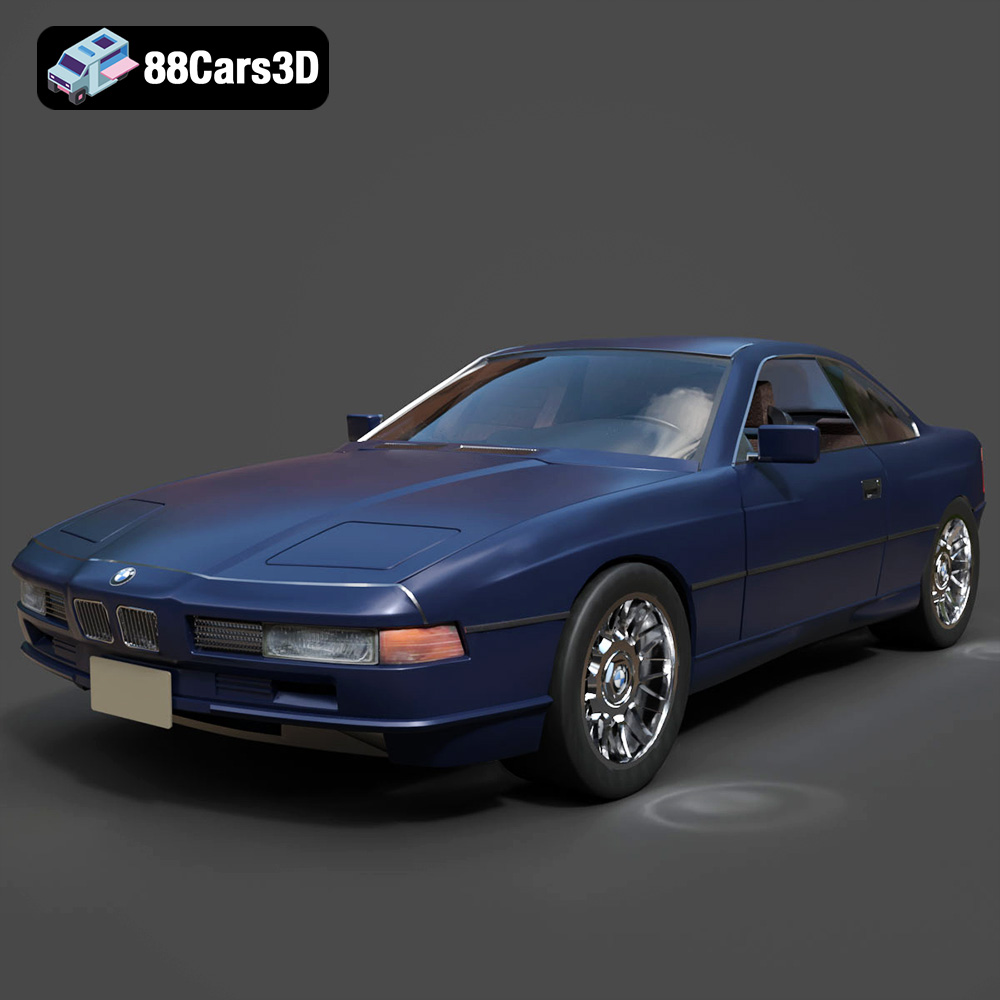
BMW 850i Coupe 1990 3D Model
Texture: Yes
Material: Yes
Download the BMW 850i Coupe 1990 3D Model featuring clean geometry, realistic detailing, and a fully modeled interior. Includes .blend, .fbx, .obj, .glb, .stl, .ply, .unreal, and .max formats for rendering, simulation, and game development.
Price: $13.99
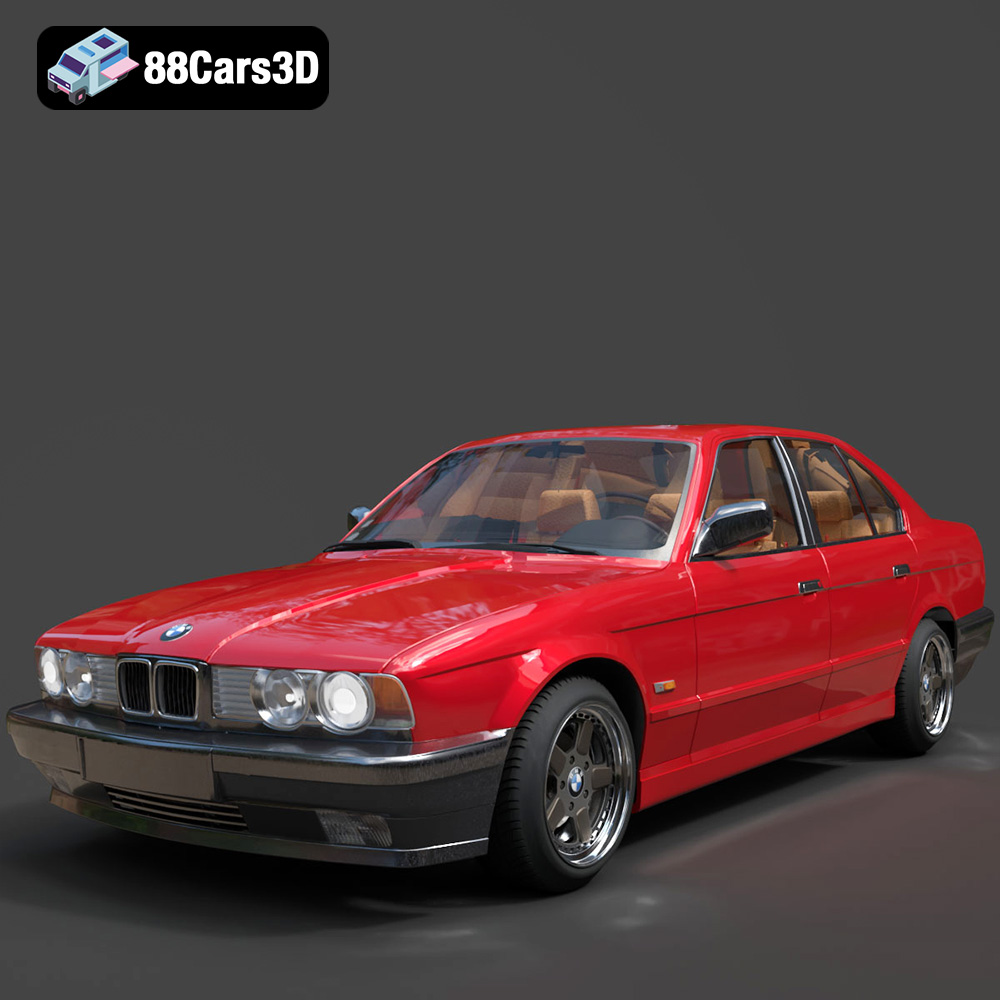
BMW 525i E34 1993 3D Model
Texture: Yes
Material: Yes
Download the BMW 525i E34 1993 3D Model featuring clean geometry, realistic detailing, and a fully modeled interior. Includes .blend, .fbx, .obj, .glb, .stl, .ply, .unreal, and .max formats for rendering, simulation, and game development.
Price: $12.99
