

“`html
Mastering the Miniature Metropolis: A Deep Dive into 3D Printing Detailed Car Interiors
The world of automotive enthusiasm has found a new dimension with 3D printing. Beyond just external replicas, the intricate details of a car’s interior offer a unique challenge and a rewarding opportunity for hobbyists, model makers, and collectors. From the stitching on the seats to the delicate dashboard instruments, capturing these nuances requires a blend of high-quality STL files, precise 3D printer settings, and meticulous preparation. This guide will navigate you through the fascinating process of bringing miniature automotive interiors to life. We’ll explore everything from understanding the anatomy of a print-ready STL file to optimizing your slicer settings for unparalleled detail, tackling the complexities of support structures, and achieving that showroom finish. Whether you’re using FDM or resin technology, by the end of this article, you’ll be equipped with the knowledge to transform digital car interior models into stunning physical representations.
Understanding Your Digital Blueprint: The STL File and Its Anatomy
The journey to a perfect 3D printed car interior begins with its digital foundation – the STL file. This common file format, standing for Stereolithography, describes the surface geometry of a 3D object using a collection of triangular facets. For detailed car interiors, the quality of this mesh is paramount. A well-constructed STL file from a reputable source, such as those found on platforms like 88cars3d.com, will possess several critical attributes: clean topology, consistent normals, watertight (manifold) geometry, and appropriate scaling. Low-polygon models will result in visible facets, while excessively complex meshes can overwhelm slicers and printers. Understanding these aspects helps in selecting the right models and performing necessary pre-processing.
Mesh Topology and Surface Integrity
The “topology” refers to how the vertices, edges, and faces of the mesh are connected. For 3D printing, a clean, quad-based or efficiently triangulated mesh is ideal. Overlapping triangles, internal faces, or non-manifold edges (where edges connect more than two faces, or where faces don’t form a continuous surface) are common issues that can cause printing errors. Software like Meshmixer, Blender, or dedicated CAD programs can be used to inspect and repair these issues. A manifold mesh is crucial; it ensures that the slicer can correctly interpret the object as a single, solid volume that can be filled and printed layer by layer. For car interiors, details like thin seat seams, intricate dashboard buttons, or steering wheel spokes are especially sensitive to mesh imperfections.
Scaling and Units in STL Files
It’s vital to confirm the units and scale of an imported STL file. Some models might be designed in millimeters, others in inches, and some might not have scale information embedded at all. Importing a model intended to be 100mm long as a 100-inch model will obviously lead to a massive, unprintable object. Conversely, a tiny model will be lost in the print volume. Always check the dimensions within your slicer software (like Cura or PrusaSlicer) and scale it appropriately for your desired print size and printer capabilities. For intricate interiors, scaling up can sometimes reveal details, but it also increases print time and material usage significantly. Conversely, scaling down too much can cause fragile details to disappear or become unprintable.
Slicing for Supreme Detail: Optimizing 3D Printer Settings
The slicer software is your translator, converting the STL file into layer-by-layer instructions (G-code) that your 3D printer understands. For capturing the fine details of a car interior, optimizing these settings is more critical than for simpler models. This involves a delicate balance between achieving high resolution, maintaining structural integrity, and managing print time. Key parameters include layer height, print speed, retraction settings, and wall thickness. Experimentation is often key, but starting with best practices for detailed prints will set you on the right path.
Layer Height: The Resolution Trade-off
Layer height is arguably the most significant setting affecting print detail. A smaller layer height (e.g., 0.05mm to 0.1mm) results in smoother curves and finer surface texture, making details like stitching, vents, and small buttons much more visible. However, this comes at the cost of significantly increased print times. For a highly detailed seat or dashboard, printing at 0.08mm might take several hours longer than at 0.2mm. A common strategy is to print the most critical, detail-heavy parts at a lower layer height and less critical components at a slightly higher one, or to test a small section of the model first. For resin printers (SLA/DLP), layer heights are typically much finer (e.g., 0.025mm to 0.05mm) and inherently provide higher resolution for such intricate parts.
Print Speed and Retraction for FDM Precision
When printing with Fused Deposition Modeling (FDM) printers, reducing print speed is crucial for achieving fine details. Printing too fast can lead to ringing artifacts, poor layer adhesion, and details being smeared or lost. Aim for speeds between 30-50 mm/s for outer walls and smaller features. For retraction, tuning is essential to prevent stringing, especially with complex geometries that involve many small travel moves between features. A common starting point for PLA is a retraction distance of 4-6mm and a speed of 40-50 mm/s, but this varies significantly between printers and filament types. Fine-tuning retraction can prevent unsightly wisps of filament that obscure delicate details.
Wall Thickness and Infill for Durability
For car interiors, especially if they are intended for handling or display, structural integrity is important. Setting an adequate wall thickness (often referred to as “Perimeters” or “Shells” in slicers) is key. For detailed parts, a minimum of 2-3 walls (approximately 0.8mm to 1.2mm thick for a 0.4mm nozzle) is recommended. Infill percentage and pattern also play a role. While high infill provides strength, it’s often unnecessary for display pieces and increases print time and material use. For most detailed interior parts, 10-20% infill with a simple pattern like Grid or Gyroid is usually sufficient. Consider using “Vase Mode” (or “Spiralize Outer Contour”) for single-wall, hollow objects if you need extreme detail and speed, but this sacrifices structural integrity.
Support Structures: The Unsung Heroes of Intricate Prints
Detailed car interiors are replete with overhangs, bridges, and complex geometries – elements that demand careful consideration of support structures. These temporary scaffolds prevent molten plastic from drooping or collapsing during printing, ensuring that delicate features like dashboard bezels, seat backs, and console elements are accurately formed. Generating, placing, and removing supports effectively is a skill that separates good prints from great ones, especially for complex models.
Support Types and Placement Strategies
Slicers offer various support types: standard (grid or lines), tree (organic, branching), and custom supports. For car interiors, tree supports are often advantageous as they minimize contact points with the model’s surface, leaving fewer marks upon removal and often supporting complex overhangs more efficiently. Standard supports are generally easier to generate but can be harder to remove without damaging fine details. Experiment with support density (spacing between support lines) and roof/floor settings to balance stability with ease of removal. Consider enabling “Support Interfaces” for a smoother surface finish where supports touch the model.
Support Removal Techniques for Delicate Details
Removing supports from intricate car interiors requires patience and the right tools. Small needle-nose pliers, hobby knives, flush cutters, and dental picks are invaluable. Always start by removing the larger support structures, then carefully work on the smaller, more delicate ones. For FDM prints, sometimes gently warming the print (e.g., with a hairdryer on a low setting) can make supports slightly more pliable and easier to snap off. For resin prints, supports are typically removed after washing and curing, and are often thinner and more brittle, requiring careful dabbing or cutting. Post-processing techniques like sanding or using a rotary tool can then be employed to smooth out any remaining support marks.
Material Selection and Printer Considerations: FDM vs. Resin for Interiors
The choice between FDM and resin 3D printing significantly impacts the achievable level of detail and the printing process itself. Each technology has its strengths and weaknesses when it comes to replicating the fine features of car interiors.
FDM Printing: Accessibility and Versatility
FDM printers are more common and affordable, making them accessible to a wider audience. Materials like PLA are easy to print with and offer good detail for their class. For enhanced detail, consider using smaller nozzle sizes (e.g., 0.2mm or 0.25mm) with an FDM printer. This allows for finer extrusion and sharper details. However, FDM printers fundamentally struggle with overhangs that exceed 45-60 degrees without supports, and even with supports, achieving the ultra-smooth surfaces and sharp edges seen in resin prints can be challenging. Layer lines are also more pronounced with FDM. Materials like ABS or PETG offer higher temperature resistance, which might be relevant for interior parts exposed to sunlight, but they are generally trickier to print with high detail.
Resin Printing: Unmatched Resolution and Smoothness
Resin (SLA/DLP/MSLA) printers excel at producing incredibly detailed and smooth prints. The photopolymerization process cures liquid resin layer by layer, allowing for resolutions far exceeding FDM. This makes them ideal for printing tiny dashboard elements, intricate seat stitching, or textured surfaces that would be lost on an FDM printer. Standard resins offer good detail, while specialized “detail” or “high-resolution” resins can capture even finer features. The trade-offs include smaller build volumes on many consumer-grade machines, the need for post-processing (washing and curing), and the handling of potentially messy and toxic resins. However, for pure fidelity in replicating small-scale car interiors, resin printing is often the superior choice.
Post-Processing: From Raw Print to Showroom Finish
The printing process is only half the battle. Achieving a realistic and polished car interior often requires significant post-processing. This stage transforms a raw, potentially rough print into a visually appealing miniature masterpiece.
Sanding, Filling, and Priming
For FDM prints, sanding is essential to smooth out layer lines and imperfections. Start with coarser grit sandpaper (e.g., 200-400 grit) and progressively move to finer grits (800-2000+). For resin prints, sanding is less about layer lines and more about smoothing support marks. Filler primers or putty can be used to fill small gaps or smooth out any remaining surface blemishes. Applying multiple thin coats of primer helps to reveal imperfections that can then be addressed. This creates a uniform surface ready for painting.
Painting and Detailing Techniques
Painting is where the interior truly comes to life. Using acrylic model paints is common. Airbrushing can provide a smooth, even base coat, while fine brushes are necessary for details like instrument dials, logos, and stitching. Techniques like dry brushing can highlight raised details, while washes can add depth to recessed areas. For metallic elements like trim or buttons, metallic paints can achieve realistic finishes. Clear coats (matte, satin, or gloss) can then be applied to protect the paintwork and achieve the desired final sheen, mimicking different materials found in real car interiors.
Assembly and Finishing Touches
Many detailed car interiors are printed in multiple parts (e.g., dashboard, seats, center console) to maximize detail and minimize the need for supports. These parts will need to be assembled using adhesives like super glue (cyanoacrylate) or specialized plastic cement. Precision and patience are key to ensure proper alignment. Adding small details like decals for instrument panels or tiny photo-etched parts can elevate the realism even further. Consider adding a clear “glass” for the windshield and windows using clear styrene or a clear resin coating.
Troubleshooting Common Interior Printing Issues
Even with meticulous preparation, printing challenges can arise. Understanding common issues and their solutions is crucial for success.
Bridging and Overhang Failures
FDM printers can struggle with printing horizontal sections between two points (bridging) or steep overhangs. Ensure your printer’s cooling is adequate, reduce print speed for these sections, and optimize support structures. Resin printers handle overhangs better due to support penetration, but incorrect exposure times can lead to drooping. Thorough calibration of your resin printer and exposure settings is key.
Warping and Bed Adhesion
Large, flat parts like the floor pan of an interior can be prone to warping, especially with materials like ABS. For FDM, ensuring good bed adhesion with a heated bed, appropriate bed surface (PEI, glass), and possibly an enclosure can mitigate this. For resin, ensuring the build plate is clean and level is paramount. Sometimes, adding a brim or raft in the slicer can help improve adhesion for problematic parts.
Loss of Fine Detail
This can be caused by printing too fast, using too large a nozzle (FDM), incorrect exposure times (resin), or insufficient cooling (FDM). For FDM, scaling up the model slightly or switching to a smaller nozzle can help. For resin, increasing exposure time slightly can sometimes enhance detail capture, but this must be balanced against potential over-curing and loss of definition. Ensure your slicer settings are appropriate for the level of detail in the model – often, less is more with complex meshes.
Bringing the intricate world of car interiors to life through 3D printing is a deeply rewarding endeavor. From selecting the perfect, print-ready STL file on marketplaces like 88cars3d.com to meticulously tuning your 3D printer settings, each step plays a vital role. We’ve explored the importance of understanding mesh quality, optimizing slicer parameters for detail, mastering the art of support structures, and leveraging the distinct advantages of FDM and resin printing. Furthermore, the transformative power of post-processing – sanding, painting, and assembly – allows these miniature interiors to truly shine. By applying these detailed technical insights and troubleshooting strategies, you are well-equipped to overcome common printing hurdles and achieve professional-quality results. So, gather your files, calibrate your machine, and embark on the journey of creating your own stunning, detailed 3D printed car interiors.
“`
Featured 3D Car Models

BMW 7 Series E38 3D Model
Texture: Yes
Material: Yes
Download the BMW 7 Series E38 3D Model featuring its iconic luxury sedan design and classic aesthetics. Includes .blend, .fbx, .obj, .glb, .stl, .ply, .unreal, and .max formats for rendering, simulation, and game development.
Price: $10.79

BMW 6 Series 640i F12 3D Model
Texture: Yes
Material: Yes
Download the BMW 6 Series 640i F12 3D Model featuring a sleek design and detailed interior. Includes .blend, .fbx, .obj, .glb, .stl, .ply, .unreal, and .max formats for rendering, simulation, and game development.
Price: $10.79

BMW 6 Coupe E63 3D Model
Texture: Yes
Material: Yes
Download the BMW 6 Coupe E63 3D Model featuring a sleek design, detailed interior, and realistic exterior. Includes .blend, .fbx, .obj, .glb, .stl, .ply, .unreal, and .max formats for rendering, simulation, and game development.
Price: $10.79
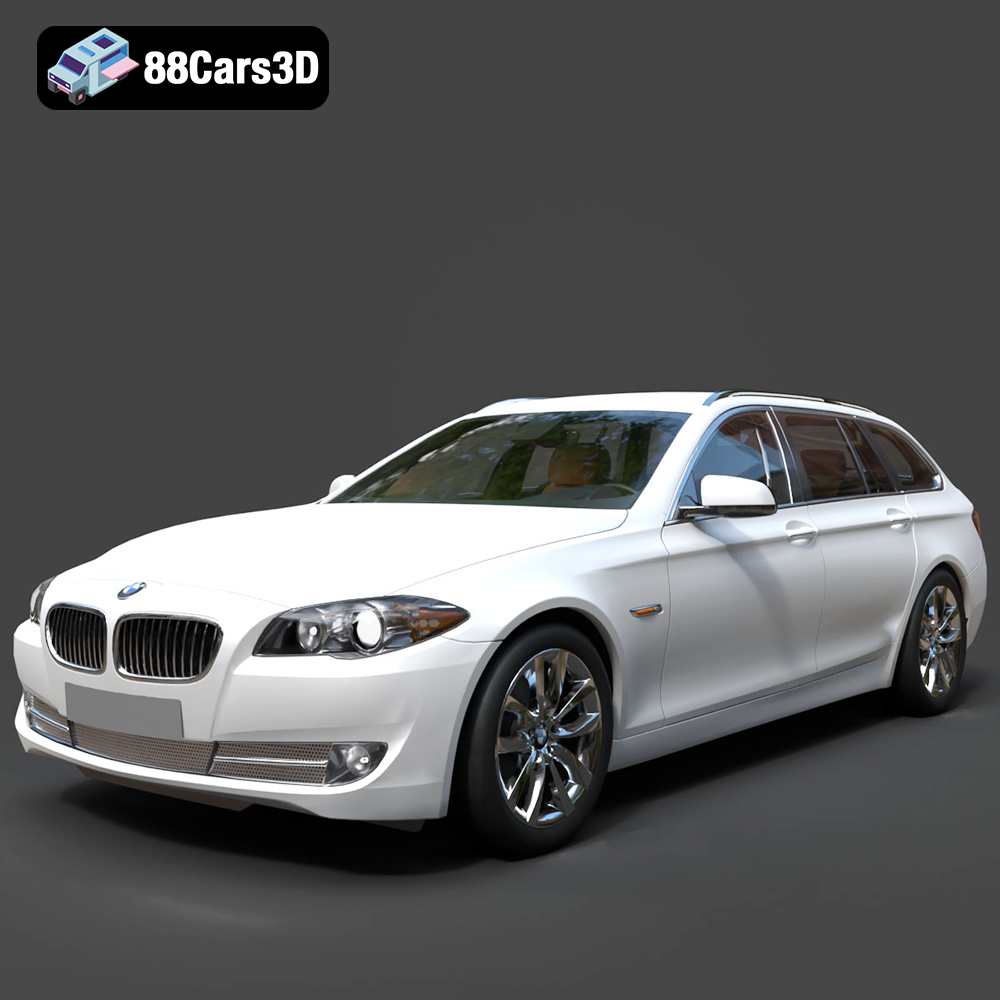
BMW 5 Series Touring F11-007 3D Model
Texture: Yes
Material: Yes
Download the BMW 5 Series Touring F11-007 3D Model featuring a detailed exterior and interior. Includes .blend, .fbx, .obj, .glb, .stl, .ply, .unreal, and .max formats for rendering, simulation, and game development.
Price: $10.79
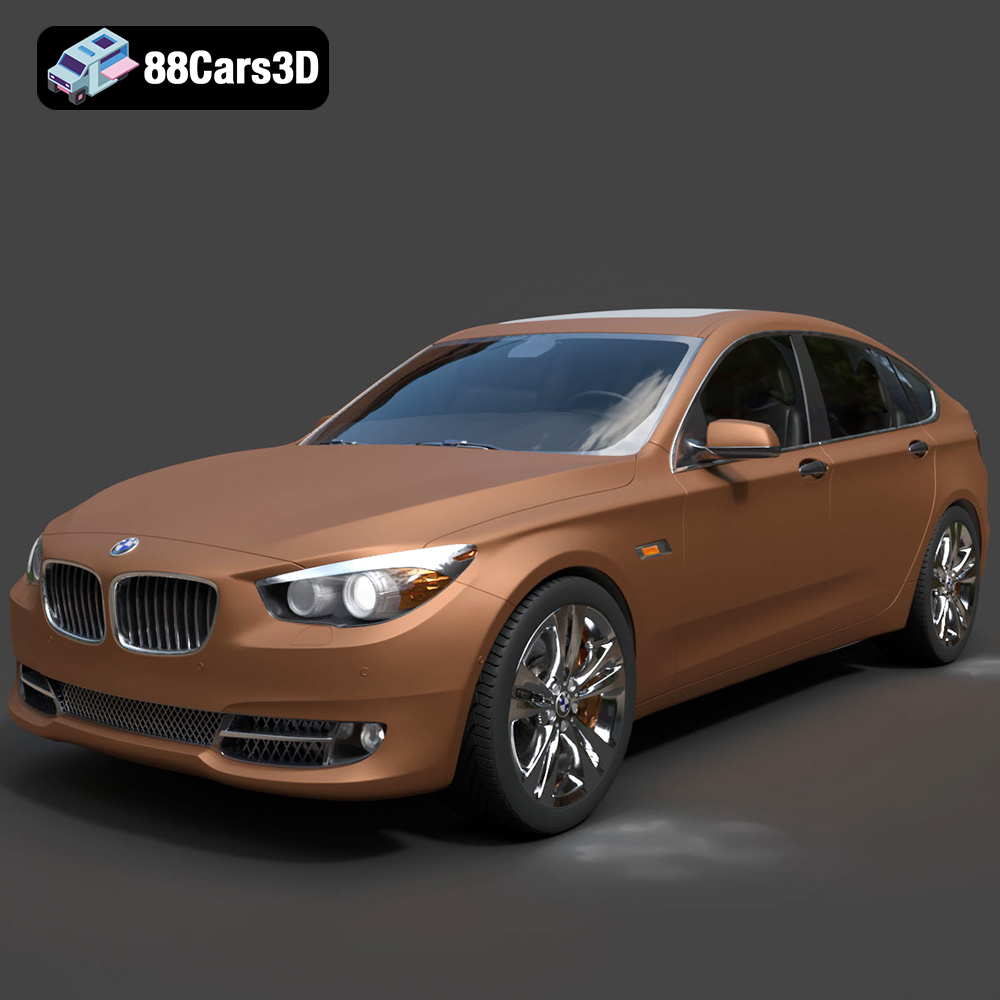
BMW 5 Series Gran Turismo F07-003 3D Model
Texture: Yes
Material: Yes
Download the BMW 5 Series Gran Turismo F07-003 3D Model featuring a detailed exterior and interior. Includes .blend, .fbx, .obj, .glb, .stl, .ply, .unreal, and .max formats for rendering, simulation, and game development.
Price: $10.79
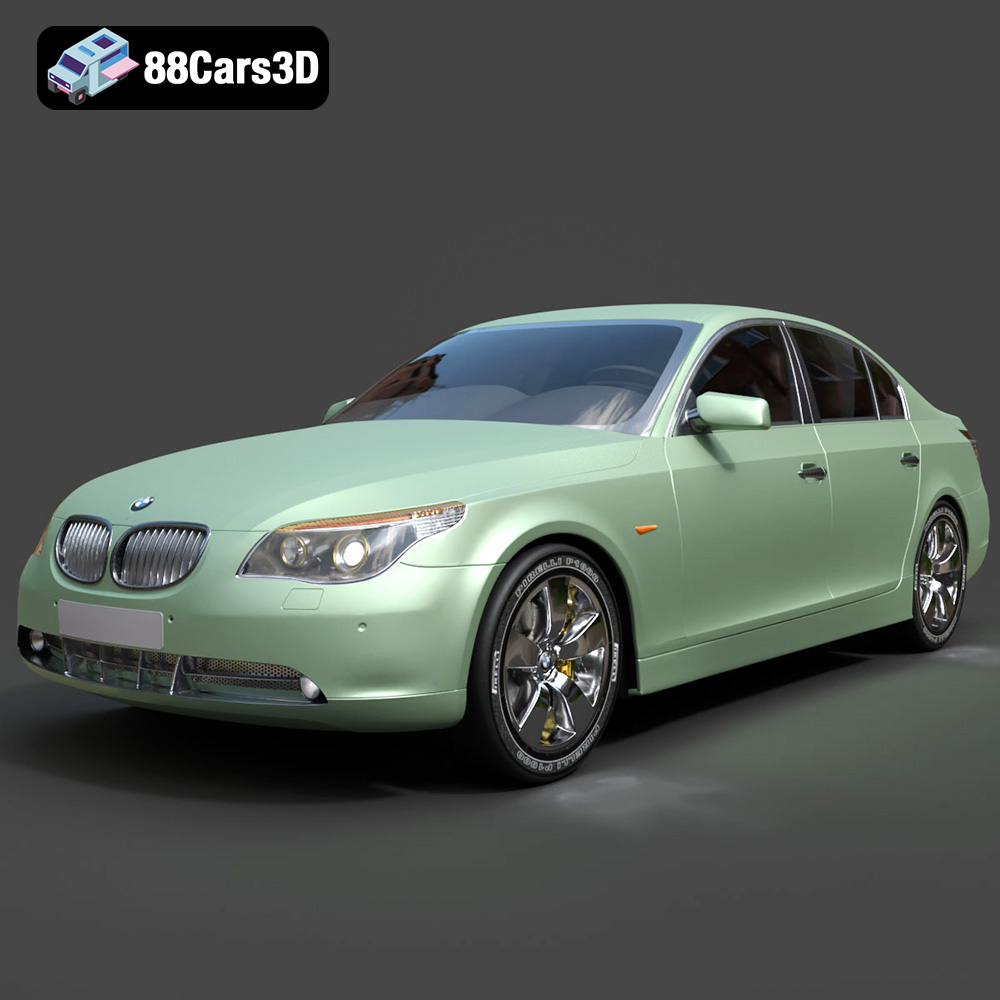
BMW 5 Series E60 3D Model
Texture: Yes
Material: Yes
Download the BMW 5 Series E60 3D Model featuring its iconic sedan design, detailed exterior, and interior. Includes .blend, .fbx, .obj, .glb, .stl, .ply, .unreal, and .max formats for rendering, simulation, and game development.
Price: $10.79

BMW 5 E34-535i 3D Model
Texture: Yes
Material: Yes
Download the BMW 5 E34-535i 3D Model featuring an iconic design, detailed exterior and interior, and accurate representation. Includes .blend, .fbx, .obj, .glb, .stl, .ply, .unreal, and .max formats for rendering, simulation, and game development.
Price: $10.79
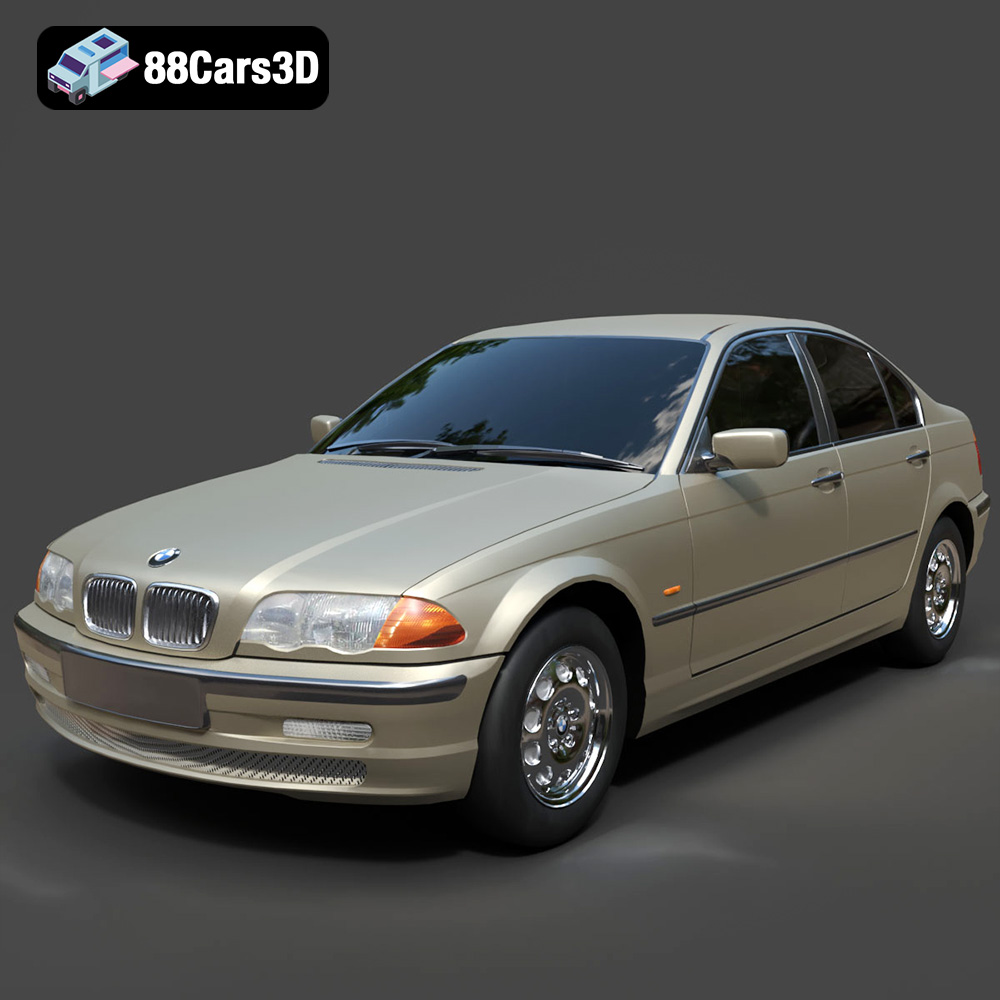
BMW 3 Series E46 3D Model
Texture: Yes
Material: Yes
Download the BMW 3 Series E46 3D Model featuring authentic exterior lines, a detailed interior, and separated components for animation. Includes .blend, .fbx, .obj, .glb, .stl, .ply, .unreal, and .max formats for rendering, simulation, and game development.
Price: $10.79
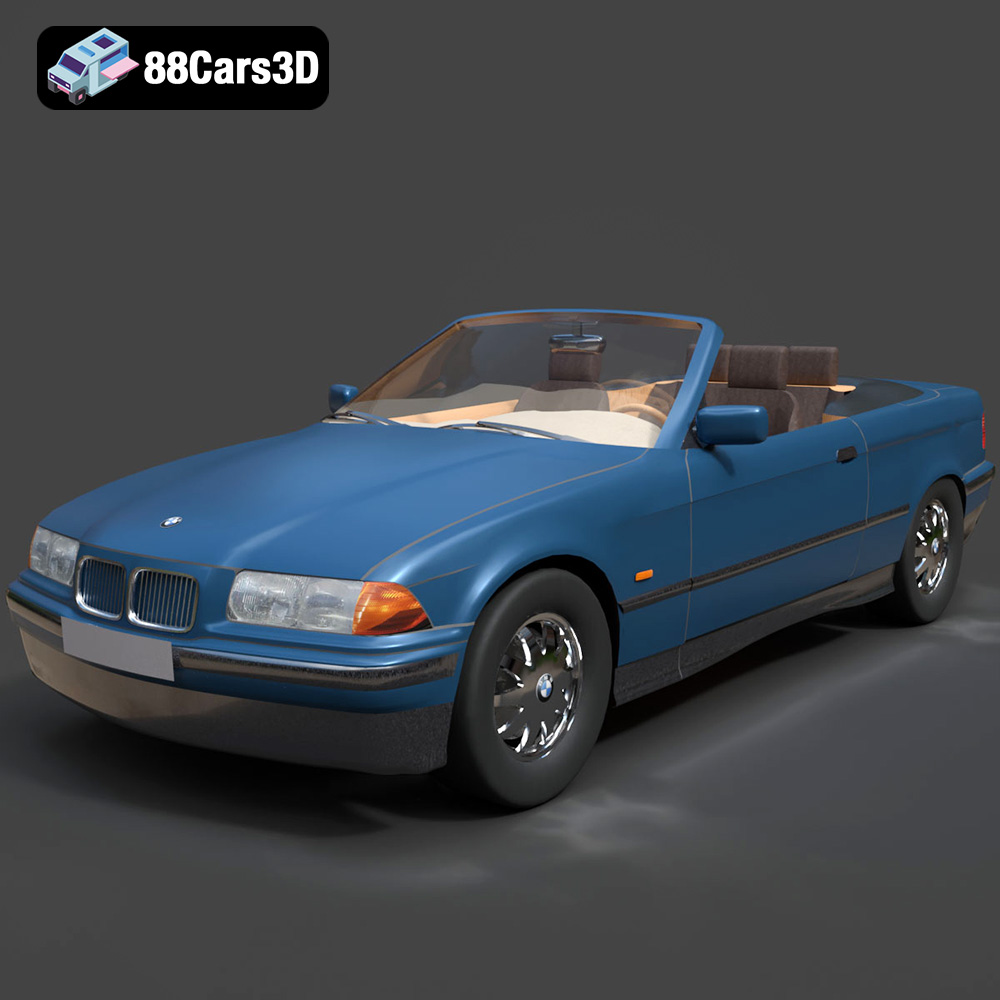
BMW 3 Series E36 Cabrio 325i 1998 3D Model
Texture: Yes
Material: Yes
Download the BMW 3 Series E36 Cabrio 325i 1998 3D Model featuring a classic convertible design and detailed interior. Includes .blend, .fbx, .obj, .glb, .stl, .ply, .unreal, and .max formats for rendering, simulation, and game development.
Price: $10.79

BMW 3 F30 3D Model
Texture: Yes
Material: Yes
Download the BMW 3 F30 3D Model featuring a detailed exterior, realistic interior, and optimized mesh. Includes .blend, .fbx, .obj, .glb, .stl, .ply, .unreal, and .max formats for rendering, simulation, and game development.
Price: $10.79
