

Optimizing 3D Models for Web-Based Configurators: A Deep Dive for Automotive Professionals
The automotive industry is in a constant state of innovation, not just in vehicle design and engineering, but also in how cars are presented to consumers. Web-based configurators have become indispensable tools, allowing potential buyers to customize their dream car with a vast array of options, colors, and features, all from the comfort of their browser. These interactive experiences demand not only stunning visual fidelity but also lightning-fast performance. This delicate balance between visual richness and technical efficiency is the cornerstone of successful web configurator development. For 3D artists, game developers, and visualization professionals, mastering the art of optimizing 3D car models for these platforms is crucial.
The challenge lies in translating high-fidelity CAD data or render-ready production models into assets that can be streamed, loaded, and rendered in real-time within a web browser, often on devices with varying computational power. This comprehensive guide will explore the intricate workflows and technical strategies required to transform complex automotive 3D models into web-ready assets, covering everything from fundamental topology and UV mapping to advanced PBR material creation and game engine optimization. You’ll learn the best practices to ensure your 3D car models shine in any web configurator, delivering an immersive and performant user experience.
The Foundation: Flawless Automotive Topology for Real-time Performance
The journey to a high-performing web configurator model begins with impeccable 3D topology. For automotive assets, clean and efficient mesh geometry is paramount. High-quality models, such as those found on platforms like 88cars3d.com, are often built with rendering and precision in mind, but real-time web applications impose a stricter polygon budget. The goal is to strike a balance: enough detail to maintain the car’s aesthetic integrity and smooth curves, but not so much that it cripples performance. Poor topology leads to shading artifacts, difficult UV unwrapping, and unnecessary polygon counts, all of which are detrimental to web configurator performance.
Precision Modeling for Smooth Surfaces
Automotive surfaces are characterized by their smooth, reflective curves. Achieving this realism with optimized geometry requires careful attention during the modeling phase. Techniques like subdivision surface modeling (often starting with a low-poly base and adding subdivisions) are common for high-fidelity models. However, for web configurators, the final subdivided mesh must be carefully evaluated and optimized. Each curve and panel gap needs just enough edge loops to define its shape without excessive density. Strategic use of support loops around hard edges is crucial to maintain sharp creases when subdividing, ensuring the car’s design intent is preserved even with a reduced polygon count. Aim for quad-dominant topology, as triangulated meshes can introduce shading inconsistencies and make further editing or deformation more challenging. While web engines ultimately convert everything to triangles, starting with quads ensures cleaner tessellation.
Understanding Edge Flow and Polygon Budgeting
Efficient edge flow is about how the polygons and their edges flow across the surface of the model. For automotive designs, the edge flow should follow the natural contours and design lines of the vehicle. This not only aids in achieving smooth deformations if the model needs to articulate (e.g., doors opening) but also contributes significantly to clean shading. Reflective car surfaces are unforgiving; any irregularity in the mesh will manifest as a visible shading anomaly. When budgeting polygons, consider the model’s intended use and the target hardware. A general guideline for a hero car model in a web configurator might be between 80,000 to 200,000 triangles for the primary vehicle mesh, excluding wheels and interiors. However, this can vary wildly based on the level of detail required and the specific configurator’s complexity. For complex parts like grilles or intricate headlight assemblies, it’s often more efficient to use optimized geometry with normal maps baked from higher detail meshes rather than modeling every tiny detail. Software like 3ds Max, Maya, or Blender offer powerful tools for retopology and mesh reduction. For Blender users, the official Blender 4.4 documentation provides in-depth guidance on modifiers like Decimate and various modeling tools that can help achieve optimal edge flow and polygon distribution.
Masterful UV Mapping for Efficient Texturing
Once the topology is solid, efficient UV mapping becomes the next critical step. UVs (short for U and V coordinates) are 2D coordinates that map a 3D model’s surface to a 2D texture image. For web configurators, well-planned UVs are vital for several reasons: they prevent texture stretching, maximize texture resolution usage, and facilitate efficient texture atlasing, which directly impacts rendering performance by reducing draw calls.
Unwrapping Strategies for Complex Car Geometry
Automotive models present unique challenges for UV unwrapping due to their complex, curved surfaces and intricate paneling. The goal is to create UV islands that are as distortion-free as possible and efficiently packed into a 0-1 UV space. For a car body, common strategies involve separating large panels like the hood, roof, doors, and fenders into their own UV islands. Care must be taken to hide UV seams in less visible areas or along natural panel breaks to avoid visual discontinuities. Using projections like planar, cylindrical, or spherical mapping as a starting point, followed by extensive manual relaxation and stitching, is typical. Tools like Blender’s “Smart UV Project” or “Follow Active Quads” can accelerate the initial unwrapping process, but manual refinement is almost always necessary for production-quality results. Each material zone (e.g., body paint, glass, rubber, chrome) should ideally have its own set of UVs or be clearly delineated within a shared UV space for effective texture application.
Texture Atlasing and Resolution Considerations
Texture atlasing is a powerful optimization technique where multiple smaller textures are combined into one larger texture map. For web configurators, this is crucial for minimizing draw calls—the number of times the CPU tells the GPU to render something. Each distinct material or texture on a model typically incurs a draw call. By combining textures into atlases, you reduce the number of materials and thus draw calls, leading to smoother real-time performance. For a car model, you might create an atlas for all body decals, another for interior details, and a separate one for wheel components. When choosing texture resolutions, a balance must be struck between visual quality and file size. Common resolutions for web-based car models range from 2K (2048×2048 pixels) to 4K (4096×4096 pixels) for critical maps like the body paint, while less prominent details might use 1K or even 512×512 textures. Always save textures in efficient formats like PNG (for transparency) or JPG (for opaque colors/normals) with appropriate compression. Overly large textures consume excessive memory and bandwidth, leading to slow loading times and choppy performance on lower-end devices.
PBR Materials: Crafting Realism for the Web
Physically Based Rendering (PBR) has become the standard for achieving photorealistic visuals in real-time applications, including web configurators. PBR materials accurately simulate how light interacts with surfaces, resulting in consistent and believable rendering under various lighting conditions. For automotive models, the distinction between a metallic paint finish, a matte plastic, or reflective chrome is critical, and PBR provides the framework to achieve this.
Authoring PBR Textures for Diverse Surfaces
PBR workflows typically involve several texture maps that define a material’s properties. Key maps include:
- Albedo/Base Color: Defines the diffuse color of the surface without any lighting information.
- Metallic: A grayscale map (0 to 1) indicating how metallic a surface is. Pure metals are 1, dielectrics (plastics, wood, paint) are 0.
- Roughness: A grayscale map (0 to 1) indicating the microscopic surface imperfections that scatter light. A value of 0 is perfectly smooth/shiny (like polished chrome), and 1 is completely rough/matte.
- Normal Map: Provides high-frequency surface detail (bumps, dents, scratches) without adding geometric complexity, crucial for detailing car panels or fabric textures.
- Ambient Occlusion (AO): A grayscale map that fakes soft shadows in crevices and corners, enhancing depth. While often baked from the high-poly model, some real-time engines calculate screen-space AO.
For automotive paint, a common approach involves blending metallic and roughness maps to achieve various flake sizes and clear coat effects. Texturing software like Substance Painter, Mari, or even Blender’s shader editor allows for the precise authoring of these maps. When generating these textures, ensure they are authored with consistency in mind, especially if using a texture atlas. Baking normal maps from a high-poly sculpt onto a low-poly mesh is a standard practice for capturing fine details like panel lines or intricate vent patterns without increasing polygon count.
Optimizing Shader Networks for WebGL
Web configurators typically leverage WebGL, a JavaScript API for rendering interactive 3D graphics within any compatible web browser. While powerful, WebGL has performance considerations when it comes to complex shader networks. A shader defines how a material interacts with light. For web configurators, aim for optimized, lightweight shaders. Avoid overly complex node setups that require extensive calculations per pixel. Instead, pre-calculate or bake certain effects where possible. For instance, complex ambient occlusion or global illumination can sometimes be baked into texture maps (lightmaps) or vertex colors for static elements, reducing real-time computational load. Using a standard PBR workflow with a limited set of textures (Albedo, Metallic, Roughness, Normal, AO) is generally efficient. Modern web engines often use a “standard” or “physical” material that handles these maps efficiently. If your configurator allows dynamic color changes, ensure the material setup can efficiently tint the albedo map without re-compiling shaders or creating new materials for every color option. This is critical for supporting a vast color palette for an automotive model.
Web-Optimized File Formats and Data Management
Choosing the right file format is paramount for web-based 3D applications. The format dictates not only how the model data is stored but also its compatibility, loading speed, and overall efficiency within a web environment. Unlike traditional rendering where large, uncompressed files are common, web deployment demands compact, self-contained formats that can be quickly transmitted and parsed by browsers.
Embracing GLB and USDZ for Web Configurators
For web configurators, two formats stand out: GLB and USDZ.
- GLB (GL Transmission Format Binary): This is the binary version of glTF (Graphics Library Transmission Format) and is widely regarded as the “JPEG of 3D” for the web. A GLB file is a single, self-contained asset that includes the 3D model geometry, materials, textures, animations, and scene hierarchy. Its efficiency stems from its design for real-time rendering, minimizing parsing time and reducing file size. Most 3D software (Blender, 3ds Max, Maya) have exporters for glTF/GLB, and many web 3D viewers and frameworks (Three.js, Babylon.js) support it natively. When exporting, ensure textures are embedded and optimized.
- USDZ (Universal Scene Description Zip): Developed by Pixar and Apple, USDZ is gaining traction, especially for AR experiences on Apple devices (iOS/iPadOS). Like GLB, it’s a single-file, self-contained format that combines 3D geometry, textures, and PBR materials. While primarily an Apple ecosystem format, its increasing adoption for WebAR means it’s a valuable asset to have. Many professional 3D tools now offer USDZ export capabilities.
When sourcing high-quality models from marketplaces such as 88cars3d.com, verify that they offer or can be converted to these web-friendly formats to streamline your configurator development process.
Compressing Assets and Managing Data Load
Even with efficient formats, asset size remains a critical concern for web configurators. Users expect instantaneous loading, and large downloads can deter engagement.
- Mesh Compression: Beyond polygon reduction, techniques like Draco compression (an open-source library for compressing 3D meshes and point clouds, often integrated into glTF/GLB exporters) can significantly reduce geometry file sizes without noticeable visual degradation.
- Texture Compression: Use web-optimized texture formats. JPG for color maps and PNG for maps requiring transparency are standard. Consider advanced techniques like KTX2 with Basis Universal compression for even smaller file sizes and GPU-friendly texture formats, improving VRAM usage and load times across different devices.
- Lazy Loading: Implement strategies to load assets only when they are needed. For a car configurator, the primary body and default wheels might load first, while optional accessories or different interior trims load only when selected by the user.
- Progressive Loading: Display a lower-resolution version of the model first, then progressively load higher-resolution details in the background.
- Modular Assets: Break down the car into interchangeable modules (body, wheels, interior components, accessories). This allows the configurator to load only the specific variations a user selects, rather than the entire inventory of parts. This is crucial for managing extensive customization options without overwhelming the browser.
Effective data management strategies are vital for ensuring a smooth, responsive user experience, even with a vast catalog of automotive options.
Real-time Rendering & Game Engine Optimization Techniques
While web configurators don’t use traditional “game engines” in the sense of Unity or Unreal Engine running as standalone applications, the underlying rendering principles are very similar. WebGL frameworks often mimic game engine optimization strategies to deliver high-performance real-time graphics directly in the browser. Mastering these techniques is crucial for interactive 3D car models.
Level of Detail (LODs) and Culling Strategies
Level of Detail (LOD) is perhaps the most fundamental optimization for complex 3D models in real-time. Instead of rendering a single, high-polygon model at all times, LOD systems create multiple versions of the same asset, each with progressively fewer polygons and simpler materials. When the camera is close to the car, the high-detail (LOD0) version is rendered. As the camera moves further away, the system automatically switches to a lower-detail version (LOD1, LOD2, etc.). This significantly reduces the computational load on the GPU for objects that appear small on screen. For a car model, you might have:
- LOD0 (High): ~150,000-200,000 triangles (for close-up shots, hero view)
- LOD1 (Medium): ~50,000-80,000 triangles (for general viewing)
- LOD2 (Low): ~10,000-20,000 triangles (for distant views or when many cars are present)
- LOD3 (Very Low): ~2,000-5,000 triangles (for extremely distant views or thumbnail representations)
Transitioning between LODs must be visually seamless to avoid distracting pops. Tools like Blender’s Decimate modifier or external mesh optimization software can assist in creating these LODs efficiently. Additionally, culling strategies like Frustum Culling (not rendering objects outside the camera’s view) and Occlusion Culling (not rendering objects hidden behind other objects) are vital. While often handled by the rendering engine/framework, understanding their importance helps in structuring your scene and modularizing your car models.
Lighting, Reflections, and Environmental Setup for Web
Realistic lighting and reflections are critical for showcasing the intricate details and luxurious finishes of a 3D car model. In a real-time web environment, these elements need to be optimized carefully.
- Image-Based Lighting (IBL): This is the backbone of realistic real-time lighting. An HDR (High Dynamic Range) environment map captures real-world lighting information, which is then used to light the scene and provide accurate reflections on the car’s surface. Ensure your HDR maps are optimized for web use (e.g., converted to cubemap textures with various mipmap levels), as large HDR files can be heavy.
- Real-time Lights: Minimize the number of dynamic lights (spot lights, point lights) in your scene, as each adds significant computational cost. Prefer a single dominant directional light (for sun/sky) and rely heavily on IBL for ambient lighting and reflections. If additional lights are needed for specific effects, ensure they are carefully placed and their influence radius is limited.
- Reflections: Beyond IBL, real-time reflections can be achieved with techniques like Screen Space Reflections (SSR), which look great but are computationally expensive, or more optimized methods like Reflection Probes. Reflection probes capture the environment from specific points and project it onto nearby objects, offering good performance at a controlled quality level. For automotive configurators, strategic placement of a few reflection probes can dramatically enhance realism on shiny car surfaces without taxing the GPU excessively.
- Environment Setup: The background and environment where the car is displayed should also be optimized. Use a simple 3D model, a panoramic image, or even a solid color for the background if performance is critical. Static elements can often have pre-baked lighting (lightmaps) to reduce real-time calculations.
The goal is to create a visually rich environment that complements the car without becoming a performance bottleneck, ensuring smooth interaction and quick loading times.
Integrating with AR/VR for Immersive Web Experiences
Web-based configurators are increasingly integrating Augmented Reality (AR) and Virtual Reality (VR) capabilities, allowing users to place a virtual car in their driveway or explore the interior in a truly immersive way. While offering incredible engagement, AR/VR introduces its own set of optimization challenges, particularly concerning performance on mobile devices.
Preparing Models for WebAR/WebVR Deployment
For WebAR (e.g., using WebXR APIs, Google Model Viewer, or custom frameworks) and WebVR, the optimization strategies discussed previously become even more critical. Mobile devices, which are often the primary target for WebAR, have significantly less processing power and memory than desktop machines.
- Extreme Polygon Reduction: Aim for the lowest possible polygon count that still retains acceptable visual quality. LODs are non-negotiable here. A single car body might need to be below 50,000 triangles for a smooth mobile AR experience.
- Texture Resolution & Compression: Prioritize 1K or 2K textures with aggressive compression. WebAR often requires smaller file sizes to enable quick downloads over mobile networks. KTX2 with Basis Universal compression is highly recommended.
- Minimal Draw Calls: Consolidate materials and use texture atlases aggressively. Each draw call is costly on mobile GPUs.
- Static Lighting & Environment: For WebAR, real-time lighting is often simplified. Rely heavily on PBR materials, IBL, and potentially pre-baked ambient occlusion. Dynamic shadows might be faked with a simple shadow plane or blob shadow underneath the car rather than complex real-time shadow maps.
- Optimized File Formats: GLB and USDZ are the go-to formats for WebAR/WebVR due to their self-contained nature and efficiency. Many AR platforms prefer USDZ for iOS devices.
When preparing your 3D car models for WebAR/WebVR, always test on a range of target devices to understand performance limitations and make necessary adjustments. Platforms that host high-quality 3D assets, such as 88cars3d.com, often provide models already optimized for various uses, including potential AR/VR applications, saving significant development time.
Performance Considerations for Mobile AR/VR
Mobile AR/VR introduces specific constraints that demand careful attention to optimization:
- Battery Life: Highly complex scenes rapidly drain device batteries. Optimized models and efficient rendering techniques extend user engagement.
- Thermal Throttling: Sustained high CPU/GPU usage can cause devices to overheat and throttle performance, leading to choppy frame rates. Keep scenes lean.
- Download Size: Users are often on mobile data plans. Keep asset download sizes to a minimum to ensure quick loading and prevent data plan overages. A 3D car model for WebAR should ideally be under 10-20MB for initial load.
- Rendering Pipeline: Be aware of the rendering capabilities of the target device. Avoid advanced graphical features that might not be supported or are too heavy for mobile GPUs. Focus on core PBR and efficient lighting.
- User Interaction: Ensure that any interactive elements (e.g., opening doors, changing colors) are smoothly animated and don’t introduce performance hitches. This often means pre-calculating animations or using lightweight animation data.
By meticulously optimizing every aspect of your 3D car models—from geometry to textures and materials—you can unlock the full potential of web-based AR/VR configurators, offering users an unparalleled and truly immersive product exploration experience.
Conclusion
Developing high-performance 3D car models for web-based configurators is a multifaceted discipline that marries artistic vision with technical precision. It demands a holistic approach, beginning with clean, optimized topology and extending through meticulous UV mapping, efficient PBR material authoring, strategic file format selection, and advanced real-time rendering optimizations. Every polygon, every texture, and every shader node contributes to the overall user experience, directly impacting loading times, frame rates, and visual fidelity.
By adhering to the best practices outlined in this guide—from careful polygon budgeting and texture atlasing to embracing formats like GLB and USDZ, implementing LODs, and tailoring assets for AR/VR—3D artists and developers can create automotive experiences that are not only visually stunning but also incredibly performant. The continuous evolution of web technologies means that the demand for expertly optimized 3D assets will only grow. Mastering these techniques ensures your 3D car models stand out, delivering unparalleled realism and responsiveness that will captivate users and drive engagement in the dynamic world of online automotive visualization. Start transforming your high-quality 3D models into web-ready masterpieces today, opening up new avenues for interactive product presentation.
Featured 3D Car Models

BMW 7 Series E38 3D Model
Texture: Yes
Material: Yes
Download the BMW 7 Series E38 3D Model featuring its iconic luxury sedan design and classic aesthetics. Includes .blend, .fbx, .obj, .glb, .stl, .ply, .unreal, and .max formats for rendering, simulation, and game development.
Price: $10.79

BMW 6 Series 640i F12 3D Model
Texture: Yes
Material: Yes
Download the BMW 6 Series 640i F12 3D Model featuring a sleek design and detailed interior. Includes .blend, .fbx, .obj, .glb, .stl, .ply, .unreal, and .max formats for rendering, simulation, and game development.
Price: $10.79

BMW 6 Coupe E63 3D Model
Texture: Yes
Material: Yes
Download the BMW 6 Coupe E63 3D Model featuring a sleek design, detailed interior, and realistic exterior. Includes .blend, .fbx, .obj, .glb, .stl, .ply, .unreal, and .max formats for rendering, simulation, and game development.
Price: $10.79
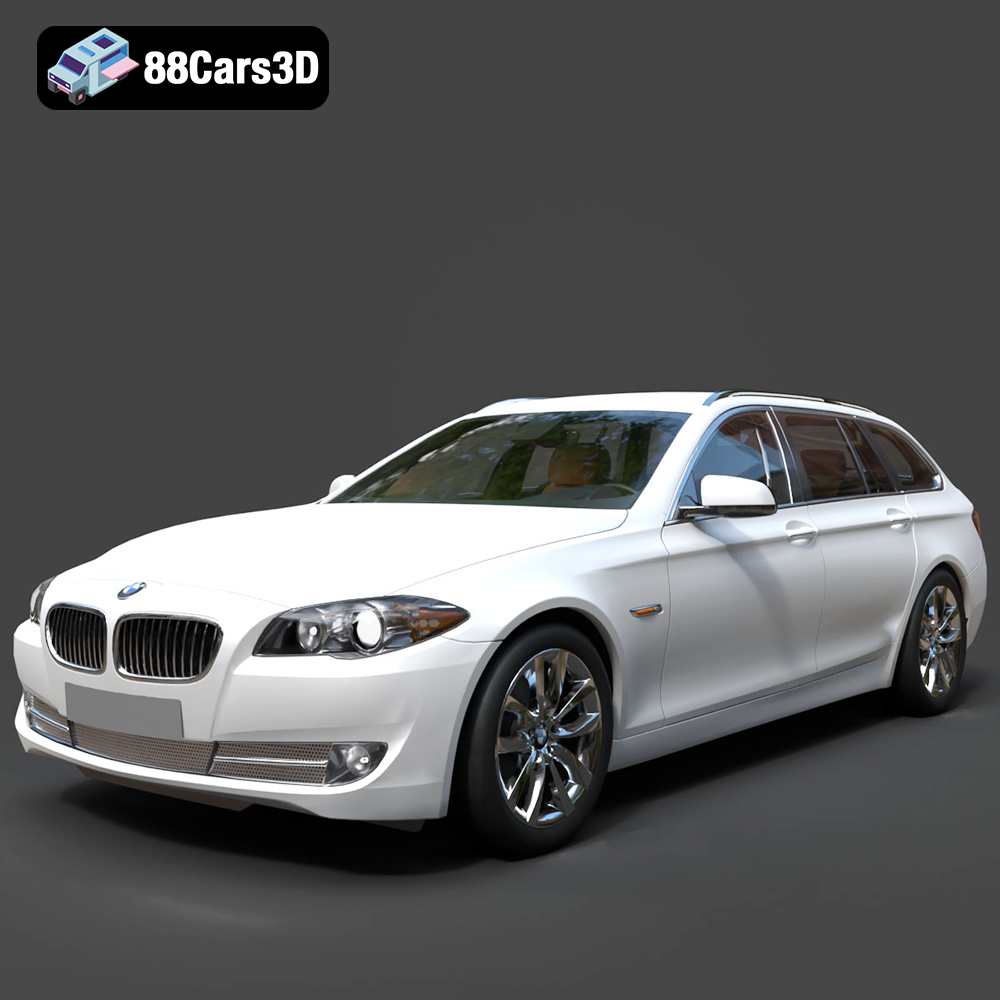
BMW 5 Series Touring F11-007 3D Model
Texture: Yes
Material: Yes
Download the BMW 5 Series Touring F11-007 3D Model featuring a detailed exterior and interior. Includes .blend, .fbx, .obj, .glb, .stl, .ply, .unreal, and .max formats for rendering, simulation, and game development.
Price: $10.79
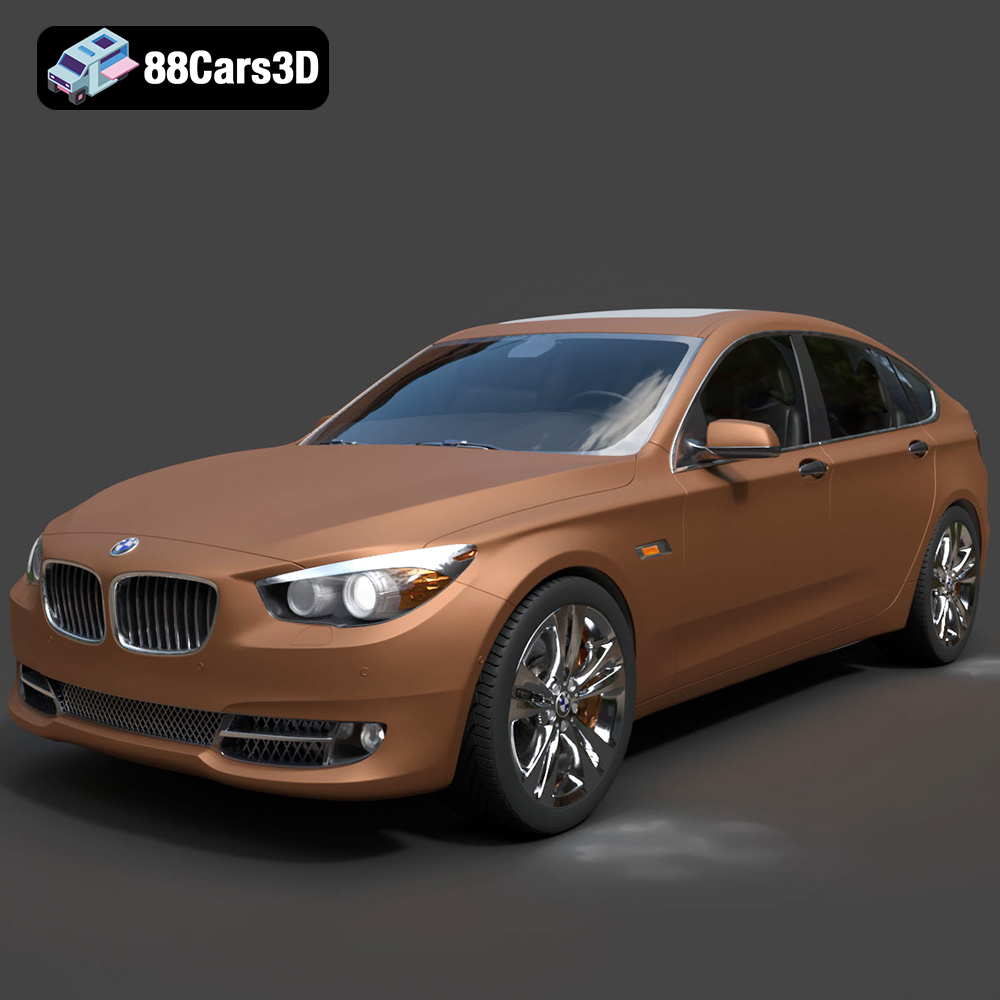
BMW 5 Series Gran Turismo F07-003 3D Model
Texture: Yes
Material: Yes
Download the BMW 5 Series Gran Turismo F07-003 3D Model featuring a detailed exterior and interior. Includes .blend, .fbx, .obj, .glb, .stl, .ply, .unreal, and .max formats for rendering, simulation, and game development.
Price: $10.79
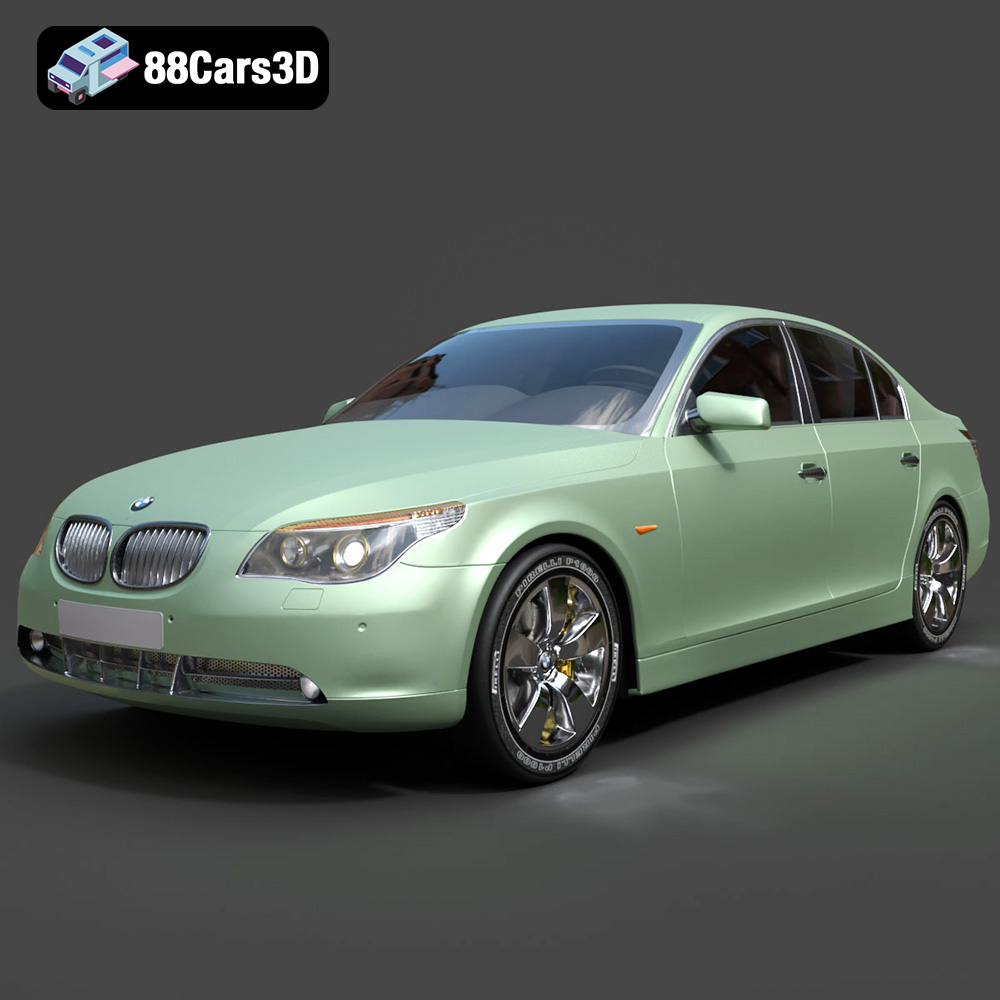
BMW 5 Series E60 3D Model
Texture: Yes
Material: Yes
Download the BMW 5 Series E60 3D Model featuring its iconic sedan design, detailed exterior, and interior. Includes .blend, .fbx, .obj, .glb, .stl, .ply, .unreal, and .max formats for rendering, simulation, and game development.
Price: $10.79

BMW 5 E34-535i 3D Model
Texture: Yes
Material: Yes
Download the BMW 5 E34-535i 3D Model featuring an iconic design, detailed exterior and interior, and accurate representation. Includes .blend, .fbx, .obj, .glb, .stl, .ply, .unreal, and .max formats for rendering, simulation, and game development.
Price: $10.79
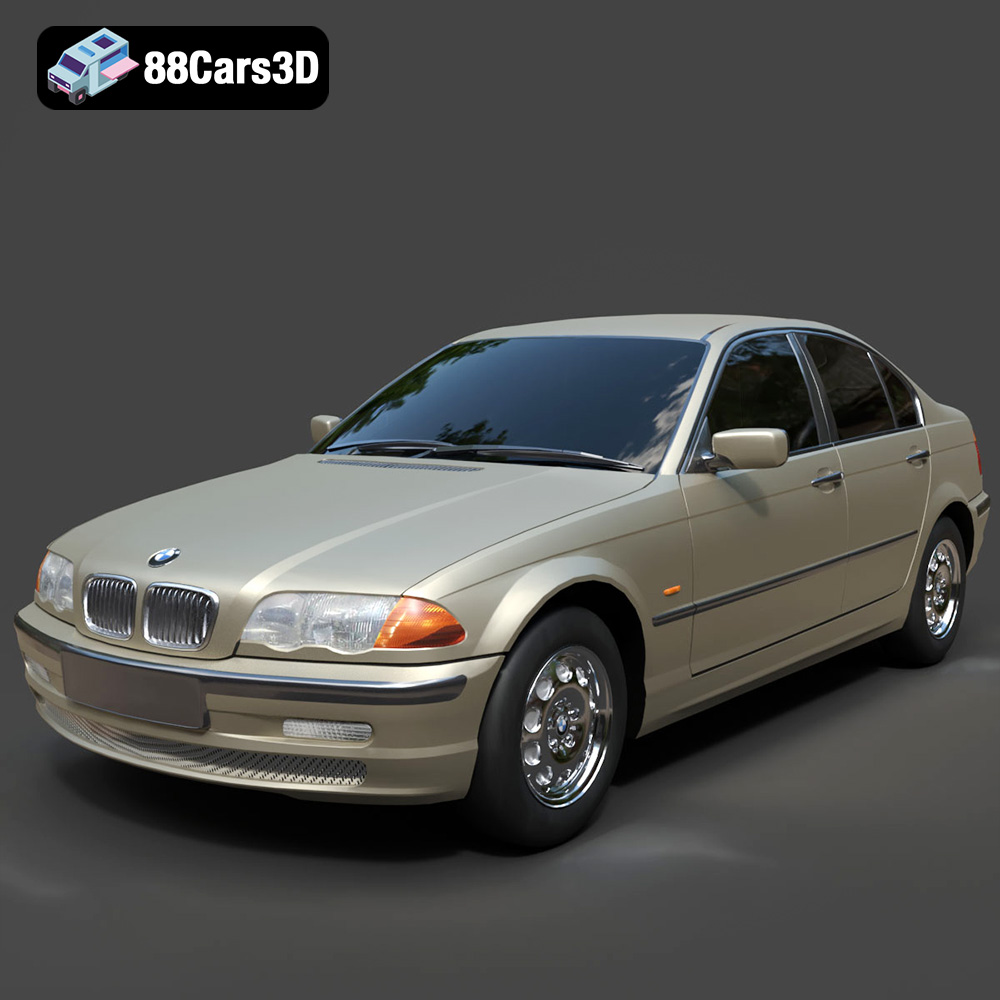
BMW 3 Series E46 3D Model
Texture: Yes
Material: Yes
Download the BMW 3 Series E46 3D Model featuring authentic exterior lines, a detailed interior, and separated components for animation. Includes .blend, .fbx, .obj, .glb, .stl, .ply, .unreal, and .max formats for rendering, simulation, and game development.
Price: $10.79
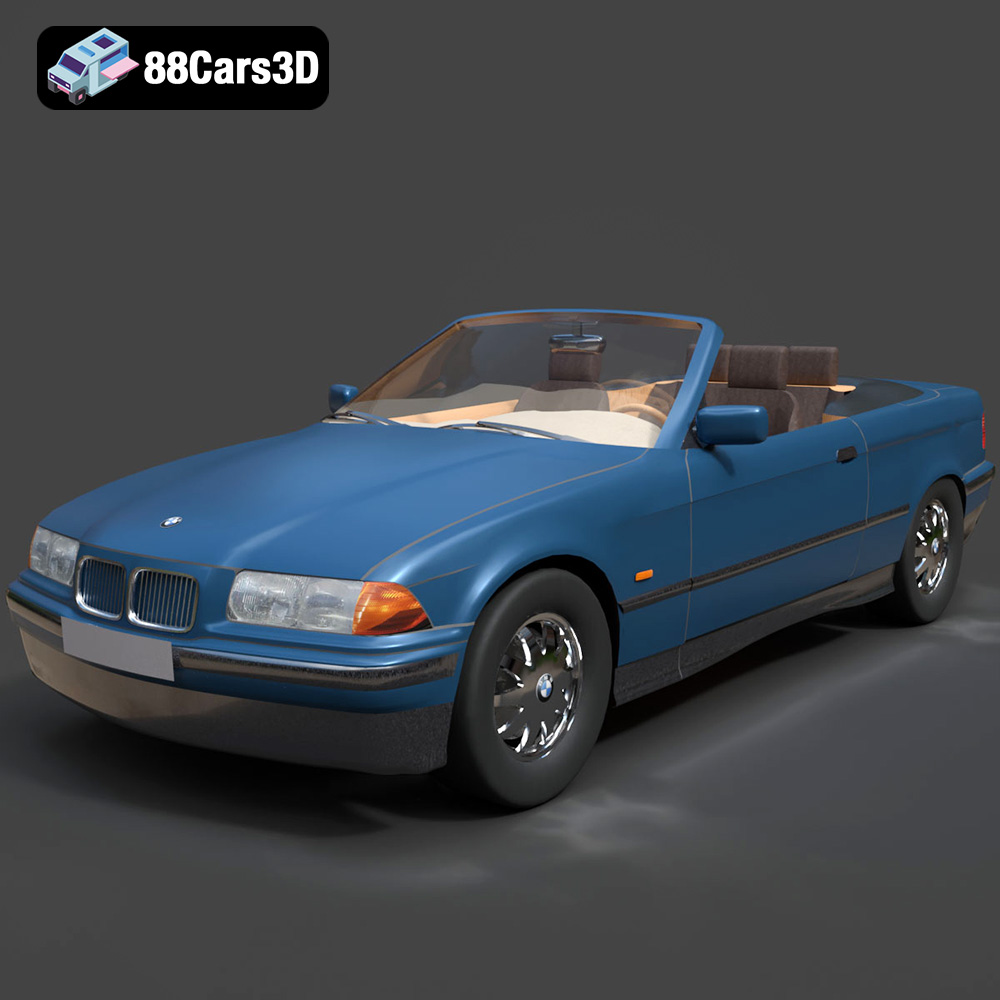
BMW 3 Series E36 Cabrio 325i 1998 3D Model
Texture: Yes
Material: Yes
Download the BMW 3 Series E36 Cabrio 325i 1998 3D Model featuring a classic convertible design and detailed interior. Includes .blend, .fbx, .obj, .glb, .stl, .ply, .unreal, and .max formats for rendering, simulation, and game development.
Price: $10.79
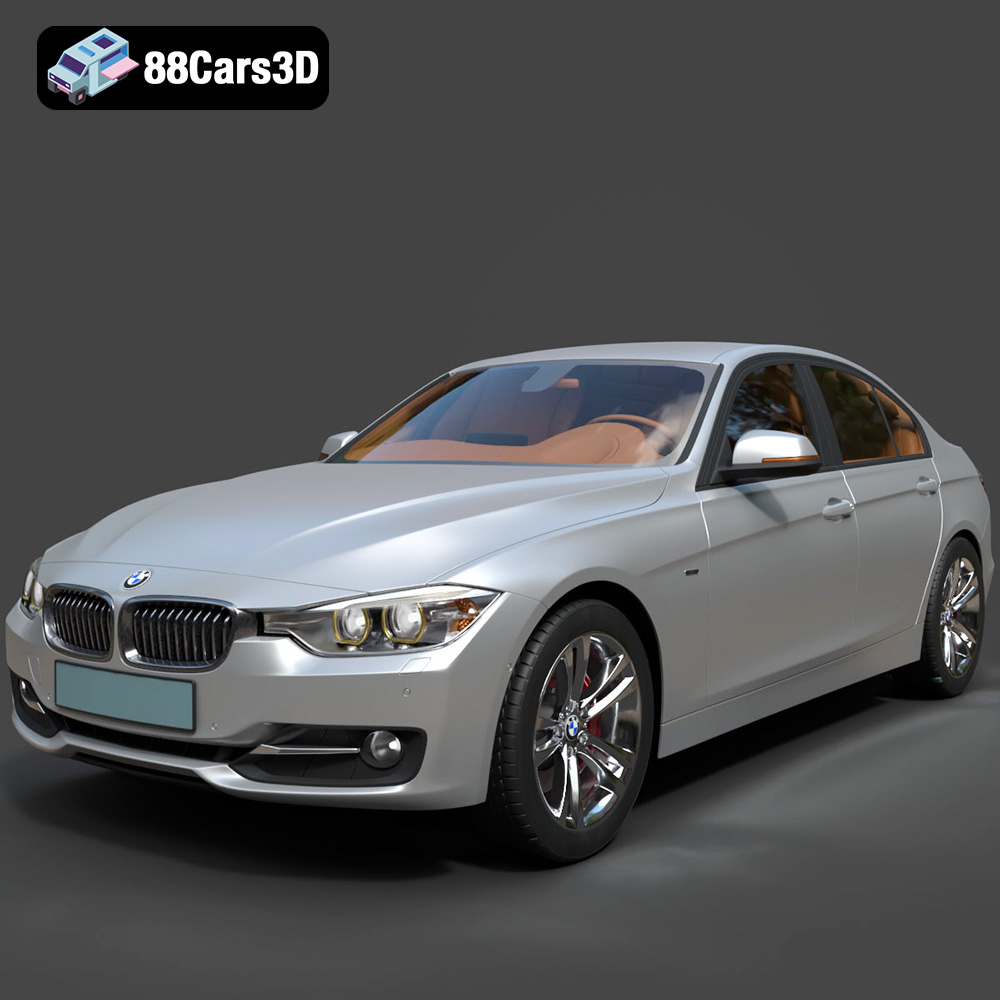
BMW 3 F30 3D Model
Texture: Yes
Material: Yes
Download the BMW 3 F30 3D Model featuring a detailed exterior, realistic interior, and optimized mesh. Includes .blend, .fbx, .obj, .glb, .stl, .ply, .unreal, and .max formats for rendering, simulation, and game development.
Price: $10.79
