

Mastering Automotive Rendering: V-Ray, Corona, and Cycles Compared for Photorealistic 3D Car Models
In the high-octane world of 3D visualization, rendering is the crucible where raw polygonal meshes transform into breathtaking photorealistic imagery. For automotive design, game development, and architectural visualization, the ability to produce stunning renders of vehicles is paramount. It’s not merely about pushing a render button; it’s an intricate dance of light, material science, and computational power, culminating in visuals that are often indistinguishable from reality. Choosing the right rendering engine is a critical decision that influences not only the final aesthetic quality but also workflow efficiency, render times, and scalability for diverse projects. This comprehensive guide dives deep into three industry-leading renderers – V-Ray, Corona, and Blender Cycles – dissecting their strengths, unique features, and optimal use cases specifically for rendering high-quality 3D car models. Whether you’re a seasoned 3D artist aiming for cinematic quality, a game developer optimizing for performance, or a student looking to master your craft, understanding these powerful tools will empower you to elevate your automotive visualizations to unparalleled heights. Prepare to unlock the secrets to achieving stunning realism, optimizing your workflow, and making informed decisions that will define the success of your next automotive rendering project.
The Core Principles of Photorealistic Rendering for 3D Car Models
At the heart of photorealistic rendering lies the complex simulation of light interaction within a virtual scene. While the specific algorithms vary between renderers, the fundamental goal remains the same: accurately depict how light behaves in the real world. This involves calculating light sources, reflections, refractions, shadows, and global illumination. For 3D car models, this means meticulously simulating reflections on highly polished surfaces, accurately portraying the nuances of car paint, capturing the intricate details of interior materials, and making sure every curve and contour is beautifully lit. A deep understanding of these core principles is essential, regardless of the rendering engine you choose, as it forms the bedrock for troubleshooting and achieving truly believable results.
Understanding Unbiased vs. Biased Rendering
One of the primary distinctions between rendering engines is their approach to light calculation: unbiased versus biased. Unbiased renderers, such as Blender Cycles and Corona Renderer, aim for physical accuracy by tracing every light path without approximations. They converge to the “correct” solution given enough samples, resulting in highly realistic and nuanced lighting, especially for complex global illumination scenarios. The trade-off is often longer render times, particularly at lower sample counts where noise can be prevalent. However, modern denoising techniques have significantly mitigated this issue. In contrast, biased renderers, like V-Ray when configured with specific settings, employ approximations and shortcuts to speed up render times. They might use interpolation for global illumination, pre-calculate specific light bounces, or offer different sampling methods. While this can lead to faster renders, it requires more user input and knowledge to avoid artifacts or unnatural lighting, as the artist is responsible for balancing speed and accuracy. For automotive rendering, where fine details and pristine reflections are crucial, understanding this distinction helps in selecting the right tool and optimizing its settings for specific project requirements.
Key Elements of a Photorealistic Car Render: Lighting, Materials, Environment
Achieving a photorealistic car render hinges on the synergistic interplay of three critical elements: lighting, materials, and environment. Lighting is arguably the most crucial, as it defines mood, emphasizes form, and reveals surface properties. A well-lit car render typically involves a combination of High Dynamic Range Image (HDRI) environments for realistic global illumination and reflections, complemented by targeted area lights or spotlights to highlight specific features or create dramatic effects. The correct intensity, color temperature, and shadow quality are paramount. Materials are the skin of your 3D car model. Modern Physically Based Rendering (PBR) workflows are essential here, ensuring that car paint, chrome, glass, rubber, leather, and fabric react to light in a physically plausible manner. This involves setting accurate base color (albedo), metallic, roughness, normal, and displacement maps. The subtle variations in roughness, for instance, can differentiate a brand new polished surface from a slightly worn one. Finally, the environment provides context and further realism. Whether it’s a studio backdrop, a bustling city street, or a serene landscape, the environment contributes to reflections, ambient lighting, and overall scene composition. Integration is key; the car must look like it belongs in the scene, which often means matching lighting conditions, atmospheric effects, and perspective. Platforms like 88cars3d.com provide high-quality 3D car models that are already optimized with clean topology and UV mapping, giving artists an excellent foundation to build upon with superior lighting and material work.
V-Ray: The Industry Workhorse for Architectural and Automotive Visualization
V-Ray, developed by Chaos, has long been a staple in professional visualization studios, particularly in architectural and automotive industries. Known for its robust feature set, exceptional speed (especially with its hybrid rendering capabilities), and a rich ecosystem of tools, V-Ray offers unparalleled control over every aspect of the rendering process. It’s a highly optimized engine that supports both CPU and GPU rendering, allowing artists to leverage their hardware effectively. Its versatility means it can handle everything from quick design iterations to large-scale, high-resolution animations. For automotive designers and visualization specialists, V-Ray provides the precision and power needed to produce renders that meet the demanding standards of clients who expect nothing less than perfection.
V-Ray’s Powerful Hybrid Rendering and Progressive Sampler
One of V-Ray’s standout features is its hybrid rendering capability, allowing users to harness the power of both CPUs and GPUs simultaneously. This flexibility provides a significant performance boost, as artists can utilize all available hardware resources. Whether you have multiple powerful GPUs, a high-core-count CPU, or a combination, V-Ray can intelligently distribute the workload to accelerate render times. This is particularly advantageous for complex automotive scenes with intricate geometries, multiple light sources, and detailed material shaders. Complementing this is V-Ray’s Progressive Sampler, which works by rendering the entire image iteratively, gradually refining it over time. This offers immediate visual feedback, allowing artists to quickly assess lighting, materials, and composition. For automotive rendering, this means faster iterations during look development for car paint, rim details, or interior finishes. You can set a render time limit or a noise threshold, and V-Ray will continue sampling until that condition is met, providing predictable results and efficient use of rendering resources. This interactive and iterative approach is invaluable for fine-tuning the subtle reflections and refractions that define a photorealistic vehicle.
Optimizing V-Ray for High-Resolution Automotive Renders (Adaptive Subdivision, DMC Sampler)
Achieving pristine, high-resolution automotive renders in V-Ray requires strategic optimization. The Adaptive Subdivision image sampler is key here. Instead of sampling every pixel uniformly, adaptive subdivision intelligently focuses more samples on areas with high detail, contrast, or complex lighting (like reflections on car surfaces or sharp shadow edges), and fewer samples on smoother areas. This significantly reduces render times without sacrificing quality, especially important for large format prints or high-definition animations. Another crucial component is the DMC (Deterministic Monte Carlo) Sampler, which is used for various calculations like global illumination, reflections, and refractions. Proper tuning of DMC settings, such as subdivs multipliers and noise threshold, allows artists to balance render speed with image quality. For example, increasing the subdivs for specific light sources or materials that contribute significant noise (like glossy reflections or translucent glass) can clean up artifacts. Furthermore, V-Ray’s extensive caching options for global illumination, such as Irradiance Map and Light Cache, can dramatically speed up render calculations for static scenes or animations where the camera moves but the lighting remains constant. These professional-grade controls give artists granular power to produce impeccable automotive visualizations with efficient render times.
V-Ray Materials and Shading Networks for Car Paint and Intricate Details
V-Ray’s material system is incredibly robust, built for realism and versatility. The V-Ray MTL is the foundational material, supporting a full PBR workflow with dedicated channels for diffuse, reflection, refraction, opacity, bump, and displacement. For automotive paint, a multi-layered approach is often employed. This typically involves a base layer (diffuse/glossy reflection with Fresnel falloff for the primary color), a clear coat layer (high-gloss reflection, very low roughness), and often a flake layer (using a V-Ray Blend Material or V-Ray Car Paint Material for metallic/pearlescent effects). The V-Ray Car Paint Material is specifically designed for this purpose, simplifying the creation of complex automotive finishes with options for base color, flake color, size, density, and clear coat properties. For intricate details like tire rubber, carbon fiber, leather interiors, or headlight glass, V-Ray’s powerful shading network editor allows for complex procedural textures and layered materials. Using a combination of V-Ray Mix, Blend, and Composite materials, artists can stack multiple layers of textures and shaders to simulate wear and tear, dirt, decals, or subtle variations in surface properties. The ability to precisely control reflection glossiness, IOR (Index of Refraction) for glass and plastics, and subsurface scattering for transparent materials ensures that every component of the 3D car model looks physically accurate. This level of detail is critical for creating compelling visuals, especially for closeup shots where imperfections and material fidelity truly shine.
Corona Renderer: Simplicity Meets Stunning Realism
Corona Renderer, also part of Chaos Group, has rapidly gained popularity for its ease of use, intuitive interface, and ability to produce incredibly realistic results with minimal setup. It’s an unbiased, CPU-based renderer renowned for its straightforward workflow and powerful interactive rendering. While it might traditionally be seen as more focused on architectural visualization, its physically accurate lighting and material system make it an excellent choice for automotive rendering, especially for artists who prioritize a streamlined experience without sacrificing quality. Corona’s philosophy centers on making photorealism accessible, allowing artists to focus more on creative vision and less on intricate render settings. Its recent GPU rendering capabilities further enhance its appeal, providing a powerful hybrid solution similar to V-Ray.
Corona’s User-Friendly Workflow and Interactive Rendering
Corona Renderer’s biggest appeal is its commitment to a user-friendly workflow. Its default settings are highly optimized to produce beautiful, physically accurate results out of the box, significantly reducing the learning curve compared to more complex renderers. Artists can spend less time tweaking obscure parameters and more time on lighting, composition, and material development. The material editor is intuitive, providing clear, logical controls for PBR properties, making it easy to create convincing car paints, glass, and interior fabrics. Central to Corona’s efficient workflow is its Interactive Rendering (IR) feature. Similar to V-Ray’s Progressive Sampler, Corona IR provides real-time feedback as you make changes to your scene, lighting, or materials. This immediate visual response is a game-changer for automotive look development. Imagine adjusting the roughness of a metallic car paint or repositioning a studio light, and seeing the effect on reflections and shadows instantly. This iterative process allows for rapid experimentation and fine-tuning, ensuring that every subtle detail of your 3D car model is perfected before committing to a final render. The ability to quickly visualize changes makes Corona an incredibly productive tool for automotive artists.
Managing Noise and Render Times in Corona (Pass Limit, Denoising)
As an unbiased renderer, Corona naturally produces noise at lower sample counts. However, it provides robust tools to effectively manage this and achieve clean renders efficiently. The primary control for render quality and time is the Pass Limit (or Time Limit). Instead of complex sampling parameters, you simply tell Corona how many render passes to complete or how long to render. The image progressively refines with each pass, and you can stop it when the noise level is acceptable. For automotive renders, a higher pass limit will yield cleaner reflections and smoother shadows. To further combat noise, Corona boasts excellent denoising capabilities. Its built-in denoiser can effectively remove noise from the final image, significantly reducing the required render passes and thus shortening render times. There’s often a balance to strike; too much denoising can soften details, so judicious application is key. For animations, Corona’s denoising can be particularly beneficial, as it can smooth out temporal noise artifacts between frames. Moreover, Corona’s material editor is optimized to provide fast results. Materials like the CoronaPhysicalMtl are straightforward and efficient, contributing to quicker render calculations. Understanding how to leverage these features allows automotive artists to achieve stunning realism in Corona without sacrificing their deadlines.
Material Setup for Realistic Car Interiors and Exteriors in Corona
Corona’s material system excels at producing convincing PBR surfaces, making it ideal for the diverse range of materials found in 3D car models. For the exterior, creating realistic car paint involves using the CoronaPhysicalMtl with carefully balanced diffuse, reflection, and clear coat layers. The “Metalness” workflow is highly effective here: a high metallic value with a low roughness value for the clear coat layer, often combined with a subtle Fresnel IOR, creates that signature automotive gloss. For more complex pearlescent or metallic flake paints, you might layer multiple materials using a CoronaLayeredMtl or a dedicated Corona Car Paint material (if available through third-party integrations or future updates). For glass, such as windshields and windows, a simple CoronaPhysicalMtl with high refraction, correct IOR (around 1.5-1.8 for automotive glass), and subtle absorption colors will yield transparent, reflective surfaces. For the interior, the diversity of materials is even greater. Leather seats require a physical material with a subtle normal map for texture and varying roughness to simulate wear. Plastics can range from glossy dashboard elements to matte textured surfaces, all controllable via roughness and bump maps. Fabrics for headliners or carpets benefit from slight displacement or normal maps and a touch of translucency for softness. Even the subtle imperfections on chrome trim or rubber seals can be beautifully rendered by adjusting roughness and adding minor normal map details. With Corona, the emphasis is on intuitive controls that directly translate to physically accurate material responses, making the creation of stunning automotive surfaces a highly enjoyable and productive process.
Blender Cycles: Open-Source Powerhouse for Diverse Applications
Blender Cycles, Blender’s physically based path tracing renderer, has become a formidable force in the 3D industry. As an open-source solution, it benefits from a vibrant community and continuous development, offering cutting-edge features and impressive performance. Integrated directly into Blender, Cycles provides a seamless workflow for artists working on 3D car models, from modeling and texturing to rendering and animation. Its power lies in its flexibility, node-based shading system, and excellent GPU rendering capabilities. For independent artists, small studios, or those committed to an open-source pipeline, Blender Cycles offers a professional-grade rendering solution without the licensing costs, making it an incredibly attractive option for high-quality automotive visualization and game asset creation.
Cycles Architecture and GPU Rendering (CUDA, OptiX, HIP)
Blender Cycles operates on a physically based path tracing algorithm, simulating light paths to generate highly realistic images. Its architecture is designed for flexibility, supporting both CPU and powerful GPU rendering. For GPU rendering, Cycles leverages several APIs: CUDA for NVIDIA GPUs, OptiX (also NVIDIA, offering superior performance through hardware ray tracing acceleration on RTX cards), and HIP for AMD GPUs. This broad compatibility ensures that a wide range of hardware can be utilized for faster render times. Artists with modern NVIDIA RTX cards will find OptiX to be incredibly fast, utilizing the RT cores for ray tracing calculations, which dramatically speeds up global illumination, reflections, and refractions—all crucial for automotive renders. To configure Cycles to use your GPU, navigate to Edit > Preferences > System, and under “Cycles Render Devices,” select your preferred API and check your GPU. For optimal performance, ensure your GPU drivers are up to date. The ability to switch between CPU and GPU rendering, or even combine them, provides artists with significant flexibility to maximize their available computing power for demanding automotive visualization tasks.
Advanced Shading with Node-Based Materials in Cycles
Cycles’ node-based material system is one of its most powerful and versatile features. Instead of working with fixed parameters, artists connect various nodes—shaders, textures, math operations, colors, and more—to build complex material networks. This allows for incredible creative control and the creation of virtually any physically plausible surface. For automotive rendering, this means constructing highly detailed and realistic car paint shaders. A typical car paint setup might involve a Principled BSDF shader (Blender’s all-in-one PBR shader, see Blender 4.4 documentation on Principled BSDF) as the base, with its metallic and roughness values carefully adjusted. A clear coat layer can be added by mixing another Principled BSDF with high metallic and low roughness, using a Mix Shader node. For metallic flakes, a texture generated procedurally or an image texture with a very fine noise pattern can be used to drive the normal input of the clear coat layer, giving that subtle sparkle. For other parts of a 3D car model, such as tires, a node network might combine a Principled BSDF with image textures for diffuse, roughness, and normal maps, perhaps even blending in a subtle dirt layer using a Mix RGB and a procedural grunge texture. The node editor offers limitless possibilities to replicate the complex interplay of light and surface properties found in real-world automotive finishes, from intricate headlight reflectors to worn leather interiors.
Denoising and Render Optimization Techniques in Cycles (OpenImageDenoise, Adaptive Sampling)
Like other path tracers, Cycles can produce noisy images, especially in scenes with complex lighting or highly reflective materials. Fortunately, Blender provides excellent tools for denoising and optimization. Cycles integrates Intel’s OpenImageDenoise (OIDN) and NVIDIA’s OptiX Denoiser, both accessible directly within the render settings (under Render Properties > Denoising). OIDN is CPU-based and works with any GPU, while OptiX Denoiser leverages NVIDIA RTX GPUs for very fast denoising. Activating denoising in the compositor (after rendering) or directly during rendering significantly reduces noise, allowing for lower sample counts and thus faster render times without compromising image quality. For most automotive renders, using OIDN or OptiX Denoiser is a standard practice. Another crucial optimization is Adaptive Sampling (enabled under Render Properties > Sampling > Adaptive Sampling Threshold, as detailed in Blender 4.4 documentation on Sampling). This feature intelligently allocates more samples to noisy areas and fewer to clean areas, much like V-Ray’s adaptive subdivision. By setting a low threshold (e.g., 0.01), Cycles will stop sampling pixels once they reach a certain level of convergence, leading to substantial speed improvements for clean renders. Other optimizations include using efficient light path settings (reducing bounces for less critical light types), optimizing geometry (using bevels instead of excessive subdivisions), and ensuring texture resolutions are appropriate for the final output. These techniques are vital for producing clean, high-fidelity automotive renders within reasonable timeframes, especially for large projects or animations.
Workflow Comparison and Best Practices for Automotive Rendering
While each renderer has its unique strengths, the fundamental principles of setting up a compelling automotive scene remain consistent. Mastering the lighting, camera, and post-processing stages is crucial regardless of your chosen engine. The highest quality 3D car models, like those available on 88cars3d.com, provide an excellent starting point, but the artist’s touch in these stages truly brings them to life. Understanding how to apply best practices across V-Ray, Corona, and Cycles will empower you to create renders that not only look stunning but also communicate effectively, whether for marketing, design reviews, or game development. Consistency in these workflows ensures a professional output every time.
Lighting Setups Across Renderers (HDRI, Sun & Sky, Area Lights)
Effective lighting is the cornerstone of any photorealistic automotive render. Across V-Ray, Corona, and Cycles, the core lighting strategies are similar, though their implementation varies. HDRI (High Dynamic Range Image) environments are universally preferred for providing realistic global illumination and reflections. An HDRI wraps around the scene, emitting light and providing detailed reflections on the car’s surface, which is critical for glossy car paint and chrome. All three renderers support HDRI loading, typically through an Environment Light (V-Ray), CoronaSky/CoronaBitmap (Corona), or World shader nodes (Cycles). For exterior shots, combining an HDRI with a Sun & Sky system (V-Ray Sun/Sky, Corona Sun/Sky, or Cycles Sky Texture/Sun lamp) allows for precise control over directional sunlight and realistic atmospheric scattering. The sun provides sharp shadows and direct illumination, while the sky contributes ambient light. For studio shots, Area Lights are indispensable. These planar lights simulate softboxes or strip lights, creating beautiful, elongated reflections on the car’s bodywork. In V-Ray, these are V-Ray Plane Lights; in Corona, CoronaLight with shape set to Disc/Rectangle; and in Cycles, an Area Light source. The placement, size, and intensity of these lights are critical for shaping the car, highlighting its contours, and creating visual interest. Experimenting with a 3-point lighting setup (key, fill, back light) or more complex studio setups is a best practice across all renderers to achieve professional results.
Camera Settings and Composition for Impactful Car Visuals
Beyond technical rendering, the artistic choices of camera and composition significantly influence the impact of your automotive renders. Just as in real-world photography, understanding focal length, depth of field, and camera angles is vital. For stunning car visuals, a focal length between 85mm and 135mm often produces flattering perspectives, minimizing distortion and emphasizing the vehicle’s form without making it look “stretched” or “squashed.” Wider angles (e.g., 35mm) can be used for dynamic action shots or to showcase the car within a vast environment, but be mindful of perspective distortion. Depth of Field (DoF), selectively blurring the foreground and background, helps isolate the car and draws the viewer’s eye to specific details. All renderers offer DoF controls, usually tied to f-stop values or focus distance. A subtle DoF can add realism without being distracting. Composition is equally important. Employing principles like the Rule of Thirds, leading lines, and negative space can create visually engaging images. Consider the angle that best showcases the car’s design, its unique features, and the mood you want to convey. Low camera angles can make a car appear powerful and imposing, while eye-level shots offer a more relatable perspective. Experiment with different compositions to find the most impactful way to present your 3D car model, ensuring it tells a story and captures attention.
Post-Processing and Compositing for the Final Touch
Even after a technically perfect render, the final image can almost always be enhanced through post-processing and compositing. This stage allows artists to add subtle atmospheric effects, adjust colors, enhance details, and achieve a cinematic look that often cannot be fully realized within the 3D renderer alone. Common post-processing techniques include color grading (adjusting hue, saturation, and contrast), adding bloom or glare (simulating lens effects), applying chromatic aberration for a photographic feel, and introducing subtle vignetting to draw focus to the car. In all three renderers (V-Ray, Corona, Cycles), various render passes (or AOVs – Arbitrary Output Variables) can be exported, such as diffuse, reflection, refraction, Z-depth, ambient occlusion, and material IDs. These passes are then composited in software like Adobe Photoshop, Affinity Photo, or Blender’s own compositor. For example, the Z-depth pass can be used to create realistic depth of field or fog in post. Material IDs allow for quick masking and selective color adjustments. By layering these passes and applying non-destructive adjustments, artists gain immense control over the final image, refining the overall mood, correcting minor imperfections, and adding those subtle photographic touches that elevate a render from good to exceptional. This final stage is crucial for ensuring the automotive render achieves its full potential and meets professional presentation standards.
Performance, Scalability, and Ecosystem Integration
Beyond raw rendering quality, practical considerations like performance, scalability, and how well a renderer integrates into existing pipelines are paramount for professional studios and individual artists alike. Render times directly impact project deadlines and cost, while compatibility with various file formats and the ability to transition assets between different software are crucial for efficient workflows. The choice of renderer also impacts how readily 3D car models can be prepared for diverse applications like game engines, AR/VR experiences, or even 3D printing. Understanding these broader implications helps in making a strategic choice that aligns with your project’s technical and budgetary requirements, especially when sourcing high-quality, pre-optimized assets from marketplaces like 88cars3d.com.
Benchmarking Render Times and Hardware Considerations
Benchmarking render times is a critical step in evaluating the efficiency of a rendering engine for your specific hardware and project needs. For complex automotive scenes, render times can vary dramatically based on geometry complexity, material intricacy (especially layered car paints), light setup (number of bounces, type of lights), and output resolution. V-Ray, with its hybrid CPU+GPU rendering, often excels in scenes where both powerful CPUs and GPUs are available, offering competitive speeds. Corona, historically CPU-bound but now with GPU support, provides excellent quality with predictable render times based on pass limits, making it easy to estimate project duration. Cycles, particularly with OptiX on NVIDIA RTX GPUs, can be incredibly fast for certain scenes due to hardware-accelerated ray tracing. When considering hardware, multi-core CPUs are beneficial for all renderers, but powerful GPUs (especially NVIDIA RTX for OptiX/CUDA or AMD for HIP) offer significant speed advantages for V-Ray and Cycles. More RAM is always better, particularly for large scene files with high-resolution textures. It’s advisable to conduct your own benchmarks using a representative automotive scene on your specific workstation to accurately gauge performance. This pragmatic approach will guide your choice and help optimize your setup for maximum rendering efficiency.
File Format Compatibility and Asset Management (FBX, OBJ, USDZ for 88cars3d.com)
In a professional 3D pipeline, seamless file format compatibility and robust asset management are indispensable. 3D car models from marketplaces like 88cars3d.com typically come in a variety of widely supported formats to ensure maximum versatility. FBX (Filmbox) is a proprietary format developed by Autodesk, ubiquitous in game development, animation, and visual effects due to its ability to store mesh data, materials, textures, animations, and even rigging. It’s highly compatible with 3ds Max, Maya, Unity, Unreal Engine, and Blender. OBJ (Wavefront Object) is a simpler, open-standard format that primarily stores geometry (vertices, normals, UVs) and basic material references, making it excellent for static models and universal import/export. GLB (Binary glTF) and USDZ (Universal Scene Description Zip) are increasingly important, especially for web-based 3D, AR/VR, and real-time applications. GLB is the binary version of glTF, a royalty-free specification for 3D scenes and models, optimized for efficient transmission and loading. USDZ, developed by Apple and Pixar, is designed for augmented reality experiences on Apple devices, encapsulating 3D models, textures, and animations into a single file. When sourcing models from 88cars3d.com, ensuring they are available in multiple formats allows for flexible integration into various rendering pipelines, whether you’re using V-Ray in 3ds Max, Corona in Cinema 4D, or Cycles in Blender. Effective asset management involves organizing these files, textures, and associated data in a logical structure to prevent broken links and streamline project workflows, particularly when collaborating or archiving projects.
Bridging to Game Engines and AR/VR (Optimized assets from 88cars3d.com)
The demand for high-quality 3D car models extends far beyond static renders; game development and AR/VR experiences represent significant growth areas. Bridging the gap between high-polygon rendering assets and optimized real-time assets requires specific strategies. Models sourced from platforms like 88cars3d.com are often designed with clean topology and good UV mapping, providing a solid foundation for real-time optimization. For game engines like Unity and Unreal Engine, a crucial step is polygon reduction. While a render might use hundreds of thousands or millions of polygons for a detailed car, real-time engines require much lower counts, often achieved through manual retopology or automated decimation tools. LODs (Levels of Detail) are essential: multiple versions of the car model with decreasing polygon counts are created and swapped out by the engine based on camera distance, saving performance. Texture atlasing combines multiple small textures into one larger texture map, reducing draw calls and improving rendering efficiency. PBR materials translate well to game engines, but parameters often need slight adjustments. For AR/VR optimization, performance is even more critical due to the high frame rates required for a comfortable experience. This involves aggressive polygon reduction, efficient texture usage, and carefully optimized lighting (often baked lighting). File formats like GLB and USDZ are natively supported by many AR/VR platforms, making them ideal for deployment. Understanding these optimization techniques ensures that a beautifully rendered 3D car model can transition smoothly into interactive real-time applications, maximizing its utility and reach.
Conclusion: Choosing Your Engine for Automotive Excellence
The journey to mastering photorealistic automotive rendering is a continuous one, shaped by technological advancements and evolving artistic sensibilities. V-Ray, Corona, and Blender Cycles each offer a powerful toolkit for transforming 3D car models into stunning visualizations, yet they cater to slightly different preferences and workflows. V-Ray stands as the industry stalwart, providing unparalleled control, hybrid rendering power, and a vast feature set ideal for complex, high-end production environments where precise control and speed are paramount. Corona shines with its intuitive workflow, quick setup, and beautiful, unbiased results, making it perfect for artists who prioritize ease of use and rapid iteration without compromising quality. Blender Cycles, as an open-source powerhouse, offers immense flexibility through its node-based system, strong GPU rendering, and a thriving community, making it an excellent choice for independent artists and studios seeking a comprehensive, integrated solution. The key takeaway is that there is no single “best” renderer; the optimal choice depends on your specific project requirements, existing software ecosystem, hardware capabilities, and personal workflow preference. We encourage you to experiment with each, leveraging high-quality 3D car models—perhaps even from platforms like 88cars3d.com—as your canvas. Dive deep into their respective documentation, practice with various lighting scenarios, and relentlessly refine your materials. By understanding the nuances of V-Ray, Corona, and Cycles, you are not just choosing a piece of software; you are empowering your artistic vision and ensuring your automotive creations resonate with unparalleled realism and impact.
Featured 3D Car Models
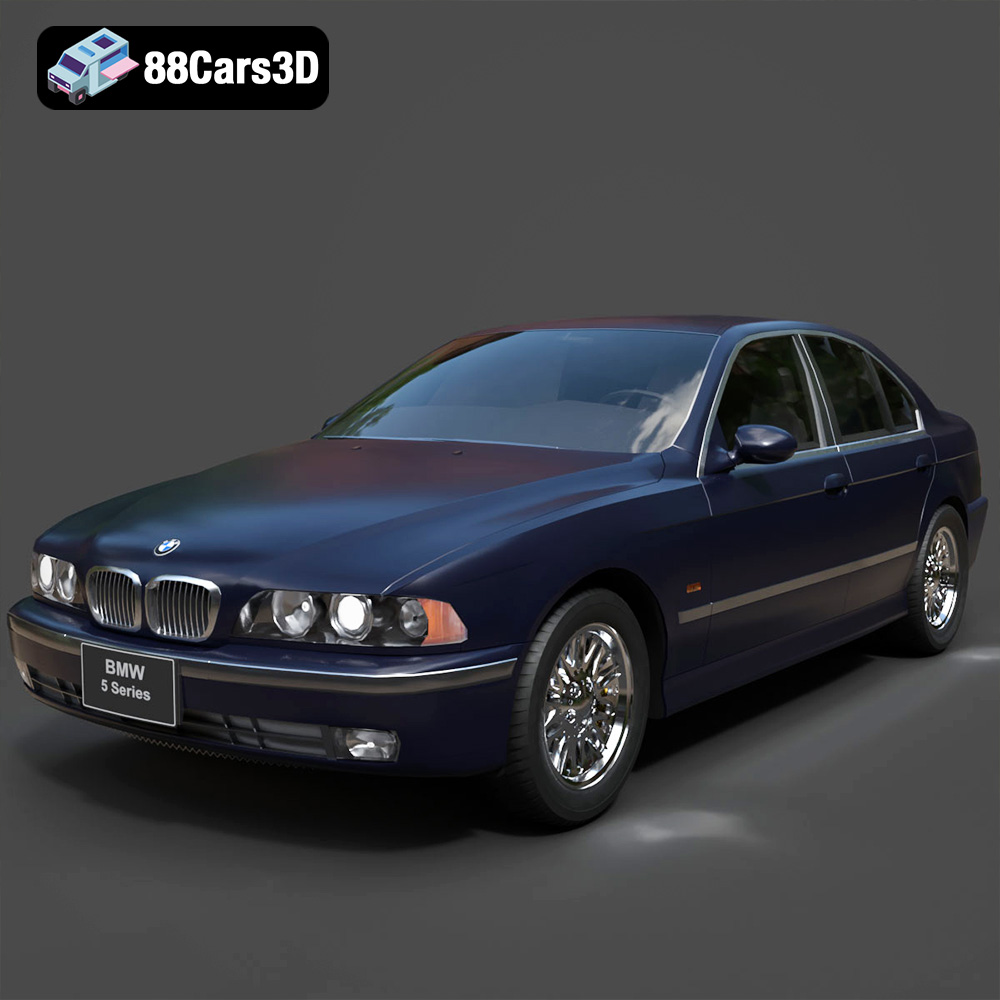
BMW E39 M5-540i 3D Model
Texture: Yes
Material: Yes
Download the BMW E39 M5-540i 3D Model featuring its iconic sedan design, detailed exterior, and realistic interior. Includes .blend, .fbx, .obj, .glb, .stl, .ply, .unreal, and .max formats for rendering, simulation, and game development.
Price: $10.79

BMW 7 Series E38 3D Model
Texture: Yes
Material: Yes
Download the BMW 7 Series E38 3D Model featuring its iconic luxury sedan design and classic aesthetics. Includes .blend, .fbx, .obj, .glb, .stl, .ply, .unreal, and .max formats for rendering, simulation, and game development.
Price: $10.79

BMW 6 Series 640i F12 3D Model
Texture: Yes
Material: Yes
Download the BMW 6 Series 640i F12 3D Model featuring a sleek design and detailed interior. Includes .blend, .fbx, .obj, .glb, .stl, .ply, .unreal, and .max formats for rendering, simulation, and game development.
Price: $10.79

BMW 6 Coupe E63 3D Model
Texture: Yes
Material: Yes
Download the BMW 6 Coupe E63 3D Model featuring a sleek design, detailed interior, and realistic exterior. Includes .blend, .fbx, .obj, .glb, .stl, .ply, .unreal, and .max formats for rendering, simulation, and game development.
Price: $10.79
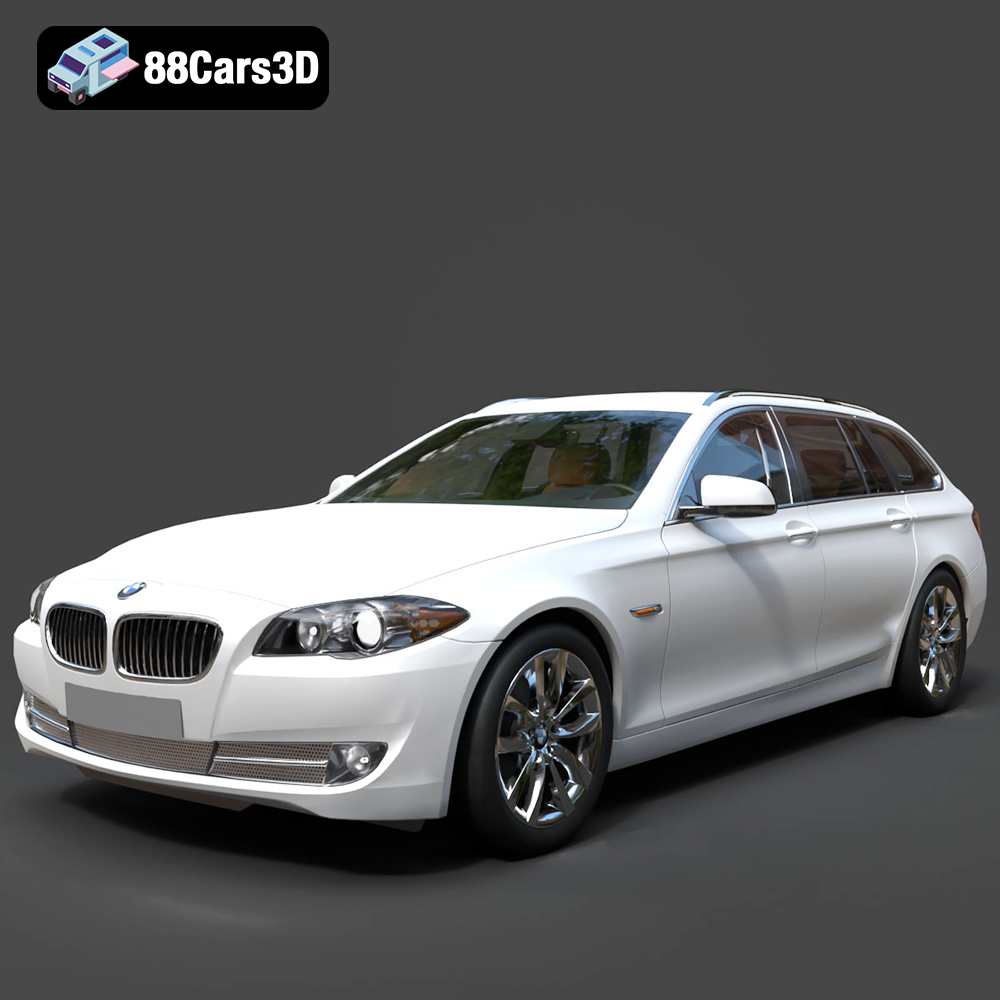
BMW 5 Series Touring F11-007 3D Model
Texture: Yes
Material: Yes
Download the BMW 5 Series Touring F11-007 3D Model featuring a detailed exterior and interior. Includes .blend, .fbx, .obj, .glb, .stl, .ply, .unreal, and .max formats for rendering, simulation, and game development.
Price: $10.79
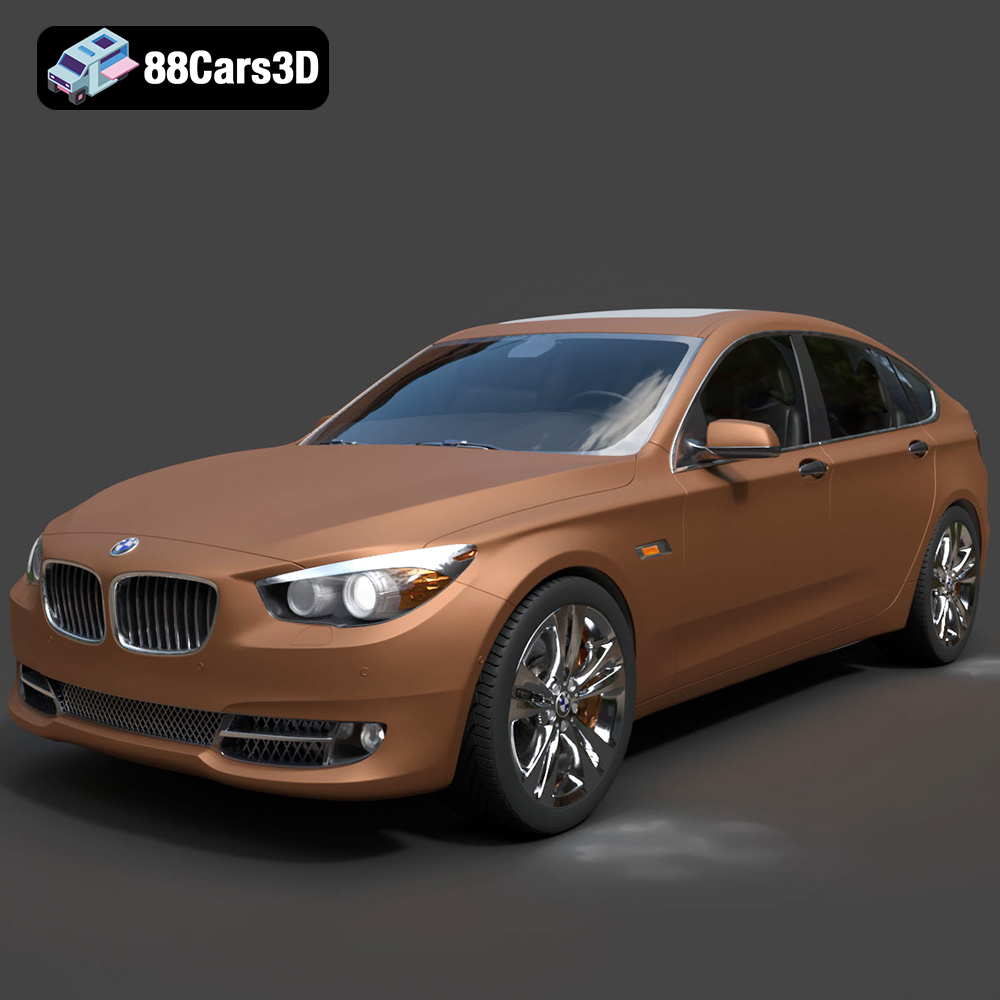
BMW 5 Series Gran Turismo F07-003 3D Model
Texture: Yes
Material: Yes
Download the BMW 5 Series Gran Turismo F07-003 3D Model featuring a detailed exterior and interior. Includes .blend, .fbx, .obj, .glb, .stl, .ply, .unreal, and .max formats for rendering, simulation, and game development.
Price: $10.79
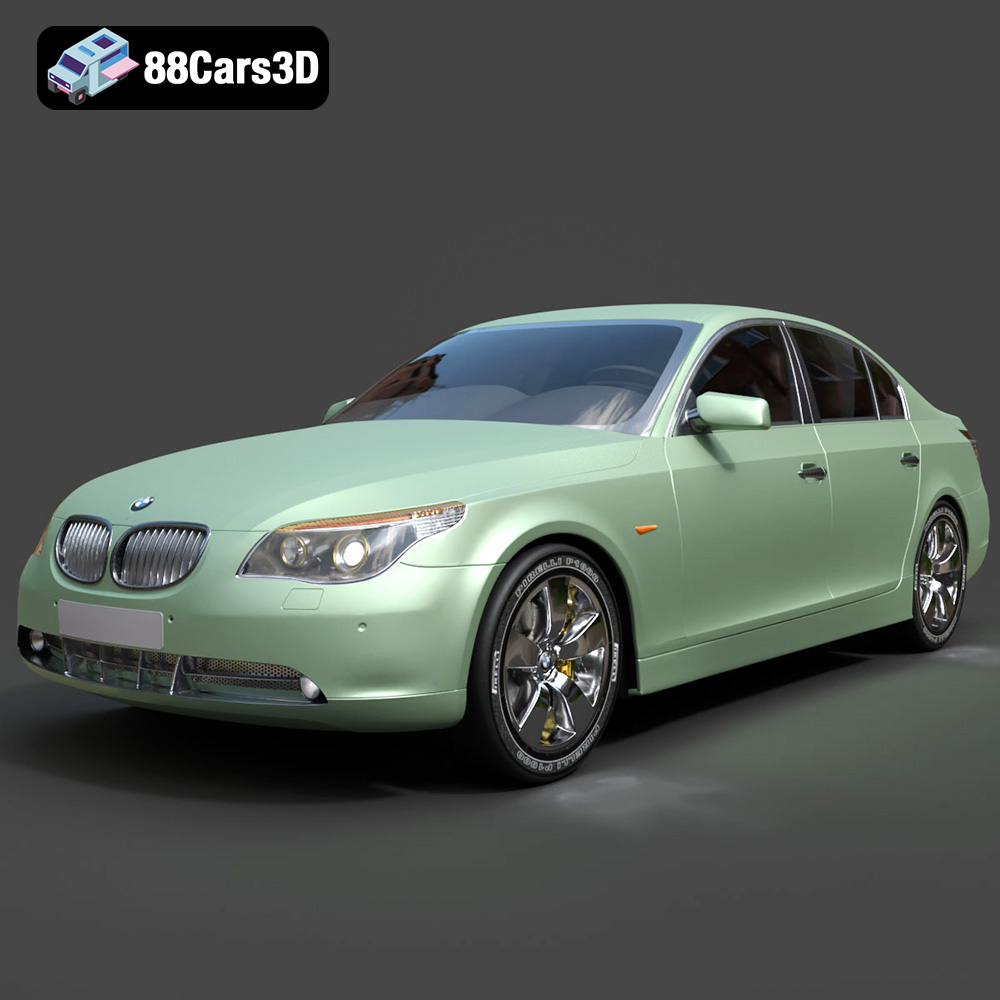
BMW 5 Series E60 3D Model
Texture: Yes
Material: Yes
Download the BMW 5 Series E60 3D Model featuring its iconic sedan design, detailed exterior, and interior. Includes .blend, .fbx, .obj, .glb, .stl, .ply, .unreal, and .max formats for rendering, simulation, and game development.
Price: $10.79

BMW 5 E34-535i 3D Model
Texture: Yes
Material: Yes
Download the BMW 5 E34-535i 3D Model featuring an iconic design, detailed exterior and interior, and accurate representation. Includes .blend, .fbx, .obj, .glb, .stl, .ply, .unreal, and .max formats for rendering, simulation, and game development.
Price: $10.79
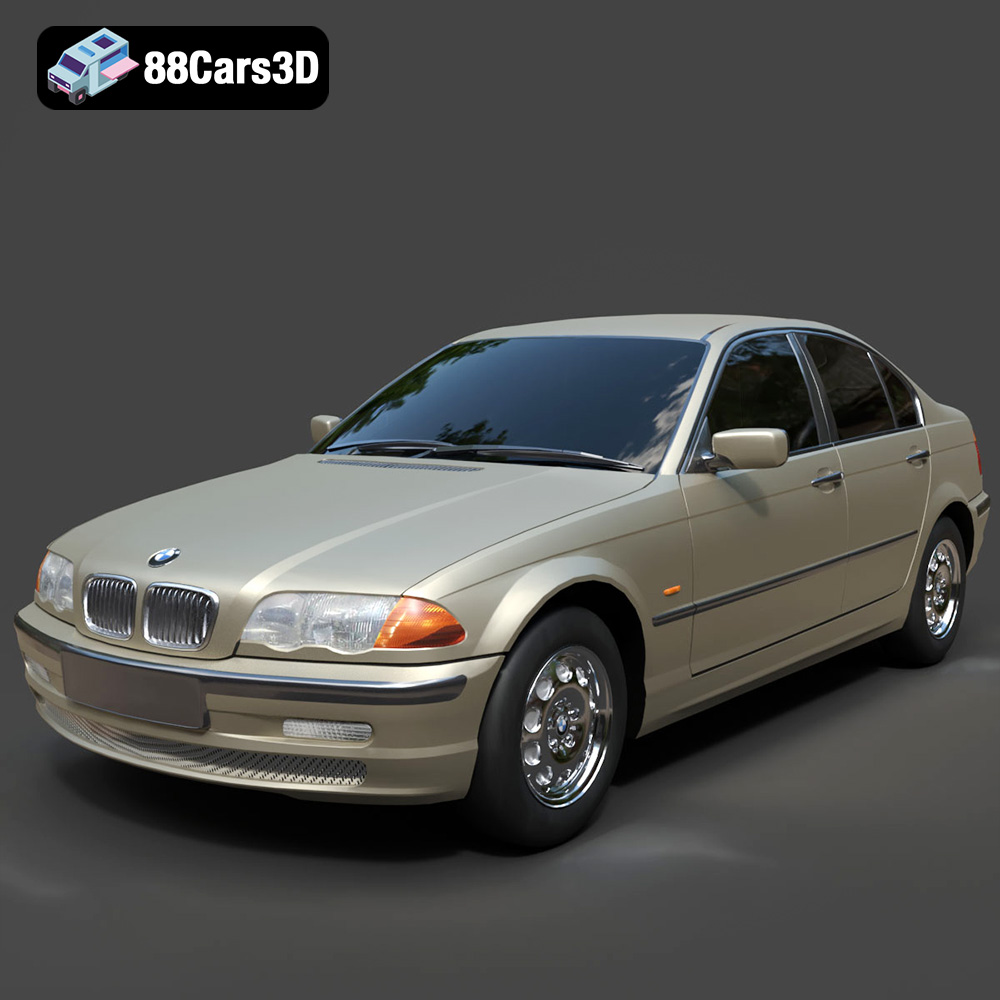
BMW 3 Series E46 3D Model
Texture: Yes
Material: Yes
Download the BMW 3 Series E46 3D Model featuring authentic exterior lines, a detailed interior, and separated components for animation. Includes .blend, .fbx, .obj, .glb, .stl, .ply, .unreal, and .max formats for rendering, simulation, and game development.
Price: $10.79
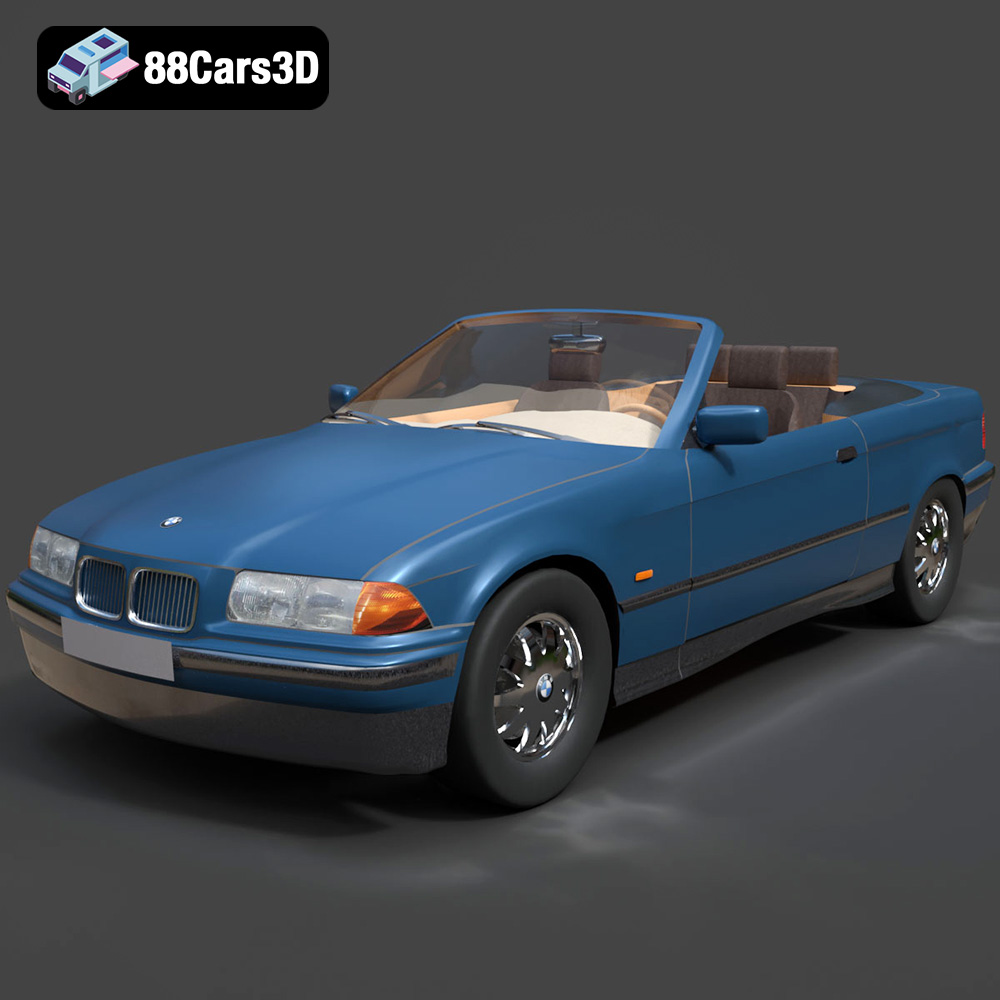
BMW 3 Series E36 Cabrio 325i 1998 3D Model
Texture: Yes
Material: Yes
Download the BMW 3 Series E36 Cabrio 325i 1998 3D Model featuring a classic convertible design and detailed interior. Includes .blend, .fbx, .obj, .glb, .stl, .ply, .unreal, and .max formats for rendering, simulation, and game development.
Price: $10.79
