

Crafting Impeccable Car Paint: A Deep Dive into Realistic Materials in Blender for Automotive Rendering
The allure of a perfectly rendered automobile often hinges on one crucial element: the car paint. It’s not just a color; it’s a complex interplay of reflections, refractions, and subtle imperfections that can elevate a 3D model from good to breathtakingly realistic. For 3D artists, game developers, and automotive designers, mastering the art of creating believable car paint materials is paramount for high-fidelity visualization and immersive experiences. Whether you’re showcasing a new concept vehicle, populating a virtual world, or creating stunning marketing renders, the paint finish is often the first thing that captures the viewer’s eye.
This comprehensive guide will take you on an in-depth journey through the technical intricacies of developing exquisite car paint materials specifically within Blender. We’ll unravel the science behind real-world automotive finishes, explore the power of Physically Based Rendering (PBR) principles, and construct advanced multi-layered shaders using Blender’s robust node editor. From simulating metallic flakes and pearlescent effects to meticulously adding micro-scratches and dirt, you’ll learn the techniques employed by professionals to achieve photorealistic results. By the end of this article, you’ll possess the knowledge and practical insights to transform your 3D car models into masterpieces, ready for any rendering or game engine environment. Platforms like 88cars3d.com often feature models that demand this level of material fidelity, and understanding these principles will empower you to create or enhance your own assets to match industry standards.
Understanding the Anatomy of Real-World Car Paint
Real-world car paint is far more complex than a simple coat of color. It’s a sophisticated system comprising multiple layers, each contributing distinct optical properties that collectively produce the vibrant, deep, and reflective finish we admire. To accurately replicate this in a 3D environment like Blender, we must first understand its real-world construction.
At its foundation, automotive paint begins with a **primer** layer, which ensures adhesion and provides a uniform base. Above this lies the **base coat**, responsible for the primary color. This is where metallic flakes or pearlescent pigments are suspended, creating the sparkle and color shift effects. Finally, the entire system is sealed and protected by a **clear coat**, a thick, transparent layer of lacquer that provides gloss, depth, and resistance against environmental damage. This clear coat is the primary source of the paint’s intense reflections and can exhibit subtle imperfections like orange peel, swirl marks, and micro-scratches. Each of these layers interacts with light differently, contributing to the overall visual fidelity. Neglecting any of these components will result in a flat, unrealistic material that fails to capture the essence of a true automotive finish.
The Role of Metallic Flakes and Pearlescent Pigments
The magic behind shimmering, dynamic car paint often lies within its metallic and pearlescent additives. **Metallic flakes** are tiny aluminum or mica particles suspended in the base coat. When light hits these flakes, they scatter it in various directions, creating a sparkling effect that shifts with the viewing angle. The size, density, and orientation of these flakes critically influence the paint’s appearance. Larger, less dense flakes can create a coarser, more aggressive sparkle, while fine, densely packed flakes result in a smoother, more uniform metallic sheen. The way these flakes align can also cause **anisotropic reflections**, where highlights stretch or distort depending on the angle, adding another layer of realism.
**Pearlescent pigments**, on the other hand, are engineered to refract and reflect light, creating a color-shifting or iridescent effect. These pigments often consist of multiple transparent layers, where light interference causes different colors to be visible at different viewing angles. This sophisticated light interaction gives the paint a “flip-flop” effect, where the color subtly changes as you move around the vehicle. Replicating these effects in Blender requires a nuanced approach, often involving a combination of advanced shader nodes and careful texture work to simulate the complex light interactions.
Clear Coat Properties: Gloss, Roughness, and Imperfections
The clear coat is arguably the most visually dominant layer of car paint. It’s the transparent top layer responsible for the high gloss, depth, and protection. Its optical properties, particularly its **roughness** and **Index of Refraction (IOR)**, are crucial for realism. A perfectly smooth clear coat will exhibit mirror-like reflections, while even microscopic imperfections will introduce a subtle blur or dispersion to these reflections. This is where **roughness maps** become indispensable.
Beyond ideal smoothness, real-world clear coats are rarely flawless. They accumulate **micro-scratches** (often visible as swirl marks under direct light), dust particles, and can exhibit an “orange peel” texture – a subtle, wavy unevenness resulting from the spraying process. Simulating these imperfections is vital for breaking up perfect reflections and adding a layer of authenticity that prevents the render from looking too “plastic” or artificial. These minute details, though seemingly insignificant, contribute immensely to the perceived realism, making the difference between a synthetic render and a photorealistic one. Tools in Blender, such as procedural noise or grunge textures, can be expertly layered to mimic these surface anomalies, enhancing the visual depth of the clear coat.
Core PBR Principles for Car Paint in Blender
Physically Based Rendering (PBR) has become the gold standard in 3D graphics for achieving consistent and realistic materials across diverse lighting conditions. For automotive rendering, PBR is not just a preference; it’s a necessity. It provides a robust framework for defining material properties based on their real-world physics, ensuring that your car paint reacts authentically to light, whether it’s under a blazing sun or in a dimly lit garage.
At its heart, PBR dictates that materials behave predictably in relation to light. This means the material’s properties – how it reflects, absorbs, or scatters light – are defined using a set of standardized maps. In Blender, the **Principled BSDF shader** is the cornerstone of PBR workflows, consolidating various parameters like Base Color, Metallic, Roughness, Specular, and Normal into a single, intuitive node. This powerful node simplifies the creation of complex materials by adhering to energy conservation principles, making it easier to achieve realistic results without extensive trial and error. Understanding and correctly utilizing the Principled BSDF is the first step towards creating truly believable car paint.
Base Color and Metallic Workflow
The **Base Color** input on the Principled BSDF node defines the fundamental color of your paint. For a typical solid color car paint, this would be a direct color input or an image texture. However, when we introduce metallic flakes or pearlescent effects, the workflow becomes more intricate. The **Metallic** input, ranging from 0 (dielectric) to 1 (full metal), usually presents a challenge for car paint. While car paint contains metallic elements, the overall material is still a dielectric (non-metal) with a metallic base coat *under* a clear coat. Therefore, simply setting metallic to 1 is incorrect. Instead, we treat the metallic flakes as part of the base layer, which is then covered by a dielectric clear coat.
To simulate the metallic aspect, you will primarily control the color and reflectivity through the Base Color, Roughness, and an advanced flake setup (discussed later). For the metallic flakes themselves, their reflectivity and anisotropic properties are key. This often involves blending different shader types or using sophisticated texture maps to drive the metallic response specifically for the flakes, while the clear coat remains dielectric. When sourcing high-quality 3D car models from platforms like 88cars3d.com, you’ll often find that their PBR texture sets adhere to these nuanced material definitions, providing a great starting point for your own enhancements.
Roughness Maps for Varied Sheen and Micro-Scratches
The **Roughness** input is arguably one of the most critical parameters for defining the character of your car paint. A value of 0 results in a perfectly smooth, mirror-like reflection, while a value of 1 scatters light completely, appearing diffuse and non-reflective. Real car paint, even when brand new, is never perfectly smooth. Its clear coat will always have microscopic variations that subtly diffuse reflections.
To achieve hyper-realism, a single roughness value is insufficient. Instead, **roughness maps** are used. These grayscale textures allow you to define varying levels of smoothness across the surface. Darker areas on the map correspond to smoother, more reflective regions (e.g., the main clear coat), while lighter areas indicate rougher, more diffuse regions (e.g., dust accumulation, subtle swirl marks, or an “orange peel” texture). By intricately painting or procedurally generating these maps, you can introduce subtle imperfections that break up perfect reflections, making the material feel tangible and realistic. For instance, a subtle grunge map mixed with a low-frequency noise texture can simulate faint micro-scratches or wax residue, significantly enhancing the visual complexity and believability of the clear coat. This level of detail in roughness is what separates truly photorealistic renders from merely polished ones.
Building the Multi-Layered Car Paint Shader in Blender
Creating a truly convincing car paint shader in Blender necessitates a multi-layered approach, mirroring the physical construction of real-world automotive finishes. We won’t rely on a single Principled BSDF node; instead, we’ll construct a sophisticated network of nodes to simulate the base coat and the clear coat independently, then blend them together realistically. This allows for granular control over each layer’s optical properties and ensures maximum realism.
The core of this multi-layered shader involves two separate **Principled BSDF** nodes – one for the base coat (color and flakes) and another for the clear coat (gloss and protection). These will be strategically combined using **Mix Shader** nodes, driven by a **Fresnel** effect to simulate the physically accurate falloff of reflections. This approach ensures that the clear coat’s reflections are most prominent when viewed at glancing angles, just as they are in reality. For a detailed reference on node usage and their functionalities, Blender’s official 4.4 documentation provides comprehensive information: Blender 4.4 Manual. Understanding how to connect and manipulate these nodes is fundamental to unlocking the full potential of Blender’s shading system.
The Base Coat: Color and Flakes Implementation
The first step is to establish the base coat, which provides the primary color of the car paint and, importantly, houses the metallic or pearlescent flakes. Begin with a **Principled BSDF** node. Set its **Base Color** to your desired automotive hue. Crucially, the **Metallic** value for this base layer should generally be set to 0. The “metallic” appearance will come from the flakes, not from treating the entire base coat as a metal.
To integrate realistic metallic flakes, a common technique involves using a second, highly reflective shader mixed into the base coat’s color. This can be achieved with another **Principled BSDF** node, set to a metallic value of 1, and given a slight roughness. Instead of directly mixing this into the main base color with a simple Mix RGB, we will use it to influence the reflections. A more advanced method for flakes involves using an **Anisotropic BSDF** or simulating anisotropic reflections directly within the Principled BSDF by driving its **Anisotropic** and **Anisotropic Rotation** inputs with textures. A **Noise Texture** or **Musgrave Texture** can be mapped to control the flake distribution and orientation, creating a subtle glitter effect that shifts with the light. For optimal results, these flake patterns are often very fine, requiring high-resolution procedural textures or carefully crafted image textures to avoid pixelation.
The Clear Coat: Achieving Depth and Reflection
The clear coat is the crowning glory of the car paint shader, responsible for its distinctive depth and mirror-like reflections. For this layer, we’ll use a *second* **Principled BSDF** node. This node should have its **Base Color** set to a very light gray or pure white, as it’s a transparent, reflective layer. The **Metallic** value for the clear coat should be 0, as it’s a dielectric material. Its **Roughness** input will be extremely low (e.g., 0.01 to 0.05) to achieve that high-gloss finish. Remember that even the slightest roughness value will introduce some blur to reflections, which is crucial for realism.
The **Index of Refraction (IOR)** for the clear coat is vital. For automotive lacquers, a typical IOR value is around **1.5 to 1.55**. This value determines how light bends as it passes through the clear coat, influencing the strength of its reflections, especially at glancing angles. Now, to blend this clear coat with our base coat, we’ll use a **Mix Shader** node. Connect the Base Coat Principled BSDF to one shader input and the Clear Coat Principled BSDF to the other. The **Fac** (factor) input of the Mix Shader will be driven by a **Fresnel** node. Connect the Fresnel output to the Fac input. The Fresnel node simulates the physical phenomenon where reflections are stronger at grazing angles. Adjust the **IOR** on the Fresnel node to match the clear coat’s IOR for physically accurate blending. This layered approach allows the clear coat to beautifully sit on top of the base color and flakes, providing that characteristic depth and shine.
Advanced Techniques for Ultimate Realism
Once the fundamental layered shader is established, we can delve into more advanced techniques to push the realism further. These methods focus on replicating the subtle visual nuances that often differentiate a good render from an exceptional one. From meticulously controlling the directionality of metallic flakes to introducing believable signs of wear, these details are crucial for truly convincing automotive visualization.
Implementing these advanced features requires a deeper understanding of Blender’s node system and a keen eye for observing real-world materials. It’s about breaking perfect uniformity and introducing the controlled chaos that characterizes natural surfaces. Whether it’s the specific glint of a metallic particle or the faint trace of a car wash brush, these imperfections are what sell the illusion of reality. Professional 3D artists constantly experiment with these techniques to achieve unique and compelling results for high-end projects.
Simulating Anisotropic Flakes and Pearlescent Effects
To truly capture the dynamic sparkle of metallic car paint, simulating **anisotropic flakes** is key. Anisotropy refers to the directional dependency of reflections, where highlights stretch and follow the orientation of microscopic grooves or, in our case, the flat surfaces of metallic flakes. In Blender, you can achieve this by leveraging the **Anisotropic** and **Anisotropic Rotation** inputs of the Principled BSDF node.
To drive these inputs, you can create intricate procedural textures or utilize carefully crafted image textures. A common method is to use a **Noise Texture** or **Voronoi Texture** fed through a **Vector Rotate** node and then into the Anisotropic Rotation. This creates a scattered, randomized flake orientation, which, when combined with a metallic base coat, produces the signature anisotropic glint. For **pearlescent effects**, which involve color shifting based on viewing angle, you can use a **Layer Weight** or **Fresnel** node to drive the color input of your base coat. For example, blend two slightly different hues based on the Fresnel output, allowing the paint to subtly shift color from a head-on view to a glancing angle. This technique adds an incredibly rich and dynamic quality to the paint, making it visually captivating.
Imperfections and Wear: Dirt, Dust, and Scratches
No car paint remains pristine forever. Introducing **imperfections and wear** is a vital step towards photorealism. These details break up the artificial perfection of a clean render and ground the vehicle in a believable environment. Start by considering the types of wear: fine **micro-scratches** (swirl marks), general **dust** accumulation, localized **dirt**, and potential **water spots**.
For micro-scratches, a subtle **Noise Texture** or **Voronoi Texture** mixed with a very low Roughness value on the clear coat’s Principled BSDF can simulate these. You can also create a grayscale grunge map in an image editor with fine linear patterns and plug it into the Roughness map, perhaps multiplied by a lower base roughness value. For dust, use another **Principled BSDF** with a light gray color and a higher roughness value, then blend it with your main car paint shader using a **Mix Shader**. The `Mix Shader`’s `Fac` input can be driven by a **Dirty Vertex Color** map (generated via `Vertex Paint > Paint > Dirty Vertex Colors`) or an **Ambient Occlusion** texture (baked or procedurally generated) to concentrate dust and dirt in crevices and concave areas. For more localized dirt, a painted mask or a textured grunge map can control its distribution. These layers of subtle degradation contribute significantly to the narrative and believability of your 3D car model.
Lighting, Rendering, and Post-Processing for Automotive Visuals
Even the most meticulously crafted car paint shader will fall flat without appropriate lighting and rendering techniques. Lighting is the storyteller of your scene; it defines the mood, emphasizes contours, and, most importantly, reveals the intricate details of your material. For automotive visualization, the goal is often to highlight reflections and the interplay of light on the paint’s surfaces, making the environment and light sources as critical as the shader itself.
Blender’s Cycles renderer, known for its physically accurate light simulation, is an excellent choice for achieving photorealistic automotive visuals. However, understanding its settings and how they impact the final image is crucial. Beyond rendering, **post-processing** in Blender’s compositor or external image editing software is the final polish that can dramatically enhance the perceived quality of your render, adding cinematic flair and correcting any subtle visual imbalances. It’s where the magic of a raw render is transformed into a captivating image, ready for portfolios or presentations.
Optimizing Render Settings in Cycles (and Eevee considerations)
For photorealistic automotive rendering in Blender, **Cycles** is generally preferred due to its advanced path tracing capabilities, which accurately simulate light bounces, reflections, and refractions. Key settings to optimize include:
- Samples: Higher sample counts reduce noise but increase render time. Start with 128-256 for previews and go up to 1024-4096 (or more for ultra-clean shots) for final renders, combined with denoising.
- Light Paths: Ensure enough `Transmission`, `Glossy`, and `Diffuse` bounces are set (e.g., 4-8 for each) to accurately simulate light interacting with the clear coat and body.
- Denoising: Utilize Blender’s built-in OIDN (Open Image Denoise) for efficient noise reduction. Enable `Denoising Data` in the `View Layer Properties` and add a `Denoise` node in the `Compositor`.
- Performance: Use GPU rendering if available. Optimize tile size (often 256×256 or 512×512 for GPU).
While Cycles excels in realism, **Eevee** can be useful for quick previews or real-time applications, though it may not fully capture the complexity of multi-layered car paint without significant shader adjustments and limitations. Eevee is a rasterization renderer, not ray tracing, so its reflections are screen-space and less accurate. For high-fidelity automotive visualization, Cycles remains the gold standard.
Post-Processing in Blender’s Compositor
After rendering, **post-processing** can significantly enhance the visual impact of your automotive scene. Blender’s built-in **Compositor** provides a powerful non-destructive environment for this.
- Color Grading: Use `RGB Curves` or `Color Balance` nodes to adjust contrast, brightness, and color temperature. A slightly cooler tone can evoke a sleek, modern feel, while warmer tones create a luxurious ambiance.
- Glare/Bloom: Add a `Glare` node set to ‘Fog Glow’ or ‘Streaks’ to enhance bright reflections and create a subtle glow around highlights, mimicking real-world camera lens effects. Adjust the threshold and size to prevent over-blooming.
- Vignette: A subtle `Ellipse Mask` and `Blur` node combined with a `Mix` node set to ‘Multiply’ can create a gentle darkening towards the edges, drawing focus to the car.
- Depth of Field (DOF): If rendered with DOF, fine-tune it in the compositor using a `Defocus` node, driven by a `Z-Depth` pass, to selectively blur elements and create a more photographic look.
- Sharpening: A subtle `Filter` node set to ‘Sharpen’ can add crispness to details, but use sparingly to avoid artifacting.
These compositing steps can elevate a raw render into a professional, polished image, making the car paint truly pop and enhancing the overall visual narrative.
Workflow Integration and Best Practices
Creating high-quality car paint materials in Blender is only part of the equation; integrating these materials into larger workflows and ensuring their compatibility across different platforms is equally important. Whether you’re working on a personal project, a studio production, or preparing models for an online marketplace, adhering to best practices ensures efficiency, consistency, and versatility. This section focuses on how to manage your assets, optimize them for performance, and prepare them for export, making your intricate car paint materials ready for any application.
When sourcing models from marketplaces such as 88cars3d.com, you often receive optimized models with well-structured materials. Understanding these best practices will help you not only modify and enhance existing assets but also create your own from scratch, ensuring they meet professional standards for a wide array of uses, from game development to high-fidelity visualization.
Maintaining Performance and File Size
Complex car paint shaders, while visually stunning, can become resource-intensive. Maintaining **performance** during viewport interaction and rendering, as well as managing **file size**, is crucial, especially for game development or large-scale visualization projects.
- Efficient Node Setups: Avoid unnecessary nodes. Group common node combinations into `Node Groups` for reusability and tidiness. Simplify procedural textures where possible; for instance, a subtle grunge map doesn’t always need an extremely complex procedural setup.
- Texture Resolution: Use appropriate texture resolutions. For the primary car paint (Base Color, Roughness, Normal maps), 4K (4096×4096) or even 8K textures might be justified for high-resolution renders of close-up shots on a clean model. However, for distant objects or game assets, 2K (2048×2048) or 1K (1024×1024) might suffice. Overly large textures unnecessarily bloat file size and VRAM usage.
- Image Compression: Save image textures in efficient formats like PNG (for lossless) or JPG/WebP (for lossy, with careful quality settings). For normal maps, PNG is usually preferred.
- Baking: For highly complex procedural shaders, consider **baking** the material into a set of PBR texture maps (Base Color, Metallic, Roughness, Normal). This significantly reduces computation during rendering and improves portability across different software and game engines.
By thoughtfully managing these aspects, you can achieve stunning visual quality without crippling performance or creating unwieldy file sizes.
Exporting and Compatibility (FBX, GLB, USDZ)
The flexibility of your 3D assets, particularly their materials, is paramount when working in diverse pipelines. Different software, game engines, and AR/VR platforms often have varying interpretations of materials. Therefore, understanding how to properly **export** your Blender car paint materials and ensure their **compatibility** is essential.
- PBR Workflow for Export: Always aim to bake your complex Blender-specific shaders into standard PBR texture maps (Base Color, Metallic, Roughness, Normal, Ambient Occlusion, Height). Most modern game engines (Unity, Unreal Engine) and 3D software support this industry-standard PBR metallic/roughness workflow.
- File Formats:
- FBX: The most widely used format for inter-application data exchange. When exporting from Blender (File > Export > FBX), ensure `Selected Objects`, `Apply Modifiers`, and `FBX Unit Scale` are set correctly. Materials often need to be re-setup in the target software, but the baked PBR textures will provide the necessary data.
- GLB/glTF: Gaining popularity, especially for web-based 3D, AR/VR, and real-time applications. GLB is the binary version of glTF, bundling textures into a single file. Blender has excellent glTF export capabilities (`File > Export > glTF 2.0`), which can directly export PBR materials with their connected textures.
- USDZ: Apple’s format for AR applications. You can often convert glTF to USDZ using external tools or specific plugins, as direct USDZ export from Blender is not natively robust for all material types.
- Shader Translation: Be aware that complex procedural shaders from Blender Cycles may not directly translate to other renderers or game engines. Baking them to textures is the most reliable way to maintain visual consistency. Platforms like 88cars3d.com often specify required file formats and material standards for asset submission or distribution, reinforcing the importance of this step.
By meticulously preparing your models and materials for export, you ensure that your stunning car paint creations are universally usable and maintain their visual integrity across various 3D ecosystems.
Conclusion
The journey to mastering realistic car paint in Blender is a deeply rewarding one, demanding both technical prowess and an artist’s keen eye for detail. We’ve traversed the intricate layers of real-world automotive finishes, from the underlying base coat with its mesmerizing metallic flakes to the pristine, yet subtly imperfect, clear coat that gives a vehicle its unmistakable sheen. By embracing Physically Based Rendering (PBR) principles and meticulously constructing a multi-layered shader network in Blender’s node editor, you can replicate these complex light interactions with stunning accuracy.
We explored not just the fundamental setup using the Principled BSDF but also ventured into advanced techniques such as simulating anisotropic effects for dynamic sparkle and incorporating subtle imperfections like micro-scratches and dust, which are critical for breaking artificial perfection and grounding your model in reality. Furthermore, we covered the vital aspects of lighting, rendering optimization in Cycles, and the transformative power of post-processing in Blender’s compositor – all essential steps in elevating a raw render to a professional-grade automotive visualization.
Remember, achieving true photorealism is an iterative process of observation, experimentation, and refinement. Pay close attention to how light interacts with real car paint in various conditions, and don’t be afraid to tweak parameters, layer textures, and build upon these foundational techniques. The dedication you put into crafting these materials will directly translate into the breathtaking quality of your 3D car models. To kickstart your projects with high-quality, pre-modeled vehicles, explore the extensive collection available at 88cars3d.com, offering a perfect canvas for applying your newly acquired car paint material expertise. Keep experimenting, keep learning, and keep pushing the boundaries of realism in your automotive renders!
Featured 3D Car Models

BMW 4 Series F32 3D Model
Texture: Yes
Material: Yes
Download the BMW 4 Series F32 3D Model featuring clean geometry, realistic detailing, and a fully modeled interior. Includes .blend, .fbx, .obj, .glb, .stl, .ply, .unreal, and .max formats for rendering, simulation, and game development.
Price: $12.99
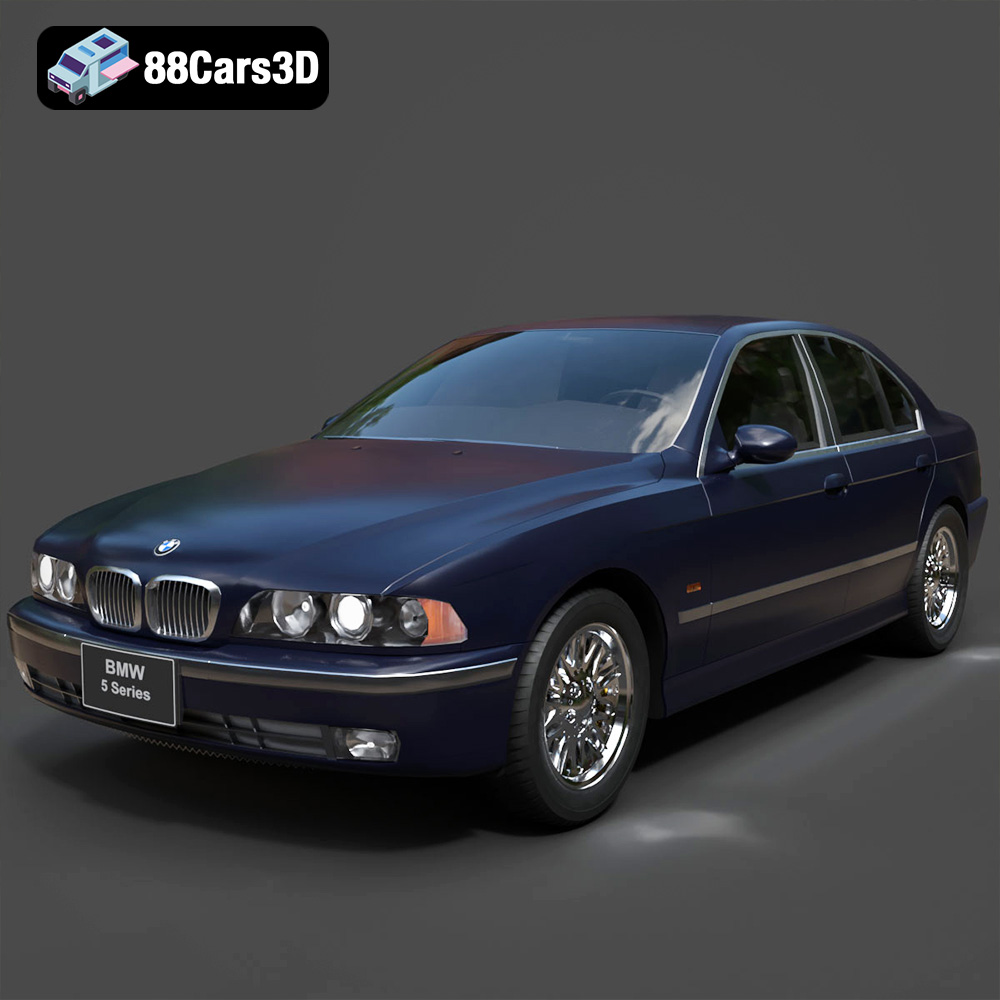
BMW E39 M5-540i 3D Model
Texture: Yes
Material: Yes
Download the BMW E39 M5-540i 3D Model featuring its iconic sedan design, detailed exterior, and realistic interior. Includes .blend, .fbx, .obj, .glb, .stl, .ply, .unreal, and .max formats for rendering, simulation, and game development.
Price: $10.79

BMW 7 Series E38 3D Model
Texture: Yes
Material: Yes
Download the BMW 7 Series E38 3D Model featuring its iconic luxury sedan design and classic aesthetics. Includes .blend, .fbx, .obj, .glb, .stl, .ply, .unreal, and .max formats for rendering, simulation, and game development.
Price: $10.79

BMW 6 Series 640i F12 3D Model
Texture: Yes
Material: Yes
Download the BMW 6 Series 640i F12 3D Model featuring a sleek design and detailed interior. Includes .blend, .fbx, .obj, .glb, .stl, .ply, .unreal, and .max formats for rendering, simulation, and game development.
Price: $10.79

BMW 6 Coupe E63 3D Model
Texture: Yes
Material: Yes
Download the BMW 6 Coupe E63 3D Model featuring a sleek design, detailed interior, and realistic exterior. Includes .blend, .fbx, .obj, .glb, .stl, .ply, .unreal, and .max formats for rendering, simulation, and game development.
Price: $10.79
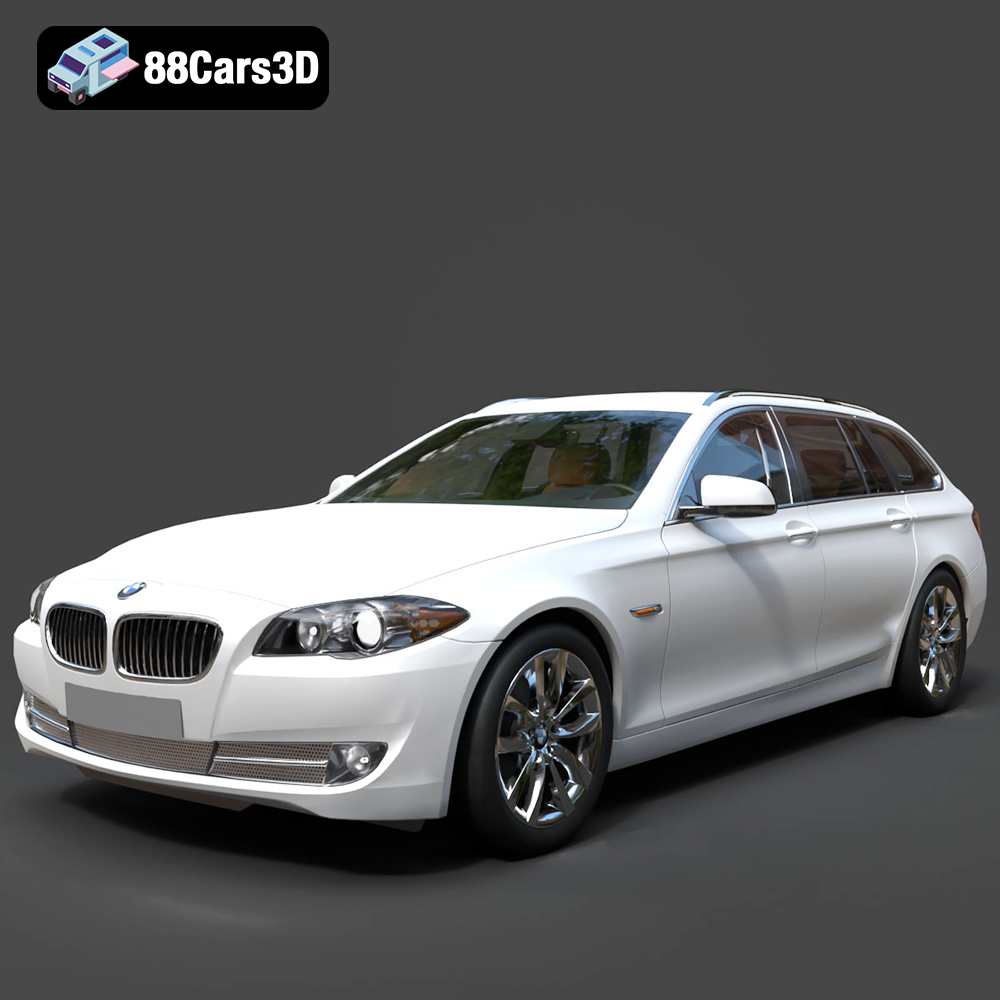
BMW 5 Series Touring F11-007 3D Model
Texture: Yes
Material: Yes
Download the BMW 5 Series Touring F11-007 3D Model featuring a detailed exterior and interior. Includes .blend, .fbx, .obj, .glb, .stl, .ply, .unreal, and .max formats for rendering, simulation, and game development.
Price: $10.79
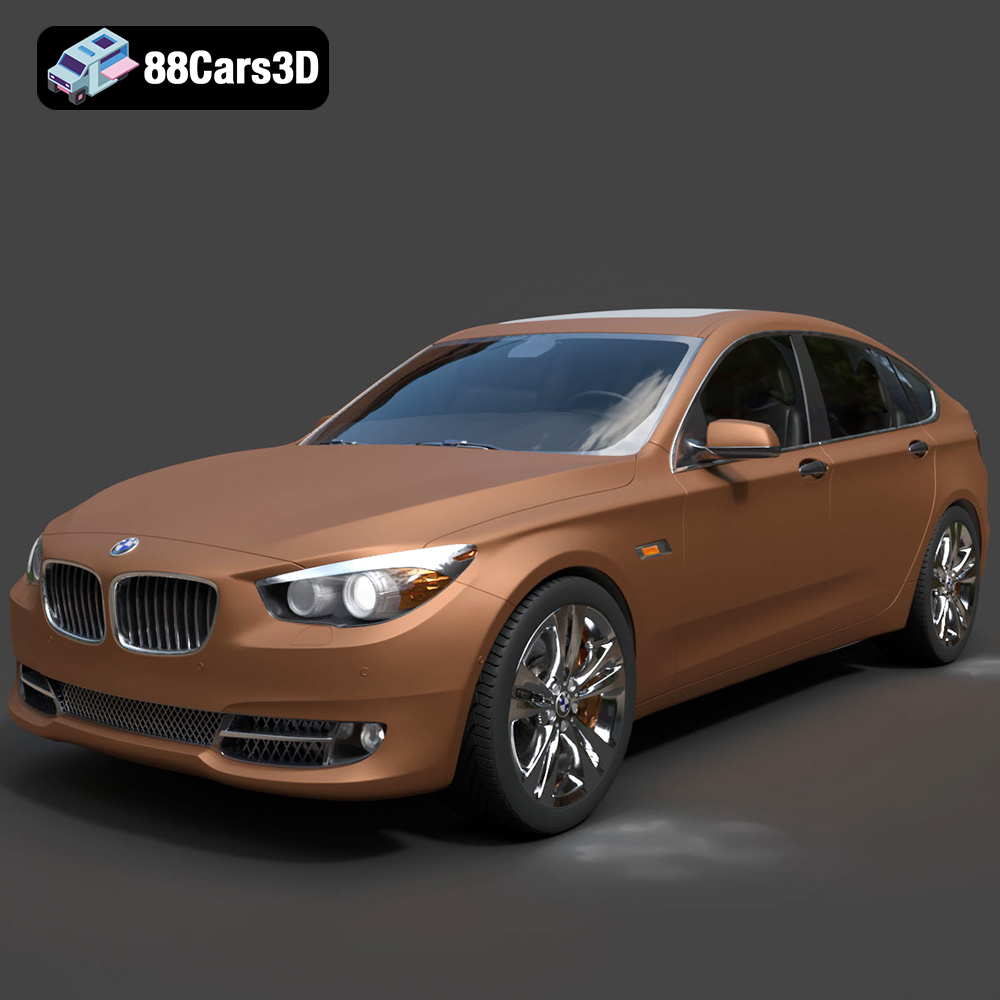
BMW 5 Series Gran Turismo F07-003 3D Model
Texture: Yes
Material: Yes
Download the BMW 5 Series Gran Turismo F07-003 3D Model featuring a detailed exterior and interior. Includes .blend, .fbx, .obj, .glb, .stl, .ply, .unreal, and .max formats for rendering, simulation, and game development.
Price: $10.79
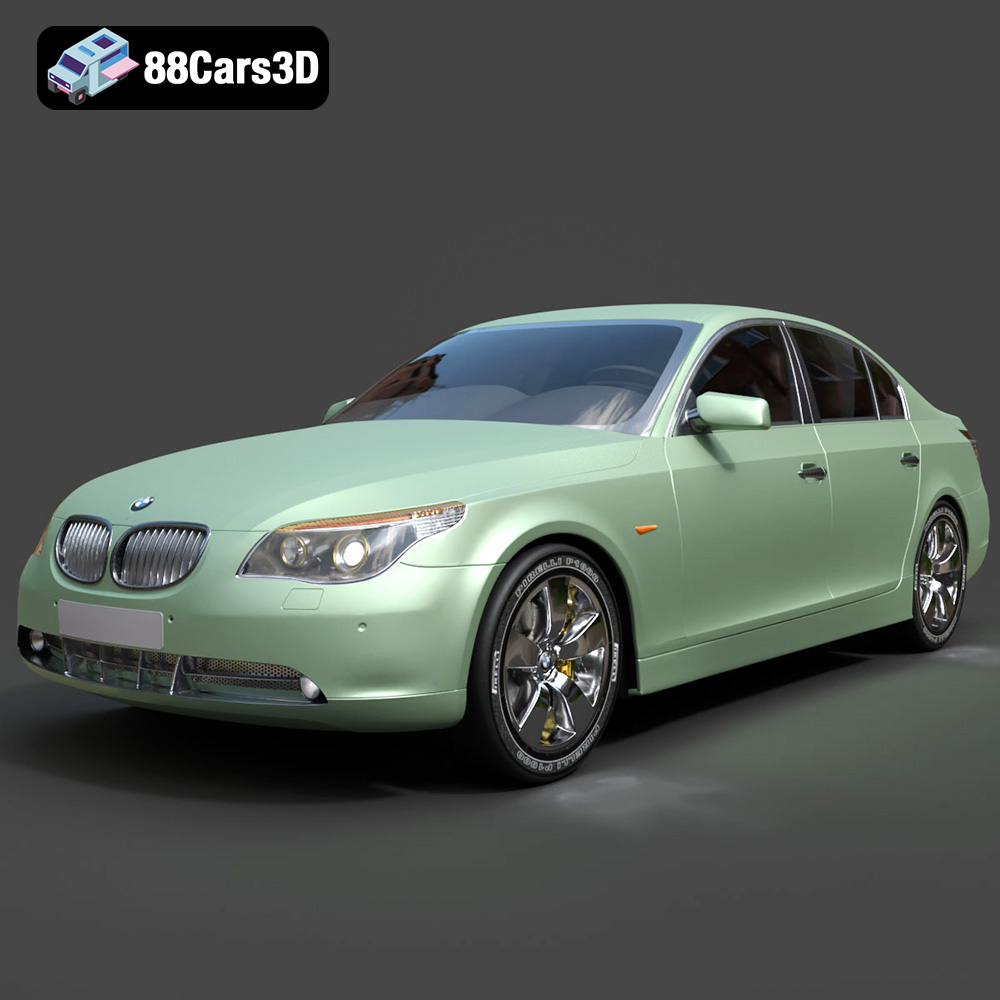
BMW 5 Series E60 3D Model
Texture: Yes
Material: Yes
Download the BMW 5 Series E60 3D Model featuring its iconic sedan design, detailed exterior, and interior. Includes .blend, .fbx, .obj, .glb, .stl, .ply, .unreal, and .max formats for rendering, simulation, and game development.
Price: $10.79

BMW 5 E34-535i 3D Model
Texture: Yes
Material: Yes
Download the BMW 5 E34-535i 3D Model featuring an iconic design, detailed exterior and interior, and accurate representation. Includes .blend, .fbx, .obj, .glb, .stl, .ply, .unreal, and .max formats for rendering, simulation, and game development.
Price: $10.79
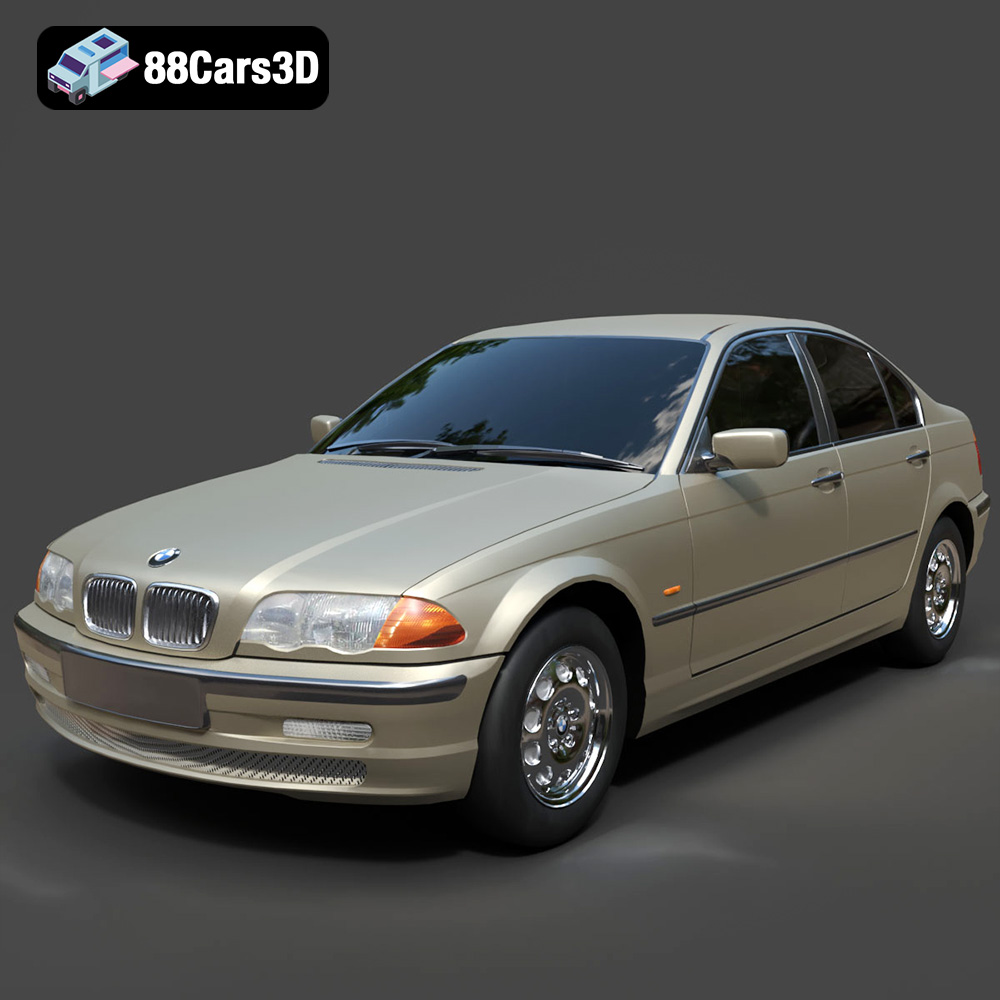
BMW 3 Series E46 3D Model
Texture: Yes
Material: Yes
Download the BMW 3 Series E46 3D Model featuring authentic exterior lines, a detailed interior, and separated components for animation. Includes .blend, .fbx, .obj, .glb, .stl, .ply, .unreal, and .max formats for rendering, simulation, and game development.
Price: $10.79
