

The automotive industry is in constant motion, not just on the road but in the digital realm. As consumer expectations shift and technology evolves, the traditional physical showroom is rapidly being augmented, and in some cases, redefined by its virtual counterpart. At the heart of this transformative shift are high-quality 3D car models. These meticulously crafted digital representations are no longer just static images; they are dynamic, interactive, and hyper-realistic assets that power immersive virtual showrooms, enabling customers to explore, configure, and connect with vehicles in unprecedented ways. This comprehensive guide will delve deep into the technical intricacies involved in creating and deploying these pivotal 3D assets, covering everything from foundational modeling principles to advanced rendering and real-time optimization techniques. We’ll explore how precise topology, sophisticated PBR materials, and intelligent optimization strategies converge to deliver truly engaging and effective virtual automotive experiences. Whether you’re a 3D artist, game developer, or automotive design professional, understanding these core principles is essential for driving the future of car visualization and sales.
The Foundation: Precision 3D Modeling and Topology
The journey to a photorealistic virtual car begins with its 3D model, specifically its underlying topology. Topology, the arrangement of vertices, edges, and faces that form the mesh, is paramount for automotive models due to the emphasis on smooth, flowing curves and crisp, defined edges. A well-constructed mesh not only looks better but also performs better, especially when subdivided or animated. Poor topology, characterized by triangles, N-gons (faces with more than four sides), or poles (vertices with more than five edges), can lead to pinching, unsightly deformations, and artifacts that undermine realism.
Clean Topology for Flawless Surfaces
For automotive surfaces, the golden rule is to maintain an all-quad topology wherever possible. Quads (four-sided polygons) subdivide predictably, resulting in smooth, continuous surfaces that accurately reflect the car’s design intent. Edge loops, continuous chains of edges that flow across the model, are critical. They define the shape and curvature of the body panels, character lines, and panel gaps. Supporting loops, also known as control loops or holding edges, are placed close to hard edges (like those found around headlights or window frames) to sharpen the appearance when subdivision surface modifiers are applied. Without these, a subdivision would round off even the sharpest edges, diminishing the model’s fidelity. For instance, creating a fender involves carefully tracing its contour with edge loops, ensuring that the polygon density is sufficient to capture the subtle curvature without being excessively high. This balance is key; too few polygons will result in a blocky appearance, while too many can unnecessarily inflate the polycount, impacting real-time performance. Utilizing tools like Blender’s Subdivision Surface Modifier or 3ds Max’s TurboSmooth requires a clean base mesh to produce the desired smooth results without artifacts. Understanding how to manage edge flow around complex areas such as air intakes or wheel wells is a skill honed through practice, ensuring the mesh remains clean and efficient.
Capturing Automotive Fidelity
Replicating the intricate details of an automotive design demands meticulous attention. This includes accurately modeling panel gaps, door handles, headlight assemblies, and subtle body creases. Panel gaps, for example, are not merely lines but actual three-dimensional indentations that contribute significantly to the perceived quality of a vehicle. Modeling these as separate geometry or with precise edge loops ensures they catch the light correctly. Interior details, though often viewed less prominently, also require a high level of fidelity for a truly immersive virtual experience. This includes realistic dashboard layouts, seat stitching, and functional steering wheels. Polycount considerations are paramount and often dictated by the target platform. For high-end offline renders, models can easily exceed 500,000 polygons, leveraging the power of subdivision surfaces to create ultra-smooth results. For real-time virtual showrooms running on game engines or AR/VR applications, a hero car might target 80,000 to 150,000 polygons for its base mesh, with additional detail brought in via normal maps. The challenge lies in optimizing the model without sacrificing visual integrity. This involves making informed decisions about where to add detail and where to simplify, a process often guided by the asset’s intended use and the performance budgets of the target platform. The goal is to achieve visual excellence while maintaining an efficient mesh that can be easily manipulated and rendered.
Bringing Realism to Life: UV Mapping and PBR Materials
Once the foundational geometry is solid, the next crucial step is to apply realistic textures and materials. This is where UV mapping and Physically Based Rendering (PBR) come into play, transforming a bare mesh into a believable digital vehicle capable of stunning visual fidelity in any virtual showroom environment.
Efficient UV Unwrapping for Automotive Assets
UV mapping is the process of flattening the 3D surface of a model into a 2D space, allowing textures to be applied accurately without distortion. For complex automotive surfaces, efficient UV unwrapping is a specialized skill. The goal is to minimize seams, maximize texture space utilization, and ensure uniform texel density across different parts of the model. Texel density, the number of texture pixels per unit of 3D space, is crucial for maintaining consistent visual quality. A car body, for instance, might require multiple UV sets: one for the main body paint, another for interior elements, and separate ones for small details like emblems or tire sidewalls. Non-overlapping UVs are essential for baking operations (like ambient occlusion or normal maps) and for optimal performance in game engines. Techniques often involve creating strategic seams along natural breaks in the geometry, such as panel lines or under bumpers, to hide them effectively. For instance, in Blender, tools like the ‘Smart UV Project’ can provide a good starting point, but manual adjustments in the UV Editor are almost always necessary to refine layouts, straighten islands, and pack them efficiently. Larger, more prominent areas like the hood or side panels should receive a proportionally larger UV space to accommodate high-resolution textures, such as 4K or even 8K, ensuring sharp details and smooth gradients. This meticulous approach to UV unwrapping directly impacts the visual quality and the ease with which materials can be applied and iterated upon.
Crafting Immersive PBR Shaders
Physically Based Rendering (PBR) has become the industry standard for achieving photorealistic materials due to its ability to accurately simulate how light interacts with surfaces in the real world. PBR materials typically utilize a set of texture maps: Albedo (base color), Roughness (surface micro-detail affecting light scattering), Metallic (indicating a conductive or dielectric surface), Normal (for surface detail without added geometry), and Ambient Occlusion (simulating subtle shadows in crevices). For automotive models, creating a convincing PBR car paint shader is a complex undertaking. It often involves layered materials, mimicking real-world automotive finishes that comprise a base color coat, a metallic flake layer, and a clear coat. Each layer has its own set of PBR parameters. For example, the clear coat would have low roughness and metallic values, creating a glossy, reflective surface, while the underlying paint would have a higher roughness and specific color. Substance Painter is a popular tool for this, allowing artists to paint directly onto the 3D model, generating all the necessary PBR texture maps simultaneously. Materials for other components like tires, glass, chrome trim, and interior fabrics also require careful PBR setup. Tire rubber needs a high roughness value and a subtle normal map for tread detail. Glass requires specific transmission and refraction properties to look accurate, especially for windscreens and windows, often necessitating thin-film interference effects for added realism. The fidelity of these PBR shaders is what ultimately sells the realism of a 3D car model in a virtual showroom, making it virtually indistinguishable from its physical counterpart under ideal lighting conditions.
Optimizing for Performance: Game Engines and Real-time Visualization
While offline renders can afford extremely high polygon counts and detailed materials, virtual showrooms often demand real-time interactivity, requiring stringent optimization. This is where strategic asset preparation for game engines like Unity and Unreal Engine becomes critical. The goal is to maintain visual quality while ensuring smooth framerates, particularly important for immersive experiences.
LODs (Level of Detail) for Seamless Performance
Level of Detail (LOD) is an essential optimization technique for real-time applications. It involves creating multiple versions of a 3D model, each with a progressively lower polygon count. The game engine then dynamically switches between these LODs based on the camera’s distance from the object. For a virtual car showroom, a hero car might have an LOD0 with 80,000-150,000 polygons for close-up views. As the camera moves away, it switches to an LOD1 (e.g., 30,000-50,000 polygons), then an LOD2 (10,000-20,000 polygons), and potentially an LOD3 (2,000-5,000 polygons) for distant shots or when multiple cars are simultaneously displayed. The transition between LODs needs to be seamless to avoid jarring visual pops. This is typically achieved by maintaining consistent silhouette and major features across LODs and fading between them. Generating LODs can be done manually, meticulously simplifying meshes while preserving key forms, or semi-automatically using tools like decimation modifiers in Blender or automatic LOD generation features in Unity and Unreal Engine. When sourcing 3D car models, platforms like 88cars3d.com often provide models with pre-optimized LODs, significantly streamlining the development process for virtual showroom creators, ensuring that assets are ready for immediate integration into real-time environments without extensive rework.
Streamlining Assets for Unity and Unreal Engine
Optimizing 3D car models for modern game engines goes beyond just polygon count. Key considerations include reducing draw calls, which are instructions sent from the CPU to the GPU to render an object. Each material and mesh often results in a separate draw call, so consolidating materials and meshes can significantly improve performance. Texture atlasing, where multiple smaller textures are combined into one larger texture, is a powerful technique for reducing draw calls. For example, all the interior fabric textures, dashboard textures, and trim textures could be atlased into a single texture map. Static batching in Unity or instancing in Unreal Engine can group similar static meshes together, rendering them with a single draw call. Efficient collision meshes are also crucial. Instead of using the high-polygon visual mesh for physics calculations, simplified proxy meshes (often convex hulls or simplified box colliders) are used to save processing power. Light baking, where global illumination and shadows are pre-calculated and stored in lightmaps, is another technique to reduce real-time rendering overhead, especially for static environments in a showroom. While a car might have dynamic real-time lighting, its surrounding environment can often leverage baked lighting. The texture memory footprint is also critical; balancing resolution (e.g., 4K for hero car parts, 2K for less prominent parts) with file size (using compressed formats like DXT/BCn) is essential for efficient asset streaming and overall performance. Adhering to these best practices ensures that virtual showrooms deliver a smooth, interactive experience without performance bottlenecks.
Immersive Experiences: AR/VR and Interactive Showrooms
The true power of 3D car models in virtual showrooms shines through in their ability to deliver highly immersive and interactive experiences, particularly within Augmented Reality (AR) and Virtual Reality (VR) environments. These technologies transform passive viewing into active engagement, allowing customers to step inside and truly customize their dream vehicle.
Preparing Models for Augmented and Virtual Reality
AR and VR present unique optimization challenges, largely due to the demanding performance requirements of rendering stereoscopic views at high frame rates (typically 90fps or higher for VR) on often-mobile hardware. For mobile AR applications (e.g., Apple ARKit, Google ARCore), polygon budgets are even stricter, often limited to tens of thousands of polygons for a hero car. Texture resolutions might need to be scaled down from desktop VR standards, relying more heavily on efficient normal mapping for detail. The rendering pipeline for XR is also distinct; optimizations for fixed foveated rendering or multi-view rendering are crucial. When preparing models for these platforms, it’s not just about reducing polycount; it’s about intelligent simplification that maintains the critical visual cues necessary for realism, even under close inspection. This includes carefully simplifying the interior, often removing elements that won’t be visible or interactive in an AR/VR context. Furthermore, the physical scale of the model must be absolutely precise, typically 1:1, to ensure a realistic sense of presence in AR and VR environments. This requires careful attention to unit scales during export from modeling software and import into AR/VR development platforms. Compatibility with specific AR/VR frameworks, often involving specialized shaders or asset pipelines, is also a key consideration, ensuring the 3D models integrate seamlessly and perform optimally within these cutting-edge visualization technologies.
Interactive Features and Customization
Beyond simply viewing a car, virtual showrooms powered by high-quality 3D models allow for extensive interaction and customization. This can range from simple color changes to complex configurations. Implementing color changes involves assigning distinct material IDs or shader graphs that allow users to select from a palette, dynamically updating the car paint. More advanced interactions include opening doors, hoods, and trunks; turning on lights; or even changing interior upholstery and rim designs. This requires the 3D model to be properly rigged or prepared with separate, pivot-correct geometry for each interactive element. For instance, a door would be a separate mesh linked to the main car body with its pivot point correctly placed at the hinge, allowing it to rotate realistically. Customization often relies on a modular approach, where different components (e.g., various wheel designs, spoilers, interior trim packages) are modeled separately and can be dynamically swapped in and out. This requires a robust data structure within the game engine to manage these interchangeable parts. Real-time physics simulations can also enhance immersion, allowing tires to deform slightly or suspension to react to virtual terrain, adding another layer of realism. By providing these rich interactive features, powered by meticulously prepared 3D models, virtual showrooms transcend passive viewing, becoming powerful tools for engagement and personal connection with the vehicle.
The Rendering Pipeline: Bringing Visuals to Perfection
While real-time engines are crucial for interactivity, achieving the absolute pinnacle of photorealism often still involves dedicated rendering engines for marketing assets and high-resolution visuals. The rendering pipeline is a complex interplay of lighting, materials, and camera settings, culminating in an image that is indistinguishable from a photograph.
Advanced Lighting and Environment Setup
Lighting is arguably the most critical factor in achieving photorealism for 3D car models. It’s not just about illuminating the scene; it’s about shaping reflections, highlighting curves, and revealing surface imperfections. High Dynamic Range Image (HDRI) lighting is the backbone of most realistic automotive renders. HDRIs capture real-world light information from 360-degree environments, providing accurate global illumination, reflections, and ambient light. Using a high-quality studio HDRI, for example, can instantly create a sophisticated lighting setup without manual light placement. Complementing HDRIs, physical light sources (area lights, mesh lights, spot lights) are often used to accentuate specific features, add key reflections, or simulate studio lighting setups. For example, a large softbox light positioned above and slightly in front of the car can create beautiful highlights along the hood and roof. Global Illumination (GI) techniques, such as path tracing or photon mapping, are essential for simulating how light bounces around the environment, creating soft indirect lighting and realistic color bleeding. Environment setup is equally important; a realistic ground plane with subtle imperfections, backdrops that provide context (e.g., a blurred cityscape, a studio cyclorama), and subtle atmospheric effects can significantly enhance the perceived realism of the rendered vehicle. Every light, every reflection, and every shadow contributes to the overall visual narrative, transforming a 3D model into a captivating image.
High-Fidelity Rendering with V-Ray, Corona, and Cycles
Render engines like V-Ray, Corona Renderer (often paired with 3ds Max), and Cycles (Blender’s integrated renderer) are industry-leading tools for producing photorealistic imagery. These engines employ advanced rendering algorithms, primarily path tracing, to simulate light transport with incredible accuracy. Each engine has its nuances: V-Ray is known for its versatility and powerful feature set, Corona for its ease of use and physically accurate results, and Cycles for its integration within Blender and its robust node-based shader system. Achieving high fidelity requires careful configuration of render settings, including sampling rates, ray depth, and noise thresholds. Higher samples lead to cleaner images but significantly increase render times. Denoising technologies, both built-in (e.g., NVIDIA OptiX denoiser in Cycles) and external, are invaluable for cleaning up noisy renders and reducing render times. A professional workflow also involves rendering multiple passes (render elements or AOVs – Arbitrary Output Variables). These passes separate components like reflections, refractions, direct light, indirect light, specularity, and Z-depth. Compositing these passes in software like Adobe Photoshop, After Effects, or Blackmagic Fusion provides immense control during post-processing. This allows artists to fine-tune highlights, adjust color grading, add lens effects (bloom, flares), and even correct minor imperfections without re-rendering the entire scene. The ability to manipulate these individual elements is what allows for the final polished look, taking a great render and making it truly exceptional for marketing and visualization purposes.
File Formats and Cross-Platform Compatibility
The digital ecosystem for 3D assets is diverse, with numerous file formats designed for different purposes. Understanding these formats and ensuring cross-platform compatibility is crucial for a smooth workflow in virtual showroom development, facilitating seamless integration from modeling software to game engines and web platforms.
Navigating Essential 3D File Formats
Several 3D file formats are indispensable for automotive assets. FBX (Filmbox) is arguably the most common interchange format, especially within game development and animation pipelines. It supports mesh data, materials, textures, animations, and camera information, making it robust for transferring complex car models between software like 3ds Max, Maya, Blender, Unity, and Unreal Engine. Its versatility makes it a go-to for delivering comprehensive assets. OBJ (Object) is a simpler, widely supported format primarily for geometry and basic material information. While it doesn’t support advanced features like rigging or animations directly, its universality makes it excellent for static mesh transfers, especially when compatibility across many different 3D applications is a priority. For modern web-based virtual showrooms and AR/VR applications, GLB (GL Transmission Format Binary) and USDZ (Universal Scene Description Zip) are increasingly vital. GLB is a binary version of glTF, optimized for efficient transmission and loading in web browsers and real-time engines. It packages model, material, and texture data into a single file, making it incredibly convenient for web viewers and platforms. USDZ, developed by Apple, is similar but tailored for Apple’s AR Quick Look and other AR applications, supporting physically based materials and animations in a compact, single-file format. Each format has its strengths and specific use cases; choosing the right format ensures optimal performance and compatibility for the target virtual showroom environment. Platforms like 88cars3d.com typically offer models in multiple formats, catering to diverse development needs and ensuring flexibility for their users.
Ensuring Seamless Asset Integration
Beyond simply choosing a file format, ensuring seamless asset integration involves several critical steps. Firstly, consistent unit scales are paramount. Exporting a car model from Blender in meters and importing it into Unity, which defaults to meters, will yield correct sizing. Inconsistent units can lead to models being tiny or gargantuan, requiring tedious scaling adjustments. Secondly, attention to coordinate systems (e.g., Z-up vs. Y-up) is necessary to avoid models being imported upside down or on their side. Most game engines have options to correct this during import, but consistent exports save time. Thirdly, for textured models, ensuring textures are correctly embedded or properly linked is vital. FBX, GLB, and USDZ can embed textures, simplifying asset management. If textures are external, maintaining a logical file structure and ensuring paths are relative (rather than absolute) prevents broken texture links when moving assets between machines or projects. Lastly, during the export process, careful consideration should be given to what data is actually needed. For a static car model, exporting animations, cameras, or complex scene data might be unnecessary and only inflate file sizes. Clean exports, free of unnecessary metadata or hidden geometry, contribute to a lean and efficient asset pipeline. Thorough testing of imported models across different target platforms and software is always recommended to identify and resolve any compatibility issues early in the development cycle, ensuring that the final virtual showroom experience is flawless and professional.
Conclusion
The journey of creating an immersive virtual car showroom is a testament to the intricate artistry and technical precision demanded by 3D automotive visualization. From the foundational principles of clean topology and efficient UV mapping to the advanced techniques of PBR material authoring and real-time optimization, every step contributes to bringing a digital vehicle to life with stunning realism. We’ve explored how LODs, texture atlasing, and smart asset management are crucial for delivering smooth performance in game engines, and how specialized considerations for AR/VR unlock truly interactive and personal experiences. Furthermore, understanding the nuances of advanced rendering pipelines with tools like V-Ray and Cycles, alongside the strategic selection of file formats such as FBX, GLB, and USDZ, is key to achieving both visual perfection and broad compatibility across diverse platforms.
The future of automotive sales and marketing undoubtedly lies in these rich, digital experiences. By mastering these technical workflows and embracing industry best practices, 3D artists and developers can continue to push the boundaries of virtual visualization. Remember that the quality of the underlying 3D models is the ultimate determinant of a virtual showroom’s success. Leveraging expertly crafted assets, perhaps sourced from platforms like 88cars3d.com, can significantly accelerate development and ensure a baseline of professional quality. As technology continues to advance, the demand for highly skilled professionals capable of producing these digital masterpieces will only grow, cementing the pivotal role of high-quality 3D car models in shaping the automotive landscape of tomorrow. Continuously refining your craft and staying abreast of the latest software and rendering techniques will ensure you remain at the forefront of this exciting and rapidly evolving field.
Featured 3D Car Models

BMW 4 Series F32 3D Model
Texture: Yes
Material: Yes
Download the BMW 4 Series F32 3D Model featuring clean geometry, realistic detailing, and a fully modeled interior. Includes .blend, .fbx, .obj, .glb, .stl, .ply, .unreal, and .max formats for rendering, simulation, and game development.
Price: $12.99
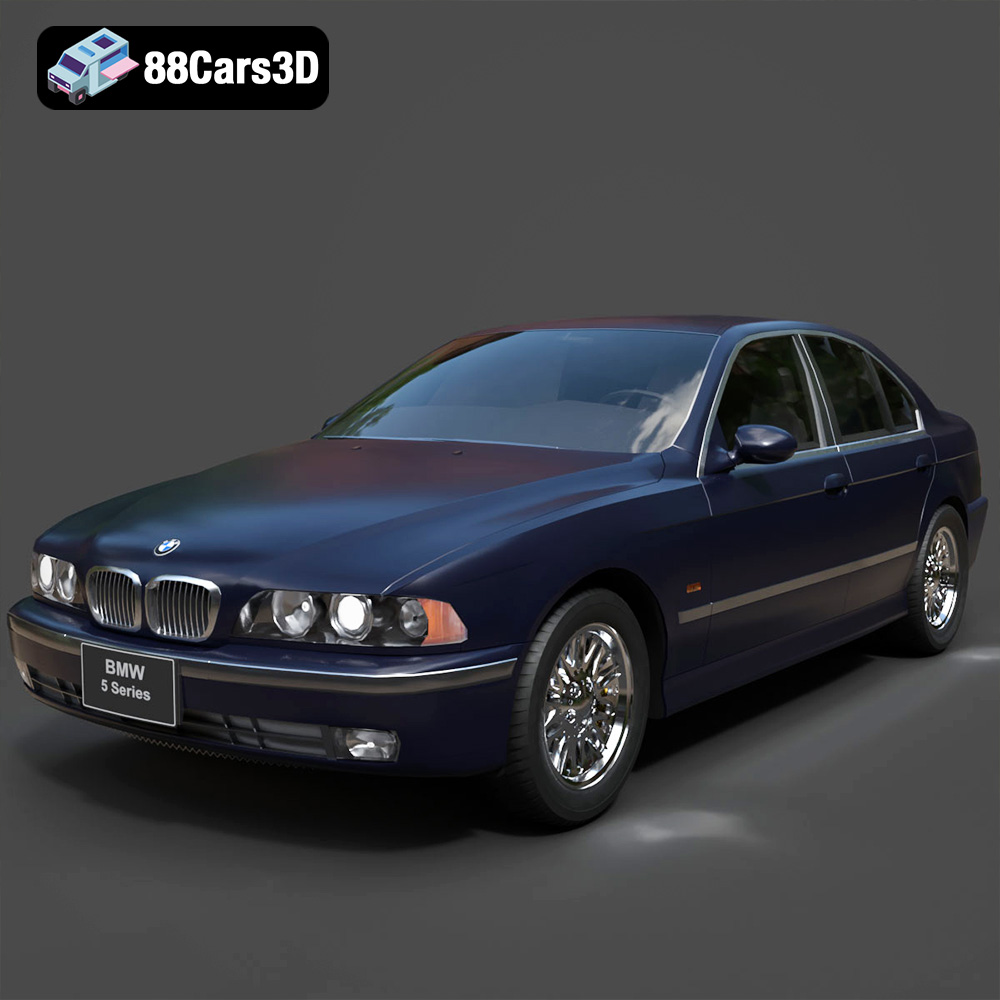
BMW E39 M5-540i 3D Model
Texture: Yes
Material: Yes
Download the BMW E39 M5-540i 3D Model featuring its iconic sedan design, detailed exterior, and realistic interior. Includes .blend, .fbx, .obj, .glb, .stl, .ply, .unreal, and .max formats for rendering, simulation, and game development.
Price: $10.79

BMW 7 Series E38 3D Model
Texture: Yes
Material: Yes
Download the BMW 7 Series E38 3D Model featuring its iconic luxury sedan design and classic aesthetics. Includes .blend, .fbx, .obj, .glb, .stl, .ply, .unreal, and .max formats for rendering, simulation, and game development.
Price: $10.79

BMW 6 Series 640i F12 3D Model
Texture: Yes
Material: Yes
Download the BMW 6 Series 640i F12 3D Model featuring a sleek design and detailed interior. Includes .blend, .fbx, .obj, .glb, .stl, .ply, .unreal, and .max formats for rendering, simulation, and game development.
Price: $10.79

BMW 6 Coupe E63 3D Model
Texture: Yes
Material: Yes
Download the BMW 6 Coupe E63 3D Model featuring a sleek design, detailed interior, and realistic exterior. Includes .blend, .fbx, .obj, .glb, .stl, .ply, .unreal, and .max formats for rendering, simulation, and game development.
Price: $10.79
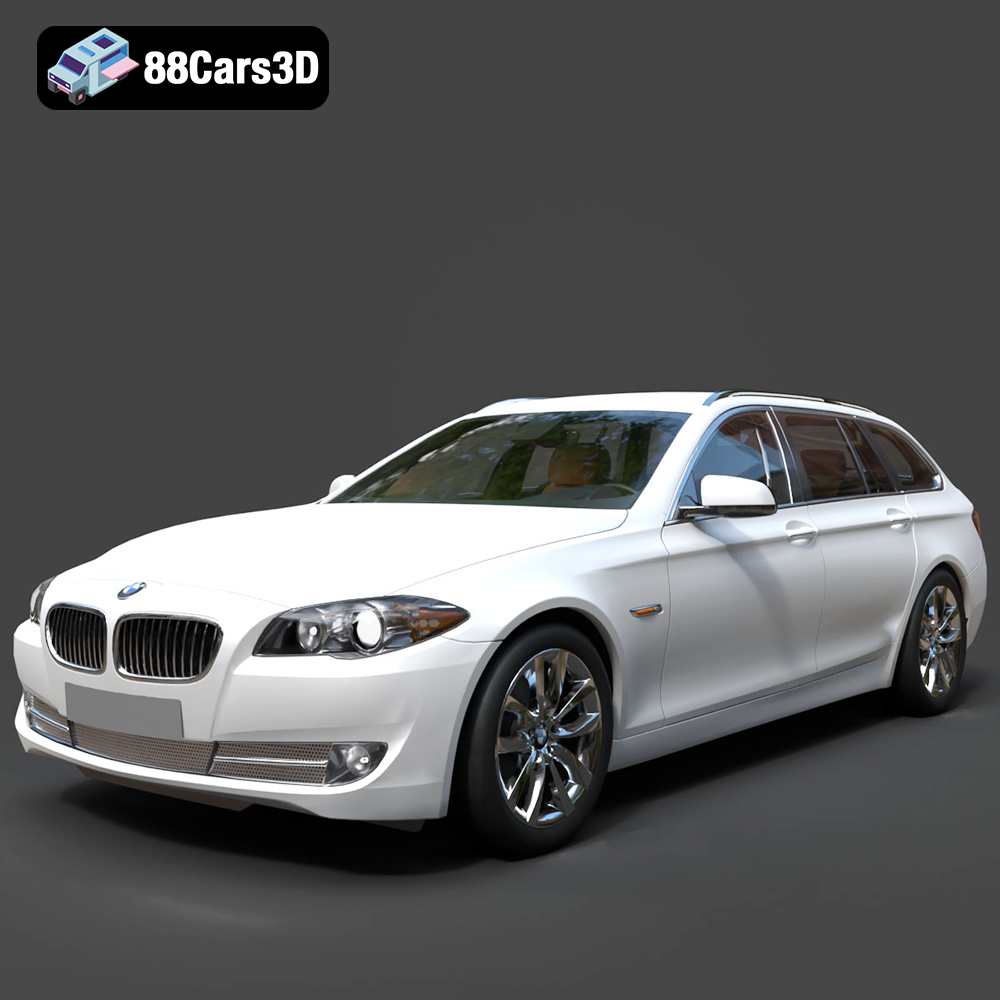
BMW 5 Series Touring F11-007 3D Model
Texture: Yes
Material: Yes
Download the BMW 5 Series Touring F11-007 3D Model featuring a detailed exterior and interior. Includes .blend, .fbx, .obj, .glb, .stl, .ply, .unreal, and .max formats for rendering, simulation, and game development.
Price: $10.79
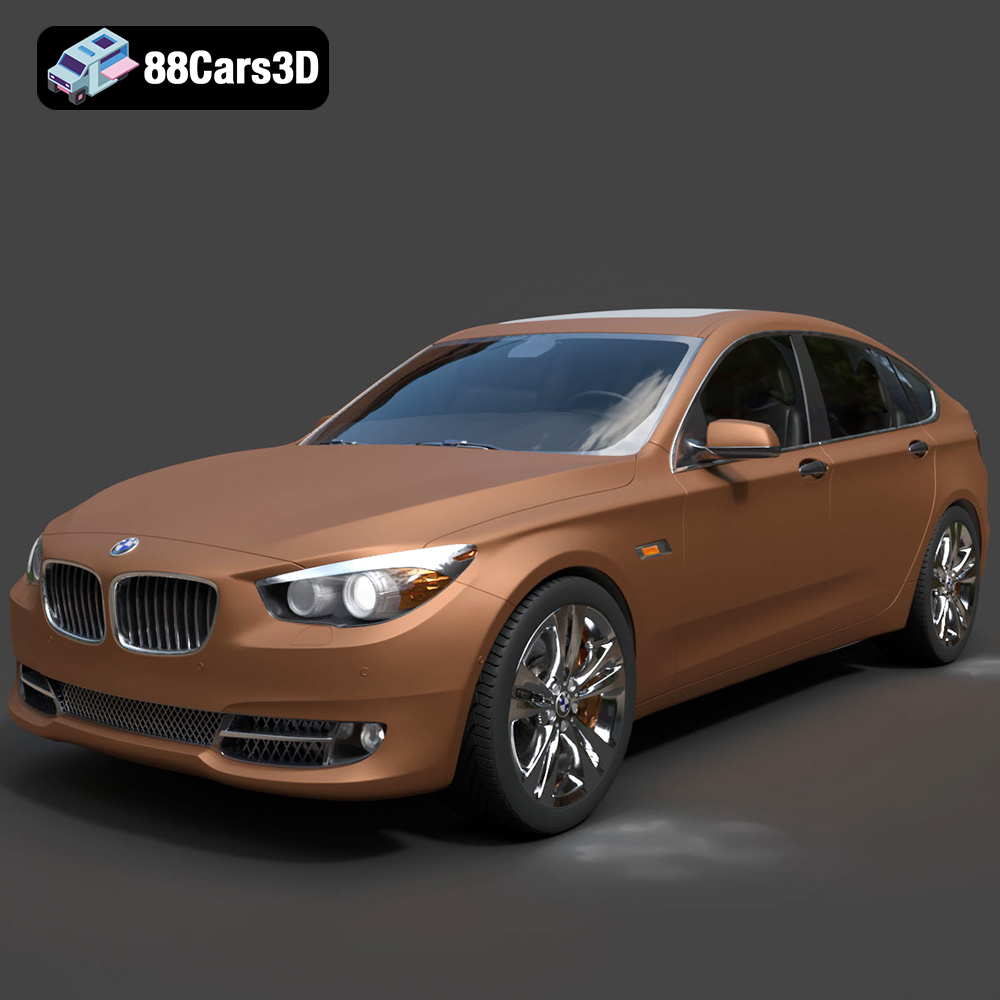
BMW 5 Series Gran Turismo F07-003 3D Model
Texture: Yes
Material: Yes
Download the BMW 5 Series Gran Turismo F07-003 3D Model featuring a detailed exterior and interior. Includes .blend, .fbx, .obj, .glb, .stl, .ply, .unreal, and .max formats for rendering, simulation, and game development.
Price: $10.79
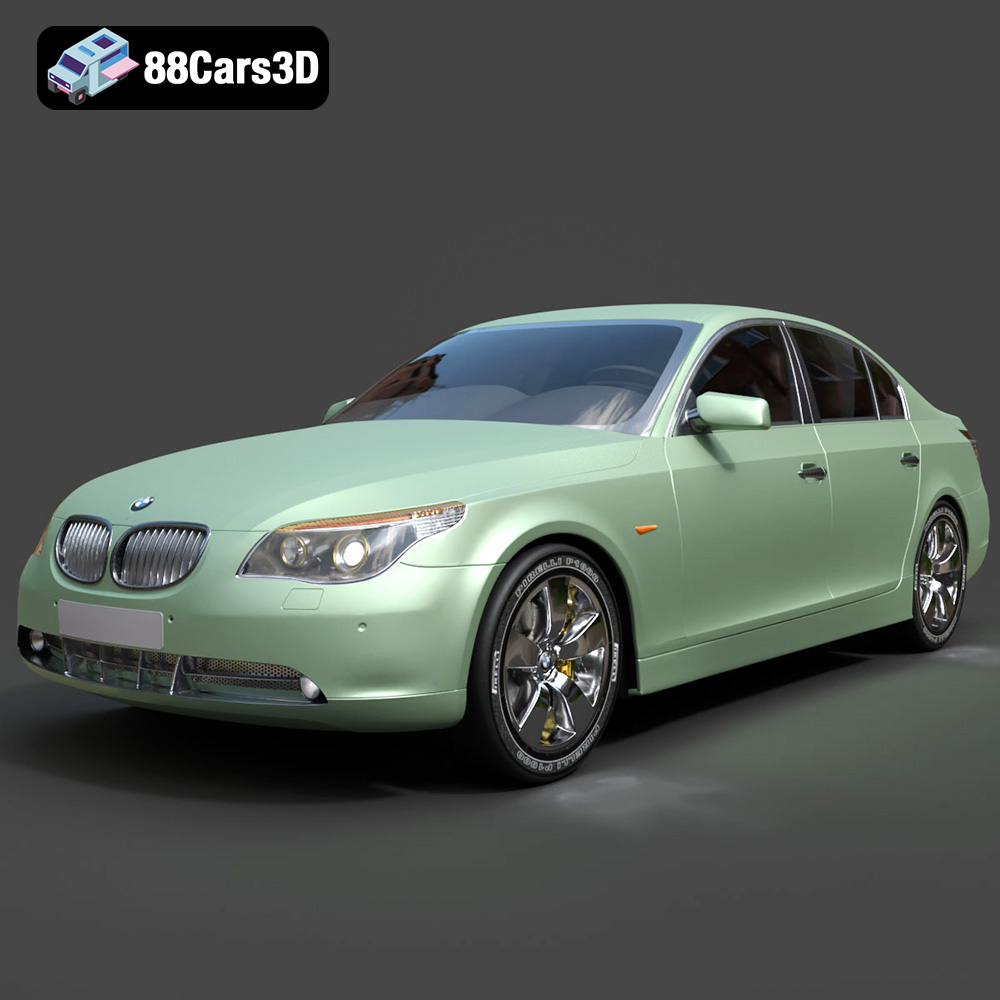
BMW 5 Series E60 3D Model
Texture: Yes
Material: Yes
Download the BMW 5 Series E60 3D Model featuring its iconic sedan design, detailed exterior, and interior. Includes .blend, .fbx, .obj, .glb, .stl, .ply, .unreal, and .max formats for rendering, simulation, and game development.
Price: $10.79

BMW 5 E34-535i 3D Model
Texture: Yes
Material: Yes
Download the BMW 5 E34-535i 3D Model featuring an iconic design, detailed exterior and interior, and accurate representation. Includes .blend, .fbx, .obj, .glb, .stl, .ply, .unreal, and .max formats for rendering, simulation, and game development.
Price: $10.79
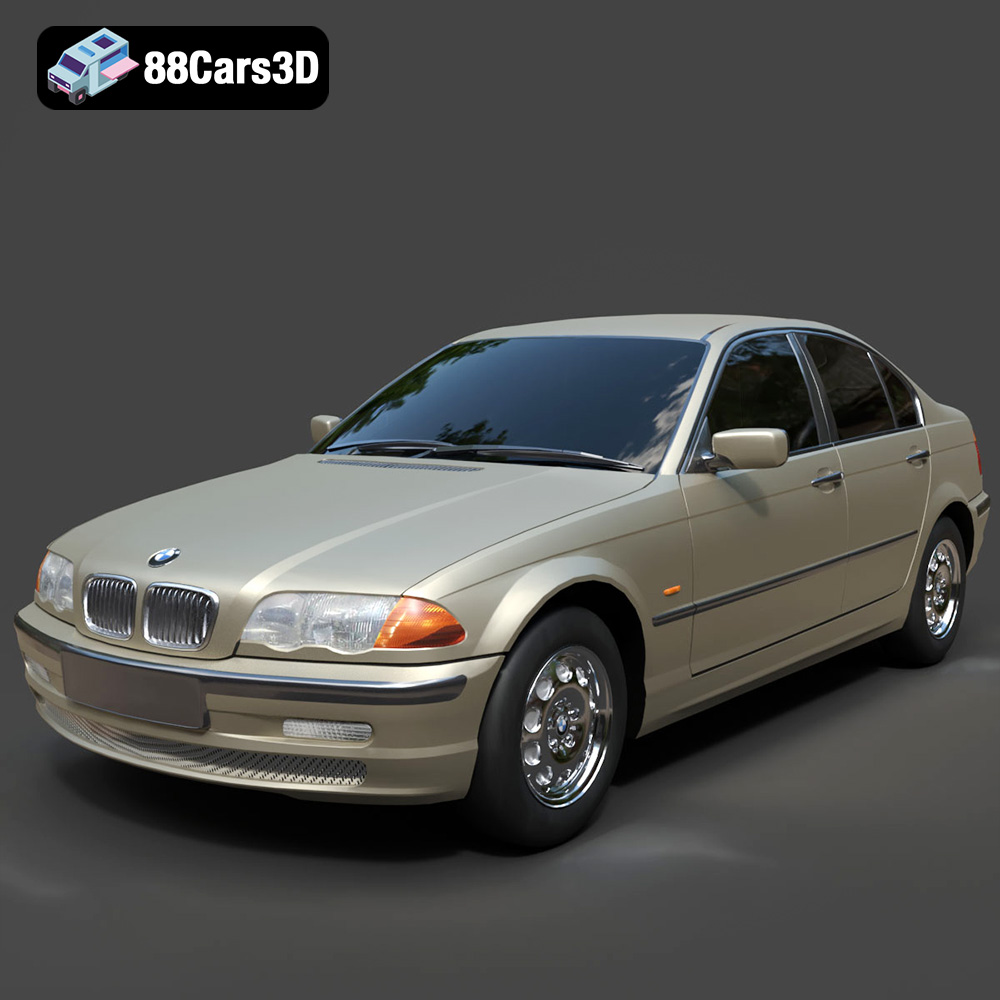
BMW 3 Series E46 3D Model
Texture: Yes
Material: Yes
Download the BMW 3 Series E46 3D Model featuring authentic exterior lines, a detailed interior, and separated components for animation. Includes .blend, .fbx, .obj, .glb, .stl, .ply, .unreal, and .max formats for rendering, simulation, and game development.
Price: $10.79
