

Unreal Engine has revolutionized the landscape of real-time rendering, pushing the boundaries of visual fidelity and interactive experiences. While often associated with complex C++ programming, a significant portion of its power is accessible through Blueprint Visual Scripting. For 3D artists, designers, and automotive visualization professionals who may not have a traditional programming background, Blueprint is a game-changer. It empowers you to build intricate logic, interactive systems, and dynamic scenes without writing a single line of code, transforming static 3D models into living, breathing experiences.
Imagine showcasing a high-quality 3D car model – like those found on 88cars3d.com – not just as a render, but as a fully interactive configurator where clients can change colors, rims, and interior trims in real-time. Or perhaps creating a virtual showroom where visitors can open doors, turn on headlights, and explore the vehicle’s features with a click. This level of engagement is not just possible; it’s practically effortless with Blueprint. This comprehensive guide will demystify Unreal Engine Blueprint Visual Scripting, illustrating its core concepts, practical applications in automotive visualization, and best practices for creating stunning, performant real-time content.
We’ll delve into everything from setting up your project and integrating high-quality 3D car models to crafting dynamic material swaps, implementing vehicle physics, and optimizing your Blueprint logic for demanding scenarios like virtual production and AR/VR. By the end of this article, you’ll have a robust understanding of how to leverage Blueprint to elevate your automotive projects, making them more interactive, immersive, and visually compelling than ever before.
Demystifying Blueprint: The Visual Scripting Revolution for Artists
At its heart, Blueprint Visual Scripting is a complete gameplay scripting system based on the concept of using a node-based interface to create gameplay elements from within Unreal Editor. For artists and designers, it removes the barrier of traditional code syntax, allowing them to focus on logic and interactivity through a clear, graphical representation. Instead of typing lines of C++, you connect nodes, each representing a specific action, event, or data point, to form logical sequences. This approach dramatically lowers the entry barrier for creating complex behaviors, enabling quick prototyping and iteration, which is invaluable in fast-paced development environments like automotive visualization.
Blueprint empowers you to breathe life into your static assets. You can make an engine hood open when a player interacts with it, dynamically change the color of a car’s paint based on user input, or even create a fully functional driving simulation. The visual nature of Blueprint also makes it incredibly easy to debug and understand existing logic. You can literally follow the execution flow through wires connecting nodes, making it straightforward to identify where issues might be occurring. This collaborative aspect is particularly beneficial for teams where artists, designers, and programmers work together, as everyone can understand and contribute to the project’s interactive elements.
Furthermore, Blueprint is tightly integrated with the entire Unreal Engine ecosystem. You can access almost any C++ function or variable exposed by the engine, call custom C++ code, and even extend Blueprint functionality with C++ if needed. This flexibility means that while you start with visual scripting, you’re never truly limited. For high-fidelity automotive visualization, where details matter, Blueprint allows you to control intricate elements like material parameters, light intensities, camera movements, and UI interactions with precision and ease, all without diving into the complexities of traditional programming.
Core Concepts: Nodes, Pins, and Execution Flow
Understanding Blueprint begins with its fundamental building blocks: Nodes, Pins, and the Execution Flow. A Node is a block that performs a specific action, holds data, or represents an event. Examples include ‘Print String’ (to display text), ‘Set Material’ (to change an object’s material), or ‘Event BeginPlay’ (an event that triggers when the game starts). Nodes have inputs and outputs, represented by Pins. Pins come in two main types: Execution Pins (thick white arrows) and Data Pins (colored circles). Execution pins dictate the order in which actions occur, forming the Execution Flow. When an execution pin on one node connects to another, it means the second node will execute after the first. Data pins, on the other hand, pass information (like numbers, text, or object references) between nodes. For instance, a ‘Set Material’ node would have data pins for the target object and the new material to apply.
The visual nature of these connections makes complex logic intuitive. You can see precisely how data flows from one operation to the next and in what order actions are performed. This clarity is crucial when designing interactive automotive configurators where a user’s choice (e.g., selecting a color) needs to update multiple properties (e.g., car paint, interior trim highlights) and potentially trigger visual effects (e.g., a subtle glow). Mastering the use of different node types – events, functions, variables, and flow control (like ‘Branch’ for if/else logic or ‘For Loop’ for repeating actions) – provides the foundational tools to create virtually any interactive experience within Unreal Engine, making it an indispensable skill for non-programmers.
Blueprint Types: Actor, Level, and Widget Blueprints
Unreal Engine offers several types of Blueprints, each serving a distinct purpose. The most common and versatile is the Actor Blueprint. An Actor Blueprint defines a new type of Actor (any object that can be placed in a level, such as a car model, a light, or a camera) with its own properties, components, and encapsulated behavior. If you want a specific car model to have interactive doors or a custom headlight animation, you’d create an Actor Blueprint for that car. This modularity allows for reusable assets, meaning you can create one interactive car Blueprint and then spawn multiple instances of it in your scene, each inheriting the same base behavior but customizable with unique parameters.
Level Blueprints, in contrast, are unique to each level (or scene) in your project. They are ideal for level-specific events and interactions, such as triggering an animation sequence when a player enters a certain area, controlling ambient lighting based on time of day, or orchestrating a cinematic sequence specific to that showroom environment. While powerful for specific level events, they are not reusable across different levels. Finally, Widget Blueprints are essential for creating user interfaces (UI/HUD). This is where you’d design buttons, sliders, text displays, and other interactive elements for an automotive configurator menu, a virtual car dashboard, or an AR overlay. Widget Blueprints use a visual drag-and-drop interface for layout and Blueprint scripting for interactivity (e.g., what happens when a button is clicked). Together, these Blueprint types provide a comprehensive toolkit for building any interactive experience, from individual object behaviors to full-fledged user interfaces and immersive environments.
Integrating 3D Car Models and Basic Interactivity
The journey of bringing your automotive vision to life in Unreal Engine often begins with high-quality 3D car models. Platforms like 88cars3d.com offer meticulously crafted models, optimized for real-time rendering, which serve as the perfect foundation for interactive experiences. Once you’ve acquired your FBX or USD asset, the next step is to import it into Unreal Engine and then use Blueprint to add dynamic behaviors. The beauty of this workflow is that the artist can focus on asset quality and then, without needing a programmer, imbue those assets with rich interactivity.
When importing 3D car models, especially complex ones with multiple parts (like doors, wheels, and interior components), proper hierarchy and naming conventions are crucial. Blueprints rely heavily on referencing specific components within an Actor. If your model’s hierarchy is clean and logical (e.g., “Car_Body,” “Car_Wheel_FL,” “Car_Door_Driver”), it becomes far easier to target these components in Blueprint for specific actions like rotation, translation, or material changes. This foundational step ensures that your Blueprint logic can reliably interact with the precise parts of your 3D car model, paving the way for intricate and responsive configurations.
For high-fidelity automotive visualization, where performance is paramount, especially for AR/VR applications, consider models that support Unreal Engine’s advanced features like Nanite. While Nanite handles the geometry optimization, Blueprint can control its runtime properties, such as visibility or specific detail levels based on distance or user interaction. Combining optimized assets from 88cars3d.com with Blueprint’s interactive capabilities provides a powerful synergy, delivering visually stunning and highly performant real-time applications.
Importing and Initial Setup for 88cars3d.com Models
When you’ve downloaded a high-quality 3D car model from 88cars3d.com, typically in FBX or USD format, importing it into Unreal Engine is straightforward. Drag and drop the file directly into your Content Browser, or use the ‘Import’ button. During import, ensure you enable options like ‘Combine Meshes’ (if the model is a single object) or ‘Skeletal Mesh’ (if it has animation bones, though less common for static car models used in configurators). For complex car models, it’s often better to import individual components (body, doors, wheels) separately if you intend to animate or manipulate them independently with Blueprint. If the model comes with PBR textures, they will also need to be imported and assigned to the correct material slots.
After import, the raw Static Meshes (or Skeletal Meshes) appear in your Content Browser. To make them interactive, you’ll want to create an Actor Blueprint. Right-click in the Content Browser, select ‘Blueprint Class,’ and choose ‘Actor.’ Open your new Blueprint, and in the ‘Components’ panel, add your imported car meshes. Drag the main body mesh into the viewport and then attach other components (like wheels, doors, hood) as child components, maintaining the hierarchical structure. For example, the four wheels would be children of the ‘Car_Body’ mesh. This structure is critical because when you move the parent ‘Car_Body,’ all its children move with it. You can then reference individual child components (e.g., ‘Car_Door_Driver’) to apply specific Blueprint logic, such as an ‘Open Door’ animation.
Attaching Components and Enabling Collision
Once your meshes are organized within an Actor Blueprint, you can start adding functional components. For automotive visualization, common components include Collision components, Lights, and potentially even Cameras or Particle Systems. Collision is crucial for any interactive element where users might click or physically interact. Select a mesh component (e.g., ‘Car_Body’), and in the Details panel, scroll down to ‘Collision’ and ensure it’s set to generate ‘Complex Collision As Simple’ or a suitable ‘Use Project Default’ preset. This allows ray traces (used for mouse clicks) to accurately detect the car’s surface.
Beyond collision, consider adding ‘Point Light’ or ‘Spot Light’ components to simulate headlights and taillights. You can then use Blueprint to toggle their visibility or adjust their intensity. For more advanced interactions, you might add ‘Box Collision’ components around specific areas (like a door handle) to detect when a player overlaps with them, triggering an event. Each component you add can be individually referenced and manipulated within your Blueprint Event Graph. For instance, to make a door open, you’d select the ‘Car_Door_Driver’ mesh component within your Blueprint, and then in the Event Graph, use nodes like ‘Set Relative Rotation’ in conjunction with a ‘Timeline’ to smoothly animate its opening and closing rotation, directly responding to user input or an event.
Crafting Dynamic Automotive Experiences with Blueprint
The true power of Blueprint shines in its ability to transform static 3D car models into dynamic, interactive experiences. This is particularly vital for automotive configurators, virtual showrooms, and real-time marketing tools. With Blueprint, you can go beyond simple model viewing and allow users to actively engage with the vehicle, customizing it to their preferences. This level of interaction not only enhances user engagement but also provides a more comprehensive understanding of the product, fostering a stronger connection with potential buyers or stakeholders. Imagine a configurator where a user can change the exterior paint, interior trim, wheel design, and even see the corresponding price updates in real-time – all driven by Blueprint.
Creating such experiences often involves a combination of UI elements (created in Widget Blueprints) interacting with the main car Actor Blueprint. For example, a button click on a Widget Blueprint for a specific paint color would call a custom event in the car’s Actor Blueprint, which then executes the logic to swap materials. This modular approach keeps your logic organized and scalable. Blueprint also makes it easy to incorporate visual feedback, such as highlight effects when hovering over customizable parts, or subtle animations to confirm a selection. These small details significantly enhance the user experience and professionalism of your automotive visualization project.
Furthermore, Blueprint can orchestrate complex sequences, from showcasing different lighting environments for the car to demonstrating autonomous driving features in a simulated environment. The visual nature allows for rapid prototyping of these ideas, testing different interaction models, and refining the user journey without the overhead of traditional coding. Whether you’re building a simple color changer or an elaborate virtual test drive, Blueprint provides the tools to bring your interactive automotive visions to fruition.
Material Swapping and Customization Options
One of the most requested features in any automotive configurator is the ability to dynamically change materials. Blueprint makes this incredibly straightforward. For each material that needs to be swappable (e.g., car paint, rim material, interior leather), you should create a Material Instance Dynamic (MID) in Blueprint. A MID allows you to modify parameters (like color, metallicness, roughness) of a base PBR material at runtime without creating new material assets. Alternatively, for completely different materials (e.g., a matte paint vs. a metallic paint), you can simply swap out the entire material. To achieve this, your base car model should have separate material slots for each customizable part.
The workflow typically involves:
- Create a Master Material in the Material Editor with exposed parameters (e.g., BaseColor, Roughness, Metallic) that can be controlled via Blueprint.
- Create Material Instances from this Master Material for each color or finish variation you need.
- In your Car Actor Blueprint, store references to these Material Instances in an array or a set of variables.
- Create a custom event (e.g., ‘ChangePaintColor’) that takes an input (e.g., a color index or a material reference).
- Use a ‘Set Material’ node targeting the specific mesh component (e.g., ‘Car_Body’) and connect the input material.
This event can then be called from a UI Widget Blueprint (e.g., a button click) to instantly update the car’s appearance. You can extend this to swap rim models (by changing the mesh itself), apply decals, or even toggle the visibility of optional accessories like roof racks. This powerful technique is fundamental to building any comprehensive automotive configurator, offering endless customization possibilities.
Driving Basic Vehicle Mechanics and Physics
While full-fledged vehicle simulation often involves complex C++ plugins or dedicated vehicle physics assets, Blueprint can handle basic vehicle mechanics and interactive physics quite effectively for visualization purposes. For example, you can implement rudimentary driving controls for a virtual test drive or simulate the suspension movement when a car drives over an uneven surface. Unreal Engine’s built-in Physics assets and rigid body simulation can be combined with Blueprint for surprisingly realistic results.
To set up a basic interactive car in Blueprint:
- Ensure your car model’s main body has collision and is set to ‘Simulate Physics.’
- Add ‘Sphere Component’ or ‘Wheel Collider’ components for each wheel, setting up their collision and physics constraints.
- Use Blueprint’s ‘Add Force’ or ‘Add Torque’ nodes on the main body to simulate acceleration and turning.
- For individual wheel rotation, you can use ‘Set Angular Velocity’ on each wheel mesh.
- Input events (from keyboard, gamepad, or UI) can drive these Blueprint nodes, allowing a user to “drive” the car.
For more advanced vehicle dynamics, Unreal Engine provides dedicated Vehicle Blueprints (found under ‘All Classes’ when creating a new Blueprint) that inherit from ‘Pawn’ and are specifically designed for wheeled vehicles. These Vehicle Blueprints come with pre-configured components and expose parameters for engine torque, gear ratios, suspension settings, and tire friction, all adjustable via Blueprint. This allows artists to fine-tune the driving feel without touching code, creating immersive test-drive experiences within virtual showrooms or interactive presentations.
Optimizing Blueprint for Real-Time Performance and Scalability
While Blueprint offers immense flexibility, poorly optimized logic can quickly lead to performance bottlenecks, especially in demanding real-time scenarios like automotive configurators with many options, virtual production stages, or AR/VR applications. High-fidelity 3D car models, with their detailed geometry (even with Nanite) and PBR materials, already consume significant resources. Adding inefficient Blueprint logic can push frame rates down, leading to a choppy and unsatisfactory user experience. Therefore, understanding and applying optimization strategies is crucial for creating robust and scalable real-time automotive visualization projects.
The goal of Blueprint optimization is to reduce unnecessary computations and execution overhead. This often involves being mindful of where and when your logic executes, how data is managed, and avoiding common pitfalls like excessive ‘Event Tick’ usage. A well-optimized Blueprint project not only performs better but is also easier to maintain and extend in the long run. Thinking about performance from the outset, rather than as an afterthought, will save significant time and effort down the development pipeline. This is especially true when working with complex scenes that involve multiple interactive cars, dynamic environments, and intricate UI systems, where every millisecond counts.
Scalability means designing your Blueprints in a way that allows them to handle increased complexity or additional features without requiring a complete overhaul. This involves using modular design principles, proper referencing, and leveraging data structures efficiently. For instance, rather than hardcoding every material swap, designing a data-driven system allows you to add new color options simply by updating a data table, without modifying the core Blueprint logic. These practices contribute to a more professional and efficient development workflow for advanced automotive visualization projects.
Performance Considerations: Event Tick vs. Custom Events
One of the most common performance pitfalls in Blueprint is overuse of the ‘Event Tick.’ The ‘Event Tick’ node executes every single frame, making it suitable for actions that require continuous updates (e.g., a constantly moving camera or real-time physics calculations). However, if you place logic that doesn’t need to run every frame (like checking for user input for a material swap, which only needs to happen once per click) on ‘Event Tick,’ you’re needlessly consuming CPU cycles. This is particularly detrimental when you have many Actors in your scene, each running inefficient ‘Event Tick’ logic.
The solution lies in using Custom Events and other event-driven approaches. Instead of continuously checking if a button is pressed, create a custom event (e.g., ‘OnPaintColorButtonClicked’) that is only called precisely when the button is clicked. Similarly, use ‘Event BeginPlay’ for initial setup, ‘Event EndPlay’ for cleanup, and ‘Collision Events’ for interactions. If you absolutely need to update something over time but not every frame, consider using ‘Timers by Event’ or ‘Delay’ nodes, or even ‘Timelines’ which offer precise control over animation durations. Minimizing ‘Event Tick’ usage to only essential, continuously updated logic is one of the most impactful optimization strategies for Blueprint, ensuring your automotive visualization maintains a high frame rate.
Data-Driven Blueprints and Asset Referencing
To achieve scalability and efficient content management, particularly for automotive configurators with numerous options, leverage Data-Driven Blueprints. Instead of hardcoding arrays of materials or meshes directly into your Blueprint, store this data in Data Tables (which can be imported from CSV files) or Data Assets. For example, a Data Table can list all available paint colors, their corresponding material assets, and even associated prices or descriptive text. Your Blueprint then simply reads from this table, making it easy to add or modify options without recompiling or even opening the Blueprint itself.
Equally important is efficient Asset Referencing. When you reference an asset (like a material or a static mesh) directly in a Blueprint, it gets loaded into memory whether it’s currently in use or not. For a configurator with hundreds of material options, this can quickly exhaust memory. Instead, use ‘Soft Object Paths’ or ‘Soft Object References.’ These are lightweight references that don’t load the asset until it’s explicitly requested. When a user selects a specific paint color, your Blueprint can then dynamically load only that material using ‘Load Asset Synchronous’ or ‘Asynchronous Load Asset’ nodes, and then apply it. This significantly reduces the initial memory footprint and loading times, making your automotive applications more performant and responsive, especially for environments with strict memory constraints like AR/VR.
Blueprint’s Role in Advanced Automotive Visualization
Beyond basic interactivity, Blueprint serves as a crucial connective tissue for integrating and orchestrating Unreal Engine’s most advanced features in automotive visualization. Modern features like Nanite virtualized geometry and Lumen global illumination offer unparalleled visual fidelity, but their full potential is often unlocked and controlled through Blueprint. Artists and designers can leverage Blueprint to dynamically adjust these systems, respond to user input, and create sophisticated, cinematic presentations of their high-quality 3D car models. This synergy allows for the creation of truly next-generation automotive experiences, from photorealistic virtual showrooms to dynamic virtual production workflows.
Consider a scenario where you want to highlight different design elements of a car. Blueprint can be used to dynamically toggle different Lumen lighting scenarios, showcasing the vehicle under various atmospheric conditions, or even triggering a ‘breakdown’ view where parts of the car animate away to reveal underlying components. For virtual production, Blueprint can synchronize events across multiple systems – from LED wall content to camera movements – all from a single, artist-friendly interface. This level of control makes Blueprint an indispensable tool for achieving the highest standards in real-time automotive rendering and interactive content creation.
Furthermore, Blueprint can interface with external data sources, opening up possibilities for real-time data visualization. Imagine a dashboard within a virtual car that displays real-world telemetry data, or a diagnostic tool that highlights areas of a virtual engine model based on live sensor readings. While the data processing might happen externally, Blueprint acts as the bridge, receiving and interpreting this data to drive visual changes and interactive elements within Unreal Engine. This pushes automotive visualization beyond static renders into truly functional and informative real-time applications.
Dynamic Lighting with Blueprint and Lumen
Lumen, Unreal Engine’s fully dynamic global illumination and reflections system, brings unprecedented realism to real-time scenes. Blueprint can be used to dynamically control various aspects of Lumen-driven lighting, creating incredibly immersive automotive environments. For instance, you can use Blueprint to simulate a full day-night cycle, gradually changing the sun’s position and intensity, and observe how Lumen beautifully updates the indirect lighting and reflections on your 3D car models. This offers an immediate and impactful way to showcase vehicle design under diverse lighting conditions, from bright noon sun to dramatic sunset hues.
A common Blueprint workflow for dynamic lighting involves:
- Placing a ‘Directional Light’ (for the sun), a ‘Sky Light’ (for ambient sky light), and a ‘Sky Atmosphere’ Actor in your scene.
- In a Level Blueprint or a dedicated Blueprint Actor, create variables to store references to these lighting Actors.
- Use a ‘Timeline’ or a ‘Timer by Event’ to drive a continuous loop.
- Within this loop, use ‘Set Relative Rotation’ nodes on the Directional Light to change its pitch and yaw, simulating the sun’s movement.
- Optionally, use ‘Set Intensity’ nodes to dynamically adjust light brightness based on the time of day.
Blueprint can also manage Post Process Volume settings, dynamically adjusting exposure, color grading, or bloom to further enhance the mood of the scene as lighting changes. For a virtual car showroom, you could have Blueprint trigger different ‘Lighting Scenario’ Presets, instantly switching between a bright, airy showroom look and a dramatic, focused spotlit presentation of the vehicle, offering clients diverse perspectives on the car’s aesthetic.
Orchestrating Cinematics with Blueprint and Sequencer
Unreal Engine’s Sequencer is a powerful multi-track editor for creating cinematic sequences, animations, and interactive cutscenes. While Sequencer handles the keyframing and timeline-based animation, Blueprint is essential for triggering and controlling these cinematics within an interactive application. You can use Blueprint to play, pause, stop, or even scrub through a Sequencer sequence based on user input, game events, or a predefined logic flow. This integration is crucial for creating engaging, guided tours of automotive models or showcasing design features in a polished, professional manner.
For example, in an interactive automotive presentation:
- You might have multiple cinematic sequences in Sequencer, each highlighting a different aspect of the car (e.g., exterior design, interior features, engine details).
- In a Widget Blueprint, create buttons for each of these “showcase” sequences.
- When a button is clicked, a Blueprint event is fired, which then calls a ‘Play Sequence’ node targeting the corresponding Sequencer asset.
- You can also use Blueprint to create events that occur *during* a Sequencer sequence (e.g., turn on headlights at a specific frame, change camera focus, or display on-screen text overlays). This is done by adding ‘Event Tracks’ within Sequencer, which can then call custom Blueprint events.
This symbiotic relationship allows artists to design intricate cinematics visually in Sequencer and then empower designers to control their playback and integrate them seamlessly into an interactive Blueprint-driven experience. For automotive marketing or virtual production, this capability is invaluable, offering the ability to create dynamic, high-quality promotional content without ever leaving the Unreal Editor.
Beyond the Basics: Blueprint for Virtual Production & AR/VR
As the applications of real-time technology expand, Blueprint’s role extends into cutting-edge domains like virtual production and augmented/virtual reality (AR/VR). In these demanding fields, Blueprint becomes a vital tool for orchestrating complex systems, managing performance, and creating highly immersive, responsive experiences. For automotive studios looking to leverage real-time visualization for advanced design reviews, collaborative VR environments, or even real-time advertisement shoots on LED walls, Blueprint provides the flexibility and control needed to tie everything together. It bridges the gap between technical complexity and artistic vision, allowing creators to focus on the experience rather than getting bogged down in low-level code.
In virtual production, for example, Blueprint can be used to synchronize physical camera movements with virtual camera movements, control real-time lighting changes on an LED wall, and even drive interactive elements within the virtual set that respond to actions on the physical stage. For AR/VR automotive applications, where performance is paramount, Blueprint helps manage dynamic LODs, control asset loading, and optimize rendering paths based on device capabilities or user proximity. The ability to prototype and implement these complex interactions quickly and visually makes Blueprint an indispensable asset for pushing the boundaries of what’s possible in advanced automotive visualization.
Furthermore, Blueprint’s extensibility allows it to connect with external hardware and software. This means integrating custom controllers, motion capture systems, or even live data feeds into your Unreal Engine project. For automotive design reviews, this could translate to a VR experience where designers can physically interact with a virtual car model using haptic gloves, or where a virtual dashboard prototype can be driven by real-world input devices. Blueprint acts as the orchestrator, translating these diverse inputs into meaningful interactive experiences within the engine, solidifying its status as a cornerstone for future-proof real-time content creation.
Real-time Data Visualization and HMI Prototyping
The automotive industry increasingly relies on sophisticated Human-Machine Interfaces (HMIs) and real-time data visualization. Blueprint is an excellent tool for rapid prototyping and demonstrating these concepts within Unreal Engine. You can create interactive dashboards, infotainment systems, and heads-up displays (HUDs) using Widget Blueprints, and then connect them to simulated or even live data streams via Blueprint logic. This allows designers to test user experience, validate layouts, and iterate on HMI designs in a highly realistic, interactive environment long before any physical hardware is built.
For example:
- Create a Widget Blueprint for your car’s dashboard, including text elements for speed, RPM, and fuel level, and progress bars for battery charge.
- In your Car Actor Blueprint, create variables for these data points (e.g., ‘CurrentSpeed’, ‘EngineRPM’).
- Use Blueprint to simulate these values changing over time (e.g., using ‘Event Tick’ with ‘Add’ nodes and clamping, or by reading from a Data Table).
- On ‘Event Tick’ in the Widget Blueprint, cast to your Car Actor Blueprint to get the latest data.
- Use ‘Set Text’ nodes to update the dashboard’s text elements and ‘Set Percent’ nodes for progress bars.
For more advanced scenarios, Blueprint can connect to Unreal Engine’s Web Browser widget to display web-based HMI prototypes or interact with external web APIs, pulling in real-time information like traffic data or weather forecasts. This ability to integrate and visualize dynamic data in a realistic automotive context is invaluable for design verification, marketing, and advanced simulation.
Streamlining AR/VR Interactions and Performance with Blueprint
AR/VR applications for automotive visualization present unique challenges, particularly concerning performance and intuitive interaction. Blueprint is instrumental in addressing both. For interaction, Blueprint provides native nodes for handling AR/VR input from controllers (e.g., Oculus Touch, Valve Index controllers, HoloLens gestures), allowing you to easily implement picking, grabbing, teleportation, and UI interaction within the virtual or augmented space. You can create custom Blueprint events for specific gestures or button presses, translating user intent into interactive feedback on your 3D car models.
Regarding performance, Blueprint is crucial for implementing context-aware optimizations:
- Dynamic LOD Management: Use Blueprint to dynamically adjust Level of Detail (LOD) settings for car components based on the user’s distance or gaze direction. A car far away might use a lower LOD mesh and simpler materials, while a car the user is inspecting up close uses the highest quality assets.
- Visibility Culling: Implement Blueprint logic to hide parts of the car or environment that are not currently visible to the user, saving rendering resources.
- Asynchronous Asset Loading: As discussed with data-driven blueprints, using soft references and asynchronous loading prevents hitches when new materials or models are introduced in an AR/VR environment.
By strategically implementing these Blueprint-driven optimizations, developers can ensure smooth frame rates and a comfortable, immersive experience in demanding AR/VR automotive applications. This allows for detailed design reviews, interactive training modules, or virtual showroom experiences that truly stand out, making Blueprint an indispensable tool for the next generation of automotive visualization.
Conclusion
Unreal Engine Blueprint Visual Scripting stands as a cornerstone for innovation in real-time automotive visualization. It has democratized the ability to create dynamic, interactive experiences, empowering 3D artists, designers, and visualization professionals to transcend the limitations of static renders without needing to master complex programming languages. From crafting intricate automotive configurators and driving realistic vehicle physics to orchestrating cinematic presentations and optimizing for cutting-edge AR/VR and virtual production workflows, Blueprint offers an accessible yet incredibly powerful toolkit.
Throughout this guide, we’ve explored the fundamental concepts of Blueprint, detailing how its node-based interface allows for intuitive logic creation. We’ve seen how seamlessly it integrates with high-quality 3D car models, such as those optimized for Unreal Engine available on platforms like 88cars3d.com, enabling dynamic material swaps, engaging interactive elements, and robust real-time performance. Furthermore, we’ve delved into advanced applications, showcasing Blueprint’s critical role in harnessing the power of Lumen for dynamic lighting, Sequencer for cinematic storytelling, and streamlining complex systems for immersive AR/VR and virtual production environments.
The journey with Blueprint is one of continuous learning and creative exploration. As you embark on or continue your projects in Unreal Engine, remember to prioritize clean, efficient Blueprint logic, leverage data-driven design, and always consider performance, especially for demanding real-time applications. By embracing Blueprint, you’re not just scripting; you’re visually engineering compelling, interactive automotive experiences that captivate audiences and push the boundaries of what’s possible in real-time rendering. Start experimenting today, and unlock the full potential of your automotive visualization projects.
Featured 3D Car Models
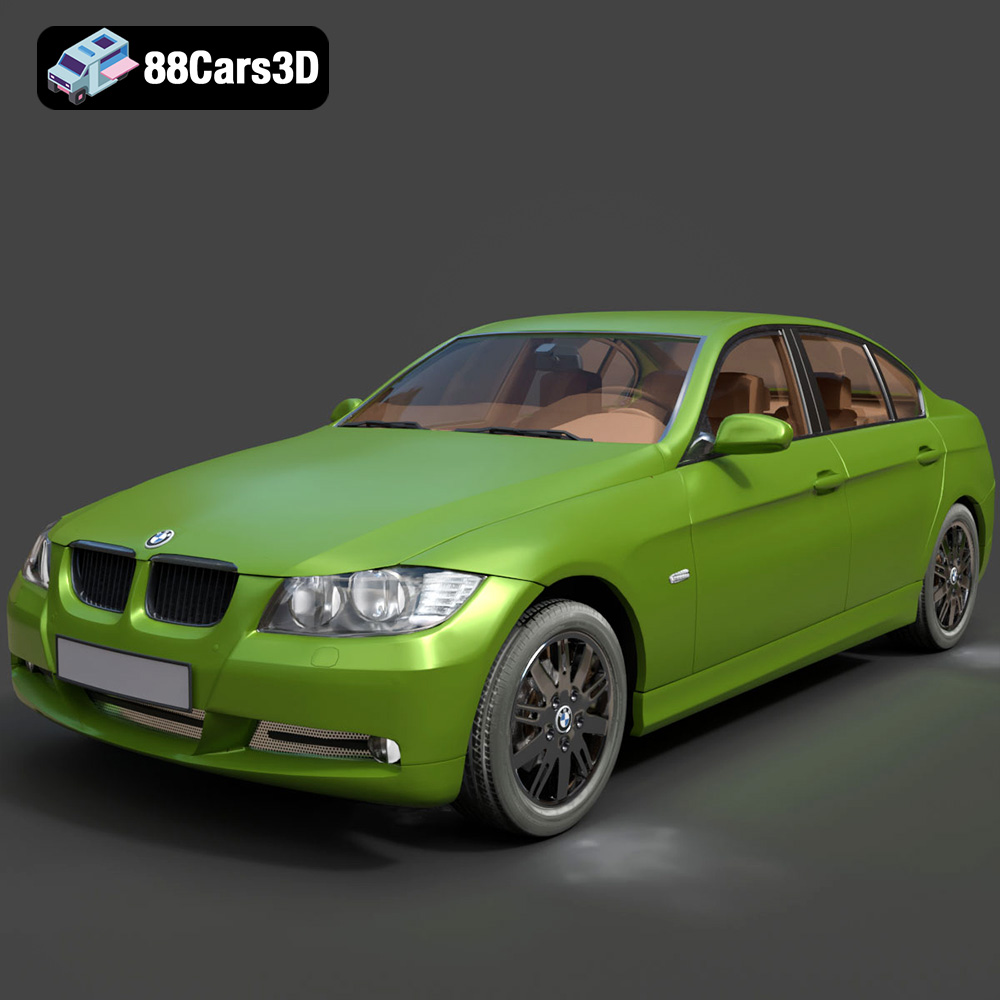
BMW 3-005 3D Model
Texture: Yes
Material: Yes
Download the BMW 3-005 3D Model featuring a sleek design, detailed exterior and interior. Includes .blend, .fbx, .obj, .glb, .stl, .ply, .unreal, and .max formats for rendering, simulation, and game development.
Price: $14.99
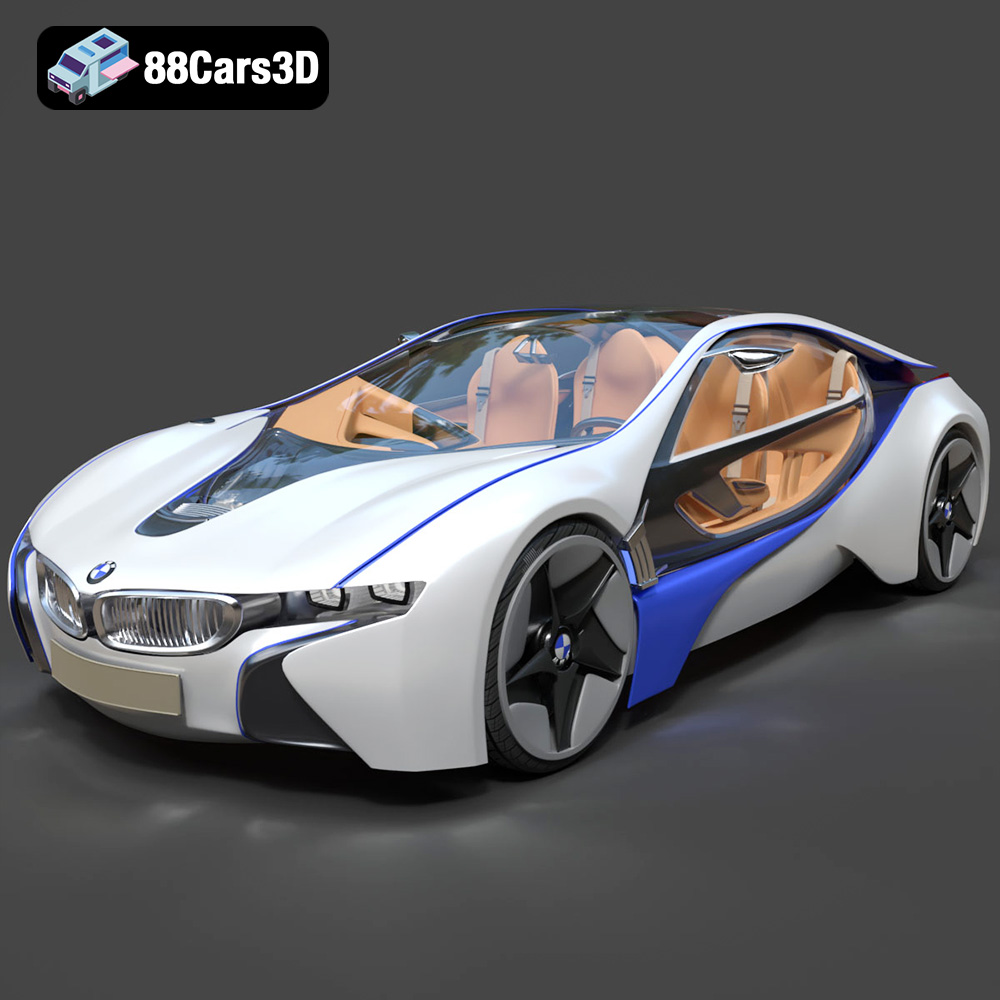
BMW Vision Effecient Dynamics-007 3D Model
Texture: Yes
Material: Yes
Download the BMW Vision Effecient Dynamics-007 3D Model featuring a sleek, futuristic design and hybrid concept aesthetics. Includes .blend, .fbx, .obj, .glb, .stl, .ply, .unreal, and .max formats for rendering, simulation, and game development.
Price: $14.99
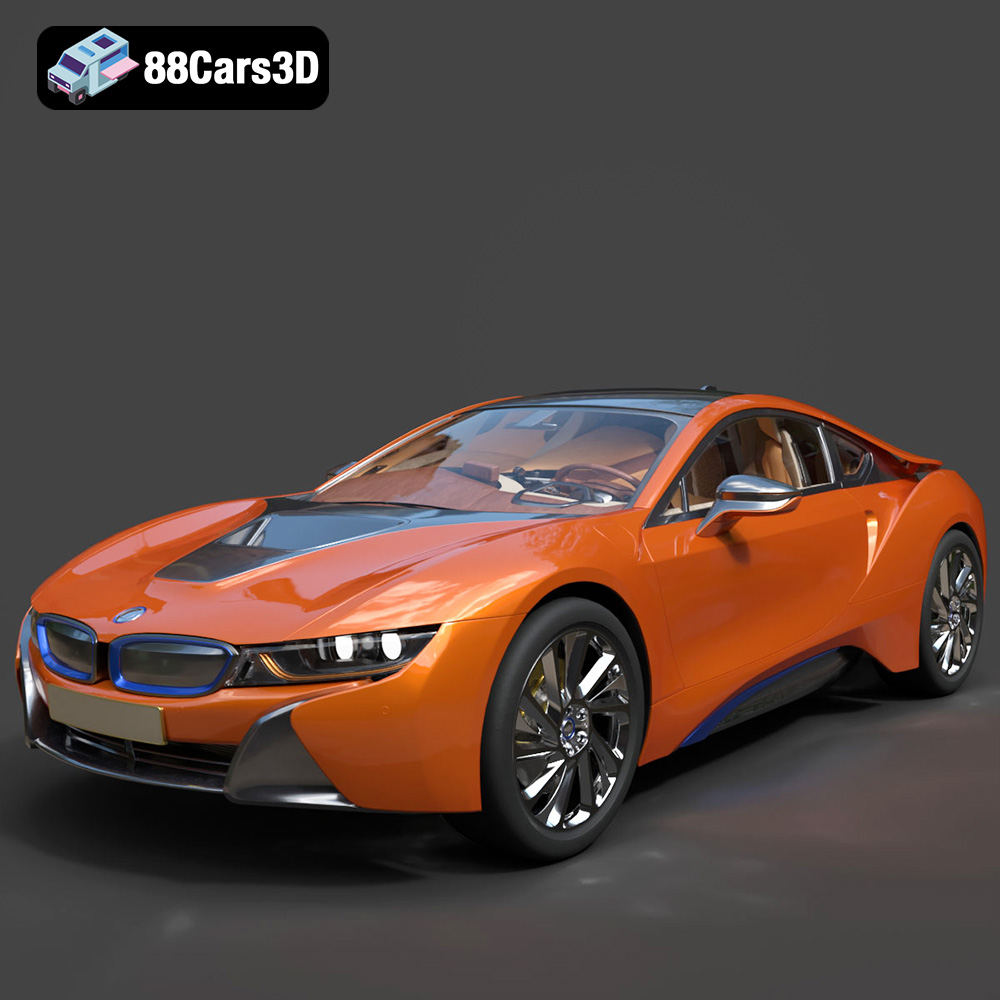
BMW i8 2015 3D Model
Texture: Yes
Material: Yes
Download the BMW i8 2015 3D Model featuring clean geometry, realistic detailing, and a fully modeled interior. Includes .blend, .fbx, .obj, .glb, .stl, .ply, .unreal, and .max formats for rendering, simulation, and game development.
Price: $12.99

BMW 4 Series F32 3D Model
Texture: Yes
Material: Yes
Download the BMW 4 Series F32 3D Model featuring clean geometry, realistic detailing, and a fully modeled interior. Includes .blend, .fbx, .obj, .glb, .stl, .ply, .unreal, and .max formats for rendering, simulation, and game development.
Price: $12.99
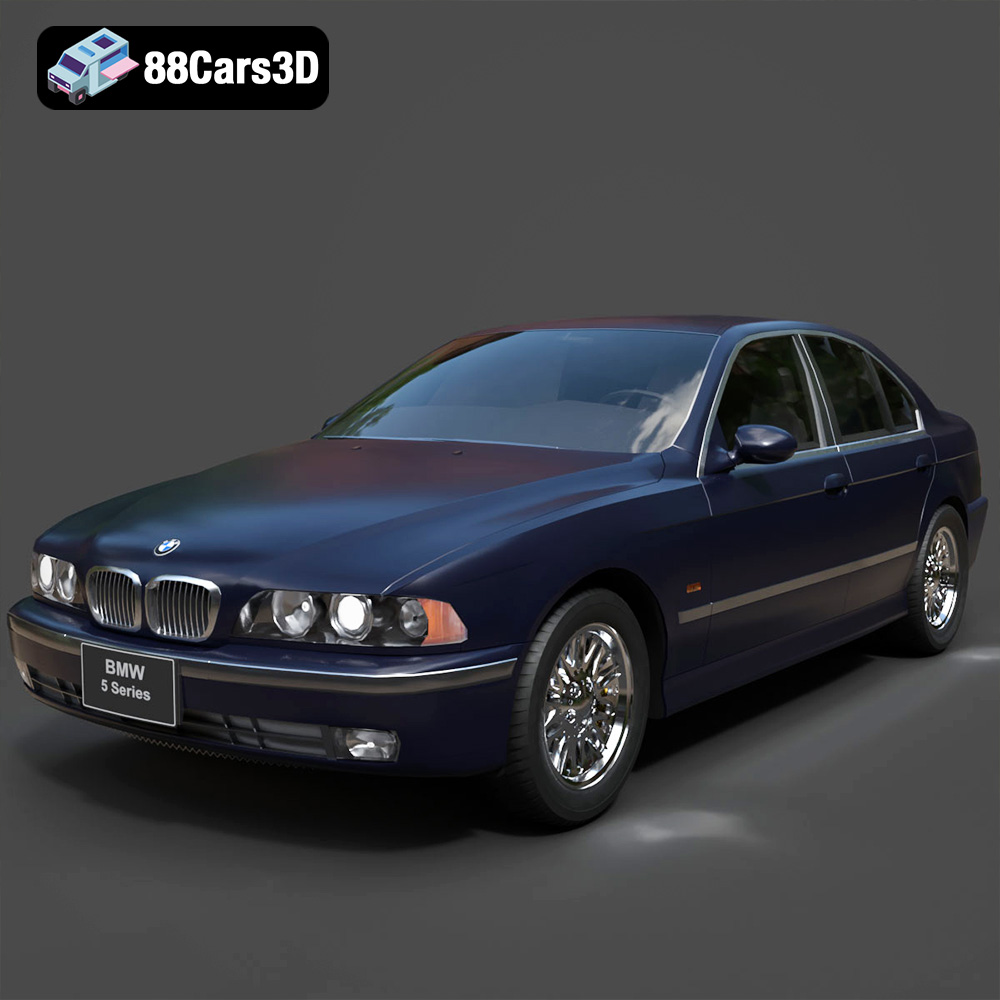
BMW E39 M5-540i 3D Model
Texture: Yes
Material: Yes
Download the BMW E39 M5-540i 3D Model featuring its iconic sedan design, detailed exterior, and realistic interior. Includes .blend, .fbx, .obj, .glb, .stl, .ply, .unreal, and .max formats for rendering, simulation, and game development.
Price: $10.79

BMW 7 Series E38 3D Model
Texture: Yes
Material: Yes
Download the BMW 7 Series E38 3D Model featuring its iconic luxury sedan design and classic aesthetics. Includes .blend, .fbx, .obj, .glb, .stl, .ply, .unreal, and .max formats for rendering, simulation, and game development.
Price: $10.79

BMW 6 Series 640i F12 3D Model
Texture: Yes
Material: Yes
Download the BMW 6 Series 640i F12 3D Model featuring a sleek design and detailed interior. Includes .blend, .fbx, .obj, .glb, .stl, .ply, .unreal, and .max formats for rendering, simulation, and game development.
Price: $10.79

BMW 6 Coupe E63 3D Model
Texture: Yes
Material: Yes
Download the BMW 6 Coupe E63 3D Model featuring a sleek design, detailed interior, and realistic exterior. Includes .blend, .fbx, .obj, .glb, .stl, .ply, .unreal, and .max formats for rendering, simulation, and game development.
Price: $10.79
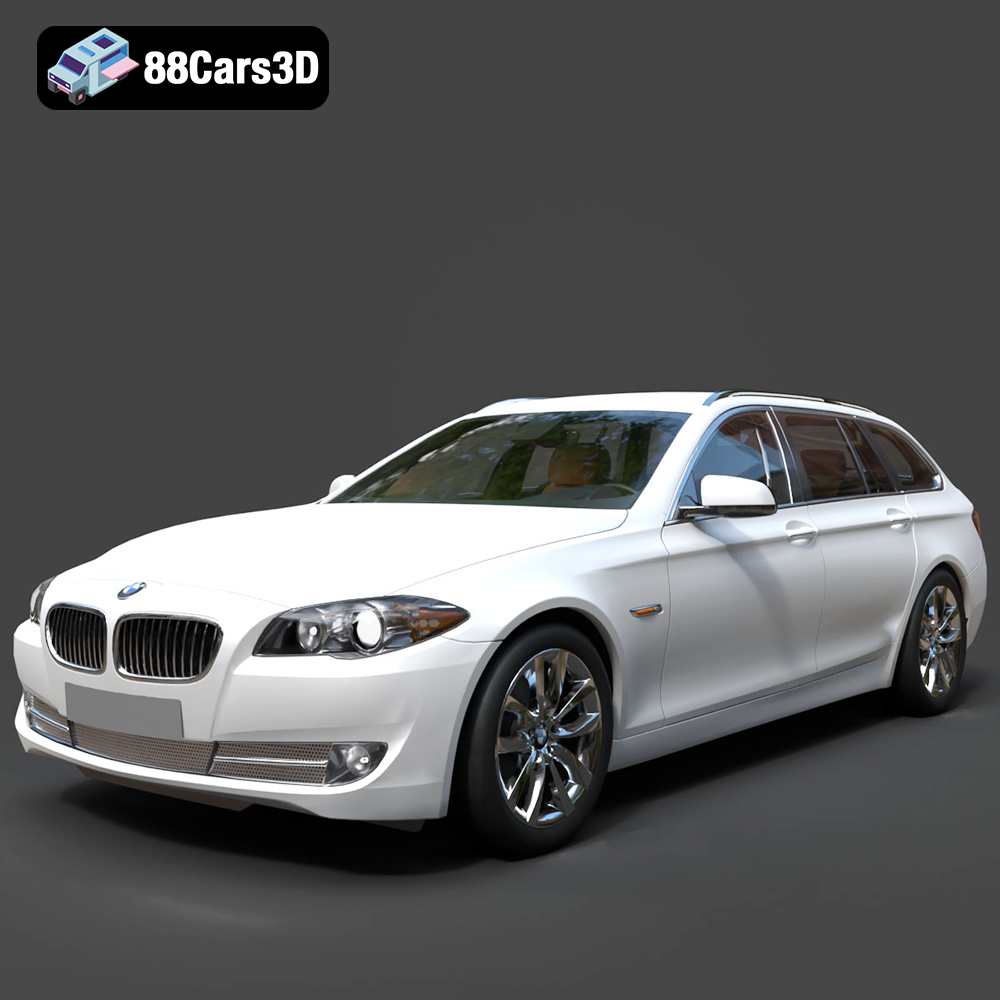
BMW 5 Series Touring F11-007 3D Model
Texture: Yes
Material: Yes
Download the BMW 5 Series Touring F11-007 3D Model featuring a detailed exterior and interior. Includes .blend, .fbx, .obj, .glb, .stl, .ply, .unreal, and .max formats for rendering, simulation, and game development.
Price: $10.79
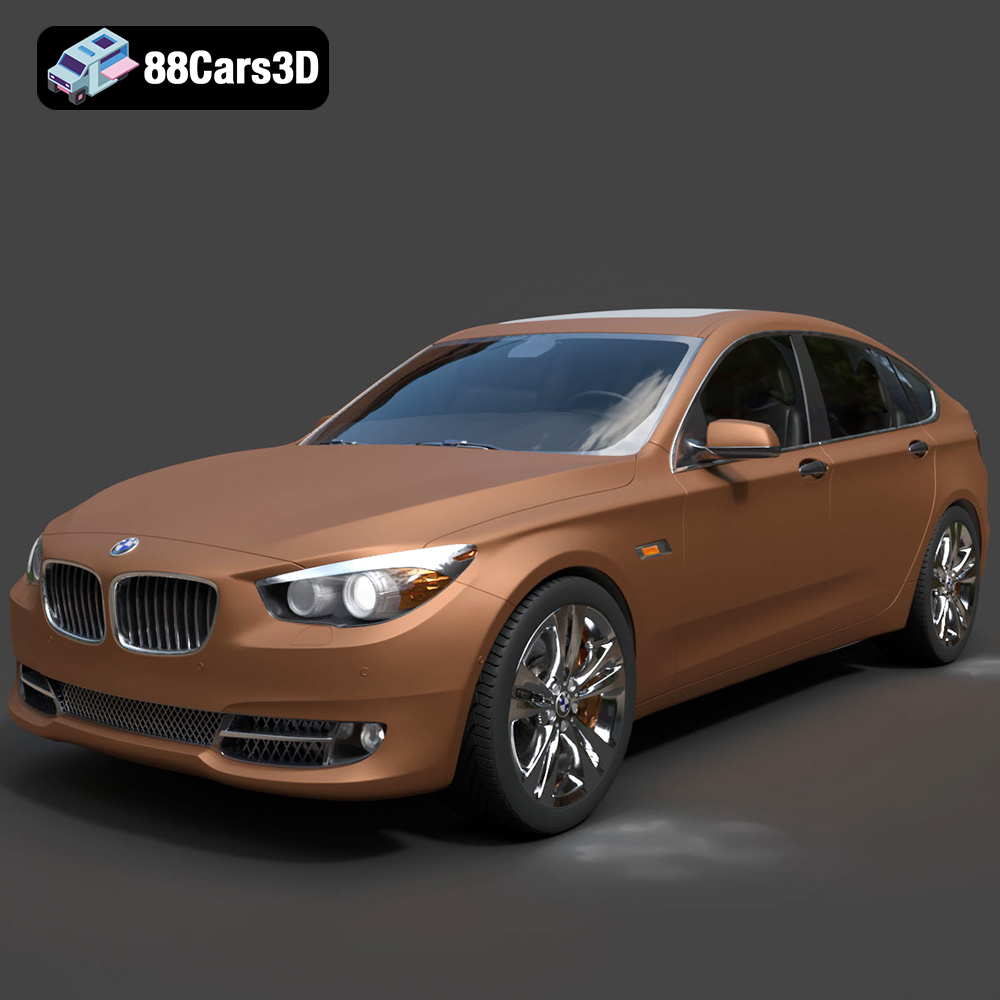
BMW 5 Series Gran Turismo F07-003 3D Model
Texture: Yes
Material: Yes
Download the BMW 5 Series Gran Turismo F07-003 3D Model featuring a detailed exterior and interior. Includes .blend, .fbx, .obj, .glb, .stl, .ply, .unreal, and .max formats for rendering, simulation, and game development.
Price: $10.79
