

Unlocking the Future of Automotive Marketing: Interactive Experiences with Unreal Engine
The automotive industry is in constant motion, and so too must be its marketing strategies. Gone are the days when static images and pre-rendered videos were enough to capture the imagination of potential buyers. Today, consumers demand immersive, personalized, and interactive experiences that allow them to truly connect with a product before it even leaves the showroom floor. This paradigm shift has propelled Unreal Engine to the forefront of automotive visualization, offering unparalleled tools for creating real-time, high-fidelity interactive content.
Unreal Engine empowers automotive brands, designers, and marketers to build everything from stunning virtual showrooms and bespoke car configurators to engaging AR/VR experiences and cinematic virtual productions. It transforms passive viewing into active engagement, allowing customers to explore every detail, customize every option, and even “test drive” their dream car in a hyper-realistic digital environment. This comprehensive guide will delve deep into the technical workflows and creative possibilities that Unreal Engine offers for revolutionizing automotive marketing. We’ll explore everything from importing optimized 3D car models – like those readily available on platforms such as 88cars3d.com – to leveraging advanced rendering features, scripting interactive functionalities, and optimizing for diverse platforms. Prepare to discover how to harness the power of real-time rendering to create unforgettable automotive experiences.
The Foundation: Importing & Optimizing 3D Car Models for Unreal Engine
The journey to creating breathtaking automotive experiences in Unreal Engine begins with high-quality 3D assets. The realism and performance of your final project are directly tied to the foundation laid by your chosen 3D car models. It’s crucial to start with models specifically designed for real-time applications, featuring clean topology, optimized polygon counts, and properly unwrapped UVs for texture mapping.
Sourcing High-Quality Assets: The Starting Line
When selecting 3D car models, look for those built with production readiness in mind. This means models with a well-organized mesh structure, proper scaling, and physically based rendering (PBR) texture sets. Marketplaces like 88cars3d.com specialize in providing such high-fidelity 3D car models, ensuring artists and developers have access to assets that are not only visually impressive but also technically sound for Unreal Engine integration. These models typically come with clean, optimized geometry (often with varying LODs) and meticulously crafted PBR texture maps (Albedo/Base Color, Normal, Roughness, Metallic, Ambient Occlusion) which are essential for achieving photorealistic results. Avoiding models with excessive, unoptimized geometry or poor UV layouts will save significant time and effort in the long run.
Importing and Initial Setup: Getting Your Model into Unreal
Once you have your optimized 3D car model, typically in FBX or USD format, importing it into Unreal Engine is a straightforward process.
Navigate to the “Content Browser,” click “Add/Import,” and select your model file. During import, several critical settings need attention:
* Scale: Ensure your model imports at the correct scale. Unreal Engine uses centimeters as its default unit. If your model was exported in meters, you’ll need to adjust the “Import Uniform Scale” accordingly (e.g., 100 for meters to centimeters).
* Normal Import Method: Set this to “Import Normals” or “Import Normals and Tangents” to preserve the model’s intended shading.
* Combine Meshes: For car models, it’s often beneficial to keep components separate (e.g., body, wheels, interior) for easier material application and interaction scripting. Uncheck “Combine Meshes” if this is the case, or if the model is already pre-split.
* Collision: For static visualization, “No Collision” is often sufficient. If the car needs physics, simple collision meshes can be generated later or imported with the model.
After import, your mesh will appear in the Content Browser. It’s good practice to create a Blueprint Class from your Static Mesh or Skeletal Mesh (if it’s a drivable vehicle) for easier management within your level. Dragging this Blueprint into your scene allows you to position and manipulate the car as a single entity. For more details on importing assets, consult the official Unreal Engine documentation at https://dev.epicgames.com/community/unreal-engine/learning.
Mesh Preparation and Nanite Integration: Handling High-Poly Counts
Modern 3D car models, especially those from professional sources, can feature extremely high polygon counts – often millions of triangles – to capture intricate details. Traditionally, this was a major performance bottleneck for real-time rendering. However, Unreal Engine’s Nanite virtualized geometry system has revolutionized this.
Nanite allows you to import and render highly detailed meshes with little to no noticeable performance degradation. To enable Nanite on your mesh:
1. Open the Static Mesh Editor by double-clicking your imported mesh.
2. In the “Details” panel, under the “Nanite Settings” section, check “Enable Nanite Support.”
3. Adjust the “Fallback Relative Error” to control the quality of the non-Nanite fallback mesh, and “Trim Relative Error” to define geometric simplification.
Nanite automatically streams and processes only the necessary detail for the current view, making it ideal for cinematic close-ups and high-quality stills. While Nanite is fantastic for the main car body and detailed exterior, remember that some parts like transparent glass or moving components (e.g., a wheel rotating via a skeletal mesh) may require traditional mesh optimization or specific Nanite exclusions.
Achieving Photorealism: PBR Materials, Lighting, and Advanced Rendering
Once your optimized 3D car model is in Unreal Engine, the next critical step is to bring it to life with stunning visual fidelity. This involves meticulously crafting physically based rendering (PBR) materials, setting up realistic lighting environments, and leveraging Unreal Engine’s advanced rendering features like Lumen. The goal is to achieve a level of realism indistinguishable from actual photography, enhancing the interactive experience for automotive marketing.
Crafting Authentic PBR Materials: The Science of Surfaces
PBR materials are fundamental to achieving photorealism because they simulate how light interacts with surfaces in the real world. Every material, from metallic car paint to matte leather, needs specific properties defined in the Unreal Engine Material Editor.
* Base Color (Albedo): This map defines the diffuse color of the surface without any lighting information. For car paint, this might be a solid color or a subtle gradient.
* Metallic: A grayscale map where 0 represents a dielectric (non-metal) and 1 represents a metal. Car bodies are typically metallic, while tires and interiors are dielectric.
* Roughness: Controls the microscopic surface irregularities. Lower values mean shinier, more reflective surfaces (like polished chrome), while higher values result in diffuse, matte finishes (like rubber or unpolished plastic).
* Normal Map: Provides high-frequency surface detail without adding actual geometry. This can simulate tiny scratches, brushed metal textures, or intricate panel lines on the car.
* Ambient Occlusion (AO): A grayscale map that darkens crevices and areas where light would struggle to reach, adding depth and realism.
For car paint, you’ll often create a master material with parameters for color, clear coat amount, metallic flake intensity, and normal map detail. This master material can then be instantiated into numerous Material Instances, allowing artists to quickly create countless color variations without recompiling shaders, saving significant time during design reviews or configurator development. Ensure your texture resolutions are appropriate for the level of detail required, often 2K (2048×2048) or 4K (4096×4096) for critical components.
Dynamic Global Illumination with Lumen: Real-time Lighting Revolution
Lumen, Unreal Engine’s fully dynamic global illumination and reflections system, is a game-changer for automotive visualization. It calculates how light bounces around your scene in real-time, delivering incredibly realistic and consistent lighting without the need for complex lightmap baking. This is paramount for interactive experiences, where light changes with the environment or camera movement.
To enable Lumen:
1. Go to “Project Settings” > “Engine” > “Rendering.”
2. Under “Global Illumination,” set “Dynamic Global Illumination Method” to “Lumen.”
3. Under “Reflections,” set “Reflection Method” to “Lumen.”
Lumen works best with a combination of light sources:
* Directional Light: Simulates sunlight, providing strong shadows and directional illumination.
* Sky Light: Captures the ambient light of the sky or an HDRI, providing soft, omnidirectional lighting and realistic reflections.
* Emissive Materials: Materials with an emissive output can also contribute to Lumen global illumination, perfect for car headlights or interior screens.
With Lumen, you can dynamically change the time of day, move the car through different environments, or adjust light sources in real-time, and the global illumination will instantly update, maintaining stunning realism. This capability is invaluable for showcasing a vehicle’s design under various conditions.
Realistic Lighting Environments: Setting the Scene
Beyond Lumen, creating a compelling lighting environment involves several key components:
* HDRI Backdrops: High Dynamic Range Image (HDRI) backdrops are essential for realistic exterior shots. They provide both ambient lighting and detailed reflections, making the car look like it’s truly part of the environment. You can place an “HDRI Backdrop” actor in your scene and feed it a high-resolution HDRI texture.
* Sky Atmosphere: For outdoor scenes, the “Sky Atmosphere” actor simulates a realistic Earth-like sky, including clouds, fog, and atmospheric perspective. It dynamically interacts with your Directional Light to create authentic sunrises, sunsets, and day cycles.
* Reflection Captures: While Lumen handles global reflections, “Sphere Reflection Capture” and “Box Reflection Capture” actors provide local, high-quality reflections for specific areas, especially useful for static elements or interiors.
* Post-Processing Volume: This is where you fine-tune the final look. Adjust exposure, color grading, bloom, ambient occlusion, screen space reflections, and depth of field to achieve a cinematic or photographic aesthetic. Fine-tuning settings like “Tonemapper” (e.g., ACES) and adding subtle “Film Grain” can further enhance realism.
By combining expertly crafted PBR materials with the dynamic power of Lumen and a thoughtfully constructed lighting environment, your 3D car models will achieve a level of photorealism that captivates audiences and elevates any automotive marketing campaign.
Bringing Vehicles to Life: Interactive Experiences with Blueprint and Physics
Photorealistic visuals are only half the story; true engagement in automotive marketing comes from interactivity. Unreal Engine’s Blueprint Visual Scripting system empowers developers and artists to create complex interactive experiences without writing a single line of code. This, coupled with integrated physics systems, allows for dynamic and responsive car configurators, virtual test drives, and immersive product demonstrations.
Blueprinting Interactive Car Features: Empowering Customer Choice
Blueprint is an intuitive, node-based interface that allows you to define logic, control events, and manipulate objects within your Unreal Engine scene. For automotive marketing, this is invaluable for building customizer functionality:
* Color Changers: By exposing a “Base Color” parameter in your car paint material, you can use Blueprint to create buttons that, when clicked, set this parameter to a new color. A “Set Vector Parameter Value” node targeting your car body’s material instance is all it takes. You can create an array of predefined colors or even integrate an RGB picker for full customization.
* Door & Hood Animation: To open a car door, you can use a “Timeline” node to animate its rotation or translation over a specified duration. An “Event Clicked” on a trigger volume near the door, or a UI button, can activate this timeline. Similarly, you can script headlight toggles, wheel changes, or even interior ambient lighting adjustments.
* Customizable Parts: Beyond colors, Blueprint can swap entire mesh components. For instance, clicking a button could toggle the visibility of different rim models (e.g., “Set Visibility” node) or spawn/destroy different spoiler attachments. Ensure all swappable components are properly aligned and scaled beforehand.
The power of Blueprint lies in its ability to connect user input (mouse clicks, keyboard presses, VR controller interactions) to changes in the game world, making the car a truly responsive object. This kind of interactive control gives potential customers a sense of ownership and personalizes their exploration of the vehicle.
Integrating Vehicle Physics: Dynamic Movement and Realism
While full driving simulators require extensive development, integrating basic vehicle physics adds another layer of realism and interactivity. Unreal Engine’s Chaos Vehicles system (which superseded PhysX Vehicles) provides a robust framework for simulating car dynamics.
For a simple interactive demo, you might not need a fully drivable car, but you could:
* Simulate Suspension: Apply simple spring forces to the wheels to show subtle suspension compression when the car is placed or a weight is applied, giving it a more grounded feel.
* Wheel Rotation: Even if the car isn’t moving, Blueprint can be used to slowly rotate wheels to demonstrate tire patterns or rim designs. For a more advanced setup, you could link a basic input (like joystick or keyboard) to engine RPM and wheel rotation.
* Basic Collision: Set up simple collision meshes for the car body and static environment objects. This allows the car to react physically to its surroundings, even if only for subtle nudges or demonstrating durability.
For more information on setting up Chaos Vehicles, Epic Games provides detailed documentation and templates within the Unreal Engine learning resources: https://dev.epicgames.com/community/unreal-engine/learning.
UI/UX for Configurators: Intuitive Control Panels
A powerful interactive experience requires an equally intuitive user interface (UI) to control it. Unreal Engine’s Widget Blueprint system allows you to design and implement custom UI elements:
* Buttons and Sliders: Create visually appealing buttons for color options, component swaps, or environmental changes. Use sliders to adjust parameters like tint, metallicness, or even time of day.
* Navigation: Implement navigation menus to switch between different customization categories (exterior, interior, performance, accessories).
* Feedback: Provide visual or auditory feedback when an option is selected. For example, a selected color swatch might highlight, or a part swap could trigger a subtle animation.
By combining the logic-building capabilities of Blueprint with the visual design tools of Widget Blueprint and a touch of physics, you can construct highly engaging automotive configurators and interactive demonstrations. These tools allow potential buyers to actively participate in the design process, leading to a deeper understanding and appreciation of the vehicle before they even step into a physical showroom.
Cinematic Storytelling and Virtual Production with Unreal Engine
Beyond real-time interactivity, Unreal Engine excels at generating stunning cinematic content and facilitating cutting-edge virtual production workflows. For automotive marketing, this means creating breathtaking trailers, high-fidelity promotional videos, and even integrating vehicles into live-action sets using LED walls, all rendered with unparalleled fidelity and speed.
Crafting Automotive Cinematics with Sequencer: Real-time Director’s Cut
Sequencer is Unreal Engine’s powerful non-linear cinematic editor, enabling artists to compose, edit, and render sophisticated animated sequences directly within the engine. For automotive marketing, Sequencer is indispensable for creating high-impact promotional videos, virtual product reveals, and detailed featurettes.
* Camera Animation: Create dynamic camera paths to showcase the car’s exterior lines, interior details, or unique features. Animate camera focal length, aperture (for depth of field effects), and even add camera shake for a more visceral feel. You can either manually keyframe camera movements or use motion path tools for smooth, complex trajectories.
* Object Animation: Animate car components like doors opening, wheels turning, or custom accessories deploying. You can also animate environmental elements like changing weather, rising suns, or moving props to tell a richer story.
* Lighting & VFX Integration: Keyframe lighting changes (e.g., a spotlight sweeping across the car) and integrate Niagara particle effects like exhaust fumes, dust, or rain. This allows for precise control over mood and emphasis.
* Post-Processing: Apply cinematic post-processing effects directly within Sequencer tracks. Adjust color grading, add film grain, vignette, or motion blur specifically for each shot or sequence to achieve a polished, production-ready look.
Once your sequence is complete, you can render it out as high-quality video (e.g., EXR image sequences for maximum flexibility in post-production) using the Movie Render Queue, which offers advanced settings for anti-aliasing, motion blur, and output formats. This provides a direct path from real-time visualization to broadcast-quality promotional content, bypassing traditional, time-consuming offline rendering pipelines.
Real-time Camera Tracking and Virtual Production: Beyond the Green Screen
Unreal Engine has revolutionized virtual production, particularly with the advent of large LED volumes. This technology allows filmmakers and advertisers to shoot live-action talent within a physically lit, virtual environment generated in Unreal Engine. For automotive, this means:
* In-Camera VFX: A physical car can be placed on an LED stage, surrounded by a virtual world rendered by Unreal Engine. Real-time camera tracking synchronizes the virtual background with the physical camera’s movement, creating seamless integration. This eliminates the need for chroma keying and allows for realistic interactive lighting between the physical car and the virtual environment.
* nDisplay: Unreal Engine’s nDisplay framework is key to driving multiple synchronized displays (like an LED wall) from a single project. It handles the rendering of different perspectives for each display surface, ensuring accurate parallax and perspective correction for in-camera effects.
* Virtual Camera (VCam): Use a virtual camera system (often an iPad with a VCam app) to scout virtual sets, block shots, and pre-visualize camera movements with a virtual version of the car before ever stepping onto a physical set. This streamlines pre-production and provides directors with incredible flexibility.
This approach significantly reduces costs and time associated with traditional location shoots or complex green screen setups, while offering unprecedented creative control and flexibility for automotive advertising.
Leveraging Niagara for Visual Effects: Adding Dynamic Flair
Niagara, Unreal Engine’s powerful and highly modular particle system, is perfect for adding dynamic visual effects that elevate automotive cinematics and interactive experiences.
* Exhaust Fumes: Create realistic, volumetric exhaust smoke that reacts to vehicle movement and speed. Niagara allows for complex behaviors, including turbulence, dissipation, and color changes.
* Dust and Debris: Simulate dust clouds kicked up by tires, falling debris, or environmental particles (e.g., falling leaves, rain, snow) that interact realistically with the car and environment.
* Water Splashes & Rain: For showcasing car performance in adverse weather, Niagara can generate convincing rain drops, puddles, and dynamic splashes when wheels hit water.
* Headlight/Taillight Glow: Enhance the realism of car lights with subtle volumetric effects, lens flares, or light shafts generated by Niagara.
Niagara’s node-based editor provides artists with fine-grained control over every aspect of particle behavior, allowing for highly customized and visually stunning effects that add polish and immersion to any automotive visualization. By combining Sequencer, virtual production techniques, and dynamic visual effects, automotive brands can create compelling stories that captivate audiences and push the boundaries of traditional advertising.
Optimization & Deployment: Ensuring Smooth Performance for All Platforms
Creating stunning visuals and interactive experiences in Unreal Engine is only half the battle; ensuring they run smoothly across various platforms is equally critical. Automotive marketing content often needs to be deployed to diverse mediums, from high-end PCs for configurators to web browsers via Pixel Streaming, or mobile devices for AR applications. Effective optimization strategies are paramount to deliver a fluid and engaging user experience, regardless of the target hardware.
Managing Performance with LODs and Instancing: Smart Geometry Handling
Even with Nanite handling core mesh density, other optimization techniques remain vital for overall performance.
* Level of Detail (LODs): For objects that are not Nanite-enabled (e.g., transparent glass, specific animated components, or when targeting mobile/VR), LODs are crucial. These are simplified versions of a mesh that automatically swap in at a distance, reducing polygon count and draw calls. Unreal Engine can generate LODs automatically, but manual tweaking often yields better results. Aim for 3-5 LOD levels, reducing polygons by 50% for each successive level. For example, a car’s wheel might have LOD0 (50k triangles), LOD1 (25k), LOD2 (12k), and LOD3 (6k) for distant views.
* Static Mesh Instancing: When you have multiple identical static meshes in your scene (e.g., parking lot full of cars for an exterior shot, or repeated interior components), using instanced static meshes significantly reduces draw calls. Unreal Engine automatically instances identical static meshes where possible, but explicit use of “Instanced Static Mesh Components” in Blueprints can provide more control and greater optimization. This can be especially useful for displaying numerous cars in a virtual showroom or configurator.
* Culling Volumes: Utilize “Culling Volumes” (Occlusion Culling and Distance Culling) to prevent the engine from rendering objects that are outside the camera’s view or too far away to be seen. This effectively reduces the amount of work the GPU needs to do per frame.
Optimizing for AR/VR Automotive Experiences: Mobile-First Considerations
Augmented and Virtual Reality present unique optimization challenges due to their stringent performance requirements (high frame rates, low latency).
* Forward Rendering: For AR/VR, particularly on mobile, consider enabling “Forward Shading” in Project Settings > Rendering. While Deferred Shading (default) offers more complex lighting, Forward Shading is often faster for scenes with many lights or transparent objects, as it avoids complex G-buffer passes.
* Instanced Stereo: Essential for VR, “Instanced Stereo Rendering” renders both eyes in a single pass, drastically reducing CPU and GPU overhead compared to separate passes. Enable this in Project Settings > Rendering.
* Reduced Shader Complexity: Minimize complex material instructions. Use simpler shaders, fewer texture lookups, and avoid expensive operations like parallax occlusion mapping or excessive transparent layers. Material Instances are powerful here, allowing you to create simplified versions for mobile/VR.
* Texture Resolutions: Use lower texture resolutions for less critical assets. For mobile AR, 1K (1024×1024) or 512×512 textures are often sufficient for background elements, while critical car details might warrant 2K. Employ texture streaming to only load textures at the required mip level.
* Mobile-Specific Post-Processing: Drastically reduce or disable expensive post-processing effects like screen-space reflections, complex ambient occlusion, or bloom on mobile/VR platforms.
* Bake Lighting: For static AR/VR scenes where Lumen is too heavy, bake lighting with Lightmass for static objects. This pre-calculates lighting and shadows, drastically improving runtime performance, though it sacrifices dynamic lighting.
Packaging and Deployment Strategies: Reaching Your Audience
After optimization, the final step is packaging your project for distribution. Unreal Engine offers various packaging options:
* Windows Standalone: The most common deployment for PC-based configurators or interactive kiosks.
* Web (Pixel Streaming): This revolutionary technology allows users to stream your Unreal Engine application directly to a web browser, without needing to download any files. The application runs on a powerful server, and only video frames are sent to the client, along with receiving user input. This is ideal for high-fidelity car configurators that need to be accessible globally on any device.
* Android/iOS: For mobile AR applications, packaging for specific mobile platforms is necessary.
* VR/AR Headsets: Specific packaging configurations are required for platforms like Oculus, SteamVR, HoloLens, or Magic Leap.
Throughout the development and optimization process, utilize Unreal Engine’s profiling tools. Commands like `stat fps`, `stat unit`, `stat rhi`, and the “GPU Visualizer” can help identify performance bottlenecks (e.g., too many draw calls, expensive shaders, CPU-bound issues) and guide your optimization efforts. A well-optimized project ensures that your audience experiences the full power and beauty of your automotive visualization without lag or stutter, reinforcing the brand’s commitment to quality and innovation.
Transforming Automotive Marketing: Real-World Applications
The technical prowess of Unreal Engine converges into tangible, impactful applications that are reshaping how automotive brands connect with their customers. From highly personalized configurators to immersive virtual showrooms and innovative training solutions, Unreal Engine provides the tools to create experiences that are not only visually stunning but also deeply engaging and strategically valuable.
Interactive Car Configurators: The Ultimate Customization Tool
The interactive car configurator is arguably the most powerful application of Unreal Engine in automotive marketing. It transcends the limitations of traditional 2D configurators by offering a real-time, 3D experience where customers can:
* Visualize Customization in Real-Time: Instantly see how different paint colors, wheel designs, interior upholstery, trim levels, and accessory packages look on their chosen vehicle. This is where the highly optimized 3D car models from platforms like 88cars3d.com truly shine, as they provide the visual fidelity needed for convincing previews.
* Explore Every Angle: Rotate the car 360 degrees, zoom in on intricate details, and even step inside the virtual cabin to examine materials and layouts.
* Dynamic Environments: Switch between different lighting conditions (day, night, studio, outdoor) or even entirely different virtual environments to see how the car performs under various settings.
* Price Updates: Integrate pricing logic through Blueprint, so as customers add or remove features, the total price updates dynamically, providing transparency and guiding their choices.
These configurators can be deployed online via Pixel Streaming, at dealerships on large touch screens, or in VR headsets for a truly immersive experience. They empower customers with unprecedented freedom in personalization, leading to higher engagement and a stronger emotional connection to the product.
Virtual Showrooms and Sales Tools: Redefining the Dealership Experience
Unreal Engine enables the creation of fully immersive virtual showrooms that go far beyond static websites:
* Always Open, Anywhere Accessible: Customers can “visit” a virtual dealership from the comfort of their home, 24/7, experiencing multiple vehicles in a stunning, high-fidelity environment. This is particularly valuable for reaching international markets or during periods of restricted physical access.
* Guided Tours and Explanations: Integrate Blueprint-driven interactive elements or even AI-powered virtual assistants to guide customers through the showroom, highlight key features of each car, and answer questions.
* Virtual Test Drives: While not a full simulation, a “virtual test drive” could involve navigating a pre-defined route in a scenic environment, allowing the customer to appreciate the car’s visual presence in motion and experience basic physics responses.
* Sales Support: Sales representatives can use these virtual showrooms as powerful tools, sharing their screen with customers, demonstrating features in real-time, and collaborating on configurations. This elevates the sales conversation beyond brochures and price lists.
These virtual environments are not just marketing gimmicks; they are powerful sales enablers, offering an engaging and scalable alternative to traditional physical dealerships.
Training, Design Review, and Beyond: Internal Innovation
The utility of Unreal Engine extends beyond direct customer interaction:
* Dealer Training: Create interactive training modules for sales staff, allowing them to intimately learn every feature of a new model in a risk-free, virtual environment before the physical cars even arrive. This includes detailed interior exploration, understanding button functionalities, and demonstrating specific technologies.
* Design Review and Prototyping: Automotive designers can use Unreal Engine to conduct real-time design reviews. Different iterations of a vehicle (e.g., body modifications, material changes, lighting setups) can be swapped in instantly, allowing teams to visualize changes and make faster, more informed decisions. This significantly accelerates the design cycle compared to traditional rendering pipelines.
* Safety and Maintenance Simulations: Develop simulations for driver training, demonstrating active safety features in various scenarios, or creating interactive guides for maintenance procedures for technicians.
In conclusion, Unreal Engine offers an unparalleled toolkit for the automotive industry, providing the means to create visually stunning, deeply interactive, and highly optimized experiences across a multitude of platforms. From the initial sourcing of high-quality 3D car models, like those available on 88cars3d.com, to the intricate details of PBR material creation, dynamic global illumination with Lumen, robust interactivity with Blueprint, and the cinematic power of Sequencer, every aspect of automotive visualization is elevated. By embracing these advanced real-time rendering workflows, automotive brands can move beyond conventional marketing, forge stronger connections with their audience, and drive the future of product engagement. The future of automotive marketing is interactive, immersive, and built with Unreal Engine.
Featured 3D Car Models
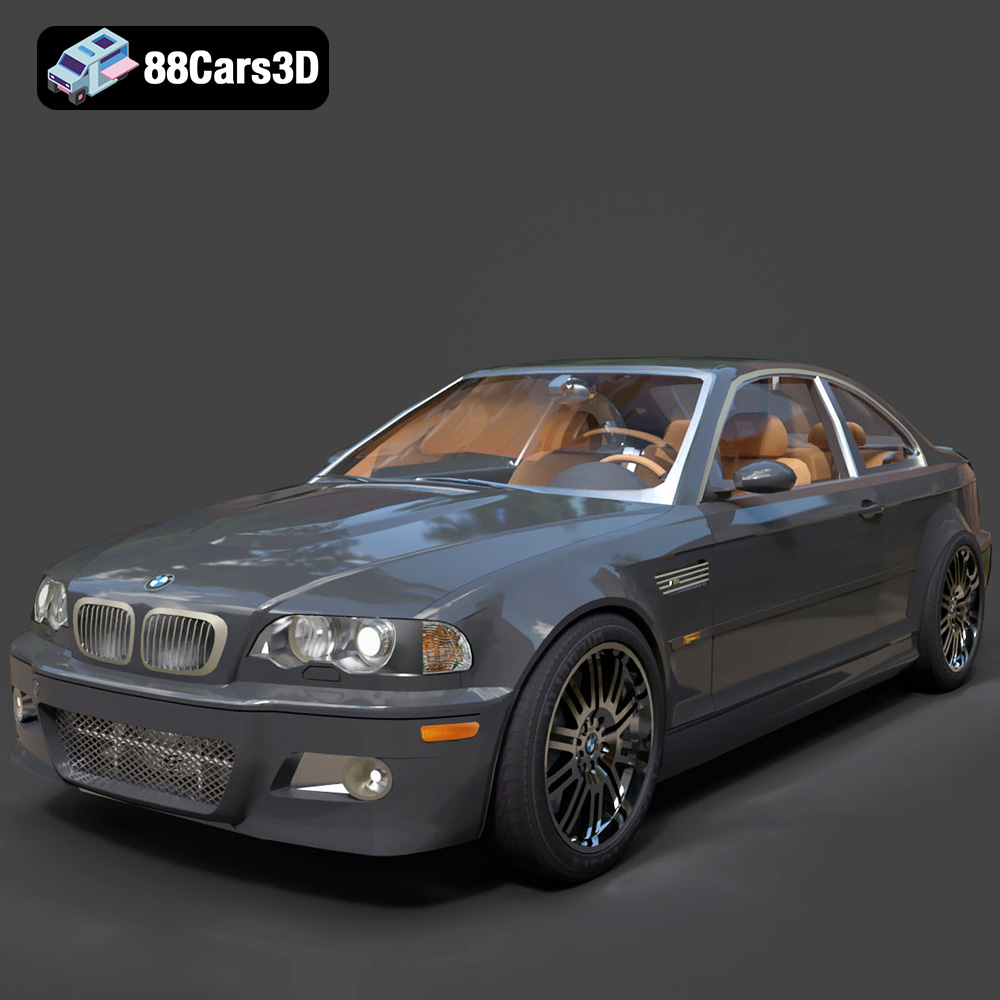
BMW M3 E46 3D Model
Texture: Yes
Material: Yes
Download the BMW M3 E46 3D Model featuring iconic sports car design and detailed interior. Includes .blend, .fbx, .obj, .glb, .stl, .ply, .unreal, and .max formats for rendering, simulation, and game development.
Price: $16.99
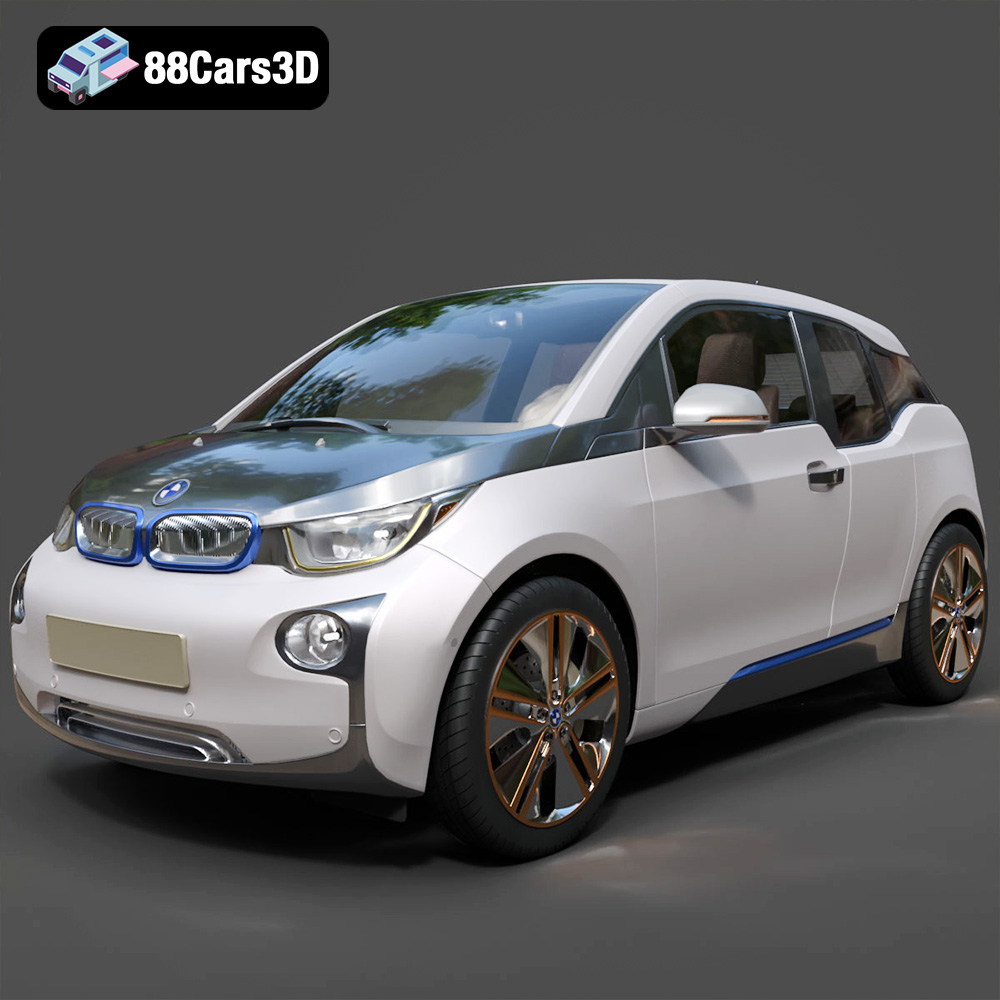
BMW i3 Coupe 3D Model
Texture: Yes
Material: Yes
Download the BMW i3 Coupe 3D Model featuring its iconic electric design and compact urban styling. Includes .blend, .fbx, .obj, .glb, .stl, .ply, .unreal, and .max formats for rendering, simulation, and game development.
Price: $17.99
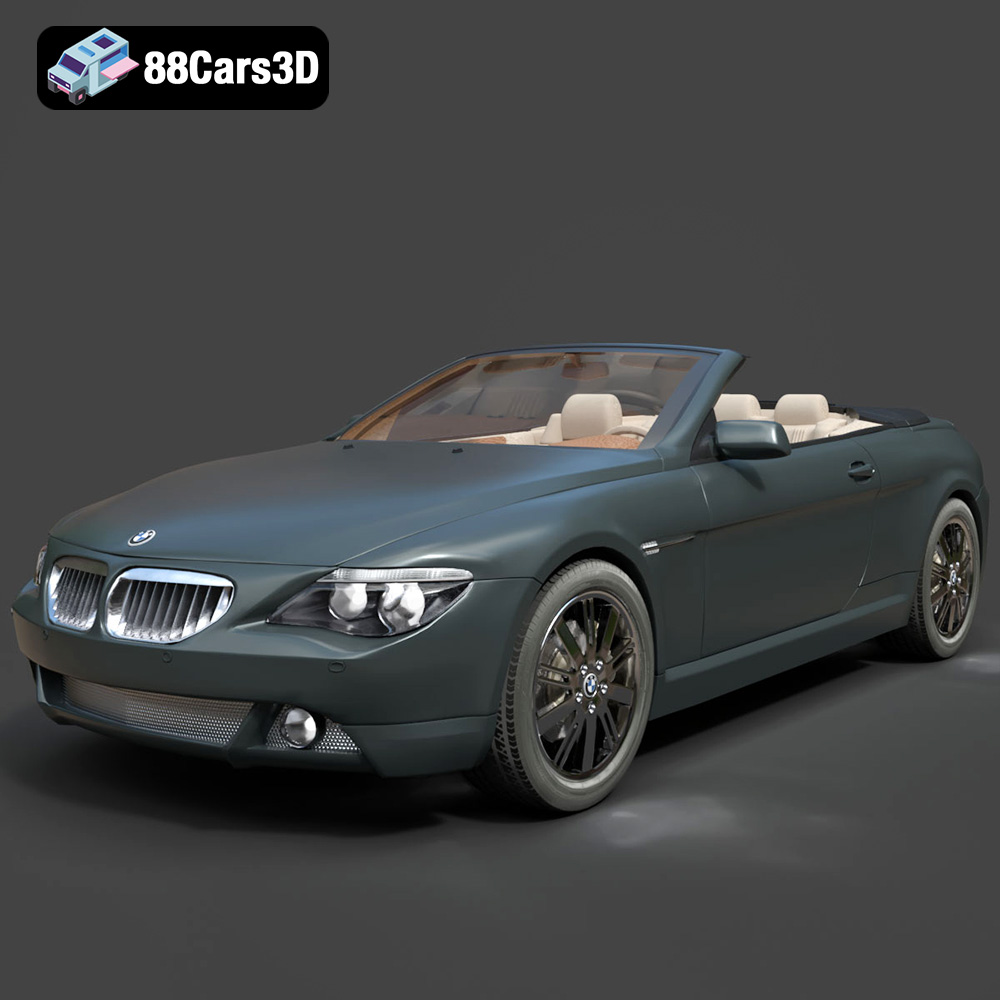
BMW 645ci 2004-2005 3D Model
Texture: Yes
Material: Yes
Download the BMW 645ci 3D Model featuring a sleek, detailed exterior and optimized interior. Includes .blend, .fbx, .obj, .glb, .stl, .ply, .unreal, and .max formats for rendering, simulation, and game development.
Price: $10.79
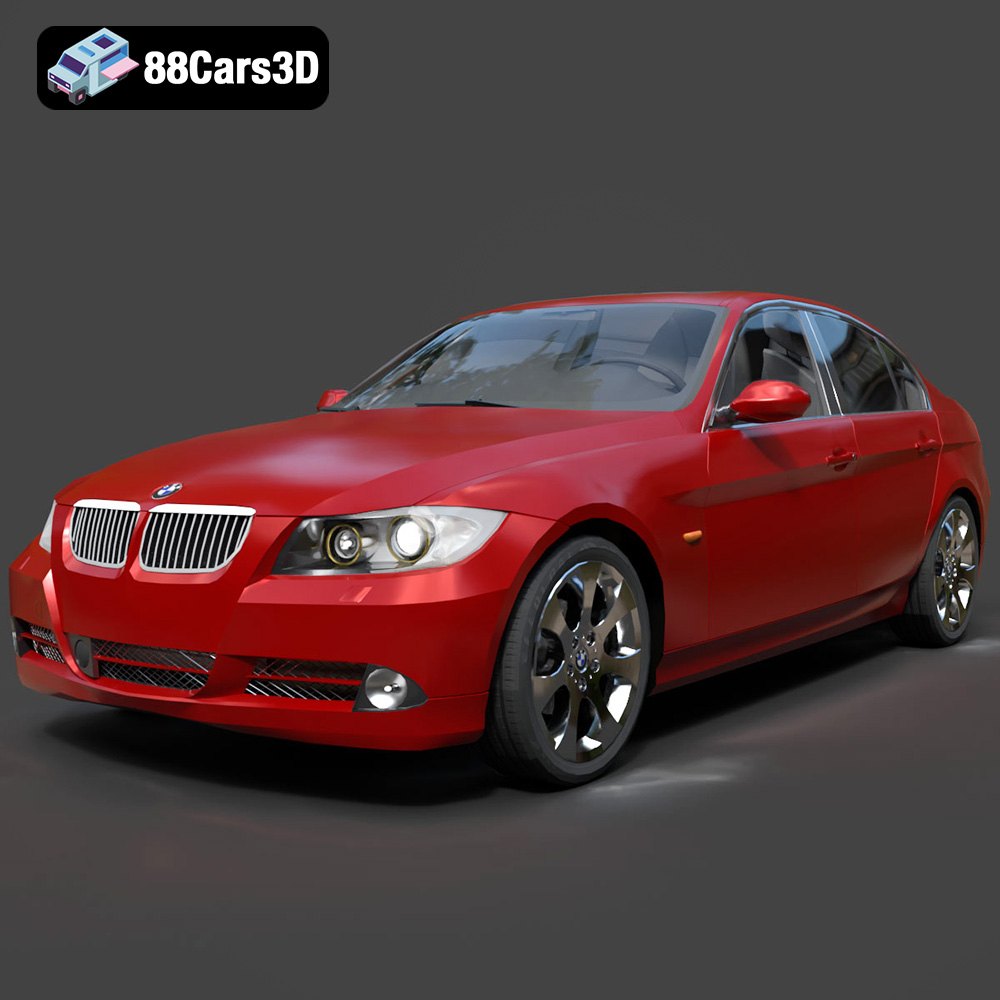
BMW 330i E90 3D Model
Texture: Yes
Material: Yes
Download the BMW 330i E90 3D Model featuring a detailed exterior, an optimized interior, and accurate mechanical components. Includes .blend, .fbx, .obj, .glb, .stl, .ply, .unreal, and .max formats for rendering, simulation, and game development.
Price: $14.79
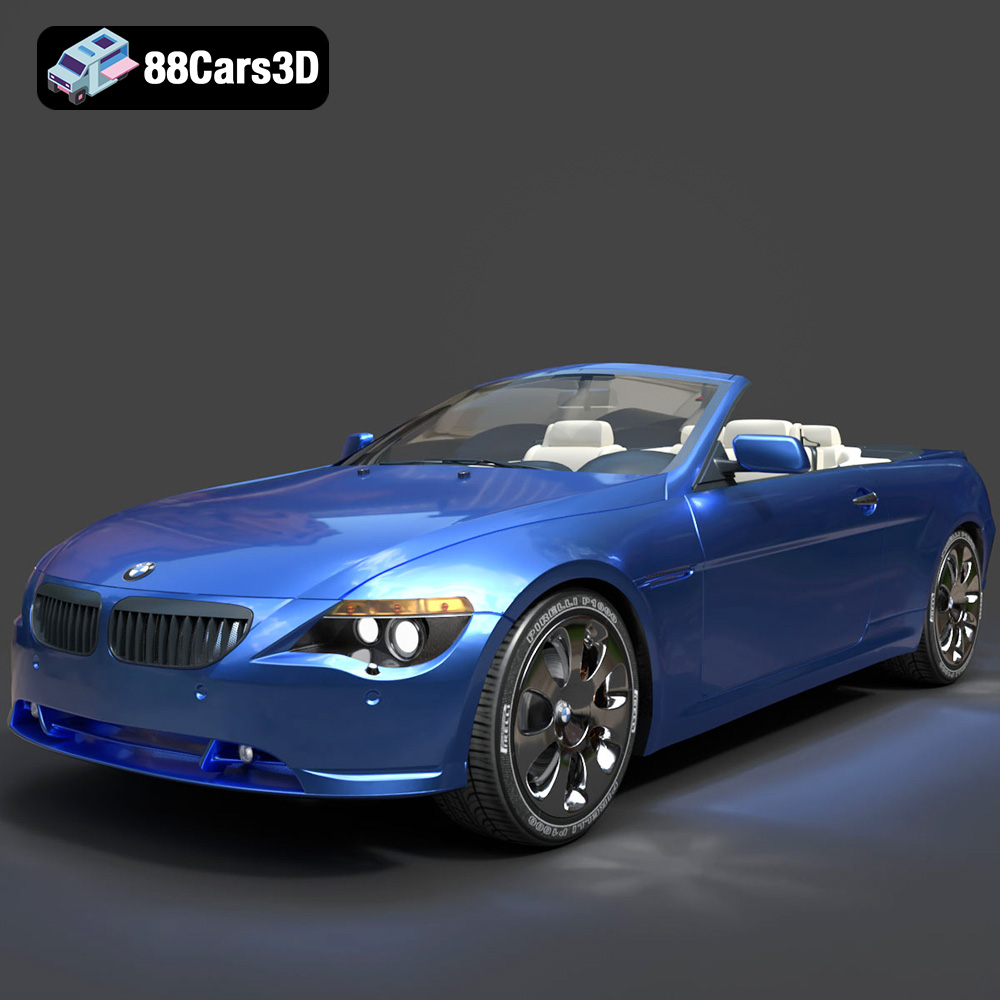
BMW 6 Series Convertible 3D Model
Texture: Yes
Material: Yes
Download the BMW 6 Series Convertible 3D Model featuring clean geometry, realistic detailing, and a fully modeled interior. Includes .blend, .fbx, .obj, .glb, .stl, .ply, .unreal, and .max formats for rendering, simulation, and game development.
Price: $14.99
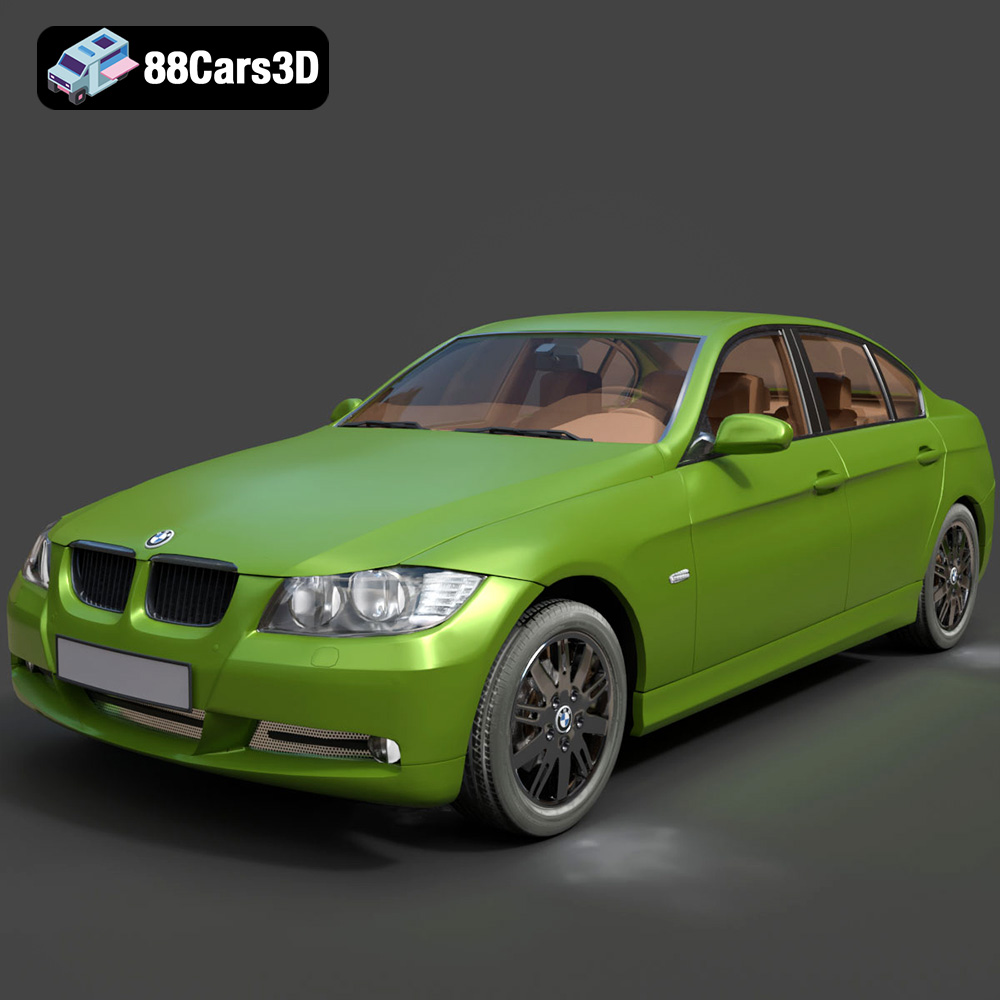
BMW 3-005 3D Model
Texture: Yes
Material: Yes
Download the BMW 3-005 3D Model featuring a sleek design, detailed exterior and interior. Includes .blend, .fbx, .obj, .glb, .stl, .ply, .unreal, and .max formats for rendering, simulation, and game development.
Price: $14.99
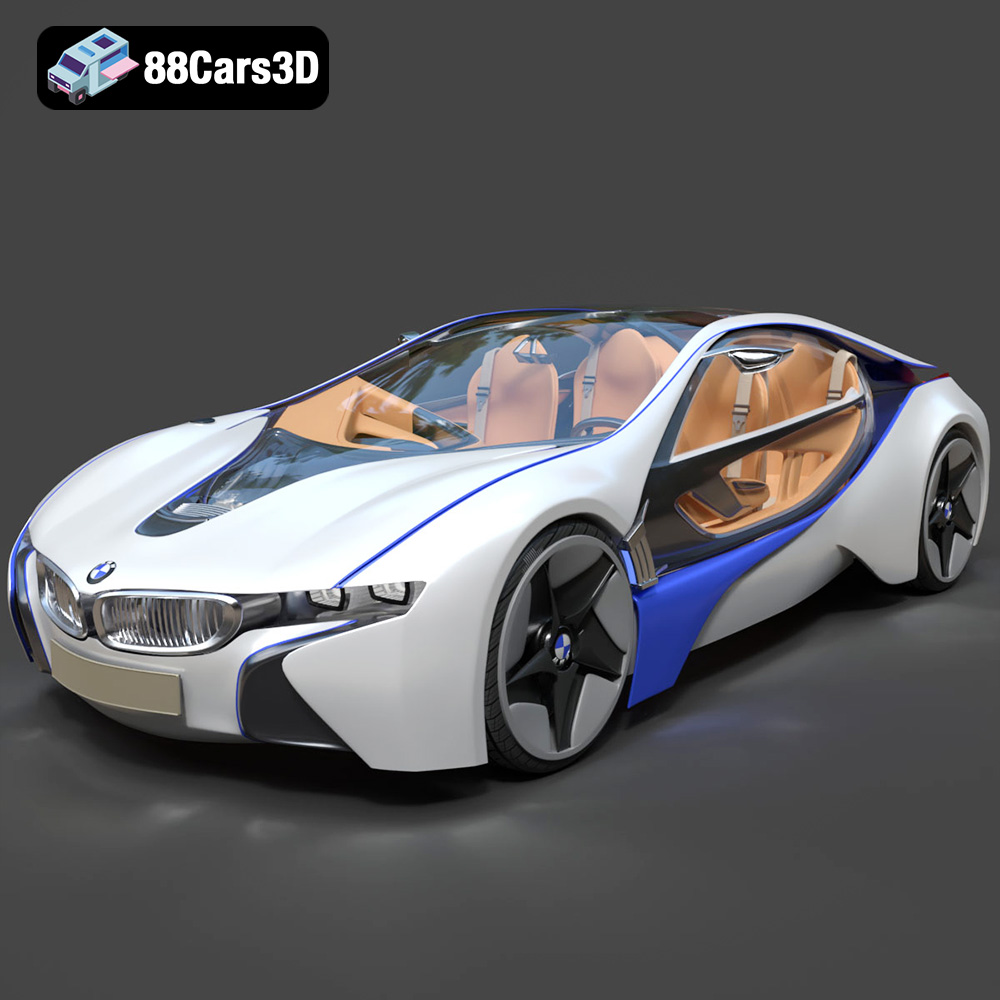
BMW Vision Effecient Dynamics-007 3D Model
Texture: Yes
Material: Yes
Download the BMW Vision Effecient Dynamics-007 3D Model featuring a sleek, futuristic design and hybrid concept aesthetics. Includes .blend, .fbx, .obj, .glb, .stl, .ply, .unreal, and .max formats for rendering, simulation, and game development.
Price: $14.99
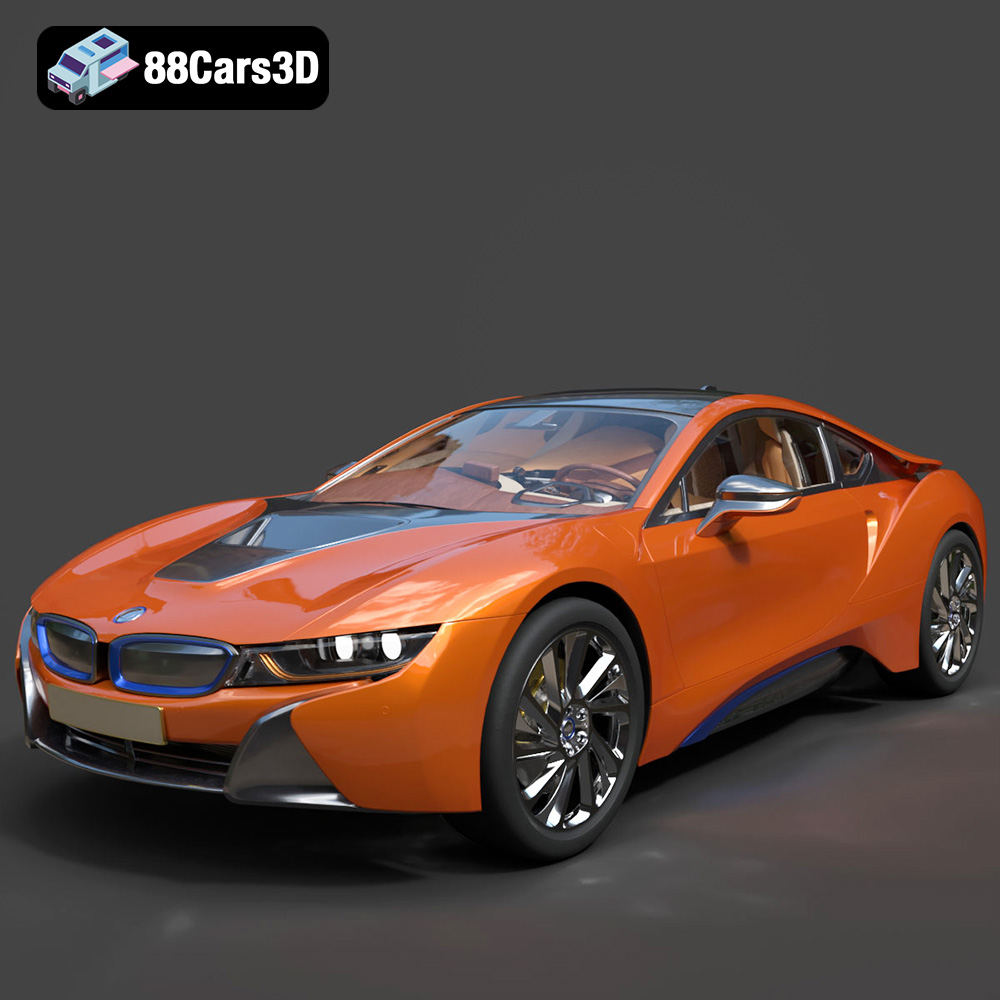
BMW i8 2015 3D Model
Texture: Yes
Material: Yes
Download the BMW i8 2015 3D Model featuring clean geometry, realistic detailing, and a fully modeled interior. Includes .blend, .fbx, .obj, .glb, .stl, .ply, .unreal, and .max formats for rendering, simulation, and game development.
Price: $12.99

BMW 4 Series F32 3D Model
Texture: Yes
Material: Yes
Download the BMW 4 Series F32 3D Model featuring clean geometry, realistic detailing, and a fully modeled interior. Includes .blend, .fbx, .obj, .glb, .stl, .ply, .unreal, and .max formats for rendering, simulation, and game development.
Price: $12.99
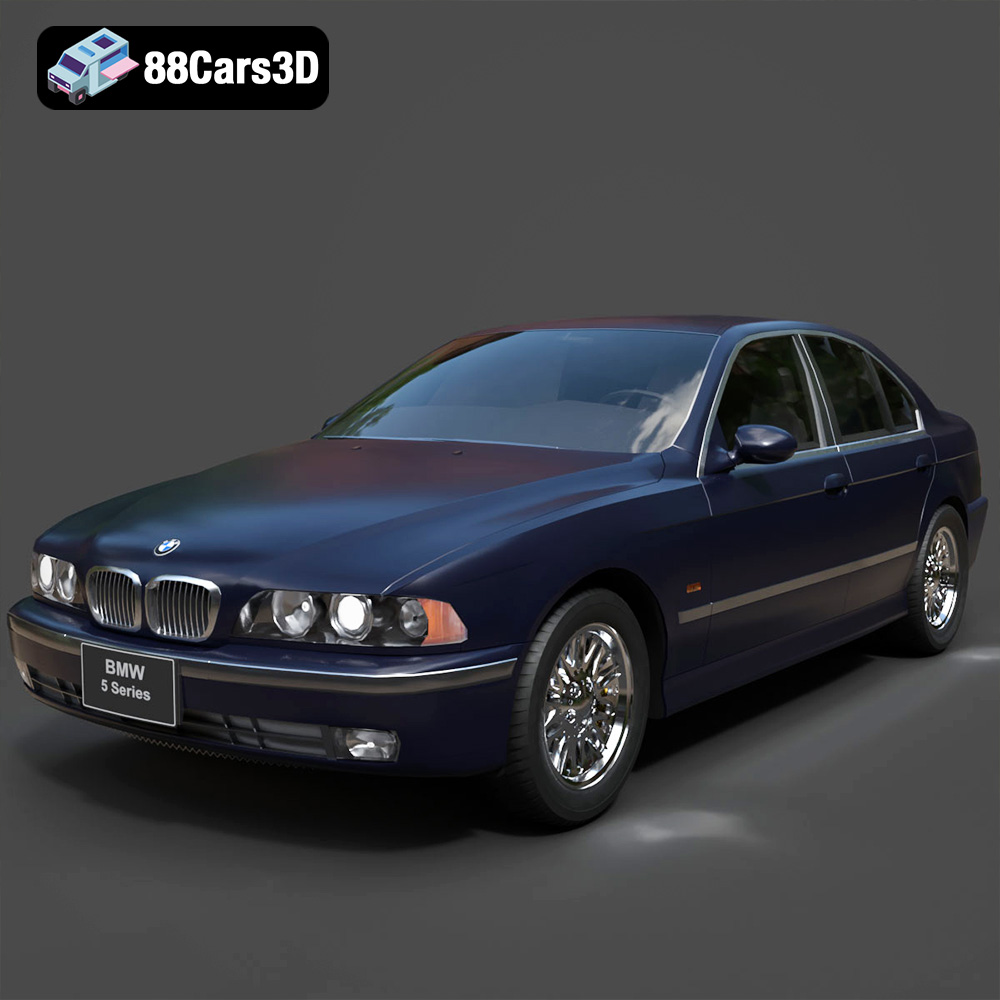
BMW E39 M5-540i 3D Model
Texture: Yes
Material: Yes
Download the BMW E39 M5-540i 3D Model featuring its iconic sedan design, detailed exterior, and realistic interior. Includes .blend, .fbx, .obj, .glb, .stl, .ply, .unreal, and .max formats for rendering, simulation, and game development.
Price: $10.79
