

Mastering Your 3D Printer: Optimizing Nozzle and Bed Size for Perfect Car Models
The world of 3D printing, especially for intricate models like those found on 88cars3d.com, is a delicate dance between hardware capabilities and software settings. While we often focus on slicing parameters and material choices, two fundamental hardware aspects can profoundly impact the success and quality of your prints: the nozzle size and the build plate (bed) size. Choosing the right combination for your specific project, whether it’s a miniature classic car or a larger display piece, is crucial for achieving the desired detail, print speed, and structural integrity. This guide will delve deep into the technical considerations of nozzle and bed size, helping you unlock the full potential of your 3D printer for producing stunning, high-quality car models.
We’ll explore how different nozzle diameters affect print resolution, strength, and speed. We’ll also discuss the implications of your printer’s build volume, how to work within its constraints, and when scaling might be necessary. By understanding these core hardware elements, you’ll be better equipped to tackle complex geometries, optimize print times, and troubleshoot common printing challenges, ultimately leading to more successful and satisfying prints of your favorite automotive designs.
The Humble Nozzle: Diameter, Detail, and Durability
The nozzle is the single most critical component responsible for extruding molten filament onto your build plate. Its diameter directly dictates the width of the extruded line, often referred to as the “line width” or “extrusion width.” This seemingly simple parameter has far-reaching implications for print quality, speed, and the types of models you can effectively print.
Standard Nozzle Sizes and Their Impact on Resolution
The most common nozzle size for FDM printers is 0.4mm. This diameter offers a good balance between detail and print speed. For highly detailed models, such as the intricate chassis or body panels of a finely crafted collectible car, a smaller nozzle can be advantageous. Nozzles like 0.2mm or 0.3mm can produce incredibly fine lines, allowing for sharper edges, more subtle curves, and the capture of finer surface details. When printing small-scale car models or components requiring extreme precision, a smaller nozzle becomes indispensable. For example, printing a 1:64 scale model might necessitate a 0.2mm nozzle to capture the nuances of the grille and headlights.
Conversely, larger nozzles, such as 0.6mm or even 0.8mm, are designed for speed and strength. They extrude more material per pass, significantly reducing print times, especially for larger or less detailed models. However, this comes at the cost of resolution. Fine details can become blurred or entirely lost with larger nozzles. For rapidly prototyping larger components or printing functional parts where speed is prioritized over aesthetic fidelity, a larger nozzle can be a sensible choice. Imagine printing a large, simplified concept car model for a presentation; a 0.6mm nozzle could halve the print time while still delivering a recognizable form.
Choosing the Right Nozzle for Specific Car Model Features
When selecting a nozzle for your 3D printable car models from marketplaces like 88cars3d.com, consider the specific features of the model:
- Fine Details (Grilles, Logos, Panel Gaps): For capturing these delicate elements, a 0.2mm or 0.3mm nozzle is ideal. This will allow for thinner walls and sharper definition, bringing your model to life.
- Body Panels and Smooth Surfaces: A 0.4mm nozzle is generally excellent for achieving smooth, consistent surfaces on car bodies. Layer height settings will also play a significant role here.
- Structural Components (Chassis, Wheels): If you’re printing parts that require increased strength or faster print times, a 0.6mm nozzle might be suitable. Consider using a higher infill density with these larger nozzles to compensate for potentially weaker layer adhesion if printing in materials like ABS.
Nozzle Wear and Maintenance
It’s important to remember that nozzles are consumables. Over time, especially when printing with abrasive materials like carbon fiber-filled filaments or metallic composites, nozzles can wear down. A worn nozzle will have a larger effective diameter than intended, leading to over-extrusion and a loss of detail. Regular inspection and replacement of your nozzle are crucial for maintaining print quality. For general-purpose printing of most car models with standard filaments like PLA or PETG, a brass nozzle will last a considerable time. For abrasive filaments, consider hardened steel or ruby-tipped nozzles, which offer much greater longevity.
The Build Plate: Size, Adhesion, and Orientation Strategies
The build plate, or print bed, is the foundation upon which your 3D prints are built. Its size dictates the maximum dimensions of a single print, while its surface properties are critical for ensuring proper adhesion and a successful first layer – the bedrock of any successful print. Understanding these aspects is key to printing complex, multi-part models or large-scale replicas.
Understanding Your Printer’s Build Volume
Every 3D printer has a specified build volume, typically measured in millimeters (e.g., 220x220x250mm). This represents the maximum X, Y, and Z dimensions of an object that can be printed in a single piece. For smaller car models, like those commonly found on platforms offering detailed STL files, most standard FDM printers (with beds around 200x200mm or larger) will have ample space.
However, if you aspire to print larger, more imposing models or even full-scale automotive components (though less common for hobbyist car models), your build volume will become a significant constraint. For instance, printing a 1:18 scale model of a supercar might push the limits of a standard 220mm bed, requiring careful orientation or splitting the model into smaller, printable sections.
Splitting Models for Larger Prints
When a desired model exceeds your printer’s build volume, the solution lies in digital model preparation. Software like Meshmixer, Blender, or even some advanced slicers (like Simplify3D or PrusaSlicer’s cutting tools) allow you to precisely cut a complex STL file into multiple, manageable pieces. Key considerations when splitting include:
- Alignment Features: Design or add interlocking features (like pegs and holes, or flat mating surfaces) during the splitting process to ensure accurate and strong assembly after printing.
- Minimizing Support: Orient each split piece on the build plate to minimize the need for support structures, particularly on visible surfaces.
- Seam Lines: Plan cuts in areas that are less conspicuous, such as along panel lines, door seams, or undercarriage components, to hide assembly joints.
For example, a large-scale classic car model could be split into the main body, roof, doors, hood, trunk, chassis, and wheels. Each part can then be printed individually and assembled using adhesives like super glue or epoxy, followed by sanding and painting to create a seamless final product.
Build Plate Adhesion Strategies
A print failing because it detached from the bed during printing is a common and frustrating issue. Achieving reliable bed adhesion is paramount, especially for tall, narrow prints like car bodies or when printing large, single-piece models that are prone to warping.
- First Layer Calibration: Ensure your printer’s Z-offset is correctly calibrated. The nozzle should be just the right distance from the bed – close enough to slightly squish the filament for good adhesion, but not so close as to scrape the bed or impede extrusion. A common test is to print a single-layer square; you should see a solid, continuous line with no gaps between passes.
- Bed Surface: Different build surfaces offer varying levels of adhesion. Glass beds often require adhesion aids like glue stick, hairspray, or specialized PEI sheets. Textured PEI sheets are excellent for PLA and PETG, providing good adhesion and an attractive surface finish.
- Brim and Skirt: In your slicer settings, utilizing a brim (a single layer of material printed around the base of the model) can significantly improve adhesion for models with small footprints or those prone to lifting. A skirt simply outlines the print area and is useful for priming the nozzle before printing the actual model.
- Bed Temperature: Maintaining the correct bed temperature is crucial. For PLA, 50-60°C is typical. PETG often requires 70-80°C, and ABS can need 90-110°C, often within an enclosed printer to prevent rapid cooling and warping.
Slicer Settings: Bridging Nozzle and Bed with Precision
The slicer software (like Cura, PrusaSlicer, or Simplify3D) acts as the interpreter between your 3D model (STL file) and your 3D printer. It translates the digital design into G-code instructions, and many settings within the slicer are directly influenced by, or must be adjusted for, your chosen nozzle size and printer’s capabilities.
Line Width and Layer Height: The Detail Equation
Line Width: This setting in your slicer determines the width of the extruded filament path. It is often set to be equal to or slightly larger than your nozzle diameter. For a 0.4mm nozzle, a line width of 0.4mm is standard. However, you can sometimes push this slightly wider (e.g., 0.45mm for a 0.4mm nozzle) to improve interlayer adhesion and speed, or narrower (e.g., 0.35mm) for finer details, though this can sometimes lead to gaps. When you change your nozzle size, you must adjust the line width setting accordingly in your slicer. For a 0.2mm nozzle, you’d set the line width to around 0.2mm.
Layer Height: This is the most significant setting for determining vertical resolution. A smaller layer height (e.g., 0.1mm) means more layers are printed for the same height of the model, resulting in smoother curves and finer vertical details, but significantly increasing print time. A larger layer height (e.g., 0.2mm or 0.3mm) prints faster but results in more visible layer lines. For highly detailed car models, a layer height of 0.1mm to 0.15mm is often recommended when using smaller nozzles (0.2-0.3mm).
Infill, Wall Thickness, and Their Relation to Nozzle Size
Infill Density and Pattern: Infill provides internal support and strength to your model. For display models, low infill (5-15%) is often sufficient. For functional parts or larger models, you might increase this (20-50% or more). When using a larger nozzle (e.g., 0.6mm), the larger voids created by the infill pattern might require a slightly higher infill density to achieve comparable strength compared to a smaller nozzle.
Wall Thickness (Shells/Perimeters): This refers to the number of solid outlines printed for the outer walls of your model. For strength and to prevent infill showing through, you want sufficient wall thickness. A common setting is 2-3 walls. When using a larger nozzle, you might need to increase the number of walls or the wall thickness setting to ensure solid, opaque surfaces, as each wall line is thicker.
- Example: With a 0.4mm nozzle and a 0.4mm line width, 2 walls provide 0.8mm of total wall thickness. With a 0.6mm nozzle and a 0.6mm line width, 2 walls provide 1.2mm of total wall thickness.
Print Speed Optimization
Nozzle size has a direct impact on achievable print speeds. A larger nozzle can extrude more plastic per second, allowing for faster travel speeds while maintaining good extrusion quality. Conversely, smaller nozzles often require slower print speeds to ensure the filament has adequate time to melt and extrude properly without skipping or causing clogs. Many slicers have presets for different nozzle sizes, but manual tuning is often required.
- Standard 0.4mm nozzle: Typical outer wall speeds might range from 40-60 mm/s.
- 0.2mm nozzle: Speeds might need to be reduced to 20-30 mm/s for outer walls to maintain quality.
- 0.6mm nozzle: Speeds can potentially be increased to 50-80 mm/s for outer walls.
Remember to also adjust travel speeds and retraction settings when changing nozzle sizes, as the volume of plastic to be moved changes.
Advanced Techniques: Multi-Material, Specialized Nozzles, and Scaling
Beyond the standard settings, advanced users can leverage specialized nozzles and techniques to further enhance their 3D printing capabilities, particularly for complex projects like detailed automotive models.
Specialized Nozzles: Hardened Steel and Beyond
While brass nozzles are excellent for general use, they wear down quickly when printing with abrasive filaments. Abrasive materials include:
- Carbon Fiber Reinforced Filaments (e.g., Carbon Fiber PLA/PETG)
- Glass Fiber Reinforced Filaments
- Wood-Filled Filaments
- Metal-Filled Filaments
- Glow-in-the-Dark Filaments (often contain abrasive phosphorescent particles)
Printing these materials with a standard brass nozzle will rapidly enlarge the nozzle opening, leading to over-extrusion, poor detail, and inconsistent prints. For such materials, consider nozzles made from hardened steel, stainless steel, or even exotic materials like ruby or tungsten carbide. These offer significantly longer lifespan and maintain their precise dimensions.
Dual/Multi-Material Printing for Enhanced Models
Some 3D printers are equipped with dual extruders or can be upgraded to handle multiple filaments. This opens up possibilities for creating more sophisticated car models:
- Different Colors: Print the car body in one color and accent details (like trim, lights, or interiors) in another, all in a single print.
- Support Material: Use a soluble support material (like PVA or HIPS) for intricate overhangs or internal structures, allowing for easy removal by dissolving the support in water or a specific solvent. This is invaluable for complex undercarriages or engine bays.
- Material Combinations: Print functional components in a stronger material (like PETG or ABS) while the visible body is in a more aesthetically pleasing filament (like PLA).
Managing dual extrusion requires careful calibration of nozzle offsets and retraction settings within your slicer to prevent oozing and stringing between the different nozzles.
Scaling Models: Adjusting for Your Build Volume and Detail Needs
Scaling a model up or down is a fundamental capability in 3D modeling and slicing. If a model from 88cars3d.com is too large for your printer, you can easily scale it down in your slicer. Conversely, if you want a larger display piece and your printer’s build volume allows, you can scale it up.
When scaling, remember these points:
- Maintain Proportions: Always scale uniformly (X, Y, and Z) unless you have a specific reason not to.
- Minimum Feature Size: Be aware that scaling down too much can cause very fine details (like thin panel gaps or emblems) to become smaller than your nozzle can accurately reproduce, or even disappear entirely. This is where smaller nozzles become essential for scaled-down prints.
- Wall Thickness: If scaling down a model, ensure that critical features like wall thicknesses remain above a printable threshold. A wall that is 0.8mm thick will become 0.4mm thick if scaled down by 50%, which might be too thin for some printers or materials.
- Support Structures: Scaling can alter overhang angles and the need for supports. Always re-evaluate support requirements after scaling.
Material Selection: The Foundation of Your Build
While this article focuses on nozzle and bed size, it’s impossible to discuss print optimization without touching upon material selection. The filament you choose will influence the optimal nozzle temperature, bed temperature, print speed, and even the necessity of certain nozzle types.
Common Filaments for Car Models
- PLA (Polylactic Acid): The most popular choice for hobbyists. It’s easy to print, has low warping, comes in a vast array of colors, and offers good detail. Ideal for display models. Printing temperatures typically range from 190-220°C, with a bed temperature of 50-60°C.
- PETG (Polyethylene Terephthalate Glycol): Stronger and more durable than PLA, with better temperature resistance. It can be slightly stringier and requires higher print temperatures (230-250°C) and bed temperatures (70-80°C). Excellent for parts that might see handling or slight stress.
- ABS (Acrylonitrile Butadiene Styrene): Known for its toughness, impact resistance, and higher temperature tolerance. However, it is prone to warping and requires a heated bed (90-110°C) and often an enclosed printer to manage fumes and prevent rapid cooling.
- Resin (SLA/DLP): For ultimate detail and smoothness, resin printers excel. Their layer heights are microscopic, and the “nozzle” equivalent (laser or projector) creates incredibly sharp features. However, resin prints require more post-processing (washing, curing) and can be more brittle. When using resin, “nozzle size” is irrelevant, but layer height (e.g., 0.025mm – 0.05mm) and XY resolution of the printer become the primary factors for detail.
Matching Material to Your Hardware
When choosing a nozzle size, consider the material’s viscosity and flow characteristics. Thicker, more viscous filaments might benefit from larger nozzles for easier extrusion. Conversely, very fine details might require a smaller nozzle, but you must ensure the filament can reliably print at those fine resolutions without clogging.
For example, if you’re printing a detailed engine bay with PLA using a 0.2mm nozzle, ensure your PLA is of high quality and your printer is well-calibrated for fine filament flow. If you opt for PETG with a 0.6mm nozzle for speed on a larger chassis, ensure your bed is hot enough and adhesion is robust.
Printer Calibration and Maintenance: The Unsung Heroes
Even with the perfect nozzle and bed size, your prints will suffer if your printer isn’t properly calibrated and maintained. This is the foundation upon which all other settings are built.
Ensuring Mechanical Precision
- Bed Leveling: As mentioned earlier, a level bed is non-negotiable. Auto-bed leveling systems help, but manual checks and adjustments are still important.
- Axis Calibration (E-steps): Your printer needs to know precisely how much filament to extrude. Calibrating your extruder’s E-steps ensures that when your slicer calls for 100mm of filament, exactly 100mm is fed through.
- Belts and Rods: Ensure belts are properly tensioned (not too tight, not too loose) and that smooth rods or linear rails are clean and lubricated. Loose belts can cause ghosting or ringing artifacts, while binding can lead to inconsistent layer heights.
Nozzle Cleaning and Replacement Workflow
A partially clogged nozzle is a prime suspect for print failures, especially when dealing with intricate models. Establish a routine for nozzle maintenance:
- Cold Pulls: Heat the nozzle to the printing temperature of your filament, then manually push filament through. Cool it down significantly (e.g., to 90-100°C for PLA), then firmly pull the filament back out. Any debris or partially melted plastic clinging to the nozzle will be pulled out with it.
- Needle Cleaning: For minor clogs, heat the nozzle and carefully use a fine acupuncture needle (often supplied with printers) to poke through the nozzle opening from the top and bottom.
- Nozzle Replacement: When a nozzle shows signs of wear or is persistently clogged, replace it. Heat the hotend to a printing temperature (around 240°C is safe for most brass nozzles) before unscrewing the old nozzle and screwing in the new one. Tighten it firmly against the heat break to prevent leaks, but be careful not to overtighten and damage the threads. Crucially, **re-calibrate your Z-offset** after replacing the nozzle, as the new nozzle’s exact position might differ slightly.
Firmware and Software Updates
Keep your printer’s firmware and slicer software up to date. Updates often include bug fixes, performance improvements, and new features that can enhance your printing experience and results, especially when dealing with the complexities of detailed models.
In conclusion, selecting the right nozzle size and understanding your build plate’s limitations are foundational steps for achieving high-quality 3D prints, particularly for detailed automotive models. A smaller nozzle sacrifices speed for intricate detail, while a larger nozzle prioritizes faster prints and robustness at the cost of fine features. Your build plate size dictates the maximum size of a single print, but clever model splitting techniques can overcome these limitations. By carefully considering these hardware aspects in conjunction with your slicer settings and material choices, and by maintaining your printer diligently, you’ll be well on your way to producing stunning, professional-grade 3D printed car models that truly stand out.
Featured 3D Car Models
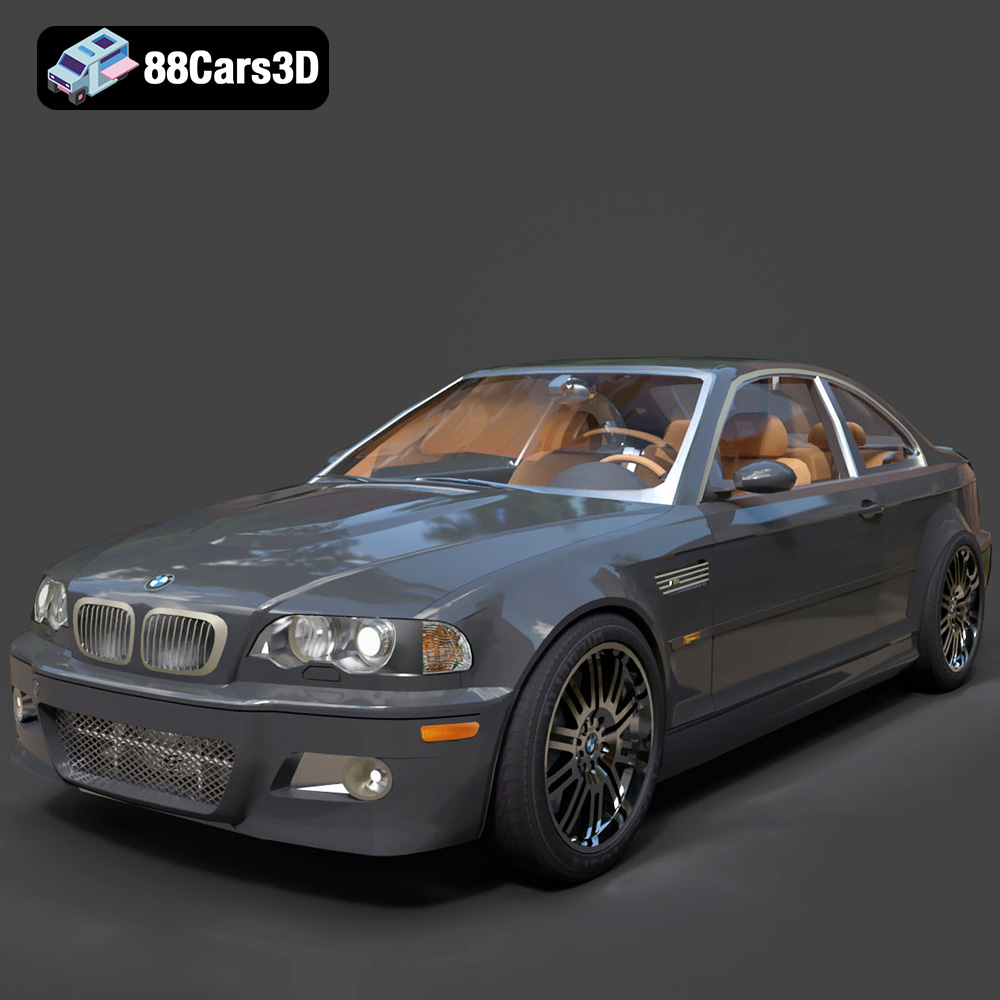
BMW M3 E46 3D Model
Texture: Yes
Material: Yes
Download the BMW M3 E46 3D Model featuring iconic sports car design and detailed interior. Includes .blend, .fbx, .obj, .glb, .stl, .ply, .unreal, and .max formats for rendering, simulation, and game development.
Price: $16.99

BMW i3 Coupe 3D Model
Texture: Yes
Material: Yes
Download the BMW i3 Coupe 3D Model featuring its iconic electric design and compact urban styling. Includes .blend, .fbx, .obj, .glb, .stl, .ply, .unreal, and .max formats for rendering, simulation, and game development.
Price: $17.99
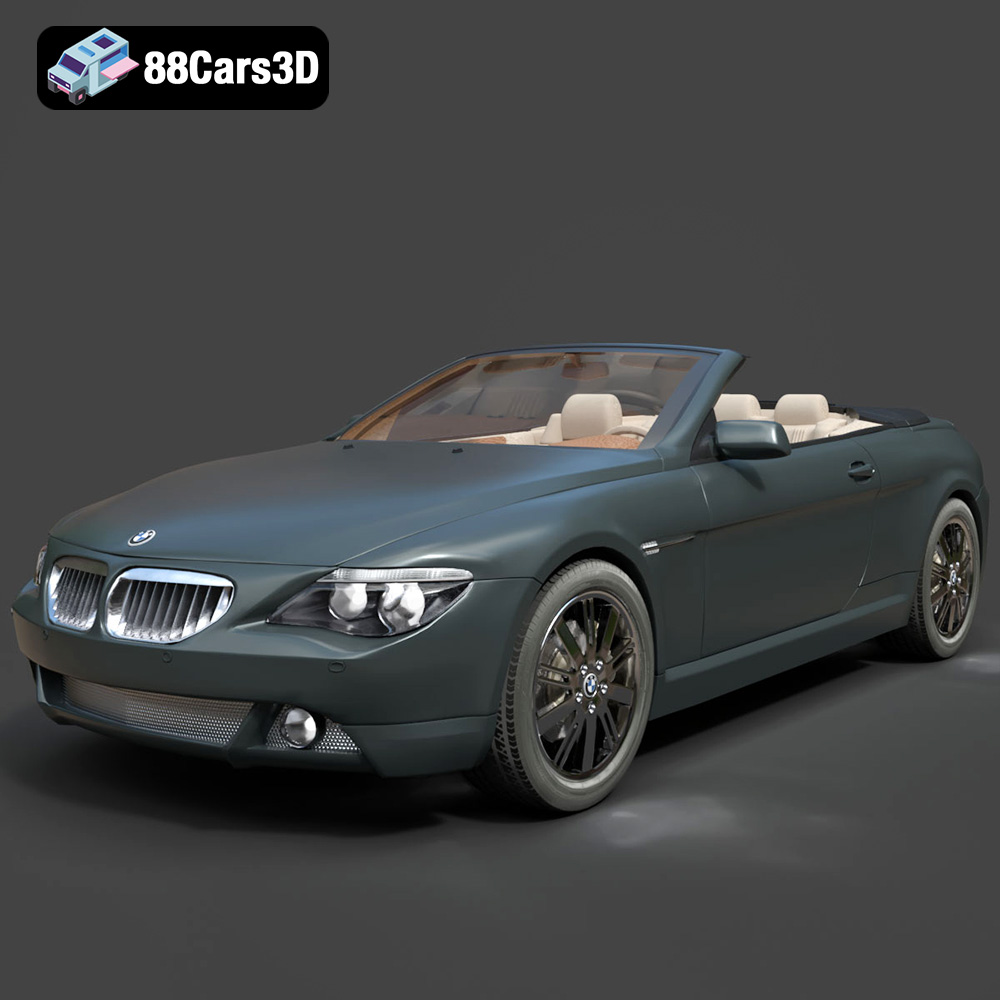
BMW 645ci 2004-2005 3D Model
Texture: Yes
Material: Yes
Download the BMW 645ci 3D Model featuring a sleek, detailed exterior and optimized interior. Includes .blend, .fbx, .obj, .glb, .stl, .ply, .unreal, and .max formats for rendering, simulation, and game development.
Price: $10.79
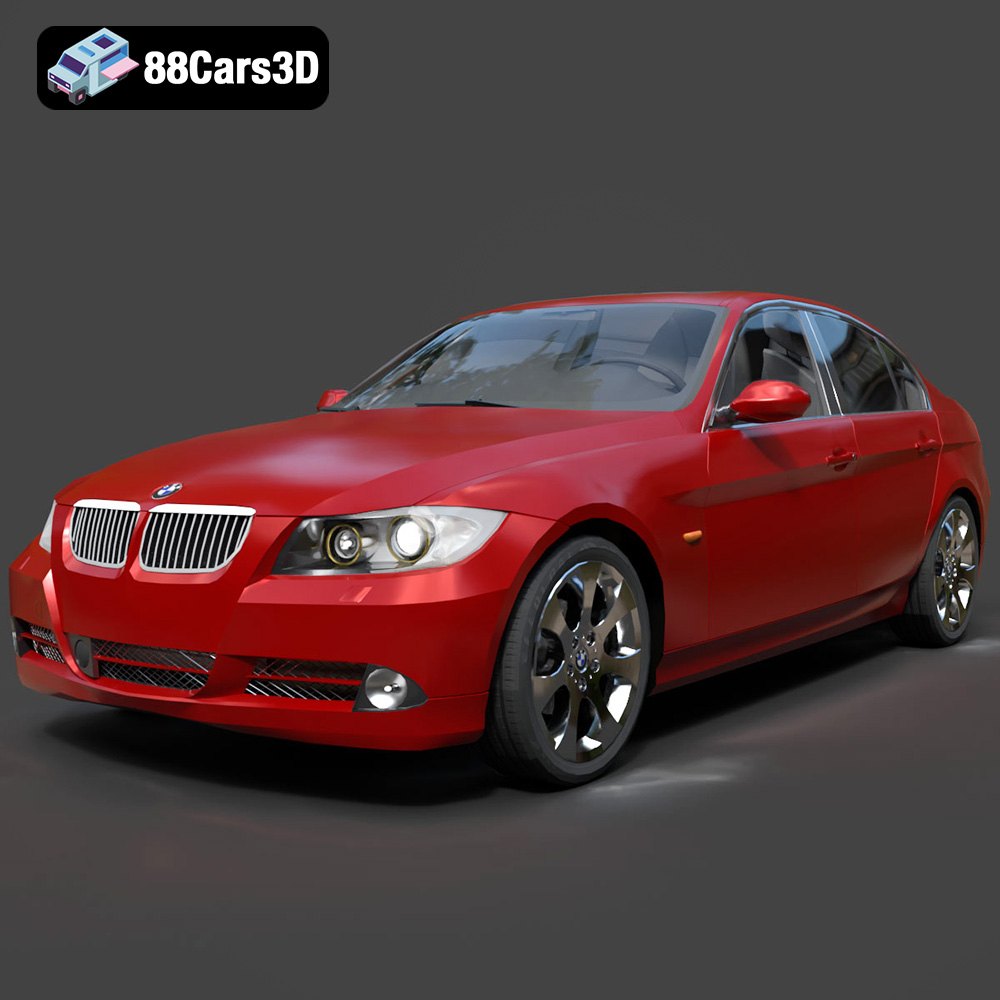
BMW 330i E90 3D Model
Texture: Yes
Material: Yes
Download the BMW 330i E90 3D Model featuring a detailed exterior, an optimized interior, and accurate mechanical components. Includes .blend, .fbx, .obj, .glb, .stl, .ply, .unreal, and .max formats for rendering, simulation, and game development.
Price: $14.79
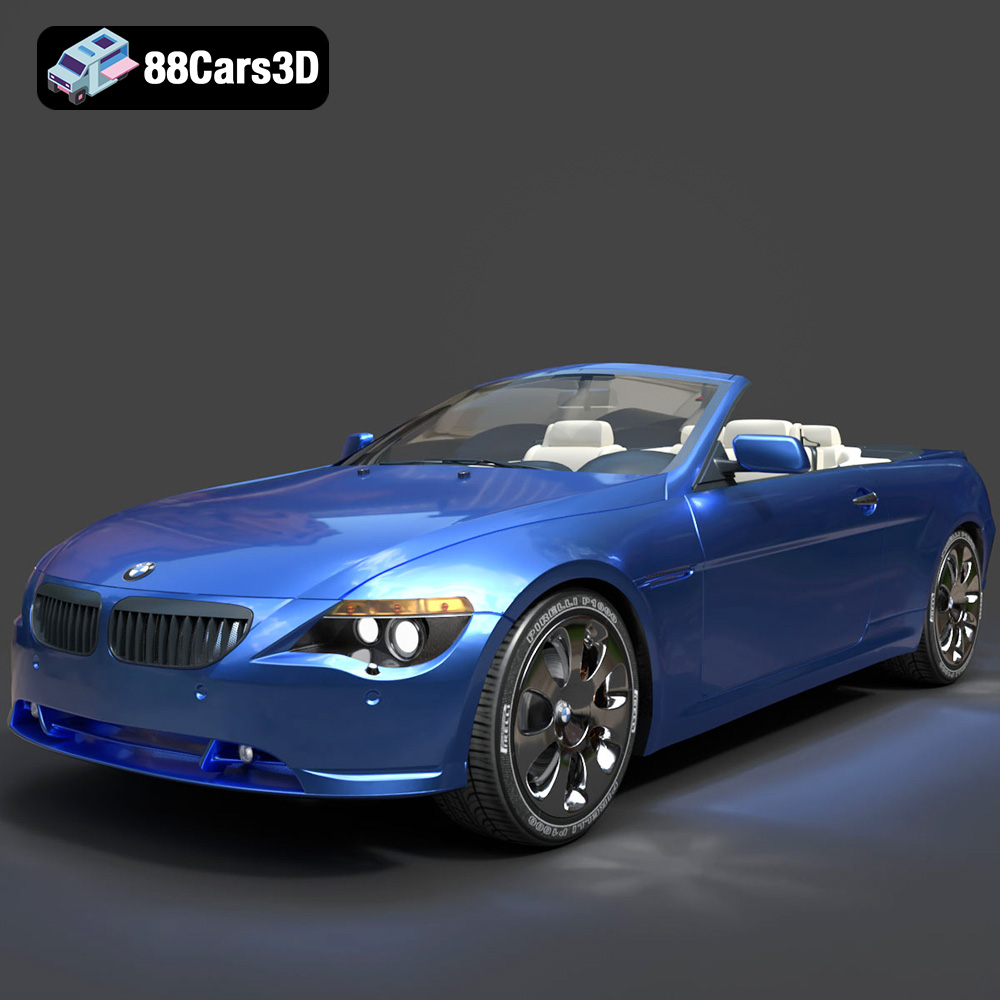
BMW 6 Series Convertible 3D Model
Texture: Yes
Material: Yes
Download the BMW 6 Series Convertible 3D Model featuring clean geometry, realistic detailing, and a fully modeled interior. Includes .blend, .fbx, .obj, .glb, .stl, .ply, .unreal, and .max formats for rendering, simulation, and game development.
Price: $14.99
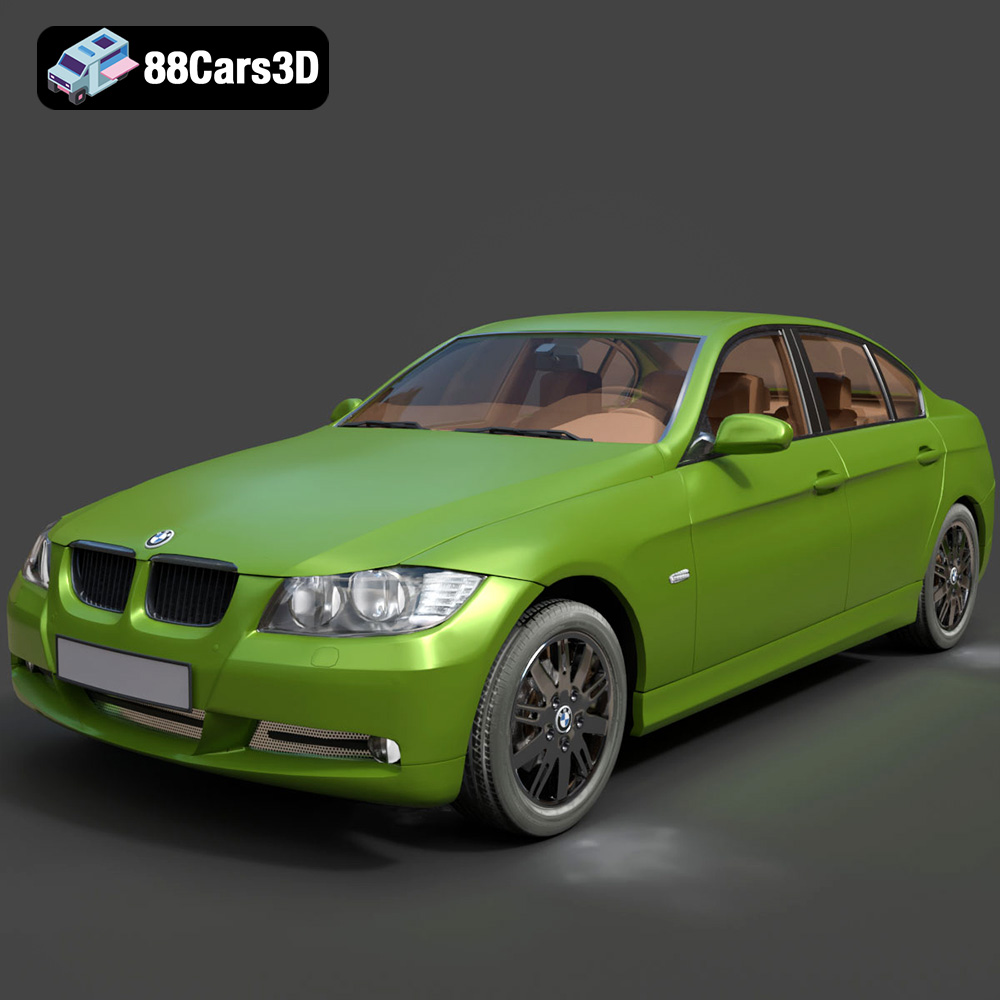
BMW 3-005 3D Model
Texture: Yes
Material: Yes
Download the BMW 3-005 3D Model featuring a sleek design, detailed exterior and interior. Includes .blend, .fbx, .obj, .glb, .stl, .ply, .unreal, and .max formats for rendering, simulation, and game development.
Price: $14.99
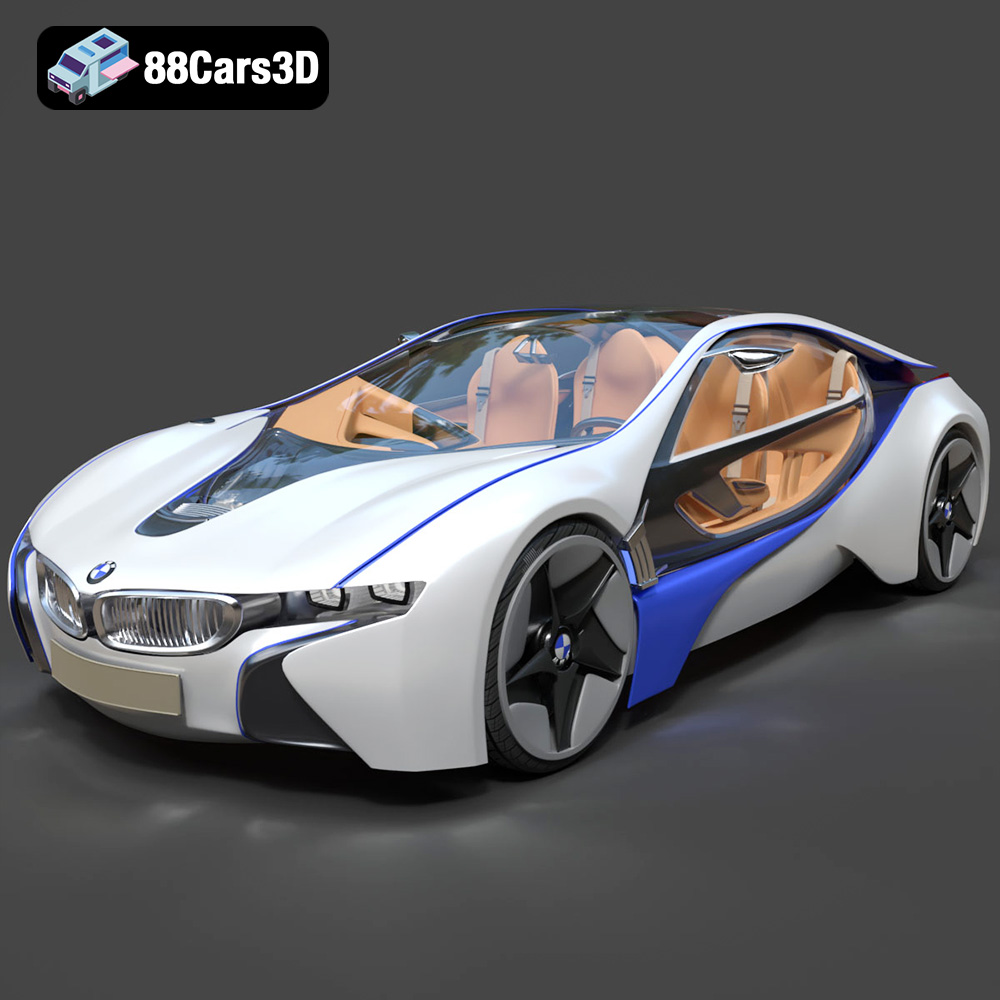
BMW Vision Effecient Dynamics-007 3D Model
Texture: Yes
Material: Yes
Download the BMW Vision Effecient Dynamics-007 3D Model featuring a sleek, futuristic design and hybrid concept aesthetics. Includes .blend, .fbx, .obj, .glb, .stl, .ply, .unreal, and .max formats for rendering, simulation, and game development.
Price: $14.99
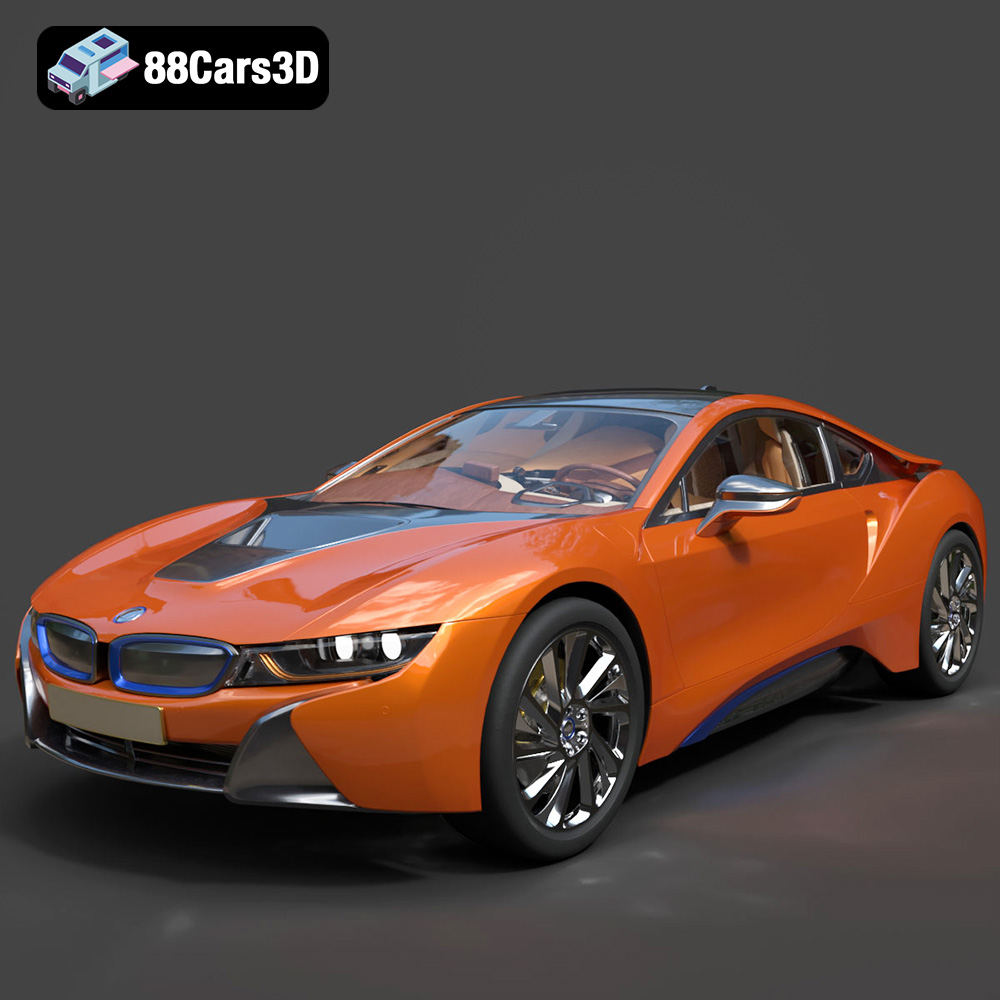
BMW i8 2015 3D Model
Texture: Yes
Material: Yes
Download the BMW i8 2015 3D Model featuring clean geometry, realistic detailing, and a fully modeled interior. Includes .blend, .fbx, .obj, .glb, .stl, .ply, .unreal, and .max formats for rendering, simulation, and game development.
Price: $12.99

BMW 4 Series F32 3D Model
Texture: Yes
Material: Yes
Download the BMW 4 Series F32 3D Model featuring clean geometry, realistic detailing, and a fully modeled interior. Includes .blend, .fbx, .obj, .glb, .stl, .ply, .unreal, and .max formats for rendering, simulation, and game development.
Price: $12.99
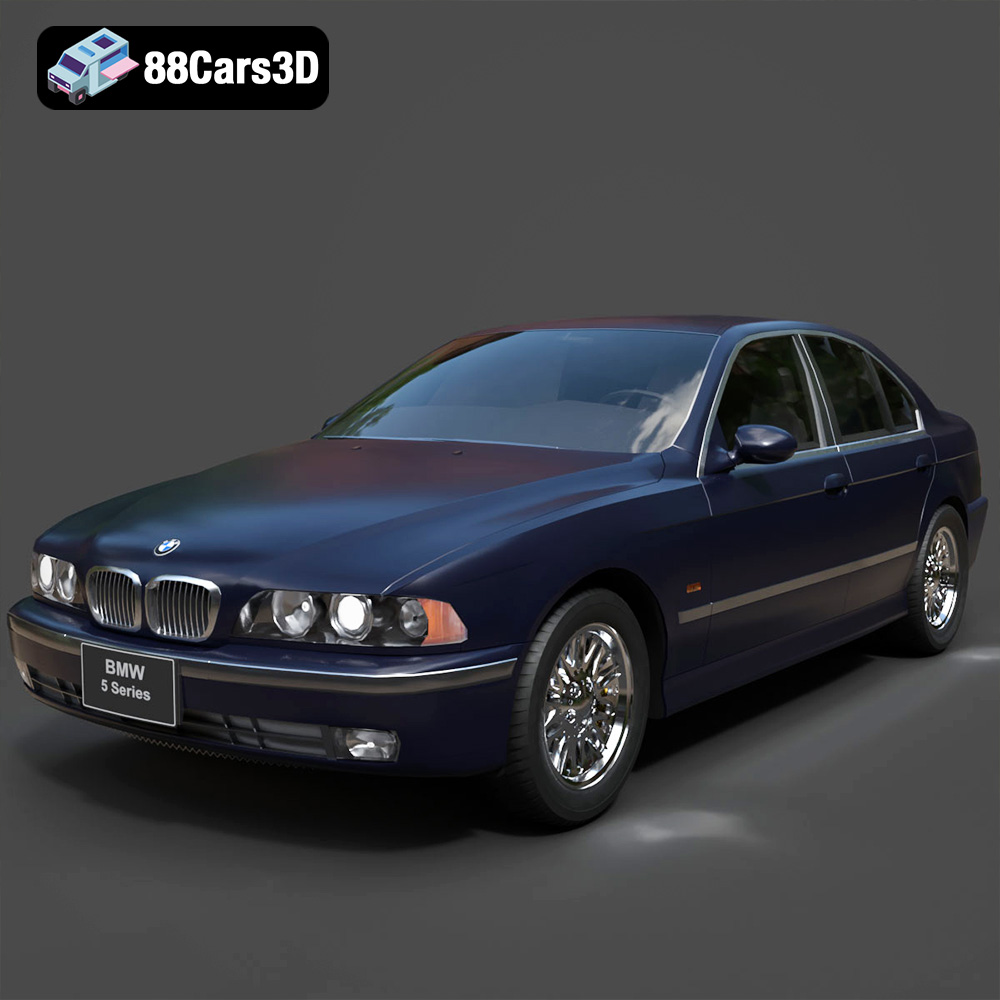
BMW E39 M5-540i 3D Model
Texture: Yes
Material: Yes
Download the BMW E39 M5-540i 3D Model featuring its iconic sedan design, detailed exterior, and realistic interior. Includes .blend, .fbx, .obj, .glb, .stl, .ply, .unreal, and .max formats for rendering, simulation, and game development.
Price: $10.79
