

“`html
Mastering the Miniature Metropolis: A Technical Guide to 3D Printing Detailed Car Interiors from STL Files
The allure of the automotive world extends far beyond sleek exteriors and roaring engines. For many enthusiasts and model makers, the intricate details of a car’s interior – the dashboard, steering wheel, seats, and center console – hold a special fascination. Bringing these miniature marvels to life through 3D printing offers an unparalleled level of customization and realism. However, achieving photorealistic results from digital STL files requires a deep understanding of 3D printing principles, meticulous preparation, and precise execution. This comprehensive guide, tailored for users of high-quality printable car models from platforms like 88cars3d.com, will navigate you through the entire process. We’ll delve into the nuances of STL file preparation, optimal 3D printer settings for intricate details, effective slicing techniques, robust support structure generation, and essential post-processing methods. Whether you’re using FDM printing or exploring the finer resolutions of resin printing, this article will equip you with the knowledge to transform digital designs into stunning, tangible automotive interiors.
We’ll cover everything from understanding the underlying mesh topology of your STL files to selecting the right materials and calibrating your printer for peak performance. By the end of this guide, you’ll be confident in tackling the most detailed car interior models, producing prints that impress with their accuracy and finish. Get ready to unlock a new dimension in your hobbyist collections, model-making projects, and even prototyping endeavors.
Section 1: Decoding the Digital Blueprint – Understanding and Preparing Your STL Files
The foundation of any successful 3D print lies in the quality of the digital model. For intricate car interiors, this means examining the STL file not just as a collection of triangles, but as a complex geometric representation. A well-constructed STL file is manifold (watertight), free of non-manifold edges, and possesses sufficient resolution to capture fine details without becoming overly dense and difficult to process. Platforms like 88cars3d.com specialize in providing meticulously prepared STL files, often optimized for 3D printing, meaning they’ve already undergone significant checks and repairs. However, understanding the underlying principles of mesh topology and performing your own checks can prevent countless printing headaches.
When you download an STL file of a car interior, it’s essentially a surface model composed of thousands or even millions of interconnected triangles. The quality of these triangles – their orientation, size, and how they connect – directly impacts the printability and final appearance. Issues like holes in the mesh, inverted normals, or intersecting faces can cause slicing software to fail or generate unpredictable results. For car interiors, details like the texture on seats, the fine lines of dashboard buttons, or the spokes of a steering wheel demand a mesh with adequate polygon count. Too low, and the details will be smoothed out; too high, and your slicer might struggle, or the file size could become unmanageable.
H3: Mesh Integrity and Manifold Correction
A manifold mesh is crucial for 3D printing. It means the mesh represents a closed, solid volume with no holes or internal faces. Think of it like a sealed container – water (or filament) can’t escape or enter where it shouldn’t. Common tools like Meshmixer, Blender, or even Netfabb (in its various forms) are invaluable for checking and repairing mesh integrity. These software packages can automatically detect and often fix issues like non-manifold edges, holes, and inverted normals. For example, in Meshmixer, you can use the ‘Analysis’ -> ‘Mesh Analysis’ tool to highlight errors and then employ the ‘Edit’ -> ‘Make Solid’ or ‘Hollow’ functions (depending on your need, though interiors are typically solid) with careful parameter adjustments to ensure watertightness.
H3: Optimizing Resolution and Detail Capture
The polygon count of an STL file directly influences the level of detail that can be rendered. For delicate interior features, you want a sufficient mesh density. However, excessively dense meshes can slow down slicing and increase file size. If a model appears too low-poly, meaning you can see sharp edges where curves should be, it might require remodeling or subdivision in software like Blender. Conversely, if a file is excessively high-resolution (millions of polygons), consider using decimation tools in Meshmixer or Blender to reduce the polygon count while preserving visual detail. Aim for a balance that captures the intended sharpness of details like stitching or vents without creating an unmanageable file. For components like steering wheels or gear shifts, the curvature and smoothness are paramount, requiring a well-subdivided mesh.
H3: File Formats Beyond STL
While STL is the industry standard, other file formats like OBJ and FBX can sometimes offer richer data, including color and texture information, though these are often lost in standard STL export for printing. For pure geometry, STL is excellent. However, if your source model was in OBJ or FBX, you might have more flexibility in software like Blender to perform initial cleanup or modifications before exporting to STL. Understanding that an STL file is a surface representation is key; it doesn’t contain information about wall thickness inherently, which is why print-ready models from sources like 88cars3d.com often emphasize proper geometry to ensure printable wall thicknesses.
Section 2: The Art of Slicing – Translating Geometry into Printer Instructions
Once your STL file is verified and ready, the next critical step is slicing. Slicing software, such as Cura, PrusaSlicer, or Simplify3D, acts as the bridge between your 3D model and your 3D printer. It digitally dissects the model into hundreds or thousands of thin horizontal layers and generates the G-code – the specific instructions your printer follows to move its print head (or light source for resin printers) and extrude material. For printing detailed car interiors, the slicing parameters are paramount. Incorrect settings can lead to loss of fine features, weak structures, or unsightly artifacts.
The goal of slicing for detailed interiors is to maximize the fidelity of the print while maintaining structural integrity and reasonable print times. This involves careful consideration of layer height, print speed, cooling, retraction settings, and, crucially, support structures. Each of these parameters needs to be tuned based on the specific printer, material, and the complexity of the interior model. A dashboard with intricate vents and small buttons requires a different slicing approach than a smooth bucket seat.
H3: Layer Height and Resolution Tradeoffs
Layer height is perhaps the most significant factor influencing print detail and time. A smaller layer height (e.g., 0.1mm or even 0.08mm for FDM, and 0.02-0.05mm for resin) results in finer vertical resolution, meaning smoother curves and sharper details. For car interiors, where subtle contours and sharp edges are common, using a lower layer height is highly recommended. However, this comes at the cost of significantly increased print time. A typical FDM print might use 0.15mm or 0.2mm for general models, but for detailed interiors, dropping to 0.1mm or 0.12mm is often a good compromise. Resin printers, with their inherent high resolution, often default to 0.05mm or lower, making them ideal for capturing the smallest details.
H3: Print Speed and Cooling Optimization
Printing intricate details at high speeds is a recipe for failure. Fast movements can lead to ringing artifacts, poor layer adhesion, and a general lack of precision. For detailed car interiors, reducing print speeds, especially for outer walls and small features, is essential. Try printing outer walls at 30-40 mm/s and even slower for the initial layers. Effective cooling is also critical, particularly for FDM printing. Good part cooling helps solidify extruded plastic quickly, allowing for sharper corners and better overhang performance. Ensure your cooling fan is set to an appropriate level (often 100% after the first few layers for PLA) and that your nozzle is clean and not clogged, which can severely impact fine detail extrusion.
H3: Retraction Settings for Clean Prints
Stringing – thin, wispy strands of filament that connect separate parts of the print – can ruin the appearance of delicate interior details like steering wheel spokes or dashboard trim. Proper retraction settings in your slicer are key to minimizing this. Retraction works by pulling the filament back slightly into the nozzle when the print head moves between sections. Experiment with retraction distance (e.g., 5-7mm for Bowden extruders, 1-2mm for direct drive) and retraction speed (e.g., 40-60 mm/s). Fine-tuning these based on your specific filament and printer is crucial. Auto-tuning retraction towers can be printed to find the optimal settings.
Section 3: The Bedrock of Success – Print Orientation and Bed Adhesion
How you position your car interior model on the print bed and how well it sticks are fundamental to a successful print. The orientation of a model can dramatically affect the need for support structures, the strength of the final print, and the surface quality of critical features. Bed adhesion ensures that your print doesn’t detach and fail midway through a long print, which is especially problematic for complex, multi-part interiors.
For car interiors, there’s often a trade-off. Placing the model flat on its base might seem stable, but it can lead to extensive supports on undersides and internal cavities. Angling the model can sometimes reduce supports but may introduce more complex overhangs. Careful consideration of the “critical” surfaces – those that need to be smooth and highly detailed – is important. If the top of the dashboard needs to be pristine, you might orient it so that this surface is mostly self-supporting or requires minimal, easily removable supports.
H3: Strategic Model Orientation
Consider printing car interiors in components if possible, as offered by many models on 88cars3d.com. This allows for optimal orientation of each part. For a dashboard, printing it at a slight angle (e.g., 15-30 degrees tilted back) can reduce the number of supports needed for the instrument cluster and vents, while still maintaining a printable angle for the main body. For seats, orienting them so the most visible surfaces face upwards or at an angle where supports are less intrusive is often best. Always analyze the model in your slicer to identify overhangs and areas that will require supports based on your chosen orientation. Test prints of small, critical sections can save larger print failures.
H3: Achieving Robust Bed Adhesion
Poor bed adhesion is a common cause of print failure, especially with larger or more detailed models. For FDM printers, ensuring your build plate is clean (using isopropyl alcohol) and level is the first step. Depending on your build surface (glass, PEI, magnetic sheets) and material, you might need adhesion aids like glue stick, hairspray, or specialized adhesion solutions. For PETG or ABS, a brim or raft can significantly improve adhesion by increasing the contact area with the build plate. A raft is a disposable base printed below your model, while a brim is a single-layer outline around the base of your print. For resin printers, ensuring the build plate is clean, properly leveled, and that your FEP film is in good condition is crucial. Sometimes, slightly increasing exposure times for the initial “bottom” layers in your slicer can also enhance adhesion.
H3: The Importance of the First Layer
The first layer is the most critical. It sets the stage for the entire print. If the nozzle is too close to the bed, it can scrape or jam; if it’s too far, the filament won’t adhere properly, leading to gaps or detachment. Calibrating your Z-offset and ensuring your bed is perfectly level are non-negotiable. Observe the first layer as it prints: it should be slightly “squished” onto the bed, forming a smooth, continuous line with no gaps between them. Adjusting the flow rate or extrusion multiplier for the first layer (often slightly higher) can also help in achieving a solid foundation.
Section 4: Building Up – Support Structures for Delicate Details
Car interiors are replete with intricate overhangs and bridges – features that cannot be printed in mid-air without support. Generating and removing support structures effectively is an art form in itself, especially when dealing with delicate 3D printable car models. The goal is to provide just enough support to ensure successful printing without damaging or obscuring the fine details of the model during removal.
Modern slicing software offers a plethora of options for support generation. Understanding these options and how they apply to the specific geometry of car interiors is key. For example, a dashboard might have complex undersides for the glovebox or intricate vents requiring support, while seats might have challenging curves. The type of support (normal, tree/organic), their density, contact Z distance, and interface layers all play a crucial role in the final outcome and the ease of post-processing.
H3: Choosing the Right Support Type
Standard ‘normal’ supports are usually generated as a grid or lines emanating from the build plate or model surface. They are effective but can sometimes be difficult to remove cleanly from complex geometries. ‘Tree’ or ‘organic’ supports, available in slicers like Cura and PrusaSlicer, are often a better choice for detailed models. These supports branch out like trees, connecting to the model only at specific points. They use less material, print faster, and crucially, are often much easier to remove from detailed surfaces, leaving fewer marks. For car interiors, tree supports are generally preferred for their precision and reduced impact on the final model’s surface finish.
H3: Support Settings for Easy Removal
Several settings within your slicer control how supports attach to and detach from your model.
- Support Z Distance: This is the gap between the support structure and the model in the Z-axis. A larger gap makes supports easier to remove but increases the risk of overhangs failing. For detailed interiors, a small but consistent Z distance (e.g., 0.1mm – 0.2mm for FDM) is often a good starting point.
- Support XY Distance: This controls the horizontal gap between the support and the model. A larger XY distance can make removal easier but might lead to less stable support.
- Support Interface Layers: Enabling top and bottom support interface layers can create a denser, smoother surface where the support meets the model. This can improve the surface finish of the supported area but also makes removal slightly more difficult. Experiment with these settings; sometimes, disabling top interfaces for very fine details is beneficial.
- Support Density: A lower density means less support material and easier removal. For interiors, you often don’t need dense supports unless an overhang is particularly severe.
H3: Manual Support Placement and Removal Techniques
Many advanced slicers allow for manual support placement. If you know a specific overhang is problematic or that a certain area is critical, you can manually add support where needed. This offers greater control. When removing supports, patience is key. For FDM prints, use flush cutters, hobby knives, and needle-nose pliers carefully. Start by gently breaking away larger sections. For resin prints, supports are usually removed before final curing. Tools like a flush cutter or a specialized support removal tool work well. Always aim to remove supports in a way that minimizes damage to the underlying detail. If minor blemishes remain, they can often be addressed during post-processing.
Section 5: Material Mastery and Printer Calibration
The choice of material and the calibration of your 3D printer are foundational to achieving high-quality prints, especially for detailed automotive interiors. Different materials offer varying levels of detail, strength, and ease of printing. Proper printer calibration ensures that your machine is operating at its peak performance, delivering consistent and accurate results.
For FDM printing, PLA is often the go-to material for its ease of printing and good detail reproduction. However, PETG offers better temperature resistance and durability, which might be desirable for functional interior parts. ABS can provide excellent strength but is more challenging to print due to warping. For resin printing (SLA/DLP/MSLA), standard or “detail” resins are specifically formulated to capture incredibly fine features, making them ideal for intricate car interiors, though they can be more brittle. Regardless of the material, a well-calibrated printer is essential.
H3: Material Selection for Fine Details
FDM:
- PLA: Easy to print, low warping, good detail. Ideal for static display models. Consider specialty “high-detail” PLA formulations.
- PETG: More durable and temperature resistant than PLA, but can be stringier and harder to print cleanly. Requires more careful retraction tuning.
- ABS: Strong and temperature resistant, but prone to warping and requires an enclosed printer and ventilation.
Resin (SLA/DLP/MSLA):
- Standard Resins: Offer a good balance of detail, strength, and cost. Excellent for most interior components.
- ABS-like Resins: Provide increased toughness and durability, closer to ABS plastic, making them suitable for parts that might experience more handling.
- High-Detail Resins: Specifically formulated for extremely fine features, often used for jewelry or highly intricate miniatures.
H3: Essential Printer Calibration Steps
Before attempting complex interior prints, ensure your printer is properly calibrated.
- Bed Leveling: Crucial for first-layer adhesion. Perform manual leveling or use your printer’s auto-leveling feature regularly.
- E-steps Calibration: Ensures your extruder pushes the correct amount of filament.
- Temperature Towers: Print calibration towers for each filament to find the optimal printing temperature for best layer adhesion and surface finish.
- Flow Rate/Extrusion Multiplier: Fine-tune the amount of filament extruded to prevent over- or under-extrusion, which can obscure details.
- Retraction Tuning: As discussed earlier, critical for preventing stringing on detailed parts.
- Resin Printer Specifics: Calibrate exposure times using a Cones of Calibration or similar test print, ensure the build plate and FEP are clean, and check for proper Z-lift speeds.
H3: Filament Quality and Storage
The quality of your filament or resin significantly impacts print success. Cheap, inconsistent filaments can lead to blockages, poor layer adhesion, and rough surfaces. Always use reputable brands. Furthermore, filament (especially PETG, Nylon, and TPU) is hygroscopic, meaning it absorbs moisture from the air. Wet filament can cause popping sounds during printing, steam-filled extrusion, poor surface finish, and weak parts. Store your filaments in airtight containers with desiccant packs, and consider using a filament dryer before printing, particularly for older spools.
Section 6: The Finishing Touch – Post-Processing for Realism
The print is just the beginning when it comes to achieving a realistic car interior. Post-processing is where raw prints are transformed into polished, display-worthy models. This involves cleaning up supports, sanding, filling imperfections, and painting. For intricate car interiors, a delicate touch and the right tools are essential to preserve the fine details.
The goal of post-processing is to enhance the visual fidelity of the printed interior, making it look as close to the real thing as possible. This can involve replicating textures, painting small details accurately, and assembling multi-part components seamlessly. Whether you’re printing a single dashboard piece or a fully assembled interior for a scale model car, the finishing stages are critical.
H3: Support Removal and Initial Cleanup
As detailed in the supports section, careful removal is the first step. Once supports are gone, you’ll likely have small marks or remnants where they connected to the model. For FDM prints, a hobby knife, small files, and sandpaper (starting with a coarse grit like 220 and moving to finer grits like 400, 800, and even 1000+) are your best friends. Gently sand away any support marks or rough areas. For resin prints, ensure all support stubs are removed, and the part is thoroughly washed and cured according to the resin manufacturer’s instructions. Sometimes, a light sanding after curing is still beneficial.
H3: Filling, Sanding, and Priming
Layer lines from FDM printing can be a significant issue for smooth surfaces. Several methods can address this:
- Sanding: The most basic method. Progressing through finer grits of sandpaper can smooth out layer lines considerably.
- Filling: For deeper layer lines or gaps, use modeling putty (e.g., Tamiya Putty, Green Stuff) or specialized fillers. Apply a small amount, let it cure, and then sand it smooth.
- Solvent Smoothing (Caution!): For some plastics like ABS, using solvents like acetone (in a vapor chamber or applied carefully) can melt the surface, creating a very smooth finish. This requires extreme caution, proper ventilation, and testing on scrap pieces, as it can also damage fine details. PLA and PETG are generally not susceptible to simple solvent smoothing.
- Priming: After sanding and filling, apply a thin coat of primer. This reveals any remaining imperfections and provides a uniform surface for painting. Several light coats are better than one heavy coat.
H3: Painting Techniques for Realism
Painting is where the magic truly happens. Use acrylic model paints for detailed work.
- Base Coats: Apply your main colors first. Use an airbrush for smooth, even coverage, or a fine brush for smaller components.
- Detail Painting: Use fine-tipped brushes to paint individual buttons, vents, stitching on seats, and trim.
- Washes and Dry Brushing: Washes (thinned dark paint) can be used to fill in recesses and add depth, highlighting panel lines and textures. Dry brushing (applying a small amount of lighter paint with a stiff brush) can pick out raised details and add a weathered or metallic look.
- Clear Coats: Apply a clear coat (matte, satin, or gloss depending on the desired finish) at the end to protect the paint job and unify the appearance.
By mastering these post-processing techniques, you can elevate your 3D printed car interiors from simple models to incredibly lifelike representations, truly capturing the essence of automotive design. These detailed models, often found on marketplaces like 88cars3d.com, become the perfect centerpiece for any collection or display.
Conclusion: Bringing Automotive Miniatures to Life
3D printing detailed car interiors from STL files is a rewarding endeavor that combines technical skill with artistic expression. We’ve journeyed through the critical stages, from meticulously preparing your digital models by understanding mesh topology and ensuring watertightness, to skillfully configuring your slicing software for optimal detail reproduction. We’ve explored the nuanced world of 3D printer settings, emphasizing the importance of layer height, print speed, and retraction for capturing the fine features that define automotive interiors.
Furthermore, we’ve highlighted the strategic significance of print orientation and robust bed adhesion for laying a solid foundation, and delved into the art of generating and removing support structures effectively, ensuring minimal impact on delicate details. The role of material selection and consistent printer calibration has been underscored as paramount for achieving predictable, high-fidelity results, whether you choose the accessible nature of FDM printing or the ultra-fine resolution of resin printing. Finally, we’ve touched upon the transformative power of post-processing, turning raw prints into stunningly realistic models through careful sanding, filling, and painting.
The journey to printing perfect car interiors involves continuous learning and experimentation. Don’t be discouraged by initial challenges; each print is an opportunity to refine your settings and techniques. Leverage the wealth of knowledge available, utilize the high-quality, print-ready STL files from sources like 88cars3d.com, and embrace the process. With practice and attention to detail, you’ll soon be creating miniature automotive masterpieces that showcase the intricate beauty of car interiors like never before. Happy printing!
“`
Featured 3D Car Models
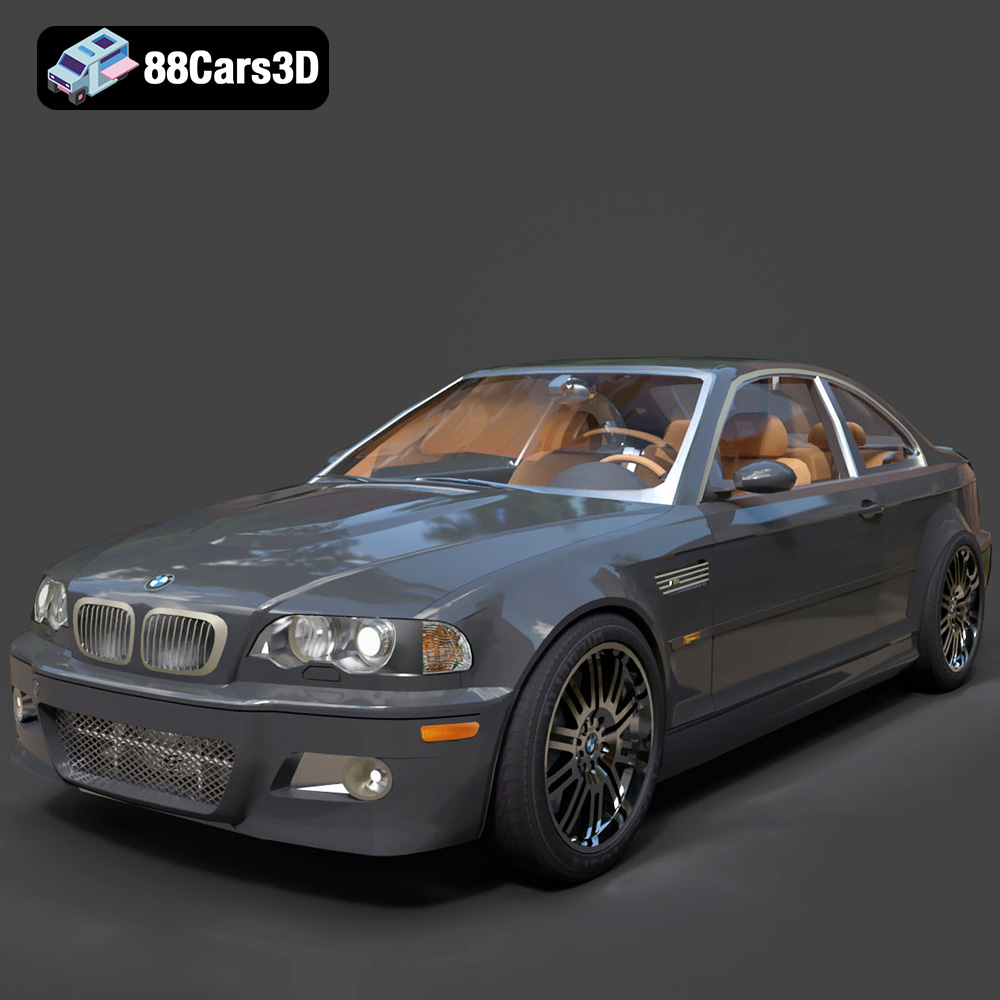
BMW M3 E46 3D Model
Texture: Yes
Material: Yes
Download the BMW M3 E46 3D Model featuring iconic sports car design and detailed interior. Includes .blend, .fbx, .obj, .glb, .stl, .ply, .unreal, and .max formats for rendering, simulation, and game development.
Price: $16.99

BMW i3 Coupe 3D Model
Texture: Yes
Material: Yes
Download the BMW i3 Coupe 3D Model featuring its iconic electric design and compact urban styling. Includes .blend, .fbx, .obj, .glb, .stl, .ply, .unreal, and .max formats for rendering, simulation, and game development.
Price: $17.99
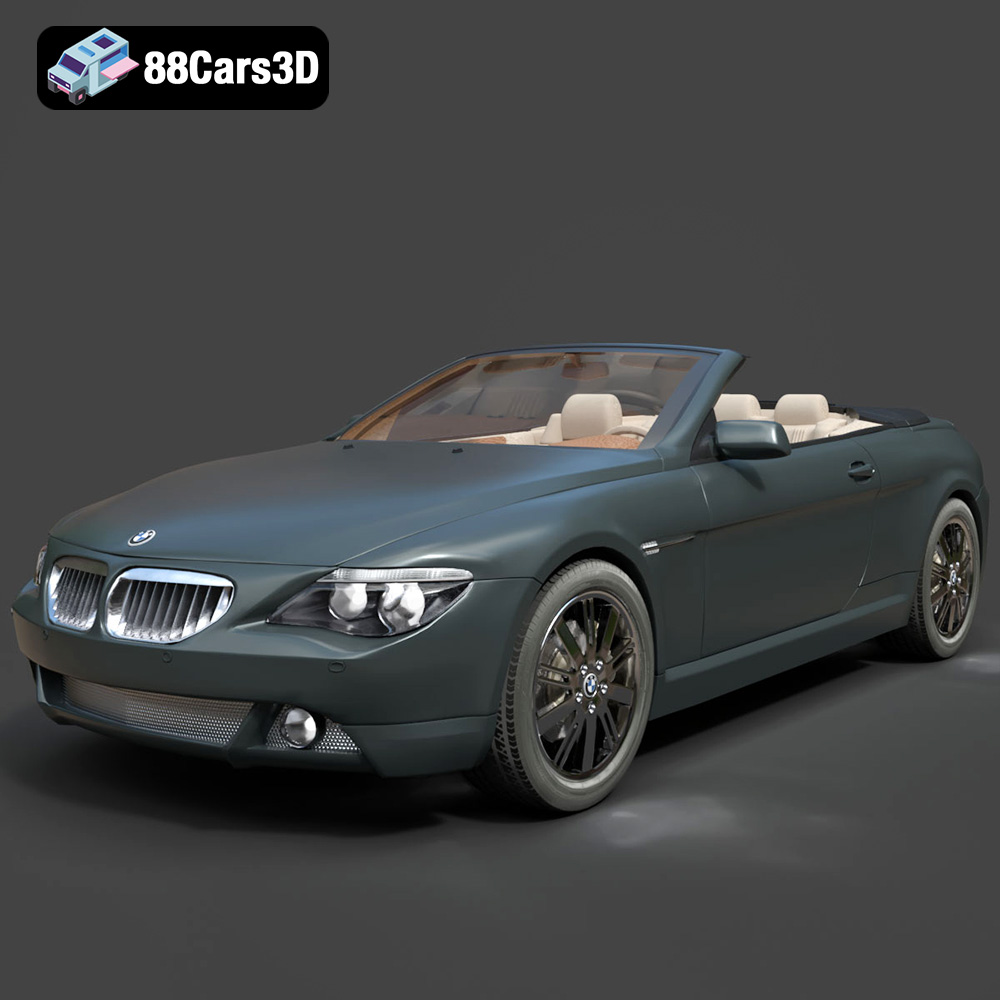
BMW 645ci 2004-2005 3D Model
Texture: Yes
Material: Yes
Download the BMW 645ci 3D Model featuring a sleek, detailed exterior and optimized interior. Includes .blend, .fbx, .obj, .glb, .stl, .ply, .unreal, and .max formats for rendering, simulation, and game development.
Price: $10.79
BMW 330i E90 3D Model
Texture: Yes
Material: Yes
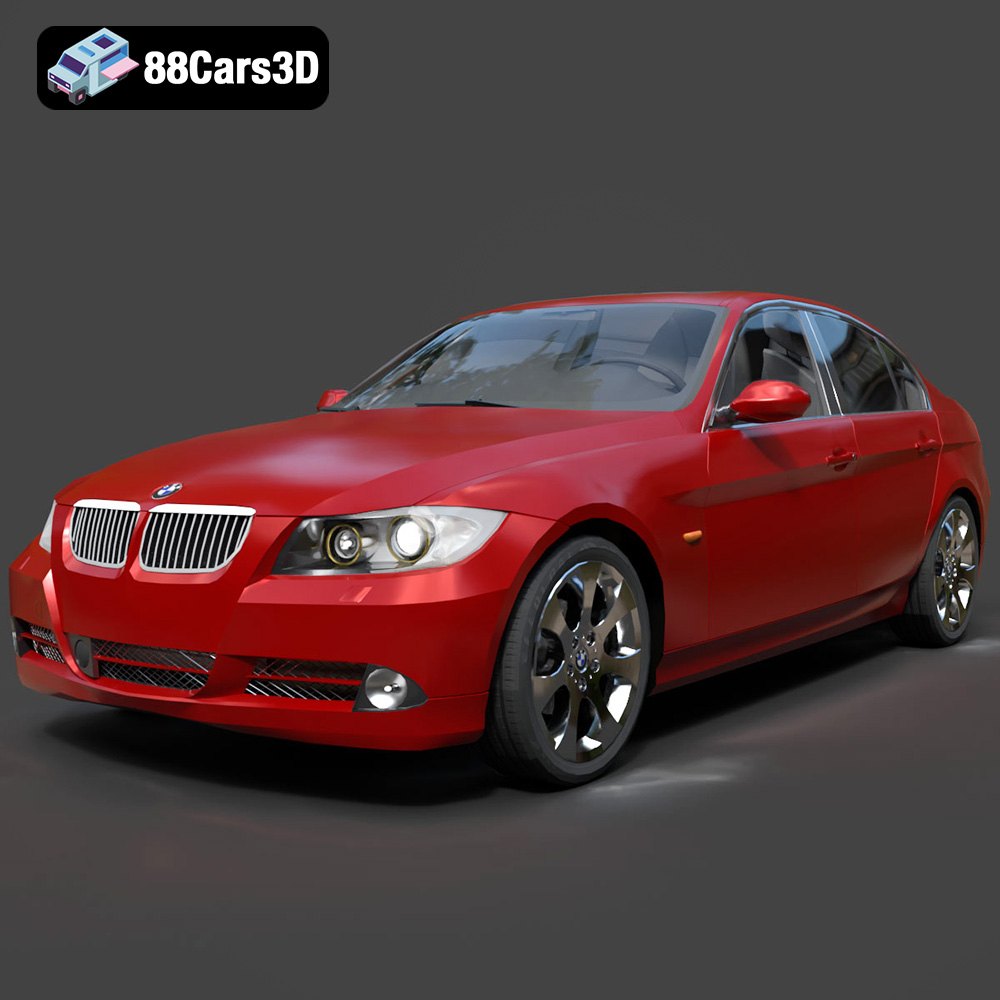
Download the BMW 330i E90 3D Model featuring a detailed exterior, an optimized interior, and accurate mechanical components. Includes .blend, .fbx, .obj, .glb, .stl, .ply, .unreal, and .max formats for rendering, simulation, and game development.
Price: $14.79
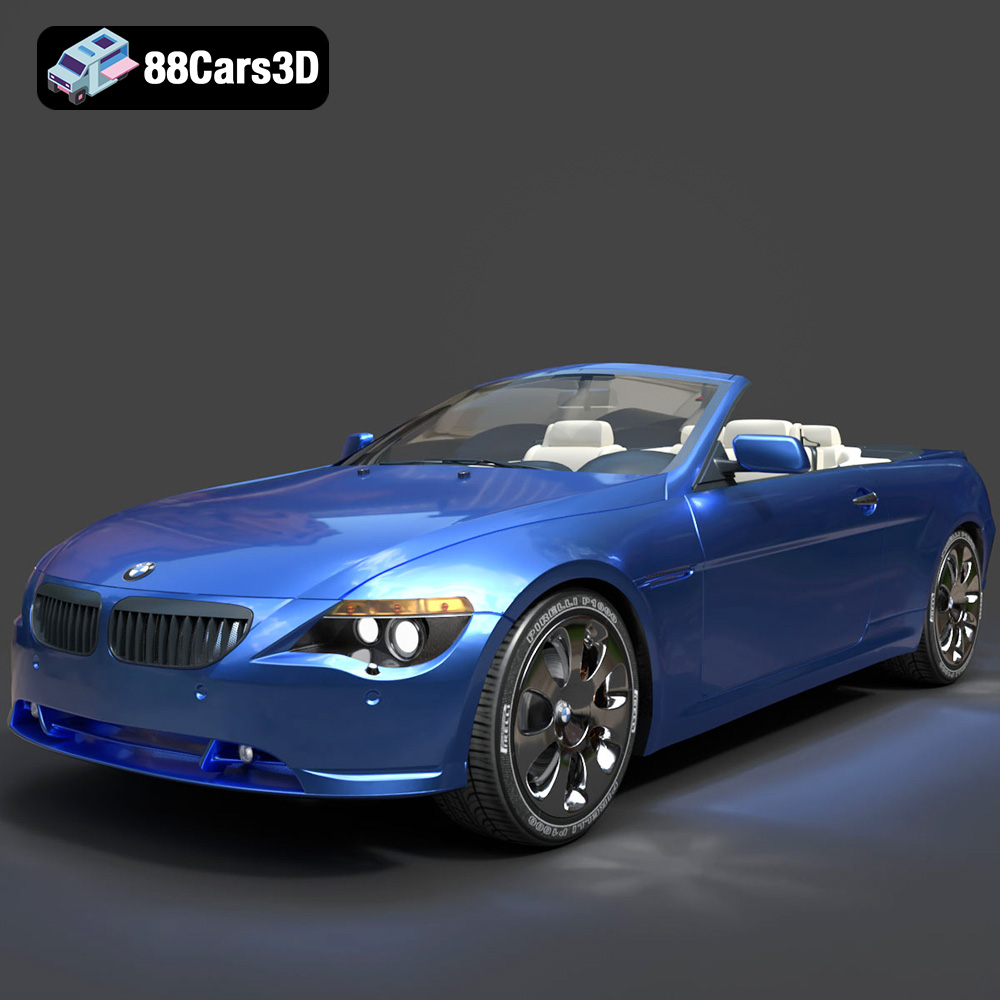
BMW 6 Series Convertible 3D Model
Texture: Yes
Material: Yes
Download the BMW 6 Series Convertible 3D Model featuring clean geometry, realistic detailing, and a fully modeled interior. Includes .blend, .fbx, .obj, .glb, .stl, .ply, .unreal, and .max formats for rendering, simulation, and game development.
Price: $14.99
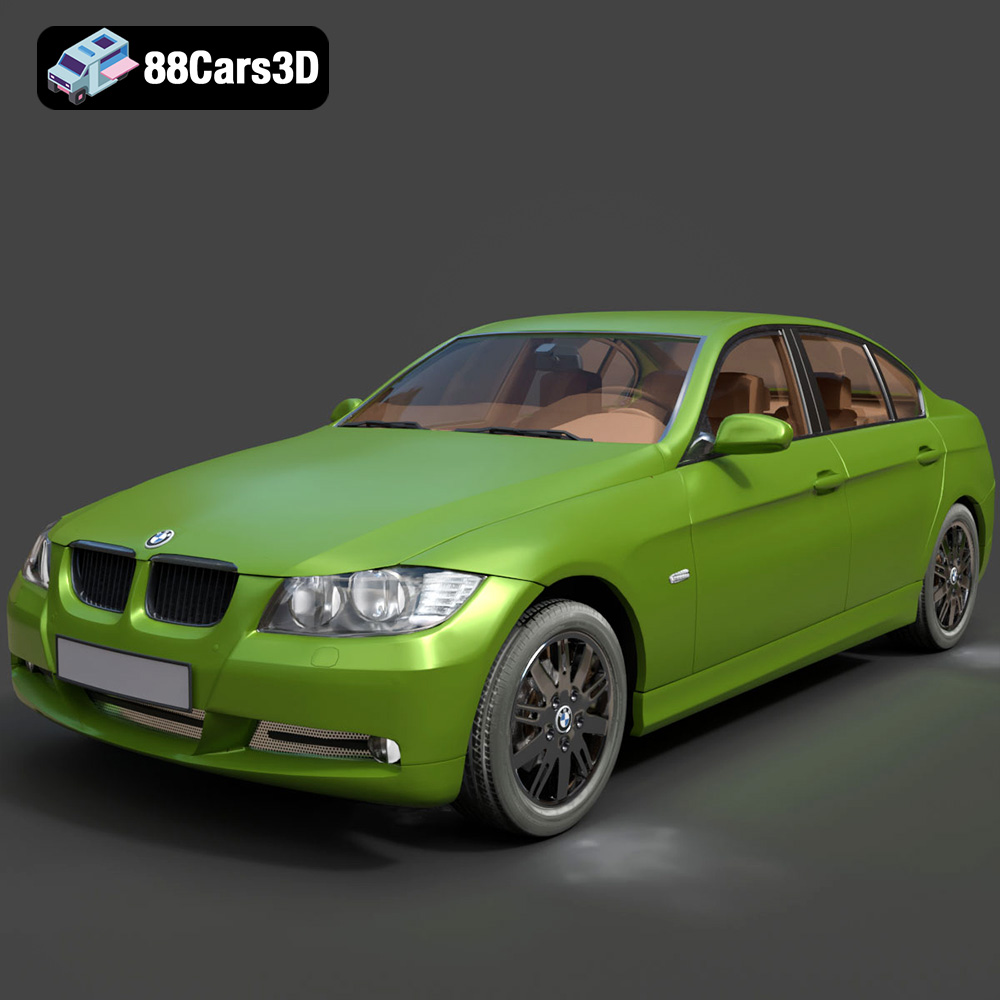
BMW 3-005 3D Model
Texture: Yes
Material: Yes
Download the BMW 3-005 3D Model featuring a sleek design, detailed exterior and interior. Includes .blend, .fbx, .obj, .glb, .stl, .ply, .unreal, and .max formats for rendering, simulation, and game development.
Price: $14.99
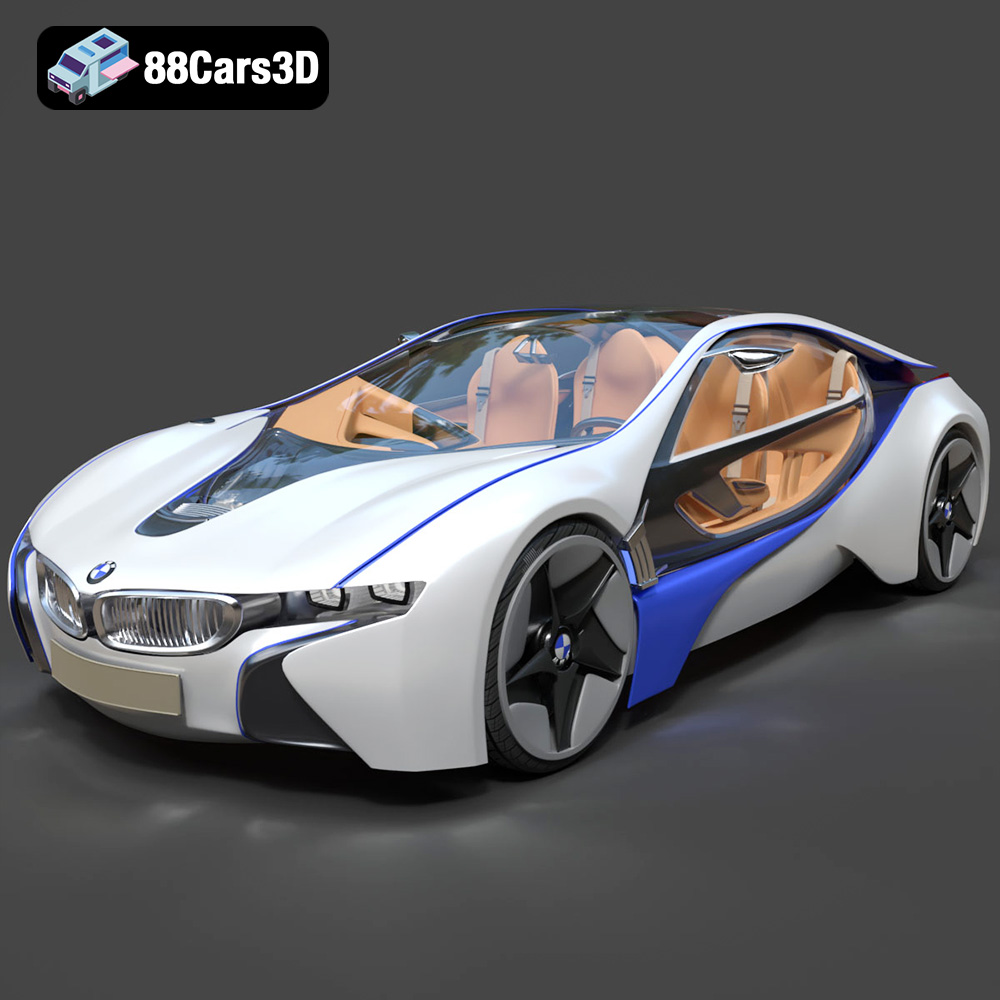
BMW Vision Effecient Dynamics-007 3D Model
Texture: Yes
Material: Yes
Download the BMW Vision Effecient Dynamics-007 3D Model featuring a sleek, futuristic design and hybrid concept aesthetics. Includes .blend, .fbx, .obj, .glb, .stl, .ply, .unreal, and .max formats for rendering, simulation, and game development.
Price: $14.99
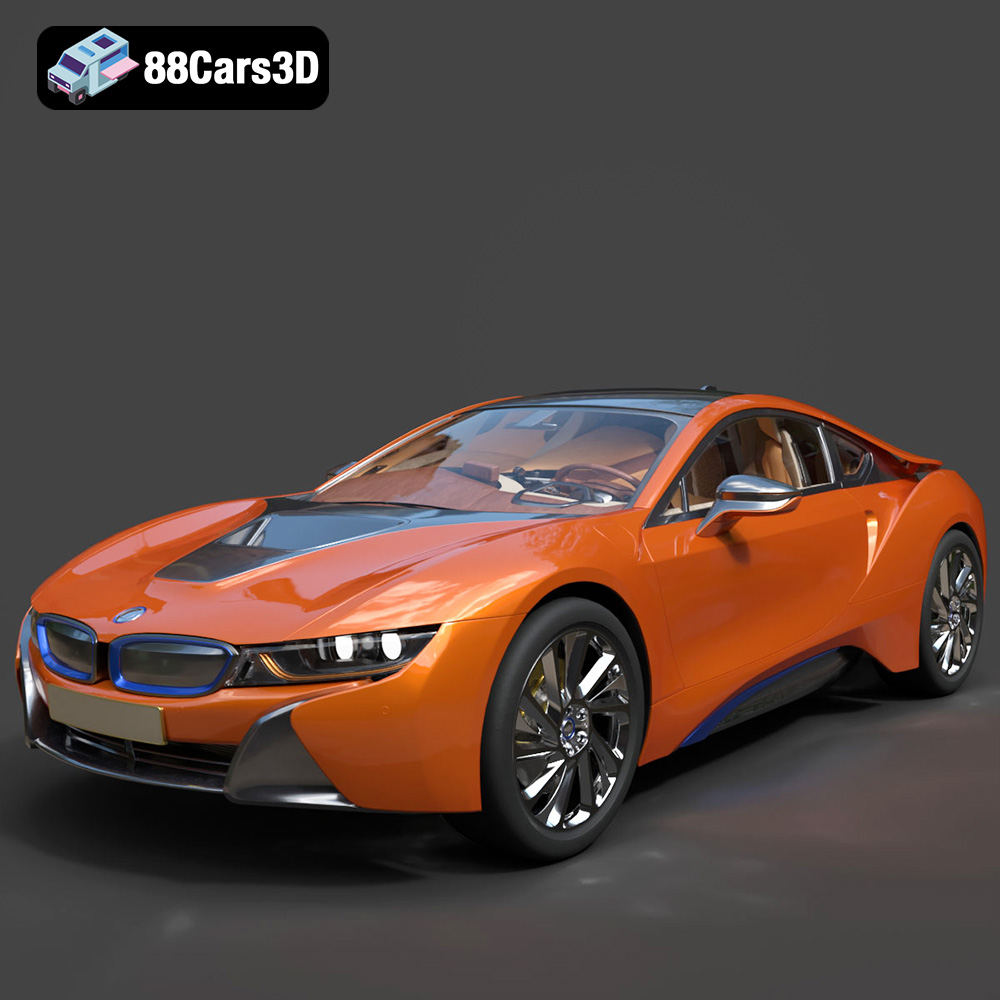
BMW i8 2015 3D Model
Texture: Yes
Material: Yes
Download the BMW i8 2015 3D Model featuring clean geometry, realistic detailing, and a fully modeled interior. Includes .blend, .fbx, .obj, .glb, .stl, .ply, .unreal, and .max formats for rendering, simulation, and game development.
Price: $12.99

BMW 4 Series F32 3D Model
Texture: Yes
Material: Yes
Download the BMW 4 Series F32 3D Model featuring clean geometry, realistic detailing, and a fully modeled interior. Includes .blend, .fbx, .obj, .glb, .stl, .ply, .unreal, and .max formats for rendering, simulation, and game development.
Price: $12.99
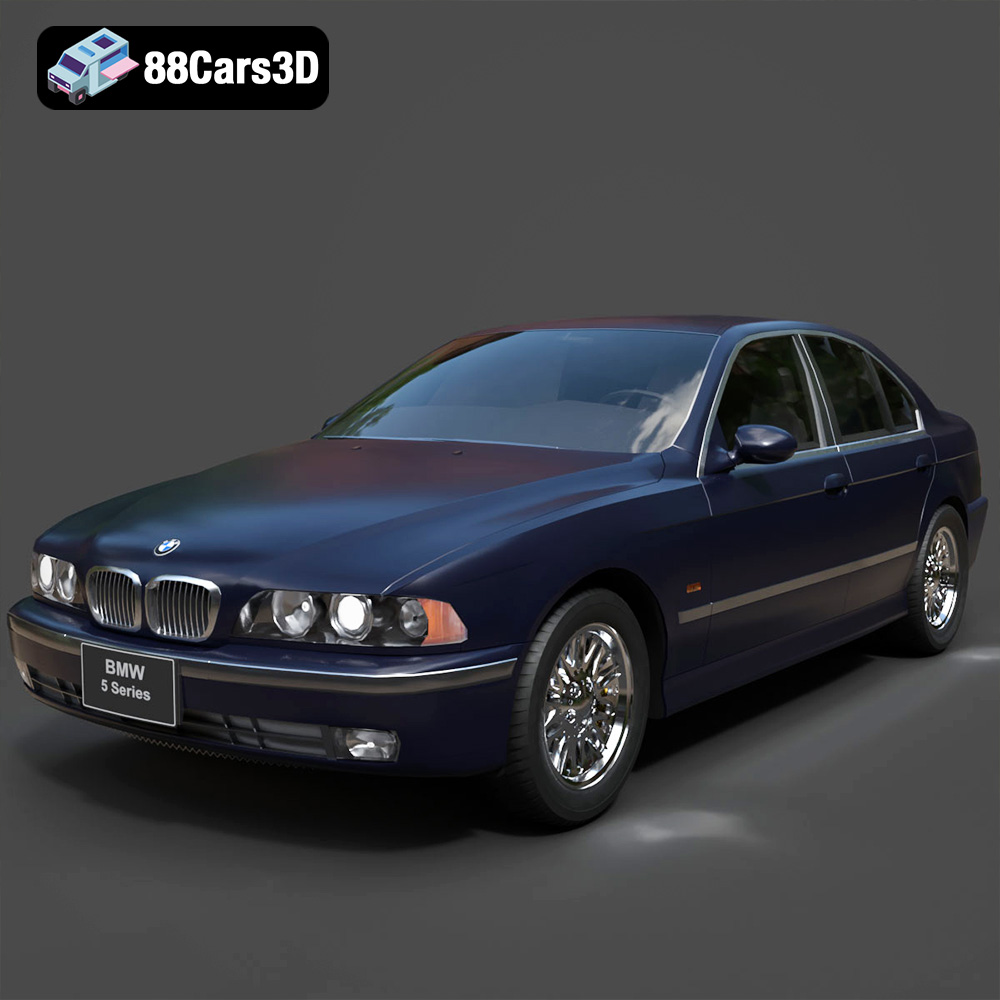
BMW E39 M5-540i 3D Model
Texture: Yes
Material: Yes
Download the BMW E39 M5-540i 3D Model featuring its iconic sedan design, detailed exterior, and realistic interior. Includes .blend, .fbx, .obj, .glb, .stl, .ply, .unreal, and .max formats for rendering, simulation, and game development.
Price: $10.79
