

The automotive industry is in constant motion, not just on the road, but also in the digital realm. From concept design and engineering visualization to marketing campaigns and interactive showrooms, the demand for stunning, real-time 3D experiences is skyrocketing. At the heart of this revolution lies Unreal Engine, a powerhouse platform that empowers artists, designers, and developers to create photorealistic automotive scenes, immersive configurators, and breathtaking virtual environments.
For those new to this dynamic synergy, diving into Unreal Engine can seem daunting. However, with the right guidance and high-quality assets – like the meticulously crafted 3D car models available on platforms such as 88cars3d.com – the path to creating professional-grade automotive visualizations becomes clear and achievable. This comprehensive guide is designed to equip beginners with the foundational knowledge and practical steps needed to confidently navigate Unreal Engine, transforming raw 3D car models into captivating, interactive experiences. We’ll cover everything from project setup and asset import to advanced lighting, material creation, and crucial performance optimization, ensuring you’re ready to bring your automotive visions to life in real-time.
Setting Up Your Unreal Engine Project for Automotive Excellence
Embarking on any Unreal Engine project begins with a solid foundation. For automotive visualization, choosing the correct project settings and templates is crucial to optimize performance, rendering quality, and workflow efficiency right from the start. A well-configured project streamlines asset integration and leverages Unreal Engine’s advanced rendering capabilities, which are especially vital for the intricate details of car models.
When you first launch Unreal Engine, you’re prompted to create a new project. Resist the urge to dive straight into a blank slate. While flexibility is appealing, specific templates offer pre-configured settings and content that are highly beneficial for automotive work. The “Film, Television & Live Events” template, for instance, provides a great starting point with cinematic-focused settings, including Lumen and Nanite enabled by default, along with Sequencer pre-configured. Alternatively, a “Games” template might be more suitable if your primary goal is an interactive configurator or driving simulation, allowing for more performance-centric defaults. Regardless of your initial choice, remember that most settings can be adjusted later within the Project Settings. Enabling essential plugins like Datasmith, which facilitates seamless CAD data import, and Virtual Production tools will be key for professional workflows. You can find detailed instructions on enabling plugins in the official Unreal Engine documentation at https://dev.epicgames.com/community/unreal-engine/learning.
Choosing the Right Project Template and Initial Configuration
For automotive visualization, two main template categories are typically considered: Film, Television & Live Events or Games. The Film, Television & Live Events template comes pre-equipped with advanced rendering features like Lumen Global Illumination and Reflections, as well as Nanite Virtualized Geometry, which are paramount for achieving photorealistic visuals of detailed car models. It also usually includes pre-set post-processing effects and color management for cinematic output. If your project leans more towards interactive experiences such as a virtual showroom or a game, the Games templates offer performance-oriented default settings, which can be a better starting point for optimizing frame rates.
Once you’ve selected a template, navigate to Edit > Plugins. Here, you’ll want to enable several critical plugins. Search for “Datasmith” and ensure it’s active. Datasmith is invaluable for importing complex CAD data and scene hierarchies from professional modeling software. For virtual production or LED wall setups, activate “nDisplay” and “Virtual Production Utilities.” If you plan to use USD (Universal Scene Description) for collaborative workflows, enable the “USD Importer” plugin. After enabling plugins, the engine will prompt you to restart. Always restart to ensure the changes take effect.
Essential Editor Settings for Automotive Visualization
After your project is set up, delve into the Project Settings (Edit > Project Settings). Under the Engine > Rendering section, verify that Lumen Global Illumination and Lumen Reflections are enabled for superior lighting and reflections. For optimal visual fidelity with high-polygon car models, ensure Nanite Support is active under the Virtual Geometry subsection. Adjusting scalability settings (Window > Editor Preferences > Appearance > Layout > Scalability) allows you to balance editor performance with visual quality. For the highest quality output, ensure your editor scalability is set to “Cinematic” or “Epic.”
Beyond rendering, consider organizing your Content Browser from the outset. Create logical folders for your automotive assets, such as “Cars,” “Materials,” “Environments,” and “Blueprints.” This discipline is crucial, especially when working with numerous assets, like those you might acquire from 88cars3d.com, which are often structured with various components, textures, and material instances. Consistent naming conventions for your assets will further enhance project navigability and collaboration.
Importing and Optimizing High-Quality 3D Car Models
Once your Unreal Engine project is configured, the next critical step is to bring your 3D car models into the environment. The quality of your imported assets directly impacts the final visual fidelity and real-time performance of your project. Platforms like 88cars3d.com specialize in providing meticulously crafted 3D car models, often pre-optimized and supplied with clean topology, PBR materials, and proper UV mapping, which significantly streamlines the import process into Unreal Engine. However, understanding the various import methods and subsequent optimization techniques is still essential to ensure these assets perform optimally within your scene.
Unreal Engine supports several robust import methods, each with its advantages. For single static meshes or simple scenes, the traditional FBX format remains a reliable choice. However, for complex automotive assemblies with multiple parts, materials, and intricate hierarchies, Datasmith offers a more sophisticated and efficient workflow. Datasmith is designed to translate entire scenes from CAD software or DCC tools into Unreal Engine, preserving metadata, instances, and complex material setups. This makes it an invaluable tool for automotive designers and visualization professionals who work with highly detailed engineering models. After import, the focus shifts to optimization, primarily through Unreal Engine’s revolutionary Nanite virtualized geometry system, which allows for the use of extremely high-polygon models without significant performance penalties, or through traditional Level of Detail (LOD) strategies for compatibility across various platforms and applications like AR/VR.
The Import Process: FBX, USD, and Datasmith Workflows
The choice of import method largely depends on the source and complexity of your 3D car model.
- FBX Workflow: For individual meshes or simpler car models, the FBX format is straightforward. Drag and drop your FBX file directly into the Content Browser, or use the “Import” button. In the FBX Import Options dialog, ensure you select “Skeletal Mesh” if your car has an armature for animation (e.g., suspension, doors), otherwise choose “Static Mesh.” Crucially, check “Combine Meshes” if the FBX contains multiple parts you want treated as one object for simpler collision or fewer draw calls, or uncheck it to maintain individual components for material assignments or interactive elements. Pay attention to “Import Materials” and “Import Textures” settings to bring in basic PBR setups.
- Datasmith Workflow: This is the recommended approach for complex automotive CAD data or scene files from 3ds Max, Maya, SketchUp, Rhino, SolidWorks, etc. Install the relevant Datasmith exporter plugin in your source software. Export your scene as a .udatasmith file. In Unreal Engine, click the Datasmith button in the toolbar (or File > Import into Level > Datasmith) and select your .udatasmith file. Datasmith intelligently converts the scene hierarchy, material assignments, and even basic lighting, significantly reducing manual setup time. It’s particularly powerful for retaining CAD accuracy and metadata, making it ideal for automotive design reviews.
- USD (Universal Scene Description) Workflow: USD is gaining traction as an open standard for interchange. For models exported as .usd or .usdz, ensure the USD Importer plugin is enabled. You can import USD files via File > Import into Level > USD. USD supports rich scene descriptions, including geometry, materials, animation, and scene hierarchy, making it excellent for collaborative pipelines and virtual production environments where data needs to move seamlessly between multiple DCC applications.
Regardless of the method, after importing, organize your newly created assets (Static Meshes, Materials, Textures) into dedicated folders within your Content Browser for clarity.
Managing Model Geometry: Nanite and LOD Strategies
Unreal Engine 5 introduced Nanite Virtualized Geometry, a game-changer for high-fidelity assets. Nanite allows you to import and render incredibly detailed meshes with millions of polygons – like a 3D car model with intricate body panels, interior details, and undercarriage components – without the traditional performance hit. When importing, ensure “Build Nanite” is enabled for your static meshes (it often is by default when using the Film/TV template). Nanite automatically handles geometric complexity, streaming only the necessary detail to the screen, thus eliminating the need for manual LODs for main meshes in many scenarios.
However, traditional Level of Detail (LOD) strategies are still crucial for specific use cases:
- Non-Nanite Meshes: Smaller, less complex meshes or animated meshes that don’t support Nanite (yet) will still benefit from manual LODs.
- AR/VR Applications: While Nanite helps, AR/VR often has stricter performance budgets, especially on mobile devices. Creating custom LODs for different quality settings can be vital. For a typical car model, you might have LOD0 (original mesh, ~200k-500k polygons), LOD1 (~50% reduction), LOD2 (~75% reduction), and LOD3 (simple proxy mesh, <10k polygons).
- Game Development: For games targeting a wide range of hardware, LODs are essential for scalable performance.
To set up LODs, open your Static Mesh Editor, go to the “LOD Settings” panel, and either “Generate LODs” automatically or “Import LODs” if you have custom-made meshes. Remember to adjust “Screen Size” thresholds for when each LOD should activate. For optimal performance, especially when using high-quality assets from sources like 88cars3d.com, always assess if Nanite is sufficient or if additional LODs are required based on your target platform and application.
Crafting Realistic Materials and Advanced Lighting
The visual impact of a 3D car model in Unreal Engine is profoundly influenced by its materials and lighting. Photorealism in automotive visualization isn’t just about high-polygon geometry; it’s about accurately simulating how light interacts with surfaces – the sheen of car paint, the reflection on chrome, the subtle texture of rubber. Unreal Engine’s Physically Based Rendering (PBR) material system, combined with its advanced real-time lighting capabilities like Lumen and Ray Tracing, provides the tools to achieve stunning fidelity that can rival real-world photography.
Creating compelling materials requires a deep understanding of PBR principles: how albedo, metallic, roughness, normal, and ambient occlusion maps define a surface’s properties. Car paint, for instance, is one of the most complex materials to replicate due to its multi-layered nature, involving a base color, metallic flakes, and a clear coat. Mastering the Unreal Engine Material Editor allows artists to blend these properties realistically. Parallel to material creation, setting up an authentic lighting environment is paramount. Lumen, Unreal Engine’s real-time global illumination and reflection system, has revolutionized how we light scenes, offering dynamic and highly realistic light bounces and reflections. Complementing Lumen with traditional lighting sources, such as HDRI sky domes and carefully placed area lights, ensures every curve and contour of your 3D car model is highlighted with precision, creating a truly immersive and believable visualization.
Mastering PBR Materials in Unreal Engine
Physically Based Rendering (PBR) is the cornerstone of realism in Unreal Engine. A PBR material uses real-world physics to describe how light interacts with a surface. For automotive models, this translates to accurately depicting various finishes:
- Car Paint: This is a sophisticated material. Start with a base Material in Unreal. You’ll need an Albedo (Base Color) texture for the primary color. For the metallic flakes, typically a Metallic map will be used, often a grayscale texture where white is fully metallic and black is dielectric. The Roughness map dictates how shiny or matte the paint is. Crucially, car paint often requires a Clear Coat layer. In Unreal Engine, you can enable “Clear Coat” in the Material details panel (under Shading Model) and then input a value for “Clear Coat” and “Clear Coat Roughness” to control the outer reflective layer. Experiment with a metallic value around 0.8-1.0 and roughness values between 0.2-0.5 for the base paint, with a clear coat roughness of 0-0.1 for a high gloss finish.
- Tire Rubber: This is a dielectric (non-metallic) material. Set Metallic to 0. Use a dark grey Albedo. The Roughness map is key here – a procedural noise texture or a grayscale grunge map can simulate the subtle variations and wear of rubber, giving a roughness value typically between 0.7-0.9. A Normal Map is essential to define the tire treads and sidewall details without adding geometric complexity.
- Glass/Windows: For transparent surfaces, set the Material’s Blend Mode to “Translucent” or “Additive.” For realistic car glass, use “Translucent.” Set the Metallic to 0 and Roughness to a low value (0-0.1). Adjust the Opacity to control transparency. For subtle reflections, connect a Fresnel node to your Opacity input or use a dedicated Normal map for subtle distortions. Advanced glass often benefits from custom refraction parameters.
When sourcing textures (or using those provided with 88cars3d.com models), aim for resolutions of at least 2K (2048×2048) for major components like body panels and 4K (4096×4096) for large or highly visible elements. For close-up details or high-resolution renders, 8K textures can be used, but be mindful of their memory footprint. Ensure all textures are correctly assigned to the appropriate PBR channels within the Material Editor for accurate rendering. Properly UV-unwrapped models are critical for texture alignment, which 88cars3d.com models typically provide.
Illuminating Your Scene with Lumen and Traditional Lighting
Unreal Engine 5’s Lumen Global Illumination and Reflections system has transformed real-time lighting. Lumen dynamically calculates indirect lighting, allowing light to bounce realistically between surfaces and enabling stunning soft shadows and intricate reflections. To leverage Lumen effectively for your automotive scene:
- Enable Lumen: Ensure Lumen Global Illumination and Lumen Reflections are enabled in your Project Settings (Engine > Rendering).
- HDRI Sky Domes: For outdoor or studio lighting, an HDRI (High Dynamic Range Image) sky sphere is indispensable. Import an HDRI texture (e.g., a studio lighting setup or an outdoor environment) and apply it to a Sky Sphere Blueprint (available in the Engine Content or by creating a new Blueprint class derived from Actor, then adding a Sphere Static Mesh and an Unlit Material with your HDRI connected to the Emissive input). Rotate the Sky Sphere to find the most appealing lighting direction for your car. The HDRI provides realistic ambient light and reflections.
- Directional Light: Mimics the sun. Adjust its intensity (e.g., 5-10 lux for realistic outdoor scenes) and angle to cast sharp shadows and define the car’s form. Ensure “Cast Shadows” is enabled.
- Rect Lights (Area Lights): Essential for studio setups. Place these around your car to create soft, flattering highlights and fill shadows. Adjust their size, intensity (e.g., 500-2000 lux), and color temperature for desired effects. Rect Lights are excellent for highlighting specific curves or details.
- Post-Process Volume: Crucial for final visual polish. Place a Post-Process Volume in your scene and ensure “Infinite Extent (Unbound)” is checked. Here, you can fine-tune Exposure, adjust Color Grading, add Bloom, Vignette, and enable Screen Space Reflections (if not fully relying on Lumen/Ray Tracing) or Ray Traced Reflections for even higher fidelity (requires compatible hardware and enabled Ray Tracing in Project Settings).
For the ultimate in realism, especially on high-end systems, consider enabling Hardware Ray Tracing in Project Settings (Engine > Rendering > Ray Tracing). This provides physically accurate reflections, shadows, and global illumination, pushing the boundaries of real-time automotive visualization. Remember, a balance of artistic judgment and technical understanding is key to making your car models truly shine.
Bringing Automotive Scenes to Life with Interactivity and Cinematics
Beyond static renders, Unreal Engine excels at creating dynamic, interactive experiences and compelling cinematic sequences. For automotive visualization, this means building virtual car configurators where users can customize vehicles in real-time, or crafting stunning marketing trailers that showcase a car’s design and features. These capabilities elevate the presentation of 3D car models from mere assets to immersive storytelling tools.
Blueprint visual scripting is Unreal Engine’s intuitive, node-based system that empowers artists and designers to add complex interactivity without writing a single line of code. From changing car paint colors and swapping wheel designs to opening doors and activating lights, Blueprint enables the creation of fully functional automotive configurators. This directly engages the user, making them part of the design process. Concurrently, Unreal Engine’s Sequencer offers a powerful, non-linear editor for creating cinematic sequences. It allows precise control over cameras, lighting, material changes, and character animation over time, making it the go-to tool for producing high-quality automotive commercials, product reveals, and promotional videos. By combining Blueprint for interactivity and Sequencer for polished narratives, you can unleash the full potential of your 3D car models within Unreal Engine.
Blueprint Scripting for Dynamic Car Configurators
Blueprint visual scripting is a game-changer for creating interactive automotive experiences. Here’s a basic approach to building a car configurator:
- Set up Material Instances: For interchangeable options like car paint colors or interior trims, create Material Instance Dynamic (MID) assets from your base materials. This allows you to modify material parameters (like Base Color, Roughness, Metallic) at runtime without creating new materials. For a car paint, you might expose the Base Color and Clear Coat color parameters.
- Create a Car Blueprint: Drag your imported car model into the level. Right-click it in the World Outliner and select “Convert Selected Actor to Blueprint Class.” Name it something like “BP_MyCar.”
- Add Interaction Logic: Open your “BP_MyCar” Blueprint.
- Change Color: In the Event Graph, create a Custom Event (e.g., “ChangeCarColor”). Add a “Set Material” node, targeting the car body mesh. Promote the Material parameter to a variable and expose it, allowing designers to easily assign different MIDs. For user input, you might use “Event OnClicked” for UI buttons, calling your custom event. Alternatively, you can use “Set Vector Parameter Value” for a MID to dynamically change the color without swapping the entire material.
- Swap Components: For changing wheels or spoilers, add static mesh components to your car Blueprint. Use “Set Static Mesh” nodes, linking them to an array of different wheel meshes. On a button press, cycle through the array to swap the visible wheel.
- Open Doors/Hood: If your car model has separate door meshes and pivots, you can animate their rotation using a “Timeline” node. Create an “OpenDoor” custom event, connect it to a Timeline, and set up a float track from 0 to 1 over 1-2 seconds. Use a “Lerp (Rotator)” node with the Timeline’s output to smoothly interpolate the door’s rotation from closed to open.
- User Interface (UMG): For a professional configurator, you’ll need a UI. Create a new “Widget Blueprint” (User Interface > Widget Blueprint). Design buttons for color options, component swaps, and door actions. In your Level Blueprint or Game Mode, use “Create Widget” and “Add to Viewport” to display your UI, and bind your UI buttons to the custom events in your “BP_MyCar” Blueprint.
Refer to the Unreal Engine documentation on Blueprints for more in-depth examples and advanced scripting techniques: https://dev.epicgames.com/community/unreal-engine/learning.
Cinematic Storytelling with Sequencer
Sequencer is Unreal Engine’s powerful non-linear cinematic editor, perfect for creating high-quality automotive animations and promotional videos:
- Create a New Sequence: In the Content Browser, right-click > Animation > Level Sequence. Drag it into your level.
- Add Your Car and Cameras: In the Sequencer editor, click “+ Track” > “Actor to Sequence” and add your car Blueprint. Then, add a “Cine Camera Actor” (or multiple) and place them around your car. Add these cameras to Sequencer as well.
- Animate Cameras: Select a Cine Camera in Sequencer. In its track, click “+ Track” > “Transform.” Move the camera in the viewport to its starting position, set a keyframe. Move the playhead forward in time, move the camera to its next position, and set another keyframe. Sequencer will smoothly interpolate between these keyframes. Adjust focal length, aperture, and focus distance on the camera to achieve cinematic depth of field.
- Animate Car Elements:
- Movement: Add a “Transform” track to your car Blueprint. Keyframe its location and rotation to animate it driving or rotating.
- Material Changes: If you want to show a color change during a sequence, add a “Material Parameter Collection” track or directly animate a Material Instance parameter over time.
- Doors/Lights: If you’ve exposed custom events in your car Blueprint for opening doors or turning on headlights, you can trigger these events in Sequencer using “Event Tracks.”
- Add Post-Processing: Use a Post-Process Volume to fine-tune the final look of your cinematic. Animate its parameters (e.g., exposure, color grading) over time to create dramatic shifts.
- Render Output: Once your sequence is complete, click the “Render Movie” button (clapperboard icon) in Sequencer. Choose your output format (e.g., Image Sequence for high quality, or Video). Configure resolution, frame rate, and compression settings.
Sequencer provides immense control, allowing you to craft professional-grade automotive cinematics that highlight every detail of your 3D car models, just like a high-budget car commercial.
Optimizing Performance for Real-Time and Diverse Platforms
Creating stunning visuals in Unreal Engine is one thing; ensuring they run smoothly and efficiently across various platforms is another. Performance optimization is not an afterthought but an integral part of the development process, especially for real-time automotive applications. High-quality 3D car models, with their intricate details and numerous components, can quickly become performance bottlenecks if not managed carefully. Whether you’re developing for desktop, virtual reality (VR), augmented reality (AR), or even high-fidelity virtual production LED walls, understanding and implementing optimization strategies is crucial.
Unreal Engine provides a rich suite of profiling and debugging tools that allow developers to identify performance bottlenecks related to CPU, GPU, and memory usage. Leveraging these tools to analyze your scene’s complexity – from draw calls and polygon counts to shader complexity and texture memory – is the first step towards an optimized experience. Beyond identification, implementing targeted strategies such as efficient asset management, proper LOD (Level of Detail) configuration (even with Nanite), occlusion culling, and carefully balanced graphics settings can yield significant performance gains. Furthermore, specific platforms like AR/VR have unique constraints that demand tailored optimization approaches, often focusing on reducing rendering overhead and managing power consumption. A well-optimized project ensures a fluid user experience, broad compatibility, and the ability to scale your automotive visualizations across a spectrum of hardware.
Performance Profiling and Debugging Tools
Identifying performance bottlenecks is the first step in optimization. Unreal Engine offers several powerful in-editor profiling tools:
- Stat FPS: Type
stat fpsin the console (~) to display the current frames per second and frame time. This gives you an immediate indication of performance. - Stat Unit: Type
stat unitin the console to break down frame time into Game, Draw, GPU, and RHI threads. This helps identify if your bottleneck is CPU-bound (Game/Draw) or GPU-bound (GPU/RHI). - Stat GPU: Type
stat gputo get a detailed breakdown of GPU rendering costs, including draw calls, shadow maps, post-processing, and Lumen costs. This is invaluable for identifying expensive rendering features. - Optimization Viewmodes: Found under the “View Mode” dropdown in the viewport.
- Shader Complexity: Highlights areas with complex shaders in different colors. Red indicates very complex shaders, which can be performance heavy. For car paint, complex layered materials can often be optimized.
- LOD Coloration: Shows which LOD level is currently being rendered for each mesh. Useful for verifying your LOD setup.
- Lightmap Density: (For baked lighting) Shows the resolution of lightmaps. Overly high density on small objects wastes memory.
- Draw Call List: Use
stat SceneRenderingorstat RenderTargetsfor more in-depth CPU-side render statistics.
- Session Frontend (Unreal Insights): For more in-depth, long-term profiling, use Unreal Insights (Window > Developer Tools > Session Frontend). This powerful tool captures and visualizes detailed performance data over time, allowing you to analyze CPU and GPU spikes, memory usage, and thread activity comprehensively.
By regularly monitoring these statistics and using the optimization viewmodes, you can pinpoint exactly where your scene is struggling and make informed decisions on how to improve performance. For example, if ‘Stat GPU’ shows high ‘Lumen Global Illumination’ cost, you might consider adjusting Lumen’s quality settings in Project Settings or reducing scene complexity. If ‘Shader Complexity’ is red on your car’s body, look for ways to simplify your car paint material without compromising visual quality.
Tailoring for AR/VR and Virtual Production
Optimizing for specific platforms like AR/VR and Virtual Production requires tailored strategies due to their unique demands:
- AR/VR Optimization: AR/VR experiences demand consistently high frame rates (e.g., 90 FPS for smooth VR) to prevent motion sickness.
- Draw Calls & Vertices: Keep these as low as possible. Even with Nanite, non-Nanite meshes benefit from aggressive LODs. For 3D car models, ensure separate components are merged where appropriate (e.g., interior sub-meshes that are never separated).
- Occlusion Culling: Ensure your scene effectively uses occlusion culling (objects behind other objects are not rendered). Manual occluder meshes can help for complex automotive environments.
- Instancing: Use Instanced Static Mesh Components for repeated elements (like individual tire bolts or small decorative trim pieces) to reduce draw calls.
- Shader Complexity: Simplify materials. Avoid overly complex PBR materials with many layers or expensive instructions. Use baked normal maps instead of high-poly geometry for minor details.
- Dynamic Lighting: Minimize the use of dynamic lights where possible; static lighting (lightmaps) is much cheaper but less flexible. If dynamic, limit overlap.
- Post-Processing: Be extremely judicious. Bloom, ambient occlusion, and expensive anti-aliasing methods can quickly kill performance in VR.
- Target Hardware: Always consider the limitations of your target AR/VR device (e.g., mobile AR vs. high-end PC VR).
- Virtual Production (LED Wall) Optimization: Virtual production environments, especially those using large LED walls with nDisplay, have different challenges.
- Resolution & Render Targets: You are rendering to extremely high resolutions across multiple displays. This is intensely GPU-bound.
- Nanite & Lumen: These features are invaluable here, as they allow for high-fidelity assets and dynamic lighting without pre-baking. Ensure they are optimized (e.g., Lumen’s “Final Gather Quality” can be adjusted).
- nDisplay Configuration: Proper configuration of your nDisplay cluster is paramount. Distribute the rendering workload across multiple GPUs.
- Asset Streaming: Efficiently stream high-resolution textures and assets to avoid hitches.
- Performance Testing: Thoroughly test your scene on the actual LED wall setup to identify and address bottlenecks specific to your configuration.
- Content Optimization: While you aim for high fidelity, ensure assets are still as optimized as they can be without visual compromise. Utilize instances and efficient material setups.
By applying these targeted optimization techniques, your automotive visualizations will not only look phenomenal but also deliver a smooth, responsive experience on their intended platforms. When sourcing optimized 3D car models from marketplaces such as 88cars3d.com, you’re already starting with a strong foundation, making your optimization efforts more effective.
Advanced Applications and Future Horizons
Unreal Engine’s capabilities extend far beyond basic rendering, opening doors to cutting-edge applications in the automotive sector. As the industry increasingly embraces digital workflows, understanding advanced features like physics simulation, vehicle dynamics, and the Universal Scene Description (USD) format becomes crucial for professionals aiming to push the boundaries of real-time visualization, simulation, and collaborative design.
The ability to integrate realistic physics and vehicle dynamics transforms a static 3D car model into a fully drivable, interactive entity within Unreal Engine. This is invaluable for driving simulators, game development, and even early-stage engineering validation. Furthermore, the advent of USD as an open and extensible scene description format is revolutionizing collaborative pipelines, enabling seamless asset exchange and live synchronization across multiple software applications. This fosters unprecedented efficiency in large-scale projects, allowing teams to iterate faster and more effectively. By exploring these advanced functionalities, Unreal Engine users can prepare for the future of automotive design and visualization, where real-time fidelity, interactivity, and collaborative workflows are not just desirable but essential.
Physics Simulation and Vehicle Dynamics
Unreal Engine’s Chaos physics engine provides robust tools for realistic vehicle simulation, allowing you to transform your 3D car model into a drivable asset with authentic dynamics.
- Vehicle Blueprint Setup: Start by creating a new Blueprint Class based on
WheeledVehiclePawn(for typical cars) orChaosVehiclePawn. - Skeletal Mesh and Wheel Bones: Your car model needs to be a Skeletal Mesh with correctly defined wheel bones. This allows Unreal Engine to attach and animate the wheels realistically. Ensure the forward axis (usually X) and up axis (usually Z) are consistent.
- Chaos Vehicle Component: In your Vehicle Blueprint, the
ChaosVehicleMovementComponentis where the magic happens.- Setup Wheels: Add wheel configurations, linking each wheel bone to its respective physics wheel. Define wheel radius, width, and suspension parameters (spring strength, damping, max travel).
- Engine and Transmission: Configure engine torque curve, max RPM, gear ratios, and differential type (RWD, FWD, 4WD). These parameters directly influence acceleration and top speed.
- Tires: Set up tire friction coefficients (longitudinal and lateral), stiffness, and slip factors to simulate grip and handling characteristics. Different tire types (sport, off-road) can be created with varied settings.
- Steering: Define steering curve and max steering angle.
- Collision: Ensure your car has appropriate collision meshes set up. A simple convex hull for the body and spheres for wheels are often sufficient for physics.
- Input Mapping: Set up input actions for gas, brake, steer, and handbrake in Project Settings > Input. In your Vehicle Blueprint’s Event Graph, use these input actions to drive the Chaos Vehicle Movement Component’s functions (e.g., “Set Throttle Input,” “Set Steering Input”).
Fine-tuning these parameters is an iterative process, often requiring extensive testing to achieve a realistic driving feel. Leveraging the robust physics system transforms an automotive visualization into an interactive experience, vital for driving simulators, interactive demos, and vehicle testing scenarios.
Exploring USD and Collaborative Workflows
The Universal Scene Description (USD) format, developed by Pixar, is rapidly becoming the industry standard for collaborative 3D pipelines. Unreal Engine has strong USD support, enabling advanced workflows for automotive development:
- Non-Destructive Editing: USD allows for layering and referencing, meaning you can non-destructively modify parts of a scene without affecting the original assets. For instance, multiple artists can work on different aspects of a car (body, interior, engine) in separate DCC applications, and their changes can be layered into a master USD scene in Unreal Engine.
- Live Sync: With the USD Importer plugin enabled, Unreal Engine can live-sync with external USD files. This means if an artist makes a change in their modeling software (e.g., Maya, Houdini) and saves the USD file, Unreal Engine can automatically update the scene in real-time, greatly accelerating iteration cycles for automotive design reviews and virtual production.
- Data Interchange: USD acts as a universal translator between various 3D software packages. An automotive designer might create a concept car in CAD software, export to USD, an artist can texture it in Substance Painter (which also supports USD), and then both can be brought into Unreal Engine for real-time visualization, all while maintaining a consistent data integrity.
- Virtual Production Benefits: For large-scale virtual production sets with LED walls, USD streamlines the management of complex virtual environments and digital assets. It allows for efficient scene assembly, variant management (e.g., different car configurations for different shots), and seamless integration with other virtual production tools like motion capture and tracking systems.
By adopting USD, automotive visualization teams can create highly efficient, flexible, and scalable pipelines, breaking down silos between different software and disciplines. This collaborative power is essential for tackling the increasingly complex demands of modern automotive design and marketing, allowing for faster iterations and higher fidelity outcomes in real-time.
Conclusion
Embarking on your journey with Unreal Engine for automotive visualization is an exciting and rewarding endeavor. As we’ve explored, Unreal Engine provides an unparalleled toolkit, transforming high-quality 3D car models into photorealistic, interactive, and performant real-time experiences. From the initial project setup, leveraging optimized assets from sources like 88cars3d.com, and mastering the nuances of PBR materials and Lumen lighting, to bringing your visions to life with Blueprint interactivity and cinematic Sequencer productions, each step builds towards a comprehensive understanding of this powerful platform.
Crucially, understanding and implementing robust optimization strategies ensures your creations run smoothly across diverse platforms, from high-end virtual production stages to demanding AR/VR applications. Embracing advanced techniques like Chaos physics for realistic vehicle dynamics and leveraging the collaborative power of USD further expands the possibilities, positioning you at the forefront of automotive digital transformation. The journey into Unreal Engine is continuous, with constant updates and evolving features. We encourage you to continue exploring the official Unreal Engine documentation at https://dev.epicgames.com/community/unreal-engine/learning, experiment with the concepts discussed, and push the boundaries of what’s possible. With dedication and the right resources, you’ll be well-equipped to create breathtaking automotive experiences that captivate and inspire.
Featured 3D Car Models

Bentley Continental Flying Spur 3D Model
Texture: Yes
Material: Yes
Download the Bentley Continental Flying Spur 3D Model featuring clean geometry, realistic detailing, and a fully modeled interior. Includes .blend, .fbx, .obj, .glb, .stl, .ply, .unreal, and .max formats for rendering, simulation, and game development.
Price: $14.99
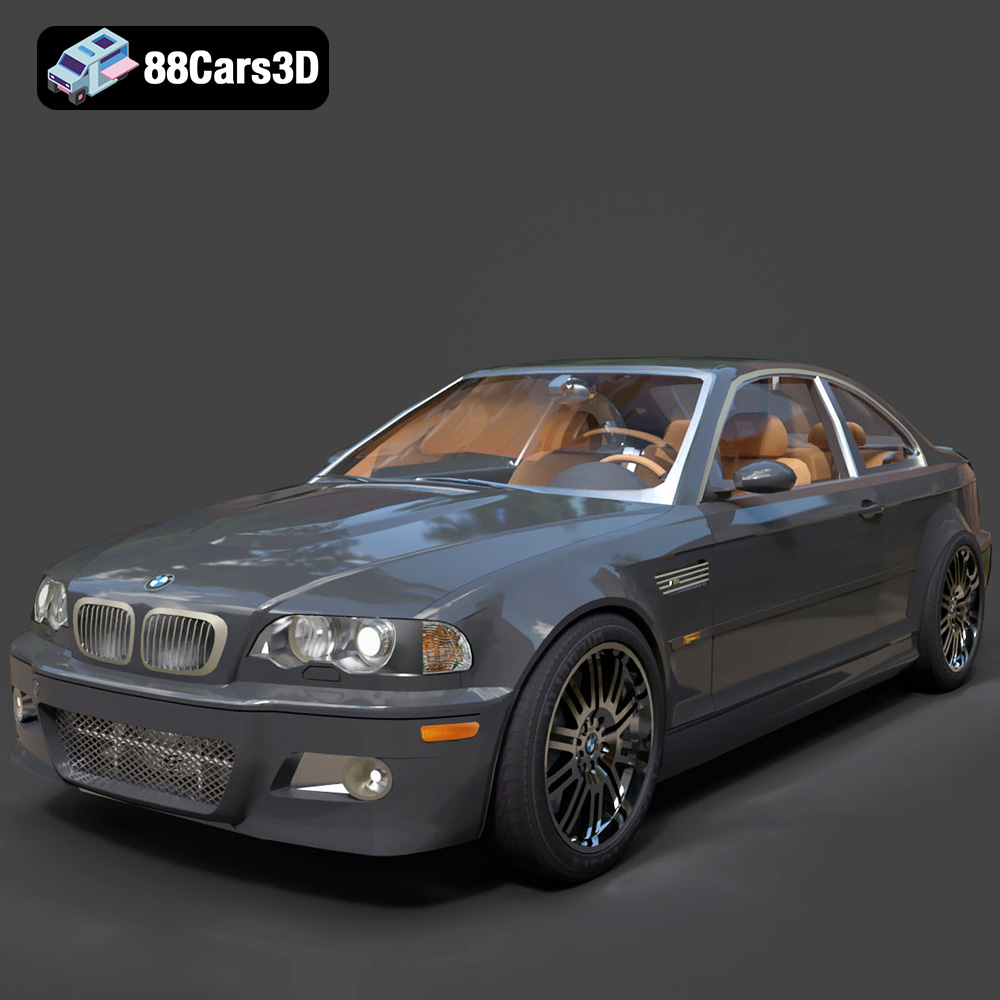
BMW M3 E46 3D Model
Texture: Yes
Material: Yes
Download the BMW M3 E46 3D Model featuring iconic sports car design and detailed interior. Includes .blend, .fbx, .obj, .glb, .stl, .ply, .unreal, and .max formats for rendering, simulation, and game development.
Price: $16.99
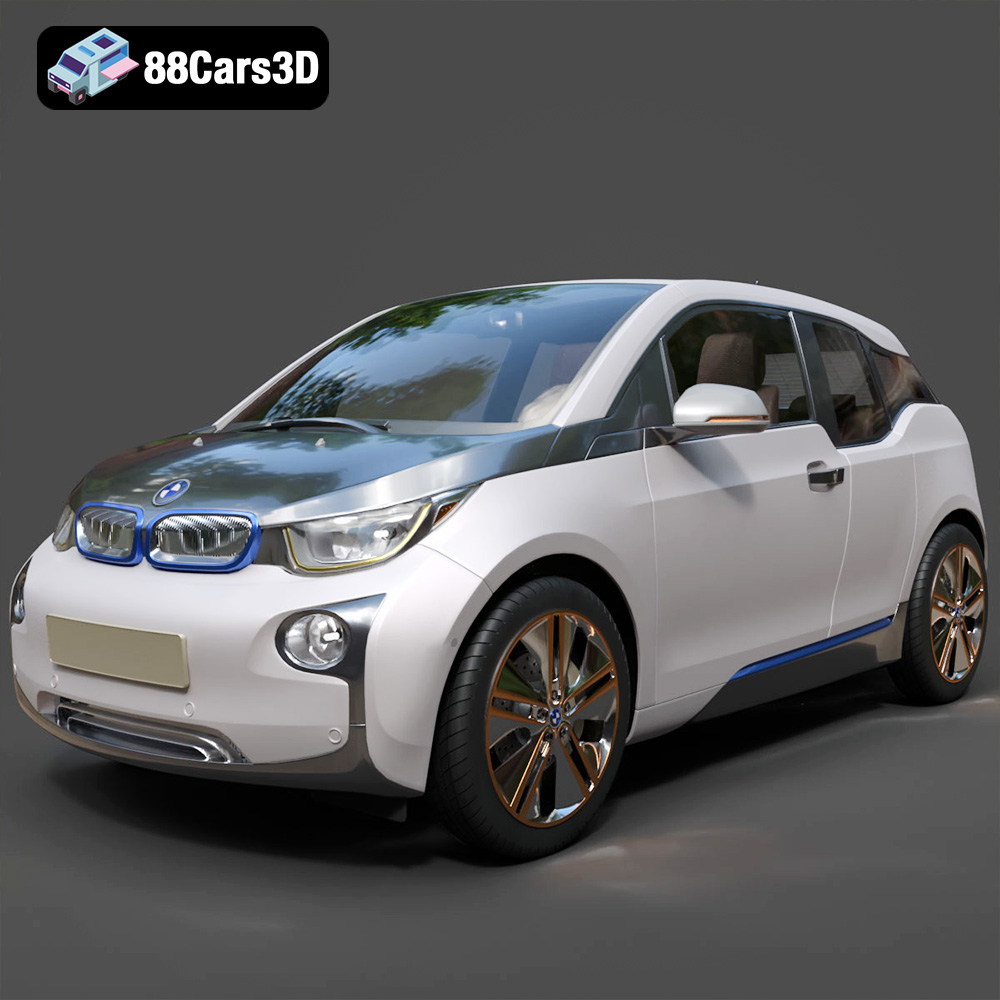
BMW i3 Coupe 3D Model
Texture: Yes
Material: Yes
Download the BMW i3 Coupe 3D Model featuring its iconic electric design and compact urban styling. Includes .blend, .fbx, .obj, .glb, .stl, .ply, .unreal, and .max formats for rendering, simulation, and game development.
Price: $17.99
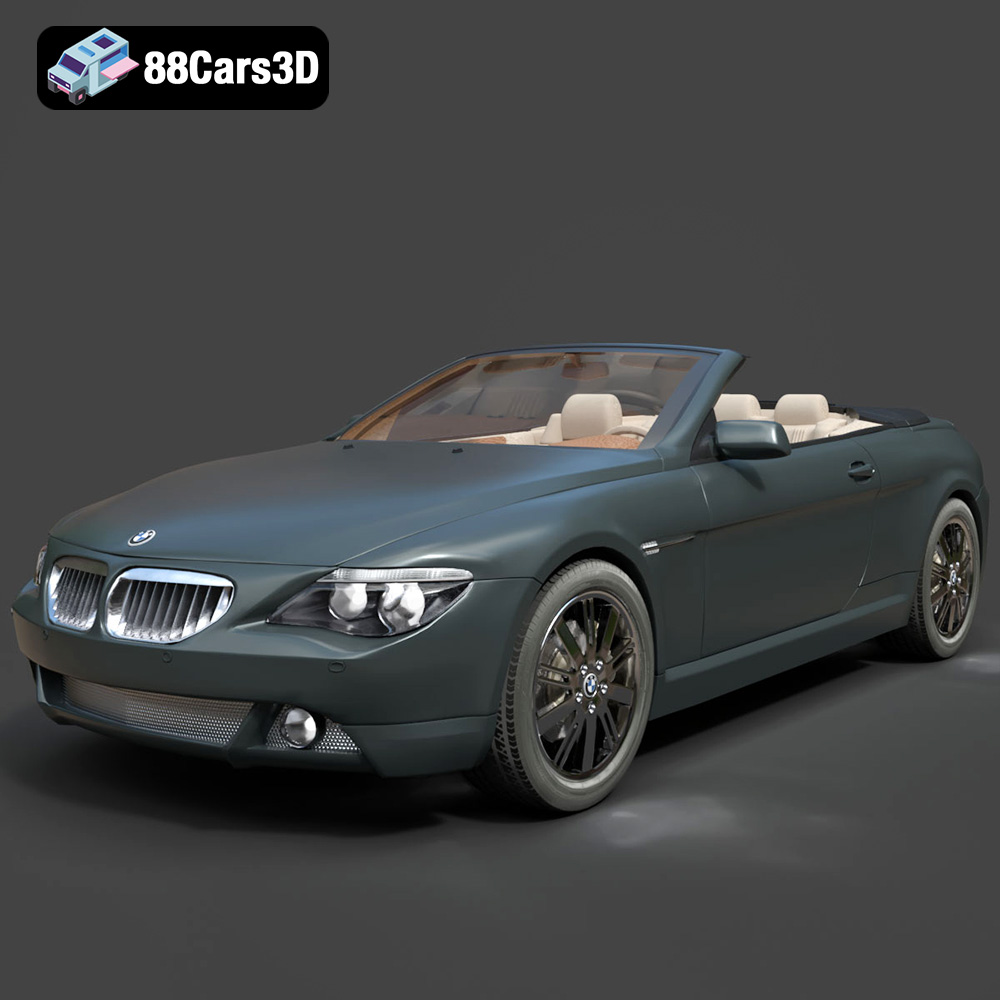
BMW 645ci 2004-2005 3D Model
Texture: Yes
Material: Yes
Download the BMW 645ci 3D Model featuring a sleek, detailed exterior and optimized interior. Includes .blend, .fbx, .obj, .glb, .stl, .ply, .unreal, and .max formats for rendering, simulation, and game development.
Price: $10.79
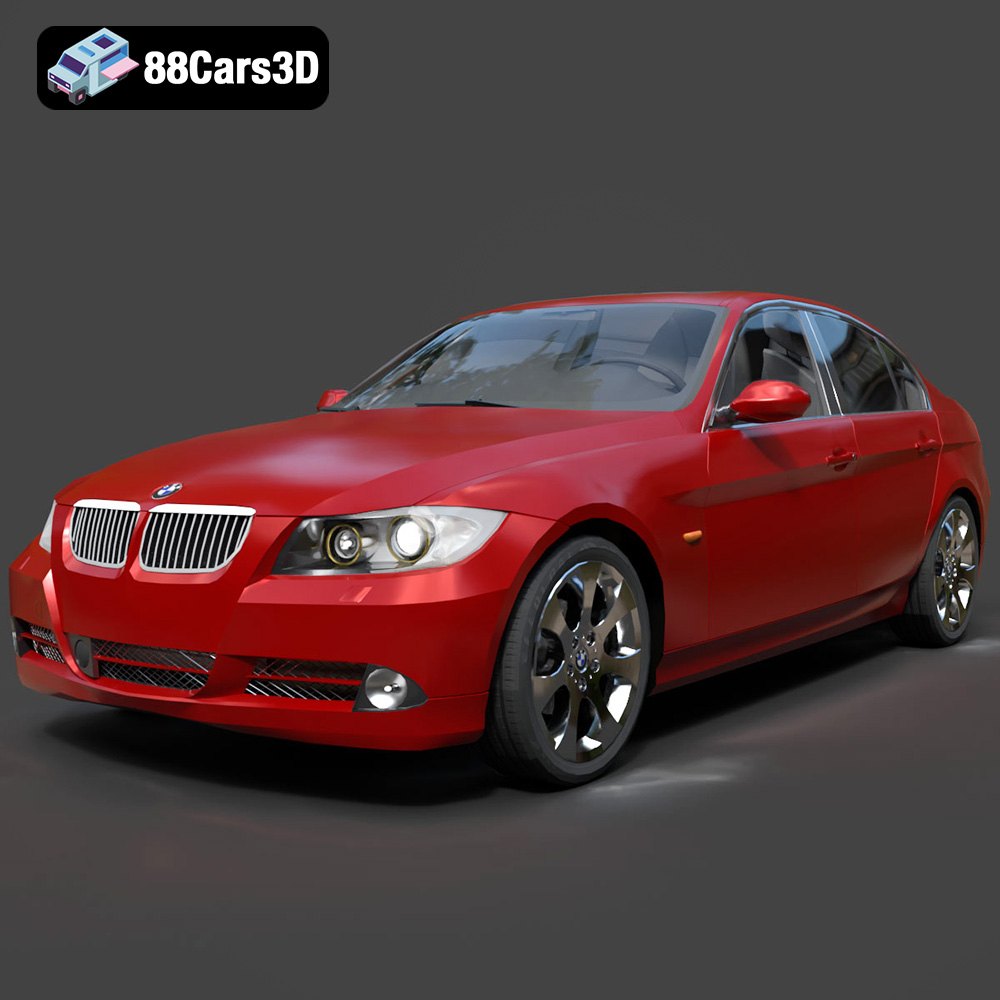
BMW 330i E90 3D Model
Texture: Yes
Material: Yes
Download the BMW 330i E90 3D Model featuring a detailed exterior, an optimized interior, and accurate mechanical components. Includes .blend, .fbx, .obj, .glb, .stl, .ply, .unreal, and .max formats for rendering, simulation, and game development.
Price: $14.79
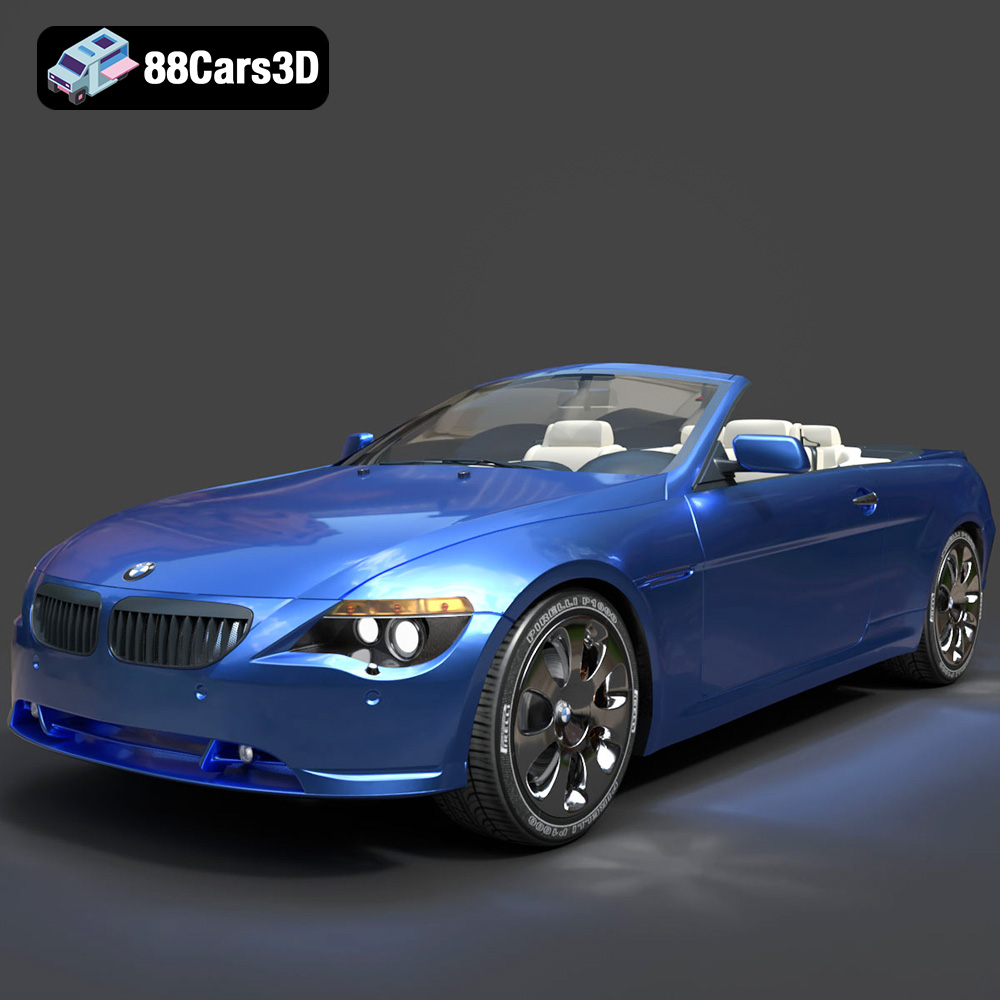
BMW 6 Series Convertible 3D Model
Texture: Yes
Material: Yes
Download the BMW 6 Series Convertible 3D Model featuring clean geometry, realistic detailing, and a fully modeled interior. Includes .blend, .fbx, .obj, .glb, .stl, .ply, .unreal, and .max formats for rendering, simulation, and game development.
Price: $14.99
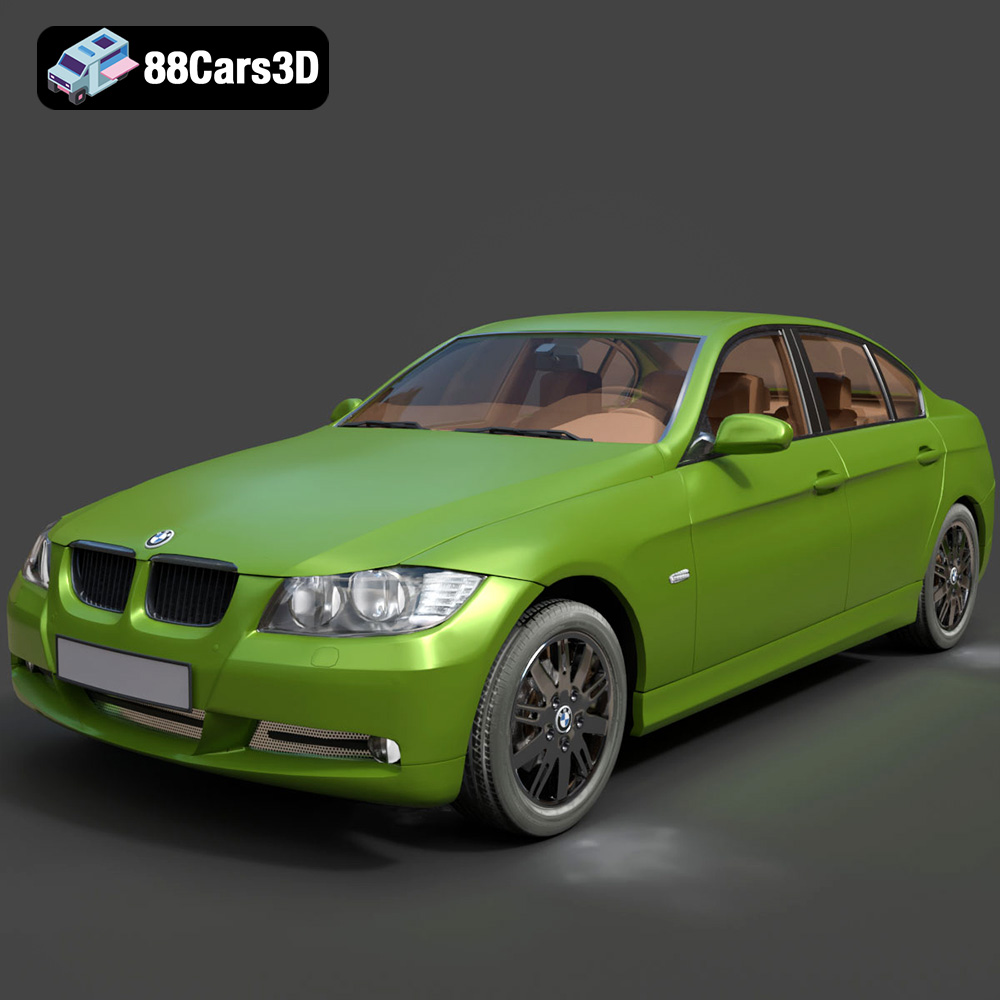
BMW 3-005 3D Model
Texture: Yes
Material: Yes
Download the BMW 3-005 3D Model featuring a sleek design, detailed exterior and interior. Includes .blend, .fbx, .obj, .glb, .stl, .ply, .unreal, and .max formats for rendering, simulation, and game development.
Price: $14.99
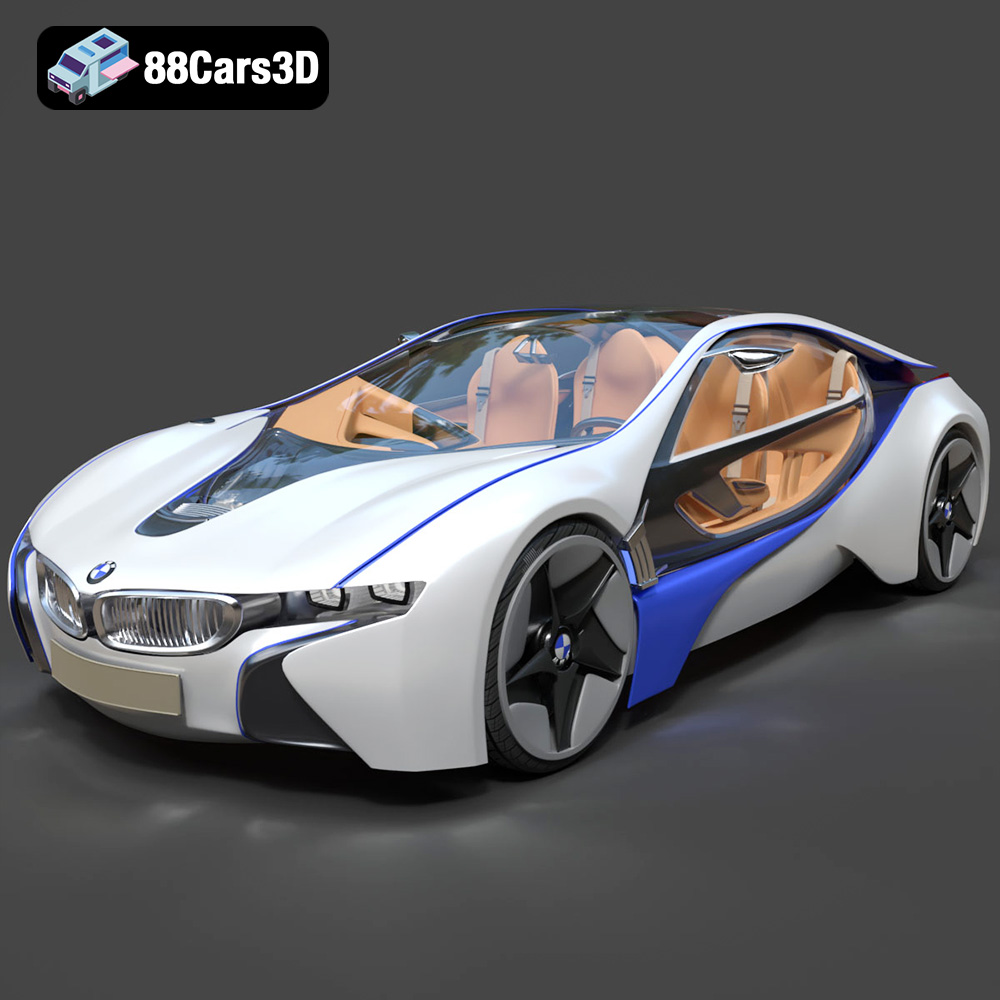
BMW Vision Effecient Dynamics-007 3D Model
Texture: Yes
Material: Yes
Download the BMW Vision Effecient Dynamics-007 3D Model featuring a sleek, futuristic design and hybrid concept aesthetics. Includes .blend, .fbx, .obj, .glb, .stl, .ply, .unreal, and .max formats for rendering, simulation, and game development.
Price: $14.99
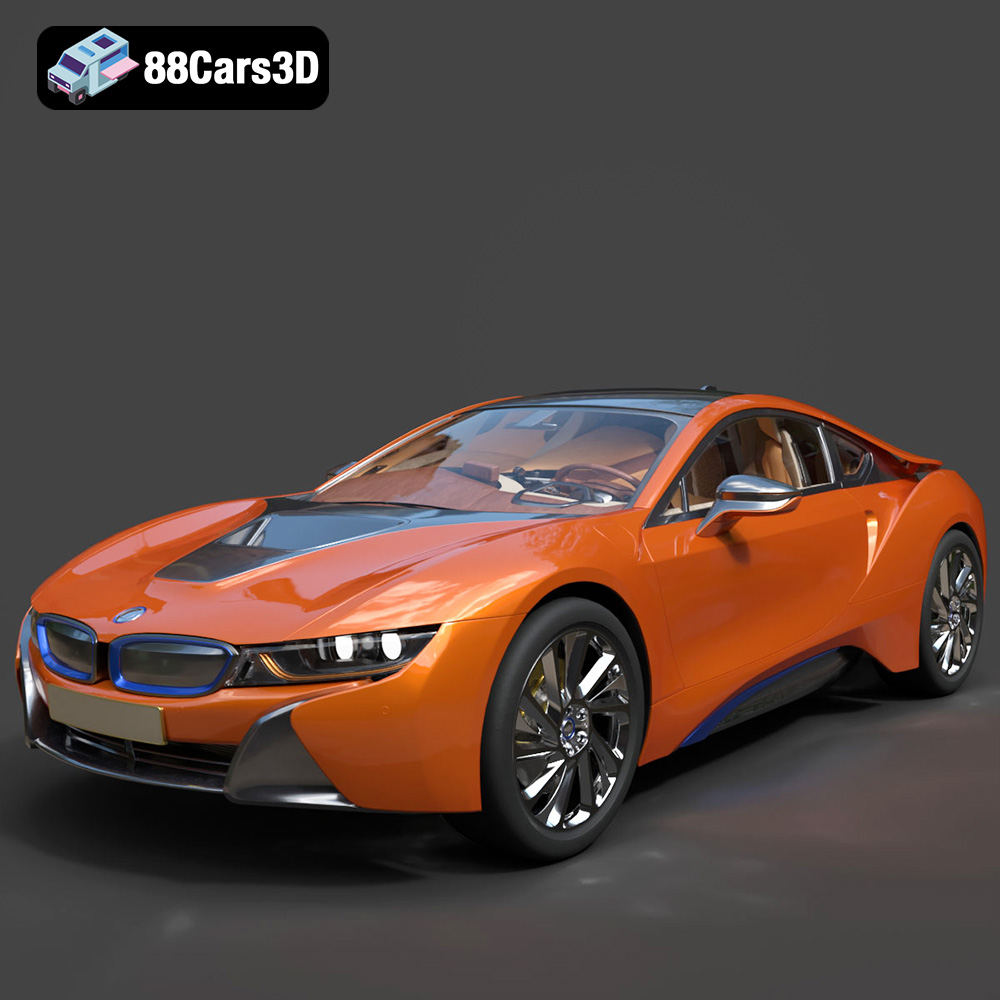
BMW i8 2015 3D Model
Texture: Yes
Material: Yes
Download the BMW i8 2015 3D Model featuring clean geometry, realistic detailing, and a fully modeled interior. Includes .blend, .fbx, .obj, .glb, .stl, .ply, .unreal, and .max formats for rendering, simulation, and game development.
Price: $12.99

BMW 4 Series F32 3D Model
Texture: Yes
Material: Yes
Download the BMW 4 Series F32 3D Model featuring clean geometry, realistic detailing, and a fully modeled interior. Includes .blend, .fbx, .obj, .glb, .stl, .ply, .unreal, and .max formats for rendering, simulation, and game development.
Price: $12.99
