

“`html
Mastering the Slice: Your Ultimate Guide to Preparing STL Models for Flawless 3D Prints
The journey from a digital 3D model to a tangible, high-quality print is a fascinating one, and at its heart lies the crucial process of slicing. Whether you’re downloading intricate printable car models from platforms like 88cars3d.com or designing your own, understanding how to slice your STL files is paramount. This process translates your 3D geometry into a series of thin, printable layers, dictating everything from print time and structural integrity to surface finish and detail accuracy. Many beginners and even intermediate users struggle with achieving consistent, high-fidelity results, often blaming their 3D printer or the model itself, when in reality, the slicing settings are the usual culprits. This comprehensive guide will demystify the art and science of slicing STL files, offering detailed insights and actionable steps to elevate your 3D printing game. We’ll delve into the critical parameters, explore software-specific workflows, tackle common pitfalls, and equip you with the knowledge to produce stunning prints every time, whether you’re using FDM or resin technology.
Understanding the STL File: The Foundation of Your Print
Before we dive into slicing, it’s essential to appreciate the nature of the STL file format. STL, which stands for Stereolithography or Standard Triangle Language, is the de facto standard for 3D printing. It describes the surface geometry of a 3D object using a collection of connected triangles, forming a tessellated mesh. While simple and widely compatible, the structure of an STL file can significantly impact printability. Issues like non-manifold geometry, inverted normals, or gaps between triangles can cause headaches during slicing and lead to failed prints. Understanding these potential issues is the first step in ensuring a successful print, even before you open your slicer software.
Mesh Topology and Manifold Integrity
A “manifold” or “watertight” mesh is crucial for 3D printing. Imagine a hollow sphere; it has an inside and an outside surface, and you can conceptually fill it with water. A non-manifold mesh, on the other hand, has holes, internal faces, or edges shared by more than two faces, making it impossible to define an interior and exterior. Most slicers will struggle with or outright fail to process non-manifold geometry, often resulting in corrupted G-code or incomplete prints. For downloadable models, especially those found on marketplaces like 88cars3d.com, checking for manifold integrity is a standard practice by the providers, but it’s always wise to be prepared. Software like Meshmixer, Blender, or Netfabb are excellent tools for identifying and repairing these issues. Look for tools labeled “Analyze,” “Repair,” or “Make Solid” to fix common problems like holes, self-intersections, and non-manifold edges.
STL File Resolution and Detail Capture
The resolution of an STL file—how finely its surface is tessellated with triangles—directly affects the level of detail it can represent. A low-resolution STL might appear smooth on your screen but will result in visible facets or blockiness in the final print. Conversely, an extremely high-resolution STL can create massive file sizes, potentially overwhelming your slicer and printer. For detailed printable car models, a balance is key. Generally, a sufficient number of triangles should capture curves and subtle details without creating an unmanageable file. When downloading models, choose reputable sources that provide optimally tessellated files. If you’re converting from other formats (like OBJ or FBX), use your modeling software’s export settings to control the facet resolution, aiming for a good compromise between detail and file size.
Choosing Your Slicer and Understanding Its Core Functions
Slicing software is the bridge between your 3D model and your 3D printer. It takes your STL file and, based on your chosen settings, generates the G-code instructions that tell your printer exactly how to move, extrude filament, and build your object layer by layer. The most popular slicers include Ultimaker Cura, PrusaSlicer, and Simplify3D. While each has its nuances, they share fundamental functionalities revolving around layer height, infill, supports, and print speed. Selecting the right slicer often depends on your printer brand and personal preference, but mastering the settings within any of them is crucial for achieving high-quality prints.
Key Slicing Parameters Explained
Each parameter within your slicer plays a critical role. Understanding these is the first step towards effective slicing:
- Layer Height: This is arguably the most impactful setting for print quality. A smaller layer height (e.g., 0.08mm to 0.12mm for detailed models) results in smoother surfaces and finer details but significantly increases print time. A larger layer height (e.g., 0.2mm to 0.3mm) prints much faster but yields a more visibly layered surface. For intricate printable car models, aiming for 0.1mm or lower is often recommended for the best aesthetic results.
- Infill Density and Pattern: Infill determines the internal structure of your print. Higher density means a stronger, heavier, and longer print. Lower density saves material and time. Patterns like Grid, Gyroid, or Cubic offer different strengths and print efficiencies. For display models, an infill of 10-20% is often sufficient. For functional parts, this might increase to 50% or more.
- Print Speed: This dictates how fast your printer’s nozzle moves. Faster speeds reduce print time but can compromise quality, especially on complex geometries or fine details. It’s crucial to find a balance. For detailed prints, start with slower speeds (e.g., 40-60 mm/s for outer walls) and increase for less critical areas.
- Temperatures (Nozzle and Bed): These are material-dependent. PLA typically requires a nozzle temperature of 190-220°C and a bed temperature of 50-60°C. ABS needs higher temperatures (230-260°C nozzle, 90-110°C bed) and an enclosure. Always refer to your filament manufacturer’s recommendations.
Slicer Profiles: Starting Points for Success
Most slicers come with pre-configured profiles for different materials and print quality levels (e.g., “Draft,” “Standard,” “Fine”). These are excellent starting points. For instance, a “Fine” profile for PLA might set a layer height of 0.1mm, a print speed of 50 mm/s, and appropriate temperatures. When downloading a complex model, start with a fine quality profile and then fine-tune the settings. Remember that these profiles are generic; optimizing them for your specific printer and filament is where true mastery lies. Custom profiles, saved within your slicer, allow you to quickly switch between settings optimized for speed, quality, or specific model features.
Support Structures: The Unsung Heroes of Complex Prints
Many printable car models feature overhangs, bridges, and delicate details that would collapse without support. Support structures are temporary lattices printed underneath these features, which are removed after the print is complete. Generating and managing supports effectively is often the difference between a successful print and a tangled mess.
Types of Support Structures and Their Applications
Slicers offer various support types:
- Normal/Grid Supports: These are the most basic, creating a dense grid that is often difficult to remove cleanly.
- Tree/Organic Supports: Found in Cura and PrusaSlicer, these branching structures are more material-efficient and easier to remove, touching the model only at specific points. They are excellent for organic shapes and complex models with intricate overhangs, like the undercarriage or spoilers on a car model.
- Support Types (Touching Buildplate vs. Everywhere): ‘Touching buildplate’ supports only generate beneath parts that overhang and would otherwise print in mid-air, not touching the build plate. ‘Everywhere’ supports generate under any overhang, even if it’s supported by a lower part of the model. For car models, ‘Touching buildplate’ is often sufficient for the base, while ‘Everywhere’ might be needed for more complex internal structures or mid-air components.
Optimizing Support Settings for Easy Removal
The goal is to have supports strong enough to hold the overhangs but easy enough to remove without damaging the model. Key settings include:
- Support Density: Lower density (e.g., 5-15%) means easier removal and less material usage.
- Support Z Distance: This is the crucial gap between the support and the model’s underside. A larger Z distance makes removal easier but can lead to a rougher surface finish on the overhang. Start with 0.2mm for FDM and adjust based on your printer’s precision.
- Support X/Y Distance: The gap between the support pillar and the model horizontally. A small gap helps ensure support adherence while allowing for easier detachment.
- Support Interface Layers: Printing a few dense layers at the top and bottom of the support structure creates a smoother surface where the support meets the model, improving the finish of the overhang.
When removing supports, use sharp hobby knives, pliers, or flush cutters carefully. For resin prints, supports are often thinner and more delicate, requiring careful detachment with specialized tools or even a gentle snap after cleaning and curing.
Print Orientation and Bed Adhesion: The First Layers of Success
How you orient your STL file on the virtual build plate and how well that first layer adheres are fundamental to a successful print. The orientation affects the strength of the part, the need for supports, and the surface finish. Bed adhesion ensures your print stays put throughout the process, preventing warping or detachment.
Strategic Model Placement for Strength and Aesthetics
For printable car models, consider these orientation strategies:
- Minimize Overhangs: Rotate the model to reduce the number and severity of overhangs. For example, printing a car body upright often requires significant support for the wheel wells and roof. Printing it on its side or even upside down might reduce the support needed, but it will place layer lines on a more prominent surface.
- Maximize Surface Quality: Identify the surfaces that will be most visible and try to orient them so they face upwards or downwards, minimizing visible layer lines. For a car model, you might want the roof and hood to have the smoothest finish.
- Print Strength: For FDM printing, parts are strongest along the X/Y axes and weakest between layers (Z-axis). If your model needs to withstand stress, orient it so the critical stress points are aligned with the stronger axes.
- Consider Resin Printing: Resin printers typically excel at detail. Orientation is still key to minimize supports and prevent suction forces that can detach prints. Angling the model slightly (e.g., 10-30 degrees) can help break suction.
Achieving Robust Bed Adhesion
A failed print due to poor bed adhesion is incredibly frustrating. Here’s how to ensure your first layer sticks:
- Clean Build Surface: Always ensure your print bed is clean. For FDM, use isopropyl alcohol (IPA) to remove oils and dust. For resin, ensure the tank is clean.
- Leveling the Bed: A perfectly level bed ensures consistent first-layer squish across the entire surface. Use your printer’s auto-leveling feature or manual leveling procedures diligently.
- First Layer Settings: In your slicer, use a slightly slower first layer speed (e.g., 20 mm/s) and a slightly higher temperature (e.g., +5-10°C for both nozzle and bed) to promote adhesion. A slightly thicker first layer (e.g., 0.2mm to 0.3mm) can also help.
- Adhesion Aids: Depending on your build surface and filament, consider adhesion aids like a glue stick, hairspray, or specialized build surface tapes (like PEI). For resin, ensuring the build plate is clean and properly torqued is usually sufficient.
Material Selection and Printer Settings: A Synergistic Relationship
The material you choose and the specific 3D printer settings you employ are deeply intertwined. Each filament type (PLA, PETG, ABS, TPU for FDM, or the various resin types) has unique properties that necessitate tailored slicing parameters for optimal results.
Common Filament Types and Their Slicing Considerations
For FDM Printing:
- PLA (Polylactic Acid): Easy to print, low warping, good for detailed models. Use moderate temperatures (190-220°C nozzle, 50-60°C bed), slower speeds for fine details (e.g., 40-50 mm/s outer walls), and layer heights from 0.1mm to 0.2mm.
- PETG (Polyethylene Terephthalate Glycol): Stronger and more durable than PLA, with higher temperature resistance. Requires slightly higher temperatures (220-245°C nozzle, 70-85°C bed) and careful retraction settings to avoid stringing. Can be printed faster than PLA in some cases, but slowing down for detailed sections is still beneficial.
- ABS (Acrylonitrile Butadiene Styrene): Known for its toughness and heat resistance. It’s prone to warping and requires higher temperatures (230-260°C nozzle, 90-110°C bed) and an enclosure to maintain stable ambient temperature. Printing ABS often requires slower speeds to manage warping and improve layer adhesion.
For Resin Printing (SLA/DLP/MSLA):
- Standard Resins: Offer a balance of detail and durability. Layer heights are typically very fine (0.025mm to 0.05mm), leading to exceptionally smooth surfaces. Exposure times per layer are critical and depend on the resin and printer model – often ranging from 1 to 8 seconds.
- Tough/ABS-like Resins: Provide increased mechanical strength and impact resistance, suitable for more functional parts or models that might experience handling. They may require slightly longer exposure times.
- Flexible Resins: For parts needing to bend or compress, these require specific settings, often with longer exposure times to ensure full curing and flexibility.
Printer Calibration and Maintenance for Consistent Slicing
Even the best sliced file will fail if your printer isn’t calibrated. Regular maintenance and calibration ensure your slicer settings translate accurately into physical prints:
- E-steps Calibration (FDM): Ensures your extruder pushes out the correct amount of filament.
- PID Tuning: Stabilizes nozzle and bed temperatures, preventing fluctuations that affect extrusion and adhesion.
- Flow Rate/Extrusion Multiplier Calibration: Fine-tunes the amount of filament extruded to match your specific filament and hotend.
- Bed Leveling: As mentioned, critical for first-layer adhesion.
- Nozzle Cleaning/Replacement: A partially clogged nozzle can lead to under-extrusion and poor print quality.
- Resin Vat Maintenance: Ensure the FEP film is clean and undamaged, and the build plate is free of cured resin.
Calibration is not a one-time task. It’s an ongoing process, especially when changing filaments or resins, or after significant print hours. Following manufacturer guidelines for your specific 3D printer is always the best practice.
Post-Processing: The Finishing Touches on Your Masterpiece
Once your object is off the build plate, the work isn’t over. Post-processing is essential for achieving a professional, showroom-quality finish, especially for detailed models like those from 88cars3d.com. This stage involves cleaning, support removal, surface smoothing, and potentially painting and assembly.
Support Removal and Initial Cleaning
Carefully remove all support material using appropriate tools. For FDM prints, this might involve pliers, flush cutters, or a hobby knife. For resin prints, supports are often delicate and can be carefully snapped off or cut with a specialized blade. After support removal, clean the model. For FDM, this might involve light sanding to remove support nubs. For resin prints, wash the model thoroughly in isopropyl alcohol (IPA) or a specialized resin cleaner to remove uncured resin, then cure it under UV light according to the resin manufacturer’s instructions.
Sanding, Filling, and Smoothing Techniques
Achieving a glass-smooth surface on FDM prints often requires sanding. Start with a coarse grit sandpaper (e.g., 100-220 grit) to remove major imperfections and support marks, then progressively move to finer grits (e.g., 400, 800, 1200, or even higher). For very fine details, sanding can be challenging; using small files or even careful scraping with a blade might be necessary. Filling small gaps or layer lines can be done with modeling putties or filler primers. For resin prints, the layer lines are much finer, making sanding easier. Some users also employ vapor smoothing with solvents like acetone (for ABS) or specialized smoothing agents, but this requires extreme caution and ventilation.
Painting and Assembly for a Realistic Finish
Painting is where a printable car model truly comes to life. A good primer is essential for paint adhesion and to reveal any remaining imperfections. Use thin, even coats of acrylic model paints or spray paints. For complex models with multiple parts, painting sub-assemblies before final assembly often yields better results. Masking tape is invaluable for achieving clean lines between different colors. Finally, assemble the parts using appropriate adhesives (e.g., super glue, plastic cement). Precision is key here, especially for intricate components like wheels, mirrors, or spoilers.
Conclusion: Elevate Your Prints with Slicing Mastery
Mastering the slicing process is a continuous learning curve, but the rewards are immense. By understanding the nuances of STL file preparation, delving into the critical parameters of your slicer software, strategically employing support structures, optimizing print orientation, and fine-tuning 3D printer settings for your chosen materials, you can consistently produce high-quality, detailed prints. Whether you’re bringing a classic automobile to life from an STL file downloaded from 88cars3d.com or creating your own designs, the meticulous approach to slicing transforms digital data into tangible works of art. Remember that practice, experimentation, and careful observation of your print results are your greatest allies. Don’t be afraid to adjust settings, try new techniques, and troubleshoot common failures. With each print, you’ll gain a deeper understanding, paving the way for increasingly impressive results and a truly rewarding 3D printing experience.
“`
Featured 3D Car Models

Bentley Continental Flying Spur 3D Model
Texture: Yes
Material: Yes
Download the Bentley Continental Flying Spur 3D Model featuring clean geometry, realistic detailing, and a fully modeled interior. Includes .blend, .fbx, .obj, .glb, .stl, .ply, .unreal, and .max formats for rendering, simulation, and game development.
Price: $14.99
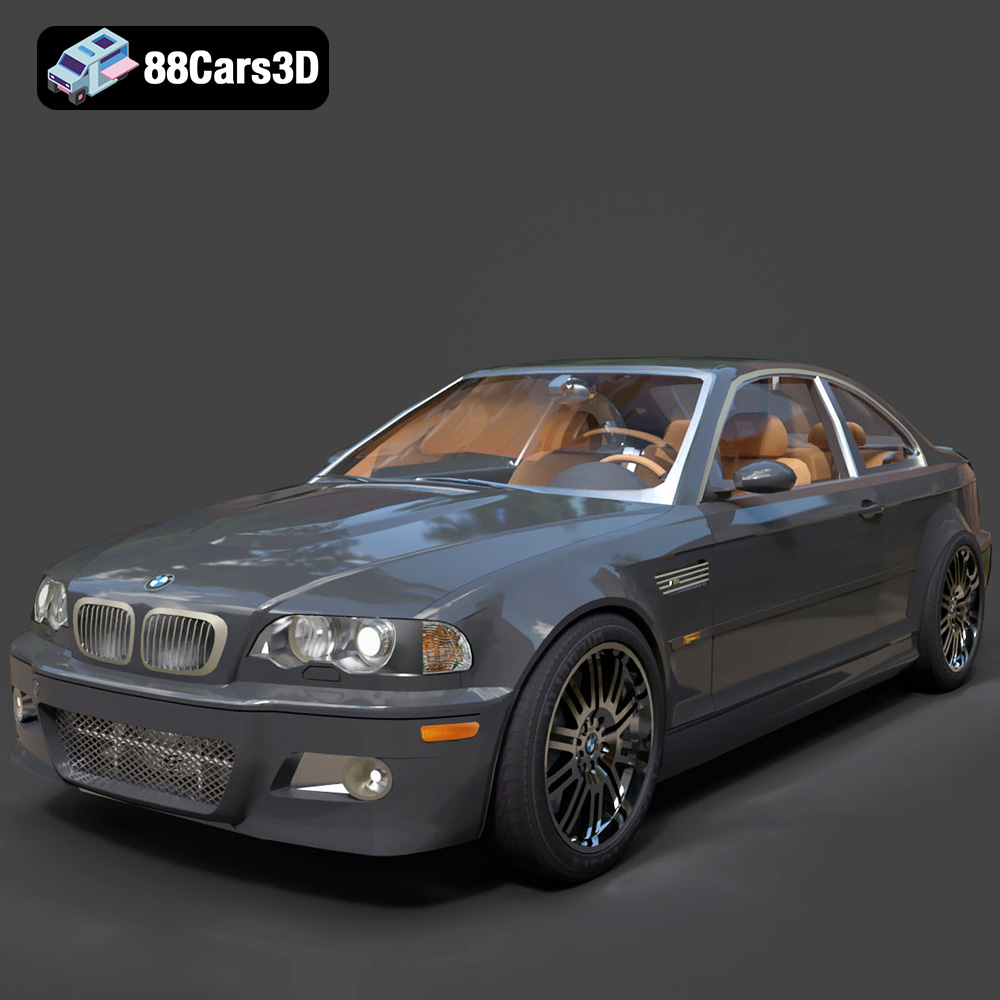
BMW M3 E46 3D Model
Texture: Yes
Material: Yes
Download the BMW M3 E46 3D Model featuring iconic sports car design and detailed interior. Includes .blend, .fbx, .obj, .glb, .stl, .ply, .unreal, and .max formats for rendering, simulation, and game development.
Price: $16.99

BMW i3 Coupe 3D Model
Texture: Yes
Material: Yes
Download the BMW i3 Coupe 3D Model featuring its iconic electric design and compact urban styling. Includes .blend, .fbx, .obj, .glb, .stl, .ply, .unreal, and .max formats for rendering, simulation, and game development.
Price: $17.99

BMW 645ci 2004-2005 3D Model
Texture: Yes
Material: Yes
Download the BMW 645ci 3D Model featuring a sleek, detailed exterior and optimized interior. Includes .blend, .fbx, .obj, .glb, .stl, .ply, .unreal, and .max formats for rendering, simulation, and game development.
Price: $10.79
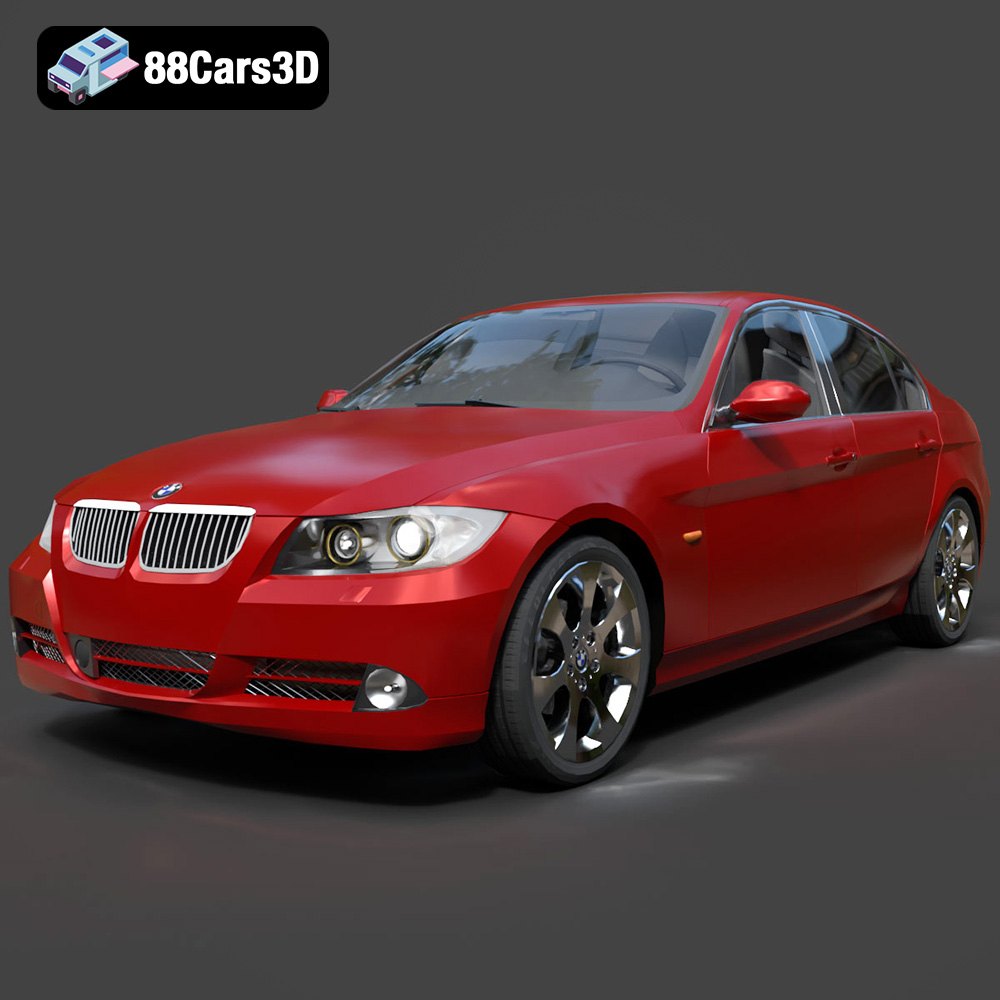
BMW 330i E90 3D Model
Texture: Yes
Material: Yes
Download the BMW 330i E90 3D Model featuring a detailed exterior, an optimized interior, and accurate mechanical components. Includes .blend, .fbx, .obj, .glb, .stl, .ply, .unreal, and .max formats for rendering, simulation, and game development.
Price: $14.79
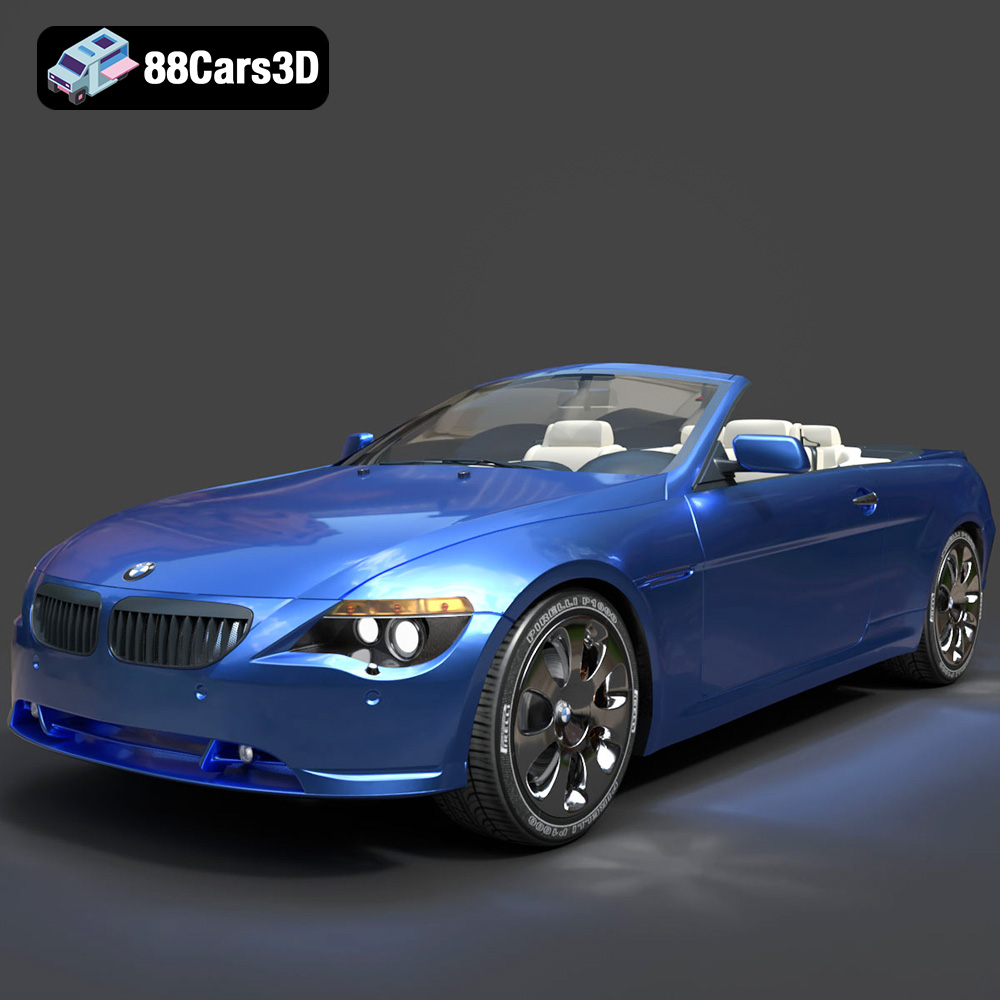
BMW 6 Series Convertible 3D Model
Texture: Yes
Material: Yes
Download the BMW 6 Series Convertible 3D Model featuring clean geometry, realistic detailing, and a fully modeled interior. Includes .blend, .fbx, .obj, .glb, .stl, .ply, .unreal, and .max formats for rendering, simulation, and game development.
Price: $14.99
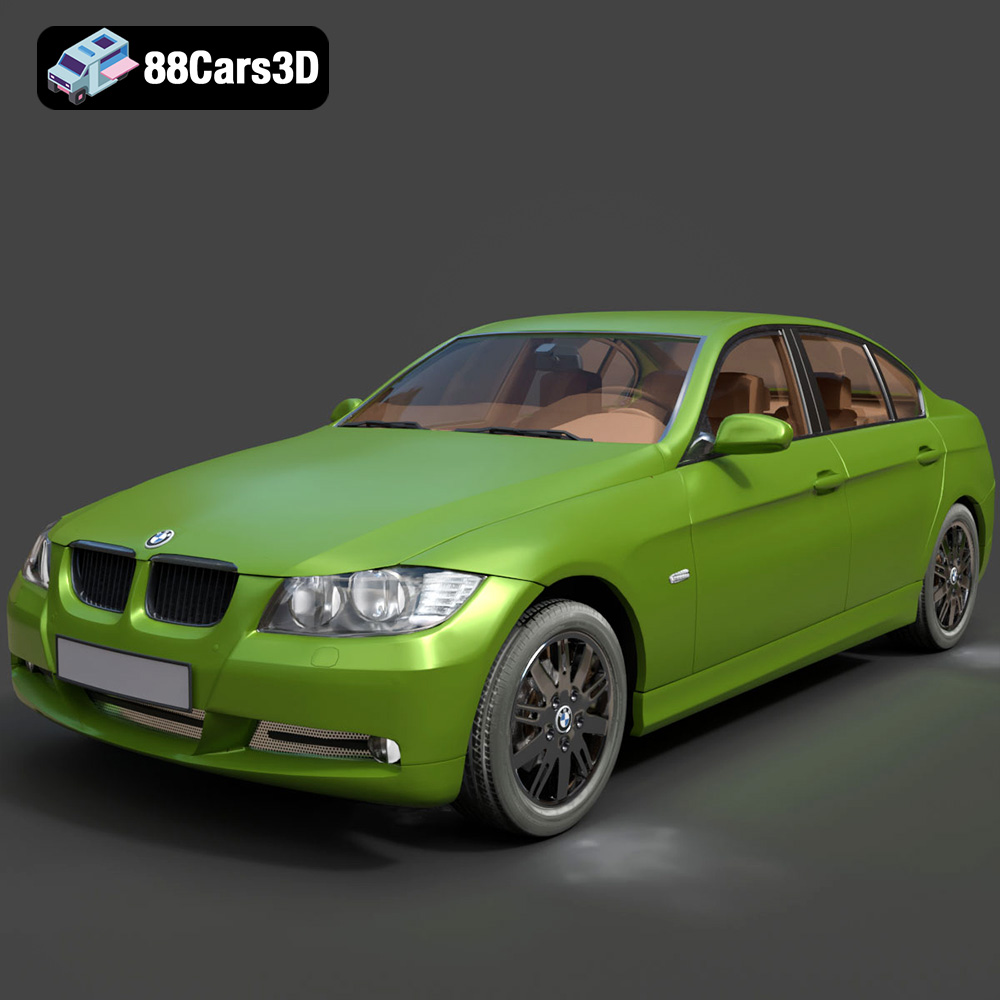
BMW 3-005 3D Model
Texture: Yes
Material: Yes
Download the BMW 3-005 3D Model featuring a sleek design, detailed exterior and interior. Includes .blend, .fbx, .obj, .glb, .stl, .ply, .unreal, and .max formats for rendering, simulation, and game development.
Price: $14.99

BMW Vision Effecient Dynamics-007 3D Model
Texture: Yes
Material: Yes
Download the BMW Vision Effecient Dynamics-007 3D Model featuring a sleek, futuristic design and hybrid concept aesthetics. Includes .blend, .fbx, .obj, .glb, .stl, .ply, .unreal, and .max formats for rendering, simulation, and game development.
Price: $14.99
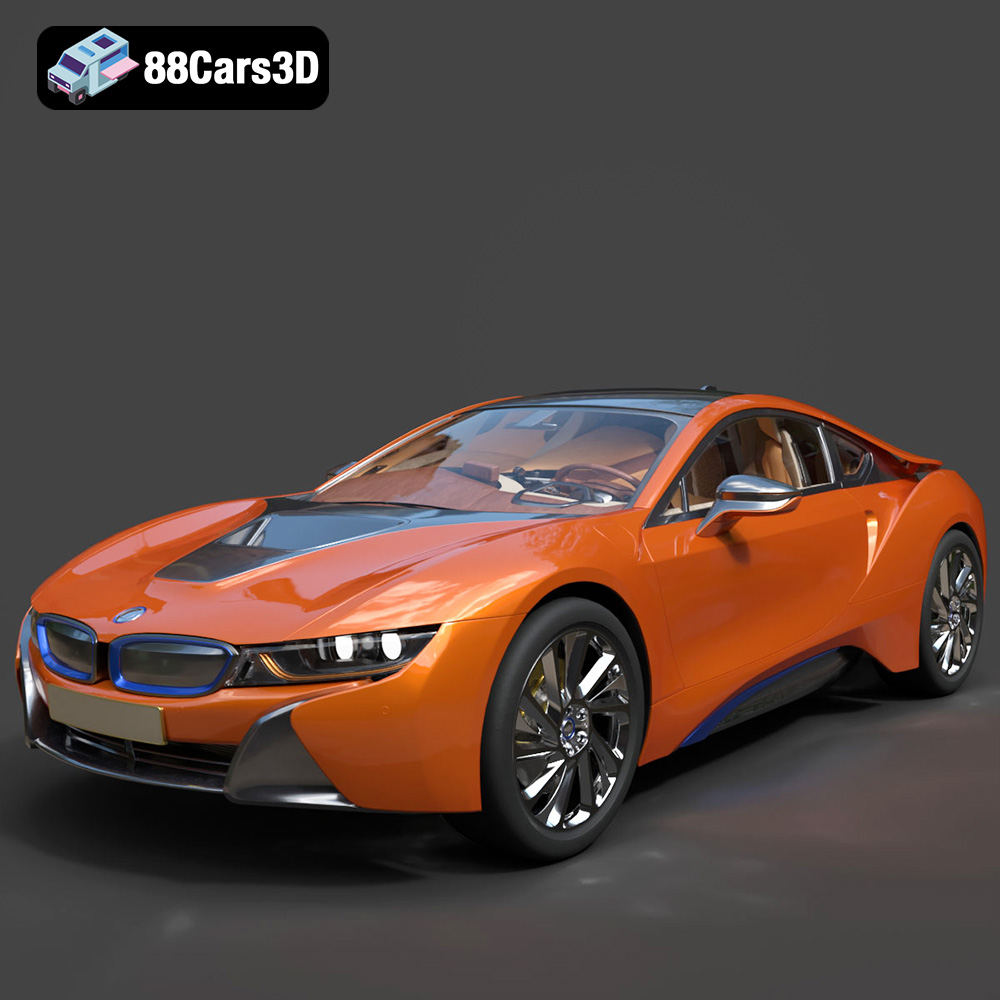
BMW i8 2015 3D Model
Texture: Yes
Material: Yes
Download the BMW i8 2015 3D Model featuring clean geometry, realistic detailing, and a fully modeled interior. Includes .blend, .fbx, .obj, .glb, .stl, .ply, .unreal, and .max formats for rendering, simulation, and game development.
Price: $12.99

BMW 4 Series F32 3D Model
Texture: Yes
Material: Yes
Download the BMW 4 Series F32 3D Model featuring clean geometry, realistic detailing, and a fully modeled interior. Includes .blend, .fbx, .obj, .glb, .stl, .ply, .unreal, and .max formats for rendering, simulation, and game development.
Price: $12.99
