

Unleashing Automotive Innovation: Crafting Immersive Product Demos with Unreal Engine
The automotive industry is in a perpetual state of evolution, pushing the boundaries of design, engineering, and customer engagement. In this high-stakes environment, traditional marketing and visualization methods often fall short of conveying the true innovation and tactile experience of a modern vehicle. This is where Unreal Engine steps in, transforming static renders into dynamic, interactive product demonstrations that captivate audiences and drive engagement.
Unreal Engine, with its unparalleled real-time rendering capabilities, photorealistic visuals, and robust development tools, has become the de facto standard for automotive visualization. It empowers designers, marketers, and developers to create immersive experiences – from detailed configurators and virtual showrooms to cinematic presentations and AR/VR applications. This comprehensive guide will walk you through the journey of harnessing Unreal Engine to build stunning, interactive automotive product demos, leveraging high-quality 3D assets and cutting-edge features. We’ll cover everything from initial project setup and asset integration to advanced lighting, Blueprint scripting for interactivity, and crucial optimization techniques, ensuring your demos not only look spectacular but also perform flawlessly. Prepare to revolutionize how you showcase automotive brilliance.
Setting Up Your Unreal Engine Project for Automotive Visualization
Embarking on an automotive visualization project in Unreal Engine begins with a solid foundation. The initial project setup dictates the technical capabilities and workflow efficiency for the entire development cycle. Understanding which templates to choose and configuring core project settings correctly can save countless hours down the line and ensure your project is geared for maximum visual fidelity and performance from the outset.
When creating a new project, while “Games” templates offer a general starting point, the “Film, Television & Live Events” template often provides a more suitable initial configuration for high-fidelity visualization, especially regarding default post-processing and cinematic tools. However, for maximum flexibility and control, starting with a blank project and selectively enabling necessary features is often preferred by experienced developers. Crucial initial steps involve enabling key rendering features like Ray Tracing, Lumen Global Illumination, Nanite Virtualized Geometry, and Virtual Shadow Maps, as these are foundational for achieving photorealistic results in modern real-time automotive visualization. Ensuring your project is set to use these advanced features from the very beginning streamlines the development process significantly.
Essential Project Settings & Plugins for Automotive Excellence
Navigating the `Edit > Project Settings` menu is critical for fine-tuning your Unreal Engine environment. Under `Engine > Rendering`, confirm that **Lumen Global Illumination**, **Nanite Virtualized Geometry**, and **Virtual Shadow Maps** are enabled. Lumen provides dynamic global illumination and reflections, crucial for realistic lighting in a dynamic environment like a configurator. Nanite efficiently handles incredibly detailed meshes without performance penalties, allowing for CAD-level detail on your car models. Virtual Shadow Maps deliver high-resolution, consistent shadows essential for photorealism.
Beyond rendering settings, activating the right plugins is equally important. The **Datasmith** plugin is indispensable for importing CAD data or DCC (Digital Content Creation) software files (like FBX or USD) efficiently, preserving hierarchy, UVs, and PBR material assignments. For advanced virtual production workflows, especially those involving LED walls, the **nDisplay** plugin becomes a necessity. If your demo targets Augmented Reality (AR) or Virtual Reality (VR), ensure the respective ARCore, ARKit, OpenXR, or SteamVR plugins are active. Finally, configure `Maps & Modes` to set your default level and game mode, and use `Engine > Input` to define custom input actions for interactive elements, such as camera controls or specific vehicle functions. For comprehensive documentation on these and other features, always refer to the official Unreal Engine learning resources at https://dev.epicgames.com/community/unreal-engine/learning.
Maintaining Real-World Scale and Coordinate Systems
Accuracy in scale is paramount in automotive visualization. Unreal Engine operates on a default unit of 1 Unreal Unit = 1 centimeter. It is crucial that all imported 3D car models adhere to real-world dimensions to ensure proper lighting, physics, and visual proportionality within your scene. Discrepancies in scale can lead to incorrect light falloff, exaggerated reflections, and even issues with physics simulations if you were to implement vehicle dynamics. Before importing, verify the model’s dimensions in your 3D modeling software (e.g., 3ds Max, Maya, Blender). If adjustments are needed, perform them in your DCC application or during the import process by scaling the asset. Consistency in unit systems across all assets prevents many common visual glitches and ensures a believable, immersive experience for your users. A correctly scaled model will immediately integrate better with Unreal Engine’s physically based rendering calculations.
Importing and Optimizing High-Quality 3D Car Models
The visual fidelity of your interactive automotive demo hinges directly on the quality of your 3D car models. Low-polygon, poorly textured assets will undermine even the most sophisticated lighting and interactivity. Sourcing and preparing high-quality, production-ready assets is a critical step, laying the foundation for a truly immersive experience.
When seeking automotive assets, prioritize models with clean, optimized topology, accurate UV mapping, and PBR-ready material setups. Platforms like **88cars3d.com** offer meticulously crafted 3D car models specifically designed for Unreal Engine, featuring clean mesh geometry, detailed textures, and multiple file formats (FBX, USD) that integrate seamlessly into your pipeline. These models are often pre-optimized for real-time applications, saving significant development time. For custom or proprietary designs, the Datasmith importer is your best friend. It efficiently converts complex CAD data or DCC scene files, preserving object hierarchy, material assignments, and often simplifying the geometry for real-time use. This allows automotive designers to bring their designs directly into Unreal Engine with minimal fuss, maintaining crucial design integrity.
Leveraging Nanite for Cinematic Detail
Nanite virtualized geometry is a game-changer for high-fidelity automotive visualization within Unreal Engine. It allows artists to import and render meshes with millions or even billions of polygons without significant performance bottlenecks. This means you can bring in highly detailed CAD models or subdivided meshes directly, preserving every curve and intricate detail of the vehicle.
To enable Nanite for a static mesh, simply right-click the asset in the Content Browser and select “Enable Nanite.” Unreal Engine automatically generates an optimized representation, handling LODs and culling internally. The benefits are profound: unparalleled visual fidelity, automatic and efficient streaming of geometry, and significantly reduced draw calls. For car models, this translates to incredibly smooth surfaces, sharp panel gaps, and intricate interior details that would be impossible to render efficiently with traditional methods. While Nanite is revolutionary, it’s primarily designed for static, opaque meshes. Transparent materials or complex vertex animations currently have specific considerations when used with Nanite. For optimal results, leverage Nanite for the car body, wheels, engine block, and other high-detail, opaque components, and rely on traditional LODs for glass or animated parts.
Optimizing Assets for Real-time Performance
Even with Nanite handling geometry, comprehensive asset optimization remains crucial for maintaining smooth framerates, especially for AR/VR applications or lower-spec hardware targets. For non-Nanite meshes (such as glass, certain interior elements, or dynamic components), **Levels of Detail (LODs)** are essential. Manually or automatically generate multiple LODs that progressively reduce polygon count as the object moves further from the camera. A common practice is to have 3-5 LOD levels, with LOD0 being the highest detail and the final LOD being a significantly simplified mesh or billboard.
Texture optimization is equally vital. Ensure all textures are power-of-2 dimensions (e.g., 512×512, 2048×2048, 4096×4096). While 4K textures are common for hero assets like the car body, consider 2K or 1K for less prominent parts to conserve memory. Use appropriate texture compression settings; for instance, DXT1/BC1 for diffuse, DXT5/BC3 for masks with alpha channels, and BC5/NormalMap for normal maps. Material instancing is another powerful optimization: create a master material with adjustable parameters and then create instances for variations (e.g., different paint colors, tire types). This significantly reduces draw calls compared to having unique materials for every variation. When sourcing automotive assets from marketplaces such as **88cars3d.com**, look for models that already provide multiple LODs and PBR-ready texture sets to streamline your optimization efforts.
Crafting Realistic PBR Materials and Dynamic Lighting
Achieving photorealism in an automotive product demo relies heavily on meticulously crafted Physically Based Rendering (PBR) materials and sophisticated real-time lighting. These elements work in concert to accurately simulate how light interacts with the various surfaces of a vehicle, bringing it to life within the virtual environment.
Unreal Engine’s Material Editor provides a node-based interface for constructing complex PBR materials. The Metallic/Roughness workflow is standard:
* **Base Color:** Defines the inherent color of the surface.
* **Normal Map:** Adds surface detail without increasing geometry.
* **Roughness Map:** Controls the microsurface detail, influencing how light scatters (from glossy to matte).
* **Metallic Map:** Specifies whether the surface is metallic (0 for dielectric, 1 for metallic).
* **Ambient Occlusion (AO):** Simulates self-shadowing in crevices.
* **Emissive Map:** For light-emitting surfaces like headlights or dashboards.
Creating a master material for common properties (like paint clear coat or tire rubber) and then generating material instances for specific variations (e.g., red paint, blue paint, different tire brands) is a powerful workflow. This allows for quick iteration and efficient runtime changes in an interactive configurator. Advanced material expressions, such as custom clear coat shaders with iridescent flakes for automotive paint or layered materials for intricate glass effects, elevate realism significantly.
Unleashing Lumen for Dynamic Global Illumination
Lumen, Unreal Engine’s fully dynamic global illumination and reflections system, is a cornerstone for achieving photorealistic lighting in modern automotive demos. Unlike baked static lighting, Lumen calculates light bounce and reflections in real-time, instantly reacting to changes in the scene, which is indispensable for interactive configurators where car doors open, colors change, or environmental elements are adjusted.
To enable Lumen, activate it in your Project Settings under `Engine > Rendering > Global Illumination` and `Reflections`, and ensure a **Post Process Volume** is placed in your scene with Lumen enabled and configured. Lumen uses various techniques, including Software Ray Tracing via Signed Distance Fields (SDFs) and Hardware Ray Tracing, to accurately simulate indirect lighting. This results in incredibly realistic bounced light, soft shadows, and accurate reflections that greatly enhance the perception of materials and depth. For automotive visualization, Lumen allows for dynamic environment changes, such as moving the car into a new studio or outdoor scene, with instant and accurate lighting updates. While powerful, Lumen does have a performance cost, so ensuring proper mesh distance fields are generated for all static meshes is crucial for optimal performance.
Advanced Lighting Techniques for Photorealism
Beyond Lumen, a combination of traditional and modern lighting techniques completes the photorealistic picture. A **Sky Light** driven by a high-dynamic-range image (HDRI) is fundamental. The HDRI provides realistic ambient light, reflections, and subtle color casts from a real-world environment, making the car feel truly integrated into the scene. Use a **Directional Light** to simulate the sun, providing sharp, dominant shadows and defining the primary light direction. Augment this with **Spot Lights** or **Rect Lights** for specific highlights, rim lights, or to emphasize design features.
**Virtual Shadow Maps (VSM)**, enabled alongside Lumen and Nanite, provide incredibly high-resolution and consistent shadows across vast distances, eliminating common shadow artifacts and further boosting realism. Finally, the **Post Process Volume** is your control center for the final visual polish. Here, you can fine-tune exposure, color grading (adjusting saturation, contrast, white balance), bloom (for headlights and emissive elements), depth of field (for cinematic shots), and even add subtle effects like chromatic aberration to mimic real camera lenses. Careful balancing of these elements ensures your vehicle renders with stunning accuracy and emotional impact.
Building Interactivity with Blueprint Visual Scripting
The true power of an Unreal Engine product demo lies in its interactivity. Moving beyond static renders, Blueprint visual scripting empowers developers to create dynamic, engaging experiences without writing a single line of code. This node-based system allows you to define complex logic, respond to user input, and control virtually any aspect of your scene, making it indispensable for automotive configurators and interactive showcases.
Blueprint is Unreal Engine’s powerful visual scripting language, offering a user-friendly interface to create game logic, user interfaces, and interactive sequences. For automotive demos, Blueprint enables functionalities such as:
* **Changing vehicle colors and materials.**
* **Opening and closing doors, hoods, and trunks.**
* **Activating headlights and interior lights.**
* **Switching wheel designs or interior trims.**
* **Controlling camera movements and perspectives.**
* **Displaying dynamic information about features.**
At its core, Blueprint involves creating custom logic within an Event Graph, manipulating variables, calling functions, and reacting to events (like a button click or a collision). By breaking down complex interactions into smaller, manageable nodes, you can quickly prototype and implement a wide array of interactive features.
Creating an Automotive Color Configurator
An interactive color configurator is a cornerstone of most automotive demos. Blueprint makes this surprisingly straightforward:
1. **Prepare Material Instances:** Create a master car paint material with exposed parameters for Base Color, Roughness, Metallic, and potentially specific clear coat properties like flake density or iridescence. Then, create multiple **Material Instances** from this master, each representing a different paint color (e.g., Red_Paint_Inst, Blue_Paint_Inst).
2. **Design the User Interface (UMG Widget):** Create a User Widget Blueprint (UMG) containing buttons for each color option.
3. **Implement Interaction Logic:**
* In the UMG Widget’s Event Graph, for each color button, add an “On Clicked” event.
* From this event, use a `Get All Actors Of Class` node to find your car’s Blueprint actor in the scene (or cast directly if you have a reference).
* Call a custom function on your car Blueprint, passing the desired Material Instance as an input.
* Within the car Blueprint, this function will use `Set Material` node on the relevant static mesh components (e.g., car body, bumpers) to apply the new Material Instance.
* For more efficient global changes, especially if materials affect many parts, consider using a `Material Parameter Collection`. This allows you to change a single scalar or vector parameter (e.g., a color value) that is referenced by multiple materials, instantly updating all instances that use it.
Implementing Dynamic Car Features and Camera Controls
Beyond color changes, Blueprint can bring virtually every part of your car model to life.
* **Opening/Closing Doors:** Create an `Actor Blueprint` for your car. Inside, identify the static mesh components for the doors. Use a `Timeline` node to define a smooth animation curve for the door’s rotation or translation. On a user input event (e.g., clicking a button in UMG or an `Overlap Event` if the player gets close), activate the timeline to play forward or reverse.
* **Headlight/Taillight Toggle:** This can be achieved by toggling the visibility of emissive mesh components or by using Blueprint to set a scalar parameter within the headlight material instance (e.g., “Emissive_Strength”) between 0 and 1, creating an on/off effect.
* **Interactive Camera:** Rather than a fixed cinematic camera, allow the user to explore. Create a custom `Camera Actor Blueprint` or extend the `Spectator Pawn`. Implement Blueprint logic to control its movement (e.g., `Add Movement Input`, `Set Relative Rotation`) based on mouse or gamepad input. For a popular orbital camera, create a Blueprint that pivots around the car’s origin, allowing users to rotate around the vehicle and zoom in/out, often achieved by manipulating the camera’s `Target Arm Length` of a `Spring Arm Component`.
* **Simple Physics & Animation:** While full vehicle dynamics are complex (often requiring plugins like Chaos or third-party solutions), simpler physics can be added. For instance, Blueprint can be used to simulate wheel rotation based on a hypothetical speed input, or to add subtle suspension compression effects when a heavy object is placed on the car. This level of detail further enhances the feeling of realism and interactivity.
Elevating the Demo: Cinematics, Virtual Production, and Performance
Once the core interactive elements are in place, you can push your automotive demo further, creating compelling cinematic sequences, preparing for advanced virtual production environments, and ensuring peak performance across all target platforms. This final polish distinguishes a good demo from a truly exceptional one.
Unreal Engine’s **Sequencer** is a powerful, non-linear editor for creating stunning cinematic sequences. It allows you to animate virtually any property in your scene over time, from camera movements and character actions to material parameter changes and light intensity adjustments. For automotive demos, Sequencer is invaluable for crafting a captivating introductory video, showcasing key design features, or highlighting the car in various environments. You can animate the car’s color changing, doors opening, camera swooping around, and even blend between different camera perspectives. Exporting these high-quality sequences directly from Sequencer to video files makes it easy to generate marketing content or pre-rendered segments for your interactive experience. Its intuitive timeline-based interface makes sophisticated animations accessible without needing external software.
Virtual Production and AR/VR Considerations
The automotive industry is increasingly adopting **virtual production** workflows, particularly with LED volumes. Unreal Engine, coupled with the **nDisplay** plugin, is at the forefront of this revolution. nDisplay enables the seamless rendering of your Unreal Engine scene across multiple displays or LED walls, creating immersive, dynamic backgrounds for real-time car shoots. This allows for instant environment changes, realistic reflections on the vehicle, and cost-effective production, bringing your digital car into a physical space with unparalleled realism.
For **AR/VR automotive applications**, performance optimization becomes even more critical due to the demanding nature of stereoscopic rendering and high frame rate requirements (typically 90 FPS or higher).
* **Geometry:** Aggressive LODs are paramount for AR/VR. While Nanite is efficient, its overhead might still be too high for mobile AR or standalone VR headsets. You may need to manually optimize meshes further or ensure Nanite is properly configured for aggressive culling.
* **Textures:** Lower texture resolutions (1K or 512 for many assets) are often necessary. Texture atlases can help reduce draw calls.
* **Lighting:** While Lumen offers amazing fidelity, its performance cost can be prohibitive for AR/VR. Consider baking static lighting for environments (Lightmass) and relying on real-time lighting primarily for the car itself, or utilizing less expensive real-time GI solutions.
* **Post-Processing:** Minimize expensive post-process effects like screen-space reflections, complex anti-aliasing (FXAA or TAA might be preferred over TSR), and excessive bloom/depth of field.
* **Interaction Design:** For VR, design intuitive interactions using motion controllers, and for AR, focus on simple touch or gaze-based inputs. When sourcing automotive assets from marketplaces such as **88cars3d.com**, always check for specific AR/VR optimization recommendations or configurations, as they often provide specialized asset packs tailored for these demanding environments.
Advanced Performance Optimization and Packaging
Achieving a smooth, high-fidelity interactive demo requires continuous performance monitoring and optimization. Unreal Engine provides powerful profiling tools:
* **GPU Visualizer:** (Ctrl+Shift+,) Provides a detailed breakdown of GPU workload.
* **Stat commands:** Use `Stat Unit` to monitor game, draw, and GPU thread times; `Stat FPS` for framerate; `Stat RHI` for render hardware interface statistics.
* **Occlusion Culling:** Ensures objects not visible to the camera are not rendered.
* **Frustum Culling:** Prevents rendering objects outside the camera’s view frustum.
* **Baked Lighting (Lightmass):** For static environments where Lumen might be too heavy, baking lighting using Lightmass can provide high-quality indirect illumination with minimal runtime cost. This is often used for the background environment while the interactive car maintains dynamic lighting.
Finally, **packaging** your project correctly is crucial for deployment. In `File > Package Project`, choose your target platform (Windows, Android, iOS, etc.). Ensure you’ve set up appropriate project configurations (e.g., ‘Shipping’ build for release) and included all necessary content. Thoroughly test the packaged build on your target hardware to ensure performance and functionality match expectations. Regular profiling throughout development, from initial asset import to final interactivity, will ensure your automotive demo performs as impressively as it looks.
Conclusion: Driving Engagement with Unreal Engine’s Power
Creating interactive automotive product demos with Unreal Engine represents a paradigm shift in how vehicles are presented, designed, and sold. We’ve journeyed from the foundational steps of setting up a robust Unreal Engine project, through the critical process of importing and optimizing high-quality 3D car models – often sourced from specialized platforms like 88cars3d.com – to crafting stunning PBR materials and dynamic real-time lighting with Lumen and Virtual Shadow Maps. We then delved into empowering your demo with interactivity using Blueprint visual scripting for features like color configurators and dynamic car controls. Finally, we explored the advanced realms of cinematic content creation with Sequencer, specialized considerations for virtual production and AR/VR, and essential performance optimization techniques.
The culmination of these techniques allows you to move beyond static imagery and engage your audience with an immersive, hands-on experience that highlights every intricate detail and innovative feature of a vehicle. Whether for design reviews, marketing campaigns, or direct sales tools, Unreal Engine provides an unparalleled platform for bringing automotive visions to life in real-time. The ability to iterate quickly, achieve photorealistic visuals, and deploy across multiple platforms makes it an indispensable tool for anyone in the automotive space.
Now is the time to leverage these powerful tools. Start experimenting with Unreal Engine, explore the vast library of high-quality 3D car models available, and begin building your own interactive automotive masterpieces. The future of automotive visualization is dynamic, interactive, and within your reach.
Featured 3D Car Models

Bentley Continental Flying Spur 3D Model
Texture: Yes
Material: Yes
Download the Bentley Continental Flying Spur 3D Model featuring clean geometry, realistic detailing, and a fully modeled interior. Includes .blend, .fbx, .obj, .glb, .stl, .ply, .unreal, and .max formats for rendering, simulation, and game development.
Price: $14.99
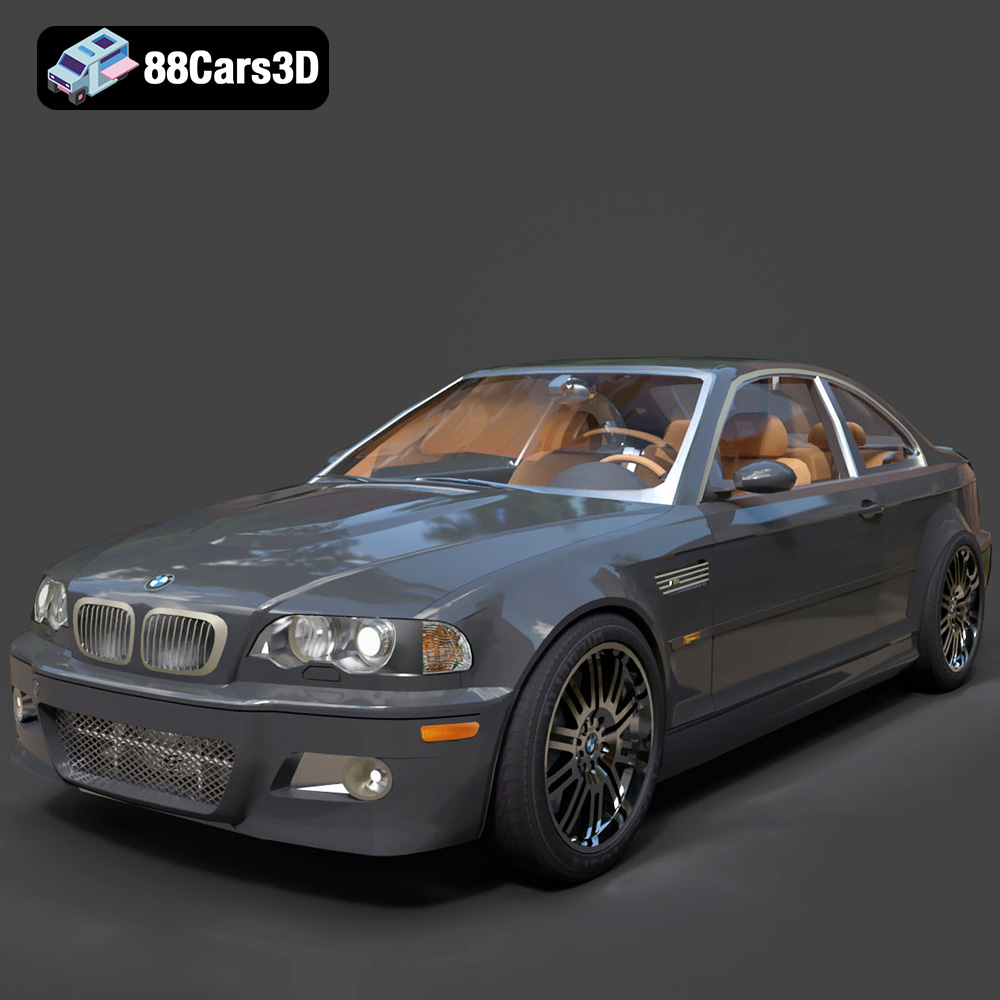
BMW M3 E46 3D Model
Texture: Yes
Material: Yes
Download the BMW M3 E46 3D Model featuring iconic sports car design and detailed interior. Includes .blend, .fbx, .obj, .glb, .stl, .ply, .unreal, and .max formats for rendering, simulation, and game development.
Price: $16.99
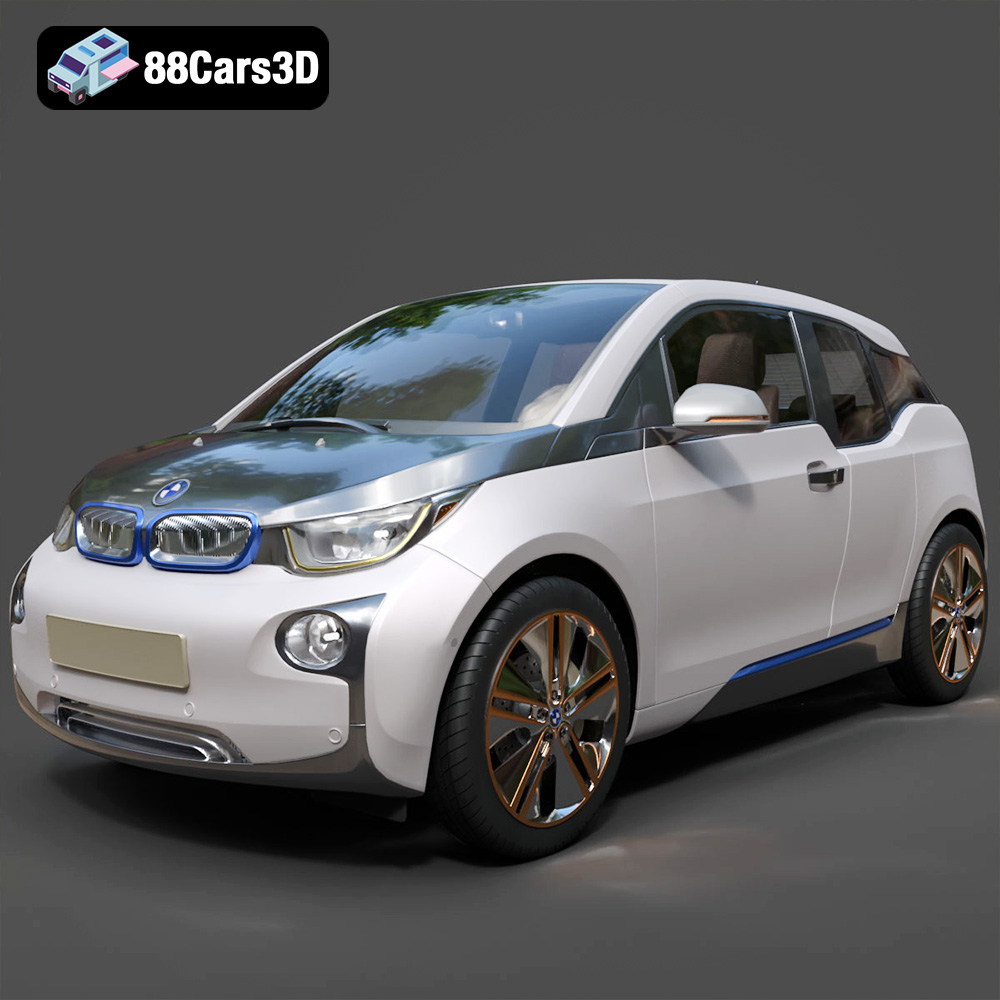
BMW i3 Coupe 3D Model
Texture: Yes
Material: Yes
Download the BMW i3 Coupe 3D Model featuring its iconic electric design and compact urban styling. Includes .blend, .fbx, .obj, .glb, .stl, .ply, .unreal, and .max formats for rendering, simulation, and game development.
Price: $17.99
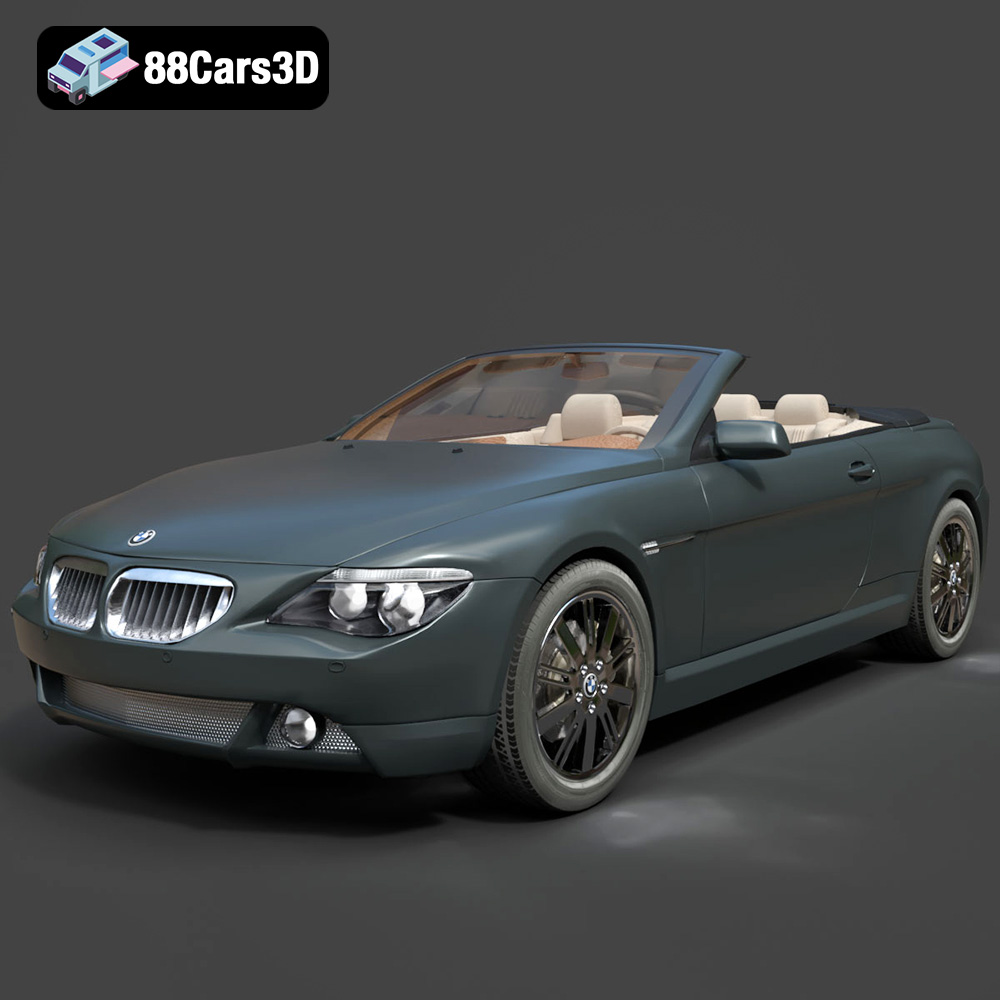
BMW 645ci 2004-2005 3D Model
Texture: Yes
Material: Yes
Download the BMW 645ci 3D Model featuring a sleek, detailed exterior and optimized interior. Includes .blend, .fbx, .obj, .glb, .stl, .ply, .unreal, and .max formats for rendering, simulation, and game development.
Price: $10.79
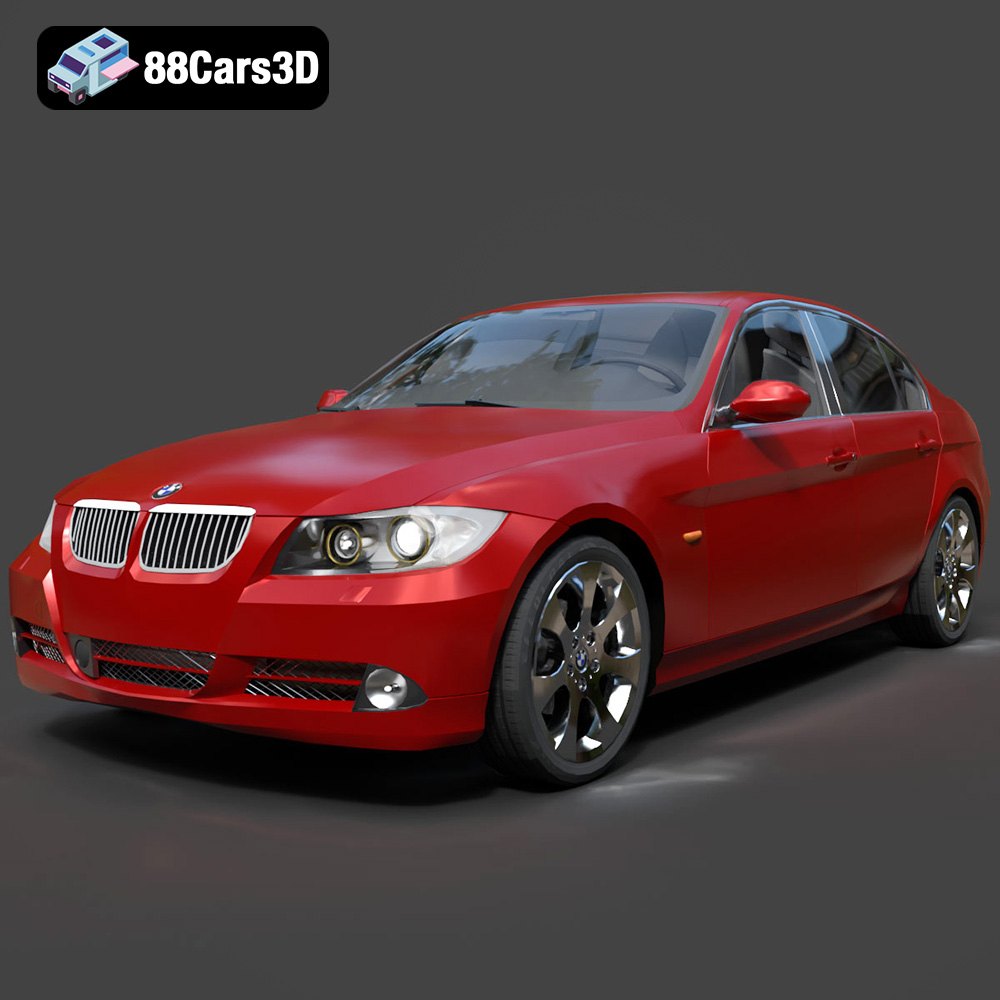
BMW 330i E90 3D Model
Texture: Yes
Material: Yes
Download the BMW 330i E90 3D Model featuring a detailed exterior, an optimized interior, and accurate mechanical components. Includes .blend, .fbx, .obj, .glb, .stl, .ply, .unreal, and .max formats for rendering, simulation, and game development.
Price: $14.79
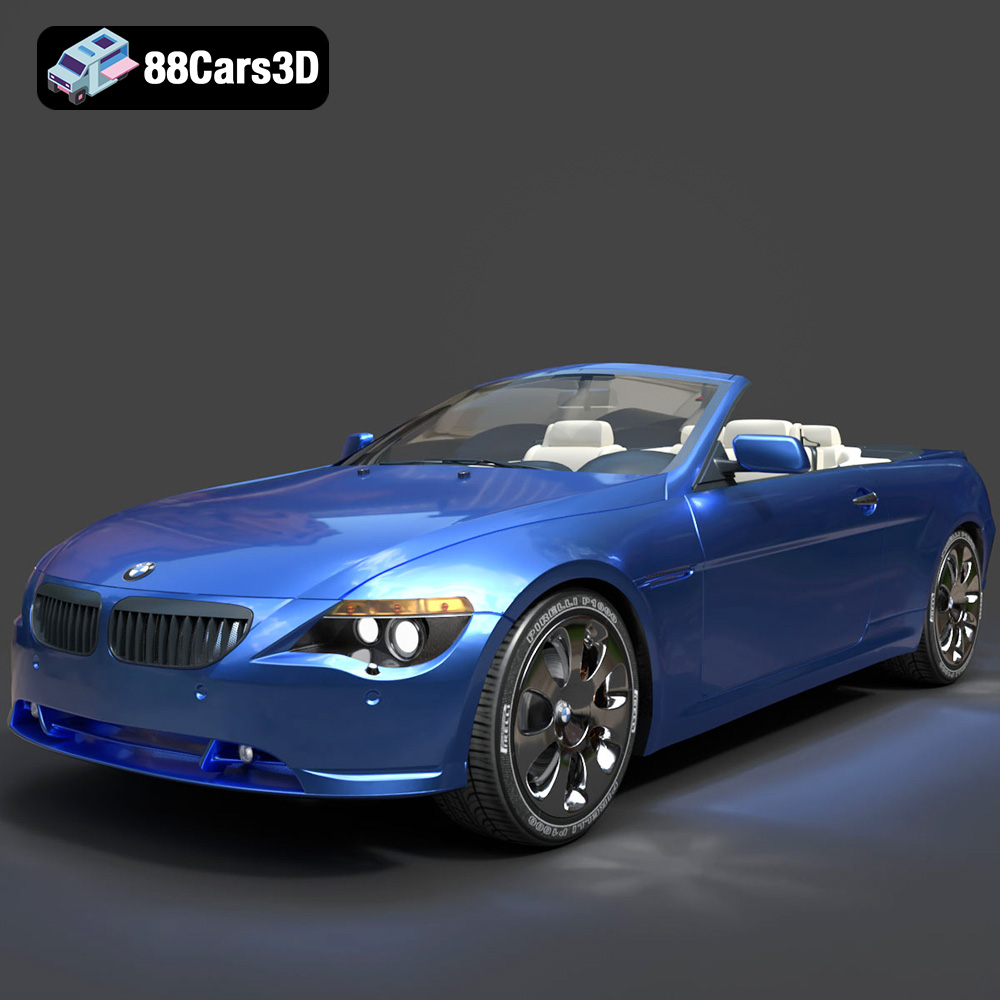
BMW 6 Series Convertible 3D Model
Texture: Yes
Material: Yes
Download the BMW 6 Series Convertible 3D Model featuring clean geometry, realistic detailing, and a fully modeled interior. Includes .blend, .fbx, .obj, .glb, .stl, .ply, .unreal, and .max formats for rendering, simulation, and game development.
Price: $14.99
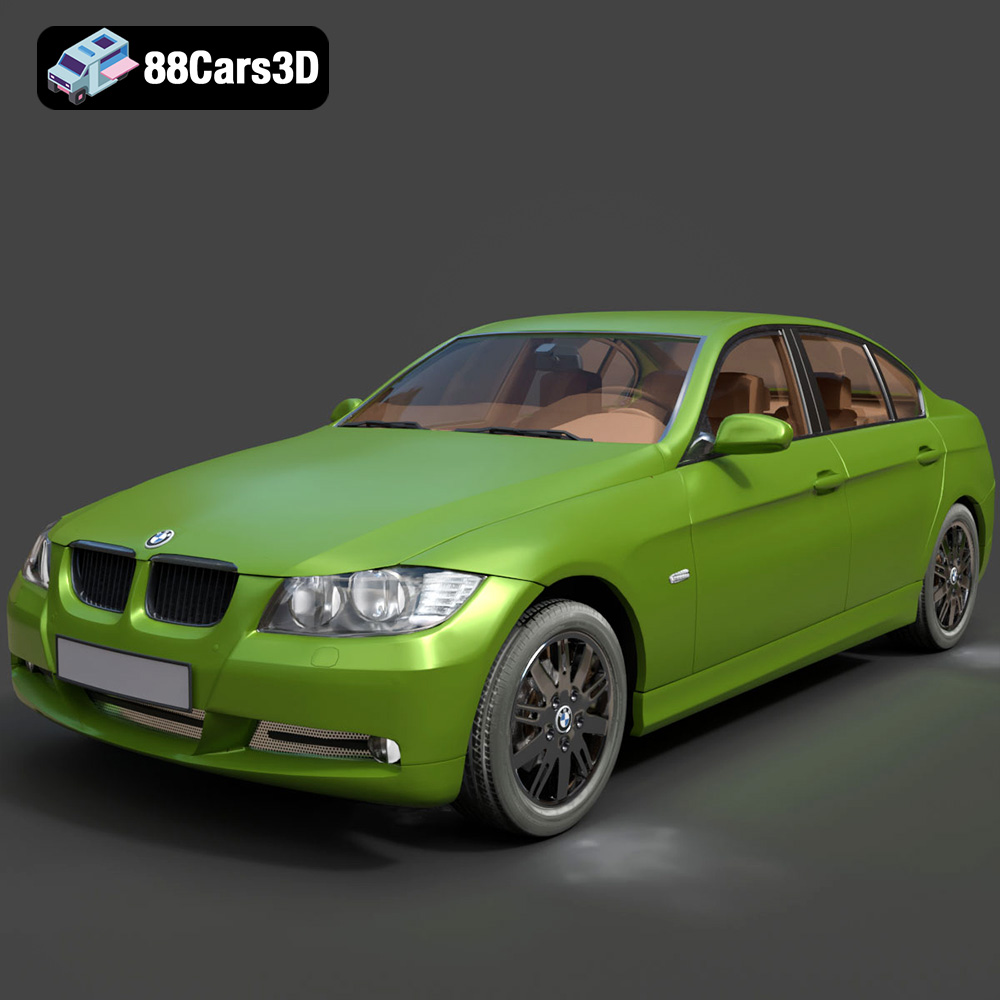
BMW 3-005 3D Model
Texture: Yes
Material: Yes
Download the BMW 3-005 3D Model featuring a sleek design, detailed exterior and interior. Includes .blend, .fbx, .obj, .glb, .stl, .ply, .unreal, and .max formats for rendering, simulation, and game development.
Price: $14.99
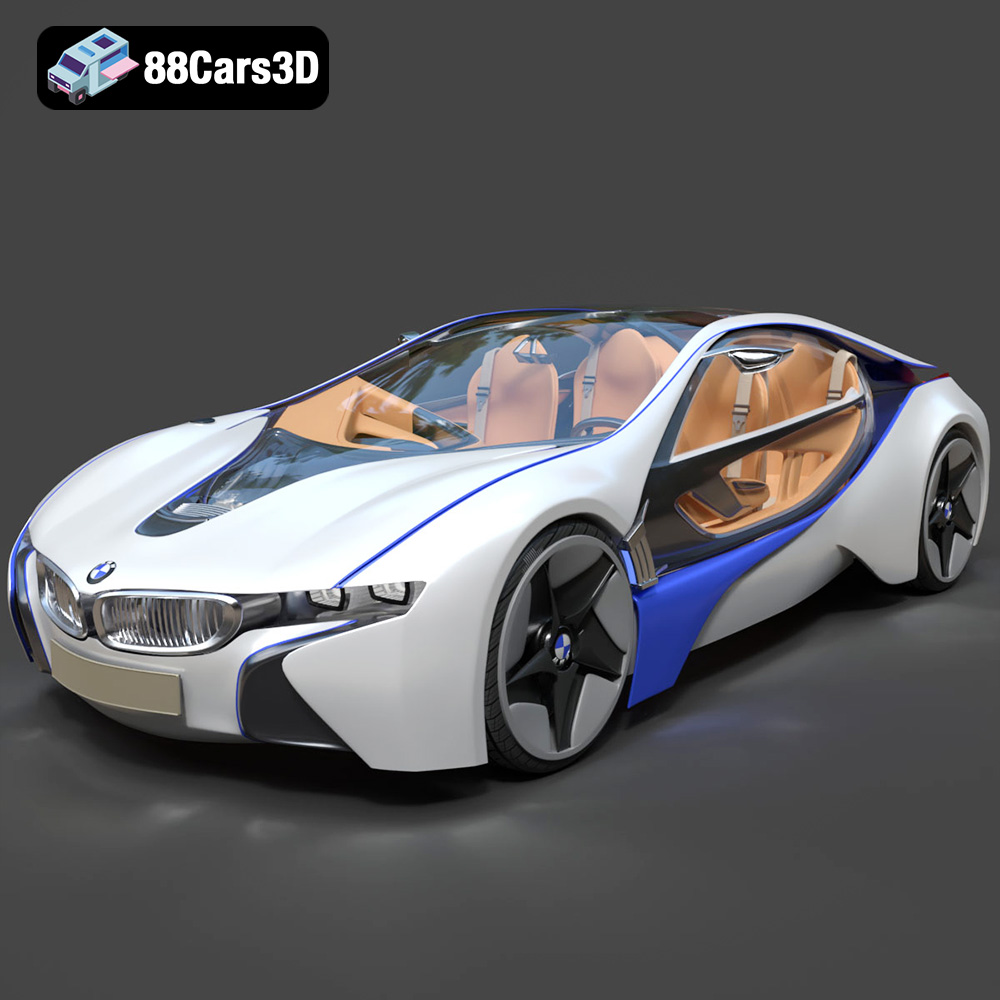
BMW Vision Effecient Dynamics-007 3D Model
Texture: Yes
Material: Yes
Download the BMW Vision Effecient Dynamics-007 3D Model featuring a sleek, futuristic design and hybrid concept aesthetics. Includes .blend, .fbx, .obj, .glb, .stl, .ply, .unreal, and .max formats for rendering, simulation, and game development.
Price: $14.99
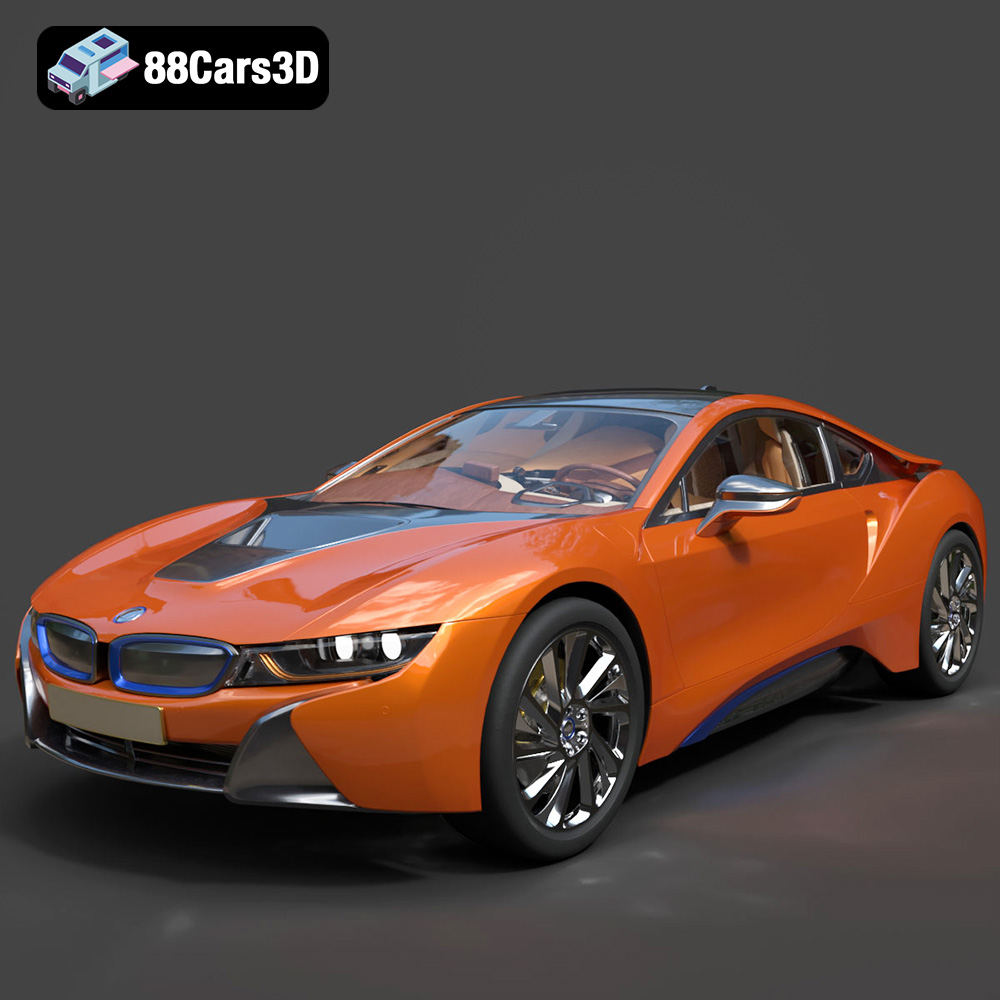
BMW i8 2015 3D Model
Texture: Yes
Material: Yes
Download the BMW i8 2015 3D Model featuring clean geometry, realistic detailing, and a fully modeled interior. Includes .blend, .fbx, .obj, .glb, .stl, .ply, .unreal, and .max formats for rendering, simulation, and game development.
Price: $12.99

BMW 4 Series F32 3D Model
Texture: Yes
Material: Yes
Download the BMW 4 Series F32 3D Model featuring clean geometry, realistic detailing, and a fully modeled interior. Includes .blend, .fbx, .obj, .glb, .stl, .ply, .unreal, and .max formats for rendering, simulation, and game development.
Price: $12.99
