

The Art and Science of Automotive Visualization: Elevating Projects with High-Fidelity 3D Car Models
In the dynamic world of 3D visualization, the quality of your assets can make or break a project. From cinematic sequences to immersive virtual reality experiences, photorealism and technical precision are paramount. Automotive design, in particular, demands an exceptionally high standard, as vehicles are often the focal point, requiring flawless execution down to the smallest detail. This is where professional-grade 3D car models become indispensable tools for artists and developers alike.
Today, we’ll delve into the intricacies of creating and utilizing premium 3D vehicle assets, examining the technical considerations, diverse workflows, and the profound impact these models have across various industries. We’ll explore how expertly crafted assets, such as the Opel Astra 2008 3D Model, provided by platforms like 88cars3d.com, empower creators to achieve unparalleled realism and efficiency in their projects.
The Foundation of Realism: Why High-Fidelity 3D Car Models Matter
At the core of any successful automotive visualization lies a meticulously crafted 3D model. It’s not just about polygons; it’s about capturing the soul of a vehicle, its design language, and its presence. High-fidelity 3D car models are the bedrock upon which photorealistic renders, engaging simulations, and interactive experiences are built.
Capturing Authenticity in Automotive Rendering
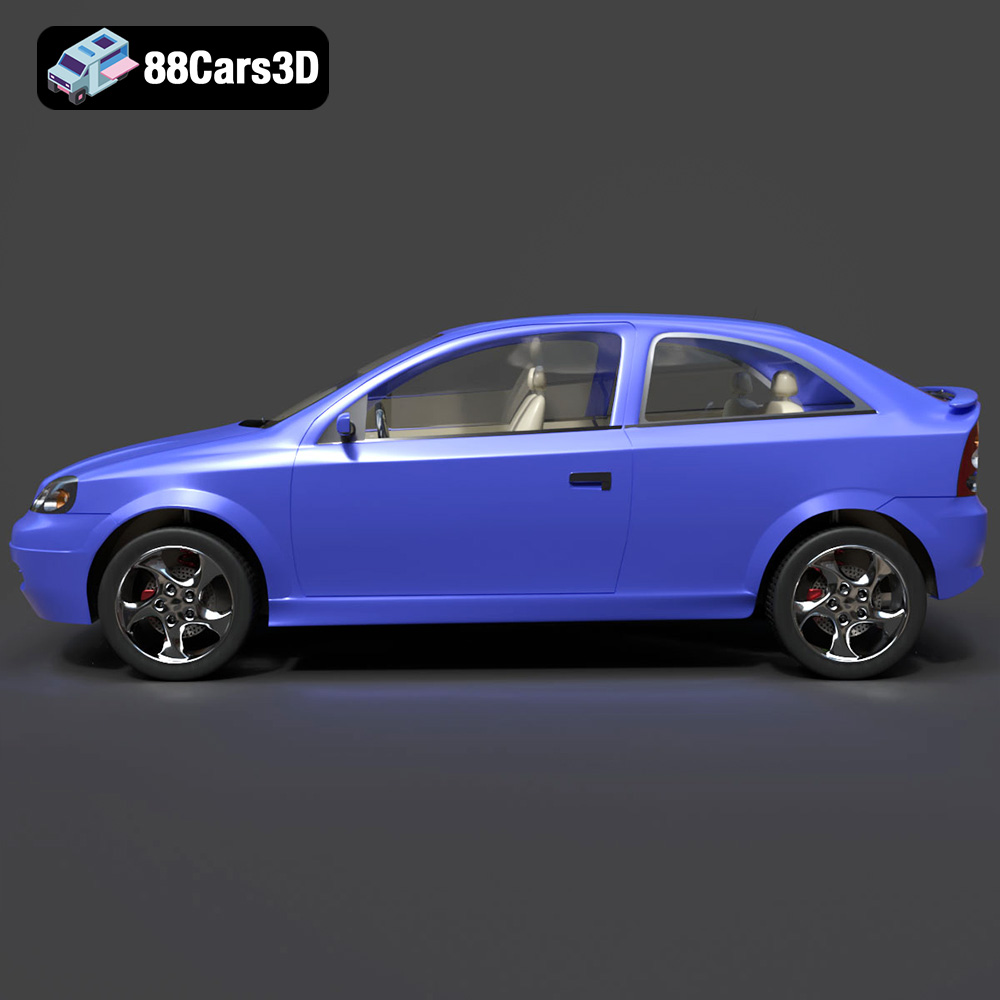
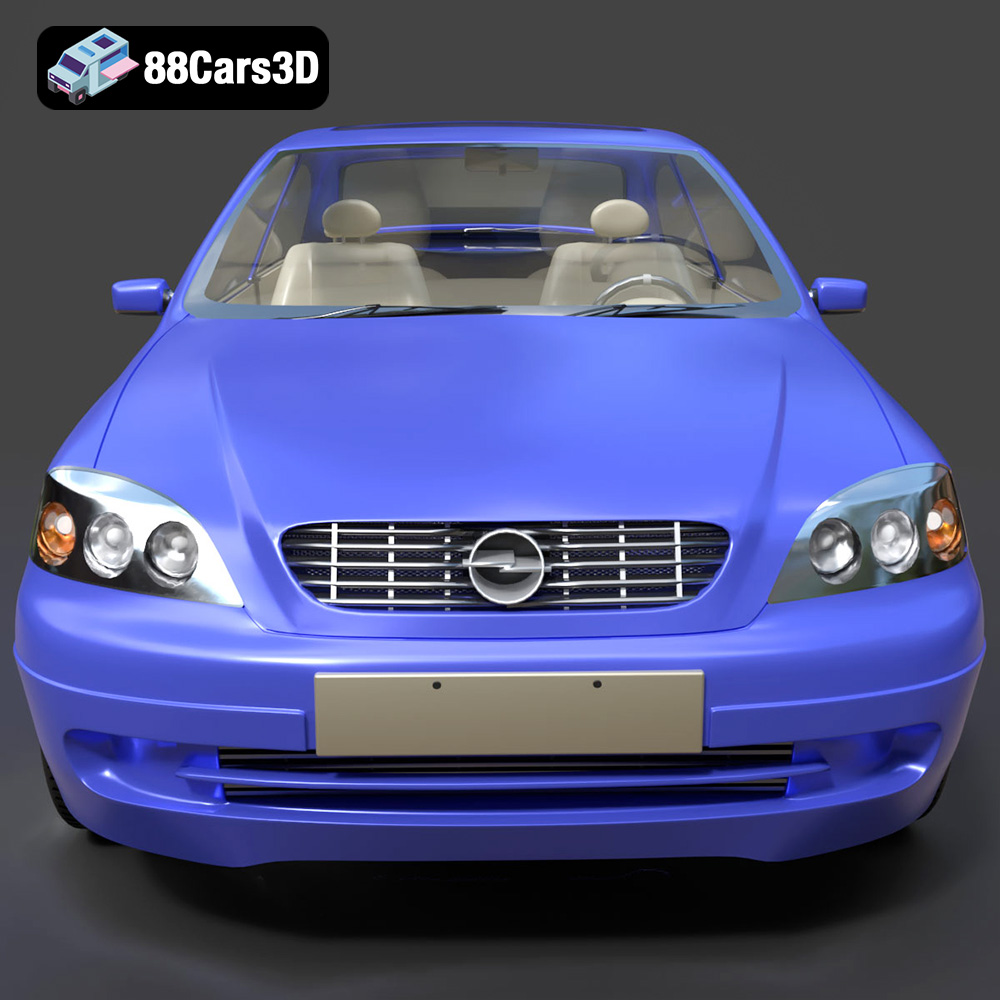
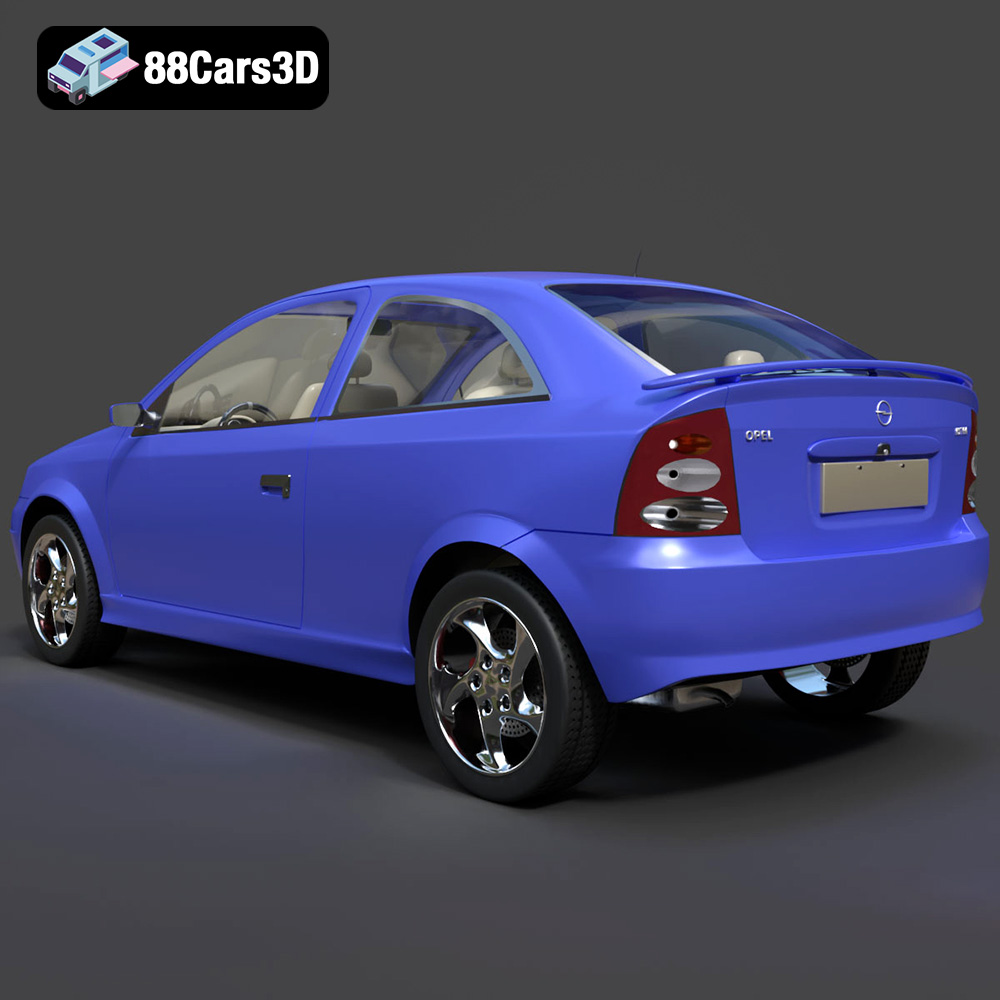
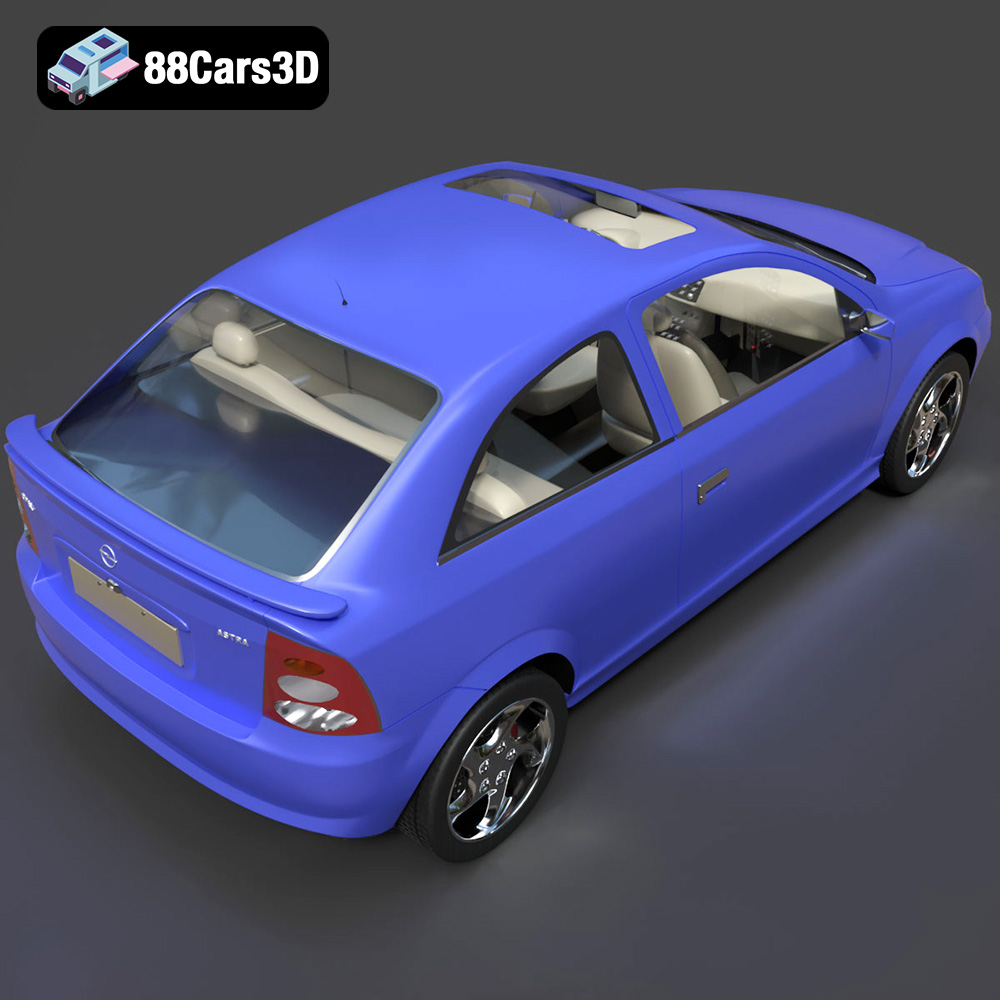
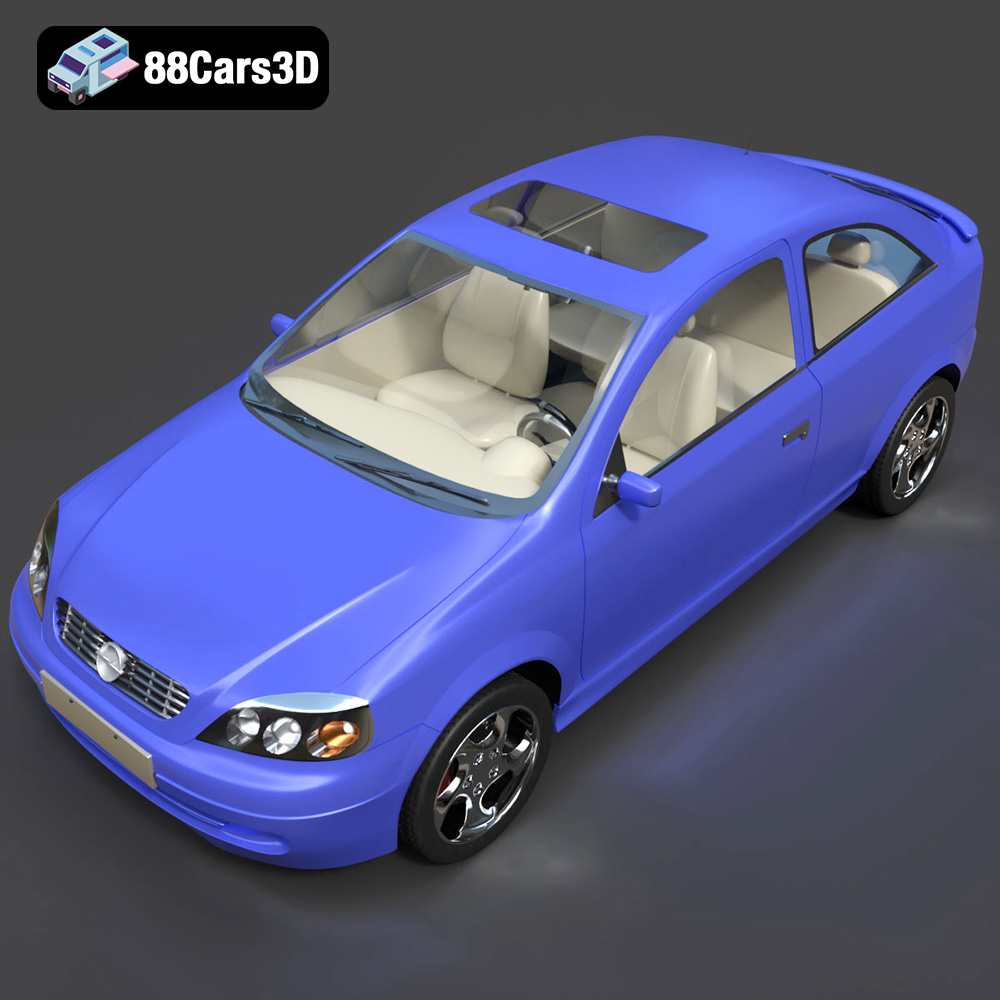
To achieve renders indistinguishable from photographs, a 3D model must first be fundamentally accurate. This includes precise proportions, faithful reproduction of surface details like panel gaps, body lines, and intricate components such as headlights and grilles. The Opel Astra 2008 3D Model, for instance, is a testament to this principle, painstakingly crafted to capture every nuance of the original vehicle. Such attention to detail extends beyond the exterior, encompassing the subtleties of the interior cabin, ensuring that every angle, every reflection, and every shadow interacts realistically with the environment. This level of authenticity is crucial for advertising campaigns, automotive configurators, and any project where visual credibility is key.
Bridging the Gap Between Concept and Reality
Professional 3D car models serve as a vital bridge between initial design concepts and their final real-world perception. Designers use these models to iterate, visualize, and present ideas long before physical prototypes exist. For filmmakers and game developers, these assets provide the foundation for believable virtual worlds, allowing them to populate scenes with vehicles that look and feel authentic. The versatility of a well-made model, like the Opel Astra 2008, means it can transition seamlessly from a static architectural visualization element to a dynamic, animated vehicle in a driving simulation, proving its worth across a spectrum of professional applications.
Understanding 3D Model File Formats
One of the most critical aspects of working with 3D models is understanding the various file formats available and when to use each one. Professional 3D car models, especially those from reputable marketplaces like 88cars3d.com, typically offer a range of formats to ensure maximum compatibility and workflow efficiency. Each format has its unique strengths, optimized for different software, engines, or end-use scenarios.
.blend – The Blender Powerhouse
The .blend format is native to Blender, a powerful and increasingly popular open-source 3D creation suite. A .blend file typically contains an entire scene, including the 3D mesh, materials, textures, lighting setups, cameras, animations, and even physics simulations. This makes it ideal for artists who primarily work within Blender, offering a fully editable project file that maintains all hierarchical data and modifiers. For a model like the Opel Astra 2008, a .blend file would provide the complete working environment, allowing for deep customization and seamless integration into Blender-based rendering pipelines using Cycles or Eevee.
.fbx – The Industry Workhorse for Real-Time
.fbx (Filmbox) is an Autodesk-developed proprietary file format widely recognized as the industry standard for 3D data exchange, particularly crucial for game development. It supports not only mesh data but also animation, cameras, lights, and materials, making it highly versatile. When importing a 3D car model into game engines like Unreal Engine or Unity, .fbx is often the preferred choice due to its robust support for skeletal animations and efficient handling of complex scenes. Its ability to embed textures and manage scene hierarchy makes it an excellent choice for real-time pipelines where performance and fidelity are balanced.
.obj – The Universal Translator
The .obj (Wavefront OBJ) format is one of the oldest and most universally supported 3D file formats. It’s an open standard that primarily stores geometric data – vertices, faces, normals, and UV coordinates – along with references to external material files (.mtl). While it lacks support for animation or advanced scene data, its simplicity and widespread compatibility make it an excellent choice for transferring mesh data between different 3D software packages where specific engine or animation features are not required. For basic cross-software compatibility of the Opel Astra 2008’s mesh, .obj serves as a reliable common denominator.
.glb – Web and AR/VR Optimization
.glb (GLB format for glTF) is a relatively newer format optimized for web-based 3D, augmented reality (AR), and virtual reality (VR) applications. It is a binary version of the glTF (Graphics Language Transmission Format) standard, which means it packs all 3D model data – geometry, textures, animations, and PBR materials – into a single, self-contained file. This makes .glb incredibly efficient for streaming and displaying 3D content directly in browsers or mobile AR/VR viewers, eliminating dependencies and reducing load times. A .glb version of the Opel Astra 2008 3D Model would be perfect for interactive web presentations or quick AR previews on a smartphone.
.stl – The 3D Printing Standard
.stl (Stereolithography) is almost exclusively used for 3D printing. It represents a 3D object as a collection of triangulated surfaces, without any color, texture, or material information. The key characteristic of an STL file is its focus on geometric integrity and “watertightness,” ensuring that the model is manifold and can be successfully sliced and printed. While not suitable for rendering or animation, an .stl version of the Opel Astra 2008 would allow for the physical prototyping or creation of scale models, making it invaluable for product designers or hobbyists.
.ply – Precision for Technical Applications
.ply (Polygon File Format or Stanford Triangle Format) is a file format for storing 3D data from 3D scanners. It can store a wide range of properties, including color, transparency, surface normals, texture coordinates, and data confidence values, in addition to the standard polygonal mesh information. This makes .ply a precision mesh format often used in scientific visualization, CAD, reverse engineering, and applications where detailed surface analysis or point cloud data is crucial. For intricate technical analysis of the Opel Astra 2008’s geometry, .ply could be highly beneficial.
.unreal – Native Engine Integration
The .unreal format, or more accurately, assets packaged and configured specifically for Unreal Engine, implies an engine-ready asset. This isn’t a single file format in the same way as .fbx or .obj, but rather a collection of files and configurations (meshes, materials, textures, blueprints, collision data) designed to be imported and used directly within an Unreal Engine project. This saves developers significant time by providing pre-configured assets that adhere to engine best practices, ensuring optimal performance and visual fidelity without extensive setup. The Opel Astra 2008’s .unreal package would be a direct plug-and-play solution for game developers.
.max – The 3ds Max Professional’s Choice
Like .blend for Blender, .max is the native file format for Autodesk 3ds Max, a leading software for 3D modeling, animation, and rendering in architectural visualization, design, and entertainment. A .max file encapsulates the entire scene, including geometry, modifiers, materials, textures, lighting, cameras, and animation keyframes. It offers the most comprehensive editing capabilities within 3ds Max, making it the preferred format for advanced rendering setups, complex animations, and detailed scene compositions involving the Opel Astra 2008. Professionals relying on 3ds Max for high-end rendering workflows would find this format indispensable.
Mastering Automotive Rendering Workflows with Professional Assets
Integrating a high-quality 3D car model like the Opel Astra 2008 into various rendering workflows requires specific knowledge and tools. Professional assets are designed to streamline this process, enabling artists to focus on composition, lighting, and storytelling rather than troubleshooting geometry or materials.
From Model to Photorealism in 3ds Max
For many professionals, 3ds Max combined with powerful renderers like V-Ray or Corona remains the go-to for automotive rendering. The workflow typically begins with importing the .max file of the Opel Astra 2008 3D Model, which comes with pre-configured materials. The next steps involve setting up a physically accurate lighting environment, often using High Dynamic Range Images (HDRIs) to simulate real-world lighting conditions, and adding supplemental lights for emphasis. Crafting realistic materials involves fine-tuning parameters like reflection, refraction, and surface imperfections. The model’s clean topology and accurate UVs are critical here, ensuring textures map correctly and sub-division surfaces render smoothly. With a solid foundation from 88cars3d.com, artists can quickly move to camera composition, depth of field, and post-processing, cutting down overall production time significantly.
Artistic Freedom and Precision in Blender
Blender’s open-source nature and robust feature set have made it a favorite among a growing community of 3D artists. Working with the Opel Astra 2008’s .blend file offers immense artistic freedom. Artists can leverage Blender’s node-based material system to create highly customized and intricate PBR materials for rendering in Cycles or real-time visualization in Eevee. The integrated animation tools allow for dynamic sequences, from simple camera fly-arounds to complex driving simulations. The availability of a pre-configured .blend file directly simplifies the setup process, enabling artists to jump straight into creative modifications, rigging, or scene integration without spending hours on initial asset preparation.
Real-Time Visualization in Unreal Engine
Unreal Engine stands at the forefront of real-time visualization, particularly for game development, virtual production, and interactive experiences. Importing the .fbx or, ideally, the dedicated .unreal package of the Opel Astra 2008 3D Model, provides an immediate advantage. Developers can utilize Unreal’s advanced material editor to create physically based materials, leveraging instances for efficient variations. The engine’s powerful lighting systems (like Lumen for global illumination) and virtualized geometry solution (Nanite) can handle high-poly models, ensuring stunning visual quality even in real-time. For cinematics, the Sequencer tool allows for creating high-quality rendered videos, while blueprints enable interactive elements, making the Opel Astra 2008 a versatile game asset or interactive showcase vehicle.
The Opel Astra 2008 3D Model: A Deep Dive into Technical Excellence
What sets a professional 3D car model apart? It’s the meticulous attention to technical details that ensure versatility, performance, and visual fidelity across all applications. The Opel Astra 2008 3D Model exemplifies these qualities.
Geometry and Topology for Performance
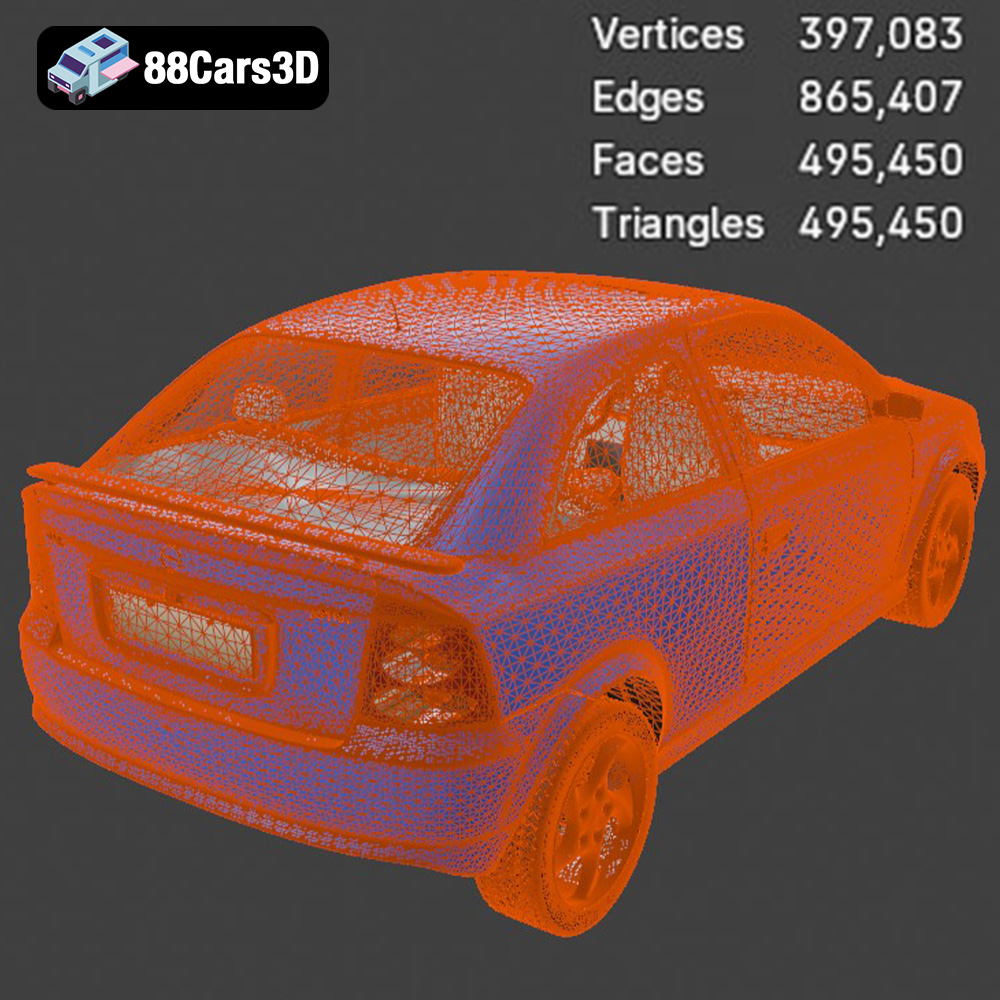
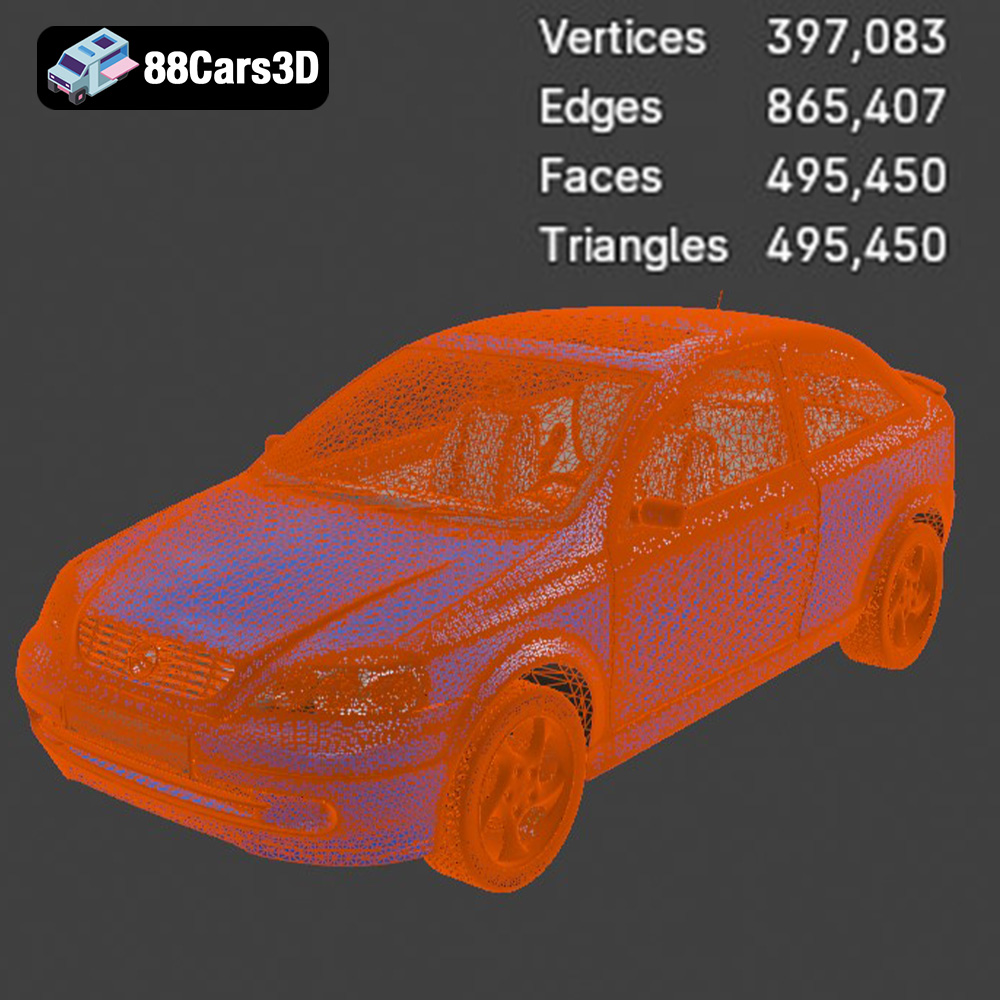
The foundation of any good 3D model is its geometry. The Opel Astra 2008 3D Model boasts clean, optimized geometry, which translates to efficient rendering and smooth subdivision. This means the model uses a balanced poly count – high enough to capture intricate details without being overly dense, ensuring optimal performance in real-time environments and efficient rendering times in offline renderers. Professional models primarily utilize quad topology, which is essential for proper deformation during animation and for producing clean, predictable results when subdividing the mesh. A well-constructed mesh minimizes rendering artifacts and facilitates seamless integration into diverse workflows.
Material and Texture Fidelity
The visual impact of a 3D model is heavily reliant on its materials and textures. The Opel Astra 2008 3D Model features materials configured for physical accuracy, adhering to the principles of Physically Based Rendering (PBR). This includes detailed textures for albedo (color), roughness, metallic, normal, and ambient occlusion maps. High-resolution textures ensure crisp details, while proper UV mapping prevents stretching or distortion, allowing for realistic reflections, accurate lighting interaction, and naturalistic surface characteristics. This meticulous approach to materials means artists spend less time on setup and more time on creative iteration, resulting in renders that are truly “indistinguishable from photographs.”
Interior and Exterior Detailing
True professional-grade models don’t cut corners. The Opel Astra 2008 3D Model extends its precision from the exterior chassis lines to a fully realized interior cabin. This level of comprehensive detailing is vital for projects that require close-up shots, virtual tours, or interactive experiences where the user can explore the vehicle’s interior. Every button, dial, seat stitch, and dashboard texture is carefully modeled and textured, providing a complete and immersive representation. This attention to both external aesthetics and internal functionality makes the model exceptionally versatile for everything from high-fidelity driving simulations to product showcases and cinematic rendering.
Real-World Applications and Case Studies
The versatility of a high-quality 3D car model like the Opel Astra 2008 extends across a multitude of professional domains, each benefiting from its inherent technical excellence.
Game Development and Driving Simulations
In game development, the Opel Astra 2008 3D Model can serve as a hero vehicle for a driving simulator or as a background prop populating an open-world environment. Its optimized geometry and game-engine-ready formats (.fbx, .unreal) ensure smooth performance without sacrificing visual fidelity. Developers can implement various levels of detail (LODs) to further optimize rendering based on distance, and create accurate collision meshes for realistic physics interactions. Imagine a racing game set in a European city, where this meticulously crafted hatchback adds a layer of authenticity to the street scene, or a detailed driving school simulator where learners interact with a familiar, realistic vehicle.
Architectural Visualization (ArchViz) and Product Showcases
Architectural visualization relies heavily on context and realism. Integrating the Opel Astra 2008 into an ArchViz scene, perhaps parked elegantly outside a modern building or driving down a rendered street, instantly brings life and scale to the environment. The model’s photorealistic qualities make it an ideal element for showcasing how a property would look in a real-world setting. Similarly, for product showcases, the car can be presented in a virtual showroom, allowing potential buyers to explore its design from every angle, interacting with customizable options in a fully rendered, dynamic environment. The asset’s ability to render with photographic quality significantly enhances the perceived value of any product or architectural design it accompanies.
VR/AR Experiences and Interactive Presentations
The burgeoning fields of Virtual Reality and Augmented Reality demand efficient, high-fidelity 3D assets. The Opel Astra 2008 3D Model, particularly in its .glb format, is perfectly suited for these applications. In VR, users could “step inside” the car, examine its interior, and even interact with virtual controls, providing an immersive configurator experience. For AR, the model can be seamlessly projected onto a real-world environment, allowing designers to visualize the car in their driveway or showroom before it exists physically. Its optimized geometry ensures smooth frame rates and a responsive, immersive experience, making it invaluable for interactive presentations and digital prototyping.
Elevating Your Projects with 88cars3d.com Assets
The value of pre-made, professional-grade 3D assets cannot be overstated. For individual artists and large studios alike, sourcing high-quality models from platforms like 88cars3d.com offers significant advantages.
Time-Saving and Efficiency for Professionals
Creating a highly detailed 3D car model from scratch is an incredibly time-consuming and labor-intensive process, often requiring hundreds of hours of work from experienced 3D artists. By purchasing a ready-to-use asset like the Opel Astra 2008 3D Model, professionals can dramatically reduce production timelines and allocate their resources to other critical aspects of their projects, such as scene composition, animation, or post-production. This efficiency boost is critical in fast-paced industries where deadlines are tight and quality cannot be compromised.
Ensuring Quality and Compatibility
When you acquire assets from 88cars3d.com, you are investing in meticulously crafted models that adhere to industry best practices. This ensures clean geometry, properly unwrapped UVs, physically accurate materials, and compatibility across a wide range of software and game engines, thanks to the multitude of included file formats. This guarantee of quality means less time spent fixing issues and more time focused on creative output. The Opel Astra 2008 3D Model, with its detailed interior, optimized topology, and diverse file format support, is a prime example of an asset that delivers on both quality and versatility, empowering creators to achieve their vision with confidence.
Conclusion
The journey from a blank canvas to a photorealistic automotive visualization is complex, demanding both artistic vision and technical precision. High-fidelity 3D car models are the unsung heroes of this process, providing the essential foundation for stunning renders, engaging simulations, and immersive interactive experiences. The Opel Astra 2008 3D Model stands as a shining example of a professional-grade asset, meticulously detailed inside and out, and meticulously prepared for virtually any professional workflow.
By leveraging such assets, creators can not only achieve unparalleled realism but also dramatically enhance their efficiency, allowing them to focus on the creative nuances that truly bring a project to life. Whether you’re an automotive designer, an ArchViz specialist, a game developer, or an AR/VR innovator, investing in technically sound and visually stunning 3D car models from trusted sources like 88cars3d.com is a strategic decision that elevates the quality and impact of your work.
Featured 3D Model
Opel Astra 2008 3D Model
Experience automotive visualization at its peak with the Opel Astra 2008 3D Model. Painstakingly crafted to capture every detail of the original vehicle, this asset offers unparalleled realism for professional projects. From the accurately modeled exterior chassis lines to the fully realized interior cabin, this model ensures that your final renders are indistinguishable from photographs. This professional-grade 3D asset features clean, optimized geometry suitable for high-performance rendering and real-time environments. All materials are configured for physical accuracy, providing realistic reflections, shadows, and lighting interaction, saving valuable production time. The Opel Astra 2008 model is a versatile asset designed for multiple applications, including architectural visualization (ArchViz), cinematic rendering, high-fidelity driving simulations, game development (as a static or animated vehicle asset), virtual reality (VR) experiences, and augmented reality (AR) applications.
$10
Product Image Gallery

Related Tags
.2008
.arvr
.astra
.blend
.car3dmodel
.compactcar
.fbx
.gameasset
.glb
.hatchback
.max
.obj
.opel
.ply
.rendering
.simulation
.stl
.unreal
