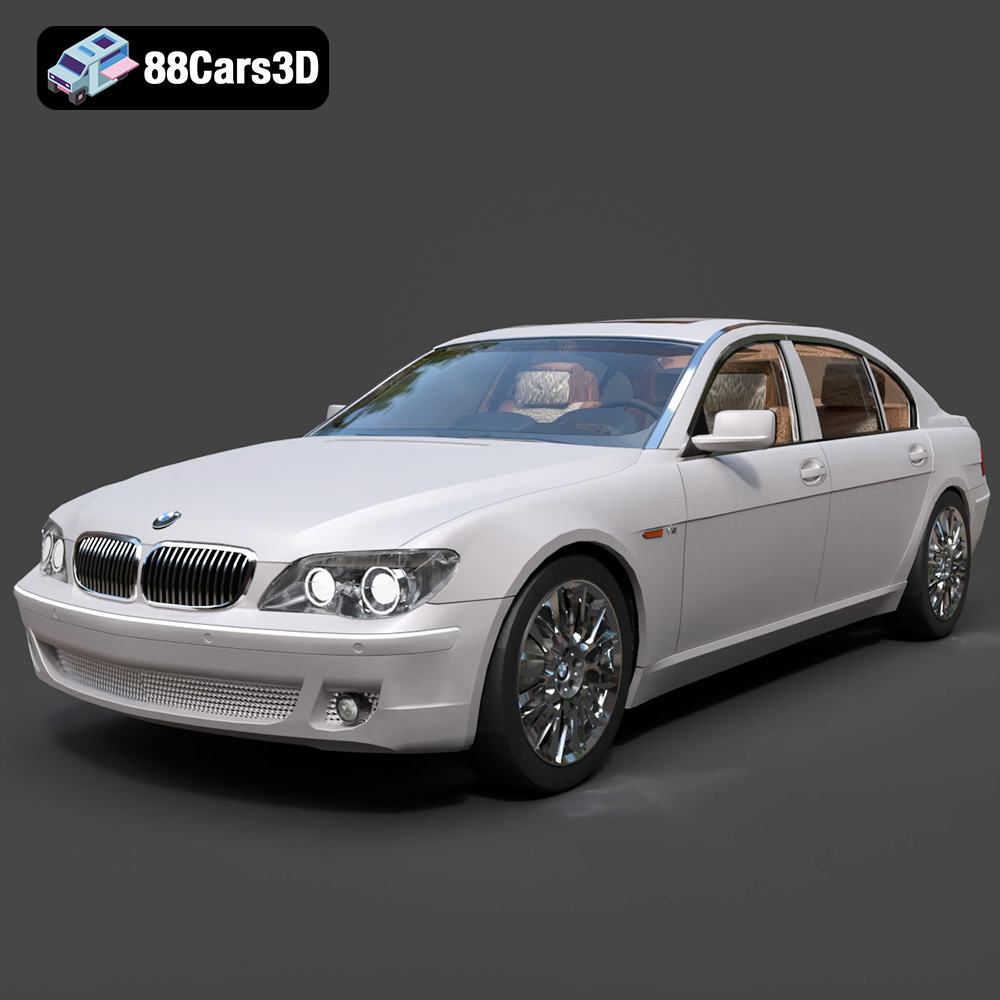
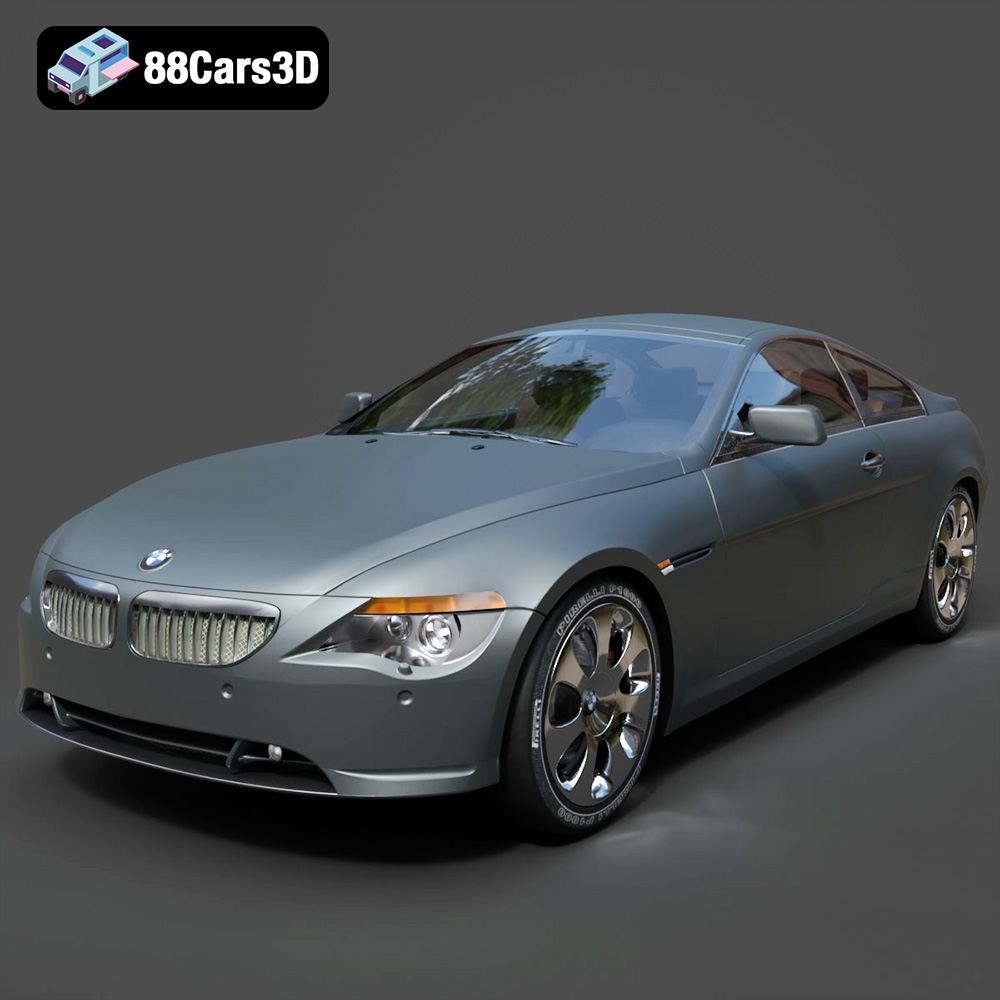
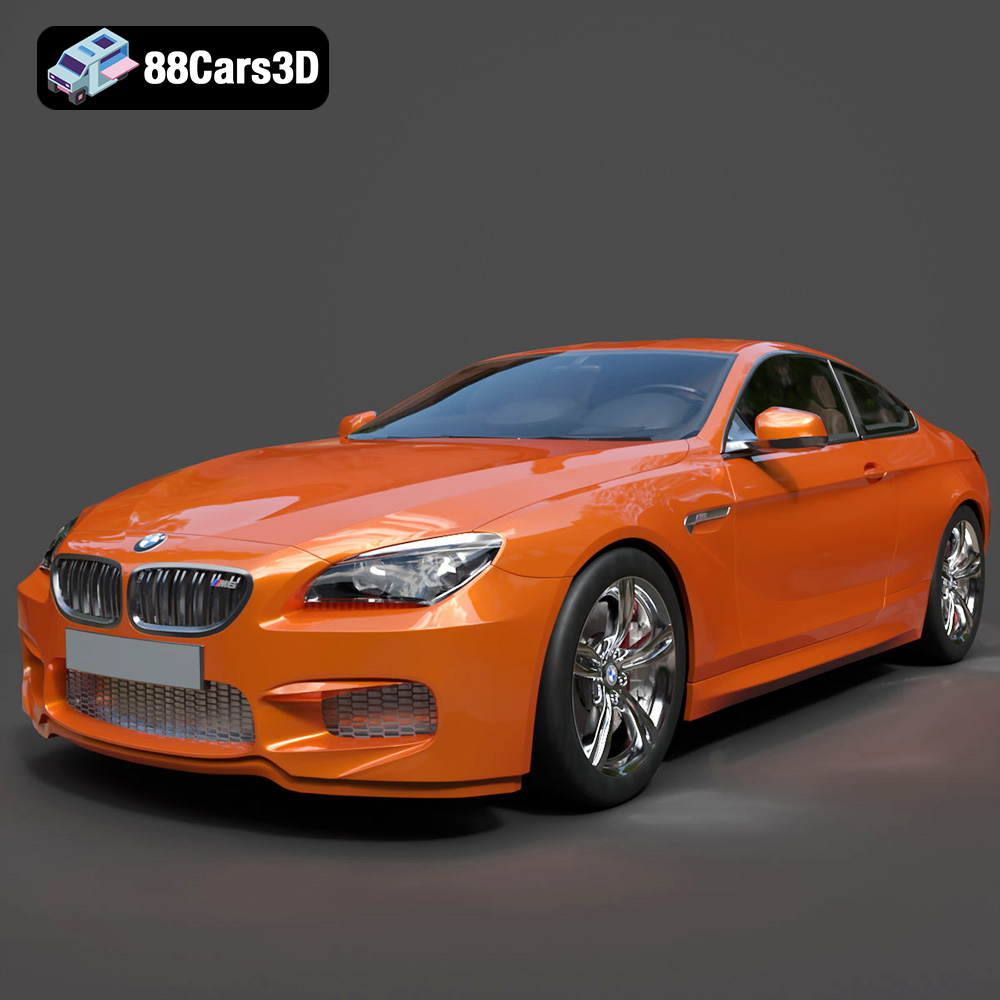
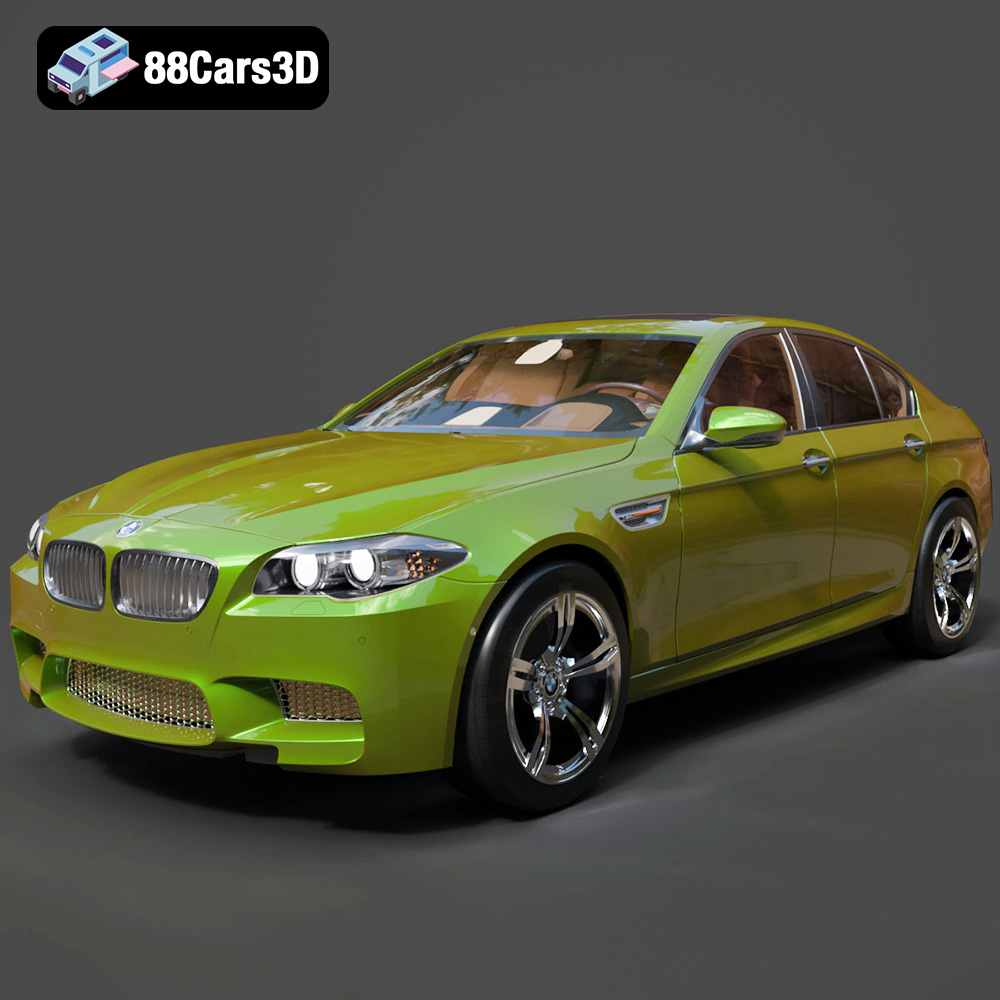
The Art and Engineering of High-Quality 3D Car Models: From Concept to Photorealistic Render and Game Integration
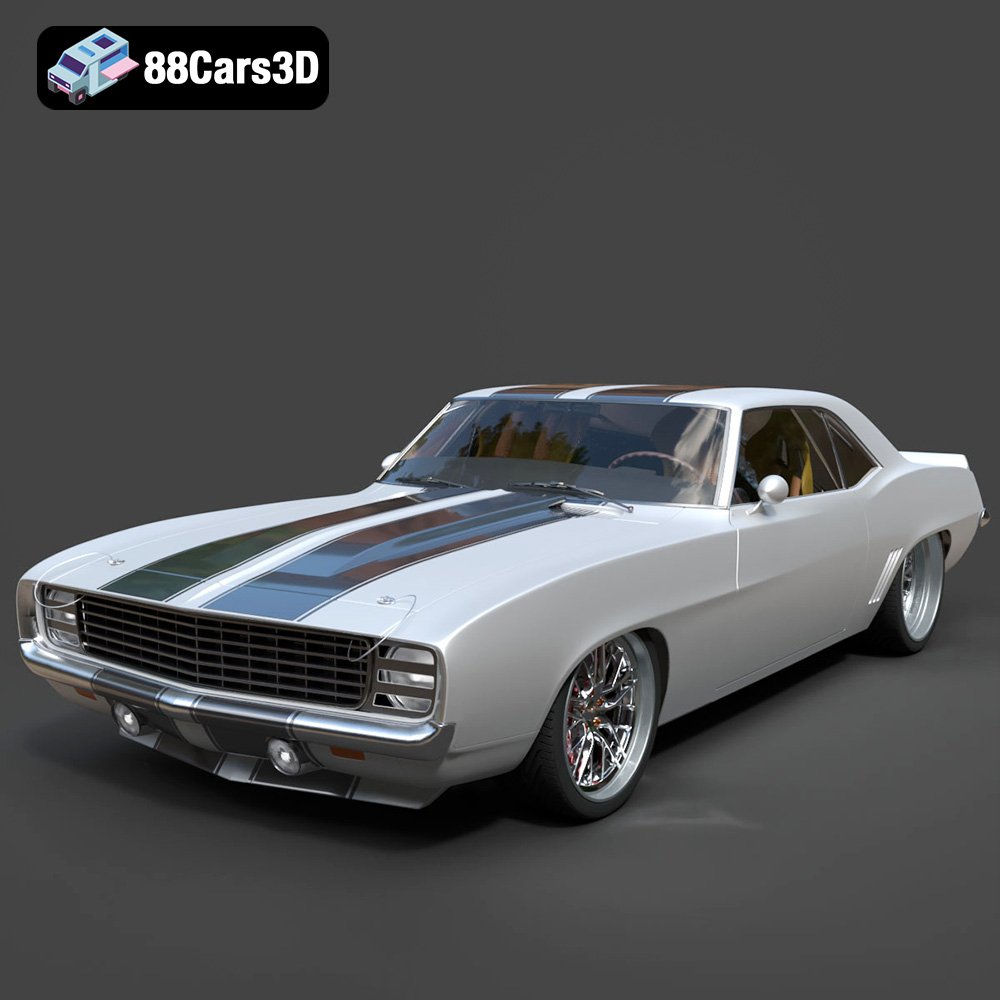
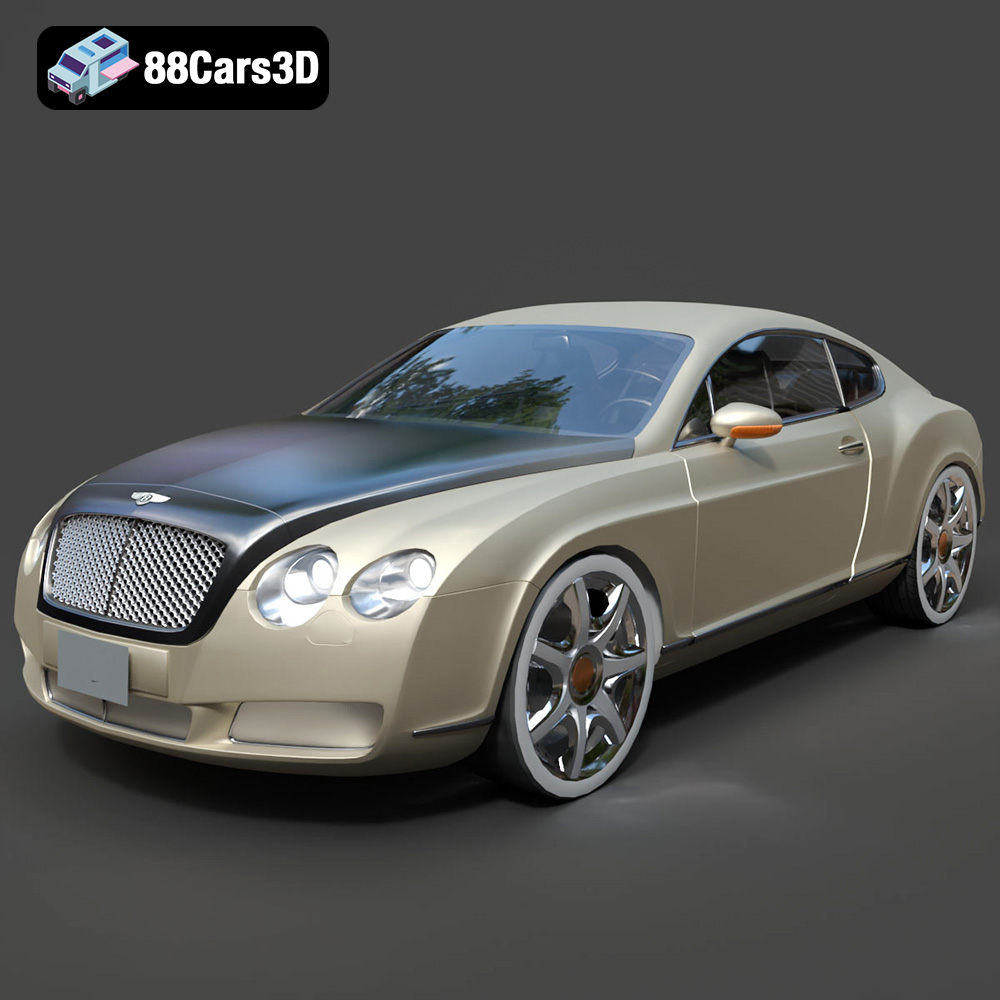
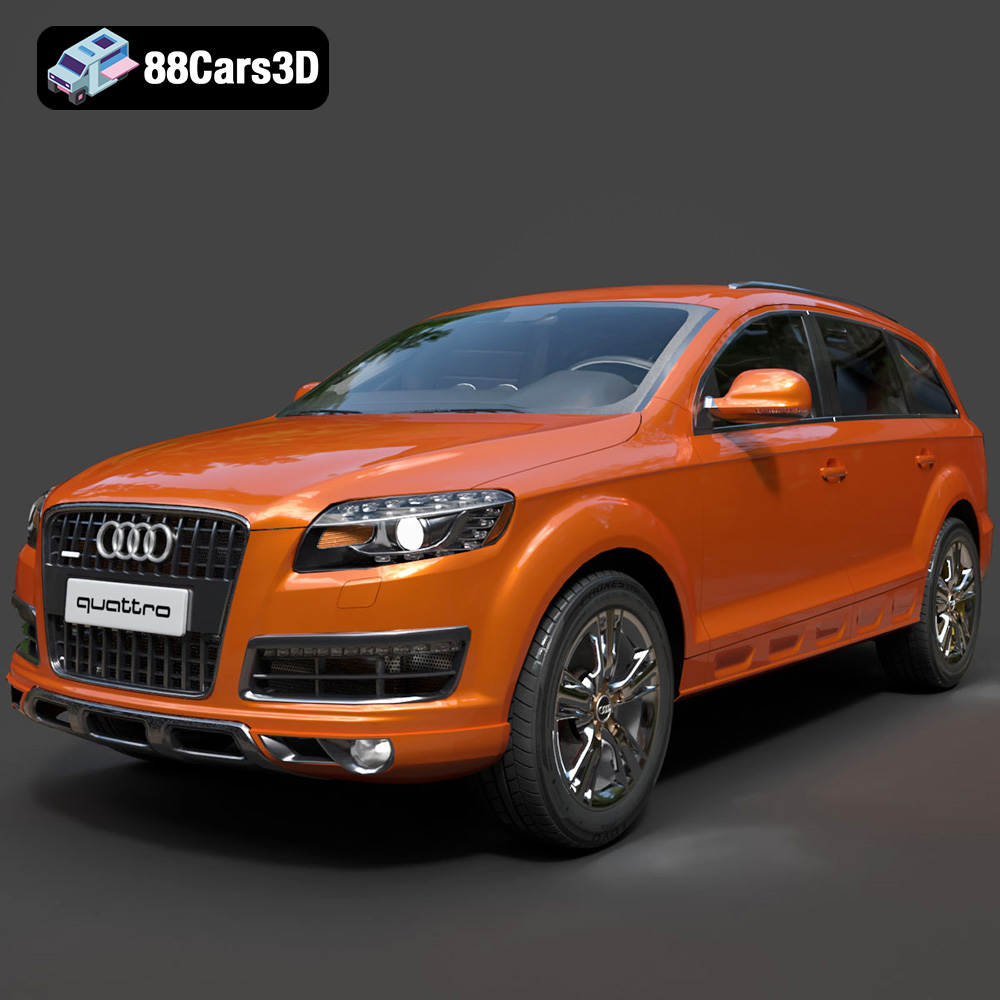
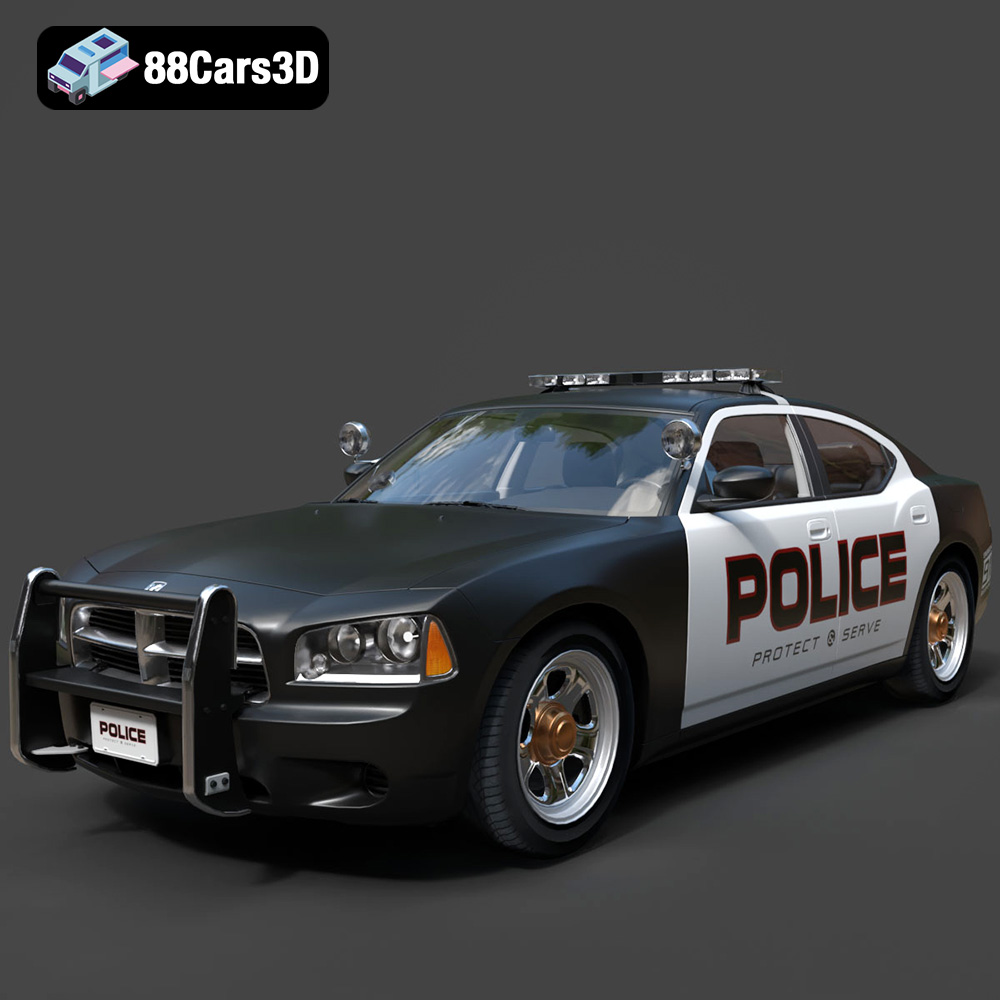
In the dynamic world of automotive design, visualization, and interactive experiences, the demand for exceptionally high-quality 3D car models has never been greater. Whether for breathtaking photorealistic renders, immersive game environments, cutting-edge AR/VR applications, or precision 3D printing, the foundational asset is always a meticulously crafted 3D model. These digital representations are the unsung heroes behind every successful product launch, compelling game, and innovative simulation. This comprehensive guide delves into the technical intricacies, workflows, and diverse applications of 3D car models, illuminating the journey from raw digital mesh to polished final output. For professionals seeking premium, ready-to-use assets, 88cars3d.com stands as a valuable resource, offering a vast collection of vehicles tailored for various industry needs.
Understanding 3D Model File Formats
Choosing the correct file format is a critical first step in any 3D workflow, directly impacting compatibility, feature retention, and ease of use across different software and platforms. Each format serves a specific purpose, designed with particular strengths and limitations.
.blend – The Native Blender Ecosystem
The .blend format is Blender’s native project file, encapsulating an entire scene with unparalleled fidelity. When you acquire a .blend file, you’re not just getting the model; you’re gaining access to the complete creative environment. This includes all geometry, intricate material setups (via Blender’s powerful node-based shader editor), lighting configurations, camera positions, animations, physics simulations, and even custom scripts. For artists deeply integrated into the Blender ecosystem, or those who require full editability to adapt materials, modify topology, or re-rig a vehicle, the .blend format offers the highest degree of flexibility and control. It’s the ideal choice for continued development, learning, and custom modifications within Blender.
.fbx – The Interoperability Workhorse
As an industry-standard proprietary format developed by Autodesk, .fbx (Filmbox) is arguably the most prevalent choice for exchanging 3D data between different software applications, especially in game development and animation pipelines. Its strength lies in its ability to store a wide array of data beyond just mesh geometry, including hierarchical transformations, animation data (skeletal animation, keyframes), cameras, lights, and material assignments (though often requiring re-setup in the target application for full fidelity). For integrating 3D car models into game engines like Unreal Engine or Unity, or for transferring animated vehicle rigs between 3ds Max, Maya, and Blender, .fbx is the go-to format due to its robust support for complex scene data and its optimized nature for real-time environments.
.obj – The Universal Geometry Carrier
The .obj (Wavefront OBJ) format is a near-universal standard for transmitting 3D geometry data. Its primary strength is its simplicity and widespread compatibility, making it readable by almost every 3D application on the market. An .obj file primarily stores vertex positions, UV coordinates, normals, and face information, often accompanied by a separate .mtl (material template library) file for basic material properties like color and texture map references. While it doesn’t support advanced features like animation, rigging, or complex material node networks, .obj is excellent for static meshes, arch-viz scenes, or as a reliable intermediate format for basic geometry transfer. It’s a solid, dependable choice when maximum compatibility is prioritized over retaining intricate scene details.
.glb – Optimized for AR, VR, and Web-Based Display
.glb (GL Transmission Format Binary) is the binary version of glTF, a royalty-free specification for the efficient transmission and loading of 3D scenes and models by engines and applications. What makes .glb particularly powerful is its “self-contained” nature: textures, animations, and other assets are embedded directly within the single binary file. This makes it incredibly efficient for web-based 3D viewers, AR/VR experiences, and mobile applications where file size and quick loading times are paramount. For displaying interactive 3D car models directly in a browser or deploying them to augmented reality platforms, .glb offers an optimized, streamlined solution with good visual fidelity.
.stl – The Standard for Additive Manufacturing
The .stl (Stereolithography) format is the ubiquitous standard for 3D printing. Unlike other formats that focus on visual rendering, .stl describes only the surface geometry of a 3D object using a tessellated mesh of triangles. It does not carry color, texture, or material information, nor does it support complex scene attributes. For a 3D car model intended for physical output, conversion to .stl is a crucial step, requiring the model to be “watertight” (i.e., having no holes or gaps in its mesh) to ensure a successful print. It’s the essential format for bringing digital car designs into the tangible world through additive manufacturing processes.
.ply – Precision Mesh for CAD or Analysis
The .ply (Polygon File Format, also known as Stanford Triangle Format) is often associated with 3D scanning and scientific applications. It can store a wide range of data beyond simple geometry, including color information per vertex or face, transparency, surface normals, and even data from point clouds. While not as universally used for general 3D exchange as .fbx or .obj, .ply is a robust format for handling high-precision, dense mesh data, making it valuable for CAD (Computer-Aided Design), reverse engineering, or detailed analysis of scanned car components. Its ability to store vertex-level attributes makes it suitable for applications requiring intricate data representation.
.unreal – Engine-Ready Asset for Real-Time Environments
The .unreal format represents assets that are natively imported and optimized for Unreal Engine. While not a direct export option from external 3D software, once a model (typically an .fbx) is imported into Unreal Engine, it becomes an .unreal asset within the engine’s content browser. This format encapsulates all engine-specific optimizations, material instances, collision setups, LODs (Levels of Detail), and potentially Blueprint configurations that make the 3D car model fully functional and performant within the engine’s real-time environment. It signifies a model that has undergone the necessary preparation for interactive use, ensuring it is ready for deployment in games, simulations, or virtual productions.
.max – The Comprehensive 3ds Max Project
Similar to .blend for Blender, the .max format is Autodesk 3ds Max’s native project file. It contains the entire scene, including geometry, modifiers stacks, intricate material definitions (often for renderers like V-Ray or Corona), lighting rigs, camera setups, animation data, and any plugins or scripts used in its creation. For artists working primarily within 3ds Max, or studios that rely on its robust modeling and rendering capabilities, a .max file provides complete access to the original scene file. This allows for full parametric editing, re-rendering with different settings, or extensive modifications, making it indispensable for high-end automotive rendering and animation projects where maximum fidelity and control are required.
The Art and Science of Automotive Rendering
Automotive rendering is a highly specialized field, blending artistic vision with technical precision to create visuals that are often indistinguishable from photographs. Achieving this level of photorealism demands a deep understanding of materials, lighting, and camera optics.
Mastering Photorealism: Workflow in 3ds Max and V-Ray/Corona
The journey to a photorealistic automotive render typically begins in a powerful 3D modeling and rendering suite like 3ds Max, often paired with industry-leading renderers such as V-Ray or Corona Renderer. The workflow is iterative and meticulous. Initial modeling might involve a combination of NURBS for smooth, flowing surfaces and subdivision surface modeling for precise control over curvature and panel gaps. Clean topology, composed primarily of quads, is paramount for smooth subdivision and accurate reflections. Material creation is where much of the magic happens; using Physically Based Rendering (PBR) principles, artists meticulously craft car paint shaders – often complex layered materials simulating clear coat, metallic flakes, and diffuse base colors – along with realistic tire rubber, chrome, glass, and interior fabrics. Lighting is equally critical, utilizing high-dynamic-range images (HDRIs) to capture real-world light information, complemented by carefully placed studio lights to accentuate form and reflections. Camera angles, focal lengths, and depth of field are chosen to emulate professional automotive photography, guiding the viewer’s eye and conveying the vehicle’s aesthetic.
Advanced Shading and Texturing Techniques
Beyond basic PBR setups, advanced shading and texturing techniques elevate automotive renders to new heights. This includes developing complex layered materials for surfaces like carbon fiber, incorporating subtle imperfections like dust and fingerprints using procedural maps or layered textures, and creating realistic dirt and wear maps to tell a story about the vehicle. Decal integration, such as brand logos or racing liveries, must be seamlessly applied, often requiring careful UV unwrapping to avoid stretching or distortion. The quality of UV unwrapping is paramount; it determines how texture maps are projected onto the 3D car model, ensuring that every detail, from the finest panel gap to the smallest bolt, receives crisp, accurate texture data without visible seams or stretching.
Post-Production Essentials
Even the most stunning raw render benefits significantly from professional post-production. This phase, typically carried out in image manipulation software, involves compositing multiple render passes (e.g., reflections, refractions, alpha, z-depth) to allow for granular control over the final image. Color grading adjusts the overall mood and atmosphere, while subtle enhancements like chromatic aberration, bloom, lens flares, and vignette effects add a cinematic touch. Crucially, realistic depth of field and motion blur, often rendered as separate passes or applied in post, enhance realism and convey a sense of speed or scale, transforming a digital image into a captivating automotive masterpiece.
Integrating 3D Car Models into Game Engines
For interactive experiences, 3D car models must be optimized to perform flawlessly in real-time environments, balancing visual fidelity with computational efficiency. Game engines like Unreal Engine are at the forefront of this integration.
Optimizing Assets for Real-Time Performance (Unreal Engine Focus)
Bringing a high-fidelity 3D car model into a game engine like Unreal Engine requires a systematic approach to optimization. The goal is to maximize visual quality while minimizing draw calls and rendering overhead. This involves creating various Levels of Detail (LODs) for the model, where lower-polygon versions automatically swap in when the car is further from the camera, significantly reducing polygon count in the scene. Collision meshes, simplified proxy geometry separate from the visual mesh, are essential for accurate physics interactions without the burden of complex visual geometry. Efficient UV mapping is also key, often utilizing texture atlases to pack multiple smaller textures onto a single sheet, reducing the number of materials and improving rendering performance. Poly count targets vary widely: a detailed car for a current-gen console game might range from 50,000 to 150,000 triangles, while a mobile game might aim for under 20,000, and cinematic quality assets could exceed millions.
Setting Up Materials and Shaders in Unreal Engine
Once imported, the 3D car model’s materials must be meticulously re-created within Unreal Engine’s PBR workflow. This involves connecting albedo, normal, roughness, metallic, and ambient occlusion maps to the material graph. For car paint, artists often develop sophisticated master materials that allow for real-time adjustments to flake size, clear coat intensity, and metallic properties via material instances, enabling dozens of color variations from a single optimized shader. Emissive maps are used for headlights, taillights, and dashboard displays, contributing to the realism and functionality of the vehicle in a dynamic lighting environment. Strategic use of material instances is critical for minimizing draw calls and simplifying iteration.
Animation, Rigging, and Vehicle Blueprints
Beyond static appearance, interactive 3D car models in games require comprehensive rigging and animation. This includes setting up bones for wheel rotation, suspension compression, and door opening mechanisms. Unreal Engine’s powerful Blueprint visual scripting system is indispensable for bringing these vehicles to life. Blueprints allow developers to define vehicle physics, integrate engine sounds, simulate realistic tire friction, and create interactive elements like working headlights, wipers, or customizable paint jobs, all without writing a single line of C++ code. The combination of well-optimized assets and intelligent Blueprint logic transforms a static model into a fully drivable, interactive experience within the game world.
Real-World Applications and Case Studies
The utility of high-quality 3D car models extends far beyond traditional rendering, impacting numerous industries with innovative solutions.
Automotive Marketing and Product Visualization
Modern automotive marketing relies heavily on 3D visualization to showcase new vehicles before physical prototypes are even built. High-fidelity 3D car models are the backbone of launch campaigns, allowing manufacturers to create stunning configurators where customers can customize colors, wheels, and interiors in real-time. Interactive virtual showrooms provide immersive experiences, letting potential buyers explore a car’s features from any angle. Case studies abound where luxury car brands have utilized photorealistic renders and animations to generate hype and secure pre-orders, demonstrating how 3D assets accelerate time-to-market and enhance customer engagement significantly.
Simulation and Training Environments
From advanced driving simulators used by professional race teams to AR/VR training modules for mechanics, 3D car models are pivotal in simulation. These environments demand extreme accuracy in both visual fidelity and physical properties. For example, a virtual reality experience training technicians on engine repair would require a meticulously detailed 3D model of an engine, complete with all its components, allowing for virtual disassembly and reassembly. Similarly, driving simulators leverage high-precision vehicle models with accurate physics engines to replicate real-world driving dynamics for driver training or engineering analysis. The fidelity of the 3D model directly translates to the effectiveness of the training or simulation.
Independent Game Development and Modding
Independent game developers, often operating with limited budgets and resources, greatly benefit from readily available, high-quality 3D car models. Acquiring pre-made assets for common vehicles allows indie studios to focus their development efforts on unique gameplay mechanics and narrative, without compromising on visual quality. Modding communities also thrive on access to diverse car models, enhancing existing games with new vehicles. For studios looking to populate their virtual worlds with a variety of realistic vehicles, resources like 88cars3d.com offer an accessible avenue to professional-grade assets, significantly speeding up development and elevating the visual standard of their projects.
The Technical Deep Dive: Quality and Precision in 3D Car Models
The true mark of a professional 3D car model lies in its underlying technical precision, which dictates its versatility and performance across various applications.
Topology and Mesh Quality
Superior topology is the foundation of a high-quality 3D car model. This means a clean mesh composed primarily of quads (four-sided polygons), with efficient edge flow that follows the natural contours and creases of the vehicle. Good topology is crucial for smooth subdivision, allowing the model to look high-resolution without excessive polygon counts. It also facilitates clean deformation during animation and prevents shading artifacts. Artists meticulously check for non-manifold geometry (edges or vertices that don’t share two faces), overlapping faces, and isolated vertices – all common issues that can lead to rendering errors, faulty animations, or unsuccessful 3D prints. A well-constructed mesh ensures that the model can be easily edited, animated, and rendered predictably across different software platforms.
UV Mapping and Texture Resolution
UV mapping is the process of unwrapping the 3D surface of a model into a 2D plane, acting as a guide for applying 2D textures. Expertly unwrapped UVs are seamless, non-overlapping, and efficiently packed to maximize texture space, minimizing distortion and ensuring textures appear crisp and accurate. For highly detailed automotive models, artists often employ UDIMs (UV Tile ID) – a system that allows for multiple UV tiles (and thus multiple textures) per single mesh. This enables extremely high-resolution texturing without overwhelming a single texture map, crucial for intricate details like interior stitching, dashboard gauges, or worn tire treads. The choice of texture resolution (e.g., 2K, 4K, 8K) is dictated by the model’s intended use and the level of detail required for the final output, impacting both visual fidelity and performance.
Poly Count vs. Detail: Finding the Balance
The “poly count” (polygon or triangle count) of a 3D car model is a critical specification that directly influences its performance in real-time applications and its render time in offline rendering. A cinematic-quality render, where computational budget is less constrained, might feature a vehicle with several million polygons, allowing for extreme surface detail. In contrast, a modern high-fidelity game asset could target 100,000-200,000 triangles for the main car body, with additional polygons for wheels, interior, and LODs. For mobile games, this figure might drop to under 20,000. 3D printing models require a dense enough mesh to capture all necessary surface details but must be optimized for watertightness rather than polygon count. The challenge lies in finding the optimal balance: achieving maximum visual detail with the lowest possible poly count, through smart modeling techniques, normal mapping for surface details, and efficient LODs. Platforms like 88cars3d.com provide models explicitly designed with these considerations in mind, offering a range of poly counts and detail levels suitable for diverse project requirements.
Conclusion
The journey of a 3D car model, from its initial polygon structure to its final application in a photorealistic render or interactive game environment, is a testament to the blend of artistic skill and technical mastery in the digital realm. Understanding the nuances of file formats, the principles of photorealistic rendering, the intricacies of game engine optimization, and the technical specifications of mesh quality are all essential for anyone navigating this complex landscape. High-quality 3D car models are more than just digital assets; they are powerful tools that drive innovation in automotive design, marketing, entertainment, and simulation. For professionals seeking to elevate their projects with meticulously crafted vehicles, investing in expertly developed 3D assets, such as those found on 88cars3d.com, provides a significant advantage, ensuring both visual excellence and technical reliability across all platforms and applications.
Featured 3D Car Models