

Crafting Hyper-Realistic Engine Bay Models: A Deep Dive for 3D Artists and Automotive Enthusiasts
The heart of any high-performance vehicle lies beneath its hood – the engine bay. For 3D artists and automotive enthusiasts, recreating this intricate symphony of metal, wires, and fluids is one of the most challenging yet rewarding tasks. A beautifully rendered engine bay doesn’t just add authenticity; it tells a story of engineering prowess and meticulous design, elevating a 3D car model from good to extraordinary. Whether you’re developing cutting-edge game assets, producing stunning automotive visualizations, or creating detailed models for AR/VR experiences, mastering the art of the engine bay is paramount. This comprehensive guide will take you on a journey through the essential techniques, from the initial stages of topological modeling and UV mapping to advanced PBR material creation, rendering workflows, and crucial optimization strategies for various applications. Prepare to uncover the secrets to crafting hyper-realistic engine bay models that will captivate your audience and showcase your technical artistry.
The Foundation: Masterful Topology and Hard Surface Modeling for Engine Bays
Building a realistic engine bay starts with an unwavering commitment to clean topology and precise hard surface modeling. Unlike exterior car bodies which often rely on smooth, flowing curves, engine bays are a labyrinth of interconnected, often geometric components, each demanding accuracy. The initial phase, therefore, is heavily focused on meticulous reference analysis and understanding the underlying structure of each component.
Understanding Reference and Blueprint Analysis
Before a single polygon is laid down, comprehensive research is non-negotiable. High-resolution photographs from various angles, real-world inspections of actual engine bays, and even access to CAD data or engineering blueprints are invaluable. Break down the complex engine bay into manageable sub-assemblies: the engine block, cylinder heads, intake and exhaust manifolds, turbochargers, superchargers, intercoolers, radiators, wiring harnesses, hoses, fluid reservoirs, and various ancillary components like alternators and power steering pumps. Each of these parts needs individual attention. Understanding how they connect, their material properties, and their scale relative to one another is crucial for an accurate representation. Pay close attention to subtle details like weld lines, bolt patterns, and the direction of fluid lines. This analytical approach informs every subsequent modeling decision, preventing costly rework later on.
Core Modeling Principles: Clean Quads and Edge Flow
The golden rule of 3D modeling, especially for subdivision surfaces and animation, is an all-quad topology. This principle holds true for engine bays. Maintain consistent quad density where possible, allowing for smooth subdivision without pinching or unwanted artifacts. For hard surface elements, mastering edge flow is critical for defining sharp edges and smooth transitions. Techniques like adding support loops (also known as control loops or holding edges) around corners or using creasing tools in your modeling software (e.g., Blender, 3ds Max, Maya) are essential for maintaining the crispness of mechanical parts. For instance, when modeling a manifold, ensure the edge loops follow the contours of the pipes and flanges, allowing for a sharp edge at the connection points while maintaining a smooth curve along the main body.
Common engine components each present their own modeling challenges. The engine block, often a complex, multi-faceted piece, benefits from a block-out approach where primary shapes are established before refining details. Turbochargers and superchargers involve intricate turbine blades and housings, requiring careful attention to rotational symmetry and precise cuts. Wiring harnesses and hoses, while seemingly simple, demand efficient spline modeling techniques or curve-based modeling to achieve natural bends and connections without excessive polygon counts. Speaking of polygon counts, these vary significantly based on the intended application. A hero asset for a marketing render might boast hundreds of thousands, even millions, of polygons for an engine bay, allowing for extreme detail. For game assets, aggressive optimization is necessary, with a detailed engine bay potentially ranging from 30,000 to 100,000 polygons, carefully distributed to maintain visual fidelity where it matters most.
Texturing Realism: PBR Materials and Shading Networks for Engine Components
Once the modeling is complete, bringing the engine bay to life requires a sophisticated approach to texturing and shading. Physically Based Rendering (PBR) has become the industry standard, allowing for incredibly realistic material responses to light, crucial for the diverse surfaces found within an engine bay.
PBR Workflow for Metallic and Non-Metallic Surfaces
PBR material creation hinges on accurately defining how light interacts with a surface. There are two primary PBR workflows: Metallic-Roughness and Specular-Glossiness. The Metallic-Roughness workflow, widely adopted due to its intuitive nature, uses a Metallic map (black for dielectric, white for metallic) and a Roughness map (black for smooth/shiny, white for rough/matte) alongside an Albedo (or Base Color) map. For an engine bay, this workflow shines. Imagine bare metal components like an aluminum intake manifold or a steel exhaust header. These would have a white metallic value and varying degrees of roughness – a polished manifold would be low roughness, while a cast iron block would be high roughness. Painted surfaces, plastics, and rubber, being non-metallic (dielectric), would have a black metallic value, with their color derived solely from the Albedo map and their shininess from the Roughness map.
Specific examples are key:
* **Bare Metal:** Aluminum blocks, steel piping, brass connectors. These require high metallic values and careful control over roughness to simulate brushed, polished, or cast finishes.
* **Painted Surfaces:** Valve covers, engine blocks, often painted in vibrant or contrasting colors. Here, the metallic value is typically zero, and the roughness defines the sheen of the paint – from glossy clear coats to matte finishes.
* **Rubber and Plastics:** Hoses, wiring insulation, fluid caps. These are dielectric materials with varying roughness and sometimes subtle subsurface scattering for added realism in transparent or translucent plastics.
* **Carbon Fiber:** Often seen on performance upgrades, requires complex normal maps for weave detail and careful roughness control for the clear coat.
Texture map types are the building blocks of PBR. The **Albedo** (Base Color) map defines the fundamental color of the surface without any lighting information. The **Normal** map provides surface detail, faking high-polygon geometry with vectors, crucial for scratches, casting marks, and embossed logos. **Roughness** (or Glossiness) dictates how light scatters off the surface. **Metallic** (or Specular) distinguishes between metallic and non-metallic surfaces. **Ambient Occlusion (AO)** maps simulate subtle shadowing where surfaces are close together, adding depth. **Height** (or Displacement) maps can push or pull geometry, adding real surface deformation for extreme detail, though often computationally expensive.
Advanced Shading Techniques and Layering
Real-world engine bays are rarely pristine. They accumulate grime, oil, dust, heat discoloration, and wear over time. Replicating this requires advanced shading techniques and a layered approach to materials. Software like Substance Painter and Mari are invaluable for this, allowing artists to paint directly onto the 3D model and generate multiple PBR maps simultaneously.
Layering materials for grime and oil involves blending different PBR material sets based on masks. For instance, a base clean metal material can be blended with a dusty, rougher material using an ambient occlusion mask to deposit dust in crevices. Oil and fluid leaks can be painted on with specific masks, often requiring a lower roughness value and a darker albedo. Heat discoloration, especially on exhaust manifolds, can be simulated by adjusting the albedo and metallic values along specific gradients, transitioning from blue/purple hues to brown/orange, coupled with changes in roughness. Procedural textures, generated within the shader network of your rendering software (e.g., Blender’s Node Editor, 3ds Max’s Slate Material Editor), can efficiently generate subtle noise, wear patterns, or scratches, often complementing baked image textures. When sourcing models from marketplaces such as 88cars3d.com, pay close attention to the included texture sets and material definitions to ensure they align with these PBR best practices for optimal results.
UV Mapping Strategies for Complex Engine Geometry
Effective UV mapping is the unsung hero of realistic 3D models. Without well-laid-out UVs, even the most meticulously modeled engine component will fall flat when textures are applied. The engine bay, with its myriad of complex shapes, intricate connections, and varying material requirements, demands a strategic approach to UV unwrapping to ensure both visual fidelity and optimal performance.
Optimizing UV Layouts for Detail and Efficiency
The primary goal of UV mapping is to create clean, non-overlapping UV islands that accurately represent the 3D surface in 2D space, without distortion. For engine bay components, maintaining consistent texel density across different parts is crucial. Texel density refers to the number of pixels per unit of 3D space. Larger, more prominent components like the engine block or intake manifold will require higher texel density to capture fine details like casting marks or engraved logos. Smaller, less visible parts, such as bolts or clamps, can have lower texel density, but the relative scale should be maintained to avoid blurry textures next to sharp ones.
Choosing the right unwrapping technique is vital for each component. Planar mapping is excellent for flat or slightly curved surfaces. Cylindrical and spherical mapping work well for pipes, hoses, and rounded elements. Projection mapping can be useful for quickly unwrapping complex organic shapes or when projecting details from a specific camera angle. For more complex, hard-surface components, often a combination of manual seam placement and automatic unwrapping algorithms is needed. The key is to strategically place UV seams in areas that are less visible or where material transitions naturally occur. For instance, on a hose, place the seam along the underside. For intricate manifolds, identify areas where you can cut seams that will then allow for a relatively flat unwrap without too much stretching. Tools like Blender’s UV Editor offer robust features for unwrapping and packing UVs. For more in-depth exploration of Blender’s UV mapping tools and best practices, refer to the official Blender 4.4 documentation at https://docs.blender.org/manual/en/4.4/.
UV Atlasing and Multi-UDIM Workflows
As the complexity of an engine bay grows, managing texture sets becomes a significant challenge. Two advanced strategies help streamline this: UV atlasing and UDIMs.
**UV Atlasing** involves combining the UVs of multiple smaller, less critical components onto a single, larger texture map. For example, all the various bolts, washers, small clamps, and brackets within the engine bay can share one UV atlas. This approach reduces the number of materials and draw calls in game engines, significantly improving performance. When creating an atlas, ensure there’s enough padding between UV islands to prevent texture bleeding.
**UDIMs (U-Dimension Identifier Maps)** are essential for high-resolution texturing of very large or extremely detailed meshes, such as the entire engine block assembly. Instead of cramming all UVs onto a single 0-1 UV space, UDIMs allow you to spread UV islands across multiple UV tiles (e.g., 1001, 1002, 1003, etc.), each referencing its own high-resolution texture map. This means you can have 4K or 8K textures for different parts of the same mesh without sacrificing overall texel density or exceeding GPU memory limits for a single texture. Software like Mari, Substance Painter, and most professional 3D DCCs natively support UDIM workflows. Using UDIMs for major components like the engine block, cylinder heads, and manifolds, while atlasing smaller parts, creates an efficient and highly detailed texturing pipeline for realistic engine bays.
Lighting, Rendering, and Visualization for Automotive Engine Bays
Even the most meticulously modeled and textured engine bay will look flat and unconvincing without proper lighting and rendering. This stage is where all the prior hard work culminates, bringing the metallic sheen, rubber matte finishes, and intricate details to life with photorealistic precision.
Studio Lighting Setups and HDRI Environments
Achieving a professional look often starts with a controlled studio lighting setup. A classic three-point lighting system (key light, fill light, rim light) provides a solid foundation.
* The **Key Light** is the primary light source, defining the shape and form of the engine bay. Position it to highlight key features and create interesting shadows.
* The **Fill Light** softens the shadows created by the key light, revealing details in darker areas without flattening the scene.
* The **Rim Light** (or back light) separates the engine bay from the background, creating a subtle outline and adding depth.
Beyond this, additional accent lights can be strategically placed to illuminate specific details like chrome accents, engraved logos, or fluid reservoirs.
However, for true photorealism, High Dynamic Range Images (HDRIs) are indispensable. An HDRI acts as both a light source and a reflection map, providing realistic environmental lighting and reflections that accurately react with your PBR materials. For engine bays, consider HDRIs of clean studio environments, garages, or even outdoor settings if you want to integrate the engine into a larger scene. The reflections from the HDRI on metallic surfaces like chrome or polished aluminum are particularly crucial for selling the realism. Software like 3ds Max with Corona Renderer or V-Ray, Blender with Cycles or Eevee, and Maya with Arnold are all capable of leveraging HDRIs to stunning effect. Each renderer offers specific controls for HDRI rotation, intensity, and contribution to reflections and illumination.
Advanced Rendering Techniques and Post-Processing
Modern renderers offer a wealth of advanced techniques to push realism even further. Render passes, also known as AOV (Arbitrary Output Variables), are essential for compositing. By rendering separate passes for diffuse, reflections, refractions, ambient occlusion, Z-depth, and more, you gain granular control in post-processing.
* **Ambient Occlusion (AO)** pass: Enhances contact shadows and gives a sense of weight.
* **Reflection/Refraction passes:** Allow for fine-tuning the intensity and color of reflections and refractions independently in compositing.
* **Z-Depth pass:** Crucial for adding realistic depth of field (DoF) in post-production, which is less computationally expensive and offers more control than in-render DoF.
While typically not as prominent as in exterior renders, caustics can add subtle realism to clear fluid reservoirs or glass elements. Volumetric effects, such as a subtle haze or dust motes, can be used sparingly to create atmosphere, especially if the engine bay is depicted in a workshop or garage setting. For example, a faint glow from a hot exhaust manifold can also be enhanced with volumetric effects.
Finally, post-processing and compositing in software like Adobe Photoshop, After Effects, or Nuke is where the final image truly shines. This stage involves:
* **Color Grading:** Adjusting overall color balance, contrast, and vibrancy to achieve a desired mood or match real-world references.
* **Lens Effects:** Adding subtle lens flares, chromatic aberration, or vignetting to mimic camera imperfections.
* **Depth of Field:** Precisely controlling the focus to draw the viewer’s eye to specific details within the engine bay.
* **Subtle Glows:** Enhancing hot areas (e.g., exhaust) with bloom effects.
* **Sharpening and Noise Reduction:** Bringing out details and cleaning up any rendering artifacts.
By carefully layering and adjusting these elements, you can transform a raw render into a compelling, hyper-realistic visualization that highlights the intricate beauty of the engine bay.
Game Engine Optimization and Real-Time Applications for Engine Bay Assets
While stunning renders are perfect for marketing, incorporating a highly detailed engine bay into a real-time environment, such as a game or an interactive configurator, presents a unique set of challenges. Optimization is paramount to ensure smooth performance without sacrificing visual quality.
LODs, Draw Calls, and Texture Optimization
The biggest hurdle for engine bays in real-time applications is their inherent complexity. A visually rich engine bay can quickly consume an immense amount of computational resources. This is where **Level of Detail (LOD)** systems become critical. LODs are simplified versions of your mesh that are swapped in dynamically based on the camera’s distance from the object. A hero engine bay model might have hundreds of thousands of polygons for close-up views (LOD0), while distant views might use an LOD1 with significantly fewer polygons (e.g., 30-50% reduction) and an even simpler LOD2 (e.g., 70-80% reduction) or even a billboard/imposter at extreme distances. Implementing an effective LOD strategy ensures that the engine only renders the necessary detail, saving precious GPU cycles.
Another major performance bottleneck is the number of **draw calls**. Each time the CPU tells the GPU to render a distinct object with a unique material, it’s a draw call. An engine bay with hundreds of individual parts, each with its own material, can lead to thousands of draw calls, crippling performance. Strategies to reduce draw calls include:
* **Mesh Combining:** Merging smaller, static meshes into a single mesh. For instance, all the small bolts and brackets that share the same material can be combined.
* **Texture Atlasing:** As discussed in the UV mapping section, combining the UVs of multiple objects onto a single texture atlas allows them to share one material, drastically reducing draw calls.
* **Instancing:** For identical repeated objects (e.g., multiple copies of the same bolt model), game engines can use instancing, rendering many copies with a single draw call.
**Texture optimization** is equally vital. High-resolution textures consume a lot of GPU memory and bandwidth. Use appropriate texture resolutions for each component (e.g., 2K or 4K for major components, 512×512 or 1K for smaller parts). Implement texture compression (e.g., DXT for desktop, ETC for mobile) and enable texture streaming, where the engine only loads higher-resolution mipmaps when needed. When integrating models into Unity or Unreal Engine, these platforms offer powerful tools for asset management, material instancing, and performance profiling to fine-tune your engine bay assets.
AR/VR Specific Considerations
Augmented Reality (AR) and Virtual Reality (VR) experiences demand even more stringent optimization. Maintaining a high, stable frame rate (typically 90 FPS or higher for VR to prevent motion sickness) is paramount. This often means being extremely aggressive with polygon counts, texture resolutions, and material complexity.
* **Polygon Budget:** A typical entire car model for mobile AR might be limited to 50,000-100,000 triangles. The engine bay, if visible, would need to fit within a fraction of this budget.
* **Material Optimization:** Use simpler PBR shaders where possible. Avoid complex shader networks, parallax occlusion mapping, or excessive transparency/refraction unless absolutely necessary and heavily optimized. Bake complex lighting into vertex colors or lightmaps for static environments.
* **File Formats for Portability:** For AR/VR, particularly on mobile, lightweight and widely compatible file formats are crucial. **GLB (GL Transmission Format Binary)** is excellent for web-based AR and VR, bundling models, materials, and textures into a single file. **USDZ** is Apple’s proprietary format for AR, offering similar benefits for iOS devices. Platforms like 88cars3d.com often provide models in these optimized formats, making them directly usable in AR/VR projects. Ensuring your engine bay models are prepared with these specifications in mind guarantees a smooth and immersive experience across diverse real-time platforms.
File Formats, Compatibility, and 3D Printing Preparation
The journey of a 3D engine bay model doesn’t end with rendering or game integration. Its usability across different software, platforms, and even physical production (like 3D printing) depends heavily on the chosen file formats and proper preparation.
Choosing the Right File Format for Your Workflow
Navigating the diverse landscape of 3D file formats is crucial for seamless workflow integration and project longevity. Each format serves specific purposes and offers different advantages:
* **FBX (Filmbox):** Developed by Autodesk, FBX is arguably the industry standard for 3D asset interchange. It supports meshes, materials, textures, animations, rigging, and camera data, making it incredibly versatile for transferring complex automotive models between different DCC (Digital Content Creation) software like 3ds Max, Maya, Blender, and game engines like Unity and Unreal. When exporting, ensure you select options to embed media (textures) and preserve animation or blend shapes if your engine bay has moving parts.
* **OBJ (Object):** A universal, widely supported format. While it primarily stores geometry (vertices, faces, UVs), it can reference external `.mtl` (material) files for basic material properties. OBJ is excellent for simple mesh transfers but lacks support for advanced PBR materials, animations, or hierarchies.
* **GLB (GL Transmission Format Binary):** A relatively newer, highly efficient, and compact format designed for web-based 3D, AR, and VR. GLB files encapsulate models, PBR materials, textures, and even animations into a single binary file, making them ideal for rapid loading and deployment on the web or mobile devices. Its widespread support across modern browsers and platforms makes it increasingly popular.
* **USDZ (Universal Scene Description Zip):** Apple’s proprietary format built on Pixar’s USD, specifically tailored for AR experiences on iOS devices. Like GLB, it bundles assets into a single file. For anyone targeting Apple’s ARKit ecosystem, USDZ is the go-to format.
When preparing your engine bay for export, always consider the destination software or platform. Ensure your materials are baked down to PBR texture maps compatible with the target environment, and that your mesh hierarchy is logical. For professional use, platforms like 88cars3d.com offer their models in multiple formats, ensuring broad compatibility for various artist workflows, from high-fidelity rendering to real-time applications.
Preparing Engine Bays for 3D Printing
Beyond digital visualization, a highly detailed 3D engine bay can also be brought into the physical world through 3D printing. However, this requires a different kind of preparation, focusing on physical integrity rather than rendering efficiency.
* **Mesh Manifolding and Watertight Geometry:** For 3D printing, your mesh must be “manifold,” meaning it has no holes, non-manifold edges, or inverted normals. Every edge must belong to exactly two faces, forming a completely enclosed, watertight volume. Tools like Blender’s “3D Print Toolbox” add-on are invaluable for checking and repairing these issues.
* **Wall Thickness Considerations:** Small, thin parts within an engine bay (e.g., delicate wires, small brackets) that are perfectly fine in a digital model might be too fragile or simply not printable in the real world. You’ll need to ensure all features have a minimum wall thickness appropriate for your chosen printing technology (FDM, SLA, SLS) and material. This often involves slightly thickening certain elements.
* **Mesh Repair Tools:** Beyond Blender, software like Autodesk Netfabb, Meshmixer, or online services are dedicated to repairing and preparing models for 3D printing, identifying and fixing self-intersections, non-manifold edges, and other common issues.
* **Scale and Orientation:** Correctly scaling your model to the desired physical size is crucial. Also, consider the print orientation. Orienting parts to minimize overhangs and maximize stability during printing can reduce the need for support structures and improve print quality.
* **Supporting Structures and Assembly:** For very complex engine bays, printing it as a single piece might be impossible or result in excessive support material. Breaking the engine bay down into smaller, printable sub-assemblies (e.g., engine block, manifolds, turbocharger, accessories) and designing interlocking joints or bolt holes for later assembly can be a more practical approach, yielding a cleaner final print. This also allows for multi-material printing for different components if your printer supports it.
Conclusion
Creating realistic 3D engine bay models is a true testament to a 3D artist’s skill, blending technical precision with an artistic eye for detail. We’ve journeyed through the intricate process, starting with the foundational importance of clean topology and meticulous hard surface modeling, where every bolt and pipe contributes to the authenticity. We delved into the world of PBR materials, understanding how to replicate the diverse finishes of metal, rubber, and plastic through advanced shading networks and strategic layering for wear and tear.
The critical role of optimized UV mapping, whether through atlasing for efficiency or UDIMs for extreme detail, was explored, ensuring that your textures translate perfectly onto complex engine geometry. We then covered the art of lighting and rendering, mastering studio setups, HDRI environments, and advanced post-processing techniques to breathe photorealistic life into your creations. For those venturing into real-time experiences, we highlighted game engine optimization strategies like LODs, draw call reduction, and specific considerations for AR/VR, emphasizing formats like GLB and USDZ. Finally, we touched upon the practicalities of file formats for compatibility and the distinct requirements for preparing your detailed engine bays for 3D printing.
The path to hyper-realistic engine bays demands patience, a keen eye for reference, and a continuous desire to refine your technical workflows. Every wire, every hose clamp, every subtle texture variation contributes to the illusion of reality. By applying the principles and techniques discussed here, you’re not just creating a 3D model; you’re crafting a digital masterpiece that celebrates automotive engineering. To kickstart your projects or find inspiration from professionally crafted automotive assets, explore the high-quality 3D car models available on platforms like 88cars3d.com. Keep pushing the boundaries of realism, and let your engine bay models speak volumes about your expertise and passion.
Featured 3D Car Models
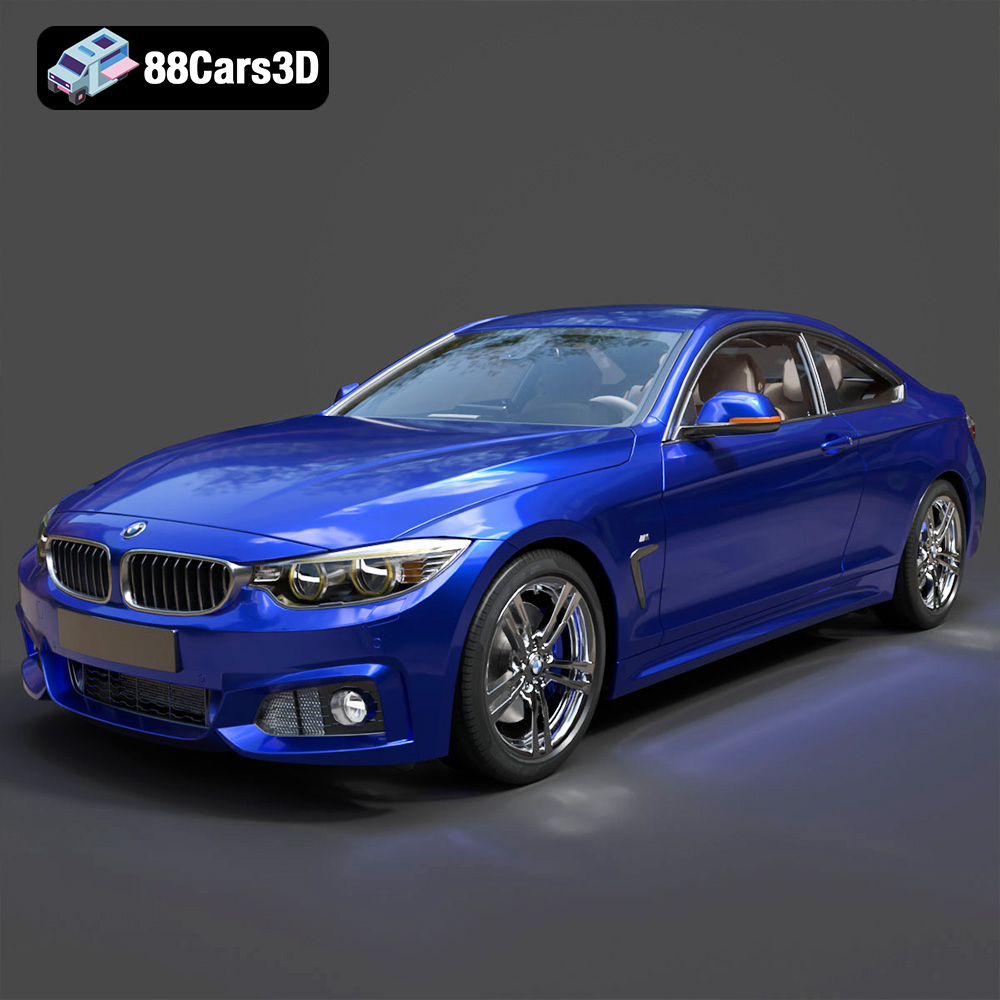
BMW 4 Series Coupe M Sport 2014 3D Model
Texture: Yes
Material: Yes
Download the BMW 4 Series Coupe M Sport 2014 3D Model featuring clean geometry, realistic detailing, and a fully modeled interior. Includes .blend, .fbx, .obj, .glb, .stl, .ply, .unreal, and .max formats for rendering, simulation, and game development.
Price: $14.99

Bentley Brooklands 2008 3D Model
Texture: Yes
Material: Yes
Download the Bentley Brooklands 2008 3D Model featuring clean geometry, realistic detailing, and a fully modeled interior. Includes .blend, .fbx, .obj, .glb, .stl, .ply, .unreal, and .max formats for rendering, simulation, and game development.
Price: $14.99
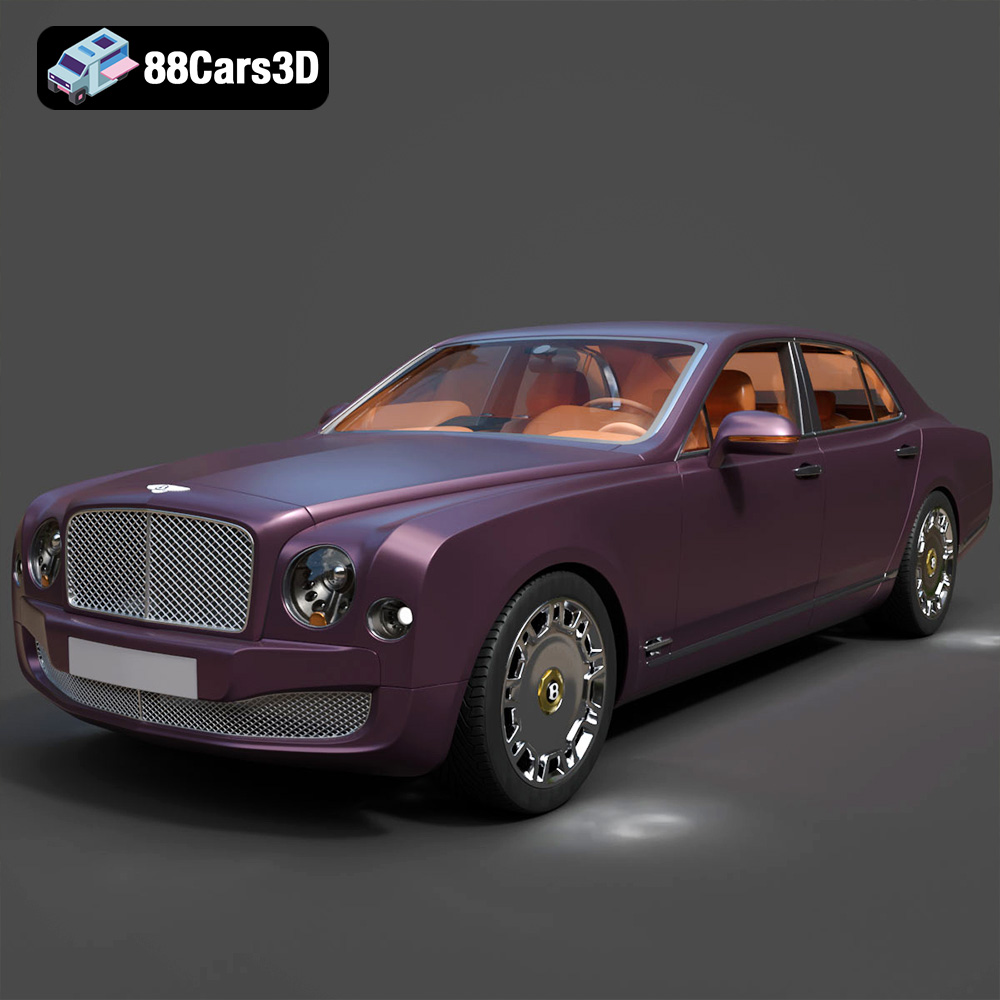
Bentley Mulsanne Luxury Sedan 3D Model
Texture: Yes
Material: Yes
Download the Bentley Mulsanne Luxury Sedan 3D Model featuring clean geometry, realistic detailing, and a fully modeled interior. Includes .blend, .fbx, .obj, .glb, .stl, .ply, .unreal, and .max formats for rendering, simulation, and game development.
Price: $14.99

Bentley Continental GT 2011 3D Model
Texture: Yes
Material: Yes
Download the Bentley Continental GT 2011 3D Model featuring clean geometry, realistic detailing, and a fully modeled interior. Includes .blend, .fbx, .obj, .glb, .stl, .ply, .unreal, and .max formats for rendering, simulation, and game development.
Price: $14.99

Bentley Continental Flying Spur 3D Model
Texture: Yes
Material: Yes
Download the Bentley Continental Flying Spur 3D Model featuring clean geometry, realistic detailing, and a fully modeled interior. Includes .blend, .fbx, .obj, .glb, .stl, .ply, .unreal, and .max formats for rendering, simulation, and game development.
Price: $14.99
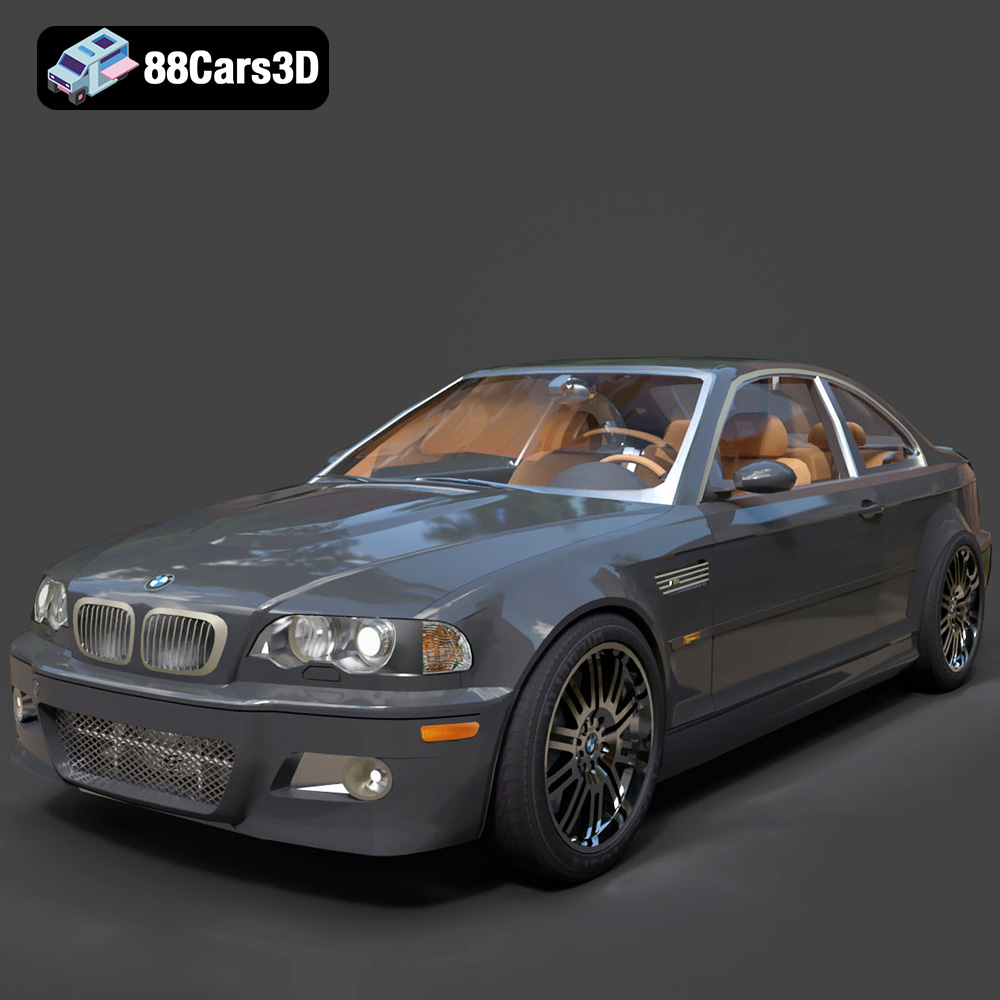
BMW M3 E46 3D Model
Texture: Yes
Material: Yes
Download the BMW M3 E46 3D Model featuring iconic sports car design and detailed interior. Includes .blend, .fbx, .obj, .glb, .stl, .ply, .unreal, and .max formats for rendering, simulation, and game development.
Price: $16.99
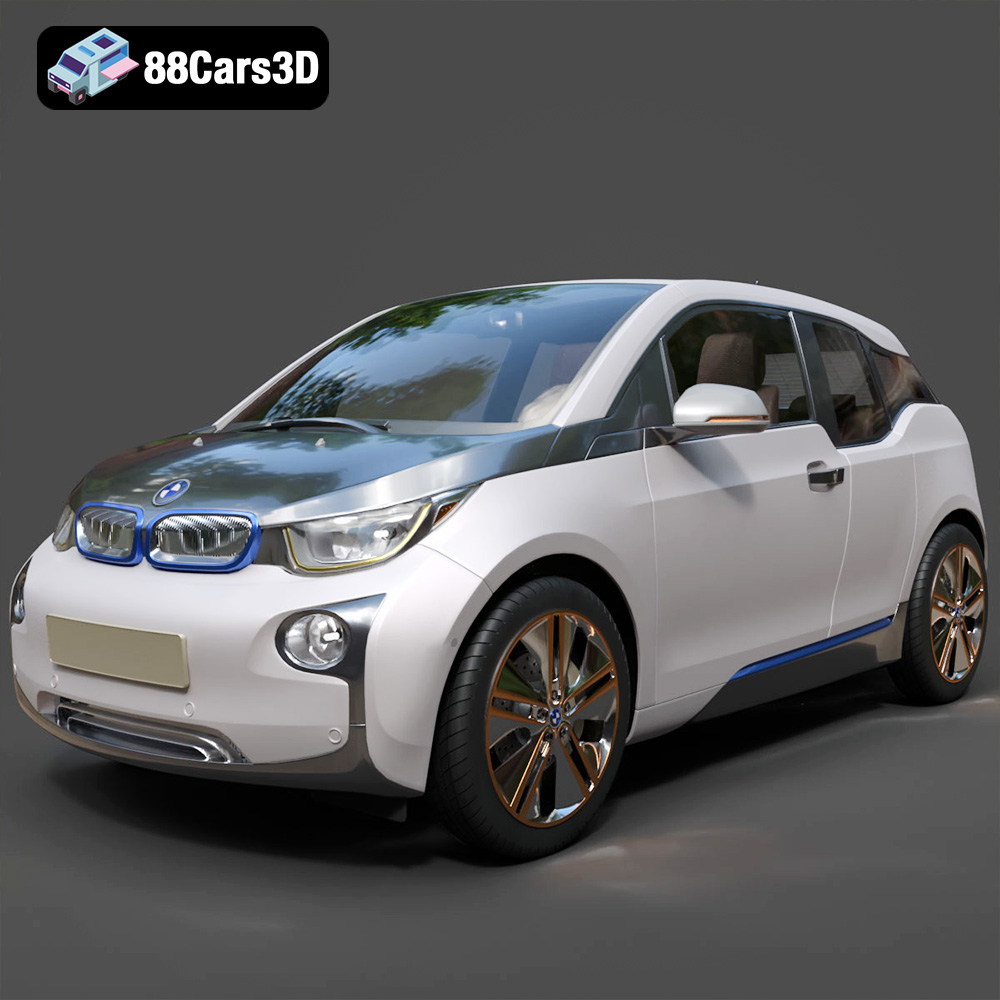
BMW i3 Coupe 3D Model
Texture: Yes
Material: Yes
Download the BMW i3 Coupe 3D Model featuring its iconic electric design and compact urban styling. Includes .blend, .fbx, .obj, .glb, .stl, .ply, .unreal, and .max formats for rendering, simulation, and game development.
Price: $17.99
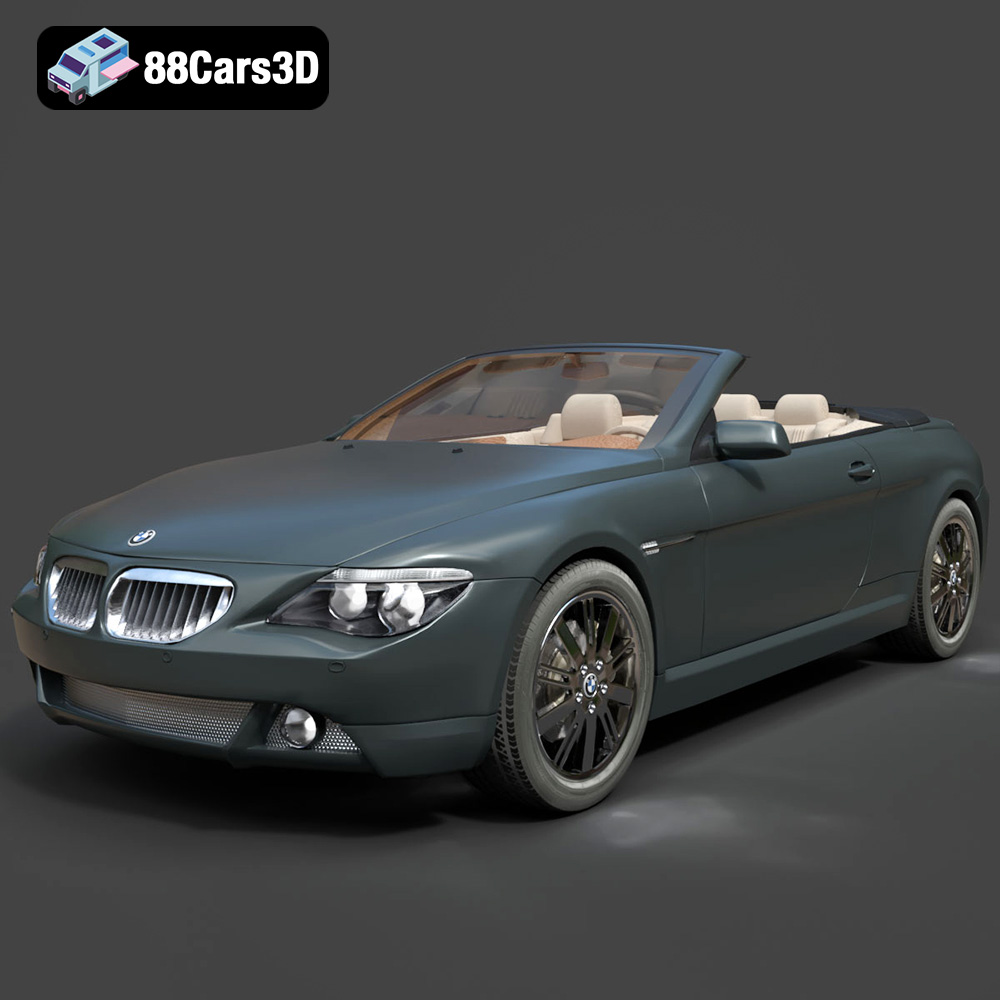
BMW 645ci 2004-2005 3D Model
Texture: Yes
Material: Yes
Download the BMW 645ci 3D Model featuring a sleek, detailed exterior and optimized interior. Includes .blend, .fbx, .obj, .glb, .stl, .ply, .unreal, and .max formats for rendering, simulation, and game development.
Price: $10.79
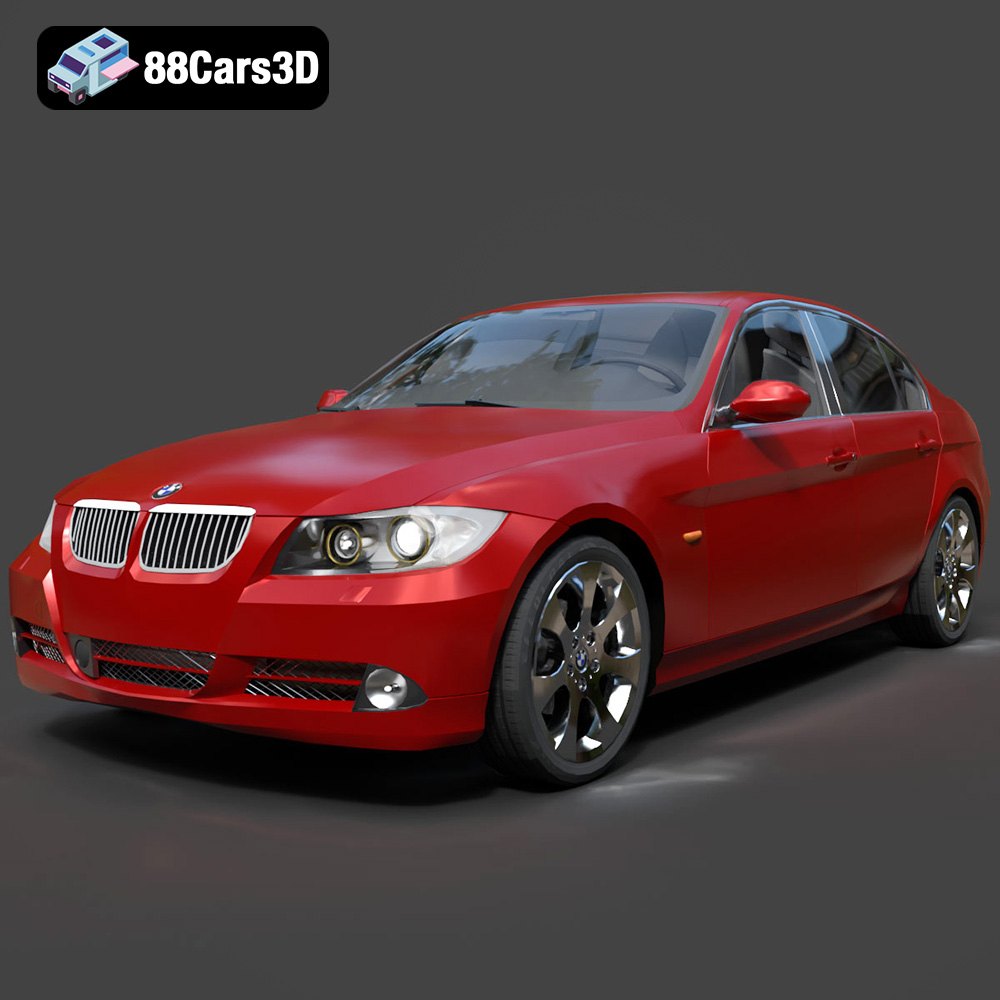
BMW 330i E90 3D Model
Texture: Yes
Material: Yes
Download the BMW 330i E90 3D Model featuring a detailed exterior, an optimized interior, and accurate mechanical components. Includes .blend, .fbx, .obj, .glb, .stl, .ply, .unreal, and .max formats for rendering, simulation, and game development.
Price: $14.79
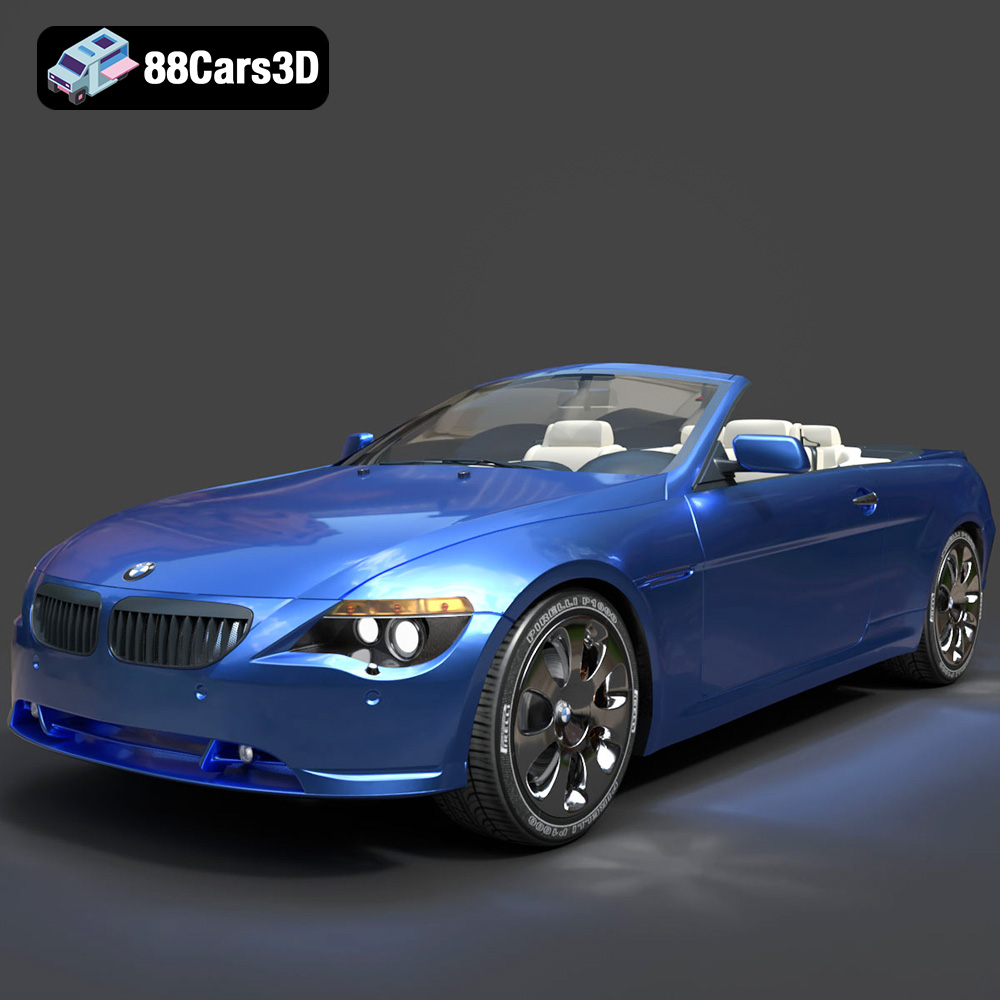
BMW 6 Series Convertible 3D Model
Texture: Yes
Material: Yes
Download the BMW 6 Series Convertible 3D Model featuring clean geometry, realistic detailing, and a fully modeled interior. Includes .blend, .fbx, .obj, .glb, .stl, .ply, .unreal, and .max formats for rendering, simulation, and game development.
Price: $14.99
