

The automotive industry is in a perpetual state of innovation, not just in vehicle design and engineering, but also in how cars are presented, visualized, and experienced. Real-time rendering, powered by robust engines like Unreal Engine, has revolutionized automotive visualization, game development, virtual production, and interactive design. Gone are the days of static renders and lengthy pre-rendering times; today, artists and developers can craft breathtakingly realistic and fully interactive automotive experiences that blur the line between virtual and reality.
For those eager to dive into this dynamic field, Unreal Engine stands out as a paramount tool. Its powerful feature set, from photorealistic rendering capabilities like Lumen and Nanite to intuitive visual scripting with Blueprint, makes it an indispensable asset for anyone serious about automotive projects. Whether you’re aiming to build an immersive car configurator, a thrilling racing game, or stunning marketing visuals, mastering Unreal Engine is your gateway. This comprehensive guide will walk you through the essential steps to get started with Unreal Engine for automotive projects, from setting up your environment and importing high-quality 3D car models (like those found on 88cars3d.com) to implementing advanced rendering and interactive features. Prepare to transform your vision into captivating real-time experiences.
Setting Up Your Unreal Engine Project for Automotive Excellence
Embarking on any Unreal Engine project begins with a solid foundation. For automotive visualization, game development, or interactive experiences, configuring your project correctly from the outset ensures optimal performance, visual fidelity, and streamlined workflows. Unreal Engine offers various templates and settings that can significantly impact your development process, making the initial setup a critical step. Understanding these options will help you harness the engine’s full potential for rendering high-quality 3D car models and intricate environments.
When you first launch Unreal Engine, you’ll be prompted to create a new project. For automotive applications, the ‘Games’ category often provides the most flexible starting point, particularly the ‘Blank’ or ‘Third Person’ templates, which can be adapted easily. However, depending on your specific goal, the ‘Automotive, Product Design, and Manufacturing’ category also offers specialized templates that include pre-configured settings ideal for high-fidelity visualization, such as ray tracing enabled by default. Always choose the C++ or Blueprint template based on your scripting preference, though Blueprint is typically recommended for beginners due to its visual nature. It’s also crucial to specify a project location on a fast drive (SSD or NVMe) to minimize loading times, and to maintain a consistent project structure for easy asset management.
Choosing the Right Project Template and Settings
The choice of project template significantly influences default settings and pre-configured assets. For pure automotive visualization, starting with a ‘Blank’ project and then enabling specific features allows for maximum control. Key settings to consider enabling are ‘Ray Tracing’ and ‘Lumen Global Illumination’ and ‘Reflections’ within the Project Settings under ‘Rendering.’ These features are essential for achieving photorealistic lighting and reflections on polished car surfaces. Additionally, ensure ‘Virtual Shadow Maps’ are enabled for higher quality shadows. For performance-critical applications like games or AR/VR, you might start with slightly more optimized templates and selectively enable high-fidelity features as needed. Remember to target a specific engine version and stick to it to avoid compatibility issues with marketplace assets or plugins.
Actionable Tip: When creating your project, select the ‘Blank’ template, then go to Edit > Project Settings > Rendering. Under the ‘Global Illumination’ section, set ‘Dynamic Global Illumination Method’ to Lumen. Do the same for ‘Reflections’ under ‘Reflections’ and ensure ‘Ray Tracing’ is enabled if your hardware supports it. This provides a robust foundation for photorealistic rendering of your 3D car models.
Navigating the Unreal Editor Interface
Once your project is created, familiarize yourself with the Unreal Editor’s interface. The main components you’ll interact with are the Viewport, Content Browser, Details Panel, World Outliner, and various Modes (Select, Landscape, Foliage, etc.). The Viewport is where you’ll visualize and interact with your scene, navigating with standard WASD keys and mouse. The Content Browser is your central hub for managing all assets – from meshes and textures to materials and Blueprints. The Details Panel provides properties and settings for any selected object in the Viewport or World Outliner. The World Outliner lists all actors (objects) currently in your scene, allowing for easy selection and organization. A clean workspace and efficient navigation are crucial for productivity, especially when dealing with complex scenes involving detailed 3D car models.
Understanding the basic layout and functionality of these windows will significantly speed up your workflow. You can customize the layout by dragging and docking panels to suit your preferences. Regular use of keyboard shortcuts for common actions (e.g., W, E, R for transform tools) will also dramatically improve your efficiency. For a deeper dive into the Unreal Editor’s interface and core functionalities, the official Unreal Engine documentation is an invaluable resource.
Importing and Optimizing 3D Car Models from 88cars3d.com
Bringing high-quality 3D car models into Unreal Engine is where your automotive project truly begins to take shape. While modeling a car from scratch offers complete control, sourcing professionally crafted assets from marketplaces like 88cars3d.com is a time-efficient and quality-assured alternative, especially for complex, high-fidelity vehicles. These models are typically provided in industry-standard formats like FBX or USD, and are often optimized with clean topology, proper UV mapping, and PBR-ready materials, streamlining your workflow significantly. However, even with optimized models, understanding the import process and subsequent optimization steps within Unreal Engine is crucial for achieving peak performance and visual integrity.
When importing, several considerations come into play. Scale is paramount; ensure your models are imported at the correct real-world scale to prevent issues with lighting, physics, and interactions. Unreal Engine’s default unit is centimeters, so most assets should be exported accordingly. Consistent naming conventions for meshes, materials, and textures are also vital for maintaining an organized Content Browser. Once imported, initial checks for correct normals, UV channels, and material slots are good practice. Models from reputable sources like 88cars3d.com are generally well-prepared, minimizing the need for extensive post-import cleanup, allowing you to focus on scene building and rendering.
Pre-Import Best Practices for 3D Car Models
Before importing your 3D car model, ensure it adheres to several best practices for seamless integration into Unreal Engine.
- File Format: FBX is the most common and robust format for static meshes and animations. USD (Universal Scene Description) is gaining traction for its ability to handle complex scene data and variations efficiently, and is increasingly supported by Unreal Engine.
- Scale: Most 3D software packages use different units. Confirm that your model is exported in centimeters (Unreal’s default) or adjust the import scale factor accordingly. A full-size car should be roughly 400-500 units long in Unreal.
- Pivot Points: Ensure the origin (pivot) of your car model is at the center of its base, or at a logical point like the center of the front axle, to facilitate easier placement and manipulation within Unreal. Individual components like wheels should have their pivots at their rotational centers.
- Clean Geometry: Check for redundant polygons, non-manifold geometry, and flipped normals in your 3D modeling software before export. While models from 88cars3d.com are typically clean, a quick review is always beneficial.
- Material Slots: Assign unique material IDs to different parts of the car (body, glass, tires, interior) in your modeling software. This will create separate material slots upon import, making it easier to assign specific PBR materials in Unreal.
These preparatory steps save significant time and effort in the long run.
The FBX/USD Import Workflow
Importing your 3D car model into Unreal Engine is straightforward:
- Click the Import button in the Content Browser or drag and drop your FBX/USD file directly into it.
- The FBX Import Options or USD Options window will appear. Here, pay close attention to:
- Scale: If your model wasn’t exported at Unreal’s scale, adjust the ‘Import Uniform Scale’ to match (e.g., 0.01 for meters to centimeters).
- Geometry: Ensure ‘Combine Meshes’ is deselected if you want individual components (doors, hood, wheels) to be separate actors, which is ideal for interactivity. If it’s a static display model, combining can simplify the scene.
- Materials & Textures: Select ‘Create New Materials’ and ‘Import Textures’ if your FBX/USD contains them. Unreal will attempt to create basic materials, which you’ll refine later.
- Normal Import Method: Set to ‘Import Normals and Tangents’ for accurate shading.
- Click Import or Import All.
Once imported, drag your static mesh asset from the Content Browser into your Viewport. If multiple meshes were imported (e.g., body, wheels, interior), select them all and drag them in, then use the ‘Merge Actors’ tool if you want them treated as a single unit for easier manipulation, but remember to preserve individual meshes for Blueprint interactions. Regularly check for correct scale, orientation, and material assignment after import.
Mastering PBR Materials and Texturing for Automotive Realism
The visual fidelity of a 3D car model in Unreal Engine hinges significantly on the quality of its Physically Based Rendering (PBR) materials and textures. PBR is a rendering workflow that aims to simulate how light interacts with surfaces in the real world, resulting in more accurate and consistent lighting regardless of the scene’s illumination. For automotive visualization, achieving photorealistic car paint, reflective glass, realistic rubber tires, and detailed interiors requires a deep understanding and careful implementation of PBR principles within Unreal Engine’s Material Editor.
Unreal Engine’s Material Editor is a node-based system that allows artists to construct complex materials by connecting various inputs (textures, constants, mathematical operations) to material outputs (Base Color, Metallic, Roughness, Normal, etc.). The key to automotive realism lies in precisely controlling these properties to mimic real-world materials. High-resolution PBR textures, often sourced alongside 3D car models from platforms like 88cars3d.com, provide the crucial data for these material inputs. Properly set up, these materials will react realistically to different lighting conditions, making your car models truly come alive in real-time.
Understanding PBR Texturing Principles
At the core of PBR are several key texture maps, each controlling a specific aspect of how light interacts with a surface:
- Base Color (Albedo): This map defines the color of the surface without any lighting information. For car paint, this would be the primary color. For metals, it’s often monochromatic or grayscale, controlling the tint of the reflection.
- Metallic: A grayscale map (0-1 range) that dictates how metallic a surface is. Pure metals (e.g., chrome, aluminum) have a value of 1, while non-metals (e.g., plastic, rubber, glass) have a value of 0. Car paint, being a dielectric with metallic flakes, often falls into a controlled range.
- Roughness: Also a grayscale map (0-1 range), this controls the micro-surface detail, influencing how light scatters and reflects. A value of 0 is perfectly smooth and mirror-like, while 1 is completely rough (diffuse). Car paint has very low roughness, while rubber tires have high roughness.
- Normal Map: This map provides per-pixel surface normal information, faking high-detail geometry (like subtle panel gaps or fabric weaves) without adding actual polygons. Essential for small details on car surfaces.
- Ambient Occlusion (AO): A grayscale map that simulates subtle self-shadowing in crevices and corners, adding depth and realism to the model. While not a direct PBR input in the material, it can be multiplied with Base Color for environmental shading.
Understanding how these maps interact and contribute to the final look is fundamental. You can typically find these textures included with high-quality 3D car models purchased from marketplaces.
Crafting Realistic Car Materials in Unreal
Creating compelling PBR materials for your 3D car models in Unreal Engine involves careful setup in the Material Editor.
- Car Paint: This is arguably the most complex and visually impactful material.
- Create a new Material (e.g., M_CarPaint).
- Set its ‘Shading Model’ to Clear Coat. This is crucial for realistic automotive finishes, as it simulates a clear top layer over a base layer (the paint itself).
- Connect your Base Color texture to the Base Color input.
- Connect your Roughness texture to the Roughness input. For car paint, this value will be very low (e.g., 0.05-0.15) for the base layer.
- Connect a low constant (e.g., 0.05) to the Clear Coat Roughness input for a glossy clear coat.
- Connect a constant (e.g., 1.0) to the Clear Coat input to enable it.
- Connect a Normal Map to the Normal input for subtle surface imperfections or metallic flake effects.
- For metallic flake, you can often use a ‘Fresnel’ node or a custom texture mask to control the Metallic input, allowing the flakes to appear metallic while the base paint remains dielectric.
- Glass:
- Set ‘Shading Model’ to Default Lit or Clear Coat for more control.
- Set ‘Blend Mode’ to Translucent or Masked (for simpler glass that doesn’t need refraction). For real-time ray tracing, ‘Opaque’ materials with a dedicated ‘Thin Translucent’ or ‘Clear Coat’ setup can still look realistic while performing better.
- Adjust ‘Opacity’ (a constant or texture) to control transparency.
- Use a high ‘Metallic’ value (0.0 for glass), very low ‘Roughness’ (0.01-0.1), and control ‘Refraction’ (IOR, Index of Refraction, typically 1.5-1.55 for glass) for physically accurate light bending.
- Rubber/Plastic:
- Set ‘Shading Model’ to Default Lit.
- Use appropriate Base Color, a high ‘Roughness’ value (0.7-0.9 for rubber, 0.4-0.6 for matte plastic), and a ‘Metallic’ value of 0.0.
- Normal maps are essential here for tire tread details or textured plastic surfaces.
Experimentation is key, but always strive for physical accuracy. Utilize material instances to create variations (e.g., different car paint colors) from a single master material, significantly improving workflow and performance. For complex PBR material creation, Epic Games provides extensive tutorials on their learning portal.
Dynamic Lighting with Lumen and Real-time Ray Tracing
Lighting is the single most critical factor in achieving photorealistic automotive visuals in Unreal Engine. It dictates how your meticulously crafted 3D car models are perceived, influencing mood, depth, and material appearance. With Unreal Engine 5, the introduction of Lumen and enhanced real-time Ray Tracing capabilities has revolutionized dynamic global illumination and reflections, allowing for truly cinematic lighting without the need for pre-baked lightmaps. This means more flexible, interactive, and visually stunning environments for your vehicles.
Lumen is Unreal Engine’s fully dynamic global illumination and reflections system, designed for next-generation consoles and PC. It computes diffuse inter-reflection with infinite bounces and detailed indirect specular reflection for large, detailed environments at various scales. When combined with hardware-accelerated Ray Tracing, which provides highly accurate reflections, shadows, and ambient occlusion, the results are simply breathtaking. For automotive visualization, where pristine reflections and accurate ambient lighting are paramount for showcasing vehicle aesthetics, understanding and mastering these lighting technologies is essential.
Harnessing Lumen for Global Illumination
Lumen dramatically simplifies the process of achieving realistic indirect lighting, allowing light to bounce naturally around your scene.
- Enable Lumen: As mentioned in project setup, ensure ‘Dynamic Global Illumination Method’ and ‘Reflections Method’ are set to Lumen in Project Settings > Rendering.
- Lumen Scene & Final Gather: Lumen works by creating a ‘Lumen Scene’ proxy of your geometry. For detailed 3D car models, ensure your meshes are appropriately scaled and have proper mesh distance fields (generated automatically, but check ‘Generate Mesh Distance Fields’ in Project Settings if issues arise). Lumen’s ‘Final Gather’ step then uses ray tracing to collect information for the final indirect lighting, contributing to highly accurate results.
- Environment Setup: Use a combination of a Directional Light (simulating the sun) and a Sky Light (capturing the environment’s ambient light and reflections, often driven by an HDRI cubemap). Lumen ensures that the light from both sources correctly propagates throughout your scene, illuminating the underside of your car and filling shadowed areas with realistic bounce light.
- Post Process Volume: Place a Post Process Volume in your scene and enable ‘Infinite Extent (Unbound)’. Within its settings, you can fine-tune Lumen’s intensity, quality, and explore options like ‘GI Specular Scale’ to enhance indirect reflections on your vehicle.
Lumen works best with opaque meshes. Transparent materials, like glass, may require specific tweaks or rely more heavily on traditional real-time ray tracing for accurate reflections and refractions.
Creating Dynamic Automotive Lighting Environments
Beyond Lumen, crafting a compelling lighting setup for your automotive scenes involves several components and best practices:
- HDRI Backdrops: High Dynamic Range Image (HDRI) cubemaps are critical for environmental lighting and realistic reflections. Import a high-resolution HDRI texture and assign it to your Sky Light’s ‘Cubemap’ slot. For background visuals, you can use a simple Sphere or Skysphere mesh with an unlit HDRI material, or employ a full Unreal Engine Sky Dome for more integrated skies.
- Directional Lights: Position a Directional Light to simulate the sun. Adjust its angle and intensity to create strong, dramatic shadows and highlights on the car’s body. Color temperature can be tweaked for warm daylight or cool evening scenes.
- Reflector Lights / Spot Lights: For studio setups or emphasizing specific features, use Spot Lights or Rect Lights (from the ‘Lights’ section) as virtual reflectors. These can provide fill light, rim light, or accentuate specific contours of the car, mimicking professional photography studios.
- Light Functions and IES Profiles: For headlights or specific light fixtures, use ‘Light Functions’ to project patterns onto surfaces, or import IES (Illuminating Engineering Society) profiles to accurately simulate the distribution of real-world light sources.
- Real-time Ray Tracing (RTX): If your hardware supports it, enable Ray Tracing in Project Settings. This will provide vastly superior reflections on your car’s glossy surfaces, accurate hard shadows from your Directional Light, and highly realistic Ambient Occlusion, surpassing screen-space effects. Ensure ‘Ray Tracing Global Illumination’ and ‘Ray Tracing Reflections’ are enabled in the Post Process Volume for maximum effect.
Always optimize your lighting. Limit the number of dynamic lights, use static lights where possible for background elements, and balance visual quality with performance targets. A well-lit scene can truly elevate the impact of your high-quality 3D car models.
Interactive Experiences with Blueprint Scripting
While stunning visuals are foundational, interactivity transforms a static automotive visualization into an engaging experience. Unreal Engine’s Blueprint visual scripting system empowers artists and designers to create complex gameplay mechanics and interactive elements without writing a single line of code. For automotive projects, Blueprint is indispensable for developing features like interactive car configurators, dynamic vehicle controls, opening doors, changing paint colors, or even simulating virtual test drives.
Blueprint utilizes a node-based interface where you connect events, functions, and variables to define logic. This intuitive approach makes it accessible even for those without a programming background, yet powerful enough for sophisticated systems. By leveraging Blueprint, you can create a truly immersive experience around your 3D car models, allowing users to explore features, customize options, and interact with the vehicle in real-time, greatly enhancing its appeal for marketing, training, or entertainment applications.
Introduction to Blueprint for Automotive Interactivity
The core concept of Blueprint involves Actors, Components, and Events. An ‘Actor’ is any object that can be placed in a level (e.g., your car mesh). ‘Components’ are features that can be added to an Actor (e.g., a Static Mesh Component for the car body, a Physics Component for movement). ‘Events’ are triggers that initiate actions (e.g., a button press, a collision, or time passing).
- Blueprint Classes: You’ll primarily work with ‘Blueprint Classes’ which are custom Actor types. For your car, you’d create a Blueprint Class that contains all the individual meshes (body, wheels, doors, interior) as static mesh components.
- Variables: These store data (e.g., a ‘Color’ variable for car paint, a ‘Boolean’ for whether a door is open).
- Functions & Events: Functions are reusable blocks of code. Events are executed when specific conditions are met. Common events for interactivity include ‘Event BeginPlay’ (when the game starts), ‘Event Tick’ (every frame), and input events like ‘Left Mouse Click’.
- Nodes: Visual representations of actions (e.g., ‘Set Material’, ‘Add Local Rotation’, ‘Branch’ for conditional logic).
A common initial step is to convert your imported static mesh car model into a Blueprint Class. Right-click on the car in the World Outliner and select ‘Convert Actor to Blueprint Class’. This encapsulates all car components into a single, manageable entity that can then be scripted.
Building a Simple Car Configurator
Let’s outline a basic Blueprint setup for an interactive car configurator, allowing users to change the car’s color:
- Create a Blueprint for the Car: As mentioned, convert your car’s static meshes into a Blueprint Class. Open this Blueprint.
- Expose Material Parameters: In your car paint Material, convert the ‘Base Color’ input into a ‘Vector Parameter’ (e.g., “PaintColor”). This allows you to control the color from Blueprint.
- Create a Custom Event: In your car Blueprint, right-click in the Event Graph and search for “Add Custom Event.” Name it something like “ChangeCarPaintColor.” Add an ‘Input’ to this event of type ‘Linear Color’.
- Set Material Parameter Value: From your custom event, drag a wire and search for “Set Vector Parameter Value on Materials.”
- For ‘Parameter Name’, type “PaintColor” (matching your material parameter).
- For ‘Material’ or ‘Material Slot Index’, select the material slot corresponding to your car paint. If you have multiple parts, you might need to use a ‘Dynamic Material Instance’ for each.
- Connect the ‘Linear Color’ input from your custom event to the ‘Parameter Value’ input of the ‘Set Vector Parameter Value’ node.
- Trigger the Event: Now, you need a way to call this event. You could:
- UI Buttons: Create a User Widget (UMG) with buttons. On a button’s ‘OnClicked’ event, use a ‘Get All Actors Of Class’ node to find your car Blueprint, then cast it to your car Blueprint type, and call your “ChangeCarPaintColor” custom event, passing in a desired color.
- Keyboard Input: Use an ‘Input Event’ (e.g., ‘Keyboard ‘1” pressed) to call the custom event with a predefined color.
This fundamental concept can be extended to open doors (using ‘Set Relative Location’ or ‘Set Relative Rotation’ nodes with ‘Timelines’ for smooth animation), toggle lights, or swap entire car components. Blueprint’s modularity allows you to build sophisticated interaction systems piece by piece. For more advanced Blueprint scripting and vehicle physics, Epic’s official documentation offers comprehensive guides on the Unreal Engine learning portal, including specific tutorials for the Chaos Vehicle system.
Advanced Rendering Techniques: Nanite, LODs, and Performance
Achieving photorealistic automotive visualization in Unreal Engine, especially with incredibly detailed 3D car models, often comes with a performance cost. Balancing visual fidelity with real-time frame rates requires a strategic approach to rendering and optimization. Unreal Engine provides a suite of advanced features designed to manage complex geometry and high-resolution textures efficiently, ensuring your projects run smoothly without sacrificing visual quality. Key among these are Nanite virtualized geometry, Level of Detail (LOD) management, and effective culling strategies.
Nanite, introduced in Unreal Engine 5, is a revolutionary virtualized geometry system that enables the direct import and rendering of film-quality assets with billions of polygons, eliminating traditional polygon count limitations and the need for manual LODs for Nanite meshes. This is a game-changer for automotive visualization, allowing artists to use highly detailed CAD data or scanned models directly. However, for non-Nanite meshes and specific optimization scenarios, traditional LODs and culling remain crucial. Understanding when and how to leverage these tools is vital for creating high-performance, visually stunning automotive experiences.
Leveraging Nanite for Unprecedented Detail
Nanite fundamentally changes how high-polygon meshes are handled in Unreal Engine. Instead of reducing polygon counts, it streams and processes geometry at a pixel level, rendering only the detail that is visible on screen.
- Enable Nanite: For any static mesh, simply open the Static Mesh Editor, navigate to the ‘Details’ panel, and check the ‘Enable Nanite’ checkbox. You can also right-click on a static mesh in the Content Browser and select ‘Nanite > Enable’.
- High-Fidelity Car Models: With Nanite, you can directly import 3D car models with millions of polygons (e.g., the incredibly detailed models available on 88cars3d.com) without performance concerns related to poly count. This is ideal for showcasing intricate details like engine components, interior stitching, or subtle bodywork curves.
- Eliminating Manual LODs (for Nanite meshes): Nanite automatically handles geometric LODs, so you no longer need to manually generate or manage them for Nanite-enabled meshes. This significantly streamlines the asset pipeline.
- Nanite Limitations: Currently, Nanite works only with static meshes. Skinned meshes (for animated characters), translucent materials (like glass), and vertex painting have specific considerations or limitations with Nanite. For car glass, you would typically keep it as a non-Nanite mesh. Particle systems (Niagara) also interact with Nanite in specific ways.
For optimal performance, prioritize enabling Nanite on the most complex and visually prominent parts of your 3D car models and surrounding environments. This allows you to push visual boundaries without compromising frame rates, creating truly next-generation automotive experiences.
Strategic LODs and Culling for Performance
While Nanite handles geometry for static meshes, other optimizations are still crucial:
- Level of Detail (LODs): For non-Nanite meshes (e.g., animated car parts, complex interiors, or older assets), manual LODs are essential. LODs are simplified versions of a mesh that are swapped in at increasing distances from the camera, reducing rendered polygons.
- Generating LODs: In the Static Mesh Editor, under the ‘LOD Settings’ section, you can specify the number of LODs and use the ‘Generate LODs’ feature, or import custom LODs from your 3D modeling software.
- Screen Size: Adjust the ‘Screen Size’ for each LOD to control when it switches. For example, LOD1 might switch in when the mesh occupies 50% of the screen, LOD2 at 25%, and so on.
- Texture Optimization: Large texture files consume significant memory.
- Streaming Mips: Ensure ‘Streaming Mips’ are enabled for most textures (found in texture editor settings) to allow Unreal to load lower-resolution versions when an object is far away, saving VRAM.
- Compression Settings: Choose appropriate compression settings (e.g., ‘Normalmap’ for normal maps, ‘VectorDisplacementmap’ for height maps, ‘Default (DXT1/5)’ for most color/data maps) for optimal size and quality.
- Resolution: Use texture resolutions appropriate for the object’s importance and size (e.g., 4K-8K for car body, 2K-4K for tires/interior, 1K for small details).
- Culling:
- Frustum Culling: Unreal automatically culls objects outside the camera’s view frustum.
- Occlusion Culling: Objects hidden behind other objects are culled. Ensure your environment meshes are optimized for efficient occlusion culling.
- Distance Culling: For non-Nanite meshes, you can set ‘Min Draw Distance’ and ‘Max Draw Distance’ in the Details panel to manually cull objects beyond a certain range.
- Material Optimization: Complex materials with many instructions can be performance heavy. Simplify where possible, combine textures into fewer channels, and leverage material instances.
By combining Nanite with strategic LODs, efficient textures, and smart culling, you can create immersive automotive visualizations with excellent performance, showcasing the full potential of high-fidelity 3D car models in real-time. For comprehensive optimization guides, the Unreal Engine learning resources provide detailed information.
Beyond the Basics: Virtual Production, AR/VR, and Cinematics
Once you’ve mastered the fundamentals of importing, texturing, lighting, and optimizing 3D car models in Unreal Engine, a vast array of advanced applications opens up. The engine’s capabilities extend far beyond simple real-time visualization, enabling cutting-edge workflows in virtual production, augmented/virtual reality, and cinematic content creation. These advanced techniques further solidify Unreal Engine’s position as a powerhouse for the automotive industry, providing innovative ways to showcase, design, and interact with vehicles.
From developing interactive automotive configurators that run on high-end AR/VR headsets to producing breathtaking virtual commercials on LED volumes, Unreal Engine provides the tools. Integrating your meticulously crafted 3D car models into these advanced pipelines can differentiate your projects, offering unparalleled realism and immersion. Exploring these domains allows you to push the boundaries of what’s possible in automotive visualization, creating experiences that captivate and inform in entirely new ways.
Cinematic Storytelling with Sequencer
Unreal Engine’s Sequencer is a powerful, non-linear cinematic editor that allows you to create high-quality animated sequences, cinematics, and even render out film-grade content. For automotive marketing or presentations, Sequencer is invaluable:
- Camera Animation: Create dynamic camera movements to showcase your 3D car model from every angle. Keyframe camera positions, rotations, and focal lengths to achieve professional cinematography.
- Material Animation: Animate material parameters (like car paint color changes, turning lights on/off) over time, allowing for dynamic visual storytelling.
- Object Animation: Animate car doors opening, hoods lifting, or even wheels turning using transform tracks.
- FX & Audio: Integrate Niagara particle effects (e.g., dust, exhaust fumes) and sound effects to enhance realism and atmosphere.
- Rendering: Export your sequences as high-resolution image sequences or video files, ready for post-production or direct use in marketing materials. Sequencer can leverage all of Unreal Engine’s rendering features, including Lumen and Ray Tracing, for stunning output.
Sequencer is perfect for creating product reveal videos, virtual showrooms, or any narrative-driven content featuring your 3D car models.
Exploring AR/VR and Virtual Production for Automotive
Unreal Engine is at the forefront of immersive technologies, opening up exciting possibilities for automotive applications:
- AR/VR Configurator: Deploy your interactive car configurator onto AR (Augmented Reality) platforms like iOS (ARKit) or Android (ARCore), or VR (Virtual Reality) headsets (Oculus, Vive). Users can then place virtual cars in their real environment or step inside a fully immersive virtual showroom.
- Optimization for AR/VR: Performance is critical. Focus heavily on LODs (for non-Nanite meshes), texture optimization, and reducing draw calls. Nanite may be too demanding for standalone VR headsets but is excellent for tethered VR or AR on high-end devices.
- Interaction: Design intuitive VR/AR interactions (e.g., gaze-based, controller inputs) for changing colors, opening doors, or exploring interiors.
- Virtual Production (LED Walls): This revolutionary technique involves rendering real-time 3D environments on massive LED screens, which act as dynamic backgrounds for physical car models or actors on a film set.
- In-Camera VFX: The Unreal Engine scene is rendered in real-time and displayed on the LED wall, creating seamless integration between foreground and background, with correct perspective and reflections.
- High-Fidelity Assets: This workflow demands extremely high-quality 3D assets, making source like 88cars3d.com indispensable. The car models must hold up to extreme scrutiny, often appearing alongside real physical objects.
- nDisplay: Unreal Engine’s nDisplay system is used to drive multiple LED panels from a single scene, ensuring synchronized and correctly warped imagery across the entire volume.
- Physics Simulation (Chaos Vehicle System): For realistic driving simulators or interactive vehicle demos, Unreal Engine’s Chaos Physics system offers a robust framework for vehicle dynamics. You can configure wheel colliders, suspension, engine torque, and tire friction to accurately simulate how a car handles, providing a truly immersive experience for game development or engineering visualization.
These advanced applications require expertise in specific Unreal Engine tools and a keen understanding of performance optimization. However, the payoff is immense, allowing you to create groundbreaking experiences that redefine how vehicles are presented and interacted with.
Conclusion
Embarking on a journey into Unreal Engine for automotive visualization is an incredibly rewarding endeavor, opening doors to creating stunning, interactive, and highly realistic experiences. From the initial project setup and meticulous importing of high-quality 3D car models to crafting physically accurate PBR materials and dynamic lighting environments with Lumen, each step is crucial in building a truly immersive scene. We’ve explored how Blueprint visual scripting empowers you to breathe life into your vehicles with interactivity, allowing users to customize and explore. Furthermore, understanding advanced rendering techniques like Nanite, LODs, and various optimization strategies ensures your projects maintain fluid performance without compromising on visual fidelity. The potential extends even further into cinematic storytelling with Sequencer and cutting-edge applications in AR/VR and virtual production on LED walls, pushing the boundaries of automotive engagement.
Unreal Engine provides an unparalleled toolset for anyone in game development, architectural visualization, automotive design, or virtual production. The key to success lies in a combination of technical understanding, artistic vision, and access to high-quality assets. By following the workflows and best practices outlined in this guide, you’re well on your way to mastering Unreal Engine for your automotive projects. Remember that continuous learning and experimentation are vital. For your next project, accelerate your development by sourcing professionally optimized 3D car models from 88cars3d.com, which are specifically designed to integrate seamlessly with Unreal Engine, allowing you to focus on bringing your creative vision to life. Dive in, experiment, and transform your automotive concepts into breathtaking real-time realities.
Featured 3D Car Models
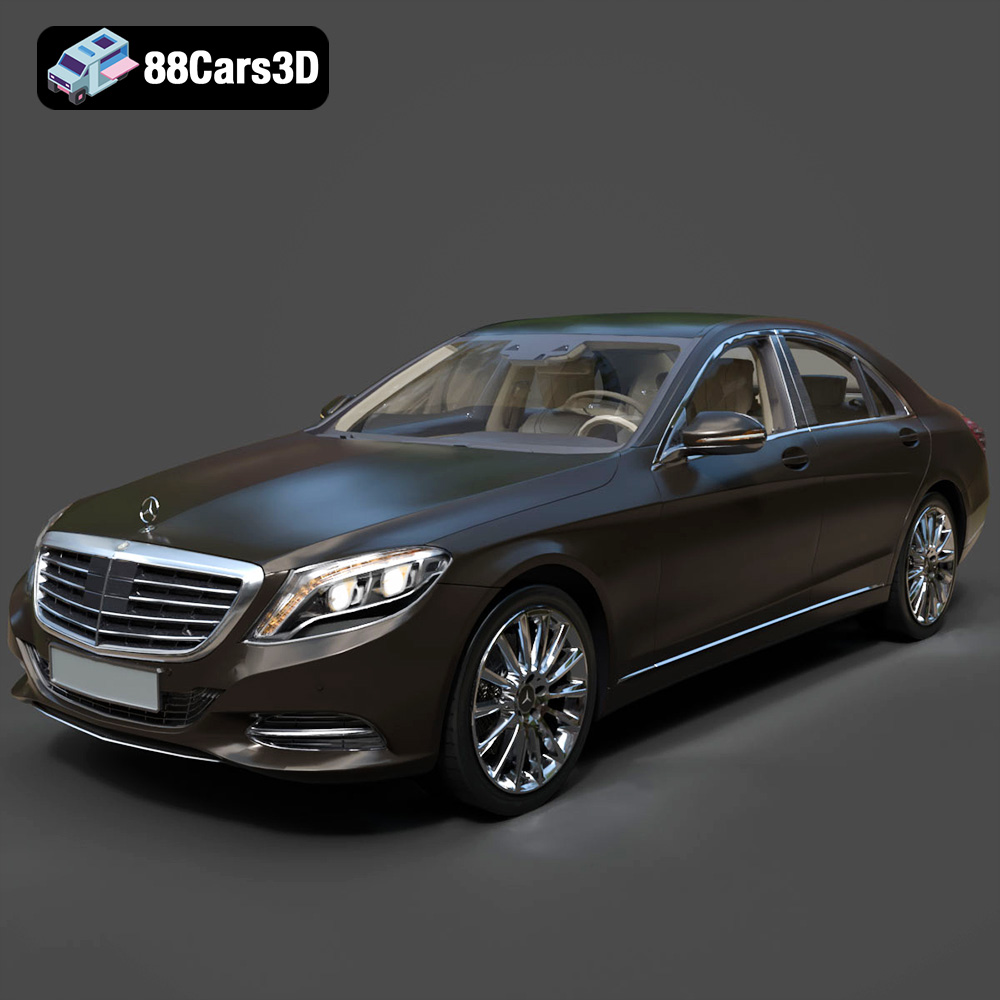
Mercedes-Benz S500 2022 3D Model
Texture: Yes
Material: Yes
Download the Mercedes-Benz S500 2022 3D Model featuring clean geometry, realistic detailing, and a fully modeled interior. Includes .blend, .fbx, .obj, .glb, .stl, .ply, .unreal, and .max formats for rendering, simulation, and game development.
Price: $19.99
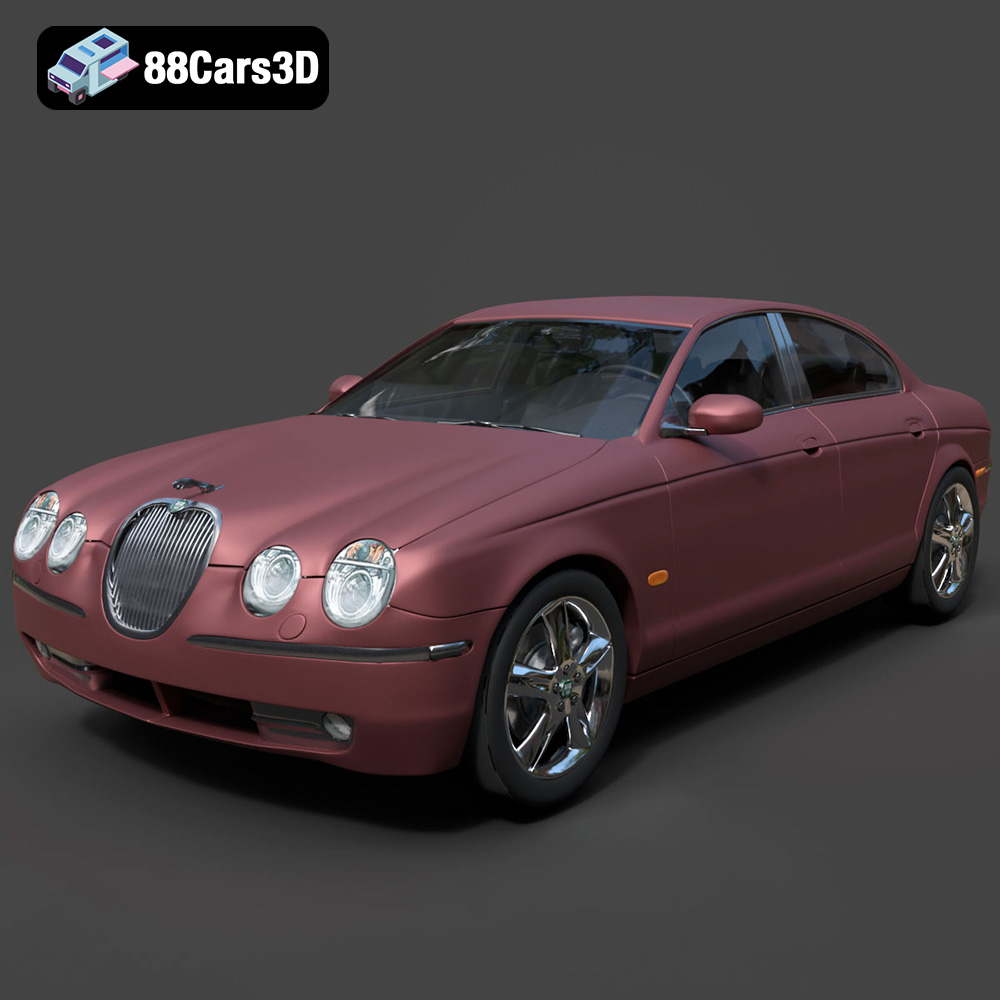
Jaguar S-Type Sedan 3D Model
Texture: Yes
Material: Yes
Download the Jaguar S-Type Sedan 3D Model featuring clean geometry, realistic detailing, and a fully modeled interior. Includes .blend, .fbx, .obj, .glb, .stl, .ply, .unreal, and .max formats for rendering, simulation, and game development.
Price: $18.99
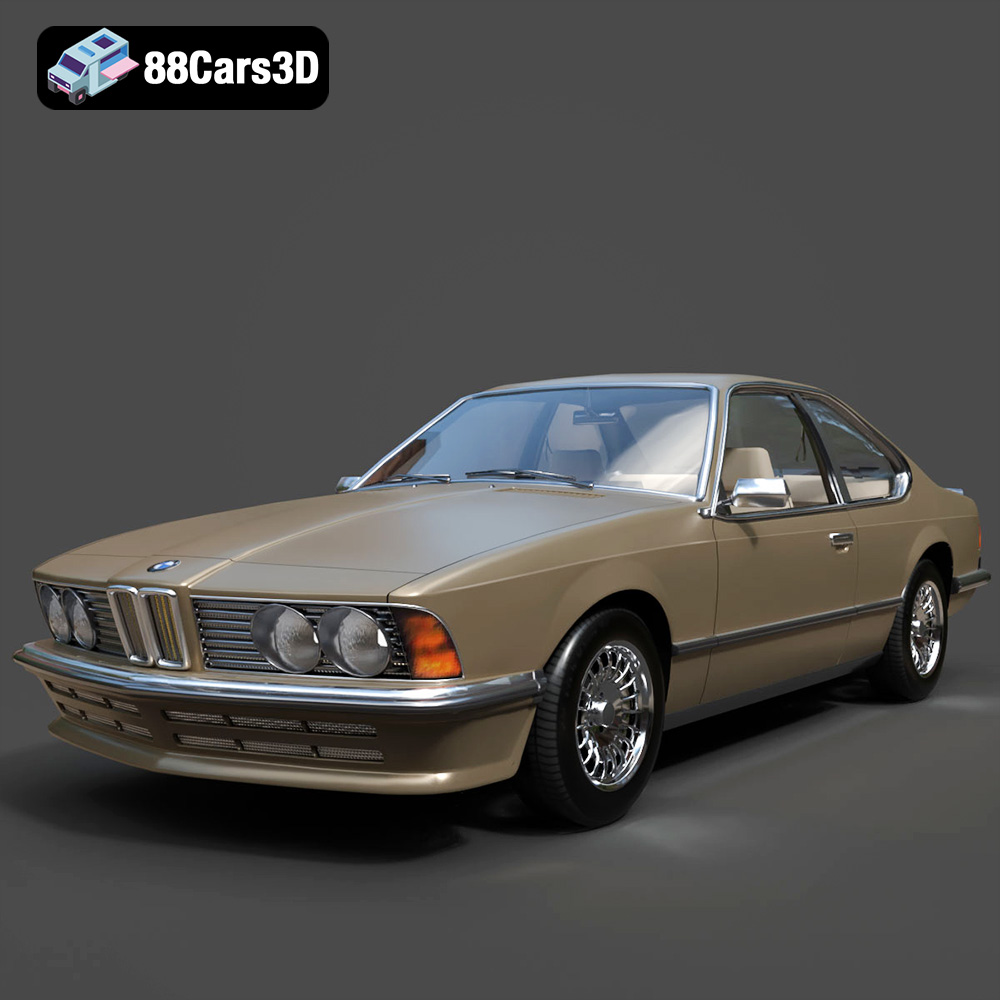
BMW 6 Series 1986 3D Model
Texture: Yes
Material: Yes
Download the BMW 6 Series 1986 3D Model featuring clean geometry, realistic detailing, and a fully modeled interior. Includes .blend, .fbx, .obj, .glb, .stl, .ply, .unreal, and .max formats for rendering, simulation, and game development.
Price: $16.99
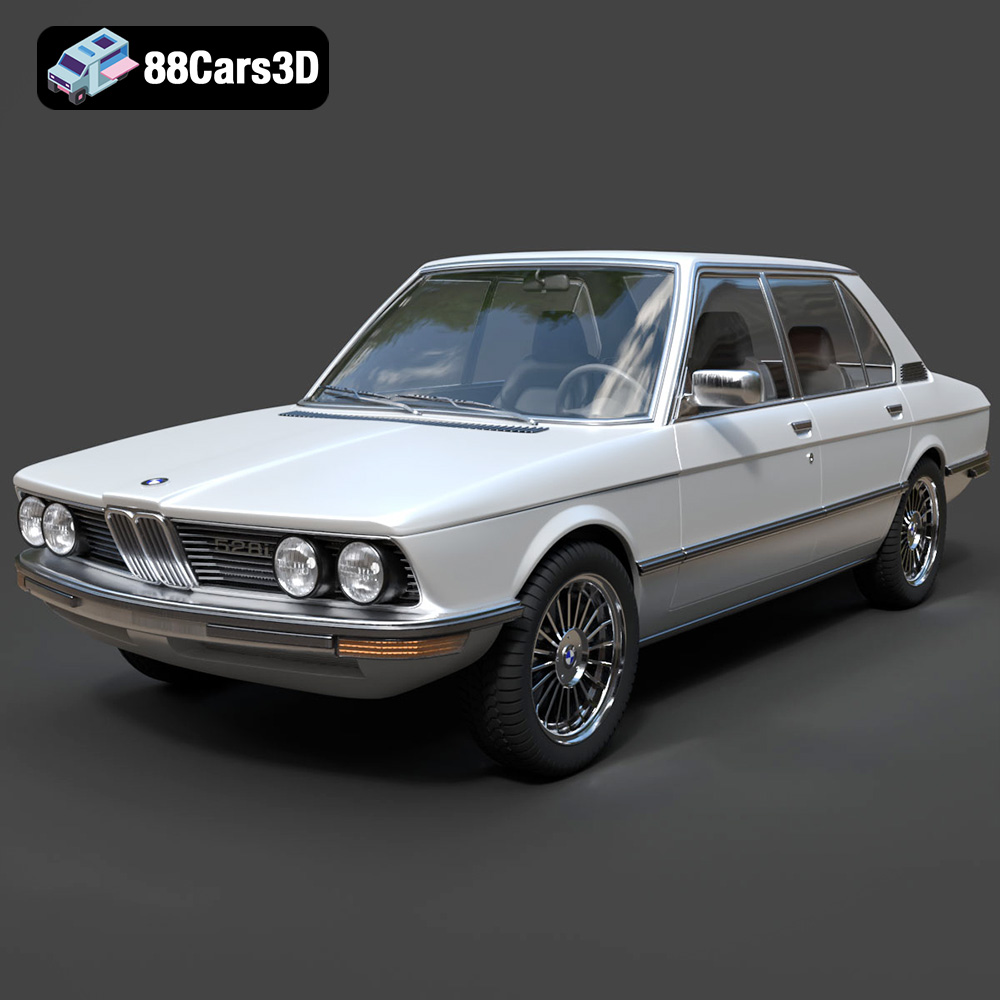
BMW 5 Series E12 528i 3D Model
Texture: Yes
Material: Yes
Download the BMW 5 Series E12 528i 3D Model featuring clean geometry, realistic detailing, and a fully modeled interior. Includes .blend, .fbx, .obj, .glb, .stl, .ply, .unreal, and .max formats for rendering, simulation, and game development.
Price: $14.99

BMW 5 Series F10 2014 3D Model
Texture: Yes
Material: Yes
Download the BMW 5 Series F10 3D Model featuring clean geometry, realistic detailing, and a fully modeled interior. Includes .blend, .fbx, .obj, .glb, .stl, .ply, .unreal, and .max formats for rendering, simulation, and game development.
Price: $14.99
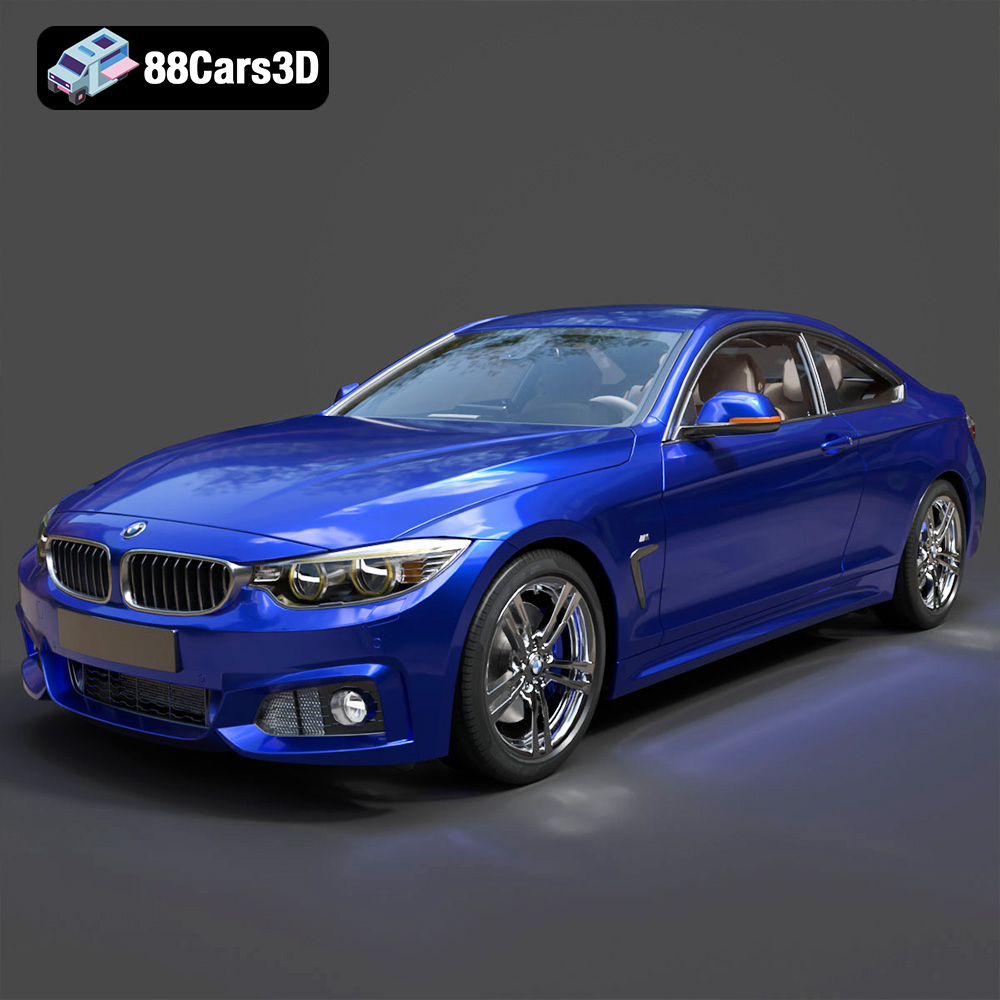
BMW 4 Series Coupe M Sport 2014 3D Model
Texture: Yes
Material: Yes
Download the BMW 4 Series Coupe M Sport 2014 3D Model featuring clean geometry, realistic detailing, and a fully modeled interior. Includes .blend, .fbx, .obj, .glb, .stl, .ply, .unreal, and .max formats for rendering, simulation, and game development.
Price: $14.99

Bentley Brooklands 2008 3D Model
Texture: Yes
Material: Yes
Download the Bentley Brooklands 2008 3D Model featuring clean geometry, realistic detailing, and a fully modeled interior. Includes .blend, .fbx, .obj, .glb, .stl, .ply, .unreal, and .max formats for rendering, simulation, and game development.
Price: $14.99
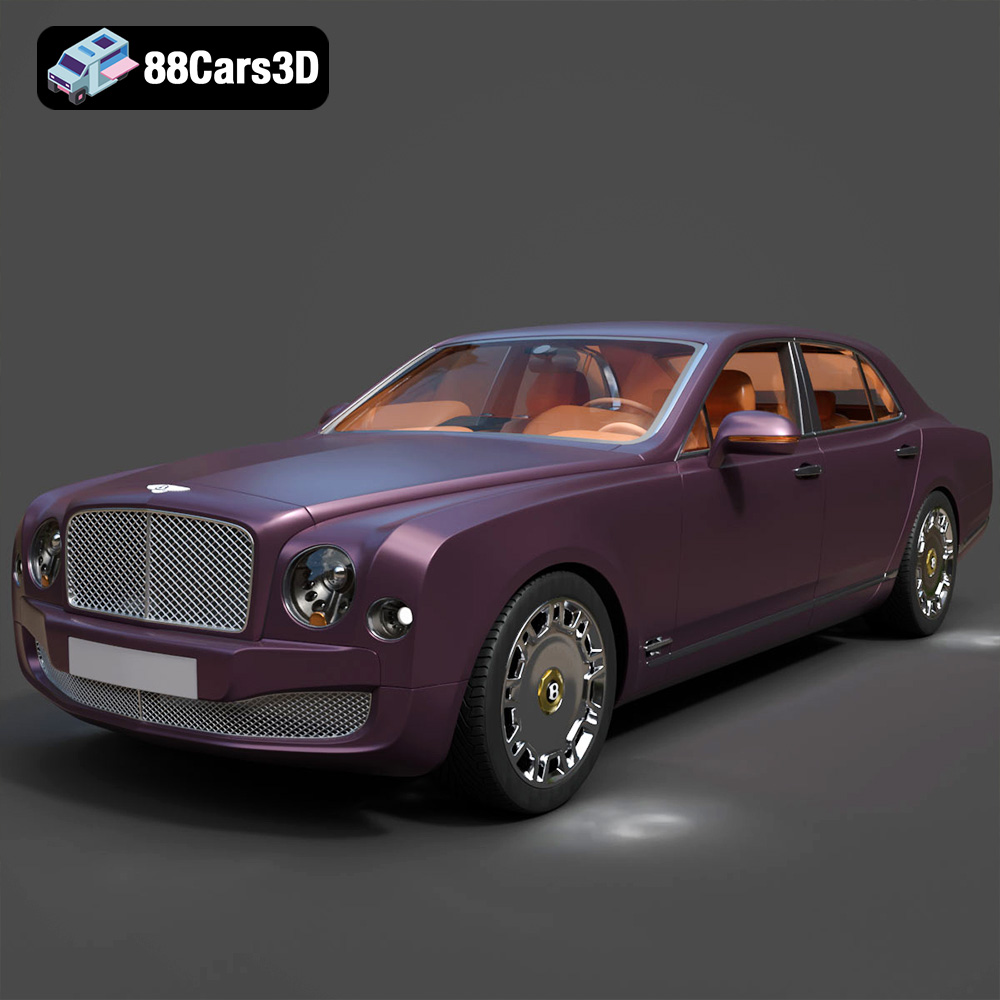
Bentley Mulsanne Luxury Sedan 3D Model
Texture: Yes
Material: Yes
Download the Bentley Mulsanne Luxury Sedan 3D Model featuring clean geometry, realistic detailing, and a fully modeled interior. Includes .blend, .fbx, .obj, .glb, .stl, .ply, .unreal, and .max formats for rendering, simulation, and game development.
Price: $14.99

Bentley Continental GT 2011 3D Model
Texture: Yes
Material: Yes
Download the Bentley Continental GT 2011 3D Model featuring clean geometry, realistic detailing, and a fully modeled interior. Includes .blend, .fbx, .obj, .glb, .stl, .ply, .unreal, and .max formats for rendering, simulation, and game development.
Price: $14.99

Bentley Continental Flying Spur 3D Model
Texture: Yes
Material: Yes
Download the Bentley Continental Flying Spur 3D Model featuring clean geometry, realistic detailing, and a fully modeled interior. Includes .blend, .fbx, .obj, .glb, .stl, .ply, .unreal, and .max formats for rendering, simulation, and game development.
Price: $14.99
