

“`html
Mastering Your 3D Prints: Essential Wall Thickness and Support Settings for Stunning Vehicle Models
The allure of a perfectly replicated classic car or a sleek futuristic vehicle rendered in 3D is undeniable. For enthusiasts and hobbyists alike, the ability to bring these automotive icons to life through 3D printing is incredibly rewarding. However, translating a digital 3D model, especially a complex one like a car, into a tangible, high-quality print presents several technical challenges. Two of the most critical aspects that often determine the success or failure of a print are proper wall thickness and optimized support structures. Get these wrong, and you’ll be left with fragile, incomplete, or heavily scarred models. Get them right, and you’ll produce show-stopping replicas. This guide will delve deep into the technical intricacies of ensuring your vehicle models boast the structural integrity they deserve and emerge from your printer with minimal blemishes. We’ll cover everything from understanding STL file limitations and slicer settings to advanced troubleshooting, empowering you to achieve professional-grade results with your 3D printable car models.
Understanding the Fundamentals: STL Files and Geometric Integrity
Before we even touch a slicer, it’s crucial to understand the foundation of our digital models: the STL file format. STL (STereoLithography) represents a 3D object as a collection of triangular facets. While ubiquitous, this format has inherent limitations. Each facet is defined by three vertices and a normal vector, which dictates the outward-facing direction. For a 3D print to be successful, the resulting mesh must be “watertight” or manifold. This means there can be no holes, no internal faces, and each edge must be shared by exactly two triangles. A non-manifold mesh can confuse the slicer, leading to printing errors, missing sections, or excessive, poorly placed supports. Models downloaded from high-quality sources, such as those found on 88cars3d.com, are typically designed with manifold geometry and optimized for 3D printing, but understanding these principles is vital for any custom modifications or troubleshooting.
The Importance of Watertight Meshes
A watertight or manifold mesh ensures that the slicer can accurately calculate the volume and boundaries of your model. When the mesh isn’t closed, the slicer can’t determine where the interior of the object is, leading to issues like:
- Holes in the print: The slicer might interpret an opening as an area where filament shouldn’t be extruded, leaving gaps.
- Incorrect infill: Without a closed volume, the slicer may not be able to generate internal infill, resulting in hollow or collapsed structures.
- Printing failures: In severe cases, a non-manifold mesh can cause the slicer to crash or generate completely unprintable toolpaths.
Software like Meshmixer, Blender, or Netfabb are invaluable tools for checking and repairing mesh integrity. They can identify non-manifold edges, inverted normals, and intersecting faces, allowing you to correct them before slicing. For instance, in Meshmixer, the “Make Solid” tool or the “Inspector” function can automatically detect and often fix these issues. For complex automotive models, this is a critical first step, especially for components like thin body panels or intricate interior details.
Assessing Model Complexity and Scale
The detail inherent in a 3D printable car model often dictates its complexity. High-polygon models can have incredibly fine details, but they also increase the risk of intersecting geometry or excessively thin features. When preparing to print, consider the scale at which you intend to print. A model designed for a 1:18 scale might have panel gaps or exhaust pipes that are too thin to print reliably at a 1:64 scale using standard FDM settings. Conversely, a model scaled up significantly might require adjustments to wall thickness to maintain strength. Understanding the limitations of your chosen 3D printer and nozzle size is paramount here. A 0.4mm nozzle, for example, has a practical minimum extrusion width, meaning features smaller than this (or about twice the layer height) will struggle to be printed accurately or at all.
Optimizing Wall Thickness for Structural Integrity
Wall thickness, often referred to as shell thickness or perimeter count in slicer software, is fundamental to the strength and durability of your 3D prints. For vehicle models, this is particularly important for exterior panels, chassis components, and any part that needs to withstand handling or exhibit rigidity. Too thin, and parts become brittle and prone to breaking; too thick, and you risk losing fine details, increasing print time, and wasting material. The ideal wall thickness is a balance, dictated by the material, the printer, the desired detail level, and the specific function of the part.
Defining Minimum Wall Thickness
The minimum practical wall thickness is directly related to your nozzle diameter and the extrusion width setting in your slicer. A common rule of thumb for FDM printing is that the wall thickness should be at least 1x to 2x the nozzle diameter. For a standard 0.4mm nozzle, this means a minimum wall thickness of 0.4mm to 0.8mm. Many slicers allow you to set wall thickness in millimeters or by specifying the number of perimeters (walls). Printing with two perimeters (0.8mm total with a 0.4mm nozzle) is a good starting point for many general-purpose prints, providing a decent balance of strength and detail.
For delicate automotive details like spoilers, mirrors, or grilles, you might aim for the lower end of this range. However, for structural components like the chassis, wheel arches, or even the main body of the car, increasing the wall thickness to 1.2mm to 1.6mm (3-4 perimeters) can significantly improve rigidity. When working with models from marketplaces like 88cars3d.com, examine the provided specifications or, if possible, inspect the model in your slicer to identify areas that might be too thin at your intended print scale.
Perimeter Count vs. Absolute Thickness
Slicer settings often offer two ways to control wall thickness: a fixed millimeter value or a number of perimeters.
- Absolute Thickness (e.g., 1.2mm): This setting ensures the walls are always a specific width, regardless of the nozzle size. The slicer calculates the number of extrusion lines needed to achieve this. This is generally more predictable, especially if you switch nozzle sizes.
- Perimeter Count (e.g., 3 walls): This setting dictates how many extrusion lines are laid down for each wall. With a 0.4mm nozzle, 3 walls will result in approximately 1.2mm thickness. This method is simpler to adjust on the fly but can lead to slightly different results with varying nozzle diameters.
For vehicle models, using a combination is often best. Start with a base of 2-3 perimeters for most of the body. For critical structural elements, increase this to 4-5 perimeters or set an absolute thickness of 1.6mm-2.0mm. Conversely, for extremely fine details like emblems or door handles that are already thin in the model, you might rely on the model’s inherent thinness and ensure the slicer doesn’t over-extrude them by thickening them excessively.
Addressing Thin Features in Models
Many car models feature naturally thin elements like spoilers, roof racks, or side mirrors. If these features are thinner than your desired minimum wall thickness, the slicer might attempt to thicken them, potentially altering the intended design or even causing them to merge with other parts of the model. Here are strategies:
- In-model thickening: Before slicing, use 3D modeling software (Blender, Meshmixer) to slightly thicken these problematic areas directly in the STL. This gives you more control.
- Slicer adaptive walls: Some advanced slicers offer features that can adapt wall thickness or allow parts of the model thinner than a certain threshold to be printed as solid features, preventing them from being ignored or over-thickened.
- Accepting limitations: For very fine features, especially at smaller scales, you might need to accept that they won’t print perfectly with standard FDM settings. Consider printing them separately and attaching them later, or using a resin printer for finer detail.
Mastering Support Structures for Complex Geometries
Vehicle models are replete with overhangs and bridges – think of the undercarriage, wheel wells, spoilers, and complex curves of a car’s body. Without proper support, these features will droop, sag, or fail entirely. Generating and managing support structures is arguably the most critical skill for successfully printing intricate models like cars. The goal is to provide adequate scaffolding for overhangs without making the supports impossible to remove or leaving excessive scarring on the model’s surface.
Types of Supports and When to Use Them
Slicer software typically offers several types of supports:
- Normal/Grid Supports: These create a dense grid structure directly beneath overhangs. They are strong and reliable but can be difficult to remove and often leave significant marks.
- Tree/Branching Supports: Introduced by software like Cura, these supports branch out from a base and connect to the model at specific points. They use less material, are generally easier to remove, and often leave fewer marks on the model surface, making them ideal for detailed models.
- Custom Supports: Manually placed supports allow for precise control, enabling you to support only the critical areas that need it. This requires more effort but yields the best results for complex or highly detailed prints.
For car models, tree supports are often the preferred method due to their efficiency and ease of removal. However, for very large overhangs or structurally critical areas, a carefully placed pattern of normal supports might be necessary. Always preview your supports in the slicer to ensure they are reaching all necessary overhangs and not interfering with crucial details.
Support Settings: Density, Angle, and Placement
Fine-tuning support settings is key to successful removal and minimal surface damage:
- Overhang Threshold Angle: This setting determines at what angle an overhang requires support. A common starting point is 45-60 degrees. For car bodies, a slightly lower angle might be needed for smooth curves.
- Support Density: This controls how closely packed the support structures are. Lower densities (10-20%) use less material and are easier to break away but might not be strong enough for large overhangs. Higher densities (30-50%) provide more stability but are harder to remove. For tree supports, density influences how “thick” the branches are.
- Support Interface Layers: This is a crucial setting for clean removal. Support interfaces are denser layers printed just below the actual model surface. They create a smoother, more solid contact point, making it easier to peel away the supports and leaving a cleaner finish on the model. Experiment with 2-4 interface layers.
- Support Placement: Options typically include “Touching Buildplate” (supports only grow from the print bed) or “Everywhere” (supports can grow from the model itself). For car models with complex undercarriages, “Everywhere” is usually necessary.
- Support Z Distance: This is the gap between the top of the support structure and the bottom of the model overhang. A small Z distance (e.g., 0.1mm – 0.2mm) leads to better surface quality as it reduces sag, but it makes removal harder. A larger distance makes removal easier but can result in a rougher surface. Fine-tuning this is critical.
When printing models from 88cars3d.com, which are designed with printability in mind, you’ll often find they require fewer supports than a generic model. However, always check the preview and adjust settings as needed. For instance, the undercarriage of a classic car might have deep recesses that require carefully tailored supports.
Advanced Support Strategies and Troubleshooting
Even with careful settings, support removal can be challenging. Here are some advanced tips and common troubleshooting scenarios:
- Pre-supported Models: Some creators offer models with built-in supports, which can be highly optimized. If available, consider using these.
- Splitting Models: For extremely complex vehicles, consider splitting the model into smaller, more manageable parts in your 3D modeling software. Print the chassis, body, wheels, and interior separately, then assemble them. This drastically reduces the need for complex supports.
- Using Dissolvable Supports: If your printer has dual extruders, using dissolvable filament (like PVA or BVOH) for supports is a game-changer. You can immerse the print in water (or a specific solvent) to dissolve the supports completely, leaving pristine surfaces.
- Common Issues:
- Supports breaking off mid-print: Increase support density, use wider branches (for tree supports), or ensure better bed adhesion for the initial support structure.
- Supports fusing to the model: Decrease the Z distance between supports and the model, or use a support interface. Ensure your cooling fan settings aren’t too aggressive, which can cause drooping.
- Excessive scarring: Try tree supports, increase support interface density, or adjust the Z distance. Sanding and filling are often necessary post-processing steps.
For particularly challenging overhangs, like the lip of a wheel arch or the underside of a spoiler, consider manually adding a few strategically placed support points using custom support features in your slicer. This targeted approach can save a lot of post-processing headaches.
Print Orientation and Bed Adhesion for Vehicle Models
The way you orient a car model on your print bed significantly impacts print quality, structural integrity, and the need for supports. Furthermore, ensuring the model adheres firmly to the build plate throughout the print is non-negotiable, especially for larger, more detailed models that can be prone to warping or detachment.
Strategic Orientation for Optimal Results
When positioning a vehicle model, consider these factors:
- Minimize Overhangs: The primary goal is to orient the model so that the largest, most critical surfaces have the least amount of overhang. For most cars, this means printing them upright, or “on their wheels.” This places the majority of the bodywork in a printable orientation, with supports primarily needed for the undercarriage, wheel wells, and perhaps the roofline.
- Maximize Surface Quality: If you desire a perfectly smooth top surface (e.g., the hood or roof), orienting the model to have this surface facing upwards (but relying on supports for the underside) can be beneficial. However, this might increase the complexity of support removal on those visible areas.
- Strengthen Layer Lines: For structural components, orienting them so that layer lines run in a direction that maximizes strength is crucial. For FDM prints, layer adhesion is weakest between layers. If a component is primarily stressed perpendicular to the layer lines, it’s more likely to break. For a car body, printing upright generally provides good strength distribution.
- Reduce Print Time: Sometimes, a less optimal orientation might significantly reduce the overall print time by minimizing the height of the print or the amount of material needed for supports. Balance this against potential quality compromises.
When downloading models from 88cars3d.com, they often come with a recommended orientation, usually upright. However, always test this in your slicer. If you plan to print a particularly complex or delicate model, consider printing it at a smaller scale first to test your chosen orientation and support strategy.
Achieving Reliable Bed Adhesion
A print detaching from the build plate mid-print is a common and frustrating failure. For detailed car models, ensuring robust adhesion is paramount:
- Clean Build Plate: Always start with a clean build plate. Oils from fingerprints or residual adhesive can severely compromise adhesion. Use isopropyl alcohol (IPA) for glass or PEI sheets.
- Build Surface Choice: Different build surfaces offer varying levels of adhesion. Glass beds can work well with adhesion aids like glue stick or hairspray. PEI sheets (smooth or textured) are excellent for PLA and PETG. Flexible build plates make print removal easier.
- Adhesion Aids: For materials prone to warping (like ABS) or for challenging prints, consider using aids:
- Brim: A brim adds a single layer of extruded lines around the base of your model, increasing the surface area contacting the build plate. This is highly effective for preventing corners from lifting. Aim for a brim width of 5-10mm for most car models.
- Raft: A raft prints a thick base layer onto which your model is then printed. It consumes more material and can leave a rougher bottom surface but provides excellent adhesion and can compensate for minor bed leveling issues.
- Adhesives: Glue sticks (PVA-based) or specialized 3D printing adhesives can create a strong bond.
- Bed Leveling and Z-Offset: Proper bed leveling ensures the nozzle is consistently at the correct distance from the build plate across its entire surface. The Z-offset fine-tunes this distance. A slightly “squished” first layer, where the extruded filament is slightly flattened against the bed, indicates optimal Z-offset and promotes strong adhesion.
- Enclosure and Temperature: For materials like ABS, printing inside an enclosure helps maintain a stable ambient temperature, reducing warping and improving adhesion by preventing rapid cooling. Heated beds are essential for most materials beyond PLA.
When printing complex car models, especially those with intricate underbodies or delicate components close to the build plate, a generous brim is often the safest bet to ensure the entire print completes successfully.
Material Selection and Slicer Settings for Fine Details
The choice of filament and the fine-tuning of your slicer settings play a pivotal role in achieving the desired finish and accuracy for your 3D printable car models. From the smooth curves of a sports car body to the intricate details of an engine bay, the right material and settings can make all the difference.
Filament Choices for Automotive Models
Different filaments offer unique properties suitable for various aspects of car modeling:
- PLA (Polylactic Acid): The most common and easiest filament to print. It offers good detail resolution, low warping, and comes in a vast array of colors, including metallic finishes perfect for car bodies. Its main drawback is its relatively low heat resistance and brittleness. Ideal for display models printed at lower temperatures.
- PETG (Polyethylene Terephthalate Glycol): More durable and slightly more temperature resistant than PLA. It offers a good balance of strength, flexibility, and ease of printing. PETG can be excellent for structural components or parts that might experience some stress. It tends to be stringier than PLA, requiring careful retraction tuning.
- ABS (Acrylonitrile Butadiene Styrene): Known for its toughness, impact resistance, and higher temperature resistance. However, ABS is notoriously difficult to print due to significant warping and the need for a heated enclosure and good ventilation (it emits fumes). Best suited for functional parts or models intended for harsh environments, though its printing difficulty often makes it less appealing for hobbyists compared to PLA or PETG.
- Resin (SLA/DLP/MSLA): For ultimate detail and surface finish, resin printing is often superior. Resin printers can achieve incredibly fine details, making them perfect for tiny emblems, intricate grilles, or even full-scale, highly detailed car models. Different resin types offer varying properties, from standard to tough or flexible. The downside is the smaller build volume compared to many FDM printers and the post-processing required (washing and curing).
For most general-purpose FDM printing of car models from sources like 88cars3d.com, PLA is an excellent starting point due to its ease of use and detail capabilities. If durability is a concern, consider PETG.
Slicer Settings for Enhanced Detail and Surface Finish
Achieving a smooth, detailed finish on a car model requires careful slicer configuration:
- Layer Height: This is the most significant factor affecting detail. Standard layer heights of 0.2mm offer a good balance of speed and quality. For highly detailed models or smaller scales, reducing the layer height to 0.1mm or even 0.08mm can dramatically improve surface smoothness and capture finer details like panel lines or badges. Be aware that this significantly increases print time.
- Print Speed: Slower speeds generally result in better quality and detail. For external perimeters (the visible outer walls), consider slowing down significantly, perhaps to 20-40 mm/s. This allows the filament to cool properly and adhere accurately to the previous layer, reducing artifacts like ringing or ghosting.
- Retraction Settings: Crucial for preventing stringing, especially with materials like PETG. Tune retraction distance and speed in small increments. A retraction prime speed can also help ensure consistent extrusion after travel moves.
- Cooling Fan Speed: Adequate part cooling is essential for PLA to solidify quickly and hold fine details, especially on overhangs and small features. Too much cooling can sometimes reduce layer adhesion, so find a balance, often starting at 100% for PLA after the initial few layers.
- Infill Pattern and Density: For display models, infill density can often be kept low (10-15%) using patterns like Gyroid or Cubic, which offer good strength in multiple directions without adding excessive print time or material. If the part needs to be sturdy, increase density or choose a stronger pattern.
Experimentation is key. Print small test pieces with critical features (like a wheel arch or a grille section) using different settings to find what works best for your specific printer and material combination before committing to a large, multi-hour print.
Post-Processing: Bringing Your Printed Car Model to Life
Once your 3D printed car model has emerged successfully from the printer, the journey isn’t over. Post-processing is where you transform a raw print into a polished, display-worthy piece. This stage involves cleaning, refining, and potentially assembling multiple parts to achieve the final look.
Support Removal and Surface Smoothing
The careful removal of supports is the first critical step. For FDM prints:
- Tools: Needle-nose pliers, hobby knives (X-Acto knives), flush cutters, and dental picks are invaluable. Always use caution when handling sharp tools.
- Technique: Gently break away larger sections of support first. For stubborn supports or those attached to delicate features, carefully cut or pry them loose. Support interfaces can often be peeled away cleanly. Work slowly and deliberately to avoid damaging the model.
After support removal, you’ll likely have some surface imperfections, such as support marks or minor layer lines. Smoothing techniques include:
- Sanding: Start with coarser grit sandpaper (e.g., 120-220 grit) to remove major imperfections and support marks. Progress to finer grits (400, 800, 1000, and even higher) for a smoother finish. Wet sanding (using water with sandpaper) can produce even smoother results and reduce dust.
- Filling: For deeper gaps or layer lines, use modeling putty, Bondo, or specialized 3D print fillers. Apply, let dry, and sand smooth.
- Chemical Smoothing (Use with Caution): For ABS, acetone vapor smoothing can create an incredibly smooth, almost injection-molded finish. This requires significant safety precautions and is not recommended for PLA or PETG. For resin prints, isopropyl alcohol baths or specialized smoothing compounds can be used.
Assembly and Painting Techniques
Many detailed car models are designed to be printed in multiple parts for easier printing and better detail. Assembly requires precision:
- Adhesives: Cyanoacrylate (super glue) is excellent for quick bonds between PLA or PETG parts. Two-part epoxy offers a stronger, more durable bond, ideal for structural connections. Plastic cement designed for specific plastics can also be effective.
- Alignment: If the model parts include pegs, holes, or registration marks, use them to ensure proper alignment before gluing. Clamps or tape can help hold parts together while the adhesive cures.
- Filling Seams: After assembly, sand and fill any visible seams between parts for a seamless finish.
Painting brings your model to life. A good paint job requires preparation:
- Priming: Apply a thin, even coat of primer. This helps reveal any remaining imperfections that need filling or sanding and provides a uniform surface for your paint colors.
- Painting: Use acrylic model paints, spray paints, or an airbrush. Apply multiple thin coats rather than one thick coat to avoid obscuring details. Metallic paints are excellent for car bodies.
- Detailing: Use fine brushes to paint details like lights, trim, tires, and interior elements. Weathering techniques can add realism.
- Clear Coating: A final clear coat (gloss, satin, or matte) protects the paint job and gives the model a finished look. A gloss coat is typical for car bodies.
Post-processing is an art form in itself. Take your time, use the right tools, and practice these techniques to elevate your 3D printed car models from simple prints to impressive display pieces.
Achieving high-quality 3D prints of intricate vehicle models hinges on a deep understanding of fundamental concepts like wall thickness and support structures. By meticulously preparing your STL files, carefully configuring your slicer settings for optimal wall definition and support generation, choosing the right materials, and employing effective post-processing techniques, you can overcome common printing challenges. Whether you’re printing a classic muscle car or a futuristic concept, mastering these technical aspects will ensure your creations are not only structurally sound but also visually stunning. Platforms like 88cars3d.com provide excellent, print-ready models, but knowing how to optimize their print settings and handle their unique geometries is the key to unlocking truly professional results. Embrace the process, learn from each print, and enjoy the satisfaction of bringing your favorite automotive designs to life, one layer at a time.
“`
Featured 3D Car Models

BMW 1 Series 3-Door E81 3D Model
Texture: Yes
Material: Yes
Download the BMW 1 Series 3-Door E81 3D Model featuring a detailed exterior, functional interior elements, and clean geometry. Includes .blend, .fbx, .obj, .glb, .stl, .ply, .unreal, and .max formats for rendering, simulation, and game development.
Price: $14.79

Mercedes-Benz S500 2022 3D Model
Texture: Yes
Material: Yes
Download the Mercedes-Benz S500 2022 3D Model featuring clean geometry, realistic detailing, and a fully modeled interior. Includes .blend, .fbx, .obj, .glb, .stl, .ply, .unreal, and .max formats for rendering, simulation, and game development.
Price: $19.99
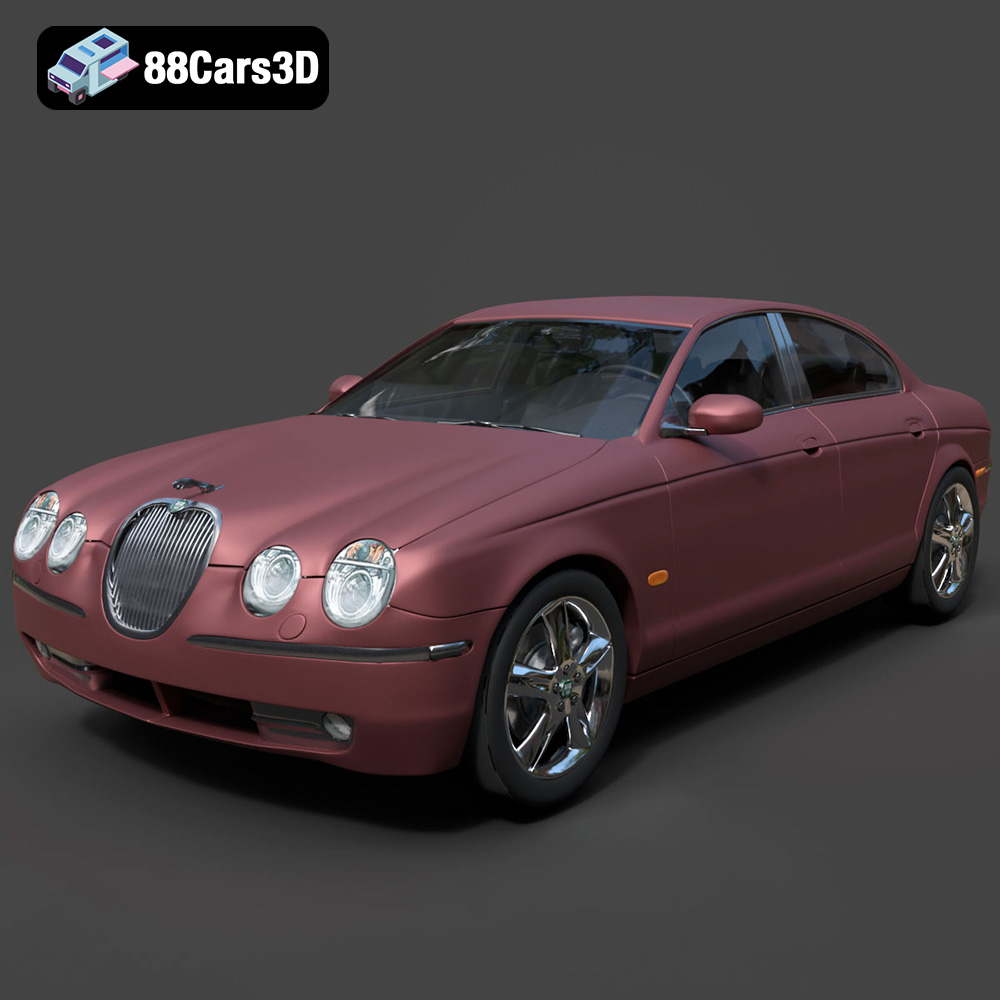
Jaguar S-Type Sedan 3D Model
Texture: Yes
Material: Yes
Download the Jaguar S-Type Sedan 3D Model featuring clean geometry, realistic detailing, and a fully modeled interior. Includes .blend, .fbx, .obj, .glb, .stl, .ply, .unreal, and .max formats for rendering, simulation, and game development.
Price: $18.99
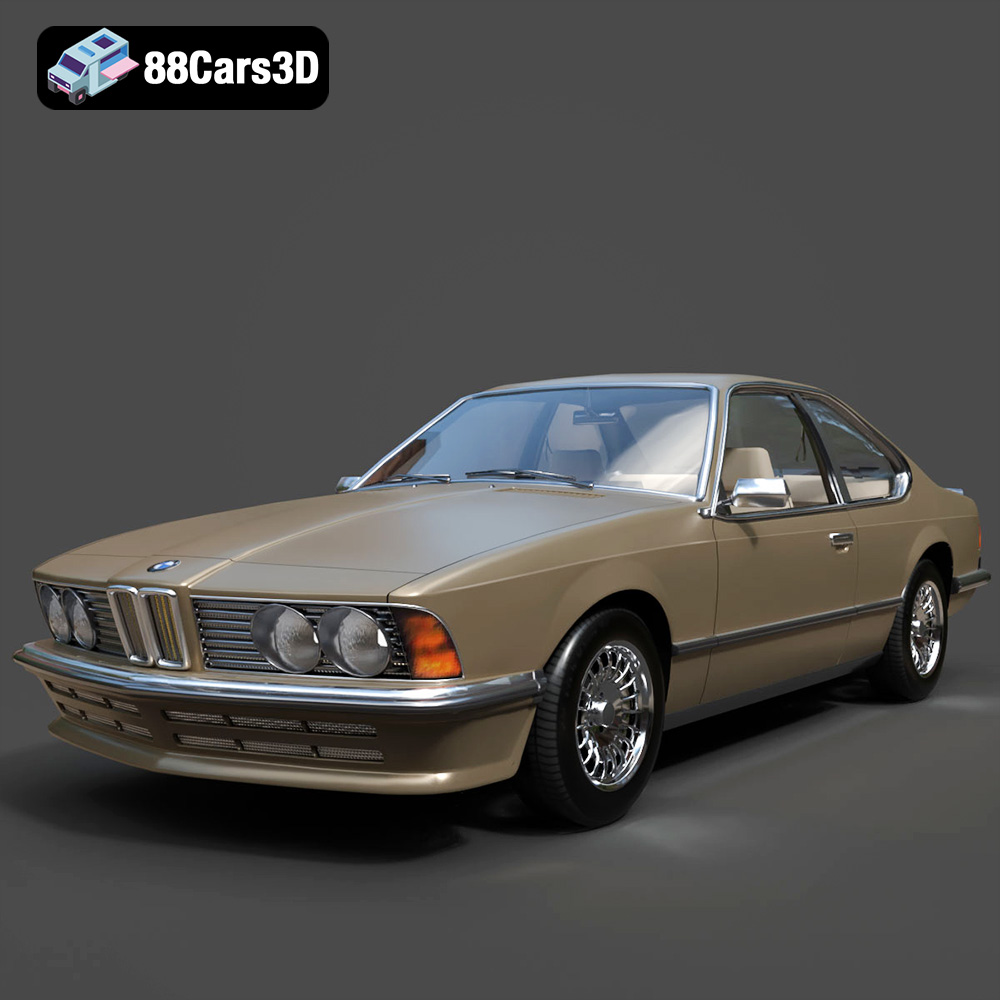
BMW 6 Series 1986 3D Model
Texture: Yes
Material: Yes
Download the BMW 6 Series 1986 3D Model featuring clean geometry, realistic detailing, and a fully modeled interior. Includes .blend, .fbx, .obj, .glb, .stl, .ply, .unreal, and .max formats for rendering, simulation, and game development.
Price: $16.99
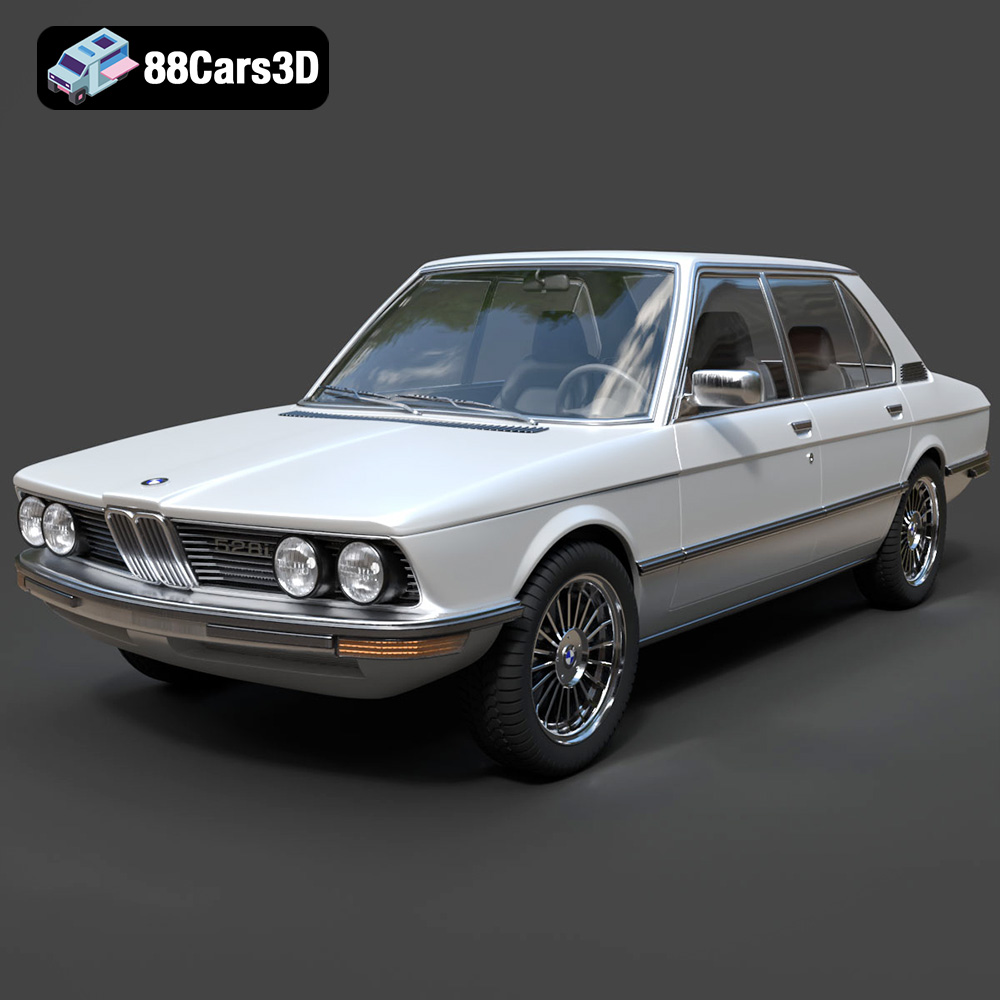
BMW 5 Series E12 528i 3D Model
Texture: Yes
Material: Yes
Download the BMW 5 Series E12 528i 3D Model featuring clean geometry, realistic detailing, and a fully modeled interior. Includes .blend, .fbx, .obj, .glb, .stl, .ply, .unreal, and .max formats for rendering, simulation, and game development.
Price: $14.99

BMW 5 Series F10 2014 3D Model
Texture: Yes
Material: Yes
Download the BMW 5 Series F10 3D Model featuring clean geometry, realistic detailing, and a fully modeled interior. Includes .blend, .fbx, .obj, .glb, .stl, .ply, .unreal, and .max formats for rendering, simulation, and game development.
Price: $14.99

BMW 4 Series Coupe M Sport 2014 3D Model
Texture: Yes
Material: Yes
Download the BMW 4 Series Coupe M Sport 2014 3D Model featuring clean geometry, realistic detailing, and a fully modeled interior. Includes .blend, .fbx, .obj, .glb, .stl, .ply, .unreal, and .max formats for rendering, simulation, and game development.
Price: $14.99

Bentley Brooklands 2008 3D Model
Texture: Yes
Material: Yes
Download the Bentley Brooklands 2008 3D Model featuring clean geometry, realistic detailing, and a fully modeled interior. Includes .blend, .fbx, .obj, .glb, .stl, .ply, .unreal, and .max formats for rendering, simulation, and game development.
Price: $14.99
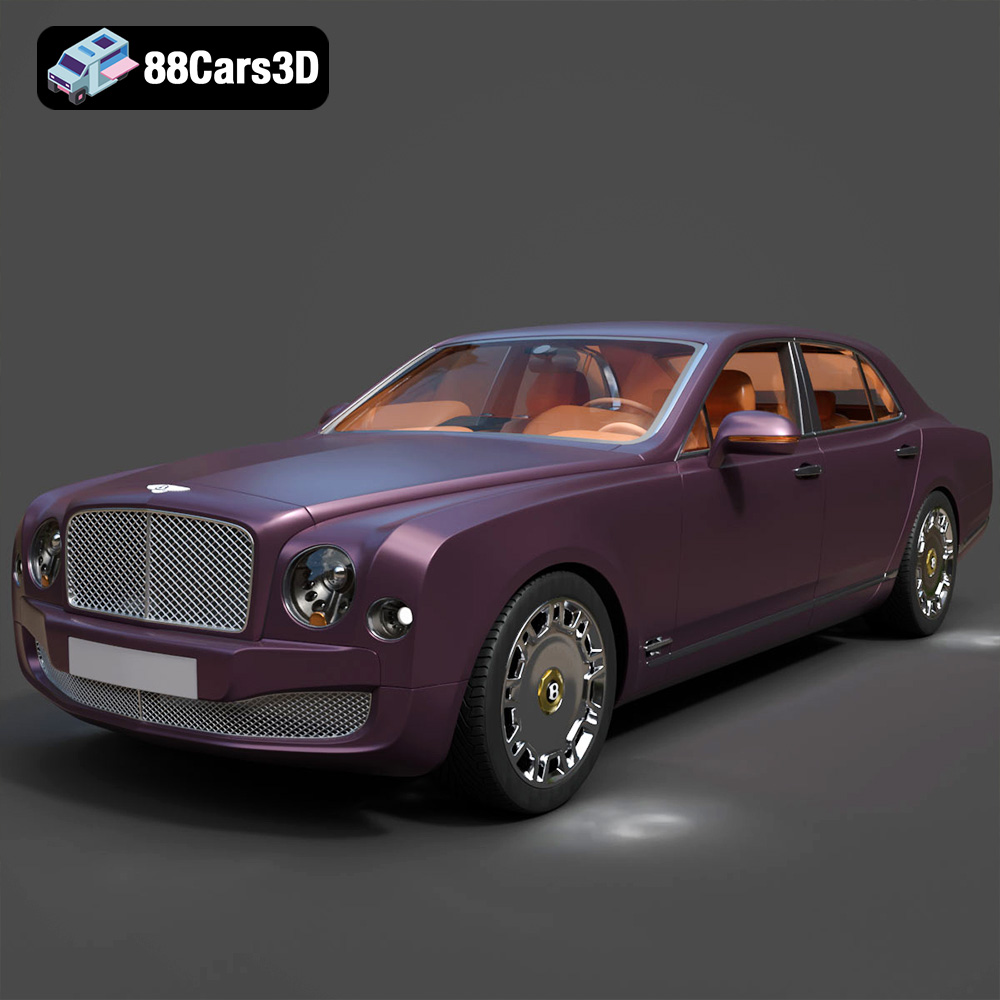
Bentley Mulsanne Luxury Sedan 3D Model
Texture: Yes
Material: Yes
Download the Bentley Mulsanne Luxury Sedan 3D Model featuring clean geometry, realistic detailing, and a fully modeled interior. Includes .blend, .fbx, .obj, .glb, .stl, .ply, .unreal, and .max formats for rendering, simulation, and game development.
Price: $14.99

Bentley Continental GT 2011 3D Model
Texture: Yes
Material: Yes
Download the Bentley Continental GT 2011 3D Model featuring clean geometry, realistic detailing, and a fully modeled interior. Includes .blend, .fbx, .obj, .glb, .stl, .ply, .unreal, and .max formats for rendering, simulation, and game development.
Price: $14.99
