

In the dynamic world of real-time rendering, game development, and high-fidelity automotive visualization, efficiency and scalability are paramount. Creating vast, intricate environments from scratch for every project is not only time-consuming but also resource-intensive. This is where the power of modular environment design in Unreal Engine shines, offering a robust solution for artists and developers to build expansive, detailed worlds with unparalleled speed and flexibility. Whether you’re crafting an open-world game, designing an interactive showroom for a new car model, or setting up a virtual production stage, a modular approach can dramatically streamline your workflow.
Modular environments are constructed from a library of reusable, standardized assets that can be snapped together like LEGO bricks. This methodology empowers creators to iterate rapidly, maintain visual consistency, and optimize performance across diverse projects. When integrating high-quality assets like 3D car models – the kind you might find on marketplaces like 88cars3d.com – into these environments, the benefits of modularity become even more pronounced. You can quickly set up various scenes, test different lighting conditions, and showcase vehicles in diverse contexts without rebuilding entire landscapes. This comprehensive guide will take you through the essential principles, technical workflows, and advanced techniques for building compelling modular environments in Unreal Engine, ensuring your automotive visualizations and interactive experiences stand out.
The Foundation of Modularity: Principles and Planning
Before diving into Unreal Engine, a solid understanding of modular design principles and meticulous planning is crucial. Modularity isn’t just about making small pieces; it’s about making smart pieces that work together harmoniously. The goal is to maximize reusability while minimizing visual repetition, creating environments that feel expansive and unique despite being built from a finite set of assets.
Defining a Modular Workflow: Grid, Scale, and Pivots
The cornerstone of a successful modular workflow is consistency. This starts with defining a clear grid system. In Unreal Engine, units are measured in centimeters, so establishing a standard grid size (e.g., 100cm, 200cm, 400cm) for all your modular pieces is essential. Every asset – from walls and floors to props and architectural details – should be designed to snap perfectly to this grid. Consistent sizing allows for effortless assembly and reduces visual gaps or misalignments. Equally important is the placement of pivot points for your 3D models. For modular assets, pivots should typically be located at one of the corners or at the center of a snapping edge, aligned with the world origin (0,0,0) in your DCC application (e.g., Blender, Maya, 3ds Max). This ensures that when you import and place assets in Unreal Engine, they rotate and scale predictably and snap accurately.
Concept to Blockout: Whiteboxing for Scale and Flow
The modular environment creation process typically begins with a robust concept and a thorough blockout phase. This involves creating simple, untextured geometric primitives (often referred to as whiteboxing or greyboxing) to define the layout, scale, and flow of your environment. For automotive visualization, this means ensuring your spaces are appropriately scaled for vehicles – a typical car is around 450-500cm long and 180-200cm wide. You’ll need ample space for cars to be showcased, driven, or viewed comfortably. During blockout, consider:
- Player/Camera Movement: How will a user navigate the space? Are pathways wide enough?
- Asset Placement: Where will key modular elements like wall sections, archways, or detailed props fit?
- Lighting Scenarios: How will light interact with the main forms of your environment?
- Key Visual Points: Identify areas where you want to draw the viewer’s eye, particularly where a 3D car model might be displayed.
This phase is cheap to iterate on and helps catch potential issues before investing time in high-fidelity asset creation.
Asset Categorization and Naming Conventions
As your library of modular assets grows, a disciplined approach to organization becomes critical. Establish clear categorization (e.g., Walls, Floors, Ceilings, Columns, Props_Architectural, Decals) and follow a strict naming convention (e.g., SM_Wall_Panel_01, SM_Floor_Tile_Concrete_A, BP_Modular_Archway). This not only makes assets easy to find within Unreal Engine’s Content Browser but also facilitates collaboration in larger teams. Consistent naming prevents conflicts, simplifies version control, and ensures that everyone understands the purpose and function of each asset.
Asset Creation and Preparation for Unreal Engine
Once your modular plan is established, the next step involves bringing your assets to life in a DCC application and preparing them for seamless integration into Unreal Engine. This phase focuses on the technical aspects of 3D modeling, UV mapping, and material setup to ensure optimal performance and visual fidelity.
Designing Modular Pieces: Reusability and Variation
The art of modular design lies in creating pieces that are versatile enough to be reused extensively without appearing repetitive. This involves designing specific “puzzle pieces” like corner sections, straight walls, doorframes, window inserts, and ceiling tiles. Think about how these pieces can connect and interlock in multiple configurations. To combat visual monotony, design supplementary assets like trim pieces, columns, structural supports, and unique props that can break up repeating patterns. Additionally, consider creating variations of core modular assets (e.g., a clean wall panel, a dirty wall panel, a damaged wall panel) to introduce visual interest and narrative depth. When crafting these assets, remember to keep them relatively low-poly where possible, as instancing many small modular pieces can quickly add up in polygon count, though Unreal Engine’s Nanite can help manage this for higher-density assets.
Topology and UV Mapping for Modularity
Clean geometry and efficient UV mapping are non-negotiable for modular assets. Each modular piece should have clean, quad-based topology, avoiding unnecessary polygons, n-gons, or non-manifold geometry. This ensures proper deformation if any animation is applied and generally leads to cleaner lightmap generation. For UV mapping, the goal is to achieve consistent texel density across all modular pieces. This means a 1-meter square on a wall should occupy the same amount of texture space as a 1-meter square on a floor tile. Consistent texel density prevents textures from looking stretched or pixelated when adjacent pieces are placed side-by-side. Additionally, ensure proper UV unwrapping for both diffuse textures and lightmaps. Lightmap UVs (typically UV Channel 1) should be unique and non-overlapping, with adequate padding between islands to prevent light bleeding artifacts, a critical step for baked lighting scenarios or even for indirect lighting contributions from Lumen.
PBR Material Authoring for Seamless Integration
Physically Based Rendering (PBR) materials are fundamental for achieving realistic visuals in Unreal Engine. All your modular assets should adhere to a consistent PBR workflow, typically using textures for Base Color (Albedo), Normal, Roughness, Metallic, Ambient Occlusion, and sometimes Height/Displacement. When creating these textures, consistency in color values, metallic properties, and roughness ranges across your asset library will ensure that all components of your environment react realistically and uniformly to light. For example, if you have a concrete wall and a concrete floor, their PBR material properties should be calibrated similarly to reflect light in a consistent manner. High-quality assets, such as the 3D car models available on 88cars3d.com, already come with meticulously crafted PBR materials, making their integration into a consistently authored modular environment visually seamless. Within Unreal Engine’s Material Editor, you can create master materials with exposed parameters, allowing artists to easily tweak properties like color, roughness, or dirt intensity across multiple instances of a material, saving significant time and ensuring uniformity.
Importing and Assembling Modular Environments in Unreal Engine
With your modular assets meticulously prepared, the next phase focuses on bringing them into Unreal Engine and efficiently assembling your environment. Unreal Engine provides a powerful suite of tools to facilitate this process, ensuring accurate placement and organized project management.
Project Setup and Import Settings
Before importing, set up your Unreal Engine project with appropriate scaling and content folders. Ensure your 3D models are exported from your DCC application in a compatible format like FBX or USD (Universal Scene Description). When importing FBX assets into Unreal Engine, pay close attention to the import settings:
- Scale Factor: Ensure this matches your DCC export scale (usually 1.0 if exported at 1 unit = 1cm).
- Combine Meshes: Disable this for modular pieces; each should be a separate Static Mesh.
- Generate Missing Collision: Enable this, especially for architectural elements, or import custom collision meshes. For complex shapes, simple Box/Sphere collision often suffices, but for walk-through areas, more accurate collision can be vital.
- Generate Lightmap UVs: Enable this if you haven’t provided a dedicated lightmap UV channel (UV Channel 1) in your DCC application. However, providing custom lightmap UVs is generally preferred for quality.
- Material Import: Decide whether to import materials and textures automatically or assign them manually later based on your PBR master materials.
For more detailed information on importing assets, refer to the official Unreal Engine documentation at https://dev.epicgames.com/community/unreal-engine/learning.
Efficient Scene Assembly: Grid Snapping and Organization
Unreal Engine’s editor tools are designed for efficient scene assembly. The "Grid Snap" feature is your best friend for modular environments. Set your grid snap values (e.g., 100, 200, 400 units) to match the dimensions of your modular pieces. This allows you to drag and drop assets directly into the viewport, knowing they will align perfectly. For repetitive tasks, utilize the Alt+Drag shortcut to duplicate actors quickly while maintaining their position on the grid. As your scene grows, it’s crucial to keep your World Outliner organized. Use folders to group related actors (e.g., “Walls_Section_A,” “Floor_Tiles_Main,” “Props_Interior”). This not only keeps your scene tidy but also improves editor performance and makes it easier to select, hide, or manipulate groups of objects.
Leveraging Blueprints for Reusability
For more complex modular structures or repeatable formations, Blueprint visual scripting can elevate your workflow significantly. Instead of manually placing 20 wall sections and 5 columns repeatedly, you can create a "Modular Wall Section" Blueprint. This Blueprint could contain multiple Static Mesh components (e.g., a wall, a trim piece, a floor section) grouped together. You can even expose parameters within the Blueprint to easily swap out meshes, change materials, or adjust scaling, creating dynamic “prefabs.” For highly repetitive elements like fences or railings, consider using the Instanced Static Mesh Component or Hierarchical Instanced Static Mesh Component within a Blueprint. These components allow you to render thousands of instances of the same mesh with a single draw call, providing enormous performance benefits. For example, a “Modular Railing Blueprint” could automatically place railing posts along a defined spline, drastically speeding up scene creation and ensuring consistent placement.
Enhancing Visuals: Lighting, Materials, and Post-Processing
Once your modular environment is assembled, the focus shifts to making it visually stunning. Unreal Engine offers a suite of powerful tools for lighting, advanced material creation, and post-processing that can transform a functional blockout into a breathtaking scene, especially crucial for showcasing high-fidelity 3D car models.
Dynamic Lighting with Lumen and Global Illumination
For modern real-time rendering, Lumen in Unreal Engine is a game-changer for dynamic global illumination and reflections. Lumen calculates light bounce and indirect lighting in real-time, providing incredibly realistic and natural lighting effects without the need for traditional baked lightmaps (though baked lighting with GPU Lightmass is still an option for very static scenes or specific performance targets). When setting up your lighting:
- Directional Light: Simulate the sun, casting strong shadows and direct illumination.
- Sky Light: Capture the distant sky’s light and reflections, providing ambient illumination.
- Post Process Volume: Crucially, enable Lumen Global Illumination and Reflections within a Post Process Volume to activate these features. Tweak settings like ‘Lumen Scene Details’ and ‘Final Gather Quality’ for desired fidelity and performance.
Lumen’s dynamic nature is invaluable for automotive visualization, allowing you to change time of day, open/close doors, or move vehicles and see the indirect lighting update instantly. For interior modular environments, complement Lumen with strategically placed point lights, spot lights, and rectangular lights to emphasize details, especially around your featured 3D car models, creating dramatic highlights and realistic falloffs.
Advanced Material Workflows: Decals, Trim Sheets, and Vertex Painting
To break up visual repetition inherent in modular design, advanced material techniques are indispensable. Decals are perfect for adding grunge, dirt, wear, logos, or road markings onto your modular surfaces without modifying the underlying geometry or UVs. These projection-based materials blend seamlessly with existing textures, adding a layer of realism and storytelling. Trim sheets are another powerful technique, particularly for architectural details. A trim sheet is a single texture atlas containing various trim elements (e.g., window sills, door frames, panel lines). By meticulously unwrapping specific edges of your modular geometry to these trim areas, you can apply complex details efficiently across many assets with minimal texture memory. Finally, vertex painting allows artists to blend multiple materials or add color variation directly onto mesh vertices. For example, you could paint moss onto a stone wall or dirt onto a floor tile, introducing organic variation to otherwise uniform modular pieces.
Post-Processing for Cinematic Looks
Post-processing effects are the final polish that elevate your environment from good to cinematic. Using a Post Process Volume, you can control a vast array of visual properties that affect the entire scene:
- Color Grading: Adjust saturation, contrast, temperature, and tint to set the mood and visual style.
- Bloom: Simulate light bleeding from bright areas, adding a subtle glow to emissive surfaces or highlights on metallic car paint.
- Ambient Occlusion (AO): Enhance contact shadows, adding depth and realism to crevices and corners of your modular assets and the car models.
- Depth of Field (DOF): Create realistic camera focus, blurring foreground or background elements to draw attention to specific areas, like a beautifully rendered 3D car model.
- Lens Flares and Vignette: Add atmospheric camera effects for a more photographic or cinematic feel.
Careful application of post-processing can dramatically enhance the perceived realism and artistic quality of your modular environment and the automotive assets within it.
Optimizing Modular Environments for Performance
Building vast, detailed modular environments in Unreal Engine can quickly become a performance bottleneck if not managed properly. Optimization is an ongoing process that ensures your scene runs smoothly, maintaining high frame rates for both game development and demanding real-time applications like automotive visualization or virtual production. This is especially critical when integrating high-fidelity assets like 3D car models from platforms like 88cars3d.com.
Nanite and Virtualized Geometry
Nanite, Unreal Engine’s virtualized geometry system, is a revolutionary feature that simplifies the handling of incredibly high-polygon assets. For modular environments, this means you no longer need to strictly adhere to traditional polygon budgets for individual static meshes. You can import highly detailed CAD models, photogrammetry scans, or intricate sculpted modular pieces directly into Unreal Engine, and Nanite will automatically stream and scale the necessary detail in real-time. This is particularly beneficial for automotive visualization, where vehicle models often have millions of polygons. Instead of laboriously creating multiple Levels of Detail (LODs) manually, Nanite manages the geometric complexity dynamically. Simply enable Nanite on your Static Meshes in the editor, and Unreal Engine takes care of the rest, allowing for unprecedented visual fidelity without crippling performance, even across sprawling modular environments.
LODs and HLODs for Scalability
While Nanite handles individual mesh complexity, Levels of Detail (LODs) and Hierarchical LODs (HLODs) are crucial for managing scene complexity at a distance. LODs are simplified versions of a mesh that swap in at increasing distances from the camera, reducing polygon count and draw calls. For non-Nanite meshes (or as a fallback), manually creating or letting Unreal Engine generate LODs for your modular pieces is essential. HLODs take this a step further by grouping clusters of static meshes (e.g., an entire building made of modular pieces) into a single, lower-detail proxy mesh for very distant views. This drastically reduces draw calls for large, modular structures that are far away, offering significant performance gains. Unreal Engine provides tools to automatically generate HLOD clusters and their respective proxy meshes, though manual tweaking often yields better results for critical areas.
Instancing and Draw Call Reduction
One of the most effective optimization techniques for modular environments is instancing. When you place multiple copies of the same Static Mesh actor in your scene, Unreal Engine by default creates a separate draw call for each instance. This can quickly add up and become a CPU bottleneck. However, if you use Instanced Static Mesh Components (ISM) or Hierarchical Instanced Static Mesh Components (HISM), the engine can render many instances of the same mesh with a single draw call. This is ideal for highly repetitive modular elements like floor tiles, wall panels, or railings. As mentioned earlier, encapsulating these in Blueprints makes them easy to manage. When working with large numbers of similar objects, such as repeating segments of a modular road or a repetitive facade, ISMs/HISMs can provide huge performance boosts.
Culling Techniques: Frustum and Occlusion Culling
Unreal Engine employs automatic culling techniques to prevent rendering objects that are not visible to the camera. Frustum culling automatically discards objects outside the camera’s view frustum. Occlusion culling is more advanced, discarding objects that are hidden by other opaque objects closer to the camera. For effective occlusion culling in modular environments, ensure your architectural pieces (walls, floors, ceilings) are robust and form proper enclosed spaces. Strategic placement of large, opaque modular assets can effectively occlude numerous smaller objects behind them, reducing the workload on the GPU. You can also manually place Occlusion Volumes or enable Software Occlusion Culling in your project settings for more granular control, though hardware-accelerated occlusion is generally preferred for performance.
Texture Streaming and Memory Management
High-resolution textures, while visually appealing, can quickly consume VRAM. Texture streaming in Unreal Engine manages this by loading only the necessary mip levels (lower resolution versions) of textures based on their distance from the camera and screen size. Ensure your texture settings are configured to allow streaming (usually the default). Optimizing texture resolutions, using texture atlases (like trim sheets) to combine multiple textures into one, and compressing textures appropriately (e.g., using DXT1/5 for diffuse, BC5 for normals) can significantly reduce VRAM footprint. For modular environments, maintaining consistent texel density also helps the texture streaming system work more efficiently.
Integrating 3D Car Models and Interactive Elements
The true purpose of a well-crafted modular environment often lies in its ability to host and showcase other assets, particularly high-fidelity 3D car models. Unreal Engine provides unparalleled tools for not only displaying these vehicles but also making them interactive and part of a compelling narrative or experience.
Seamlessly Adding High-Quality Car Models
Integrating premium 3D car models from sources like 88cars3d.com into your modular environment is a straightforward process, but attention to detail is key. These models typically come optimized for real-time, often using the FBX or USD format, and include clean topology, PBR materials, and proper UV mapping. When importing:
- Import as a Skeletal Mesh (if rigged) or Static Mesh: Most high-quality car models are Skeletal Meshes to allow for animated parts (doors, wheels, steering). If it’s a static display, a Static Mesh might suffice.
- Verify Scale: Ensure the car model’s scale matches your modular environment’s scale (1 unit = 1cm). Adjust the import scale factor if necessary.
- Material Setup: Car models often have complex multi-material setups (paint, glass, chrome, rubber, interior fabrics). Re-link textures to Unreal Engine’s PBR material slots (Base Color, Normal, Roughness, Metallic, Emissive, Opacity). You may need to create custom Material Functions for advanced car paint shaders (clear coat, flakes) or glass shaders.
- Collision: Generate accurate collision meshes for realistic interaction with the environment and physics.
Placing these models strategically within your modular environment immediately brings life and purpose to the scene, whether it’s a sleek showroom, a bustling city street, or an off-road track.
Blueprint for Automotive Configurators
For automotive visualization, interactive configurators are highly sought after. Blueprint visual scripting is the ideal tool to create these experiences within your modular environment. You can develop a Blueprint that allows users to:
- Swap Car Colors: By creating material instances for different paint colors, a Blueprint can dynamically apply these materials to the car body based on user input.
- Change Rims/Wheels: Set up an array of Static Meshes for different wheel designs, and swap them out via Blueprint.
- Toggle Interior Options: Switch between different seat materials, dashboard finishes, or interior lighting.
- Open Doors/Hood/Trunk: Animate skeletal mesh bones or swap between different static meshes for these states.
These interactive elements not only engage the user but also highlight the modular environment’s versatility in supporting complex, dynamic content. You can even tie these configurator elements to UI widgets created with UMG (Unreal Motion Graphics) for a professional user interface.
Cinematic Sequences with Sequencer
To create stunning promotional videos, virtual showroom tours, or narrative sequences featuring your 3D car models within your modular environment, Sequencer is Unreal Engine’s powerful non-linear cinematic editor. With Sequencer, you can:
- Animate Cameras: Create dynamic camera movements, dollys, and cranes to showcase your vehicle and the surrounding modular space.
- Animate Car Elements: Open doors, rotate wheels, adjust suspension, or even animate the car moving along a path (using a "Spawnable" or "Possessable" track item).
- Control Lighting: Animate light intensity, color, or even the time of day to create dramatic lighting shifts.
- Add Visual Effects: Integrate particle effects (Niagara) for exhaust, dust, or rain.
- Audio Integration: Add sound effects and music to enhance the cinematic experience.
Sequencer allows you to orchestrate every aspect of a professional-grade cinematic, blending the details of your modular environment with the allure of the automotive subject.
Physics Simulation and Vehicle Dynamics
For more interactive experiences, such as driving simulations or game development, integrating accurate vehicle physics is essential. Unreal Engine offers a robust physics system (Chaos Physics) and a dedicated Vehicle Movement Component. You can:
- Set up a Physics Asset: For skeletal mesh car models, define collision bodies for each part (wheels, chassis) to interact with the modular environment.
- Configure Vehicle Movement Component: Attach this to your car Blueprint and define parameters for engine power, gear ratios, tire friction, suspension, and steering.
- Interact with Modular Surfaces: Ensure your modular floor and road assets have appropriate physics materials assigned to simulate different surface properties (e.g., asphalt, gravel, ice) affecting tire grip.
This allows your 3D car models to behave realistically within your custom-built modular worlds, adding another layer of immersion for users.
Advanced Applications and Future Trends
The principles and techniques of building modular environments in Unreal Engine extend far beyond traditional game development and architectural visualization. They are foundational to cutting-edge applications like virtual production, advanced AR/VR experiences, and streamlined industry workflows.
Virtual Production and LED Wall Workflows
Virtual Production, particularly with LED volumes (or "LED walls"), is revolutionizing filmmaking and broadcast. Modular environments are critical here because they allow for rapid iteration and construction of digital sets. Instead of building physical sets, artists quickly assemble a virtual environment from their modular library directly in Unreal Engine. This environment is then displayed on large LED screens, serving as the backdrop for physical actors and props. The modular approach enables:
- Rapid Scene Prototyping: Directors can quickly switch between different background layouts or architectural styles.
- Efficient Asset Management: A single asset library serves multiple virtual sets, saving immense time and resources.
- Real-time Adjustments: Lighting, time of day, or weather effects can be changed on the fly, directly influencing the LED background and integrated 3D car models.
This workflow significantly reduces costs and increases creative flexibility, allowing for seamless integration of physical and digital elements.
AR/VR Optimization for Automotive Applications
Augmented Reality (AR) and Virtual Reality (VR) are transforming how we interact with products, especially in the automotive sector. Showcasing 3D car models in interactive AR/VR environments built with modular assets presents unique optimization challenges. For AR/VR, maintaining a very high and stable frame rate (e.g., 90+ FPS per eye) is paramount to prevent motion sickness and ensure immersion. Modular design aids this by:
- Limiting Draw Calls: Efficient modular assets with instancing (ISMs/HISMs) keep draw calls low.
- Aggressive LODs and Culling: More aggressive LODs and occlusion culling strategies are employed to ensure only visible geometry is rendered.
- Optimized Materials: Simpler PBR material graphs and lower texture resolutions (where visually acceptable) are often necessary.
- Baked Lighting: While Lumen is powerful, for highly static AR/VR experiences, baking lighting with GPU Lightmass can often provide superior performance for global illumination, freeing up GPU cycles for rendering.
- Forward Shading Renderer: Utilizing Unreal Engine’s Forward Shading Renderer for VR can reduce rendering overhead compared to the default Deferred Shading.
These optimizations ensure that users can explore a high-fidelity car model within a realistic modular showroom or garage environment, experiencing minimal latency and maximum comfort.
Data Prep and USD Workflows
For large-scale productions and enterprise applications, especially in automotive design, efficient data preparation and collaborative workflows are crucial. Universal Scene Description (USD) is rapidly becoming the industry standard for interchange, allowing artists and designers to work across different software packages while maintaining asset integrity. Unreal Engine has robust support for USD, facilitating:
- Collaborative Pipelines: Different teams can contribute modular environment pieces or high-fidelity 3D car models (like those from 88cars3d.com) to a single USD scene, with changes updating dynamically.
- Non-Destructive Workflows: USD layers allow for non-destructive modifications, meaning changes can be easily reverted or experimented with without altering the base assets.
- CAD Data Integration: USD enables easier ingestion and optimization of complex CAD data (common in automotive design) for real-time rendering in Unreal Engine.
Understanding and integrating USD into your modular environment pipeline represents a significant step towards future-proofing your projects and enhancing multi-disciplinary collaboration. For more on USD and other advanced Unreal Engine features, explore the comprehensive learning resources at https://dev.epicgames.com/community/unreal-engine/learning.
Conclusion
Building modular environments in Unreal Engine is a cornerstone technique for any serious developer or artist working in real-time visualization. It empowers you to create expansive, detailed, and visually consistent worlds with remarkable efficiency and scalability. From the initial planning and blockout to advanced material techniques, dynamic lighting with Lumen, and crucial performance optimizations like Nanite and HLODs, every step contributes to a more robust and flexible production pipeline. This methodology is particularly impactful when showcasing highly detailed assets, such as the premium 3D car models readily available on marketplaces like 88cars3d.com, allowing you to quickly immerse them in diverse and captivating settings.
By embracing modularity, you gain the ability to iterate rapidly, manage complexity effectively, and adapt your environments to a wide range of applications, from immersive games and interactive automotive configurators to cutting-edge virtual production stages and performant AR/VR experiences. The technical depth and creative freedom offered by Unreal Engine, combined with a disciplined modular approach, unlock endless possibilities for bringing your visionary projects to life. Start experimenting with these principles today, build your asset library, and discover how modularity can transform your workflow and elevate the quality of your real-time environments.
Featured 3D Car Models
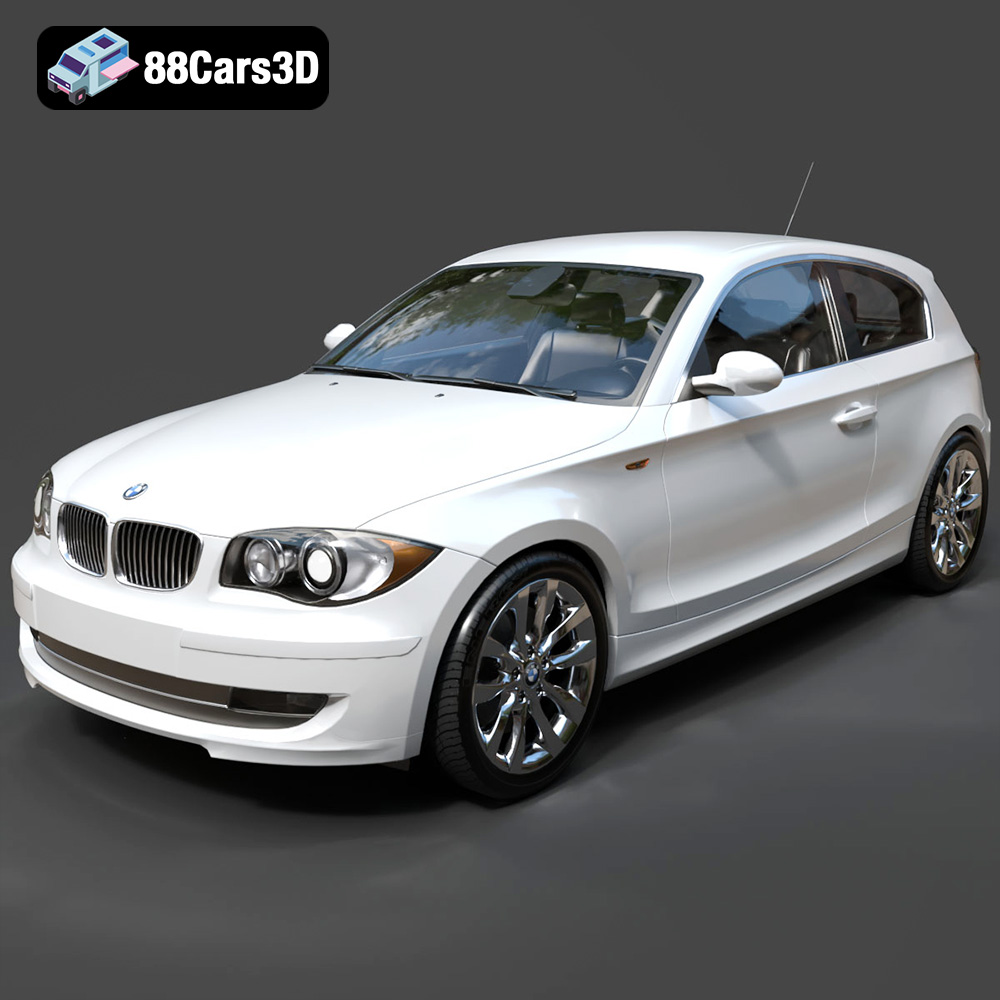
BMW 1 Series 3-Door E81 3D Model
Texture: Yes
Material: Yes
Download the BMW 1 Series 3-Door E81 3D Model featuring a detailed exterior, functional interior elements, and clean geometry. Includes .blend, .fbx, .obj, .glb, .stl, .ply, .unreal, and .max formats for rendering, simulation, and game development.
Price: $14.79
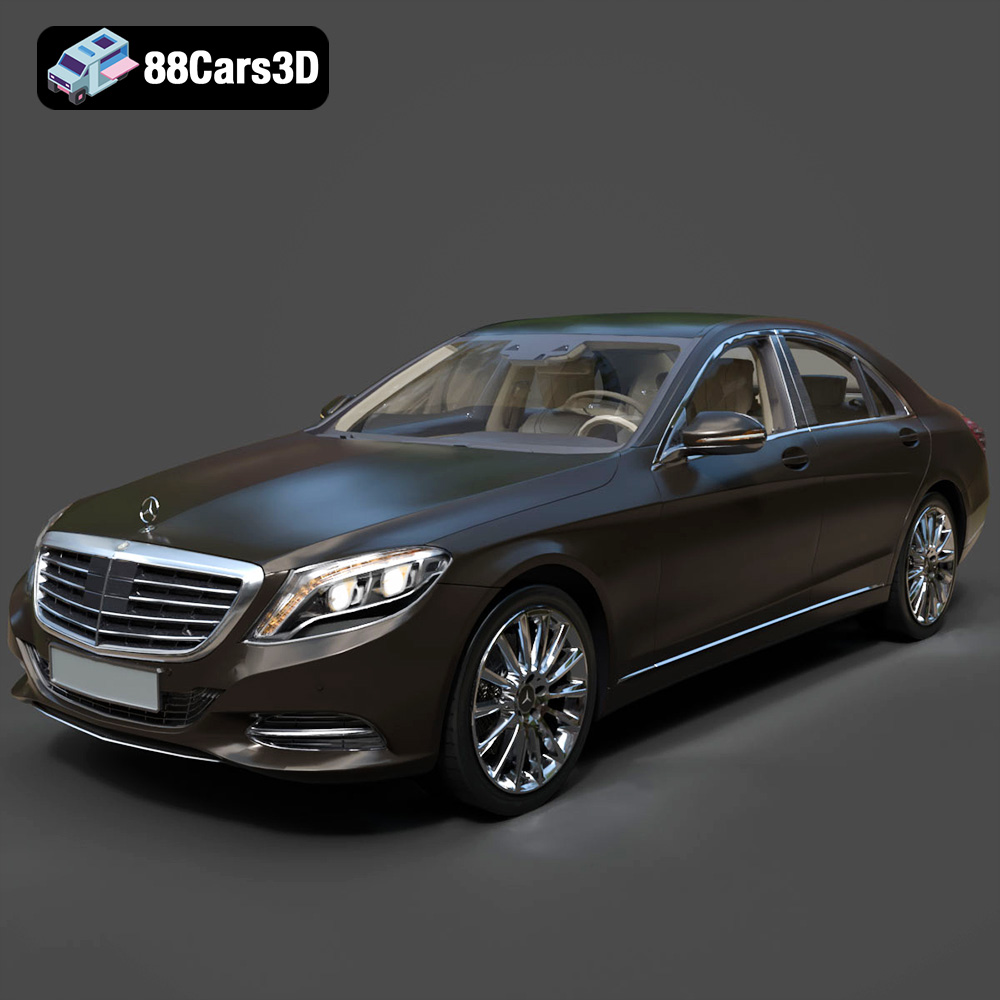
Mercedes-Benz S500 2022 3D Model
Texture: Yes
Material: Yes
Download the Mercedes-Benz S500 2022 3D Model featuring clean geometry, realistic detailing, and a fully modeled interior. Includes .blend, .fbx, .obj, .glb, .stl, .ply, .unreal, and .max formats for rendering, simulation, and game development.
Price: $19.99
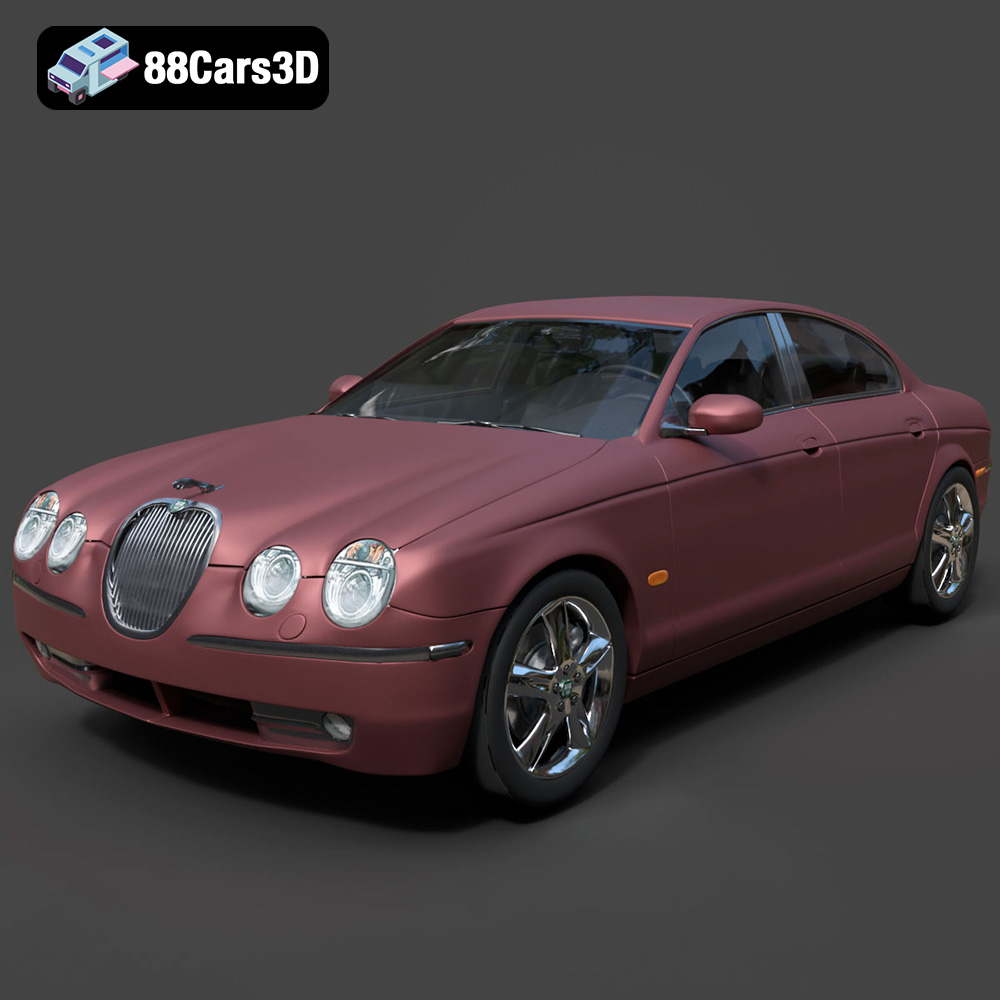
Jaguar S-Type Sedan 3D Model
Texture: Yes
Material: Yes
Download the Jaguar S-Type Sedan 3D Model featuring clean geometry, realistic detailing, and a fully modeled interior. Includes .blend, .fbx, .obj, .glb, .stl, .ply, .unreal, and .max formats for rendering, simulation, and game development.
Price: $18.99
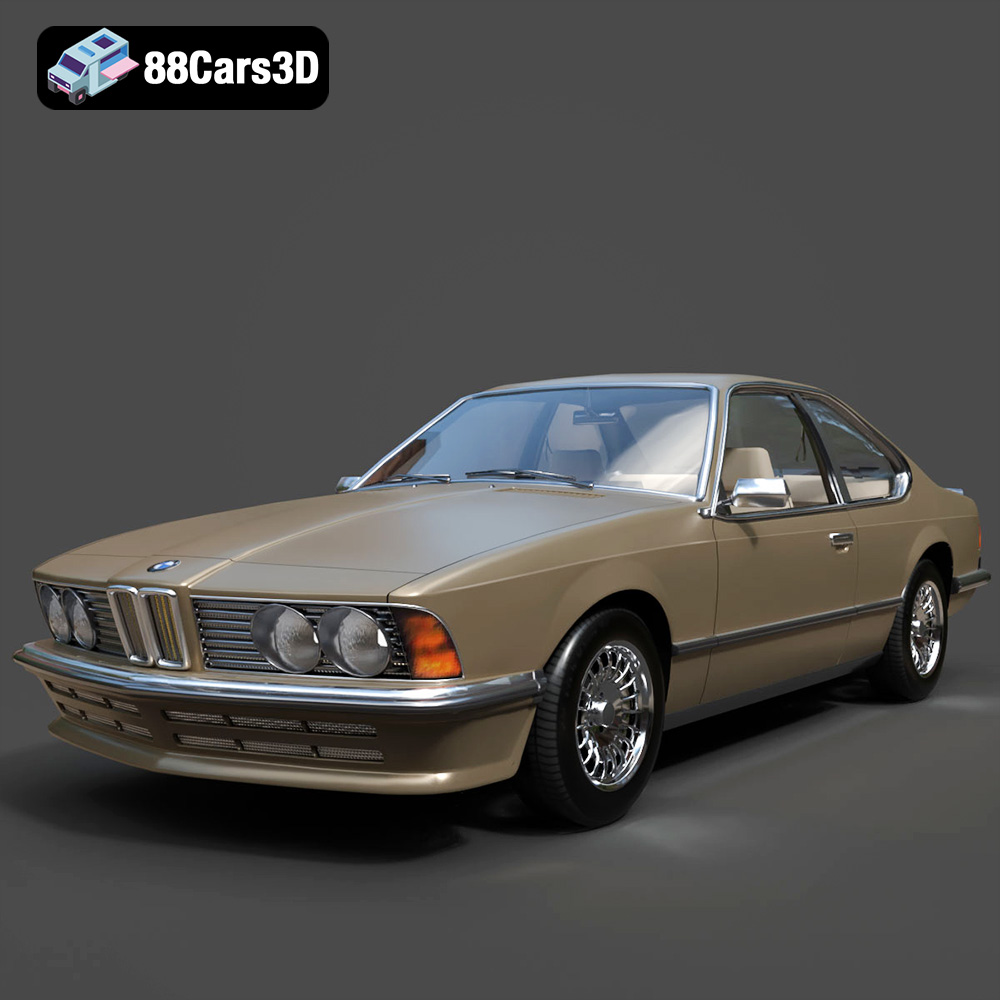
BMW 6 Series 1986 3D Model
Texture: Yes
Material: Yes
Download the BMW 6 Series 1986 3D Model featuring clean geometry, realistic detailing, and a fully modeled interior. Includes .blend, .fbx, .obj, .glb, .stl, .ply, .unreal, and .max formats for rendering, simulation, and game development.
Price: $16.99
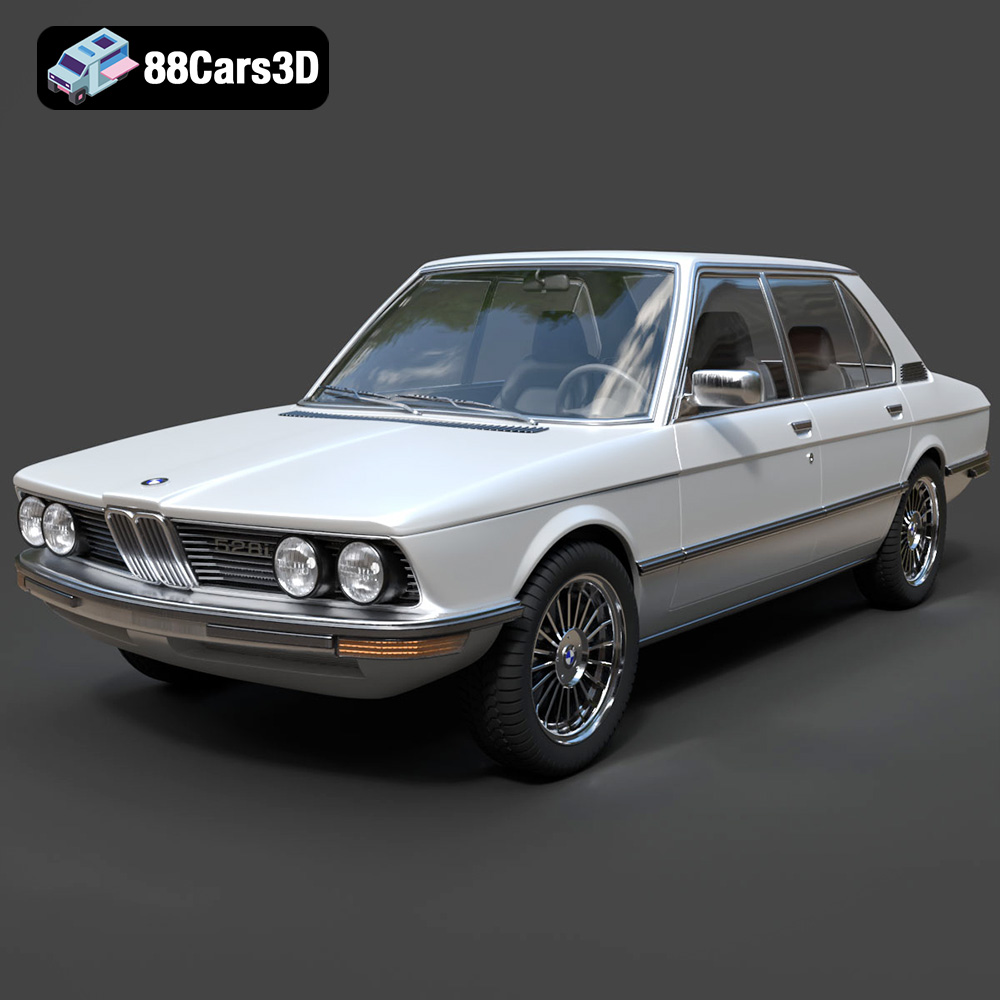
BMW 5 Series E12 528i 3D Model
Texture: Yes
Material: Yes
Download the BMW 5 Series E12 528i 3D Model featuring clean geometry, realistic detailing, and a fully modeled interior. Includes .blend, .fbx, .obj, .glb, .stl, .ply, .unreal, and .max formats for rendering, simulation, and game development.
Price: $14.99

BMW 5 Series F10 2014 3D Model
Texture: Yes
Material: Yes
Download the BMW 5 Series F10 3D Model featuring clean geometry, realistic detailing, and a fully modeled interior. Includes .blend, .fbx, .obj, .glb, .stl, .ply, .unreal, and .max formats for rendering, simulation, and game development.
Price: $14.99
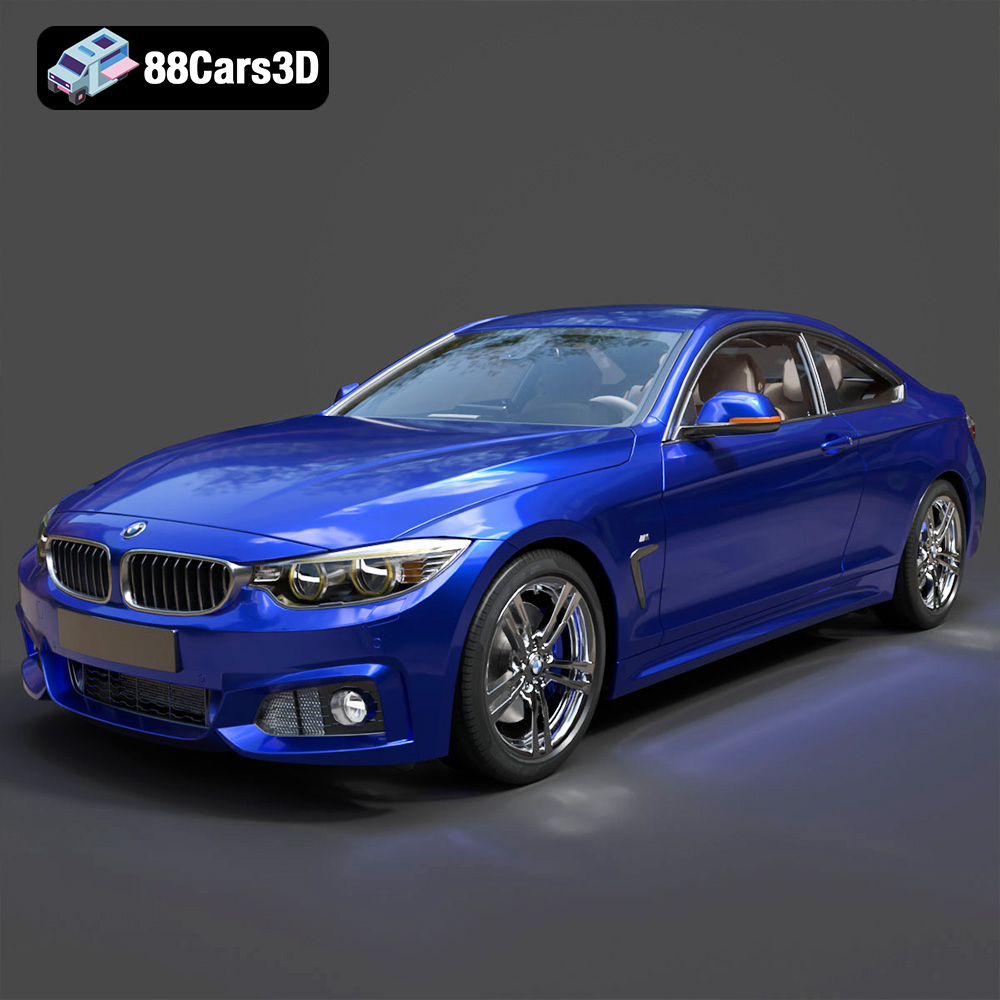
BMW 4 Series Coupe M Sport 2014 3D Model
Texture: Yes
Material: Yes
Download the BMW 4 Series Coupe M Sport 2014 3D Model featuring clean geometry, realistic detailing, and a fully modeled interior. Includes .blend, .fbx, .obj, .glb, .stl, .ply, .unreal, and .max formats for rendering, simulation, and game development.
Price: $14.99

Bentley Brooklands 2008 3D Model
Texture: Yes
Material: Yes
Download the Bentley Brooklands 2008 3D Model featuring clean geometry, realistic detailing, and a fully modeled interior. Includes .blend, .fbx, .obj, .glb, .stl, .ply, .unreal, and .max formats for rendering, simulation, and game development.
Price: $14.99
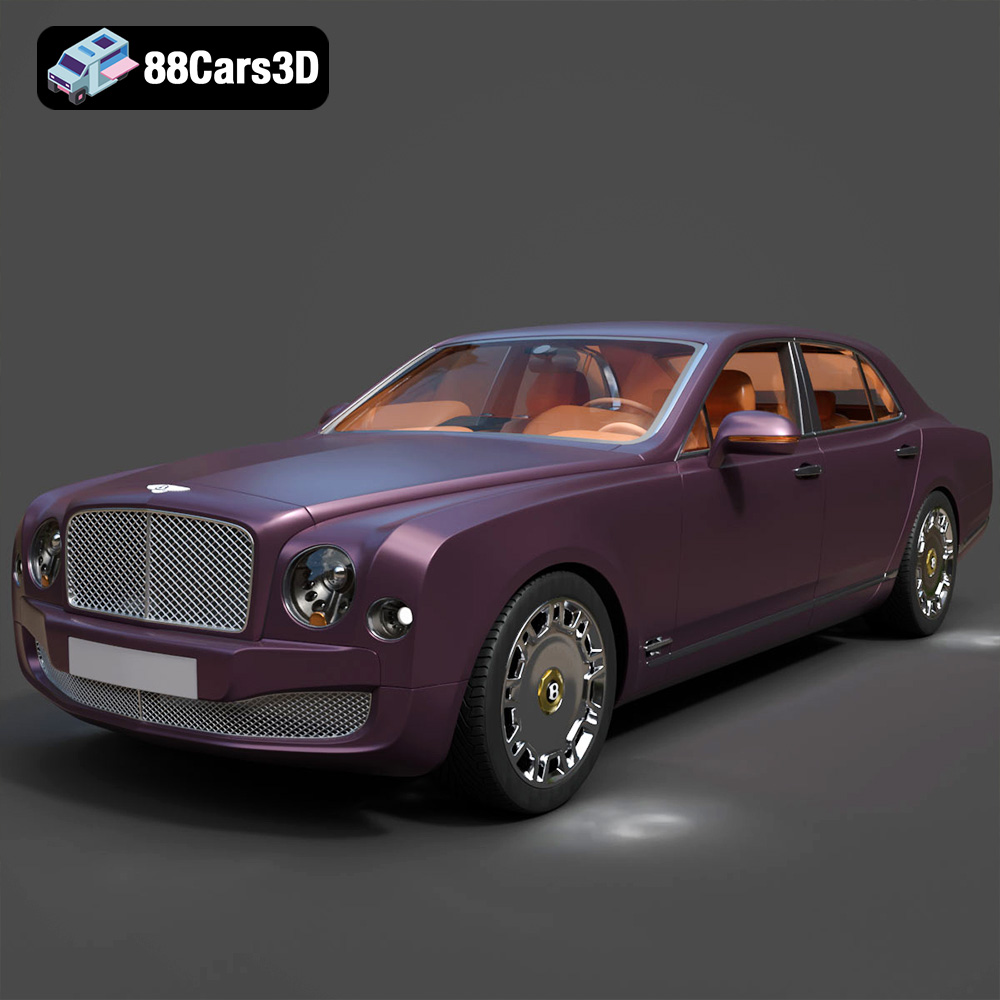
Bentley Mulsanne Luxury Sedan 3D Model
Texture: Yes
Material: Yes
Download the Bentley Mulsanne Luxury Sedan 3D Model featuring clean geometry, realistic detailing, and a fully modeled interior. Includes .blend, .fbx, .obj, .glb, .stl, .ply, .unreal, and .max formats for rendering, simulation, and game development.
Price: $14.99

Bentley Continental GT 2011 3D Model
Texture: Yes
Material: Yes
Download the Bentley Continental GT 2011 3D Model featuring clean geometry, realistic detailing, and a fully modeled interior. Includes .blend, .fbx, .obj, .glb, .stl, .ply, .unreal, and .max formats for rendering, simulation, and game development.
Price: $14.99
