

“`html
STL vs OBJ vs FBX: Choosing the Right File Format for Your 3D Printable Car Models
The world of 3D modeling and printing is rich with possibilities, allowing enthusiasts to bring intricate designs to life, from detailed collectible car models to functional prototypes. At 88cars3d.com, we are passionate about providing high-quality, 3D printable car models in STL format. However, the journey from digital design to a physical print often involves navigating various file formats. While STL is king for additive manufacturing, understanding its counterparts – OBJ and FBX – can unlock new workflows and enhance your printing experience. This comprehensive guide will dive deep into the technical nuances of STL, OBJ, and FBX, helping you understand their strengths, weaknesses, and how to choose the best format for your specific 3D printing projects, especially when working with intricate automotive models.
We’ll explore the fundamental structure of each format, their suitability for different stages of the 3D printing pipeline, and how to prepare them for flawless printing. Whether you’re a seasoned maker or just starting, this article will equip you with the knowledge to select and utilize the most appropriate file format, ensuring your 3D prints are as impressive as the digital models themselves. Get ready to master the digital blueprints of your next project!
Understanding the Core of 3D Model File Formats
Before diving into the specifics of each format, it’s crucial to grasp what a 3D model file actually represents. At its heart, a 3D model is a digital representation of a three-dimensional object. This representation is typically defined by its geometry (the shape and form) and its appearance (color, texture, material properties). Different file formats store this information in distinct ways, which impacts their compatibility, file size, and suitability for various applications, including 3D printing. For printable car models, understanding these distinctions is key to ensuring a smooth transition from digital design to a physical object.
The Geometry: Meshes, Vertices, and Faces
The most common way to represent 3D geometry is through a polygonal mesh. This mesh is composed of vertices (individual points in 3D space), edges (lines connecting vertices), and faces (typically triangles or quadrilaterals that form the surfaces of the model). The arrangement and connectivity of these elements define the shape of the object. The density of this mesh – the number of vertices and faces – directly influences the level of detail and the file size. For highly detailed car models, a denser mesh might be desirable for capturing subtle curves and panel lines, but it also requires more processing power and can lead to larger files.
Beyond Geometry: Textures and Materials
While geometry defines the shape, many 3D file formats also store information about the model’s appearance. This includes color (often defined by vertex colors or UV mapping with texture images) and material properties (like reflectivity, roughness, and transparency). For 3D printing, particularly for FDM printing, this appearance data is often less critical than the geometry itself, as the printer builds physical layers. However, for resin printing or multi-material printers, this information can become more relevant. Understanding which formats preserve this data and which discard it is essential for workflows involving visual rendering or advanced printing techniques.
STL: The Uncontested Champion of 3D Printing
The Stereolithography (STL) format, originally developed by 3D Systems, has become the de facto standard for 3D printing. Its simplicity and focus on raw geometry have made it universally compatible with virtually all slicing software and 3D printers. When you download a print-ready car model from platforms like 88cars3d.com, it’s almost certainly going to be in STL format. This ubiquity is its greatest strength, ensuring that your designs can be readily translated into printable instructions.
The Anatomy of an STL File
An STL file describes a 3D object’s surface geometry using a collection of triangular facets. Each facet is defined by three vertices and a normal vector. The normal vector indicates the outward direction of the facet, which is crucial for determining the object’s orientation and ensuring it’s a “watertight” or manifold model. There are two types of STL files: ASCII and Binary. Binary STL files are significantly smaller and faster to process, making them the preferred choice for complex models like detailed car replicas. ASCII STL files are human-readable but can become excessively large, especially for high-resolution models.
Why STL Dominates 3D Printing
The primary reason for STL’s dominance is its simplicity. It focuses solely on the surface geometry, discarding all color, texture, and material information. This makes it incredibly straightforward for slicing software to interpret and convert into G-code – the instructions that guide the 3D printer. Slicers need to know where the material goes, and STL provides this information efficiently. Furthermore, its widespread adoption means you’re unlikely to encounter compatibility issues. Whether you’re using Cura, PrusaSlicer, Simplify3D, or any other slicing software, you can be confident that an STL file will load and be processed correctly. For printable car models, this means less hassle and more printing.
STL: Limitations and Considerations
Despite its strengths, STL is not without its limitations. The most significant is the complete lack of color and texture information. If you intend to 3D print a model with specific painted details or complex surface textures, you’ll need to handle that in post-processing or use a more advanced format if your printer supports it (though direct color printing from STL is not standard). Another challenge with STL is its potential for “non-manifold” geometry – issues where edges are shared by more than two faces, or where surfaces intersect in ways that don’t form a solid object. Such errors can cause slicing failures. Fortunately, tools like Meshmixer, Blender, or Netfabb can often repair these issues, and reputable marketplaces like 88cars3d.com provide files that are already manifold and print-ready.
OBJ: A Versatile Format for Modeling and Rendering
The OBJ (Object) file format is another widely used format in the 3D graphics industry. Unlike STL, OBJ is designed to store more comprehensive information about a 3D model, including its geometry, color, texture coordinates, and material properties. This makes it an excellent choice for workflows that involve both modeling and visualization, and it can be used in 3D printing, though with certain caveats.
The Richness of OBJ Data
An OBJ file can represent geometry using either a polygonal mesh (similar to STL) or NURBS surfaces. More importantly for visual applications, it can store vertex colors, UV coordinates (which map textures to the model’s surface), and references to material files (MTL files) that define surface properties like color, specularity, and reflectivity. This means an OBJ file can contain significantly more data than an STL file. For instance, a car model might have its paint color and reflections defined within the OBJ and its associated MTL file.
OBJ in the 3D Printing Workflow
While OBJ files can be imported into most slicing software, their suitability for 3D printing often depends on the specific implementation and the data they contain. If an OBJ file primarily contains a clean polygonal mesh, it will generally slice well. However, if the slicer’s primary focus is on mesh geometry, it might ignore the color and material information. Some advanced slicers or specific printer firmwares can interpret color information, but this is not universally supported. For many hobbyists, the OBJ format is more valuable during the design or rendering phase, allowing for detailed visualization before exporting to a print-ready STL.
When to Choose OBJ
OBJ is a great choice when you need to preserve color or texture information for rendering purposes, or if you are working with software that specifically benefits from these attributes. If you’re exporting from a modeling application like Blender or Maya and want to retain visual fidelity for presentation, OBJ is often preferred. For 3D printing, it’s best used if the OBJ file contains a clean, watertight mesh and you are confident your slicing software can handle it, or if you plan to use the color information for specialized multi-color printing applications. For standard FDM or resin printing of uncolored models, converting to STL is often the most straightforward approach.
FBX: The Industry Standard for Interoperability
The FBX (Filmbox) file format, developed by Autodesk, is a proprietary format widely used in the game development and animation industries. It’s designed for robust data exchange between different software applications, supporting geometry, materials, textures, lighting, cameras, animations, and more. While not as common for direct 3D printing as STL, its comprehensive nature makes it valuable in complex production pipelines.
FBX’s Comprehensive Data Handling
FBX files can encapsulate a vast amount of information, making them ideal for transferring complex scenes and animated assets between different software packages. This includes mesh data, skeletal animation rigs, UV mapping, multiple texture maps (diffuse, normal, specular, etc.), material definitions, and even embedded media. Its strength lies in its ability to maintain the integrity of complex scenes and animations throughout the production process.
FBX and the 3D Printing Pipeline
Directly 3D printing from FBX is less common than with STL or even OBJ. While many 3D modeling and CAD software packages can import and export FBX, slicing software compatibility can be more hit-or-miss. If an FBX file contains a simple, static mesh without complex animation data, it can often be imported into a slicer. However, the slicer will typically only process the geometric mesh, ignoring animation and potentially complex material setups. The benefit of FBX in a 3D printing context is usually indirect – it’s used in the upstream stages of asset creation or integration into larger projects before the final export to a print-optimized format like STL.
Where FBX Shines (and Doesn’t for Printing)
FBX is the go-to format for inter-application data exchange in professional content creation pipelines. If you’re working with game assets or animated models, FBX is essential. For 3D printing, its role is usually to serve as an intermediate format. You might export an animated car model from an animation suite as FBX, then import it into modeling software to create a static pose, and *then* export that static mesh as an STL for printing. Attempting to slice an FBX directly can sometimes lead to unexpected results or import errors if the slicer isn’t equipped to handle its complexity. Always check if your slicer has robust FBX import capabilities before relying on it.
Key Considerations for 3D Printing Success
Regardless of the file format you’re working with, several core principles are essential for successful 3D printing, especially for intricate models like those found on 88cars3d.com. These involve preparing the file correctly, understanding your slicer’s capabilities, and choosing the right settings. The goal is always to translate the digital design into a solid, printable object with minimal defects.
File Preparation: Mesh Repair and Watertight Models
A critical step before printing any 3D model is ensuring it is “watertight” or manifold. This means the model’s surface forms a closed volume with no holes, gaps, or self-intersections. Slicing software interprets a 3D model as a solid object; if the mesh has errors, it can lead to slicing failures, missing sections in the print, or incorrect G-code generation. Tools like Autodesk Netfabb, Meshmixer, or Blender’s built-in mesh analysis and repair tools are invaluable for identifying and fixing these issues. For STL files, checking the normal vectors is crucial. For OBJ and FBX, ensuring a clean polygonal representation is key. Reputable sources like 88cars3d.com typically provide models that have already undergone these checks and repairs.
Slicer Settings: Bridging the Gap from Digital to Physical
The slicing software is the bridge between your 3D model file and your 3D printer. Parameters such as layer height, print speed, temperature, infill density, and support structures are all configured here. For detailed car models, choosing an appropriate layer height is a trade-off: lower layer heights (e.g., 0.1mm) result in smoother surfaces and finer details but significantly increase print time. Higher layer heights (e.g., 0.2mm or 0.3mm) print faster but can leave visible layer lines. Infill percentage affects the model’s strength and material usage; for display models, a low infill (5-15%) is often sufficient. Support structures are essential for overhanging parts, like spoilers or wheel wells, and their generation and removal require careful consideration to avoid damaging the model.
Print Orientation and Bed Adhesion
How you orient your model on the print bed can dramatically impact print quality, strength, and the need for support structures. For car models, printing them upright often maximizes detail on the visible surfaces but can require extensive supports for the undercarriage and wheels. Printing horizontally might reduce supports for the main body but can introduce issues with adhesion on large, flat surfaces. Bed adhesion is paramount to prevent prints from detaching mid-print. Using a brim or raft in your slicer settings, ensuring your build plate is clean, and calibrating your printer’s first layer are critical steps. Proper orientation and adhesion are foundational for a successful print, regardless of the initial file format.
Choosing the Right Format for Your Workflow
The “best” file format is not a universal answer; it depends entirely on your specific needs and the stage of your 3D printing project. Understanding the strengths and weaknesses of STL, OBJ, and FBX allows you to make informed decisions, optimize your workflow, and achieve the best possible results with your 3D printer.
STL: The Go-To for Printing
For the direct act of 3D printing, especially with FDM or resin printers, STL remains the most reliable and universally compatible format. Its simplicity ensures broad compatibility with slicing software and printers. If your primary goal is to get a model from your computer to the printer with minimal fuss, and you are not concerned with preserving color or complex material properties within the file itself, STL is your best bet. This is why high-quality printable car models are predominantly offered in STL format on platforms like 88cars3d.com.
OBJ: When Visuals Matter or for Specific Software
Choose OBJ when you need to retain color and texture information for rendering, visualization, or if you are working with software that specifically supports OBJ’s richer data structure. While it can be used for printing, ensure your slicing software handles OBJ imports well, and always verify that the mesh is clean and manifold. It’s a good intermediate format if you plan to further process the model or integrate it into a scene before printing.
FBX: For Complex Pipelines and Interoperability
FBX is primarily for professional workflows involving animation, game development, and complex asset pipelines. Its use in direct 3D printing is limited. Leverage FBX for transferring data between different professional software packages. If you need to 3D print a model originally created or stored in FBX, plan to import it into modeling software, prepare it as a static mesh, and then export it as an STL for slicing. This ensures maximum compatibility and avoids potential issues with animation or complex scene data.
Conclusion: Mastering Your Digital Assets for 3D Printing
Navigating the landscape of 3D file formats is a crucial skill for any serious 3D printing enthusiast. While STL stands out as the undisputed champion for direct 3D printing due to its simplicity and universal compatibility, understanding OBJ and FBX offers significant advantages. OBJ provides a richer data set including color and textures, valuable for visualization and some specialized printing applications. FBX excels in interoperability, serving as a robust bridge between different professional software packages, though its direct application in printing is less common. For those looking to print detailed automotive models, whether from personal creations or curated collections like those found at 88cars3d.com, the key is to select the format that best suits your current workflow.
Always prioritize a clean, manifold mesh, regardless of the format. Invest time in learning your slicing software’s capabilities and experiment with settings like layer height, infill, and supports to achieve optimal results. By understanding the technical nuances of STL, OBJ, and FBX, and by diligently preparing your digital models, you can ensure a smoother, more successful journey from digital design to a perfectly printed 3D object. Happy printing!
“`
Featured 3D Car Models
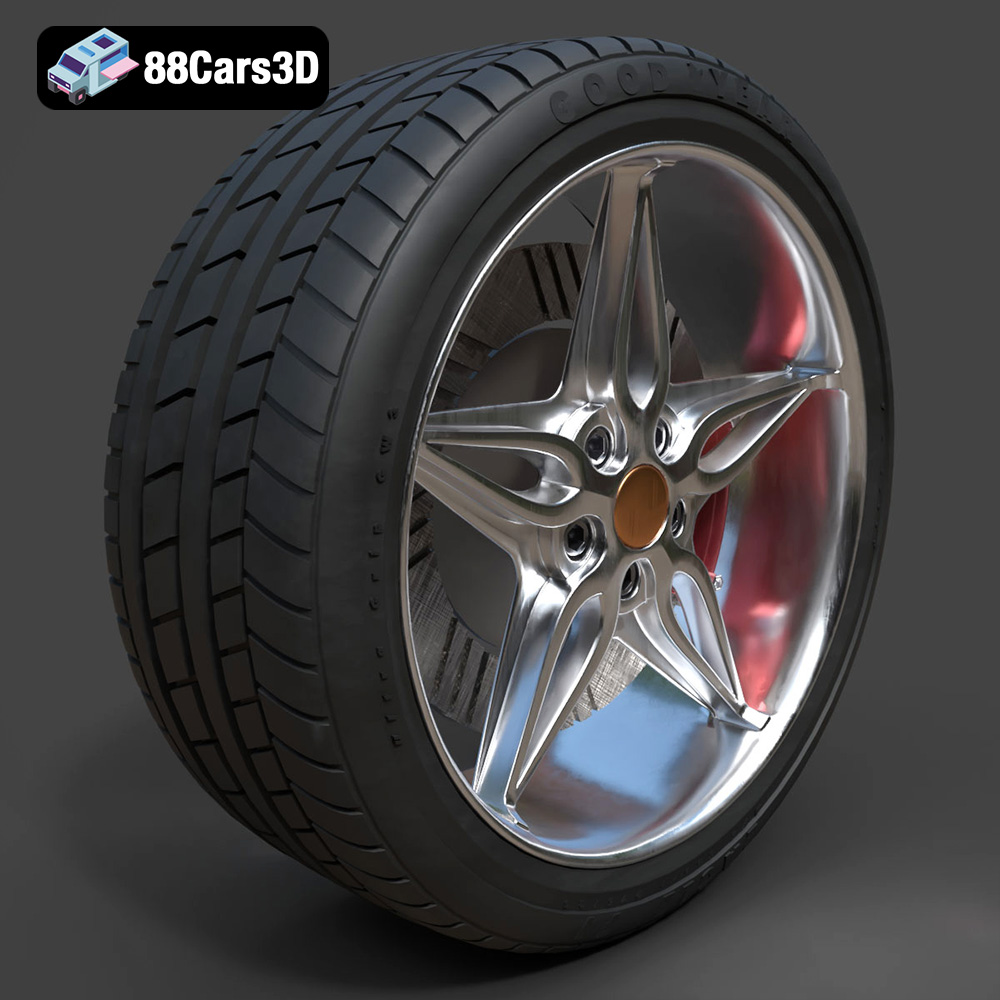
Wheel-001 Component 3D Model
Texture: Yes
Material: Yes
Download the Wheel-001 Component 3D Model featuring clean geometry, realistic detailing, and a fully modeled interior. Includes .blend, .fbx, .obj, .glb, .stl, .ply, .unreal, and .max formats for rendering, simulation, and game development.
Price: $10.99

BMW 3 series Touring 335i (F31) 2013 3D Model
Texture: Yes
Material: Yes
Download the BMW 3 series Touring 335i (F31) 2013 3D Model featuring a highly detailed exterior, realistic interior, and modular design. Includes .blend, .fbx, .obj, .glb, .stl, .ply, .unreal, and .max formats for rendering, simulation, and game development.
Price: $30.79
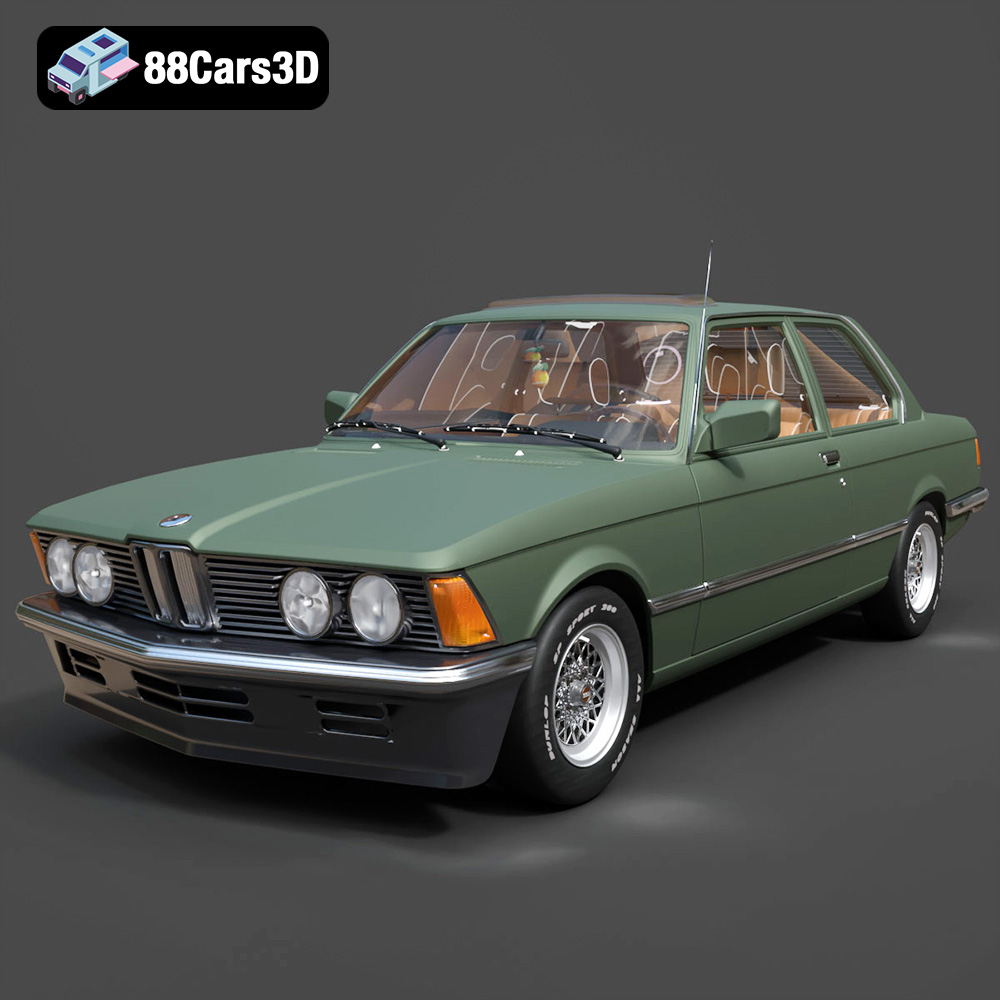
BMW 3 Series E21 3D Model
Texture: Yes
Material: Yes
Download the BMW 3 Series E21 3D Model featuring authentic exterior design, detailed interior, and accurate proportions. Includes .blend, .fbx, .obj, .glb, .stl, .ply, .unreal, and .max formats for rendering, simulation, and game development.
Price: $20.79

BMW 1 Series 3-Door E81 3D Model
Texture: Yes
Material: Yes
Download the BMW 1 Series 3-Door E81 3D Model featuring a detailed exterior, functional interior elements, and clean geometry. Includes .blend, .fbx, .obj, .glb, .stl, .ply, .unreal, and .max formats for rendering, simulation, and game development.
Price: $14.79
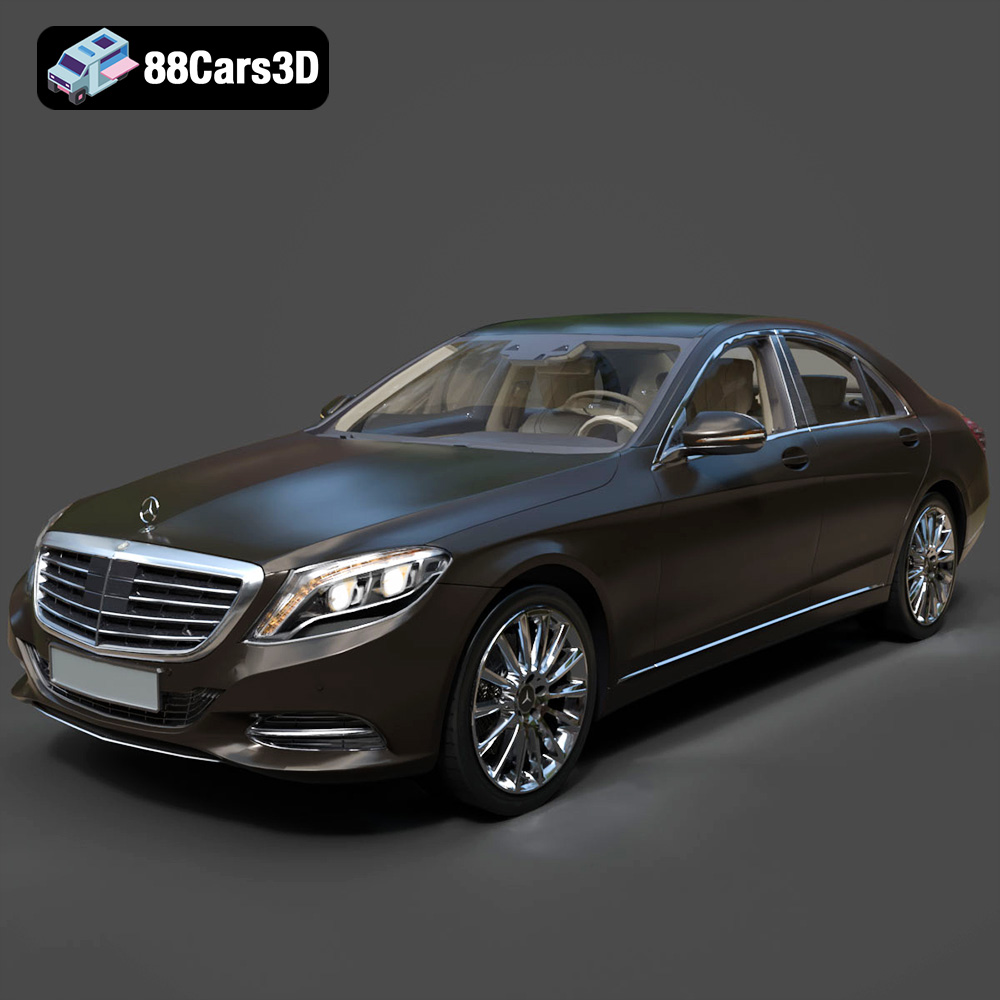
Mercedes-Benz S500 2022 3D Model
Texture: Yes
Material: Yes
Download the Mercedes-Benz S500 2022 3D Model featuring clean geometry, realistic detailing, and a fully modeled interior. Includes .blend, .fbx, .obj, .glb, .stl, .ply, .unreal, and .max formats for rendering, simulation, and game development.
Price: $19.99
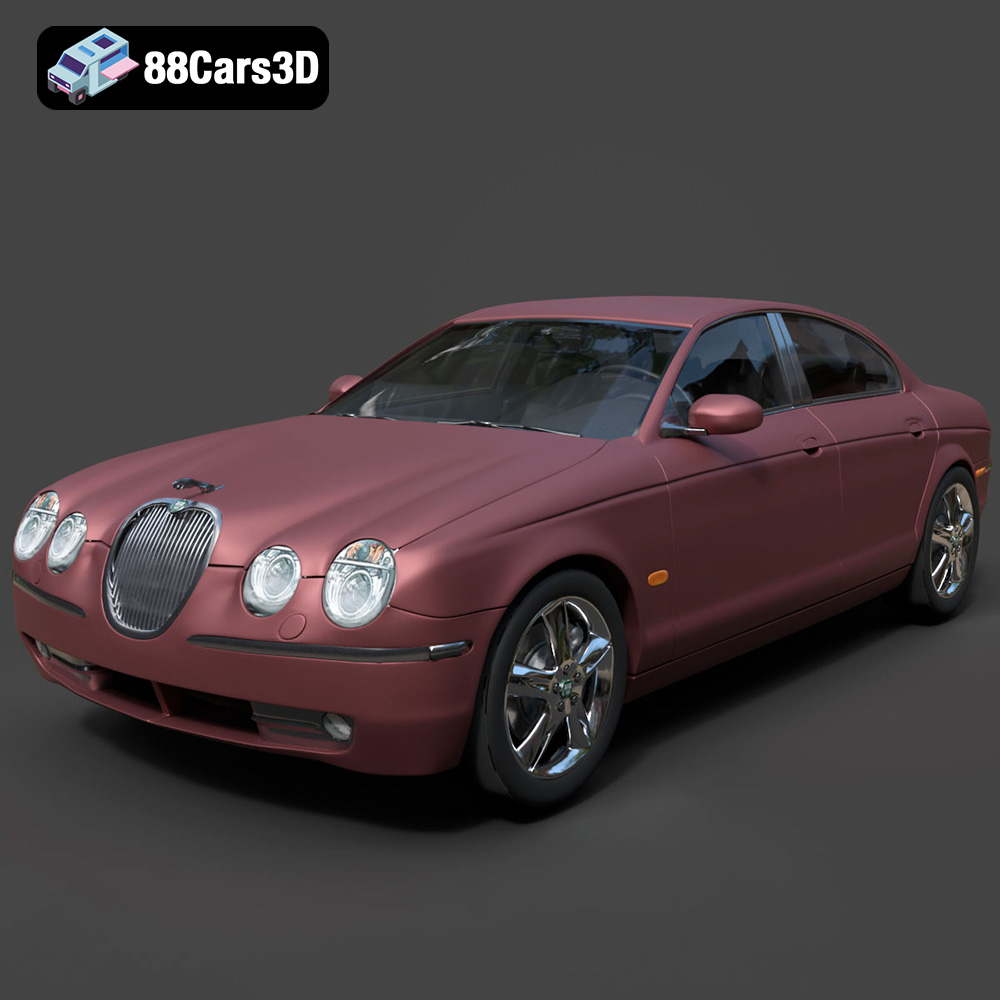
Jaguar S-Type Sedan 3D Model
Texture: Yes
Material: Yes
Download the Jaguar S-Type Sedan 3D Model featuring clean geometry, realistic detailing, and a fully modeled interior. Includes .blend, .fbx, .obj, .glb, .stl, .ply, .unreal, and .max formats for rendering, simulation, and game development.
Price: $18.99
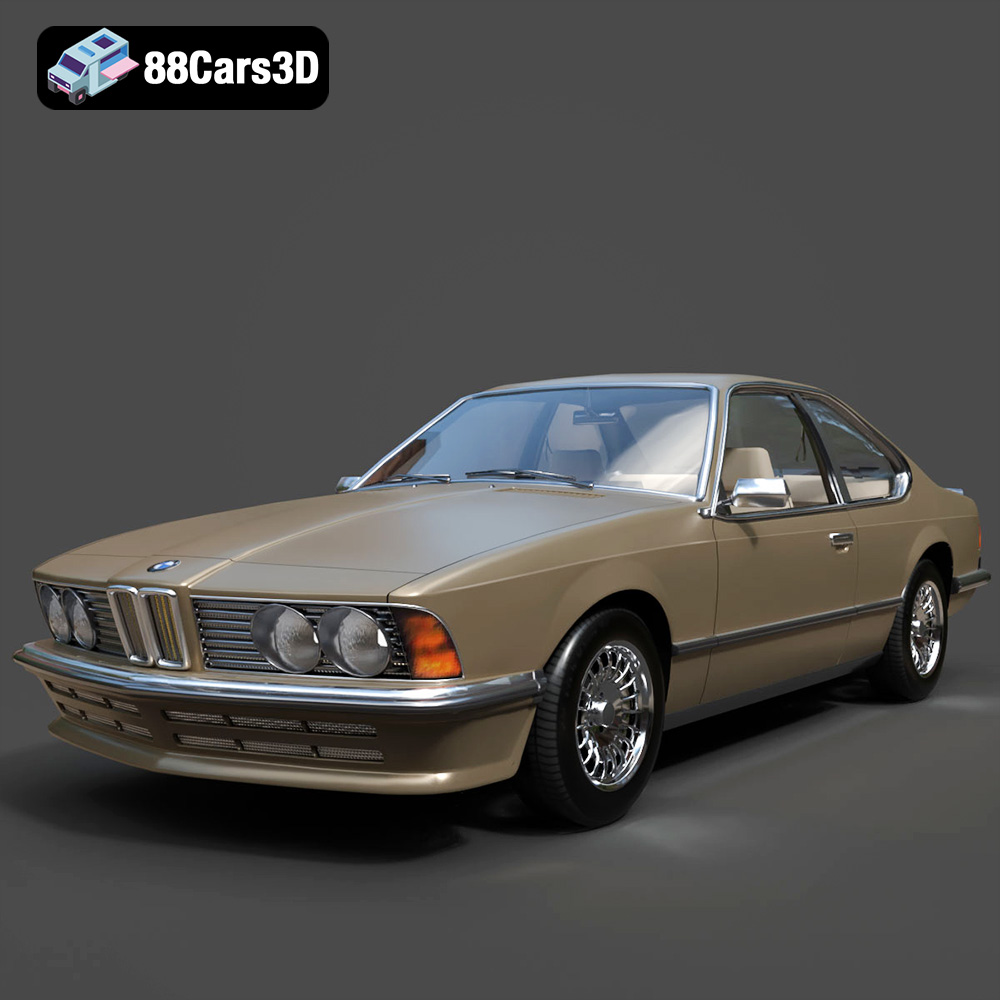
BMW 6 Series 1986 3D Model
Texture: Yes
Material: Yes
Download the BMW 6 Series 1986 3D Model featuring clean geometry, realistic detailing, and a fully modeled interior. Includes .blend, .fbx, .obj, .glb, .stl, .ply, .unreal, and .max formats for rendering, simulation, and game development.
Price: $16.99
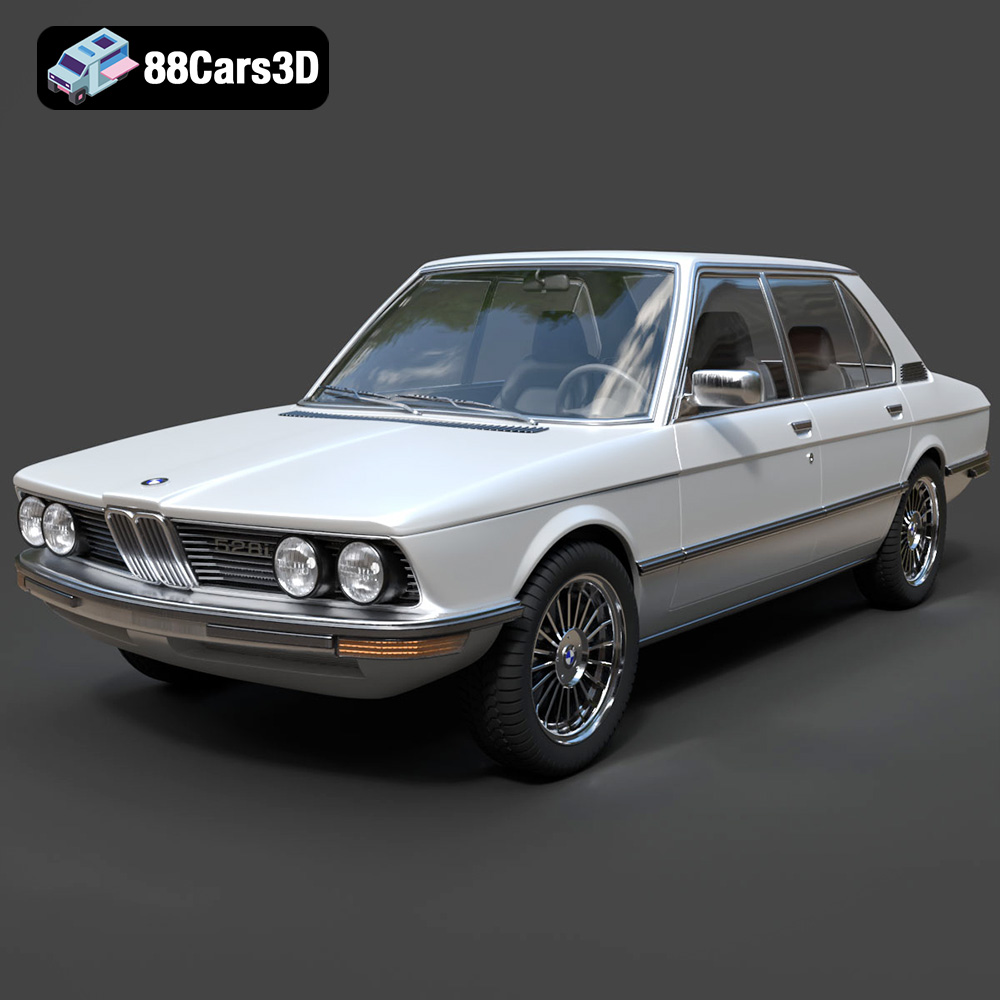
BMW 5 Series E12 528i 3D Model
Texture: Yes
Material: Yes
Download the BMW 5 Series E12 528i 3D Model featuring clean geometry, realistic detailing, and a fully modeled interior. Includes .blend, .fbx, .obj, .glb, .stl, .ply, .unreal, and .max formats for rendering, simulation, and game development.
Price: $14.99

BMW 5 Series F10 2014 3D Model
Texture: Yes
Material: Yes
Download the BMW 5 Series F10 3D Model featuring clean geometry, realistic detailing, and a fully modeled interior. Includes .blend, .fbx, .obj, .glb, .stl, .ply, .unreal, and .max formats for rendering, simulation, and game development.
Price: $14.99
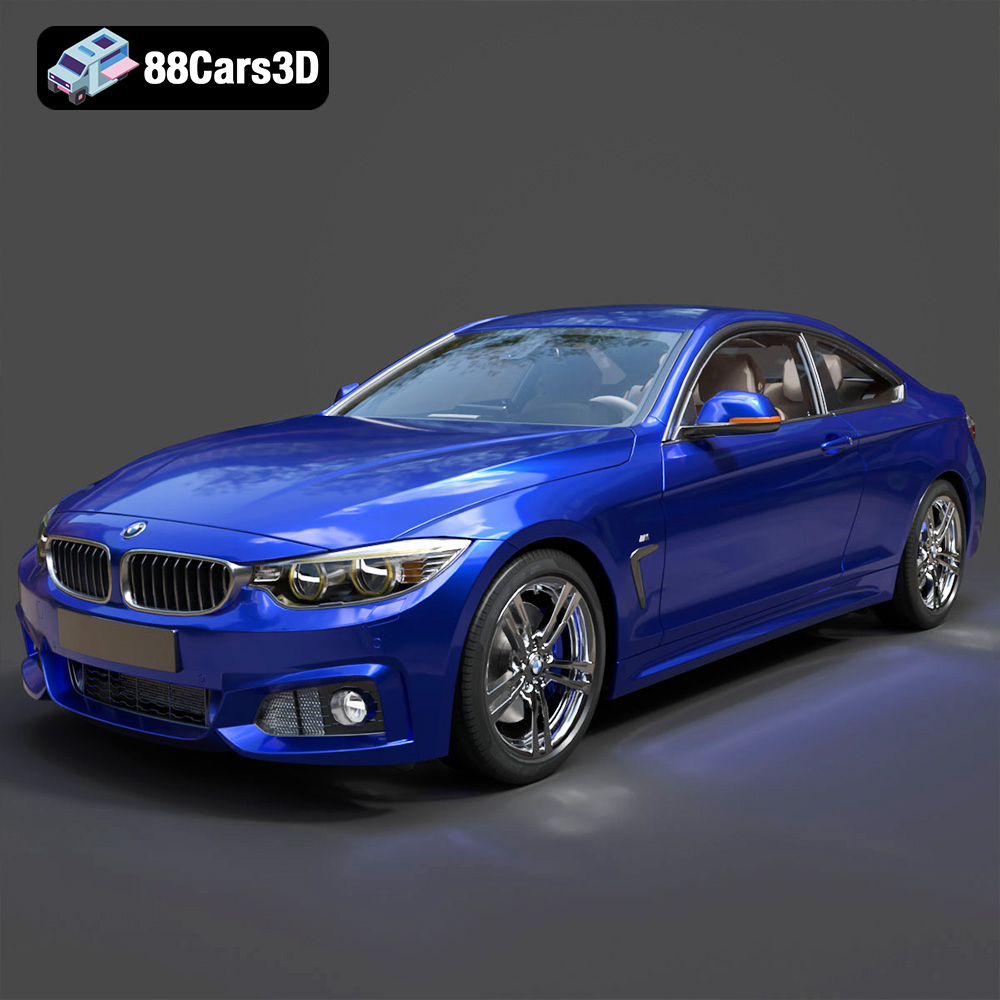
BMW 4 Series Coupe M Sport 2014 3D Model
Texture: Yes
Material: Yes
Download the BMW 4 Series Coupe M Sport 2014 3D Model featuring clean geometry, realistic detailing, and a fully modeled interior. Includes .blend, .fbx, .obj, .glb, .stl, .ply, .unreal, and .max formats for rendering, simulation, and game development.
Price: $14.99
