

The automotive industry is in a perpetual state of evolution, constantly seeking innovative ways to engage customers, streamline design workflows, and revolutionize sales and marketing. Augmented Reality (AR) stands at the forefront of this transformation, offering unprecedented opportunities to blend digital creations with the physical world. Imagine a prospective buyer stepping into their driveway, pulling out their phone, and seeing a full-scale, photorealistic 3D car model appear right before their eyes – customizable in real-time, rotating to reveal every detail, and even casting accurate shadows on the real pavement. This isn’t science fiction; it’s the power of AR with Unreal Engine.
Unreal Engine, renowned for its stunning visual fidelity and robust real-time rendering capabilities, is the perfect platform to bring these automotive AR experiences to life. This comprehensive guide will take you on a deep dive into building captivating AR applications for automotive visualization using Unreal Engine. We’ll cover everything from sourcing optimized 3D car models – like those found on 88cars3d.com – to intricate material setup, interactive Blueprint scripting, and critical performance optimization strategies. By the end, you’ll have a clear understanding of how to leverage Unreal Engine to create immersive, high-quality AR experiences that push the boundaries of automotive visualization.
Unreal Engine: The Powerhouse for Automotive AR Visualization
Unreal Engine’s reputation in high-fidelity visualization makes it a natural fit for augmented reality, especially in sectors like automotive. Its core strengths – photorealistic rendering, an extensive visual scripting system (Blueprint), and seamless integration with AR SDKs like ARKit and ARCore – provide a powerful foundation for developers. When you need to showcase a vehicle with impeccable detail, realistic lighting, and interactive elements, Unreal Engine offers an unparalleled toolkit. Its real-time capabilities ensure that complex 3D models of cars can be displayed smoothly and responsibly on mobile devices, even when interacting with the real world.
Beyond raw rendering power, Unreal Engine’s flexibility allows for rapid prototyping and iteration, crucial in the fast-paced world of automotive design and marketing. Artists and developers can collaborate efficiently, making changes and seeing results instantly. The engine’s extensive documentation and community support also provide invaluable resources for tackling unique challenges that arise in AR development, from robust plane detection to sophisticated object manipulation. Understanding these foundational advantages is the first step toward unlocking the full potential of automotive AR.
Unreal Engine’s AR Framework and Plugins
Unreal Engine integrates with native AR platforms through a comprehensive AR framework. Key to this are the ARKit (for iOS devices) and ARCore (for Android devices) plugins. These plugins expose the native SDK functionalities to Unreal Engine’s Blueprint and C++ environments, allowing developers to access features like world tracking, plane detection, hit testing, light estimation, and camera feed integration. To begin, you simply enable these plugins in your Unreal Engine project settings (Edit -> Plugins), restart the editor, and then you’ll find a wealth of AR-specific nodes available in Blueprint to control the AR session, track anchors, and interact with the detected real-world environment.
For cross-platform development, Unreal Engine also supports OpenXR, an open standard that provides a unified API for AR and VR hardware. While ARKit and ARCore offer platform-specific optimizations, OpenXR can simplify the deployment process across a wider range of devices. For most automotive AR applications focused on mobile phones and tablets, directly utilizing ARKit and ARCore plugins provides the most robust and feature-rich experience. Understanding the nuances of these plugins, such as configuring the ARSessionConfig asset to specify tracking types and plane detection modes, is vital for a stable and immersive AR application.
Visual Fidelity and Real-time Realism in AR
The hallmark of Unreal Engine is its ability to deliver stunning visual fidelity, and this is critical for automotive visualization. Users expect to see cars in AR with the same level of realism they would in a high-end configurator or promotional video. While mobile AR environments have performance constraints, Unreal Engine still allows for impressive results through careful optimization. This includes physically based rendering (PBR) materials, realistic lighting using environmental HDRIs, and sophisticated post-processing effects tailored for mobile. Technologies like Nanite and Lumen, while transformative for high-end PC/console applications, are generally not supported or recommended for mobile AR due to their heavy computational demands. Instead, developers focus on highly optimized PBR materials, baked lighting where possible, and streamlined scene complexity to maintain smooth framerates on target AR devices.
The ability to accurately represent material properties such as metallic paint, reflective chrome, and transparent glass, all while interacting with real-world lighting, is where Unreal Engine truly shines. This realism ensures that an AR-projected car doesn’t look like a digital overlay but rather a tangible object within the user’s environment, enhancing the sense of presence and immersion. Achieving this involves meticulous attention to detail in material setup, texture resolution, and balancing visual quality with performance targets. For more details on Unreal Engine’s rendering capabilities, refer to the official documentation at https://dev.epicgames.com/community/unreal-engine/learning.
Acquiring and Optimizing 3D Car Models for AR
The quality of your 3D car models is paramount to the success of any automotive AR application. Low-quality, poorly optimized models will detract from realism and severely impact performance. For AR experiences on mobile devices, where computational resources are limited, meticulous model preparation is not just recommended, but essential. Sourcing models specifically designed for real-time rendering is crucial. These models come with clean topology, proper UV mapping, and PBR-ready material setups, significantly reducing the amount of work required for integration into Unreal Engine. Prioritizing assets that are already optimized for game engines will save countless hours in the development pipeline.
Platforms like 88cars3d.com specialize in providing high-quality, game-ready 3D car models, ensuring that artists and developers start with assets that are already tailored for performance and visual fidelity in Unreal Engine. These models often include multiple Levels of Detail (LODs), pre-configured material slots, and well-organized hierarchies, making the import and optimization process much smoother. Investing in professionally crafted assets lays the groundwork for a stunning and performant AR experience that truly showcases the vehicle.
Sourcing High-Quality Assets from 88cars3d.com
When embarking on an automotive AR project, the initial step often involves acquiring the 3D car models themselves. This is where marketplaces like 88cars3d.com become invaluable. They offer a curated selection of highly detailed car models, meticulously crafted for real-time applications. These models typically come in formats like FBX or USD, which are ideal for Unreal Engine. Key considerations when selecting models for AR include their polygon count, the quality of their UV maps, and their PBR material readiness. Models from 88cars3d.com are often designed with clean topology, meaning their mesh is efficiently structured, making them easier to optimize and deform if necessary. They also commonly include pre-generated LODs, which are critical for maintaining performance across different viewing distances in AR. Before importing, it’s wise to review the model’s specifications to ensure it aligns with your project’s performance targets for mobile AR.
Optimizing Geometry and Textures for Mobile AR
Mobile AR demands aggressive optimization. While a high-end PC game might comfortably render a car with several million polygons, a mobile AR application typically needs to target poly counts in the hundreds of thousands or even tens of thousands for the primary visible mesh. This is where Levels of Detail (LODs) become indispensable. Unreal Engine’s Static Mesh Editor allows you to generate or import multiple LODs for your car model, swapping lower-polygon versions as the user moves further away from the virtual car. Aim for at least 3-4 LODs, with LOD0 (the highest detail) optimized for close-up viewing and subsequent LODs progressively reducing polygon count by 50-70% each. Manually generating efficient LODs using external DCC tools (like Blender, Maya, or 3ds Max) often yields better results than automated in-engine solutions.
Texture optimization is equally important. Consolidate textures into atlases where possible to reduce draw calls. Use appropriate texture resolutions (e.g., 2048×2048 for main body textures, 1024×1024 for smaller details) and ensure they are compressed efficiently (e.g., using DXT1/DXT5 for diffuse maps and BC5 for normal maps in Unreal Engine). Avoid overly complex material graphs; combine multiple texture lookups into fewer sampler nodes. Using texture streaming will also help manage memory by only loading textures at the resolution needed for current viewing conditions. Remember, every polygon and every texture pixel contributes to the overall memory footprint and rendering cost, so aggressive optimization is key for a smooth AR experience.
Setting Up Your Unreal Engine AR Project
Starting an AR project in Unreal Engine requires specific configurations to ensure proper functionality and performance. While Unreal Engine offers a robust AR framework, the initial setup process, including selecting the correct project template, enabling necessary plugins, and fine-tuning project settings, is crucial for a smooth development experience. Neglecting these initial steps can lead to unexpected issues, poor tracking performance, or even deployment failures. It’s important to understand the distinctions between different mobile rendering paths and how they impact visual quality and performance, especially when targeting a wide range of mobile devices for your automotive AR application.
Beyond the technical setup, consider the user experience from the outset. An AR application’s success hinges on reliable tracking and intuitive interaction. Therefore, configuring your project to prioritize stable AR sessions, efficient plane detection, and robust hit testing is fundamental. This means diving into the Project Settings and ensuring that your mobile rendering pipeline is optimized for AR, taking into account factors like shading models, mobile HDR, and post-processing quality settings. Proper setup establishes a strong foundation upon which you can build visually stunning and highly interactive automotive AR experiences.
Initial Project Setup and Plugin Activation
To begin, launch Unreal Engine and create a new project. While there isn’t a dedicated “AR Template” in recent Unreal Engine versions that’s ideal for a full automotive showcase, starting with a “Blank” or “Mobile” template is a good choice. Once created, navigate to **Edit > Plugins**. You’ll need to enable the following plugins:
- ARKit (for iOS) and/or ARCore (for Android): Essential for native AR platform functionality.
- ARSession (Legacy) / ARCoreBase / ARKitBase: Depending on your engine version, these might be automatically enabled or required for core AR functionalities.
- Augmented Reality Utilities: Provides useful Blueprint nodes and components for common AR tasks.
After enabling the plugins, restart the Unreal Editor as prompted. Next, go to **Edit > Project Settings > Platforms > Android** (or iOS). Ensure that the appropriate SDKs and NDKs are correctly configured. For iOS, make sure you have Xcode installed and the correct provisioning profiles set up. For Android, use the Android Studio setup utility provided by Epic Games, which you can find under the “Platform SDKs” section of the Project Settings to simplify the installation of necessary components.
Configuring Project Settings for Mobile AR
Optimal performance for mobile AR requires specific adjustments in Project Settings. Navigate to **Edit > Project Settings > Engine > Rendering**. Here are some key areas to review:
- Mobile HDR: Keep this enabled for higher fidelity lighting and post-processing, but be aware of its performance cost on older devices. Test thoroughly.
- Mobile MSAA: For AR, Multisampling Anti-Aliasing can be expensive. Consider using a cheaper anti-aliasing method like Temporal Anti-Aliasing (TAA) if visuals allow, or disable it on lower-end devices.
- Forward Shading: For mobile, the Forward Shading Renderer can offer better performance than Deferred Shading, especially with translucent materials (like car glass) and a limited number of dynamic lights.
- Enable Lumen / Nanite: As mentioned, these are generally not suitable for mobile AR due to performance. Ensure they are disabled under Global Illumination and Virtual Geometry settings if enabled by default.
- Target Hardware: Under **Project Settings > Project > Target Hardware**, ensure “Mobile” is selected. This will adjust default scalability settings.
- AR Session Config: In your Content Browser, create a new Blueprint (Right Click -> Blueprint Class) and search for `ARSessionConfig`. This asset allows you to define how your AR session behaves, including which tracking features to enable (e.g., plane detection, scene reconstruction), whether to auto-start the AR session, and ambient light estimation settings. Assign this config to your AR-related Blueprint nodes or the `ARSession` component in your Level Blueprint.
By carefully configuring these settings, you lay a solid foundation for a performant and visually appealing automotive AR application. Always test on actual target devices to validate performance and visual quality.
Crafting Realistic Visuals in AR with Unreal Engine
The success of an automotive AR application heavily relies on its ability to present a virtual vehicle that looks and feels physically present in the real world. This demands a meticulous approach to materials, lighting, and post-processing. Unreal Engine’s physically based rendering (PBR) pipeline is perfectly suited for this, allowing artists to create materials that react authentically to light. However, the constraints of mobile AR necessitate a balance between visual fidelity and performance. We must adapt our rendering strategies from high-end desktop practices, specifically concerning dynamic global illumination and high-poly geometry.
Achieving realism in AR also involves effectively integrating the virtual object with the real-world environment. This means not only accurate material properties but also convincing lighting and shadows that harmonize with the captured camera feed. While full dynamic global illumination like Lumen is typically too performance-intensive for mobile AR, clever use of environment lighting and baked shadow techniques can yield impressive results, making the virtual car feel truly grounded in reality. The goal is to minimize the “digital overlay” look and maximize the illusion of physical presence.
Implementing Physically Based Materials for Automotive Assets
PBR materials are the cornerstone of realism in Unreal Engine. For car models, this means carefully crafting materials for various components: the body paint, glass, chrome accents, tires, and interior elements. Each material should have well-defined Base Color, Metallic, Roughness, and Normal maps. When importing models from sources like 88cars3d.com, these maps are often provided. In Unreal Engine’s Material Editor, you connect these texture maps to their respective input pins on the main material node. For metallic car paint, the Metallic value should be 1, and roughness will define the glossiness or matte finish. Glass materials typically require a high Metallic value (around 0.8-1.0 for reflections), a low Roughness (0.05-0.1), and an Opacity input to control transparency, often using a translucent blend mode. Ensure your normal maps are correctly set to ‘Normal Map’ texture type in their texture properties to ensure proper tangency space calculations.
Using Material Instances is highly recommended for variations. Instead of creating a new material for every color or finish, create a parent material with exposed parameters (e.g., Base Color, Roughness, Normal Map strength) and then create child Material Instances for each variation. This allows for real-time adjustments and reduces draw calls, making configurator functionality much more efficient. For advanced car paint, consider using a layered material approach to simulate clear coat effects, adding an additional metallic layer with controlled roughness and normal map detail on top of a base paint layer.
Achieving Realistic Lighting and Shadows in AR
Lighting is crucial for integrating your virtual car into the real world. For mobile AR, full dynamic global illumination systems like Lumen are not viable. Instead, we rely on environment light estimation provided by ARKit/ARCore and clever use of static or simple dynamic lighting. The AR framework in Unreal Engine can provide an estimated ambient color and intensity, which you can feed into your material’s emissive channel or use to drive a simple skylight. More effectively, you can use a high-dynamic-range image (HDRI) as a Skylight in your scene. This HDRI should ideally match the lighting conditions of the real environment (e.g., an outdoor sunny day HDRI for an outdoor AR experience). This technique provides realistic reflections and ambient lighting.
Shadows are critical for grounding the virtual object. Without them, the car appears to float. For mobile AR, dynamic shadows from a single directional light (simulating the sun) are generally feasible, but often with reduced quality settings. Alternatively, you can implement a “shadow catcher” plane. This is a semi-transparent mesh positioned directly under the car that receives shadows but is otherwise invisible. You can render this shadow catcher to a separate render target and composite it over the camera feed, or use a specific material setup that multiplies the shadow information onto the real-world background. The challenge is ensuring these shadows appear natural and interact correctly with real-world surfaces. For performance, bake static shadows onto an ambient occlusion texture for less dynamic elements of the car where possible, and rely on simpler, softer dynamic shadows for the main vehicle body.
Developing Interactive AR Experiences with Unreal Engine
Beyond simply displaying a 3D car model, the true power of AR lies in its interactivity. Users expect to be able to manipulate, customize, and explore the virtual vehicle as if it were truly present. Unreal Engine’s Blueprint visual scripting system is an incredibly powerful tool for developing these interactive elements without writing a single line of C++ code. From placing the car on a detected surface to changing its color, opening doors, or even triggering animations, Blueprint provides an intuitive and efficient way to build complex AR logic.
The core of AR interaction in Unreal Engine revolves around the AR session, spatial tracking, and user input. Understanding how to manage the AR session lifecycle, perform hit tests against real-world surfaces, and translate screen touches into meaningful actions on your 3D car model is fundamental. This section will guide you through setting up these interactive mechanisms, enabling users to engage with your automotive AR application in a dynamic and meaningful way, transforming a passive viewing experience into an active exploration.
Blueprint for User Interaction and Model Manipulation
Blueprint is the heart of interactivity in Unreal Engine AR. A common workflow involves enabling plane detection at the start of the AR session (via your `ARSessionConfig`). Once planes are detected, users can tap on a surface to place the car. This involves using the `Line Trace for Objects` node to detect where the user tapped on the screen, then performing an `AR Hit Test` against the detected AR planes using the hit result from the line trace. If a valid AR plane is hit, you can then spawn your car model (or move an existing one) to that location, orienting it correctly with the plane’s normal.
For model manipulation, basic gestures are key:
- Movement: On a second tap, hit test again and move the car to the new location.
- Rotation: Use a two-finger rotation gesture or a swipe gesture mapped to the car’s Z-axis rotation. You can track touch inputs and calculate delta angles to rotate the model dynamically.
- Scaling: A two-finger pinch gesture can be used to scale the car up or down. Calculate the distance between two touch points and scale the car based on the change in that distance.
To implement an automotive configurator, you would use Blueprint to respond to UI elements (buttons, sliders). For example, a “Change Color” button could trigger a Blueprint event that sets a new `Base Color` parameter on a Material Instance of your car paint. Similarly, separate meshes for different wheel options can be swapped by setting their visibility in Blueprint. For more on Blueprint, see the Unreal Engine learning resources at https://dev.epicgames.com/community/unreal-engine/learning.
AR Tracking, Spatial Anchors, and UI Integration
Reliable AR tracking is paramount. Unreal Engine’s AR framework provides access to the underlying ARKit/ARCore tracking state. You can monitor the ARSession’s status (e.g., `Tracking`, `NotTracking`, `Limited`) and provide user feedback if tracking is lost or unstable. When a car is placed, it’s often beneficial to create an `ARPin` at that location. An ARPin is a persistent anchor in the real world, which helps the virtual object stay stable even if tracking temporarily falters. You can attach your car model to this ARPin. If using plane detection, displaying visual feedback (e.g., a grid or reticle) to indicate detected surfaces significantly improves the user experience and helps them understand where they can place the car.
User Interface (UI) is how users interact with your AR application. Unreal Engine’s UMG (Unreal Motion Graphics) UI system is ideal for this. Create a Widget Blueprint for your configurator controls (color swatches, wheel selection, door open/close buttons). In your Player Controller or an interaction Blueprint, cast to your UI widget, add it to the viewport, and bind its button click events to your car’s Blueprint logic. For example, a button labeled “Open Driver Door” would call a custom event in the car’s Blueprint that triggers a simple door rotation animation or visibility swap. Carefully design your UI to be intuitive and unobtrusive, ensuring it enhances, rather than detracts from, the immersive AR experience.
Performance Optimization and Deployment for AR
Creating a visually stunning automotive AR experience is only half the battle; ensuring it runs smoothly and reliably on a wide range of mobile devices is equally critical. Performance optimization for AR is a demanding but essential task, as mobile devices have finite computational power, memory, and battery life. Unoptimized applications will suffer from low frame rates, stuttering, and can quickly drain a device’s battery, leading to a poor user experience. The strategies employed for desktop or console games, such as relying heavily on dynamic global illumination or ultra-high polygon models, are simply not feasible for mobile AR.
Deployment also presents unique challenges, from specific platform requirements for iOS and Android to ensuring your application package is as small as possible. A thorough understanding of mobile rendering pipelines, asset management, and packaging settings within Unreal Engine is crucial. By meticulously optimizing every aspect of your project, from geometry to materials and rendering settings, you can deliver a high-quality, performant AR application that truly showcases the intricate details of automotive design. This section will arm you with the knowledge to make your AR applications run like a well-oiled machine.
Strict LOD Management and Draw Call Reduction
LODs (Levels of Detail) are non-negotiable for mobile AR. Every static mesh in your car model (body, wheels, interior components) should have multiple LODs. LOD0 should be the most detailed, used when the user is very close to the car. LOD1, LOD2, and so on, should progressively reduce polygon count, texture resolution, and material complexity. Unreal Engine allows you to generate LODs automatically in the Static Mesh Editor, but for critical assets like car bodies, manually creating optimized LODs in a 3D modeling package (e.g., reducing polygons by 50-70% for each step) often yields better visual quality at lower poly counts. Ensure the LOD transition distances are tuned correctly to avoid noticeable pop-in or pop-out.
Reducing draw calls is another primary optimization target. Each distinct material and mesh component contributes to draw calls. To minimize these:
- Material Instancing: Use parent materials with child instances instead of unique materials for variations.
- Texture Atlasing: Combine multiple smaller textures into one larger texture atlas.
- Mesh Merging: For static parts of the car that don’t need individual interaction, consider merging them into a single mesh if it doesn’t break interactivity or LOD boundaries.
- Disable unnecessary features: Turn off things like ray-traced shadows, expensive post-processing, or complex lighting features that are not crucial for the mobile AR experience.
Use Unreal Engine’s built-in profilers (e.g., ‘stat unit’, ‘stat rhi’, ‘stat gpu’) and the ‘Shader Complexity’ view mode (Alt+8) to identify bottlenecks and areas with high draw calls or shader instruction counts.
Packaging and Testing on Target Devices
Once your AR application is optimized, the final step is packaging and deploying it to your target devices. This process differs slightly between iOS and Android. For iOS, you’ll need to set up your Apple Developer Account, provisioning profiles, and certificates. In Unreal Engine, under **File > Package Project > iOS**, you can build an IPA file. For Android, ensure your Android SDK, NDK, and Java Development Kit (JDK) are correctly configured in Project Settings. You can then package for Android under **File > Package Project > Android > Android (ETC2)** or similar texture formats relevant to your target devices. Use the “Shipping” build configuration for the final release to strip out editor-specific code and further optimize performance.
Thorough testing on actual target devices is absolutely crucial. Emulators cannot accurately replicate real-world AR tracking performance, device specific framerates, battery drain, or thermal throttling. Test on a range of devices (newer flagship phones, mid-range phones, and older but still supported devices) to understand performance variability. Pay close attention to:
- Frame Rate (FPS): Aim for a stable 30-60 FPS.
- Tracking Stability: Does the virtual car stay firmly anchored? Does it drift?
- Lighting Accuracy: Does the car’s lighting blend convincingly with the real environment?
- UI Responsiveness: Do buttons and sliders respond instantly?
- Battery Life & Heat: Monitor how quickly the device battery drains and if it overheats. This can indicate excessive resource usage.
Iterate based on testing feedback, continually refining your optimizations until you achieve a robust and enjoyable user experience. Remember to package with “For Distribution” checked for release builds, and optionally enable “Generate dSYM files” for easier debugging of iOS crash reports or “Generate symbols” for Android crash reports.
Advanced AR Concepts and Future Trends in Automotive Visualization
As AR technology continues to mature, so too do the possibilities for automotive visualization. Beyond foundational car placement and basic configurators, Unreal Engine empowers developers to explore more sophisticated interactions and integrate cutting-edge features. This includes leveraging platform-specific AR capabilities, integrating with advanced data pipelines, and exploring the synergy with other real-time visualization techniques like virtual production. The automotive industry is increasingly adopting these advanced approaches to create hyper-realistic showcases and streamline complex design reviews.
Understanding these advanced concepts not only enriches the AR experience but also positions automotive visualization projects at the forefront of technological innovation. From precise environmental understanding via LiDAR to collaborative AR sessions and robust data exchange formats, the future of showing and interacting with cars in augmented reality is incredibly dynamic. Staying abreast of these trends and knowing how to implement them within Unreal Engine will allow you to build truly next-generation automotive AR applications.
Leveraging Platform-Specific AR Features
While ARCore and ARKit provide a common baseline for AR, both platforms offer unique, advanced features that can significantly enhance automotive AR experiences, especially on newer devices. For iOS, devices with LiDAR scanners (e.g., iPhone 12 Pro/Max, newer iPads Pro) offer highly accurate and instantaneous scene understanding. This enables features like:
- Precise Occlusion: Virtual objects can be seamlessly occluded by real-world geometry (e.g., a real wall obscuring part of the virtual car).
- Realistic Physics Interactions: The LiDAR-generated mesh can be used to create a more accurate collision representation for physics simulations (e.g., a virtual car bouncing off a real wall).
- Instant Plane Detection: LiDAR allows for immediate and accurate surface detection without requiring the user to move the device much.
Unreal Engine exposes these features through ARKit-specific Blueprint nodes. For Android, ARCore continually improves its capabilities, including features like environmental HDR light estimation (which can provide more accurate real-world lighting for your virtual car) and depth APIs for more robust occlusion on compatible devices. Researching and integrating these platform-specific enhancements can elevate your AR application’s realism and immersion beyond basic functionalities, providing a truly cutting-edge experience for users with advanced hardware.
Integrating USD for Collaborative Workflows and Virtual Production
Universal Scene Description (USD) is an open-source scene description format developed by Pixar, rapidly gaining traction in high-end 3D pipelines, including automotive and virtual production. USD offers a robust way to exchange 3D data, including geometry, materials, animations, and scene hierarchy, across different software applications (e.g., Maya, Blender, Substance Painter, Unreal Engine) while maintaining a non-destructive workflow. For automotive AR, integrating USD brings several key advantages:
- Collaborative Design Review: Designers can work on a car model in their preferred DCC tool, and the changes can be instantly updated in Unreal Engine via a live USD link, making AR-based design reviews much more efficient.
- Data Fidelity: USD maintains high fidelity of complex automotive assemblies and material definitions, ensuring that the model in AR looks identical to its design intent.
- Virtual Production Synergy: USD is central to virtual production workflows, where real-time engines power LED walls and on-set visualization. An automotive AR experience built with USD assets can easily be repurposed for virtual production sets, offering consistent visuals across different platforms.
Unreal Engine has robust USD support, allowing you to import, export, and even stream USD files directly. This enables a powerful pipeline where automotive designers and engineers can collaborate seamlessly, using AR as a powerful tool for visualizing and iterating on designs in real-world contexts. For more on USD in Unreal Engine, consult the official Unreal Engine learning resources.
Conclusion
Augmented Reality, powered by Unreal Engine, is fundamentally reshaping how the automotive industry visualizes, designs, and markets its products. From interactive configurators that allow potential buyers to explore a new model in their driveway to sophisticated design reviews that blend virtual prototypes with physical environments, the possibilities are immense. By mastering the techniques outlined in this guide – from optimizing high-quality 3D car models (like those readily available on 88cars3d.com) and setting up your Unreal Engine project to crafting realistic PBR materials, implementing robust Blueprint interactions, and rigorously optimizing for mobile performance – you can create truly immersive and impactful AR experiences.
The journey into automotive AR with Unreal Engine is one of continuous learning and innovation. Embrace the challenge of balancing visual fidelity with performance constraints, leverage the power of Blueprint for intuitive interactivity, and stay updated with emerging AR technologies and standards like USD. The tools are at your fingertips to create compelling applications that not only showcase the beauty and engineering of modern vehicles but also revolutionize how we interact with them. Start building your vision today, and drive the future of automotive visualization forward.
Featured 3D Car Models
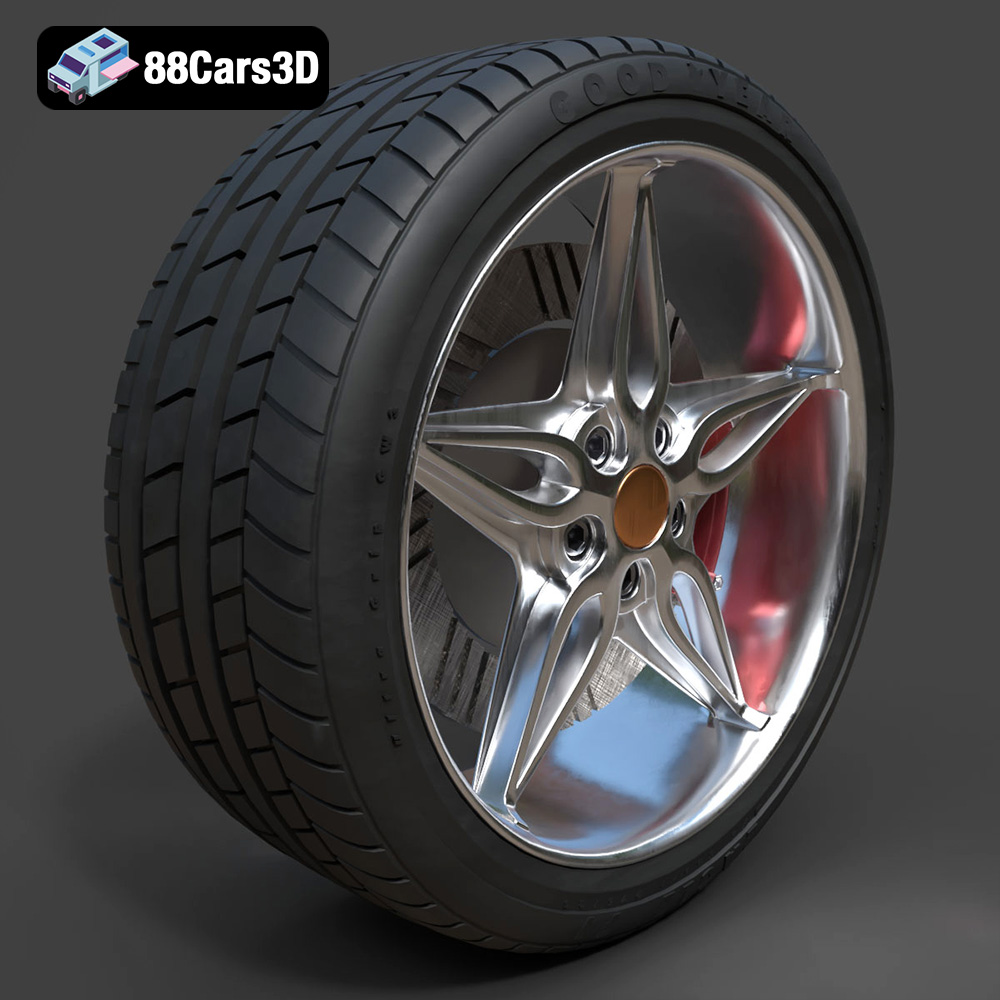
Wheel-001 Component 3D Model
Texture: Yes
Material: Yes
Download the Wheel-001 Component 3D Model featuring clean geometry, realistic detailing, and a fully modeled interior. Includes .blend, .fbx, .obj, .glb, .stl, .ply, .unreal, and .max formats for rendering, simulation, and game development.
Price: $10.99
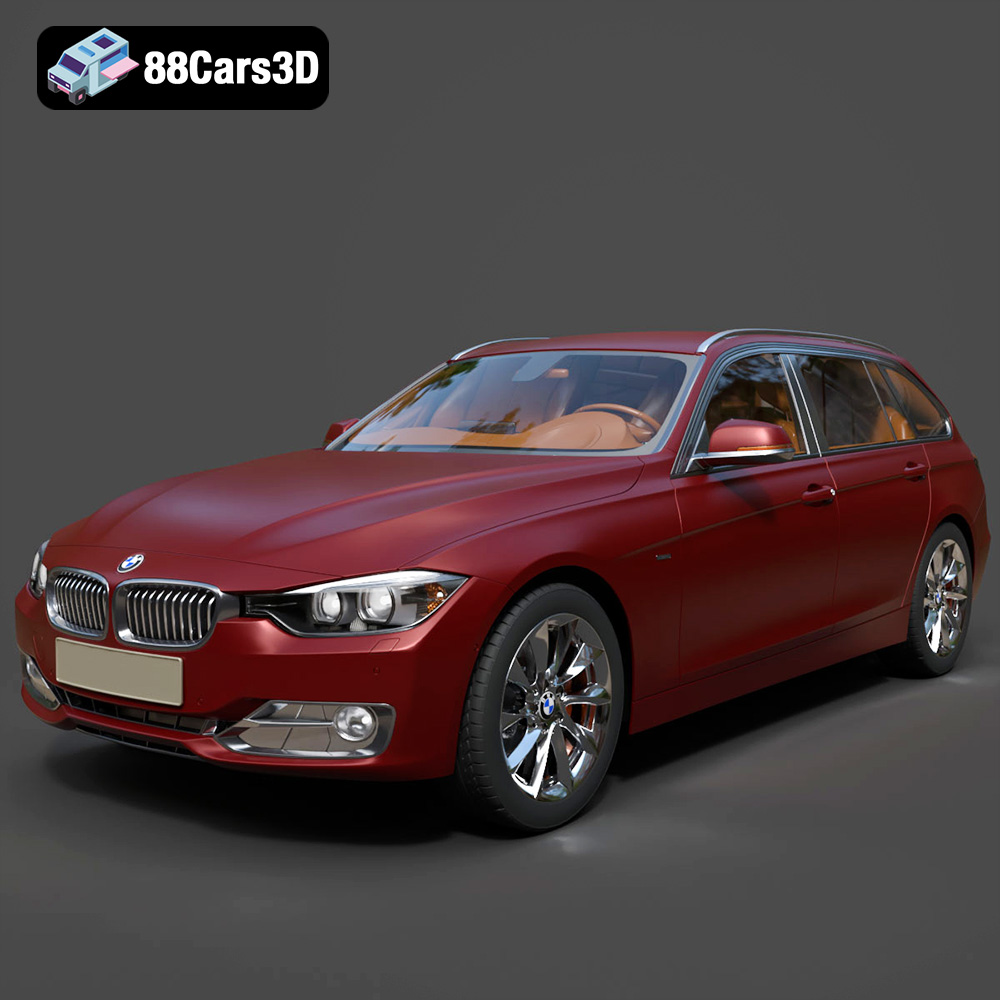
BMW 3 series Touring 335i (F31) 2013 3D Model
Texture: Yes
Material: Yes
Download the BMW 3 series Touring 335i (F31) 2013 3D Model featuring a highly detailed exterior, realistic interior, and modular design. Includes .blend, .fbx, .obj, .glb, .stl, .ply, .unreal, and .max formats for rendering, simulation, and game development.
Price: $30.79
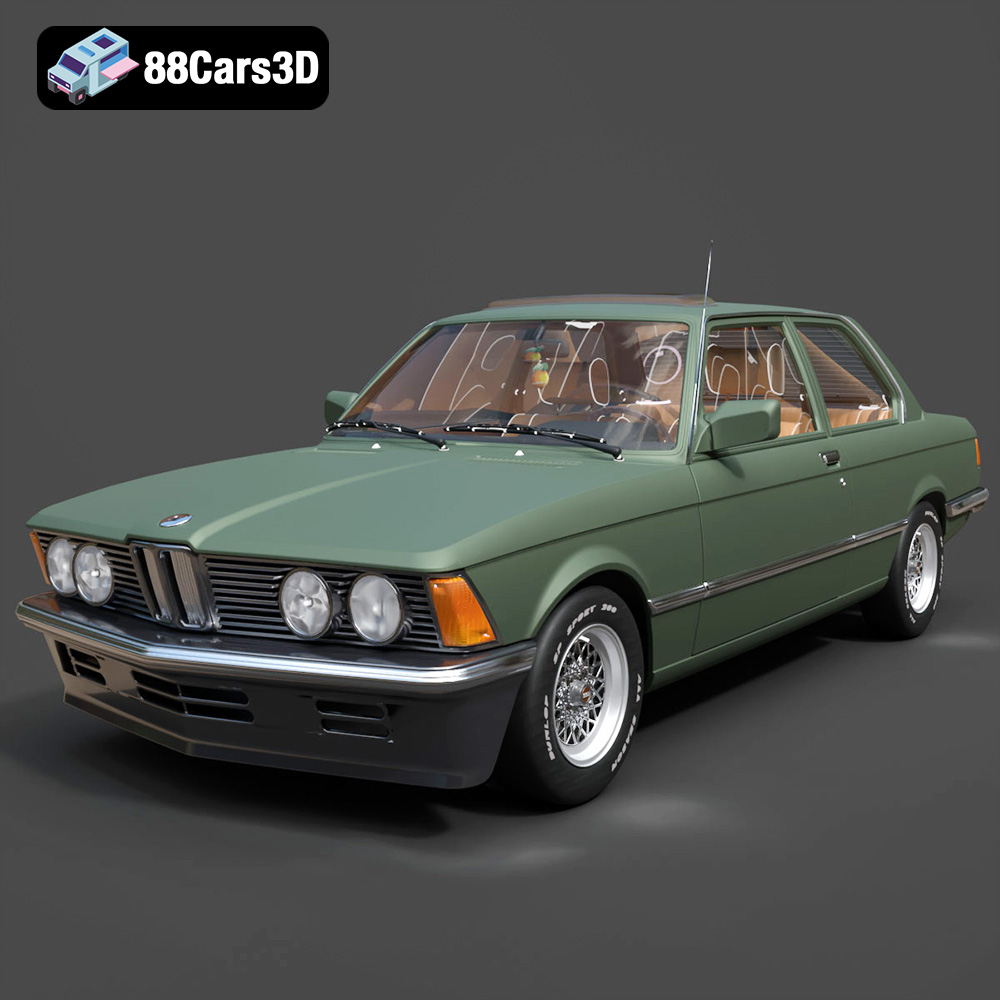
BMW 3 Series E21 3D Model
Texture: Yes
Material: Yes
Download the BMW 3 Series E21 3D Model featuring authentic exterior design, detailed interior, and accurate proportions. Includes .blend, .fbx, .obj, .glb, .stl, .ply, .unreal, and .max formats for rendering, simulation, and game development.
Price: $20.79
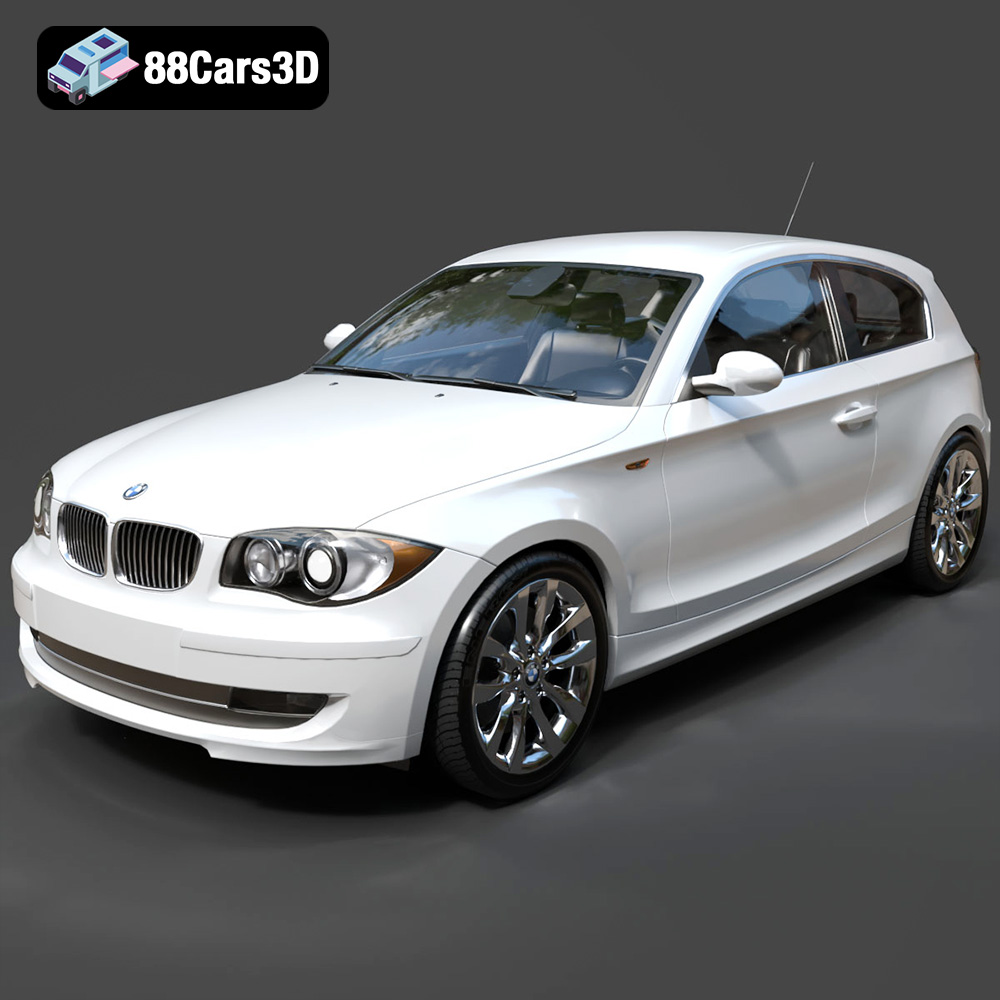
BMW 1 Series 3-Door E81 3D Model
Texture: Yes
Material: Yes
Download the BMW 1 Series 3-Door E81 3D Model featuring a detailed exterior, functional interior elements, and clean geometry. Includes .blend, .fbx, .obj, .glb, .stl, .ply, .unreal, and .max formats for rendering, simulation, and game development.
Price: $14.79
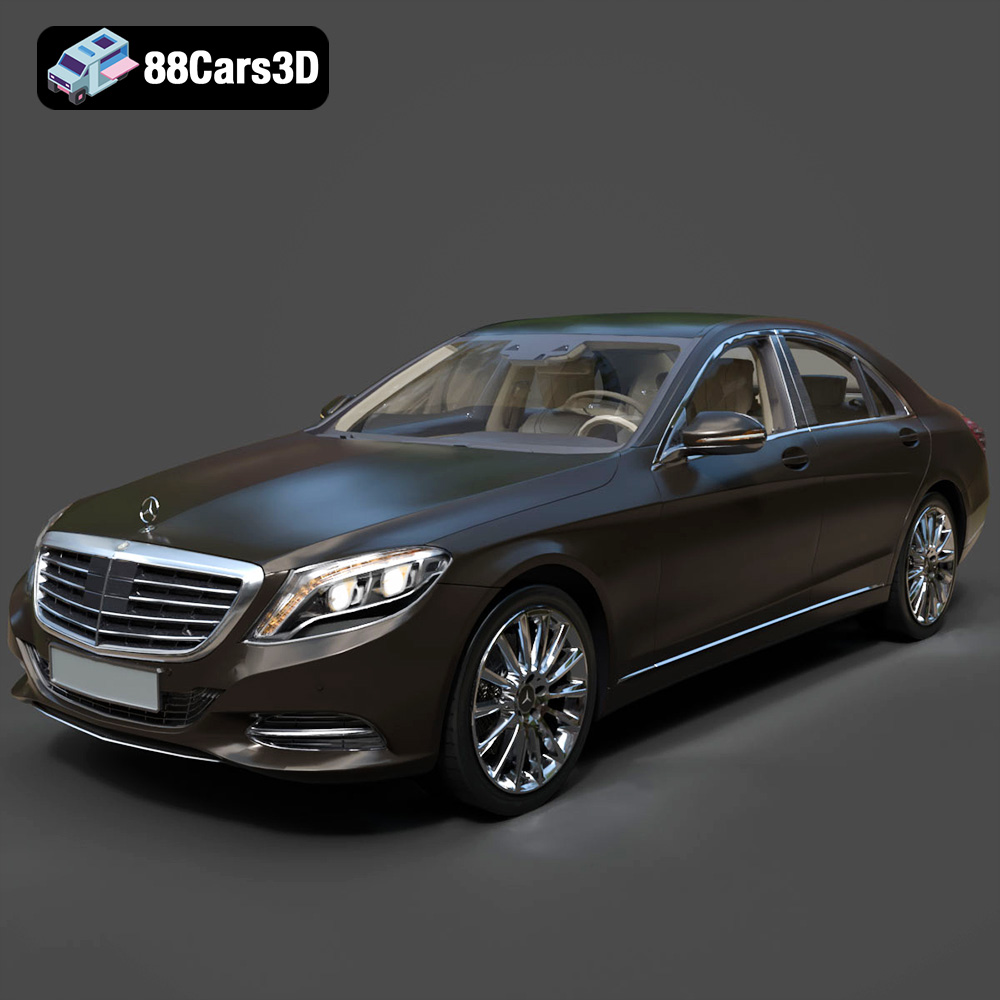
Mercedes-Benz S500 2022 3D Model
Texture: Yes
Material: Yes
Download the Mercedes-Benz S500 2022 3D Model featuring clean geometry, realistic detailing, and a fully modeled interior. Includes .blend, .fbx, .obj, .glb, .stl, .ply, .unreal, and .max formats for rendering, simulation, and game development.
Price: $19.99
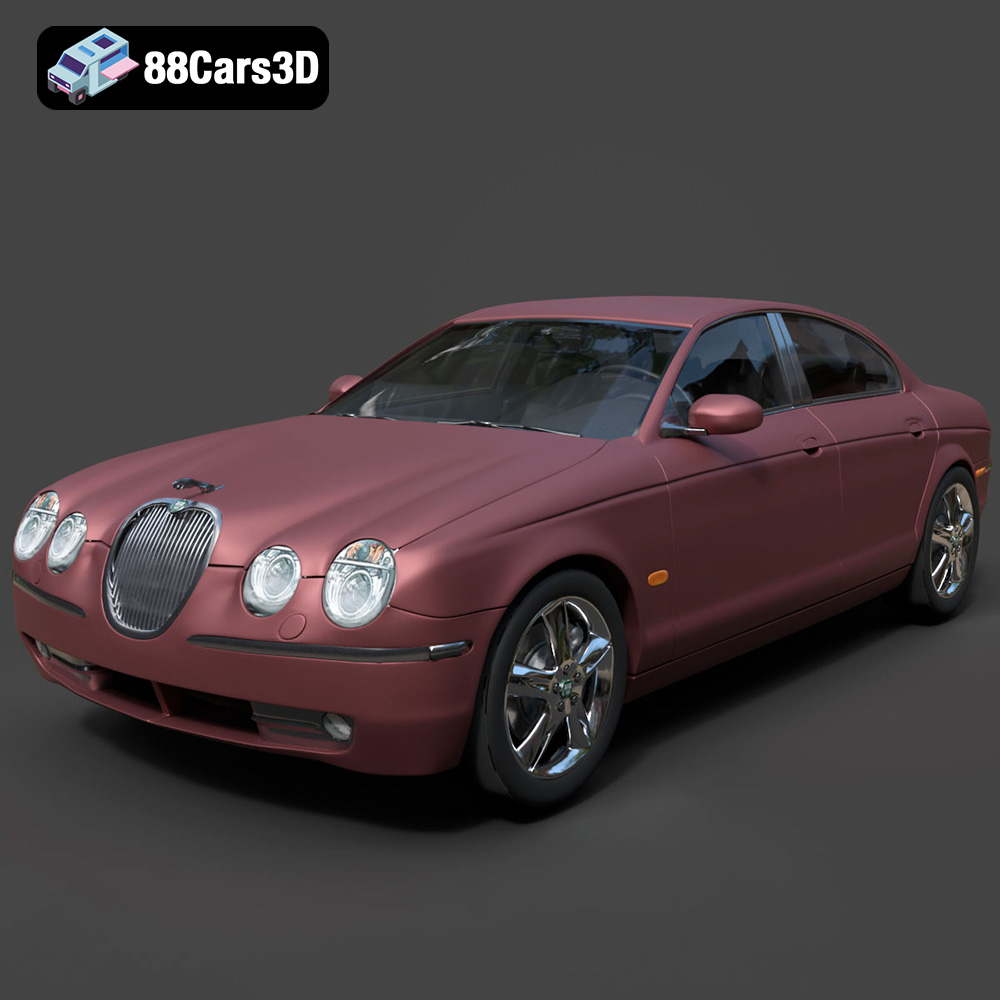
Jaguar S-Type Sedan 3D Model
Texture: Yes
Material: Yes
Download the Jaguar S-Type Sedan 3D Model featuring clean geometry, realistic detailing, and a fully modeled interior. Includes .blend, .fbx, .obj, .glb, .stl, .ply, .unreal, and .max formats for rendering, simulation, and game development.
Price: $18.99
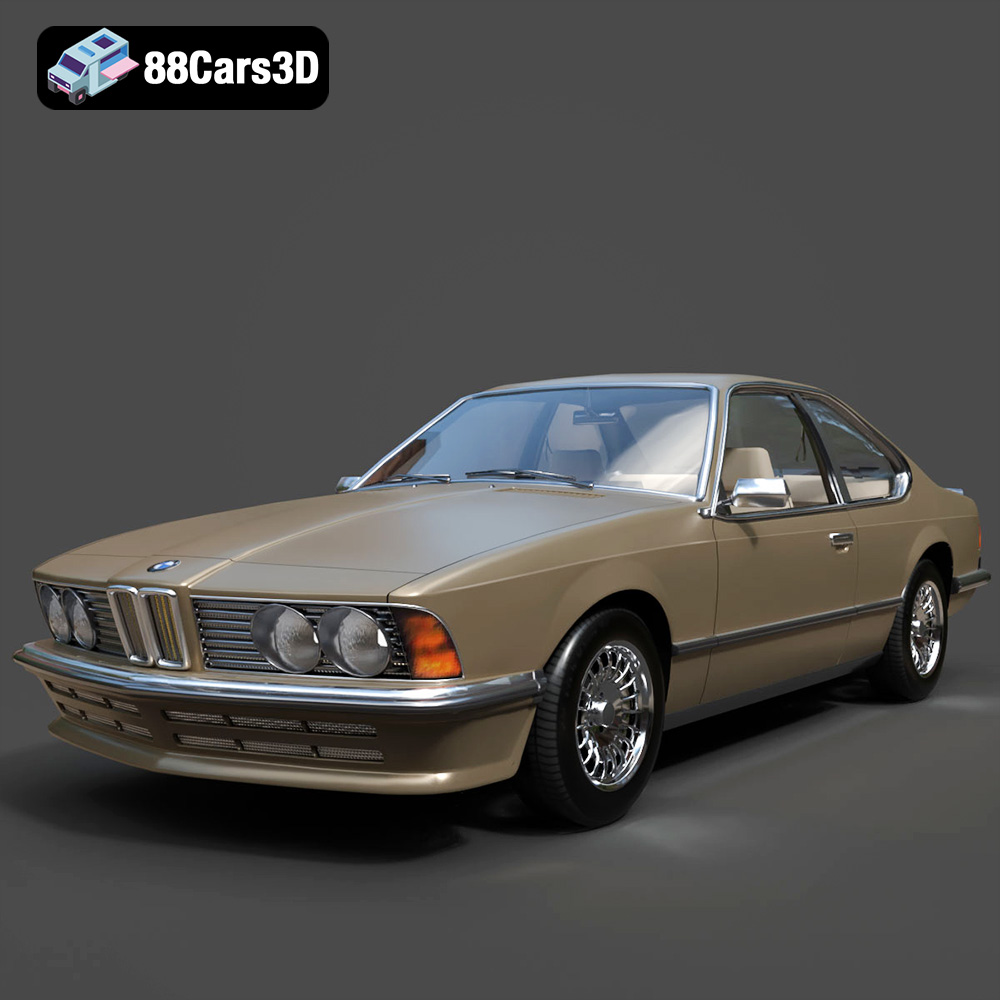
BMW 6 Series 1986 3D Model
Texture: Yes
Material: Yes
Download the BMW 6 Series 1986 3D Model featuring clean geometry, realistic detailing, and a fully modeled interior. Includes .blend, .fbx, .obj, .glb, .stl, .ply, .unreal, and .max formats for rendering, simulation, and game development.
Price: $16.99
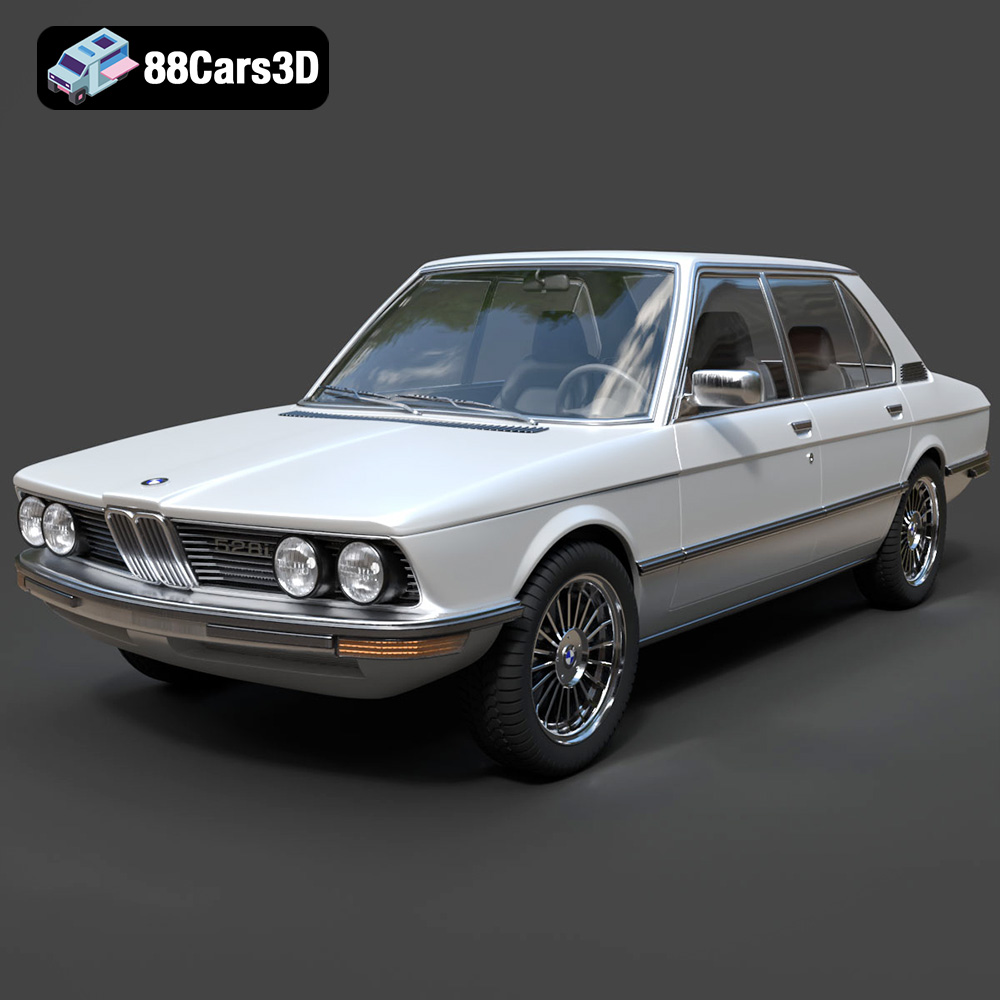
BMW 5 Series E12 528i 3D Model
Texture: Yes
Material: Yes
Download the BMW 5 Series E12 528i 3D Model featuring clean geometry, realistic detailing, and a fully modeled interior. Includes .blend, .fbx, .obj, .glb, .stl, .ply, .unreal, and .max formats for rendering, simulation, and game development.
Price: $14.99

BMW 5 Series F10 2014 3D Model
Texture: Yes
Material: Yes
Download the BMW 5 Series F10 3D Model featuring clean geometry, realistic detailing, and a fully modeled interior. Includes .blend, .fbx, .obj, .glb, .stl, .ply, .unreal, and .max formats for rendering, simulation, and game development.
Price: $14.99
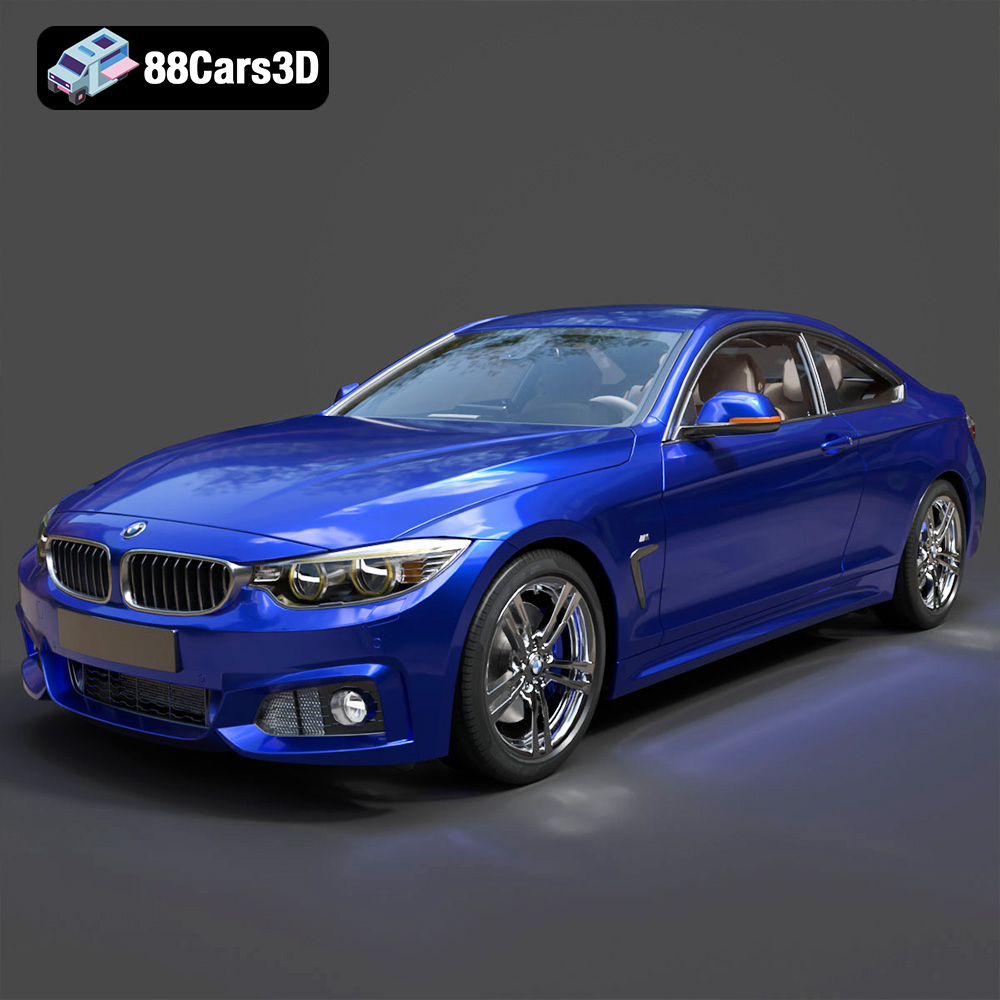
BMW 4 Series Coupe M Sport 2014 3D Model
Texture: Yes
Material: Yes
Download the BMW 4 Series Coupe M Sport 2014 3D Model featuring clean geometry, realistic detailing, and a fully modeled interior. Includes .blend, .fbx, .obj, .glb, .stl, .ply, .unreal, and .max formats for rendering, simulation, and game development.
Price: $14.99
