

“`html
Mastering the Details: Adding Car Logos, Emblems, and Custom Touches to Your 3D Printed Models
The world of 3D printed car models offers an incredible canvas for enthusiasts to bring their automotive dreams to life. Whether you’re creating a replica of a classic sports car, a concept vehicle, or a personalized daily driver, the fine details can elevate a good print to an exceptional one. Among the most impactful details are logos, emblems, and custom accents that define a car’s identity and style. This guide delves into the technical aspects of integrating these elements into your 3D printable car models, transforming raw STL files into masterpieces of miniature automotive art. We’ll explore file preparation, modeling techniques, slicing strategies, and post-processing, providing you with the knowledge to add that authentic finishing touch.
From understanding the nuances of STL file structures to mastering the intricate settings within your slicing software, this article will equip you with the confidence to tackle complex details. We’ll cover how to model these small but significant components, the challenges they present to 3D printers, and the best practices for achieving crisp, accurate results. Prepare to unlock a new level of realism in your 3D printed car collection.
Understanding the STL File Format and Mesh Topology for Detail Integration
The foundation of any 3D printable model, especially those found on platforms like 88cars3d.com, is the STL (STereoLithography) file. This file format describes the surface geometry of a 3D object using a collection of triangular facets. For intricate details like car logos and emblems, the quality of the mesh topology is paramount. A well-constructed mesh ensures that these small features are accurately represented, without holes, non-manifold edges, or inverted normals that can cause slicing errors and print failures. When preparing to add custom details, understanding this underlying structure is the first critical step.
A manifold mesh is essential for 3D printing. It means that every edge of a triangle is shared by exactly two triangles, forming a watertight surface. Non-manifold geometry, such as edges shared by more than two triangles or internal faces, can confuse the slicer. For small, raised or recessed details like emblems, this means ensuring that the geometry is properly connected to the main body of the car model. For example, a raised logo should have its base triangles seamlessly integrated with the surface of the car, and its edges should form a continuous boundary.
Mesh Repair and Preparation Workflows
Before adding any new details, it’s good practice to ensure the existing car model’s mesh is clean. Software like Meshmixer, Blender, or Netfabb offers powerful tools for mesh repair. Common issues include holes (requiring the “Fill Holes” function), inverted normals (which can be fixed with “Recalculate Normals” or similar tools), and self-intersecting geometry. When adding custom logos, you’ll be creating new geometry. Ensure these new meshes are also manifold and properly connected to the base model. This might involve using boolean operations (union, difference, intersection) to merge new geometry or manually bridging gaps between surfaces.
For logos and emblems, consider the scale. At a miniature scale, details that are too fine or thin can easily fail to print. Using a mesh repair tool to thicken thin walls or simplify overly complex geometry might be necessary. For instance, a very thin raised outline of a logo might need to be extruded slightly thicker to be reliably captured by the printer nozzle or resin layer. Inspecting the mesh at a microscopic level, zooming in on the areas where details will be added or connected, is a crucial part of this preparation.
STL Export Settings for Detail Preservation
When exporting your modified STL file, the export settings can significantly impact the fidelity of fine details. Higher resolution settings, often controlled by parameters like “Maximum Triangle Edge Length” or “Angle Tolerance,” will result in more triangles and a smoother representation of curves and intricate edges. However, excessively high resolutions can lead to massive file sizes and potentially slow down your slicer. Finding a balance is key. For small details, a resolution that captures sharp corners and smooth curves without creating an overwhelming number of triangles is ideal. Experiment with different export settings, previewing the resulting STL in your slicer or a dedicated viewer to ensure the details are preserved accurately.
Modeling Techniques for Logos, Emblems, and Custom Accents
Creating accurate and printable logos and emblems requires careful modeling. Whether you’re designing them from scratch, adapting existing 3D models, or converting 2D images, the goal is to produce geometry that is both aesthetically pleasing and physically printable. The methods you employ will depend on the complexity of the design and your chosen modeling software.
Creating Raised and Recessed Details
The most common ways to represent logos and emblems are as raised (embossed) or recessed (debossed) features on the car’s surface. To create a raised logo, you can model the logo’s shape as a separate object and then use a boolean union operation to merge it with the car body. Alternatively, you can extrude the logo’s profile directly from the car’s surface. For recessed details, the process is similar, but you would use a boolean difference operation to subtract the logo’s shape from the car body, or extrude inwards.
When modeling, pay close attention to the depth or height of these features. Too shallow, and they might not be visible after printing or post-processing. Too deep, and they could compromise the structural integrity of the part or become difficult to sand without losing definition. A typical depth or height for a logo on a 1:18 scale model might range from 0.2mm to 0.5mm, depending on the logo’s complexity and the printer’s resolution. Consider the orientation of these features relative to the print bed; sharp edges of raised details should ideally be aligned to minimize overhangs and improve printability.
Converting 2D Logos to 3D Models
Often, you might want to recreate a specific car logo that isn’t readily available as a 3D model. A common starting point is a 2D image (like a JPG or PNG) of the logo. Many 3D modeling programs, such as Blender or Inkscape (for vectorizing), can import these images. You can trace the logo’s outline in a 2D vector editor to create an SVG file, which can then be imported into 3D modeling software. Once imported, you can extrude this 2D profile to give it depth, creating a printable 3D object. For logos with intricate internal details or multiple colors, this process can be more complex, often requiring careful manual tracing and refinement of the resulting mesh.
Alternatively, some software or online tools can attempt automatic vectorization or even direct conversion of raster images to 3D meshes, though these often require significant manual cleanup. For best results, start with a high-resolution image and be prepared to spend time refining the geometry to ensure it’s clean and watertight.
Designing for Printability: Wall Thickness and Overhangs
Even the best-designed logo can fail if it’s not modeled with 3D printing in mind. **Minimum wall thickness** is critical. If you’re modeling a logo with thin lines or intricate cutouts, ensure these elements are thick enough to be resolved by your printer. For FDM printing, a general rule of thumb is to ensure details are at least two nozzle widths thick (e.g., 0.8mm to 1.0mm for a 0.4mm nozzle). For resin printing, finer details are possible, but still, extremely thin features can be brittle or fail to cure properly. Always check the specifications of your printer and nozzle size.
Similarly, consider **overhangs**. If a logo is modeled with significant overhangs (e.g., a curved serif that extends outwards from the main body), it may require support structures. Analyze your design and consider how it will be oriented during printing. Sometimes, rotating the model or slightly altering the design can minimize the need for complex supports, leading to cleaner results and easier post-processing. For highly detailed emblems, consider splitting them into multiple parts that can be printed separately and then assembled, allowing for optimal orientation of each component.
Slicing Strategies for High-Fidelity Detail Reproduction
Once your detailed STL file is ready, the next crucial step is slicing – converting the 3D model into layer-by-layer instructions for your 3D printer. The slicing software (like Cura, PrusaSlicer, or Simplify3D) offers a plethora of settings that directly influence the quality and accuracy of fine details. Optimizing these settings is key to capturing the crispness of logos and emblems.
Layer Height and Resolution Tradeoffs
The most direct way to improve detail is by reducing the layer height. A smaller layer height means finer vertical resolution, allowing the printer to build up the model in smaller increments. For standard FDM printers, layer heights typically range from 0.1mm to 0.3mm. Printing at 0.1mm or even 0.08mm can dramatically improve the smoothness of curves and the definition of small features like embossed text or sharp emblem edges. However, this comes at the cost of significantly longer print times.
For resin printers (SLA/DLP/MSLA), layer heights are much smaller, often ranging from 0.025mm to 0.1mm. This inherent capability makes resin printers ideal for highly detailed models, including intricate logos. When choosing a layer height, consider the trade-off between print time and the desired level of detail for your specific car model. For a display piece where aesthetics are paramount, investing the extra time for a lower layer height is often worthwhile. If you are prototyping or need multiple copies quickly, a slightly larger layer height might suffice.
Optimizing Print Speed and Temperature
Printing details too quickly can lead to artifacts like ringing, ghosting, or poor layer adhesion, all of which degrade the appearance of fine features. For areas with intricate details, such as logos or emblems, it’s often beneficial to reduce the print speed. Many slicers allow you to set different speeds for different features, such as “Outer Wall Speed” or “Support Speed.” Reducing the speed for the outer walls and any specific detail layers can significantly improve the clarity of your logos.
Similarly, print temperature plays a crucial role. The optimal temperature depends on your filament or resin. For FDM, a slightly higher temperature within the filament’s recommended range can sometimes improve layer adhesion and the ability to resolve fine details, especially with complex geometries. However, too high a temperature can lead to stringing and oozing, which can obscure details. For resin printing, ensuring the correct exposure times is critical; too short and details might not cure properly, too long and you risk losing definition due to over-curing or “blowing out” fine features.
Experimentation is key. Print small calibration cubes with detailed text or logos embedded on them using different speed and temperature settings to find what works best for your specific printer and material combination. Keep detailed notes of your settings and the results.
Support Structure Generation for Intricate Details
Logos and emblems, especially those that are raised or have complex shapes, often require support structures. Properly generated supports are essential for clean prints and easy removal. In your slicer, you have options for support density, pattern, contact distance, and placement (touching build plate only vs. everywhere).
For raised logos, you might need supports under the overhanging parts of the logo itself. Consider using “tree supports” or “organic supports” if your slicer offers them. These often use less material and are easier to remove than traditional straight supports, minimizing damage to the delicate details of the logo. The “support interface” feature, which creates a denser, flat surface at the top of the supports, can also lead to a cleaner finish on the underside of your logo, reducing the need for extensive post-processing.
When placing supports, try to ensure they connect to flatter, less critical areas of the model whenever possible. For recessed details, supports might be needed inside the recessed area if it creates overhangs. Carefully preview the supports in your slicer before printing. If supports seem excessive or are likely to damage the logo during removal, you might need to revisit your model’s design or orientation.
Print Orientation and Bed Adhesion for Logo Integrity
The way you orient your 3D car model on the print bed is a fundamental decision that impacts everything from print time and support needs to the final surface finish and the integrity of fine details like logos. Placing your model correctly can significantly simplify the printing process and improve the quality of those crucial additions.
For car models, the most common orientation is typically with the wheels on the build plate, allowing for printing the main body and undercarriage in one go. However, if your logo or emblem is located on a complex curved surface or an overhang that would require significant support when printed in this orientation, consider alternative placements. Sometimes, printing the car body in sections, with each section oriented for optimal detail reproduction and minimal supports, can yield superior results. For example, a detailed hood emblem might print best if the hood section is oriented flat on the build plate.
Minimizing Overhangs and Islands
When positioning your model, look for features that would create overhangs or islands (features that are not connected to anything below them). Logos with pronounced 3D elements or sharp edges can create these issues. If a logo is on the side of the car and a significant portion of it protrudes outwards at an angle greater than 45 degrees, it will likely require supports. If possible, rotate the car model slightly to reduce the angle of the overhang, or consider printing the logo as a separate piece that can be attached later.
For smaller, separate logo parts, orient them so that their largest, flattest surface is on the build plate. This ensures maximum bed adhesion and typically requires minimal to no supports, leading to a cleaner, more detailed print of the logo itself.
Achieving Strong Bed Adhesion for Intricate Parts
A common cause of print failure, especially with small, detailed parts or models with delicate features, is poor bed adhesion. If the first layers don’t stick well, the entire print can shift or detach from the build plate, ruining fine details like logos. Ensure your printer is properly calibrated: your Z-offset should be set correctly, and your bed should be level and clean.
For FDM printing, using a raft or brim can significantly improve adhesion, especially for models with small contact points with the build plate. A brim adds a single layer of material around the base of the print, increasing the surface area for adhesion. A raft prints a thicker base layer underneath the entire model, providing a stable foundation. Choose the adhesion method that best suits your model and printer. For challenging materials like ABS, an enclosure can help maintain consistent temperatures and prevent warping, which also contributes to adhesion.
For resin printers, proper adhesion is achieved through correct exposure times for the first few layers (thicker “dwell” times). Using an adhesion helper like a “mouse teeth” or “raft” on the underside of your model can also help ensure it stays firmly attached to the build plate during the printing process.
Post-Processing Techniques for Polished Details
The printing process is only part of the journey. Post-processing is where raw 3D prints are transformed into polished, display-ready models. For intricate details like car logos and emblems, careful post-processing is essential to bring them to life and ensure they stand out.
Support Removal and Surface Finishing
Careful removal of support structures is paramount. Use sharp tools like hobby knives, flush cutters, or specialized deburring tools to gently remove supports. For FDM prints, if supports were printed directly onto a logo, use fine-grit sandpaper (starting around 220 grit and moving up to 1000+ grit) or a small file to smooth out any marks left behind. Patience is key; rushing this step can easily damage delicate details.
For resin prints, supports are often removed before the final UV curing. After removing the bulk of the supports, you might use fine-grit sandpaper or a polishing cloth to smooth the areas where supports were attached. Ensure all support material is removed before final curing to prevent issues.
After removing supports and any initial sanding, consider using filler primer or putty to fill any small gaps or imperfections, especially around the base of raised or recessed logos. Sand smooth between coats for a perfect surface.
Sanding, Filling, and Priming for Detail Enhancement
Achieving a smooth surface is crucial for making details pop. For FDM prints, a common technique is wet sanding, which uses sandpaper lubricated with water to reduce dust and achieve a smoother finish. Start with coarser grits (e.g., 400-600) and gradually move to finer grits (1000-2000+). For very fine details like small embossed text on a logo, be extremely careful not to sand away the detail itself. Sometimes, using a small, soft brush with sandpaper wrapped around it can help reach intricate areas.
Filler primers are excellent for FDM prints. Applying several thin coats and sanding between each helps to fill layer lines and smooth out the surface, making small details appear sharper. For resin prints, the surface is often smoother to begin with, but filling small imperfections or seam lines from multi-part prints might still be necessary.
Once the surface is smooth and imperfections are filled, apply a primer coat. This not only provides a uniform base color but also reveals any remaining imperfections that need further attention. A good primer layer is essential for achieving professional-looking paint jobs on detailed models.
Painting Techniques for Logos and Emblems
Painting is where logos and emblems truly come to life. For raised logos, you can carefully paint them by hand using fine-tip brushes. Acrylic model paints are a popular choice due to their versatility and ease of use. Start with the base color of the car body, then carefully paint the logo in its specific color. Using masking tape designed for models can help achieve crisp lines if you need to paint intricate patterns or separate sections of a logo.
For recessed logos, you can use a technique called “pin washing” or “panel lining.” Apply a dark wash (thinned paint, often black or dark brown) over the recessed area. The wash will settle into the recesses, defining the logo’s shape. Wipe away the excess from the raised surfaces with a clean cloth or cotton swab dampened with solvent. Alternatively, you can carefully dry-brush lighter colors into the recessed areas to highlight them.
If you’ve modeled separate logo parts, you can paint them before assembling them onto the car model. This often allows for greater precision and cleaner results. Consider using an airbrush for smooth, even coats on the car body before tackling the finer details of the logos. Advanced techniques like weathering can also add realism, making emblems look like they’ve been exposed to the elements.
Material Selection and Printer Calibration for Precision
The choice of material and the calibration of your 3D printer are foundational to achieving high-quality prints, especially when dealing with the fine details of car logos and emblems. Different materials and printer types have unique characteristics that affect how small features are reproduced.
FDM vs. Resin Printing for Detail Reproduction
**FDM (Fused Deposition Modeling)** printers build objects layer by layer using thermoplastic filaments. While accessible and versatile, FDM printing typically has a resolution limited by the nozzle diameter (commonly 0.4mm). This means very fine details might be smoothed over or lost. However, with meticulous calibration, smaller nozzles (e.g., 0.2mm), and fine layer heights (0.1mm or less), FDM printers can produce impressively detailed models. Materials like PLA are easy to print and offer good detail, while PETG and ABS can offer greater durability but may be more challenging to print cleanly.
**Resin printing (SLA, DLP, MSLA)** uses photopolymer resins cured by UV light. These technologies offer significantly higher resolution, capable of reproducing incredibly fine details, sharp edges, and intricate textures that are often impossible with FDM. Layer heights can be as low as 0.025mm, allowing for exceptional smoothness and definition. Resins come in various formulations, including standard, tough, and flexible, each offering different properties. For highly detailed car models with intricate emblems, resin printing is often the preferred choice for maximum fidelity.
When choosing a platform to download models from, such as 88cars3d.com, you’ll find files optimized for different printing technologies. Always check the product description for recommendations on which printer type and settings are best suited for achieving the intended level of detail.
Calibrating for Sharpness: Nozzle Size, Flow Rate, and Temperature
For FDM printers, **nozzle size** is a primary determinant of detail capability. While 0.4mm is standard, switching to a 0.2mm or 0.25mm nozzle can allow for finer extrusion lines and sharper details. This requires adjusting your slicer settings accordingly (e.g., setting the correct nozzle size) and potentially recalibrating your printer’s steps/mm for the extruder to ensure accurate filament feeding.
**Flow rate (extrusion multiplier)** is critical for ensuring that the correct amount of filament is extruded. Over-extrusion can cause blobs and inaccuracies, while under-extrusion leads to gaps and weak parts. Calibrate your flow rate by printing a single-wall cube and measuring the wall thickness, adjusting the flow rate in your slicer until the thickness is accurate. This is especially important when printing fine details where precise extrusion is key.
**Print temperature** affects filament viscosity and adhesion. Fine-tuning the temperature can improve bridging, reduce stringing, and enhance the ability to resolve small features. Always perform temperature tower tests for new filaments to find the optimal temperature for your printer and material.
Resin Printer Calibration: Exposure Times and Lift Speeds
For resin printers, **exposure times** are the most critical calibration parameter. These determine how long the resin is exposed to UV light for each layer. Under-exposure leads to prints detaching or details not curing, while over-exposure can cause loss of fine detail and cured resin sticking to the FEP film. Performing an exposure calibration test (e.g., AmeraLabs Calibration Test, Siraya Tech Test Model) is essential to dial in the correct exposure settings for your specific resin and printer.
**Lift speeds and lift heights** control how quickly and how far the print bed (or build plate) moves away from the cured layer. Faster lift speeds can reduce print time but increase the risk of print failures, especially with large or detailed models. Slower lift speeds and appropriate lift heights can help prevent suction forces from damaging delicate features during the peel process, crucial for preserving intricate logos.
Conclusion: Elevating Your 3D Printed Cars with Authentic Details
Adding authentic logos, emblems, and custom details is a transformative step in creating truly exceptional 3D printed car models. From understanding the fundamental structure of STL files and meticulously repairing meshes to employing precise modeling techniques and optimizing your slicing parameters, each stage plays a vital role. We’ve explored how a well-prepared STL file, combined with careful consideration of modeling techniques like extrusion and boolean operations, forms the basis for success. The choice between raised and recessed designs, and the critical attention to minimum wall thickness and overhangs, ensures your digital designs translate into printable realities.
Furthermore, mastering the art of slicing, by fine-tuning layer heights, print speeds, temperatures, and support structures, allows you to capture the crispness and accuracy of even the smallest details. Strategic print orientation and ensuring robust bed adhesion prevent failures that could mar your intricate work. Finally, diligent post-processing—from careful support removal and sanding to precise painting—brings these details to life, imbuing your models with a level of realism that sets them apart. By applying these technical insights, whether you’re downloading print-ready STL files from trusted sources like 88cars3d.com or designing your own, you can significantly elevate the quality and authenticity of your 3D printed automotive creations. Embrace the challenge, experiment with these techniques, and enjoy the satisfaction of producing miniature masterpieces.
“`
Featured 3D Car Models
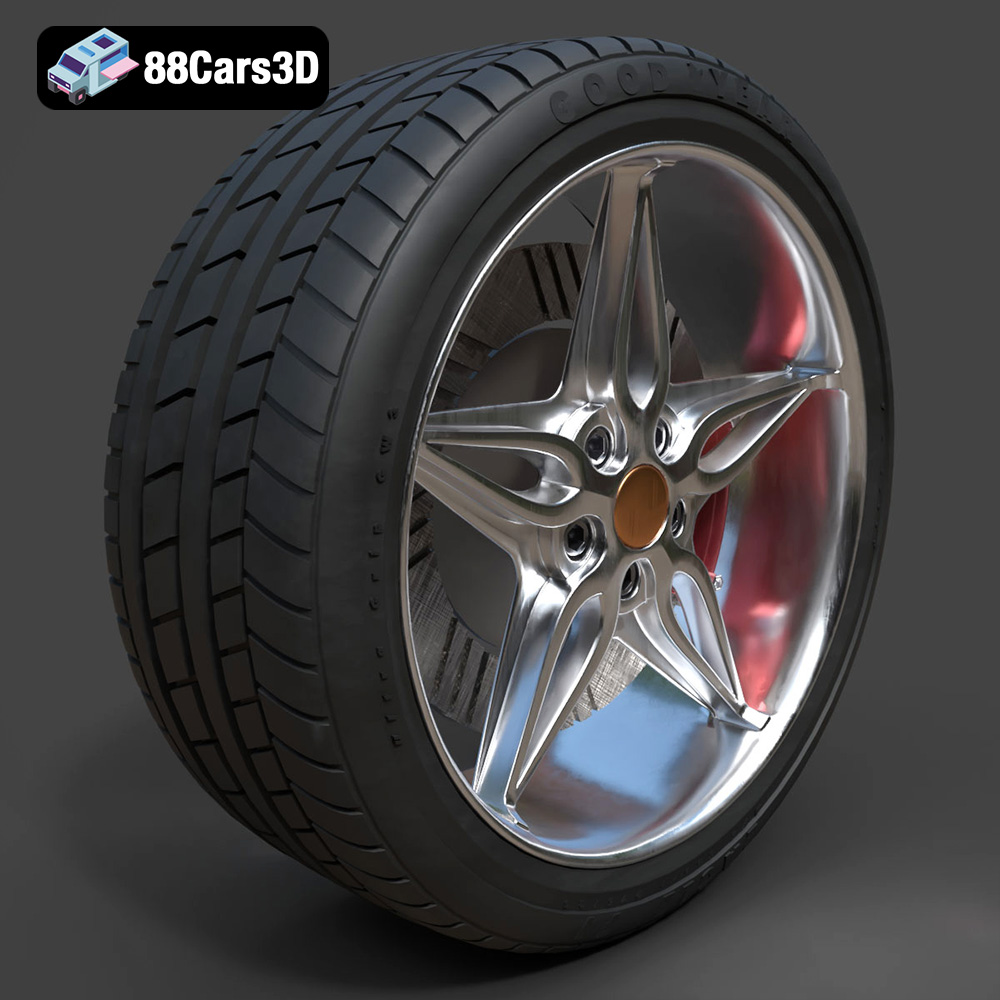
Wheel-001 Component 3D Model
Texture: Yes
Material: Yes
Download the Wheel-001 Component 3D Model featuring clean geometry, realistic detailing, and a fully modeled interior. Includes .blend, .fbx, .obj, .glb, .stl, .ply, .unreal, and .max formats for rendering, simulation, and game development.
Price: $10.99

BMW 3 series Touring 335i (F31) 2013 3D Model
Texture: Yes
Material: Yes
Download the BMW 3 series Touring 335i (F31) 2013 3D Model featuring a highly detailed exterior, realistic interior, and modular design. Includes .blend, .fbx, .obj, .glb, .stl, .ply, .unreal, and .max formats for rendering, simulation, and game development.
Price: $30.79
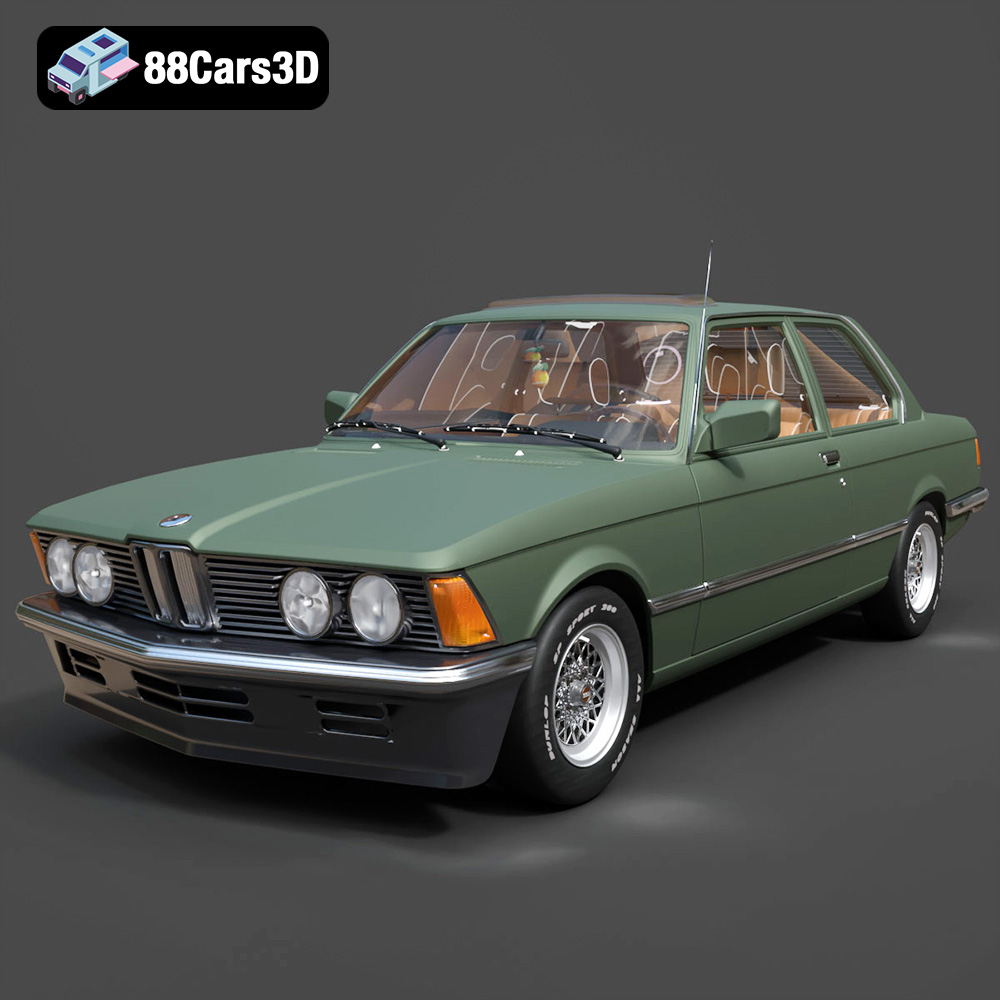
BMW 3 Series E21 3D Model
Texture: Yes
Material: Yes
Download the BMW 3 Series E21 3D Model featuring authentic exterior design, detailed interior, and accurate proportions. Includes .blend, .fbx, .obj, .glb, .stl, .ply, .unreal, and .max formats for rendering, simulation, and game development.
Price: $20.79

BMW 1 Series 3-Door E81 3D Model
Texture: Yes
Material: Yes
Download the BMW 1 Series 3-Door E81 3D Model featuring a detailed exterior, functional interior elements, and clean geometry. Includes .blend, .fbx, .obj, .glb, .stl, .ply, .unreal, and .max formats for rendering, simulation, and game development.
Price: $14.79

Mercedes-Benz S500 2022 3D Model
Texture: Yes
Material: Yes
Download the Mercedes-Benz S500 2022 3D Model featuring clean geometry, realistic detailing, and a fully modeled interior. Includes .blend, .fbx, .obj, .glb, .stl, .ply, .unreal, and .max formats for rendering, simulation, and game development.
Price: $19.99
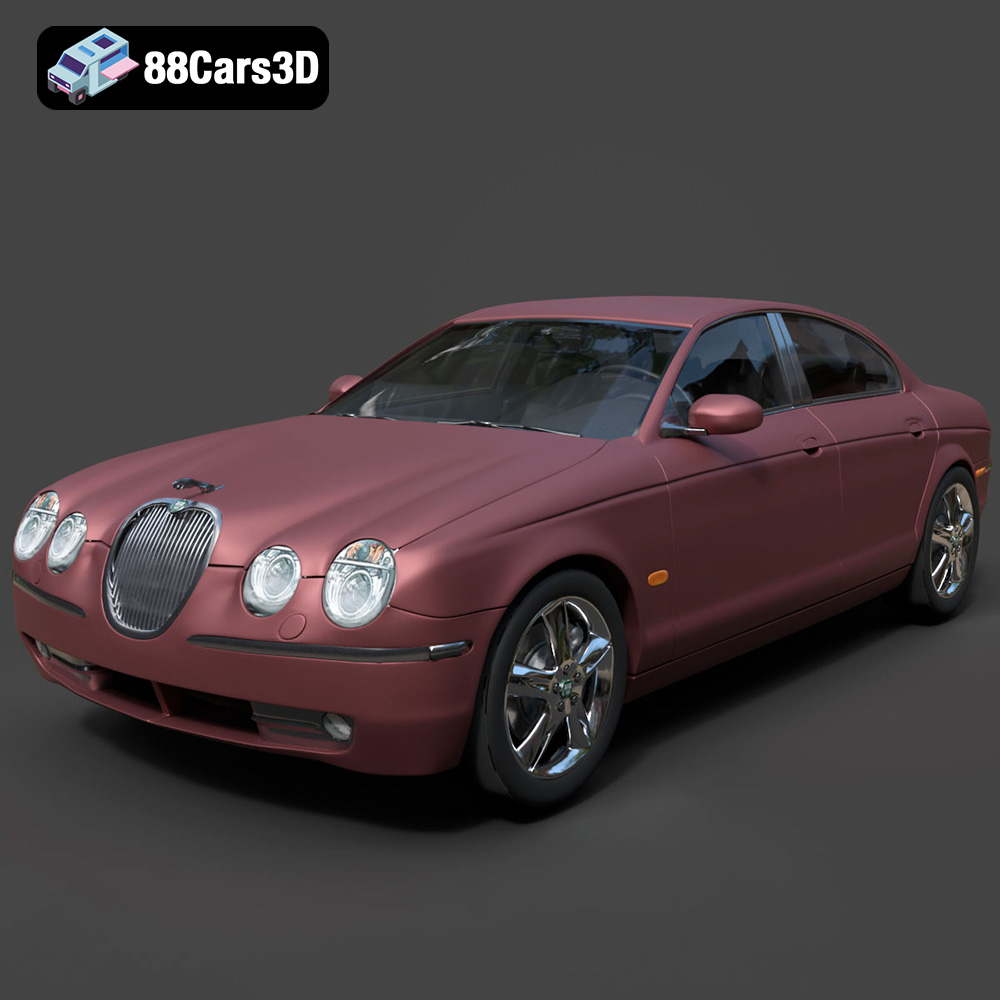
Jaguar S-Type Sedan 3D Model
Texture: Yes
Material: Yes
Download the Jaguar S-Type Sedan 3D Model featuring clean geometry, realistic detailing, and a fully modeled interior. Includes .blend, .fbx, .obj, .glb, .stl, .ply, .unreal, and .max formats for rendering, simulation, and game development.
Price: $18.99
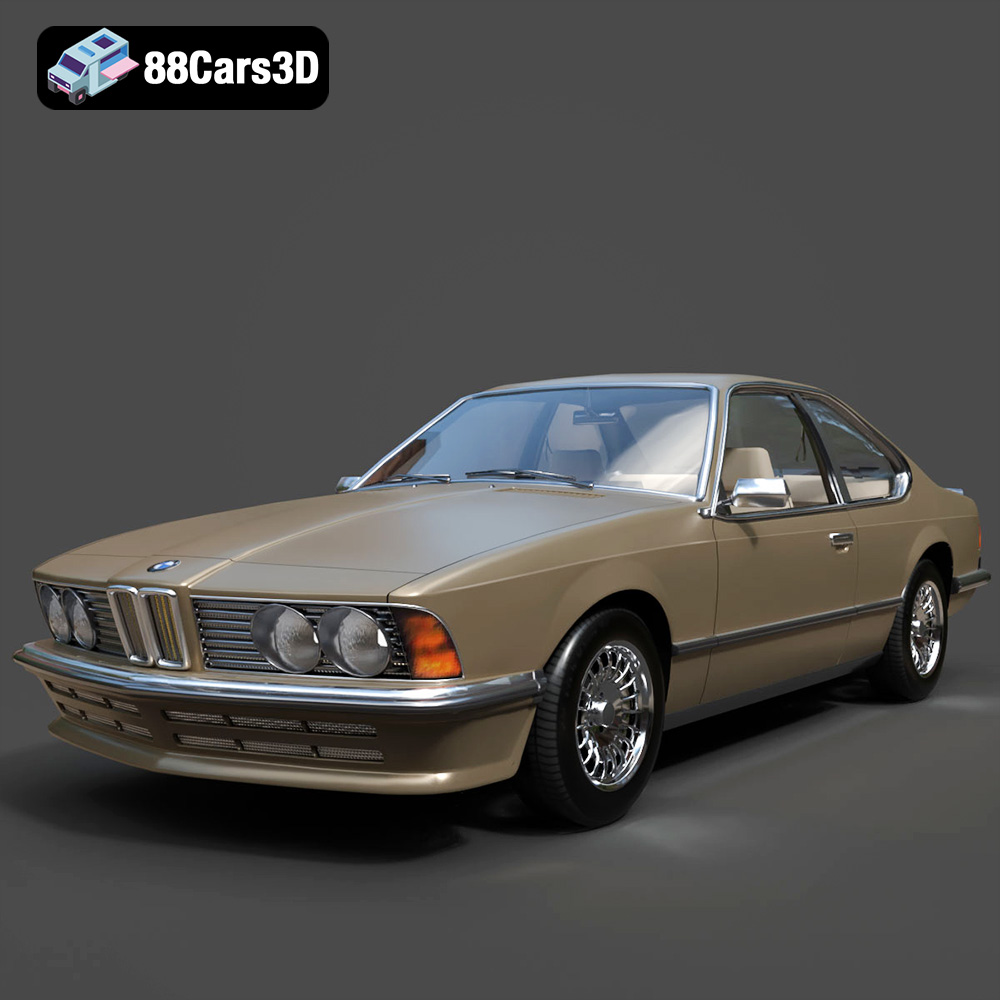
BMW 6 Series 1986 3D Model
Texture: Yes
Material: Yes
Download the BMW 6 Series 1986 3D Model featuring clean geometry, realistic detailing, and a fully modeled interior. Includes .blend, .fbx, .obj, .glb, .stl, .ply, .unreal, and .max formats for rendering, simulation, and game development.
Price: $16.99
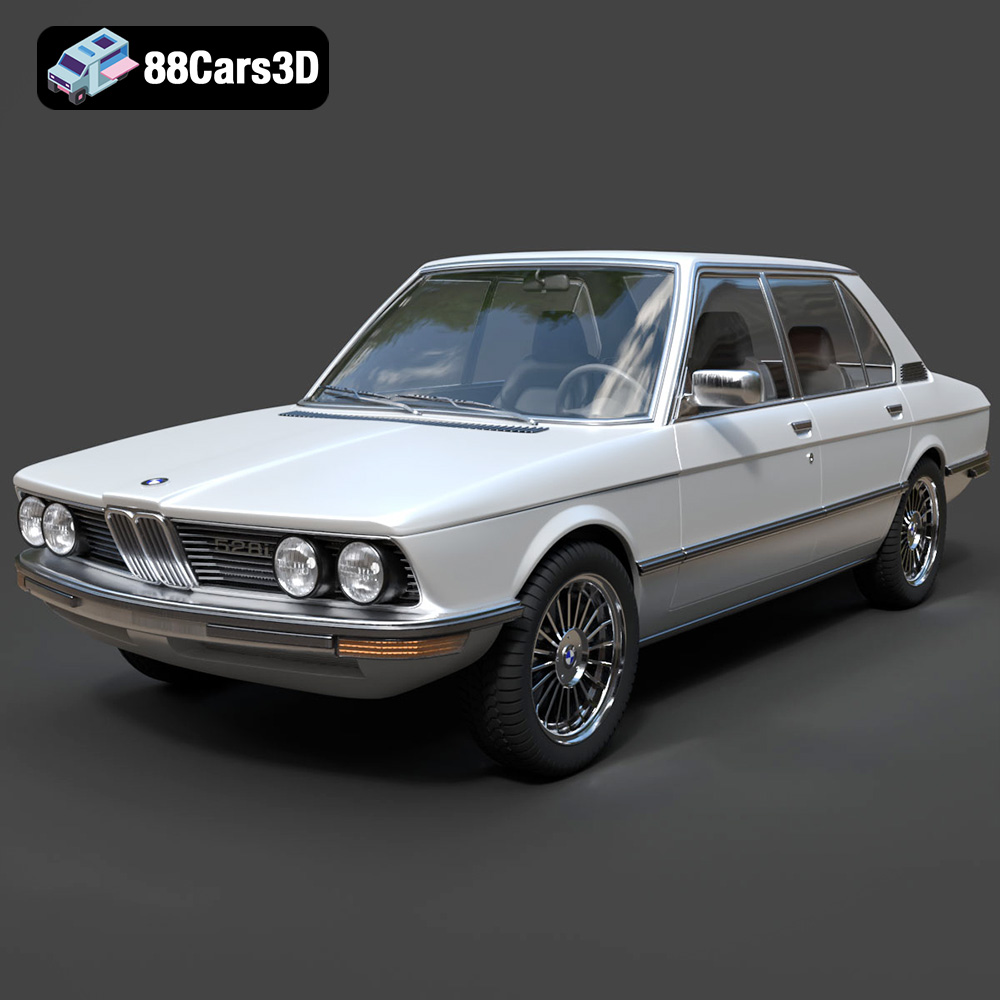
BMW 5 Series E12 528i 3D Model
Texture: Yes
Material: Yes
Download the BMW 5 Series E12 528i 3D Model featuring clean geometry, realistic detailing, and a fully modeled interior. Includes .blend, .fbx, .obj, .glb, .stl, .ply, .unreal, and .max formats for rendering, simulation, and game development.
Price: $14.99

BMW 5 Series F10 2014 3D Model
Texture: Yes
Material: Yes
Download the BMW 5 Series F10 3D Model featuring clean geometry, realistic detailing, and a fully modeled interior. Includes .blend, .fbx, .obj, .glb, .stl, .ply, .unreal, and .max formats for rendering, simulation, and game development.
Price: $14.99

BMW 4 Series Coupe M Sport 2014 3D Model
Texture: Yes
Material: Yes
Download the BMW 4 Series Coupe M Sport 2014 3D Model featuring clean geometry, realistic detailing, and a fully modeled interior. Includes .blend, .fbx, .obj, .glb, .stl, .ply, .unreal, and .max formats for rendering, simulation, and game development.
Price: $14.99
