

In the dynamic realm of real-time rendering and interactive experiences, exceptional user interfaces (UI) and user experiences (UX) are no longer just a luxury—they are a necessity. Especially within automotive visualization, where stunning 3D car models are showcased in immersive environments, the way users interact with and configure these vehicles is paramount. This is where Unreal Engine’s powerful Unreal Motion Graphics (UMG) Widget System shines. UMG provides a robust, flexible, and visually-driven framework for crafting everything from simple menus to complex, data-rich automotive configurators and interactive dashboards.
For Unreal Engine developers, 3D artists, and visualization professionals leveraging high-fidelity 3D car models for games, AR/VR applications, or virtual showrooms, mastering UMG is essential. It enables you to transform static presentations into engaging, customizable journeys for your audience. This comprehensive guide will delve deep into UMG, exploring its fundamentals, advanced techniques, optimization strategies, and real-world applications within the automotive sector. By the end, you’ll be equipped to design and implement intuitive, high-performance UIs that elevate your projects, especially when paired with the optimized 3D car models found on platforms like 88cars3d.com.
Building Intuitive Interfaces: Understanding UMG Widget System Fundamentals
The Unreal Motion Graphics (UMG) Widget System is Unreal Engine’s declarative UI framework, enabling developers to create in-game menus, HUDs, and interactive elements entirely within the editor. At its core, UMG is about visual design combined with powerful Blueprint scripting, allowing for rapid iteration and intuitive creation of complex user interfaces. Understanding its foundational components is the first step towards building immersive automotive experiences.
The Anatomy of a UMG Widget: Designer vs. Graph
When you create a new Widget Blueprint, you’re presented with two primary views: the Designer and the Graph. The Designer is your visual canvas, where you arrange and style UI elements. Here, you drag and drop various widgets from the Palette (Buttons, Text, Images, Sliders, Panels, etc.) onto the canvas, forming the visual layout of your interface. The Hierarchy panel helps you manage the parent-child relationships and organization of these elements, which is crucial for responsive design and logical grouping. Properties for each widget, such as size, position, alignment (anchors), and visual styles, are all managed within the Details panel, allowing for precise control over the aesthetic.
The Graph view, on the other hand, is where the magic of interactivity happens. This is a standard Blueprint editor specifically for your Widget. Here, you define the logic and behavior of your UI using event-driven programming. For instance, when a “Change Color” button is clicked, the Graph defines what actions should follow: perhaps changing a material parameter on a 3D car model, or opening another UI panel. This clear separation of concerns—visual layout in the Designer and interactive logic in the Graph—makes UMG incredibly powerful and easy to manage, even for intricate automotive configurators.
Setting Up Your First UMG Widget for Automotive Context
Let’s walk through creating a basic UMG widget that could be the start of an automotive configurator. First, navigate to the Content Browser, right-click, and select User Interface > Widget Blueprint. Name it, for example, ‘WB_CarConfigurator’. Open this new Widget Blueprint. In the Designer view, drag a ‘Canvas Panel’ from the Palette onto the canvas – this serves as the root for most layouts. Next, drag a ‘Button’ widget onto the Canvas Panel. Position it, resize it, and change its text to ‘Change Paint Color’. Below it, add a ‘Text’ block to display the current color, initially set to ‘Current Color: Red’.
Now, to make it interactive, switch to the Graph view. Select your ‘Change Paint Color’ button in the Components panel. In the Details panel for the button, find the ‘Events’ section and click the green ‘+’ next to ‘On Clicked’. This will create an ‘OnClicked’ event node in your Graph. From this node, you can drag a wire and add actions. For a simple demonstration, you might want to print a string to the screen or update the ‘Text’ block you created. To display this widget in your game, you’ll typically call ‘Create Widget’ from your Player Controller or Game Mode Blueprint, then ‘Add to Viewport’. This step-by-step approach forms the backbone for all subsequent UMG development, allowing you to quickly integrate interactive elements with your high-quality 3D car models.
Crafting Engaging Automotive UI: Layout and Visual Design
A visually appealing and intuitively organized user interface is paramount for automotive visualization, especially when showcasing the intricate details of 3D car models. UMG provides a rich set of tools to achieve sophisticated layouts and integrate custom visual assets, ensuring your configurators and interactive demos look as polished as the vehicles themselves.
Responsive Design Principles for Various Screens
Automotive visualizations are consumed on a variety of devices: desktop monitors, large LED walls in virtual production studios, VR headsets, and even AR-enabled mobile devices. Therefore, designing a UI that adapts gracefully to different screen resolutions and aspect ratios is crucial. UMG’s system of Anchors, alignment, padding, and margins is your primary toolkit for responsive design. Anchors define the widget’s attachment point relative to its parent, ensuring it scales and positions predictably. For example, anchoring a configurator panel to the top-right corner means it will always stay there, regardless of screen size. Combining anchors with ‘Auto’ or percentage-based sizing within ‘Size Box’ widgets allows for fluid layouts.
Beyond basic anchoring, UMG offers powerful layout panels such as the Vertical Box, Horizontal Box, and Grid Panel. These containers automatically arrange child widgets in rows, columns, or a grid, simplifying complex layouts. For instance, a series of paint swatches can be perfectly aligned within a Horizontal Box, and the box itself can be anchored to the bottom of the screen. By mastering these panels and properties, you can create a single UI design that effectively scales from an ultra-wide cinematic display to a compact VR menu, providing a consistent and optimal user experience across all platforms. This responsiveness ensures that the high-fidelity 3D car models you present always have a pristine accompanying interface.
Integrating Visuals: Custom Styles, Fonts, and Textures
The visual identity of your UI elements—buttons, text, sliders—significantly contributes to the overall aesthetic and branding of your automotive project. UMG allows for deep customization, moving beyond generic UI elements to bespoke designs that match the sophistication of your car models. You can easily import custom fonts (TTF or OTF files) into Unreal Engine and apply them to any Text widget, ensuring brand consistency and improved readability. Beyond fonts, custom visual styles for interactive elements are essential. Unreal Engine utilizes ‘Slate Brush’ and ‘Slate Style’ assets, which are essentially containers for textures, colors, and other styling properties that can be applied to widgets. For instance, you can design a unique ‘Hovered’ state texture for a button that highlights when the user’s mouse passes over it.
Furthermore, integrating custom textures for background panels, icons, or material swatches directly enhances the visual quality. For an automotive configurator, you might use small, circular image widgets to represent different paint finishes or wheel designs. These images, ideally optimized for UI (e.g., PNG with transparency), can be dynamically loaded and displayed based on user selections. While UMG primarily uses 2D textures, you can even simulate PBR-like material representations for swatches by rendering small 3D samples to a texture using Scene Capture 2D (a technique we’ll discuss later). This attention to detail in integrating high-quality visual assets ensures that your UI is not just functional but also a true extension of your project’s visual excellence, complementing the premium 3D car models you’re showcasing.
Powering Interactivity: Blueprint Scripting for UMG Widgets
Beyond static layouts, the true power of UMG lies in its ability to create dynamic, interactive user experiences through Blueprint scripting. This visual scripting language allows developers to define complex behaviors and link UI elements directly to the underlying game logic, making real-time automotive configurators and interactive demos truly come alive.
Event-Driven Programming for UI Elements
UMG widgets are inherently event-driven. This means that actions performed by the user—clicking a button, dragging a slider, typing text—trigger specific events that you can respond to in your Widget Blueprint’s Graph. For example, a ‘Button’ widget exposes events like ‘OnClicked’, ‘OnHovered’, and ‘OnReleased’. A ‘Slider’ widget offers ‘OnValueChanged’, while a ‘CheckBox’ has ‘OnCheckStateChanged’. By selecting a widget in the Designer and navigating to its Details panel, you can easily add these event nodes to your Graph, ready for you to define their behavior. This system allows for incredibly flexible and responsive UI design.
Crucially, UMG widgets often need to communicate with other parts of your Unreal Engine project, such as the Player Controller, Game Mode, or even the 3D car model Blueprint itself. This communication is typically handled through Blueprint Interfaces, Event Dispatchers, or direct variable references. For instance, when a user selects a new paint color from a UI dropdown, the UMG widget might call a function on the Player Controller, which then relays that information to the specific car Blueprint in the level, instructing it to change its material. Understanding how to establish these communication channels is key to building cohesive and functional interactive experiences, seamlessly integrating your UI with the stunning 3D car models from 88cars3d.com.
Implementing a Basic Automotive Color Configurator
Let’s build on our earlier example and create a functional color configurator. Assuming you have a 3D car model imported (optimally, one with clean topology and PBR materials, like those on 88cars3d.com), the first step is to ensure its materials are set up for dynamic modification. This usually involves creating Material Instances and exposing parameters (e.g., a ‘BaseColor’ vector parameter for paint, or a ‘Roughness’ scalar for clear coat). In your ‘WB_CarConfigurator’ Widget Blueprint, you might have several buttons, each representing a different paint color (e.g., ‘Red Paint’, ‘Blue Paint’, ‘Green Paint’).
For each color button, select it in the Designer and add an ‘OnClicked’ event in the Graph. Inside each ‘OnClicked’ event, you’ll want to perform the following steps:
- Get a reference to the car model: You might need to cast to your specific car Blueprint class or get all actors of that class.
- Get a reference to the car’s mesh component: The Static Mesh or Skeletal Mesh Component.
- Create a Dynamic Material Instance: If you haven’t already, use ‘Create Dynamic Material Instance’ on the car’s material slot. Store this in a variable for efficiency.
- Set Material Parameter: Call ‘Set Vector Parameter Value’ (for color) or ‘Set Scalar Parameter Value’ (for metallic/roughness) on your Dynamic Material Instance. Connect the appropriate color value for the button (e.g., a pure red vector for the ‘Red Paint’ button).
- Update UI Text (Optional): Update your ‘Current Color’ text block to reflect the new selection.
By connecting these nodes, you create a system where clicking a UI button directly alters the appearance of your 3D car model in real-time. This fundamental workflow can be expanded with more complex logic for different car parts, accessories, or environmental settings, forming the basis of highly interactive automotive presentations.
Advanced UMG for Enhanced Automotive Visualization and Interactivity
Once you’ve mastered the fundamentals, UMG offers a suite of advanced features that can significantly elevate the sophistication and polish of your automotive visualizations. These techniques move beyond basic button presses to create seamless transitions, dynamic data displays, and even integrate 3D elements directly into your UI.
Data Binding, Animations, and State Management
Data Binding in UMG is a powerful feature that allows you to link properties of UI widgets directly to variables or functions in your Widget Blueprint (or other Blueprints). Instead of manually updating a text block with a ‘Set Text’ node every time a value changes, you can bind the text property to a variable. When that variable updates, the UI text automatically reflects the change. This is invaluable for displaying real-time data in an automotive context, such as current speed, RPM, or configuration options. For example, a text block displaying the selected wheel type could be bound to a string variable that updates whenever the user picks a new wheel from a list.
Widget Animations bring life to your interfaces, making them feel more professional and responsive. UMG allows you to create sequence-based animations directly within the Widget Blueprint editor. You can animate properties like opacity (for fades), scale (for pop-ins), position, and rotation. Imagine a configurator panel smoothly sliding in from the side of the screen when activated, or a selected option briefly pulsing to confirm selection. These subtle animations enhance user feedback and significantly improve the overall UX. Furthermore, managing complex UI states—what panel is currently visible, which options are selected—can be streamlined using Widget Switcher elements, which allow you to have multiple child widgets but only display one at a time, and by structuring your data with custom Enums and Structs in Blueprint to represent different configurations.
Integrating 3D Content into UI: Render Targets and Viewports
A truly compelling automotive configurator often needs to display more than just text and 2D images. Imagine selecting a new wheel type and seeing a small 3D render of that wheel rotating within the UI panel, or getting a zoomed-in view of a paint finish. This is achievable in UMG using Scene Capture 2D and Render Targets. A Scene Capture 2D actor is essentially an in-engine camera that renders a specific portion of your 3D world into a texture. You can place this actor in your scene, point it at a specific 3D mesh (e.g., a wheel component from your 3D car model), and configure it to output to a Render Target asset.
Once you have a Render Target texture, you can use it like any other texture within UMG. For instance, an ‘Image’ widget can display this Render Target, effectively showing a live 3D view directly within your UI. This technique allows for highly dynamic and visually rich UI elements, providing detailed visual feedback for user selections without requiring static pre-rendered images. While powerful, it’s important to be mindful of performance, as each Scene Capture 2D adds to rendering overhead. Optimizing your Scene Capture settings (e.g., resolution, update frequency) is crucial, especially for real-time applications and AR/VR experiences. This technique bridges the gap between your stunning 3D content and your interactive UI, showcasing the incredible detail of your 3D car models.
Optimizing UMG UI for Real-time Performance and Responsiveness
In real-time applications like games, architectural visualizations, and automotive configurators, performance is paramount. A beautifully designed UI that lags or causes frame drops can quickly degrade the user experience. Optimizing your UMG widgets is crucial to ensure smooth interactivity and responsiveness, especially when dealing with complex scenes featuring high-polygon 3D car models, Lumen for global illumination, or Nanite for virtualized geometry.
Performance Considerations for Complex UMG Hierarchies
The complexity of your UMG widget hierarchy directly impacts rendering performance. Each widget, especially those with transparency, contributes to draw calls and overdraw. Overdraw occurs when multiple translucent pixels are drawn on top of each other, consuming GPU resources inefficiently. To minimize this, strive for flat hierarchies where possible, and avoid unnecessary nested panels or transparent backgrounds on widgets that don’t require them. Using solid background colors where appropriate can help reduce overdraw.
Furthermore, be cautious with the number of widgets that are constantly updating or animating. Widgets that change properties every frame can introduce overhead. Leverage the ‘Widget Performance’ profiler within Unreal Engine to identify bottlenecks. This tool helps visualize the rendering cost of individual widgets and panels, guiding your optimization efforts. When scripting in Blueprint, collapse complex logic into functions or macros to improve readability and potentially performance by allowing the engine to optimize the compiled code. Avoid unnecessary tick events within widgets; only update properties when they absolutely need to change. For more detailed insights into UMG performance, consult the official Unreal Engine documentation on UMG Performance at https://dev.epicgames.com/community/unreal-engine/learning.
Best Practices for Scalability and Maintainability
Developing a robust and scalable UI requires more than just performance optimization; it demands good architectural practices. One of the most effective strategies is component-based UI design. Instead of building one monolithic widget for an entire configurator, break it down into smaller, reusable widgets. For example, a “Paint Color Selector” widget could be a standalone component, which is then added as a child to a larger “Exterior Options” widget. This approach makes your UI easier to manage, debug, and update, as changes to one component don’t necessarily affect others.
Consistent naming conventions for widgets, variables, and functions are equally vital for maintainability, especially in team environments. Prefixing widget names (e.g., ‘BP_Button_PaintOption’, ‘WB_MainConfigurator’) helps in quickly identifying their purpose and type. Avoid directly referencing widgets by name across different Blueprints. Instead, use Blueprint Interfaces, Event Dispatchers, or ‘Event Dispatcher’ delegates for communication, which promotes loose coupling and reduces dependencies. Finally, be mindful of creating and destroying widgets. While ‘Add to Viewport’ and ‘Remove from Parent’ are common, for rapidly changing UI elements, consider using a ‘Widget Switcher’ to simply hide and show pre-created widgets rather than constantly allocating and deallocating memory. These practices, combined with high-quality, optimized 3D car models, ensure your interactive automotive experiences are both stunning and performant.
Beyond the Screen: UMG in Automotive Visualization and Virtual Production
The applications of UMG extend far beyond traditional game menus, especially in the specialized fields of automotive visualization and virtual production. Its flexibility and tight integration with Unreal Engine’s real-time capabilities make it an indispensable tool for creating immersive, interactive, and controllable experiences with 3D car models.
Interactive Configurators and Virtual Showrooms
One of the most compelling uses of UMG in the automotive sector is the creation of highly interactive vehicle configurators and virtual showrooms. Imagine a potential customer exploring a premium 3D car model, like those available on 88cars3d.com, and using a UMG-driven interface to instantly change its paint color, wheel design, interior trim, or even toggle specific accessories like spoilers or roof racks. These configurators can integrate dynamic material changes, component visibility toggles, and even camera angle presets, all controlled through intuitive UI elements.
Furthermore, UMG can power virtual test drives, allowing users to control vehicle parameters (e.g., driving mode, suspension settings) through an in-world UI or a traditional HUD. For dealerships, UMG can be used to create interactive kiosk applications on touchscreens, enabling customers to explore vehicle options in detail. In virtual showrooms, UMG interfaces can allow users to switch environments (e.g., city, desert, studio), compare different car models side-by-side, or access detailed specifications and promotional videos. The seamless integration of UMG with Unreal Engine’s rendering capabilities (Lumen, Nanite for incredibly detailed models) ensures that these interactive experiences are not only functional but also visually stunning.
AR/VR Integration and Virtual Production UI
UMG is also a cornerstone for developing compelling automotive experiences in Augmented Reality (AR) and Virtual Reality (VR). In VR, UMG widgets can be displayed as ‘world space’ UI, meaning they exist as actual 3D objects within the virtual environment, allowing users to interact with them naturally using VR controllers. Imagine floating panels around a car in VR, where you can tap to open doors, change paint, or view engine details. For AR, UMG can create informative overlays, displaying real-time data about a physical car or digital projections, such as horsepower, torque, or safety features, directly in the user’s field of view.
In the cutting-edge realm of virtual production, UMG takes on an even more critical role. It serves as the backbone for creating custom control interfaces for LED wall stages. Directors, cinematographers, and technical artists can use UMG-driven dashboards to dynamically adjust virtual environments, manipulate lighting, toggle specific visual effects, or even control virtual camera settings in real-time on set. These dashboards, built entirely with UMG and Blueprint, provide immediate feedback and allow for rapid creative decisions. This capability transforms the production workflow, empowering teams to craft stunning automotive commercials or cinematic sequences with unprecedented control and flexibility, all orchestrated through intuitive UMG interfaces.
Conclusion
The Unreal Motion Graphics (UMG) Widget System is an incredibly versatile and powerful tool, essential for anyone aiming to create engaging and intuitive user experiences within Unreal Engine, particularly in the realm of automotive visualization. From crafting basic menus to designing sophisticated real-time configurators and driving interactive virtual production workflows, UMG provides the flexibility and visual fidelity needed to bring your projects to life. We’ve explored its fundamental components, delved into advanced techniques like data binding and 3D UI integration, and highlighted crucial optimization strategies to ensure your interfaces are not just beautiful but also performant.
By leveraging UMG, you empower your audience to interact with your high-fidelity 3D car models in meaningful ways, transforming passive viewing into active engagement. The seamless integration with Blueprint scripting allows for complex logic to be implemented visually, while responsive design principles ensure your UI looks great across diverse platforms, from desktop to VR. When combined with premium, optimized assets available on marketplaces like 88cars3d.com, mastering UMG becomes a cornerstone for delivering truly immersive and professional-grade automotive experiences. Embrace UMG, experiment with its capabilities, and unlock new possibilities for interactivity in your next Unreal Engine project.
Featured 3D Car Models
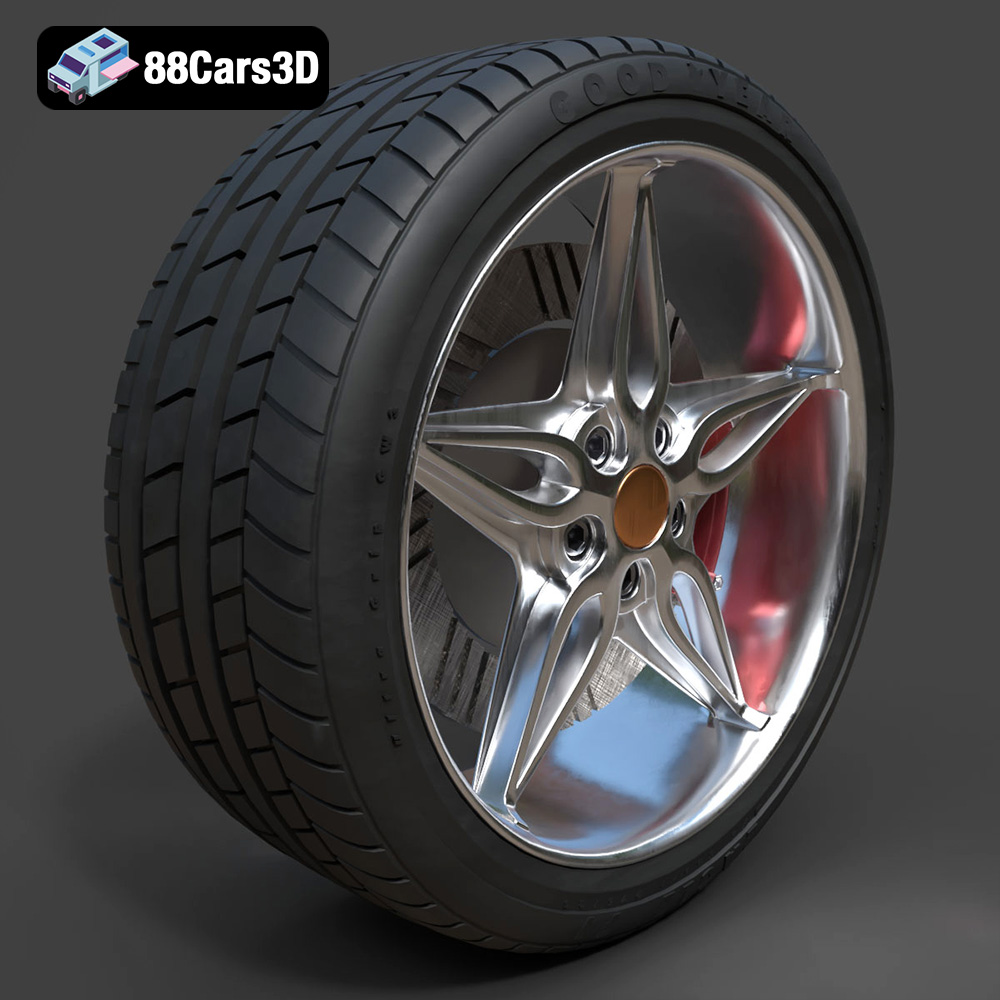
Wheel-001 Component 3D Model
Texture: Yes
Material: Yes
Download the Wheel-001 Component 3D Model featuring clean geometry, realistic detailing, and a fully modeled interior. Includes .blend, .fbx, .obj, .glb, .stl, .ply, .unreal, and .max formats for rendering, simulation, and game development.
Price: $10.99
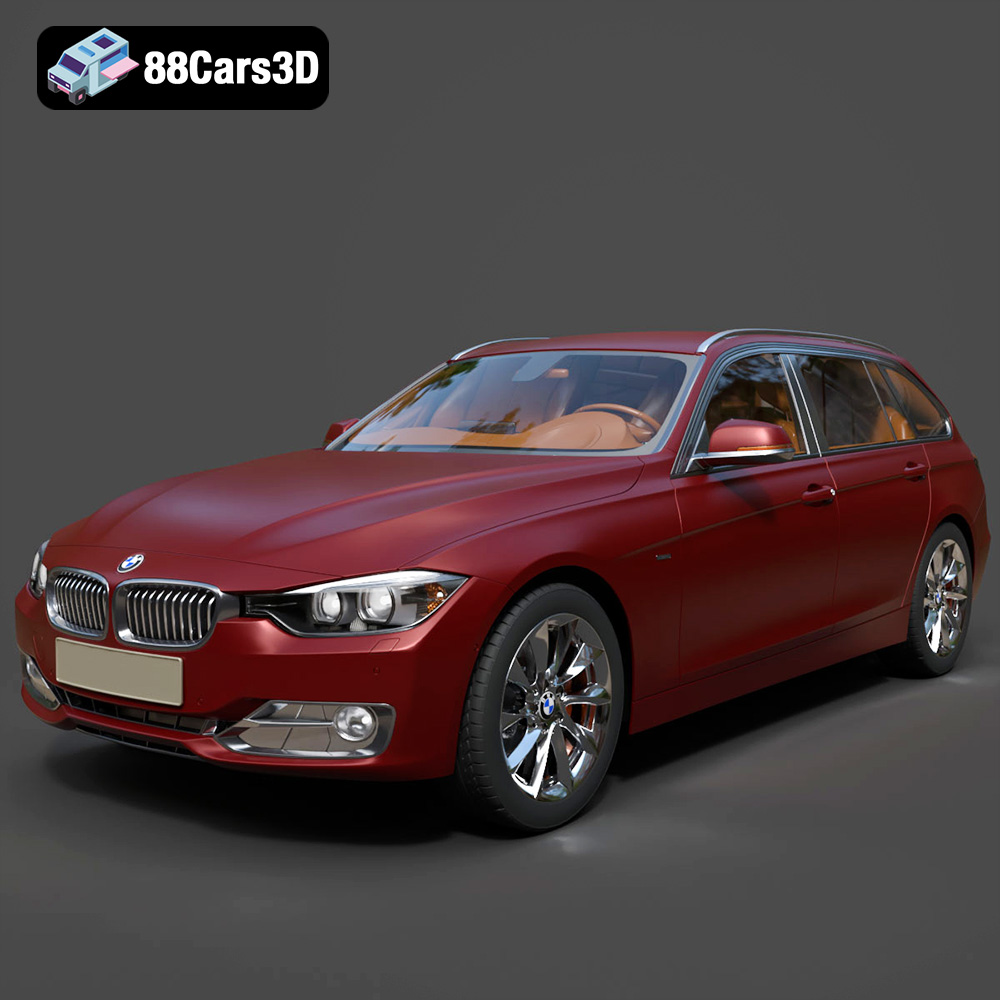
BMW 3 series Touring 335i (F31) 2013 3D Model
Texture: Yes
Material: Yes
Download the BMW 3 series Touring 335i (F31) 2013 3D Model featuring a highly detailed exterior, realistic interior, and modular design. Includes .blend, .fbx, .obj, .glb, .stl, .ply, .unreal, and .max formats for rendering, simulation, and game development.
Price: $30.79
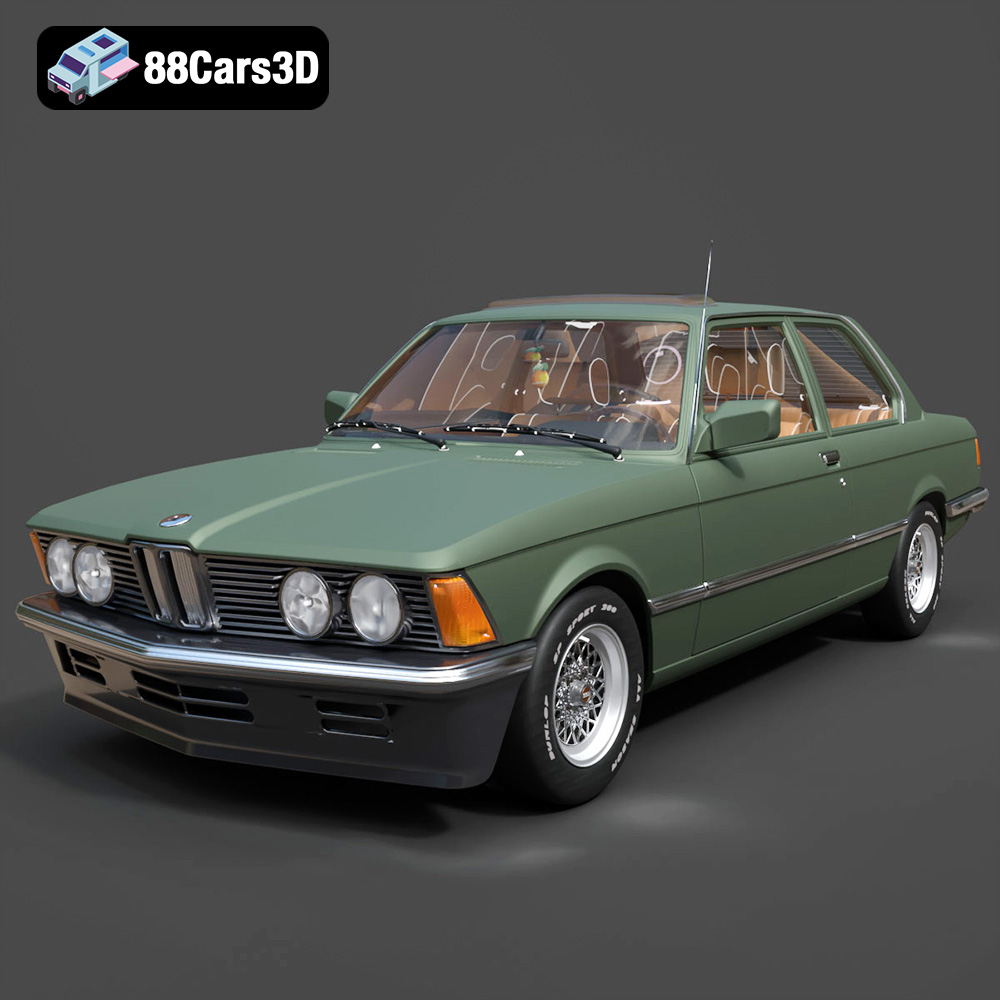
BMW 3 Series E21 3D Model
Texture: Yes
Material: Yes
Download the BMW 3 Series E21 3D Model featuring authentic exterior design, detailed interior, and accurate proportions. Includes .blend, .fbx, .obj, .glb, .stl, .ply, .unreal, and .max formats for rendering, simulation, and game development.
Price: $20.79
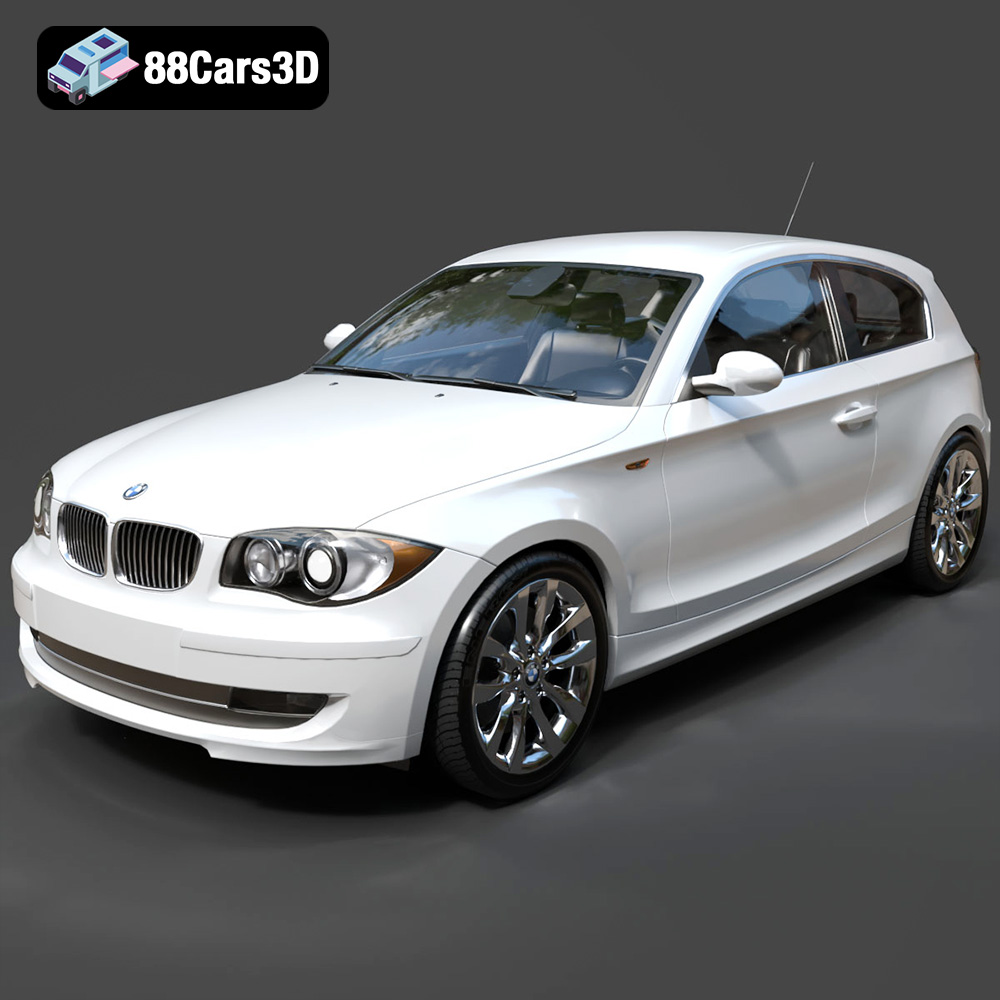
BMW 1 Series 3-Door E81 3D Model
Texture: Yes
Material: Yes
Download the BMW 1 Series 3-Door E81 3D Model featuring a detailed exterior, functional interior elements, and clean geometry. Includes .blend, .fbx, .obj, .glb, .stl, .ply, .unreal, and .max formats for rendering, simulation, and game development.
Price: $14.79
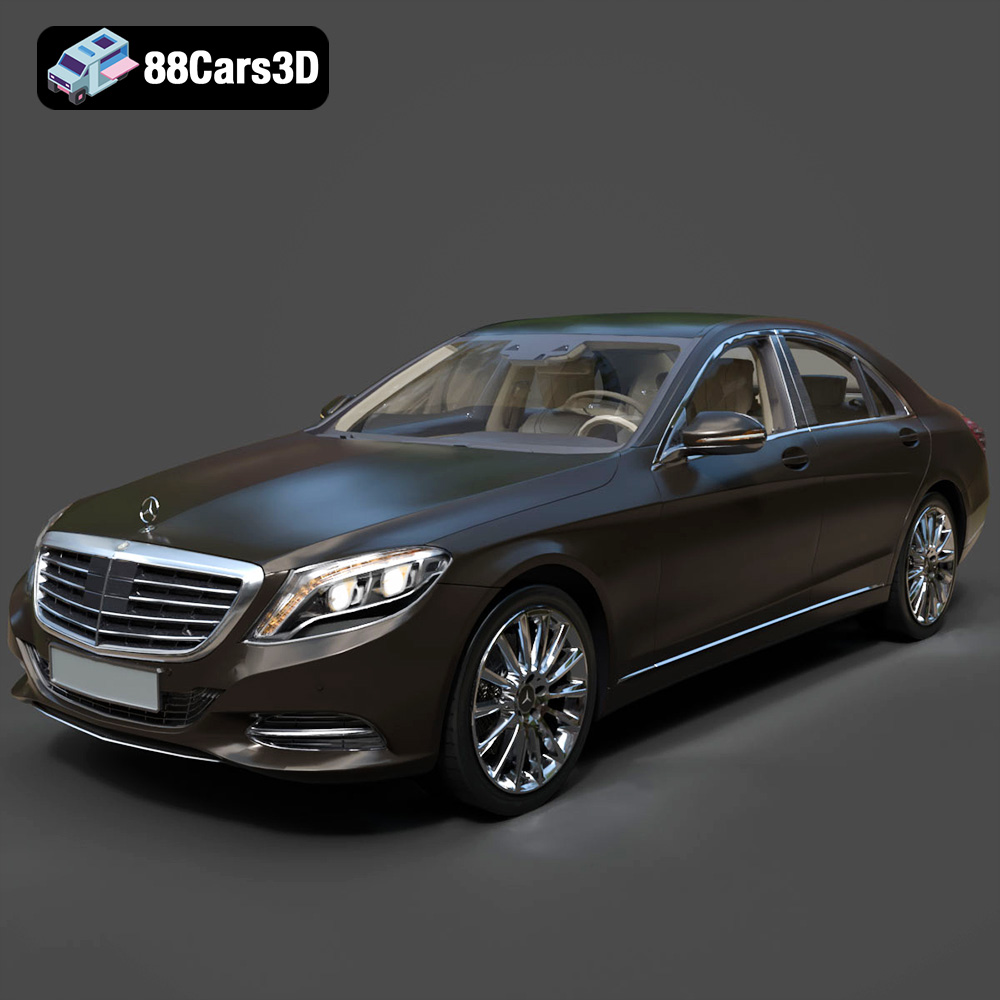
Mercedes-Benz S500 2022 3D Model
Texture: Yes
Material: Yes
Download the Mercedes-Benz S500 2022 3D Model featuring clean geometry, realistic detailing, and a fully modeled interior. Includes .blend, .fbx, .obj, .glb, .stl, .ply, .unreal, and .max formats for rendering, simulation, and game development.
Price: $19.99
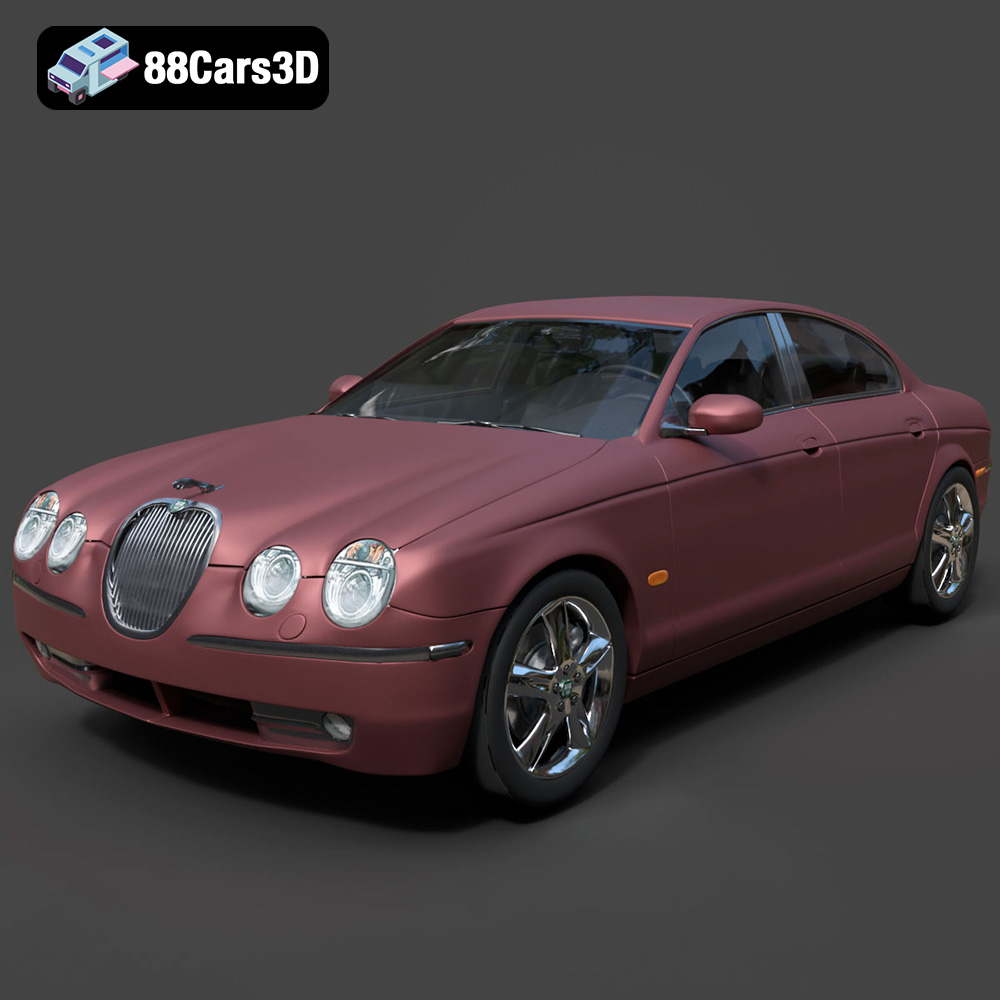
Jaguar S-Type Sedan 3D Model
Texture: Yes
Material: Yes
Download the Jaguar S-Type Sedan 3D Model featuring clean geometry, realistic detailing, and a fully modeled interior. Includes .blend, .fbx, .obj, .glb, .stl, .ply, .unreal, and .max formats for rendering, simulation, and game development.
Price: $18.99
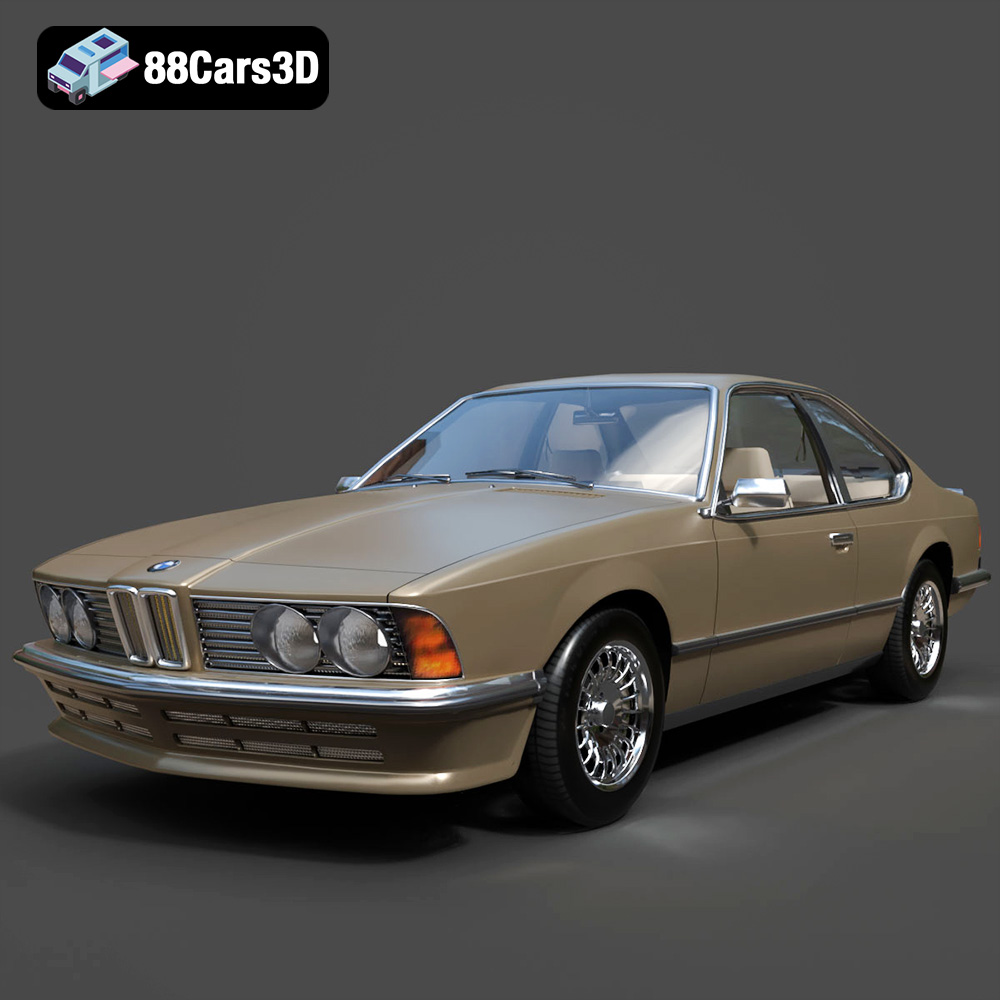
BMW 6 Series 1986 3D Model
Texture: Yes
Material: Yes
Download the BMW 6 Series 1986 3D Model featuring clean geometry, realistic detailing, and a fully modeled interior. Includes .blend, .fbx, .obj, .glb, .stl, .ply, .unreal, and .max formats for rendering, simulation, and game development.
Price: $16.99
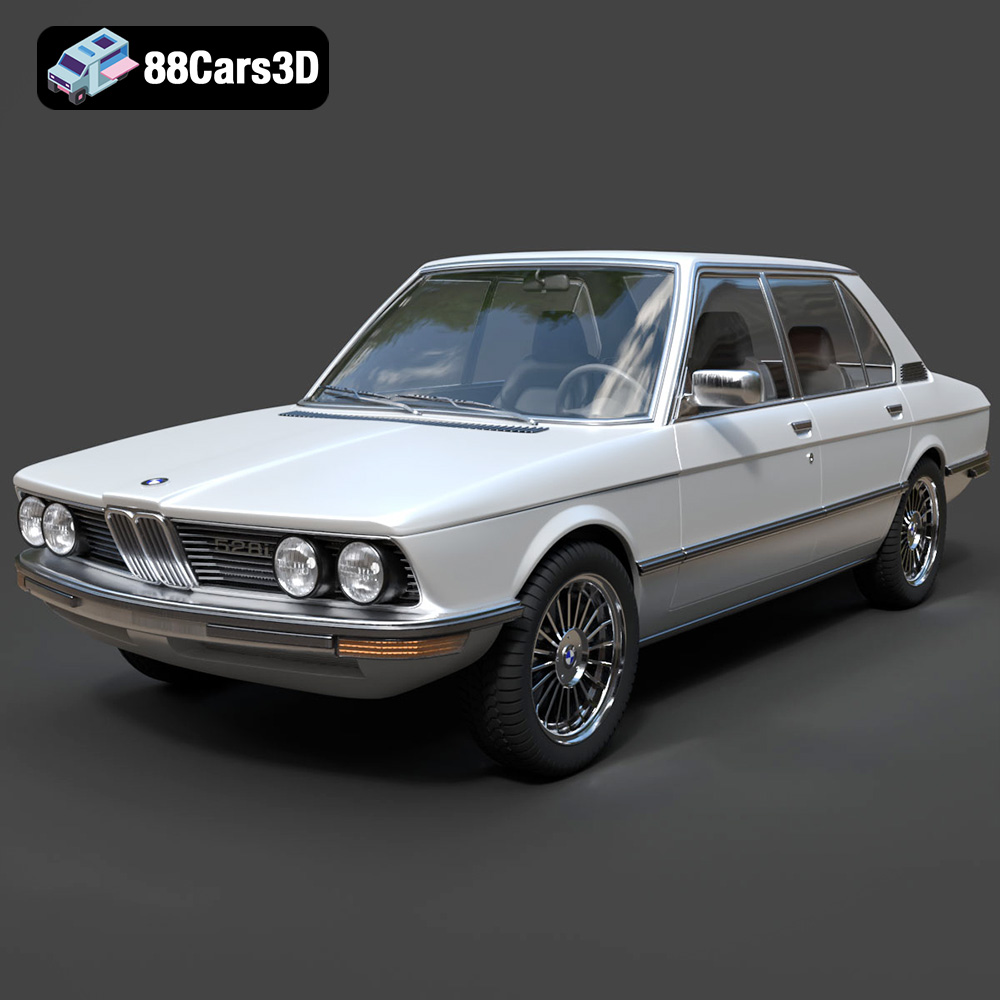
BMW 5 Series E12 528i 3D Model
Texture: Yes
Material: Yes
Download the BMW 5 Series E12 528i 3D Model featuring clean geometry, realistic detailing, and a fully modeled interior. Includes .blend, .fbx, .obj, .glb, .stl, .ply, .unreal, and .max formats for rendering, simulation, and game development.
Price: $14.99

BMW 5 Series F10 2014 3D Model
Texture: Yes
Material: Yes
Download the BMW 5 Series F10 3D Model featuring clean geometry, realistic detailing, and a fully modeled interior. Includes .blend, .fbx, .obj, .glb, .stl, .ply, .unreal, and .max formats for rendering, simulation, and game development.
Price: $14.99
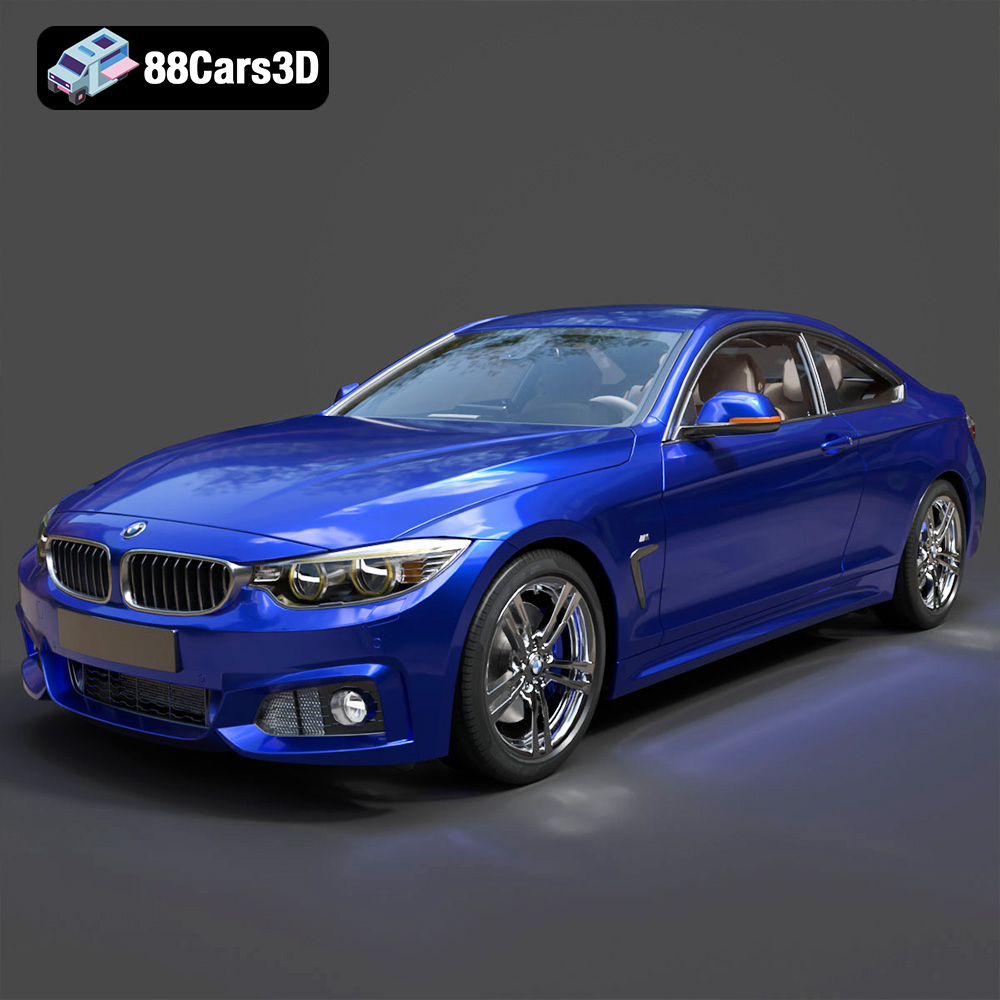
BMW 4 Series Coupe M Sport 2014 3D Model
Texture: Yes
Material: Yes
Download the BMW 4 Series Coupe M Sport 2014 3D Model featuring clean geometry, realistic detailing, and a fully modeled interior. Includes .blend, .fbx, .obj, .glb, .stl, .ply, .unreal, and .max formats for rendering, simulation, and game development.
Price: $14.99
