

In the demanding world of real-time rendering, achieving photorealistic environments is paramount, especially for automotive visualization. While the vehicle itself often takes center stage, the surrounding environment plays a crucial role in setting the mood, conveying realism, and enhancing the overall visual narrative. Among the most challenging elements to simulate convincingly is water – be it a glistening wet road, a tranquil lake reflecting a showroom car, or a dynamic river in a virtual test drive.
Unreal Engine’s Water System offers a powerful and comprehensive suite of tools designed to tackle this challenge head-on. Far beyond simple static textures, this integrated system allows artists and developers to create stunningly realistic and interactive water bodies, complete with dynamic waves, buoyancy, and beautiful reflections. For professionals utilizing high-fidelity 3D car models in their projects, understanding and mastering the Water System is essential for elevating their automotive visualization to the next level.
This comprehensive guide will take you through the intricacies of Unreal Engine’s Water System, from initial setup to advanced optimization techniques. We’ll explore how to craft breathtaking water surfaces, integrate them with your Unreal Engine projects, and leverage features like Lumen and Nanite to achieve unparalleled realism for your real-time rendering needs. Whether you’re building an immersive car configurator, a cinematic automotive commercial, or a next-generation game, you’ll learn the workflows and best practices to make your virtual worlds truly come alive with realistic water.
The Foundation: Understanding Unreal Engine’s Water System
Unreal Engine’s Water System, introduced as a core feature, represents a significant leap forward in generating realistic fluid dynamics in real-time. It’s not just a collection of materials; it’s an integrated framework comprising procedural mesh generation, dynamic wave simulation (using Gerstner waves), a robust buoyancy system, and extensive material controls. This holistic approach makes it possible to create everything from vast oceans to meandering rivers and localized puddles with high fidelity and performance.
For automotive visualization, the quality of your water can drastically impact the perceived realism of a scene. Imagine a showroom car parked on a reflective wet floor, or a performance vehicle testing on a rain-slicked track. The Water System provides the tools to achieve these effects, delivering both visual splendor and physical interaction. It enables developers to focus on the artistic direction rather than laboring over complex manual setups for water simulation, streamlining the creation of compelling environments around high-quality 3D car models.
Core Components and Setup
To begin using the Water System, ensure the “Water” plugin is enabled in your Unreal Engine project (Edit > Plugins > Search “Water”). Once enabled, you can add various Water Body actors to your scene from the Place Actors panel: Water Body Ocean, Water Body Lake, Water Body River, and Water Body Custom. Each is optimized for specific use cases but shares fundamental properties.
- Water Body Ocean: Ideal for expansive bodies of water with infinite horizons, featuring consistent wave patterns.
- Water Body Lake: Designed for contained, stiller bodies of water, often with shorelines and depth variations.
- Water Body River: Perfect for flowing water, allowing you to define a spline path for its course and manipulate its flow.
- Water Body Custom: Offers the most flexibility, letting you define the shape and properties entirely, excellent for puddles or specific architectural water features.
When you place a Water Body actor, it automatically generates a procedural mesh that conforms to the terrain. You can adjust the spline points (for rivers and lakes) or the extent (for oceans) to define its shape. Key parameters in the Details panel control its appearance, such as Water Material, Foam Material, and various wave and tessellation settings. The system intelligently handles the blending with surrounding landscapes, creating realistic shorelines and underwater effects. For accurate technical details on setup, always refer to the official Unreal Engine documentation.
Procedural Meshes and Runtime Generation
One of the most powerful aspects of the Water System is its procedural mesh generation. Instead of relying on static, pre-modeled geometry, the system dynamically generates the water surface based on your specified parameters and the surrounding landscape. This means that as you edit your terrain or adjust the water body’s spline, the water mesh updates in real-time, ensuring a perfect fit and realistic blending. This is crucial for maintaining performance and visual integrity when showcasing a high-detail 3D car model from 88cars3d.com in diverse environments.
The mesh generation is highly optimized, utilizing different levels of detail (LODs) to maintain performance. Closer to the camera, the water surface will have a higher tessellation, showing finer wave details. Further away, the tessellation automatically reduces, minimizing the polygon count without a noticeable drop in visual quality. This dynamic LOD system is vital for achieving high frame rates, especially in complex scenes featuring intricate car models and advanced lighting solutions like Lumen.
Additionally, the Water System can generate runtime textures, such as the depth map and normal map, which are critical for accurate reflections, refractions, and foam generation. This dynamic process ensures that your water reacts appropriately to changes in light, camera position, and surrounding geometry, providing a truly immersive experience for automotive visualization.
Crafting Realistic Water Materials and Shading
While the geometry defines the shape of the water, it’s the material that brings it to life. Unreal Engine’s Water System comes with a sophisticated master material that exposes a vast array of parameters, allowing artists to fine-tune every visual aspect of the water. This PBR (Physically Based Rendering) compliant material ensures that the water interacts realistically with light, matching the quality of materials found on high-end 3D car models.
The core water material typically includes parameters for base color, metallic, roughness, and normal maps, similar to any other PBR material. However, it also features specialized inputs for depth-based effects, foam generation, refraction, and caustics. Understanding how these parameters work together is key to creating water that looks believable, whether it’s a calm reflective surface or a turbulent, foamy expanse. The interplay of light on water, especially how it reflects a polished car surface, is a critical element in captivating automotive visualization.
Reflection and Refraction Techniques
Reflections and refractions are arguably the most challenging and critical aspects of rendering realistic water. Unreal Engine offers several methods, and the Water System leverages them intelligently.
- Screen Space Reflections (SSR): A cost-effective solution that reflects what’s visible on screen. While good for subtle reflections, it has limitations, such as reflecting off-screen objects.
- Planar Reflections: Generates a mirrored image of the scene below the water plane. This provides highly accurate reflections for surfaces like glass and water but can be computationally expensive, especially with multiple reflective surfaces or dynamic content. The Water System often uses an optimized form of planar reflections for its main surface.
- Lumen Global Illumination and Reflections: Unreal Engine 5’s Lumen system dramatically enhances real-time global illumination and reflections. Lumen reflections, especially with hardware ray tracing, can produce incredibly accurate and dynamic reflections on water surfaces, seamlessly integrating the surrounding environment and 3D car models. This is often the preferred method for high-end cinematic and visualization projects. However, it’s essential to manage Lumen’s settings to balance quality and performance.
For refraction, the water material typically uses a depth-based method to distort objects seen through the water. This effect is combined with caustics – the patterns of light and shadow cast on underwater surfaces by light refracting through surface waves. The Water System generates these effects dynamically, adding another layer of realism. Adjusting parameters like refraction depth bias, distortion intensity, and caustic strength allows for fine-tuning the look of underwater environments and submerged elements.
Advanced Wave Parameters and Foam
The dynamic movement of water is driven by Gerstner waves, a mathematical model that creates realistic-looking ocean waves. The Water Body actor exposes a comprehensive set of parameters to control these waves:
- Wave Height & Length: Defines the overall size and distance between wave crests.
- Wave Speed & Direction: Controls how quickly waves move and their propagation angle.
- Wave Frequency & Amplitude: Allows for fine-tuning the irregularity and intensity of the waves.
- Choppiness: Increases the sharp peaks and troughs of the waves, creating a more turbulent look.
By layering multiple Gerstner wave sets with different parameters, you can create incredibly complex and natural-looking water surfaces, from gentle ripples to stormy seas. This level of detail ensures that your environment, and thus your 3D car models, are presented in the most realistic context possible.
Foam is another critical visual cue for water realism. The Water System generates foam procedurally based on various factors:
- Shoreline Foam: Automatically generated where the water meets the land, driven by depth and wave height.
- Wave Crest Foam: Appears at the peaks of larger waves, simulating breaking water.
- Interaction Foam: Generated by objects (like a moving car) interacting with the water surface.
You can control the texture, color, and intensity of the foam through the Water Body’s material settings. Blending clean foam textures with appropriate noise patterns and adjusting parameters like foam depth and opacity will produce convincing results, further enhancing the dynamic interaction between your game assets and the environment.
Interactivity and Environmental Integration
Realistic water isn’t just about how it looks; it’s also about how objects interact with it. For automotive visualization, this is incredibly important. Whether a car is driving through a puddle, a boat is floating on a lake, or rain is hitting the vehicle’s surface, the interaction needs to be physically believable. Unreal Engine’s Water System integrates powerful features for buoyancy, collision, and dynamic particle effects to achieve this level of immersion.
Integrating 3D car models with these interactive water features elevates a static render to a dynamic, engaging experience. Imagine a virtual showroom where a car demonstrates its off-road capabilities by splashing through a simulated stream, or a configurator allowing a customer to see their chosen vehicle reacting to diverse weather conditions. These interactions add significant value and realism, making your projects stand out.
Vehicle Interaction and Buoyancy
The Water System includes a sophisticated buoyancy component that can be added to any actor, including your detailed 3D car models. This component calculates the forces exerted by the water, allowing objects to float, sink, and bob realistically. Setting up buoyancy involves:
- Adding a Water Body Collision: Ensure your water body has appropriate collision enabled.
- Adding a Buoyancy Component: To your vehicle Blueprint, add a “Buoyancy Component.”
- Defining Buoyancy Points: In the Buoyancy Component’s details, you’ll specify an array of “Buoyancy Points.” These are typically child scene components attached to your car’s chassis, representing different areas that would displace water.
- Adjusting Buoyancy Settings: Parameters like Density, Fluid Resistance, and Buoyancy Strength allow you to fine-tune how the object floats and reacts to waves. For instance, a heavier car will sit lower in the water, and its reaction to waves will be more subdued.
For vehicles that are partially submerged, like in a puddle or driving through shallow water, the system can calculate drag and resistance, realistically slowing the vehicle and creating visual wake effects. This level of physical interaction adds immense credibility to real-time rendering simulations and can be crucial for virtual test drives or automotive engineering demonstrations. High-quality game assets from marketplaces like 88cars3d.com often come with clean collision meshes, making them ideal for integration with the buoyancy system.
Dynamic Effects with Niagara
For splashes, ripples, and rain effects, Unreal Engine’s Niagara particle system is the perfect companion to the Water System. Niagara allows for highly customizable and performant particle effects that can dynamically interact with the water surface and other objects.
- Splashes from Vehicle Impact: You can set up event handlers in your car’s Blueprint to detect collision with the water surface. When a collision occurs, a Niagara splash effect can be spawned at the impact point, with parameters (like particle velocity and size) scaled by the impact force or vehicle speed. This creates realistic water spray and ripples.
- Rain Effects: A global Niagara rain system can be implemented, with individual rain particles colliding with the water surface and creating tiny ripples. This effect can be seamlessly integrated with the car’s surface, where rain drops hit the vehicle, create wetness, and run off.
- Wake Effects: As a vehicle moves through water, a persistent wake effect can be generated using Niagara. This involves spawning particles along the vehicle’s path, with their shape and velocity influenced by the car’s speed and the water’s properties.
By leveraging Niagara alongside the Water System, you can achieve a truly dynamic and responsive watery environment. The combination provides a powerful toolkit for creating immersive scenes that respond directly to the actions of the player or the parameters of a cinematic sequence, vital for compelling automotive visualization.
Lighting and Performance Optimization for Automotive Scenes
Achieving breathtaking realism with water in Unreal Engine isn’t just about the material and interactions; it’s heavily reliant on proper lighting and meticulous optimization. For automotive visualization, where every reflection and highlight on a car’s surface matters, the way light interacts with water is paramount. Features like Lumen elevate realism but demand careful performance management, especially when combined with high-polygon 3D car models.
Balancing visual fidelity with real-time performance is an ongoing challenge. While the Water System is highly optimized, complex scenes with multiple water bodies, dynamic lighting, and detailed foreground objects (like our vehicles) can quickly strain hardware. Understanding how to optimize your water settings and overall scene is crucial for delivering smooth, high-quality experiences, whether for a virtual configurator or a cinematic sequence.
Lumen, Reflections, and Real-time GI
Unreal Engine 5’s Lumen Global Illumination and Reflections system is a game-changer for water realism. Lumen dynamically calculates indirect lighting and complex reflections, meaning that your water surfaces will beautifully reflect the entire scene – the sky, surrounding landscape, and crucially, your 3D car models – with unparalleled accuracy.
- Dynamic Reflections: Lumen ensures that reflections on water update in real-time as the camera moves, lights change, or objects animate. This is superior to traditional Screen Space Reflections for off-screen content and dynamic scenarios.
- Global Illumination Impact: Lumen also calculates how light bounces off the water and illuminates the surrounding environment, enhancing the overall scene’s realism. For example, sunlight reflecting off a lake can subtly light up the underside of a car parked nearby.
However, Lumen is computationally intensive. To optimize performance:
- Lumen Quality Settings: Adjust Lumen’s quality settings (e.g., Final Gather Quality, Samples Per Pixel) in the Post Process Volume. Lowering these can significantly improve frame rates with minimal visual impact in some cases.
- Hardware Ray Tracing: If targeting high-end hardware, enable Hardware Ray Tracing for Lumen. This often yields higher quality reflections and GI at a potentially higher performance cost, but can be more efficient than software ray tracing in specific scenarios.
- Reflection Captures & Planar Reflections: For certain static scenarios or distant water, consider supplementing Lumen with Reflection Capture probes or selective Planar Reflections for specific areas (e.g., a small, highly reflective puddle near the camera) where Lumen alone might not provide the desired crispness or performance.
Scalability and LOD Management
The Water System inherently manages LODs for its mesh generation, but you have further control to optimize performance:
- Water Body Details Panel: In the Water Body actor’s Details panel, under “Water Mesh,” you can adjust parameters like “Tessellation Factor,” “Tessellation Distance,” and “LOD Falloff.” Reducing the maximum tessellation and increasing the falloff distance will reduce the polygon count of the water surface at a distance.
- Material Complexity: The water material itself can be complex. Consider creating simpler versions of your water material for distant LODs or for less critical water bodies. Use material quality switches to automatically swap materials based on rendering settings or distance.
- Wave Complexity: Reduce the number of Gerstner wave layers or their amplitude for distant water bodies to save on shader calculations.
- Nanite for Surrounding Geometry: While water itself typically doesn’t use Nanite (due to its dynamic, deforming nature), ensure your surrounding environment, particularly complex meshes like rocks, trees, and detailed urban elements (which often reflect in water), leverages Nanite. This frees up GPU resources that can then be dedicated to rendering the water and the high-fidelity 3D car models sourced from platforms like 88cars3d.com, ensuring your scene remains performant.
- AR/VR Optimization: For AR/VR applications, performance is king. Drastically simplify water materials, reduce wave complexity, avoid expensive reflections (e.g., opt for SSR over planar or full Lumen), and heavily optimize all other scene elements. Baking static reflections for distant water can also be an option.
Effective optimization is an iterative process. Use Unreal Engine’s profiling tools (Stat GPU, Stat rhi, Stat Unit) to identify bottlenecks and fine-tune your settings for the best balance of visual quality and performance.
Advanced Applications and Workflow Integration
Mastering Unreal Engine’s Water System opens up a world of possibilities beyond simple environmental dressing. For automotive visualization, these advanced applications can transform how vehicles are presented, experienced, and marketed. From highly polished cinematic sequences to interactive virtual showrooms and cutting-edge virtual production, dynamic water plays a pivotal role in creating truly immersive and compelling content.
The integration of realistic water with other Unreal Engine tools like Sequencer, Blueprint, and the virtual production pipeline allows for the creation of narratives and experiences that were once confined to offline render farms. This real-time capability means faster iterations, more creative freedom, and direct engagement with high-quality 3D car models in dynamic, living environments.
Cinematic Water with Sequencer
Unreal Engine’s Sequencer is a powerful non-linear editor for creating cinematic sequences, animations, and gameplay events. Integrating the Water System with Sequencer allows for dynamic, narrative-driven water effects:
- Animating Water Parameters: You can animate nearly any parameter of the Water Body actor over time within Sequencer. Imagine a scene where a storm gradually rolls in, and you animate the wave height, choppiness, foam intensity, and even water color to reflect the changing weather.
- Camera Interaction: Create compelling shots with cameras moving through or skimming the water surface. Adjust post-process effects like depth of field to draw attention to reflections of 3D car models or specific water details.
- Synchronizing with Vehicle Animations: Use Sequencer to synchronize your high-fidelity car animations (e.g., driving through a puddle) with Niagara splash effects and changes in the water surface. This ensures perfect timing and visual consistency, making the car’s interaction with water feel incredibly realistic.
- Virtual Production and LED Walls: For virtual production workflows, projecting realistic water environments onto LED walls behind a physical car can create seamless in-camera effects. The Water System’s real-time nature allows for immediate feedback and adjustments, critical in a fast-paced virtual production set.
By leveraging Sequencer, you can craft powerful visual stories where the environment, particularly realistic water, becomes an active participant in showcasing your automotive designs.
Water in Automotive Visualization & AR/VR
The ability to create realistic, interactive water surfaces has profound implications for modern automotive visualization and extended reality (XR) experiences:
- Interactive Car Configurators: Imagine a configurator where customers can view a 3D car model on a virtual wet road, experiencing how different paint finishes react to reflections and ambient light. They could even toggle rain effects to see how the vehicle performs visually in adverse weather. Such dynamic environments provide a much richer preview than static images.
- Virtual Test Drives: For vehicle dynamics simulation, integrating the Water System allows for hyper-realistic virtual test drives on rain-slicked tracks, through puddles, or even shallow rivers. This provides valuable feedback for engineers and an immersive experience for potential buyers.
- Augmented Reality (AR) & Virtual Reality (VR) Showrooms: In AR/VR, placing a virtual car model from 88cars3d.com onto a dynamic water surface adds a layer of immersion. In AR, you could project a virtual car onto a real-world table, with the virtual water reflecting the real environment. In VR, users could walk around and even “drive” in fully realized wet environments.
- Marketing & Advertising: Real-time rendered commercials featuring cars interacting with dynamic water environments can be produced faster and with greater flexibility than traditional methods, offering compelling visual narratives that resonate with audiences.
For AR/VR specifically, optimization is key. While full Lumen reflections might be too expensive, clever use of screen-space effects, simplified water materials, and baked lighting can still yield compelling results. The goal is to provide a believable sense of presence without sacrificing frame rate, which is critical for comfort and immersion in XR. Detailed Blueprint scripting can also be used to create interactive water effects based on user input or vehicle position, further enhancing these experiences.
Conclusion
The Unreal Engine Water System is a powerful, multifaceted tool that empowers developers and artists to create truly captivating and immersive environments. For professionals in automotive visualization, mastering this system is no longer a luxury but a necessity for producing compelling, photorealistic experiences that stand out in a competitive market. From the subtle glint of a wet road reflecting a pristine 3D car model to the dramatic splashes of a vehicle navigating a virtual stream, realistic water adds depth, dynamism, and an undeniable sense of presence to any scene.
Throughout this guide, we’ve explored the fundamental principles of the Water System, delved into crafting visually stunning materials with PBR, and discussed how to integrate dynamic interactions using buoyancy and Niagara. We also covered critical optimization strategies, leveraging features like Lumen and Nanite for unparalleled realism while maintaining crucial real-time performance. The applications are boundless, extending from cinematic production and interactive configurators to advanced AR/VR experiences, all enhanced by the authentic portrayal of water.
As you embark on your journey to create more realistic virtual worlds, remember that platforms like 88cars3d.com offer an extensive collection of high-quality, optimized 3D car models that are perfectly suited for integration into these dynamic environments. By combining these premium assets with the advanced capabilities of Unreal Engine’s Water System, you have the power to craft automotive visualizations that not only look incredible but also tell a compelling story and engage your audience on a deeper level. Dive in, experiment, and transform your visions into breathtaking real-time realities.
Featured 3D Car Models
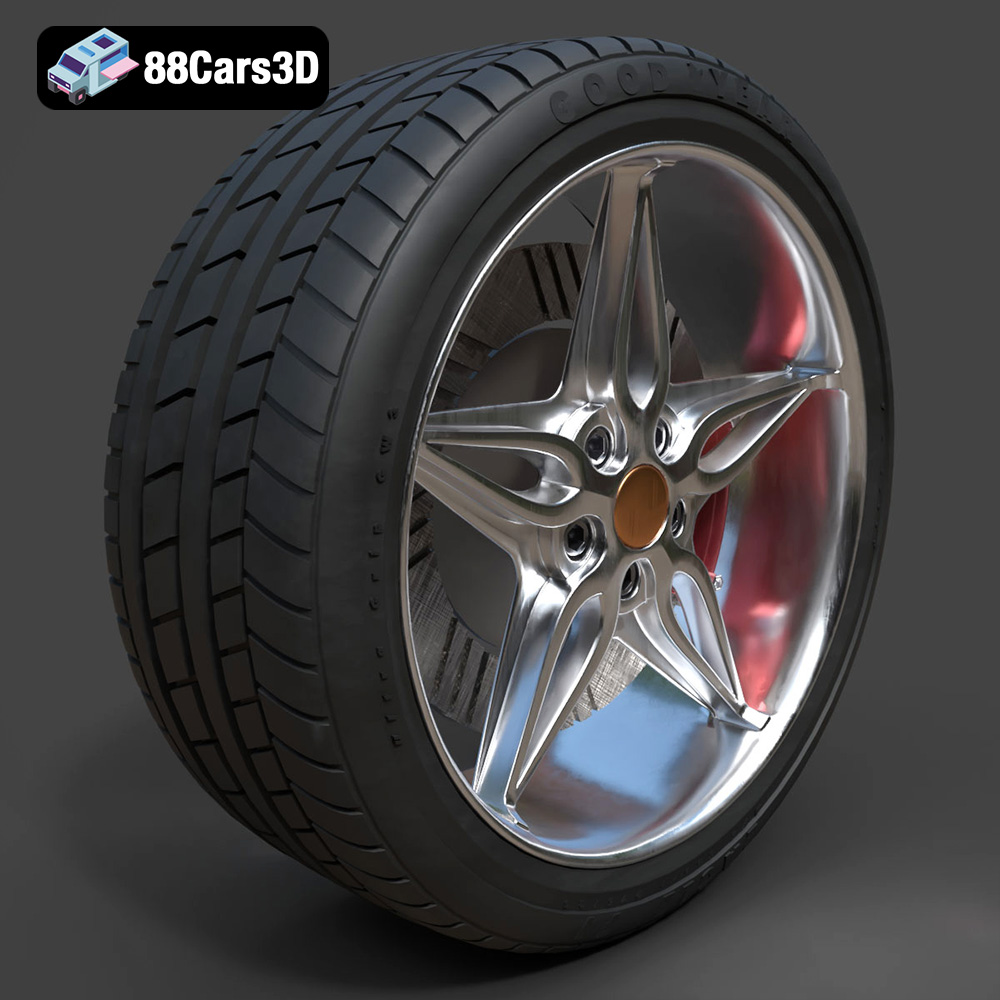
Wheel-001 Component 3D Model
Texture: Yes
Material: Yes
Download the Wheel-001 Component 3D Model featuring clean geometry, realistic detailing, and a fully modeled interior. Includes .blend, .fbx, .obj, .glb, .stl, .ply, .unreal, and .max formats for rendering, simulation, and game development.
Price: $10.99
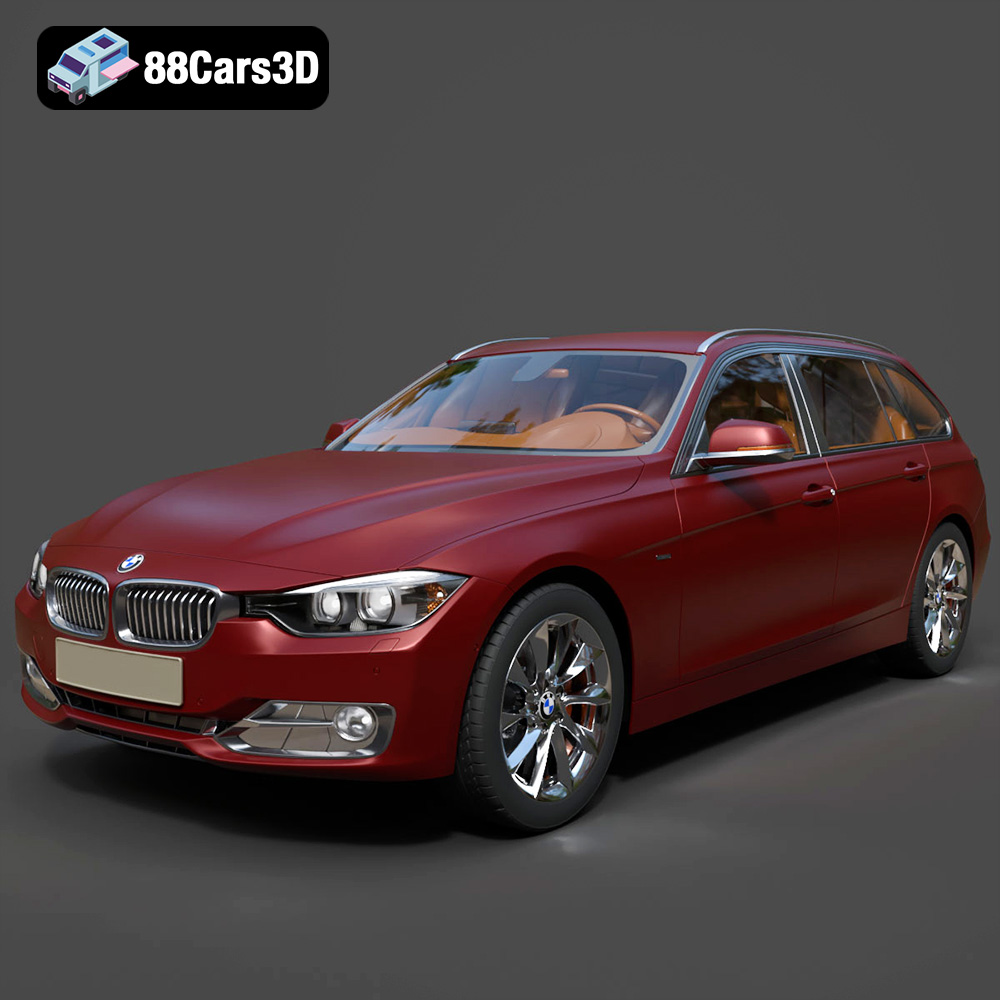
BMW 3 series Touring 335i (F31) 2013 3D Model
Texture: Yes
Material: Yes
Download the BMW 3 series Touring 335i (F31) 2013 3D Model featuring a highly detailed exterior, realistic interior, and modular design. Includes .blend, .fbx, .obj, .glb, .stl, .ply, .unreal, and .max formats for rendering, simulation, and game development.
Price: $30.79
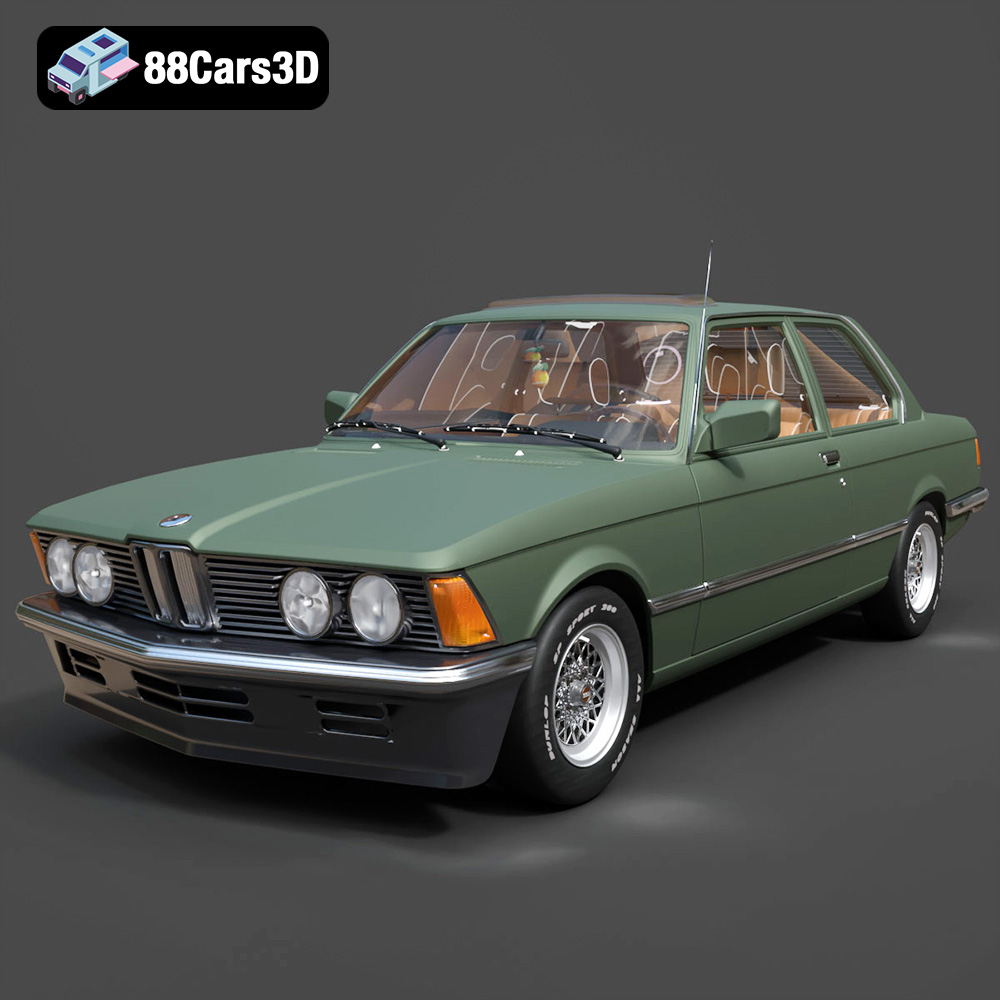
BMW 3 Series E21 3D Model
Texture: Yes
Material: Yes
Download the BMW 3 Series E21 3D Model featuring authentic exterior design, detailed interior, and accurate proportions. Includes .blend, .fbx, .obj, .glb, .stl, .ply, .unreal, and .max formats for rendering, simulation, and game development.
Price: $20.79
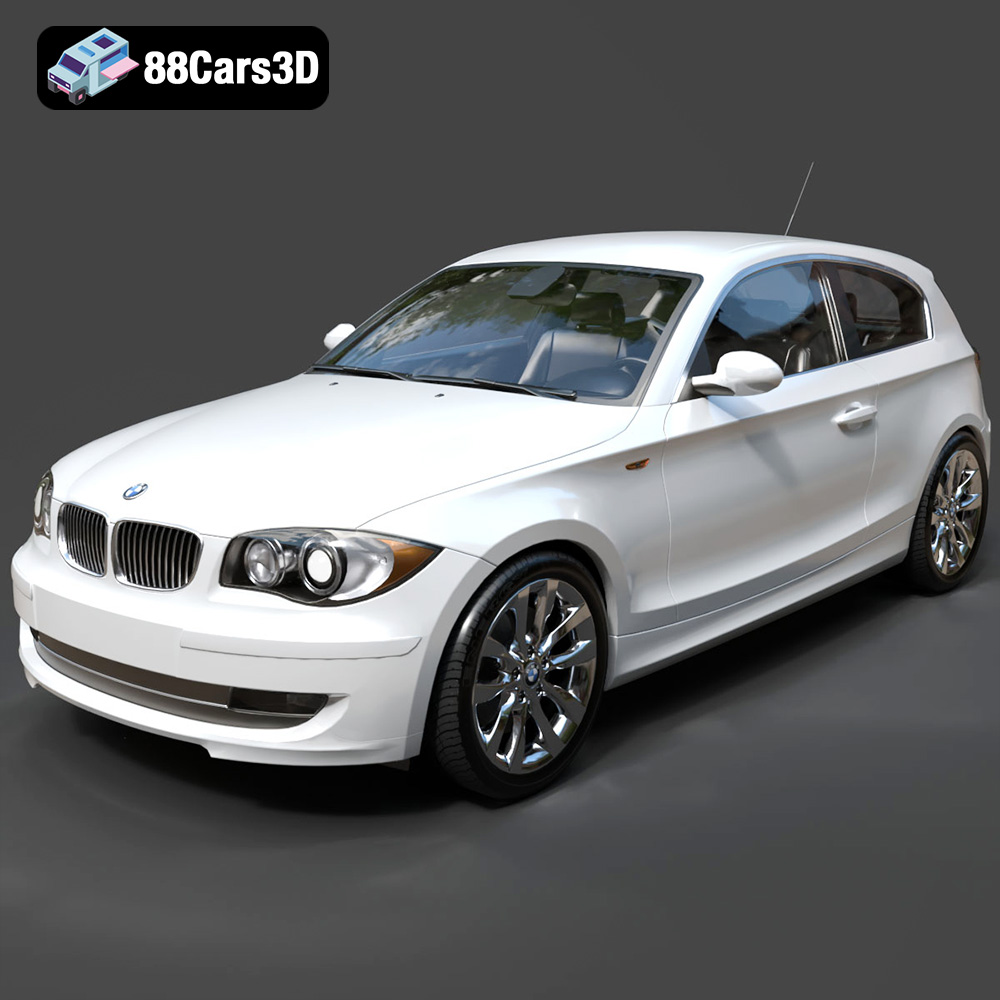
BMW 1 Series 3-Door E81 3D Model
Texture: Yes
Material: Yes
Download the BMW 1 Series 3-Door E81 3D Model featuring a detailed exterior, functional interior elements, and clean geometry. Includes .blend, .fbx, .obj, .glb, .stl, .ply, .unreal, and .max formats for rendering, simulation, and game development.
Price: $14.79
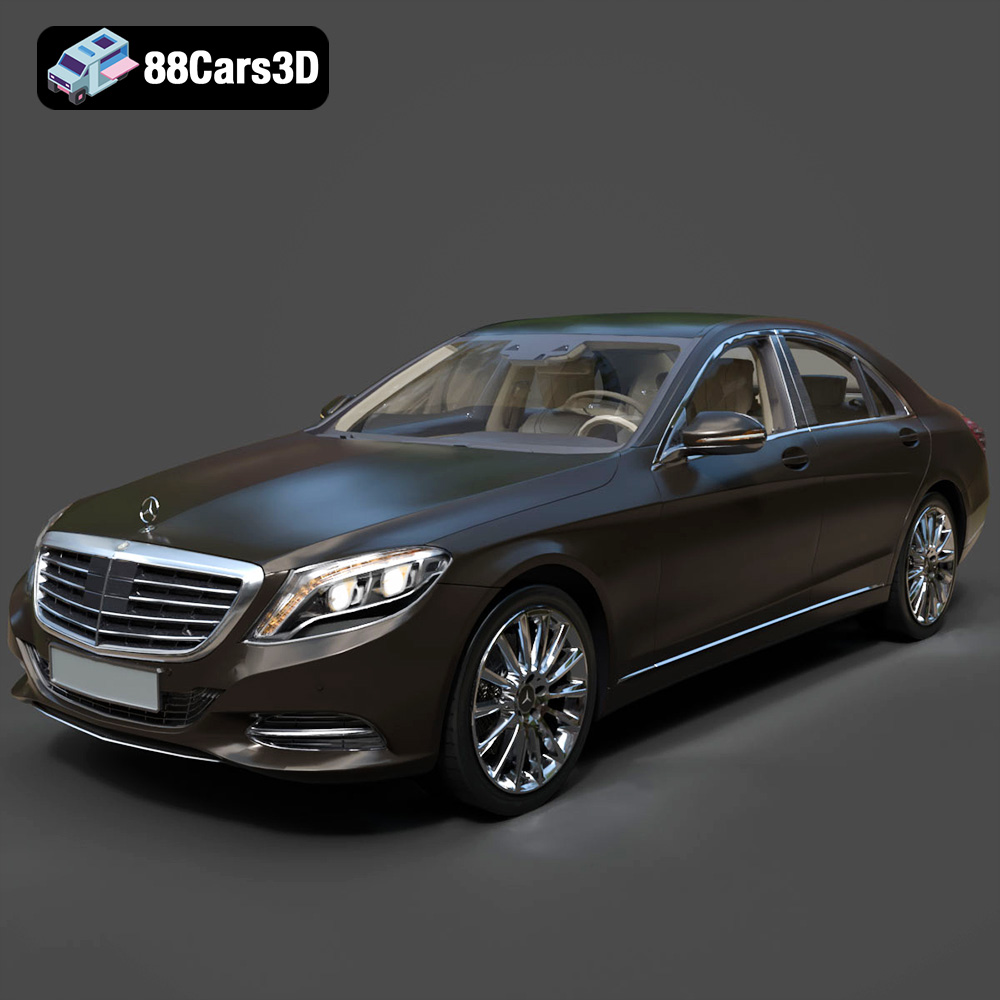
Mercedes-Benz S500 2022 3D Model
Texture: Yes
Material: Yes
Download the Mercedes-Benz S500 2022 3D Model featuring clean geometry, realistic detailing, and a fully modeled interior. Includes .blend, .fbx, .obj, .glb, .stl, .ply, .unreal, and .max formats for rendering, simulation, and game development.
Price: $19.99
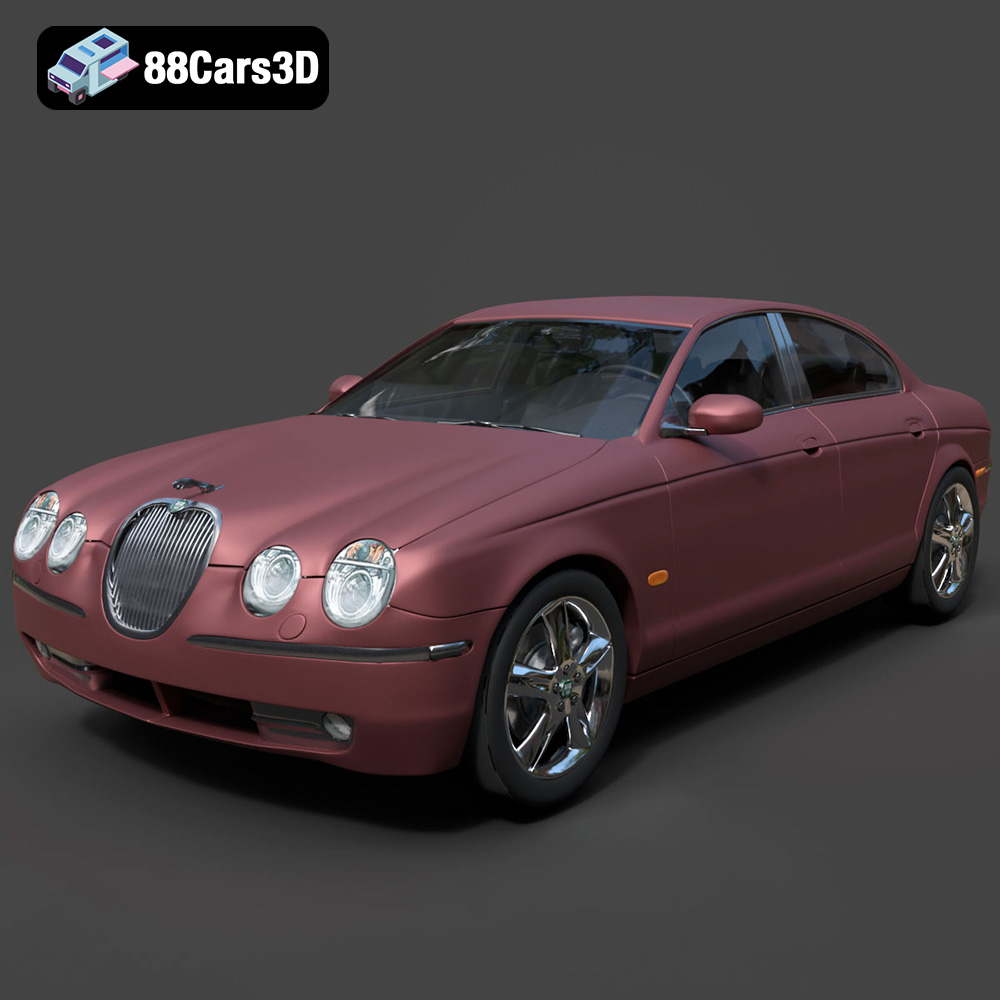
Jaguar S-Type Sedan 3D Model
Texture: Yes
Material: Yes
Download the Jaguar S-Type Sedan 3D Model featuring clean geometry, realistic detailing, and a fully modeled interior. Includes .blend, .fbx, .obj, .glb, .stl, .ply, .unreal, and .max formats for rendering, simulation, and game development.
Price: $18.99
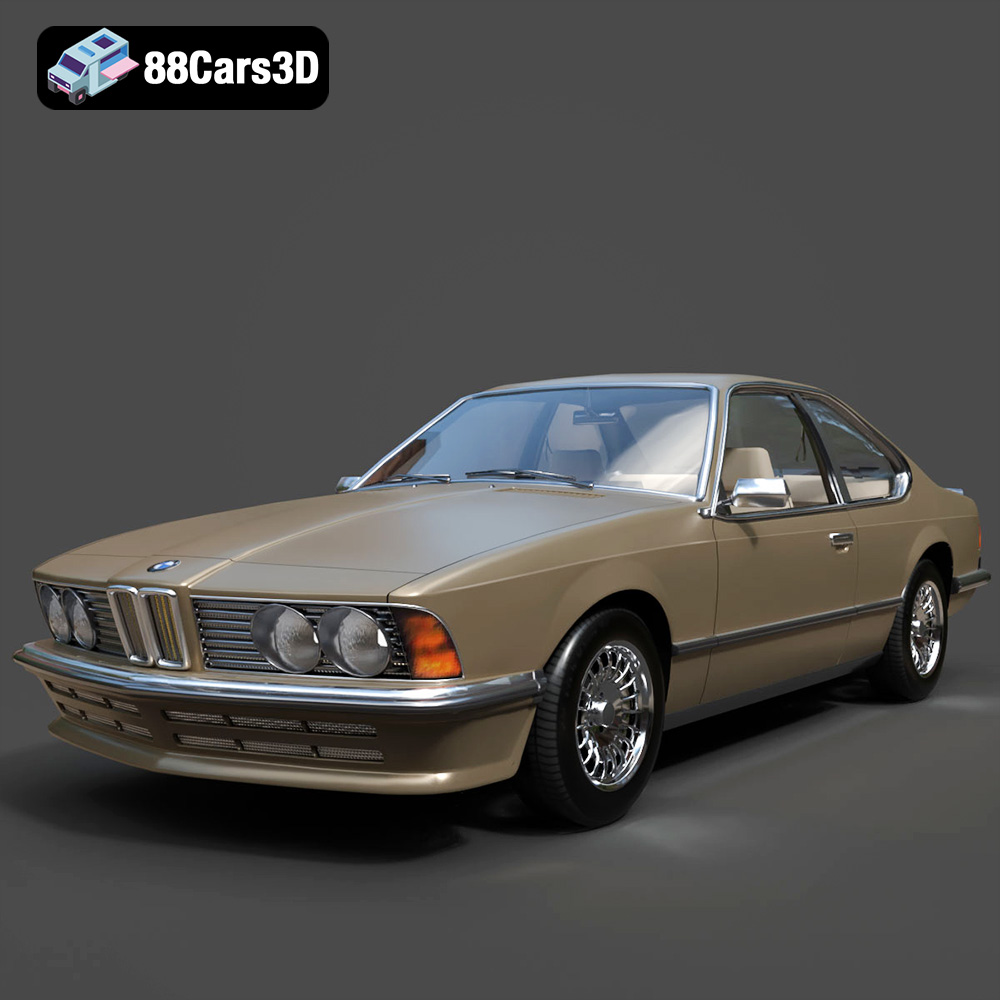
BMW 6 Series 1986 3D Model
Texture: Yes
Material: Yes
Download the BMW 6 Series 1986 3D Model featuring clean geometry, realistic detailing, and a fully modeled interior. Includes .blend, .fbx, .obj, .glb, .stl, .ply, .unreal, and .max formats for rendering, simulation, and game development.
Price: $16.99
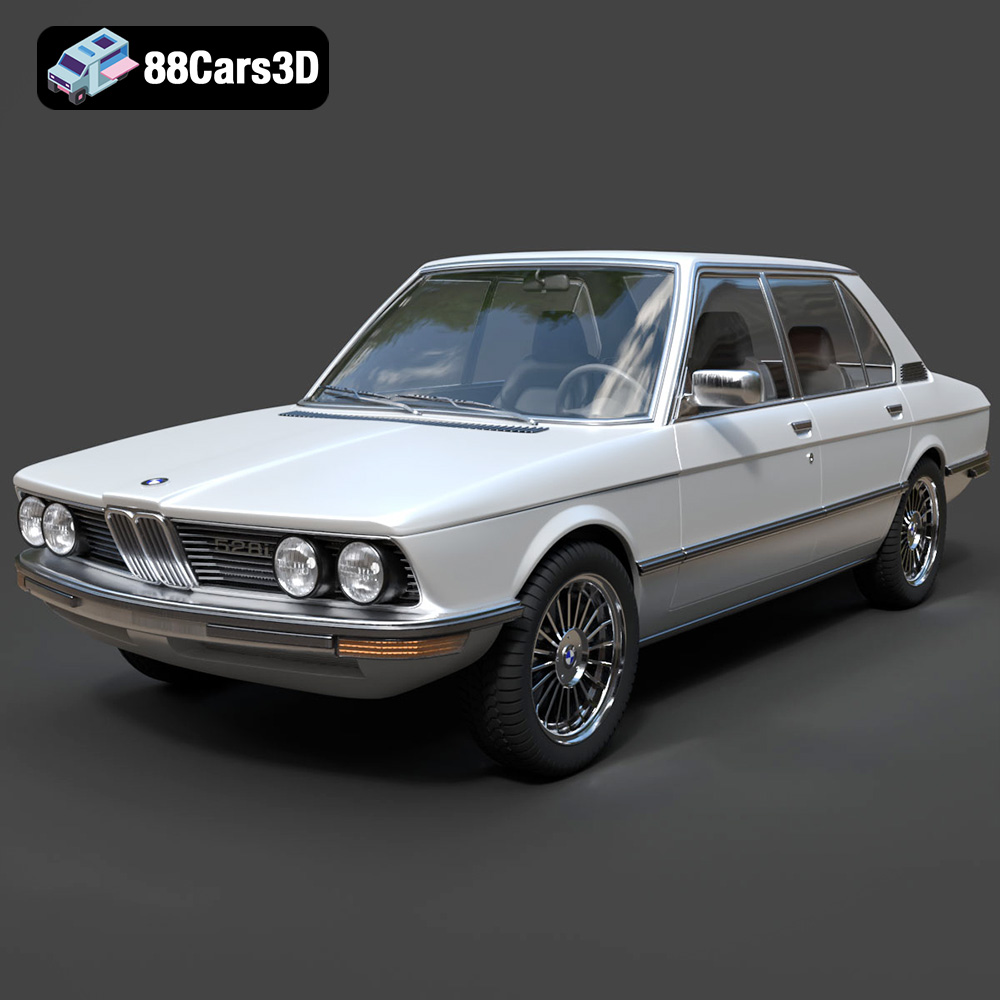
BMW 5 Series E12 528i 3D Model
Texture: Yes
Material: Yes
Download the BMW 5 Series E12 528i 3D Model featuring clean geometry, realistic detailing, and a fully modeled interior. Includes .blend, .fbx, .obj, .glb, .stl, .ply, .unreal, and .max formats for rendering, simulation, and game development.
Price: $14.99

BMW 5 Series F10 2014 3D Model
Texture: Yes
Material: Yes
Download the BMW 5 Series F10 3D Model featuring clean geometry, realistic detailing, and a fully modeled interior. Includes .blend, .fbx, .obj, .glb, .stl, .ply, .unreal, and .max formats for rendering, simulation, and game development.
Price: $14.99
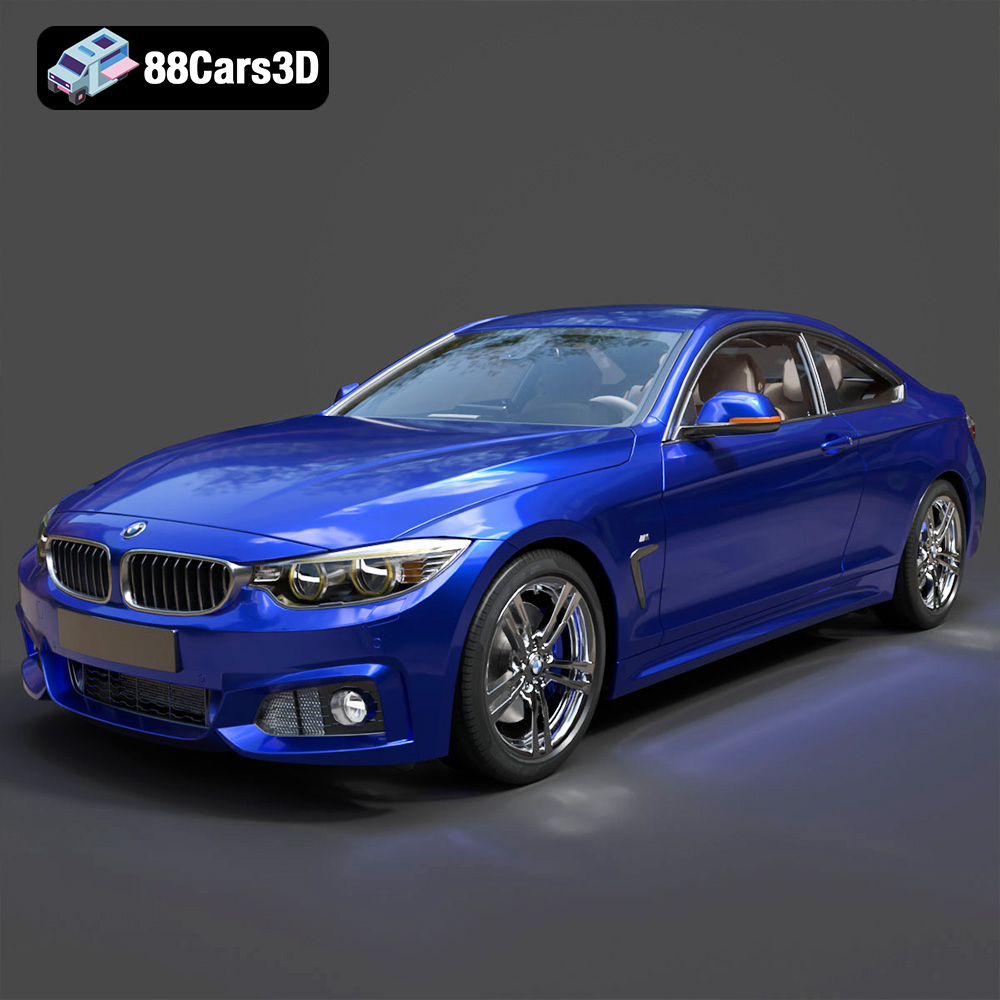
BMW 4 Series Coupe M Sport 2014 3D Model
Texture: Yes
Material: Yes
Download the BMW 4 Series Coupe M Sport 2014 3D Model featuring clean geometry, realistic detailing, and a fully modeled interior. Includes .blend, .fbx, .obj, .glb, .stl, .ply, .unreal, and .max formats for rendering, simulation, and game development.
Price: $14.99
