

Unleash the Elements: Crafting Dynamic Weather Systems in Unreal Engine for Unparalleled Realism
In the world of real-time rendering, immersion is paramount. Whether you’re developing a cutting-edge automotive configurator, a sprawling open-world game, or a photorealistic architectural visualization, the environment plays a critical role in drawing the audience in. While meticulously crafted 3D car models, like those available on platforms such as 88cars3d.com, provide the foundational visual fidelity, it’s the dynamic interplay of light, atmosphere, and natural phenomena that truly brings a scene to life. Imagine showcasing a sleek sports car, its polished surface reflecting the dramatic hues of a sunset, only for a sudden downpour to create glistening wet roads and misty air, transforming the mood entirely.
Dynamic weather systems in Unreal Engine are not just cosmetic; they are a powerful tool for storytelling, enhancing visual appeal, and creating memorable user experiences. They influence everything from lighting and material appearance to gameplay mechanics and emotional resonance. This comprehensive guide will delve deep into the technical methodologies and artistic considerations required to build robust and breathtaking dynamic weather systems within Unreal Engine. We’ll explore core environment actors, advanced material techniques, robust Blueprint scripting, and critical performance optimization strategies, ensuring your automotive visualizations and interactive experiences are as dynamic and realistic as the world itself. Get ready to master the elements and elevate your Unreal Engine projects to new heights of realism.
Laying the Foundation: Unreal Engine Project Setup for Dynamic Environments
Before we can conjure storms or bask in sunlight, a solid environmental foundation is essential within Unreal Engine. This involves setting up the core actors that define your world’s atmospheric properties and lighting conditions. Understanding how these elements interact is crucial for achieving convincing transitions and realistic weather effects.
Core Environment Actors: Sky Atmosphere, Directional Light, Sky Light, Exponential Height Fog
The backbone of any realistic outdoor environment in Unreal Engine consists of several interconnected actors. The **Sky Atmosphere** actor simulates a planet’s atmosphere, handling Rayleigh and Mie scattering, which gives the sky its color, especially at different times of day. It interacts dynamically with your primary light source, typically a **Directional Light** representing the sun or moon. Adjusting the Directional Light’s rotation and intensity directly influences the Sky Atmosphere’s appearance, simulating a full day-night cycle or shifting cloud cover. For realistic global illumination from the sky, a **Sky Light** is indispensable. This actor captures the distant parts of your level (including the Sky Atmosphere and Volumetric Clouds) and applies that lighting information to your scene, ensuring ambient light changes appropriately with the time of day or weather. Finally, the **Exponential Height Fog** adds atmospheric perspective, making distant objects appear hazier and providing an essential layer of depth and realism, especially when simulating rain or mist.
When setting up these actors, ensure they are placed correctly within your scene. For instance, the Directional Light’s direction should align with the desired sun/moon position. The Sky Light should be set to “Recapture Sky” in real-time or updated periodically via Blueprint for dynamic changes. Start with physically plausible values for atmospheric scattering and fog densities to establish a realistic baseline before introducing dynamic modifications. Remember that these actors work in concert; a change to one will inevitably impact the others, requiring careful coordination, often managed through Blueprint scripting. For detailed information on these actors, consult the official Unreal Engine documentation at https://dev.epicgames.com/community/unreal-engine/learning.
Time of Day System Integration: Blueprint for Sun Position, Day/Night Cycle
A robust dynamic weather system often starts with a robust time-of-day system. This can be entirely driven by Blueprint. The core idea is to control the rotation of your Directional Light (representing the sun) over time. You’ll typically create a Blueprint Actor, perhaps named “BP_WeatherController,” that manages all environmental variables. Inside this Blueprint, you can create a `Time` variable (e.g., a float representing hours from 0 to 24) and an `UpdateInterval` (e.g., every 0.1 seconds).
On an `Event Tick`, you can increment the `Time` variable. Then, use this `Time` to calculate the sun’s pitch and yaw rotation. For instance, a simple way to get pitch is to map the `Time` (0-24) to an angle range (e.g., -90 degrees for sunrise, 0 for midday, 90 for sunset). You can use a `Map Range Clamped` node for this. The yaw rotation can be based on a fixed compass direction. Apply these calculated rotations to your Directional Light actor using a `Set Actor Rotation` node. Simultaneously, you’ll want to update the Sky Light’s capture every few seconds using `Recapture Sky` to ensure accurate global illumination. Furthermore, you can use the `Time` variable to drive other aspects, such as the intensity of the Directional Light, the color of the Sky Light, or even the density of the Exponential Height Fog, creating a seamless transition from bright daylight to ambient moonlight. This Blueprint approach provides a centralized control hub for your entire environment, making it easier to integrate dynamic weather logic later on.
Crafting Atmospheric Effects: Clouds, Rain, and Snow
With the foundational sky and lighting in place, the next step is to introduce the palpable elements of weather: clouds, precipitation, and their visual impact. Unreal Engine provides powerful tools like Volumetric Clouds and the Niagara particle system to create these complex and convincing effects.
Volumetric Clouds and Materials: Setting up the Volumetric Cloud actor, material parameters, dynamic scaling
Volumetric Clouds are a game-changer for realistic skies in Unreal Engine. Instead of static sky domes, these actors simulate real 3D clouds that react to lighting, cast shadows, and can be dynamically manipulated. To set them up, simply drag a **Volumetric Cloud** actor into your scene. The true power lies in its material and parameter adjustments. The default Volumetric Cloud material provided by Unreal Engine is highly optimized and provides a good starting point. You’ll want to adjust parameters such as `Coverage`, `Layer Height`, `Layer Thickness`, `Albedo`, and `Phase G`.
* **Coverage:** Controls how much of the sky is covered by clouds, perfect for transitioning from clear to overcast.
* **Layer Height/Thickness:** Defines the vertical extent of the cloud layer.
* **Albedo:** Influences how much light the clouds reflect.
* **Phase G:** Controls the directionality of scattering, making clouds look “puffier” or “softer.”
For dynamic weather, you’ll primarily interpolate the `Coverage` parameter to create a buildup of clouds, and potentially `Albedo` and `Phase G` to change their density and look (e.g., darker, stormier clouds). This can be done via Blueprint by creating a Material Instance Dynamic (MID) of the Volumetric Cloud material and setting its scalar parameters. Remember that Volumetric Clouds are computationally intensive. Experiment with the `View Sample Count` and `Shadow Sample Count` settings in the actor’s details panel to balance visual quality with performance. A good starting point for games might be `View Sample Count` of 64-128 and `Shadow Sample Count` of 16-32. For cinematic renders, you can push these higher.
Niagara for Precipitation: Creating rain and snow particle systems, collision, wetness maps
Niagara is Unreal Engine’s highly flexible and powerful particle system, perfect for creating dynamic precipitation effects like rain, snow, and even hail. To create a rain system:
1. **Create a new Niagara System:** Start with a blank template or “Simple Sprite Burst.”
2. **Emitter Setup:** Add an `Emitter State` module to control looping. Set the `Spawn Rate` based on your desired rain intensity (e.g., 500-2000 particles/second for moderate rain).
3. **Shape and Velocity:** Use `Sphere Location` or `Box Location` to define where particles spawn (e.g., a large box above the player/scene). Add `Velocity` (e.g., `Set New World Space Velocity` or `Add Velocity`) with a strong downward component.
4. **Collision:** Crucially, add a `Collide` module in the “Particle Update” section. Configure it to collide with environment geometry. This creates realistic splashes or accumulation. You can control collision response (bounce, friction, kill particle).
5. **Material:** Create a simple material for rain drops – translucent, maybe a subtle refraction or glow. Assign this to the `Sprite Renderer`.
6. **Rain Streaks:** For rain streaking on surfaces (like a car’s windshield from 88cars3d.com), you might use a separate Niagara system with different velocity and collision properties, or a specialized material function driven by camera motion.
For snow, the process is similar but with key differences:
1. **Slower Velocity:** Snow falls much slower and drifts. Use `Curl Noise Force` or `Vortex Force` for realistic swirling.
2. **Larger Particles:** Snowflakes are generally larger than raindrops.
3. **Accumulation:** Instead of splashes, snow might accumulate. This is often handled by material functions that blend a snow layer onto existing surfaces based on vertex normals or a global height map. For this, your particle system could simply emit “snow dust” that triggers the material effect.
4. **Collision:** Still important for snow hitting the ground, but with less bounce and often designed to simply “die” on impact.
For both rain and snow, consider using **GPU particles** for better performance, especially with high particle counts. You can implement wetness maps by passing a world-position-based texture to materials via a Render Target or simply using a Blueprint-controlled scalar parameter to blend between dry and wet material states, which we’ll discuss next.
Dynamic Lighting and Shading for Weather Realism
The appearance of surfaces, especially those of high-fidelity 3D car models, changes dramatically under different weather conditions. Harnessing Unreal Engine’s advanced lighting and material systems is key to capturing these nuances, from the slick sheen of a wet road to the diffused glow of an overcast sky.
Lumen and Global Illumination: How Lumen reacts to dynamic lighting changes from weather
Unreal Engine’s **Lumen** global illumination and reflections system is incredibly powerful for dynamic environments. Unlike baked lighting, Lumen provides real-time, high-quality indirect lighting and reflections that respond instantly to changes in your scene. This makes it an ideal companion for dynamic weather systems. When your Directional Light (sun) changes angle and intensity, Lumen instantly recalculates how that light bounces around your scene, illuminating interiors and crevices accurately. As Volumetric Clouds build up and cast shadows, Lumen correctly simulates the reduction in indirect light, making the scene feel darker and more overcast.
For rain and snow, Lumen’s real-time reflections are crucial. Wet surfaces (roads, vehicle bodies) become highly reflective, and Lumen ensures these reflections accurately capture the sky, clouds, and surrounding environment. This effect is particularly striking on polished surfaces like those found on 88cars3d.com’s car models, where the reflections can showcase the entire dynamic sky. To maximize Lumen’s effectiveness, ensure your project settings are configured for it (`Project Settings > Engine > Rendering > Global Illumination` and `Reflections` set to Lumen). Pay attention to Lumen’s `Detail Tracing` and `Software Ray Tracing` settings, as these impact performance and visual fidelity, especially with complex geometry. Optimizing geometry for Lumen (e.g., ensuring good UVs for emissive materials, avoiding overly thin walls) will yield the best results for dynamic lighting changes.
Material-Driven Weather Effects: Implementing wetness, puddles, and ice shaders
The visual transformation of surfaces under varying weather conditions is primarily driven by your materials. Unreal Engine’s Material Editor provides the flexibility to create sophisticated, physically based rendering (PBR) materials that react authentically.
* **Wetness:** For a wet look, you typically `Lerp` (Linear Interpolate) between your base PBR material parameters (Albedo, Roughness, Normal) and a “wet” version.
* **Roughness:** Wet surfaces are generally much smoother and thus have lower roughness values. You might blend from a `Roughness` of 0.5 (dry asphalt) to 0.1 (wet asphalt).
* **Albedo:** Wet surfaces can appear slightly darker or more saturated. You might darken the `Base Color` slightly or increase saturation.
* **Normals:** For subtle water film or dripping effects, you can blend in a water ripple normal map or offset the existing normal map.
* **Puddles:** For puddles, you can use a height-based mask (e.g., a `World Aligned Blend` or a `Depth Fade` node with a `Sphere Mask` for specific areas) to apply a highly reflective, low-roughness water material.
* **Vertex Painting:** For more artistic control, especially on high-quality assets like those from 88cars3d.com, you can use vertex painting to define areas that become wet or accumulate snow.
* **Snow/Ice:** Creating snow accumulation involves blending a snow material (white base color, high roughness, subtle normal map for snowy texture) onto your base material.
* **World Aligned Blend:** A common technique is to use `World Aligned Blend` with the `WorldUpVector` to blend the snow material onto upward-facing surfaces. A `Noise` texture can be used to add variation to the snow coverage edge.
* **Parameter Control:** All these blending operations should be controlled by scalar parameters (e.g., `WetnessAmount`, `SnowAmount`) exposed in your Material Instance. These parameters can then be driven by your Blueprint weather controller, allowing for smooth transitions as weather changes. This modular approach ensures that every material in your scene, from roads and buildings to the detailed 3D car models, can dynamically adapt to the evolving weather conditions.
Orchestrating the Weather: Blueprint Scripting and State Management
The individual components of a dynamic weather system are powerful, but their true potential is unlocked when orchestrated seamlessly. Unreal Engine’s Blueprint visual scripting system is the perfect tool for creating a centralized, intelligent weather controller that manages transitions and ensures every element responds cohesively.
Blueprint Weather Controller: Designing a centralized system to manage weather states, transitions, and parameter interpolation
A central `BP_WeatherController` is the brain of your dynamic weather system. This Blueprint Actor, typically placed once in your persistent level, should hold references to all relevant environmental actors: Directional Light, Sky Light, Sky Atmosphere, Exponential Height Fog, Volumetric Cloud actor, and any Niagara particle systems for rain/snow.
The controller’s primary function is to manage different **weather states** (e.g., Clear, Cloudy, Light Rain, Heavy Rain, Snow). Each state defines a specific set of environmental parameters. For example:
* **Clear:** High sun intensity, low cloud coverage, no precipitation, dry materials.
* **Heavy Rain:** Reduced sun intensity, high cloud coverage, high rain particle spawn rate, wet materials, denser fog.
Instead of instantly switching between states, you’ll want to implement smooth **transitions**. This is achieved by **interpolating** all relevant parameters over a specified duration. For each environmental parameter (e.g., Directional Light intensity, Cloud Coverage, Material Wetness), you’ll need:
1. A current target value for the active weather state.
2. A target value for the *next* weather state.
3. A `Lerp` (Linear Interpolate) node or an `FInterpTo` node to smoothly transition between these values over time.
For instance, when transitioning from “Clear” to “Cloudy,” your Blueprint would gradually increase the Volumetric Cloud’s `Coverage` parameter from 0.1 to 0.8, decrease the Directional Light’s intensity, and adjust the Sky Light’s intensity, all over a few seconds or minutes, creating a realistic buildup of clouds. You can use Timelines within Blueprint to manage the interpolation curves and durations for these transitions, providing fine control over the feel of the weather change. This centralized approach simplifies debugging and ensures consistency across all environmental effects.
Event-Driven Weather Changes: Using Timelines, custom events, and interfaces to trigger changes
To make your weather system truly dynamic and reactive, you’ll rely heavily on event-driven logic.
* **Timelines:** As mentioned, Timelines are invaluable for smooth transitions. For each parameter you want to animate over time (e.g., cloud density, light intensity, fog amount), you can create a dedicated Timeline in your `BP_WeatherController`. A Float track within a Timeline can output a value from 0 to 1 over a set duration, which you then use as the `Alpha` input for `Lerp` nodes to blend between start and end values.
* **Custom Events:** These are essential for modularity. You might have custom events like `StartRain()`, `StopRain()`, `TransitionToCloudy()`, etc. These events would be responsible for initiating the Timelines, setting target parameters, and activating/deactivating Niagara systems. You can trigger these events based on game logic, user input, or even random intervals for an autonomous system.
* **Blueprint Interfaces:** For interacting with other Blueprints in your scene (e.g., material instances on your 3D car models from 88cars3d.com, or even other actors like streetlights that should turn on in heavy rain), Blueprint Interfaces provide a clean and efficient communication method. Instead of casting to specific actor types, your `BP_WeatherController` can call an interface message (e.g., `ApplyWetness(float WetnessAmount)`). Any actor in the scene that implements this interface can then receive the message and update its material parameters accordingly. This decouples your systems, making them more robust and easier to manage. For example, your car models could implement an interface function that takes a `SnowAmount` float and uses it to drive a snow blend parameter in their PBR materials, ensuring they accumulate snow realistically as the weather changes.
Performance Optimization and Scalability for Dynamic Weather
While visual fidelity is crucial, it must always be balanced with performance, especially in real-time applications like games, AR/VR experiences, or interactive automotive configurators. Dynamic weather systems, with their complex lighting, particles, and volumetric effects, can be quite demanding. Optimization is not an afterthought; it’s an integral part of the development process.
LODs and Culling for Particles and Volumetrics: Optimizing Niagara systems and Volumetric Clouds
Effective use of Level of Detail (LODs) and culling is paramount for maintaining good frame rates.
* **Niagara Particle Systems:**
* **Distance Culling:** For rain and snow, particles far from the camera don’t need to be rendered at full detail, or at all. In your Niagara Emitter, utilize the `Kill Particles in Bounds` or `Scale Spawn Rate by Distance` modules. You can set a maximum render distance beyond which particles are destroyed or their spawn rate significantly reduced.
* **LODs:** Niagara supports LODs. You can create different LOD levels for your emitters, reducing particle count, detail, or even disabling certain modules (like complex collisions) when the system is further away. Transition smoothly between these LODs based on camera distance.
* **GPU Particles:** Always prefer GPU particles over CPU particles for high-count systems like rain and snow. They leverage the graphics card’s parallel processing capabilities far more efficiently.
* **Collision Optimization:** If using particle collisions, ensure they are optimized. Colliding with a simple sphere or plane instead of complex mesh geometry can save a lot of performance.
* **Volumetric Clouds:**
* **Scalability Settings:** The Volumetric Cloud actor has specific performance settings. `View Sample Count` and `Shadow Sample Count` are the most impactful. Reduce these values for lower-end hardware or for distant clouds. You can expose these as runtime parameters and adjust them dynamically based on user settings or performance targets.
* **Per-Camera Settings:** Unreal Engine allows you to adjust Volumetric Cloud quality on a per-camera basis, which can be useful in specific scenarios like cinematic sequences vs. gameplay.
* **Material Complexity:** While the default Volumetric Cloud material is optimized, avoid adding excessive complexity to it if you’re modifying it, as shader complexity directly impacts rendering time.
Shader Complexity and Material Instances: Reducing overhead through efficient material design, PBR texture resolutions
Materials are a significant source of rendering overhead, especially when they’re complex and applied to many objects.
* **Efficient Material Design:**
* **Avoid Overdraw:** Minimize translucent materials if possible, or ensure they are well-optimized. Rain and wet surfaces often involve transparency, so be mindful of how they stack.
* **Mathematical Operations:** Optimize your material graphs. Complex calculations (especially in the pixel shader domain) should be streamlined. For example, use `Multiply` instead of `Power` when appropriate.
* **Masking vs. Blending:** Use masks (`Mask` node) instead of alpha blending (`Lerp` nodes with alpha) where hard edges are acceptable, as masked materials are generally cheaper.
* **Material Instances:** Always use **Material Instances** and **Material Instance Dynamics (MIDs)** for applying variations of your PBR materials. The base material (parent material) can contain all the complex logic (e.g., wetness blending, snow accumulation blend logic). The Material Instances then only store the different parameter values (e.g., `WetnessAmount` from 0 to 1, `SnowCoverage` from 0 to 1). This allows the shader to be compiled once and reused across many assets, saving significant compile time and runtime overhead. Your `BP_WeatherController` would create MIDs for specific actors (like the 3D car models from 88cars3d.com) and update their parameters, rather than creating entirely new materials or modifying the base material directly.
* **PBR Texture Resolutions:**
* **Appropriate Resolution:** Use texture resolutions that are appropriate for the object’s size and importance in the scene. A distant mountain texture doesn’t need to be 8K. For hero assets like vehicles, 4K or even 8K textures for base color, normal, and roughness maps might be justified, but ensure they are optimized (e.g., using DXT compression, proper mipmaps).
* **Texture Streaming:** Unreal Engine automatically handles texture streaming, but be aware of total texture memory usage. Large numbers of high-resolution textures can quickly exhaust VRAM.
* **Channel Packing:** Pack grayscale textures (like roughness, metallic, ambient occlusion) into the R, G, B channels of a single texture to reduce draw calls and memory footprint. This is a common and highly recommended practice for PBR materials.
By diligently applying these optimization techniques, you can ensure your dynamic weather system runs smoothly across target platforms, providing an immersive experience without compromising performance.
Advanced Techniques and Real-World Applications
Beyond the core mechanics, advanced techniques can elevate your dynamic weather system from merely functional to truly spectacular. Integrating these elements with your high-quality assets, like the detailed 3D car models from 88cars3d.com, opens up a world of possibilities for compelling automotive visualization, interactive experiences, and virtual production.
Wind Simulation and Interaction: Creating dynamic wind effects for vegetation and vehicles
Wind is a subtle yet powerful force that adds an incredible layer of realism to any dynamic environment. In Unreal Engine, wind can be simulated in several ways:
* **Niagara Force Fields:** For moving particles (rain, snow), you can add `Vector Field` or `Curl Noise Force` modules to your Niagara emitters to simulate wind direction and turbulence. This makes precipitation appear to be blown by the wind.
* **Material Wind Shaders:** For vegetation (trees, grass), dynamic wind effects are typically handled within the material. The `SimpleGrassWind` node is a built-in function that provides basic swaying based on object position and a global wind intensity. For more advanced effects, you can implement custom Vertex Shader logic that offsets vertices based on wind direction, intensity, and a noise texture to simulate natural leaf and branch movement. This can be integrated with your `BP_WeatherController` by exposing a `GlobalWindIntensity` parameter that drives these material effects.
* **Subtle Vehicle Interaction:** While not a physics-accurate wind simulation, you can add subtle wind interaction to vehicles. For instance, in heavy storms, you might use Blueprint to slightly increase the `Roll` or `Pitch` of a static vehicle model to simulate it being buffeted by strong gusts, or to subtly animate small dangling elements like antennae. This could be achieved by using `Add Relative Rotation` nodes in Blueprint, driven by randomized values and the overall weather intensity.
* **Audio Integration:** Don’t forget audio! Wind sounds, rain hitting different surfaces, and the distant rumble of thunder are crucial for conveying the full impact of your weather system. Triggering different ambient soundscapes based on your weather states vastly improves immersion.
Post-Processing for Atmospheric Mood: Color grading, fog, depth of field, and lens effects
Post-processing is the final layer of polish that ties all your weather effects together, establishing the overall mood and enhancing realism. A **Post Process Volume** in Unreal Engine allows you to apply a wide range of effects:
* **Color Grading:** Essential for setting the tone. For a sunny day, you might have slightly warmer tones. For an overcast or rainy day, cooler tones, desaturation, and increased contrast in shadows can convey gloominess. You can transition between different Look-Up Tables (LUTs) or directly adjust color grading parameters (gain, gamma, offset) in Blueprint.
* **Fog:** Beyond the Exponential Height Fog, the Post Process Volume offers additional fog controls. You can use global fog or local fog volumes to add ground mist, dense rain fog, or atmospheric haze. Adjust fog color, density, and falloff based on weather conditions.
* **Depth of Field (DoF):** In heavy rain or snow, a slight DoF can help focus the viewer’s attention and blur out distant particles, enhancing the sense of depth and atmospheric density.
* **Lens Effects:**
* **Dirt Mask:** A subtle lens dirt texture can simulate grime on the camera lens, making the view feel more “real.”
* **Bloom:** Adjust bloom intensity. Bright, sunny scenes might have stronger bloom, while overcast scenes might have a softer, more diffused bloom.
* **Vignette:** A subtle vignette can help frame the scene and add to the mood, often used sparingly for dramatic effect.
By dynamically adjusting these post-process parameters via Blueprint based on your weather state, you can ensure the entire scene has a consistent and convincing atmospheric mood.
AR/VR and Virtual Production Considerations: Adapting dynamic weather for performance-critical applications
Implementing dynamic weather in performance-critical applications like AR/VR or high-fidelity virtual production (e.g., LED wall stages) requires specific optimization strategies:
* **AR/VR Optimization:**
* **Reduced Particle Counts:** For VR, every frame counts. Drastically reduce Niagara particle counts for rain/snow and simplify their materials. Use efficient sprite sheets.
* **Volumetric Clouds Scalability:** Lower `View Sample Count` and `Shadow Sample Count` significantly. Consider using simpler 2D skyboxes with dynamic materials for distant clouds if volumetric clouds are too demanding.
* **Lumen Alternatives:** While Lumen is fantastic, its performance in VR can be challenging. Consider using baked lighting where possible, or explore optimized screen-space global illumination (SSGI) solutions if Lumen is too heavy.
* **Material Complexity:** Keep PBR materials on assets like the 3D car models from 88cars3d.com as lean as possible. Avoid complex blend operations that increase shader complexity if not absolutely necessary.
* **Fixed LODs:** For specific AR/VR experiences, you might fix LODs for certain assets to prevent popping and unpredictable performance drops.
* **Virtual Production (LED Walls):**
* **High Resolution and Frame Rate:** LED walls demand extremely high resolutions and often higher frame rates (e.g., 60fps or more) for smooth camera tracking. This means every asset and effect must be highly optimized.
* **Frustum Culling:** Ensure that only what’s visible on the LED wall is rendered at full quality. Unreal’s nDisplay system handles this efficiently, but your content still needs to be lean.
* **Pre-computed Elements:** Where dynamic weather might be too heavy for real-time changes on the wall, consider pre-computing specific weather cycles as video textures or animated static meshes for the background elements, leaving dynamic interaction to foreground real-world props.
* **Synchronized Effects:** Ensure that any real-world effects (e.g., fog machines, fans) are perfectly synchronized with the virtual weather system for seamless immersion.
In both AR/VR and virtual production, meticulous profiling (`Stat GPU`, `Stat RHI`, `Unreal Insights`) is crucial to identify and address performance bottlenecks, ensuring your dynamic weather system delivers stunning realism within the strict performance budgets.
Conclusion
Creating dynamic weather systems in Unreal Engine is a sophisticated endeavor that bridges technical mastery with artistic vision. From setting up the foundational atmospheric actors to orchestrating intricate transitions with Blueprint, and finally, adding the polish of advanced post-processing, each step contributes to an unparalleled level of realism and immersion. We’ve explored how to leverage Unreal Engine’s powerful features like Volumetric Clouds and Niagara particle systems, integrate the dynamic capabilities of Lumen, and craft physically accurate PBR material reactions for surfaces like those on premium 3D car models sourced from marketplaces like 88cars3d.com.
The journey doesn’t end with implementation; optimization and scalability are crucial for delivering these rich experiences across various platforms, from high-end cinematic rendering to performance-critical AR/VR applications. By understanding LODs, efficient shader design, and thoughtful performance profiling, you can ensure your dynamic environments run smoothly without sacrificing visual fidelity.
Now, it’s your turn to unleash the elements. Experiment with the techniques outlined in this guide, push the boundaries of realism, and transform your static scenes into living, breathing worlds. Whether you’re crafting an automotive masterpiece or an epic game environment, a well-executed dynamic weather system will undoubtedly enhance user engagement and leave a lasting impression. Dive into Unreal Engine, get creative with your Blueprints, and let your environments tell a more compelling story.
Featured 3D Car Models
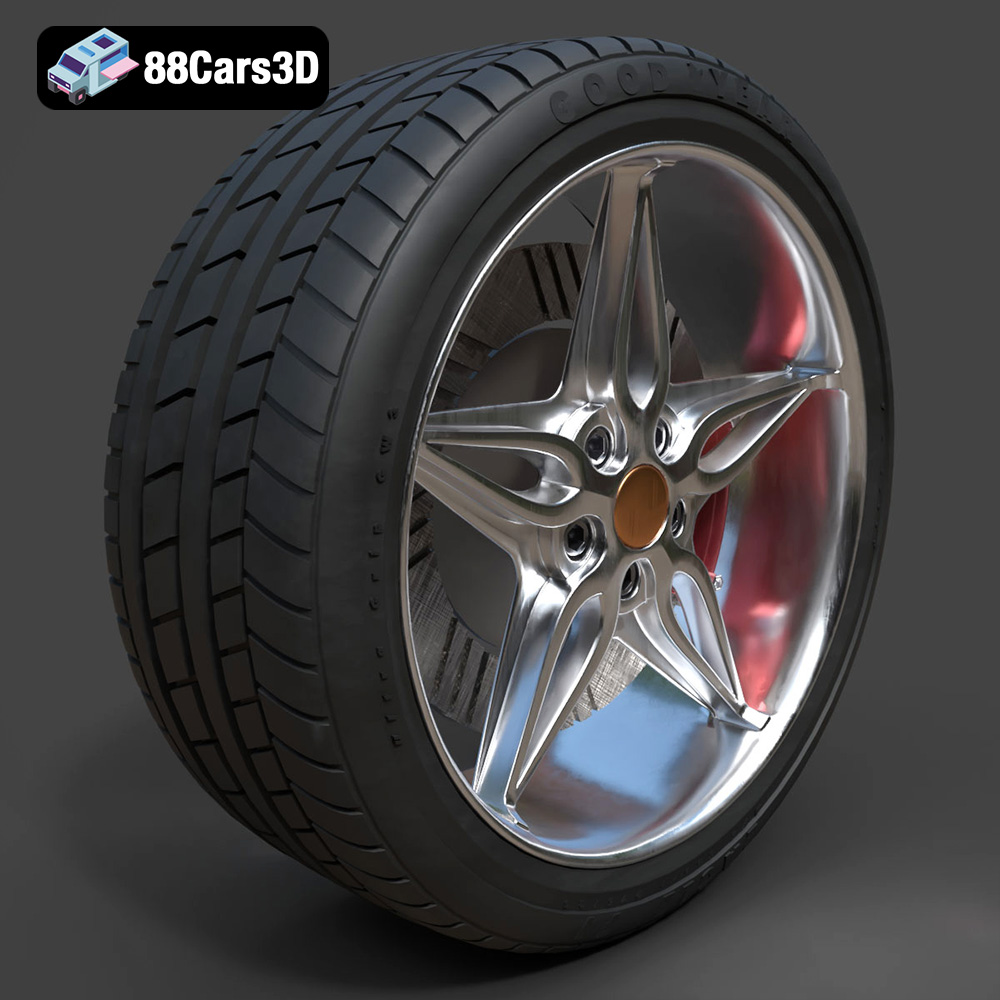
Wheel-001 Component 3D Model
Texture: Yes
Material: Yes
Download the Wheel-001 Component 3D Model featuring clean geometry, realistic detailing, and a fully modeled interior. Includes .blend, .fbx, .obj, .glb, .stl, .ply, .unreal, and .max formats for rendering, simulation, and game development.
Price: $10.99
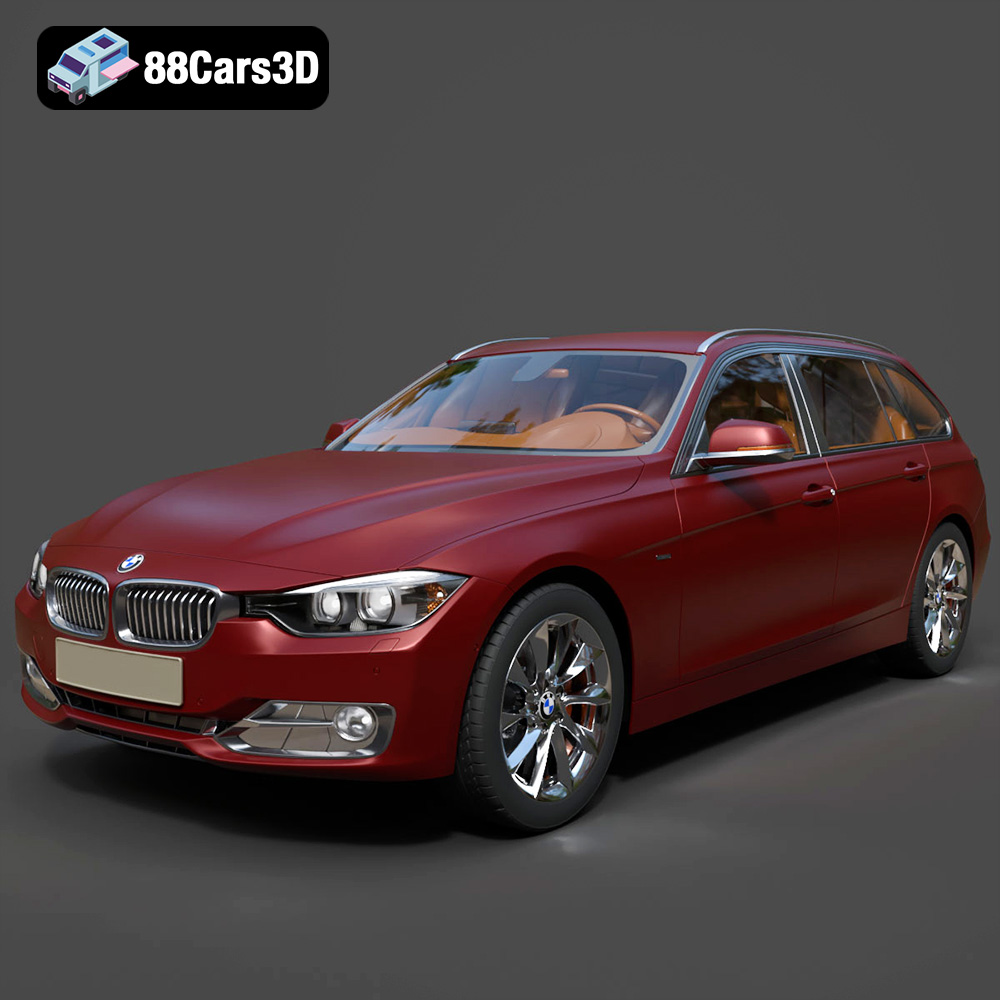
BMW 3 series Touring 335i (F31) 2013 3D Model
Texture: Yes
Material: Yes
Download the BMW 3 series Touring 335i (F31) 2013 3D Model featuring a highly detailed exterior, realistic interior, and modular design. Includes .blend, .fbx, .obj, .glb, .stl, .ply, .unreal, and .max formats for rendering, simulation, and game development.
Price: $30.79
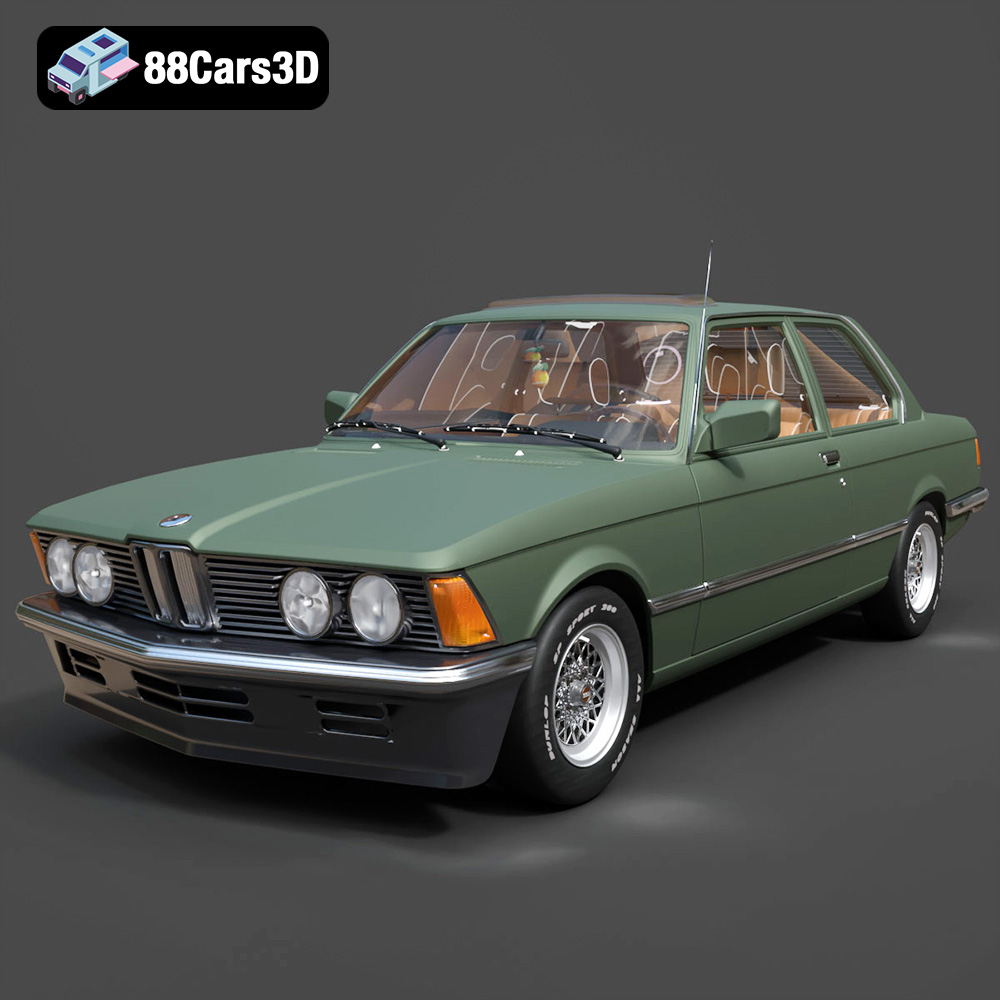
BMW 3 Series E21 3D Model
Texture: Yes
Material: Yes
Download the BMW 3 Series E21 3D Model featuring authentic exterior design, detailed interior, and accurate proportions. Includes .blend, .fbx, .obj, .glb, .stl, .ply, .unreal, and .max formats for rendering, simulation, and game development.
Price: $20.79

BMW 1 Series 3-Door E81 3D Model
Texture: Yes
Material: Yes
Download the BMW 1 Series 3-Door E81 3D Model featuring a detailed exterior, functional interior elements, and clean geometry. Includes .blend, .fbx, .obj, .glb, .stl, .ply, .unreal, and .max formats for rendering, simulation, and game development.
Price: $14.79
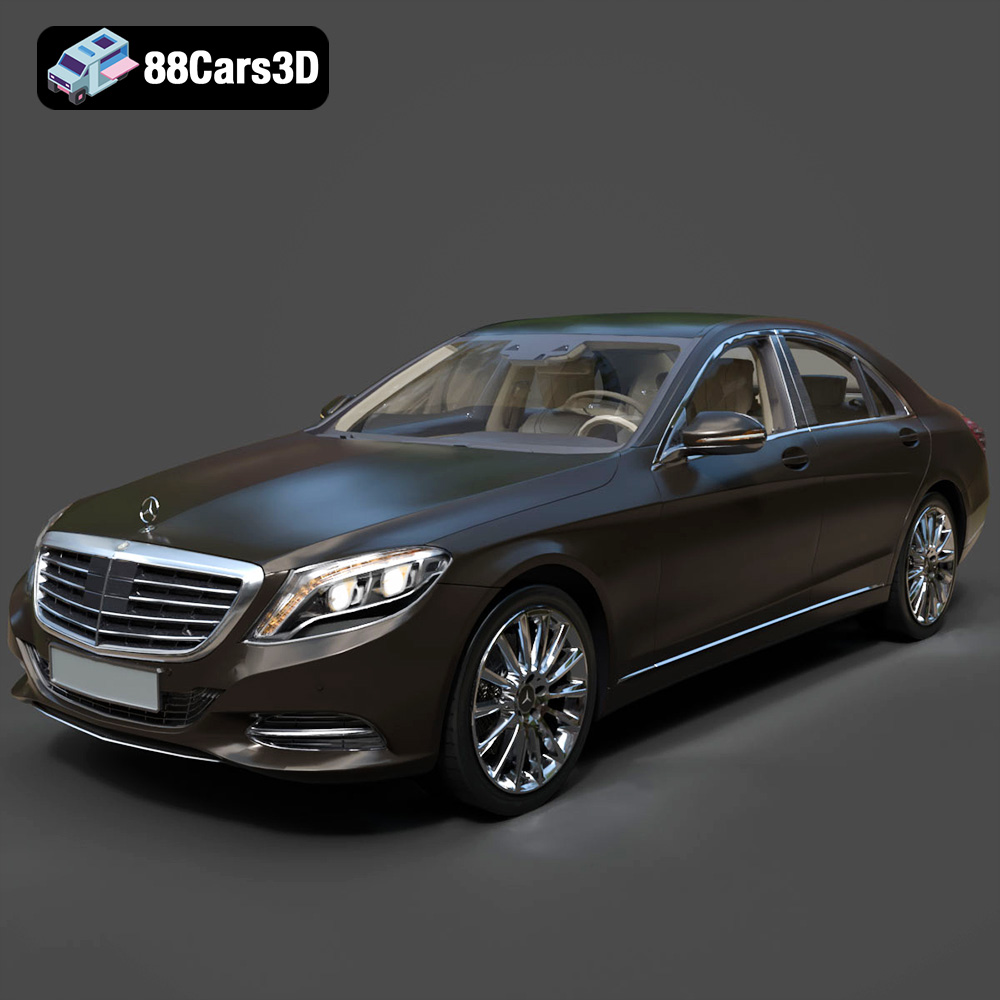
Mercedes-Benz S500 2022 3D Model
Texture: Yes
Material: Yes
Download the Mercedes-Benz S500 2022 3D Model featuring clean geometry, realistic detailing, and a fully modeled interior. Includes .blend, .fbx, .obj, .glb, .stl, .ply, .unreal, and .max formats for rendering, simulation, and game development.
Price: $19.99
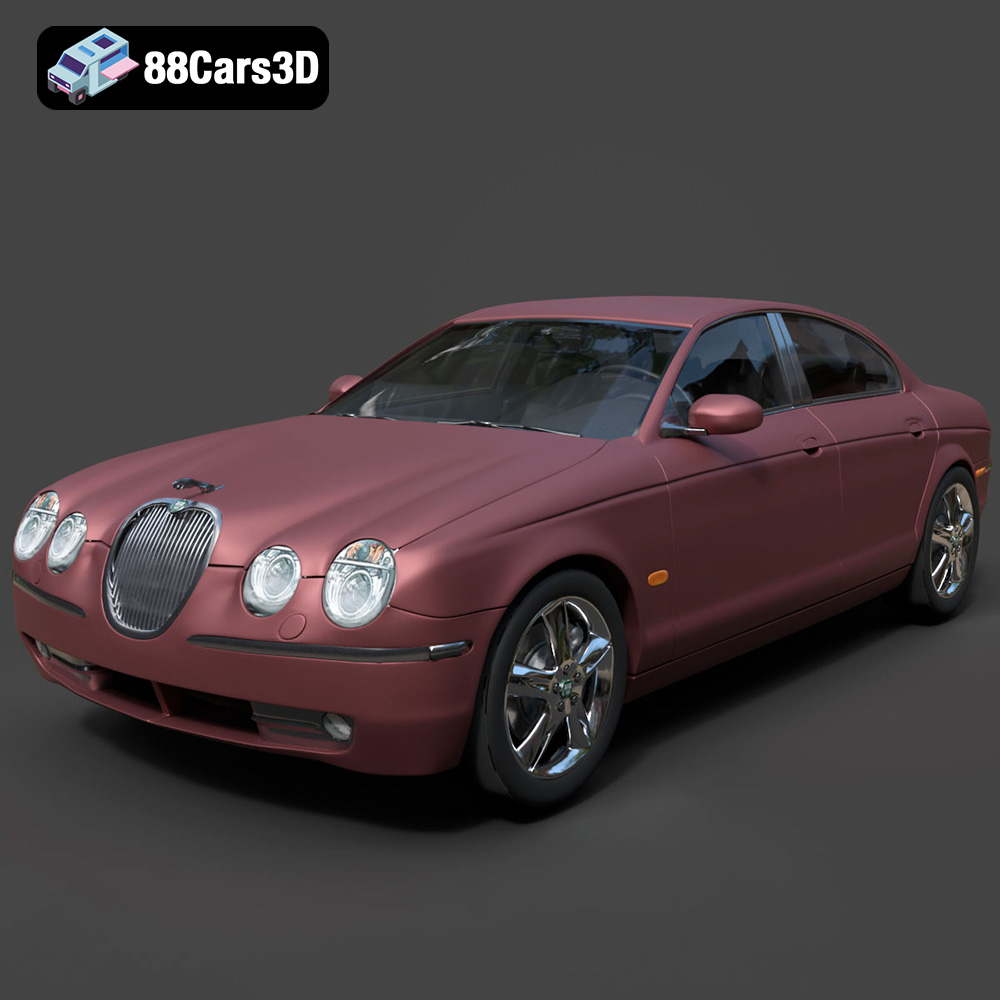
Jaguar S-Type Sedan 3D Model
Texture: Yes
Material: Yes
Download the Jaguar S-Type Sedan 3D Model featuring clean geometry, realistic detailing, and a fully modeled interior. Includes .blend, .fbx, .obj, .glb, .stl, .ply, .unreal, and .max formats for rendering, simulation, and game development.
Price: $18.99
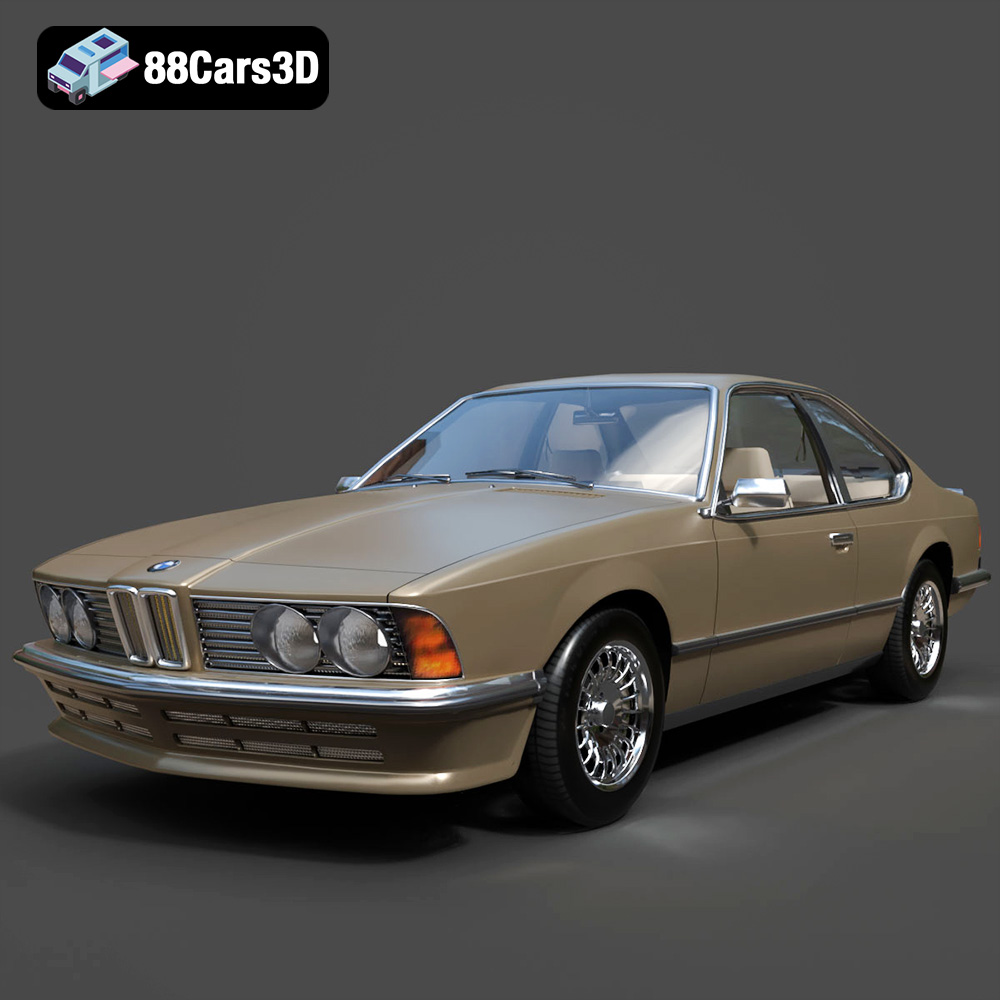
BMW 6 Series 1986 3D Model
Texture: Yes
Material: Yes
Download the BMW 6 Series 1986 3D Model featuring clean geometry, realistic detailing, and a fully modeled interior. Includes .blend, .fbx, .obj, .glb, .stl, .ply, .unreal, and .max formats for rendering, simulation, and game development.
Price: $16.99
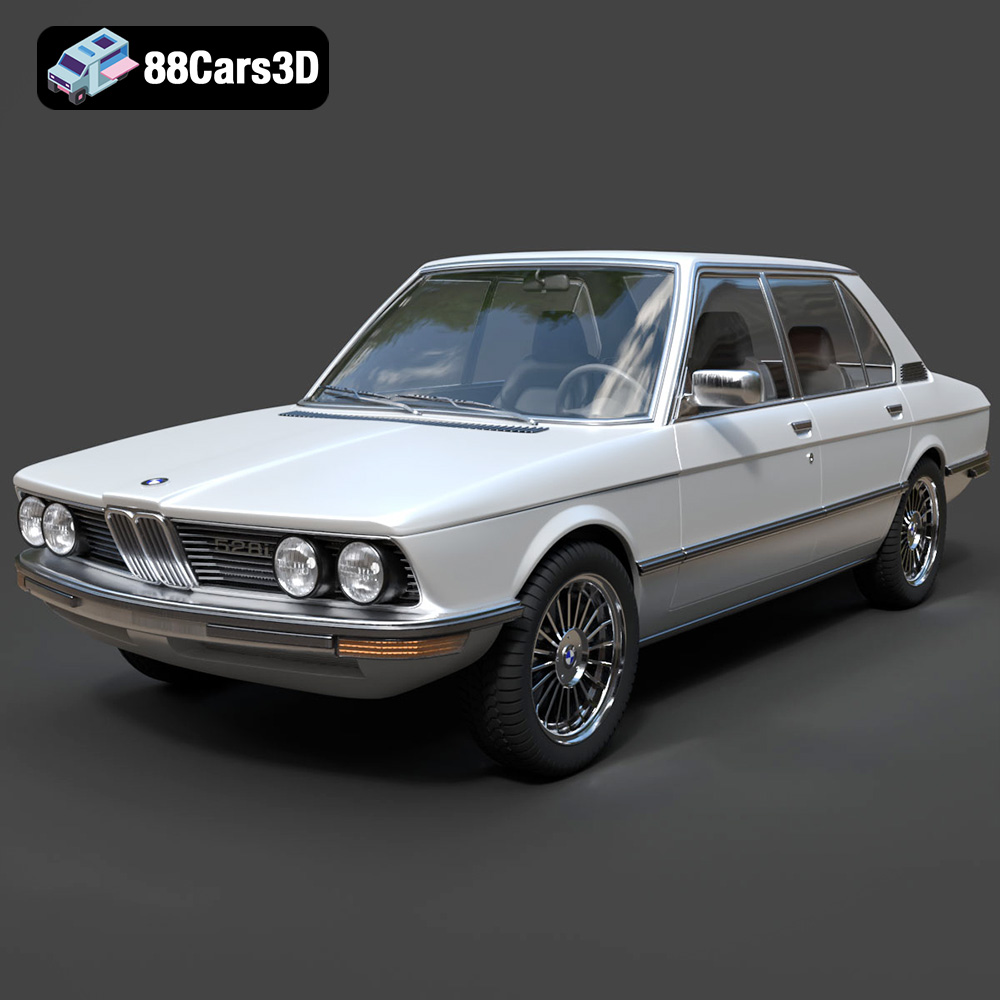
BMW 5 Series E12 528i 3D Model
Texture: Yes
Material: Yes
Download the BMW 5 Series E12 528i 3D Model featuring clean geometry, realistic detailing, and a fully modeled interior. Includes .blend, .fbx, .obj, .glb, .stl, .ply, .unreal, and .max formats for rendering, simulation, and game development.
Price: $14.99

BMW 5 Series F10 2014 3D Model
Texture: Yes
Material: Yes
Download the BMW 5 Series F10 3D Model featuring clean geometry, realistic detailing, and a fully modeled interior. Includes .blend, .fbx, .obj, .glb, .stl, .ply, .unreal, and .max formats for rendering, simulation, and game development.
Price: $14.99
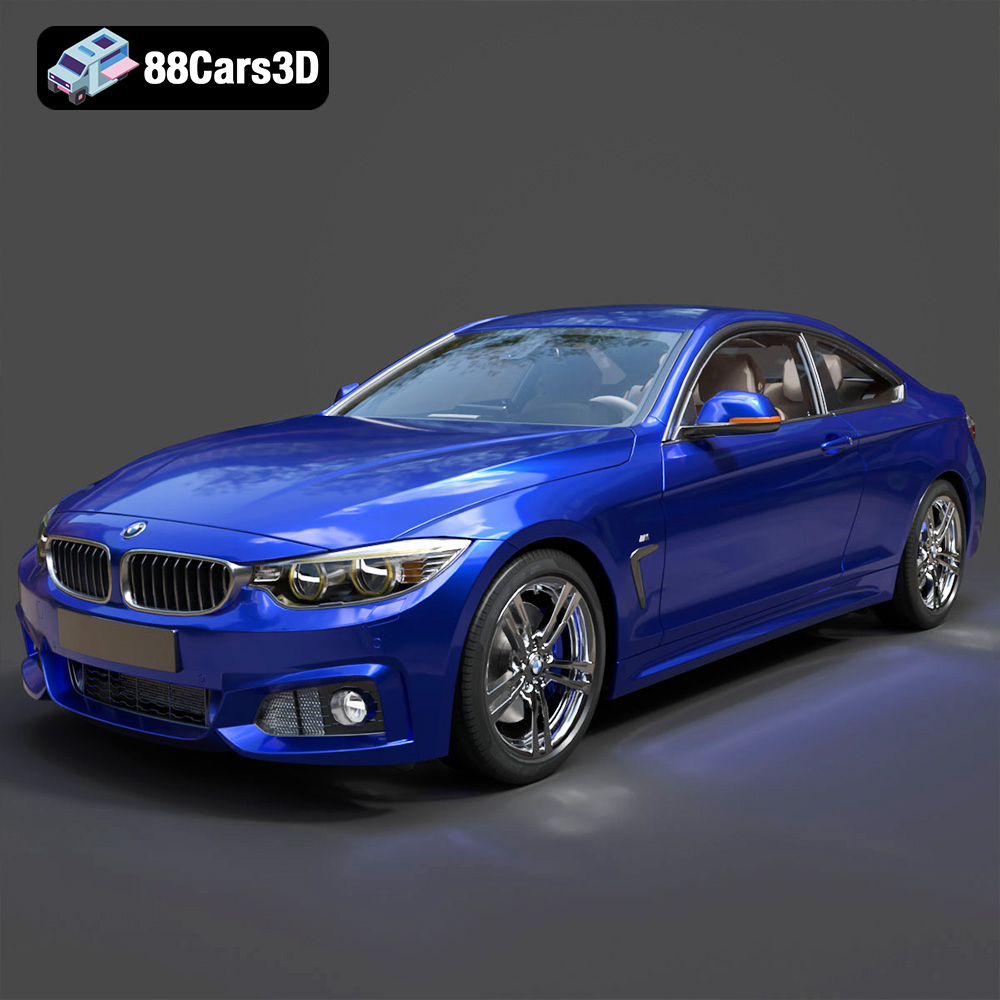
BMW 4 Series Coupe M Sport 2014 3D Model
Texture: Yes
Material: Yes
Download the BMW 4 Series Coupe M Sport 2014 3D Model featuring clean geometry, realistic detailing, and a fully modeled interior. Includes .blend, .fbx, .obj, .glb, .stl, .ply, .unreal, and .max formats for rendering, simulation, and game development.
Price: $14.99
