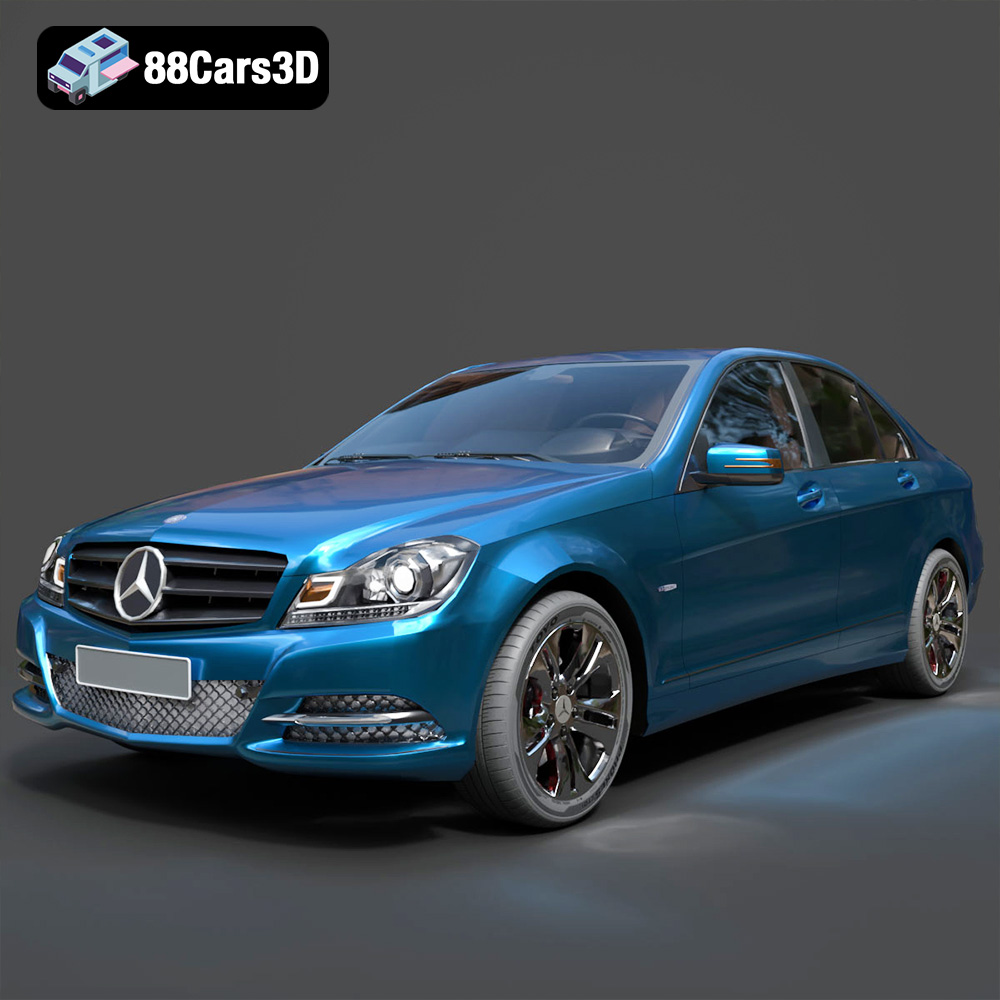
The Digital Garage: Elevating Automotive Design and Visualization with High-Quality 3D Car Models
In the rapidly evolving landscape of digital creation, high-quality 3D car models have become indispensable tools across industries. From captivating automotive advertising campaigns to immersive video games and cutting-edge virtual reality experiences, the demand for meticulously crafted digital vehicles is higher than ever. These sophisticated assets bridge the gap between imagination and tangible digital reality, offering unparalleled flexibility, cost-effectiveness, and creative freedom that traditional methods simply cannot match.
The journey of a 3D car model, from its initial conceptual sketch to a fully textured, engine-ready asset, is a testament to precision engineering and artistic flair. It involves complex workflows, deep technical understanding, and a keen eye for detail, all aimed at achieving visual fidelity that blurs the line between the digital and the real. Whether you’re a seasoned professional in architectural visualization, a game developer pushing the boundaries of realism, or an automotive designer showcasing future concepts, understanding the nuances of 3D car models is crucial for success. This article delves deep into the technical aspects, practical applications, and best practices surrounding these digital masterpieces, highlighting their transformative impact on various sectors.
The Foundation of Digital Automotive Excellence: High-Quality 3D Car Models
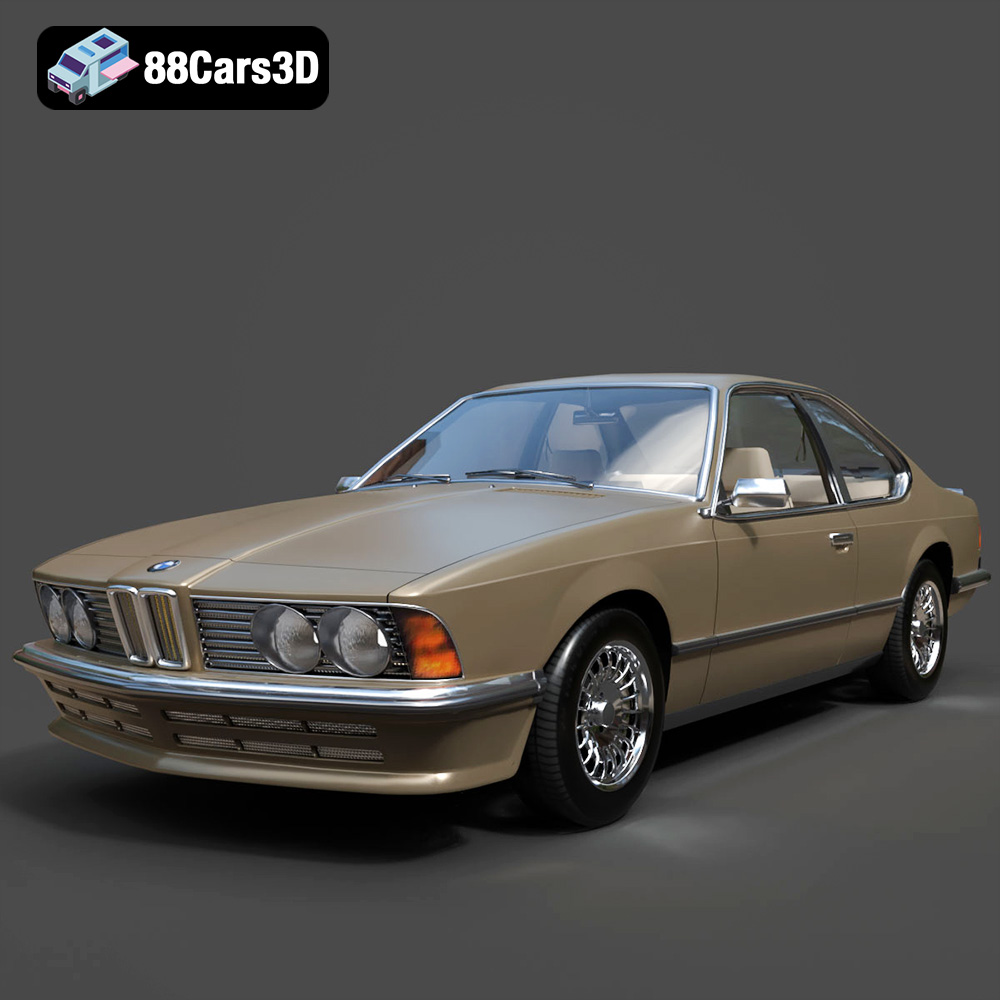
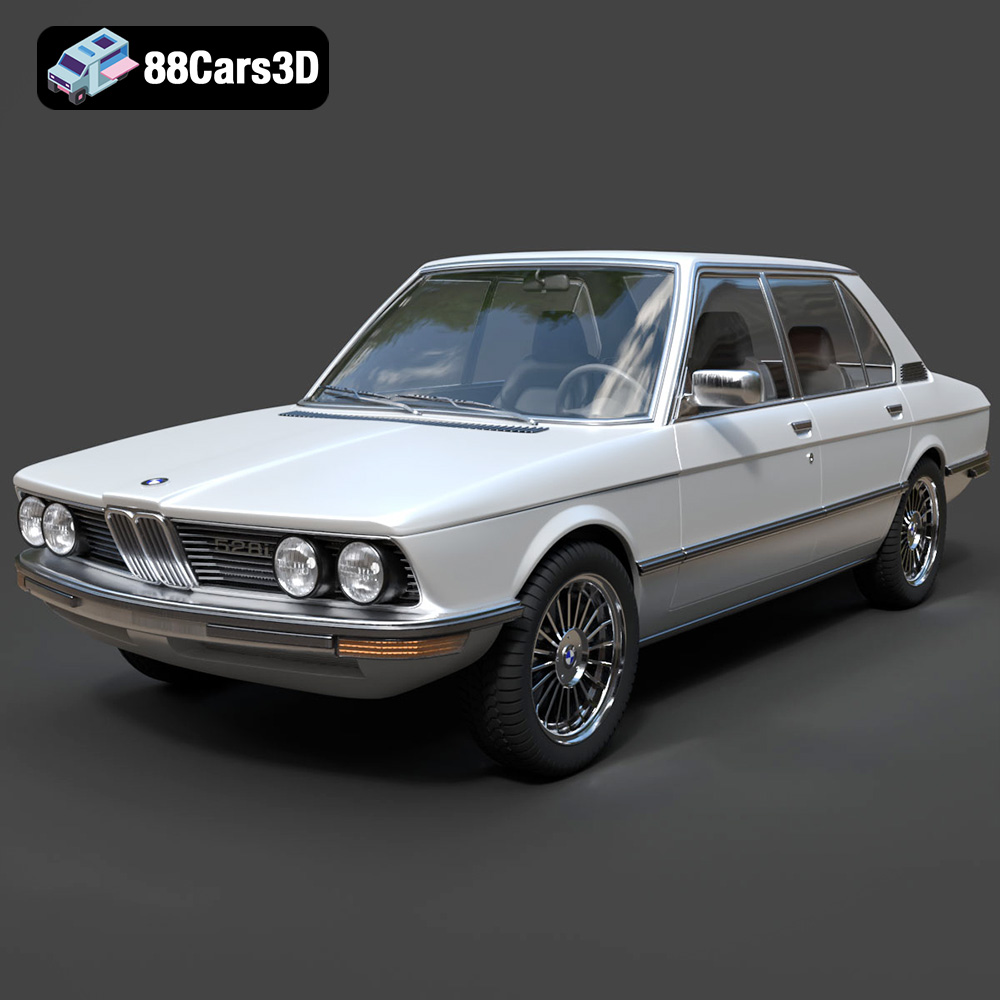
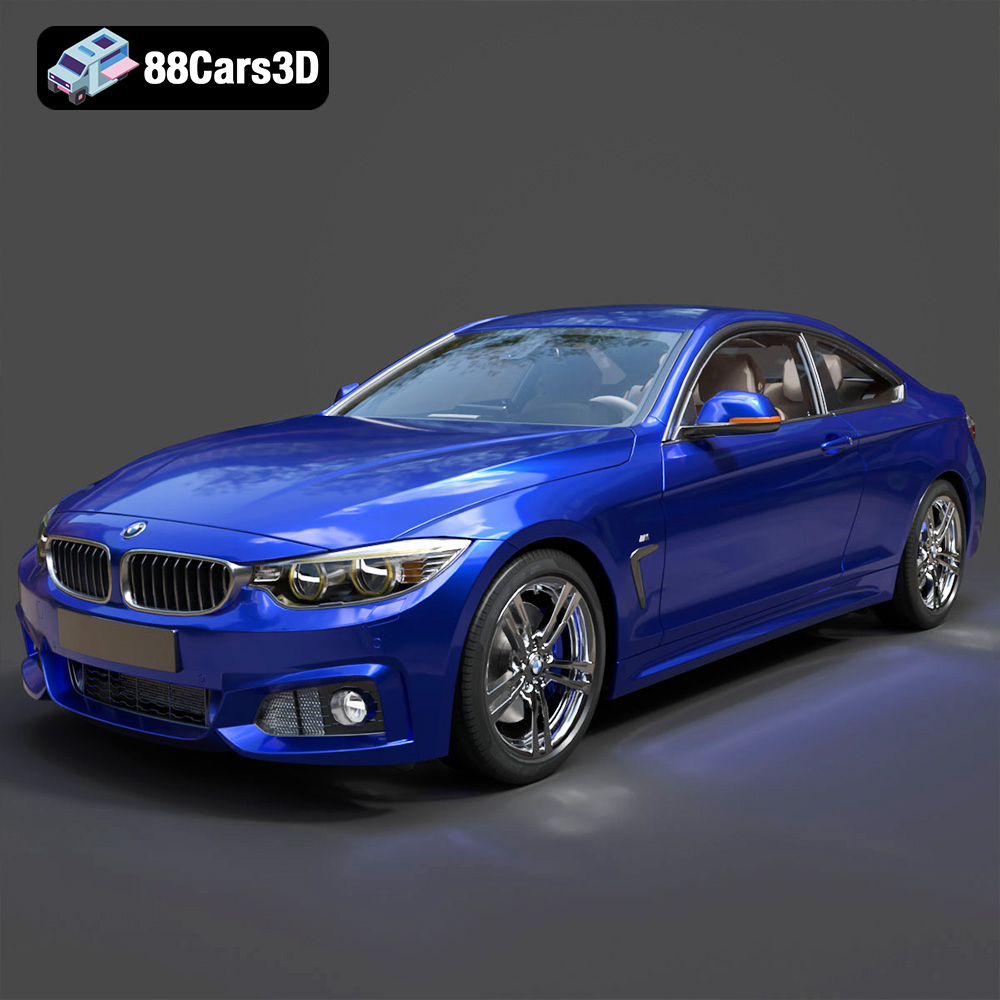
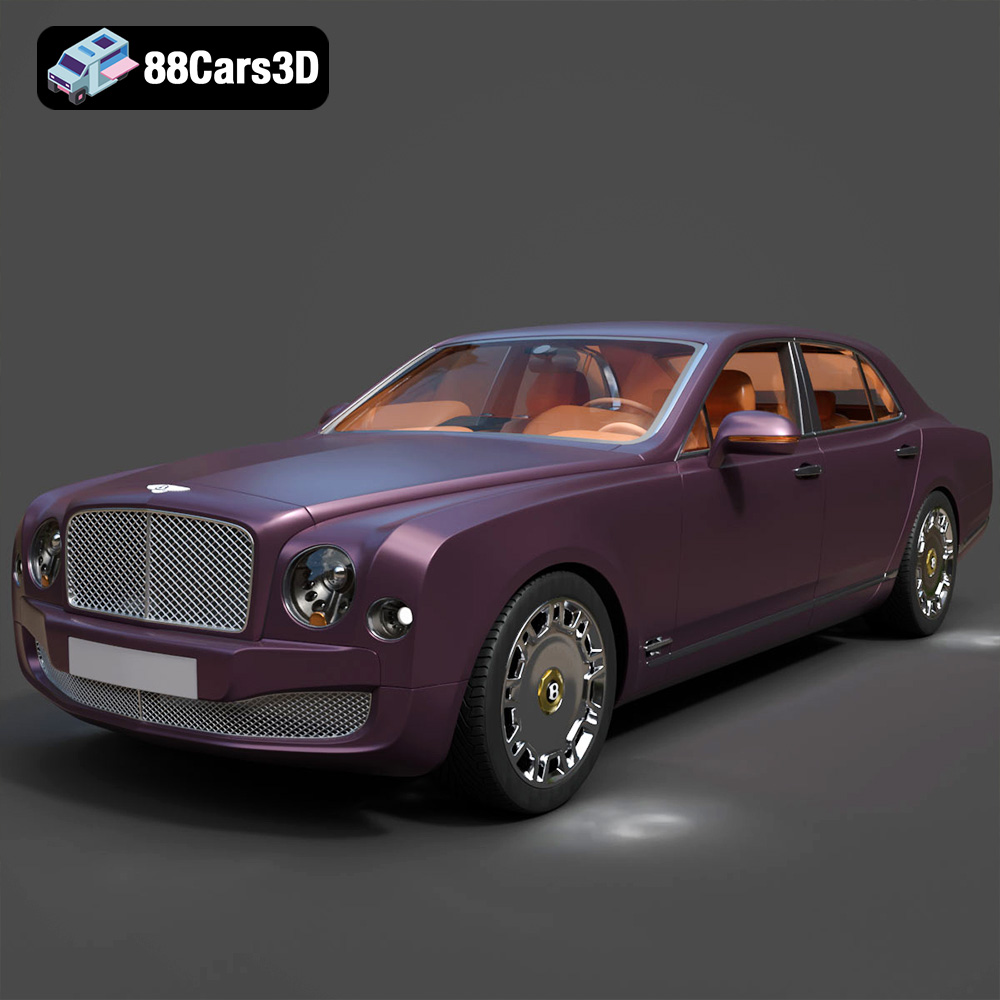
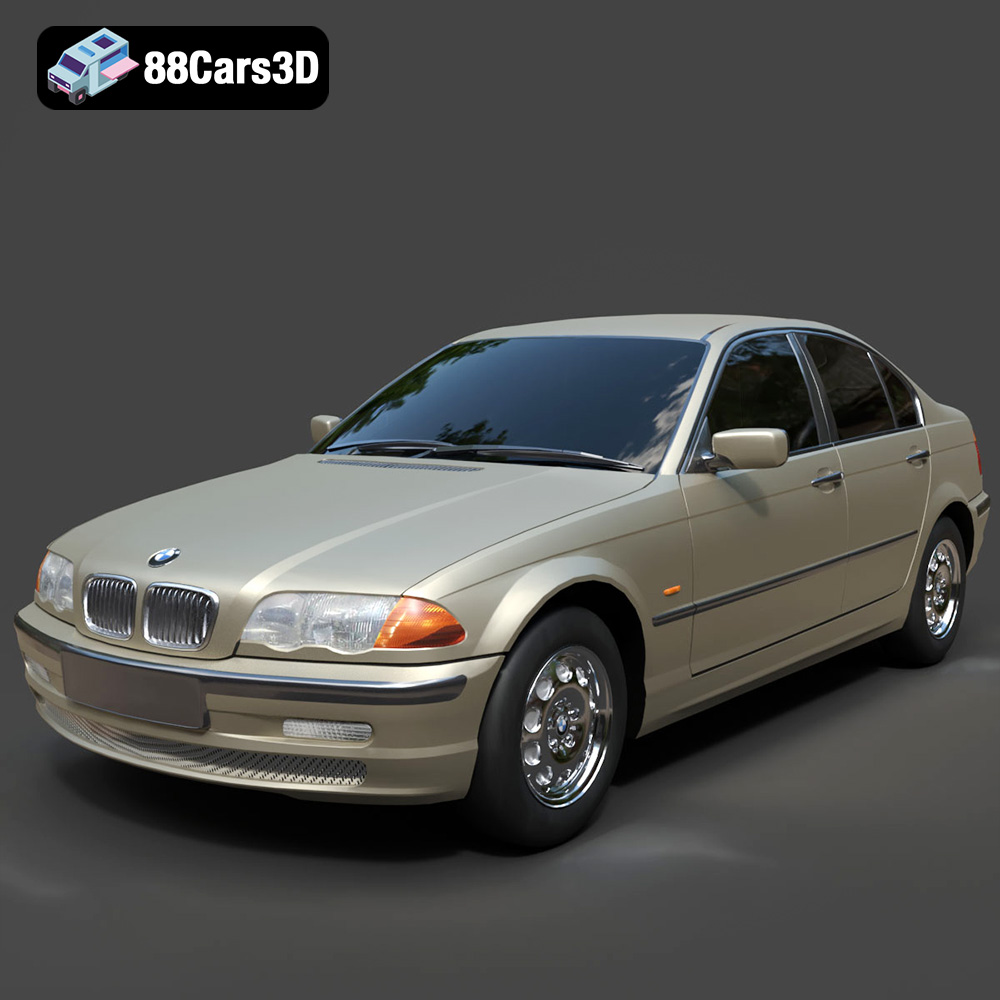
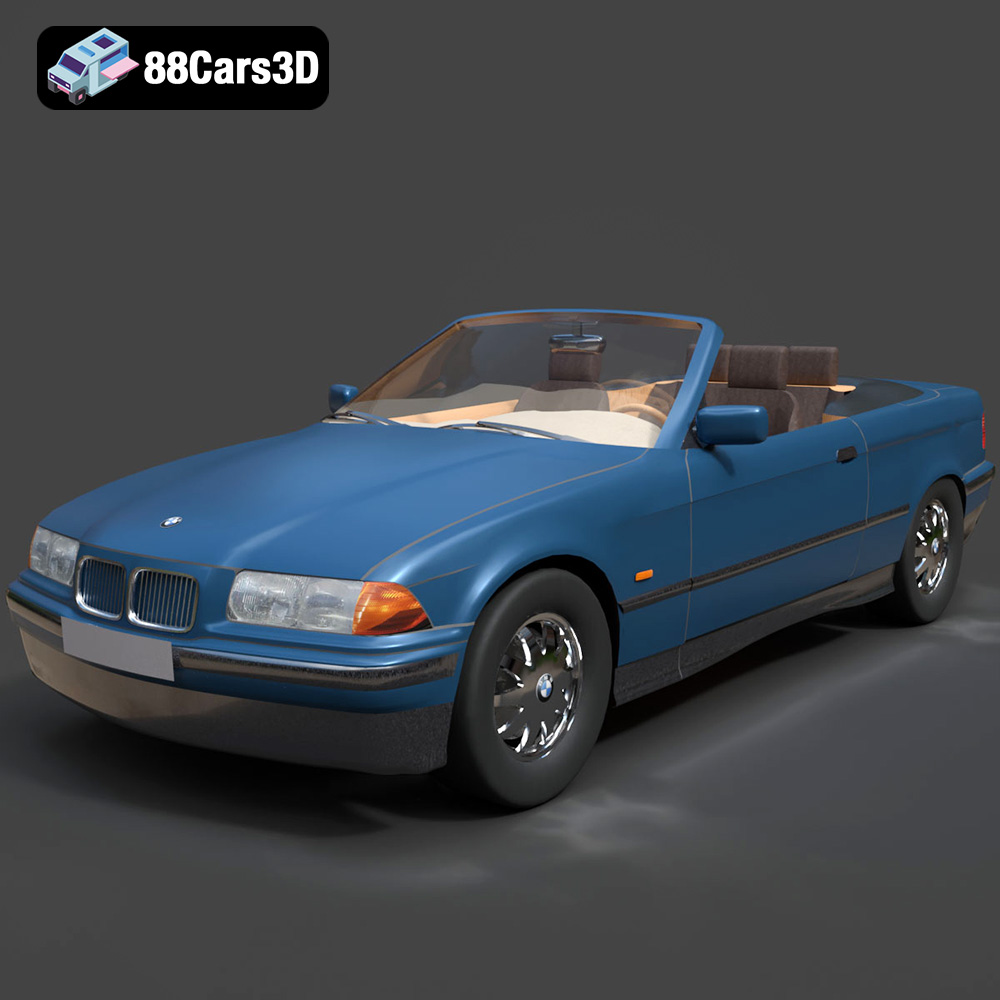
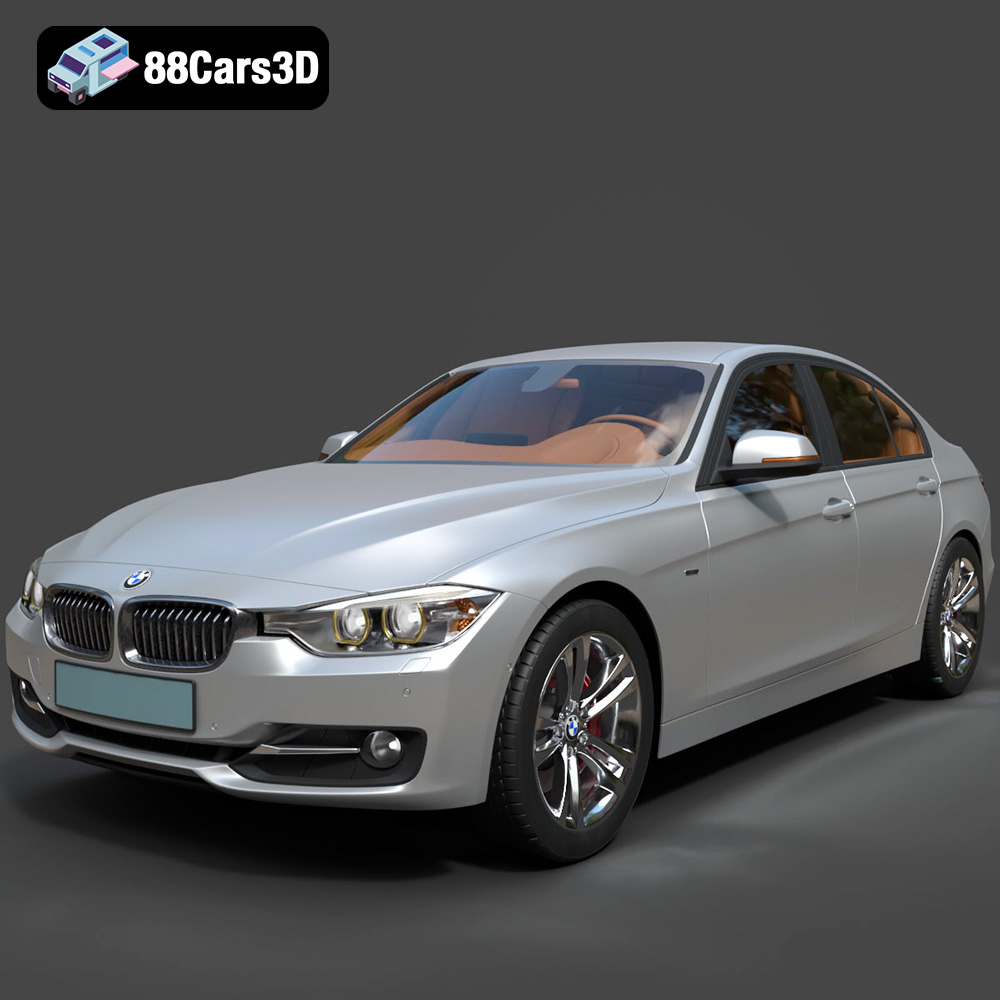
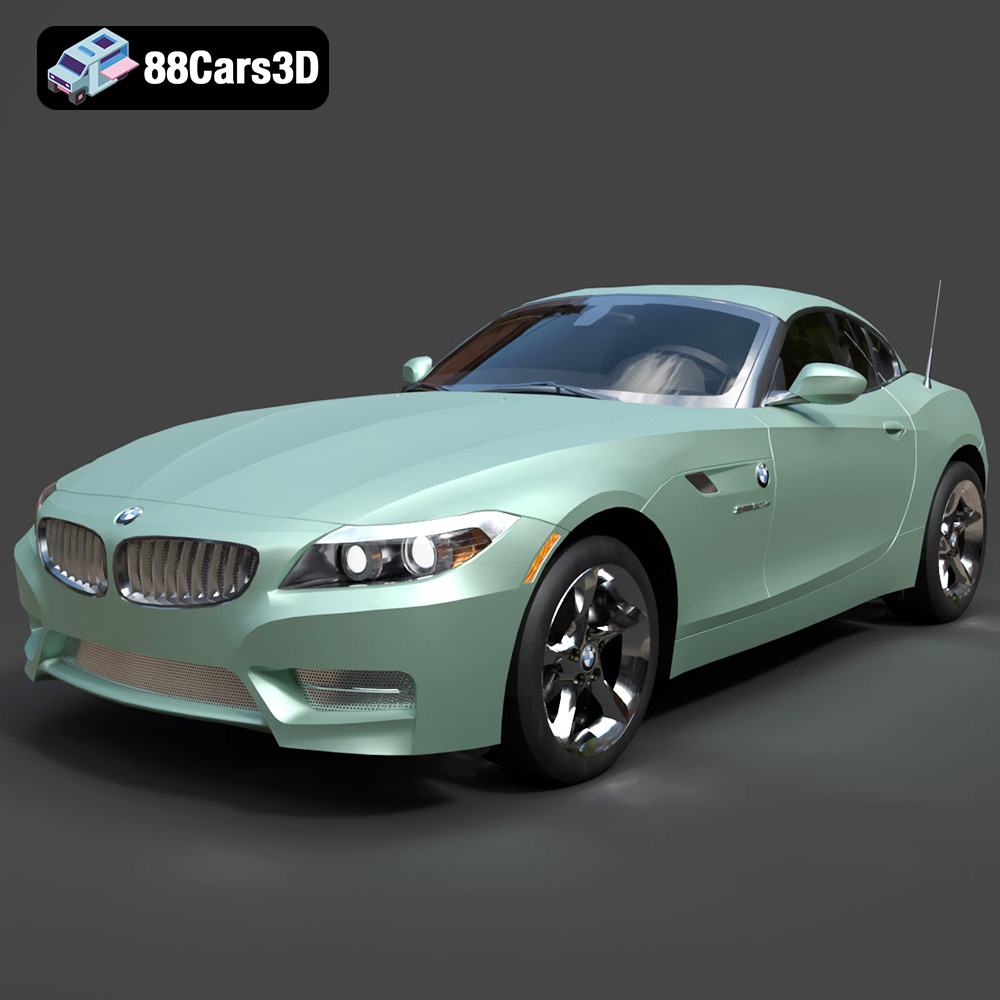
At the heart of every stunning render, thrilling game, or interactive experience featuring a vehicle lies a meticulously constructed 3D car model. These aren’t just simple shapes; they are complex digital blueprints embodying every curve, panel gap, and intricate detail of their real-world counterparts. The quality of these foundational assets directly dictates the final visual outcome and the performance within various applications.
Precision in Digital Creation: Modeling Techniques and Accuracy
Creating a high-quality 3D car model begins with an obsessive commitment to accuracy. Automotive designers often start with CAD data, blueprints, or extensive photographic references to ensure every dimension and proportion is exact. Modeling typically occurs in specialized 3D software such as 3ds Max or Blender. Artists employ polygon modeling techniques, often focusing on building clean, quad-based topology. This clean mesh structure is vital for smooth subdivision surfacing, allowing for infinite detail without jagged edges, and ensuring proper deformation if the model is ever animated or rigged. Precision extends to the smallest details: the thickness of window glass, the subtle curvature of a door handle, or the intricate design of an alloy wheel. Every component is modeled separately to allow for realistic material application and future modifications, mimicking the assembly of a real car.
The Spectrum of Detail: From Concept to Production-Ready Assets
The level of detail (LOD) in a 3D car model varies significantly depending on its intended use.
- High-Poly Models: These are often reserved for cinematic renders, high-resolution marketing imagery, and virtual photography. They boast millions of polygons, capturing every minute detail, including interior stitching, visible engine components, and intricate headlight designs. While visually stunning, their complexity makes them unsuitable for real-time applications without significant optimization.
- Mid-Poly Models: Striking a balance, mid-poly models are suitable for architectural visualization, AR/VR experiences, and high-end game cinematics. They retain significant detail but are optimized to perform better than their high-poly counterparts, often utilizing techniques like normal mapping to bake high-detail information onto lower-resolution meshes.
- Low-Poly Models: Essential for real-time game development, these models are heavily optimized for performance. They feature significantly reduced polygon counts, relying heavily on advanced texture maps (normal, roughness, metallic, ambient occlusion) to convey surface detail. Game developers often create multiple LODs for a single vehicle, dynamically swapping models based on the camera’s distance to maintain visual quality while conserving computational resources.
Regardless of the poly count, a high-quality 3D car model always includes perfectly unwrapped UV maps, which are essential for applying textures accurately and efficiently. Without clean UVs, textures would stretch, distort, or appear pixelated, undermining the model’s overall realism.
Understanding 3D Model File Formats
The digital ecosystem for 3D car models is diverse, with numerous file formats designed for specific purposes, software compatibility, and optimization goals. Choosing the correct format is crucial for a smooth workflow and optimal results, whether you’re rendering an animation, developing a game, or preparing a model for 3D printing. Understanding their characteristics is paramount for any professional dealing with 3D assets.
Here’s a breakdown of the most common and critical file formats:
.blend – Fully Editable Blender Scene with Materials
The .blend file is the native format for Blender, a powerful open-source 3D creation suite. It’s comprehensive, storing not just the 3D model geometry but also materials, textures, lighting setups, cameras, animations, physics simulations, and even the UI layout. This makes it an ideal format for sharing complete, editable projects among Blender users. When you acquire a .blend file, you’re getting the full working file, allowing for extensive modifications, re-texturing, or animation. Its primary use is within the Blender ecosystem, though models can be exported to other formats from Blender. For those who utilize Blender for their automotive visualization or game asset creation, a .blend file from a source like 88cars3d.com offers unparalleled flexibility.
.fbx – Ideal for Unreal, Unity, and Real-Time Pipelines
Autodesk’s .fbx (Filmbox) format is an industry-standard interchange format, renowned for its versatility and widespread adoption. It efficiently stores 3D model data, including geometry, materials, textures (often embedded or linked), cameras, lights, and crucially, animation data (rigs, skinning, keyframes). This makes .fbx the go-to format for transferring assets between different 3D applications and especially into game engines like Unreal Engine and Unity. Its robust support for animation makes it invaluable for animated car sequences, character rigging, and interactive vehicle systems in games. Developers frequently rely on .fbx for its reliability in preserving complex scene data during export and import processes into real-time environments.
.obj – Universal Format for Cross-Software Compatibility
The .obj (Wavefront OBJ) format is one of the oldest and most universally supported 3D formats. It’s a simple, text-based format primarily designed to store geometry data (vertices, normals, texture coordinates, and faces). While it can reference external .mtl (material) files for basic material properties, it does not typically store animation, rigging, or complex shader networks. Its strength lies in its simplicity and unparalleled compatibility across almost all 3D software. For static 3D car models where the focus is purely on geometry and basic texturing, .obj is an excellent choice for cross-application sharing, ensuring that the core mesh information is preserved no matter what software you’re using.
.glb – Optimized for AR, VR, and Browser-Based Display
.glb (GL Transmission Format Binary) is the binary version of .gltf, an open standard for 3D scenes and models. Designed for efficiency, it packages all necessary data (geometry, textures, animations, materials) into a single file, making it incredibly easy to load and render quickly in web browsers, augmented reality (AR) applications, and virtual reality (VR) environments. Its “transmission-optimized” nature means smaller file sizes and faster load times, which are critical for seamless AR/VR experiences and interactive web content showcasing 3D car models. As AR/VR continues to grow, .glb is becoming increasingly important for delivering high-quality, real-time 3D content across various platforms.
.stl – Suitable for 3D Printing Output
.stl (Stereolithography) is perhaps the most widely recognized file format for 3D printing. Unlike other formats that store complex mesh data, .stl describes only the surface geometry of a 3D object using a collection of interconnected triangles. It lacks color, texture, or material information, focusing solely on the object’s shape for additive manufacturing. When preparing a 3D car model for physical production, such as prototyping or creating miniature replicas, converting it to .stl is a standard step. It’s crucial to ensure the model is watertight (no holes in the mesh) before exporting to .stl to avoid printing errors.
.ply – Precision Mesh Format for CAD or Analysis
The .ply (Polygon File Format) is another format for storing 3D data, particularly useful for scan data, point clouds, and mesh models. It can store a variety of properties beyond just geometry, including color, transparency, normals, texture coordinates, and even additional data like confidence values. While less common for general interchange than .fbx or .obj, .ply is valued in scientific, engineering, and CAD applications where precise mesh information and additional per-vertex or per-face data are critical for analysis or detailed measurement. It’s often used when converting raw 3D scan data of a vehicle into a usable digital model.
.unreal – Engine-Ready Asset for Real-Time Environments
While not a standard “file format” in the same way as .fbx or .obj, the term .unreal often refers to assets that have been specifically imported, processed, and optimized within the Unreal Engine ecosystem. When you import an .fbx or other compatible file into Unreal Engine, it’s converted into a native Unreal Engine asset that can be directly used in projects. This means the mesh, materials, textures, animations, collision data, and other properties are all configured to leverage Unreal’s rendering pipeline and tools. An “Unreal-ready” 3D car model implies it has been meticulously prepared, with correct material setups (e.g., PBR materials), LODs, collision meshes, and potentially even blueprint functionality, to integrate seamlessly into an Unreal Engine project without further significant adjustment.
.max – Editable 3ds Max Project for Animation and Rendering
Similar to .blend for Blender, .max is the native project file format for Autodesk 3ds Max, a leading software in architectural visualization, automotive design, and film production. A .max file encapsulates the entire scene, including all 3D models, geometry, textures, materials, lighting, cameras, animation keyframes, and render settings. This format provides the most comprehensive control and flexibility for users working within 3ds Max, allowing for full editability of all scene components. For professionals who rely on 3ds Max for high-fidelity automotive rendering with renderers like V-Ray or Corona, a .max file offers the complete project, enabling deep customization and advanced scene setup.
The choice of file format is a critical decision that influences workflow efficiency, compatibility, and the final quality of your 3D car models. Understanding these distinctions allows professionals to select the right tool for each specific task, ensuring optimal results for their projects.
Mastering Automotive Rendering: Crafting Photorealism
Automotive rendering is an art form that transforms digital 3D car models into breathtaking, photorealistic images and animations. It’s a critical step in marketing, product visualization, and design validation, allowing brands and designers to showcase vehicles before physical prototypes even exist. Achieving true photorealism requires a deep understanding of light, materials, and specialized rendering software.
The Art of Light and Material: PBR and Shader Networks
The cornerstone of photorealistic rendering lies in accurately simulating how light interacts with materials. This is where Physically Based Rendering (PBR) comes into play. PBR workflows use a standardized set of texture maps – Albedo (base color), Normal (for surface detail), Roughness (micro-surface imperfections), Metallic (conductive vs. dielectric properties), and Ambient Occlusion (simulated soft shadows) – to define materials based on real-world physics. For a car, this means meticulously crafting shaders for paint (often multi-layered with clear coats), chrome, glass, rubber, leather, and plastics, ensuring each reacts correctly to light. Advanced shader networks in software like 3ds Max or Blender allow for complex effects such as iridescent paint, anisotropic reflections on brushed metal, and subsurface scattering for realistic interior leathers.
Software and Workflow: 3ds Max, Blender, Unreal Engine
Several powerful software packages dominate the automotive rendering landscape, each with its strengths:
- 3ds Max (with V-Ray/Corona Renderer): A long-standing industry favorite, 3ds Max combined with powerful rendering engines like V-Ray or Corona Renderer offers unparalleled control and realism. Artists can create intricate lighting setups using HDRI (High Dynamic Range Image) environments, physical lights, and complex camera systems to mimic professional photography studios. The workflow typically involves setting up the car model, applying PBR materials, staging the scene with appropriate backplates or 3D environments, and then rendering out high-resolution images or animation sequences.
- Blender (with Cycles/Eevee): Blender, with its integrated Cycles and Eevee renderers, has become an increasingly popular choice. Cycles is a powerful path-tracing renderer capable of photorealistic results, while Eevee offers real-time rendering for quicker previews and animation. Blender’s comprehensive toolset allows artists to model, texture, light, and render entirely within one package, making it highly efficient for individual artists and smaller studios.
- Unreal Engine (Path Tracer/Real-time): Unreal Engine, traditionally known for games, has rapidly evolved into a powerhouse for high-end cinematic rendering and virtual production. Its real-time rendering capabilities mean artists can iterate on lighting and materials instantly. With the introduction of its Path Tracer, Unreal Engine can now produce offline-quality, photorealistic renders with physically accurate global illumination and reflections, making it a formidable contender for automotive visualization that requires both speed and fidelity.
Optimizing for Photorealism: HDRI, Camera Settings, Post-Production
Achieving photorealism extends beyond just materials and render engines.
- HDRI Environments: High-Dynamic Range Images are crucial for realistic lighting. They capture real-world lighting information, including intensity and color, from actual locations, allowing the 3D car model to be realistically illuminated and reflected within a virtual scene.
- Camera Settings: Mimicking real-world camera physics – aperture, shutter speed, ISO, depth of field, and lens distortion – is vital. Render engines can simulate these effects, adding a layer of authenticity that makes the digital image indistinguishable from a photograph.
- Post-Production: Just like traditional photography, rendered images benefit from post-processing in tools like Adobe Photoshop or DaVinci Resolve. Adjustments to color grading, contrast, adding lens flares, vignetting, or even subtle dust and scratches can significantly enhance realism and visual impact, bringing the rendered car to life.
3D Car Models in Game Development: Performance and Immersion
In the realm of video games, 3D car models are much more than static visuals; they are interactive elements that define player experience, performance, and immersion. Developing compelling car assets for games requires a delicate balance between visual fidelity and real-time performance constraints.
Performance vs. Fidelity: LODs, Draw Calls, Optimization Techniques
Game developers constantly juggle the desire for stunning visuals with the necessity for smooth gameplay. This balance is critical for 3D car models.
- Levels of Detail (LODs): The primary optimization technique involves creating multiple versions of a single car model, each with a progressively lower polygon count. When the camera is close, the high-detail LOD is displayed; as the car moves further away, the engine dynamically swaps to lower-poly versions. This drastically reduces the number of polygons the GPU has to render at any given time, preserving frame rates.
- Draw Calls: Each distinct object or material requires a “draw call” from the CPU to the GPU. Minimizing draw calls is key to performance. This means optimizing materials (e.g., using texture atlases to combine multiple textures into one) and combining meshes where possible (e.g., merging minor components that don’t need individual animation).
- Occlusion Culling: This technique prevents objects that are hidden from the camera’s view (e.g., a car behind a building) from being rendered, saving significant processing power.
- Efficient UV Mapping and Texture Atlases: Properly organized UV maps reduce texture memory footprint and draw calls. Using texture atlases for smaller components means a single material can cover multiple parts, rather than each part having its own material.
Integration into Game Engines: Unreal Engine, Unity – Import Pipelines, Collision Meshes, Blueprints
Integrating 3D car models into game engines like Unreal Engine and Unity involves a structured pipeline:
- Asset Import: Models, often in
.fbxformat, are imported with their associated PBR textures. The engine’s import settings are crucial for correct scaling, normal map interpretation, and material creation. - Material Setup: PBR textures (Albedo, Normal, Roughness, Metallic, AO) are connected to the engine’s standard PBR shader, ensuring the car’s surfaces react realistically to the game world’s lighting.
- Collision Meshes: Beyond the visual mesh, simple collision meshes (often convex hulls or simplified versions of the car) are created. These invisible meshes define the car’s physical boundaries, preventing it from passing through objects and enabling realistic physics interactions.
- Blueprints/Prefabs: In Unreal Engine, Blueprints are visual scripting tools used to create game logic. For a car, a Blueprint might combine the mesh, physics asset, engine sounds, wheel animations, and user input controls into a single, interactive entity. Similarly, Unity uses Prefabs to bundle game objects and their components for reusability.
Animation and Interactivity: Rigging Wheels, Doors, Suspension, User Interaction
For a car to feel alive in a game, it needs dynamic animation and interactivity:
- Rigging: This involves creating a skeletal structure (bones) that allows parts of the car to move independently. Wheels need to be rigged to rotate and steer. Doors, hoods, and trunks might be rigged to open. Suspension systems can be rigged to compress and extend realistically.
- Physics-Based Animation: Modern game engines simulate vehicle physics, driving wheel rotation, suspension compression, and chassis lean based on real-time inputs and environmental factors.
- User Interaction: Beyond driving, players might interact with various car elements – opening doors, turning on headlights, or even customizing parts. These interactions are driven by the engine’s scripting or visual programming tools, linking player input to specific animations or material changes on the 3D car model.
Beyond Rendering and Gaming: Expanding Applications of 3D Car Models
The utility of high-quality 3D car models extends far beyond traditional rendering and game development, impacting diverse sectors and paving the way for innovative experiences.
AR/VR Experiences: Immersion, Real-Time Performance, Interaction
Augmented Reality (AR) and Virtual Reality (VR) are transforming how we interact with products, and 3D car models are at the forefront of this revolution.
- Virtual Showrooms: Automotive manufacturers use VR to create immersive virtual showrooms where potential buyers can explore car interiors, customize colors, and view vehicles from every angle, all without stepping foot into a physical dealership.
- AR Configurator Apps: AR applications allow users to virtually place a 3D car model in their driveway, scale it accurately, and change configurations in real-time using their smartphone or tablet. This provides a compelling “try-before-you-buy” experience.
- Training and Simulation: For driver training, maintenance simulations, or even emergency response drills, VR environments featuring highly accurate 3D car models offer a safe and cost-effective platform for realistic practice.
Crucial for AR/VR is the optimization of 3D car models (often in .glb format) to ensure smooth real-time performance and minimize latency, preventing motion sickness and enhancing immersion.
3D Printing and Prototyping: From Digital Model to Physical Object, Design Validation
3D printing offers a tangible bridge between the digital and physical worlds, and 3D car models are ideal candidates for this technology.
- Rapid Prototyping: Automotive designers use 3D printing to quickly produce physical prototypes of new car parts, interior components, or even scaled-down models of entire vehicles. This allows for early design validation, ergonomic testing, and aesthetic evaluation at a fraction of the cost and time of traditional manufacturing.
- Custom Parts and Accessories: Enthusiasts and professionals can 3D print custom modifications, replacement parts, or unique accessories based on precise 3D car models.
- Educational Models: Detailed internal components like engines or transmissions can be 3D printed from their 3D models for educational purposes, allowing students to understand complex mechanics in a hands-on way.
For 3D printing, the 3D model often needs to be watertight and manifold, usually exported as an .stl or .obj file, to ensure a successful print without errors.
Virtual Production and Film: Real-Time Pre-visualization, Virtual Sets
The film and television industry is increasingly adopting virtual production techniques, where 3D car models play a pivotal role.
- Pre-visualization (Pre-vis): Directors and cinematographers use 3D car models within game engines like Unreal Engine to pre-visualize complex car chases or scenes, blocking out camera movements and action long before actual filming begins. This saves immense time and resources on set.
- Virtual Sets and LED Walls: With the rise of LED volume stages, 3D car models can be integrated into virtual backgrounds displayed on massive screens. Actors perform inside a physical car while the virtual environment, often including other 3D cars, dynamically changes around them, creating seamless in-camera visual effects without green screens.
- Digital Doubles: For dangerous stunts or complex visual effects shots, a highly detailed 3D car model can serve as a “digital double” of a real vehicle, allowing for impossible maneuvers or realistic damage simulations that would be impractical or unsafe with a physical car.
Choosing the Right 3D Car Model for Your Project
The success of any project involving 3D car models hinges on selecting the right assets. With a vast array of models available, knowing what to look for can significantly streamline your workflow and elevate your final output.
Assessing Quality and Detail: Topology, UVs, Textures, Scaling
When acquiring a 3D car model, a critical assessment of its underlying technical quality is paramount:
- Topology: Examine the wireframe. Look for clean, quad-based topology (four-sided polygons) rather than triangles or n-gons (polygons with more than four sides). Good topology ensures smooth subdivisions, proper deformation, and makes the model easier to modify.
- UV Maps: High-quality models will have meticulously unwrapped UVs, allowing textures to be applied without stretching or distortion. Check for overlapping UVs, especially if you plan to bake lightmaps.
- PBR Textures: Verify that the model comes with a comprehensive set of PBR textures (Albedo, Normal, Roughness, Metallic, AO) at an appropriate resolution (e.g., 2K, 4K, or 8K) for your project’s needs. Ensure the textures are clean and tileable where necessary.
- Scaling: Ensure the model is built to real-world scale. Incorrect scaling can lead to issues with physics simulations, lighting, and integration into existing scenes in your 3D software or game engine.
- Level of Detail (LODs): For real-time applications, check if the model includes multiple LODs. This is crucial for optimizing performance without sacrificing visual quality when the car is far from the camera.
Compatibility and Project Requirements: File Formats, Engine Readiness
Consider the specific demands of your project and pipeline:
- File Formats: As discussed, different projects require different formats. If you’re working in 3ds Max for high-end rendering, a
.maxfile might offer the most flexibility. For game development, an optimized.fbxis often ideal. For AR/VR web experiences,.glbis a strong contender. Ensure the chosen model is available in a format compatible with your primary software or engine. - Engine Readiness: If you’re developing for Unreal Engine or Unity, look for “engine-ready” assets. This often means the model has already been properly scaled, has PBR materials set up, includes collision meshes, and might even come with basic rigging or Blueprints/Prefabs. This significantly reduces setup time.
- Specific Features: Does your project require an openable hood, detailed interior, or a rigged suspension? Ensure the model’s features align with your needs.
The Value of Premium Assets: Invest in Quality from 88cars3d.com
While free or low-cost 3D models can be tempting, investing in premium assets from reputable sources like 88cars3d.com offers significant advantages. High-quality 3D car models save immense amounts of time that would otherwise be spent fixing bad topology, re-unwrapping UVs, or rebuilding textures. They come with professional-grade PBR materials, clean geometry, and often include multiple LODs and various file formats to suit diverse project needs.
Choosing a premium asset means you’re acquiring a meticulously crafted piece of digital engineering and art, backed by quality assurance, ready to be dropped into your project and perform flawlessly. This reliability and superior quality ultimately translate into a more efficient workflow and a more visually stunning final product, reflecting professionalism and attention to detail.
Conclusion: Driving Innovation Forward with Premium 3D Car Assets
The digital realm of automotive design and visualization is a testament to human ingenuity and precision. High-quality 3D car models are no longer mere digital representations; they are pivotal assets that power innovation across diverse industries, from cinematic automotive rendering to exhilarating game development and immersive AR/VR experiences. The journey from a conceptual idea to a photorealistic or interactive digital vehicle involves intricate technical processes, a deep understanding of file formats, material science, and optimization strategies.
As technology continues its rapid advancement, the demand for ever more realistic, efficient, and versatile 3D car models will only intensify. Professionals equipped with a solid understanding of these digital tools and the ability to choose and utilize premium assets are well-positioned to shape the future of digital content creation. Whether you are aiming for a breathtaking photorealistic render or designing the next generation of interactive vehicular experiences, the foundation of your success lies in the quality of your 3D assets. By investing in meticulously crafted models from platforms like 88cars3d.com, you are not just acquiring a digital file; you are acquiring a cornerstone for innovation, enabling you to push creative boundaries and deliver exceptional visual experiences that truly stand out.
Featured 3D Car Models